Belarus Travel Guide: Everything You Need to Know Before You Go
Belarus Travel Guide: Everything You Need to Know Before You Go was originally published in January 2026
Belarus isn’t the kind of place that tops every traveler’s bucket list, and that was exactly what attracted us to pay a visit. Belarus had long been on my travel list, and finally, in 2024, opportunity presented itself in the way of visa-free entry from all border points for European passport holders.
It’s not a place you just end up; it’s one of those destinations you choose, and for the few who do, the reward is an immersive journey into Belarusian history and culture, Soviet grandeur, endless pine forests, and a slice of Europe still untouched by mass tourism.
Whether you’re wandering the grand boulevards of Minsk, standing in the shadow of Soviet relics, or getting cozy in a countryside dacha, Belarus is full of surprises and contradictions.
In this travel guide, I’ll walk you through everything you need to know to plan a trip to Belarus, from entry requirements and SIM cards to must-visit towns and where to get your hands on the best draniki in town.
Why Visit Belarus?
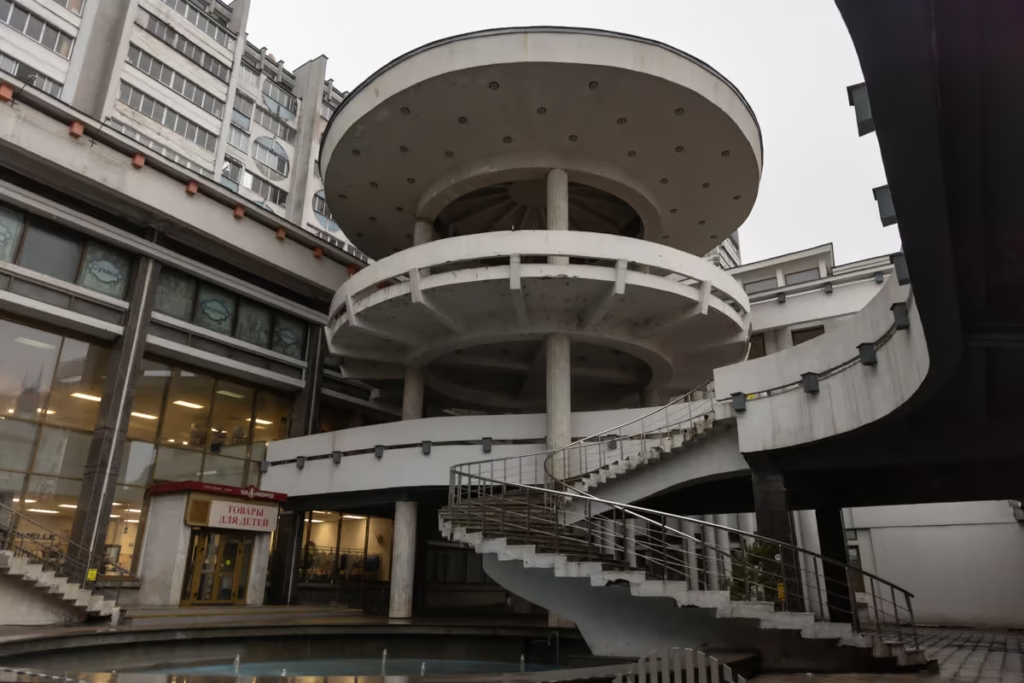
Belarus flies under the radar, but that’s exactly its appeal. From grand Soviet architecture to medieval castles, endless pine forests to buzzing creative scenes, it’s a country full of contrasts.
While it shares deep historical ties with Russia, it’s important to remember Belarus has its own identity, language, and cultural heartbeat. The people are warm in a quiet, sincere way, and traveling here feels refreshingly authentic with no tourist crowds. We were warmly welcomed by Belarusians across the country who were happy to meet visitors who were interested in finding out more about their culture and history.
If you’re craving something off the beaten path in Europe, Belarus might just surprise you.
General Travel Info
Currency in Belarus
Belarus uses the Belarusian Ruble (BYN), and as of January 2026, the exchange rates were:
- 3.45 BYN to 1 €
- 2.94 BYN to $1 USD
- 3.95 BYN to 1 £
Cash is still king in many places, especially outside major cities, so while you can use cards in Minsk, Brest, Gomel, or Grodno, you’ll want to have cash on hand in villages or at markets.
ATMs are easy to find, even in smaller towns. Just note: some international cards (especially U.S.-issued ones) occasionally glitch out at older machines, so bring a backup or two. Personally, we had no problems withdrawing money from US and UK bank cards.
Language
The two official languages are Belarusian and Russian, but Russian is what you’ll hear much of the time. English is spoken by younger people in cities, but don’t expect it everywhere. That said, people are friendly and willing to help, and Google Translate will get you pretty far.
Helpful phrases:
- дзякуй | dziakuj | Thank you
- привет | Privet | Hi
- где метро? | Gde metro? | Where is the metro?
When to Visit Belarus
Belarus has four distinct seasons:
- Spring (April–May): Nature wakes up, flowers bloom, and crowds are minimal.
- Summer (June–August): Best weather, long days, and loads of local festivals, but also the busiest.
- Autumn (September–October): Golden forests, mushroom picking, and crisp air, probably my favorite.
- Winter (November–March): Snow, Orthodox Christmas, and cozy vibes, go if you don’t mind the cold
Belarus Visa Information
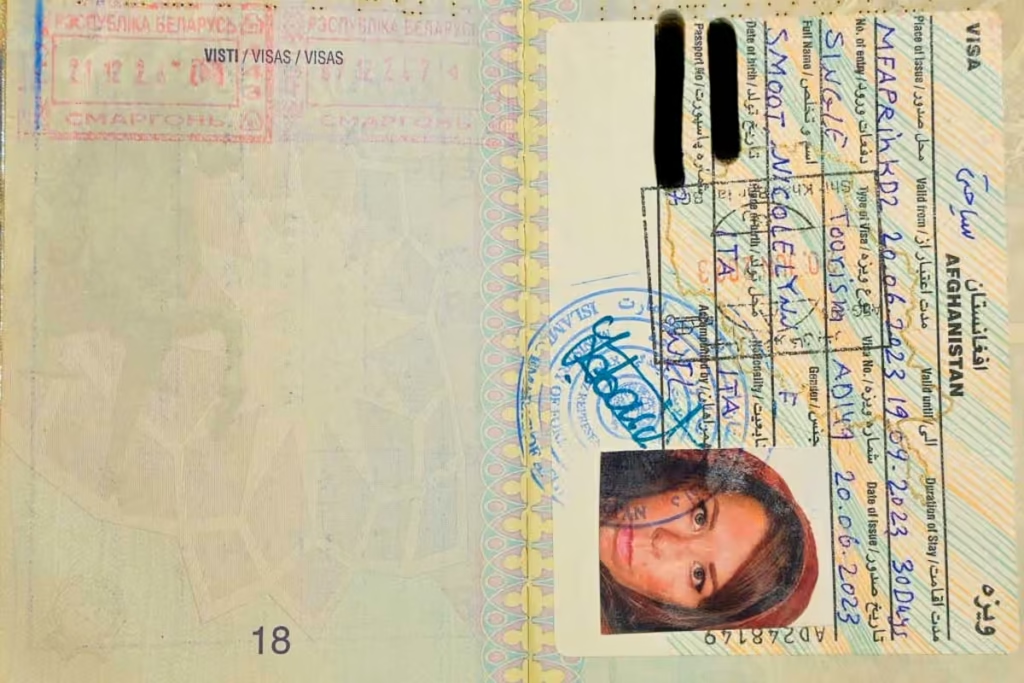
Belarus used to be one of the trickier countries to enter, but things have gotten easier.
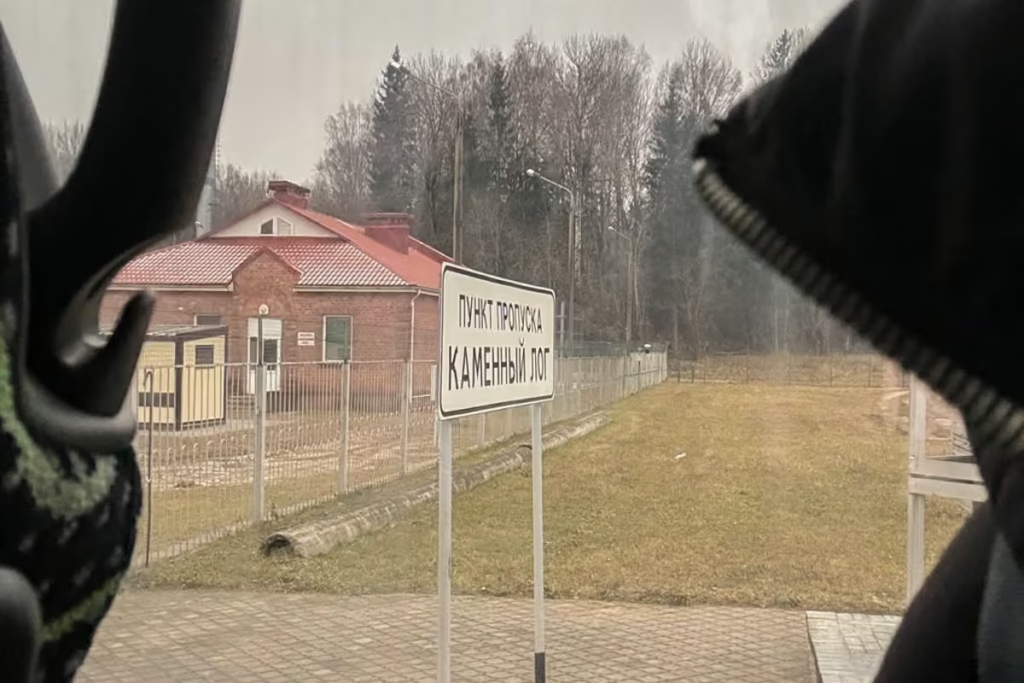
Visa-Free Access for up to 30 days is available for citizens of 70+ countries if you enter via Minsk National Airport. This includes Mexico, Canada, Australia, and others. That said, these nationalities will need to obtain a visa prior to arrival if they want to enter at the Belarusian land borders, such as the Medininkai–Kamenny Log Border Crossing between Lithuania and Belarus.
Some European passport holders, including those from the UK, may enter Belarus at any land border or airport visa-free for up to 30 days. This was extended until 31 December 2025.
US passport holders will need to obtain a visa in advance of their trip from a Belarusian embassy or consulate.
E-visas and traditional visas are required for longer stays or certain nationalities. Always double-check the latest updates at the Ministry of Foreign Affairs of Belarus.
Entry Requirements
- Valid passport with at least 6 months’ validity.
- Travel insurance covering Belarus is mandatory, and you may be asked for proof. My friend Rebekah was able to purchase one from the post in the UK, while my friend Jolie and I purchased ours through Beleximigarant, which was recommended by the Belarusian MFA.
- The Migration card is usually to be filled in upon arrival or online check-in. Hang onto this as it gets stamped on exit.
- Registration with the local authorities within 10 days of arrival is required. That said, hotels do this for you as well as some private accommodations (such as apartments).
Getting Around in Belarus
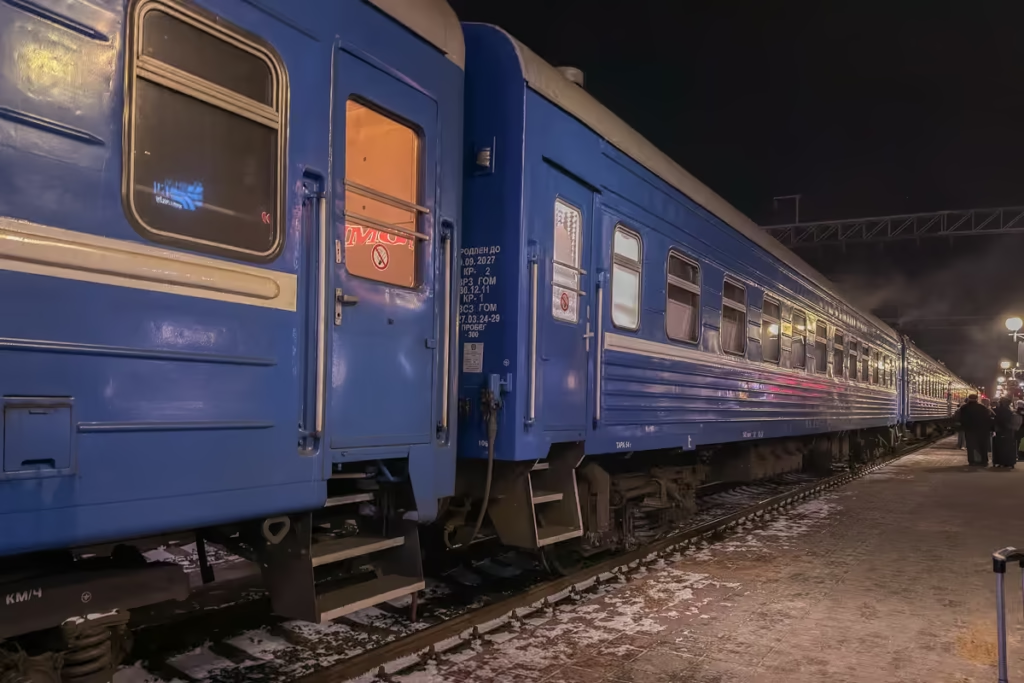
Belarus has excellent public transport. Clean, cheap, and punctual.
- Trains: Reliable for long distances—Minsk to Brest, Grodno, or Vitebsk. Book online at rw.by (yes, they have an English version!).
- Marshrutkas (minibuses): Fast and frequent, especially good for day trips. We used Atlas Bus to book some of the longer ones between cities in advance. Others are cash-only or payment at the station kassa.
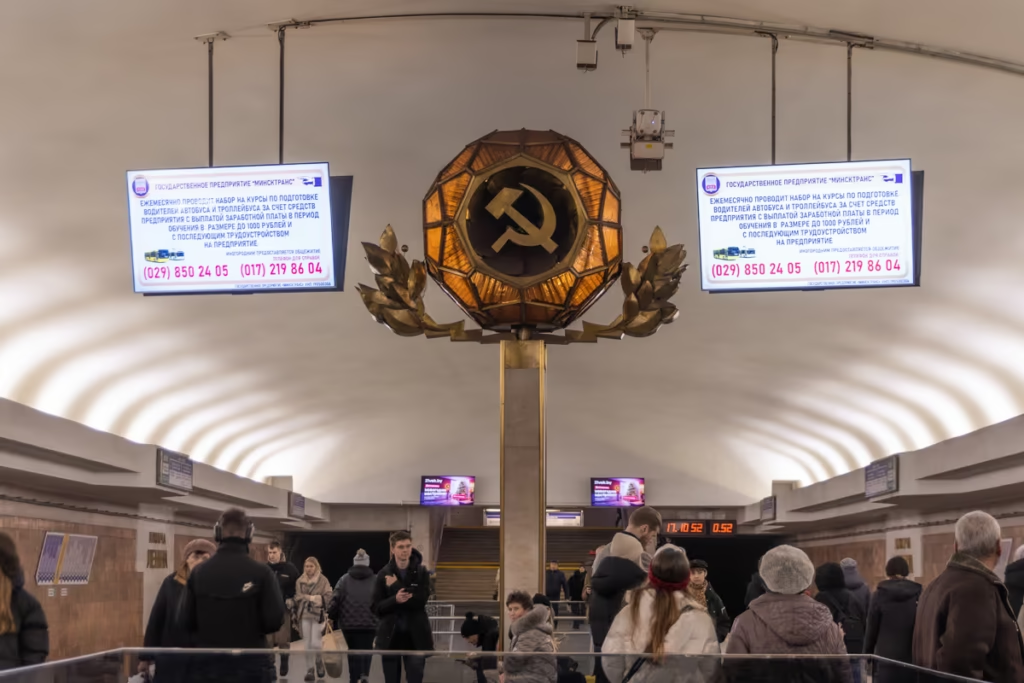
- Metro: The Minsk Metro has a solid two-line metro and is absolutely stunning. Rides are 0.90 BYN per ride.
- Taxis: Can be hailed from the street. You can also use Yandex Go for fair prices and less language barrier awkwardness.
- Car rental: Great if you want to explore remote countryside or national parks, but roads outside cities can be bumpy and signage is Cyrillic-only in some parts.
Communications & SIM Cards
Getting a SIM is cheap and easy. Major providers include A1, MTS, and life:).
You can buy a SIM at Minsk Airport or local shops (bring your passport). Expect to pay around 35 BYN for a local plan with unlimited data.
Wi-Fi is widely available in cafes and hotels, though rural areas can be patchy.
If you want to get a SIM before reaching Belarus, check out unlimited Belarus eSIMs with Holafly.
Booking Hotels in Belarus
Many international online booking platforms do not operate in Belarus. That said, we had no problems booking accommodations in advance. The main platform we used was Ostrovok. We did find that Hotels.com worked in Belarus and usually had a few listings for each city. Otherwise, plan to contact individual hotels via email or through their website in advance to book.
Food in Belarus
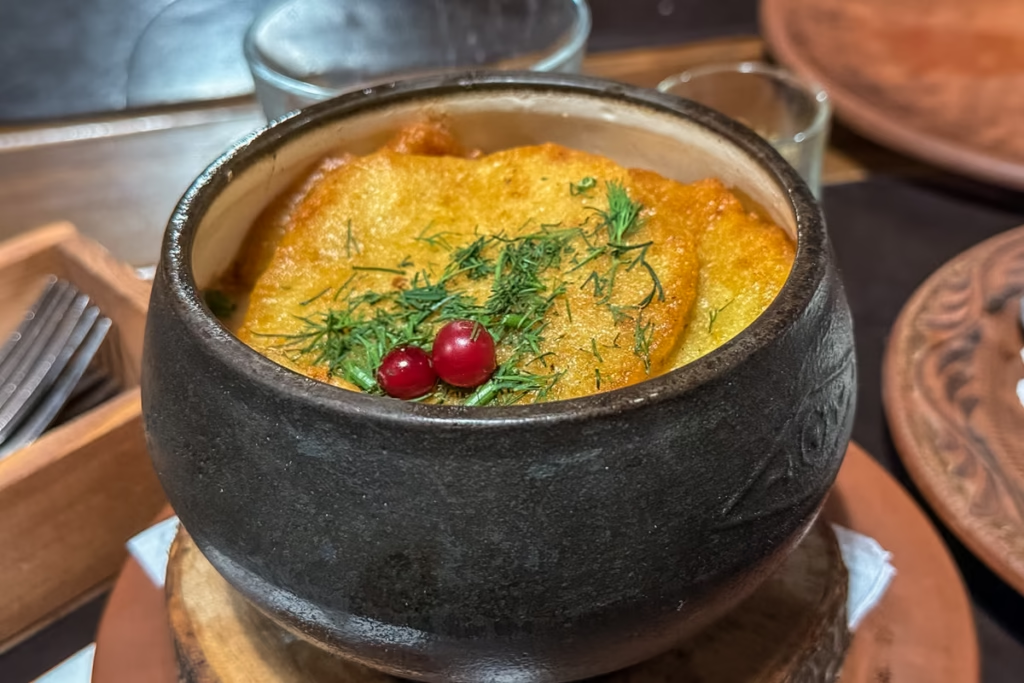
Hearty, filling, and way better than you’d expect. Think potato everything, stews, pickled veggies, and wild mushrooms galore.
Must-try dishes:
- Draniki: Crispy potato pancakes, often served with sour cream.
- Machanka: Pork stew served with pancakes or bread to dip—comfort food central.
- Kolduny: Stuffed meat dumplings or potato cutlets.
- Kvass: Fermented rye drink (like a cross between soda and beer).
Vegetarian? Options are limited but doable. Case in point: Rebekah did not starve while we were traveling Belarus. Look for mushroom dishes, salads, and syrniki (cottage cheese pancakes). Minsk has a few veggie-friendly cafes.
Where to Visit in Belarus (by Region)
Minsk Region
Minsk
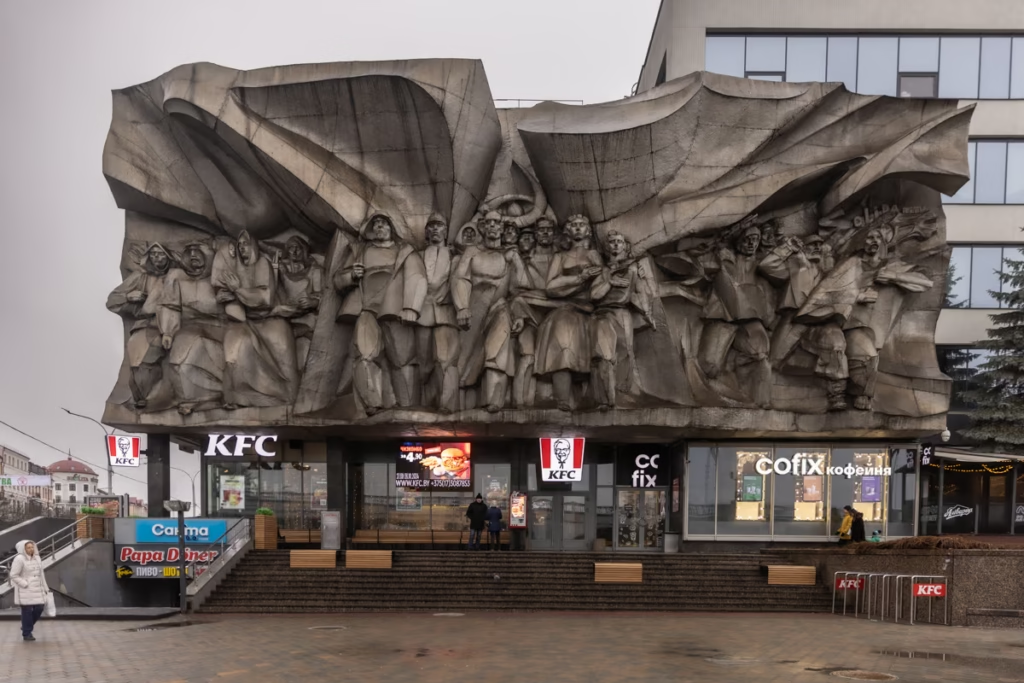
Minsk is a gorgeous city, where Soviet grandeur meets hipster cafes. Visit Independence Square, the old KGB Building, the bold Brutalist Minsk Metro stations, and soak up the creative scene in Oktyabrskaya Street’s repurposed factories. But there’s more to the Belarusian capital than meets the eye.
Wide boulevards lined with monumental Stalinist architecture make Minsk feel a bit like a movie set from a Cold War epic, but look closer and you’ll spot indie bookshops, espresso bars, and street art sneaking through the cracks. The city’s been through a lot— WWII devastation, post-Soviet transformation, and it’s that layered history that gives it such depth.
Spend your days museum-hopping, picnicking in Victory Park, or strolling the wide boulevards. Come evening, join locals for craft beer in a grungy basement bar or a sunset walk past the riverside fountains. Minsk is big, bold, and we all absolutely fell in love with it.
Hotel Recommendations in Minsk
We opted for the Astoria Hotel (listed online as the Imperial Palace Hotel) for our stay in Minsk, as we were able to find a room for three people there. Those traveling solo and on a budget may want to check out the Loft Hostel Minsk.
Stalin Line Complex
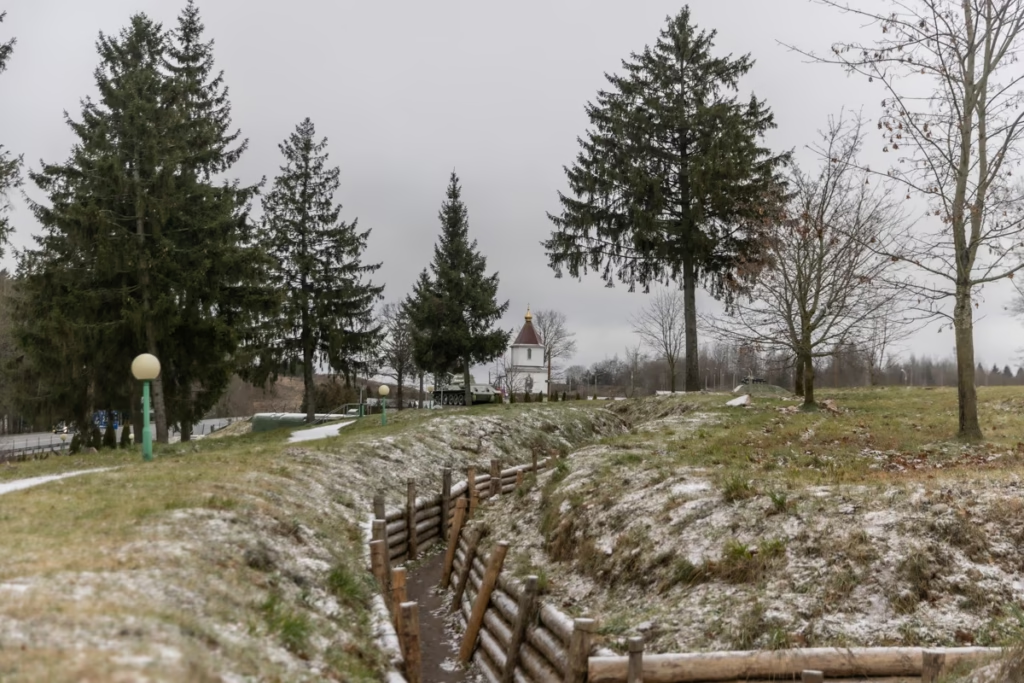
The Stalin Line was a line of fortifications that were cosntructed along the Soviet Union’s western border. Now, the Stalin Line Complex serves as part open-air museum and part Soviet-era theme park with Cold War throwback, including tanks, trenches, and even bunkers.
Slutsk
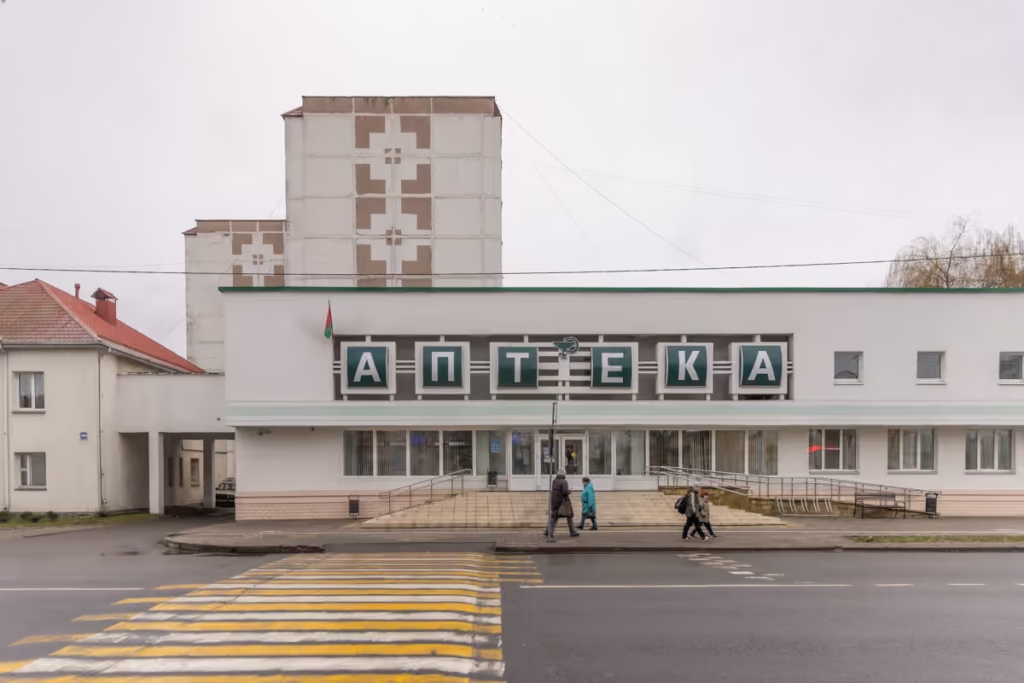
Tucked just 100 km south of Minsk, the quiet town of Slutsk doesn’t make many itineraries, which is a shame, because it’s got some fascinating stories woven into its fabric. And a funny name, which is what lured us here initially.
Slutsk is best known for the legendary Slutsk belts. Ornate silk sashes once worn by the Polish-Lithuanian nobility. These belts were more than just fashion; they were status symbols so precious that they were often passed down like family heirlooms. You can learn all about them at the Museum of Slutsk Belts, where the craftsmanship will make your jaw drop (or at least make you rethink your current belt collection).
Beyond the belts, you’ll find pretty Orthodox churches, pastel-painted houses, and wide, leafy streets that seem to invite slow strolls. It’s a solid half-day trip if you’re exploring the Minsk region.
Mir & Nesvizh Castles
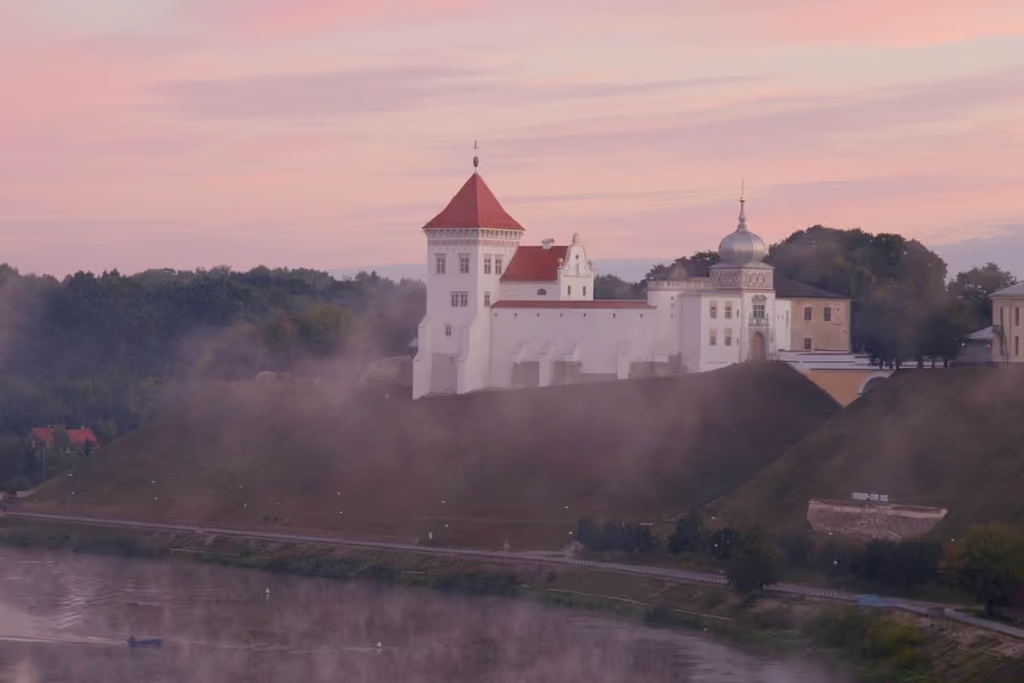
Mir & Nesvizh Castles are usually combined in a single day trip from Minsk or from Grodno. Both Mir & Nesvizh Castles are UNESCO-listed palaces that look straight out of a Disney fairytale.
Brest Region
Brest
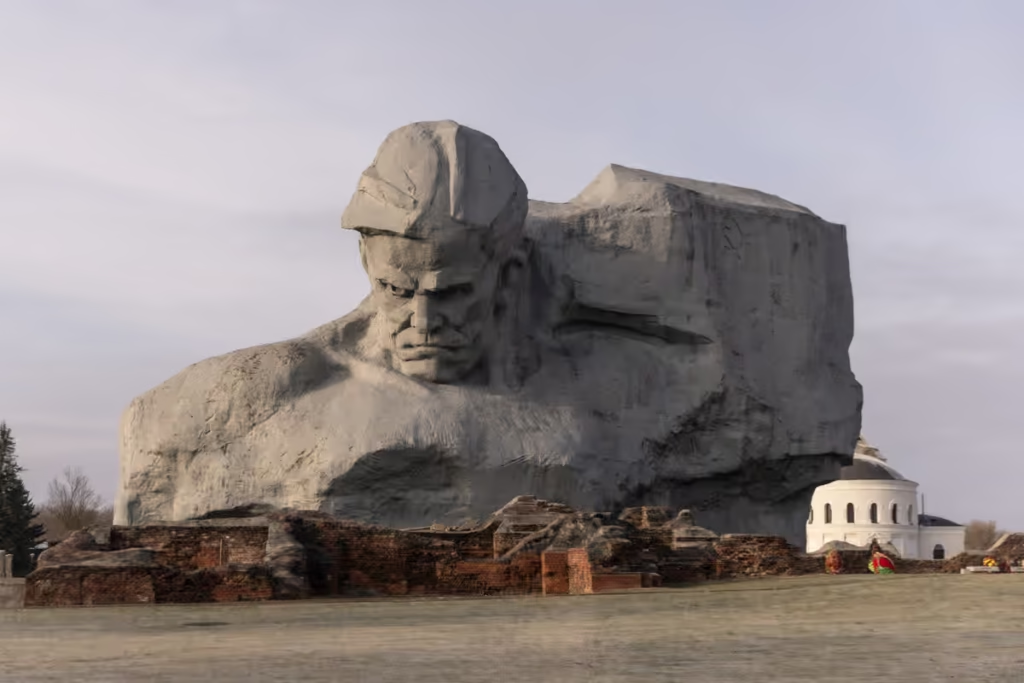
Famous for the Brest Fortress Complex, grand WWII memorials, and a lively pedestrian street with gaslamp lighters in vintage uniforms, Brest is a must on most Belarus itineraries.
Those who are crossing the border from neighboring Poland will likely pass through Brest en route to other destinations in Belarus, so make sure to pencil in at least a couple of days for Brest.
Hotel Recommendations in Brest
In Brest, we opted for the unique Bug Hotel, themed after the late Soviet singer-songwriter Vladimir Vysotsky. An upscale option recommended was the Hermitage Hotel.
Belovezhskaya Pushcha National Park
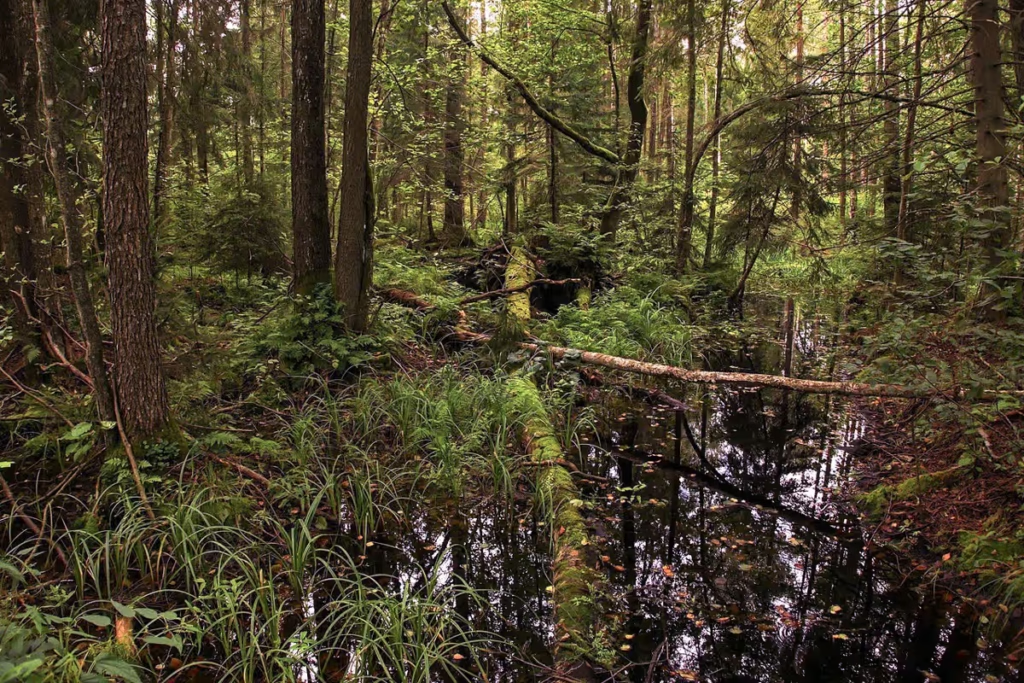
Belovezhskaya Pushcha National Park is Europe’s last primeval forest and home to a sizable population of the European bison. Additionally, Belovezhskaya Pushcha was listed as an Important Bird Area. Think fairy tale forest, roaming with bison and birdlife.
Kamenets is the nearest town to Belovezhskaya Pushcha National Park at 20 kilometers away, and next is Brest at 60 kilometers away, making it a great day trip from either.
Grodno Region
Grodno
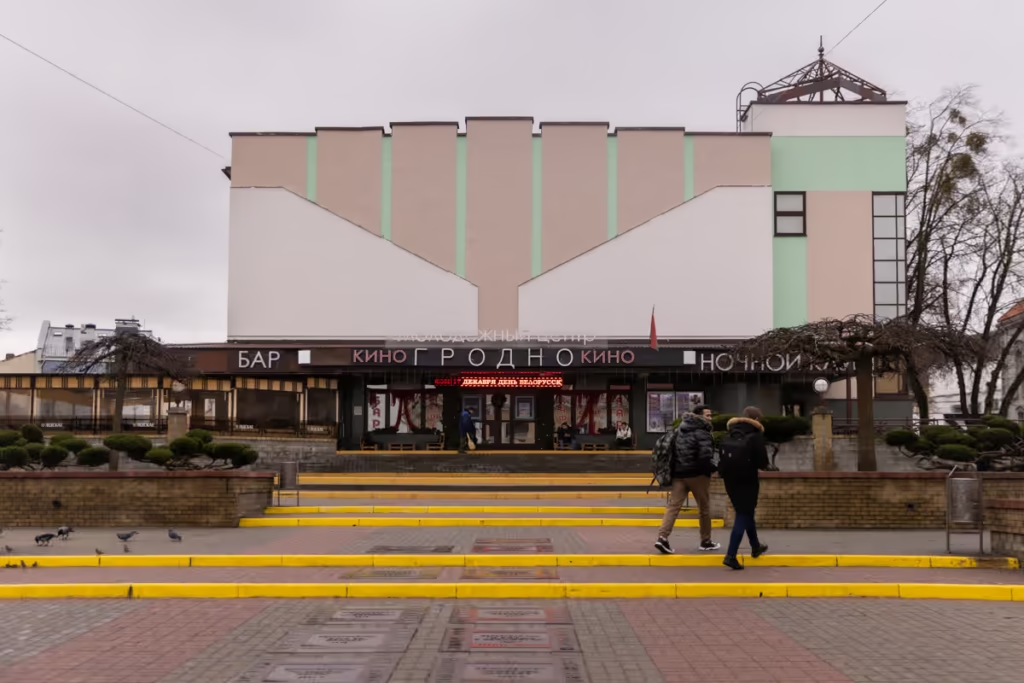
At less than 30 kilometers from the Lithuanian Border, Grodno has a different feel to it. Think charming old town vibes with Baroque churches and cobblestone streets. Also home to a quirky pharmacy museum and the oldest synagogue in Belarus.
Hotel Recommendations in Grodno
In Grodno, we ended up renting a little apartment for our stay, but recommended options include the centrally located Neman Hotel, the beautiful boutique Kronon Park Hotel across the Neman River, and Soviet-nostalgic Turist Hotel.
Lida
Lida makes for a perfect day trip from Grodno or as a stop-off between Minsk and Grodno to break up the journey. Lida is most famous for its medieval castle with legit towers you can climb.
Svisalch
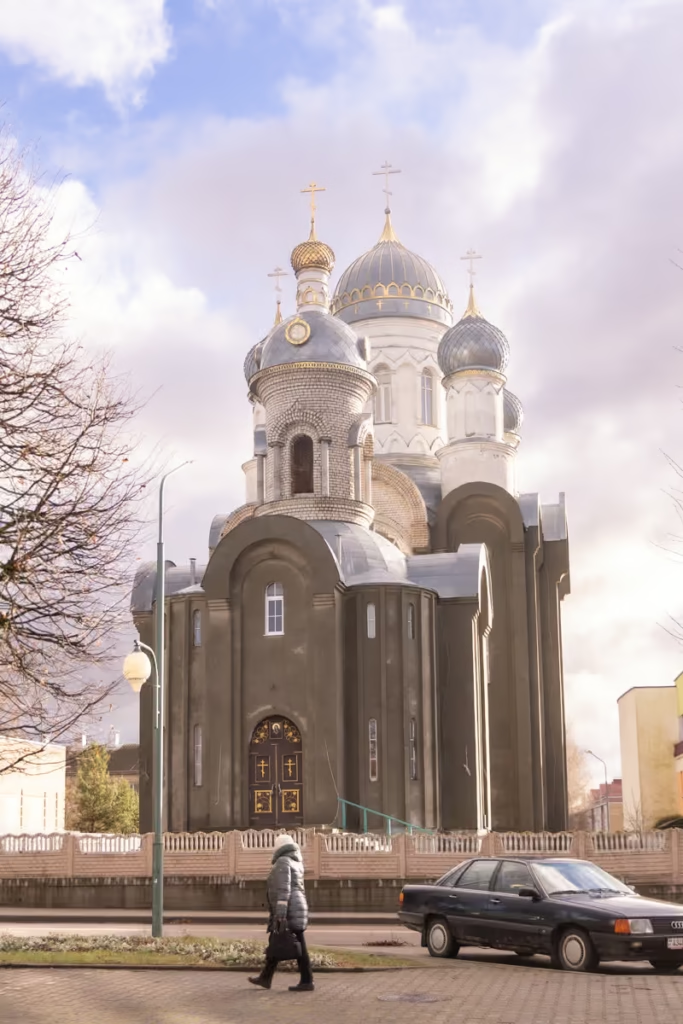
80 kilometers south of Grodno is the small town of Svislach. It lands on almost no one’s Belarus itinerary, but we (I mean Rebekah) traveled there for one thing: a lonely Stalin statue in the middle of town. There are a couple of restaurants, bars, and a beautiful Orthodox cathedral in Svislach.
Gomel Region
Gomel
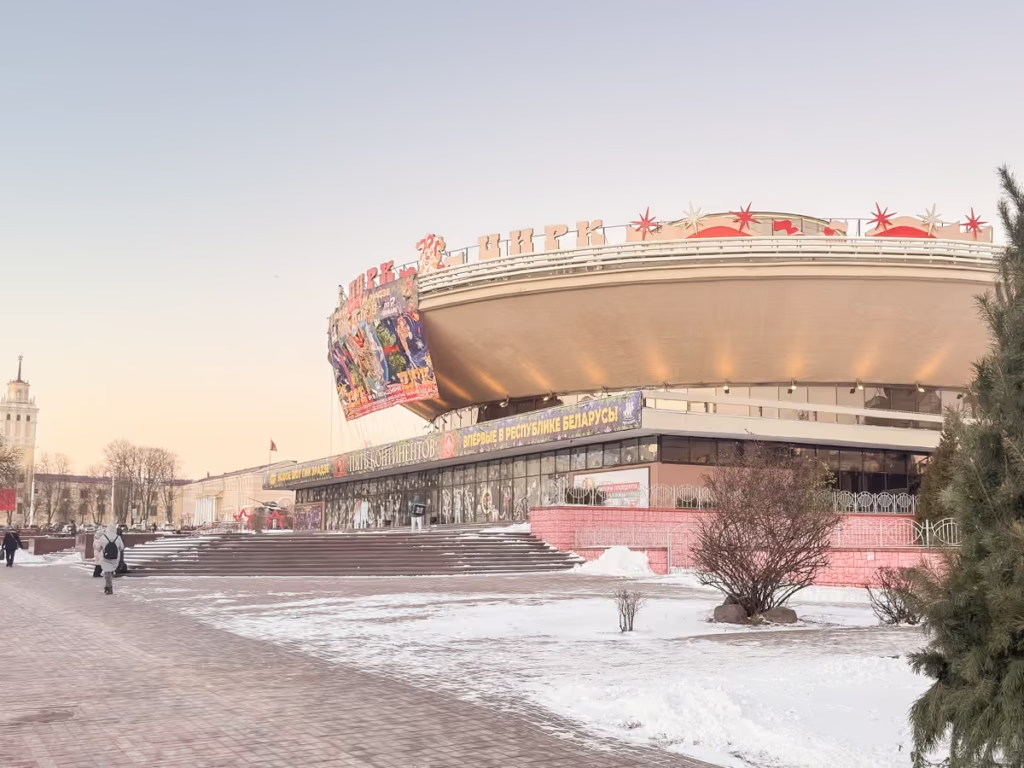
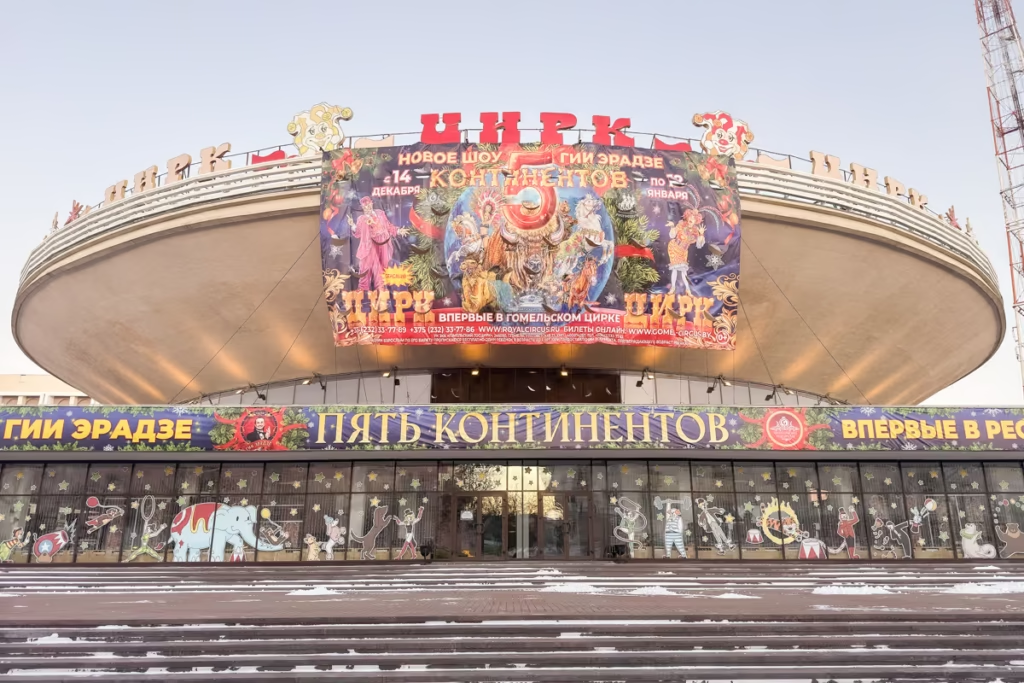
Minsk aside, Gomel was our favorite city in Belarus. It doesn’t have much in the way of major things to do, but it’s a great place to just hang out and experience the slower-paced lifestyle of a city near the border with Ukraine. Gomel does boast elegant parks, a riverside palace complex, and a strong 19th-century vibe.
Hotel Recommendations in Gomel
We opted for the Park Hotel for our stay in Gomel, but City Hotel and the Tourist Hotel were also decently rated.
Belarus Exclusion Zone (Polesie State Radioecological Reserve)
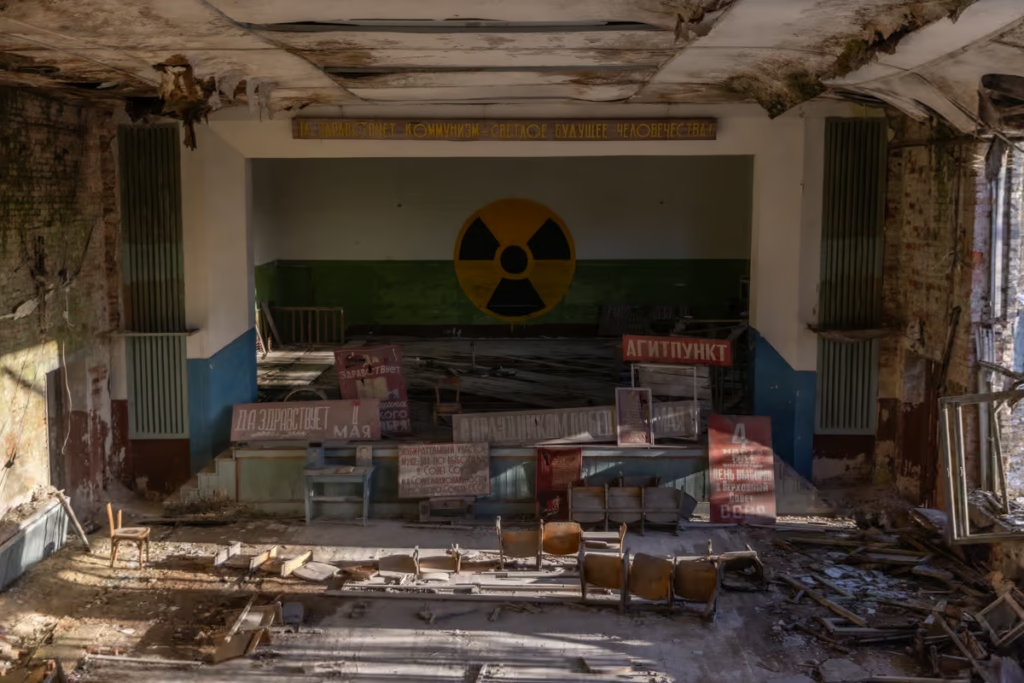
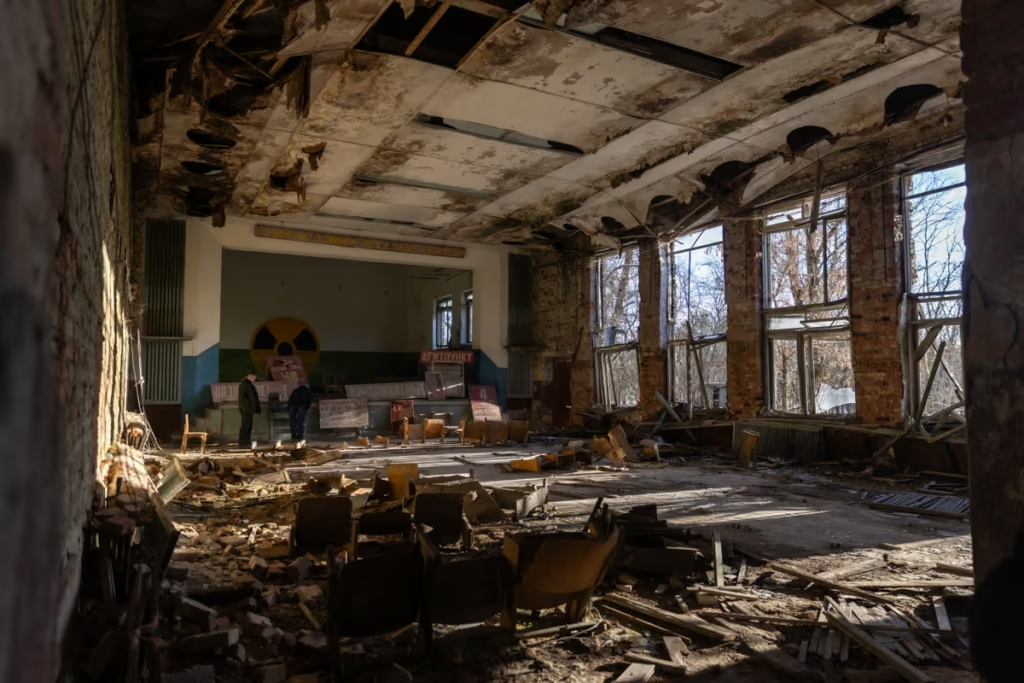
Belarus suffered immensely from the 1986 Chernobyl Nuclear Disaster across the border in Ukraine, with the majority of the nuclear fallout landing in Belarus due to wind directions.
Shortly after the explosion, the majority of villages in the deep south of Belarus were evacuated- think buses turning up and citizens being told to board and leave right that very moment with no notice, leaving their entire lives behind. This whole area has become known as the Belarus Exclusion Zone.
The Belarus Exclusion Zone remained sealed off from the outside world for decades because of the nuclear contamination. That is, until “stalkers” (the local people who would sneak onto the territory to explore the remains of these villages) started to turn up. Eventually, the area was designated as the Polesie State Radioecological Reserve (PSRER), and scientists were brought in to study the area.
Fast forward to the present day, and it is safe enough to visit the Belarus Exclusion Zone for short periods (1-3 days). You do have to gain prior clearance to visit and need to be on a guided tour, in which we recommend going with Peter of Exclusion Zone BY.
Vitebsk Region
Vitebsk
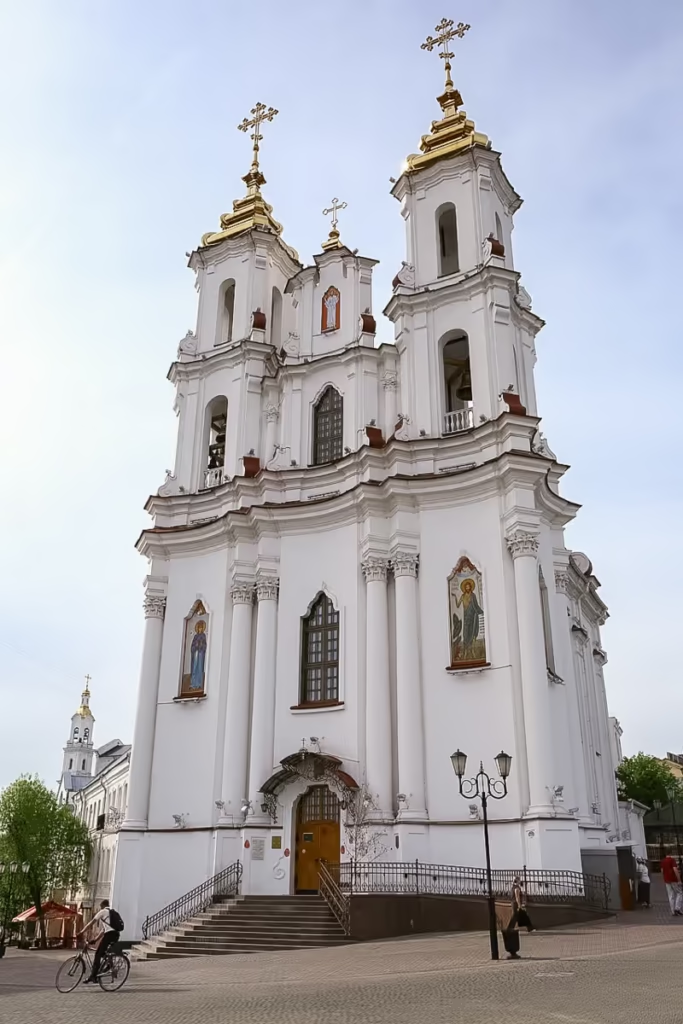
Often dubbed the cultural capital of Belarus, Vitebsk is best known as the birthplace of Marc Chagall, and the city leans into that legacy with pride.
You’ll find his dreamy, floating figures splashed across murals, celebrated in the Chagall House-Museum, and echoed in the city’s art galleries and street corners. But Vitebsk is more than just Chagall’s hometown; it’s one of Belarus’s oldest cities, with a rich past and a creative pulse that still runs strong today.
Time your visit for Slavianski Bazaar in July, and you’ll catch the city in full technicolor with folk dancers, pop concerts, and a contagious festival buzz. The rest of the year, Vitebsk is slower-paced.
Stroll along the Dvina River, pop into leafy cafés, and take in the glowing golden domes of the Assumption Cathedral at sunset.
Polotsk
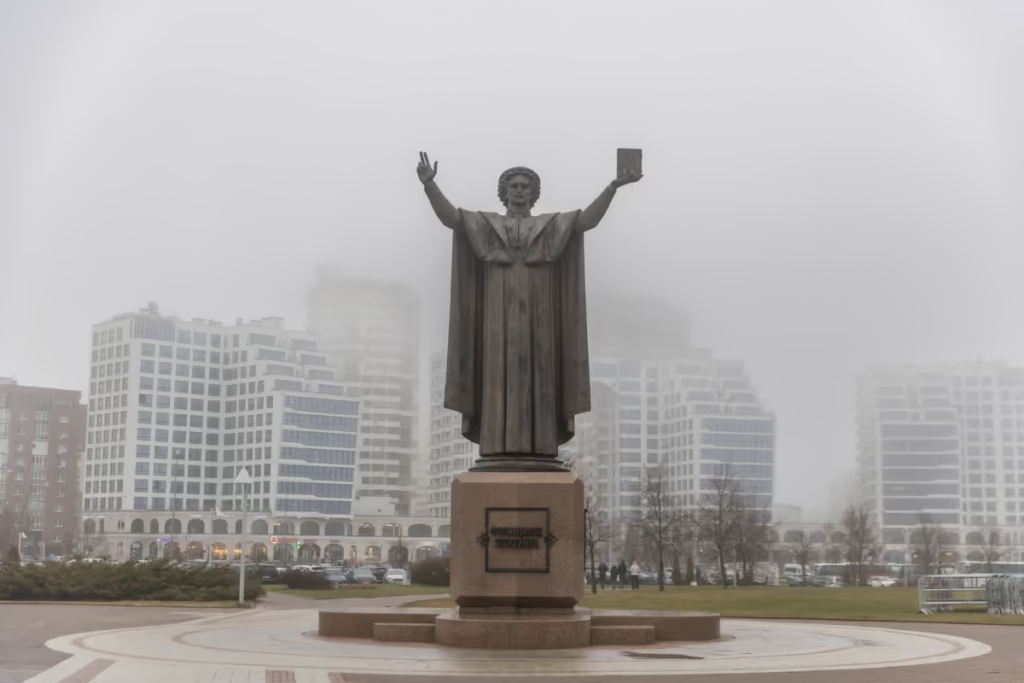
Polotsk wears the title of Belarus’s oldest city like a quiet badge of honor. Founded in 862, this was once the spiritual and cultural heart of the region, home to saints, scholars, and the first Belarusian books. You can still feel that gravitas today while wandering the grounds of the Sophia Cathedral or exploring the Museum of Belarusian Book Printing, which honors local legend Francysk Skaryna, the Slavic world’s early printer and intellectual pioneer.
Despite its historical weight, Polotsk is peaceful and easygoing with wide, leafy streets, riverside strolls, and quirky landmarks like the Monument to the Letter “Ў” give it a unique charm.
Mogilev Region
Mogilev
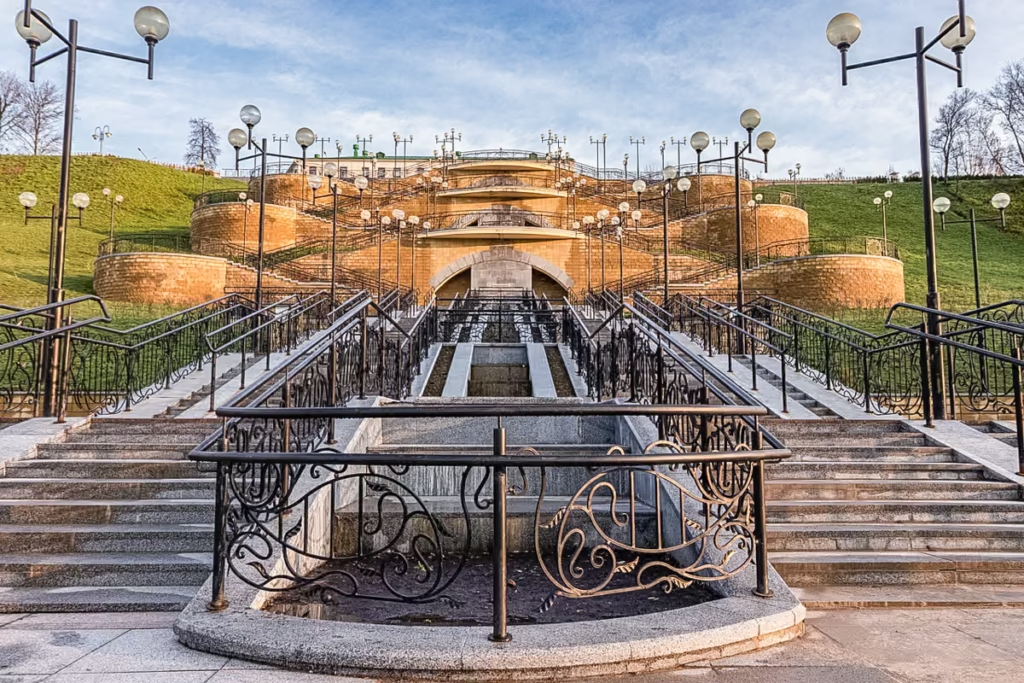
Often skipped in favor of flashier cities, Mogilev flies under the radar, which makes stumbling upon its quiet charm all the more rewarding. Sitting along the Dnieper River, this eastern Belarusian city blends a mix of imperial elegance, Soviet heft, and unexpected quirks. The star of the show is Ploshchad Lenina, one of the grandest squares in Belarus, flanked by dramatic Stalinist architecture and anchored by the colossal Lenin statue doing his eternal strut.
But Mogilev isn’t all concrete and communist nostalgia. It’s also home to one of Belarus’s most whimsical landmarks: the Astrologer’s Sculpture, perched near the old town clock tower, where a bronze astrologer sits gazing at the stars—hands-down one of the most photogenic spots in the city. Toss in leafy parks, a peaceful riverfront, and a surprisingly cool planetarium, and you’ve got yourself a laid-back city with just enough edge to keep things interesting.
For those who make it to Mogilev, check out the Metropol Hotel.
Buinichi Field
Near the village of Buinichi, on the outskirts of Mogilev, is Buinichi Field. It opened as a memorial to those who defended the city of Mogilev in July 1941 from the Nazi invaders.
Is Belarus Safe for Travelers?
Crime rates are low, and Belarus is generally very safe for solo travelers, including women. People are polite, curious, and reserved.
That said:
- Political protests and surveillance are a thing. Avoid controversial political discussions with people you don’t know well and stay away from demonstrations.
- Don’t snap government buildings, soldiers, or infrastructure such as military installations, borders, etc.
- LGBTQ+ travelers: As with most countries in Eastern Europe, attitudes can be conservative. Discretion is advised, especially outside Minsk.
Final Thoughts on Visiting Belarus
Belarus might not be the obvious choice for your next European adventure, but that’s kind of the point. It’s raw, real, and unexpectedly beautiful. Whether you’re diving into its Soviet past, sipping kvass in a pine forest village, or watching dusk fall over a golden-domed Orthodox church, Belarus will pull you in.
Have any Questions about Visiting Belarus?
Ask all of your Belarus travel questions in the comments section below. Been to Belarus already? Let us know your favorite places in the comments.