Rabban Hormizd Monastery in Alqosh
Updated September 2025, Rabban Hormizd Monastery in Alqosh was originally published in July 2020
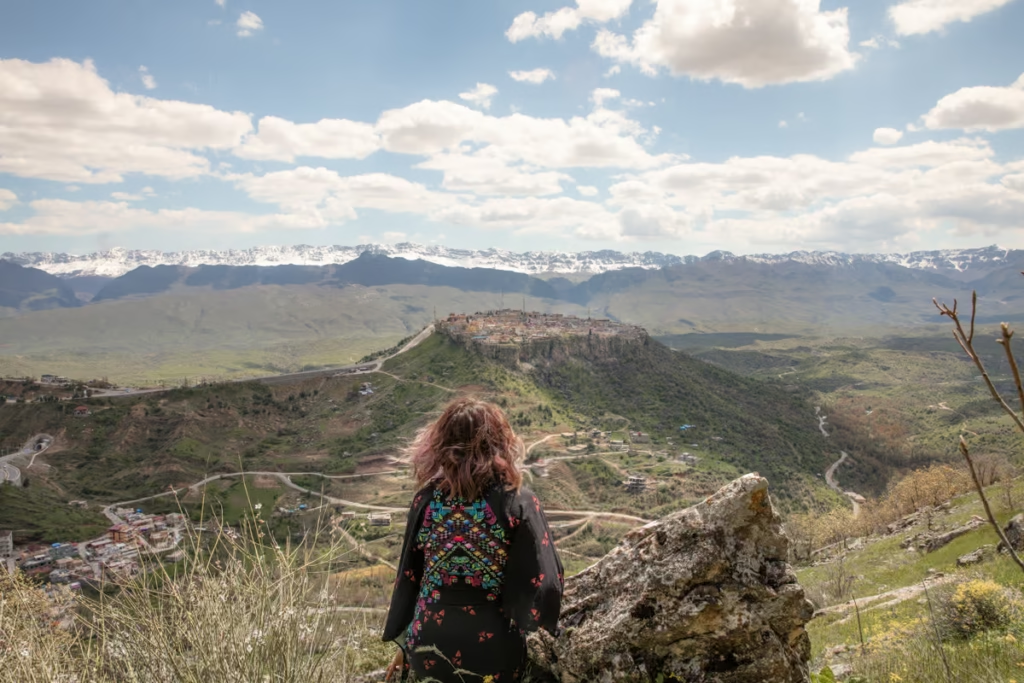
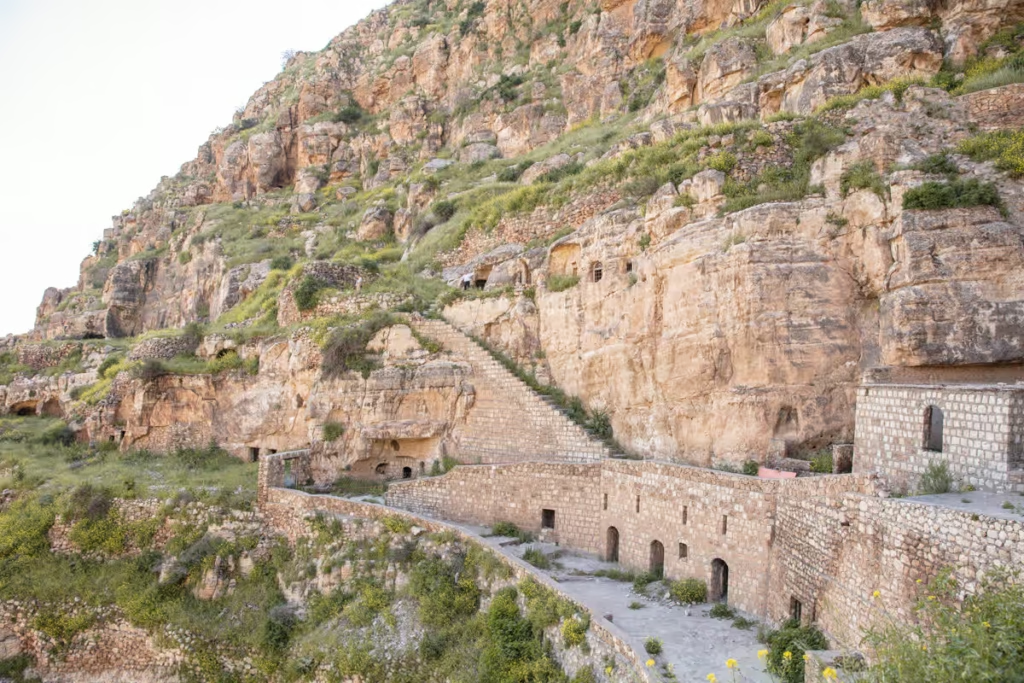
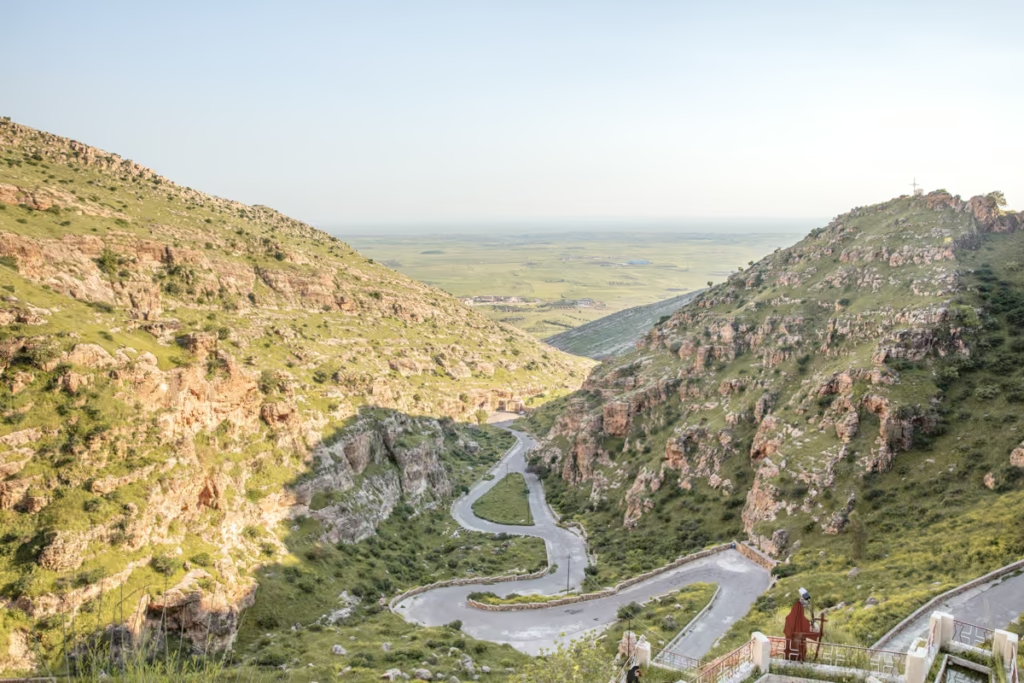
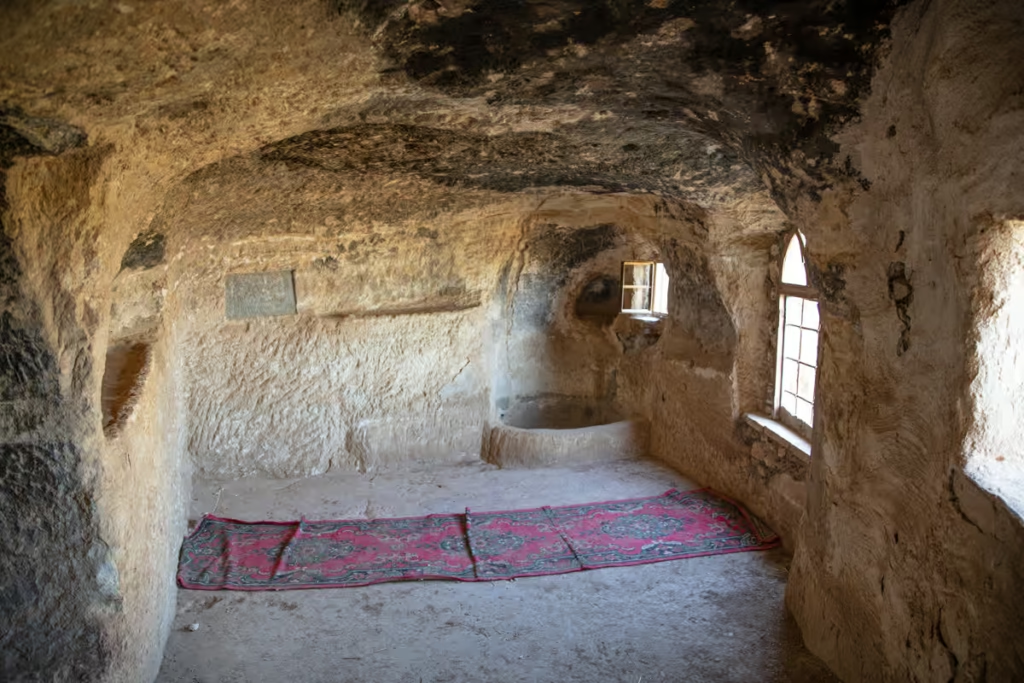
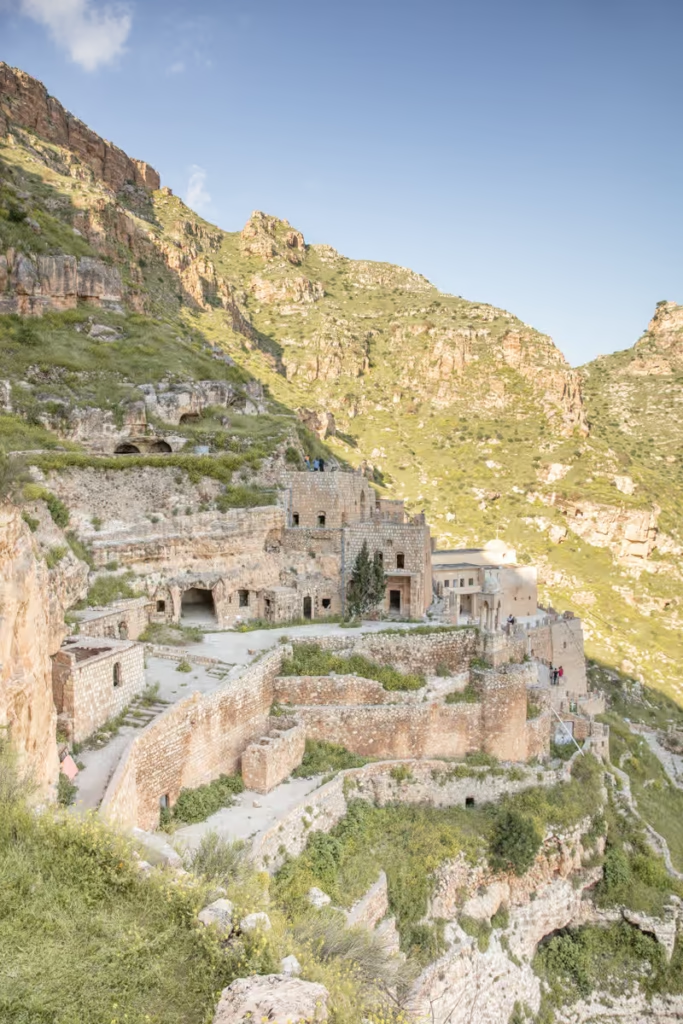
Dating back to 640 AD, the Rabban Hormizd Monastery sits clung and carved into a mountainside just outside the town of Alqosh, located in what is now under the control of Iraqi Kurdistan. The Rabban Hormizd Monastery would go on to become one of the holiest sites for the Chaldean Catholic Church. The Chaldeans are an ethnoreligious group, that originated from the Church of the East, many of whom are descendants of ancient Assyria.
Start planning your trip here: A Quick Guide To Iraqi Kurdistan
Pick up a copy of Bradt Iraq to help in the planning stages too!
Need Travel Insurance?
Start shopping for travel insurance plans over at IATI Insurance. Readers of the Adventures of Nicole get a 5% discount off your plan.
A Quick History Of The Rabban Hormizd Monastery
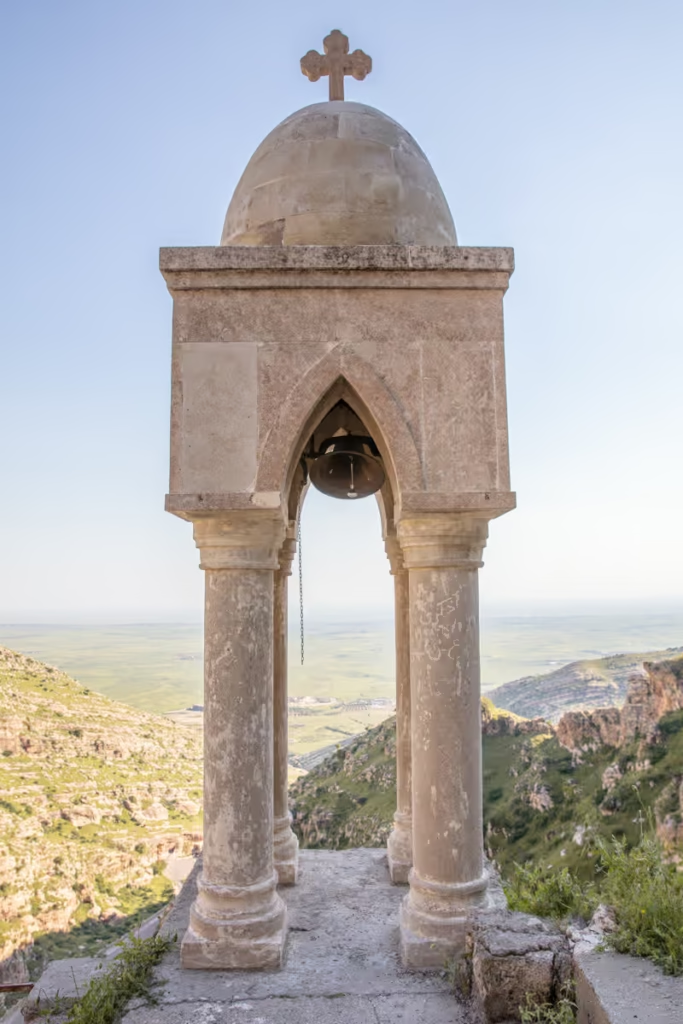
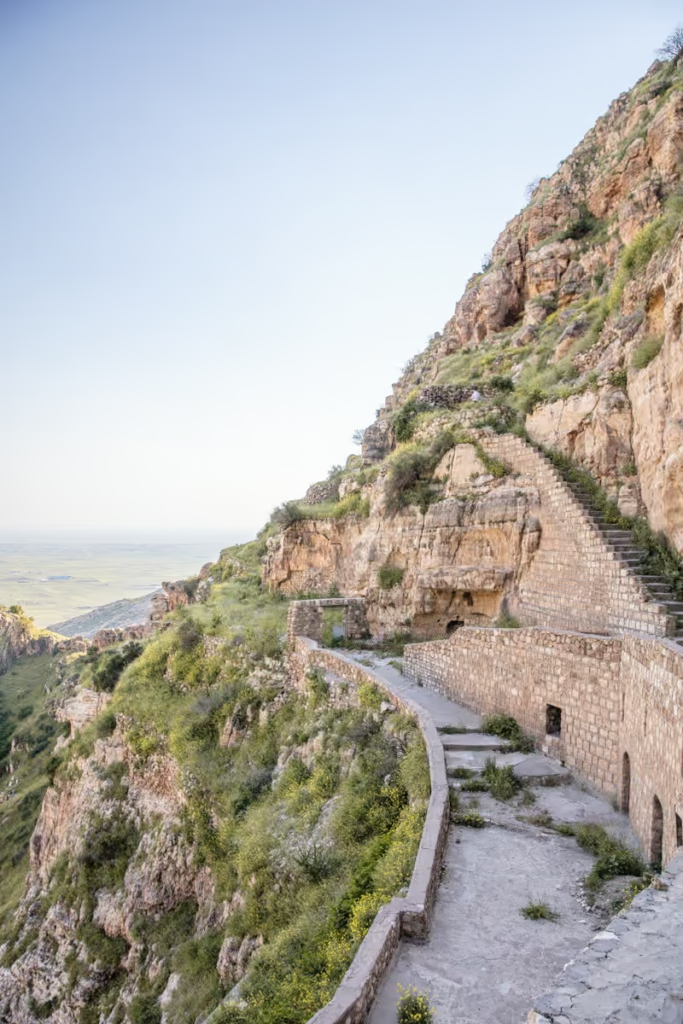
The Rabban Hormizd Monastery was founded by Rabban Hormizd in the 7th century as mentioned above. Rabban Hormizd was a monk who was born in what is modern-day Khuzestan in Iran, but at the time of his birth was under the control of Sassanid Assyria. He spent most of his life as a monk to the Church of the East.
At the age of 18, he began traveling west with the goal to reach Egypt to become a monk there. Fate had it that he would meet three monks from the church of the east near the beginning of his journey who would convince him to come to Bar Idta Monastery with them and join them, in which he did.
He spent nearly 40 years there before briefly joining the Monastery of Abba Abraham of Risha. In his mid-60s he left the Monastery of Abba Abraham of Risha and eventually settled in the mountains of Iraqi Kurdistan near the Chaldean city of Alqosh. The Chaldean inhabitants of Alqosh, in turn, built the Rabban Hormizd Monastery for him.
Yohannan Sulaqa, who would go on to become the first patriarch of the Chaldean Catholic Church served as a monk at Tabban Hormizd Monastery before going to Rome. The schism of the Holy See and the Church of the East was marked by Yohannan Sulaqa becoming the first patriarch.
The monastery served as the Chaldean patriarch residence from the start of the schism in 1553 and the reunion of the Chaldean Catholic Church and the Holy See in the 18th century.
By the mid-18th century, the monastery would go on to be left mostly abandoned after several attacks on the Kurds as well as disease outbreaks of this era. At the beginning of the 19th century, the Rabban Hormizd Monastery was rebuilt and restored.
By 1838 the monastery suffered another attack. In 1859 Joseph Audo decided to replace the monetary, having the Notre Dame des Semences built less than two kilometers away. Despite the replacement of the monastery, the Rabban Hormizd Monastery is still an important religious site for Chaldeans.
Make a day out of it: Visit Lalish after Alqosh
Visiting Rabban Hormizd Monastery In Alqosh Now
In 2014 the Islamic State began a series of attacks on Christian sites in Iraqi Kurdistan, capturing Mosul in the process and sending its Christian and other inhabitants fleeing to other parts of the country and region. The Islamic State managed to push north toward Alqosh, making it perilously close to the city but thankfully not any further.
Plan your trip: The 10 Day Iraqi Kurdistan Itinerary
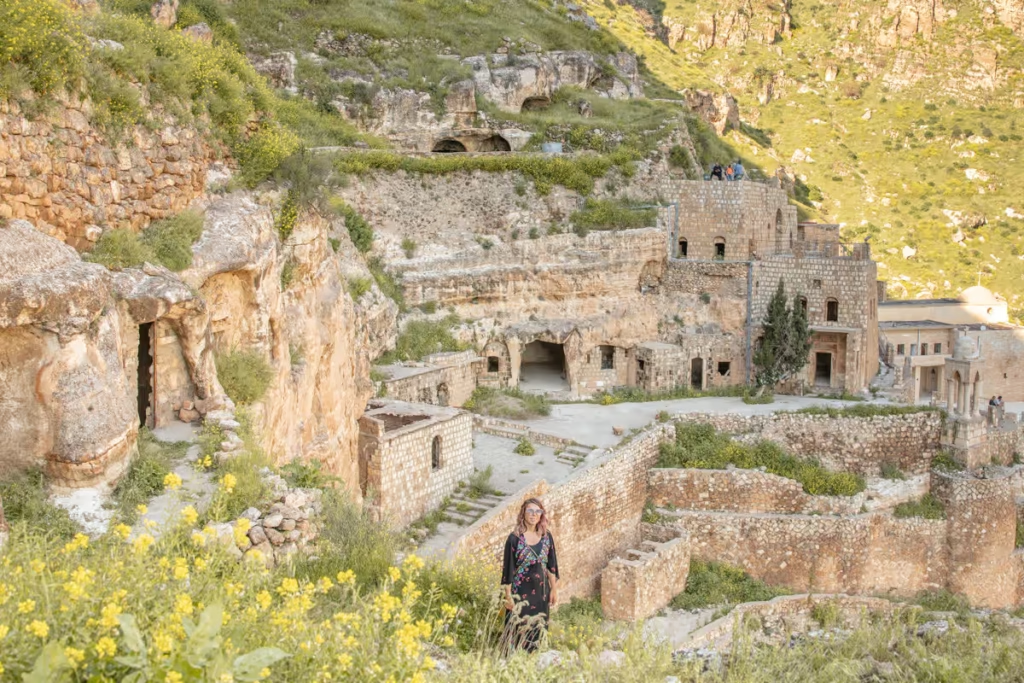
I was able to meet a man by the name of Ehab who lives at the monastery and gave me the grand tour, explaining the history of the monastery as I walked around. There was also a large class of history students from Erbil there too that day as part of a field trip to learn more about the monastery.
Going to Erbil? Check out my Erbil Travel Guide
How To Get To Alqosh
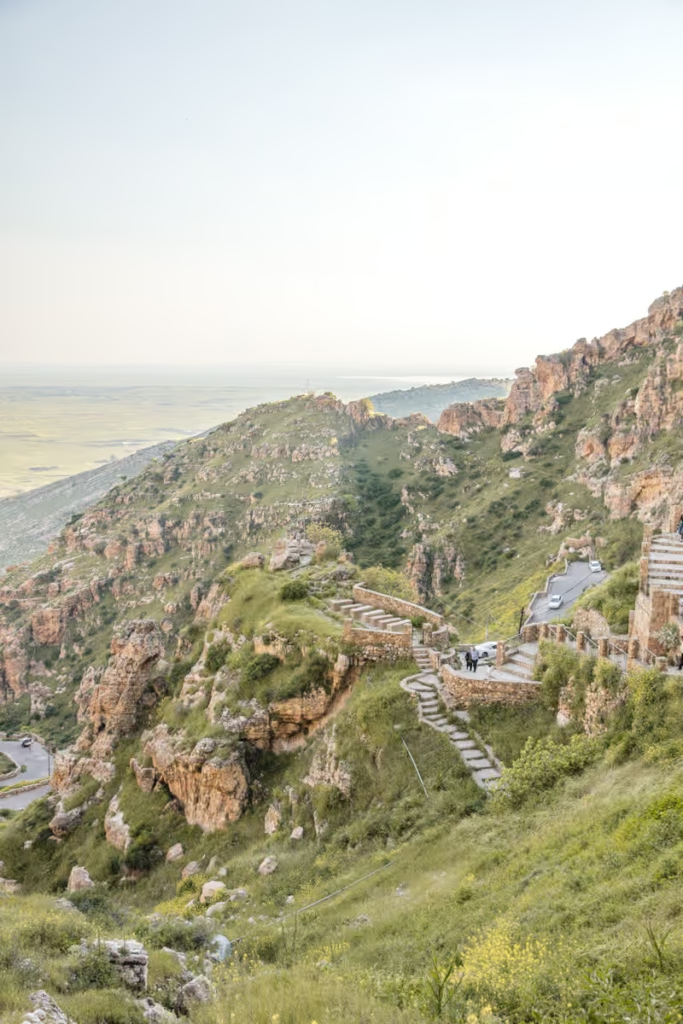
I had hired a car for my trip to Alqosh and Lalish, as I couldn’t track down any information on getting to Alqosh by shared taxi (with the expectation that I would walk up to the Rabban Hormizd Monastery and back to Alqosh. I have heard of people hitchhiking to the monastery.
Plan your visit to the nearby Yazidi site of Lalish
Have Any Questions About Visiting The Rabban Hormizd Monastery In Alqosh?
Ask in the comments section below.
More posts from Iraq
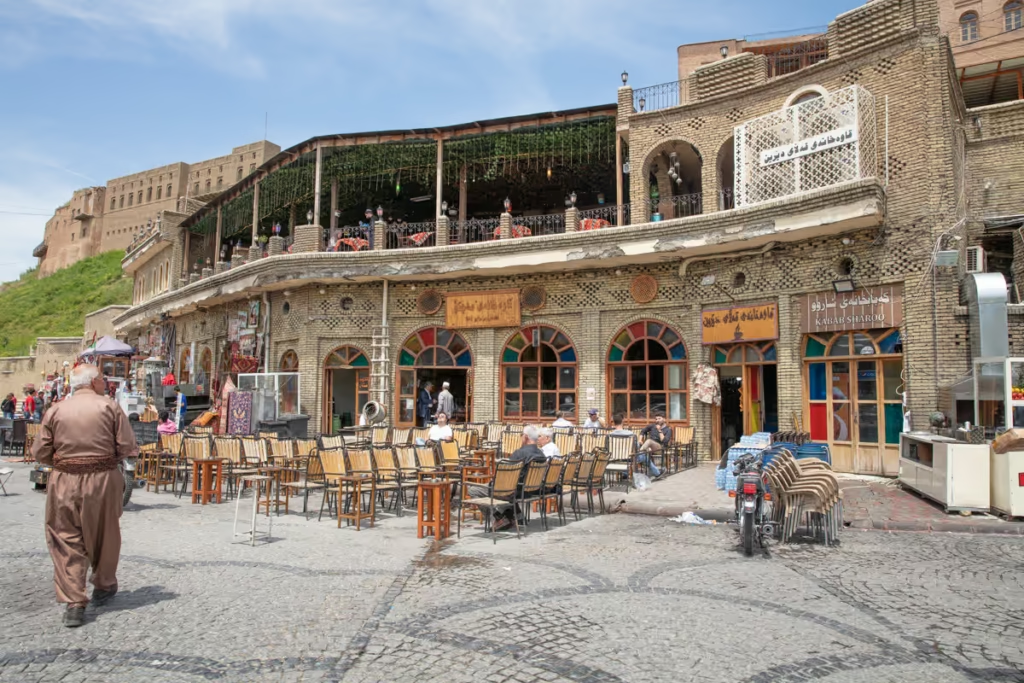
Erbil Travel Guide
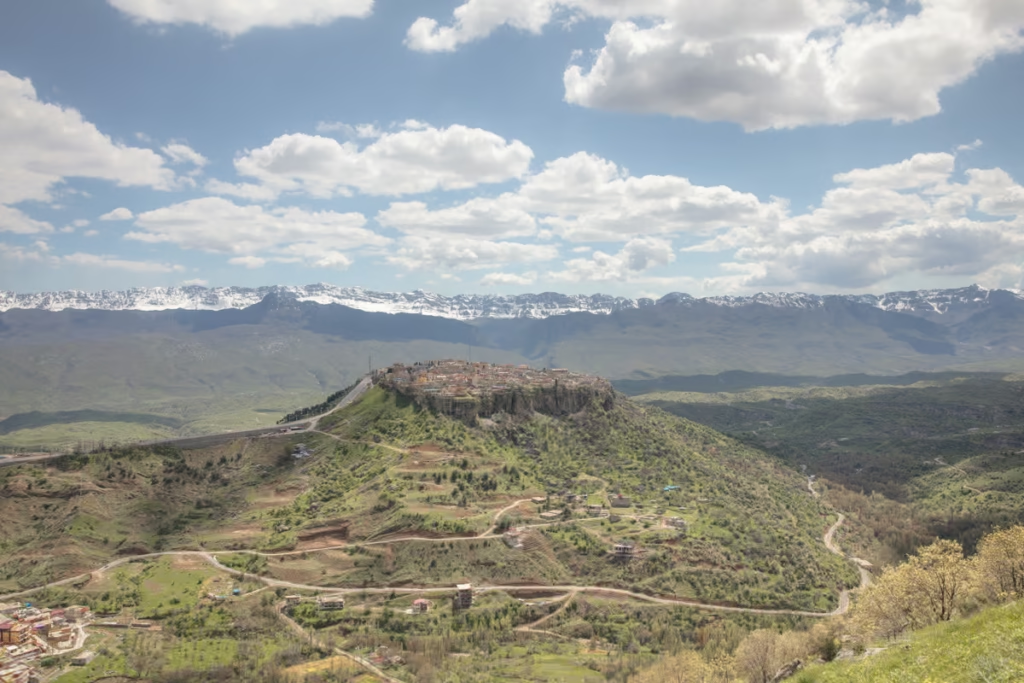
Visiting Amedi, Iraqi Kurdistan
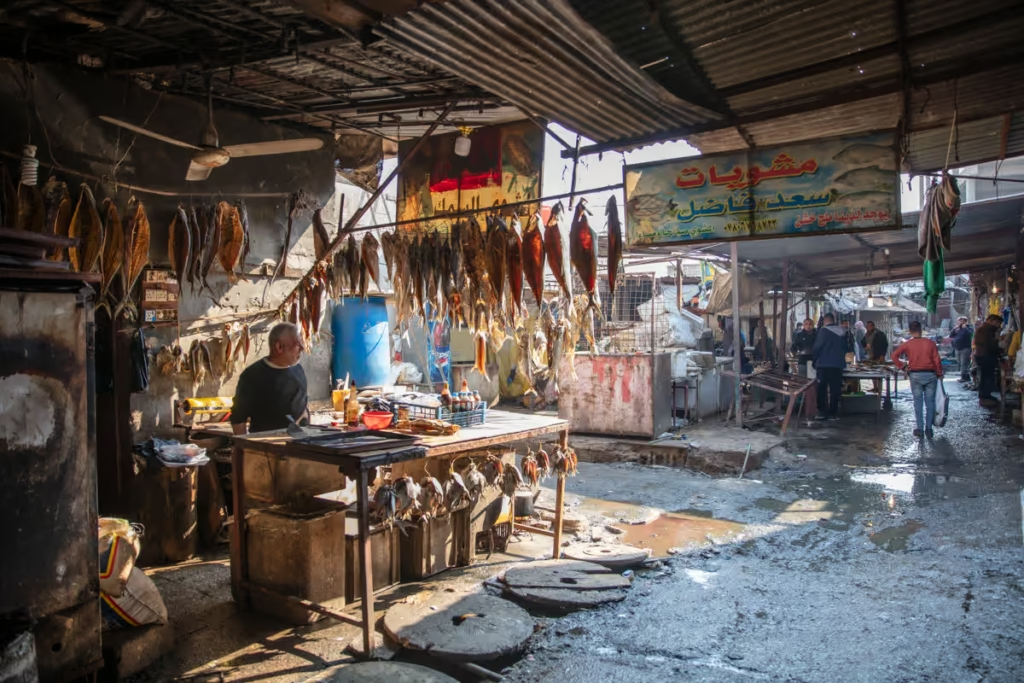
One Week Iraq Itinerary
Best Road Trips in the World
Visiting Samarra, Iraq
Visiting Lalish, Iraqi Kurdistan
A Day Trip to Mosul
Iraq Travel Guide
Baghdad Travel Guide
Visiting Dore Canyon, Iraqi Kurdistan
Gomi Felaw, Iraqi Kurdistan
Rabban Hormizd Monastery in Alqosh
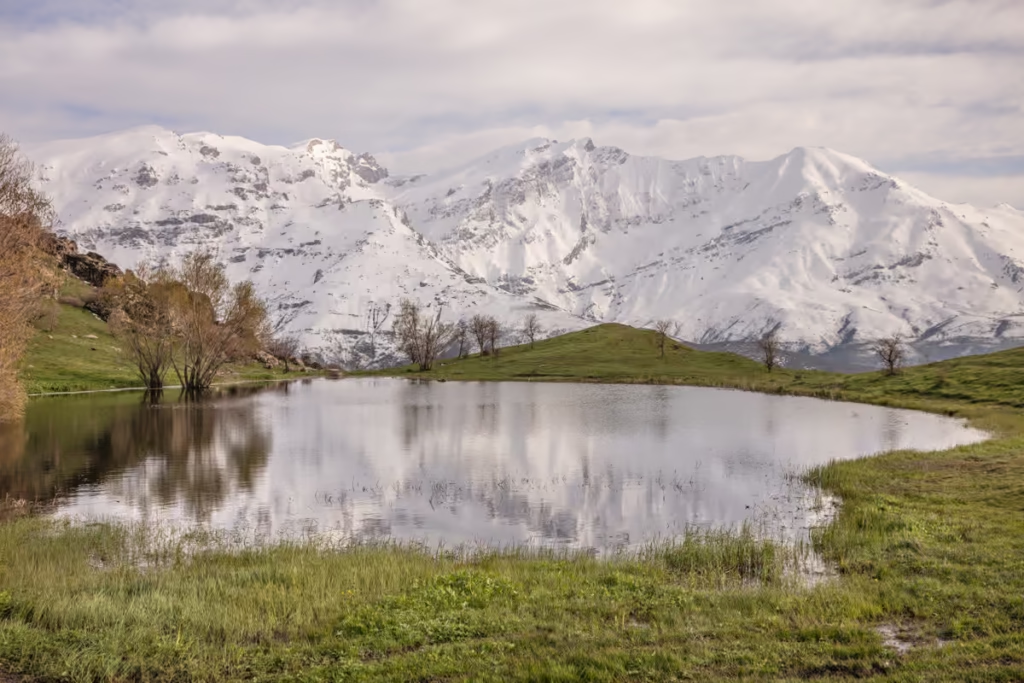
Iraqi Kurdistan Travel: A Quick Guide
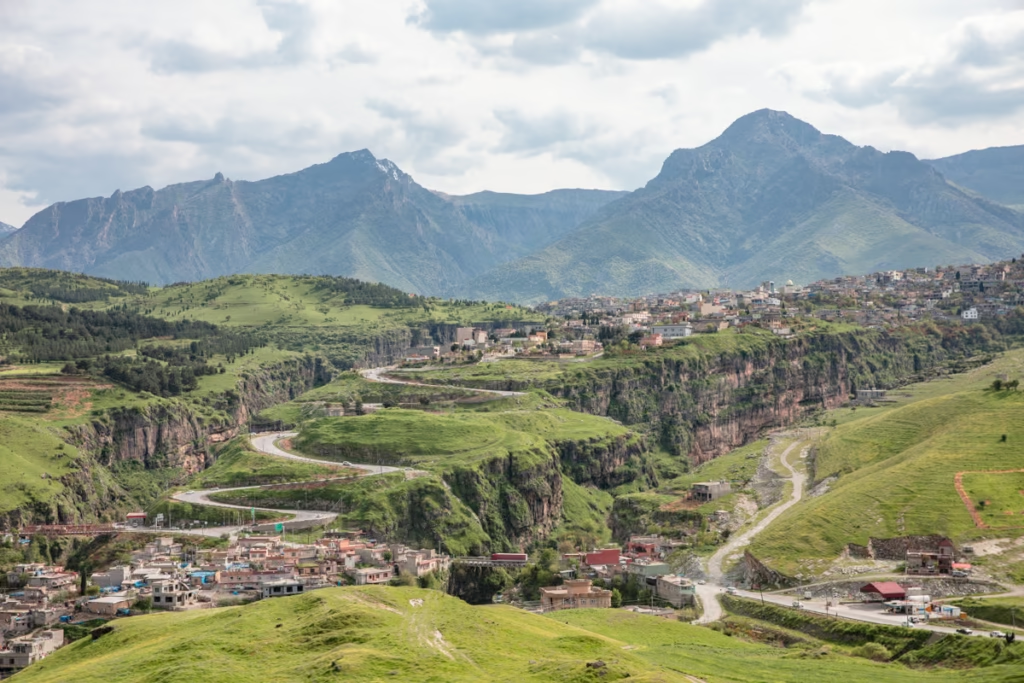
The Iran-Iraq Border Crossing at Haji Omaran
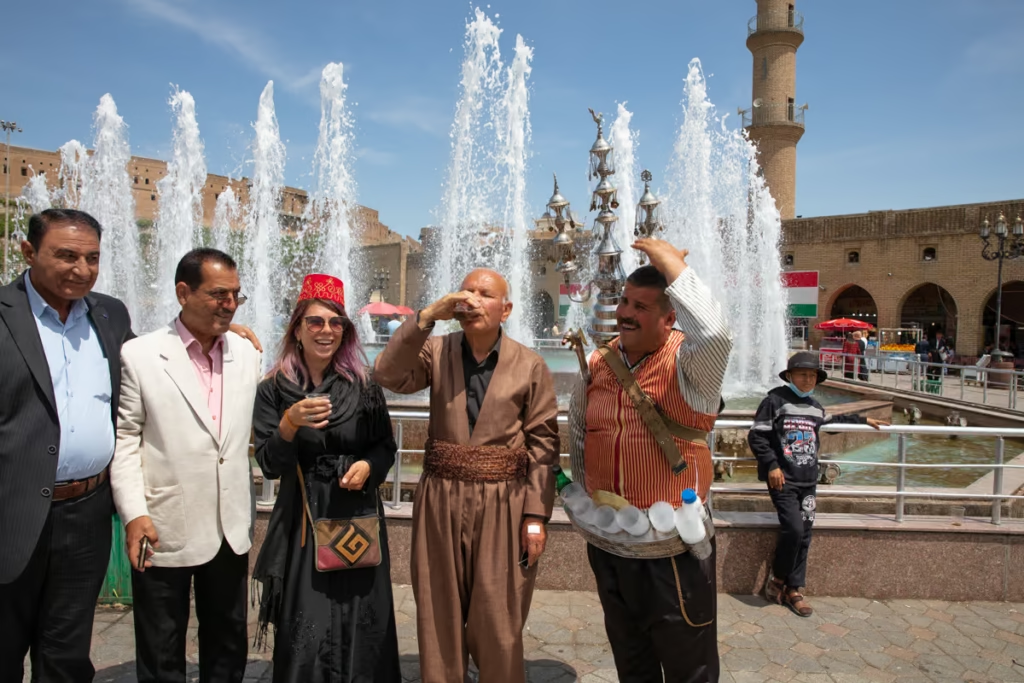
Solo Female Travel in Iraqi Kurdistan