A Visit to Tripoli, Lebanon: A Complete Travel Guide to Lebanon’s Underrated Northern Gem
A Visit to Tripoli, Lebanon was originally published in August 2025
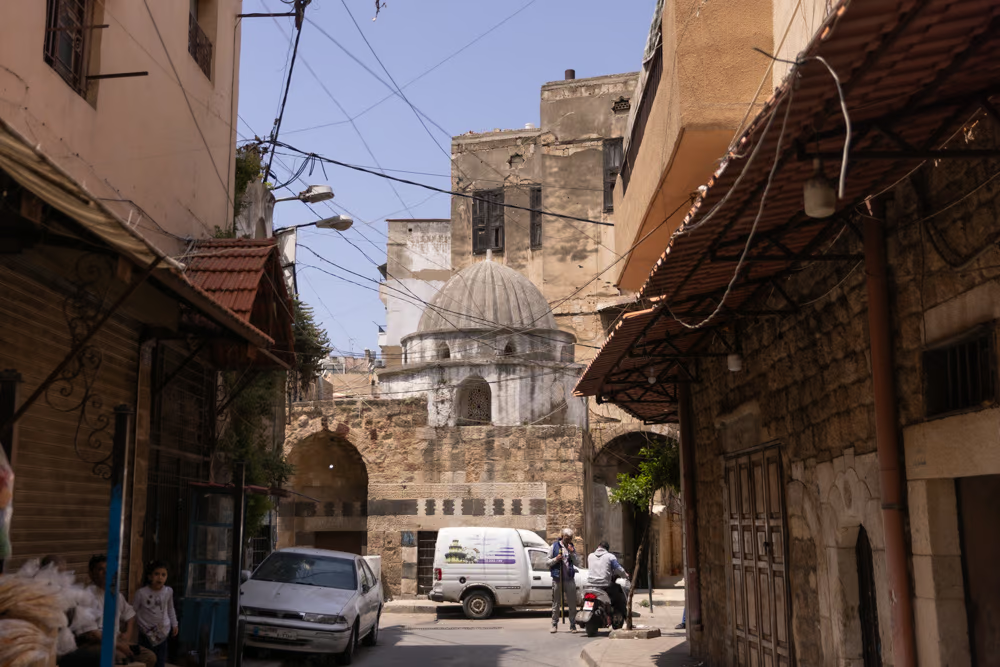
A chaotic symphony of ancient souks, crumbling Mamluk-era hammams, and an abandoned train station of a bygone era, all tangled together in one of the most authentically Lebanese places I’ve ever wandered through— this is Tripoli. Sure, it lacks the polish of Beirut or the seaside glow of Byblos, but that’s exactly why I loved it. Tripoli doesn’t perform, it just is. Well-worn and lived in.
If you’re the kind of traveler who prefers grit over gloss and realness over resorts, then visiting Tripoli on your trip to Lebanon might just surprise you. This guide covers the best things to do, where to stay, where to eat, how to get there, and everything in between for an unforgettable trip to one of Lebanon’s most underrated cities.
Need Travel Insurance?
Start shopping for travel insurance plans over at IATI Insurance. Readers of the Adventures of Nicole get a 5% discount off your plan.
A Little About Tripoli
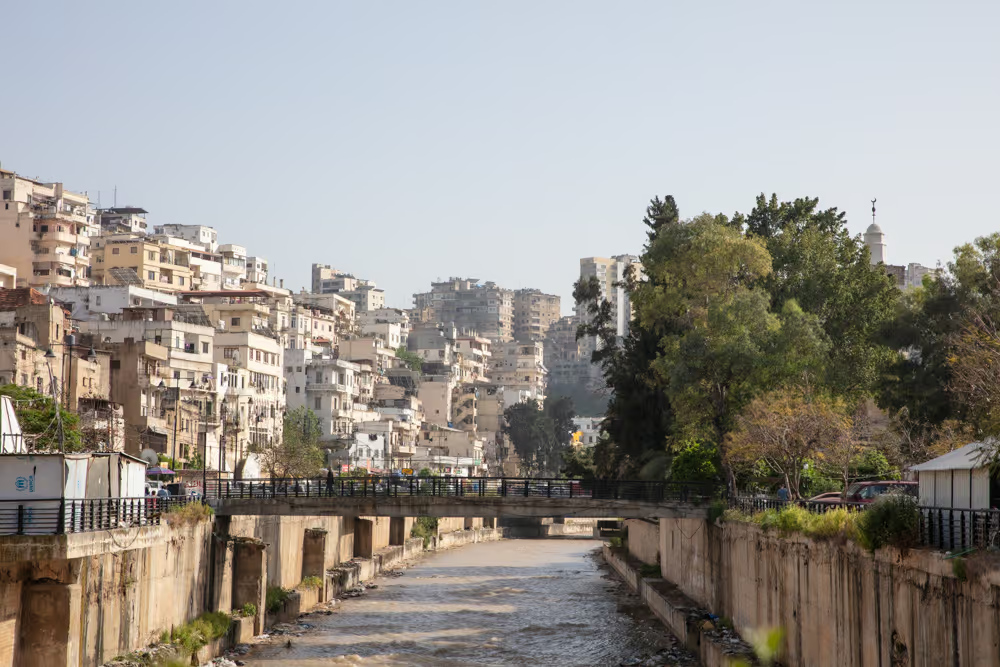
Tripoli, Lebanon’s second-largest city, has been a cultural and trading hub for over 2,000 years. Founded by the Phoenicians, the city’s name, Tripoli, means “three cities” in Greek, referencing its origin as a federation of Tyre, Sidon, and Arwad.
Its strategic location on the Mediterranean made it a prize for empires: Persians, Romans, Crusaders, Mamluks, and Ottomans all left their mark. Much of what you’ll see in Tripoli’s old city today, including its labyrinthine souks, mighty mosques, and ornate hammams, dates back to the Mamluk period (13th–16th century), when Tripoli became a center of Islamic scholarship and architecture.
During the Ottoman era, Tripoli flourished as a provincial capital, and later, under French Mandate rule in the early 20th century, the city expanded into the modern urban sprawl you see today. Though often overshadowed by Beirut, Tripoli’s heritage, layered architecture, and vibrant street life make it one of the most culturally dense and historically rich cities in the country.
Where to Stay in Tripoli
Beit al Nessim
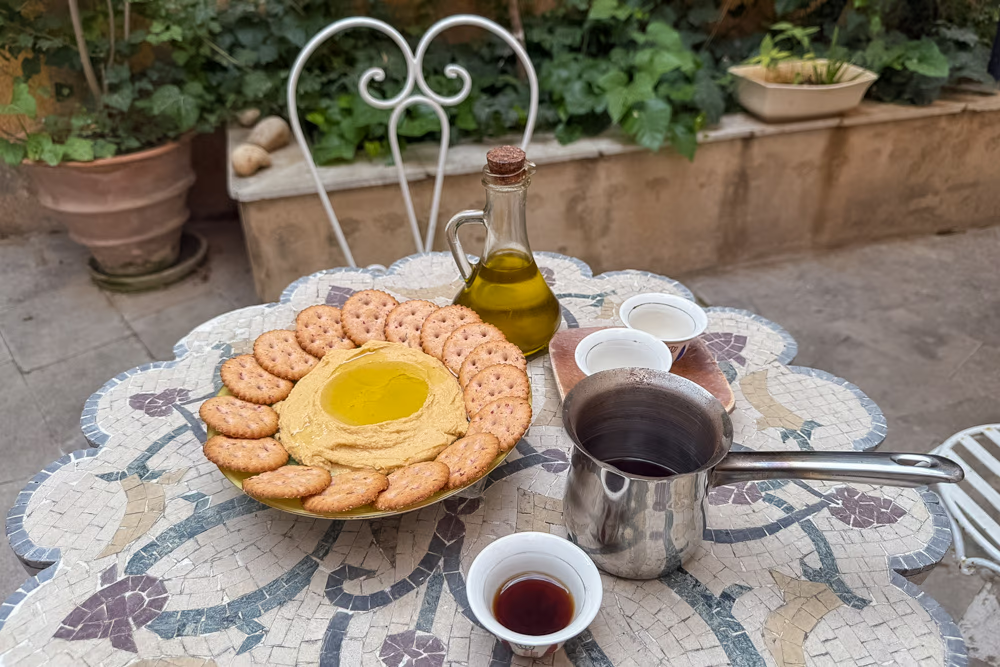
On my return to Lebanon, my friend Pia of Dicovery Beyond Borders recommended Beit al Nessim, located in al Mina, and she couldn’t have picked a better place.
Tucked away in the heart of the old city, Beit al Nessim is a beautifully restored 19th-century home turned boutique guesthouse. It has all the nostalgic allure with arched windows, high ceilings, beautiful stonework, while also offering modern comforts and that warm Lebanese hospitality that makes you feel instantly welcome.
Bonus: the rooftop terrace has a killer view and is perfect for a sunset tea.
Things to Do in Tripoli
Explore the Abandoned Tripoli Train Station (And Its Forgotten Link to the Orient Express)
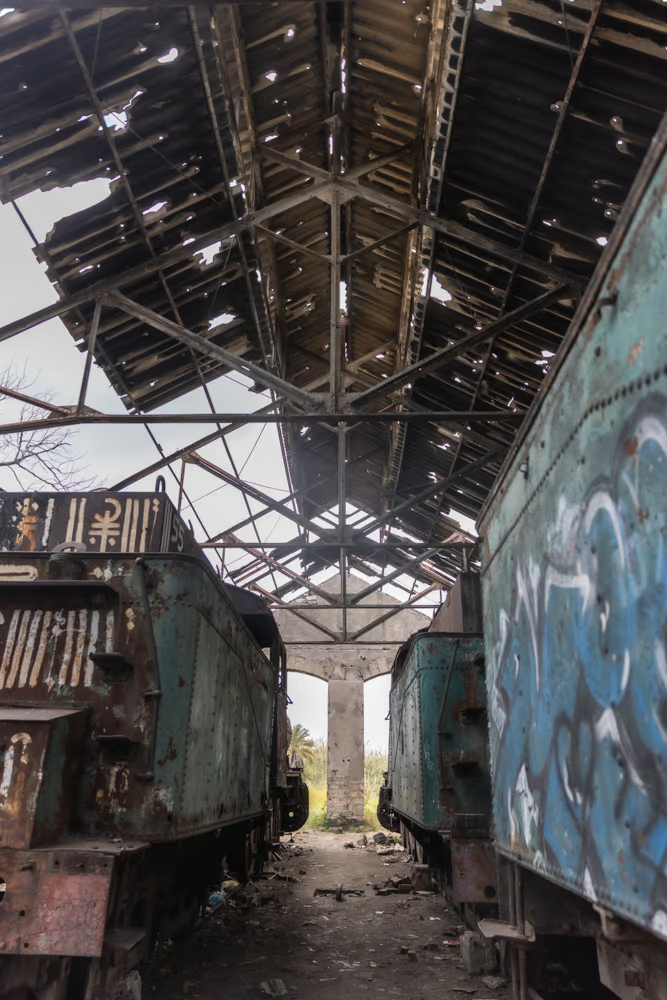
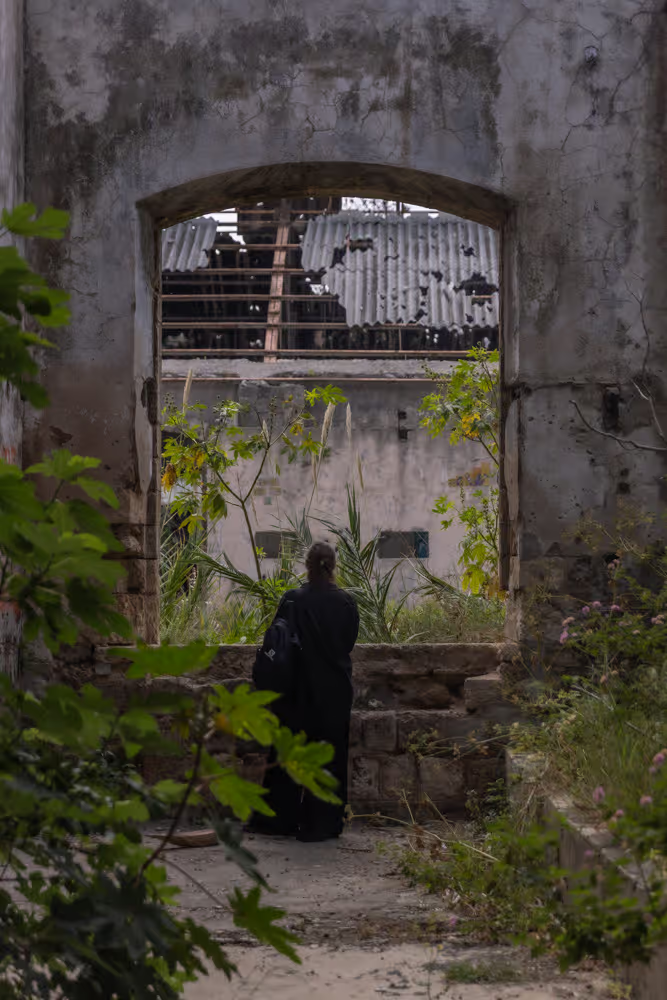
Opened in 1911 during the Ottoman era, the Tripoli Railway Station once formed part of the Tripoli-Homs railway, connecting to a vast network that linked Istanbul to Medina, and even tied into the famed Orient Express route toward Paris. These days, the abandoned Tripoli Railway Station is sat decaying, but is well worth visiting for its haunting beauty.
Once upon a time, you could theoretically board a train in Tripoli, Lebanon, and ride (with a few connections) all the way to Europe. The station even housed customs offices.
Operations ceased in 1975 at the start of the Lebanese Civil War, leaving behind a cinematic graveyard of rusting French SNCF locomotives, decaying platforms, and rails overtaken by weeds. Some of these vintage engines were originally designed for the broader Ottoman rail network that aimed to connect cities like Aleppo, Damascus, and even Baghdad.
Today, the site is completely abandoned and open; you can just wander in. It’s a paradise for photographers, history buffs, and anyone who appreciates a good ghost station. Just tread carefully; the structures are unstable and totally unmaintained.
Fun Fact: Tripoli’s station was one of the eastern outposts of the grand Orient Express network, once making it possible to traverse continents by train.
Visit Tripoli’s Historic Hammams
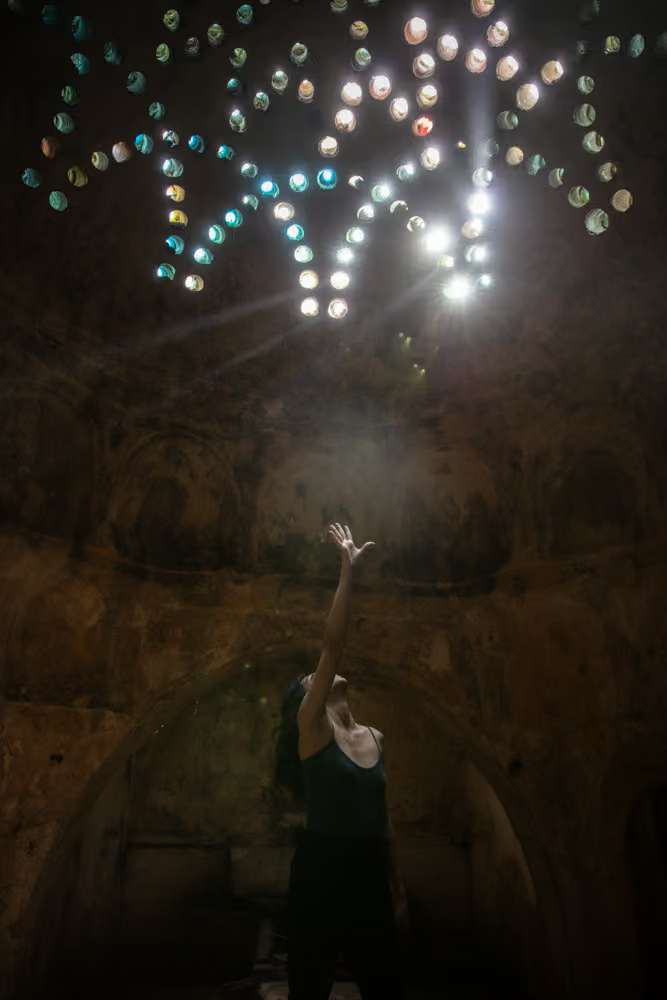
Tripoli is known for its Mamluk-era hammams, and a few are still standing, only one fully operational. Hammam al Abed still functions, and you can get a scrub there (though, do note that it’s only open to men- you will need to call ahead and reserve it privately for women).
Now for the more interesting of the hammams- the abandoned ones.
Hammam al Nouri was the first of Tripoli’s abandoned hammams I visited, and it has an air of mystique that I will never forget (plus it yielded one of my favorite photos I have taken). Upon my 2025 return to Tripoli, it appears that Hammam al Nouri is being renovated, and visiting isn’t permitted at the moment.
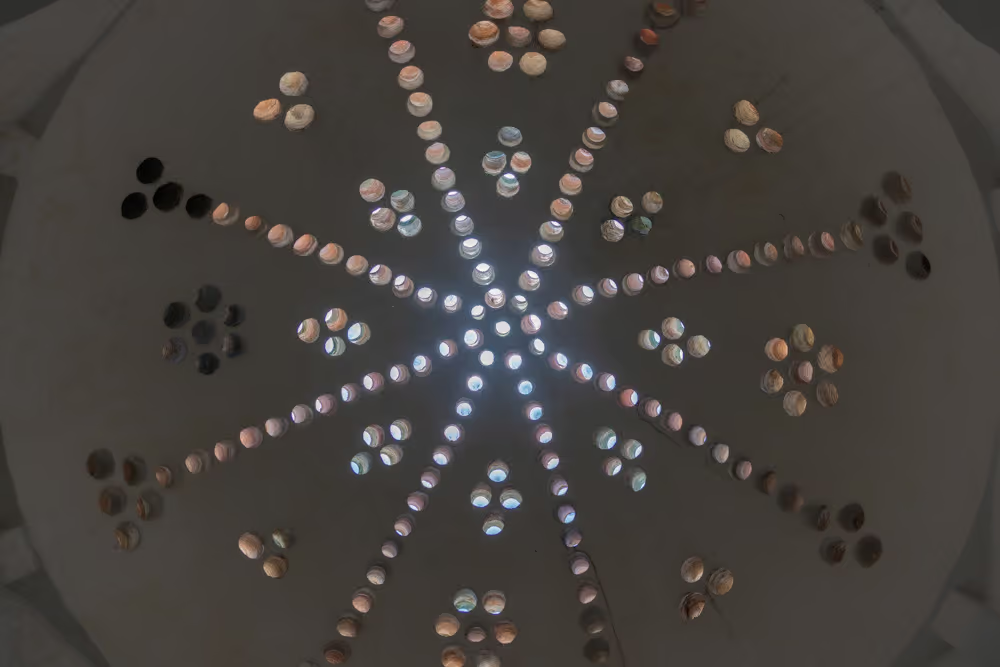
Hammam Ezzedine, built in the late 13th century by Emir Izzedin Aibek, is Tripoli’s oldest bathhouse and feels like a living relic of Tripoli’s layered past. Hamam Ezzedine has been cared for and has signposting inside. It is possible to visit Hamam Ezzedine and entrance is free.
Built in 1740 by As’ad Pasha al-Azem, Hammam al Jadid is Tripoli’s largest and most elaborate bathhouse, with domed chambers pierced with colored glass and a grand arched entrance inspired by Mamluk and Crusader designs. Unfortunately, it appeared closed when I visited, so I wasn’t able to go inside, but even from the outside, you could see its omnipresent faded grandeur.
Get Lost in the Tripoli Souk
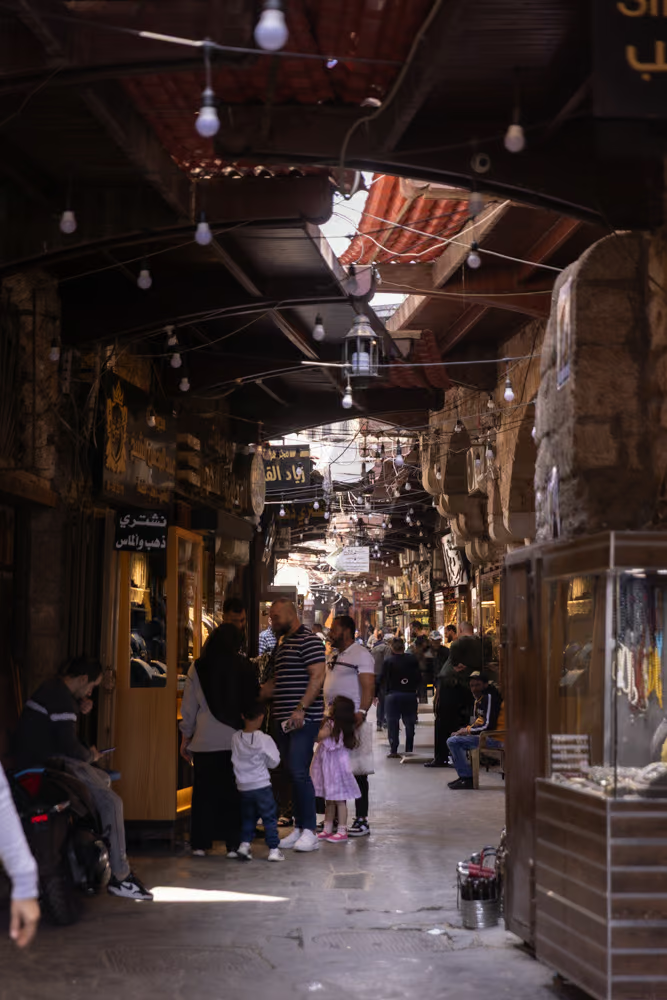
A trip to Tripoli isn’t complete without surrendering yourself to the maze of the Tripoli Souk. Expect spice-scented air, goldsmiths hammering away in tiny workshops, towers of colorful soap bars, and buzzing chaos at every corner.
This is the perfect place to just wander. You’ll surely stumble into something magical, like the 14th-century Great Mosque of Mansouri or an old khan hidden behind a curtain of hanging fabrics.
Stroll the al Mina Corniche
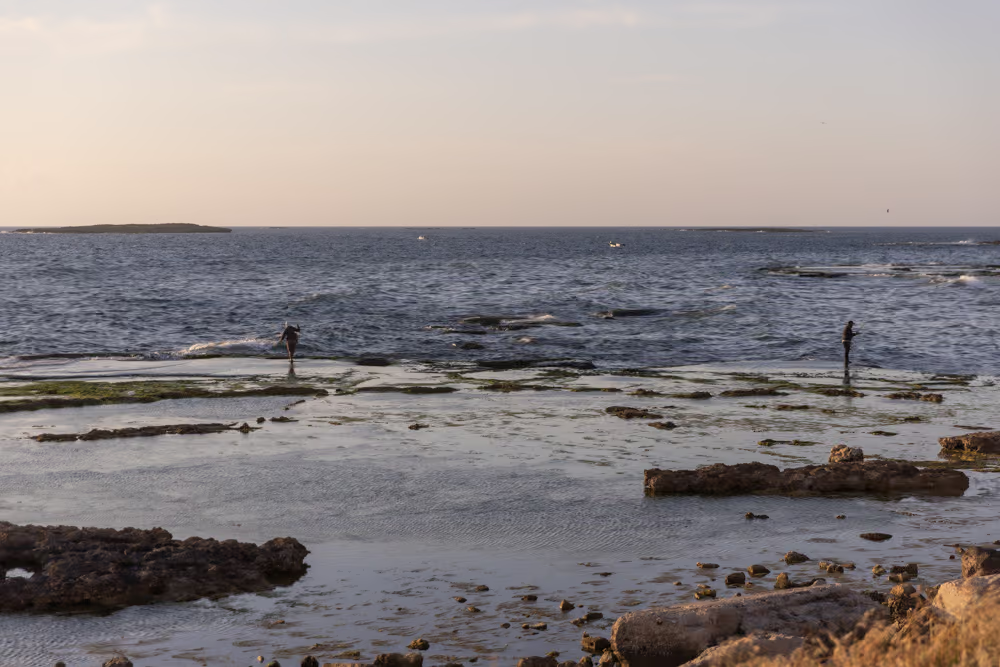
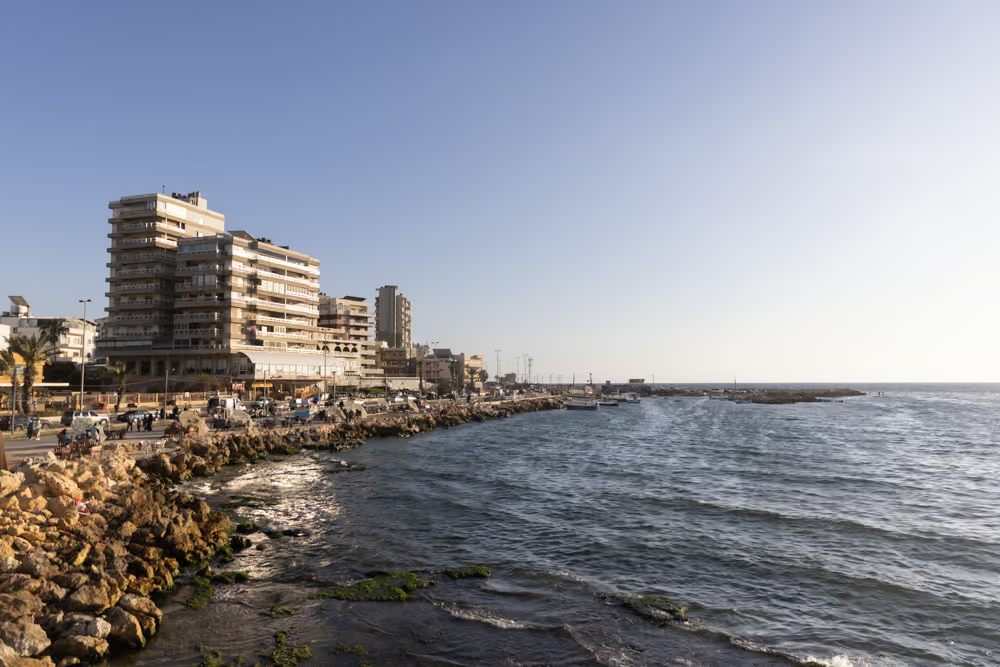
Al Mina is Tripoli’s seaside suburb and offers a different vibe to Tripoli’s bustling souk area, think breezy promenades, salty air, and fishermen casting lines as the sun sets over the Mediterranean. It’s a great place to decompress after the souk’s sensory overload and the best place to stay in Tripoli.
Climb to the Raymond de Saint-Gilles Citadel

Perched on a hill overlooking Tripoli, this Crusader fortress gives sweeping views over Tripoli’s souk and out to the coast. It’s been built, destroyed, and rebuilt by everyone from Crusaders to Mamluks to Ottomans, so expect a hodgepodge of architectural styles and a crash course in local history.
Visit the Soap Khan (Khan al-Saboun)
Khan al Saboun is where Tripoli’s ancient soap-making tradition comes to life. Built in the early 1600s by Yusuf Al-Saifi, this fortress-like khan once doubled as a military barracks and now houses the Badr Hassoun family’s olive oil-based soaps, a craft the family has preserved for over 500 years. Tripoli’s chemists are even credited by some as the first to develop soap, which was once gifted to brides as a symbol of purity.
You can shop for and purchase beautiful handmade soaps here at Khan al Saboun, which come in a myriad of scents.
Best Restaurants in Tripoli
Beit el Mina Restaurant
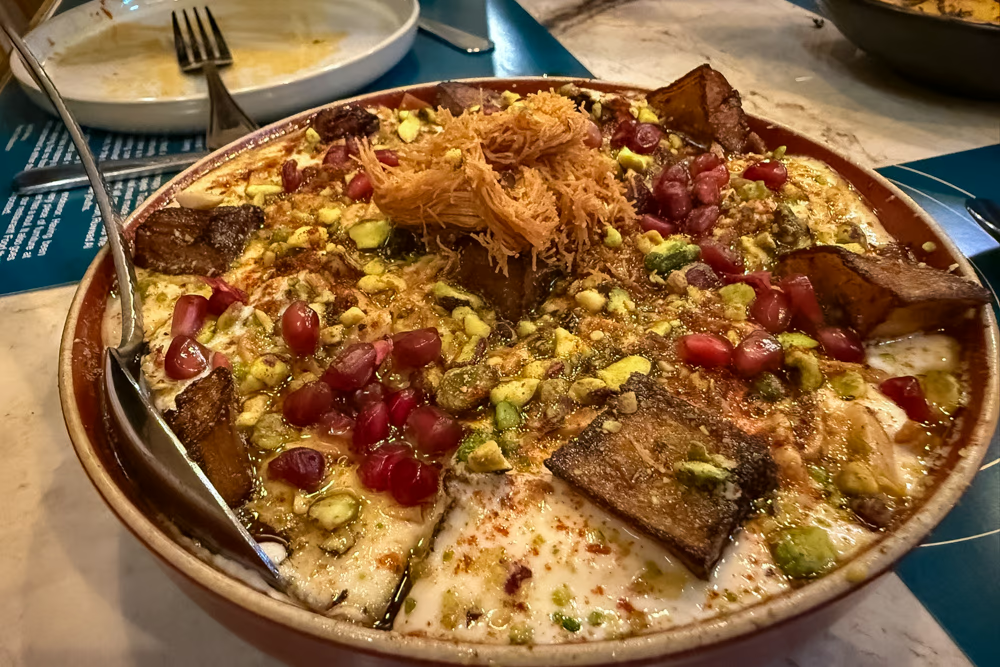
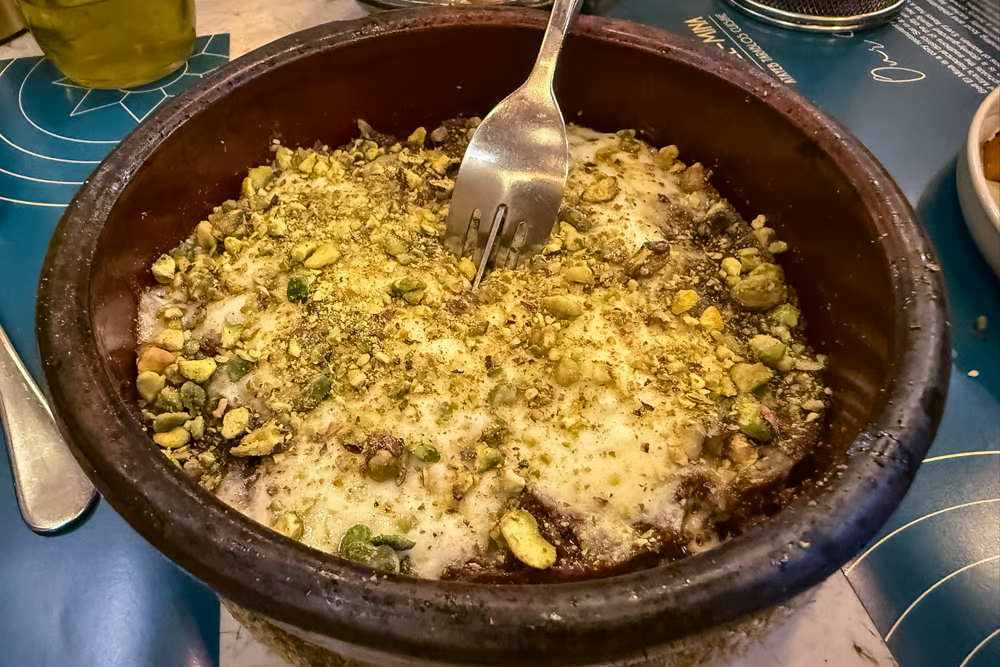
Beit el Mina was an amazing find, located just across the alley from Beit el Nessim, where we were staying. Located in an old Lebanese house, the restaurant serves up a modern twist on traditional Lebanese dishes.
The food is all made by women who came from previously at-war communities, and all proceeds go to fund a Tripoli organization helping troubled youth.
Hands down, each dish we ordered was absolute perfection. I can’t think you could make a bad choice from the menu.
Akra
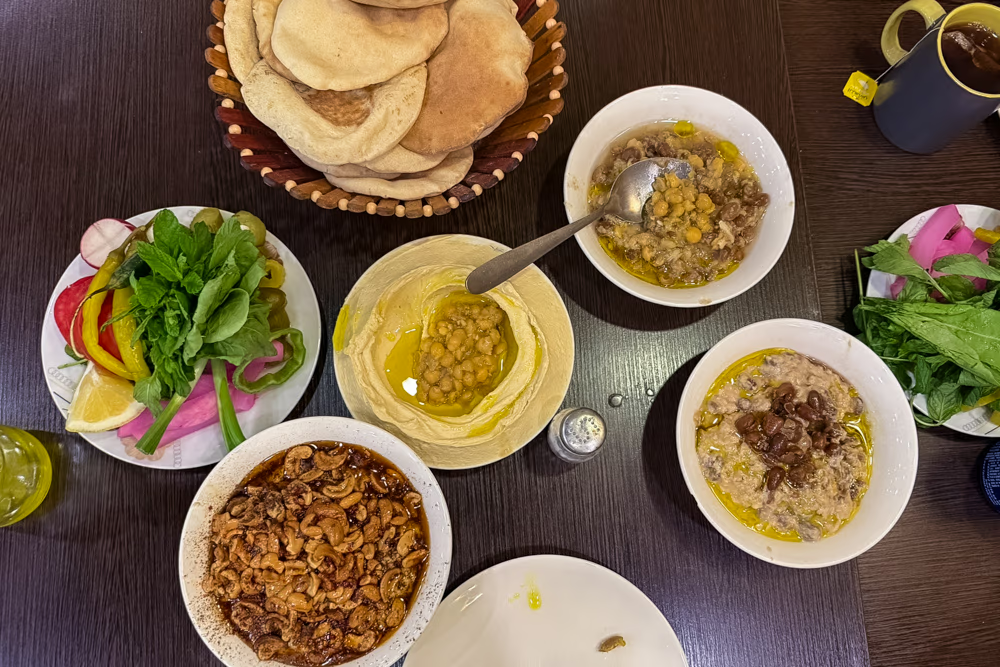
An iconic Tripoli institution known for foul, hummus, and other breakfast staples. It’s casual, fast-paced, and always buzzing with locals. Don’t expect luxury, just honest, delicious food that’s been perfected over generations.
Some of the staff do know some English, but it would be smart to come equipped with Google Translate. And always, take their order recommendations, the girls know best.
Hallab
If you’ve heard anything about Tripoli, it’s probably that it’s the dessert capital of Lebanon, and Abdul Rahman Hallab & Sons is the undisputed king of sweets. Kunafa, maamoul, baklava- it’s all here, and it’s all obscenely good.
Getting to Tripoli from Beirut
The Connexion Bus
The easiest way to get to Tripoli from Beirut is by catching the Connexion Bus from Martyr’s Square in Beirut. We hopped on the 13:00 bus and arrived in Tripoli around 14:40 at the Tripoli Bus Station on the southwest edge of Nour Square.
Tickets cost 400,000 LBP per person, and the bus makes a stop in Byblos, so it’s a chill, scenic ride.
The Minibus Adventure
On our way back to Beirut, we showed up at the station around noon only to find the next Connexion Bus wasn’t until 14:00. A minibus was pulling in just as we arrived, so we jumped aboard.
Despite the internet fear-mongering about minibus safety, the ride was perfectly tame. I’ve had a dodgier marshrutka ride in Central Asia.
The fare was the same as the Connexion Bus, and we were back in Beirut (Dora Station) by 13:45.
Top Tips for Tripoli Travel
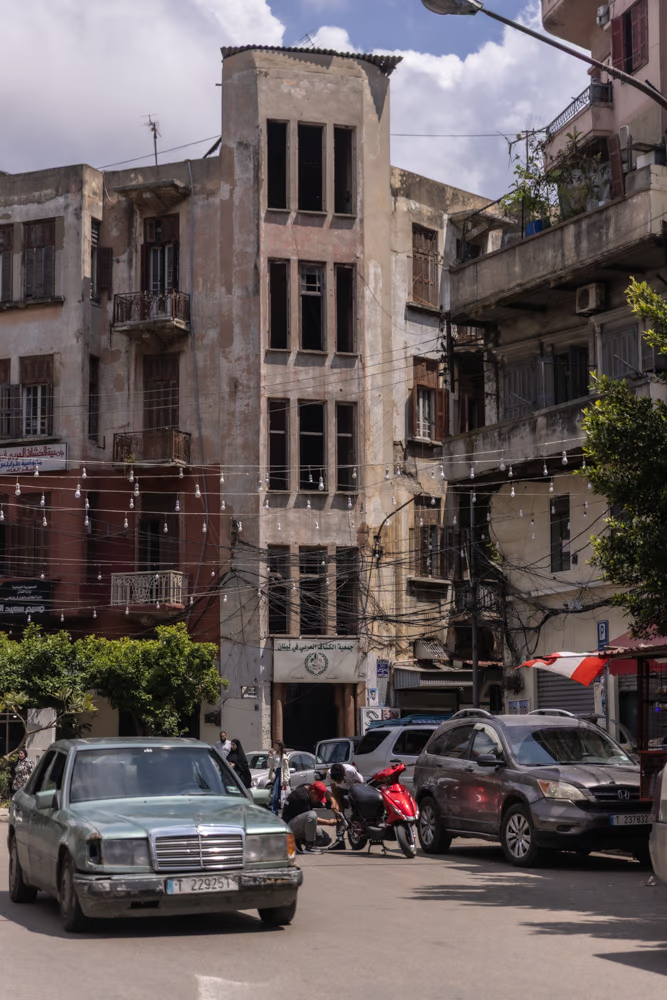
- Dress modestly, especially if you’re wandering through mosques or old parts of town. Tripoli is more conservative than Beirut.
- Have some cash, many businesses in the souk and restaurants are cash-only.
- Fridays are quiet, with many shops closed for prayer, so plan accordingly.
- Arabic or French will take you far, but some younger folks speak English.
Why You Should Visit Tripoli
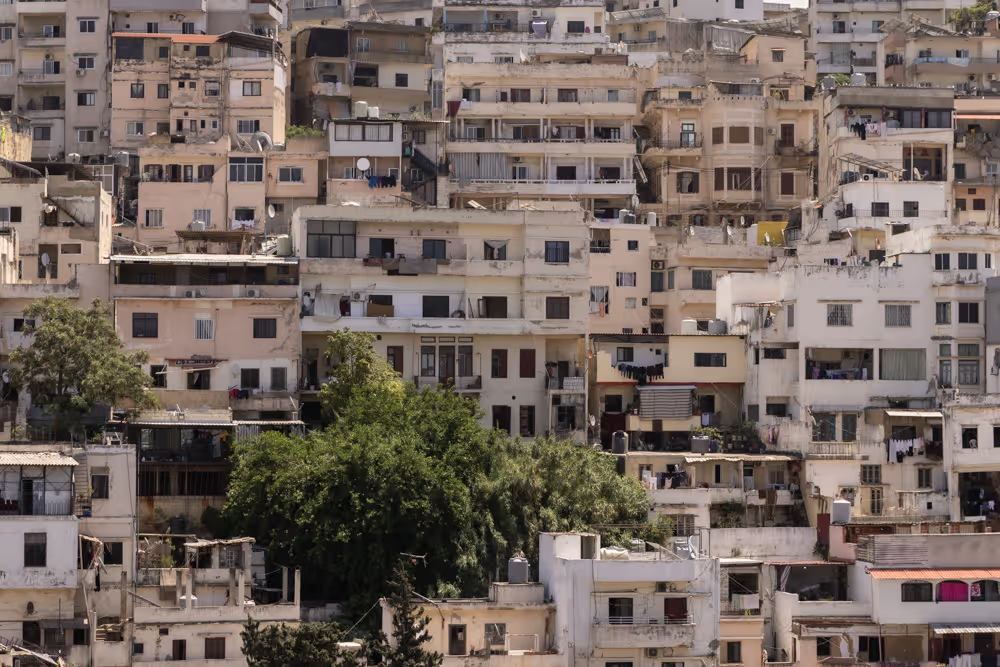
Tripoli is gritty, layered, and wildly underrated. It doesn’t cater to tourists, and that’s exactly its charm. There’s a rawness to the city that feels refreshing in a world where so many places are polished to death.
If you’re looking to go beyond the usual stops and dig into a more authentic slice of Lebanon, a trip to Tripoli is where it’s at.
Have any questions about visiting Tripoli?
Have you traveled to Tripoli and have tips to share, or are you in the planning stages of your visit to Tripoli and have come up with some questions? Let us know in the comments section below.