Visiting Great Sand Dunes National Park: A Complete Guide
Visiting Great Sand Dunes National Park: A Complete Guide was originally published in February 2026
I remember the first time we rolled into Great Sand Dunes National Park in Southern Colorado, my car coated in a thin layer of desert dust, playlist humming something half-forgotten, as the dunes rose like a mirage from the high alpine basin.
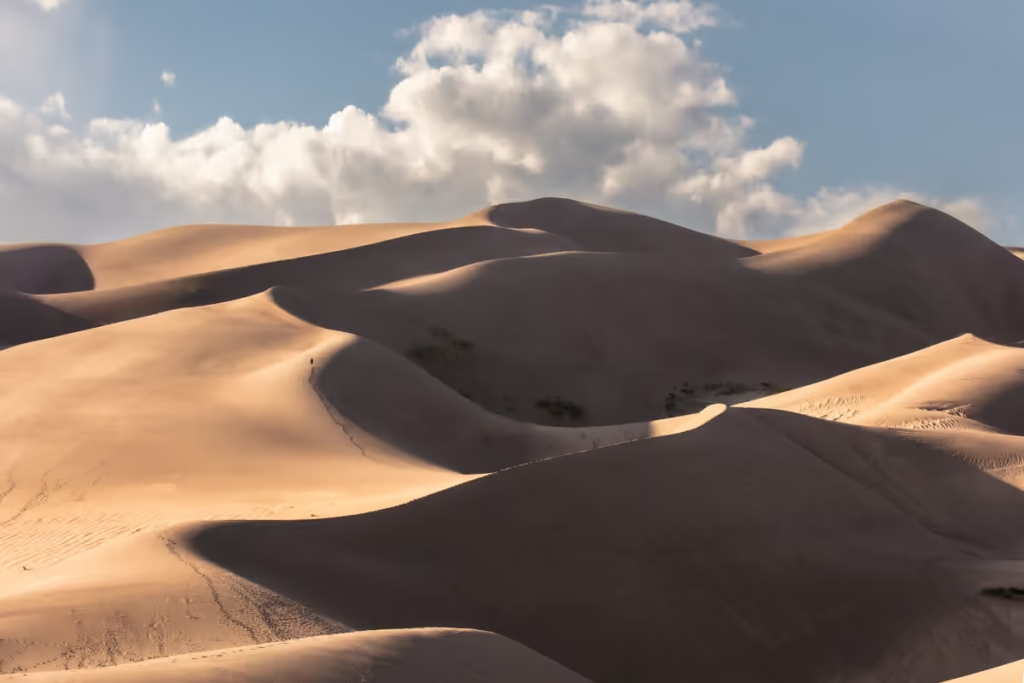
You’ll think you’re hallucinating when you see these dunes, North America’s tallest, some cresting at over 750 feet, backed by the jagged Sangre de Cristo Mountains, with clouds throwing long shadows across the rippled sand.
We visited as a stop on a longer Southern Colorado and Northern New Mexico road trip, en route to Mesa Verde National Park and later, the Bisti Badlands. In this guide, learn everything you need to know in order to plan a picture-perfect visit to Great Sand Dunes National Park.
Need Travel Insurance and Evacuation Services?
Start shopping for travel insurance plans over at IATI Insurance. Readers of the Adventures of Nicole get a 5% discount off your plan.
The Adventures of Nicole partners with Global Rescue to offer the world’s leading medical evacuation and security advisory services. To travel with peace of mind, explore their evacuation coverage.
Shifting Sands, Shifting Perspectives
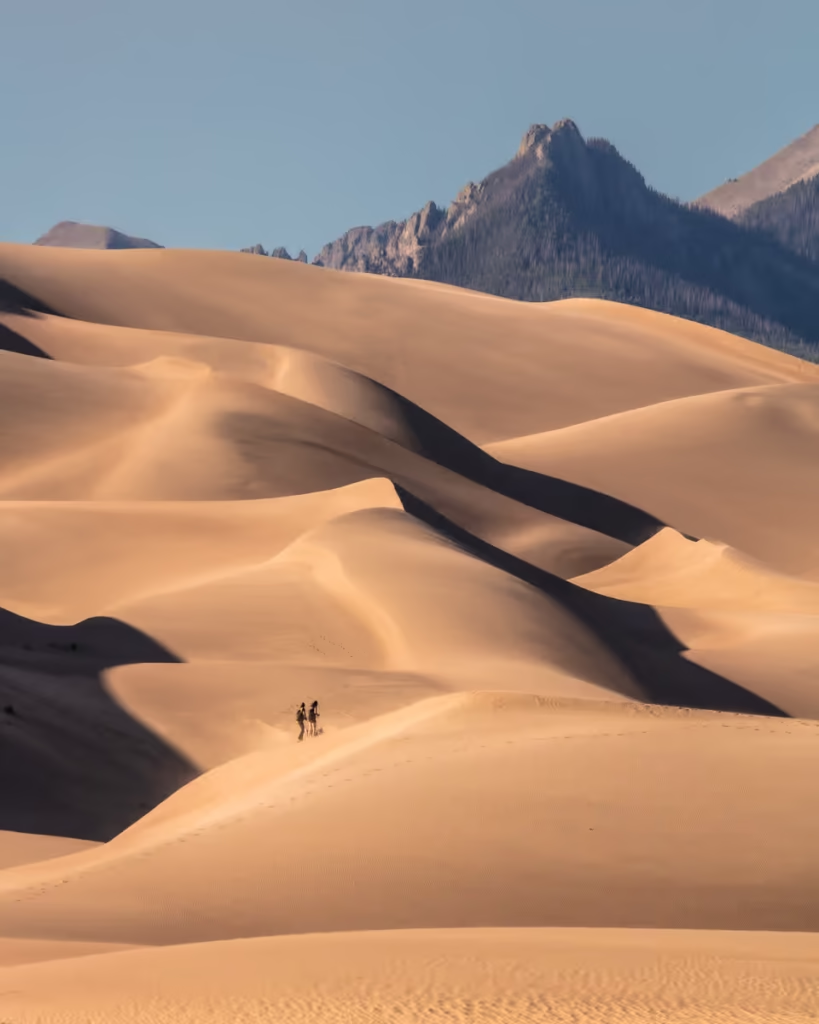
These dunes formed over thousands of years as winds funneled through mountain passes, dropping sand at the foot of the Sangre de Cristos. Indigenous peoples like the Ute and Apache have called this valley home for centuries, weaving stories of the dunes into their cosmologies. Even today, the dunes hum with a strange energy, especially when the wind picks up and the sand begins to sing beneath your feet.
Practical Information: Hours, Fees, and Accessibility
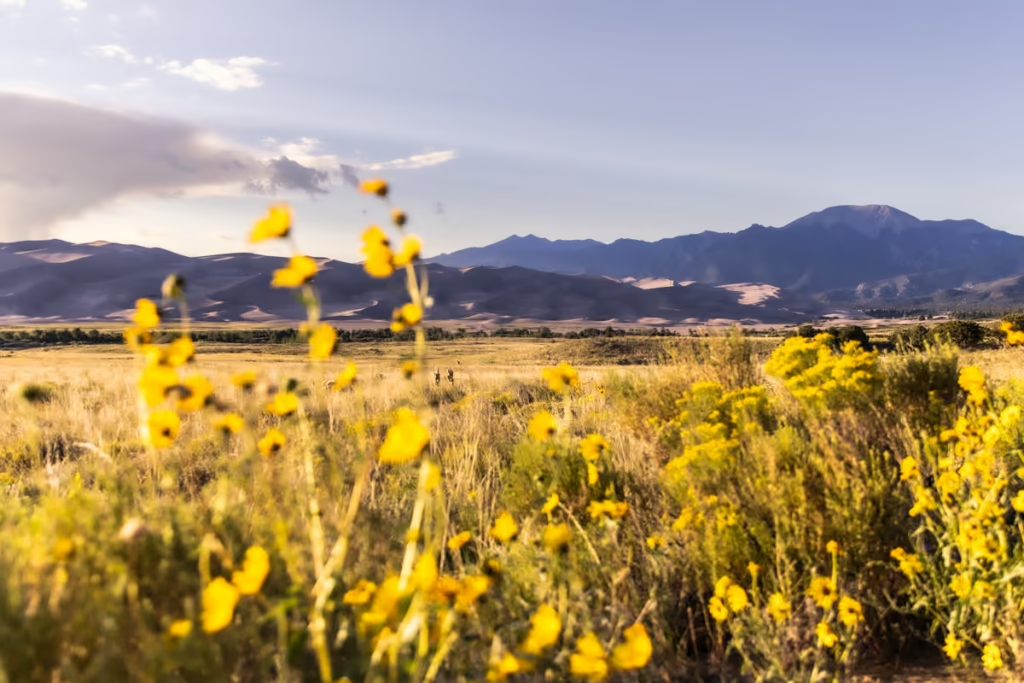
- Location: Southern Colorado, near the town of Alamosa.
- Park Hours: Open 24/7 year-round. The visitor center typically operates from 9 am to 4:30 pm, but check current hours here.
- Entrance Fee: $25 per vehicle, valid for 7 days. America the Beautiful Passes are accepted.
- Facilities: Visitor center, flush toilets (visitor center and Pinon Flats Campground), picnic areas.
- Cell Service: Limited to none; download offline maps before arrival.
- Pets: Allowed on dunes and some trails, but must be leashed and protected from hot sand.
Best Time to Visit Great Sand Dunes National Park
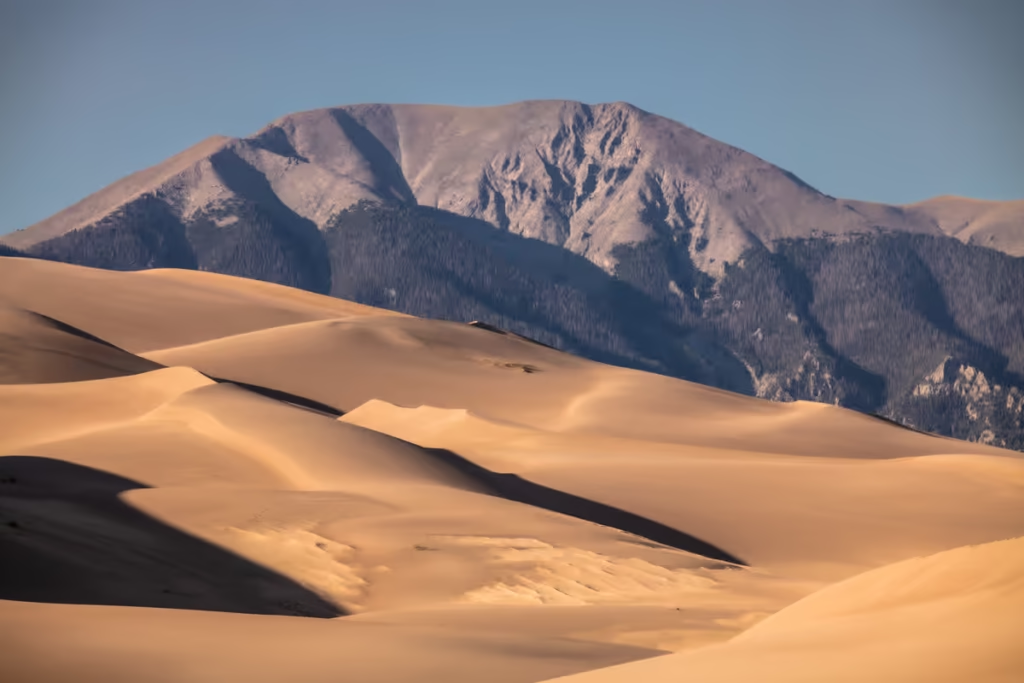
The best time to visit Great Sand Dunes is late spring (May-June) and early fall (September-October) when temperatures are mild, and Medano Creek typically flows at its peak, creating a magical “beach in the mountains” phenomenon.
- Summer: Temps can hit 90°F, with sand temps exceeding 150°F by midday. Go early morning or late evening if visiting in summer.
- Winter: Quiet and beautiful with snow-capped dunes, but can be bitterly cold, with limited facilities.
- Spring/Fall: Cooler temps (50-70°F), fewer people, and comfortable sand temperatures for barefoot dune hikes.
Where to Camp in Great Sand Dunes National Park
Campgrounds
Pinon Flats Campground
- Location: Within the park, near the dunes.
- Open: April to October, reservations via Recreation.gov.
- Sites: 88 sites with picnic tables, fire pits, and bathrooms.
- Vibe: Wake up to dunes glowing in sunrise hues, pronghorn grazing in the distance, and starlit skies so clear you’ll question your city life choices.
Backcountry Camping
You can backpack and camp on the dunes or in the Sangre de Cristo Wilderness. You’ll need a free permit from the visitor center. Be prepared for extreme wind, cold nights, and no water sources.
Dispersed Camping on Medano Pass Primitive Road
High-clearance 4WD required. Sites are first-come, first-served along the rugged Medano Pass Road with creek crossings, pinon-juniper forest, and sand roads that keep crowds away.
Nearby Campgrounds
If Pinon Flats is full, check:
- San Luis State Wildlife Area (dispersed camping)
- Zapata Falls Campground (epic sunrises, but windy)
- Alamosa KOA (more amenities, showers, if you need a reset)
Hotels & Lodges
Great Sand Dunes Lodge: If you’re all about staying in a hotel as close to the dunes as humanly possible, Great Sand Dunes Lodge is it. This no-fuss, modern motel sits just south of the main park entrance and gives you sunrise dune views straight from your door.
Gratitude Homestay: Tucked away in Alamosa, Gratitude Homestay offers a cozy stay with free private parking and access to a relaxing hot tub, perfect for winding down after a day on the dunes.
Hikes in Great Sand Dunes National Park
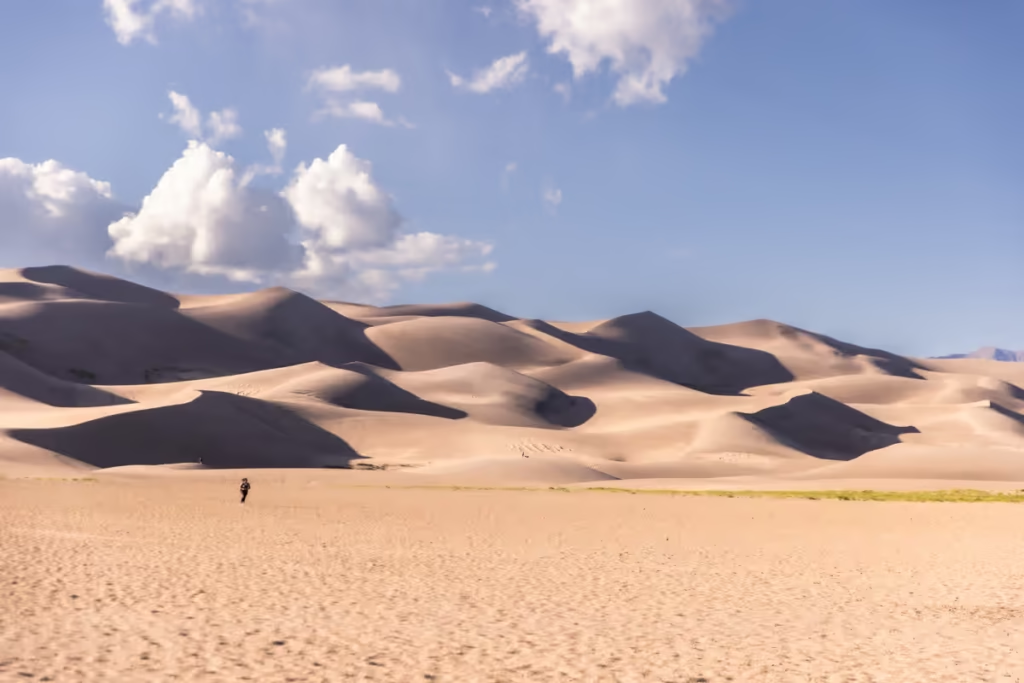
Star Dune
- Distance: 7.35 miles round trip
- Elevation Gain: ~750 feet
- Time: 4-6 hours
- Details: Tallest dune in North America, with insane views over the dune field and surrounding mountains. There’s no official trail, just pick your route, follow the ridgelines, and prepare for a serious calf workout.
High Dune on First Ridge
- Distance: 2.75 miles round trip
- Elevation Gain: ~650 feet
- Time: 2-3 hours
- Details: Slightly easier than Star Dune, perfect for sunrise or sunset missions with epic ridge views.
Zapata Falls
- Distance: 1.6 miles round trip
- Elevation Gain: ~200 feet
- Details: A short hike to a hidden waterfall in a rocky crevice, requiring some creek wading, about 3 miles south of the park entrance.
Sand Ramp Trail
- Distance: 11 miles one way
- Details: Follows the eastern edge of the dunes with views of the dunes and the Sangre de Cristos. Used for accessing backcountry campsites.
Things to Do Besides Hiking
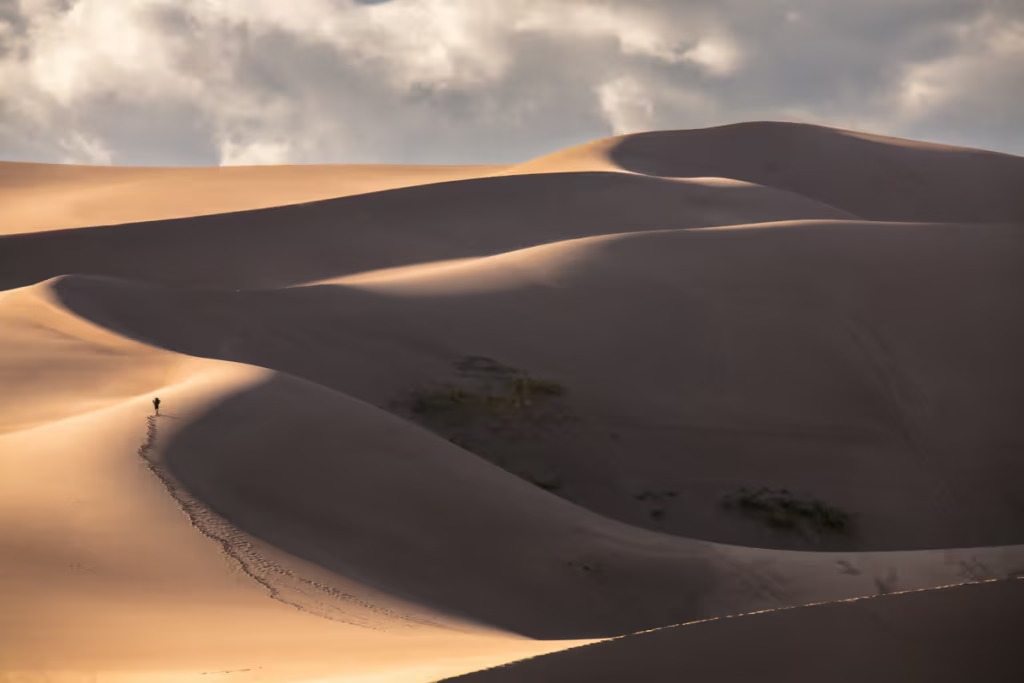
- Sandboarding & Sand Sledding: Rent boards in Alamosa or at Oasis Store outside the park entrance. The steeper the dune, the better the ride.
- Stargazing: The park is a designated Dark Sky Park. Bring a blanket and watch the Milky Way blaze overhead.
- Photography: Sunrise and sunset are prime, with long dune shadows and alpenglow on the mountains.
- Wildlife Watching: Look for mule deer, pronghorn, kangaroo rats (they are adorable), and even black bears in the forests.
What to Pack for Great Sand Dunes
- Water (lots of it)
- Gaiters or high boots (sand will eat your shoes)
- Sunscreen, sunglasses, hat
- Sandboard/sled or rent locally
- Layers (cold mornings, hot days)
- Camera and tripod for night photography
- Trekking poles (optional but helpful on dunes)
Reflections: Why You Should Visit Great Sand Dunes
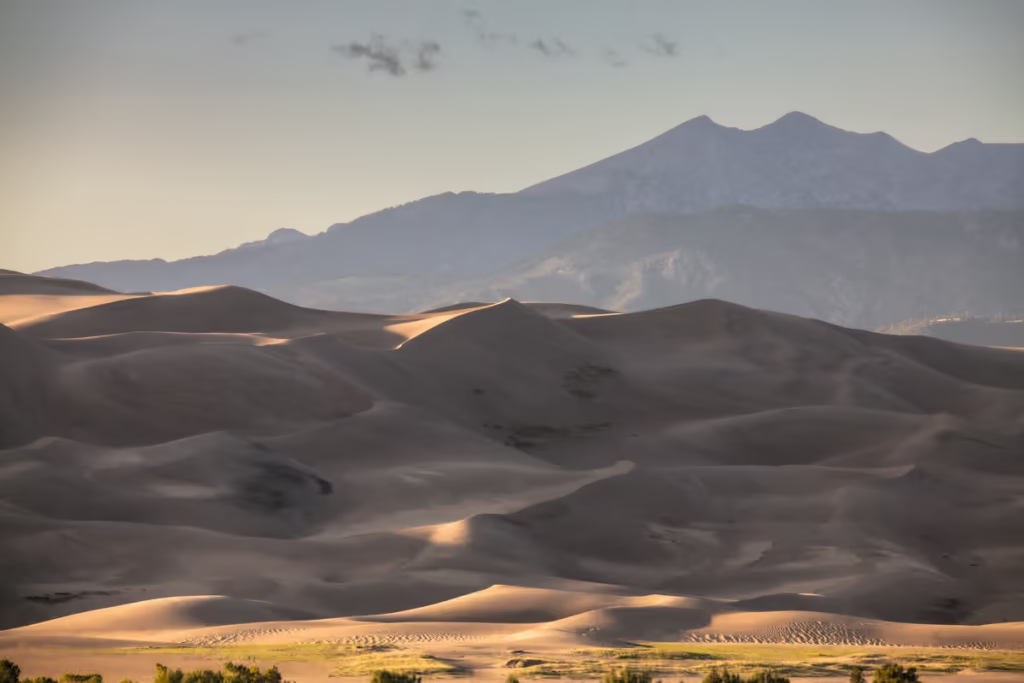
Great Sand Dunes National Park is a vast sea of sand at the base of forest-covered, snow-dusted peaks, where kids and adults alike shriek down sand slopes and the night sky feels infinite. There’s something about climbing these dunes, each step sliding back, each breath reminding you of your smallness in a landscape shaped by wind, water, and time.
If you’re looking to escape crowds, experience one of Colorado’s most unique natural wonders, and capture some wildly photogenic moments, the dunes are worth the detour. Visit Great Sand Dunes for a few days to explore its surreal landscapes, sleep under clear starry skies, and splash in Medano Creek when it flows.
Ready to Explore?
If you’re planning a Colorado road trip or seeking a detour that feels like another planet, Great Sand Dunes National Park should be high on your list. Stay for sunrise hikes, sandboarding adventures, and nights under one of the best stargazing skies in the USA.
Have Any Questions About Visiting Great Sand Dunes National Park?
Ask in the comments below. Been to Great Sand Dunes? Let us know your favorite spots.
Posts from Colorado
Great Sand Dunes National Park, Colorado
Best Road Trips in the World
Visiting the Paint Mines in Colorado
A Guide to Colorado National Monument
Two Week American Southwest Road Trip
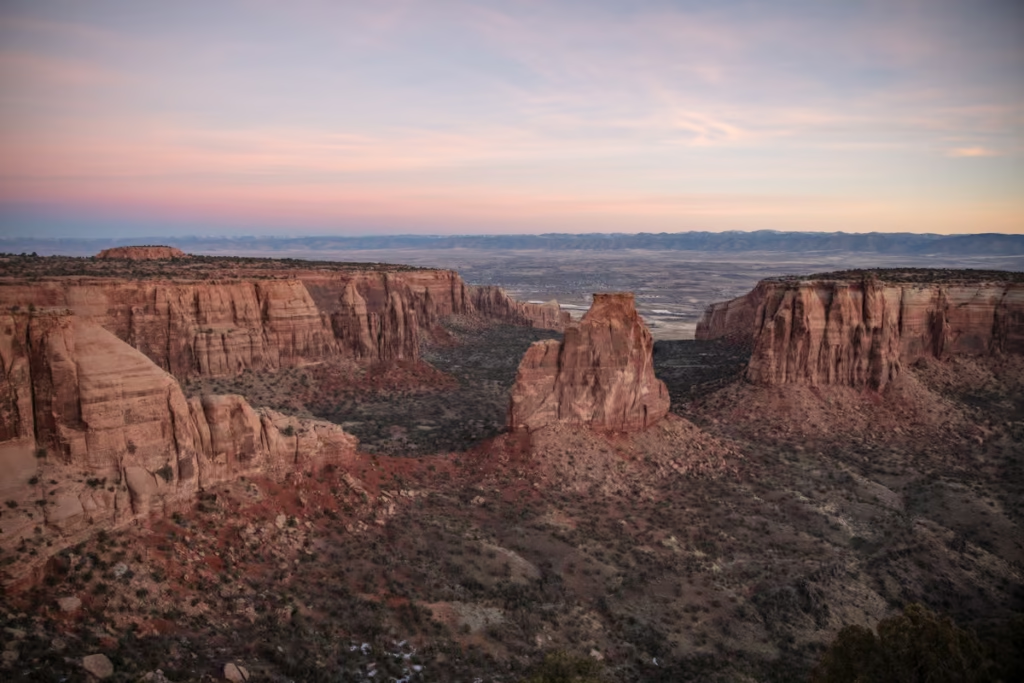
Rim Rock Drive in Colorado National Monument
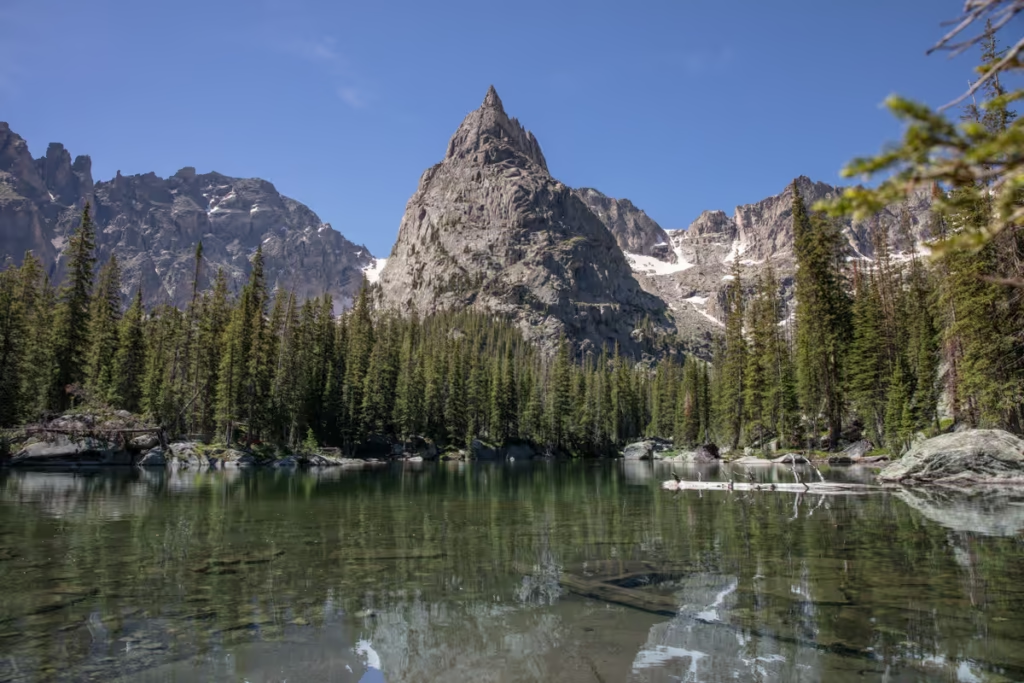
Monarch Lake to Crater Lake Hike, Colorado
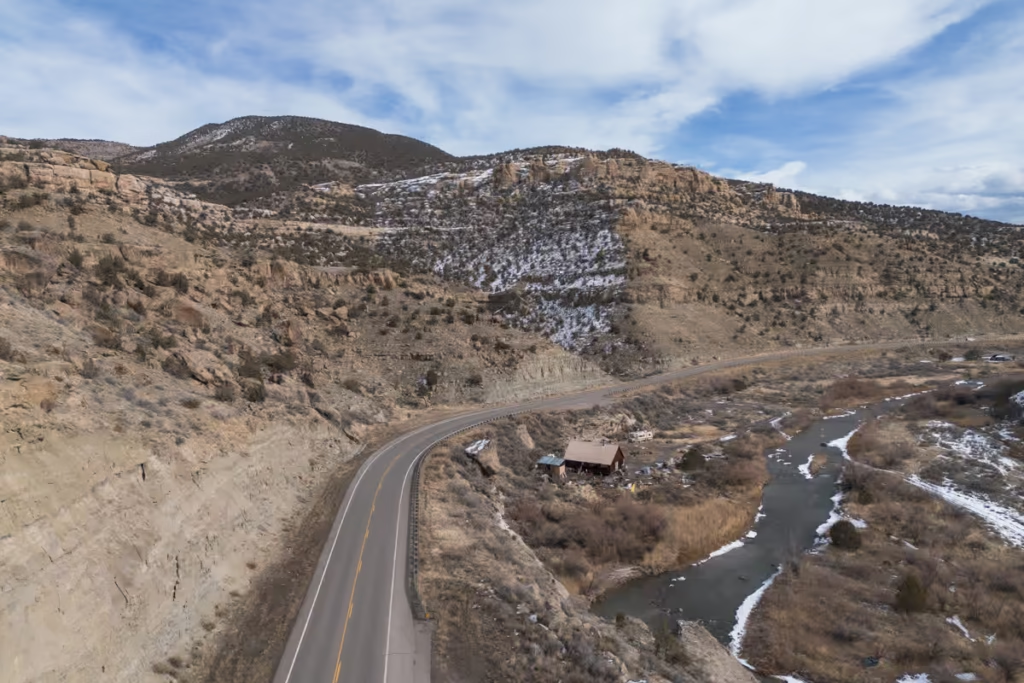
Grand Mesa Scenic Byway, Colorado