The Adventures of Nicole was invited to Syria to partner with Syrian Guides to promote tourism and sites around the country. All views are her own.
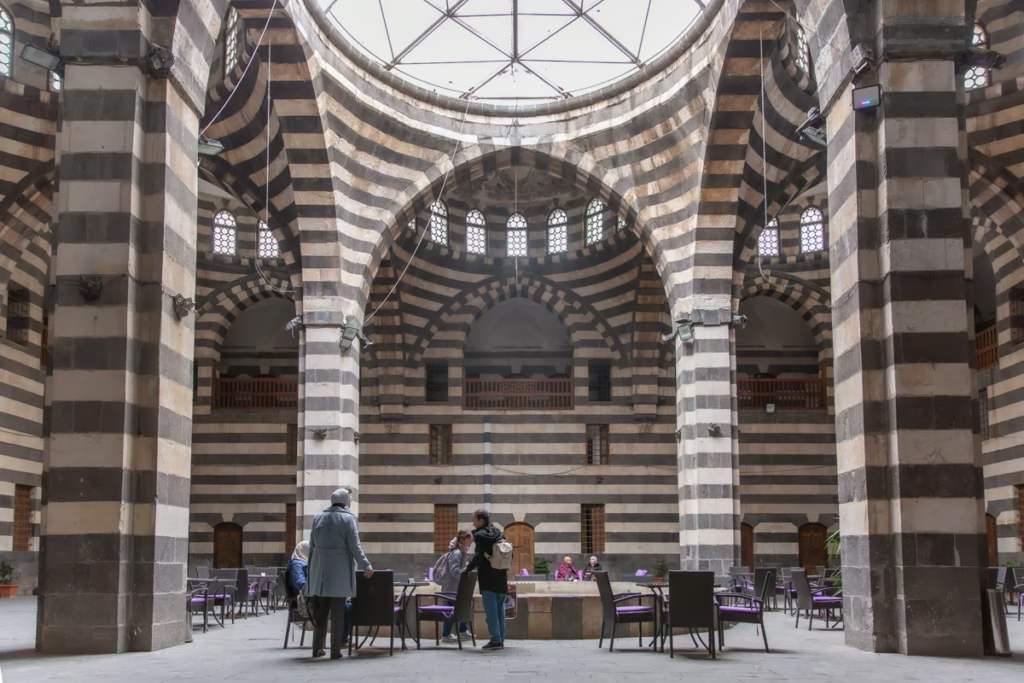
Damascus Travel Guide: What It’s Like to Visit the World’s Oldest Capital
Updated March 2026, Damascus Travel Guide: What It’s Like to Visit the World’s Oldest Capital was originally published in October 2025
Damascus is not just a city, it felt like I was walking into a living, breathing museum, steeped in over 11,000 years of human history. As soon as I set foot in the Old City of Damascus, I felt like I had gone on a warp through time, where spice-scented souks twist through ancient alleyways and the call to prayer echoes off centuries-old stone walls.
Despite Syria’s tumultuous past and recent challenges, Damascus is slowly opening up again for the curious, the bold, and the endlessly fascinated. And honestly? Damascus, along with Sana’a, are the two most unforgettable cities I’ve gotten to step foot in.
Whether you’re into history, food, culture, or just chasing cities that feel like nowhere else on Earth, this Damascus travel guide is for you.
Need Travel Insurance?
Start shopping for travel insurance plans over at IATI Insurance. Readers of the Adventures of Nicole get a 5% discount off your plan.
Why Visit Damascus?
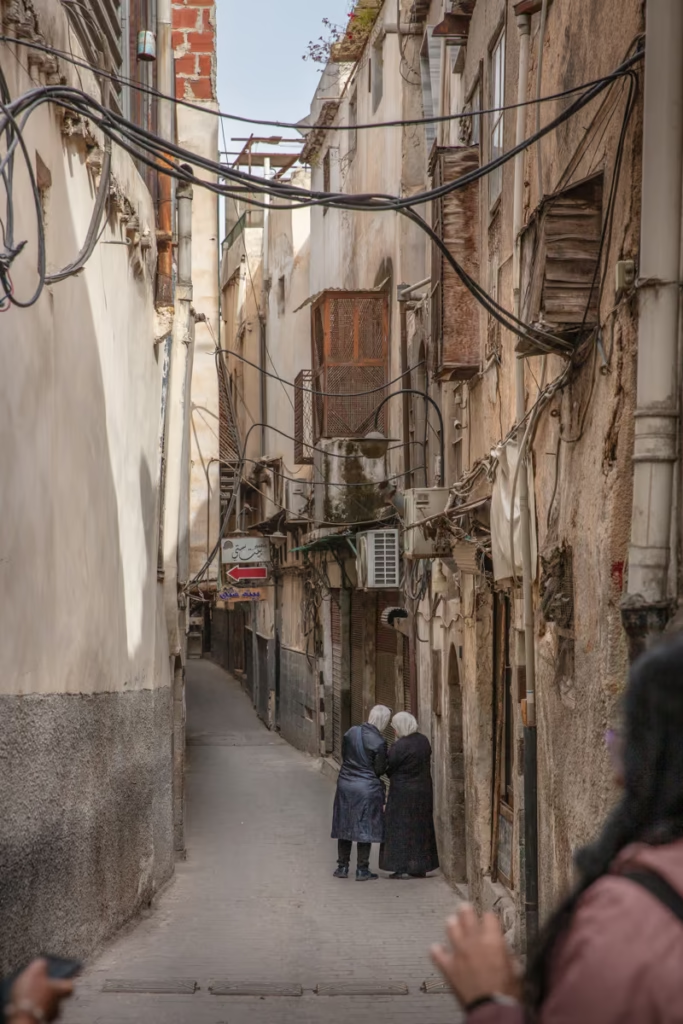
So, why should you visit Damascus? For one, it’s often considered the oldest continuously inhabited capital in the world. From the Arameans and Romans to the Umayyads and Ottomans, every empire that swept through the Levant left their fingerprints here.
But more than the ruins and the relics, it’s the people and the rhythm of life that make Damascus feel so incredibly alive. Conversations over glasses of shai, locals who seem surprised but thrilled to see a foreign traveler, and the smell of cardamom drifting from every corner of Souk al Hamidiyah, Damascus, is a sensory deep dive.
Where to Stay in Damascus
While options can be limited compared to more touristy cities in the Levant, there are still some cozy and character-packed places to stay.
Beit al Mamlouka
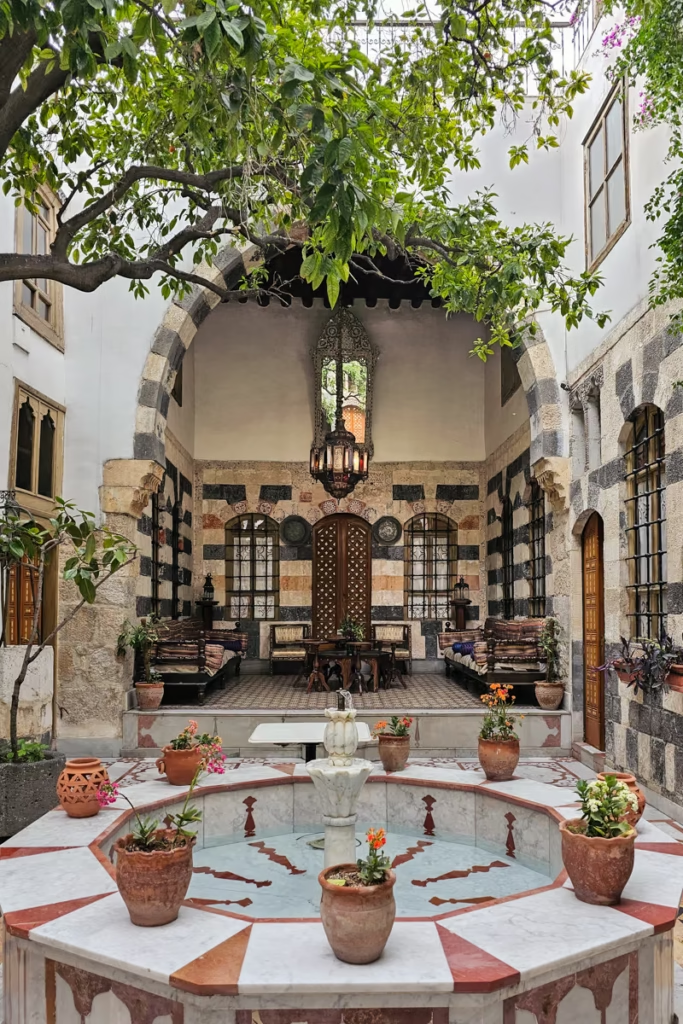
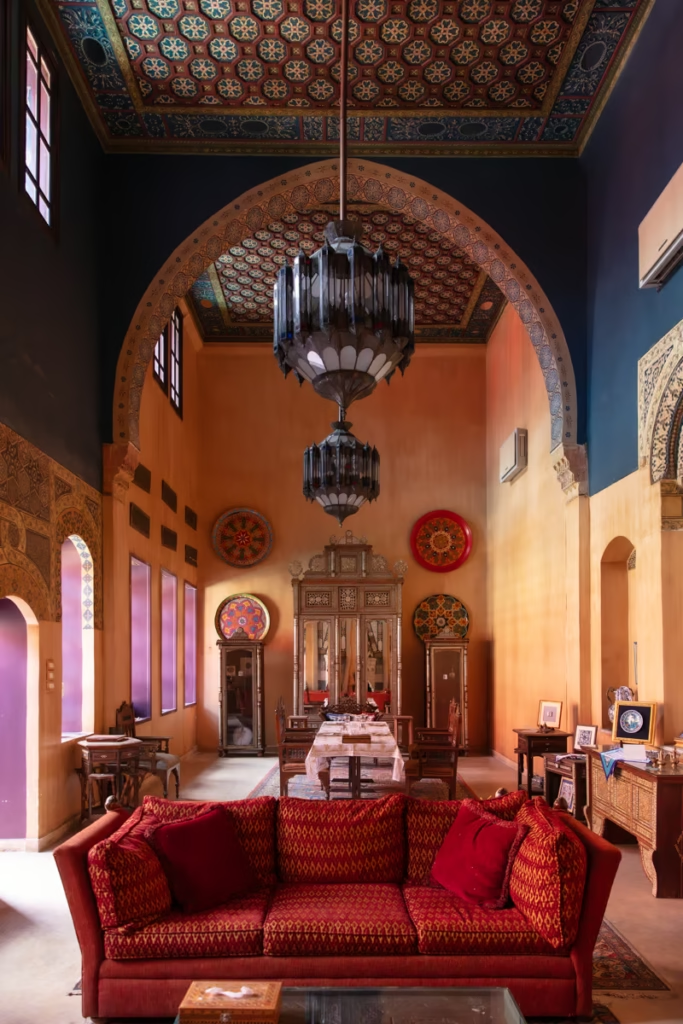
Beit al Mamlouka is a beautifully restored 17th-century house in the Old City. Think traditional Damascene decor, personalized service, and peaceful fountains, evoking the soul of a traditional Damascene home.
Dar al Mamlouka
Tucked into the lively Al Qemarieh quarter of Old Damascus, Dar al Mamlouka is the sister to the Beit al Mamlouka, just a few steps away. It’s a beautifully restored 17th-century mansion that once belonged to the Al Sadat family.
Beit al Wali
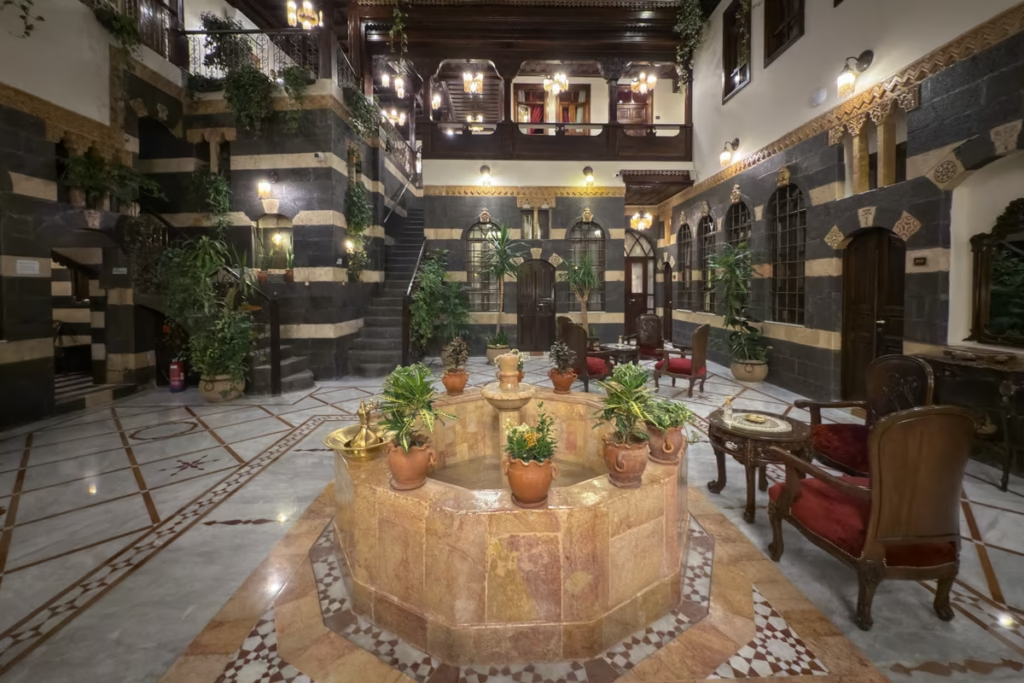
Beit al Wali is a beautifully restored 18th century Damascene home turned boutique hotel, blending traditional Syrian architecture with modern comfort. Think carved wooden ceilings, arched courtyards, and that dreamy old-world charm wrapped in luxury.
Talisman Hotel
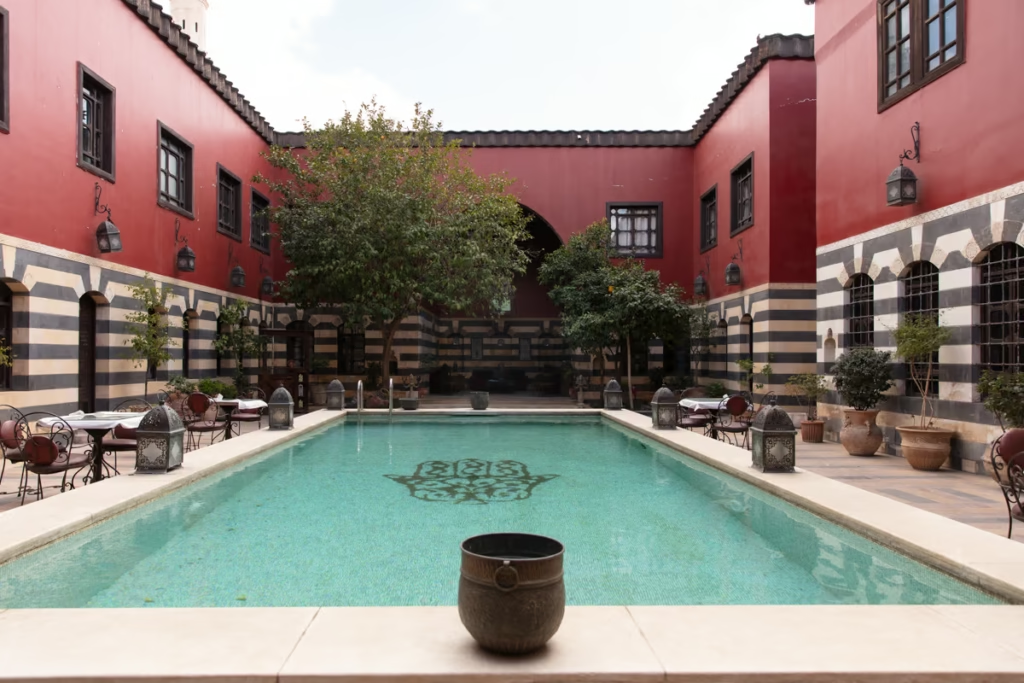
The Talisman Hotel is a gorgeous boutique hotel with ornate interiors, mosaic-tiled floors, and a peaceful courtyard tucked away in the Jewish Quarter of Damascus. Perfect if you’re after comfort with a serious dash of history.
Best Things to Do in Damascus
Get Lost in the Old City (Al-Madina al-Qadima)
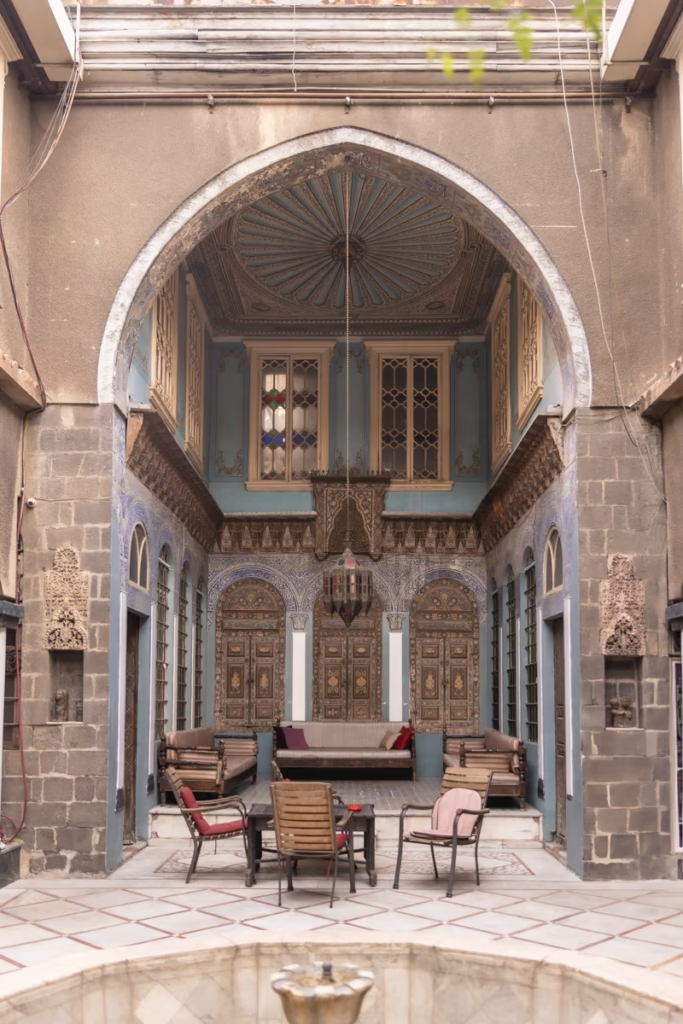
Wandering the UNESCO-listed Old City of Damascus is the absolute highlight of any visit. Narrow cobbled lanes open up to bustling markets, serene courtyards, old churches, and ancient mosques.
One thing I love about the Old City of Damascus is just being there, wandering through narrow alleys, sitting in a beautiful courtyard cafe sipping coffee, and just watching life go by, as it has for centuries.
Souk al Hamidiyah
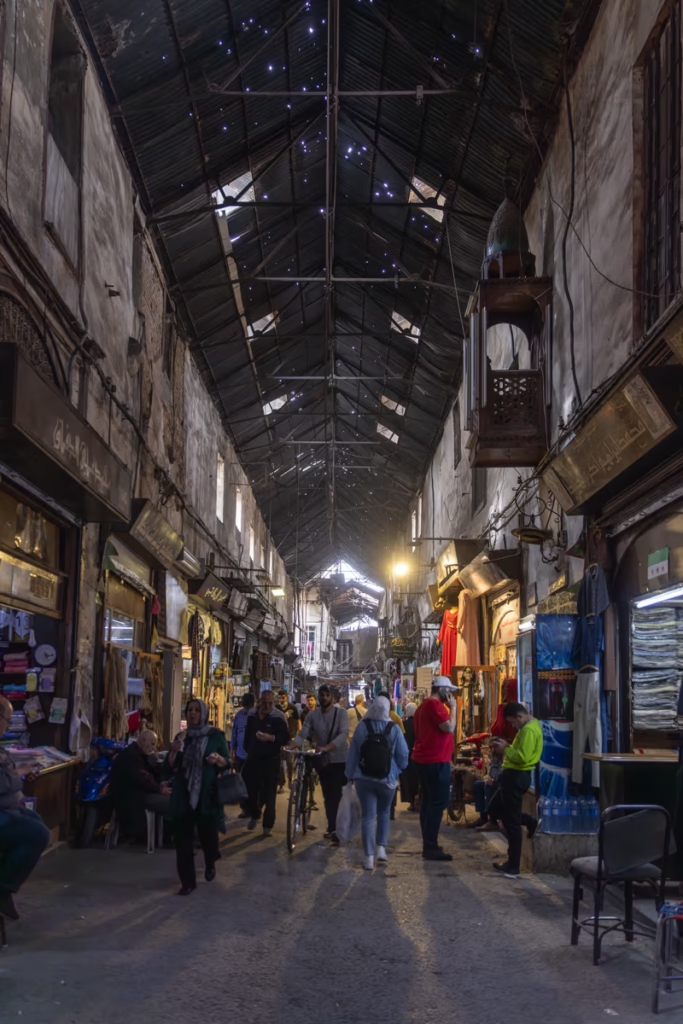
This grand market is the place to soak up local vibes. The metal roof clatters as the breeze rushes through (occasionally knocking a roof tile down from the rafters, so be careful), and you’ll find everything from silk, mountains of fragrant spices to pistachio-stuffed sweets.
Azem Palace (Beit al-Azem)
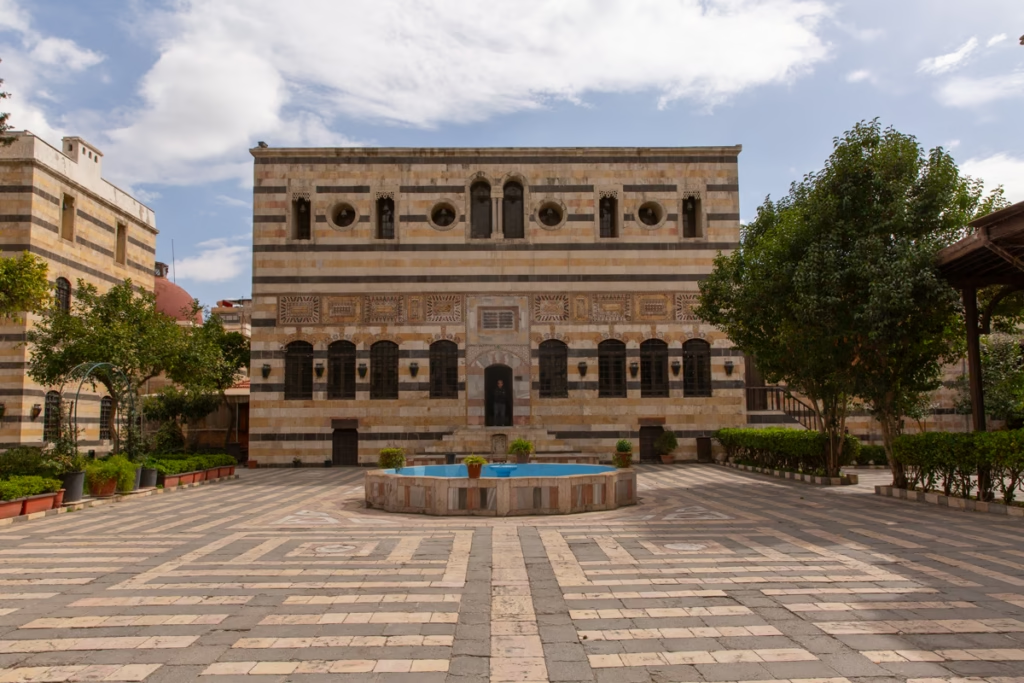
A beautiful 18th-century Ottoman house that gives serious Damascus aesthetic goals: think intricate stonework, peaceful fountains, and leafy inner courtyards.
Azem Palace functions as a museum as well, featuring displays of furniture, fashion, musical instruments, and culture through the centuries in Damascus.
Umayyad Mosque (Great Mosque of Damascus)
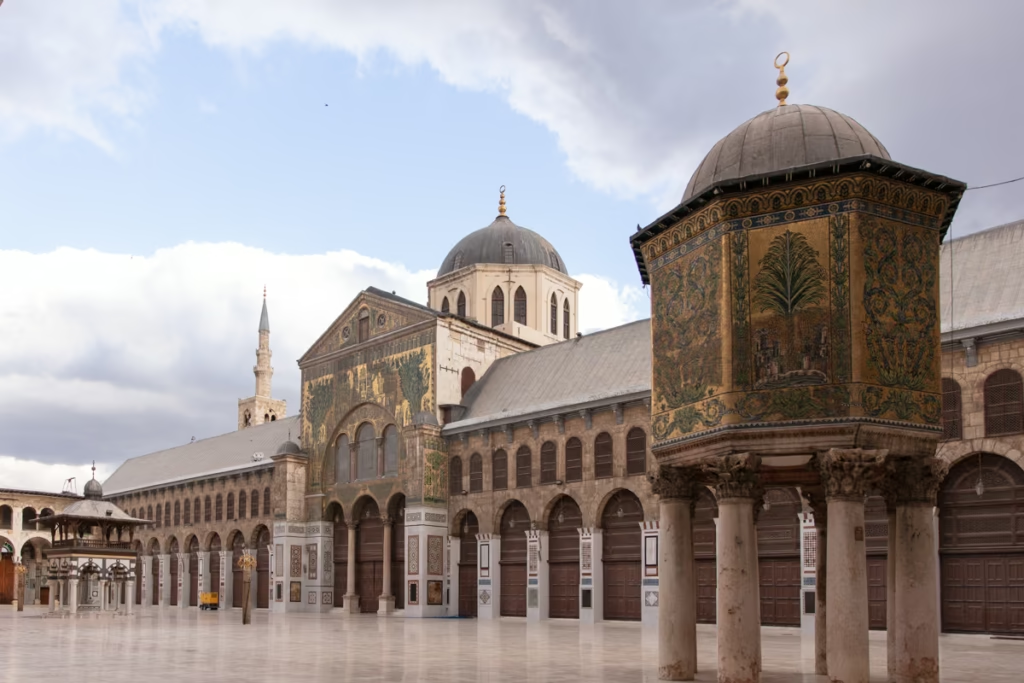
One of the oldest and grandest mosques in the world. Even if you’re not religious, the architecture alone warrants a visit. The courtyard shimmers in the sunlight, and the ancient mosaics still glint with gold. It’s said to house the tomb of John the Baptist.
Straight Street (Via Recta)
Mentioned in the Bible, this Roman road slices directly through the Old City of Damascus. The Via Recta even crosses under the Roman Gate, which would have been the historic center of Damascus. It’s lined with tiny shops selling antiques, textiles, and more than a few copper coffee sets I almost couldn’t resist buying.
Saint Ananias House
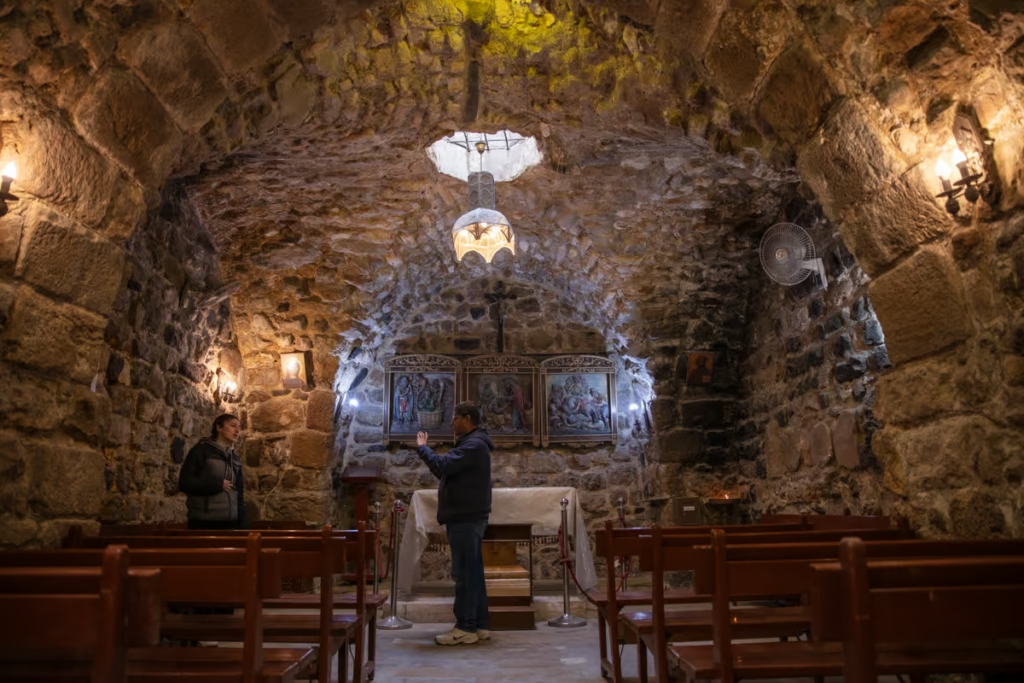
Tucked beneath the Old City, Saint Ananias House is a modest underground chapel believed to be where Ananias restored Saul’s sight, marking the beginning of Paul the Apostle’s journey.
The Seven Gates of Damascus
The seven gates of Damascus once guarded the entrances to this ancient walled city. More than just access points, these gates played vital roles in the city’s defense and trade. Among them are Bab Sharqi (the grand East Gate), Bab Tuma (Gate of Thomas, leading into the Christian Quarter), Bab Kisan (linked to the escape of Paul the Apostle), Bab al Faradis (Gate of Paradise), Bab al-Faraj (Gate of Deliverance), Bab al Jabiyah, Bab al-Saghir (the Small Gate), and Bab al-Salam (Gate of Peace).
Damascus National Museum
The Damascus National Museum is a must for any history lover, offering a sweeping journey through Syria’s rich past, from prehistoric artifacts to Islamic art.
Must Try Foods & Best Restaurants in Damascus
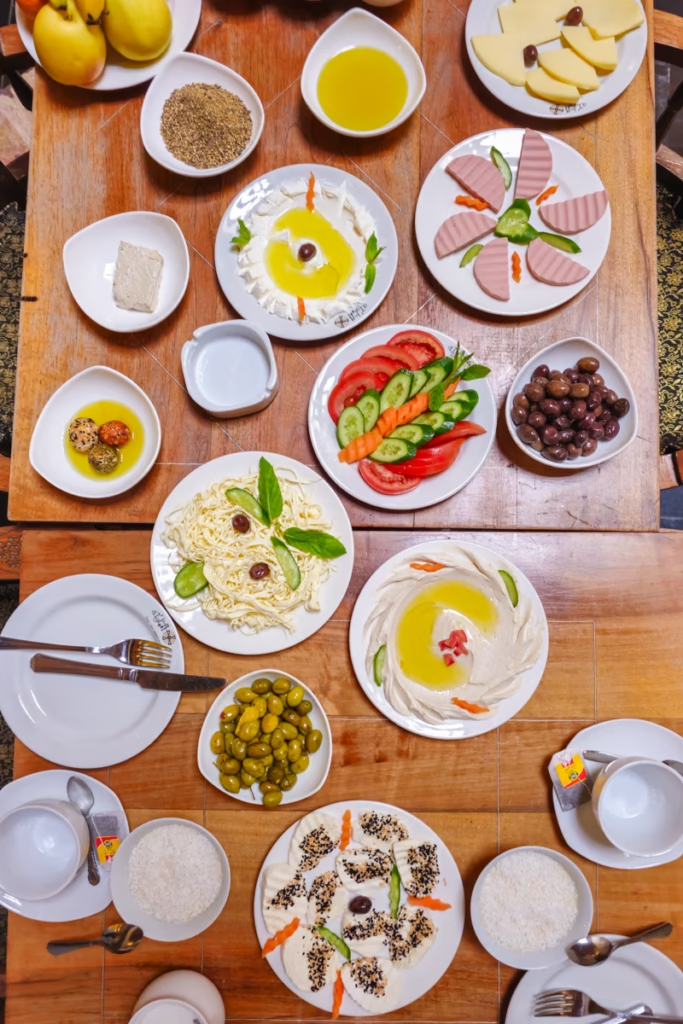
Syrian food is among my favorite cuisines, up there with the likes of Georgian cuisine. Eating in Syria is a real highlight of visiting the country, with Damascus being the epicenter.
I could go on all day about how delicious Syrian food is (and will have to happen in a post all of its own). Think slow-cooked meats, sweet-and-sour stews, creamy bowls of muhammara, toum, mutabbal, and hummus, and delectable syrup-drenched desserts.
Must-Try Dishes in Damascus
- Kibbeh Hamdaniyeh: A unique Damascene take on kibbeh (bulgur and meat dumplings) in a sour cherry or pomegranate-based sauce.
- Maqloubeh: A savory rice dish flipped upside down, typically with eggplant, cauliflower, or meat layered underneath. The Damascene version leans into warm spices like cinnamon and allspice.
- Barazek: Thin, crisp sesame and pistachio cookies originally from Damascus. Perfect with a tiny cup of bitter Arabic coffee.
- Damascene-style Tagine: A slow-cooked stew of meat and dried fruits (apricots, plums, or quince), rich in sweet and savory contrast.
- Yalanji: Grape leaves stuffed with rice, tomatoes, and herbs, served cold with a splash of lemon. The Damascene version is especially fragrant and delicate.
- Kibbeh Labanieh: Fried or boiled kibbeh served in a rich, garlicky yogurt sauce.
- Sheikh al-Mahshi: Zucchini or eggplant stuffed with minced meat and pine nuts, simmered in tomato sauce. The name means “king of stuffed dishes.”
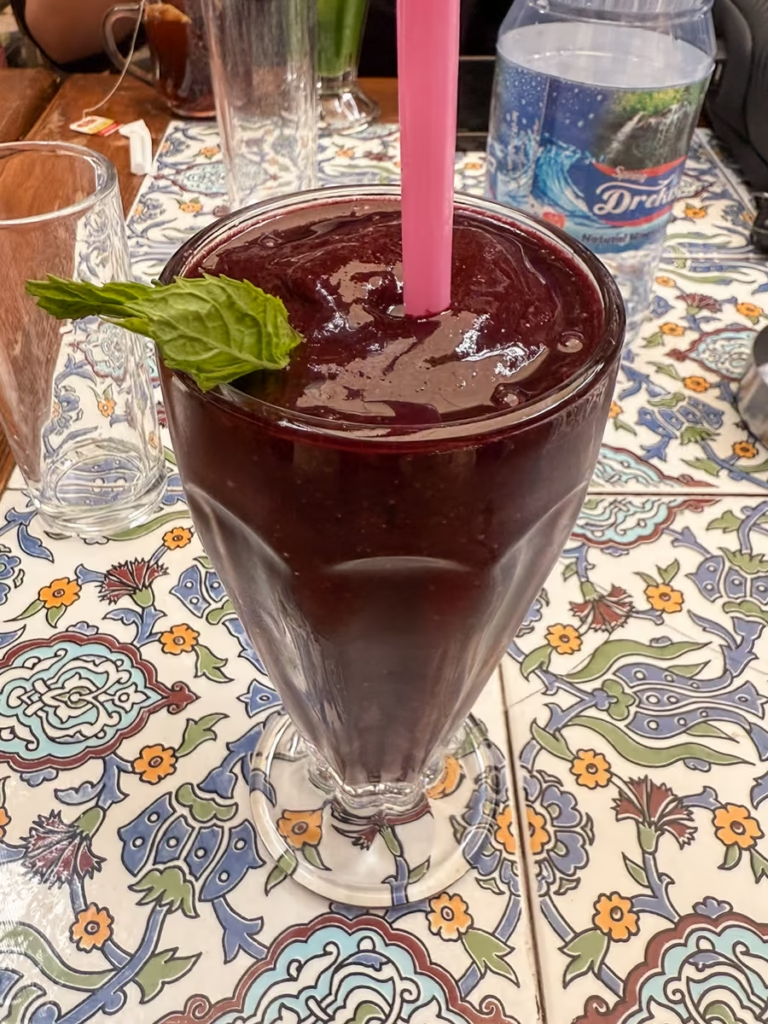
- Toot shami: frozen mulberry blended up into a sweet frozen juice drink. You can get toot shami all over Syria but its regarded to be the best in Damascus.
- Fatteh: A layered dish of crispy bread, chickpeas, yogurt, and tahini, topped with toasted pine nuts. Often eaten for breakfast or lunch.
- Harraq Isba‘o: A vegetarian lentil and pasta stew, topped with caramelized onions, crispy bread, and coriander. The name cheekily means “He burned his finger”.
- Mujaddara: A lentil and rice dish cooked with caramelized onions. Simple but hearty and much-loved in Damascene home cooking.
- Mutabbal: A smoky, creamy eggplant dip made with tahini, garlic, and lemon. While popular across the Levant, Damascene kitchens often give it a tangier, silkier twist.
- Lamb Ouzi: Tender lamb served with spiced rice, nuts, and sometimes wrapped in phyllo. Reserved for feasts and special occasions.
- Mahshi: Vegetables like zucchini, eggplant, or bell peppers stuffed with a mixture of rice, herbs, and meat.
- Bazeen bi Lahmeh: Spiced lamb cooked with bulgur and chickpeas, typical of festive Damascene meals.
- Namoura: A semolina-based cake soaked in syrup, often scented with orange blossom or rose water.
Best Restaurants in Damascus
Beit Jabri
(Map)
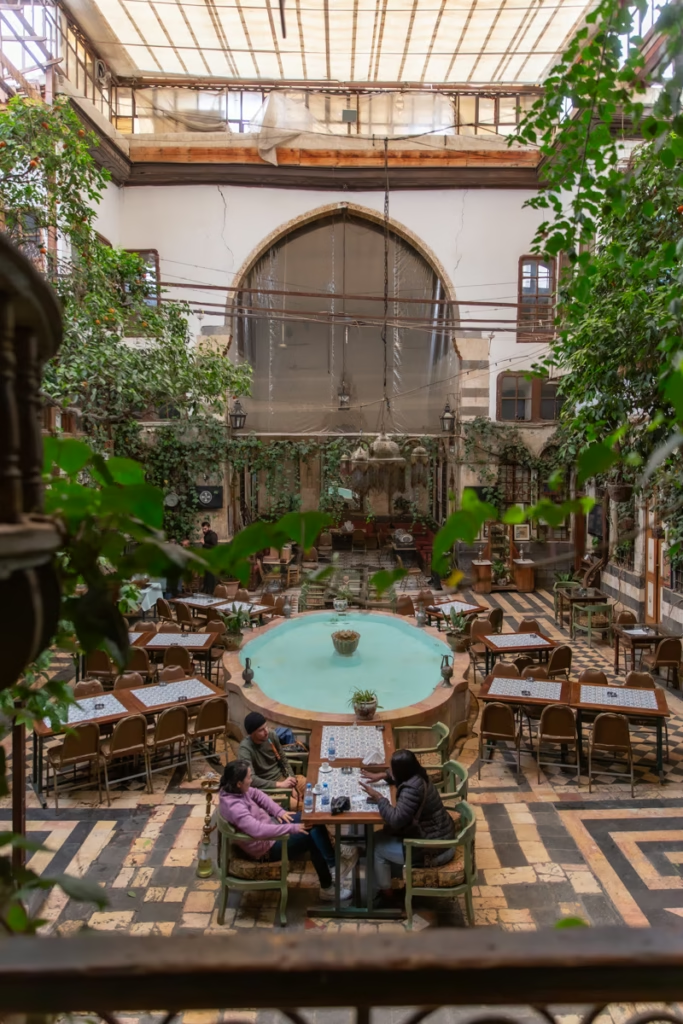
Set inside a beautiful Damascene courtyard house, Beit Jabri is a classic go-to in the Old City for both locals and travelers. With fountains, citrus trees, and centuries-old stone walls, it’s a vibe-heavy spot perfect for a leisurely mezze lunch or late-night tea. The menu’s full of Syrian staples, but honestly? Half the magic is just soaking up the atmosphere.
Darmisk
(Map)
Trendy and modern without losing its Damascene soul, Darmisk is where locals gather for a more contemporary take on Syrian dining. The food mixes traditional dishes with a bit of flair, the coffee is strong, and the setting is stylish yet laid-back. Perfect for when you want that cultural experience without going full tourist mode.
Mona Lisa
(Map)
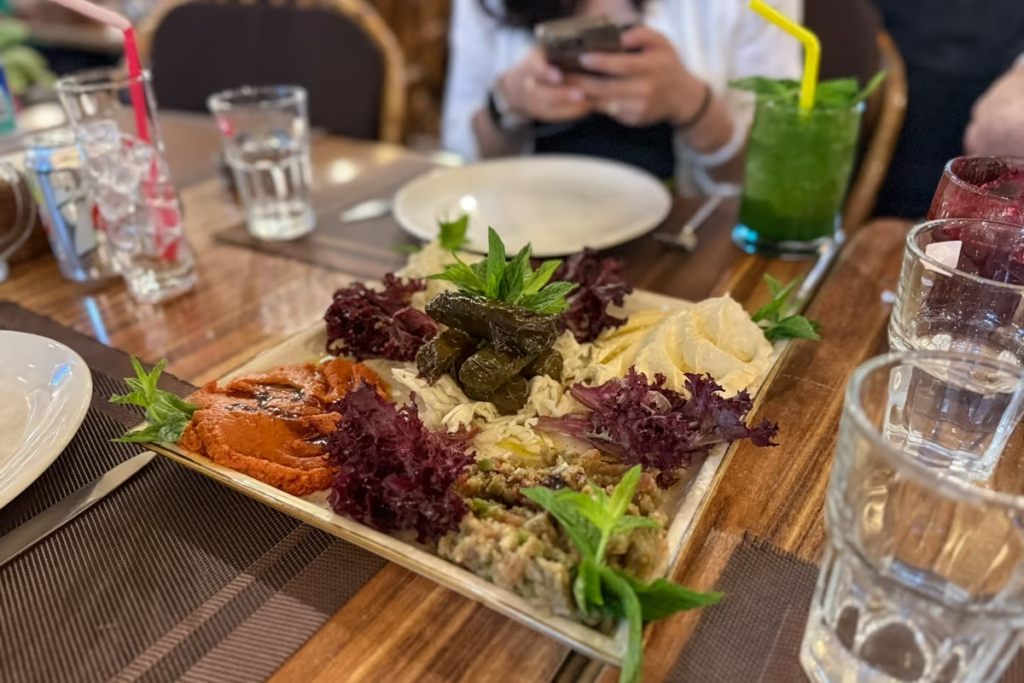
Mona Lisa blends Levantine flavors and fusion dishes in a cozy, slightly retro setting. It’s been around forever, which tells you all you need to know. The pasta and grilled meats are solid, and it’s a nice break if you’ve been living on shawarma and falafel for a few too many days.
Bakdash
(Map)
More of a dessert institution than a restaurant, but a Damascus rite of passage. Grab a cone of stretchy Arabic ice cream coated in crushed pistachios, and eat it while dodging the crowds in Souq al Hamidiyah.
Naranj Restaurant
(Map)
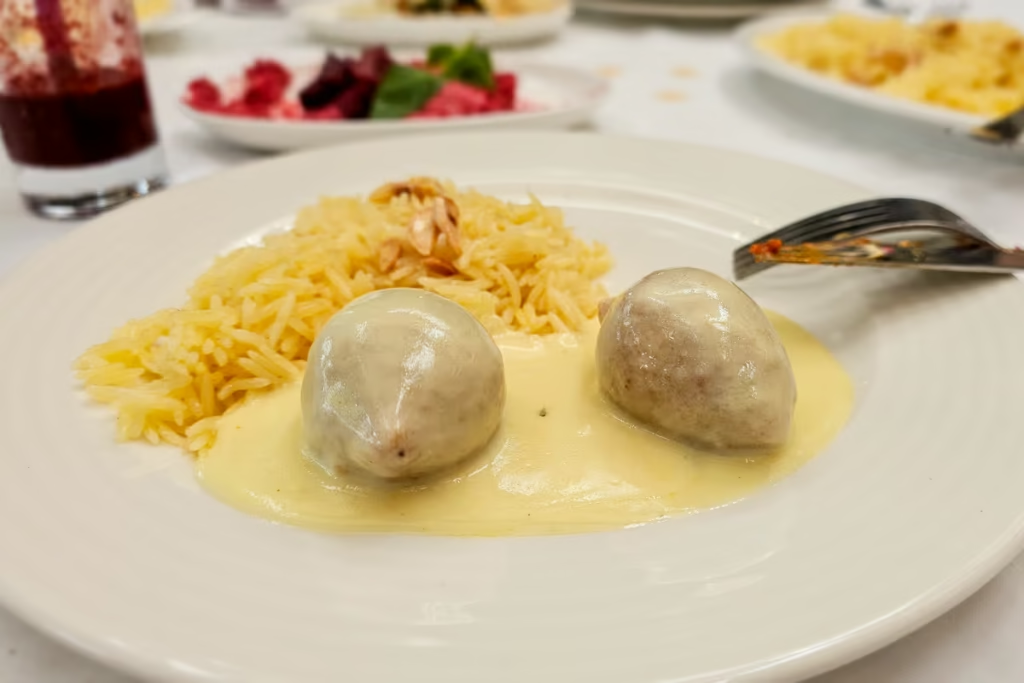
Located in the Old City, Naranj is a go-to for both locals and travelers. The setting is elegant, and the fatteh, kabsa, and stuffed vine leaves are next level.
Cafe al Qishla
(Map)
Cafe al Qishla sits near the iconic Umayyad Mosque in a restored Ottoman-era building, and it leans hard into the old-world elegance. Expect polished service and traditional dishes done right. Great for a more upscale Damascene dinner, especially if you’re looking to impress (or just treat yourself).
Shawarma el Burj
(Map)
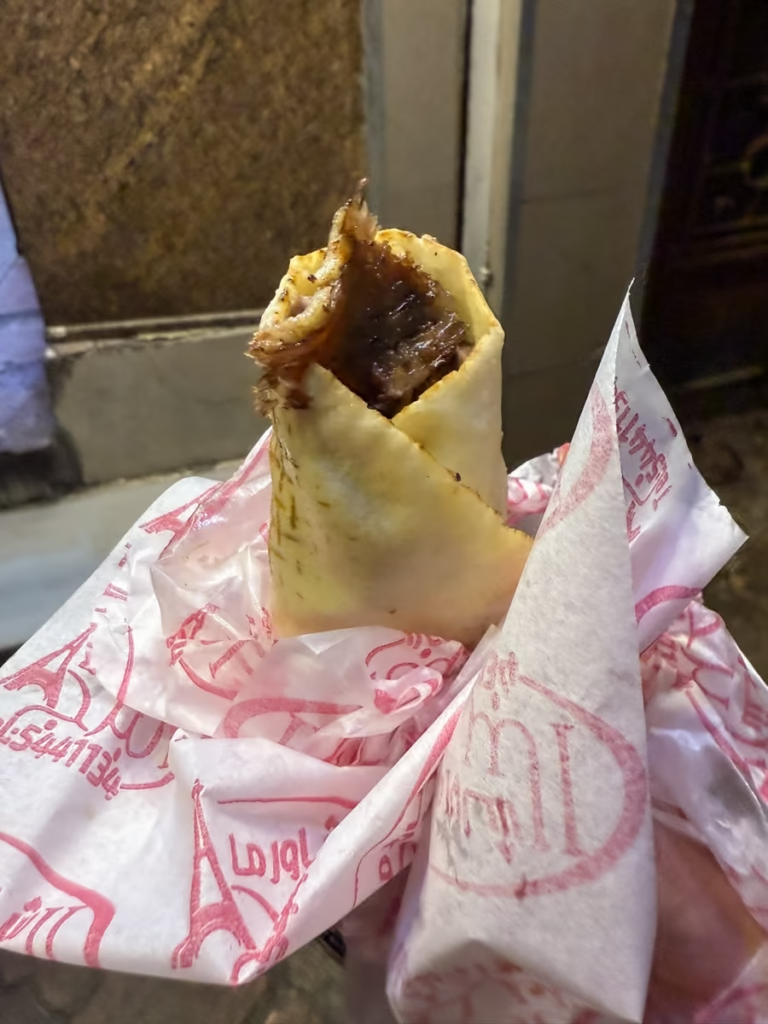
Sat just outside Old Damascus’ Bab Touma Gate, Shawarma el Burj is the best shawarma in Damascus, hands down, and dare I say it, the best shawarma I’ve ever had.
It’s hopping in the evening with locals clamoring at the window, putting in orders as staff carry out giant bags filled with their famous shawarma to cars honking in the alley that called in orders. Yes- it’s that good.
You have two options- lamb or chicken, but come on an empty stomach and treat yourself to both.
Is it Safe to Visit Damascus?
Let’s be real. This is probably the first question on your mind. While some parts of Syria are still a little unstable, Damascus has remained secure in recent years, especially for travelers who stick to the main areas.
That said, do your research and check with local tour operators before planning your trip. Independent travel is possible, but most visitors currently go with organized trips or local fixers who know the lay of the land.
Tips for Damascus Travel
- Bring cash: ATMs do not function for foreign cards. Bring enough USD or Euros and exchange them locally.
- Dress modestly for religious site visits: You will see fashions ranging from things you would see on the streets of Milan to all-encompassing religious garb. Long sleeves and trousers are a safe bet for days you will visit churches and mosques.
- Photography: Be cautious and avoid snapping anything that looks remotely military or governmental.
- Language: Arabic is the language of Syria, and French is common due to the time under the French Mandate. English isn’t the most common in Damascus, but plenty of people know some. A local guide is super helpful in this case.
- Connectivity: Internet access is limited and slow. When I was there in April 2025, they had just cut the 4G, and the best you could get was 3G service. Embrace the digital detox.
Thoughts on Visiting Damascus
Visiting Damascus is like flipping through the pages of a living history book, except the food is better, the architecture is jaw-dropping, and the people might just invite you in for tea before you make it to the next page.
It’s not your average destination, and that’s exactly the point. Damascus challenges you, surprises you, and leaves a mark that’s hard to shake off.
So if you’re open-minded, respectful, and ready for a truly unique adventure, Damascus travel might just be one of the most rewarding journeys you’ll ever take.
Would you ever visit Damascus? Or have you already?
Let me know your thoughts, questions, and experiences from Damascus in the comments below.