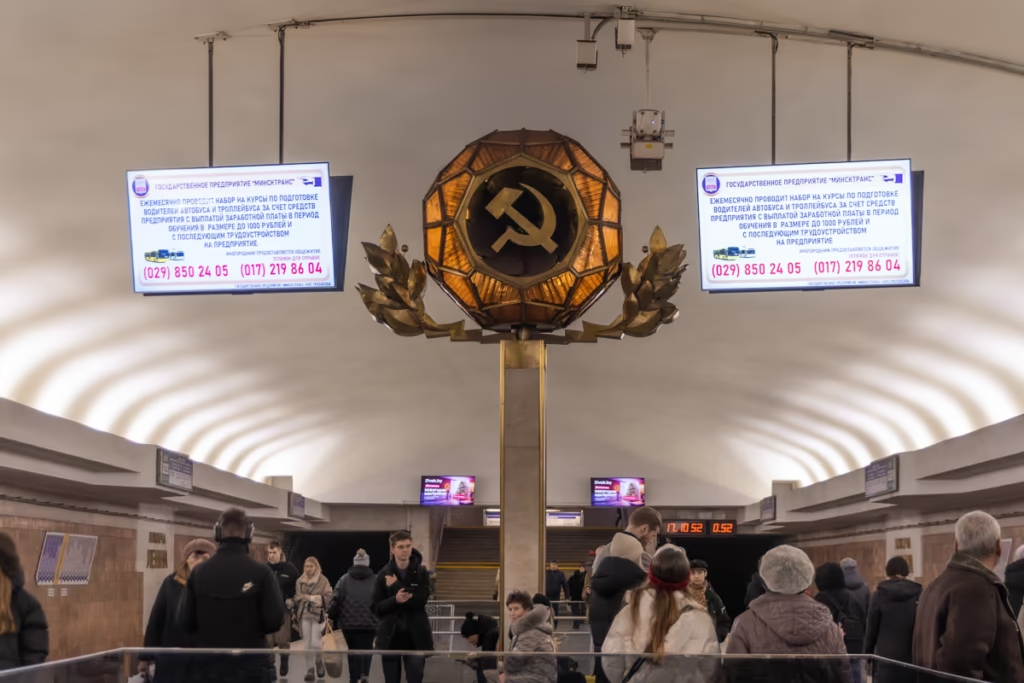
Visit Grodno, Belarus: An In-Depth Travel Guide
Visit Grodno, Belarus: An In-Depth Travel Guide was originall published in 2026
Tucked in the far northwest of Belarus, right on the border with Poland and Lithuania, Grodno (also spelled Hrodna) is one of the country’s most beautiful and historically rich cities. Often overshadowed by Minsk, Grodno charms visitors with its cobblestoned streets, centuries-old churches, leafy boulevards, and relaxed pace. Whether you’re drawn by its fascinating mix of cultures, Soviet-era quirks, or riverside views of the Neman, Grodno makes for an unforgettable stop.
A Little About Grodno
Grodno has been an important crossroads for centuries, thanks to its strategic location on the Neman River. First mentioned in the 12th century, it rose to prominence as part of the Grand Duchy of Lithuania, later becoming a favored residence of Polish kings during the Polish–Lithuanian Commonwealth. Its castles hosted royal courts and parliaments, cementing Grodno’s role as a political and cultural hub of the region.
Over the centuries, Grodno shifted hands between empires, from Russia to Poland, before becoming part of modern Belarus after World War II. This layered past left behind an eclectic mix of Gothic, Baroque, and Soviet architecture that still shapes the city today. Walking its streets feels like flipping through chapters of Eastern Europe’s history, with each era leaving its own imprint on Grodno’s identity.
Where to Stay in Grodno
- Neman Hotel – centrally located, with views of the cathedral and old town.
- Kronon Park Hotel – a beautiful boutique hotel set in the forest, across the Neman River. Located about 4.5 kilometers from the city center.
- Turist Hotel– Soviet-style accommodation by the river, with a nostalgic atmosphere.
- Boutique & Apartment Stays – Private rentals are also common in Grodno, offering a homier base. We ended up renting a little apartment ourselves for our time in Grodno.
How to Get to Grodno
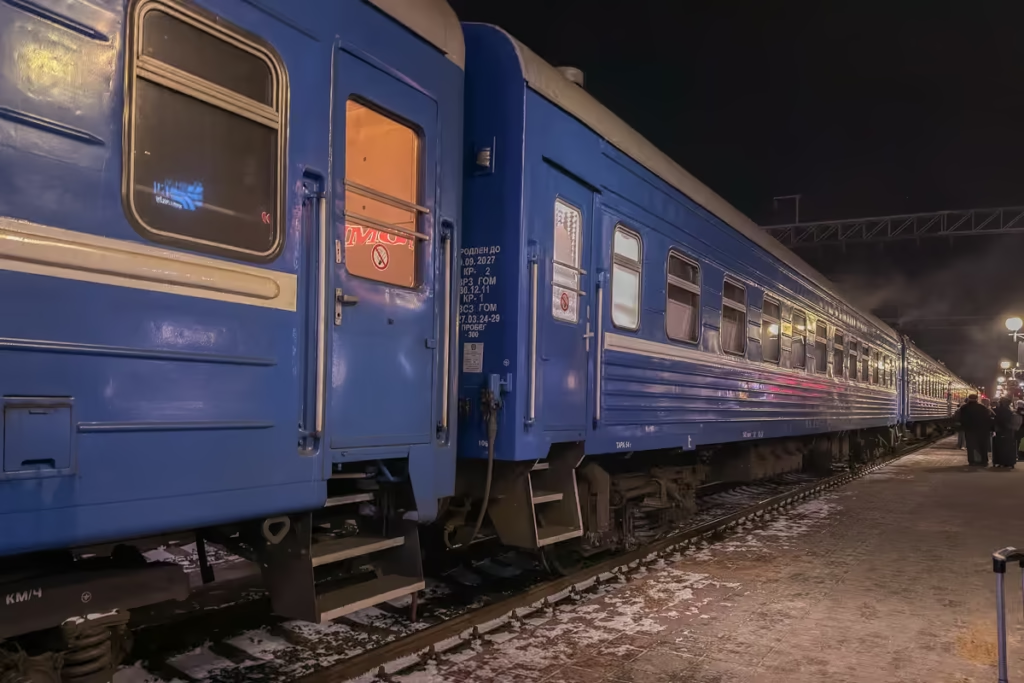
- From Minsk: Direct trains and buses run between Minsk and Grodno, taking around 4–5 hours. Book train tickets through rw.by and bus tickets via Atlas Bus.
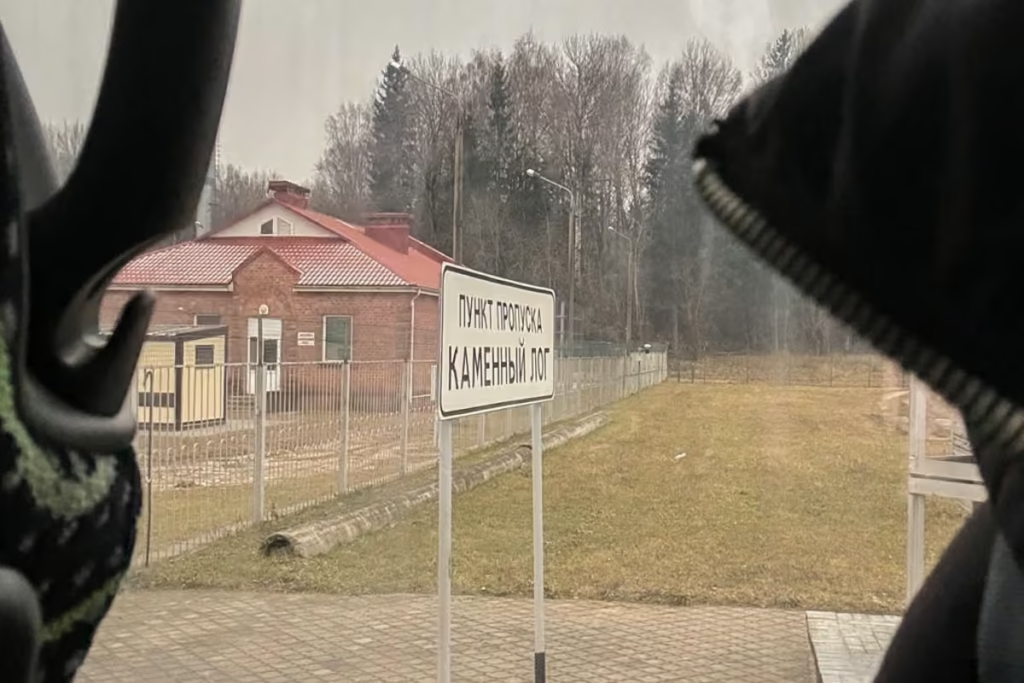
- From Poland or Lithuania: Grodno lies near the borders of both Poland and Lithuania, making it an easy stop for travelers entering Belarus by land. Border crossings from Białystok (Poland) or Druskininkai (Lithuania) are common. Find various international bus routes to and from Belarus, bookable online at Favorit Transagency.
Best Time to Visit Grodno
- Spring (April–June): The city blooms with flowers, and the weather is mild.
- Summer (July–August): Warm and lively, with outdoor cafes and festivals.
- Autumn (September–October): Crisp air and golden foliage along the Neman River make for beautiful walks.
- Winter (December–February): Cold and snowy, but Grodno’s churches and old town look especially atmospheric in the frost.
Travel Tips for Grodno Belarus
- Currency: The Belarusian ruble (BYN) is the local currency. ATMs are widely available; some will accept foreign cards, some will not.
- Language: Belarusian and Russian are spoken, but English is not common. A translation app helps.
- Transport: The city has buses and trolleybuses, though most sights are walkable in the compact center.
- Food to Try: Sample draniki (potato pancakes), borscht, and local sausages at traditional Belarusian restaurants.
- Cultural Note: Grodno’s history is deeply tied to Poland, Lithuania, and Belarus, giving the city a multicultural identity reflected in its architecture and traditions.
Best Things to Do in Grodno
Explore the Old Castle and New Castle
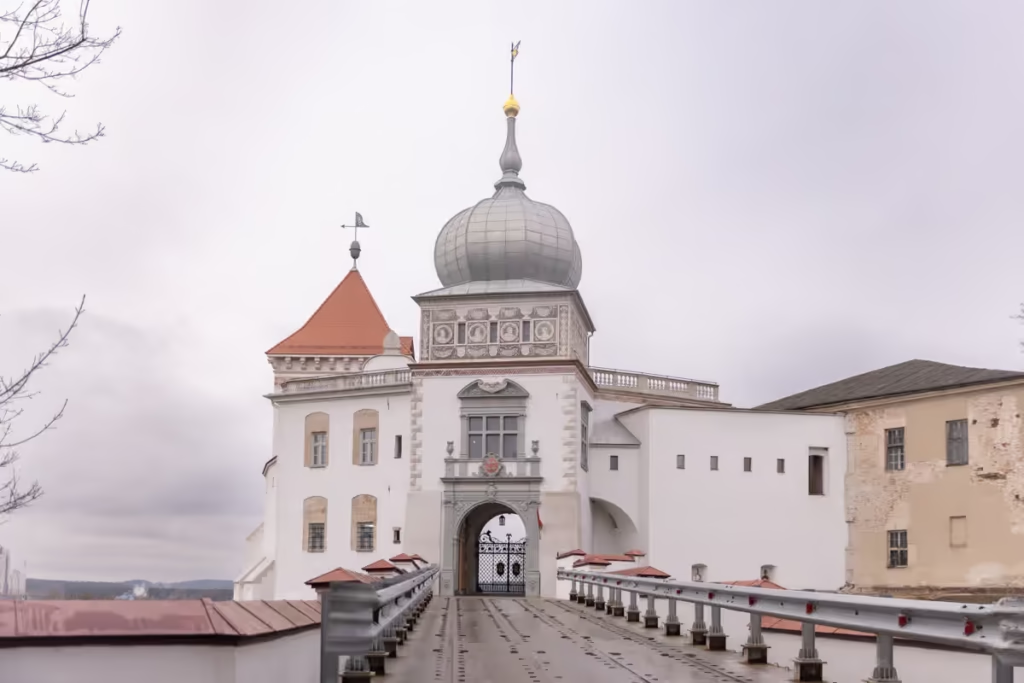
Perched above the Neman River, Grodno’s Old Castle dates back to the 11th century. It was once the residence of the Grand Dukes of Lithuania and later the Polish kings. Right next door, the 18th-century New Castle became an important political hub, even hosting sessions of the Polish–Lithuanian Commonwealth’s Sejm. Both castles now house museums filled with artifacts from Grodno’s past.
St. Francis Xavier Cathedral
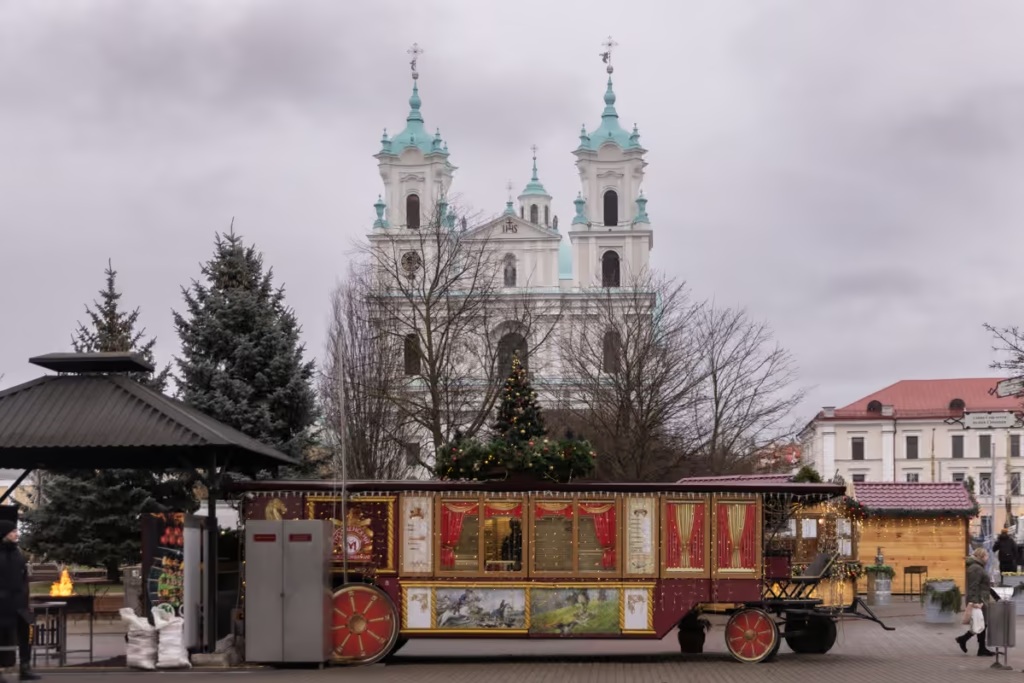
This 17th-century Baroque masterpiece is one of the largest churches in Belarus. Its ornate façade, twin towers, and richly decorated interior make it a must-visit. Step inside to admire gilded altars, detailed frescoes, and the sheer grandeur of a cathedral that once served as the seat of the Catholic Church in the region.
Grodno Central Market
For a taste of everyday life in Grodno, head to the bustling Grodno Central Market. This massive indoor market has been serving locals since Soviet times and is still the best place to experience Belarusian food culture firsthand. Inside, vendors sell everything from fresh produce and homemade cheeses to smoked meats, pickled vegetables, and sweet pastries. If you’re curious about local specialties, try salo (cured pork fat), honey from nearby villages, or Belarusian dairy products.
The market isn’t just about food; it’s also a place to pick up traditional crafts, textiles, and household goods. Even if you don’t buy much, wandering the aisles is a cultural experience in itself.
Grodno Regional Drama Theatre
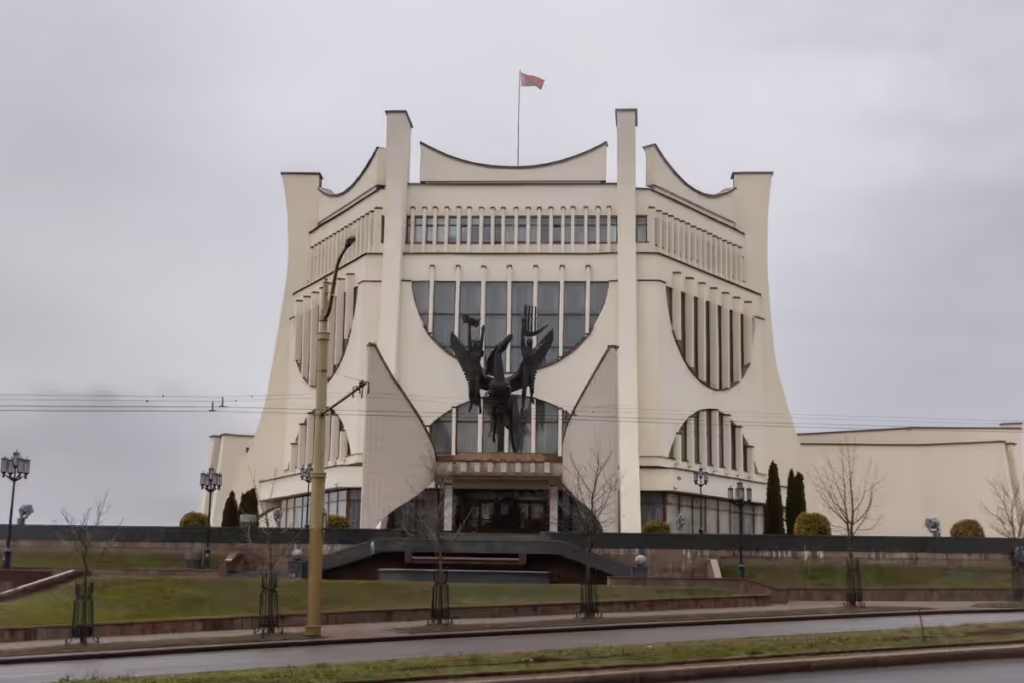
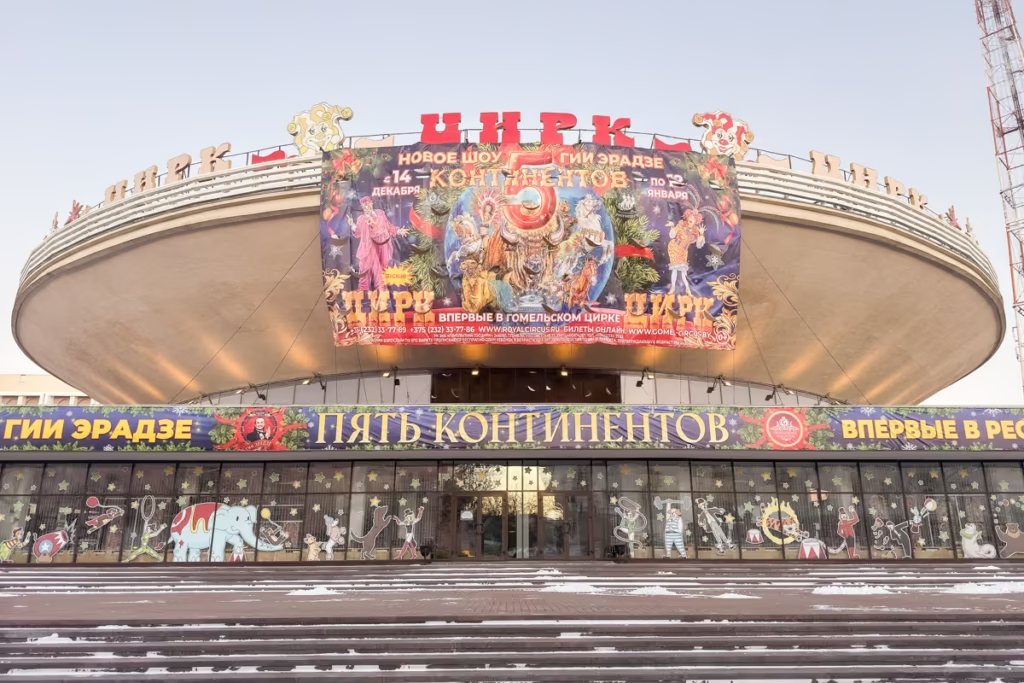
It’s hard to miss the striking Grodno Regional Drama Theatre, a modernist landmark on the banks of the Neman. Built in the late 1970s, the building is shaped like a giant cake (at least to me), its dramatic lines and curved façade making it one of the city’s most recognizable pieces of Soviet architecture.
The theatre hosts an active program of plays, concerts, and cultural performances, mostly in Belarusian and Russian. Even if you don’t catch a show, the theatre is worth a stop just to admire the bold architectural statement from the Soviet era.
Kalozha Church (Saints Boris and Gleb Church)
Built in the 12th century, this UNESCO-listed Orthodox church is one of the oldest in Belarus. Its distinctive stone-and-brick construction and riverbank location give it a timeless atmosphere. Despite partial collapses over the centuries, it remains an active place of worship.
Sovetskaya Street
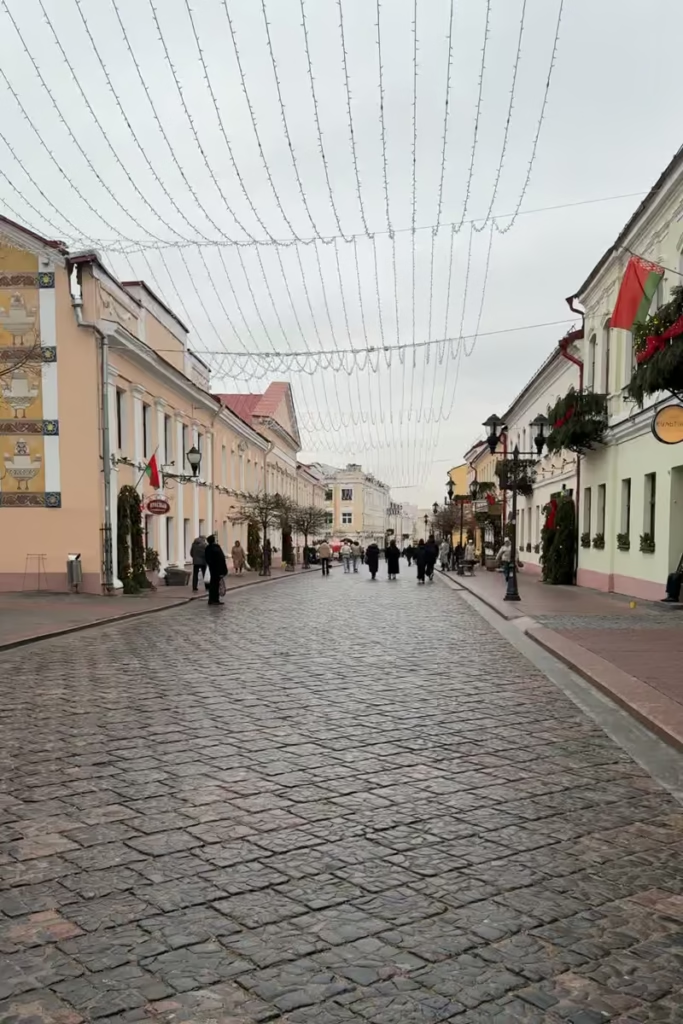
At the heart of Grodno’s old town is Sovetskaya Street, the city’s main pedestrian thoroughfare and one of the liveliest places to wander. Lined with pastel-colored townhouses, stylish boutiques, and cozy cafes, it’s where locals come to shop, stroll, and socialize. The street really comes alive in the evenings and weekends, and was especially festive visiting during the Christmas season.
For visitors, Sovetskaya Street is a perfect starting point to get a feel for Grodno. You can sip coffee at an outdoor terrace, browse souvenir shops, or simply enjoy people-watching as the city passes by. During holidays and festivals, the street is often decorated with lights and filled with market stalls.
Fire Tower & Observation Deck
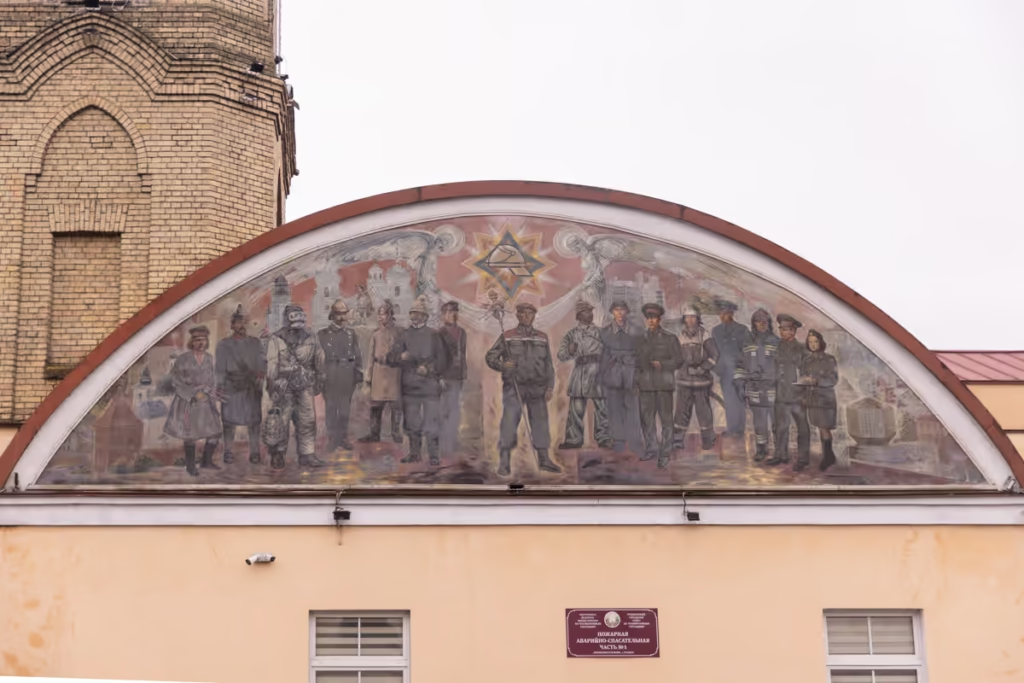
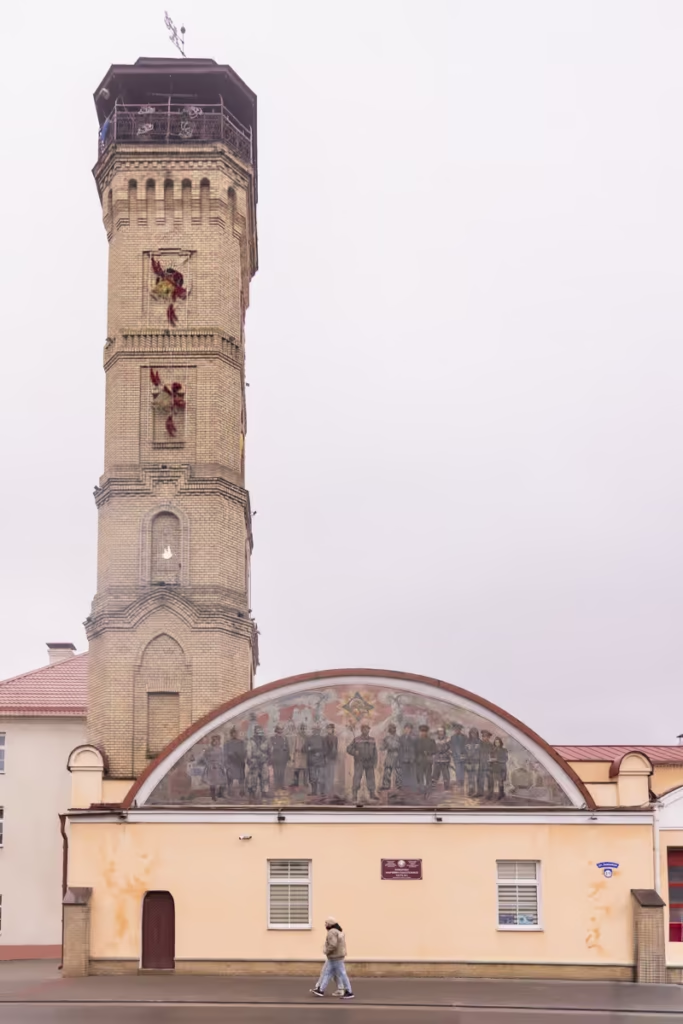
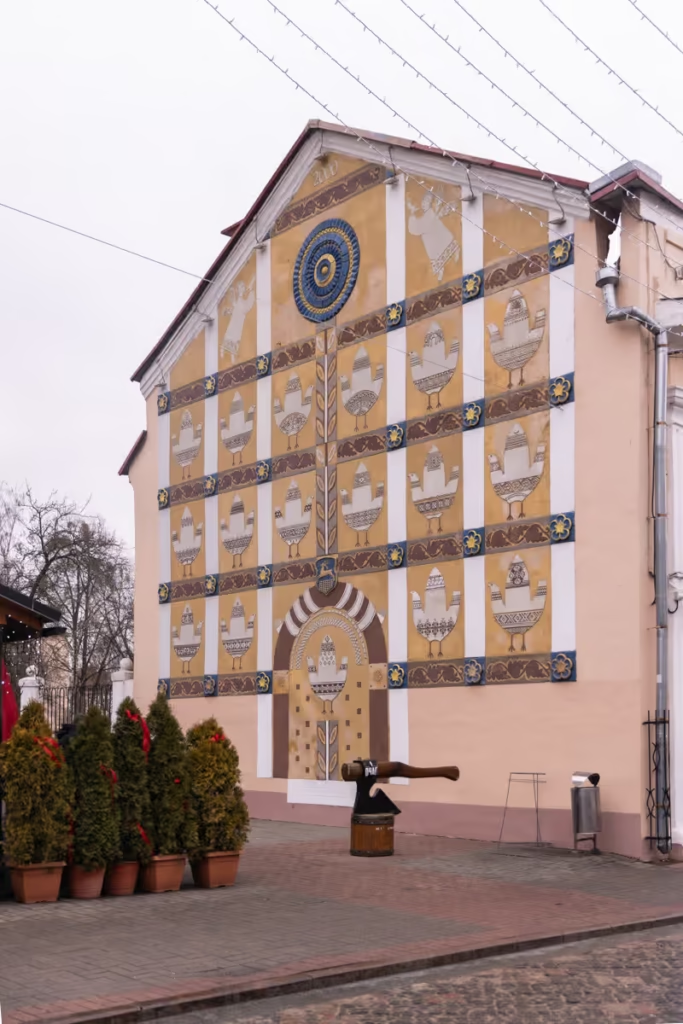
While the Fire Tower plays a practical role in protecting Grodno from devastating blazes, today it’s just as well known for the striking mural painted across its façade. The artwork stretches wide, depicting scenes from the city’s firefighting history in vivid detail. It blends historical imagery with a bold modern style, turning what was once a purely functional building into one of Grodno’s most photogenic landmarks.
Soviet Architecture and Monuments
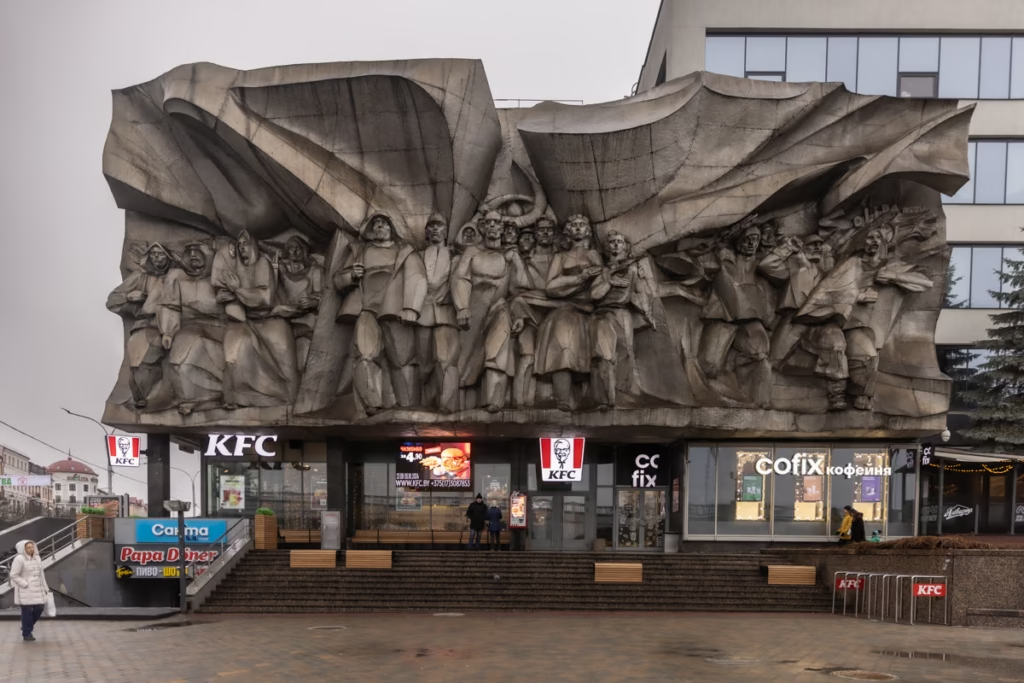
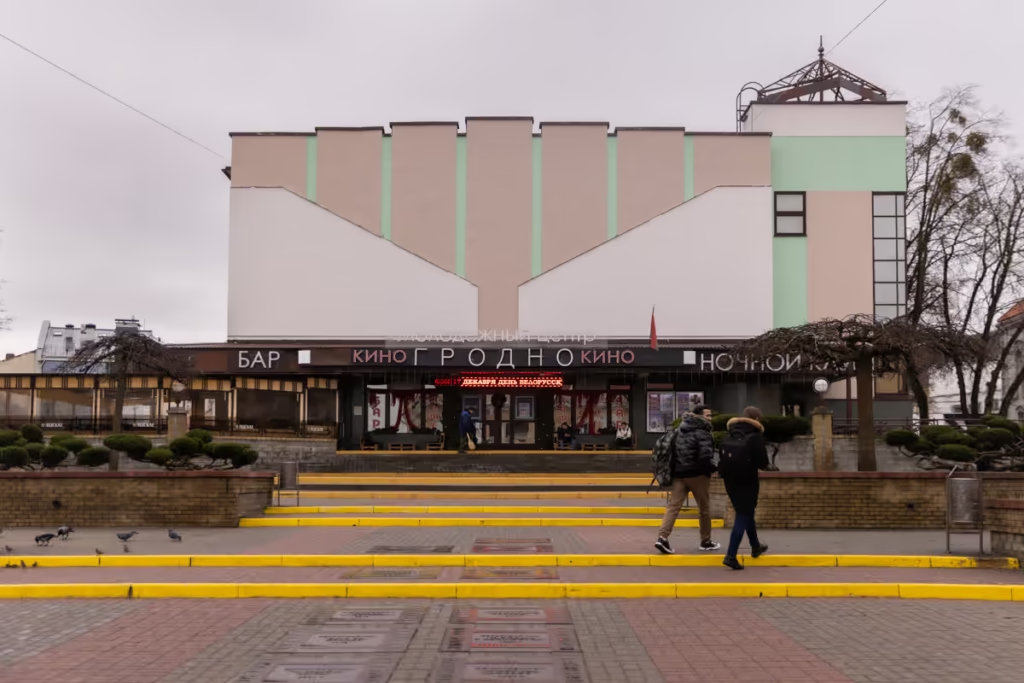
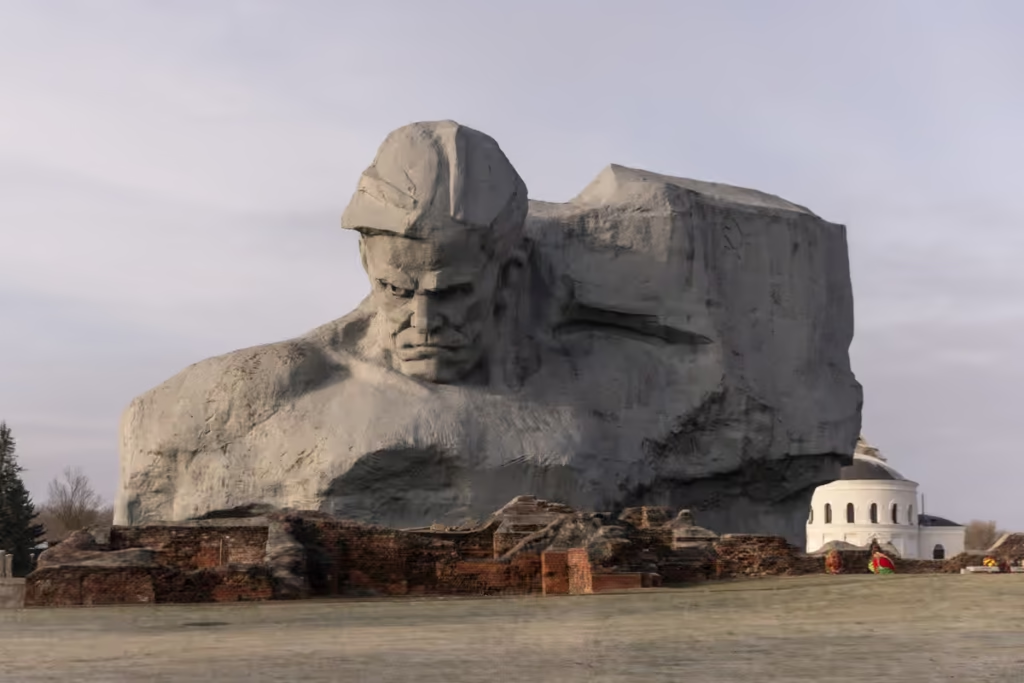
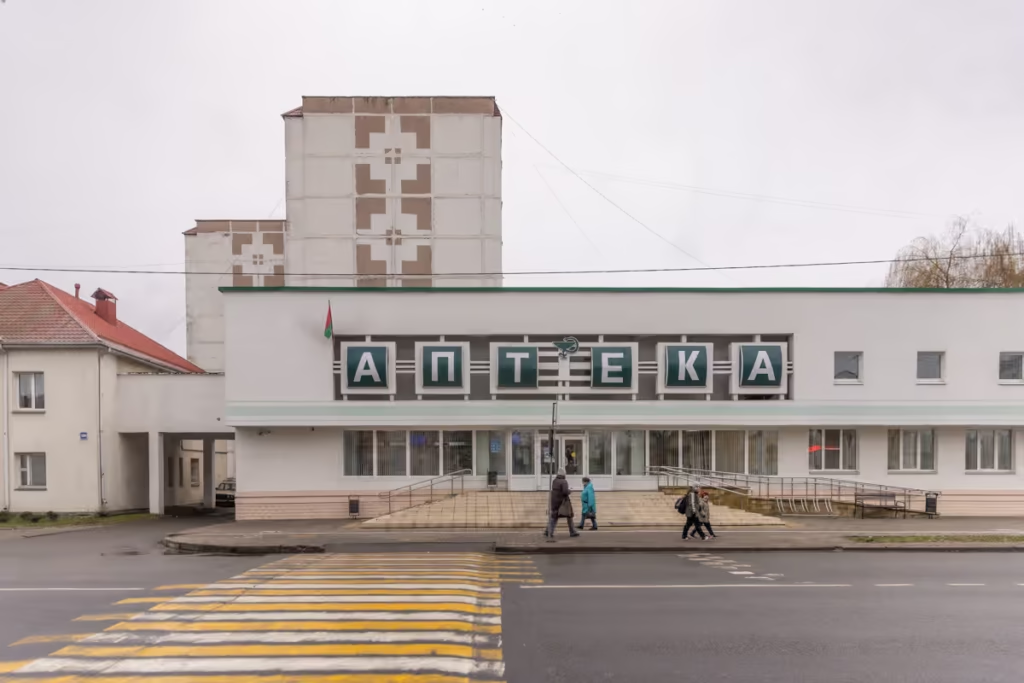
Like much of Belarus, Grodno still carries Soviet-era landmarks, from mosaics and apartment blocks to statues honoring WWII. Exploring these sites offers a glimpse into the city’s more recent past.
Grodno’s Local Museums
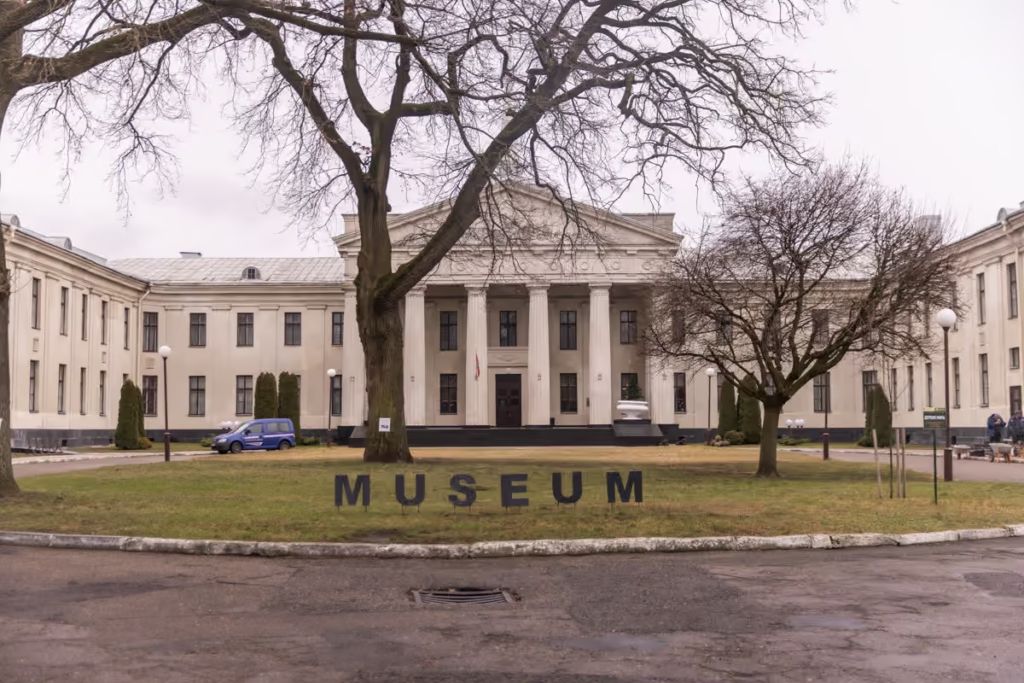
- Maxim Bahdanovich Museum of Literature – dedicated to the life of one of Belarus’s greatest poets.
- Museum of Malformations of the Human Body – A quirky medical museum located in the basement of Grodno State Medical University, it displays preserved anatomical specimens and oddities.
- Museum of Interesting Things – A small but eclectic collection showcasing the history of household appliances of Belarus and beyond.
Best Restaurants & Cafes in Grodno
- Karchma: Beautiful restaurant near the main square serving up delicious Belarusian cuisine, as well as dishes popular in Poland, Lithuania, and Russia. Had an excellent draniki here.
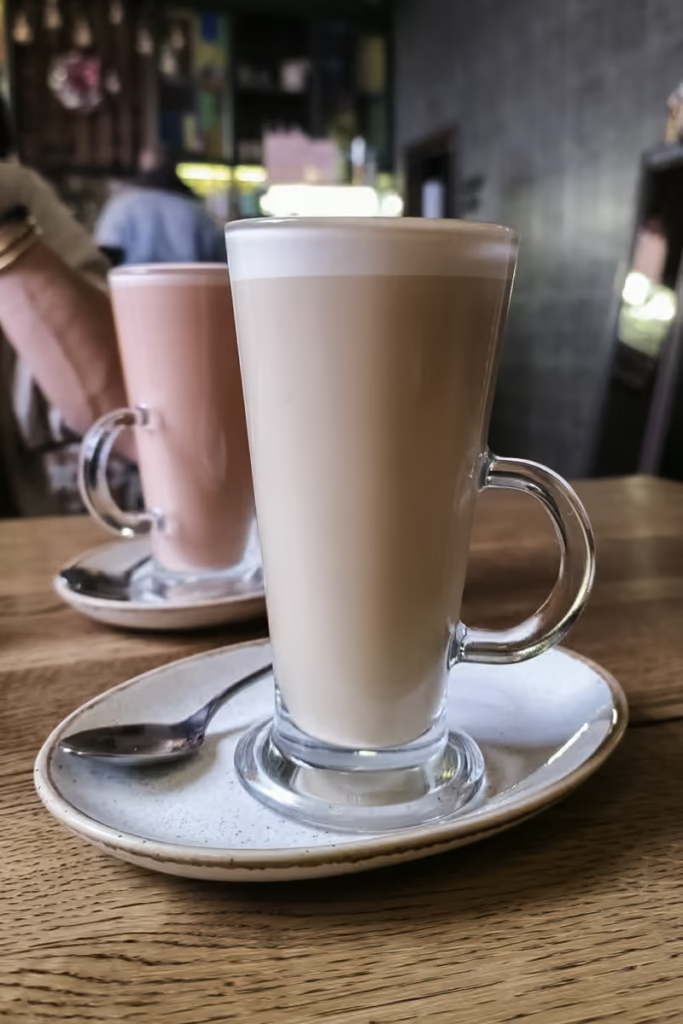
- Garadzenskaya Kavyarnya: Great little coffee spot. I’m a bit of a raf addict at this point, and their raf didn’t disappoint.
- Neman Beer Restaurant: Attached to the Neman Hotel, serving up beer (obviosuly) and the typical Belarusian beer accoutriment.
- Bar Koritsa: Fun bar serving up an array of beers and mixed drinks. Koritsa means cinnamon in Belarusian, in case you were curious.
- Harat’s Pub: Harat’s was around the corner from the apartment we rented, and we popped in one evening for a pub and grub, which turned into us being strongarmed into a beer pong tournament and me finishing the night doing a sick into a bathroom trashcan (my body has never really tolerated beer). But otherwise, a fun place full of fun locals.
- Kommunarka: Kommunarka is a confectionery chain all across Belarus. We popped into one in Grodno to stock up on some sweets and ended up ordering some honey cake in the cafe portion.
Why Grodno Belongs on Your Belarus Itinerary
Grodno isn’t just another stop on the Belarusian map; it’s a city where history, culture, and modern daily life overlap. You can wander from a centuries-old Orthodox church straight into a buzzing café, or from a Baroque cathedral down to the Soviet mosaics that still decorate the streets. Unlike Minsk, Grodno moves at a slower pace.
For travelers curious about Belarus beyond the capital, Grodno is the perfect starting point. Its heritage, easygoing vibe, and layered past make it one of the most rewarding cities to explore in the country.
Have Any Questions About Visiting Grodno?
Ask your questions about Grodno in the comments section below. Been to Grodno? Let us know your favorite parts of the city.