Crossing the UAE–Oman Border at Hatta – al Wajajah
Crossing the UAE–Oman Border at Hatta – al Wajajah was originally published in 2025
The crossing at Hatta Border Crossing between the UAE in Oman connects Dubai to Muscat and is the main 24/7 border crossing between the gulf nations.
Tucked into the rugged foothills of the Hajar Mountains, this crossing links the mountain enclave of Hatta in the United Arab Emirates with northern Oman. Historically, these mountain corridors served as trade routes connecting inland settlements with coastal ports. Today, they form an efficient and scenic way to pass between the two countries.
The road that winds toward Hatta is already half the experience. By the time you reach the border, the flat desert has disappeared behind you, and the mountains begin to take over the horizon.
Need Travel Insurance and Evacuation Services?
Start shopping for travel insurance plans over at IATI Insurance. Readers of the Adventures of Nicole get a 5% discount off your plan.
The Adventures of Nicole partners with Global Rescue to offer the world’s leading medical evacuation and security advisory services. To travel with peace of mind, explore their evacuation coverage.
Driving Toward Hatta
The approach to Hatta feels completely different from the typical Gulf highway drive.
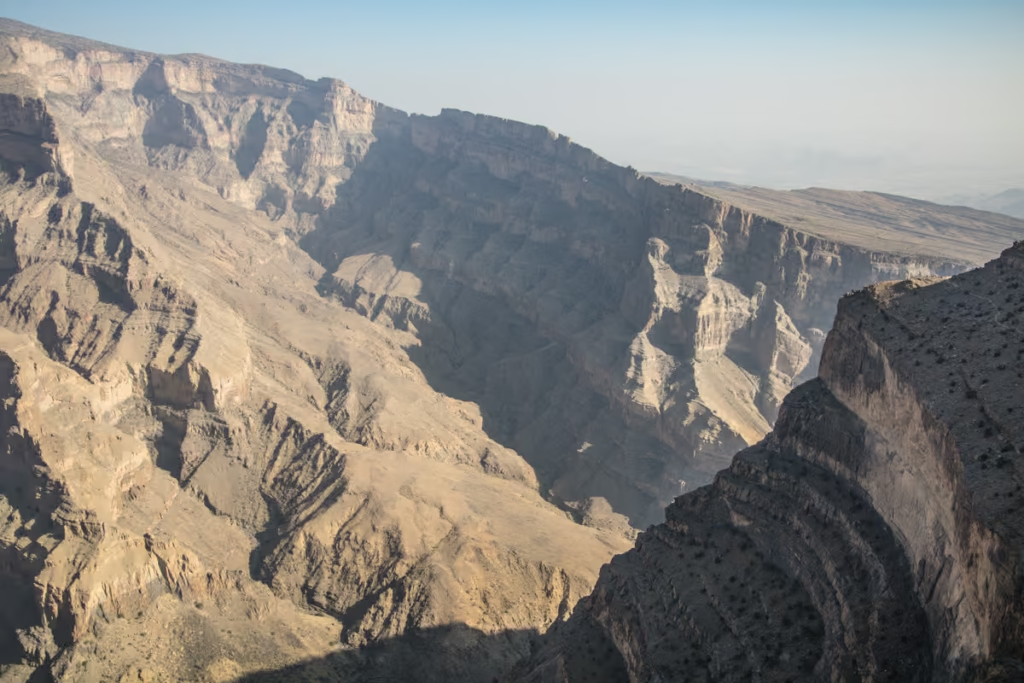
Leaving Dubai, the skyscrapers eventually give way to a long stretch of open desert before the terrain starts to ripple into rocky hills. The closer you get to Hatta, the more dramatic the scenery becomes. Jagged ridgelines rise out of the earth in shades of rust and charcoal, looking almost painted against the sky.
The village of Hatta itself has turned into a bit of an outdoor escape for UAE residents. Kayaking at Hatta Dam, mountain biking trails, and weekend road trips have made the area surprisingly lively compared to the quiet desert roads leading there.
But if you continue past the lakes and resorts, the road eventually narrows toward the border complex.
Leaving the UAE
The UAE exit procedures here are fairly straightforward, though the crossing tends to be busier than some of the quieter land borders further south.
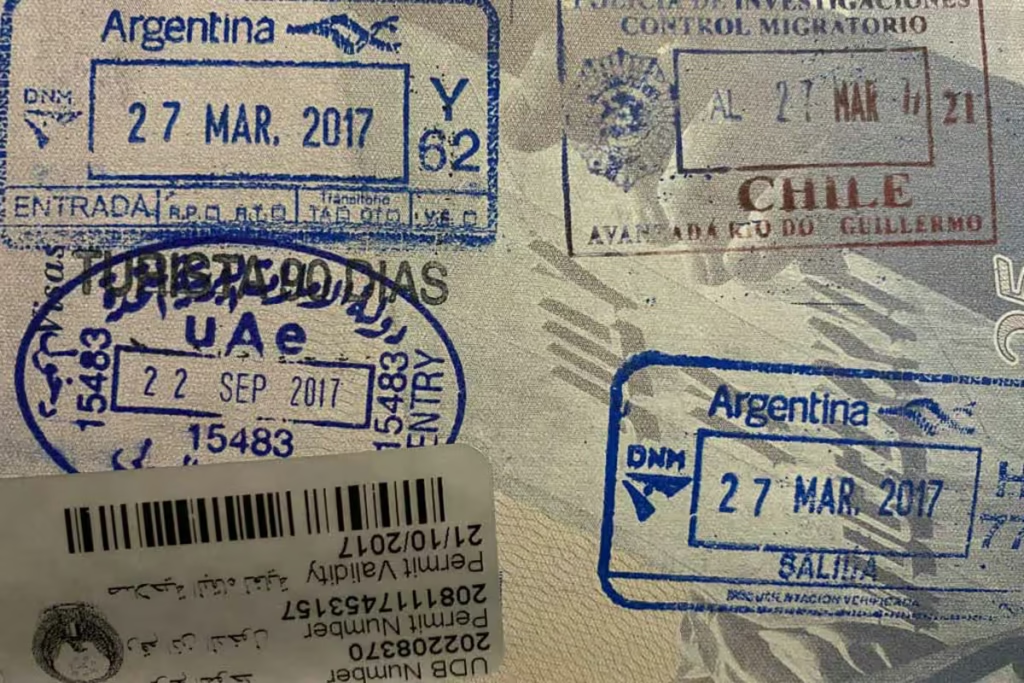
Vehicles funnel into a set of lanes leading toward passport control. Officers will check your passport and direct you to pay the UAE exit fee, which is 35 AED when leaving by land.
Depending on the time of day, you might find a short line of cars waiting. Weekends and holiday periods can get noticeably busier, especially with residents heading into Oman for quick mountain getaways.
When I crossed, the process took roughly twenty minutes from start to finish. Not lightning fast, but smooth enough that no one seemed particularly stressed about it.
The Border Corridor
Unlike some crossings where the two checkpoints sit right beside each other, here there is a short drive between them.
The road curves through a rocky valley framed by the mountains. It is a strange little in between space where neither country quite feels present yet. No towns, no shops, just the road winding forward and the occasional border fence disappearing into the hills.
It is quiet enough that for a moment it almost feels like you’ve accidentally driven into the middle of nowhere.
Then the Omani checkpoint appears around the bend.
Entering Oman
The Omani immigration buildings at the Hatta crossing are modern and organized, though the atmosphere feels noticeably calmer than on the UAE side.
Officers check passports, confirm visas, and ask about your travel plans. Many travelers can obtain an Omani visa electronically ahead of time or receive entry permission depending on nationality.
If you’re driving across the border, you will typically need:
- Passport
If self-driving over the border:
- Vehicle registration
- Valid insurance covering Oman
If you’re in a rental car from the UAE, make sure cross-border insurance has been arranged beforehand. Not every rental company allows vehicles to cross the border.
The process itself is usually smooth, though it can take a little longer during busy periods.
A Change of Scenery
One of the things I always notice when crossing into Oman is how quickly the landscape changes.
The mountains feel closer here. The valleys narrower. Villages begin appearing between rocky slopes, with pale stone houses and date palms tucked into dry riverbeds.
Compared to the polished highways and sprawling cities of the UAE, the atmosphere shifts into something quieter and more traditional almost immediately after the border.
Within half an hour of driving, you’re deep into northern Oman’s mountain scenery.
Things to Know Before Crossing Between the UAE and Oman
A few practical details can make the crossing easier.
Check visa requirements ahead of time
While many nationalities have straightforward entry rules, it’s best to confirm before arriving at the border.
Prepare for the UAE exit fee
Leaving the UAE by land costs 35 AED.
Confirm vehicle permissions
Rental cars must have insurance coverage that specifically allows travel into Oman.
Expect busier weekends
Hatta is a popular getaway area, so Fridays, Saturdays, and holidays can bring heavier traffic.
Crossing Hatta Conclusion
Crossing the border at Hatta feels less like ticking a bureaucratic box and more like continuing a road trip into and through the mountains.
Desert highways slowly transform into winding mountain roads, and within an hour you’ve moved between two countries that feel surprisingly different in rhythm and landscape.
If you’re exploring the eastern side of the United Arab Emirates or planning a road trip into Oman, the Hatta crossing is one of the most scenic and convenient gateways between them.
And honestly, any border that sits in the middle of a mountain range already has a head start on being memorable.
Have any questions about the Hatta – al Wajajah Border Crossing between the UAE and Oman?
Ask in the comments section below.
Posts from the UAE & Oman
Crossing the UAE–Oman Border at Hatta – al Wajajah
Crossing the UAE–Oman Border
Best eSIMs and SIM Cards for Omann
One Week Oman Road Trip Itinerary
Best Things to do in Oman
Yemen Oman Border Crossing
Bimmah Sinkhole, Oman

3 Day Dubai Itinerary
Historic Dubai on a Heritage House Tour
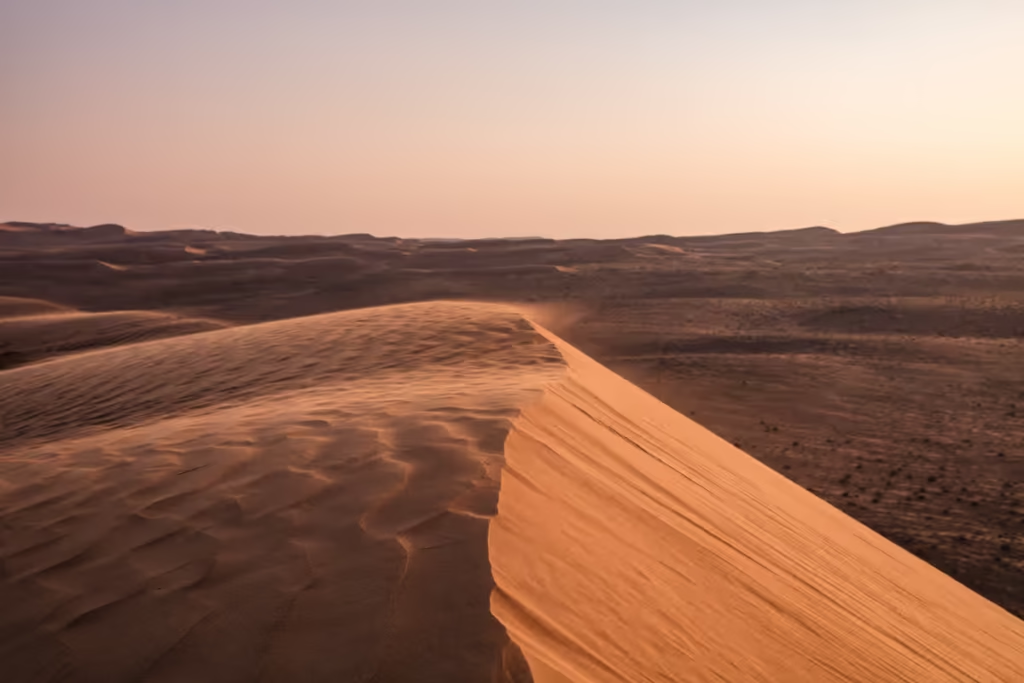
What It Was Like To Camp In The Wahiba Sands, Oman
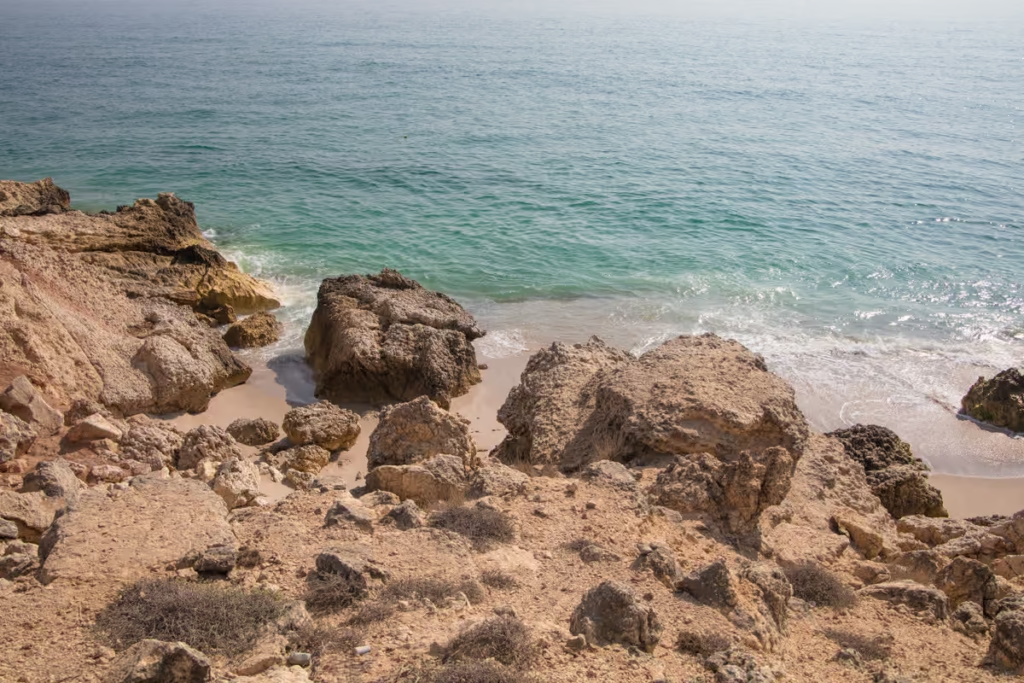
Oman Travel Guide
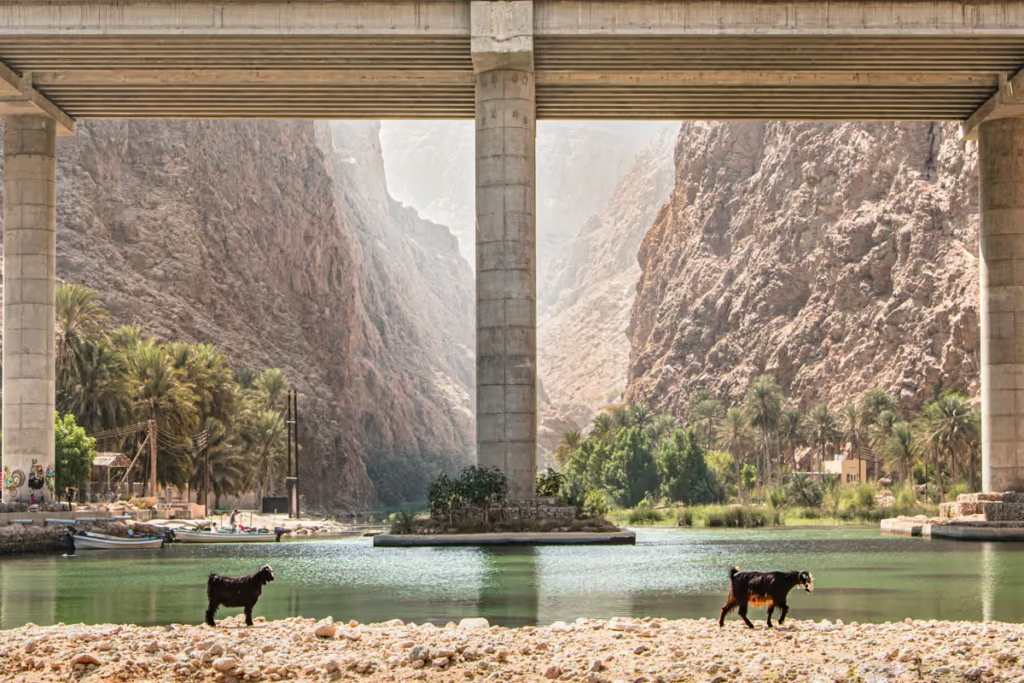
A Guide to Wadi Shab, Oman