As of April 2026, traveling in Iran is not adviseable due to the illegal war being carried out across the country by the US and Israel.
Esfahan Travel Guide + 19 Things To Do In Esfahan
Updated October 2025, Esfahan Travel Guide + 19 Things To Do In Esfahan was originally published in May 2020
I won’t lie, Esfahan was my least favorite place I visited in Iran. Sure, the architecture was phenomenal, but it was the city I thought was the most touristy, had the most foreign tour groups clustered in it, where I constantly had bazaris aggressively trying to sell things, and the most sexual harassment I faced (including a full-on boob grab in the broad daylight in Naqsh e Jahan Square).
With all that said, I still don’t think you should skip it on your Iran itinerary, and I’m fully aware we can all have completely different experiences in the same places. And full disclosure: I visited in April 2019, at the peak of tourism season following Nowruz.
In the end, I ended up meeting an amazing woman named Nargaz who completely turned my experience in Esfahan around, so despite my complaints, it wasn’t the worst time ever if you took the intro that way.
Start planning your Iran itinerary here
and grab a copy of the Bradt Iran guidebook to get started!
Need Travel Insurance for Iran?
Start shopping plans over at 1st Quest.
Things To Do In Esfahan
Naqsh e Jahan Square
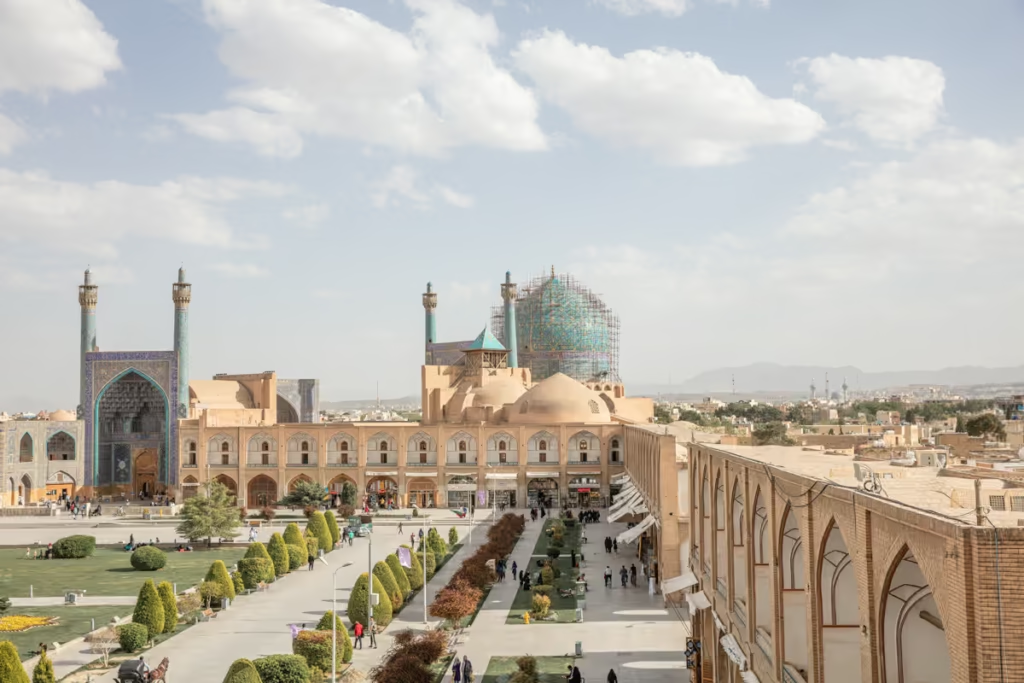
They say ‘Esfahan is half the world’, which doesn’t seem too far off considering that Naqsh e Jahan translates out to the ‘image of the world’. You can easily dedicate half a day or more to visiting Naqsh e Jahan and its following features.
Shah Mosque
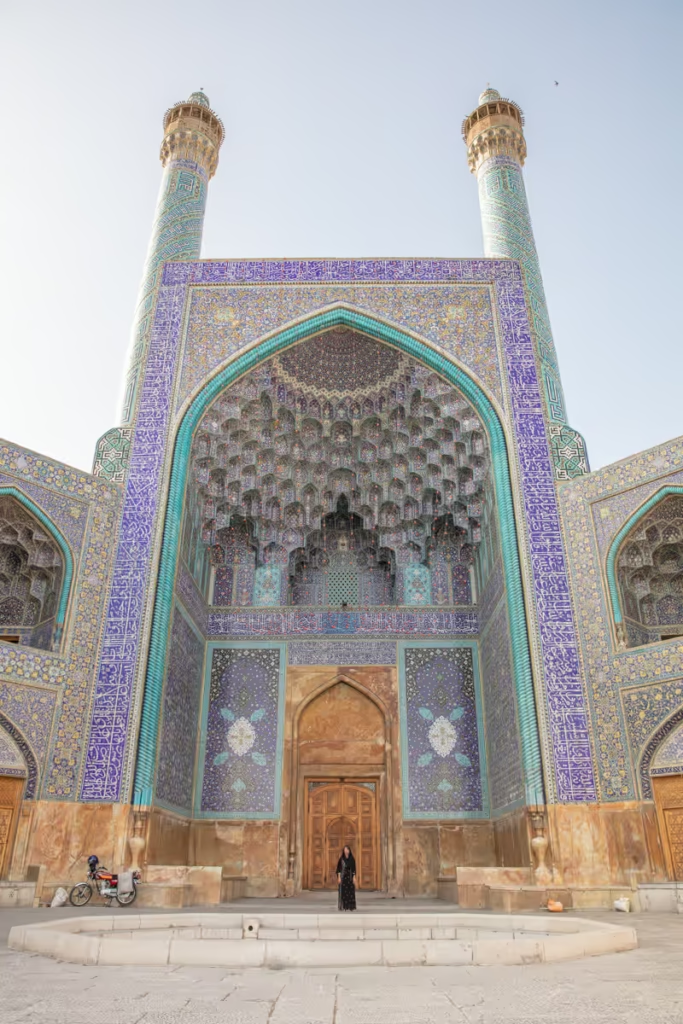
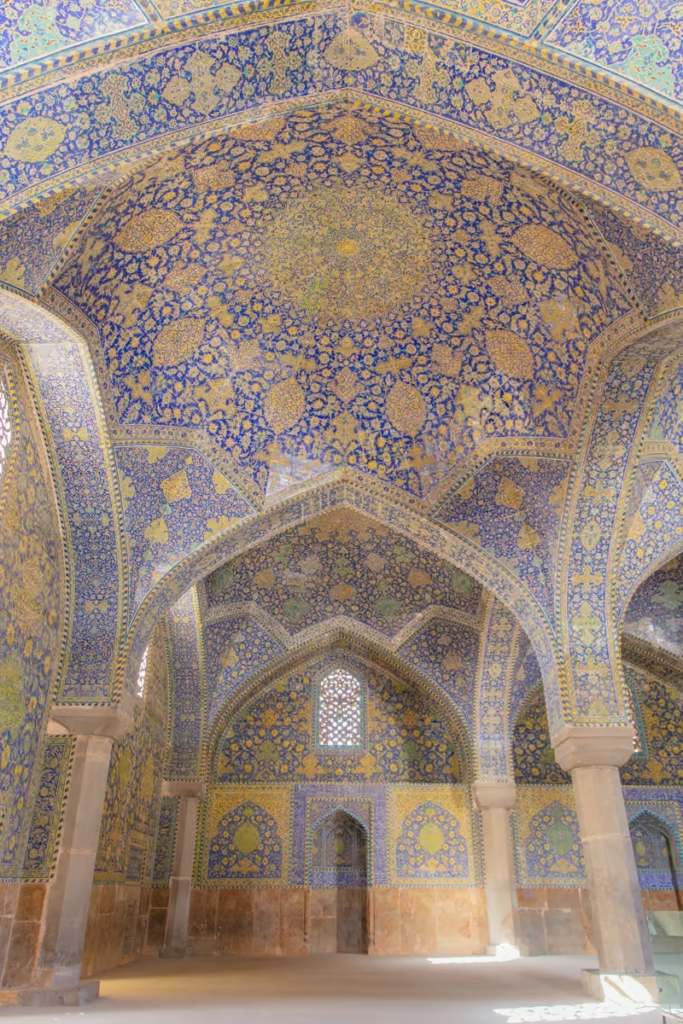
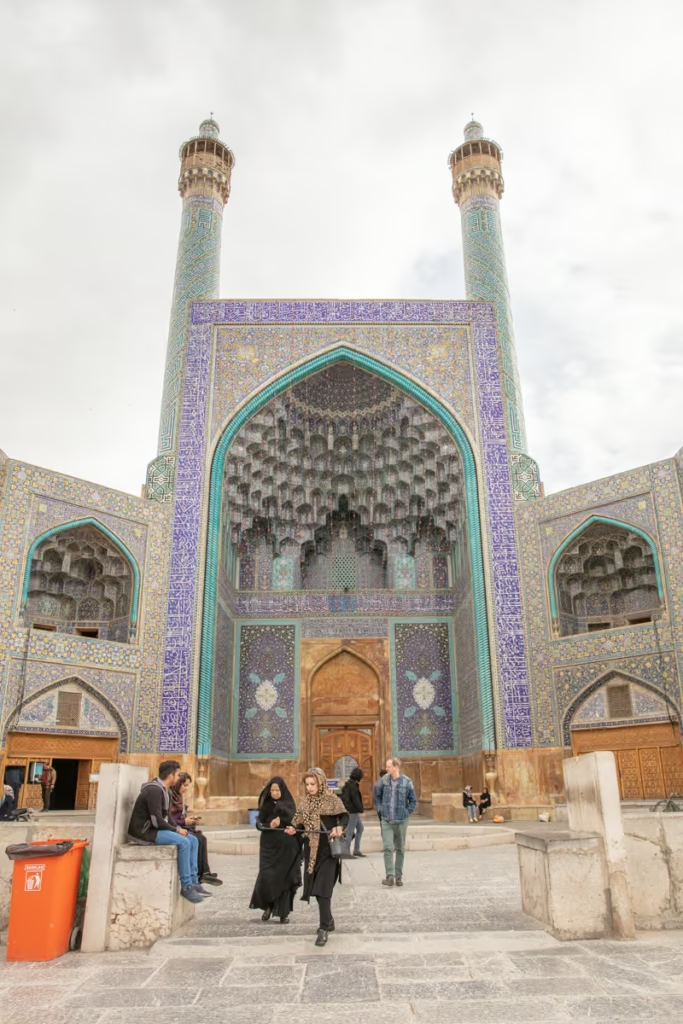
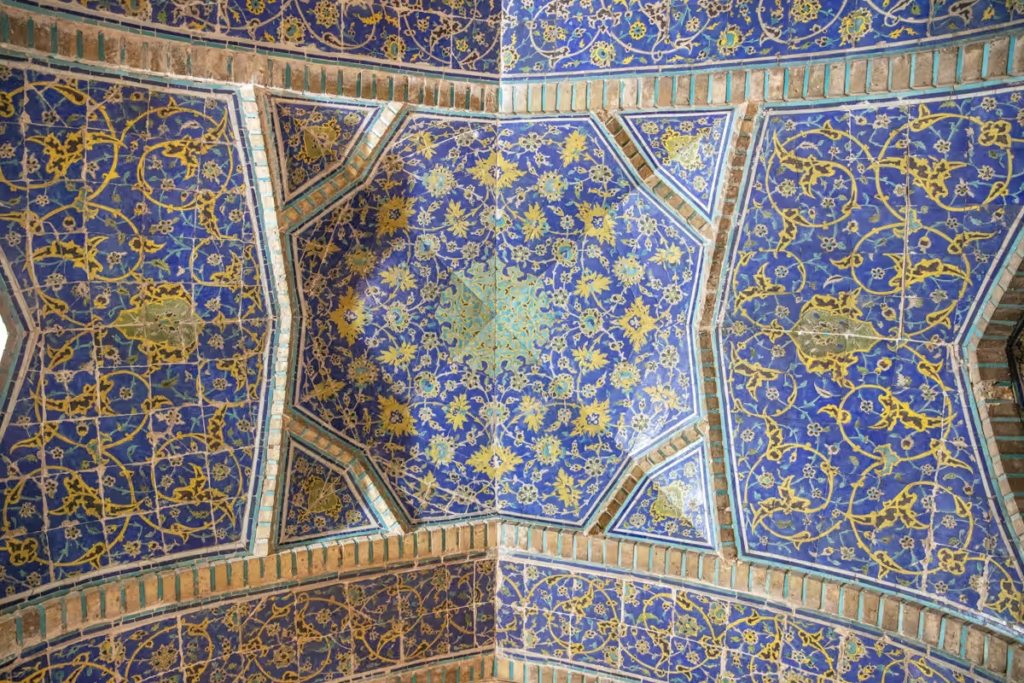
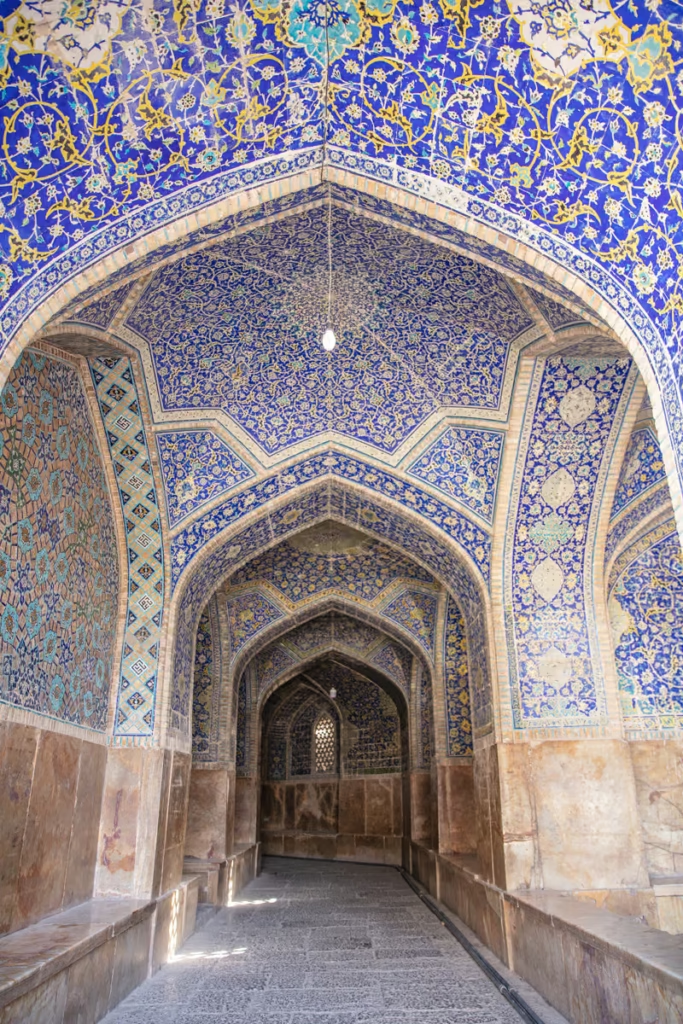
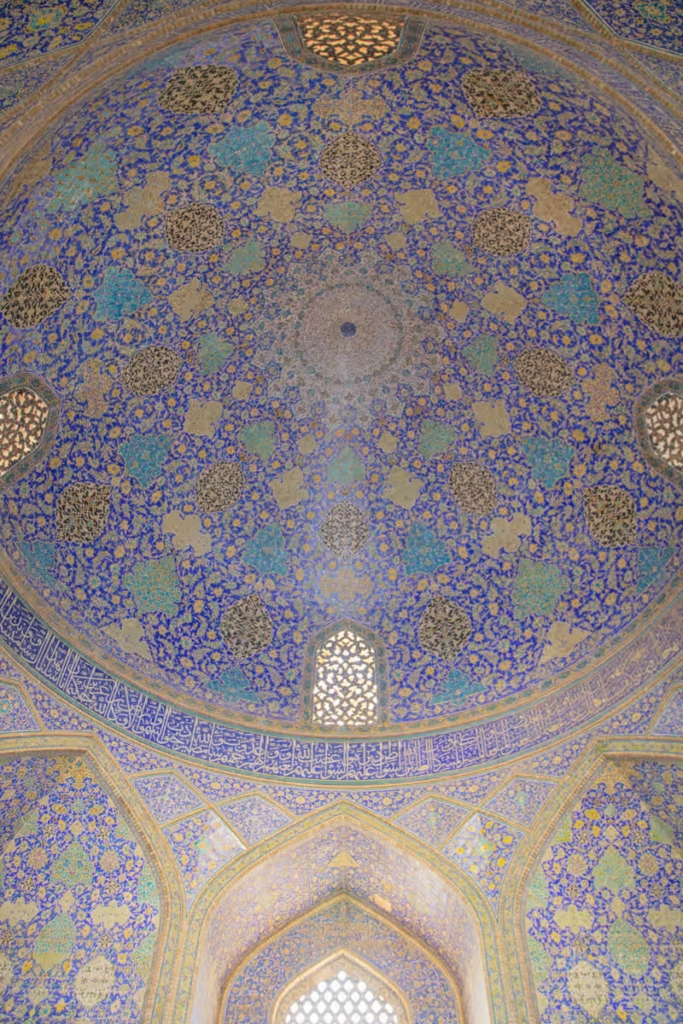
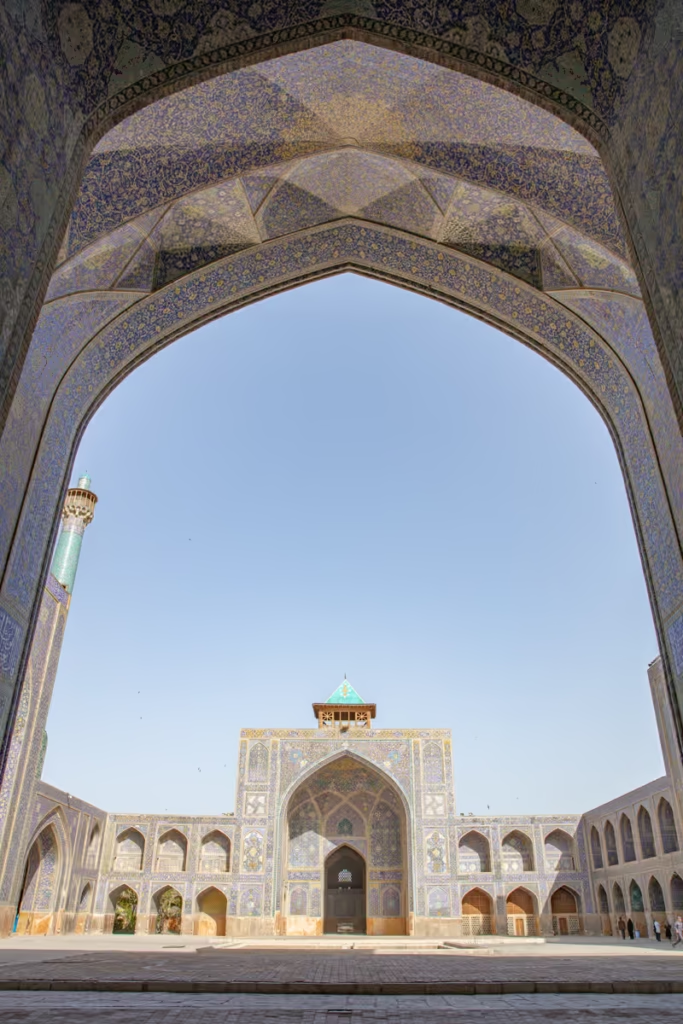
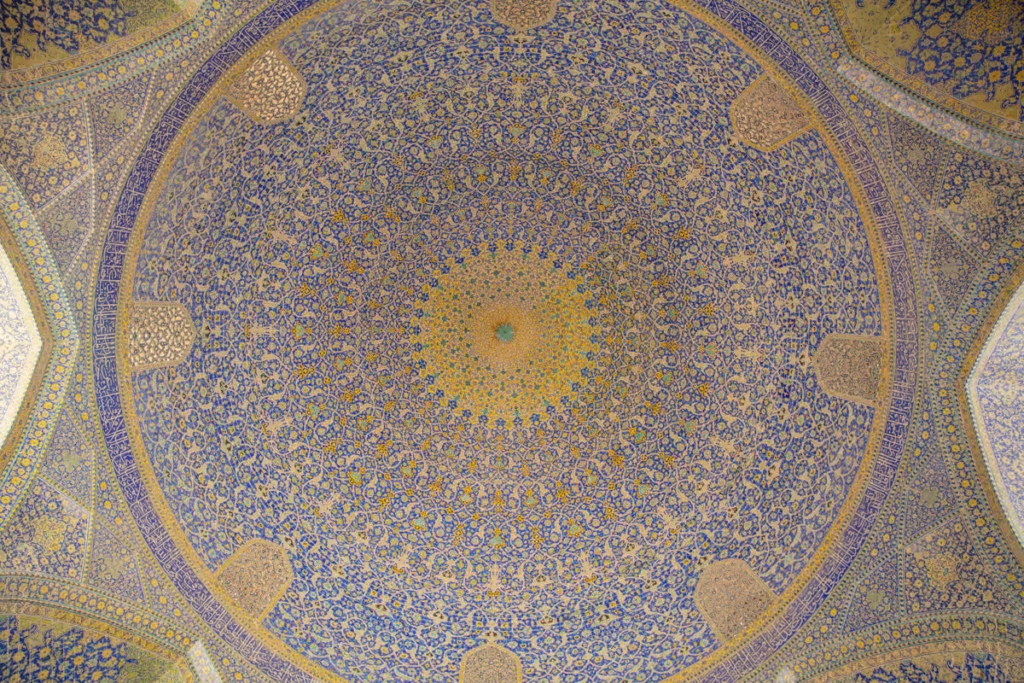
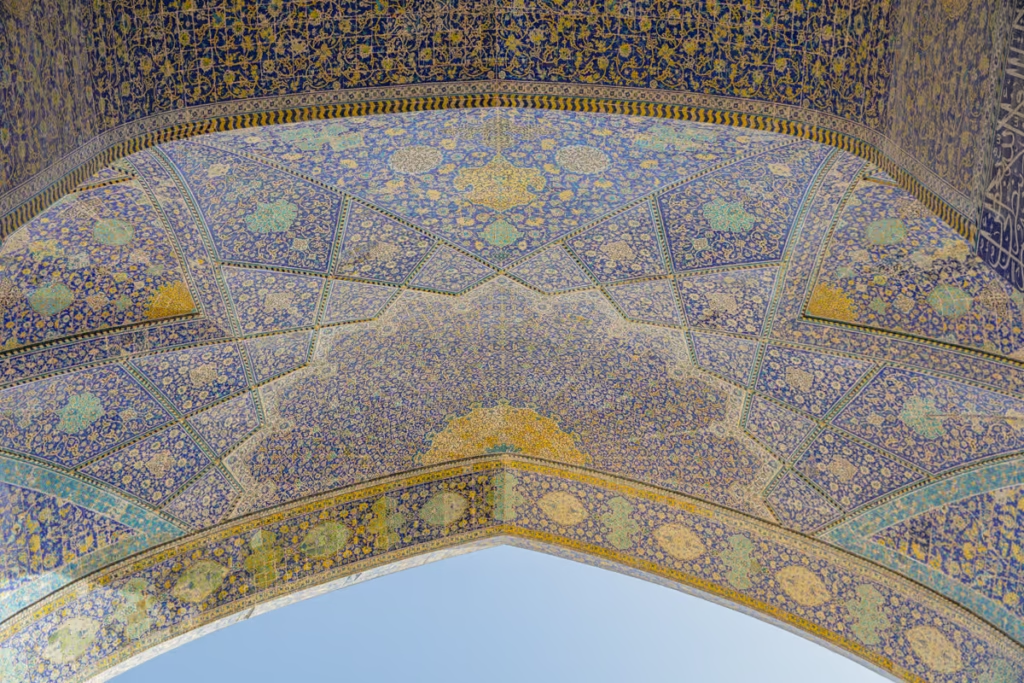
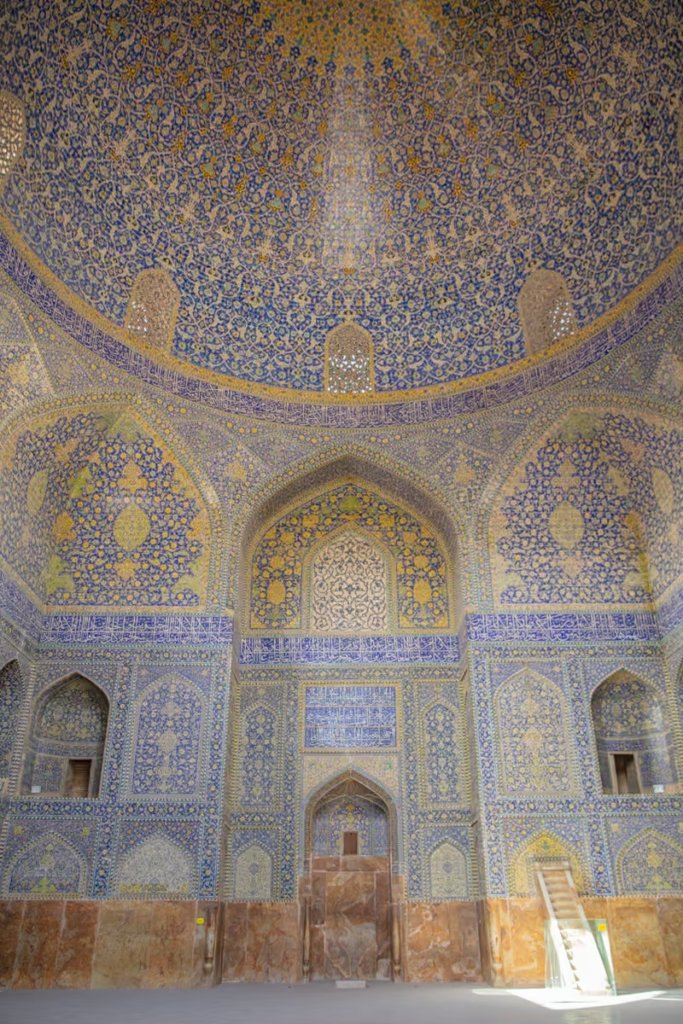
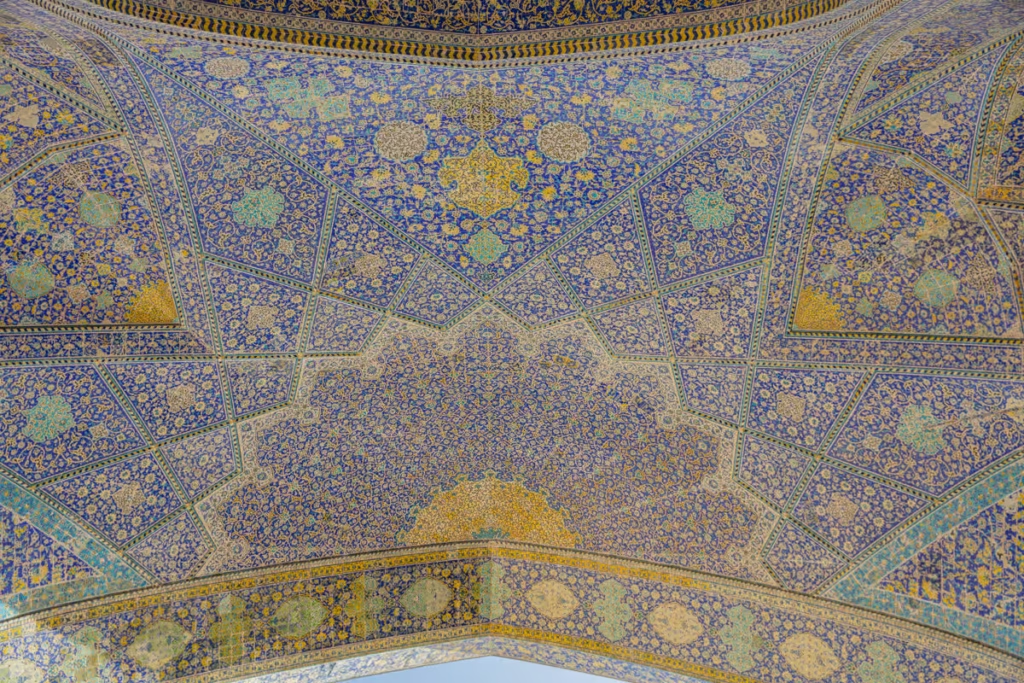
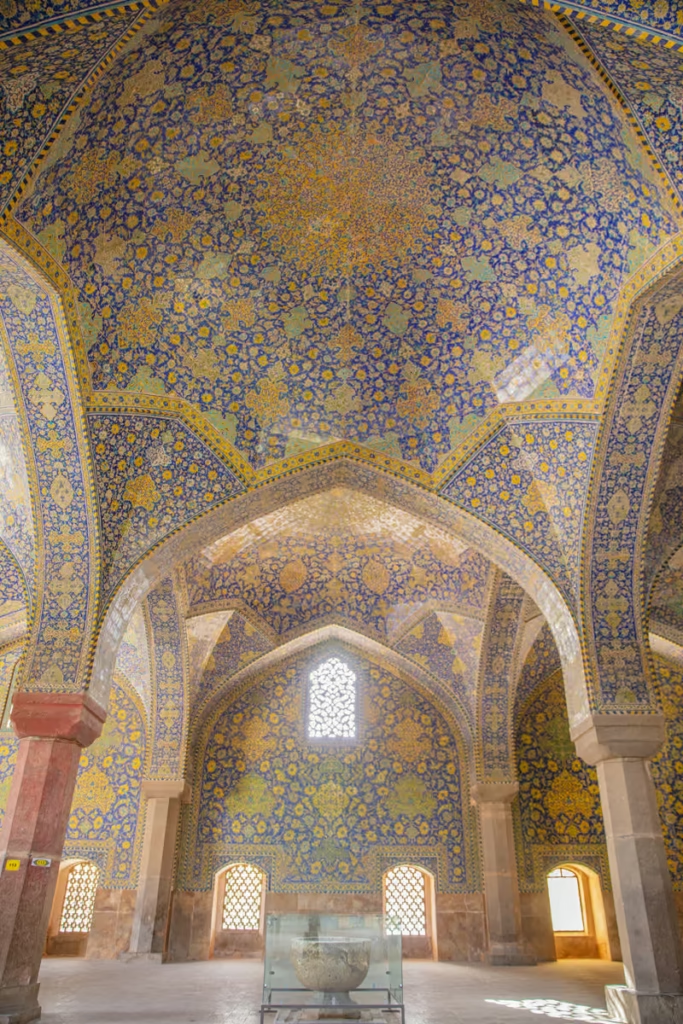
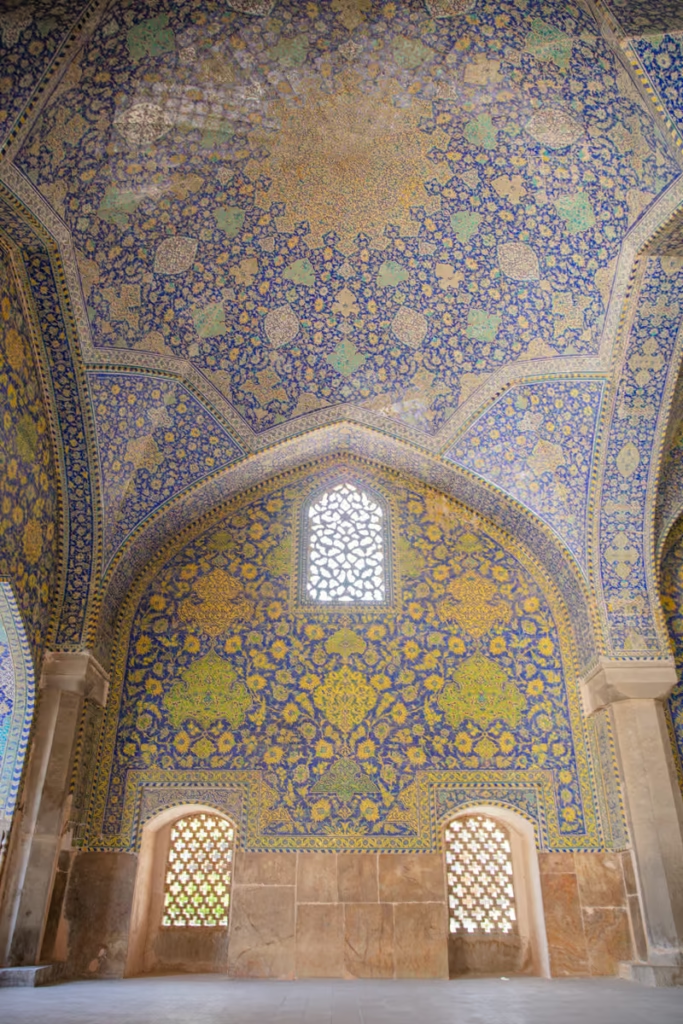
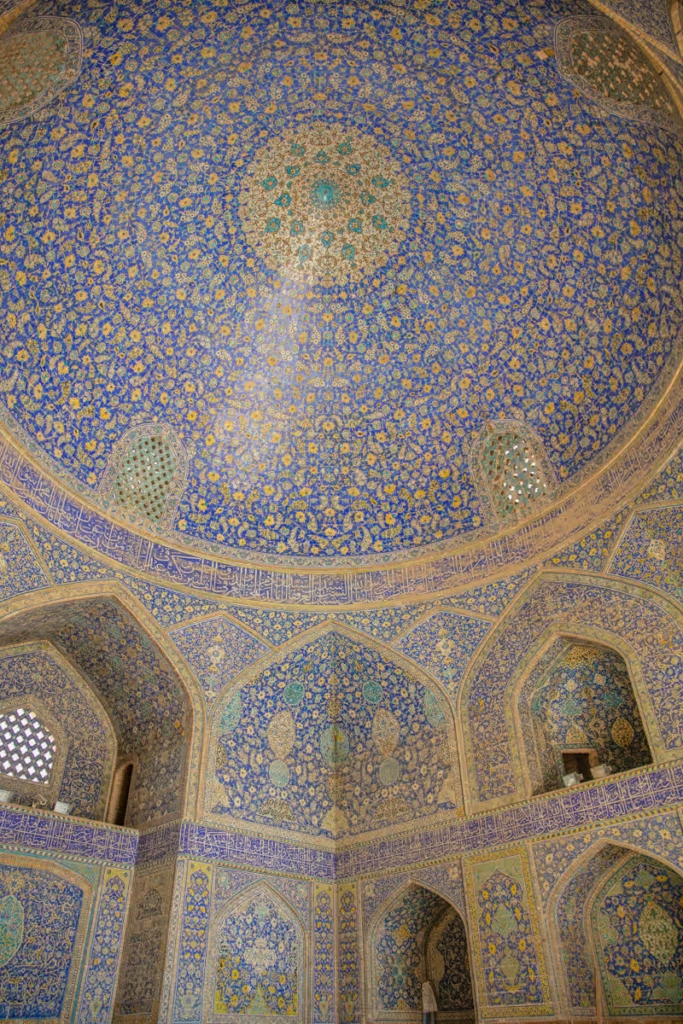
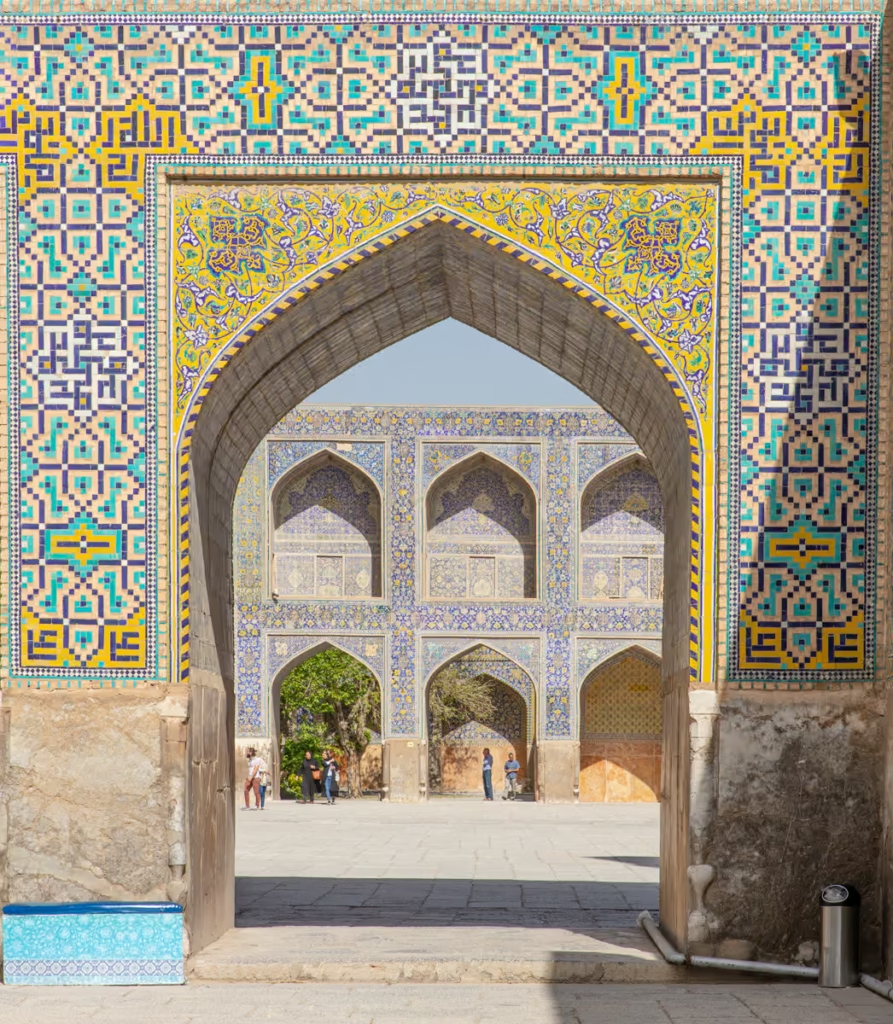
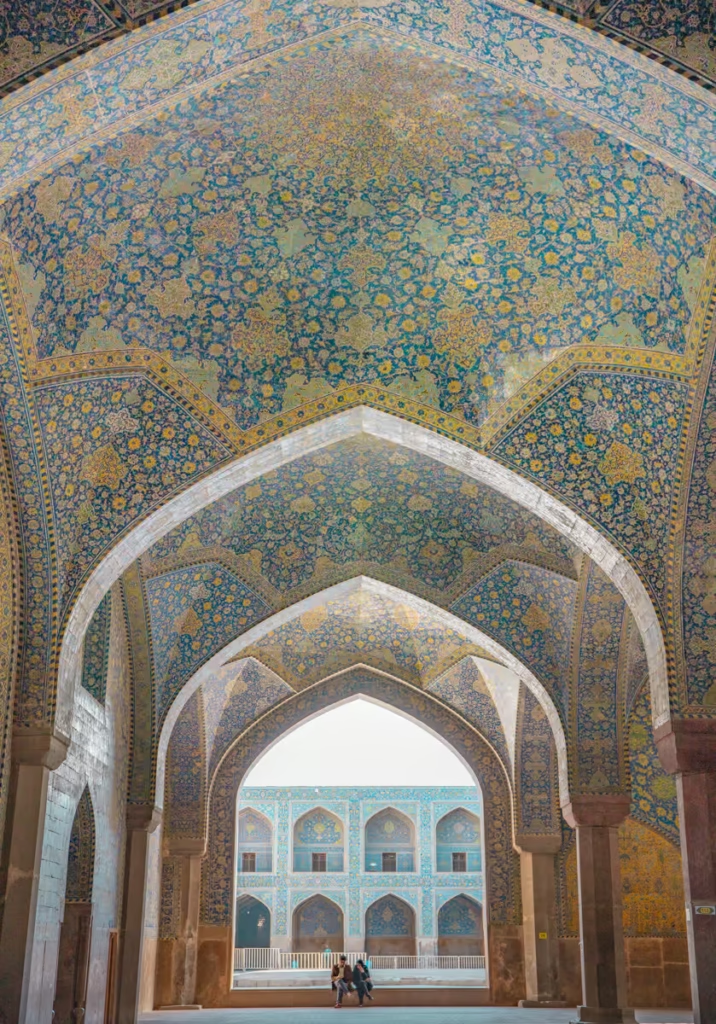
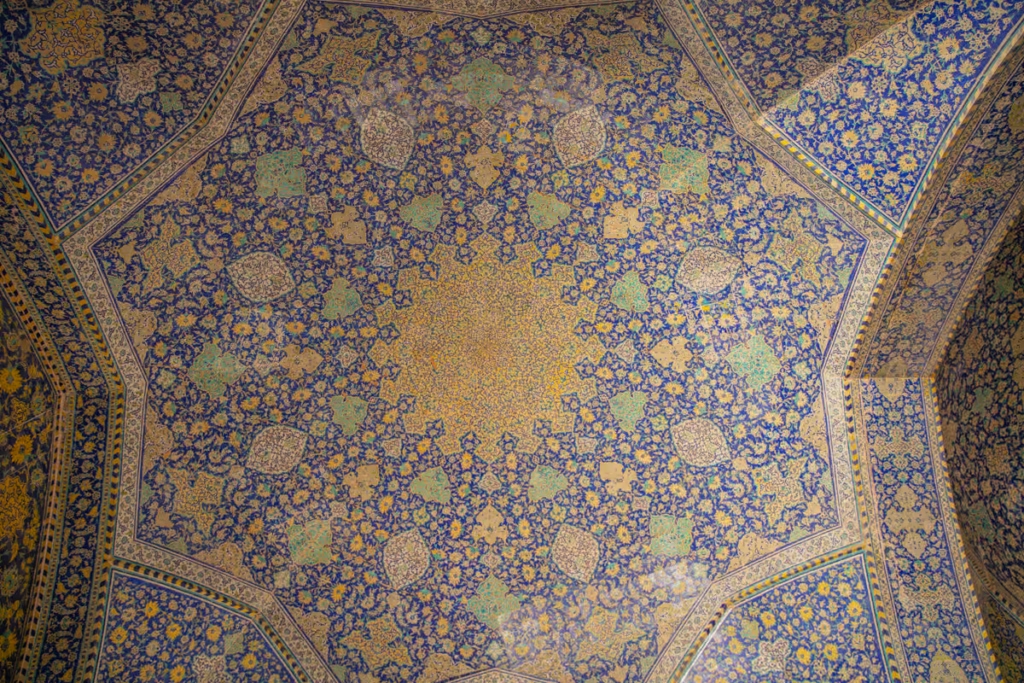
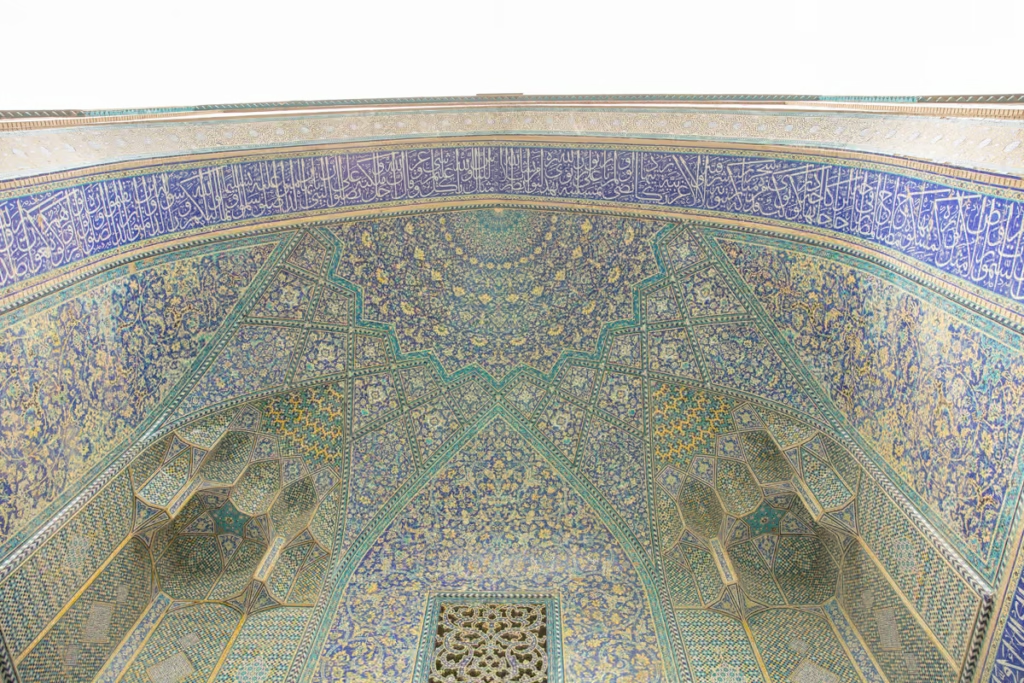
The blue tiles and yellow details at Shah Mosque are awestriking for just about any visitor. Shah Mosque was completed in 1629 AD under the reign of Shah Abbas I during the Safavid Dynasty.
The entrance of Shah Mosque alone is a piece of artwork to behold with its massive iwan and sky-high minarets. I recommend arriving a little before 8 am if you’d like to get some nice photos of the entrance portal without people in them.
Purchase your ticket right when they open at 8 am and take some time admiring the beauty and details of the mosque. Most of the giant tour groups don’t start showing up until about 10 am anyway.
Entrance: 500,000 IRR for foreigners
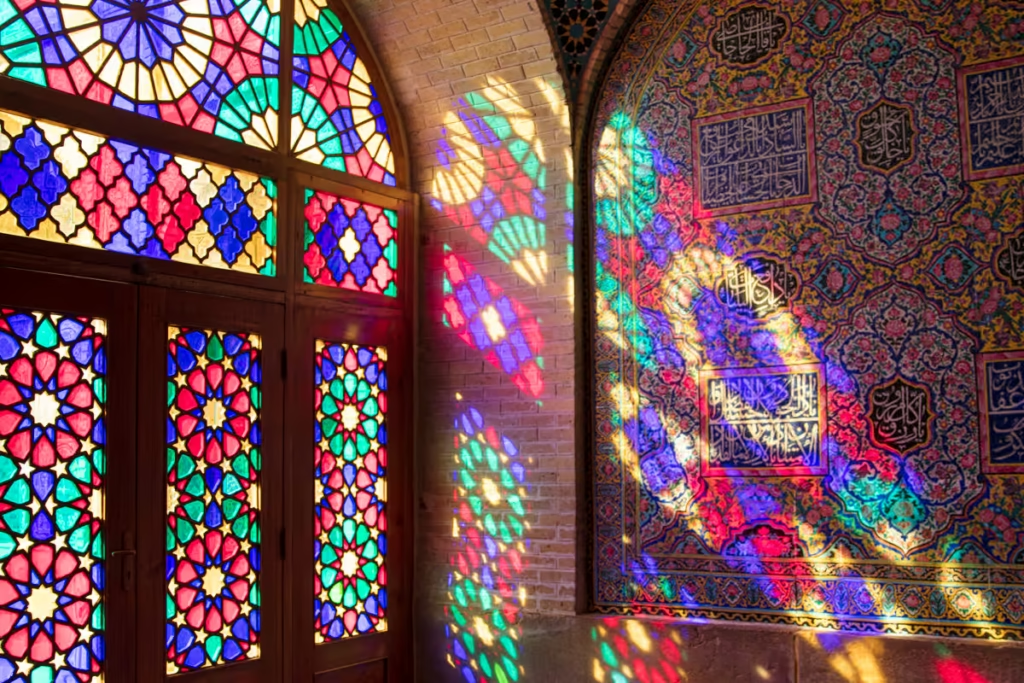
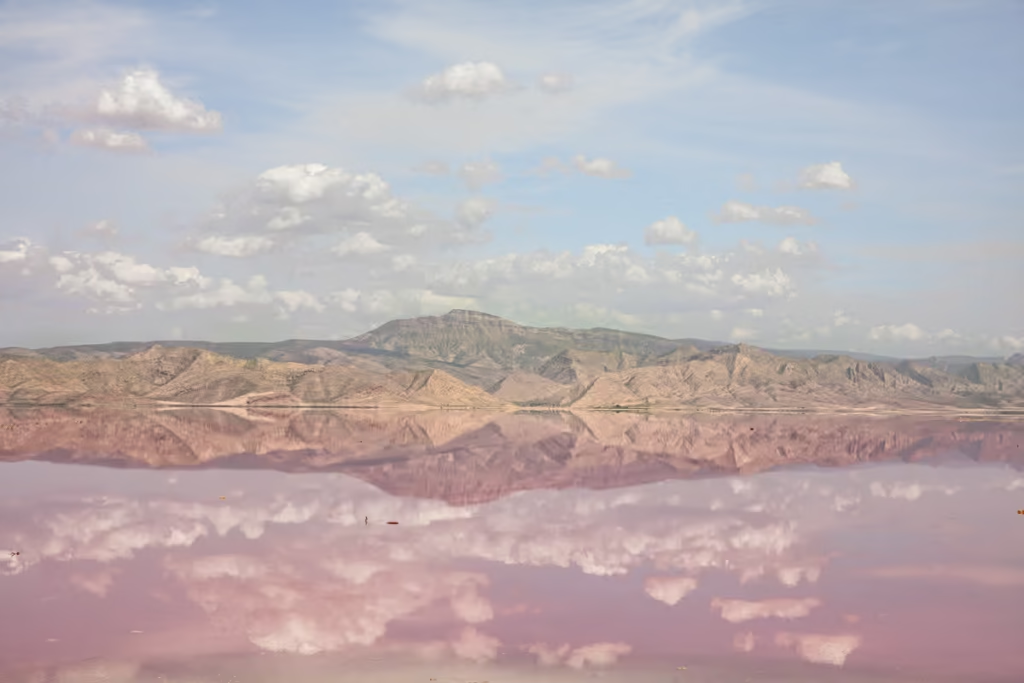
Heading to Shiraz before or after? Check out my Shiraz Travel Guide and my quick guide to Shiraz’s pink Maharloo Lake
Sheikh Lotfollah Mosque
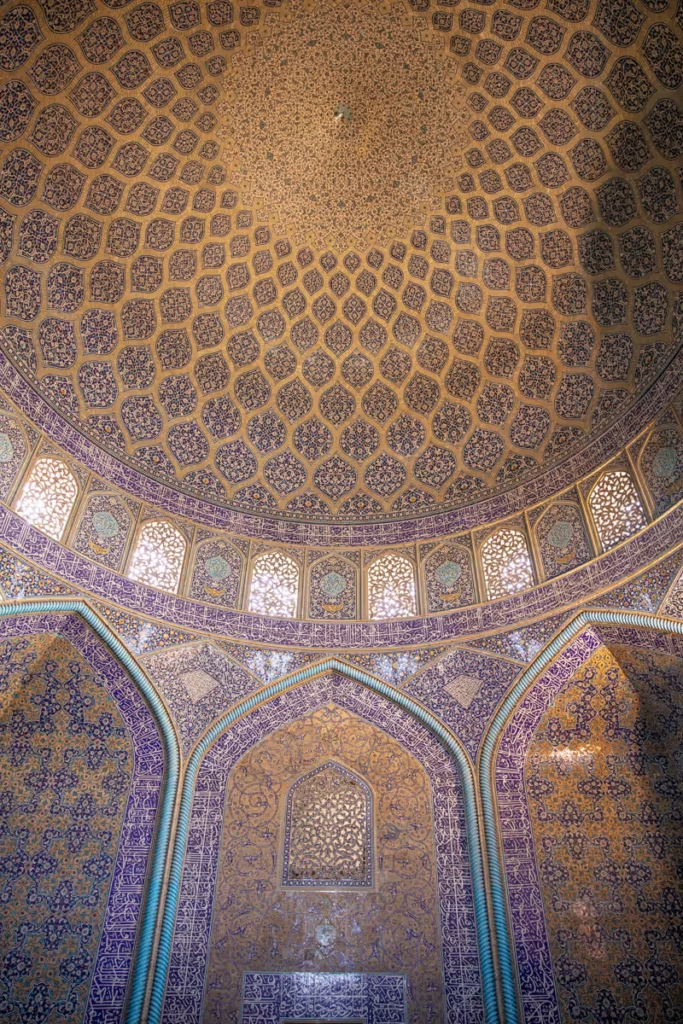
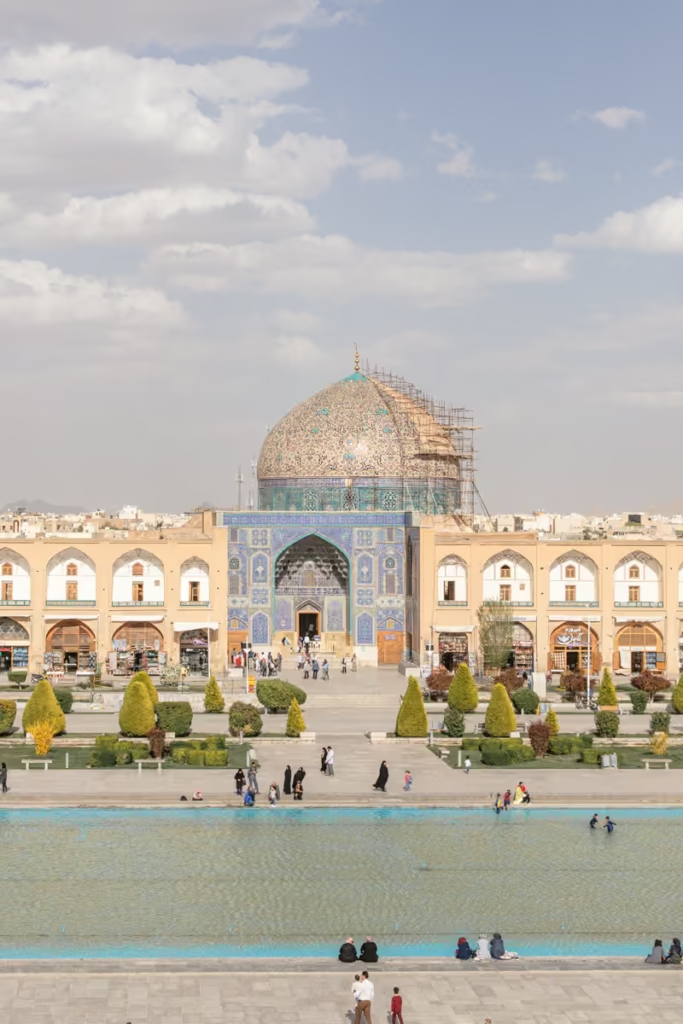
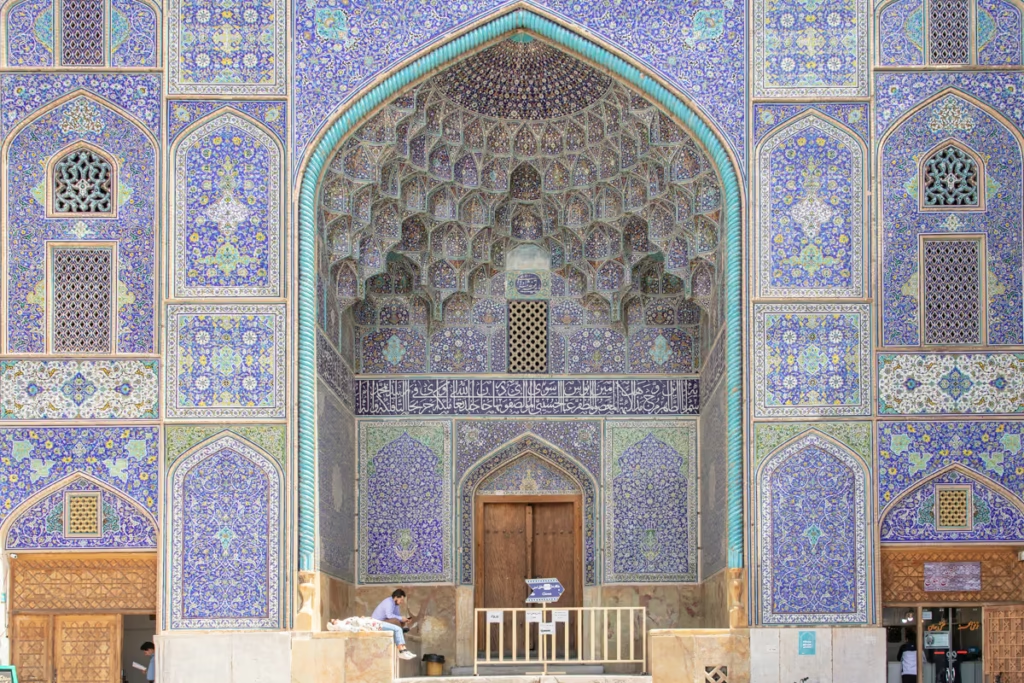
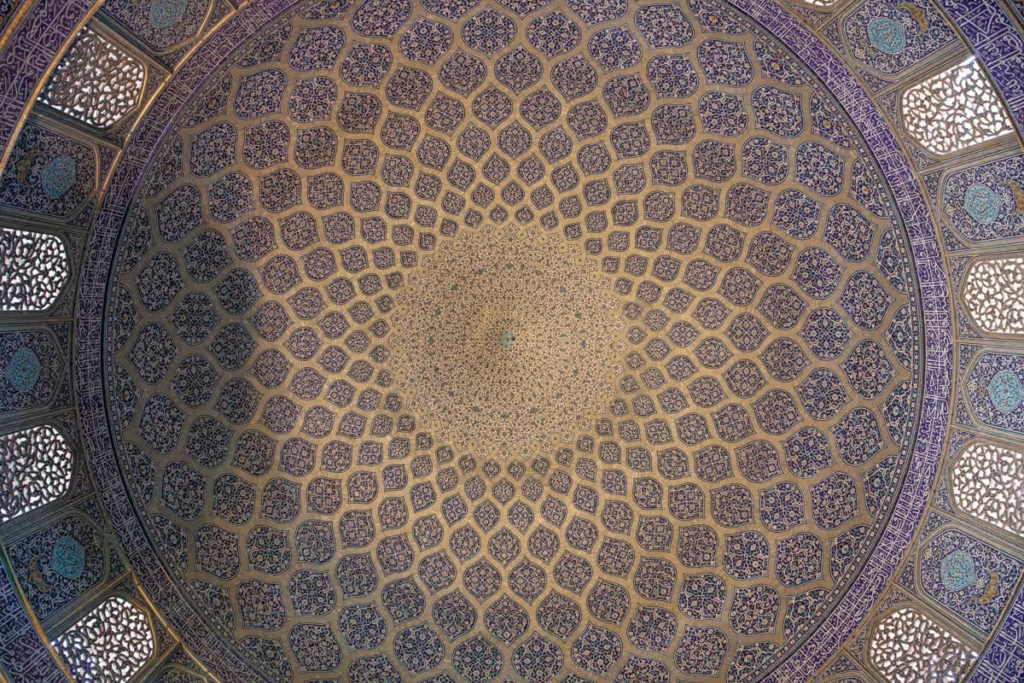
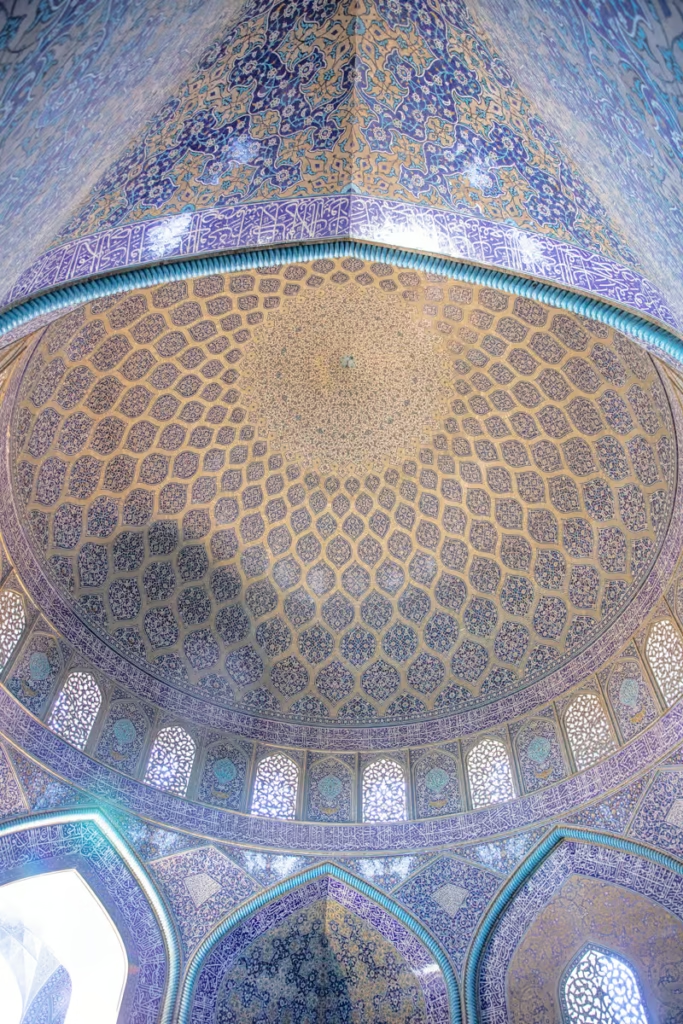
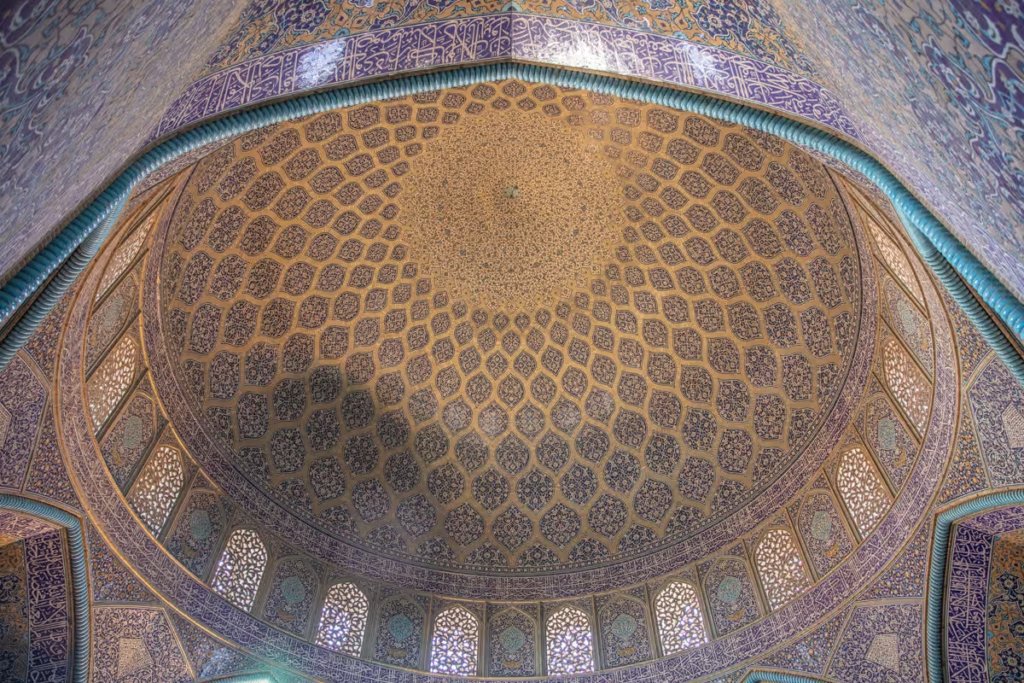
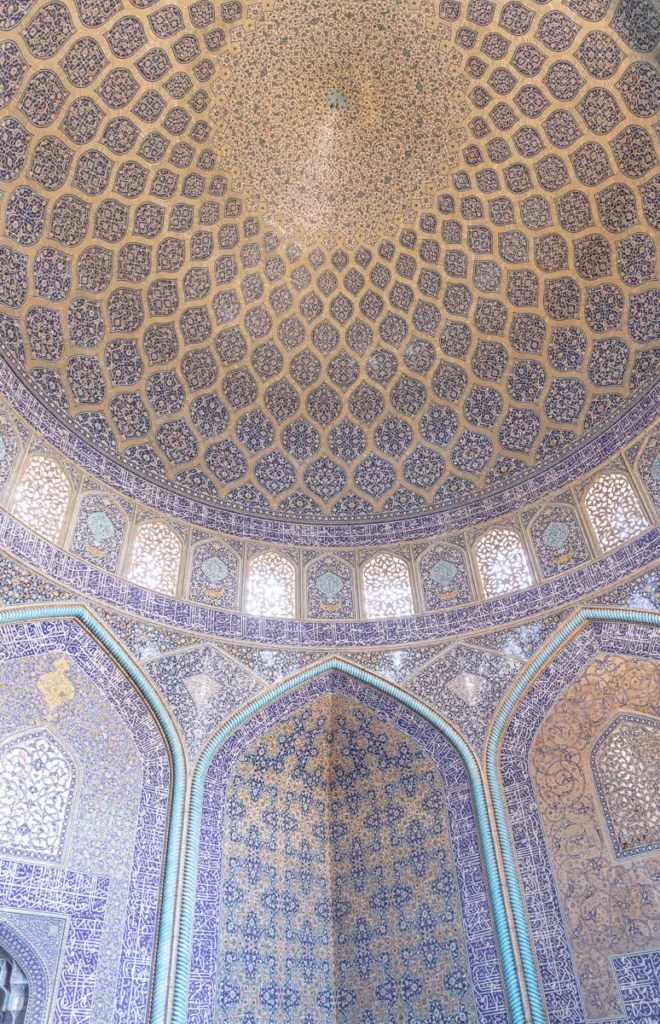
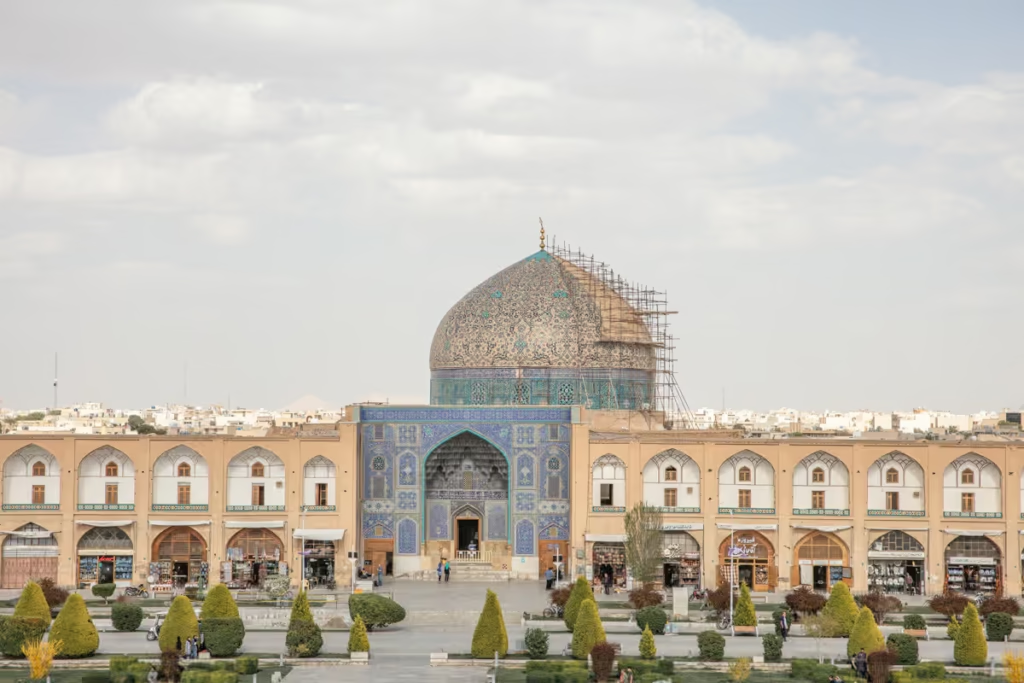
Known for its exquisite dome interior, Sheikh Lotfollah Mosque is a must-see, inside and out. Sheik Lotfollah Mosque predates Shah Mosque, being built between 1603 and 1619. Sheikh Lotfollah however, was a private mosque meant to be used by Shah Abbas I and his family.
There was actually a tunnel that ran underground between Ali Qapu Place and Sheikh Lotfollah Mosque so that the family could avoid running into crowds on their way over to pray.
Entrance: 500,000 IRR for foreigners
Ali Qapu Palace
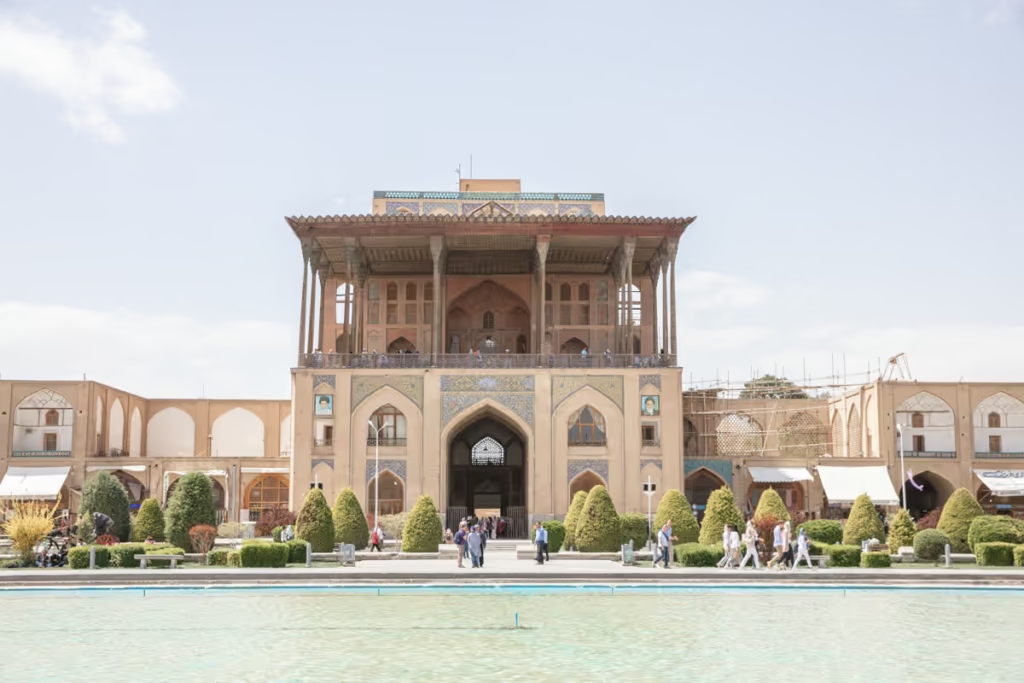
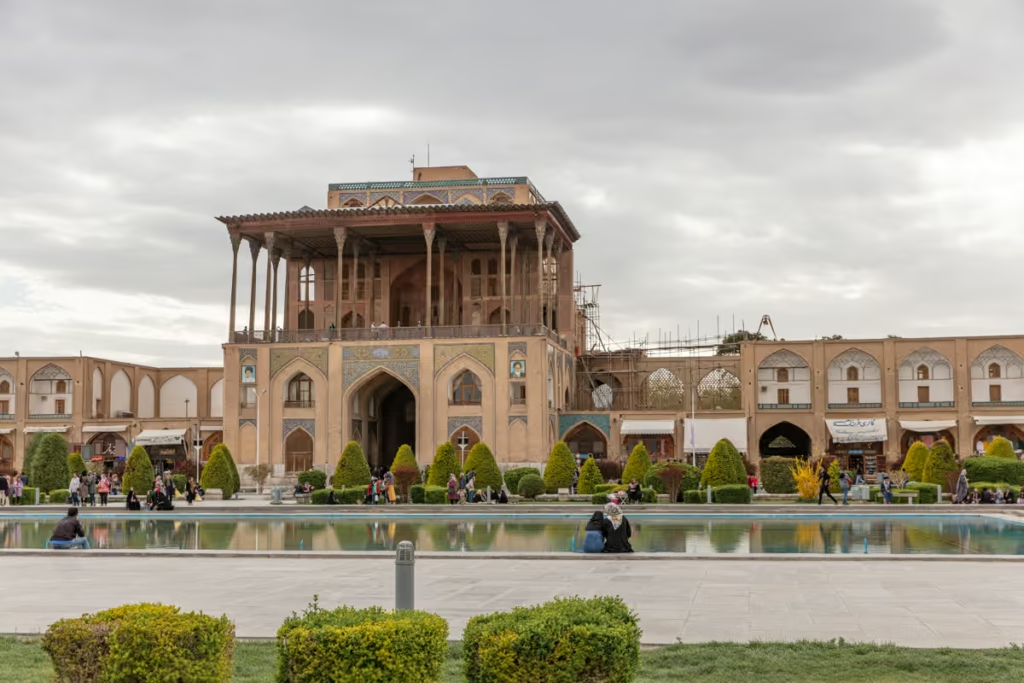
Ali Qapu Palace was built as a residence for Shah Abbas I, completed in the late 1500s. From the terrace on the 6th floor, you’ll have grand sweeping views of Naqsh e Jahan Square, Shah Mosque, and Sheikh Lotfollah Mosque.
Entrance: 500,000 IRR for foreigners
Need an Iranian visa? Read this post to figure out how to get yours
Bazaar e Bozorg
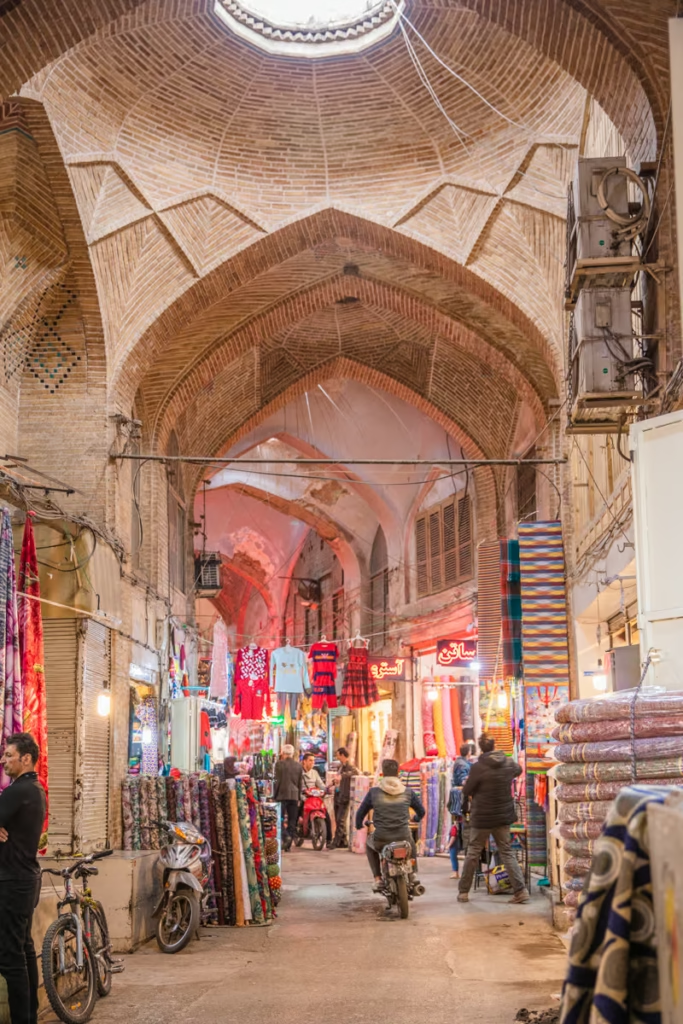
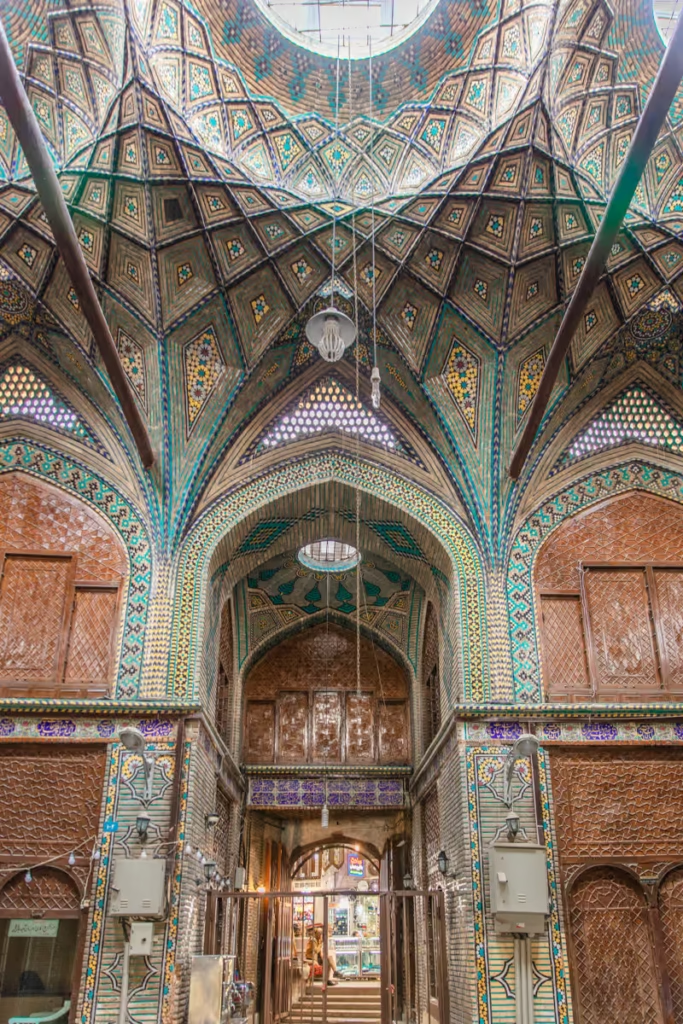
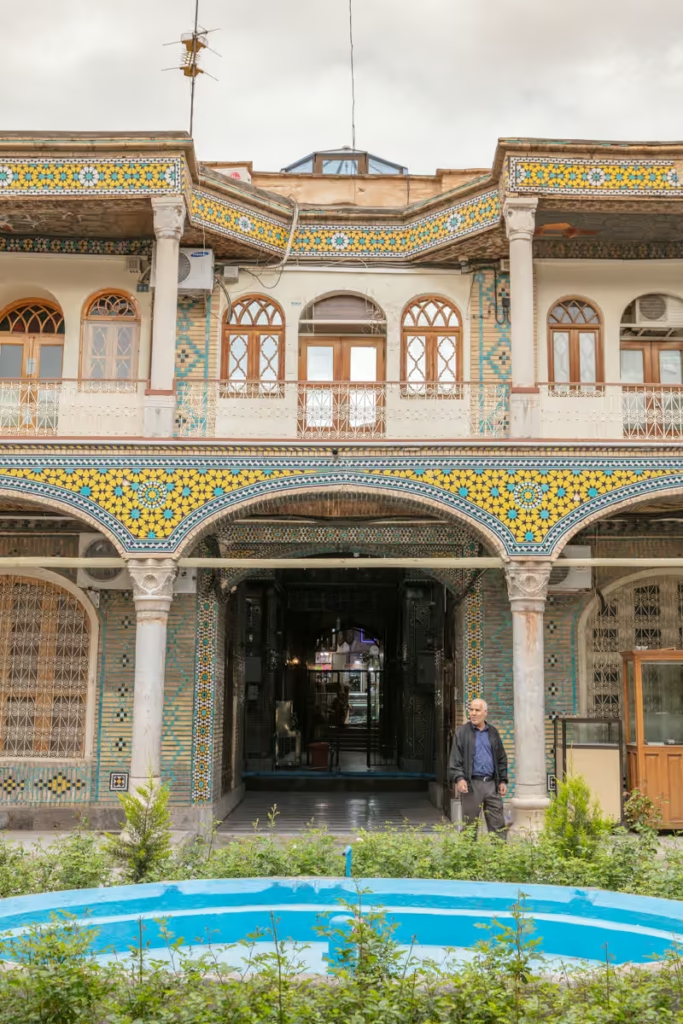
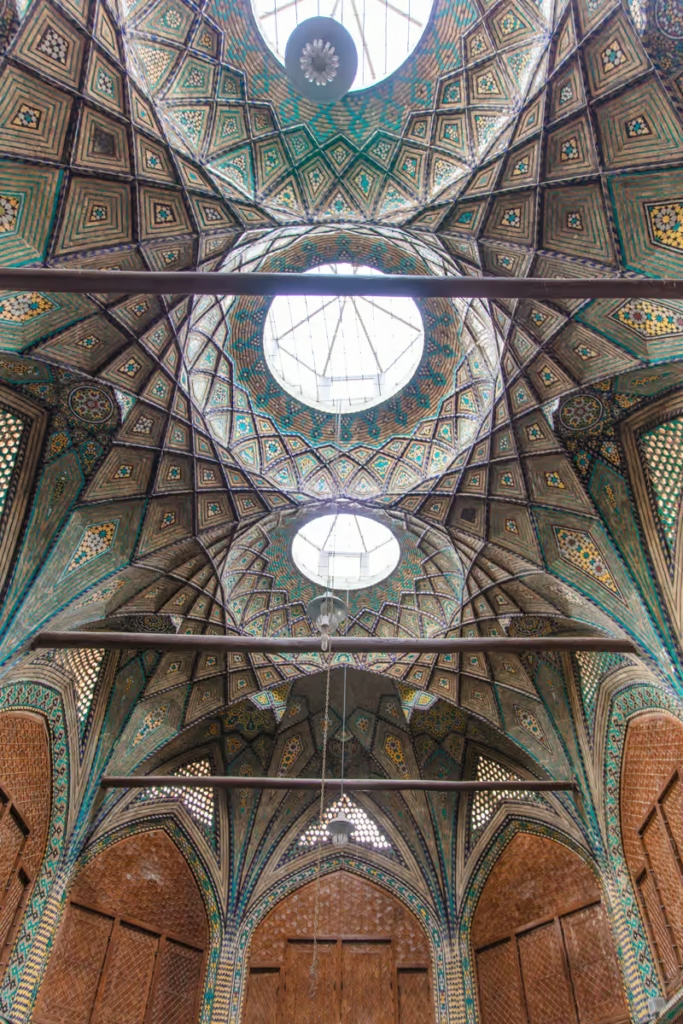
Bazar e Bozorg feels like a city in itself, winding in a maze between Naqsh e Jahan Square and Jameh Mosque. Many of the sections of the bazaar nearest to Naqsh e Jahan are over a millennia-old, however, many sections that extend out from there weren’t constructed until the early 17th century.
Aside from shops, Bazar e Bozorg features madrasas and caravanserais. The Qeysarieh Portal is an attractive feature to check out as you meander your way through the bazaar. If you get hungry, pop into a shop and grab a biryani Esfahan, a dish unique to Esfahan.
Jameh Mosque
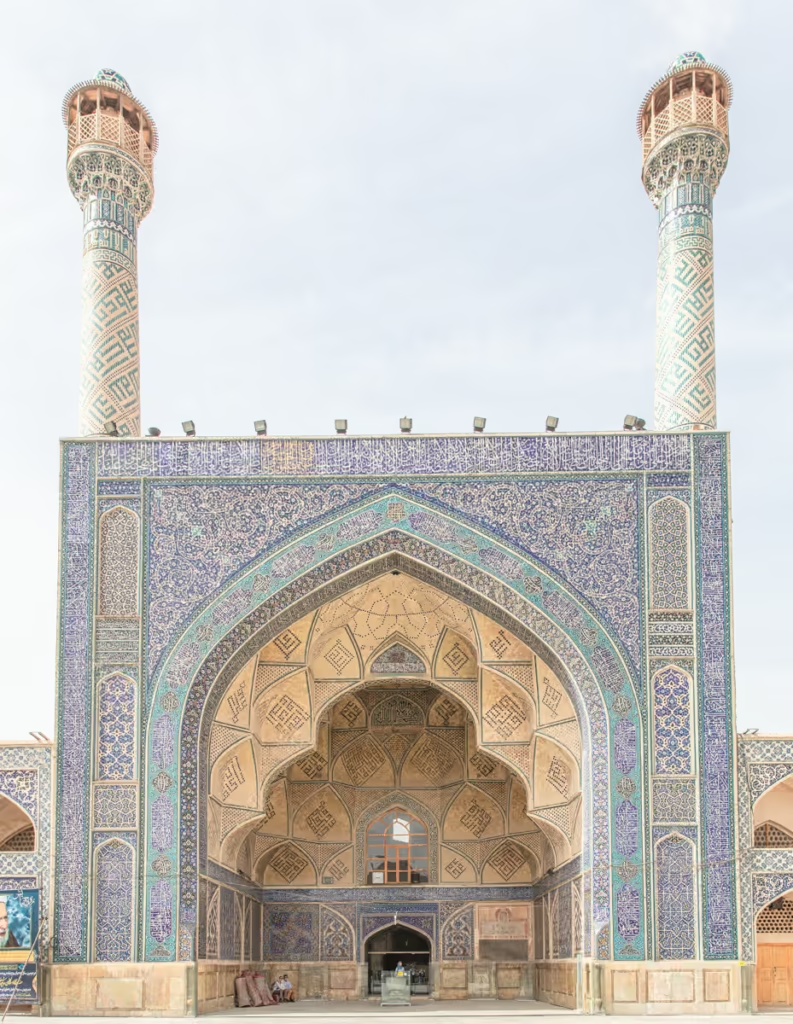
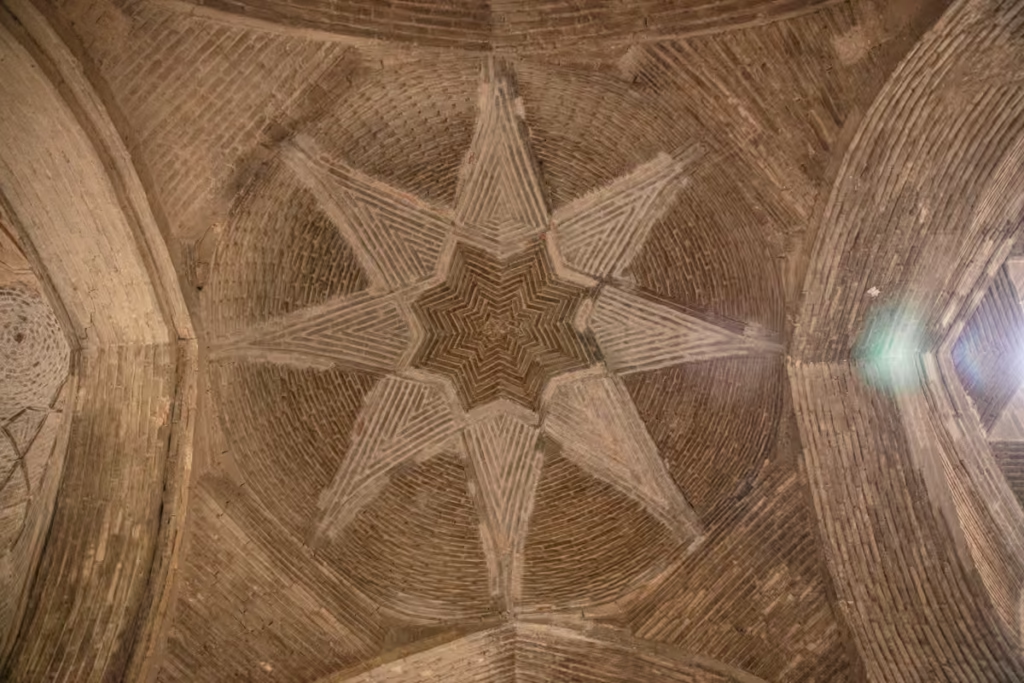
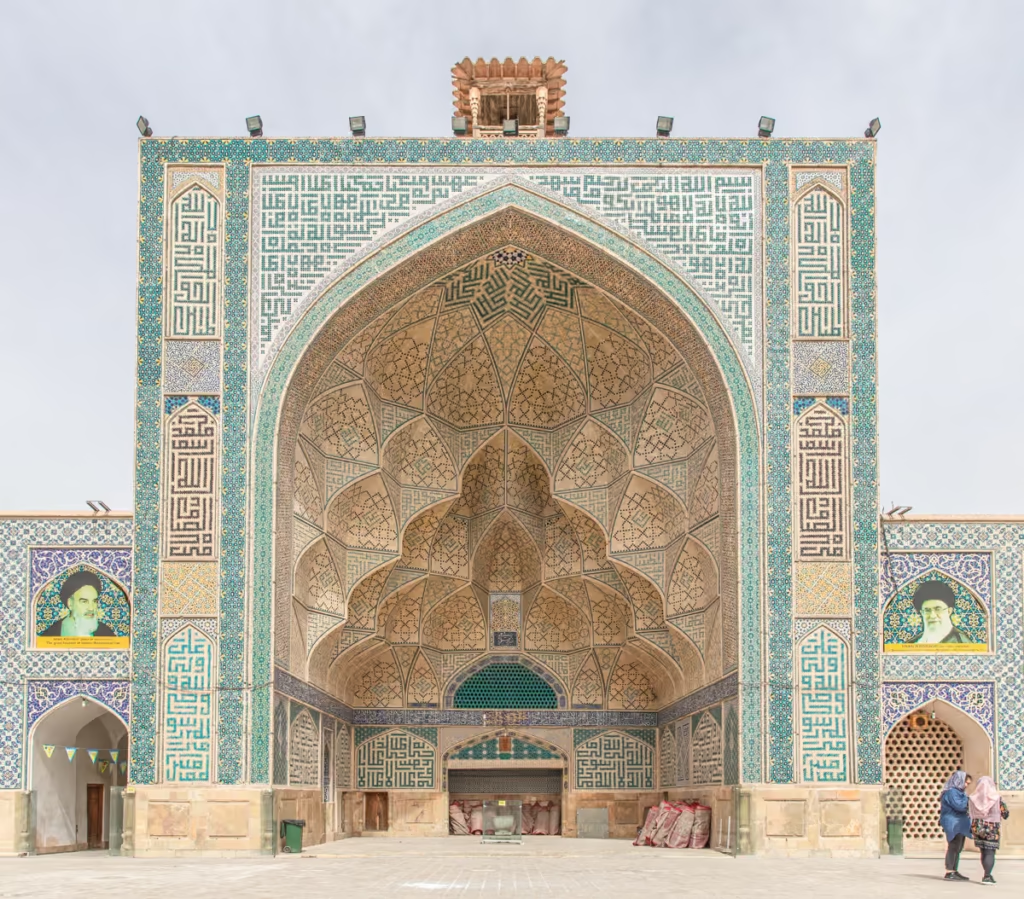
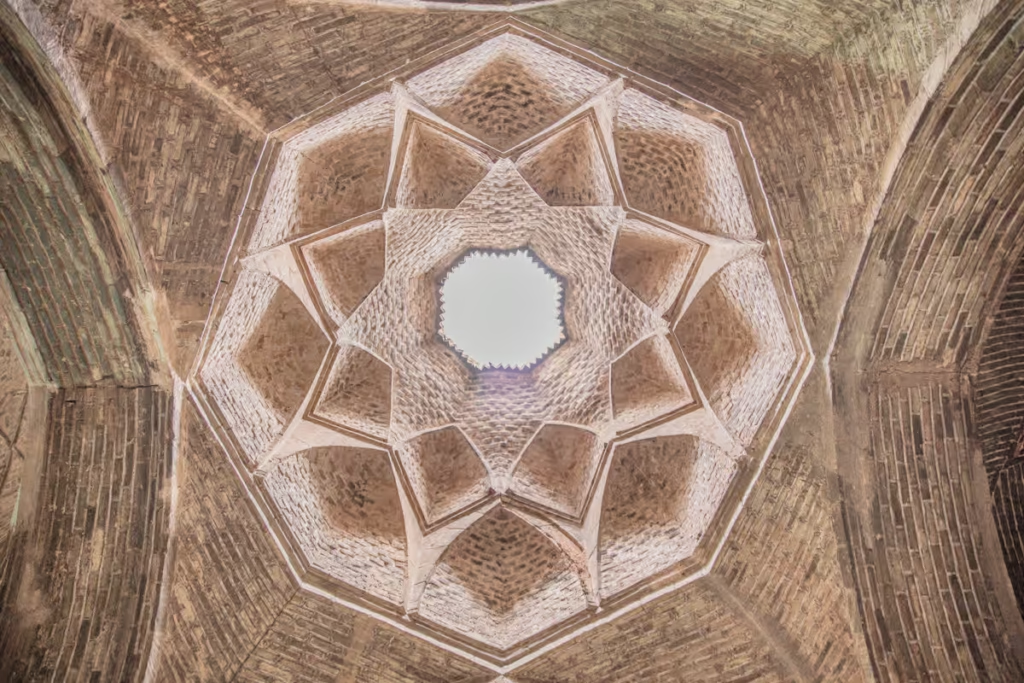
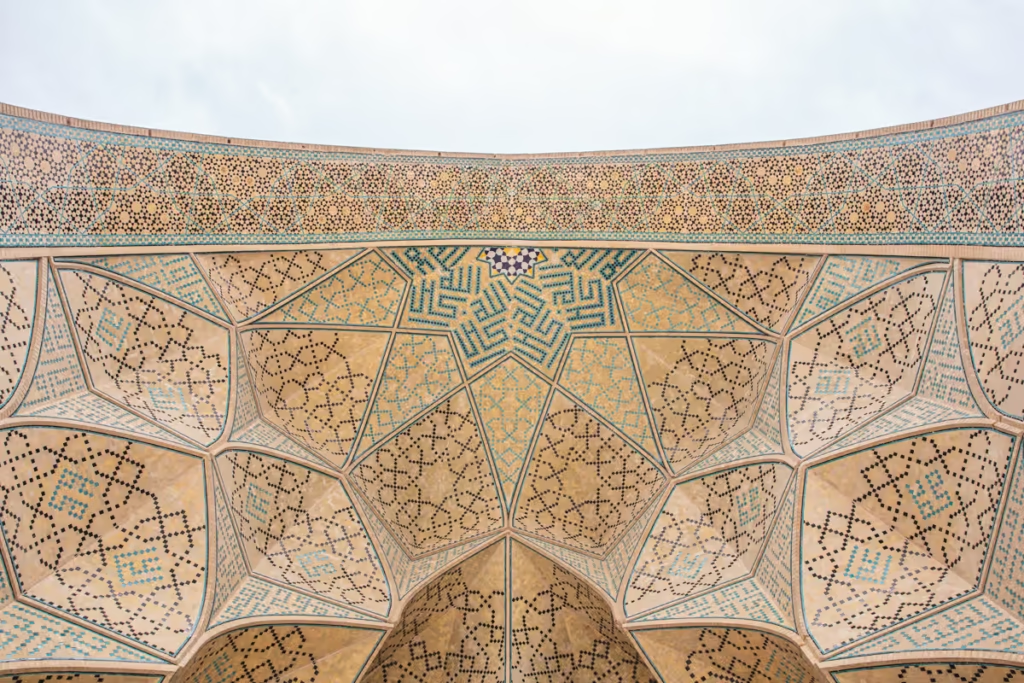
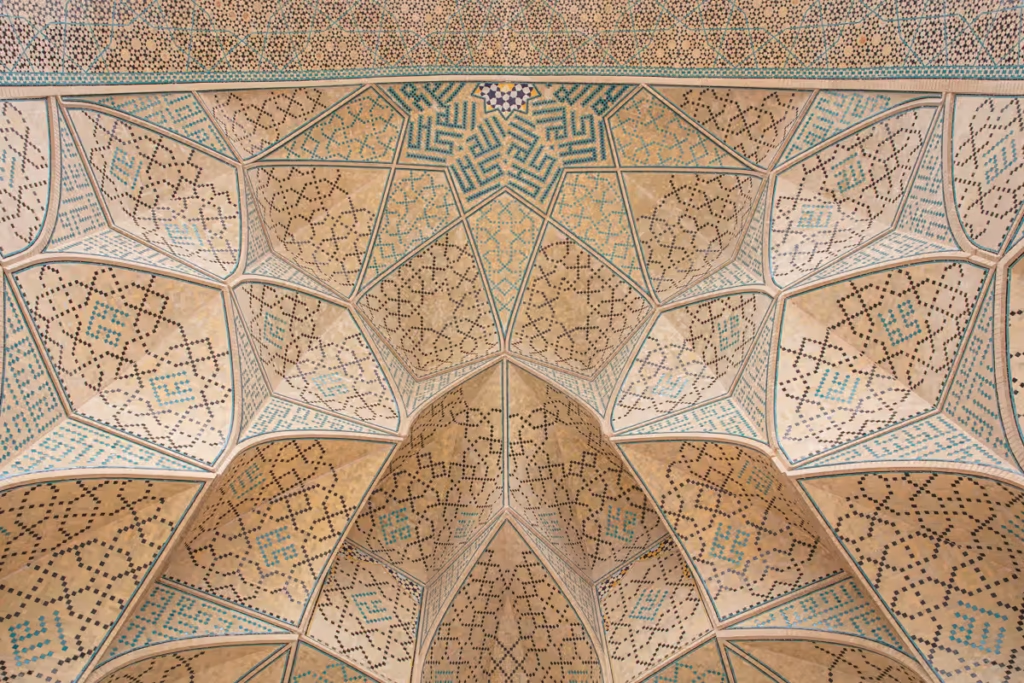
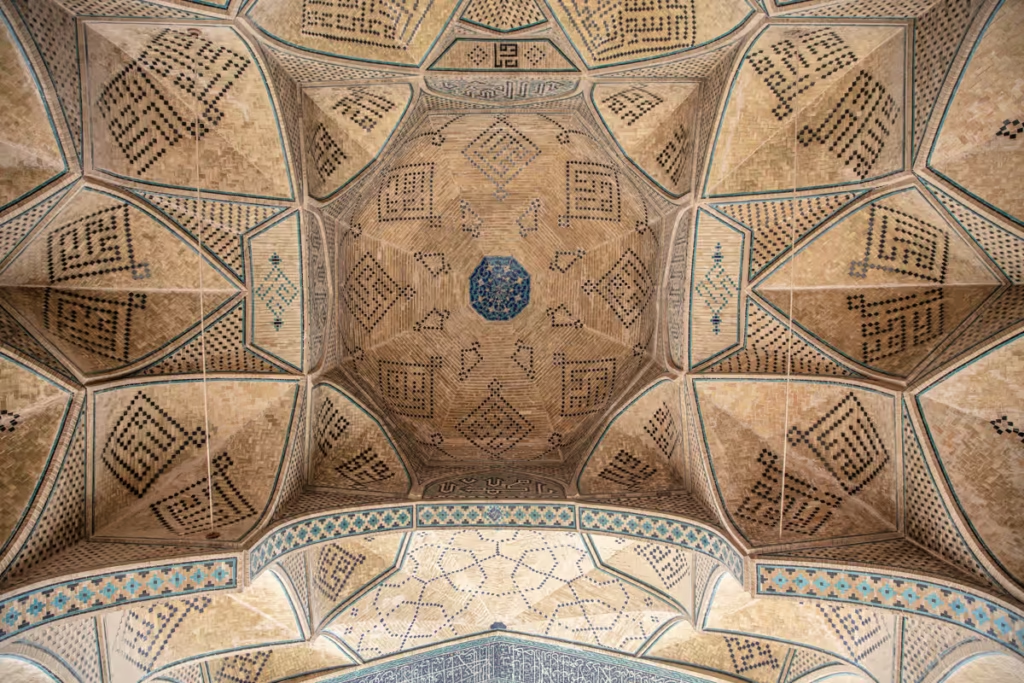
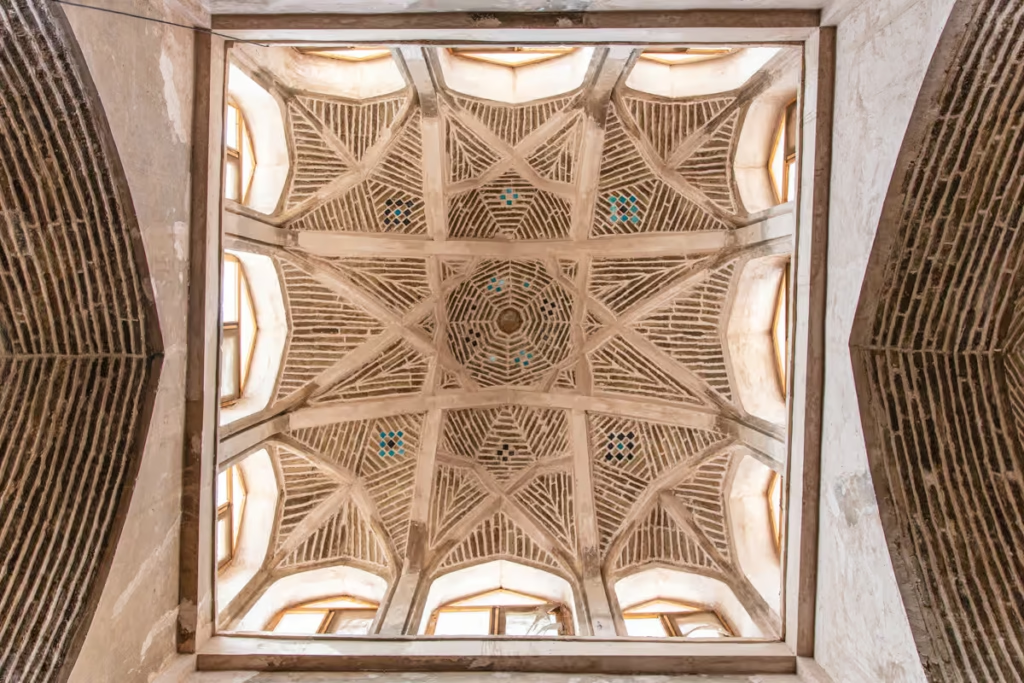
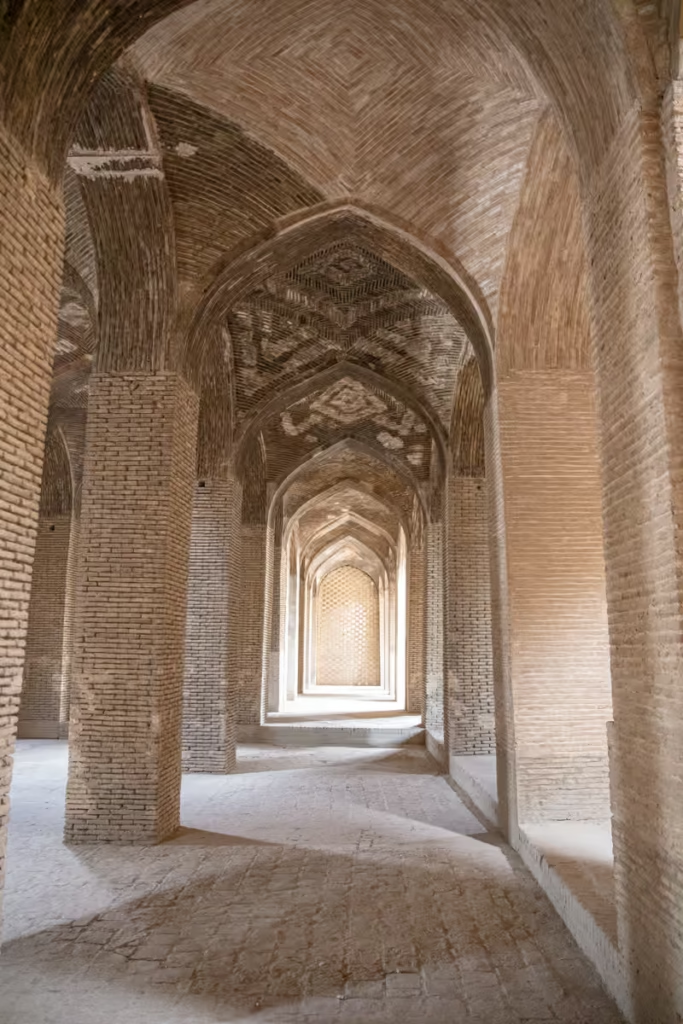
Jameh Mosque was actually my favorite piece of architecture in Esfahan because of its unique muqarnas. Originally a Zoroastrian Fire Temple dating back to the Sassanid era, it was converted into a mosque during the Umayyad Dynasty, however, it wasn’t much until the 11th century.
Jameh Mosque suffered a fire in the 12th century, with the north and south domes surviving the blaze, much of the rest of the mosque had to be reconstructed. My favorite feature of the Jameh Mosque is are its uniquely giant muqarnas.
Entrance: 500,000 IRR for foreigners
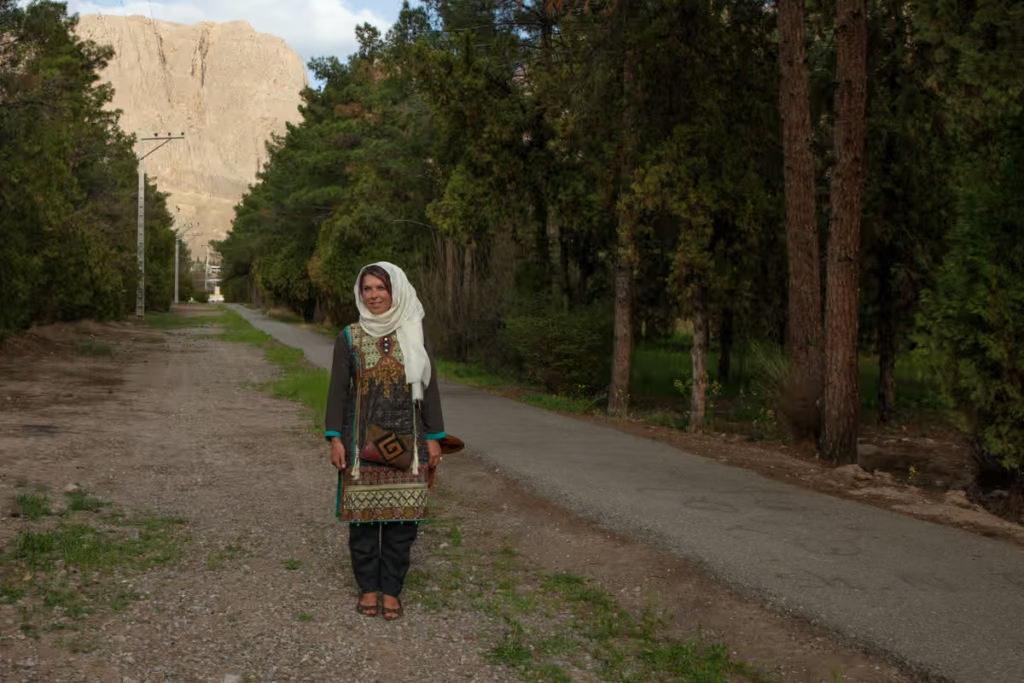
Read everything you need to know about solo female travel in Iran
Hakim Mosque
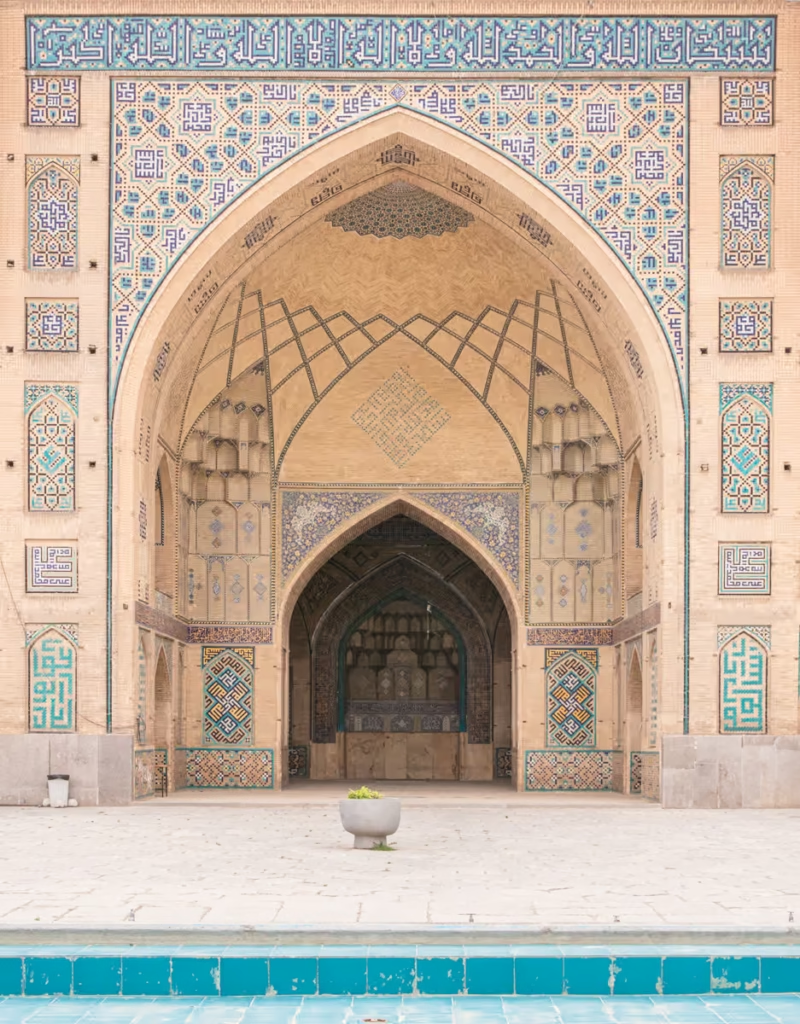
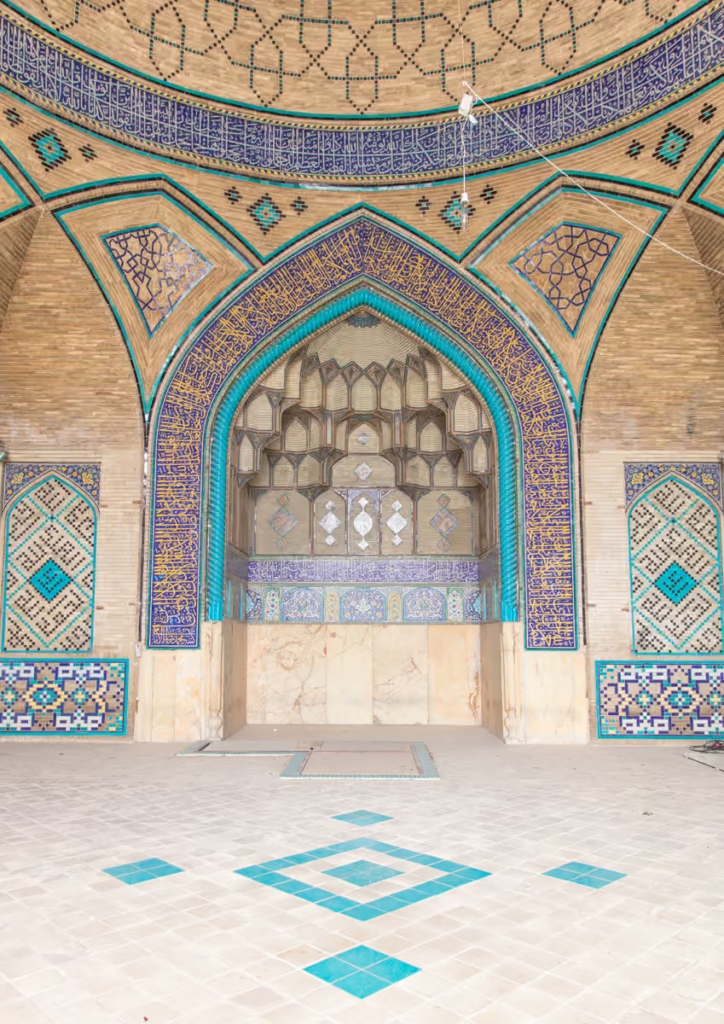
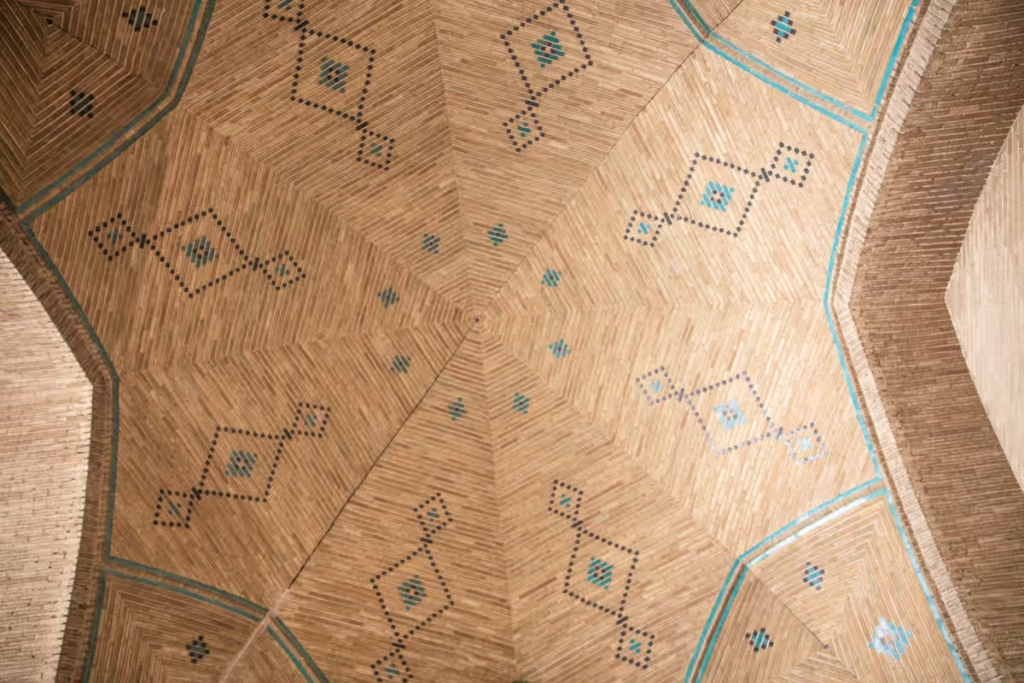
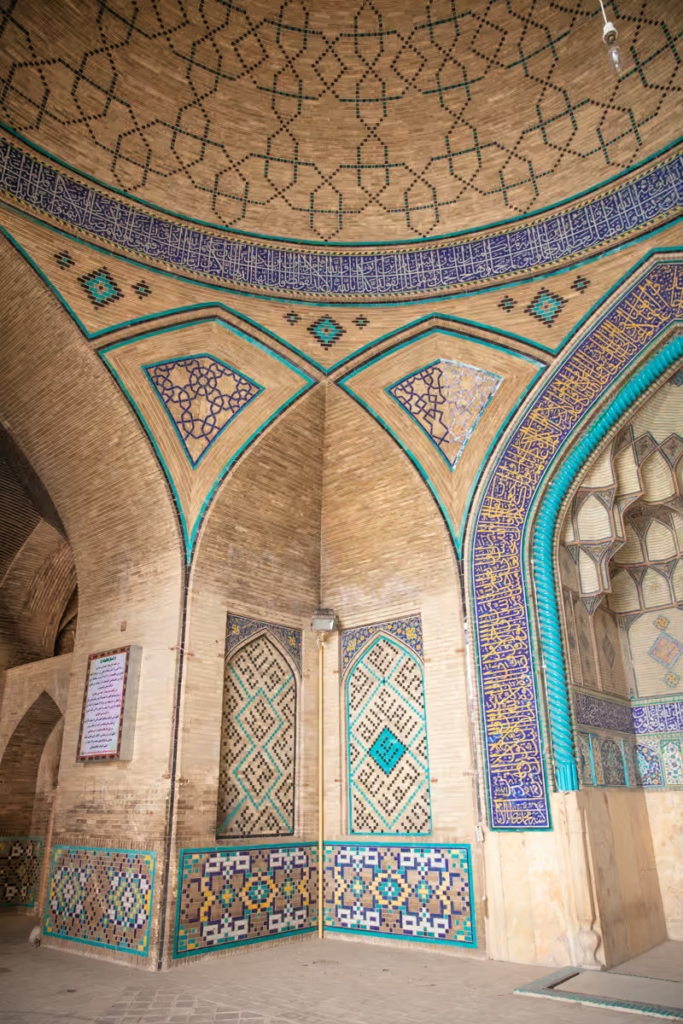
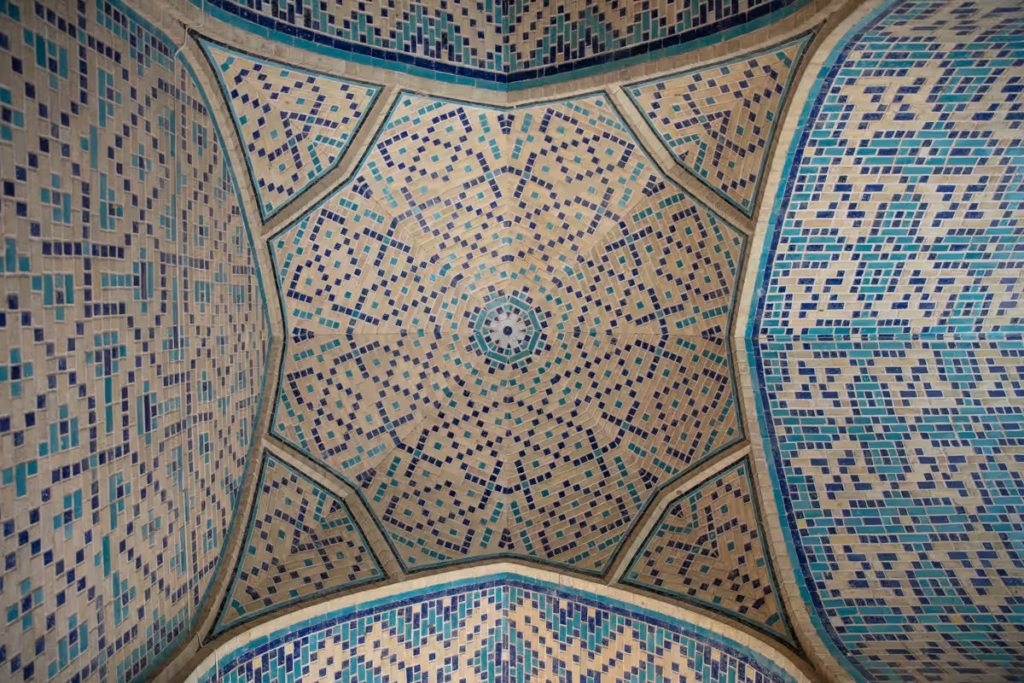
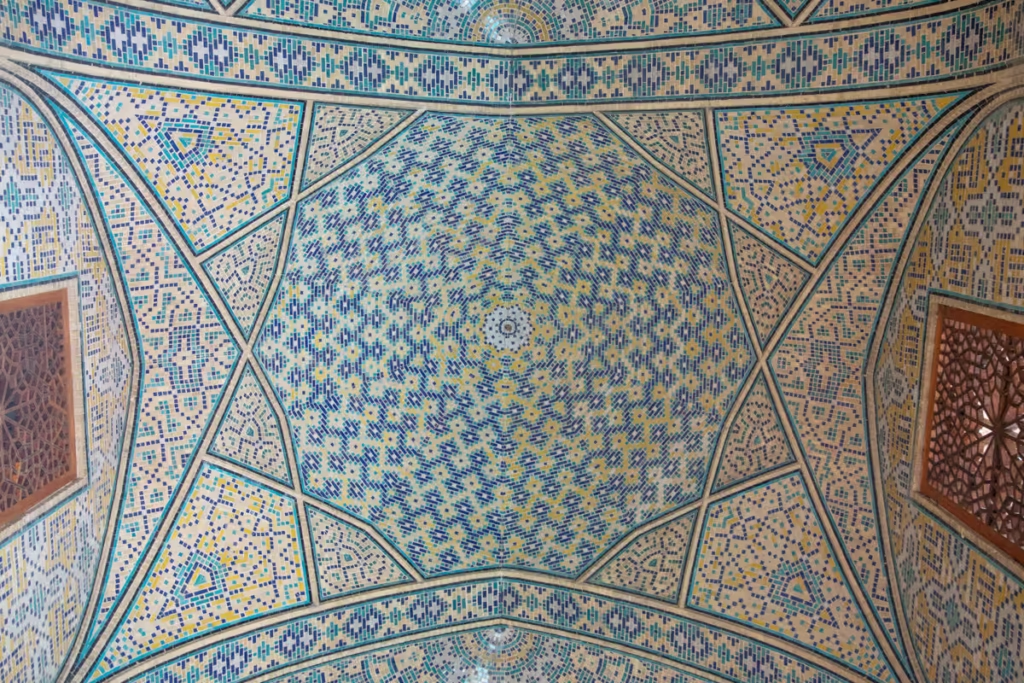
Hakim Mosque is located right off of Bazar e Bozrog and hardly sees any visitors in comparison to the mosques in Naqsh e Jahan Square, or the Jameh Mosque. Built in the 17th century, Hakim Mosque is one of Esfahan’s oldest mosques, named after Doctor Mohammad Davud Khan Hakim who funded the construction of the mosque. Hakim Mosque is a great place to sit and admire beautiful architecture without the crowds
Entrance: Free
Chehel Sotun Palace & Bagh e Chehel Sotun
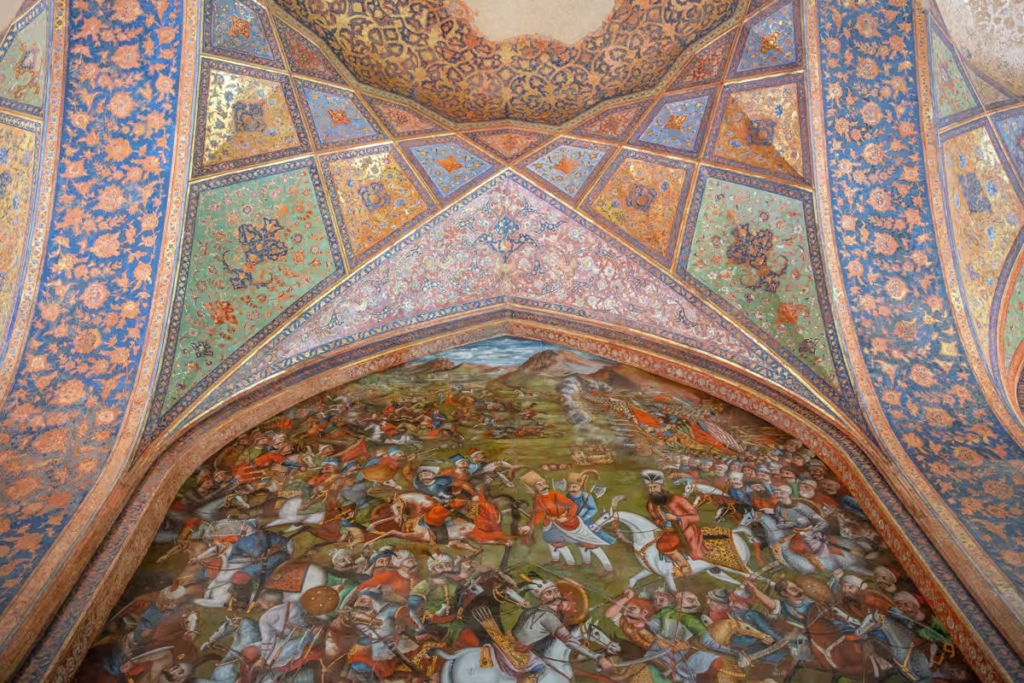
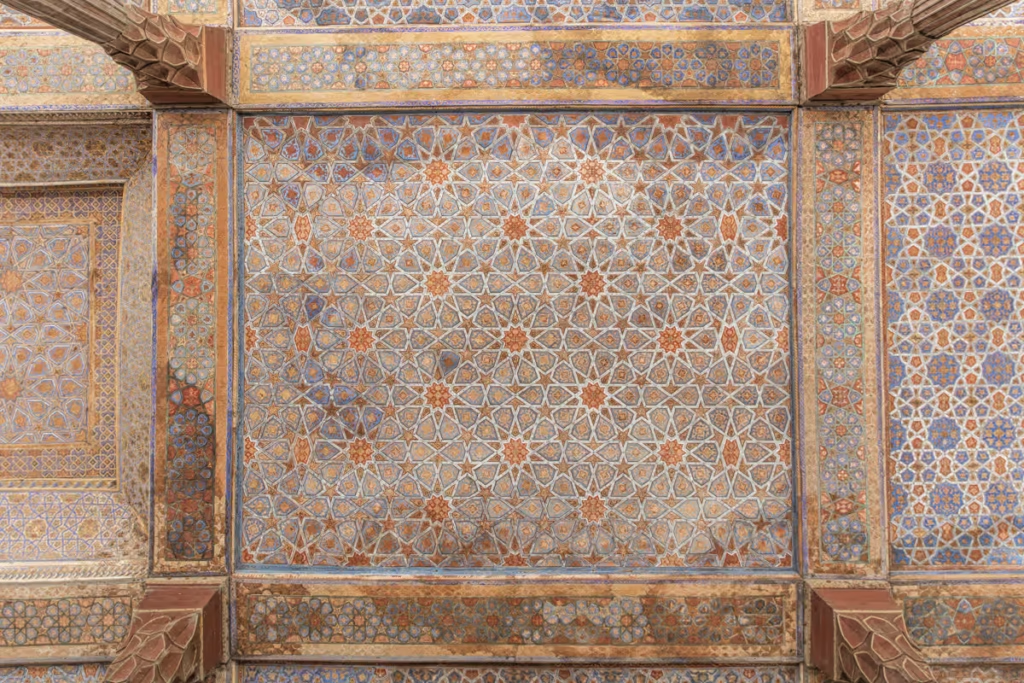
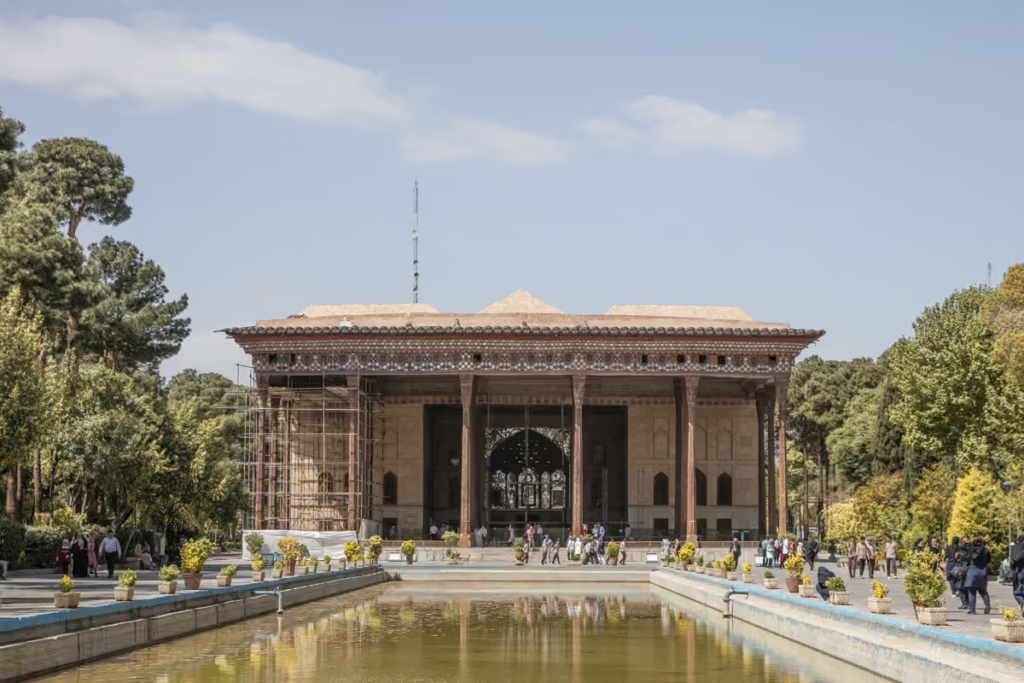
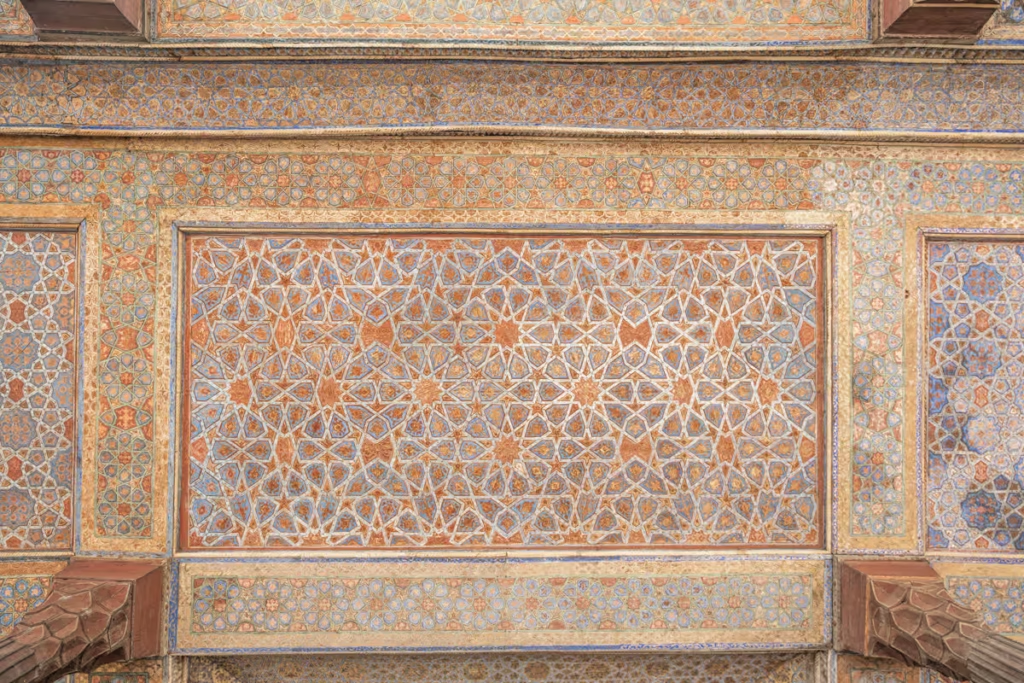
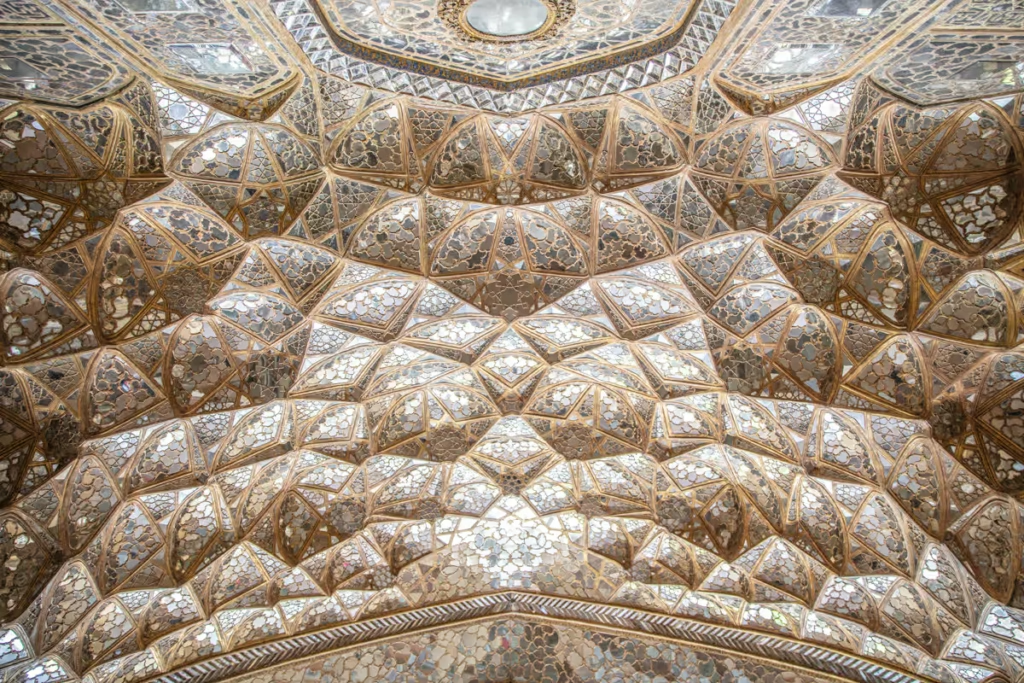
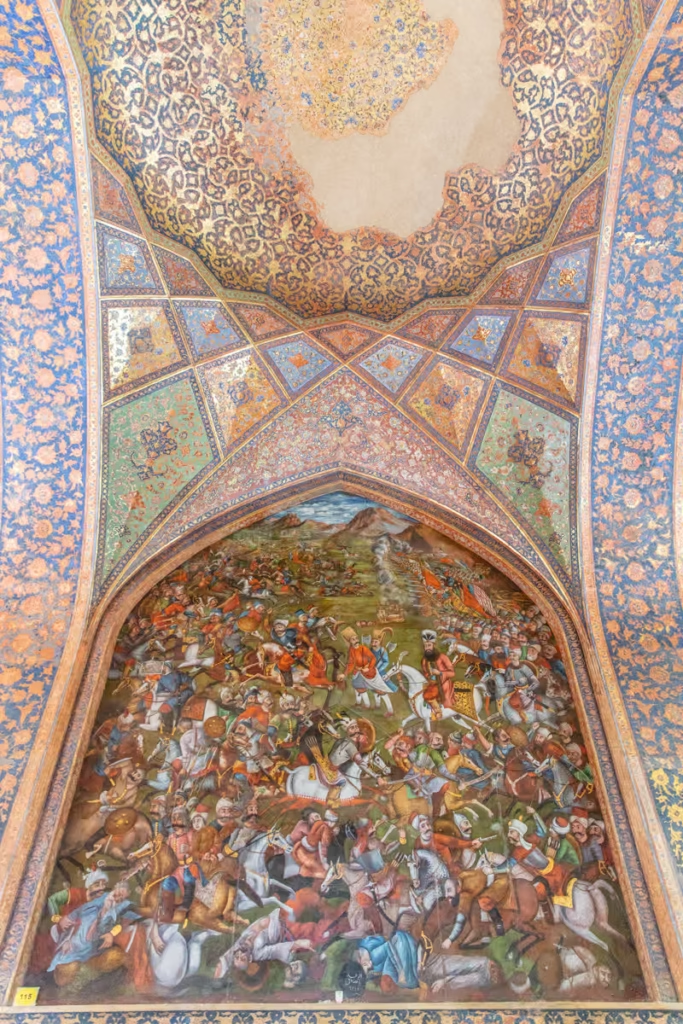
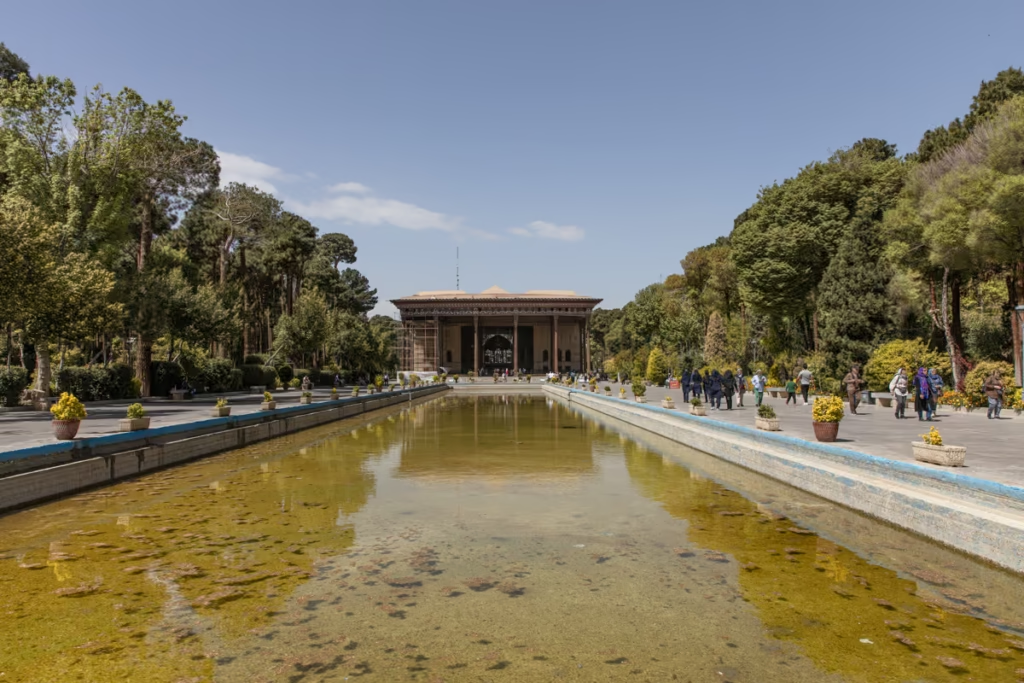
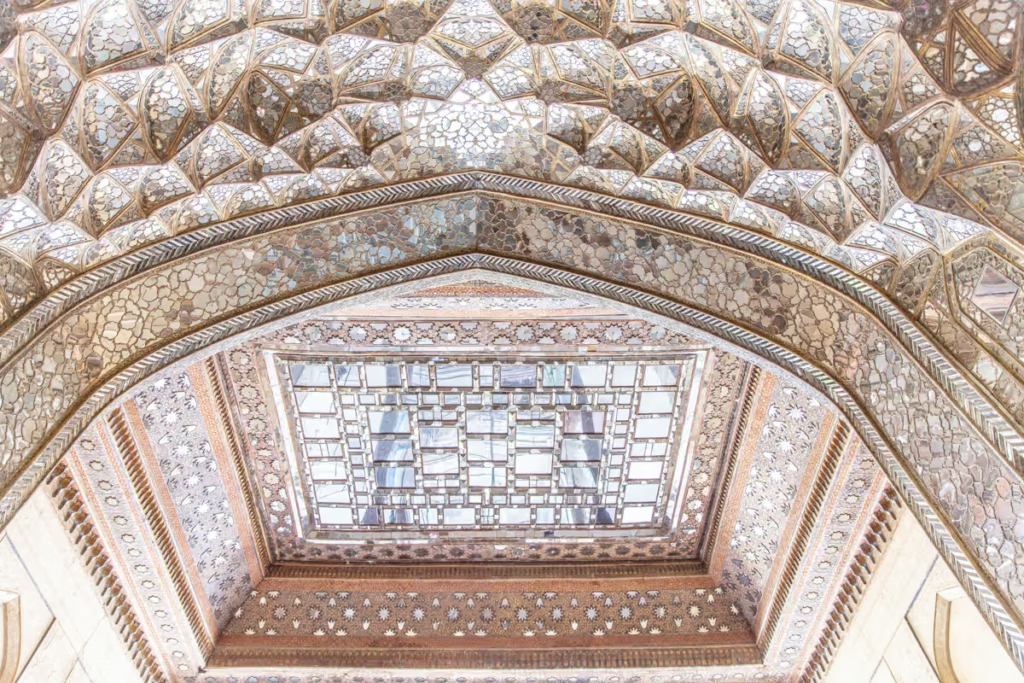
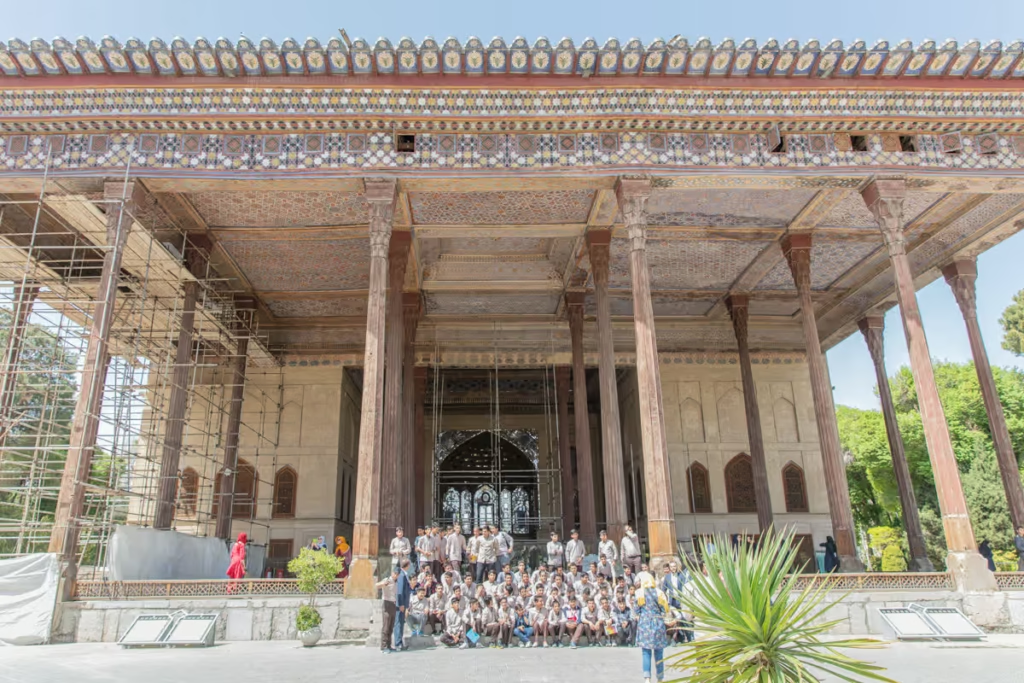
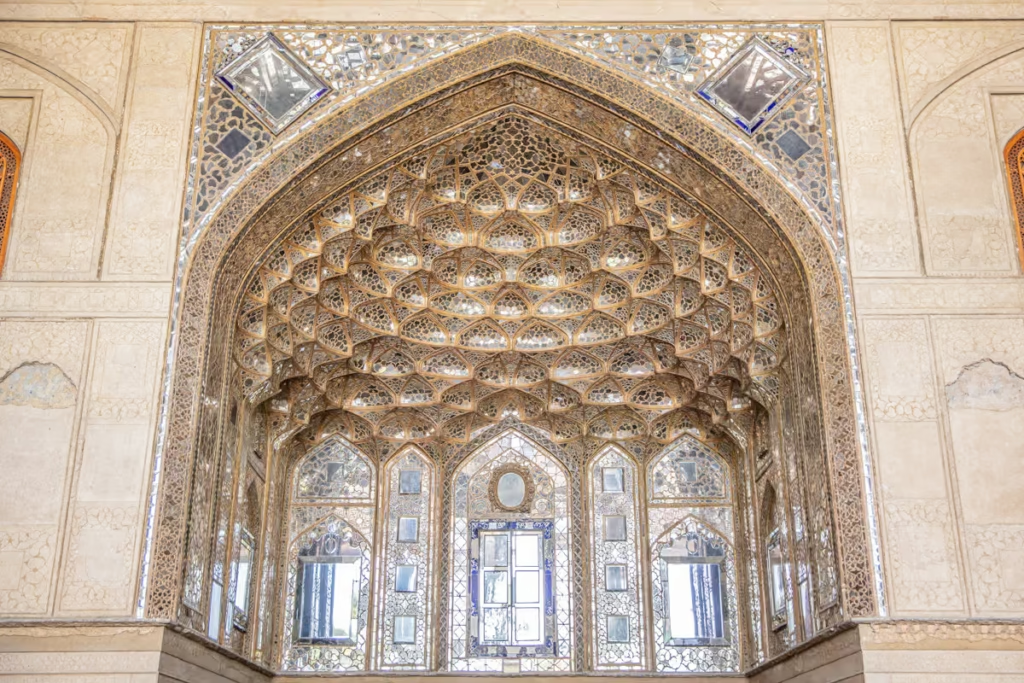
The palace and garden of Chehel Sotun are just a short walk from Naqsh e Jahan Square that date back to 1588 in the height of the Safavid era, however, the palace was not completed until 1647. Chehel Sotun actually means 40 pillars, but the palace only features 20- the chehel (40) was derived from the pillars plus their reflections in the long pool that runs the length of the garden. The ceilings, mirror work, and interior paintings inside the palace are well worth visiting for.
Entrance: 200,000 IRR for foreigners
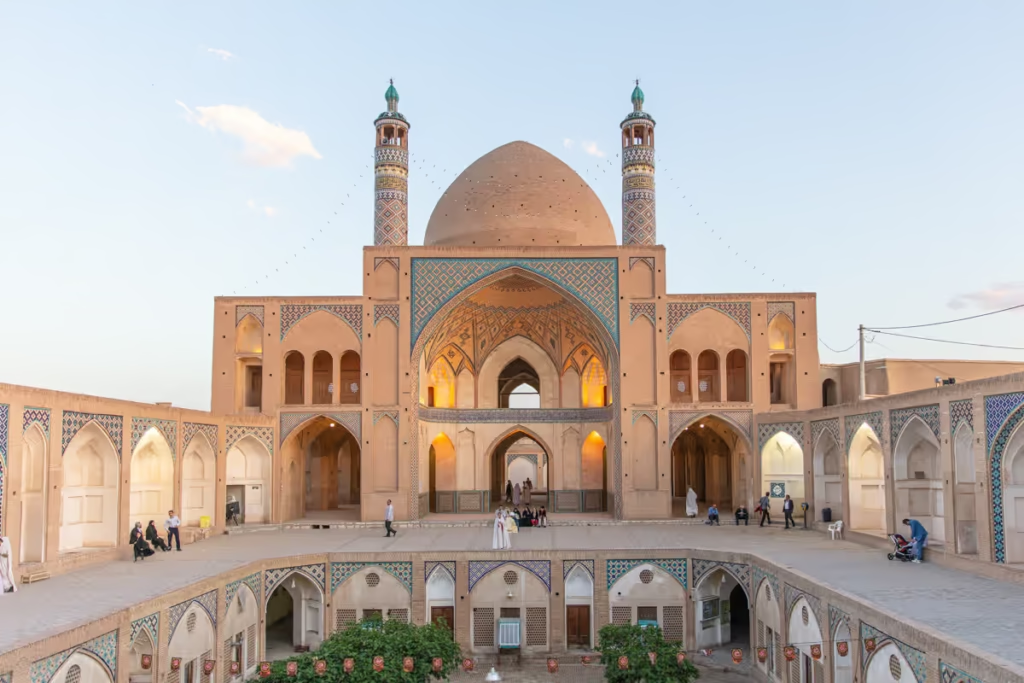
Planning to visit Kashan? Check out my Kashan Travel Guide
Ali Mosque
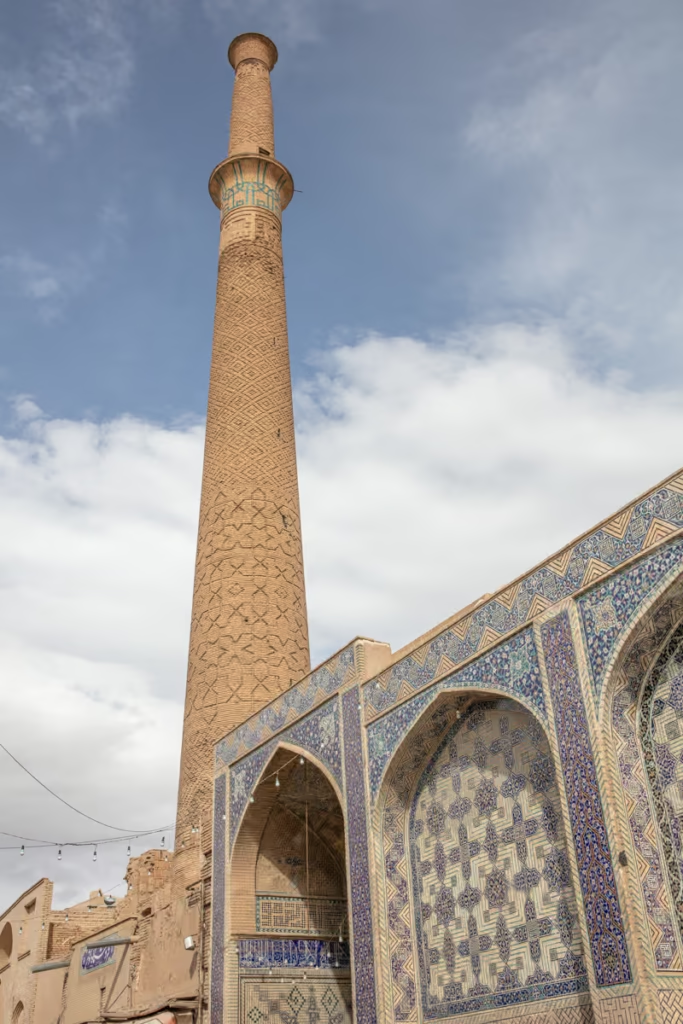
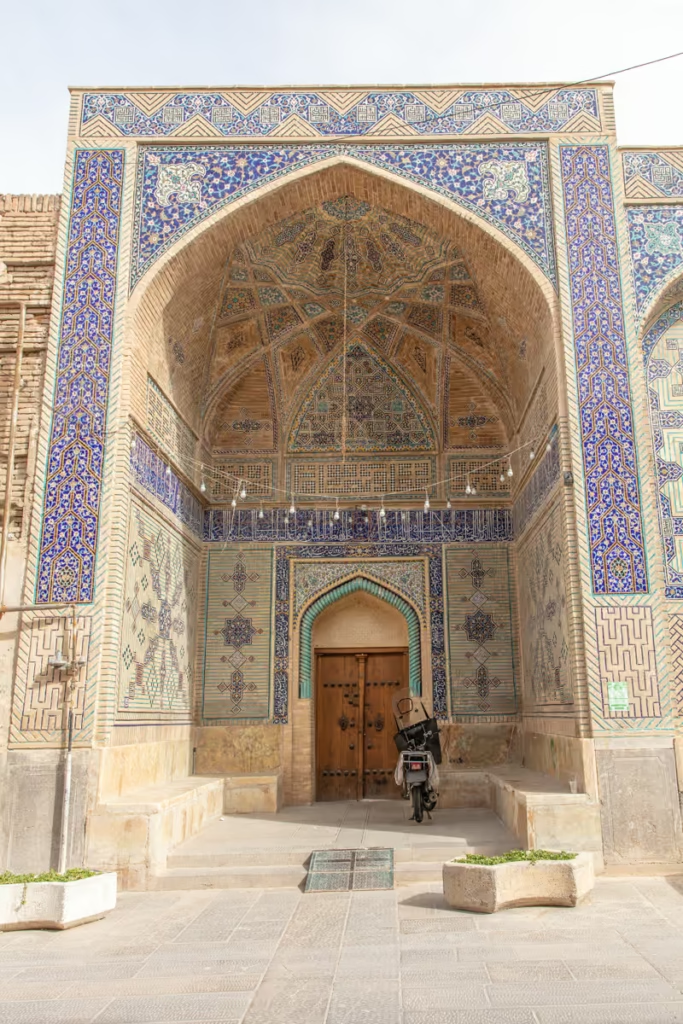
Right off of Bazar e Bozorg, Ali Mosque and Minaret date back to the 11th century, making Ali Minaret the oldest minaret in all of Esfahan.
Entrance: Free
Hasht Behesht Palace
Just off of Naqsh e Jahan Square and not far from Chehel Sotun is the Hasht Behesht Palace. The palace was completed in 1669 under the rule of Shah Suleiman and is known as one of the best examples of Safavid architecture.
Hasht Behesht was built as a summer palace with two stories, decorated with beautiful paintings and intricate ceilings.
Entrance: 500,000 IRR for foreigners
Going to Yazd afterwards? Check out my epic two day Yazd itinerary
Bridges
Esfahan has five historical bridges that cross the Zayanderud River.
Pul e Khaju
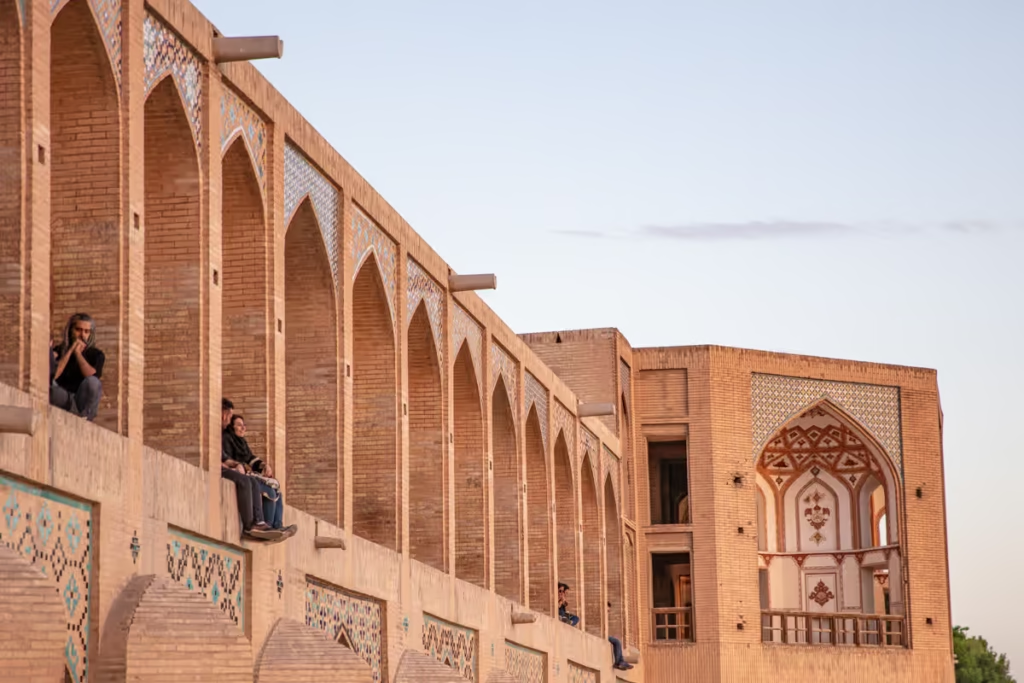
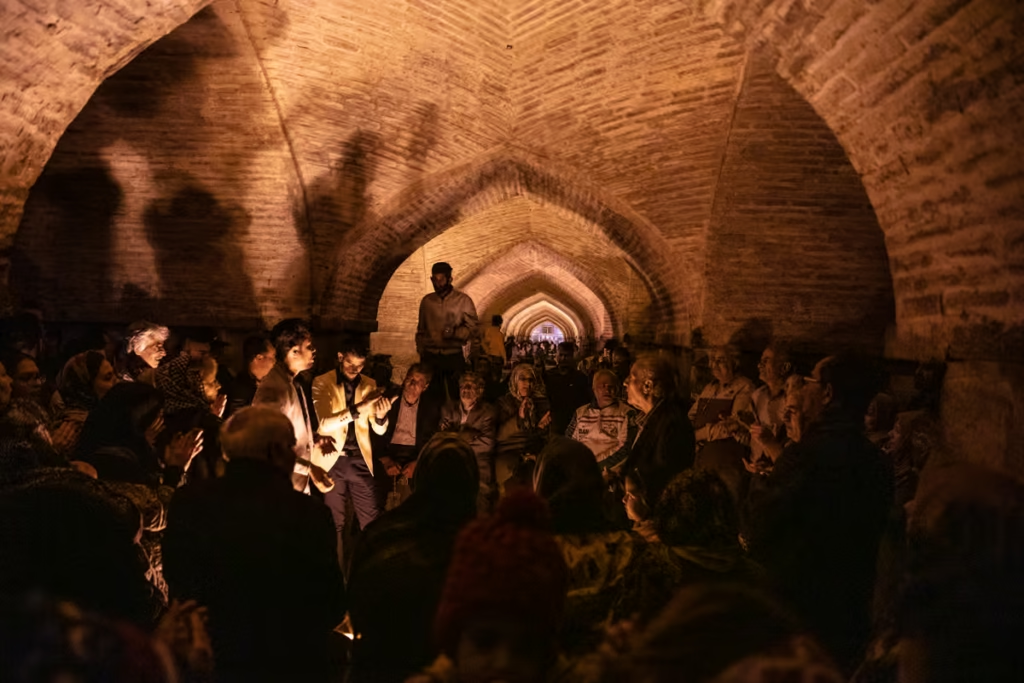
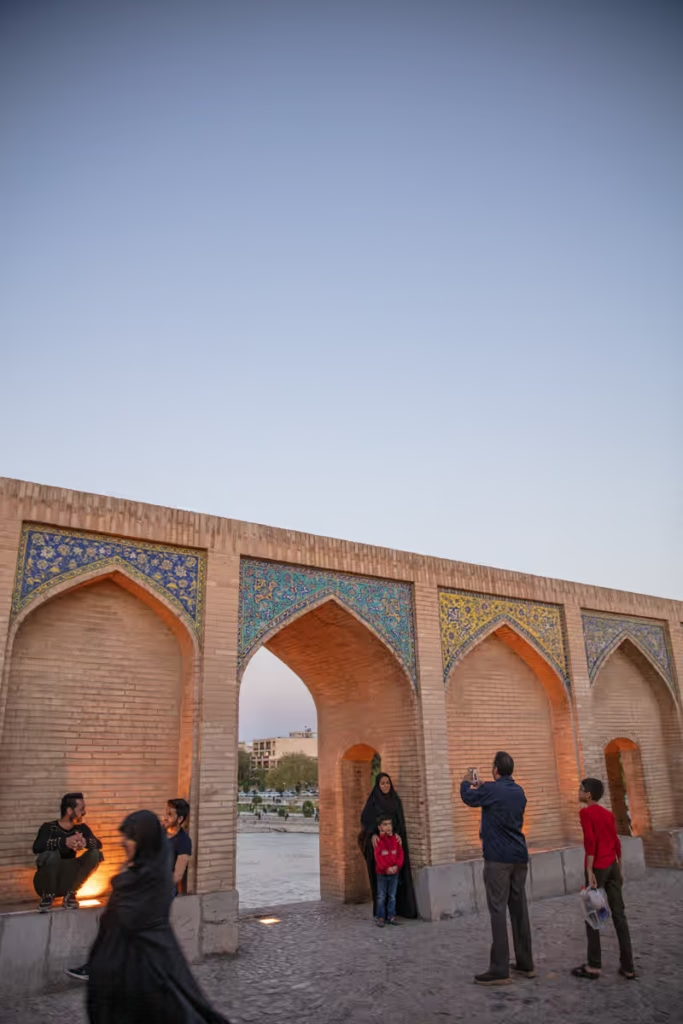
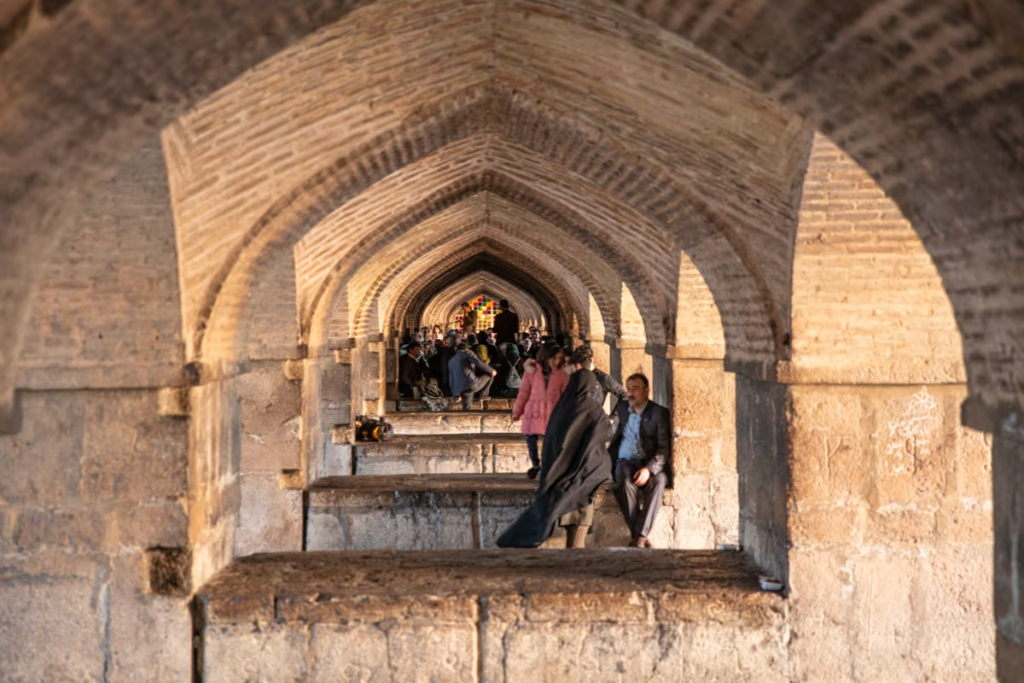
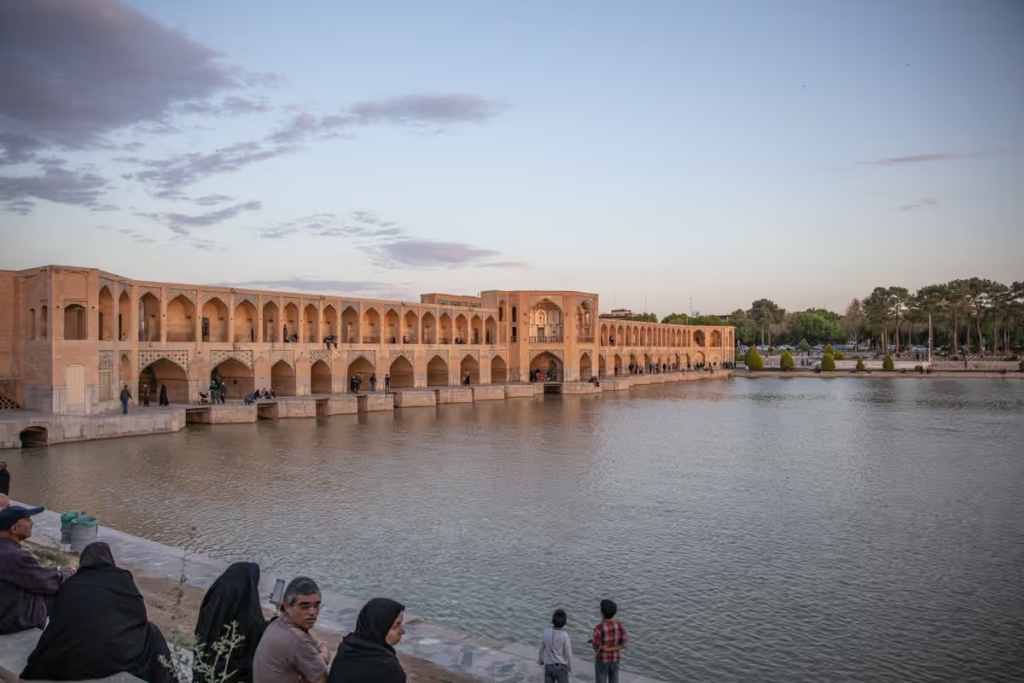
Pul e Khaju is the bridge that I spent the most time at, catching sunset there on my first evening in Esfahan. The bridge was built under the reign of Shah Abbas II in the 17th century, with two stories and 24 tile-clad arches that cross the river.
Pul e Khaju serves as a weir over the river all and as an evening meeting point, where people huddle in the arches of the lower story and sing songs. It’s fun even if you don’t know a single Persian song as you can clap along.
Si o Se Pul
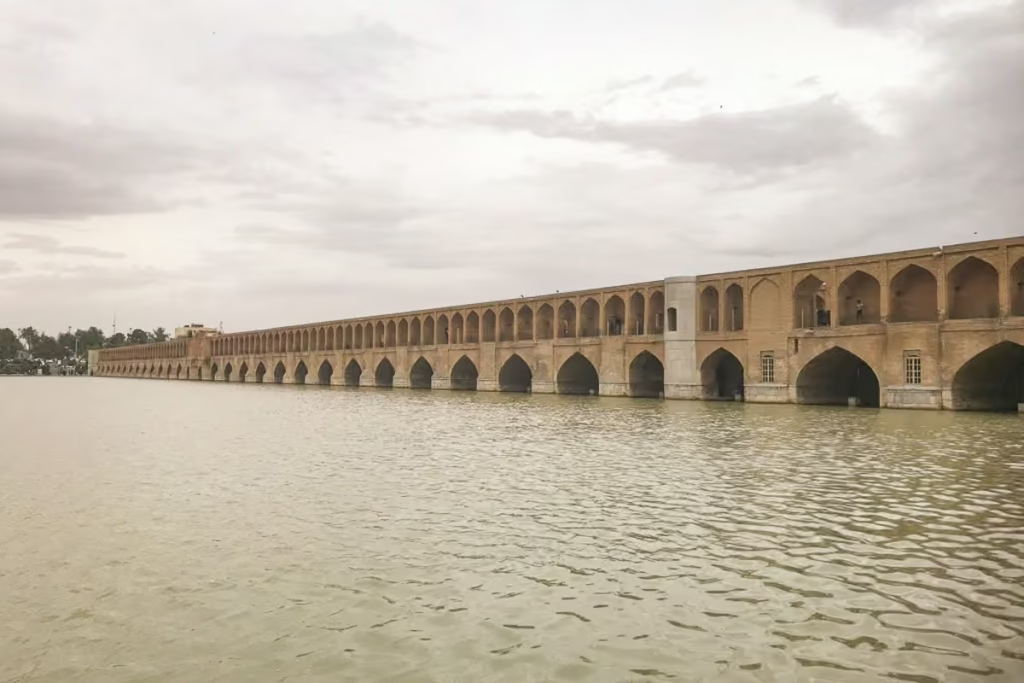
Si o se means 33 in Farsi, nodding to the 33 arches of the bridge that cross the river, making it the longest bridge of Esfahan. Si o se Pul predates Pule e Khaju, built between 1599 and 1602 to connect the remainder of Esfahan with the Armenian Quarter of Jolfa.
Pul e Shahristan
Pul e Shahristan is the oldest of Esfahan’s bridges with a foundation that dates back to the Sassanian Empire. The bridge would go on to be renovated twice, in the 10th century and in the 11th century.
Pul e Chubi
Originally built in 1665 under Shah Abbas II as a means to irrigate the royal gardens on the north bank of the river. As a result, Pul e Chibi was almost exclusively used by Esfahan’s elite.
Looking to get off the beaten path in Iran? See why you need to visit the rainbow island of Hormuz
Pul e Marnan
Crossing the river in 21 arches, Pul e Marnan was believed to have been built during the Sassanian era. It was built under Khajeh Sarfaraz in the 17th century, which is why you’ll also see it referred to as the Sarfaraz Bridge.
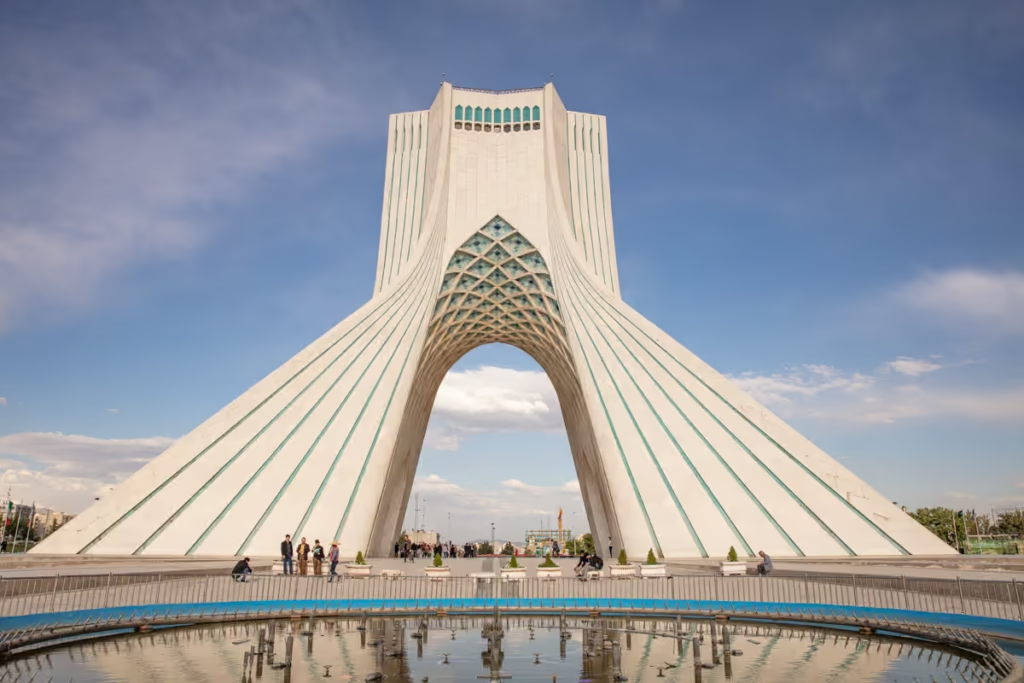
Plan a perfect two day trip to Tehran
Ateshkadah
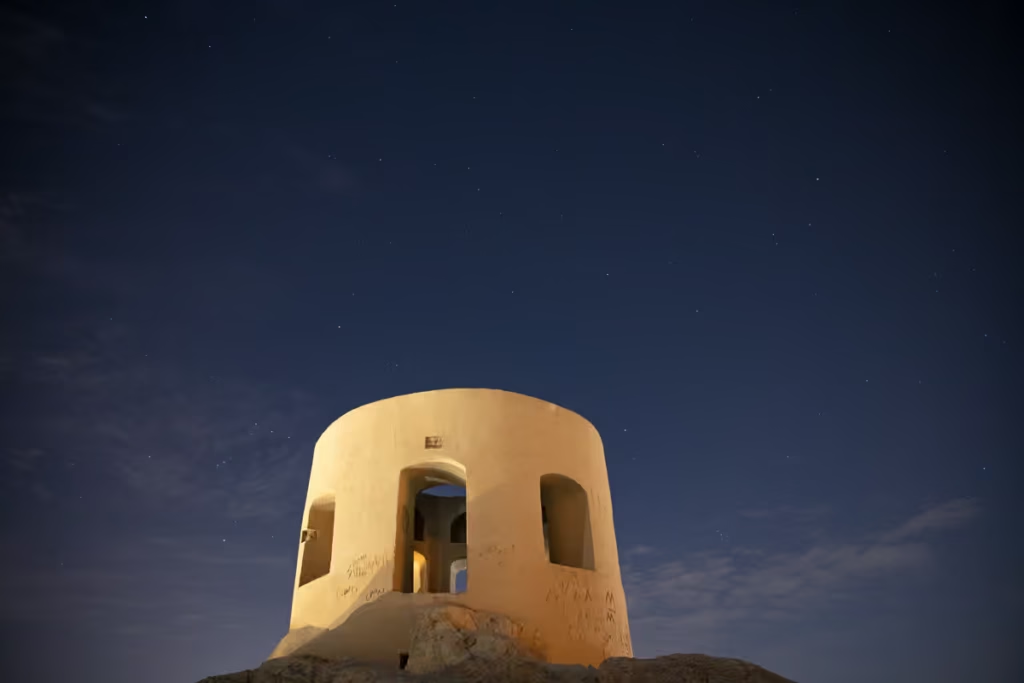
Previously I visited the Ateshkadah and Towers of Silence in Yazd and had Esfahan’s Ateshkadah on my list. On my first evening in Esfahan I ended up meeting a group of locals all around my age who talked me into jumping on motorbikes with them and heading across the river to climb up the Ateshkadah at night.
Entrance: 300,000 IRR for foreigners
Kelisa ye Vank
Truth be told, I had intentions to visit Vank Cathedral and Jolfa Square in Esfahan’s Armenian district, but I ended up running out of time and didn’t make it. I have since looked up photos and it definitely, in my opinion, is worth visiting.
I actually was planning to visit when I paid a visit to the Ateshkadah, as they are quite close, but I ended up visiting the Ateshkadah at night after the cathedral was closed.
Entrance: 500,000 IRR for foreigners
How much does it cost to backpack Iran? Not as much as you think, find out here
Hammam e Ali Gholi Agha
Similar to the Vakil Hammam in Shiraz, Hammam e Ali Gholi Khan Agha features mannequins to help those that aren’t familiar with hammams understand the purpose of each part of the structure.
Entrance: 200,000 IRR for foreigners
Chahar Bagh Madrasa
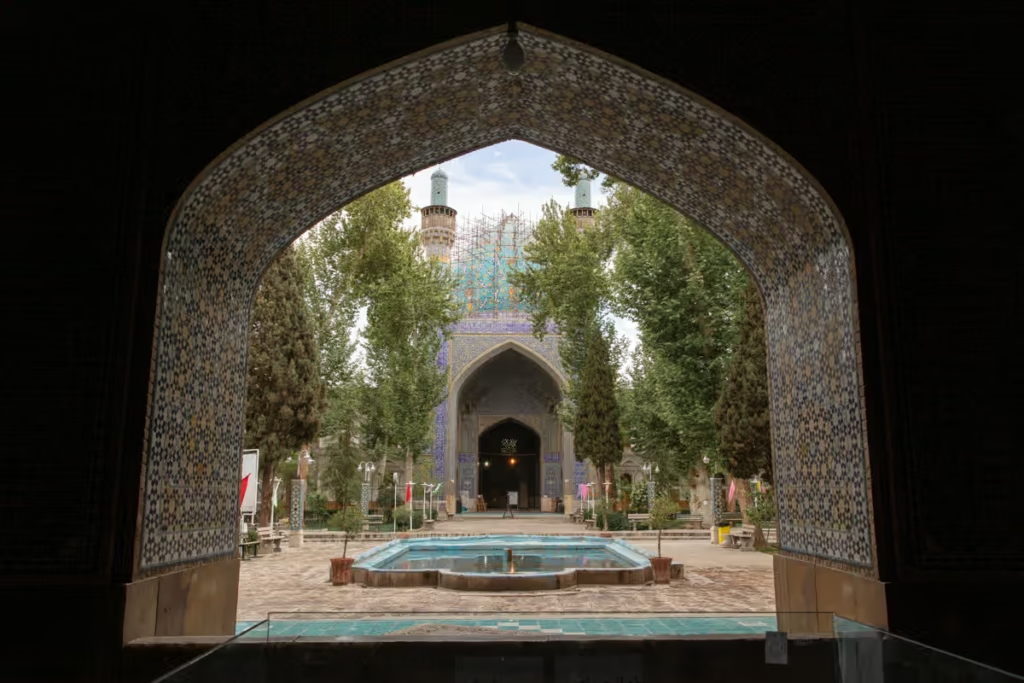
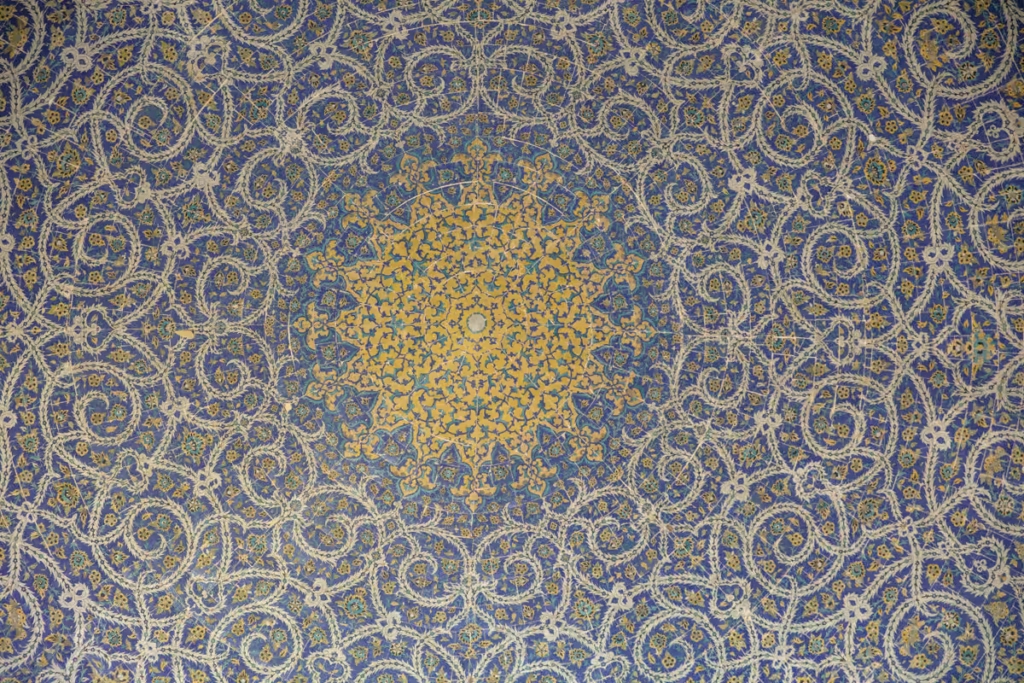
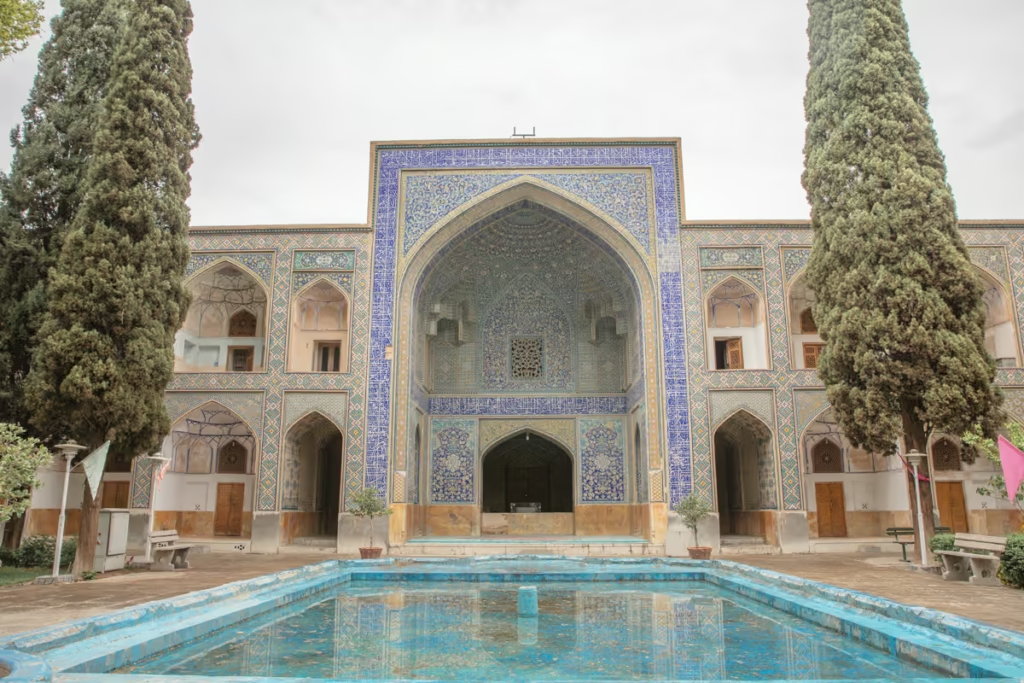
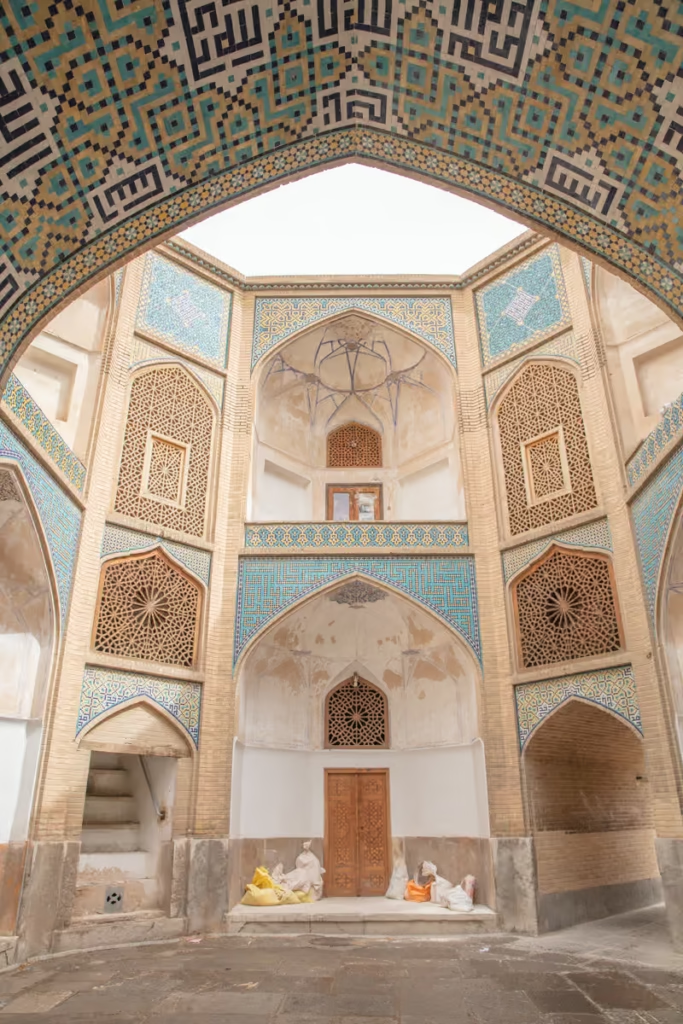
Chahar Bagh Madrasa is an Islamic school that was built between 1704 and 1714, part of a larger complex including Bazar e Honar, and a caravanserai that is now the Abbasi Hotel. I was in Esfahan just after Nowruz and was able to enter, but I had heard that it’s not normally open to the public.
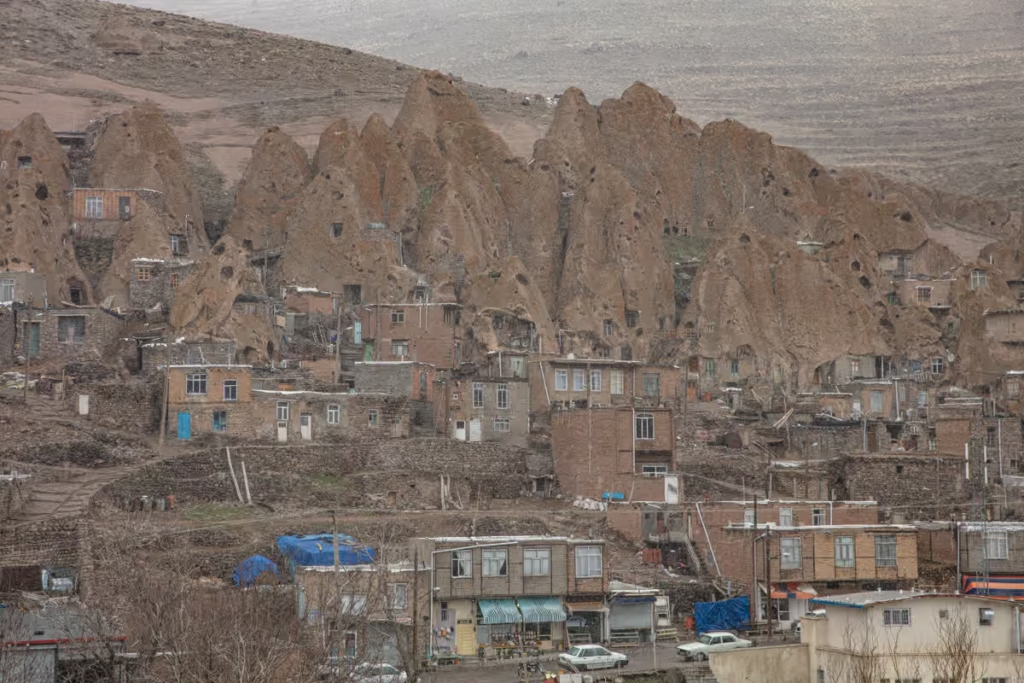
Heading to Tabriz on your trip? Don’t miss Kandovan on your itinerary
Where To Stay In Esfahan
I opted to stay at the Amir Kabir Hostel in Esfahan. The staff was friendly and helpful, and was a short walk from Bazar e Bozorg. I made a last-minute booking, so nearly everything in Esfahan was sold out as it was April. You’ll need to book over the phone with them at +98 31 3222 7273. Otherwise, here are some other options that came highly recommended.
Budget
Ragrug Hostel
Midrange
Bekhradi’s Traditional House
Splurge
Abbasi Hotel
Ghasr Monshi Hotel
Have Any Questions About Visiting Esfahan Or Any Of The Things To Do In Esfahan Mentioned Above?
Ask your Esfahan travel questions in the comments section below.
Posts From Iran
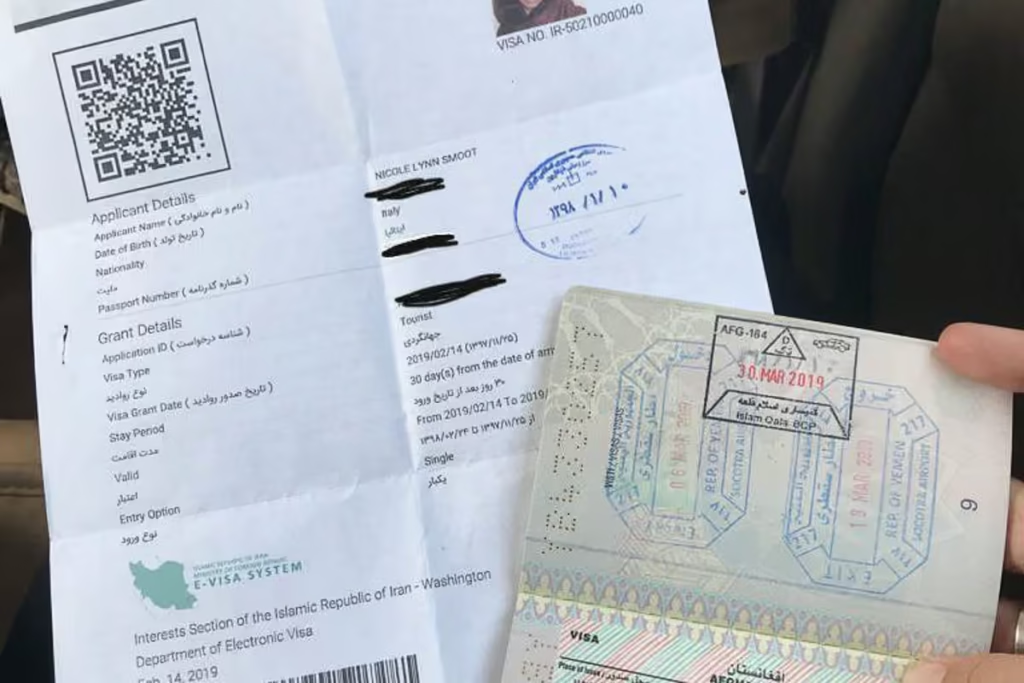
How to Get a Visa for Iran
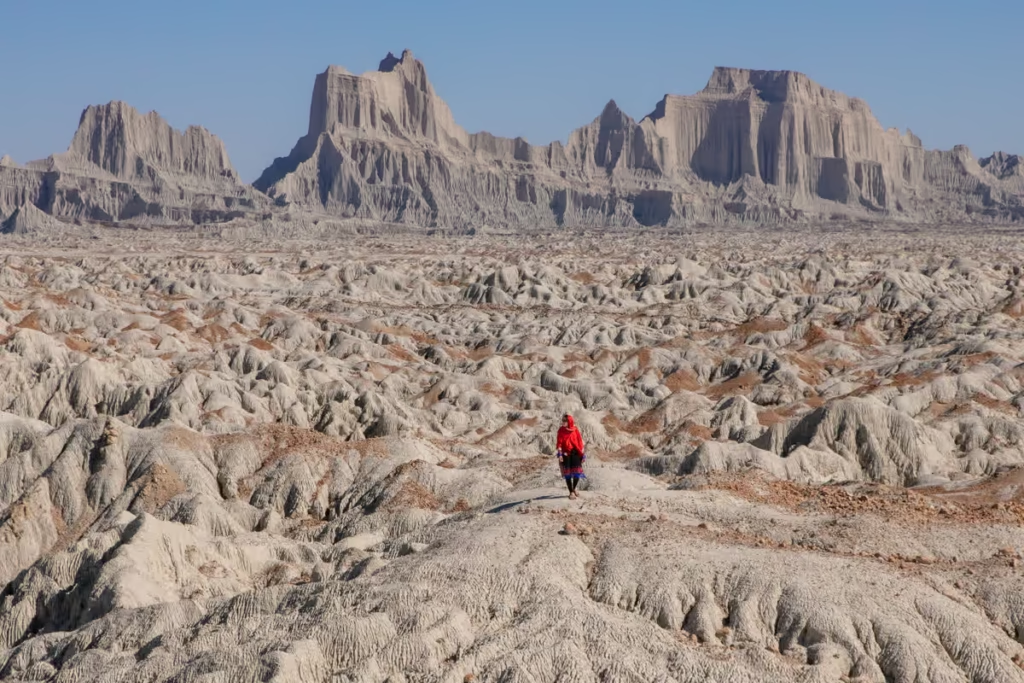
Sistan & Balochistan Travel Guide, Iran
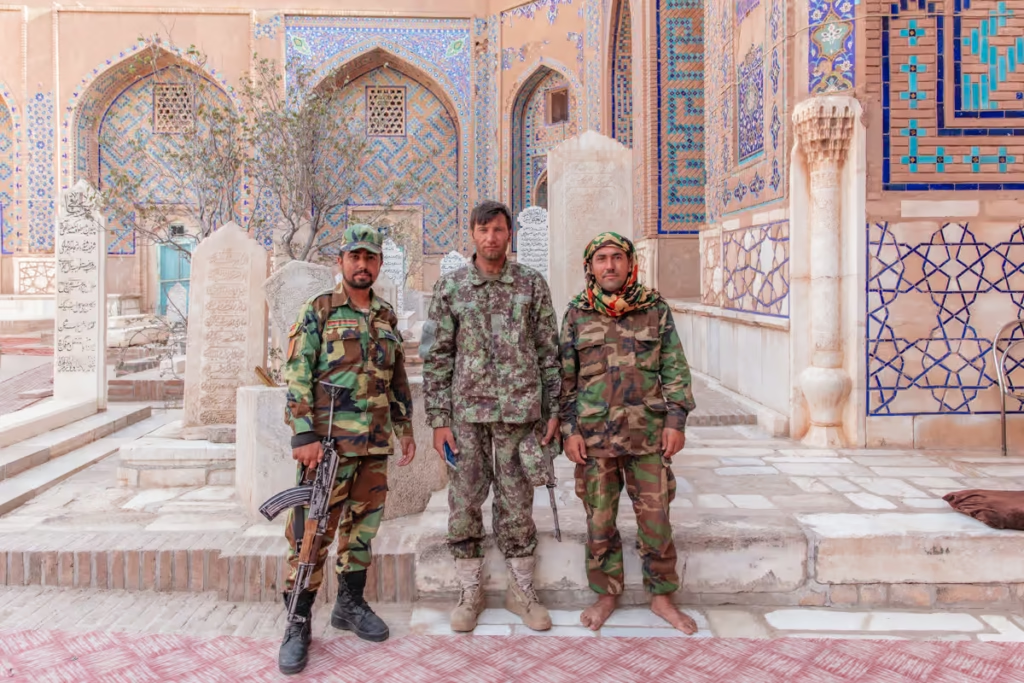
Afghanistan Iran Border Crossing at Islam Qala Dogharoun
Best Road Trips in the World
Off the Beaten Path Asia
Hormuz Island Travel Guide, Iran
Azerbaijan-Iran Border at Astara
How to Get an Iran Visa on a US Passport
How Much it Cost to Travel Iran
Shiraz Travel Guide
Maharloo: Iran’s Pink Lake
Kashan Travel Guide
Solo Female Travel in Iran
How To Get To Kandovan
Esfahan Travel Guide
8 Unique & Cheap Places To Travel In Summer 2026
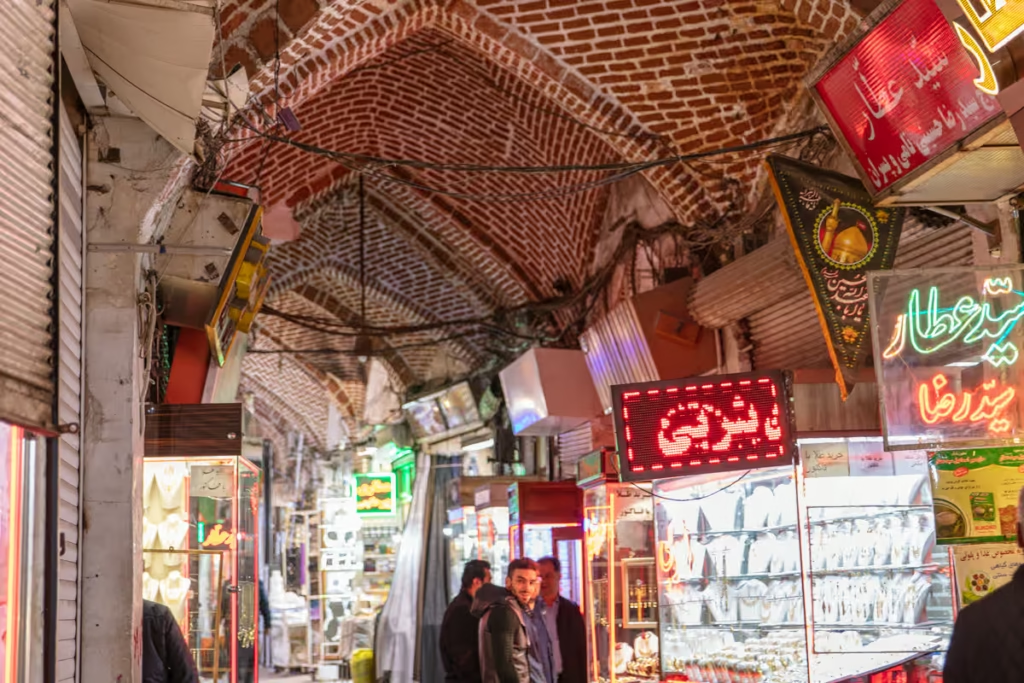
Tabriz Travel Guide
Two Day Tehran Itinerary
Iran Itinerary for Independent Travelers
The Iran-Iraq Border Crossing at Haji Omaran
Two Day Yazd Itinerary