Lampedusa Travel Guide: Best Things to Do & Beaches
Updated September 2026, Lampedusa Travel Guide: Best Things to Do & Beaches was originally written in November 2018
Wind whipping through my hair as I cruised Lampedusa’s narrow roads by scooter, I remember thinking that this did not feel much like the Italy I knew.
Lampedusa is the southernmost point of Italy, sitting in the Mediterranean between Sicily and Tunisia. Although politically Italian, its geography, dry landscapes, dusty roads and proximity to North Africa give the island a distinctly different feel from mainland Italy.
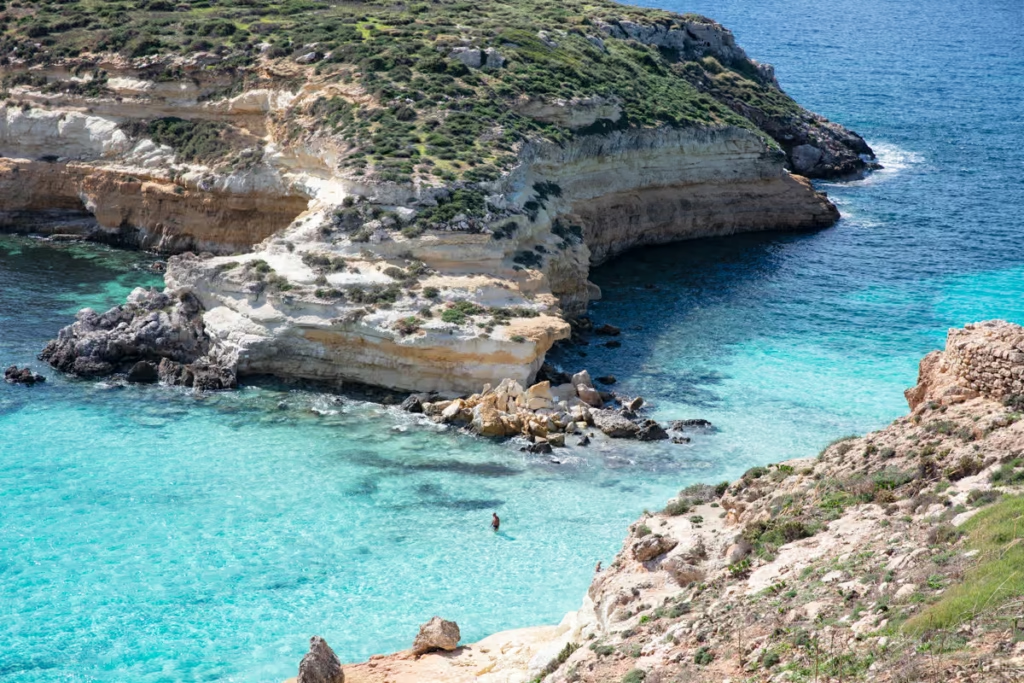
Part of the Pelagie Islands, Lampedusa is best known for its spectacular coastline, crystal-clear water, dramatic limestone cliffs and beaches, especially the famous Spiaggia dei Conigli, or Rabbit Beach.
I spent my time exploring the island by scooter, stopping at beaches, following rocky coastal roads and poking around the little coves scattered around Lampedusa. The island is small enough to explore without rushing, but there is enough to keep you busy for several days if you add boat trips, snorkeling, diving and a day trip to Linosa.
This Lampedusa travel guide covers how to get to Lampedusa, where to stay, the best beaches and things to do, how to get around, when to visit, and how much a trip to Lampedusa costs, based on my own visit and updated travel information.
Lampedusa’s position between Europe and North Africa has also made the island a major point of arrival for migrants crossing the Mediterranean. The island’s identity today is therefore more complicated than its beaches and tourism brochures suggest. The Porta d’Europa monument near the southern coast commemorates people who have died attempting the crossing.
20 off the beaten path destinations for your Italy itinerary
Need Travel Insurance and Evacuation Services?
Start shopping for travel insurance plans over at IATI Insurance. Readers of the Adventures of Nicole get a 5% discount off your plan.
The Adventures of Nicole partners with Global Rescue to offer the world’s leading medical evacuation and security advisory services. To travel with peace of mind, explore their evacuation coverage.
- Lampedusa Travel at a Glance
- Where is Lampedusa?
- How Many Days Do You Need in Lampedusa?
- 3 Days in Lampedusa Itinerary
- Best Time to Visit Lampedusa
- Where to Stay on Lampedusa
- How to Get to Lampedusa
- Getting Around Lampedusa
- 12 Best Things to Do in Lampedusa
- Best Beaches in Lampedusa
- How Much Does a Trip to Lampedusa Cost?
- Is Lampedusa Worth Visiting?
Lampedusa Travel at a Glance
| Country | Italy |
| Region | Sicily |
| Archipelago | Pelagie Islands |
| Location | Mediterranean Sea, between Sicily and Tunisia |
| Currency | Euro (€) |
| Language | Italian |
| Best known for | Beaches, turquoise water, cliffs, snorkeling, diving and boat trips |
| Best time to visit | May to June and September to October |
| Peak season | July and August |
| How long to stay | 2–4 days |
| Getting around | Scooter, bicycle, car, bus and boat |
| Airport | Lampedusa Airport (LMP) |
| Main town | Lampedusa Town |
| Top beach | Spiaggia dei Conigli (Rabbit Beach) |
Where is Lampedusa?
Lampedusa is an Italian island in the Mediterranean Sea and the largest of the Pelagie Islands, which also include Linosa and several smaller islets. It lies much closer to Tunisia than to Sicily, in fact, Lampedusa sits on the African continental shelf, which helps explain the island’s distinctly North African feel.
Lampedusa covers only about 20 square kilometers, making it surprisingly easy to explore. Italy’s official tourism site describes it as Italy’s southernmost point and highlights its beaches, coves, diving and wild coastal landscapes.
How Many Days Do You Need in Lampedusa?
2 days is enough to see the major beaches and explore Lampedusa Town, particularly if you’re traveling around the island by scooter.
3 days is my recommendation for a first trip. This gives you time to visit Spiaggia dei Conigli, explore the quieter coves, drive the northern coast, eat seafood in town and take a boat trip around the island.
4–5 days works well if you want to slow down, spend more time swimming and snorkeling, go diving, or add a day trip to Linosa.
Lampedusa is small, but that’s part of the appeal. You don’t need a packed itinerary here. Some of my favorite moments were simply getting on a scooter and following the coast to see where the road ended.
3 Days in Lampedusa Itinerary
Day 1: Lampedusa Town + Cala Guitgia + Cala Croce + Cala Madonna
Day 2: Spiaggia dei Conigli + Cala Pulcino + southern coast
Day 3: Boat trip around Lampedusa + snorkeling + sunset in town
Have a fourth day? Add a day trip to Linosa or spend another day exploring the northern coast and Cala Creta.
Best Time to Visit Lampedusa
May to June
My pick if you want warm weather, good swimming conditions and fewer visitors than in July and August.
July and August
Peak season. Expect hotter weather, higher accommodation prices and more people at the popular beaches.
September
One of the best months for Lampedusa. The sea remains warm, temperatures are more comfortable and the island is generally less hectic than during August.
October
A good shoulder-season choice, although transportation and tourist services become more limited as the season winds down.
Where to Stay on Lampedusa
Lampedusa Town is the most convenient base for a first trip, with the largest selection of restaurants, shops, rental agencies and accommodation. Staying outside town can be more peaceful and puts you closer to some of the island’s beaches.
I stayed at Apartment Cala Creta and had a great experience. The owner picked me up from the airport, was friendly and helpful, and the simple beach-cabin-style rooms were exactly what I needed. They also rented scooters, which made exploring the island easy.
Accommodation ranges from simple apartments and guesthouses to hotels and resort-style properties. During July and August, book as early as possible because this is Lampedusa’s busiest travel period.
Areas to Stay in Lampedusa
Lampedusa Town: Best for first-time visitors, restaurants, nightlife and convenience.
Cala Guitgia: Best if you want to stay close to one of the island’s easiest-access beaches.
Cala Creta: A quieter option on the eastern side of the island.
Near Spiaggia dei Conigli: Best for beach access, although you’ll be farther from the center of town.
How to Get to Lampedusa
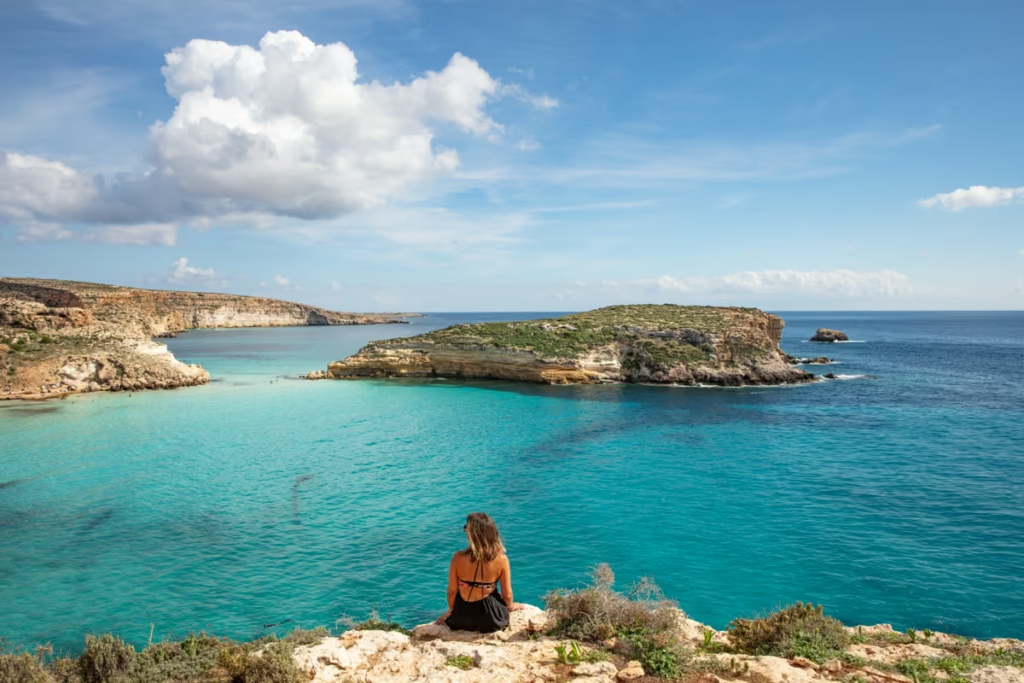
Lampedusa is reachable by flight or by ferry from Sicily.
Flying to Lampedusa
Flying is generally the easiest way to get to Lampedusa. Lampedusa Airport (LMP) has connections with Sicily and mainland Italy, although schedules vary significantly by season.
Palermo and Catania are important connection points, with additional direct flights from cities including Rome, Milan and Naples during the summer season. Seasonal flights also operate from several other Italian cities.
Because Lampedusa’s flight network changes considerably between the summer and shoulder seasons, check current schedules before booking your trip rather than assuming a route operates year-round.
Lampedusa Airport is only about 1 km from Lampedusa Town, so getting into town is easy. Many hotels and guesthouses also offer airport transfers.
Taking the Ferry to Lampedusa
Ferries connect Porto Empedocle in Sicily with Lampedusa, making the island accessible without flying. The journey takes considerably longer than flying, but it can be useful if you’re traveling with a car or prefer to travel overnight.
Siremar operates conventional ferry services between Porto Empedocle, Linosa and Lampedusa, with seasonal schedules that change throughout the year. In summer 2026, overnight departures from Porto Empedocle were scheduled around 23:00, arriving in Lampedusa the following morning.
Faster Liberty Lines services can make the crossing in roughly 4 hours 15 minutes when operating, while conventional ferries take around 9 hours.
If you plan to bring a car, check the current vehicle rules and sailing schedule before booking, as services and fares vary by season.
Getting Around Lampedusa
Renting a scooter is my favorite way to get around Lampedusa. The island is small, the roads are easy to navigate and having your own wheels makes it simple to bounce between beaches and viewpoints without waiting for transportation.
Scooters and mopeds are available from rental agencies around Lampedusa Town, with prices varying according to the season and type of vehicle.
A bicycle is another option if you’re comfortable riding in the heat and on hilly or exposed roads. Lampedusa is only about 20 square kilometers, so distances are short, although the summer sun and wind can make cycling more tiring than the map suggests.
There are also local buses and seasonal services connecting the town with popular beaches, while boat tours are the best way to see parts of the coastline that aren’t accessible from land.he harbor in Lampedusa. I cannot comment on any of them as I did not take a cruise on my trip.
Do You Need a Car in Lampedusa?
No, not really. For most travelers, a scooter is more practical than a car. If you aren’t comfortable riding a scooter, renting a small car is a better option, especially if you’re traveling with luggage or children.
12 Best Things to Do in Lampedusa
Spiaggia dei Conigli

Spiaggia dei Conigli, or Rabbit Beach, is the beach that put Lampedusa on the map. Located on the island’s southwest coast beside Isola dei Conigli, it has ridiculously clear turquoise water that rivals that of Malta, pale sand and a rugged backdrop that feels more North African than Italian.
It is also one of the most protected places on the island. Access is currently limited during the 2026 season and visitors need to reserve a time slot in advance. Entry is divided into morning and afternoon sessions, with daily visitor limits designed to protect the fragile coastal environment.
Don’t make the mistake of turning up without checking the latest rules. Access arrangements can change from season to season, so check the official reservation system before visiting.
Fun fact: The origin of the name is debated. One theory is that “Rabbit” comes from a mistranscription of the Arabic rabit, referring to the narrow connection between the islet and mainland that can form under certain conditions. The more entertaining explanation is that rabbits once lived on the island. Either way, don’t arrive expecting a rabbit-filled island. You’d probably be disappointed.
Lampedusa Town
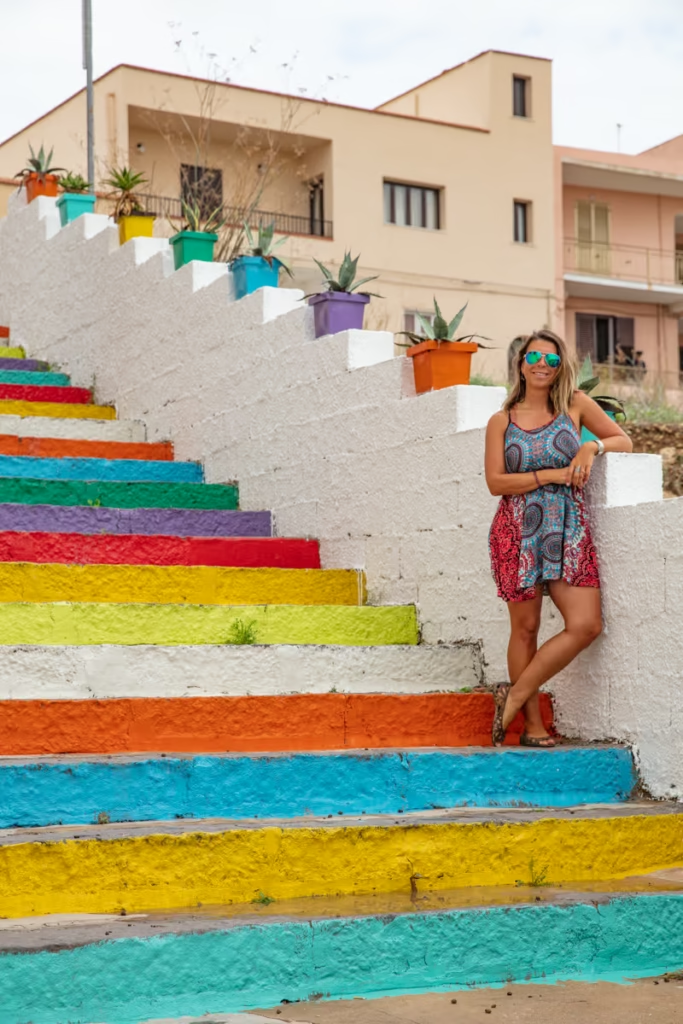
Lampedusa Town is compact and easy to explore on foot, with restaurants, cafés, shops, scooter rental agencies and the island’s main harbor all clustered around the center.
Don’t expect a grand Italian historic center. Lampedusa is much more functional and laid-back. The real appeal is watching daily island life unfold around the harbor, grabbing a seafood dinner and wandering the streets after the beaches empty out.
Porto Vecchio is particularly worth a wander, with fishing boats coming and going and restaurants serving the island’s seafood-heavy cuisine. Lampedusa’s location between Sicily and North Africa is reflected in both its landscape and food culture. Italy’s official tourism site specifically highlights local seafood and dishes such as pasta with mullet alla Lampedusana.
Take a Boat Trip Around Lampedusa
Some of Lampedusa’s best scenery is easiest to see from the water. Boat trips leave from the harbor and cruise along the island’s southern and western coastline, stopping at coves and swimming spots that are difficult or impossible to reach from land.
A typical trip takes several hours and usually includes time for swimming and snorkeling. You’ll get a completely different perspective of Lampedusa’s limestone cliffs, sea caves and tiny beaches.
If you only have one full day in Lampedusa, I’d prioritize a boat trip or spend the day exploring the island’s beaches by scooter. If you have three or four days, do both.
Cala Pulcino
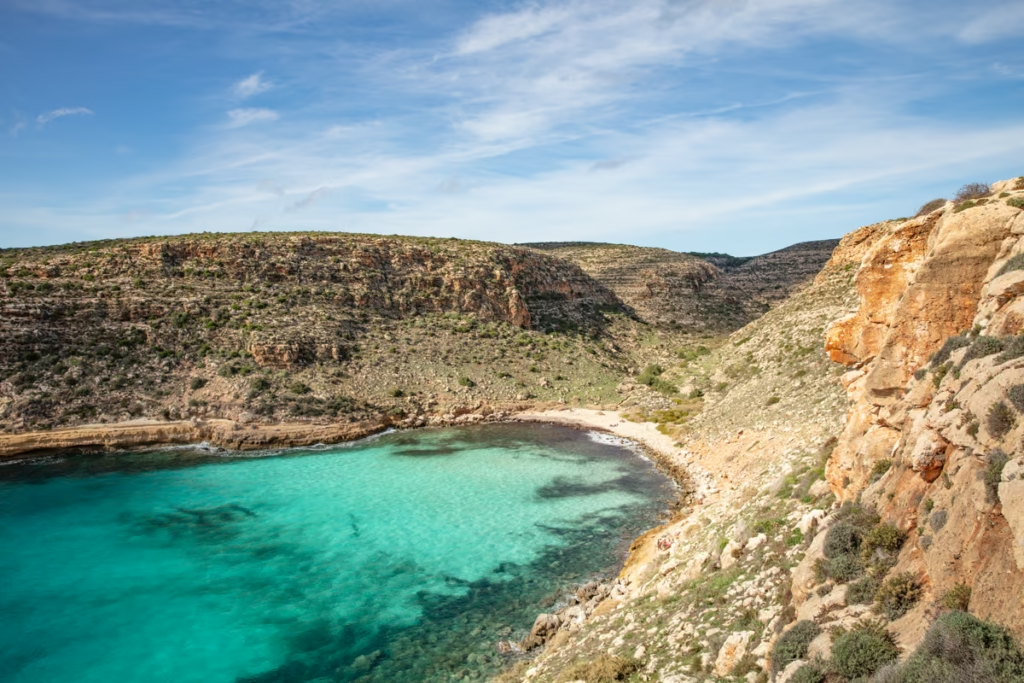
Rabbit Beach is no secret, and during summer months and sunny days, the beach can get quite crowded. Equally as stunning, albeit rockier a beach is Cala Pulcino sat right next-door to Spiaggia dei Conigli.
The beach is accessible by a trail that is easy to spot from the road. For dramatic views hike out on top of the cliffside that separates Spiaggia dei Conigli from Cala Pulcino.
The Jagged Cliffs of the North Shore
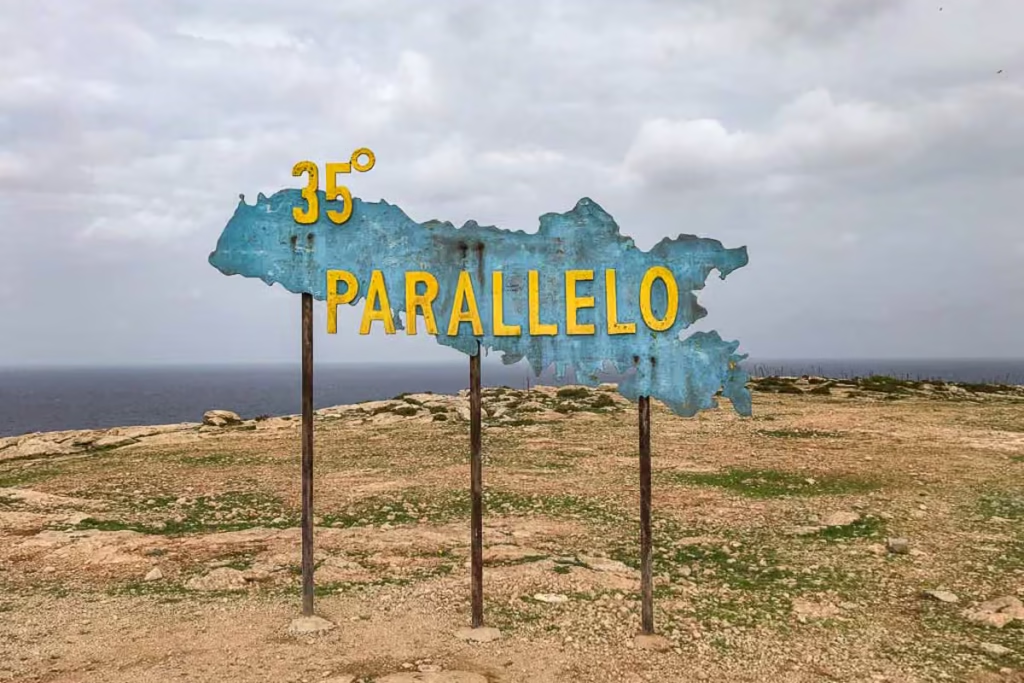
A trip to Lampedusa really wouldn’t be complete without a scooter ride around the island. The north shore of Lampedusa is set on high cliffs, it’s almost always windy and you’re bound to see tons of birds nesting on the cliffside. There’s also a giant sign just off the road marking the 35º Parallelo.
Check out my Southern Italian road trip itinerary
Go Snorkeling or Scuba Diving
Lampedusa is surrounded by exceptionally clear Mediterranean water and is part of the Pelagie Islands Marine Protected Area. The protected area includes Lampedusa, Linosa and Lampione and contains Posidonia seagrass meadows, caves, reefs and a surprisingly rich variety of marine life.
Snorkeling is easy to add to a beach day or boat trip, while Lampedusa is also a destination for scuba diving. Underwater sites around the islands include caves, reefs and historic wrecks.
Cala Creta & Mare Morto
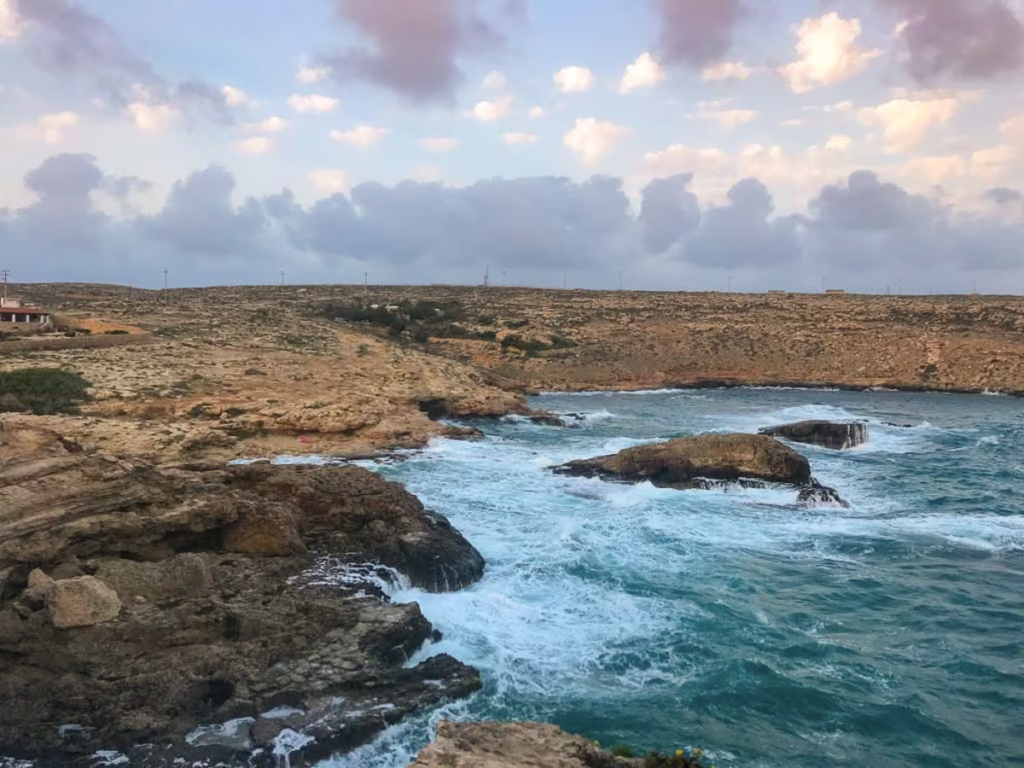
These two rugged side-by-side beaches sit on the east coast of the island. Hike along rocky trails for great views of the jagged coast and turquoise waters. To the east of Mare Morto, there is a lighthouse near the cliff edge.
Cala Croce, Madonna, Greca & Galera
These four beaches are just west of town as you head toward Spiaggia dei Conigli, and all are easily accessible by dirt path from the main road. All are great alternatives to Cala Guitgia which can start to feel quite crowded and small as it is near to town.
Cala Francese, Uccello & Pisana
These quiet beaches wrap around the airport and are a good alternative if you’re looking for a quiet spot away from the town.
Sanctuary of Our Lady Porto Salvo
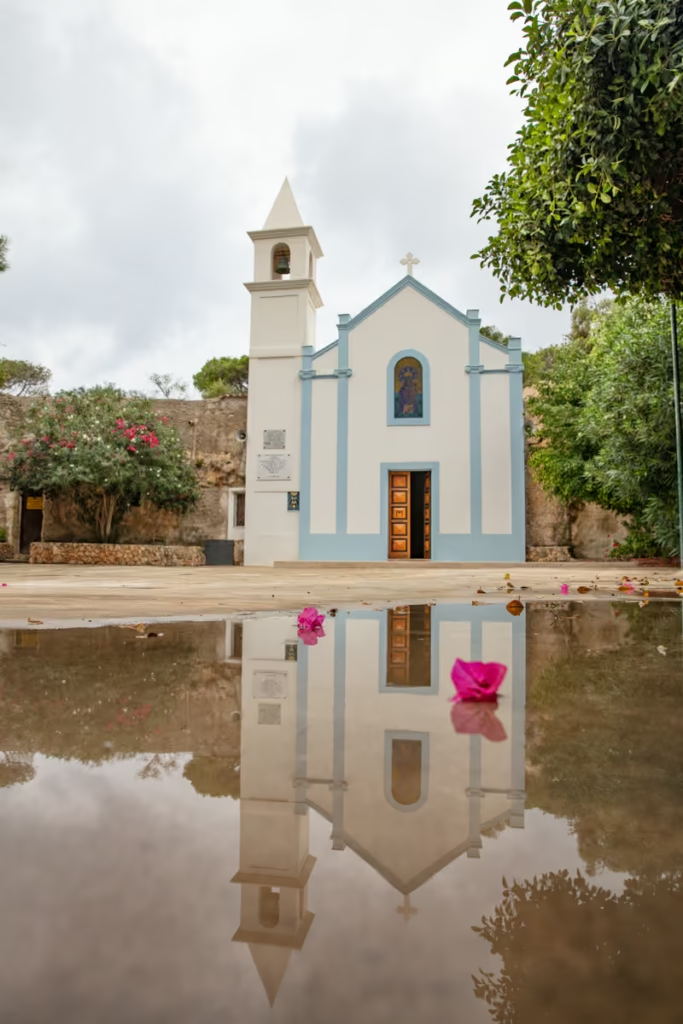
A small church set down in a depression off the side of the road with interesting grottos all around in the rocks the church is set amongst.
Porta d’Europa
On the southern side of Lampedusa stands the Porta d’Europa, a large contemporary monument overlooking the Mediterranean. Created in 2008, it commemorates migrants who have lost their lives crossing the Mediterranean and reflects Lampedusa’s complicated position between Europe and Libya and North Africa.
It is worth visiting not because it is a traditional tourist attraction, but because it gives some context to the island beyond its beaches and turquoise water. Lampedusa has long occupied a unique position at the crossroads of Europe and North Africa.
Take a Day Trip to Linosa
Linosa is the quieter, volcanic counterpart to Lampedusa. While Lampedusa is dry, pale and limestone-heavy, Linosa has a distinctly volcanic landscape with dark rock, green vegetation and black-sand beaches.
The island is much smaller and slower-paced, making it a good choice if you want a completely different experience from Lampedusa’s beaches and summer crowds.
Ferries connect Linosa with Lampedusa and Sicily, although schedules are seasonal and should be checked before planning a day trip.
Looking for more southern Italian gems to add to your itinerary? Don’t miss Castelmezzano, Alberobello, Naples, Matera, or the Amalfi Coast
Best Beaches in Lampedusa
Lampedusa is all about the coastline, and choosing a favorite beach is basically an exercise in arguing with yourself. Here are the ones I’d prioritize:
| Beach | Best for |
|---|---|
| Spiaggia dei Conigli | Famous scenery and swimming |
| Cala Pulcino | Quieter beach experience |
| Cala Croce | Easy swimming and access |
| Cala Madonna | Families and calm water |
| Cala Guitgia | Convenience near town |
| Mare Morto | Rocky coastline and snorkeling |
| Cala Creta | Clear water and snorkeling |
| Cala Francese | A quieter escape |
How Much Does a Trip to Lampedusa Cost?
Lampedusa isn’t necessarily an expensive destination, but July and August can push accommodation prices up considerably. Your biggest savings will usually come from traveling outside peak summer and booking accommodation early.
Budget Lampedusa trip
€50–70 per person per day
Basic accommodation or camping, self-catered meals, a scooter shared between two people and mostly free beaches.
Mid-range Lampedusa trip
€70–120+ per person per day
Comfortable apartment or hotel, restaurant meals, scooter rental and occasional boat trips.
Higher-end Lampedusa trip
€120+ per person per day
Nicer accommodation, frequent restaurant meals, private or premium boat trips and additional activities such as diving.
These are planning estimates rather than fixed prices. Lampedusa’s accommodation and transportation costs vary significantly by season, so check current rates for your travel dates.
Is Lampedusa Worth Visiting?
Absolutely, especially if you’re looking for a very different side of Italy.
Lampedusa isn’t the place to visit for Renaissance churches, grand piazzas or a long list of museums. You come here for the sea, beaches, rugged coastline, boat trips, snorkeling and the strange pleasure of being somewhere that feels geographically much closer to North Africa than mainland Italy.
It does take more effort to reach than Sicily’s better-known destinations, and July and August can be expensive and crowded. But that’s also part of what makes Lampedusa interesting. Once you’re there, the pace slows down considerably.
If your idea of a good Italian island trip involves renting a scooter, finding a quiet cove and swimming in absurdly clear water, Lampedusa is very much worth the detour.
Need More Help Not Answered in the Lampedusa Travel Guide?
Ask your Lampedusa travel questions in the comments below!
Posts from Italy
Lampedusa Travel Guide: Beaches & Tips
20 Off the Beaten Path Destinations in Italy
Sperlonga, Italy: A Complete Travel Guide
Best Wine Routes in the World
One Day Rome Itinerary
A Quick Syracuse Travel Guide
Two Week Classic Italy Itinerary
Guide to Italy’s Cave City of Matera
Amalfi Coast Travel Guide
Alberobello Travel Guide
Naples Travel Guide
Mount Circeo Hike Italy
Best Road Trips in the World
Terracina Travel Guide: Things to Do
Castelmezzano & Pietrapertosa, Italy: A Quick Guide