Armenia Travel Guide: Plan Your Trip
Updated October 2026, Armenia Travel Guide: Plan Your Trip was originally written in August 2018
Straddling Europe and Asia, Armenia is one of the most rewarding countries to travel in the South Caucasus, especially if you like ancient monasteries, mountain landscapes, hiking, good food and destinations that still feel a little off the beaten path. I first traveled to Armenia on a whim, hopping on a marshrutka from Tbilisi to Yerevan without much of a plan. I wasn’t expecting much beyond monasteries and Soviet history. Armenia quickly proved me wrong.
Since that first trip, I’ve returned to explore more of the country, from Yerevan and Lake Sevan to Dilijan, Tatev, Goris, the mountains of southern Armenia, and even the breakaway region of Artsakh. This Armenia travel guide covers where to go, what to see and do, how to get around, travel costs, food, visas, safety, hiking and practical tips for planning your trip.
Armenia packs a surprising amount into a relatively small country. You can spend a morning wandering Yerevan’s cafés and museums, an afternoon visiting a medieval monastery, and the next day be hiking through forests or high mountain landscapes.
Its history is complicated, sometimes painful, and impossible to separate from the modern country. Armenia sits at a crossroads between Europe and Asia and has been shaped by Persian, Ottoman, Russian and Soviet rule, as well as the Armenian Genocide, independence from the Soviet Union and decades of conflict with Azerbaijan.
For travelers, though, Armenia today offers an unusually good mix of history, culture, mountains, food and independent travel without requiring a huge budget.
Need Travel Insurance and Evacuation Services?
Start shopping for travel insurance plans over at IATI Insurance. Readers of the Adventures of Nicole get a 5% discount off your plan.
The Adventures of Nicole partners with Global Rescue to offer the world’s leading medical evacuation and security advisory services. To travel with peace of mind, explore their evacuation coverage.
- Armenia Travel Information at a Glance
- A Brief History of Armenia
- Nagorno-Karabakh and Travel in Armenia's Border Regions
- Travel Armenia By Tour
- Armenia Visa Requirements
- How to Get to Armenia
- How to Get Around Armenia
- Armenian Food
- Best Things to Do in Armenia
- Armenia Itinerary
- Best Places to Visit in Armenia
- Hiking and Trekking in Armenia
- Armenian Festivals
- Armenia Travel Budget
- What to Pack for Armenia
- Internet and SIM Cards in Armenia
- Is Armenia Safe?
Armenia Travel Information at a Glance
| Information | Armenia travel basics |
|---|---|
| Capital | Yerevan |
| Currency | Armenian dram (AMD) |
| Language | Armenian |
| Religion | Armenian Apostolic Christianity |
| Best time to visit | May-June and September-early October |
| How long to visit | 7-14 days |
| Getting there | Air, Georgia or Iran |
| Visa | Visa-free, e-visa or visa on arrival depending on nationality |
| Getting around | Rental car, tours, marshrutka and buses |
| Main airport | Zvartnots International Airport (EVN) |
| Time zone | UTC+4 |
| Electricity | 230V, European-style plugs |
| Main tourist hubs | Yerevan, Dilijan, Sevan, Goris, Tatev |
A Brief History of Armenia
Armenia has one of the oldest Christian traditions in the world and a long, complicated history at the crossroads of Europe and Asia.
For centuries, Armenian territories were contested by larger regional powers, including the Persian and Ottoman empires. Eastern Armenia later came under Russian rule, while much of historic western Armenia remained within the Ottoman Empire.
Between 1915 and 1923, an estimated 1.5 million Armenians were killed or deported during the Armenian Genocide. The genocide remains one of the defining events in modern Armenian history and continues to shape Armenia’s relationship with Turkey.
Armenia became part of the Soviet Union and remained the Armenian SSR until declaring independence in 1991. The country then became deeply involved in the Nagorno-Karabakh conflict with Azerbaijan.
In 2018, Armenia experienced the Velvet Revolution, a largely peaceful movement that brought Nikol Pashinyan to power and marked a major political turning point.
Armenia’s history is complicated, but you don’t need to be a history buff to appreciate how much of it remains visible when traveling. Ancient monasteries, khachkars, Soviet architecture and modern Yerevan all tell different parts of the story.
Nagorno-Karabakh and Travel in Armenia’s Border Regions
Nagorno-Karabakh, also known as Artsakh, is not currently a destination that travelers can easily visit from Armenia as it used to be. The region changed dramatically following the re-ignition of fighting in 2020 and the 2023 Azerbaijani military operation and subsequent dissolution of the self-declared Republic of Artsakh.
Gone are the days of crossing into Nagorno-Karabakh from Armenia as I had in 2017, obtaining an Artsakh visa at the border, visiting Stepanakert independently or traveling onward through the region when planning a current Armenia trip.
For those interested in visiting Nagorno-Karabakh, the procedure is to book a tour from Azerbaijan, which will also require a permit from the Azeri government.
Travel Armenia By Tour
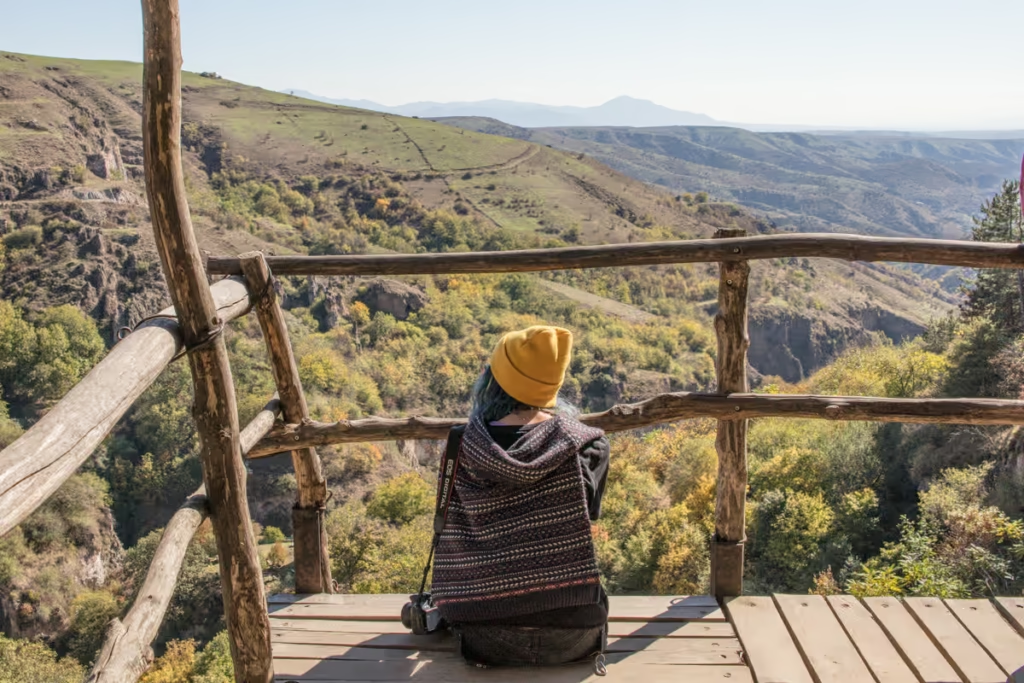
There are plenty of tours offered in Armenia from day trips that will bring you back to Yerevan every evening to multi-day trips around the country.
Armenia Visa Requirements
Armenia’s visa requirements depend on your nationality. Citizens of many countries can enter Armenia visa-free, while others can obtain an e-visa or visitor visa.
For nationalities covered by Armenia’s visa-free regime, stays can generally be up to 180 days within a one-year period, unless a different period is specified by the relevant agreement.
Armenia also issues e-visas for eligible travelers. Before your trip, check the Armenian Ministry of Foreign Affairs visa requirements for your nationality.
How to Get to Armenia
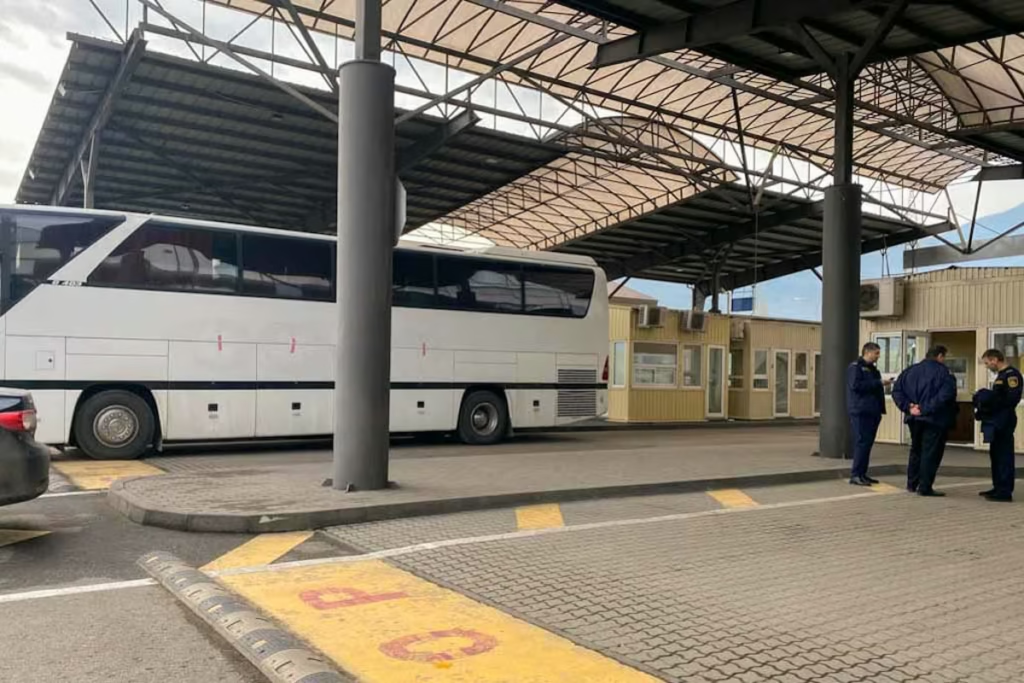
Most travelers arrive in Armenia by flying to Yerevan or traveling overland from Georgia.
By plane
Most international travelers arrive at Zvartnots International Airport (EVN) outside Yerevan. The airport has direct connections with cities across Europe and the Middle East.
Gyumri’s Shirak International Airport is another option, although Yerevan is by far the main international gateway.
By land
Armenia has land borders with Georgia and Iran. Do note that the Armenia-Iran border can open and close with little to no notice at present.
The land borders with Turkey and Azerbaijan remain closed.
Traveling overland from Georgia is particularly straightforward and is a popular option for travelers combining Armenia and Georgia.
How to Get Around Armenia
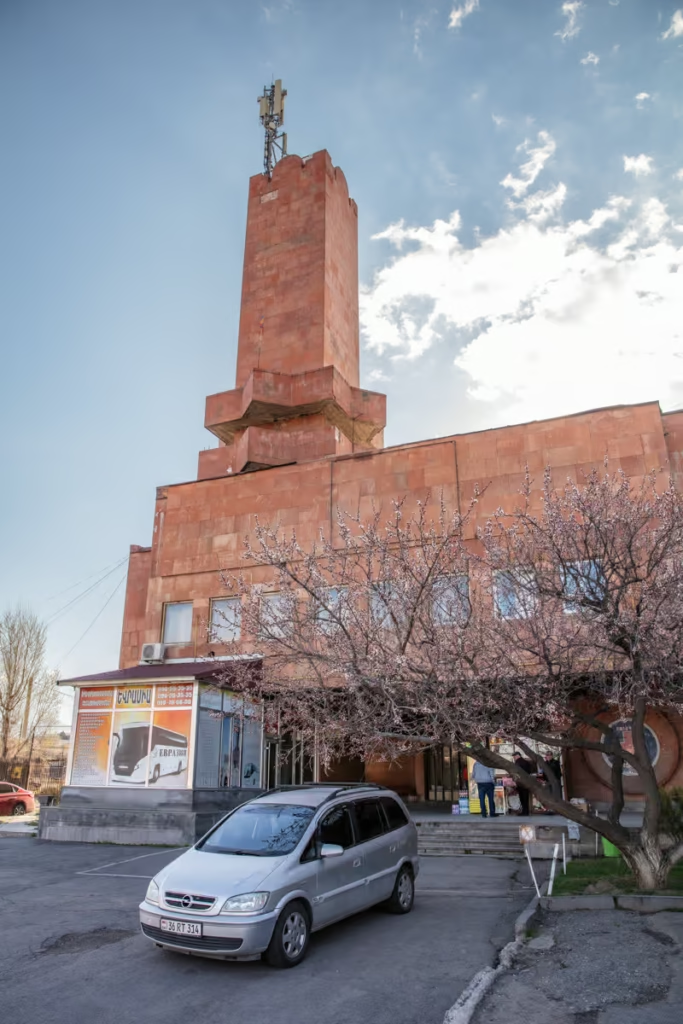
A rental car is the easiest way to explore Armenia independently, particularly if you want to visit monasteries, mountain areas and rural villages that aren’t well connected by public transportation.
Marshrutkas and buses connect Yerevan with most major cities and towns. They’re cheap, but schedules can be limited and some destinations require connections.
Tours are another practical option, especially for day trips from Yerevan to places such as Khor Virap, Garni, Geghard, Lake Sevan and Tatev.
Taxis and ride-hailing apps are useful within cities and for shorter trips, while private drivers can make sense for longer multi-stop itineraries.
Hitchhiking is possible and I’ve found it to be relatively easy, although I wouldn’t build a tight itinerary around it.
Armenian Food
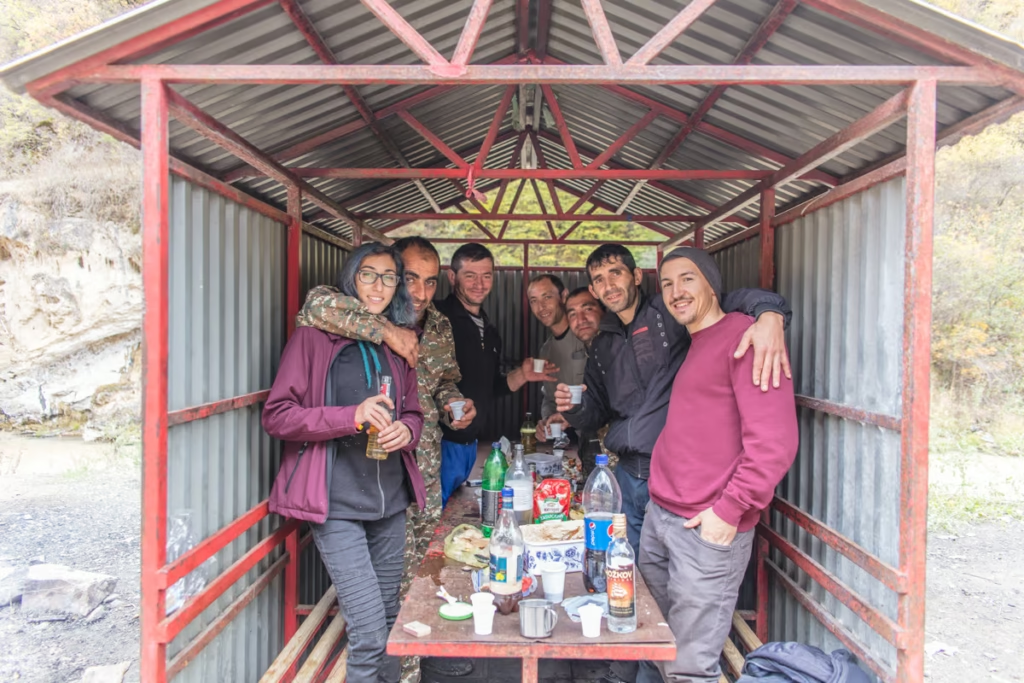
Food and wine is a highlight of traveling Armenia. Most food is fresh and locally grown. Things to try are:
Lavash: A very thin, very giant flatbread that is served with everything in Armenia. Lavash also make great food transport: I watched a shop in Stepanakert wrap a full-size rotisserie chicken in one and hand it to a customer.
Khachupuri: A delicious cheese bread that you will see on menus in Armenia, but originates in neighboring Georgia.
Armenian String Cheese: Salty, stringy white cheese typically made from sheep’s milk. It can be made of goat or cow milk as well.
Harissa: A creamy porridge usually of wheat and meat mixed together.
Dried Fish: Fish is a common dish in Armenia, even though it’s a landlocked country. Trout is a common fish eaten.
Dzhash: An Armenian soup of vegetables, spices, and meat or a legume.
Kabob: Meat skewers you’ll find dished up all over the country.
Best Things to Do in Armenia
Explore Yerevan
Spend at least a couple of days exploring Armenia’s capital, including the Cascade, Republic Square, museums, markets and cafés.
Visit Armenia’s Ancient Monasteries
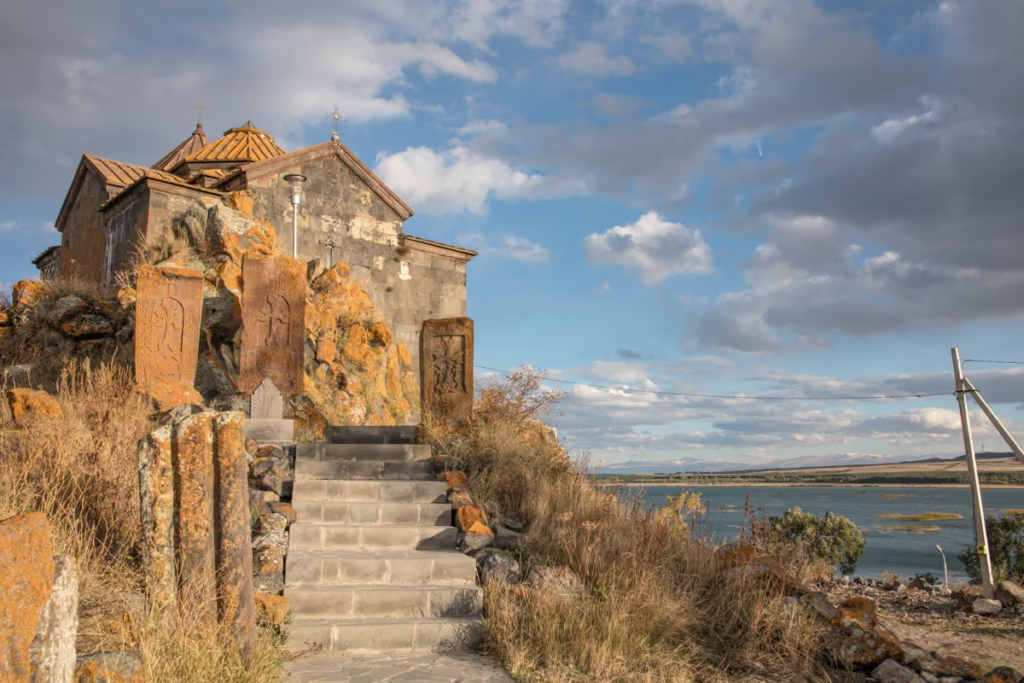
Some of Armenia’s best-known sights are its monasteries, including Tatev, Noravank, Geghard, Khor Virap and Sevanavank.
Visit Lake Sevan
At roughly 1,900 meters above sea level, Lake Sevan is one of Armenia’s defining landscapes. Visit Sevanavank and Hayravank, eat some local fish and spend time along the lake.
Go Hiking
Armenia has an excellent mix of mountain trails, forests, volcanic landscapes and canyon hikes.
Take an Armenia Road Trip
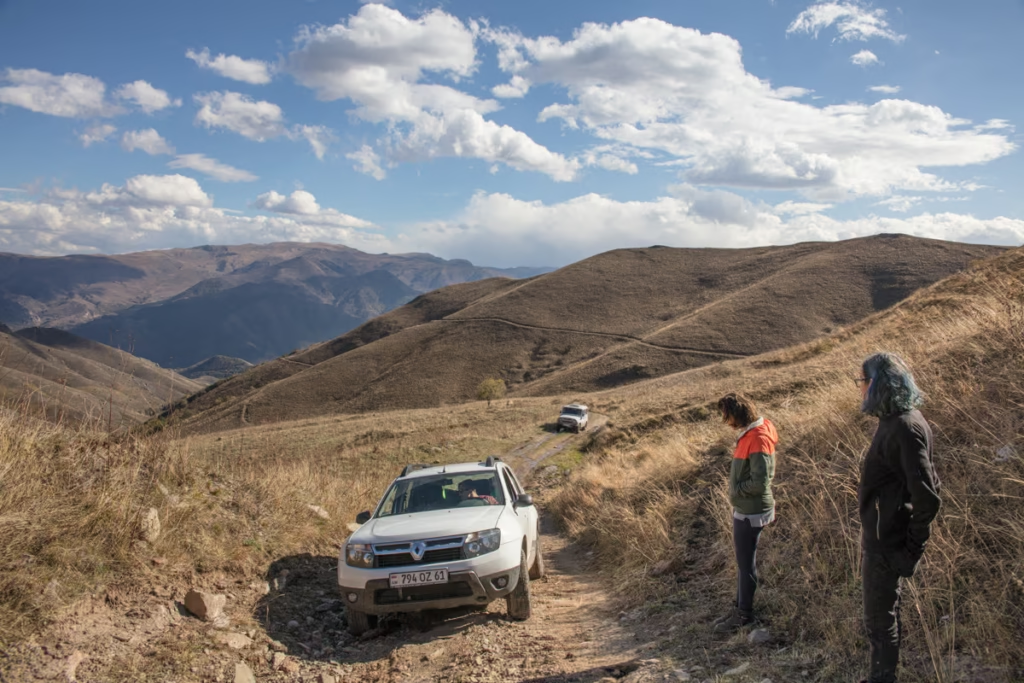
A road trip is one of the best ways to experience Armenia because many of the country’s most interesting places are scattered beyond Yerevan.
Visit Tatev Monastery
Ride the Wings of Tatev cableway across the Vorotan Gorge before exploring the monastery complex.
Explore Dilijan National Park
Dilijan makes an excellent base for hiking through forests and visiting monasteries and mountain villages.
Drink Armenian Wine
The Areni region is one of Armenia’s major wine-producing areas and is an easy addition to a southern Armenia itinerary.
Eat Your Way Through Armenia
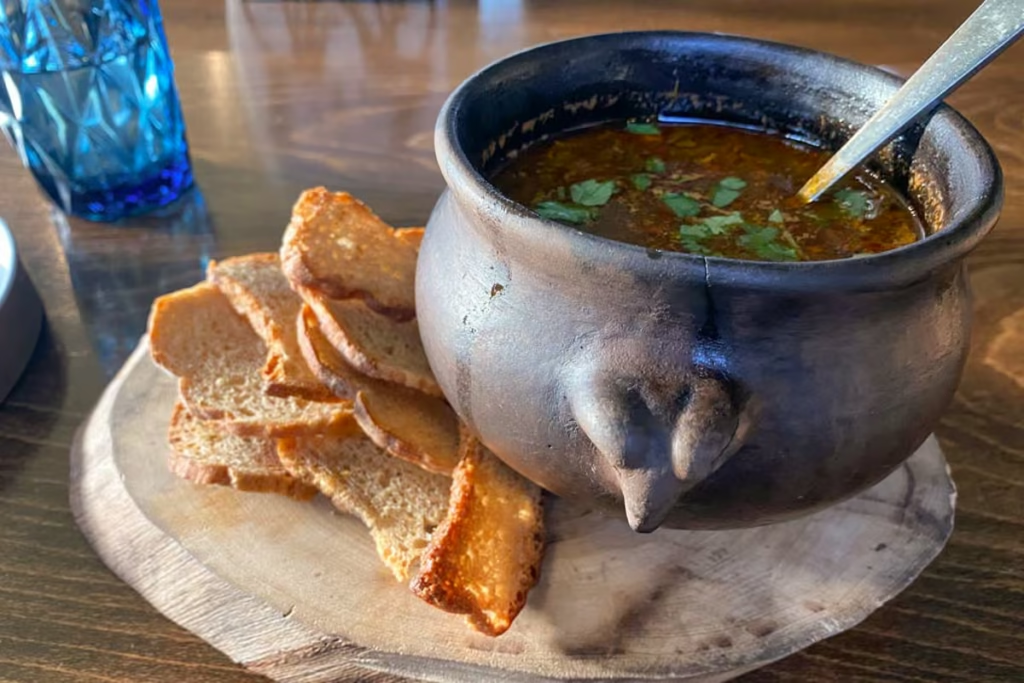
From lavash and khorovats to gata and local cheeses, food is one of the best parts of traveling in Armenia.
Explore Armenia’s Canyons and Rock Landscapes
Khndzoresk, the Lori region and the country’s many gorges add some serious variety beyond the monastery circuit.
Armenia Itinerary
7 Days in Armenia
Days 1-2: Yerevan
Explore the Cascade, Republic Square, museums, markets and restaurants.
Day 3: Garni and Geghard
Take a day trip from Yerevan to Garni Temple and Geghard Monastery.
Day 4: Lake Sevan and Dilijan
Visit Sevanavank before continuing to Dilijan.
Day 5: Dilijan and Lori
Hike in Dilijan National Park or continue toward the Debed Canyon.
Day 6: Khor Virap, Areni and Noravank
Travel south through Armenia’s wine country and visit Khor Virap and Noravank.
Day 7: Tatev and Goris
Head farther south for Tatev and the dramatic landscapes around Goris.
10-14 Days in Armenia
For a longer trip, slow down and add Goris, Khndzoresk, more hiking, additional villages and time around Lake Sevan.
Best Places to Visit in Armenia
Central Armenia
Yerevan
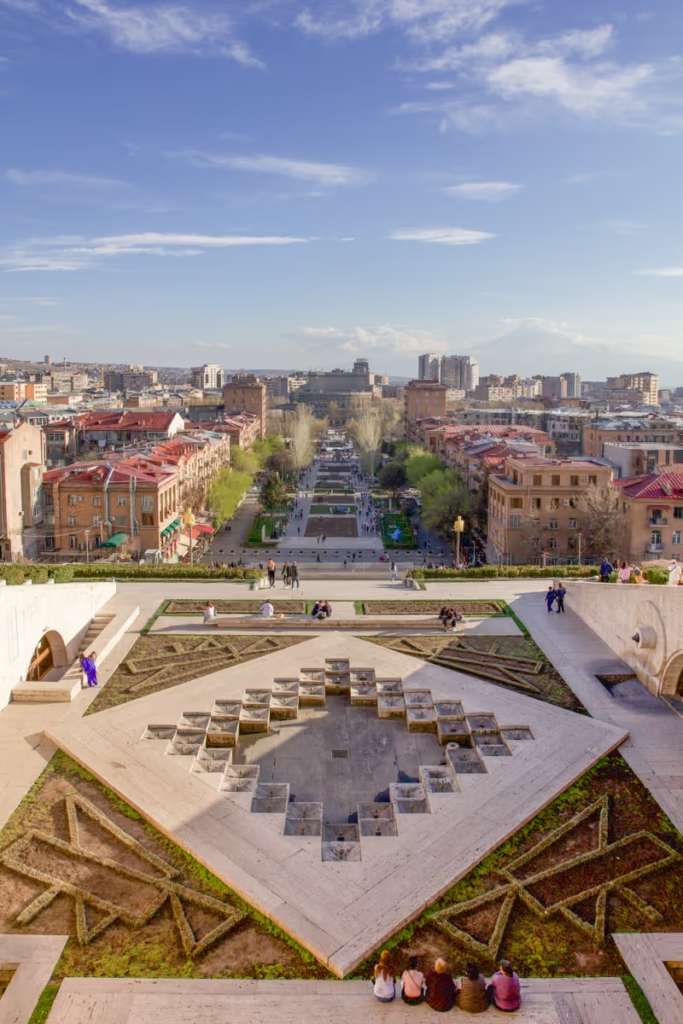
Yerevan is Armenia’s capital, largest city and the natural starting point for most trips to Armenia. Give yourself at least two or three days to explore the city rather than treating it solely as a base for day trips.
Start at the Cascade, wander around Republic Square, visit the Matenadaran manuscript museum and learn about Armenia’s modern history at the Armenian Genocide Memorial and Museum.
Yerevan also has one of the best food and café scenes in the country, making it a surprisingly fun city to simply wander around with no itinerary at all.
Where to Sleep in Yerevan
Budget
Hostel Vagary
| Booking.com | Hotels.com | Agoda.com |
Midrange
Art Guesthouse Yerevan
| Booking.com | Agoda.com |
Splurge
Golden Palace Boutique Hotel
| Booking.com | Hotels.com |
Yerevan Tours
See the best of what Yerevan has to offer in this Yerevan City Tour
Echmiadzin
The religious center of Armenia. Come here to visit the Echmiadzin Cathedral, which is often regarded as the oldest cathedral in the world. Other sites include S. Hripsime Cathedral and S. Gayane Church.
Where to Sleep in Echmiadzin
Midrange
Machanents Guesthouse
| Booking.com | Hotels.com | Agoda.com |
Echmiadzin Tours
Explore Echmiadzin and Zvarnots by tour from Yerevan.
Lake Sevan
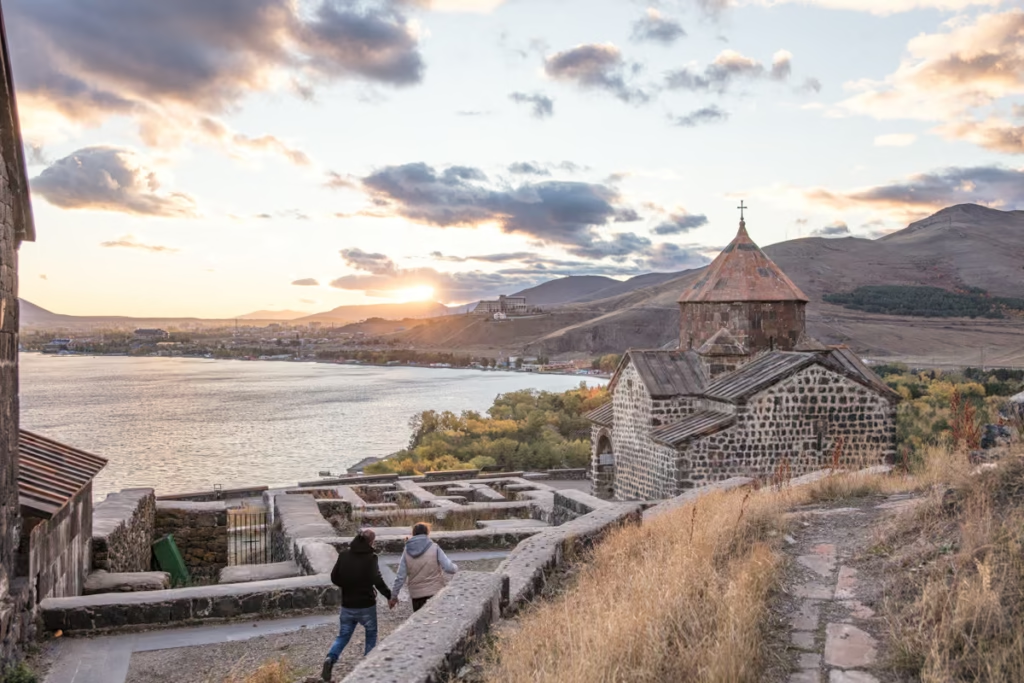
Lake Sevan is Armenia’s largest lake and one of the country’s most popular summer destinations. At roughly 1,900 meters above sea level, its deep blue water is surrounded by mountains and highland landscapes.
Visit Sevanavank for the classic lake views and stop at Hayravank for another historic monastery on the shore. Summer is the busiest season, when Armenians head to Sevan for swimming, boating and lakeside restaurants.
Hayravank is home to largest khachkar cemetery in the world.
Where to Sleep in Sevan
Budget
Lake Sevan Hostel
| Booking.com | Agoda.com |
Midrange
Mountain Lake Villa B&B
| Booking.com | Hotels.com | Agoda.com |
Splurge
Lavash Hotel
| Booking.com | Hotels.com | Agoda.com |
Lake Sevan Tours
From food tours, to sailing, to sightseeing there’s a tour to suit just about any interest around Lake Sevan.
Khosrov Preserve
If you want to see the biodiversity of the Caucasus, Khosrov is where to go. Home to 1/3 of the flora in the Caucasus region. Horseback riding and hiking are the best way to explore this massive forest. Don’t forget to visit the Temple of Garni, and Kakavaberd Fortress. Khosrov makes a great day trip from Yerevan as it’s only 20km west of the city.
Northern Armenia
Shamshadin & Tavush Region
Explore Armenia’s lush green hills, monasteries and villages in this region. Home to the city of Dilijan, often called “Little Switzerland”. Areas in the northeast along the Azerbaijani border are still landmined from the war, do not explore this area without a knowledgeable guide that knows the area well.
Dilijan
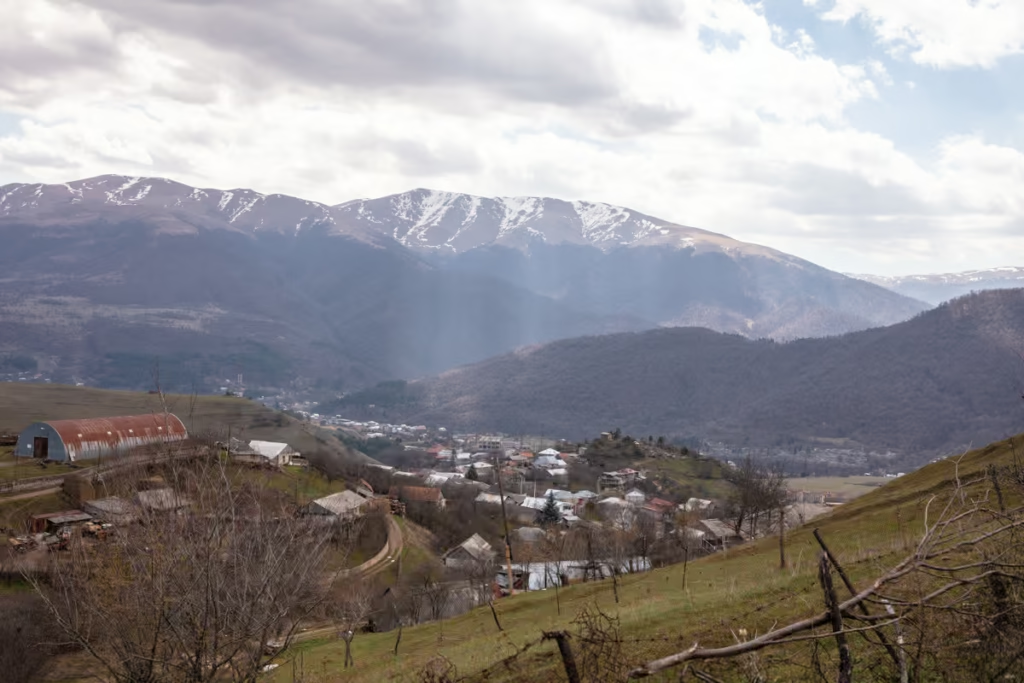
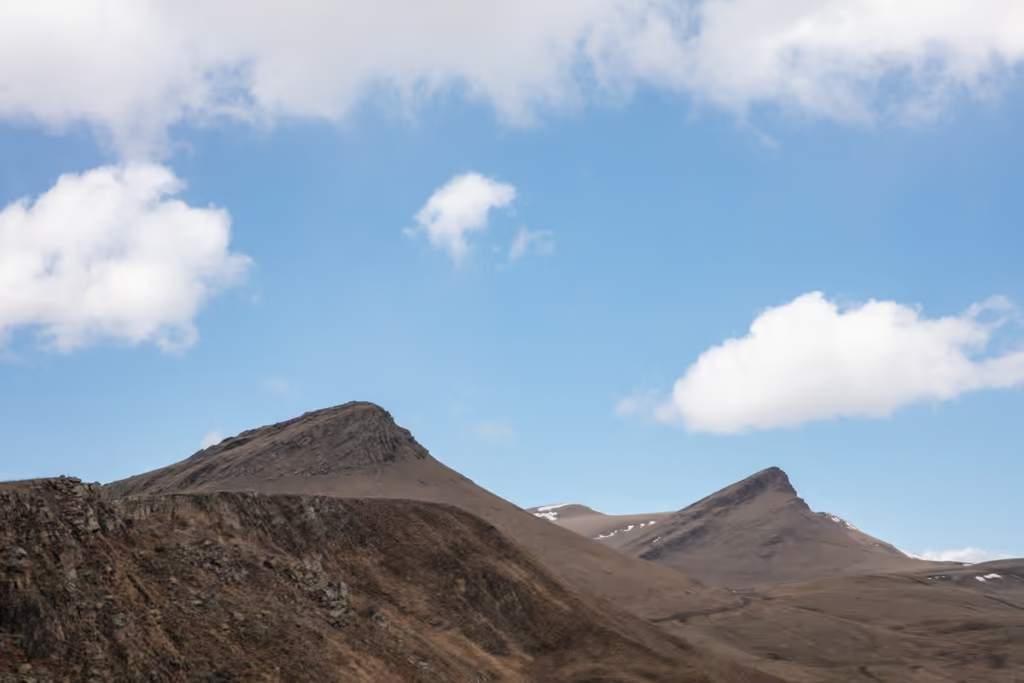
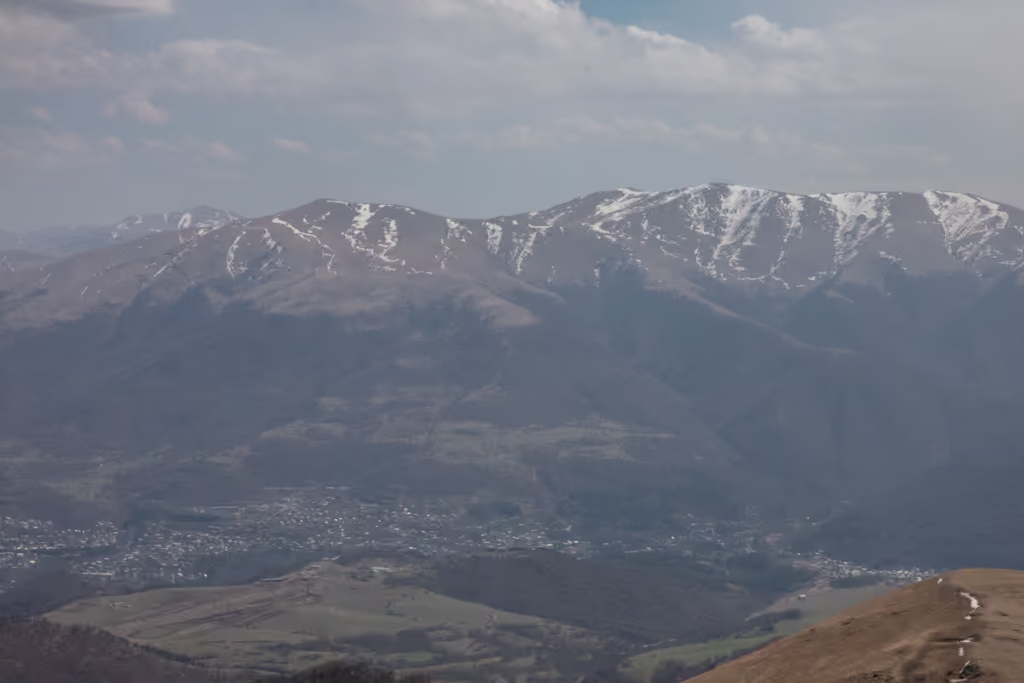
Dilijan is a lovely area to get out into the Armenian nature and mountains. With heaps of hikes to ancient monasteries, beautiful lakes, mountain summits, and more, Dilijan is a nature lover’s dream.
Read: Dilijan National Park & Travel Guide | How to get to Dilijan from Yerevan | The Tripeak Hike
Where to Sleep in Dilijan
Budget
Eco House & Camp
| Booking.com | Agoda.com |
Midrange
Gokor B&B
| Booking.com | Agoda.com |
Splurge
Hotel Dilijan Resort
| Booking.com | Agoda.com |
Tours to Dilijan
You can easily visit Dilijan on a day trip from Yerevan.
Lori Region
Dabed Canyon
The Debed Canyon is one of the most scenic areas of northern Armenia, with steep green slopes, villages and some of the country’s most important medieval monasteries.
The road through the canyon connects several major sights, including Haghpat and Sanahin monasteries, making this an excellent area to explore by car.
Where to Sleep in Alaverdi
Budget
Parisis B&B Alaverdi
| Booking.com | Agoda.com |
Midrange
Palma
| Booking.com | Hotels.com | Agoda.com |
Tours to Alaverdi
Looking for ideas for things to do in neighboring Georgia? Don’t miss the Rkoni Monastery Complex
Southern Armenia
Tatev
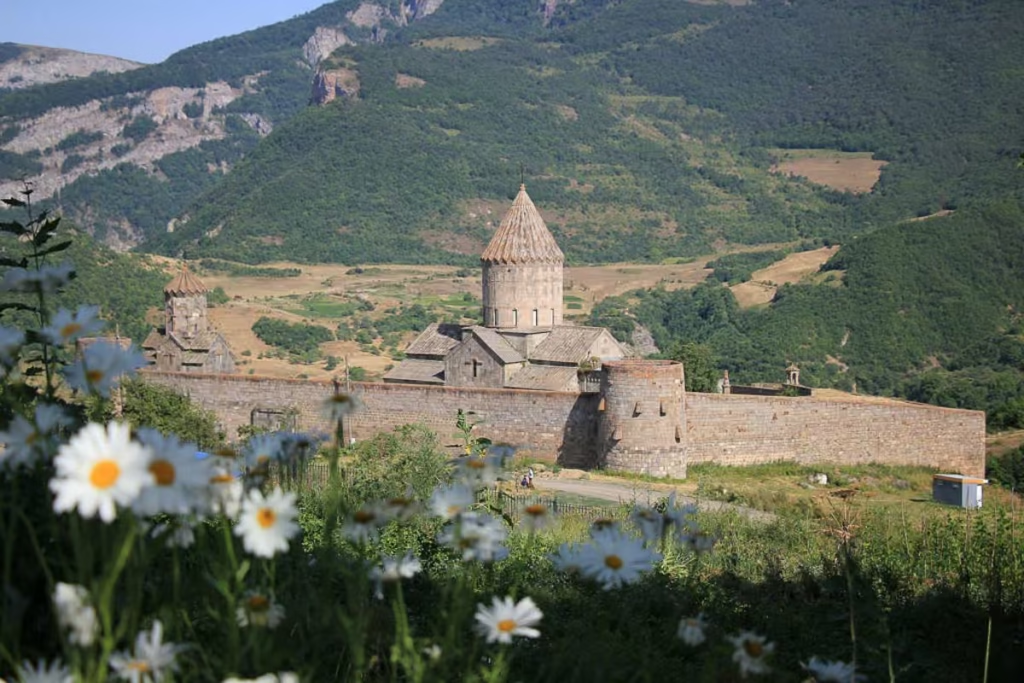
Tatev is home to one of Armenia’s most spectacular monasteries, dramatically perched above the Vorotan Gorge in southern Armenia.
The easiest way to reach Tatev is on the Wings of Tatev, a cableway connecting Halidzor with the monastery. The ride crosses the gorge and is an attraction in its own right.
Tip: Check the official Wings of Tatev website before visiting for current operating information and ticket availability, as schedules and ticketing can change.
Where to Sleep in Halidzor
Budget
Harsnadzor Eco Resort
| Booking.com | Hotels.com | Agoda.com |
Midrange
Wings of Tatev Guesthouse
| Booking.com | Agoda.com |
Where to Sleep in Tatev
Saro’s B&B Tatev
| Booking.com | Agoda.com |
Aida’s B&B
| Booking.com | Agoda.com |
Tours to Tatev
There are day tours that visit Tatev and other sights in Armenia’s south from Yerevan as well as from Goris.
Goris
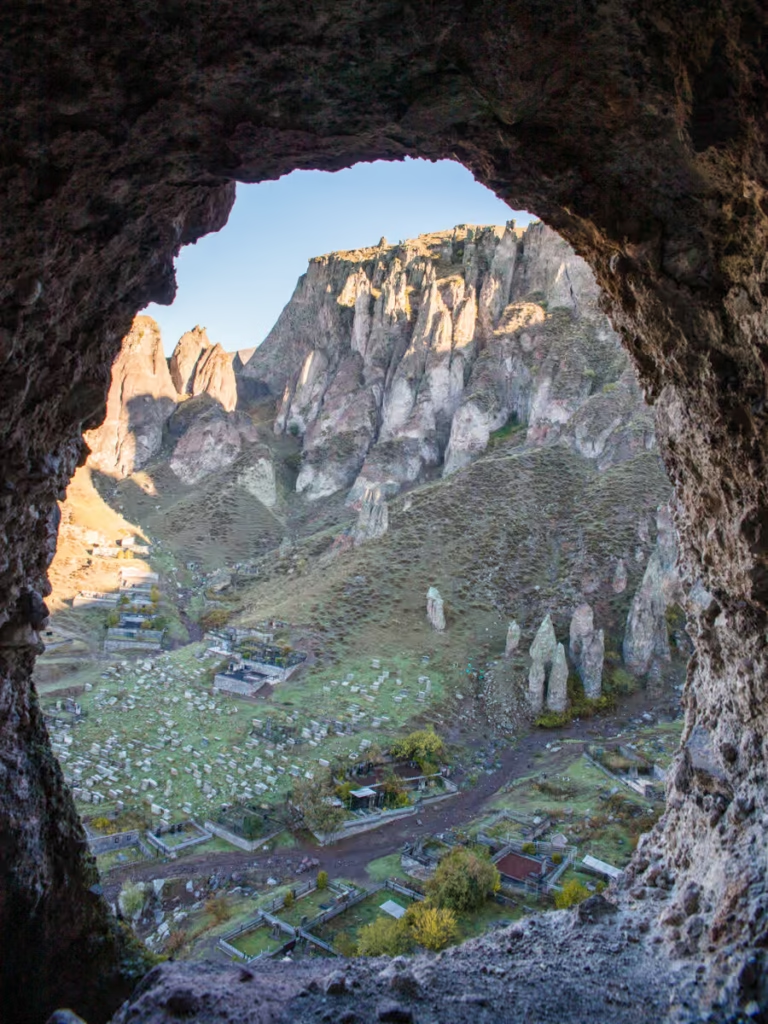
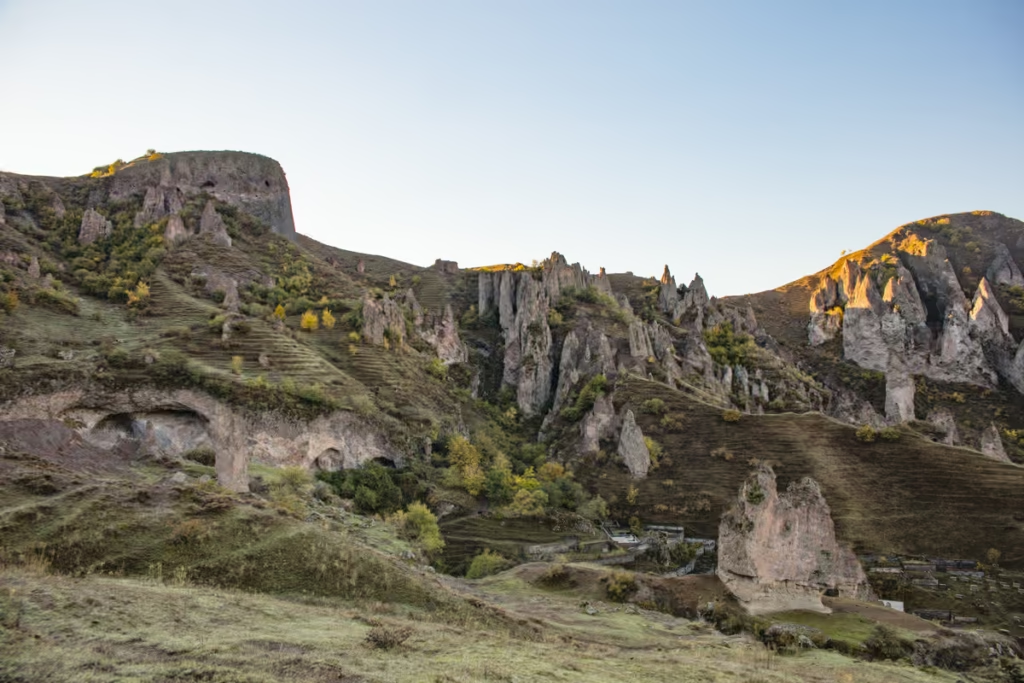
Goris is one of the best bases for exploring southern Armenia. The small city is surrounded by unusual sandstone rock formations and caves and makes a convenient base for visiting Tatev, Khndzoresk and other sights in Syunik Province.
Where to Sleep in Goris
Budget
Lovely Goris
| Booking.com | Agoda.com |
Midrange
Zanger Hotel
| Booking.com | Hotels.com | Agoda.com |
Splurge
Hotel Mirhav
| Booking.com | Hotels.com | Agoda.com |
Khor Virap
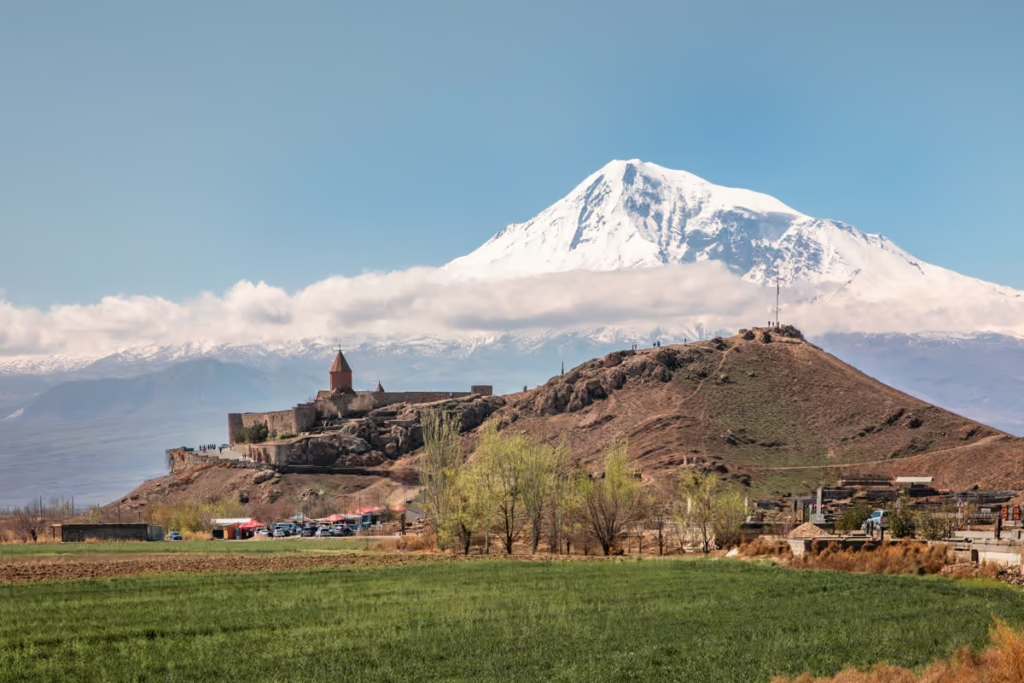
Khor Virap is one of the most recognizable places to visit in Armenia, thanks to its dramatic view toward Mount Ararat. The monastery sits on the Ararat Plain near Armenia’s closed border with Turkey and is an easy day trip from Yerevan.
The monastery is also deeply connected to Armenian Christianity and the story of Gregory the Illuminator, making it more than just a photo stop.
Tours
Khor Virap is a common stop on group tours from Yerevan including Noravank & Areni Winery.
Noravank
Noravank is a 13th-century Armenian monastery set inside a dramatic red-rock canyon near Areni. Its distinctive stone architecture and surrounding cliffs make it one of the country’s most photogenic historical sites.
Noravank is easy to combine with Areni wine country and Khor Virap on a southern Armenia road trip or day tour from Yerevan.
Where to Sleep in Yeghegnadzor
Budget
Karine B&B
| Booking.com | Agoda.com |
Midrange
Guesthouse Nataly
| Booking.com | Agoda.com |
Splurge
Greenstone B&B
| Booking.com | Agoda.com |
Khndzoresk and the Swinging Bridge
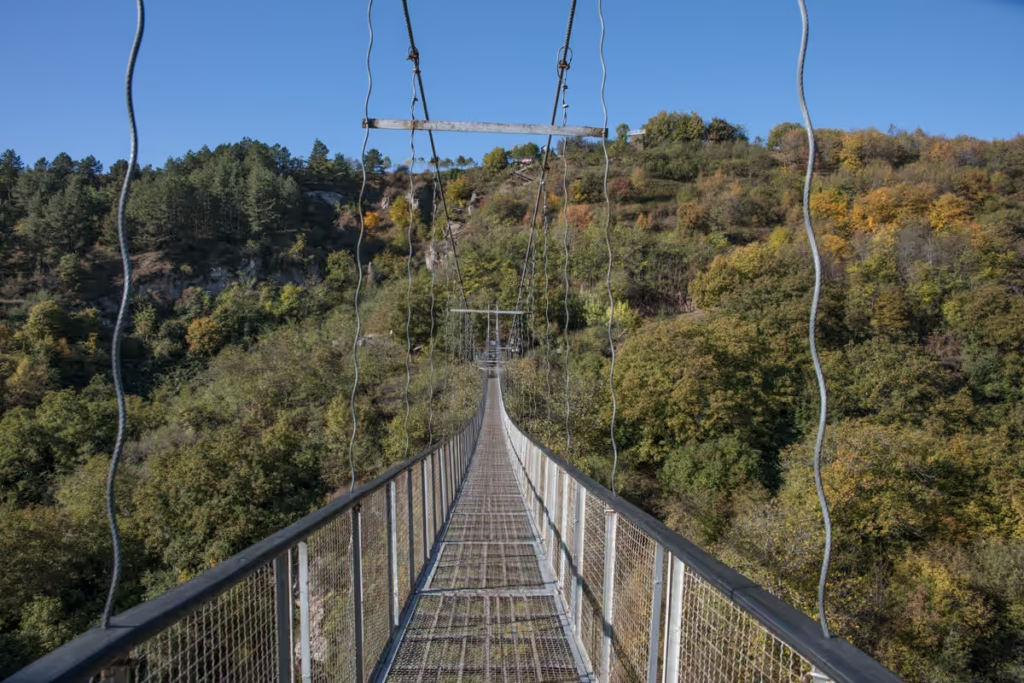
A rural Armenian village with a swinging bridge across a massive gorge. The bridge connects the two sides of the village on either side of the gorge. On the other side, you’ll find a monastery, ruins, caves, walnut trees, and usually a friendly local or two.
The best base for exploring the Khndzoresk area is from Goris. Khndzoresk is also known for its hoodoo rock formations similar to some in Cappadocia, Kandovan (Iran), and Goblin Valley (Utah).
Tours to Khndzoresk
Artsakh (Nagorno-Karabakh)
Despite being accessible from Azerbaijan these days, I will still include the information on Artsakh here since it was historically accessible from Armenia.
Read my 3 Day Nagorno-Karabakh Road Trip to start planning your own visit
Nagorno-Karabakh Tours
Stepanakert
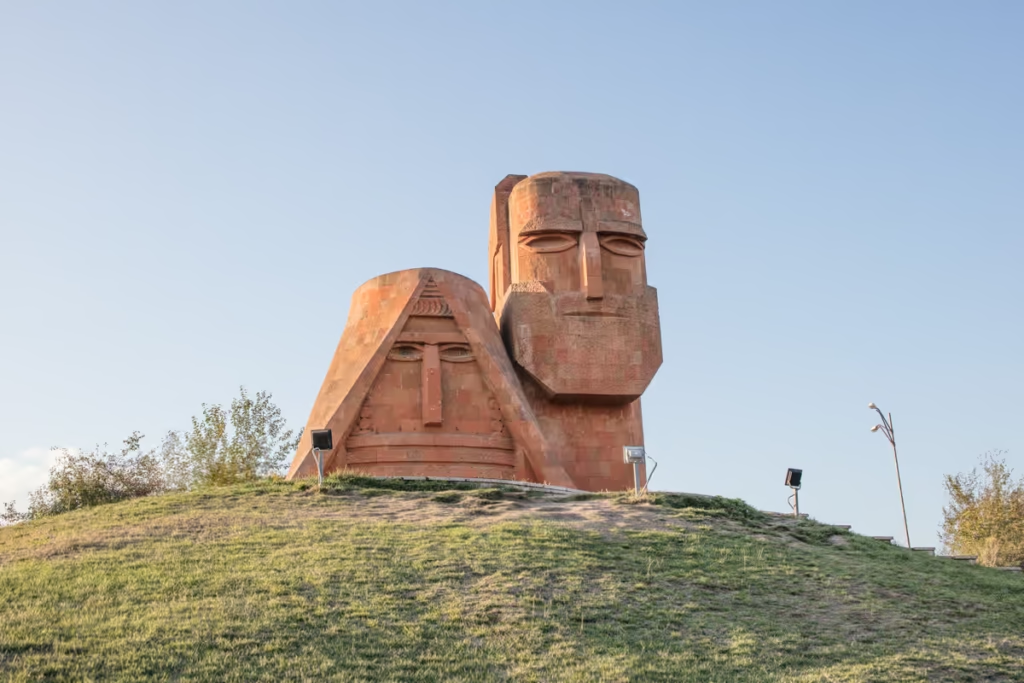
The capital of the Nagorno-Karabakh (recently renamed Republic of Artsakh). Easily walkable, with plenty of restaurants and shops. After you cross the border into Artsakh you’ll be instructed by the border officers to go to Stepanakert to get your visa. Head to the fringes of the city to see the iconic Tatik-Papik Monument.
Visas are now given free of charge at the border with Armenia. Should you need it, the MFA address in Stepanakert is 28 Azatamartikneri Street and phone number: +374 47941418.
Visas used to cost 3,000 AMD for most nationalities for a 21 day tourist visa. They will just hand you the visa, (good to ask them to not put it in your passport, just in case). If you have evidence in your passport of visiting Artsakh/Nagorno-Karabakh and try to go to Azerbaijan later you will be denied entry, or possibly thrown in jail.
Where To Sleep In Stepanakert
There aren’t too many hotels in Stepanakert. Armenia Hotel and Hotel Europe are a couple of options. You can shop a full list of Stepanakert accommodations here.
Shusha
A fortified city mostly destroyed during the Nagorno-Karabakh War of the 1990’s. Make sure to check out the Ghazanchetsots Cathedral. You can hike the Janapur Trail from Shusha that will take you into Hunyot Canyon, Zontik Falls, and beyond.
Zontik Falls
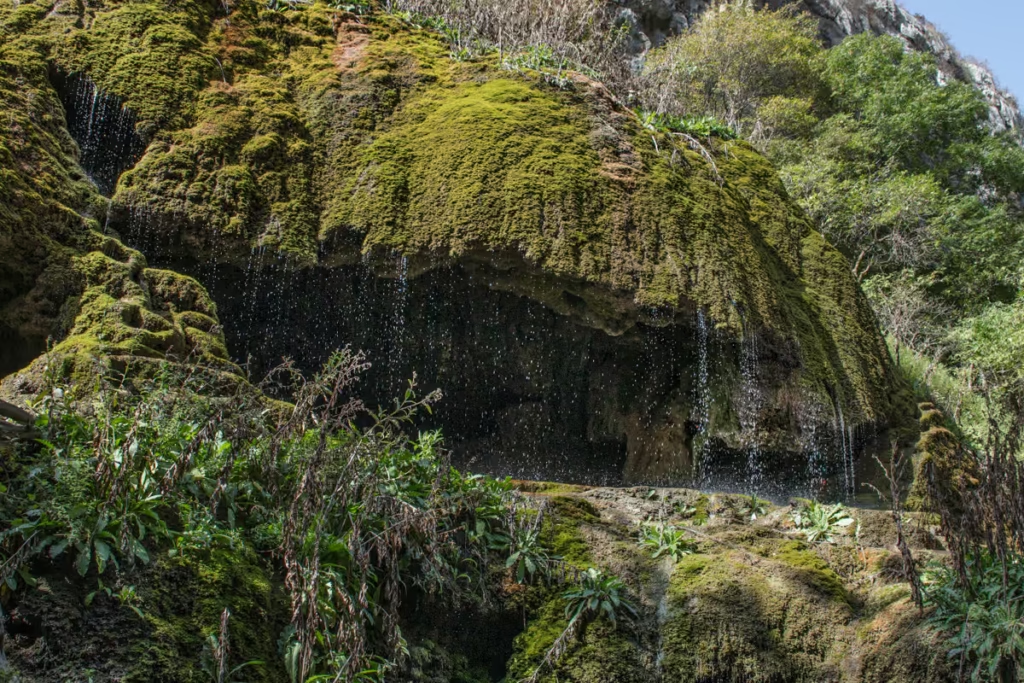
Located in Hunyot Canyon. Once to the trailhead it’s about a 20 minute walk along a trail to the fairytale like waterfall. This is my absolute favorite waterfall in the world.
Martakert
A town near Sarsang Reservoir. Martakert was on the front lines of fighting between Azeri and Armenian forces.
Where to Sleep in Martakert
Much like the rest of Nagorno-Karabakh, accommodation options are small. Shop Martakert accommodations here.
Sarsang Reservoir
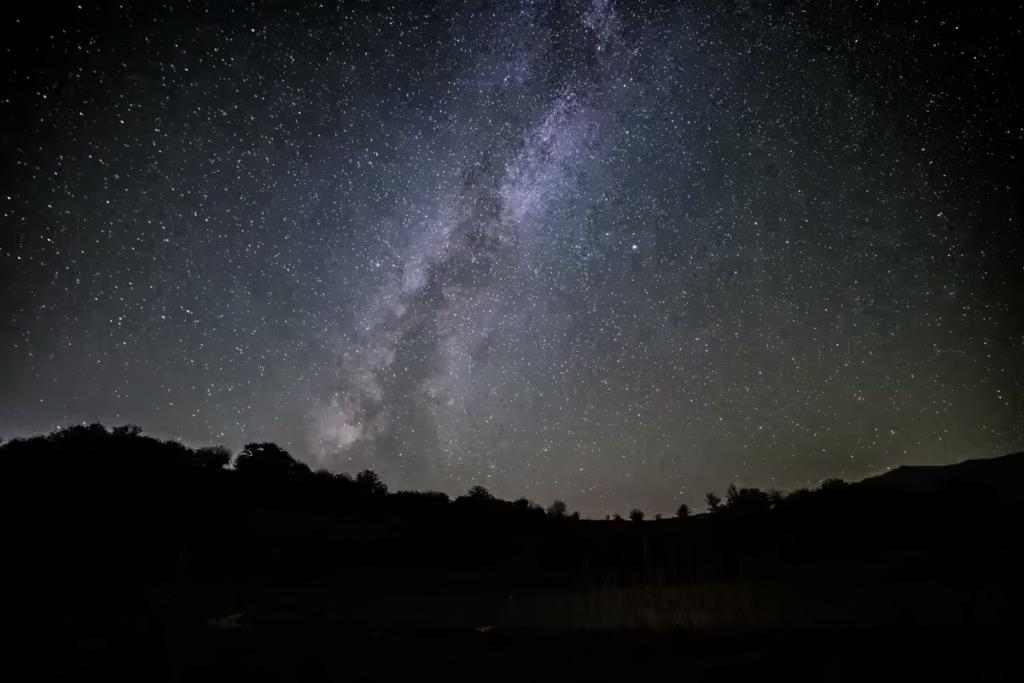
A large lake not for from Martakert in the countryside. Great for camping and stargazing.
Aghdam
A ghost town nicknamed the “Hiroshima of Azerbaijan”. The city was destroyed during the Nagorno-Karabakh War. The few that come to Aghdam come to see the ruins and old mosque.
Nagorno-Karabakh officials advise not to visit given that Aghdam is right on the border with Azerbaijan. Aghdam usually is off-limits to tourists, so if the military does turn you around, act as if you got lost. Note that this is more of a ‘dark tourism’ attraction and is not for everyone.
Tours to Aghdam
Aghdam is about 30 minutes by taxi from Stepanakert. You can usually hire a taxi for a trip out here from Stepanakert for about 8,000 AMD.
Vank
A small village north of Stepanakert. The main draw is to hike to the Gandzasar Monastery. The hike takes about 1 hour and gives panoramic views of Vank and the surrounding mountain range.
Hiking and Trekking in Armenia
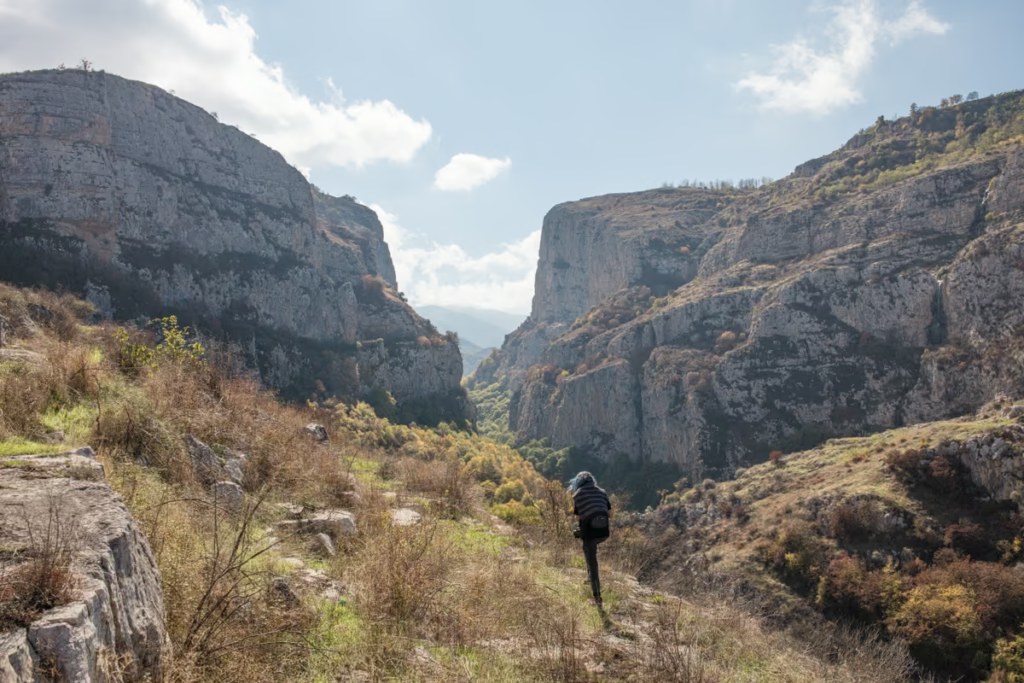
Armenia is an excellent destination for hiking, with volcanic mountains, forested hills, alpine lakes, canyons and high-altitude trails spread across the country.
Some hikes are short walks to monasteries or viewpoints, while others involve full-day mountain ascents. The best trekking conditions are generally in spring, early summer and autumn, while high mountains can remain snowy into the warmer months.
Some hikes and border areas require extra care because of military restrictions and unexploded ordnance. Always check current local conditions before setting out.
Best Hikes in Armenia
- Trails around Lake Sevan
- Mount Aragats
- Mount Khustup
- Mount Azhdahak
- Dilijan National Park
- Lori Canyon
- Janapar Trail
- Trails around Tatev
Armenian Festivals
- Vartavar
- Areni Wine Festival
- Gata Festival
- Mulberry Festival
- Honey & Bee Festival
- Carpet Festival
- Navasard
- BBQ Art & Music Festival
Armenia Travel Budget
Armenia remains a relatively affordable destination by European standards, although accommodation, tours and restaurant prices have increased considerably since my first visit in 2017.
Your budget will depend heavily on whether you use marshrutkas and guesthouses or rent a car and stay in hotels.
Backpacker: $30-50 USD Per Day
Hostels or basic guesthouses, public transportation, inexpensive local restaurants and mostly self-guided sightseeing.
Midrange: $60-100 Per day
Private or double rooms, a mix of restaurants and cafés, public transportation or occasional taxis, plus some day tours.
Comfortable: $100 USD + Per Day
Better hotels, private transportation, restaurants and guided excursions.
Use these as planning ranges rather than fixed prices. Armenia’s costs vary considerably by season and destination.
What to Pack for Armenia
What you pack for Armenia depends heavily on the season and whether you’re sticking to cities or heading into the mountains.
For a normal sightseeing trip, pack as you would for other destinations in the Caucasus. If you plan to hike or camp, bring proper footwear, layers and equipment suitable for changing mountain weather.
I’d recommend picking up a copy of Bradt’s Armenia guidebook to aid in planning your visit. If you plan to camp and/or trek you may want to bring the following:
- 3-season tent
- Backpack (I personally recommend the Ariel 65 for women)
- Hydration Pack
- Sleeping bag (Make sure to grab one cold rated to the temperatures you’ll likely face overnight)
- Hiking boots
- Katadyn water purifier
- Campstove and Cooking set
Internet and SIM Cards in Armenia
Wi-Fi is widely available in hotels, guesthouses, cafés and restaurants in Armenia’s main tourist destinations.
For mobile data, you can buy a local SIM card in Yerevan and other larger cities. An eSIM is also a convenient option if your phone supports it and you want data immediately after landing.
If you’re traveling into remote mountain areas, don’t rely entirely on mobile coverage. Download offline maps before leaving cities.
If you don’t want to deal with the formalities and want to be able to connect as soon as you hit the ground, check out unlimited Armenia eSIM plans on Holafly.
Is Armenia Safe?
Armenia is generally a straightforward country to travel around, and most visitors spend their trip without serious problems. As anywhere, use normal precautions with your belongings, transport and valuables.
The bigger issue is where you travel, particularly near Armenia’s borders.
The Armenia-Azerbaijan border remains closed, and current travel advisories warn against travel close to the border because of ongoing tensions and the risk of unexploded ordnance.
Do not wander off established roads or trails in border areas, and take local warnings seriously. Conditions can change, so check current travel advice before heading toward Armenia’s eastern border.
For hiking, carry offline maps and let someone know your route, particularly when heading into remote mountain areas.
Have Any Questions Not Answered in this Armenia Travel Guide?
Ask in the comments below!
Posts from Armenia
Armenia Travel Guide: Plan Your Trip
Georgia-Armenia Border Crossing Guide
Hiking the Tripeak Trail in Dilijan National Park
3 Day Nagorno Karabakh Road Trip
Dilijan Travel Guide
How to Get to Khor Virap, Armenia
How To Get To Dilijan From Yerevan
Best Road Trips in the World