This publication is made possible by the support of the American People through the United States Agency for International Development (USAID) Competitiveness, Trade, and Jobs Activity in Central Asia. The contents of this publication are the sole responsibility of Nicole from The Adventures of Nicole and do not necessarily reflect the views of USAID or the United States Government.
34 Photos that will Make You Book a Ticket to Kyrgyzstan
Updated September 2026, 34 Photos that will make you book a ticket to Kyrgyzstan was originally written in September 2019
If you’re looking for Kyrgyzstan photos, you’ve come to the right place. After more than 10 trips around the country, I’ve accumulated a ridiculous number of photos of Kyrgyzstan’s mountains, alpine lakes, green valleys, nomadic culture, historic sites, food and everyday life.
Kyrgyzstan is one of my favorite countries in Central Asia, and these photos are a pretty good explanation why. From the red cliffs of Jeti Oguz and turquoise Issyk-Kul to remote mountain passes, traditional yurts and the bustling streets of Bishkek and Osh, the landscapes change dramatically as you travel across the country.
I’ve picked 34 of my favorite Kyrgyzstan travel photos from different trips to give you a taste of what you can expect. If you’re planning a trip, consider this your visual introduction to Kyrgyzstan.
Need Travel Insurance and Evacuation Services?
Start shopping for travel insurance plans over at IATI Insurance. Readers of the Adventures of Nicole get a 5% discount off your plan.
The Adventures of Nicole partners with Global Rescue to offer the world’s leading medical evacuation and security advisory services. To travel with peace of mind, explore their evacuation coverage.
What Photos to Expect of Kyrgyzstan
Photos of Kyrgyzstan tend to be dominated by mountains, wide-open valleys and alpine lakes, but there is much more to the country than its scenery. Traveling around Kyrgyzstan means encountering traditional yurts, horseback riding, eagle hunting, colorful bazaars, Soviet-era architecture, historic Silk Road sites and a surprisingly diverse food culture.
Some of the best places for Kyrgyzstan photography include the mountains around Karakol, the southern shore of Issyk-Kul, Jeti Oguz, Ala Archa National Park, the Naryn region, Sary Chelek, the Fergana Valley around Osh and the remote landscapes along the northern terminus of the Pamir Highway. These are some of the places represented in the photos below.
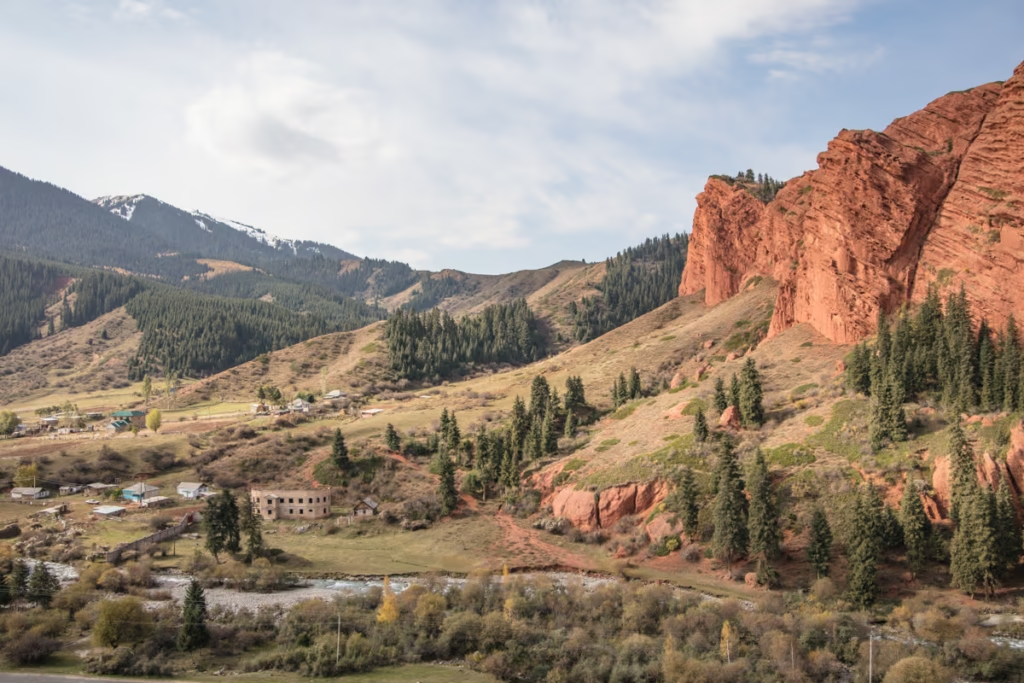
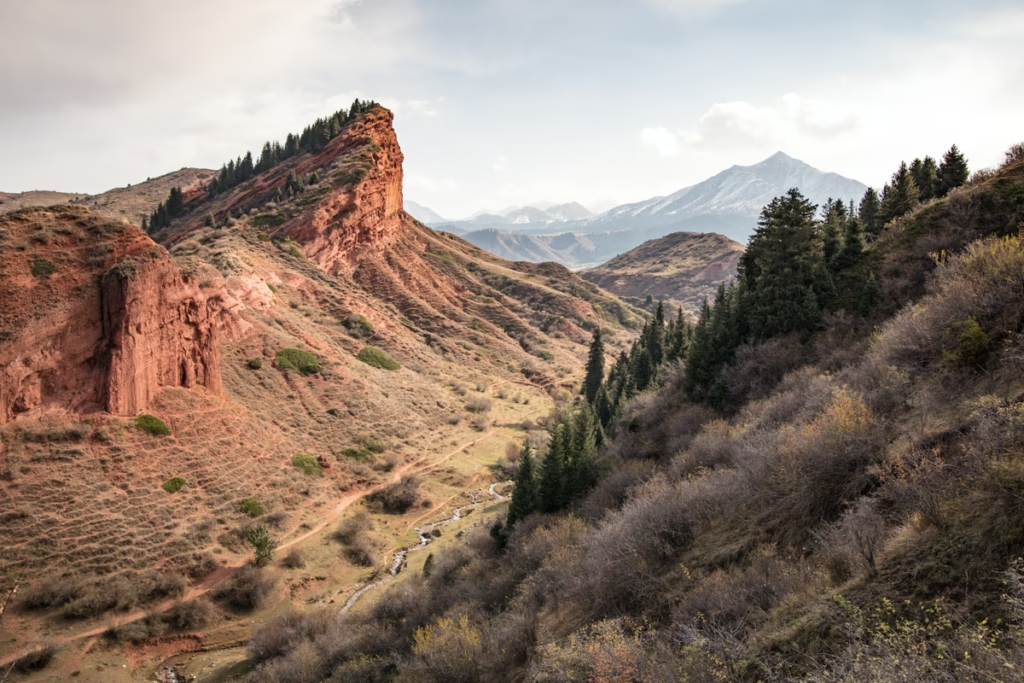
Jeti Oguz is one of the most recognizable landscapes in Kyrgyzstan. The valley is famous for its enormous red sandstone cliffs known as the Seven Bulls, which rise above the green pastures near Karakol. For some of the best views, hike up the hill opposite the Seven Bulls for a wider panorama of the valley.
Planning a visit? Learn how to visit Jeti Oguz & the Valley of Flowers
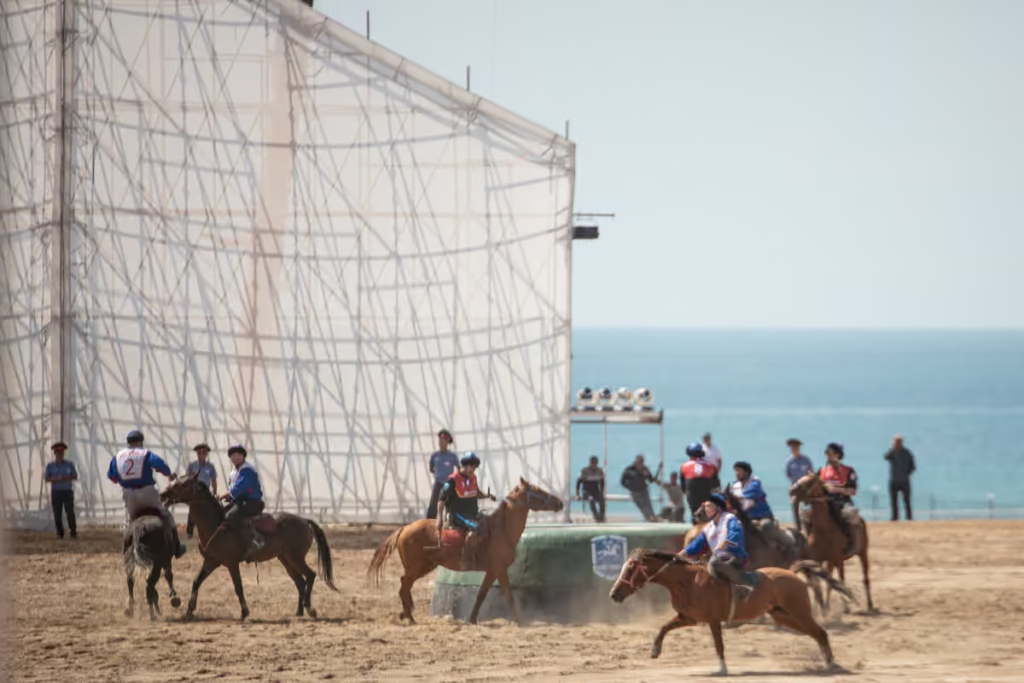
Kok Boru, one of Kyrgyzstan’s most famous traditional horse games, is a rough-and-tumble Central Asian sport played on horseback. Riders compete to carry a goat or calf carcass toward a goal, making for one of the more intense cultural experiences you can photograph in Kyrgyzstan. This photo was taken during the 2018 World Nomad Games in Cholpon Ata.
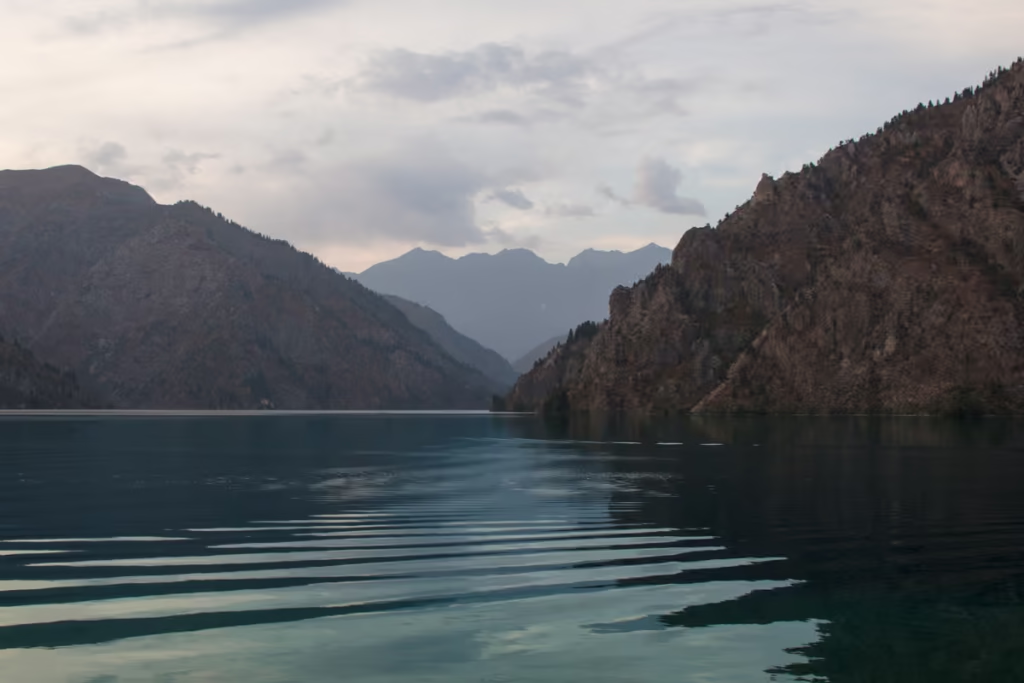
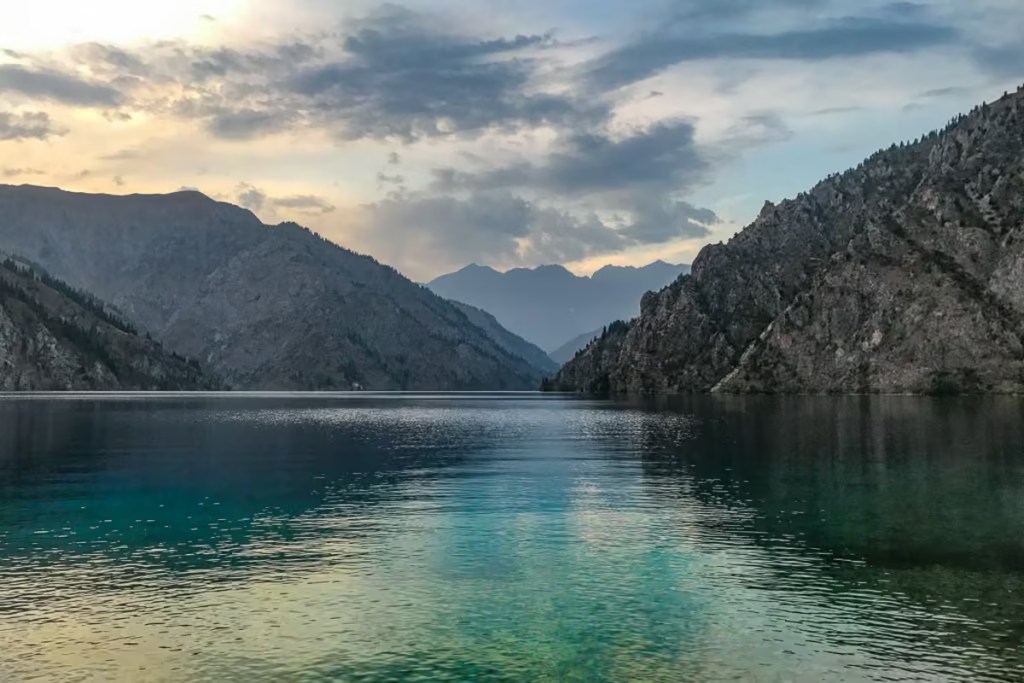
Sunset over Sary Chelek Lake, one of the most scenic alpine lakes in western Kyrgyzstan. Surrounded by forested mountains, Sary Chelek feels worlds away from the country’s better-known trekking destinations around Karakol. The area was designated a UNESCO Biosphere Reserve in 1978.
Planning a visit? Read my guide to getting to Sary Chelek
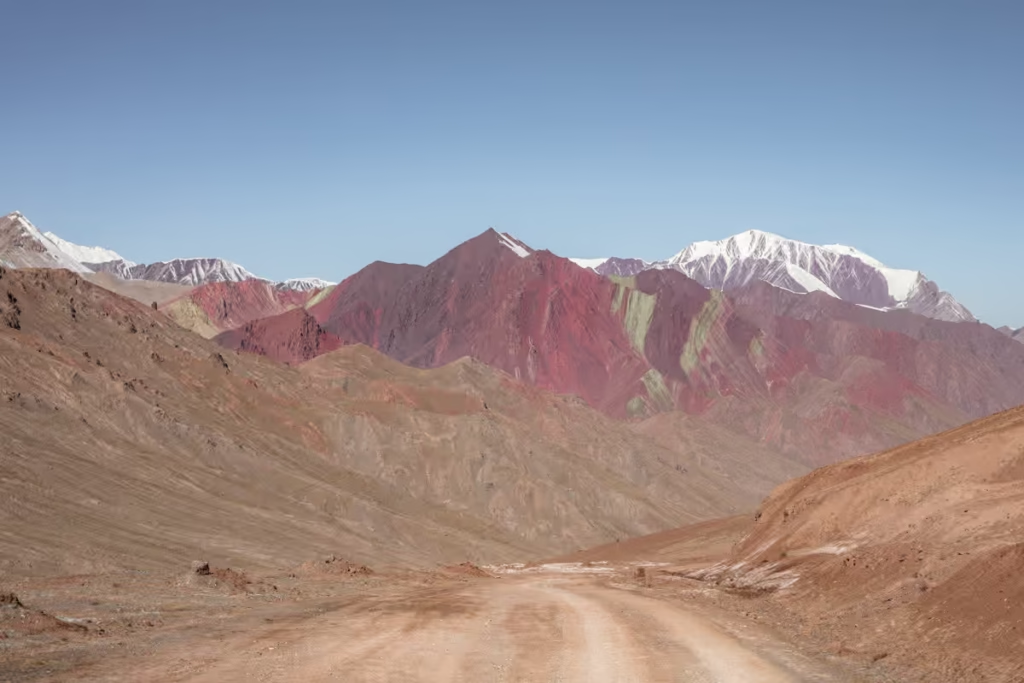
On my first trip to Kyrgyzstan, this colorful mountain was my first welcome to the country after crossing from Tajikistan via the Pamir Highway. The rainbow-striped slopes sit in the remote no-man’s-land between Tajikistan and Kyrgyzstan at the Kyzyl Art Pass and Bordöbö border crossing. It’s one of those landscapes that makes you realize just how wild the Pamirs can be.
Crossing the border? Read my guide to the Kyzyl Art Border Crossing
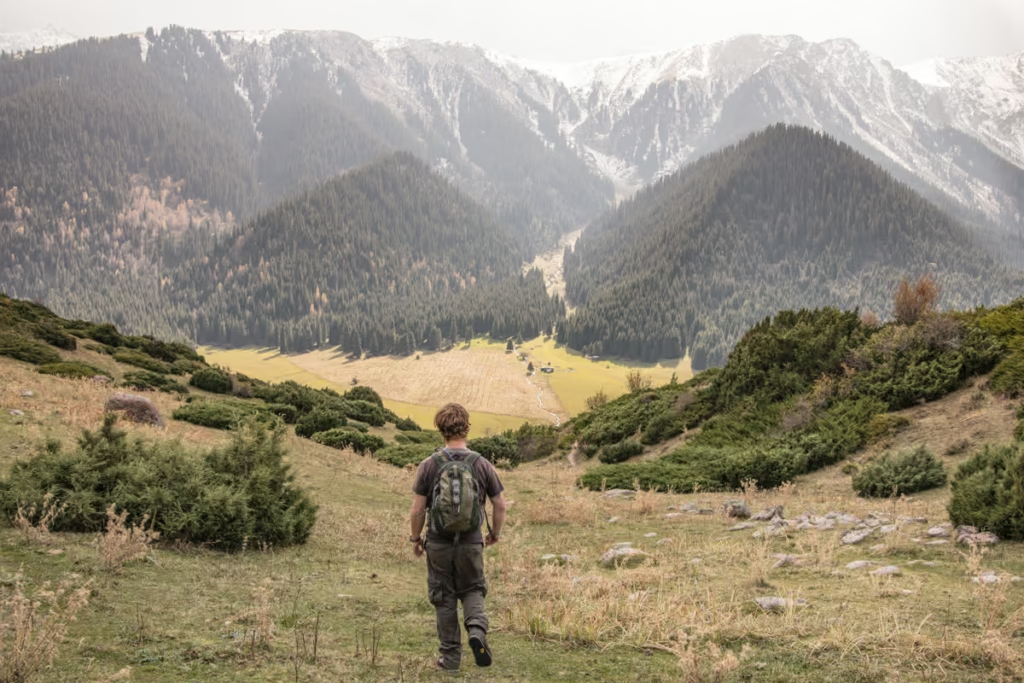
Beyond the famous Seven Bulls, Jeti Oguz opens into a broad mountain valley filled with summer pastures. The nearby Valley of Flowers is one of the area’s most popular hiking destinations, with wildflowers, grazing horses and towering Tien Shan peaks creating some of the best scenery near Karakol.
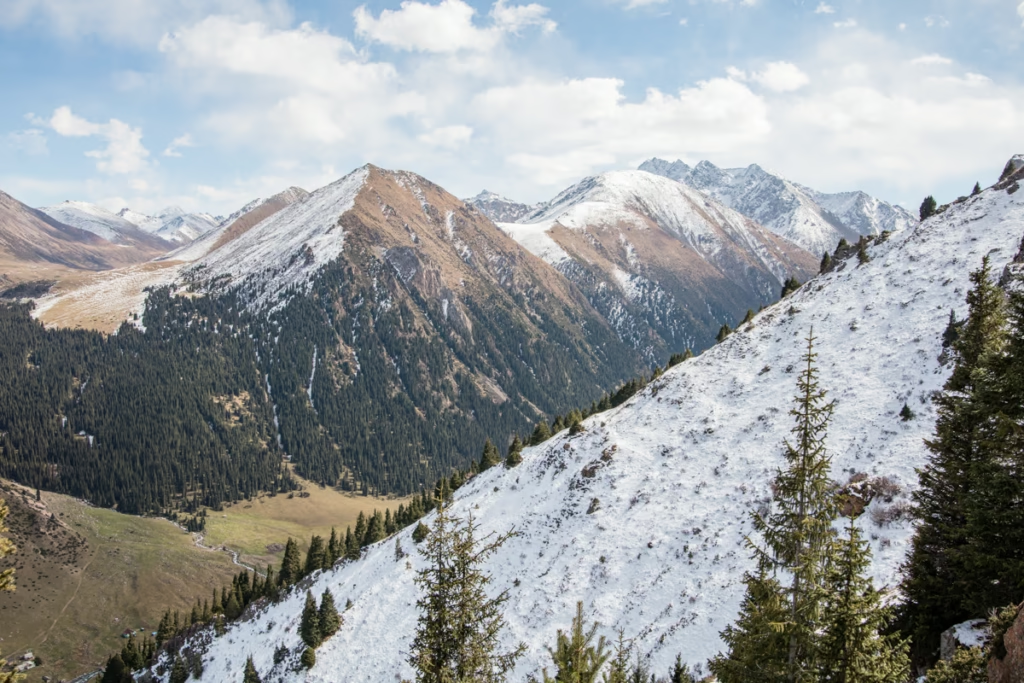
Altyn Arashan is one of the most famous trekking destinations near Karakol. The valley is surrounded by high Tien Shan peaks and alpine scenery, and you can reach it on foot or take the famously rough ride in a Soviet-era military truck. Either option comes with excellent mountain views.
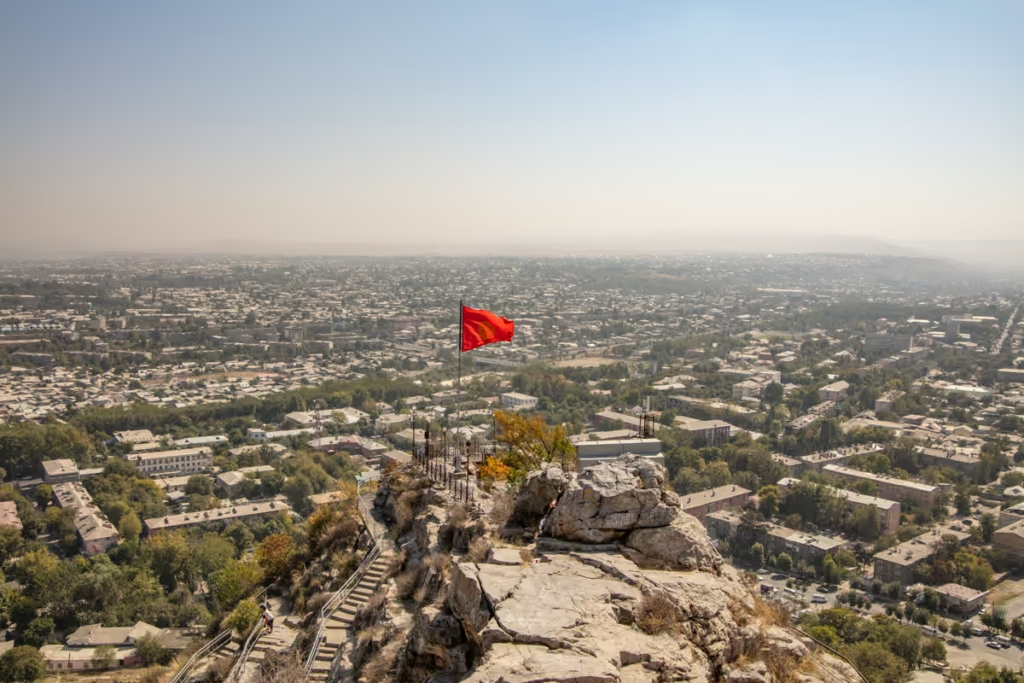
Suleiman Too rises dramatically from the middle of Osh, one of the oldest cities in Central Asia. From the top, you can look across the flat Fergana Valley and see just how unusual this rocky mountain is in the middle of the city. Suleiman Too has been an important pilgrimage site for centuries and is now a UNESCO World Heritage Site.
Plan your stay with my Osh Travel Guide + best things to do
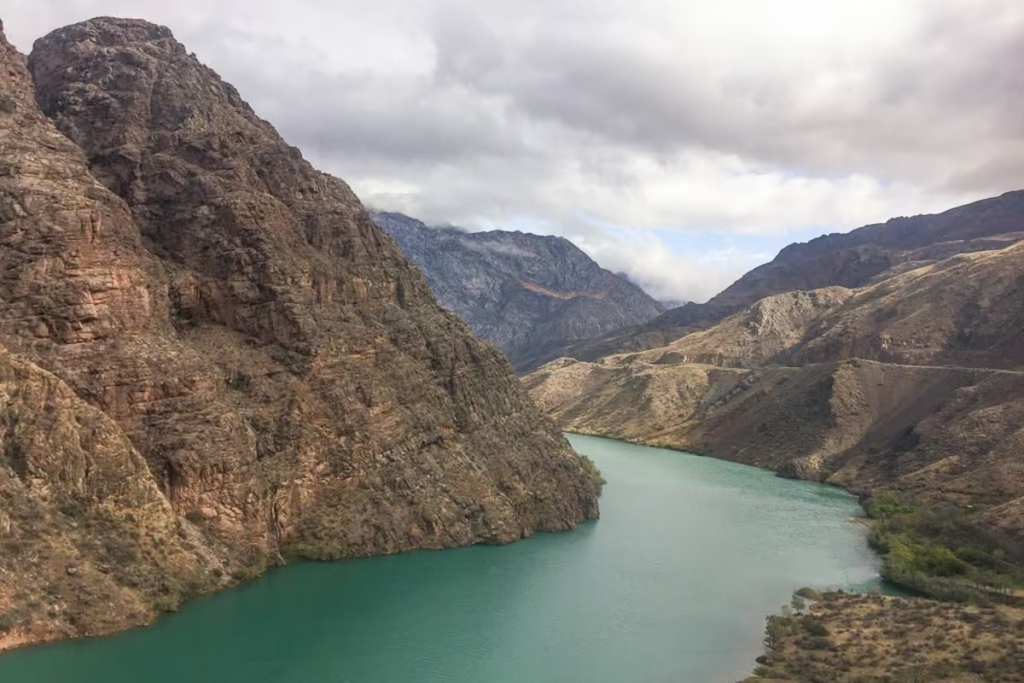
The brilliant blue Naryn River cuts through the mountains of central Kyrgyzstan. The river runs through the Naryn region, one of the country’s most dramatic areas for road trips, with high mountain valleys, remote villages and enormous open landscapes.
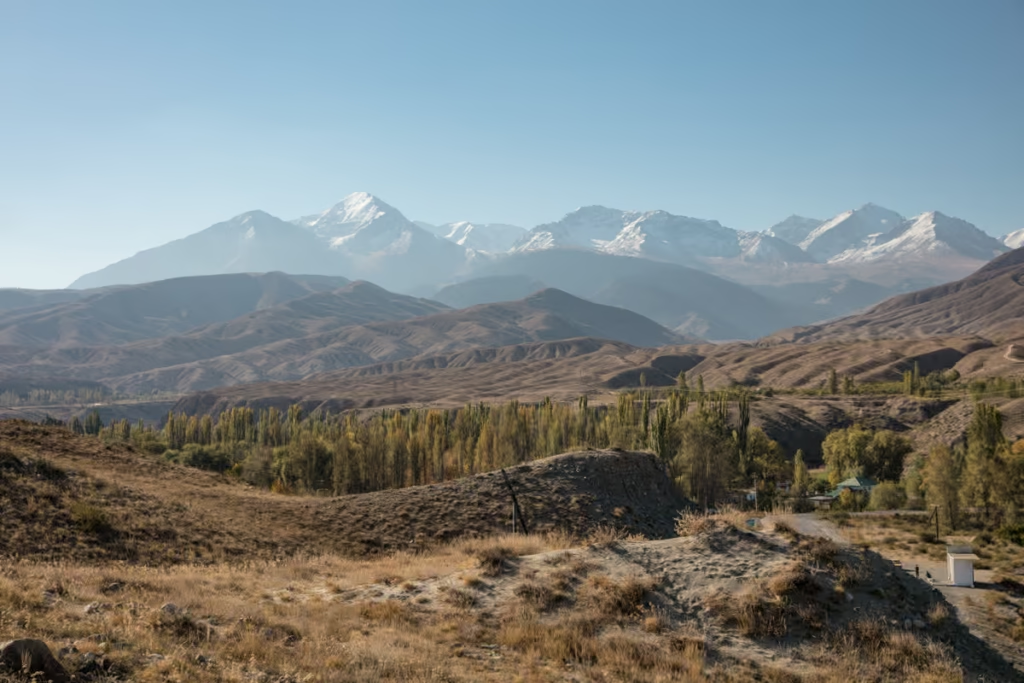
Snowcapped mountains rise behind Tamga, a small village on the southern shore of Issyk-Kul Lake. I took this photo in early October, when the first snow was beginning to dust the surrounding peaks.
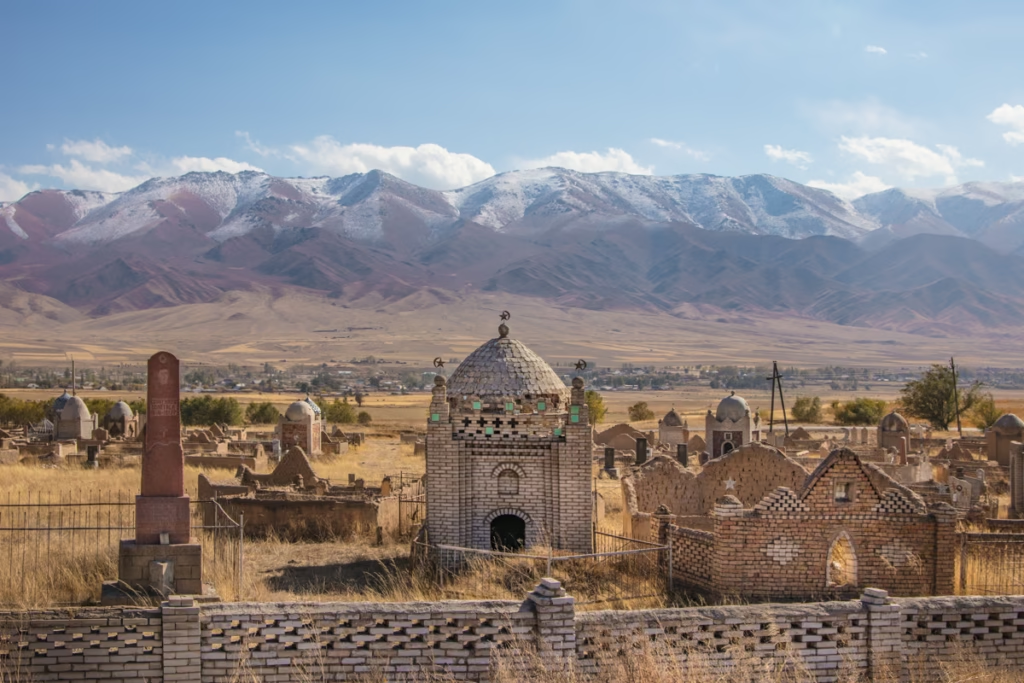
One of my favorite Kyrgyzstan photos is this cemetery near Jumgal. Kyrgyz cemeteries can look strikingly different from those in much of the world, with elaborate grave structures and distinctive memorials rising from otherwise empty mountain landscapes. This was one of those unexpected scenes I came across while traveling through rural Kyrgyzstan.
Start planning: The Kyrgyzstan Travel Guide
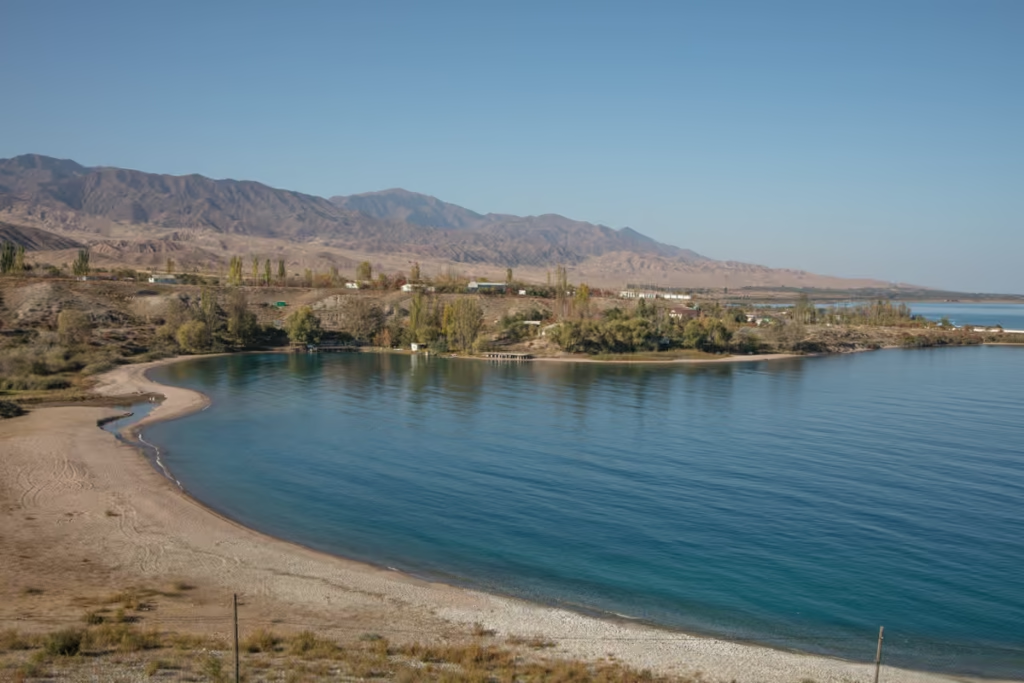
Issyk-Kul, meaning “warm lake” in Kyrgyz, is one of the largest alpine lakes in the world. Despite its elevation and cold winters, the lake rarely freezes because of its unusual depth and slightly saline water. The southern shore around Tamga is a particularly scenic place to experience it.
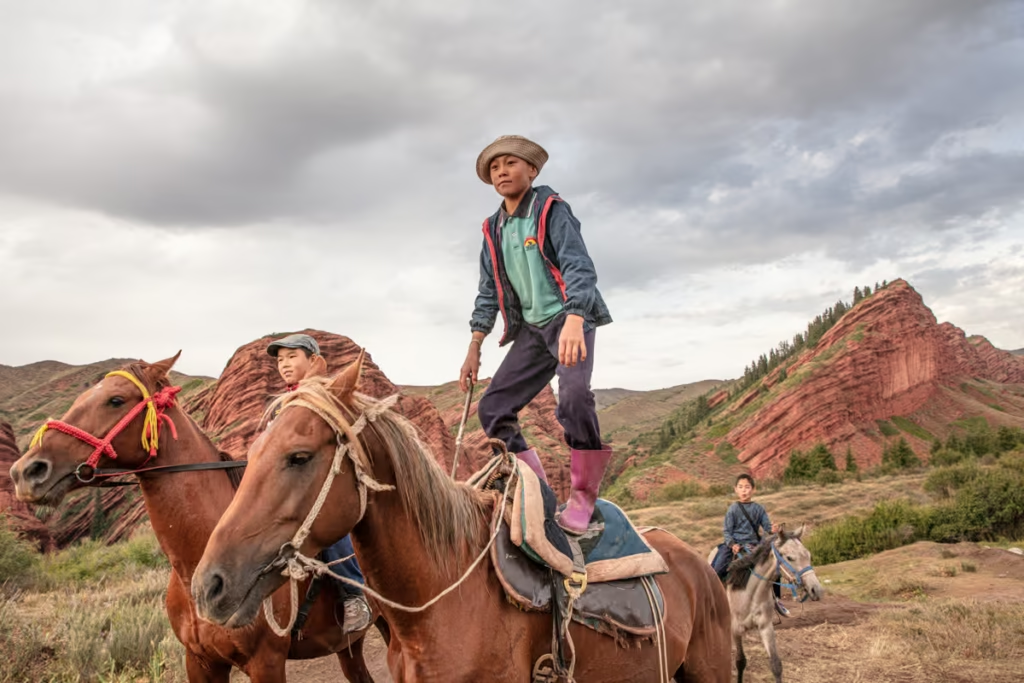
Horses are deeply woven into Kyrgyz culture and everyday life. Traveling through rural Kyrgyzstan, you’ll regularly see riders moving between mountain pastures, herding livestock or simply getting around on horseback. Horse trekking is also one of the best ways to experience Kyrgyzstan’s high valleys and nomadic traditions.
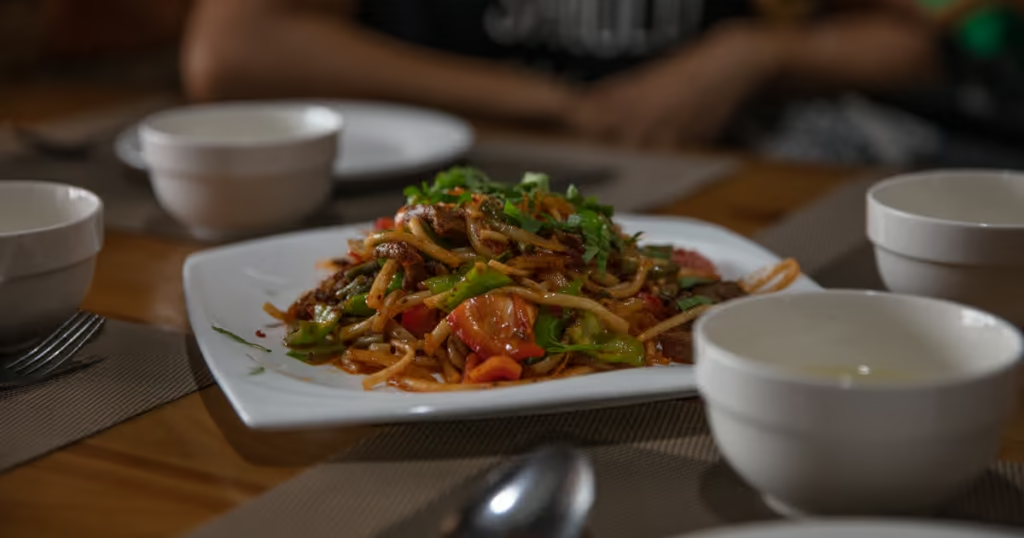
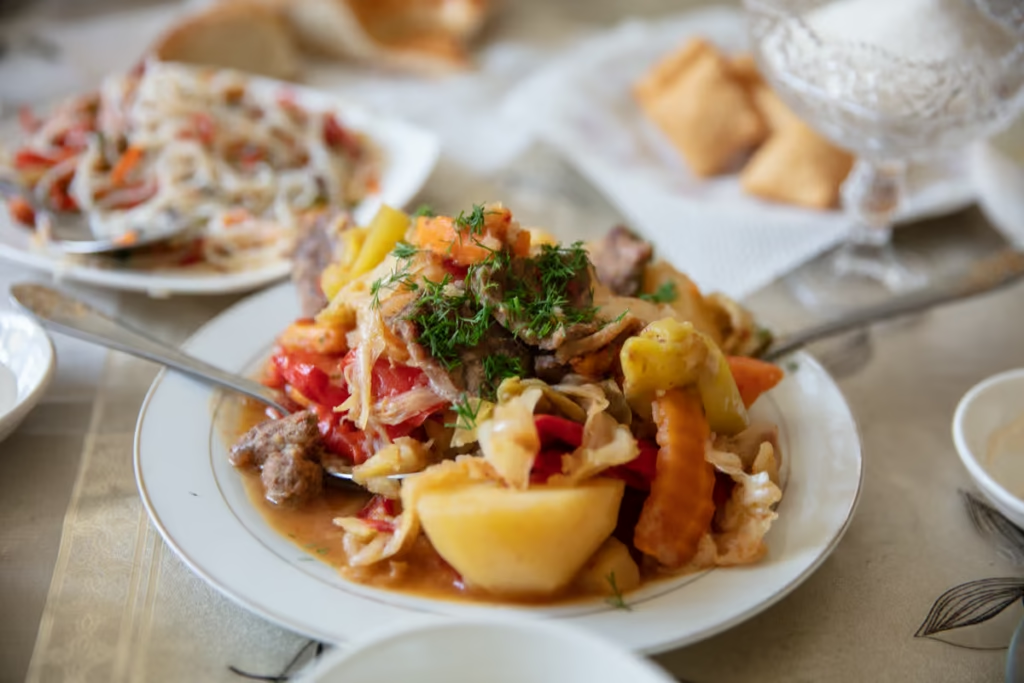
Lagman is a Central Asian noodle dish with deep roots among the Uyghur and Dungan communities of the region. In Kyrgyzstan, you’ll find it on menus throughout the country, with Karakol being a particularly good place to eat your way through the region’s diverse cuisine.
Hungry in Karakol? Check out my guide to the best food and restaurants in Karakol
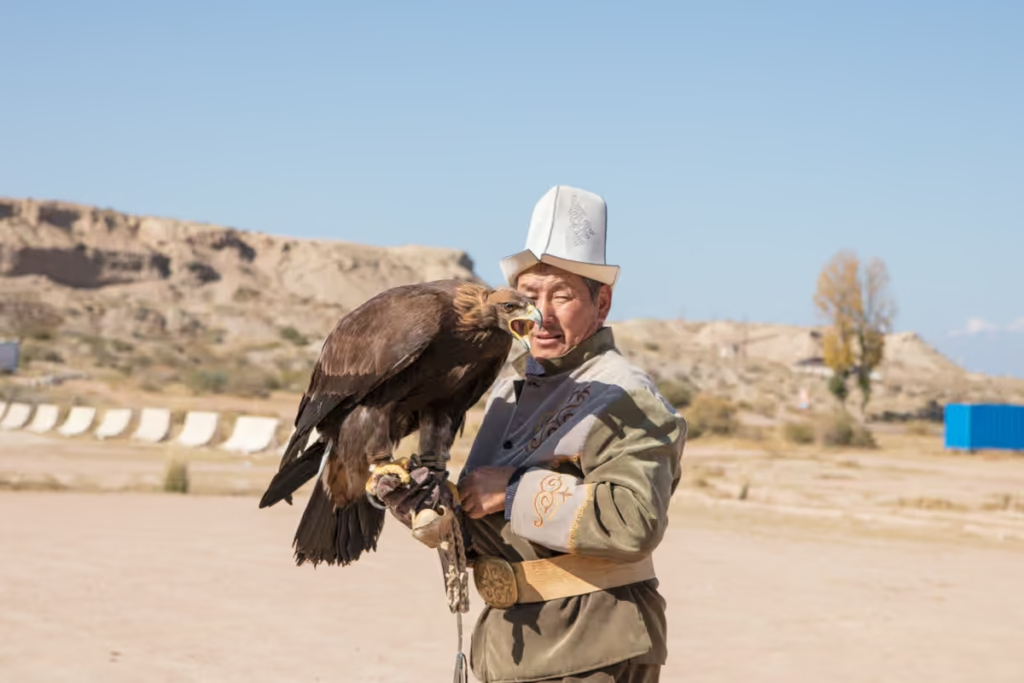
A golden eagle hunting demonstration near Bokonbayevo on the southern shore of Issyk-Kul. Eagle hunting has a long history among the nomadic peoples of Central Asia and remains an important cultural tradition in Kyrgyzstan.
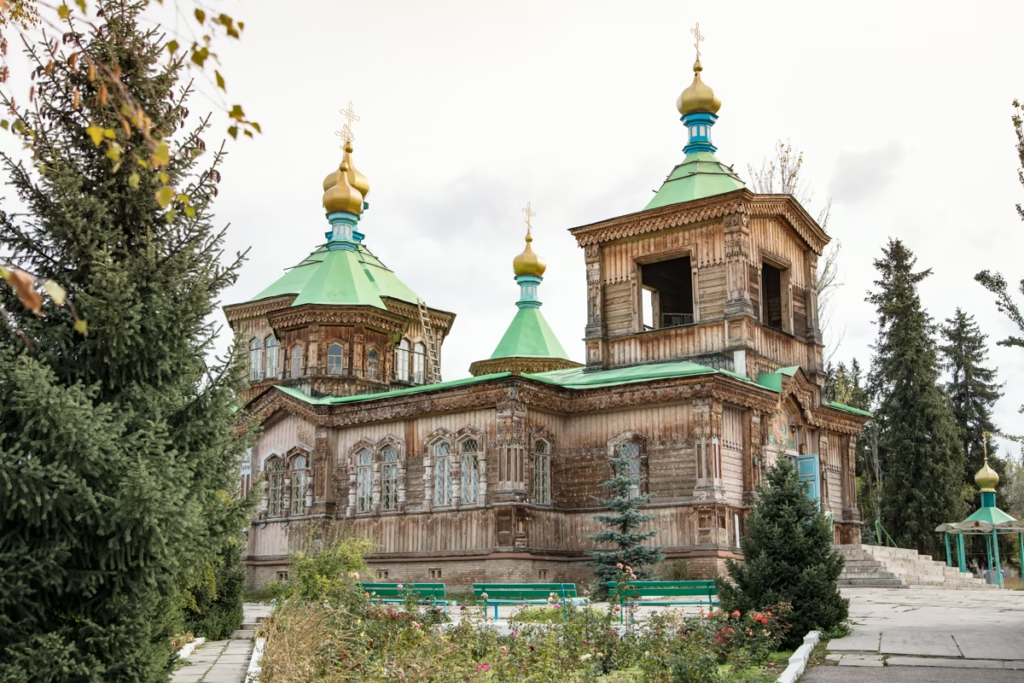
The greenThe green-domed Holy Trinity Cathedral is one of Karakol’s most recognizable landmarks. Built in the late 19th century and reconstructed after damage during the Soviet period, the wooden Orthodox church is an unexpected sight in this predominantly Muslim region of Kyrgyzstan.
Exploring Karakol? Read my Karakol travel guide and 13 things to do
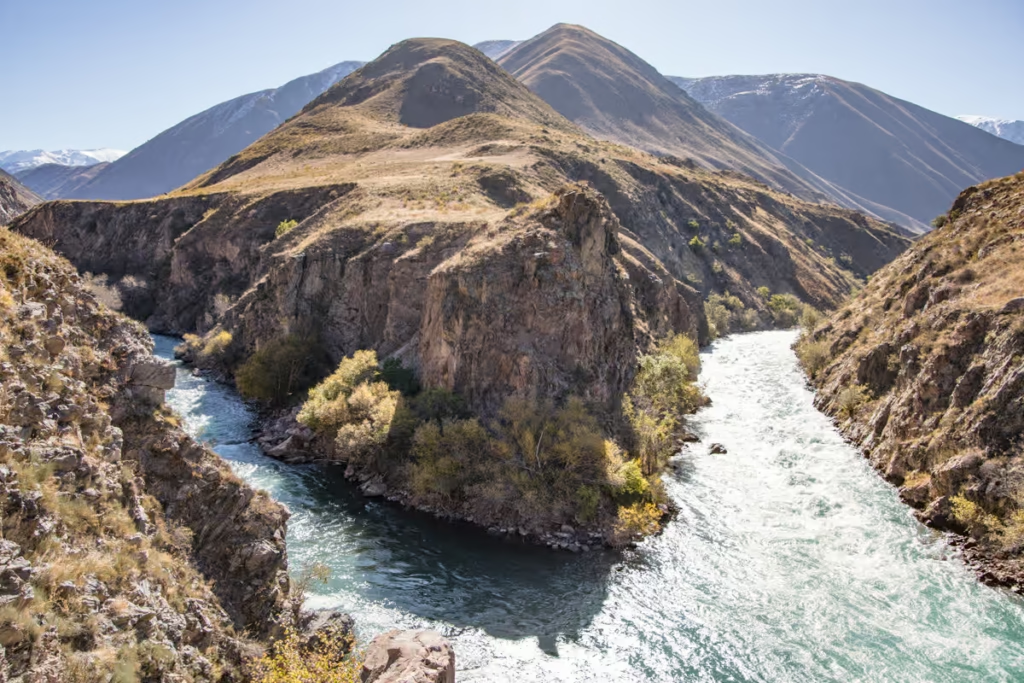
The Chon Kemin Valley stretches east of Bishkek through a landscape of forests, rivers, alpine meadows and snow-covered mountains. The valley is popular for hiking, horseback riding and other outdoor adventures and makes an easy addition to a northern Kyrgyzstan itinerary.
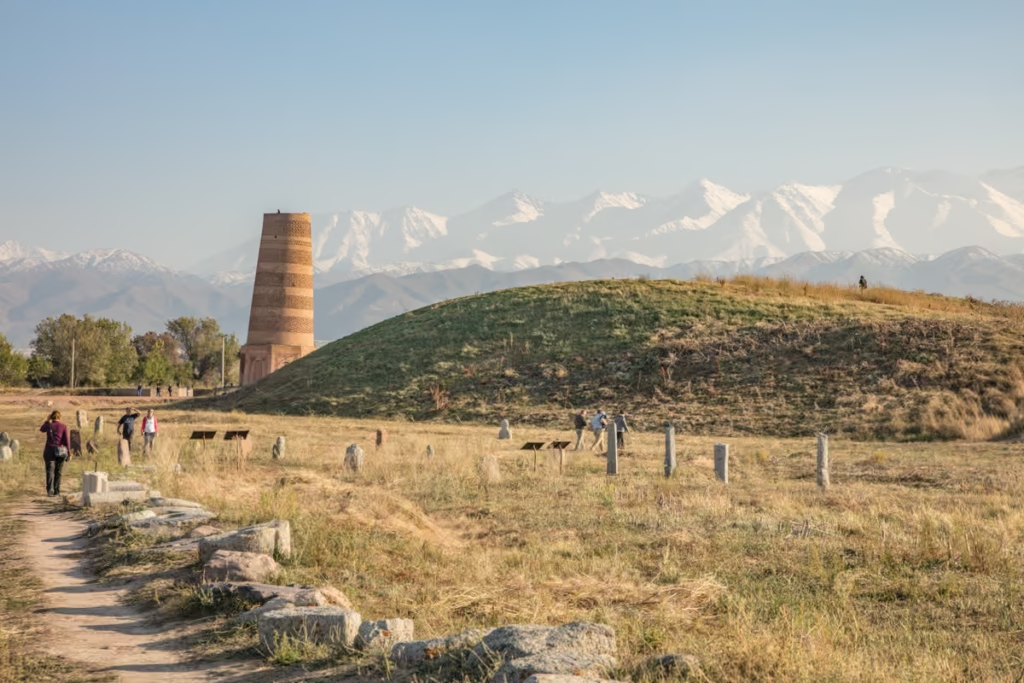
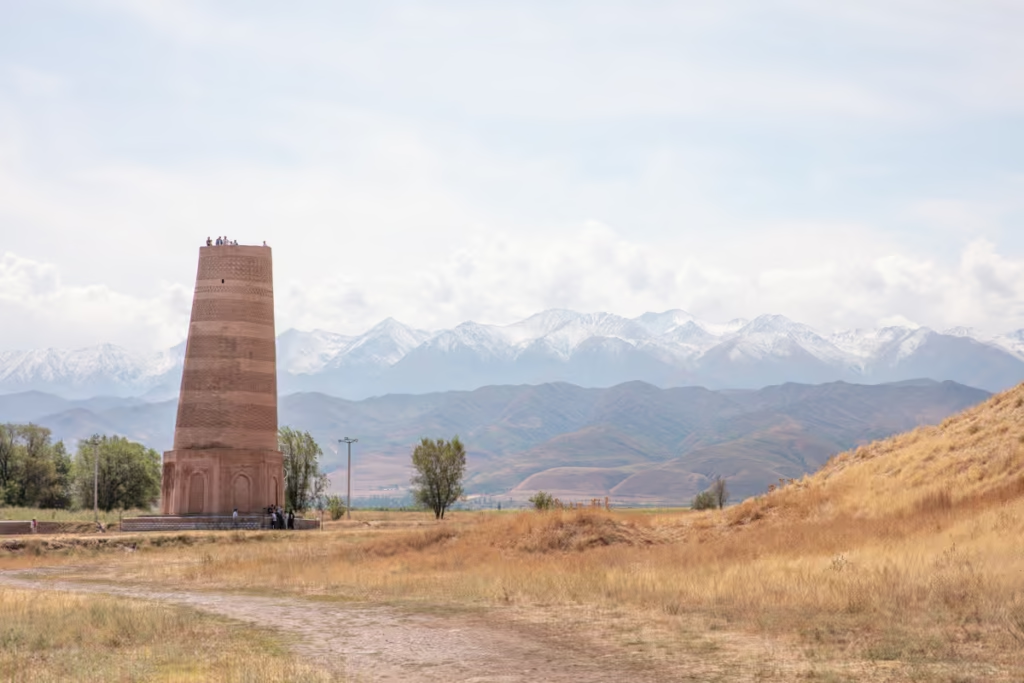
Burana Tower is the surviving minaret of the ancient city of Balasagun, once an important center of the Karakhanid Khanate. Standing near Tokmok in northern Kyrgyzstan, the 11th-century tower is one of the country’s most important Silk Road-era monuments.
Read: How to get to Burana Tower
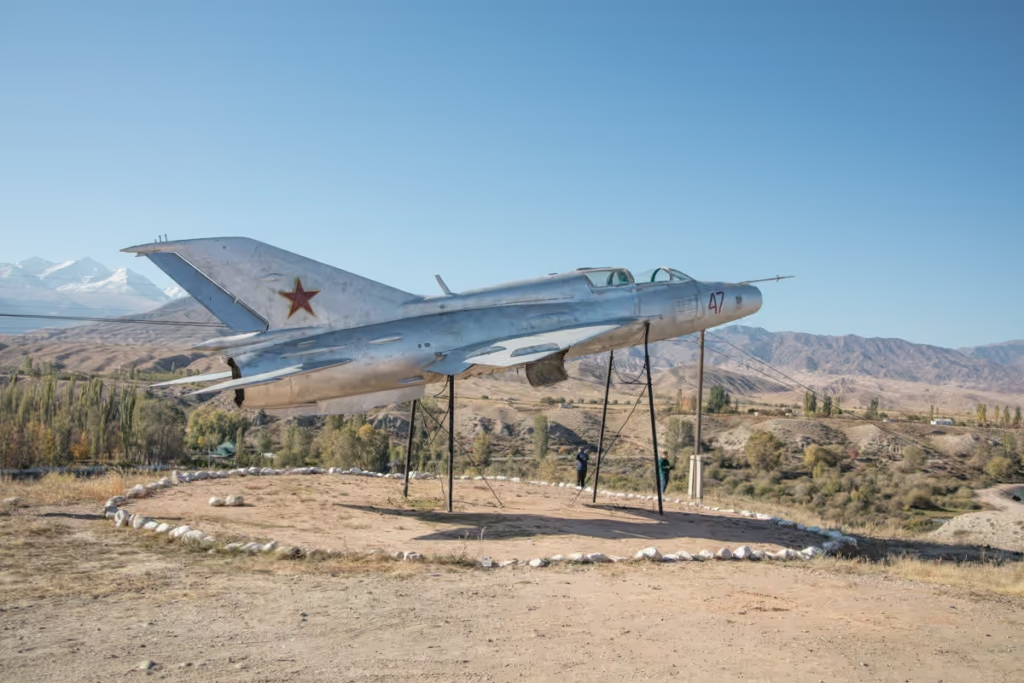
An old MiG fighter jet sits atop a hill near Tamga on the southern shore of Issyk-Kul. It’s one of those wonderfully random Soviet-era remnants you can stumble across while road-tripping through Kyrgyzstan.
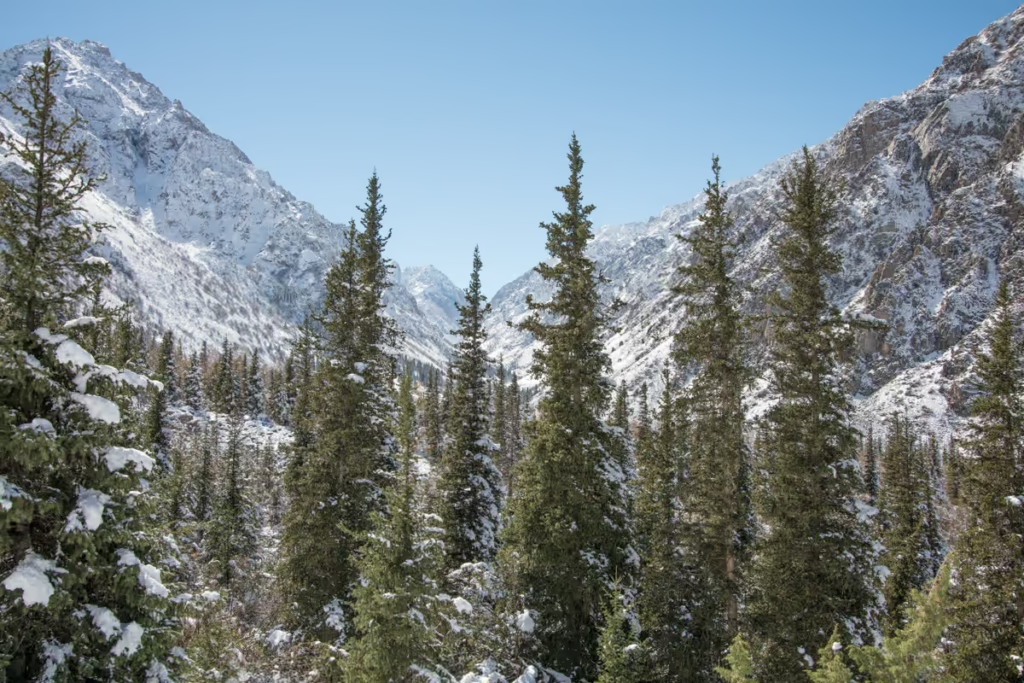
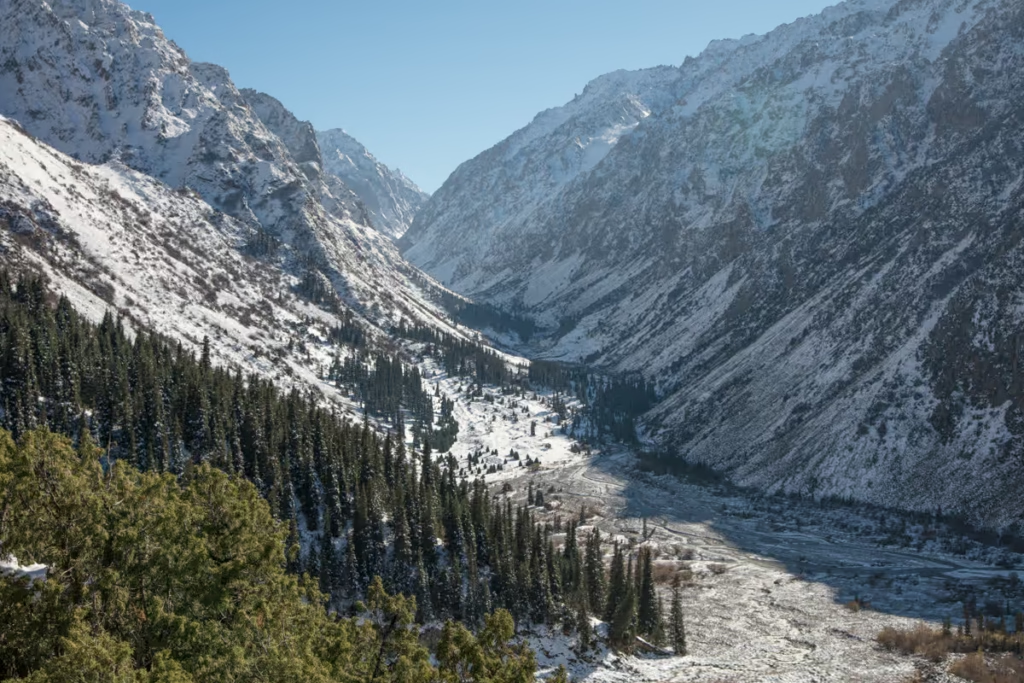
Ala Archa National Park is one of the easiest places to escape Bishkek and get into the mountains. Located just south of the capital, the park has hiking trails ranging from relatively easy valley walks to demanding alpine routes. This photo was taken in early October after fresh snow dusted the peaks.
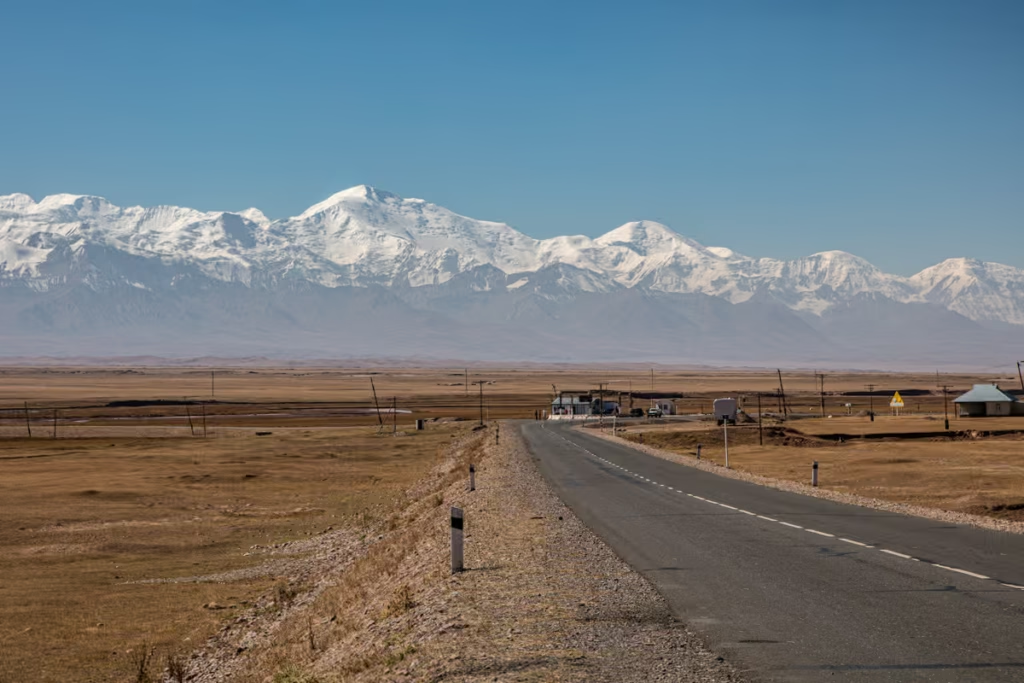
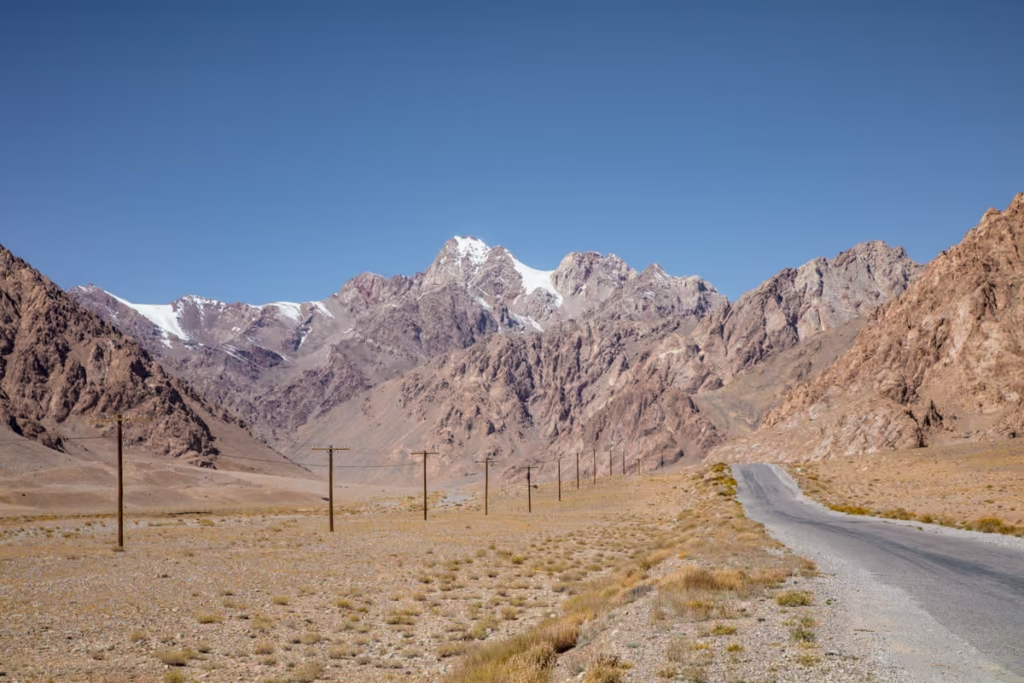
The small village of Sary Tash sits beneath the enormous Pamir Mountains in southern Kyrgyzstan. Driving north toward Osh, the mountains gradually disappear behind you, marking the end of one of the most spectacular stretches of the Pamir Highway.
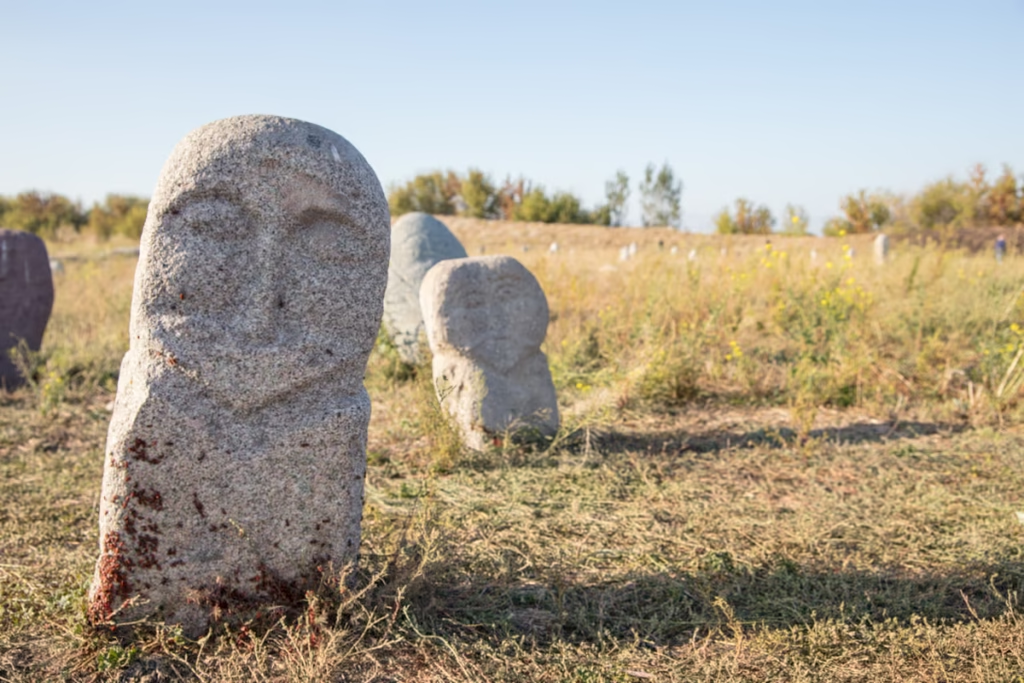
These balbals, or carved stone figures, stand near Burana Tower and are associated with the Turkic peoples who once inhabited the region. Their exact purpose is debated, but many are believed to have served as memorial or grave markers. Together with Burana Tower and the archaeological remains of Balasagun, they offer a glimpse into Kyrgyzstan’s Silk Road history.
Just starting to plan your visit? Grab a copy of Bradt’s Kyrgyzstan guidebook
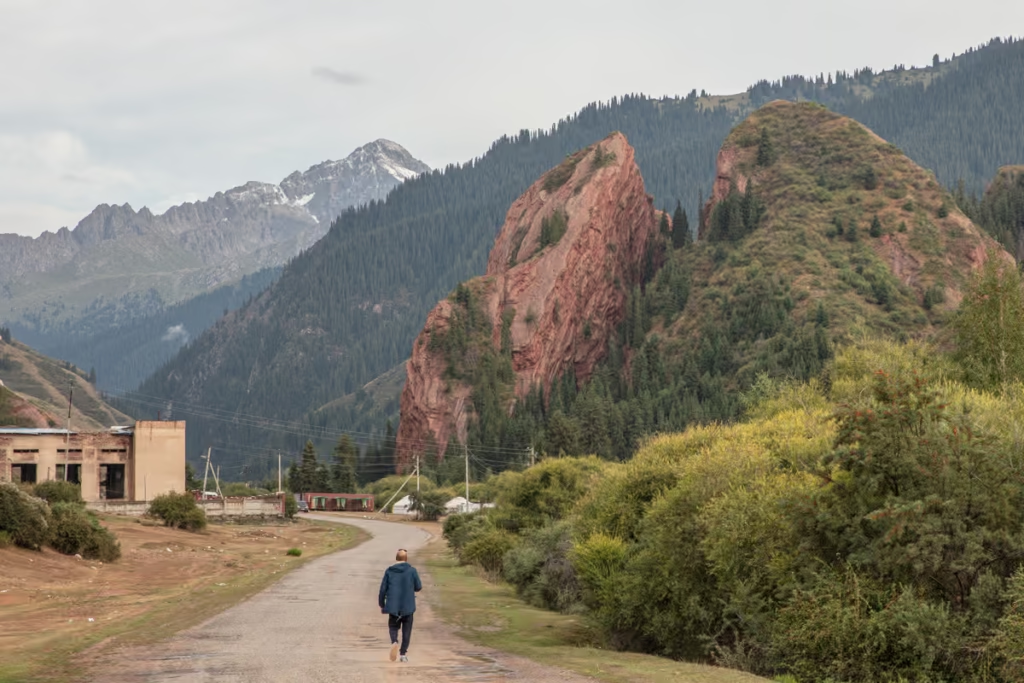
Broken Heart Rock is another famous formation in the Jeti Oguz Valley. According to local legend, two men fought over the same woman and their rivalry ended in tragedy. The split in the rock supposedly represents her broken heart. Central Asian folklore apparently did not believe in happy endings.
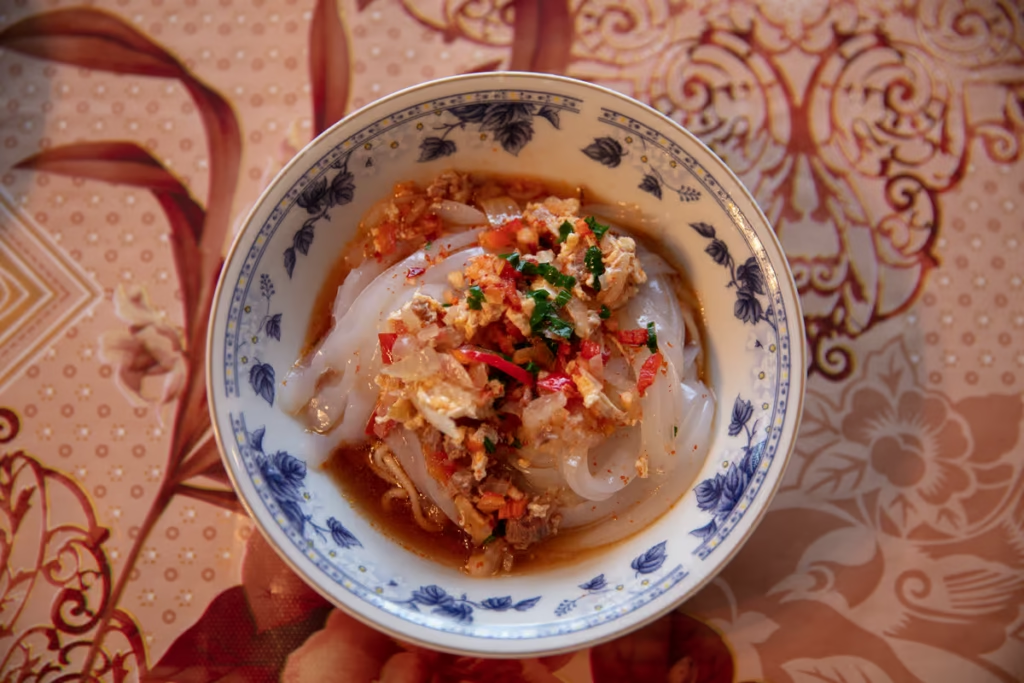
Ashlyan Fu is one of the dishes you absolutely need to try in Karakol. This cold noodle dish is closely associated with the Dungan community of the region and is one of the best examples of Karakol’s unusually diverse food culture. I’ve eaten it more times than I probably need to admit.
For those wanting to experience a Dungan family meal in Karakol, I highly recommend booking a Dungan food tour with Destination Karakol (trust me, I’ve now done it twice).
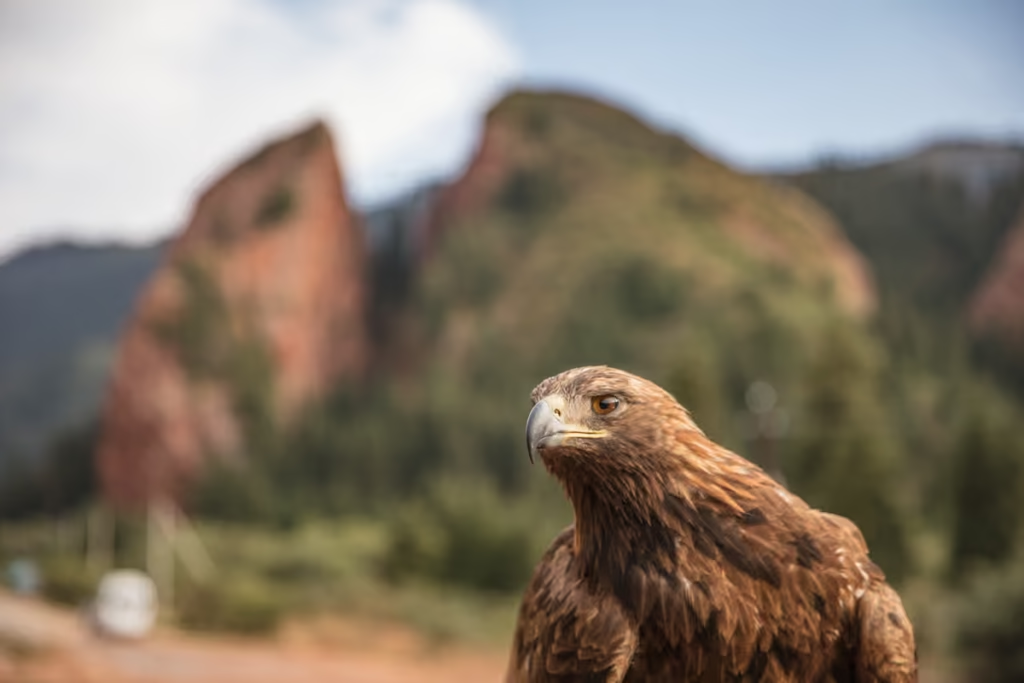
A golden eagle locking its focus onto something in the distaance. Golden eagles have long been associated with nomadic hunting traditions across Central Asia and remain an important part of Kyrgyz cultural heritage.
Plan the perfect trip: A Kazakhstan & Kyrgyzstan itinerary
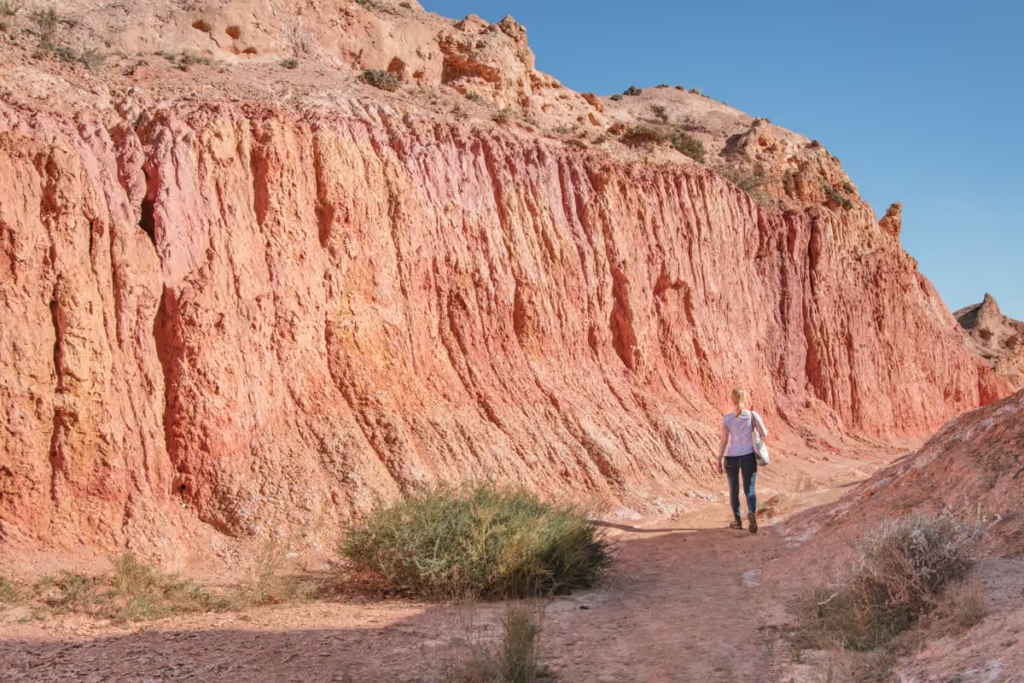
The colorful cliffs of Skazka Canyon, also known as Fairytale Canyon, rise above the southern shore of Issyk-Kul. Erosion has carved the soft sandstone into strange shapes and narrow passages, making this one of the most photogenic stops on an Issyk-Kul road trip.
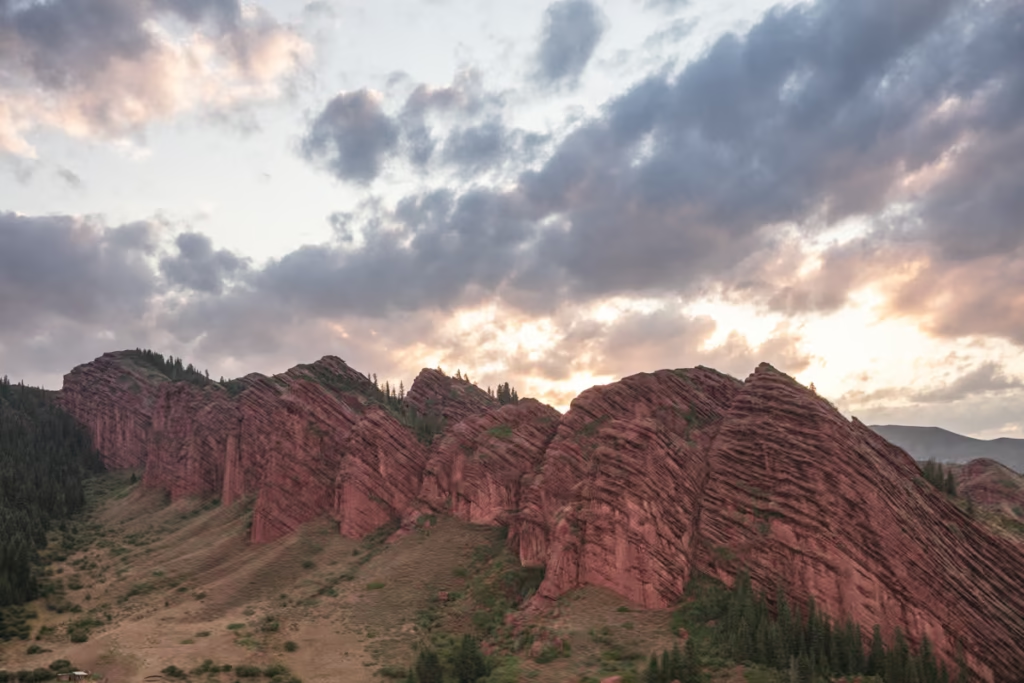
Sunset lights up the red cliffs of the Seven Bulls at Jeti Oguz, one of the most photographed landscapes in Kyrgyzstan. The combination of golden light, red sandstone and green mountain pastures makes this one of my favorite places to photograph near Karakol.
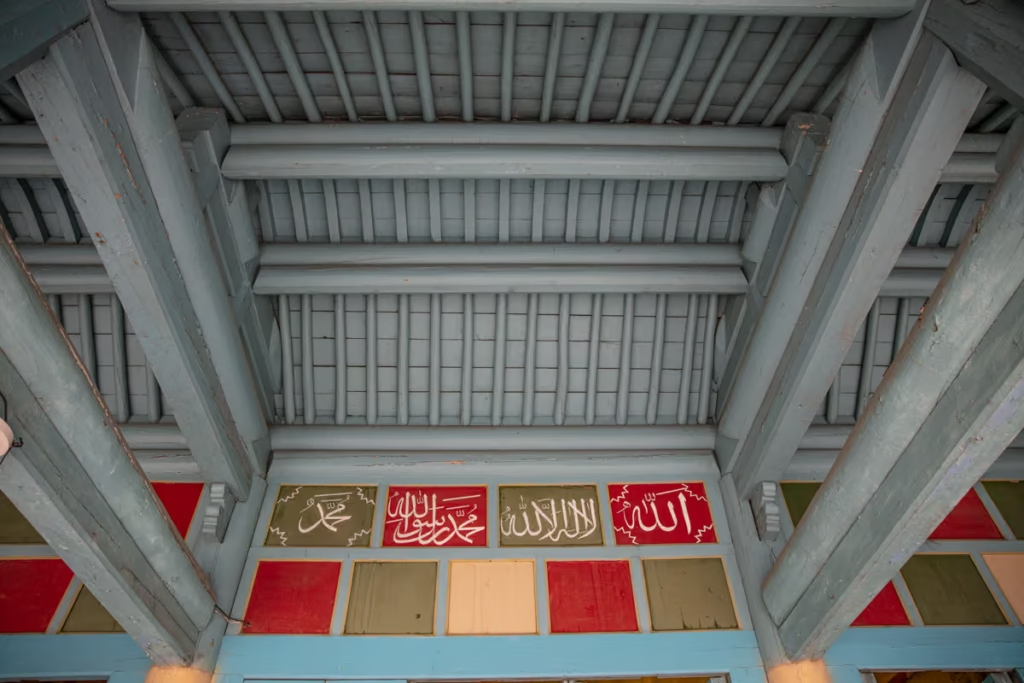
The colorful wooden Dungan Mosque in Karakol is unlike almost any other mosque you’ll see in Kyrgyzstan. Built by the local Dungan community, the mosque combines Islamic architecture with Chinese-influenced decorative details and was constructed without nails.
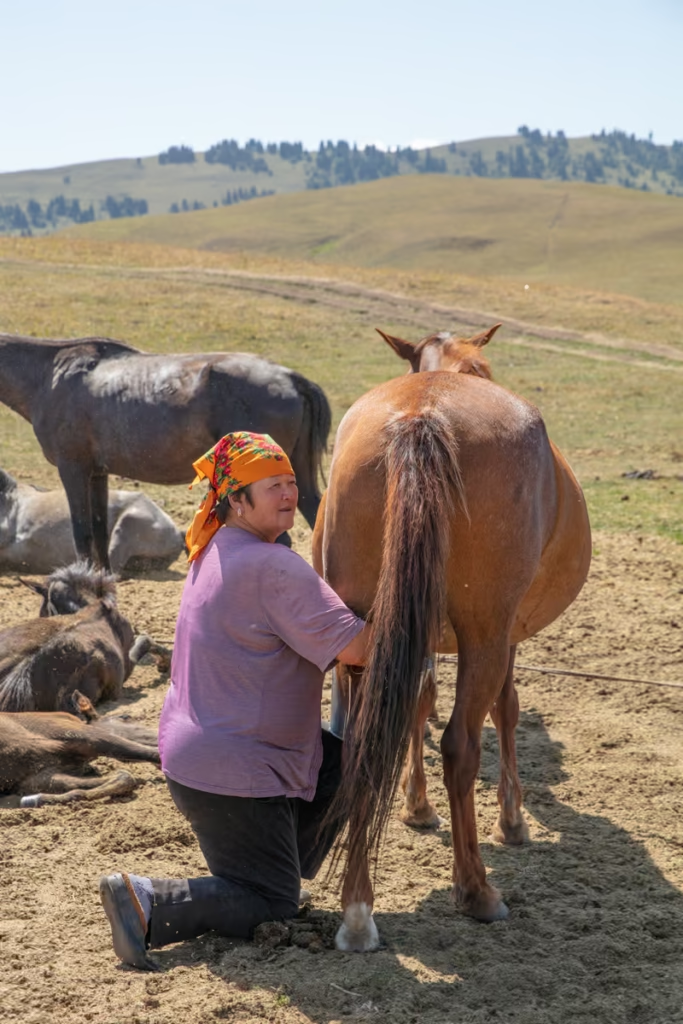
Welcome to Kyrgyzstan with a cup of kumis, fermented mare’s milk, shortly after crossing the Karkara border from Kazakhstan. Our host then gave us a horse-milking demonstration. It was a pretty memorable introduction to Kyrgyzstan’s nomadic culture.
Crossing from Kazakhstan? Read my guide to the Karkara border crossing between Kazakhstan and Kyrgyzstan
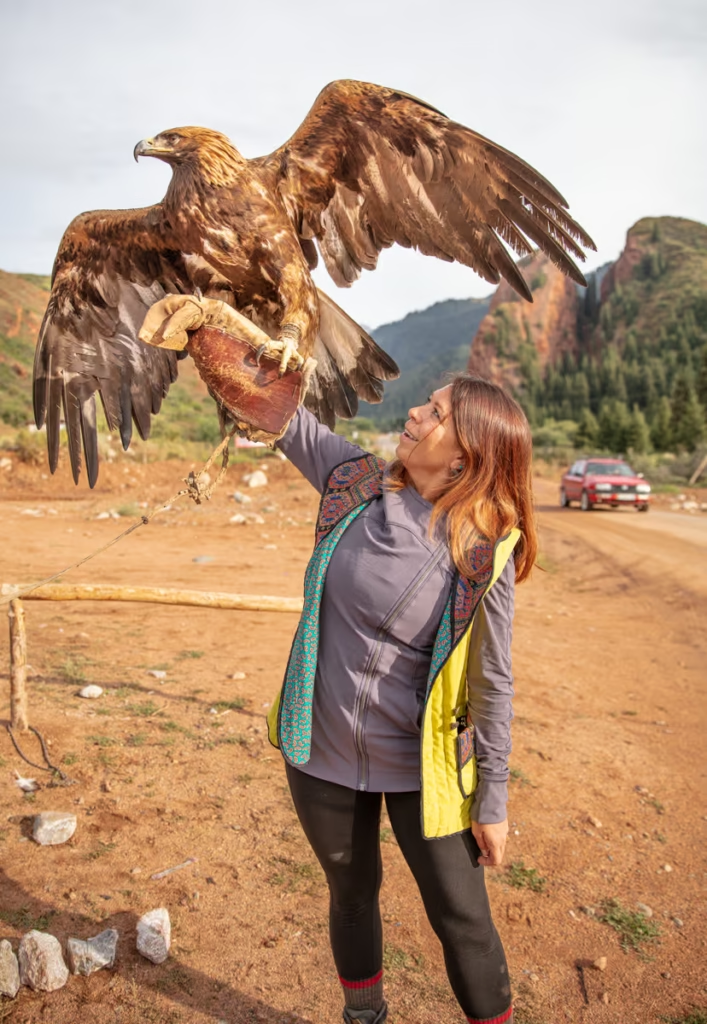
Holding a golden eagle as it spreads its wings was one of the more surreal moments I’ve had while traveling through Kyrgyzstan. Eagle hunting is one of the country’s best-known traditional practices and remains an important part of Kyrgyz nomadic culture.
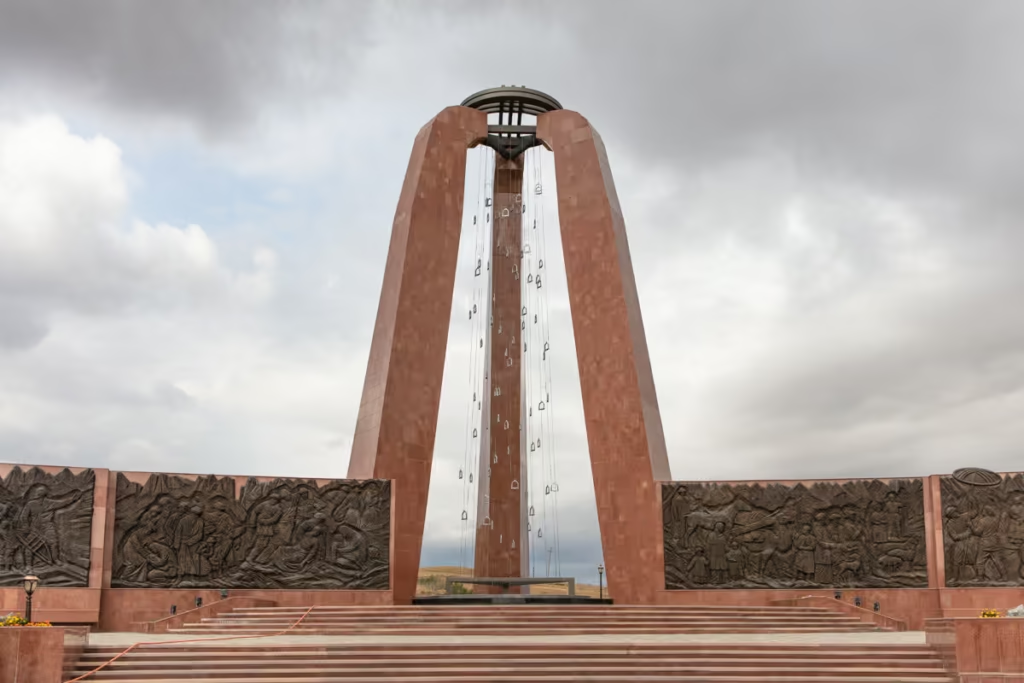
The Ata Beyit Memorial Complex, outside Bishkek, commemorates victims of Stalin’s Great Purge who were secretly executed and buried here in 1938. The site contains a mass grave holding 137 victims and has become an important memorial to one of the darkest chapters of Kyrgyzstan’s Soviet history.
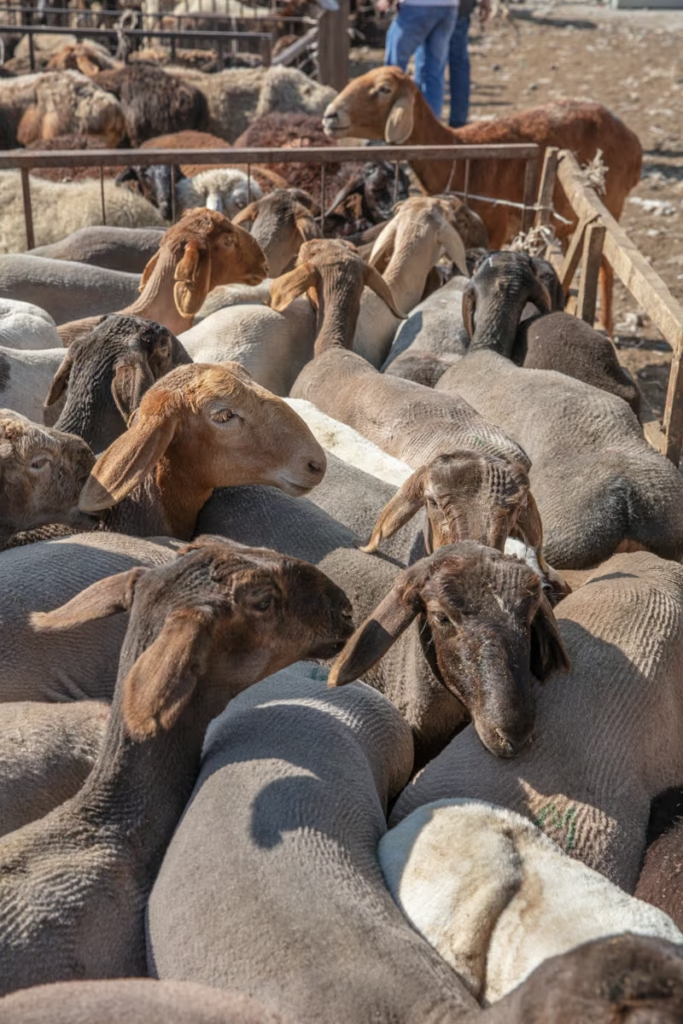
Sheep wait to be bought and sold at the Tokmok Sunday Animal Market, one of the region’s traditional livestock markets. Traders arrive early on Sunday morning from around the Chuy Valley to buy, sell and trade animals. If you’re looking for a distinctly local experience near Bishkek, this is a fascinating day trip.
Visiting on a Sunday? Here’s how to visit the Tokmok Animal Market
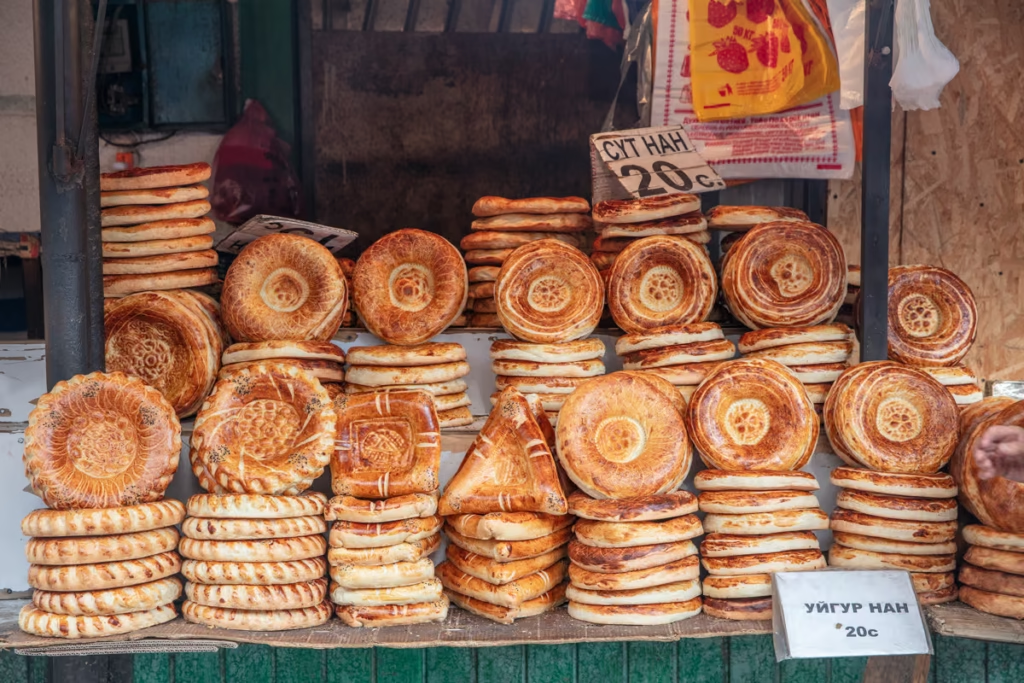
Freshly baked non bread is stacked high at Osh Bazaar in Bishkek, one of the city’s busiest markets. The market is a great place to photograph everyday life in the capital and browse everything from fresh produce and spices to traditional foods and household goods.
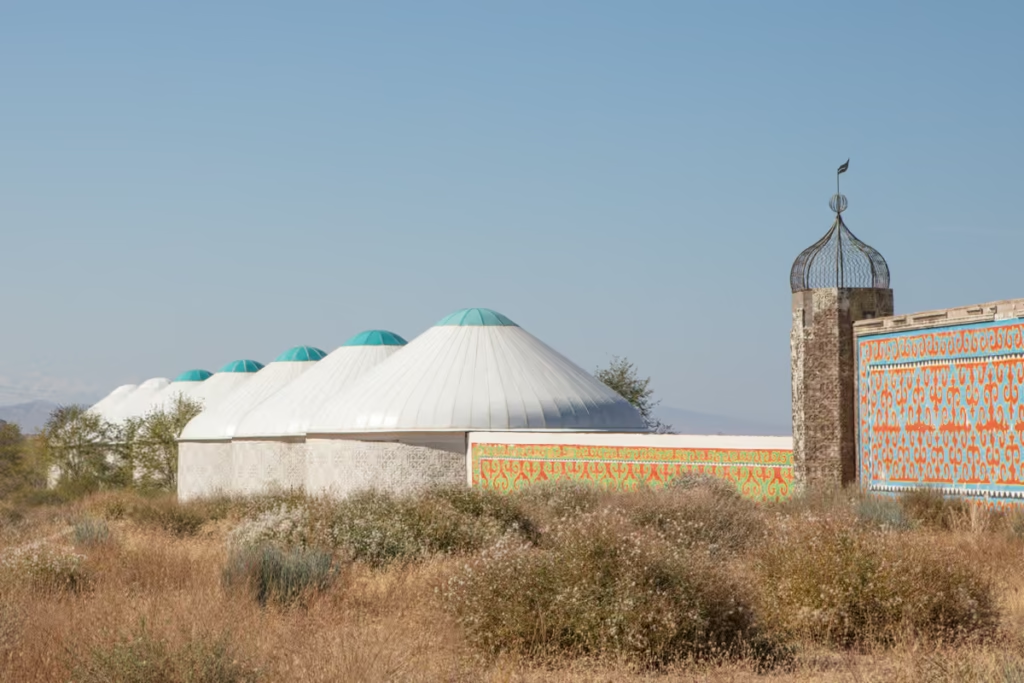
Traditional Kyrgyz yurts line the shore of Issyk-Kul. Although many travelers associate yurts with Kyrgyzstan’s nomadic past, they remain an important part of contemporary Kyrgyz culture, particularly during the summer months when families move to high mountain pastures.

Catching an autumn sunset over the famed Song Kul Lake.
Planning a Trip to Kyrgyzstan?
Hopefully these Kyrgyzstan photos have given you a better idea of what traveling through the country actually looks like, from the mountains and alpine lakes to bustling markets, traditional food and encounters with Kyrgyz nomadic culture.
I’ve now traveled around Kyrgyzstan more than 10 times, and somehow I still come home with another ridiculous collection of photos. That’s probably because the landscape changes so quickly. One day you’re hiking through snowy mountains around Karakol, the next you’re eating lagman in a busy cafe, crossing a high mountain pass or sleeping in a yurt beside an alpine lake.
If these photos have you reaching for your passport, start with my Kyrgyzstan Travel Guide for practical information, suggested itineraries, transportation, border crossings and things to do around the country.
Have Any Questions About Kyrgyzstan After Scrolling Through Some Of My Favorite Kyrgyzstan Photos?
Ask your Kyrgyzstan questions in the comments section below.
Posts From Kyrgyzstan
Pamir Highway Guide: M41 Route
Jeti Oguz Travel Guide, Kyrgyzstan
Solo Female Travel in Central Asia
How to Get to Sary Chelek, Kyrgyzstan
Kyrgyzstan Photos: 34 Epic Travel Photos
Osh Kyrgyzstan: 6 Things to Do
Central Asia Travel Guide
Ala Archa from Bishkek: Bus & Guide

Isfara-Batken Border Crossing Guide
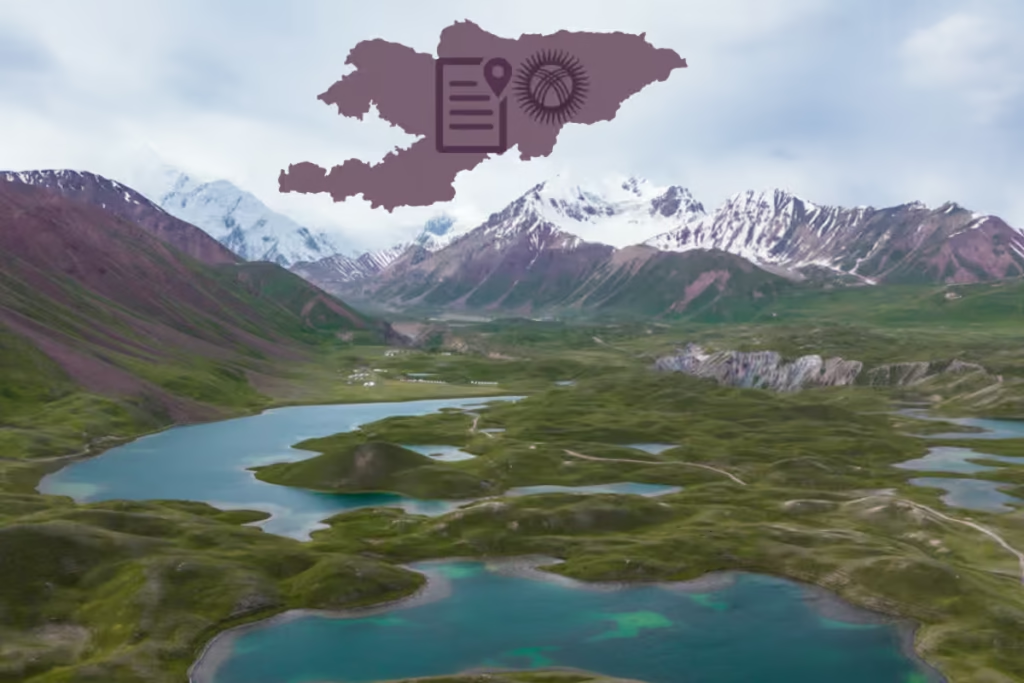
Kyrgyzstan Border Zone Permit: $40 Service
Karakol Restaurants & Best Food to Try
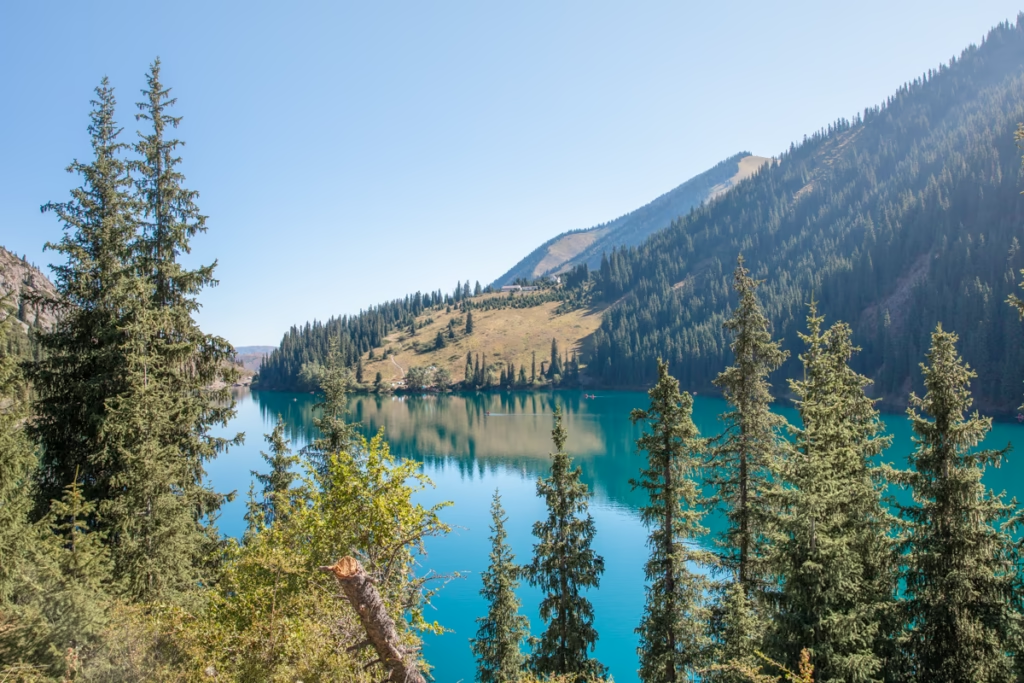
Kazakhstan & Kyrgyzstan Itinerary
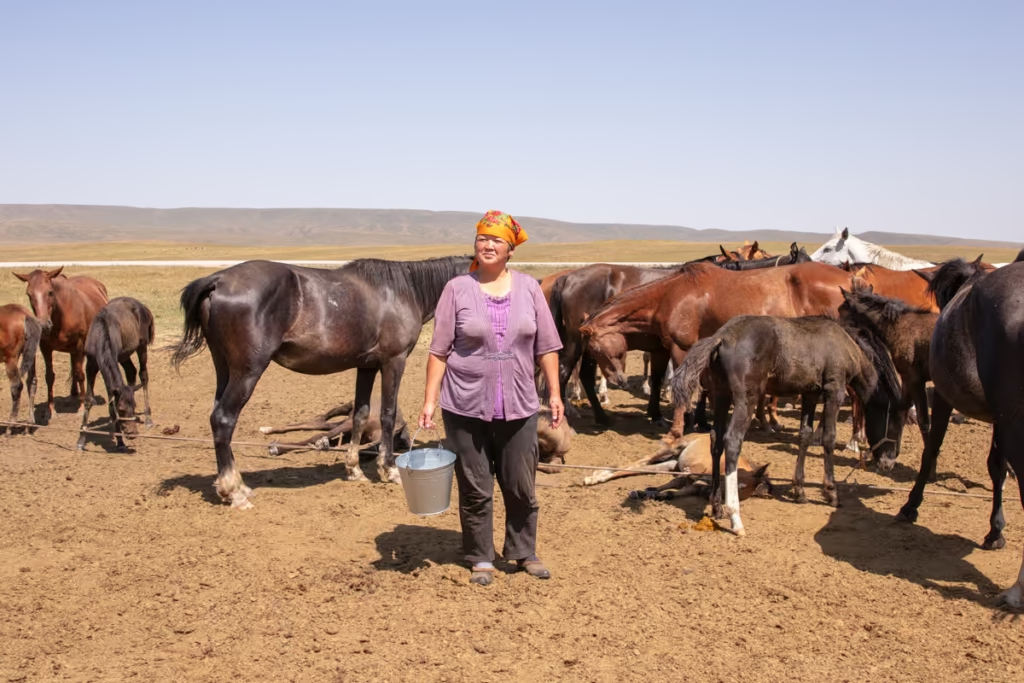
Karkara Border Crossing Between Kazakhstan & Kyrgyzstan
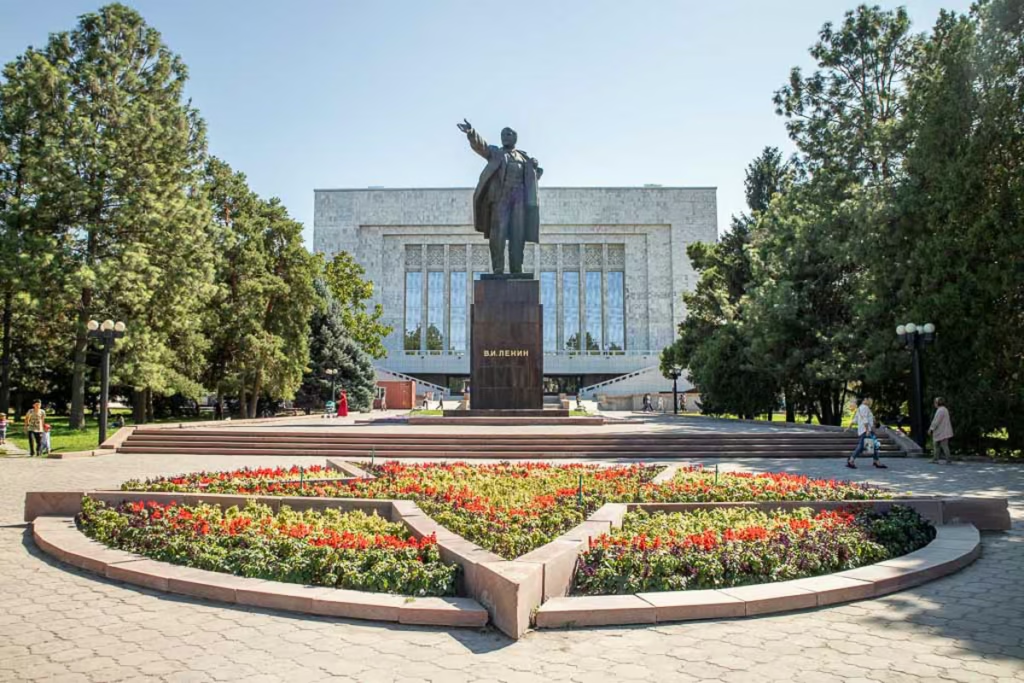
Things to Do in Bishkek: Attractions & Day Trips
How to Obtain a Kyrgyz Letter of Invitation: Fast $40 Service
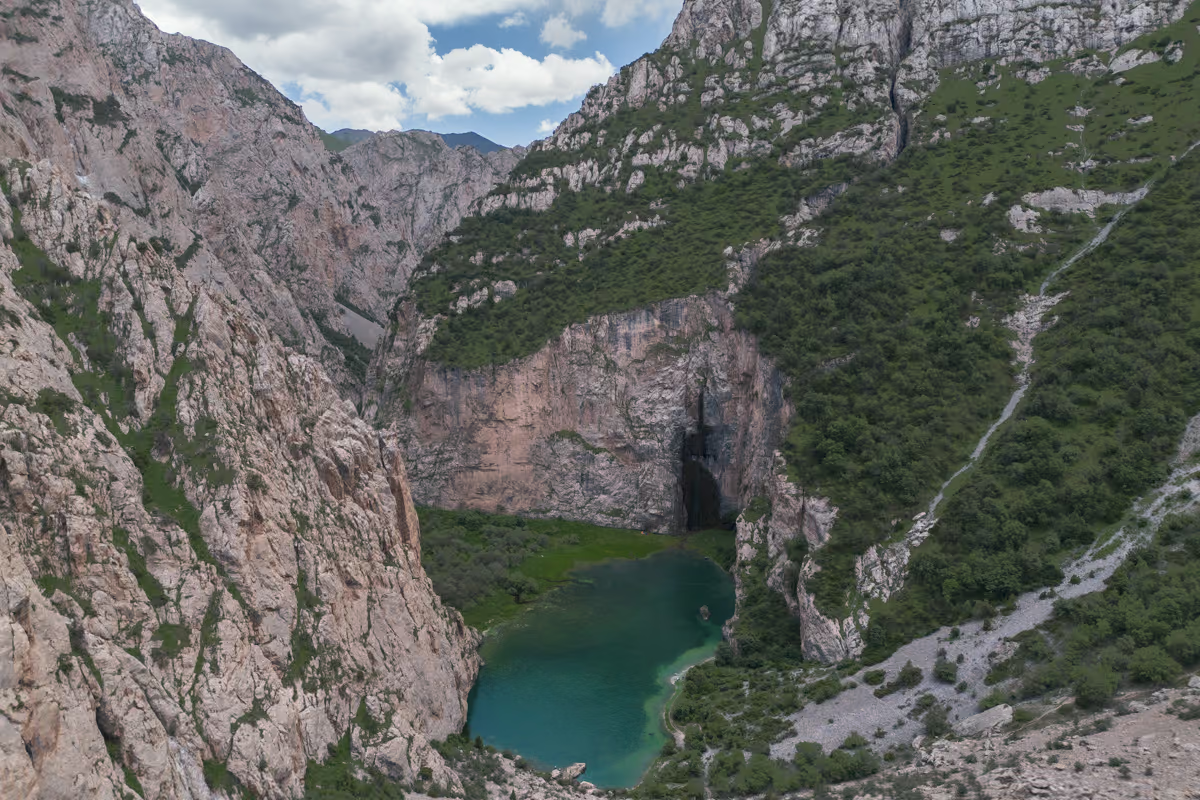
Trekking to Lake Izyumrudnoe
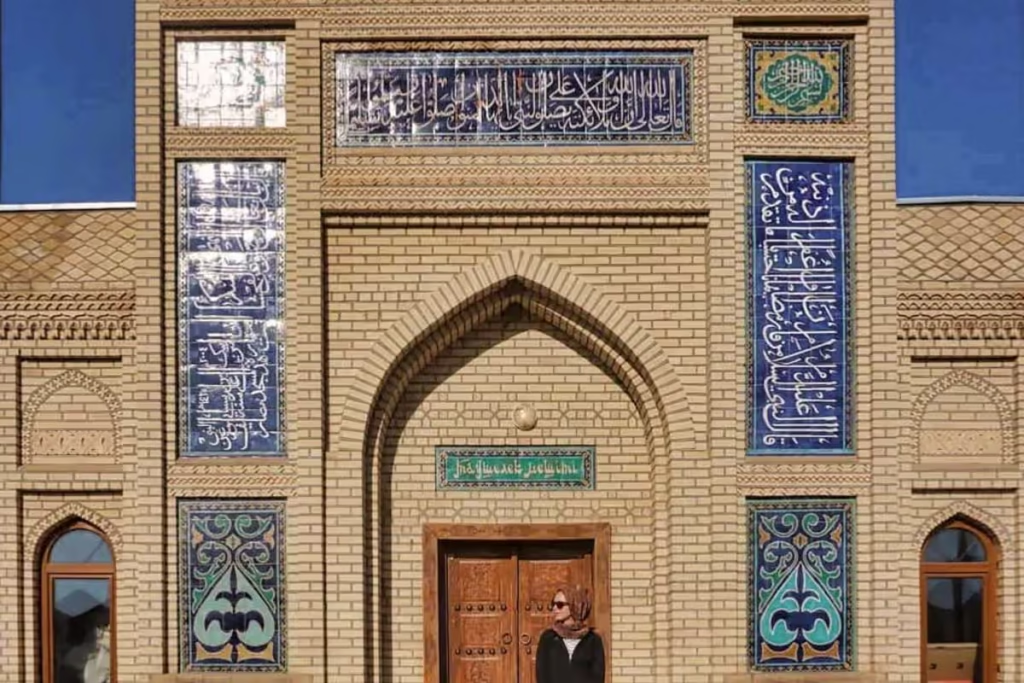
10 Essentials to Pack for Central Asia
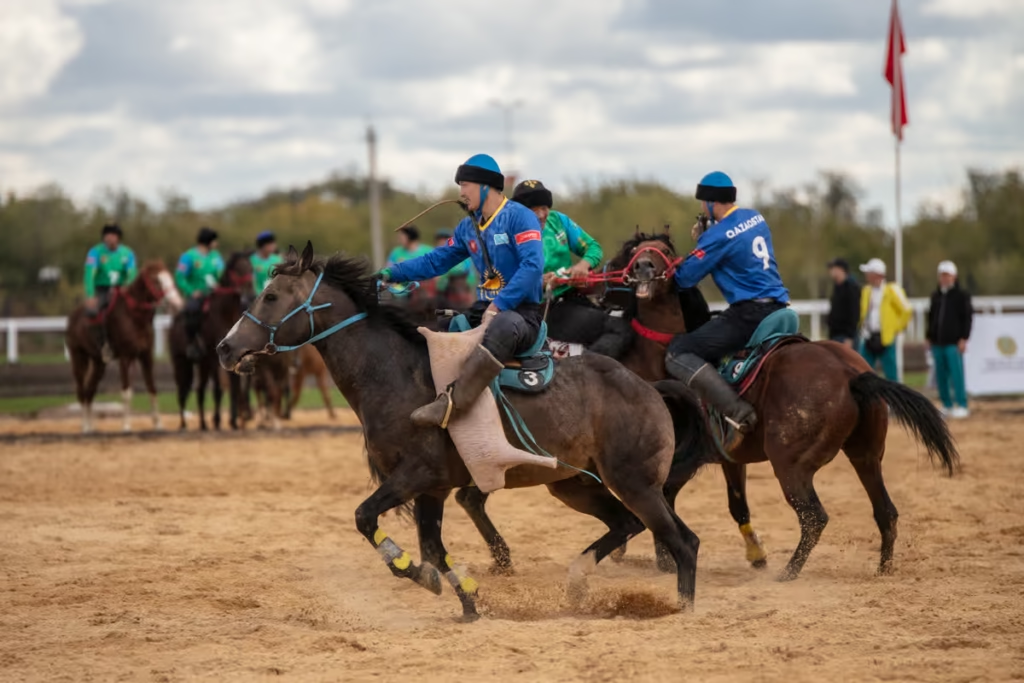
A Guide to the World Nomad Games
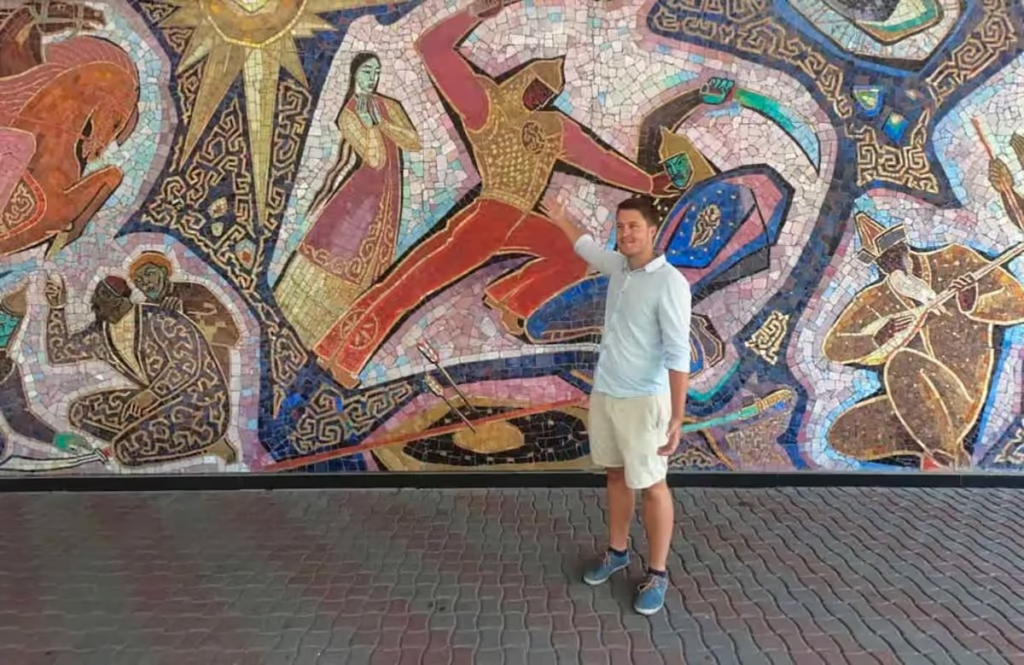
Central Asia Travel Tips
Vegetarian in Central Asia
Central Asia Visas Guide
Karakol Travel Guide: Top Things to Do
Kyrgyzstan SIM Card & eSIM Guide
Exploring Soviet Osh
How to Get to Burana Tower & Tokmok Animal Market
Kyrgyzstan Travel Guide: Plan Your Trip
Central Asia Food & Drink