
Jeti Oguz, Kyrgyzstan: Complete Travel Guide
Updated October 2026, Jeti Oguz, Kyrgyzstan: Complete Travel Guide was originally written in December 2019
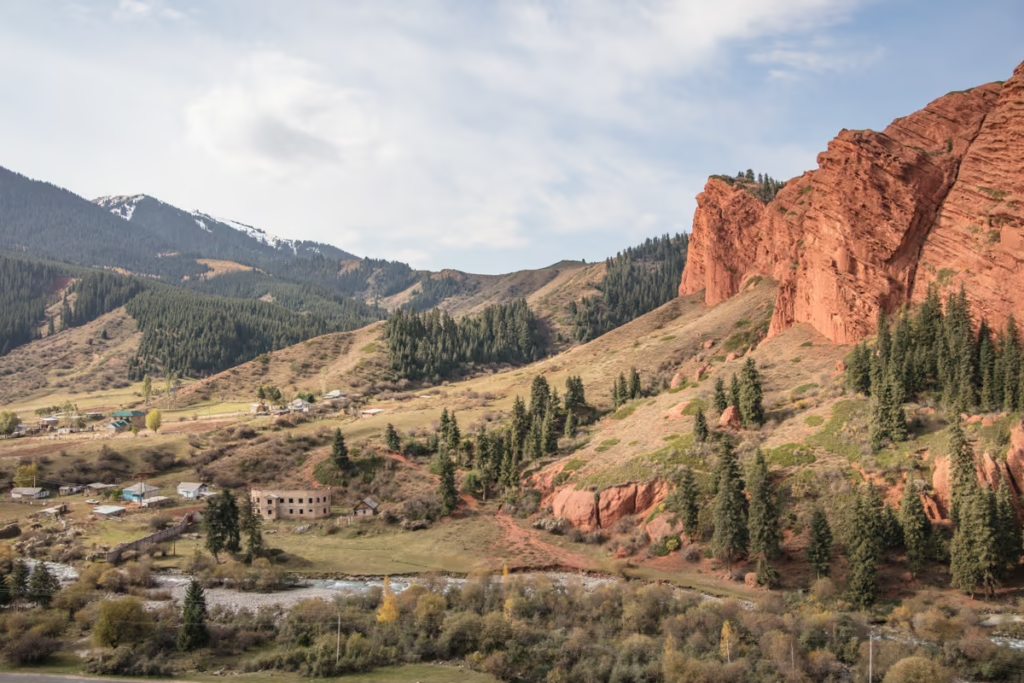
Jeti Oguz is one of the easiest and most memorable day trips from Karakol, Kyrgyzstan. The valley is best known for its towering red rock formations, including the famous Seven Bulls and Broken Heart, but there is much more to see once you continue farther into the gorge.
Beyond the roadside viewpoints, Jeti Oguz opens into the forested Kök Jaiyk (Valley of Flowers), where summer pastures, yurts, waterfalls and hiking trails stretch toward the Tien Shan mountains. The area is also home to the historic Jeti Oguz sanatorium and its mineral hot springs.
Most travelers visit Jeti Oguz as a half-day or full-day trip from Karakol, although staying overnight in a yurt gives you more time to explore the valley. In this Jeti Oguz travel guide, I’ll cover the best things to do, how to get to Jeti Oguz from Karakol, where to stay, when to visit and what you need to know before you go.
Start planning here: The Kyrgyzstan Travel Guide
Need help plotting out your visit to Kyrgyzstan? Go grab a copy of Bradt Kyrgyzstan
Need Travel Insurance and Evacuation Services?
Start shopping for travel insurance plans over at IATI Insurance. Readers of the Adventures of Nicole get a 5% discount off your plan.
The Adventures of Nicole partners with Global Rescue to offer the world’s leading medical evacuation and security advisory services. To travel with peace of mind, explore their evacuation coverage.
- Jeti Oguz at a Glance
- What Is Jeti Oguz?
- Best Time to Visit Jeti Oguz
- How Long Do You Need in Jeti Oguz?
- One-Day Jeti Oguz Itinerary
- Things to Do in Jeti Oguz
- Go Horseback Riding in Jeti Oguz
- Can You Visit Jeti Oguz Without a Tour?
- How to Get to Jeti Oguz from Karakol
- Where to Stay in Jeti Oguz
- Food and Supplies in Jeti Oguz
- Hiking and Trekking from Jeti Oguz
- What to Bring to Jeti Oguz
- Is Jeti Oguz Worth Visiting?
Jeti Oguz at a Glance
Where is Jeti Oguz? About 28-30 km southwest of Karakol in Kyrgyzstan’s Issyk-Kul region.
What is Jeti Oguz famous for? The Seven Bulls red rock formations and Broken Heart Rock.
How long do you need? At least half a day for the main sights, or a full day if you want to hike into Kök Jaiyk.
Can you visit from Karakol? Yes. Jeti Oguz is one of the easiest day trips from Karakol.
Can you stay overnight? Yes. Guesthouses, sanatorium accommodation and seasonal yurt camps are available.
Best time to visit? Late spring through early autumn, with summer offering the best access to the higher valleys and yurt camps.
Do you need a tour? No. Jeti Oguz can be visited independently, although a taxi or driver makes exploring the deeper valley much easier.
What Is Jeti Oguz?
Jeti Oguz is a mountain gorge in Kyrgyzstan’s Issyk-Kul region, roughly 28 km southwest of Karakol. Its name comes from the Kyrgyz words for “seven bulls,” referring to the distinctive row of red rock formations that towers above the valley.
The famous Seven Bulls are only the entrance to the wider Jeti Oguz Valley. Continue deeper into the gorge and the landscape changes from red cliffs to Tien Shan spruce forests, rivers and alpine pastures. Kök Jaiyk, better known to travelers as the Valley of Flowers, is home to summer yurts, horseback riding and hiking trails.
Jeti Oguz is also known for its Soviet-era sanatorium and mineral springs, which have made the valley a destination for both travelers and Kyrgyzstan’s domestic tourists for decades.
Best Time to Visit Jeti Oguz
The best time to visit Jeti Oguz is generally late spring through early autumn, when the roads and hiking trails are accessible and the upper valleys are at their most inviting.
May and June are particularly good for seeing wildflowers in Kök Jaiyk, while July and August offer the most reliable conditions for hiking, horseback riding and staying in seasonal yurts.
September and early October can be quieter, with autumn colors adding another dimension to the valley, although some seasonal services may begin winding down.
How Long Do You Need in Jeti Oguz?
Half a day is enough for the main sights, including Broken Heart Rock, the Seven Bulls and the Jeti Oguz resort.
I’d allow a full day if you want to hike into Kök Jaiyk, visit the waterfall or go horseback riding.
Staying one night is worthwhile if you want a slower experience or plan to spend more time exploring the upper valley. Jeti Oguz is one of those places where the famous attraction is basically the trailer, not the whole movie.
One-Day Jeti Oguz Itinerary
8:00-9:00: Leave Karakol for Jeti Oguz
9:00-9:30: Stop at Broken Heart Rock
9:30-11:00: Visit the Seven Bulls and climb to the viewpoint
11:00-12:00: Explore the Jeti Oguz sanatorium
12:00-13:00: Lunch
13:00-16:00: Hike or ride into Kök Jaiyk, the Valley of Flowers
16:00-17:00: Return toward Karakol
Things to Do in Jeti Oguz
See the Seven Bulls, Jeti Oguz’s Most Famous Landmark
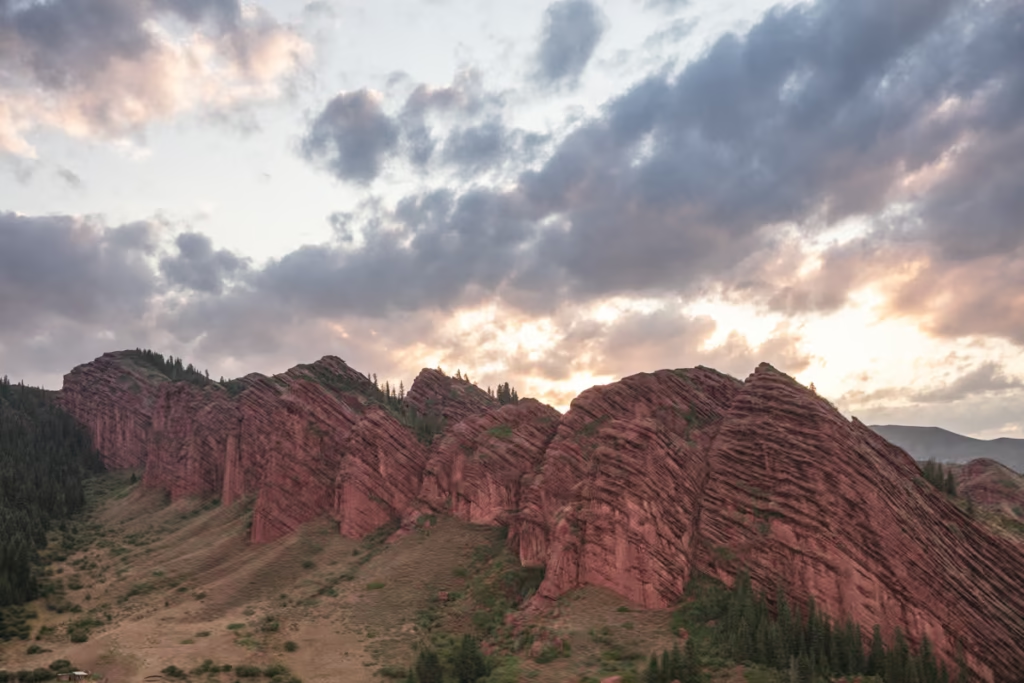
The Seven Bulls are the unmistakable symbol of Jeti Oguz. These enormous red rock formations rise above the valley just beyond the resort and are the first thing most visitors come to see.
For the best view, don’t settle for the roadside photo stop. A short trail climbs the hill opposite the rocks, giving you a much better perspective over the Seven Bulls and the surrounding valley. The climb is relatively short, but the trail can be loose or slippery after rain, so wear shoes with decent grip.
If you’re staying overnight in Jeti Oguz, I’d come up here for sunrise or late in the afternoon. The low light brings out the red and orange tones in the cliffs, and the valley is much quieter once the day-trippers have gone.
Buy Local Honey
In summer, you’ll see colorful wooden honey boxes and roadside stands along the road into Jeti Oguz. Look for мёд or бал, the Russian and Kyrgyz words for honey. The locally produced honey makes an easy souvenir, and yes, I can confirm it’s worth stopping for.
Need Inspiration? Check out 34 photos that will make you book a ticket to Kyrgyzstan
See the Broken Heart Rock
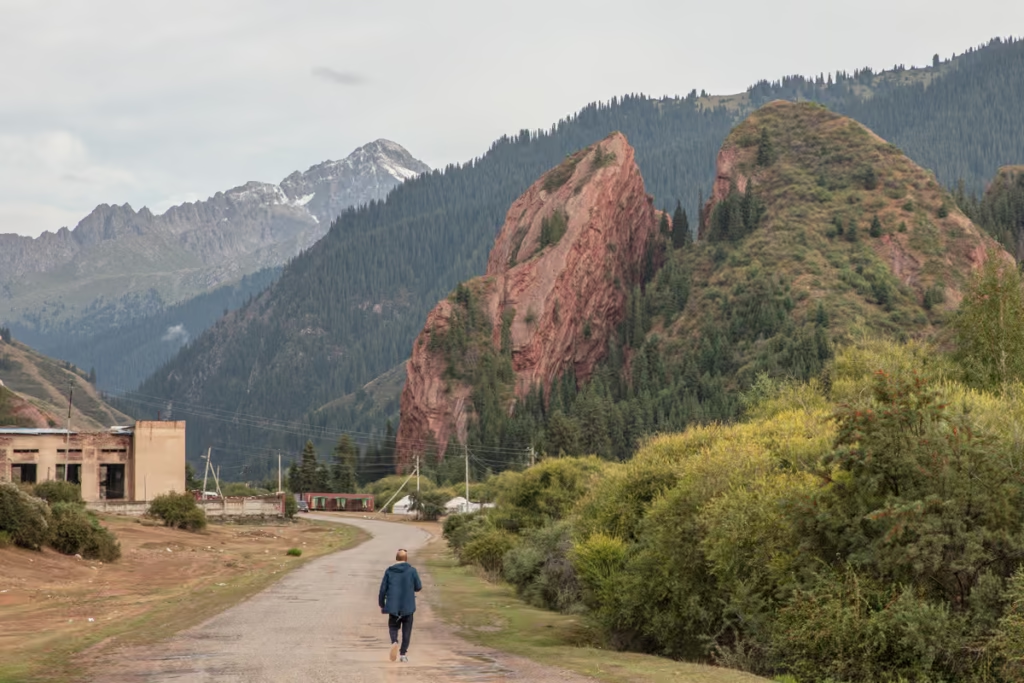
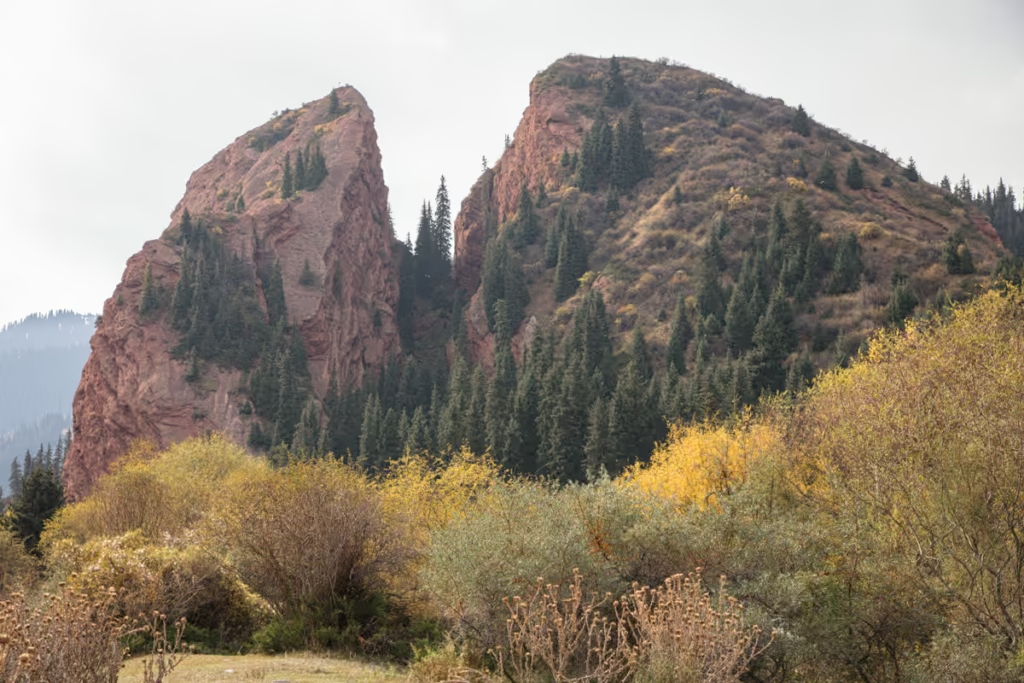
Broken Heart Rock (Pазбитое Cердце) is another famous landmark in Jeti Oguz and is located along the road before the Seven Bulls. From one angle, the red rock formation looks like a heart split down the middle.
Several local legends explain the name. One of the best-known tells the story of two men who fought over a woman, with the resulting tragedy said to be represented by the broken rock.
It’s an easy roadside stop and only takes a few minutes, so there’s little reason not to pull over on your way into the valley.
Looking for things to do back in Karakol? Check out the Karakol Travel Guide for ideas
Hike to Kök Jaiyk, the Valley of Flowers
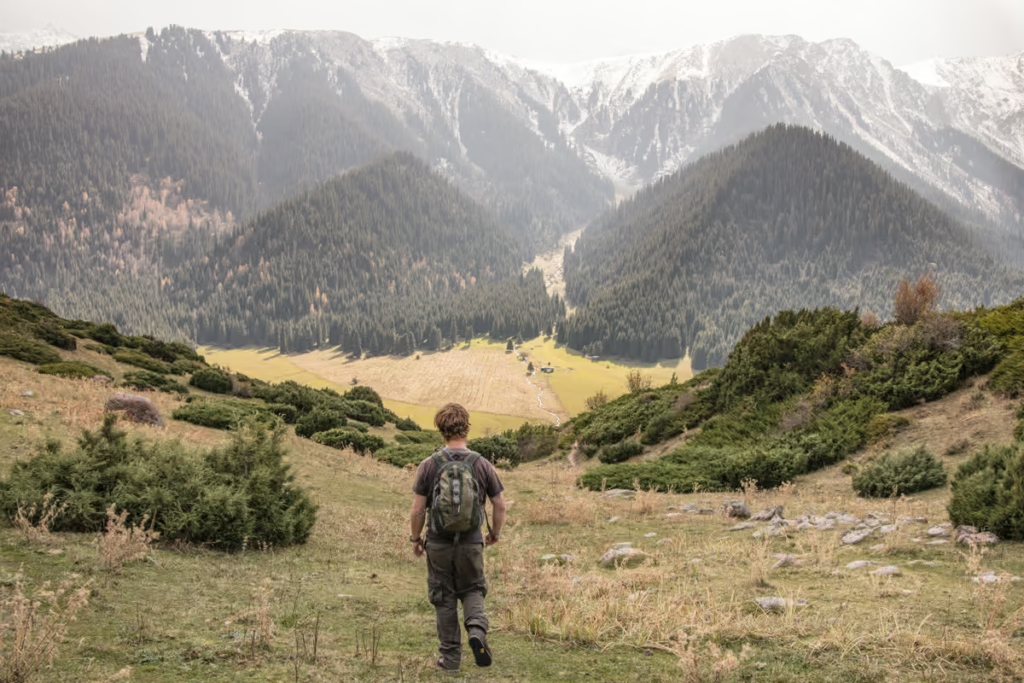
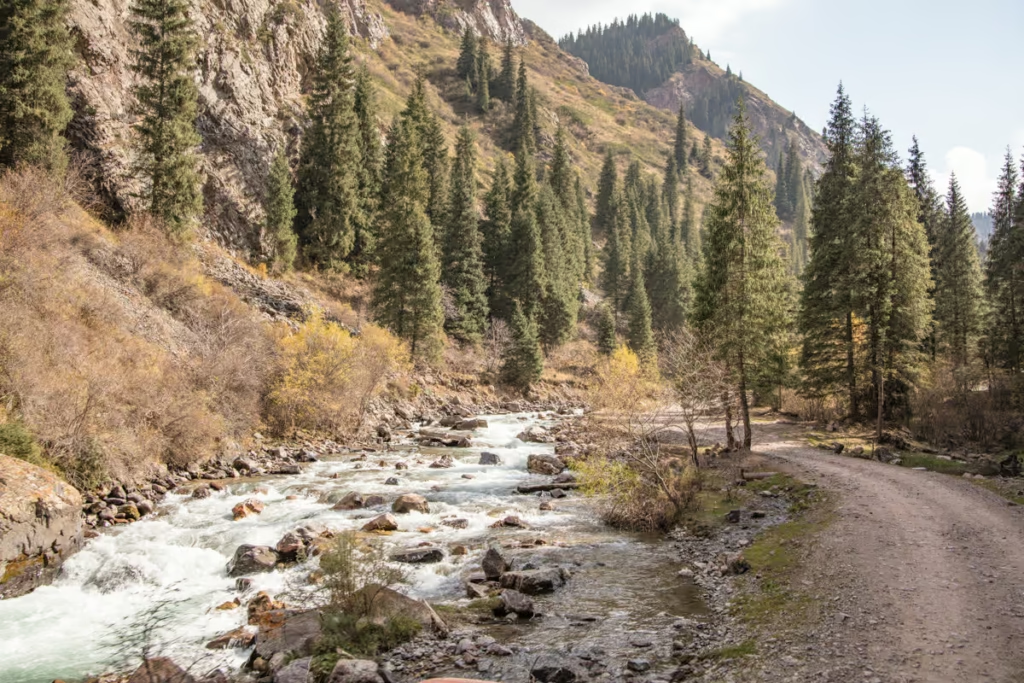
If you have more than a couple of hours in Jeti Oguz, this is where I’d spend the extra time.
Kök Jaiyk, commonly called the Valley of Flowers, sits deeper in the Jeti Oguz Gorge beyond the Seven Bulls and sanatorium. The landscape changes dramatically as you leave the red cliffs behind and enter a greener valley of spruce forest, streams and open jailoo pastures.
In summer, shepherds bring livestock up to the high pastures and seasonal yurts appear around the valley. You can hike, ride horses or simply spend a few hours wandering the meadow.
Spring and early summer are particularly good for wildflowers, while summer is the best time for the full combination of hiking, horseback riding and yurt stays.
Kök Jaiyk is also where you can continue farther into the mountains toward waterfalls and longer trekking routes.
Hike to the Maiden’s Braids Waterfall
From Kök Jaiyk, you can continue on foot toward the Maiden’s Braids waterfall, a popular short hiking destination deeper in the valley. The trail passes through spruce forest and mountain terrain, and conditions can be wet around the waterfall.
Allow several hours for the hike depending on where you start and trail conditions. If you’re planning to go beyond the main tourist area, bring water, food, proper footwear and offline maps.
Starting in the capital? Read: 10 things to do in Bishkek
Visit the Jeti Oguz Sanatorium and Hot Springs
Jeti Oguz is also home to a historic Soviet-era sanatorium built around the valley’s mineral springs. The resort sits at roughly 2,200 meters and has long been associated with therapeutic mineral-water treatments.
The sanatorium is worth visiting even if you’re not interested in spending the night. The architecture and atmosphere feel like a time capsule from the Soviet era, while the surrounding mountains make the setting considerably more scenic than your average spa.
If you want to use the baths or book treatments, check current opening hours and prices locally before visiting, as these can change.
Go Horseback Riding in Jeti Oguz

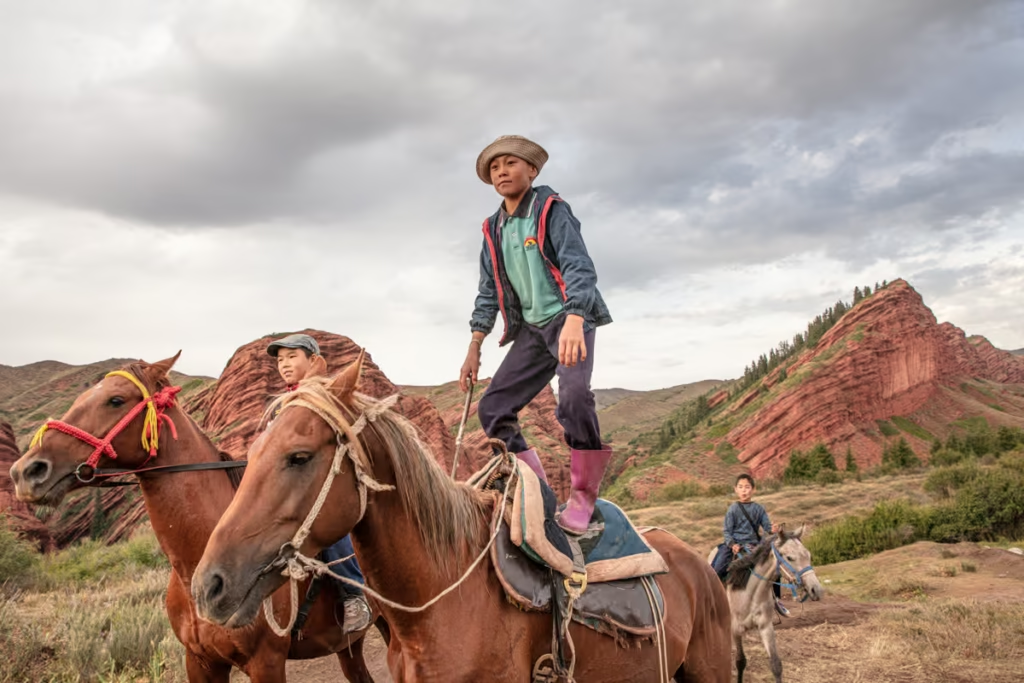
Horseback riding is one of the best ways to explore the upper Jeti Oguz Valley. Local horse guides operate around Kök Jaiyk and the surrounding jailoo, where trails lead through meadows, forest and mountain valleys.
A horse trek also makes sense if you want to explore farther into the valley without committing to a full-day hike. Agree on the route, duration and price before setting off, and ask before entering or photographing local yurts.
Can You Visit Jeti Oguz Without a Tour?
Absolutely. Jeti Oguz is easy to visit independently from Karakol, particularly if you only want to see the Seven Bulls, Broken Heart and sanatorium.
The challenge comes when you want to explore deeper into the valley. Public transport doesn’t continue throughout the upper gorge, so you’ll need to walk, arrange a taxi or hire a horse.
If you’re comfortable navigating independently, I’d visit without a tour. If you want to combine Jeti Oguz with several other sights around Issyk-Kul in one day, hiring a driver becomes much more convenient.
How to Get to Jeti Oguz from Karakol
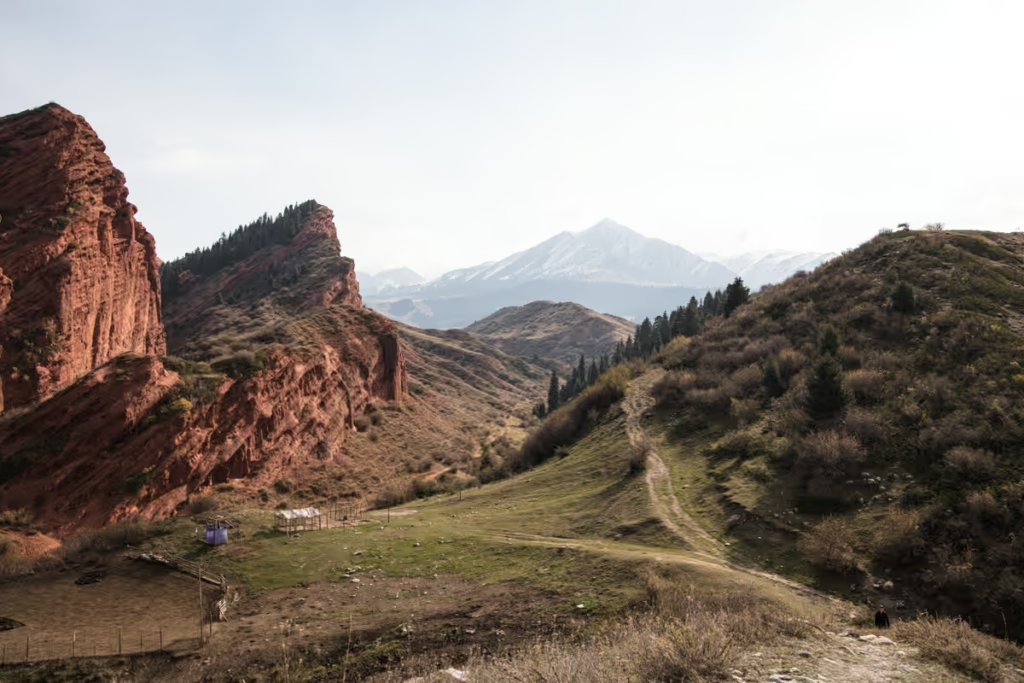
Jeti Oguz is about 28-30 km southwest of Karakol and is one of the easiest day trips from the city. You can reach the area by marshrutka, shared taxi, private taxi or organized tour.
By Marshrutka
Marshrutkas leave Karakol for the Jeti Oguz area, generally from around the bazaar/transport area. Routes and schedules can change, and different services may stop at either Jeti Oguz village or continue to the Kurort, so ask specifically for Jeti Oguz Kurort before boarding.
Current fares are generally inexpensive, but confirm the price locally before departing.
Marshrutka #355 (100 KGS) runs between Karakol and Jeti Oguz Korort, typically leaving Jeti Oguz around 9 am and returning around noon, though it leaves when full, so there is no timetable.
Marshrutka #371 (80 KGS) runs between Karakol and Jeti Oguz (the larger village of the same name 12 km before Jeti Oguz Korort).
By Shared Taxi
Slightly more expensive, but easier to set up is to take a shared taxi for about 250 KGS, or just hire out an entire car from Karakol for about 1,000 KGS one way.
By Taxi
A taxi is the easiest option if you’re short on time or want to explore beyond the Seven Bulls. A private car also lets you combine Jeti Oguz with other stops around the Karakol and Issyk-Kul area.
Expect prices to vary depending on whether you’re paying for a one-way ride, round trip or a driver waiting while you explore. You can expect a quote of 1,000-1,200 KGS each way. Agree on the total price before leaving Karakol.
Important: Jeti Oguz village and Jeti Oguz Kurort are not the same place. The village sits lower down the road, while the Seven Bulls, Broken Heart and sanatorium are farther into the valley. Make sure your driver knows you want Jeti Oguz Kurort if you’re going to the main sights.
Explore Kyrgyzstan’s south: The Osh Travel Guide
Where to Stay in Jeti Oguz
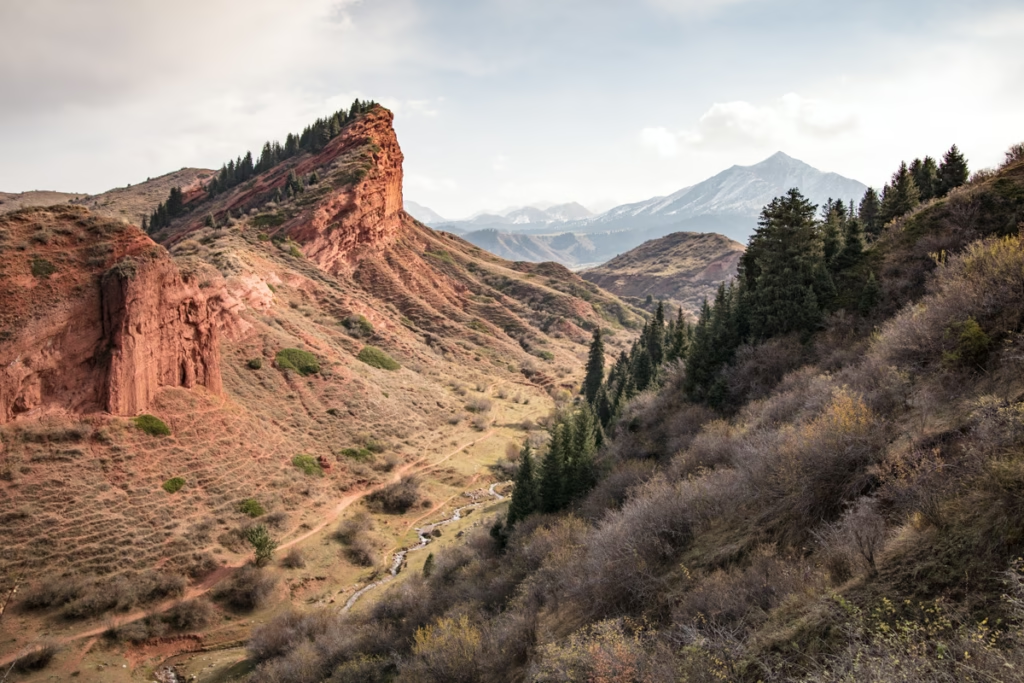
Most travelers visit Jeti Oguz as a day trip from Karakol, but staying overnight makes sense if you want to hike deeper into the valley or experience a summer yurt camp.
Accommodation is limited compared with Karakol, so don’t expect a huge selection of hotels. Options include guesthouses in Jeti Oguz village, the historic sanatorium and seasonal yurt camps around Kök Jaiyk.
The Emir Guesthouse, located back in the larger village of Jeti Oguz, which is 12 km from the main sites, comes highly recommended.
There are also plenty of yurts that pop up, taking in tourists during the summer in the Valley of Flowers. Plan to spend about 700 KGS per person per night. You can book this yurt camp online here.
Food and Supplies in Jeti Oguz
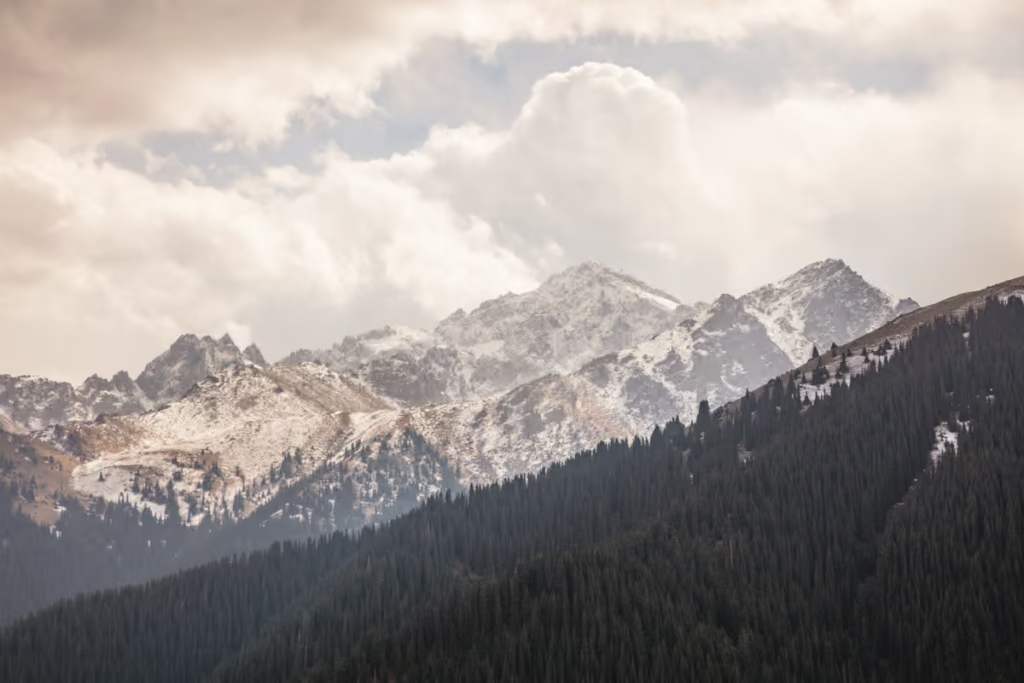
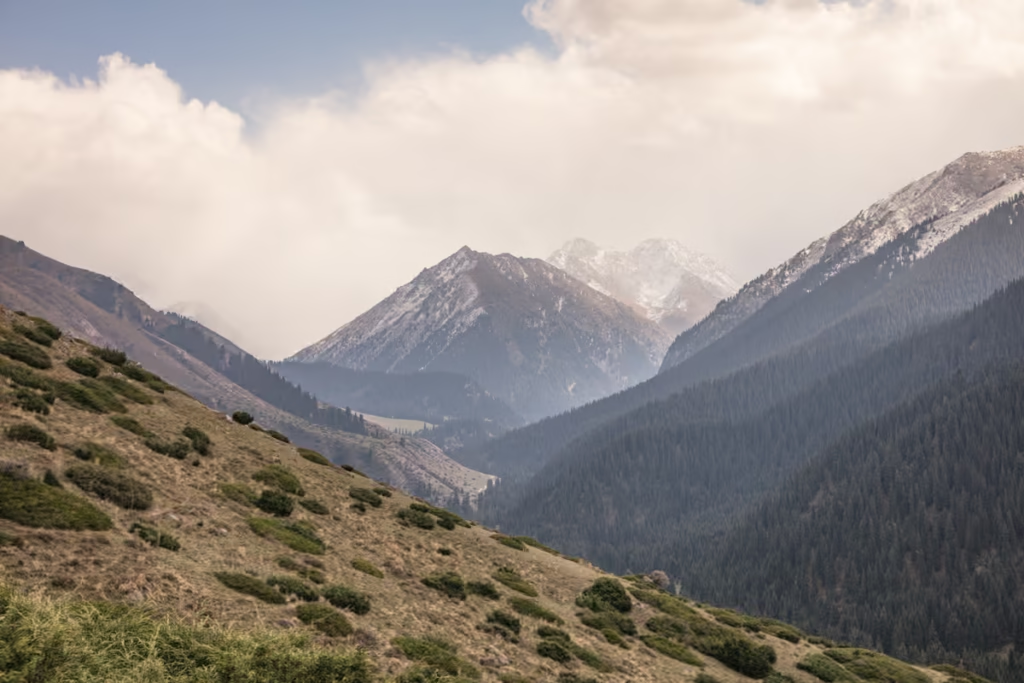
If you’re heading deep into the Jeti Oguz Valley, stock up on food and water in Karakol before you leave. There are small shops around Jeti Oguz, but selection is limited compared with Karakol.
If you’re staying at a guesthouse or yurt camp, meals are often available through your hosts. For a longer hike, don’t rely on finding food along the trail. Bring enough water and snacks with you.
Combining Kazakhstan & Kyrgyzstan? Check out the perfect Kazakhstan & Kyrgyzstan itinerary
Hiking and Trekking from Jeti Oguz
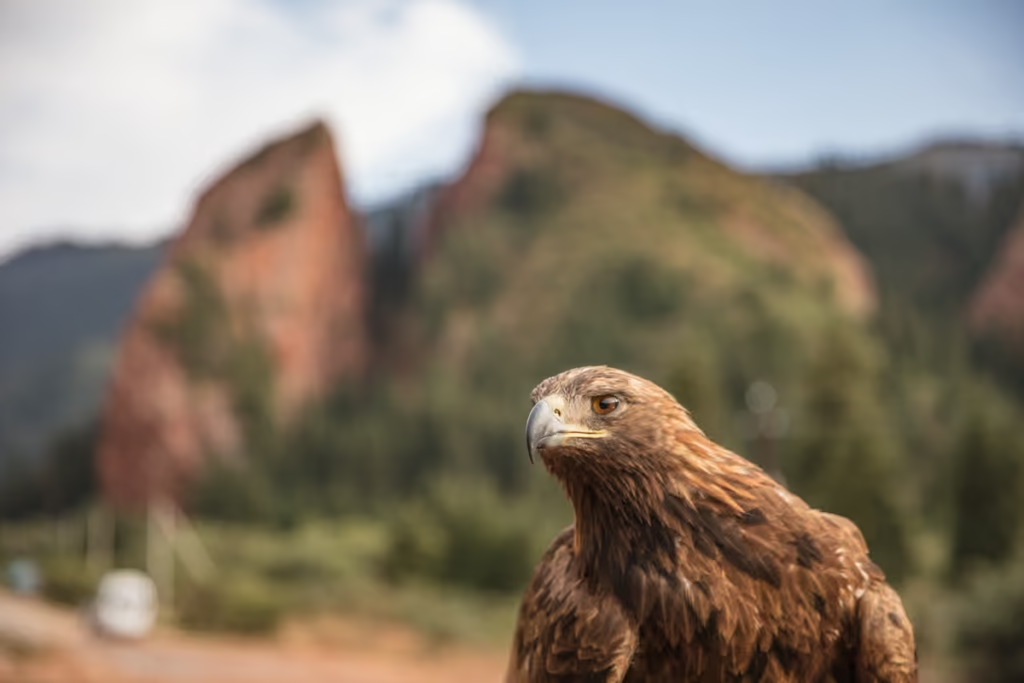
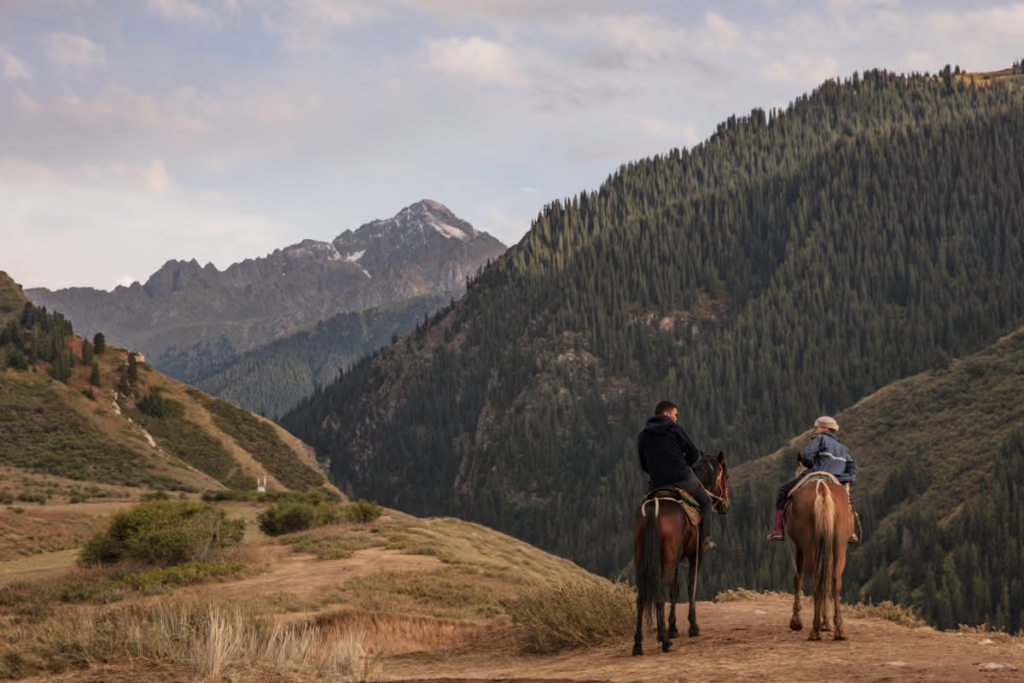
Jeti Oguz isn’t just a sightseeing stop. The valley continues deep into the Terskey Ala-Too mountains, making it a useful starting point for longer hikes and multi-day trekking routes.
More ambitious trekkers can use the valley as part of routes connecting with the wider Karakol trekking area, including routes toward Ala-Kul and Altyn Arashan. These are considerably more serious than the short walks around the Seven Bulls, so plan accordingly and check current trail conditions before setting out.
If you’re already planning the Altyn Arashan and Ala-Kul trek, Jeti Oguz can be incorporated into a longer itinerary rather than treated as a standalone sightseeing stop.
Head over to the Visit Karakol office page to read up more on the trek.
What to Bring to Jeti Oguz
- Comfortable hiking shoes
- Water and snacks
- Cash in Kyrgyz som
- Sunscreen and sunglasses
- Layers for changing mountain weather
- Offline maps if you’re hiking beyond the resort
- A swimsuit and towel if you plan to use the mineral baths
Mobile coverage becomes less reliable deeper into the valley, so download maps before leaving Karakol.
Is Jeti Oguz Worth Visiting?
Yes, especially if you’re already traveling through Karakol.
If you only stop at the Seven Bulls and Broken Heart, Jeti Oguz can feel like a fairly quick sightseeing stop. Give the valley half a day or longer, though, and it becomes a much more interesting destination, with forested mountain trails, the Kök Jaiyk Valley of Flowers, waterfalls, horseback riding, yurts and the historic sanatorium.
I’d recommend at least half a day for a first visit, and a full day if you want to hike or explore deeper into the valley. Travelers who love trekking could easily justify staying overnight.
Have Any Questions About Visiting Jeti Oguz?
Ask in the comments section below.
Posts From Kyrgyzstan
Pamir Highway Guide: M41 Route
Jeti Oguz Travel Guide, Kyrgyzstan
Solo Female Travel in Central Asia
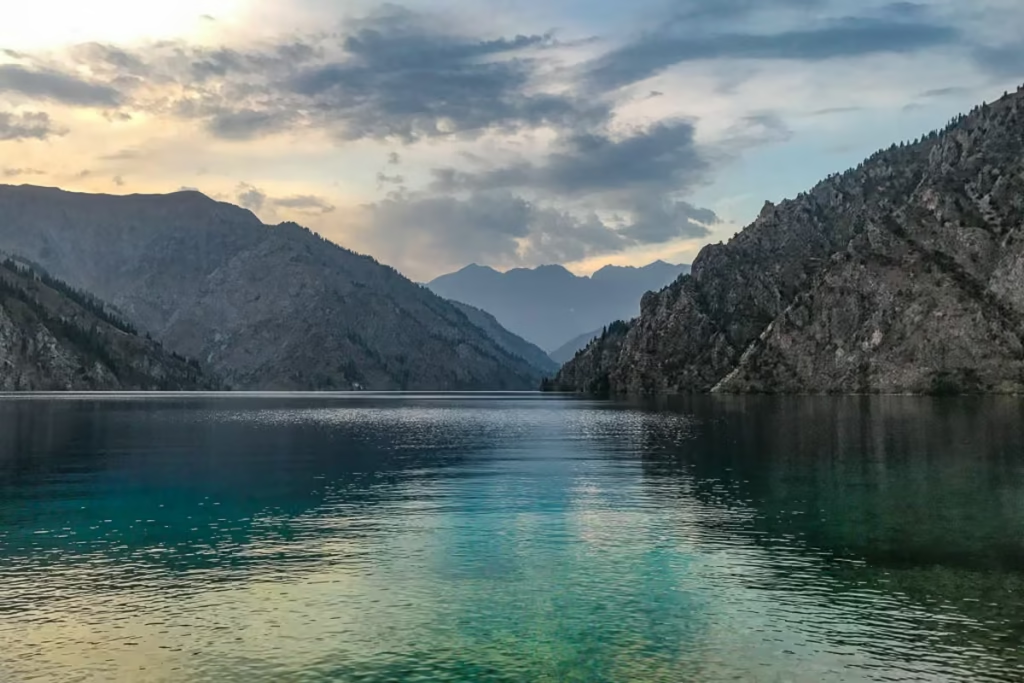
How to Get to Sary Chelek, Kyrgyzstan
Kyrgyzstan Photos: 34 Epic Travel Photos
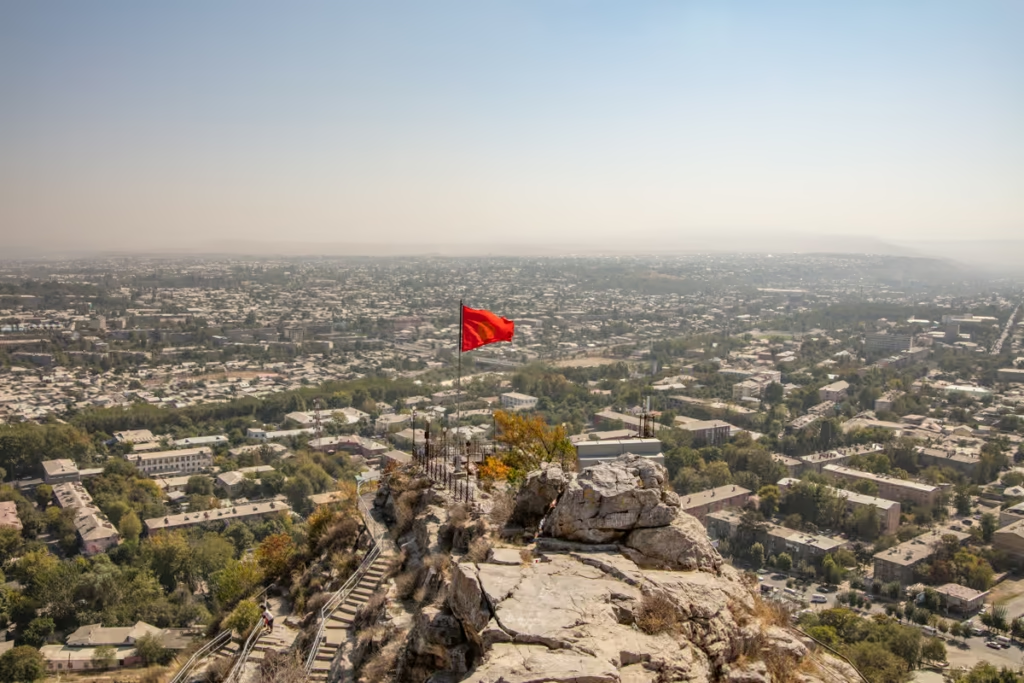
Osh Kyrgyzstan: 6 Things to Do
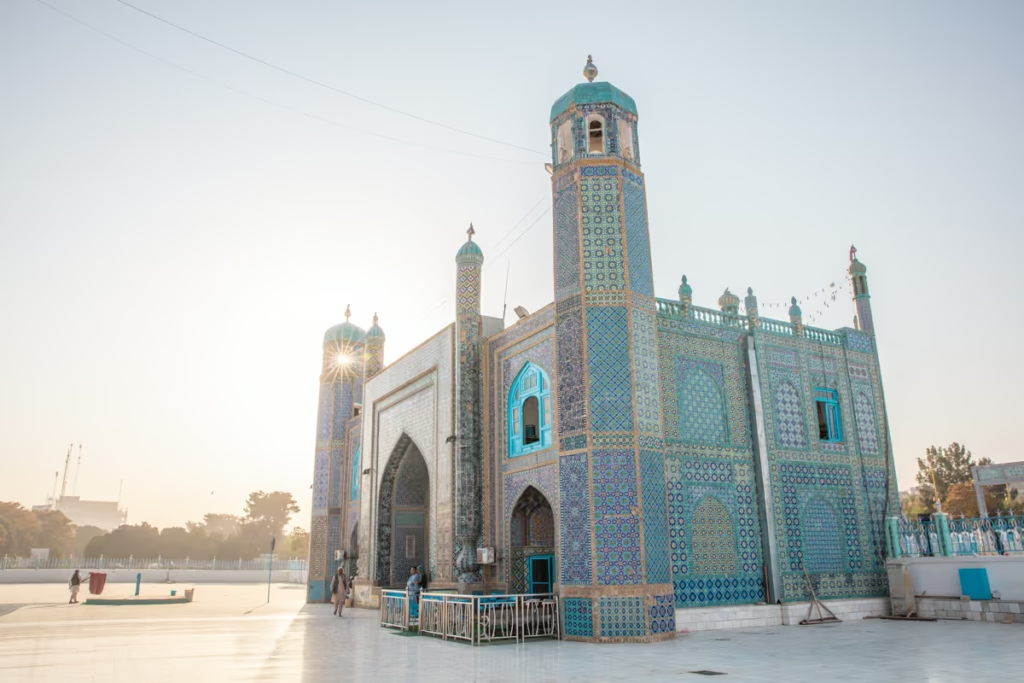
Central Asia Travel Guide
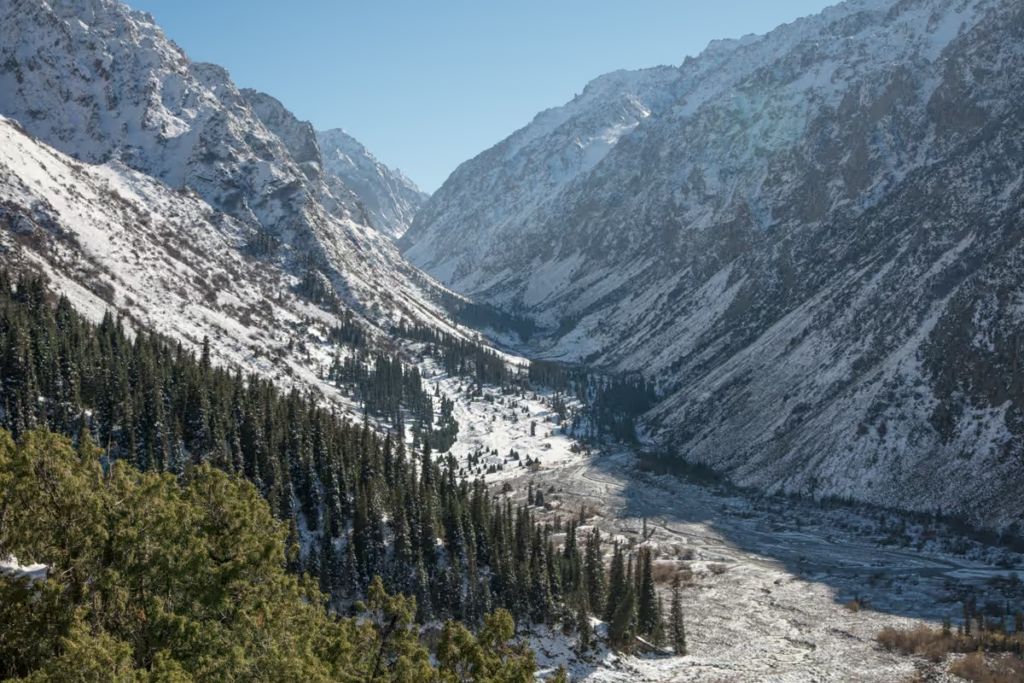
Ala Archa from Bishkek: Bus & Guide

Isfara-Batken Border Crossing Guide
Kyrgyzstan Border Zone Permit: $40 Service
Karakol Restaurants & Best Food to Try
Kazakhstan & Kyrgyzstan Itinerary
Karkara Border Crossing Between Kazakhstan & Kyrgyzstan
Things to Do in Bishkek: Attractions & Day Trips
How to Obtain a Kyrgyz Letter of Invitation: Fast $40 Service
Trekking to Lake Izyumrudnoe
10 Essentials to Pack for Central Asia
A Guide to the World Nomad Games

Central Asia Travel Tips
Vegetarian in Central Asia
Central Asia Visas Guide
Karakol Travel Guide: Top Things to Do
Kyrgyzstan SIM Card & eSIM Guide
Exploring Soviet Osh
How to Get to Burana Tower & Tokmok Animal Market
Kyrgyzstan Travel Guide
Central Asia Food & Drink
thanks for the information