Visiting the Aral Sea Disaster, Uzbekistan
Updated May 2026, Visiting the Aral Sea Disaster, Uzbekistan was originally published in June 2022
The Aral Sea was once the fourth-largest lake in the world, supporting thriving fishing communities, busy ports, and a regional fishing industry. Today, much of it has disappeared, leaving behind abandoned ships, salt-covered plains, and the Aralkum Desert. Mostly dried and desiccated into a toxic desert, the Aral Sea is among the world’s worst human-caused environmental disasters.
But the Aral Sea isn’t entirely gone. Small portions of the original lake remain, including the South Aral Sea in Uzbekistan and the North Aral Sea in Kazakhstan. Visiting the Aral Sea in Uzbekistan offers a firsthand look at the environmental consequences of Soviet-era irrigation projects, as well as an opportunity to explore one of Central Asia’s most remote and unusual landscapes.
From the rusting ships stranded in the former port town of Moynaq to the remaining shoreline deep in the Ustyurt Plateau, there’s considerably more to see here than you might expect. You can even spend a night in a remote yurt camp overlooking the South Aral Sea.
I’ve visited the Aral Sea region multiple times, including trips to Moynaq, the remaining shoreline, and the abandoned Soviet bioweapons facility at Aralsk-7. This guide covers everything you need to know about visiting the Aral Sea in Uzbekistan, including where to go, how to get there, tour options, accommodation, and practical considerations.
Start planning your Uzbekistan adventure
Pick up a copy of Bradt’s Uzbekistan guidebook
Need Travel Insurance and Evacuation Services?
Start shopping for travel insurance plans over at IATI Insurance. Readers of the Adventures of Nicole get a 5% discount off your plan.
The Adventures of Nicole partners with Global Rescue to offer the world’s leading medical evacuation and security advisory services. To travel with peace of mind, explore their evacuation coverage.
What Happened to the Aral Sea?
The Aral Sea was once one of the largest inland bodies of water on Earth, spanning the border between present-day Uzbekistan and Kazakhstan. Its surrounding communities depended heavily on fishing, shipping, and agriculture, with towns like Moynaq developing into important regional ports.
That began to change in the 1960s, when Soviet authorities dramatically expanded irrigation projects across Central Asia to grow cotton and other agricultural crops. The Amu Darya and Syr Darya, the two main rivers feeding the Aral Sea, were diverted to supply these fields, drastically reducing the amount of water reaching the lake.
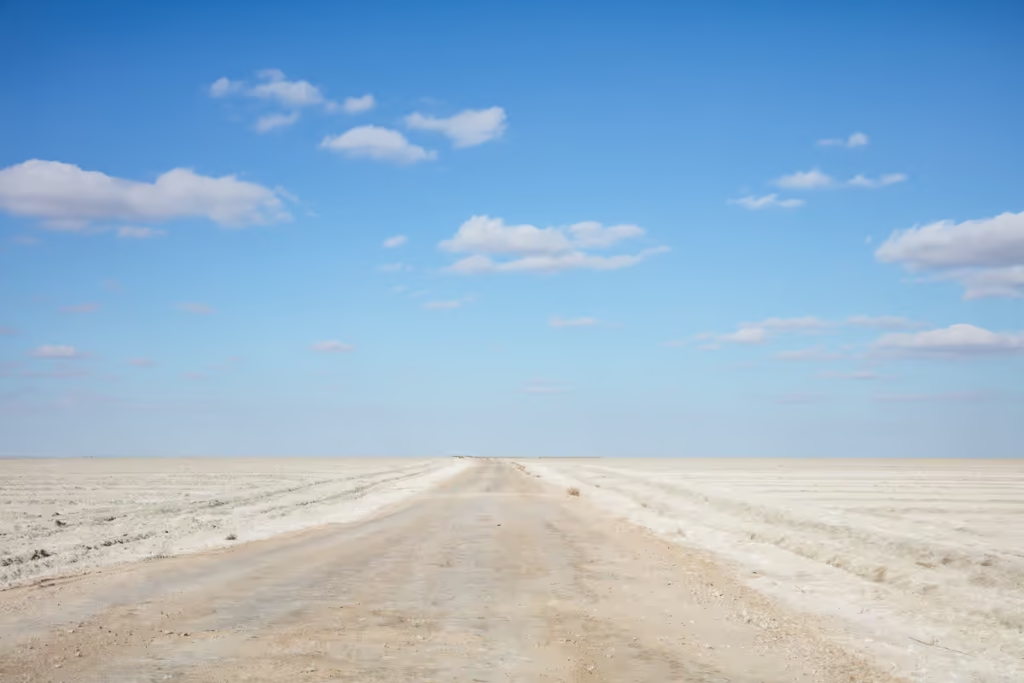
As the water disappeared, the Aral Sea began shrinking. Fishing industries collapsed, ports were left stranded far from the shoreline, and entire communities lost their primary source of income. The retreating water also exposed a vast seabed containing salt and agricultural pollutants, which became the Aralkum Desert.
The environmental consequences extended far beyond the disappearance of the lake. Dust and salt storms carried exposed sediment across the region, while the loss of the sea dramatically altered local ecosystems and livelihoods.
Today, the Aral Sea has fragmented into several smaller bodies of water. The North Aral Sea in Kazakhstan has experienced some recovery following the construction of the Kok-Aral Dam, while much of the South Aral Sea in Uzbekistan has dried up.
The remains of the Aral Sea are now a stark reminder of how large-scale environmental mismanagement can transform an entire region within a few decades.
Where to Go Around the Aral Sea
Moynaq
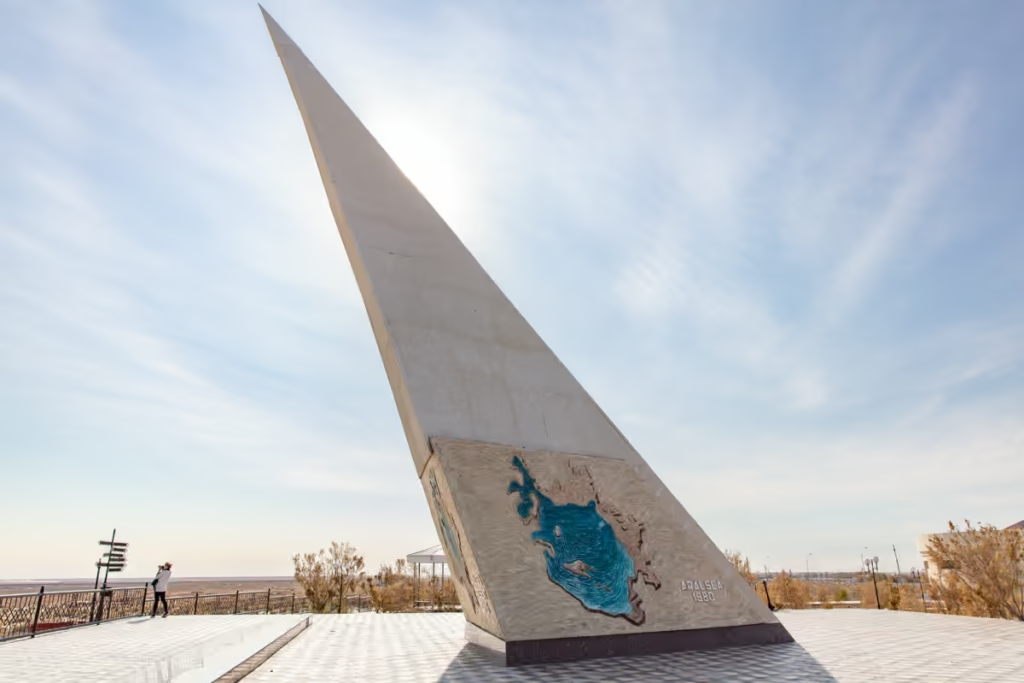
Moynaq is the most recognizable destination associated with the Aral Sea disaster. Once a thriving fishing port on the southern shore of the lake, this Karakalpak town is now separated from the remaining water by more than 100 kilometers of exposed seabed.
Today, Moynaq is a quiet town of around 13,000 residents, with a handful of shops, guesthouses, and restaurants. Its former fishing industry has largely disappeared, and the abandoned ships resting in the desert are a haunting reminder of what the town once was.
Moynaq is the main starting point for exploring the former seabed and continuing toward the remaining South Aral Sea. If you’re planning an overnight excursion into the Ustyurt Plateau, it’s worth stocking up on snacks, water, and other supplies here or in Nukus before heading farther into the desert.
Where to Stay in Moynaq
The main two accommodations in Moynaq are the Hotel Moynaq (sometimes called the Hotel Oybek) and the Mayak Yurt Camp. If you’re looking for something more homestay/guesthouse-like try Hostel Abeskun Tur or Timur Homestay.
The Hotel Moynaq isn’t always open (it was shuttered for the season in October 2021 on my last visit) so it would be wise to call head (+998613221868). Mayak Yurt Camp is located just off of the Aral Sea Memorial next to the lighthouse, where you can rent a bed in a yurt from them or pay a small fee to camp on their site in your own tent. Mayak is usually open from May to September/October.
Aside from the above two, you can try the Hostel Abeskun Tur and the Timur Homestay. Note that all of these accommodations aren’t always open and that the easiest way to book is via one of the tour agencies in Nukus that specialize in Aral Sea trips.
Moynaq Ship Graveyard & Aral Sea Memorial
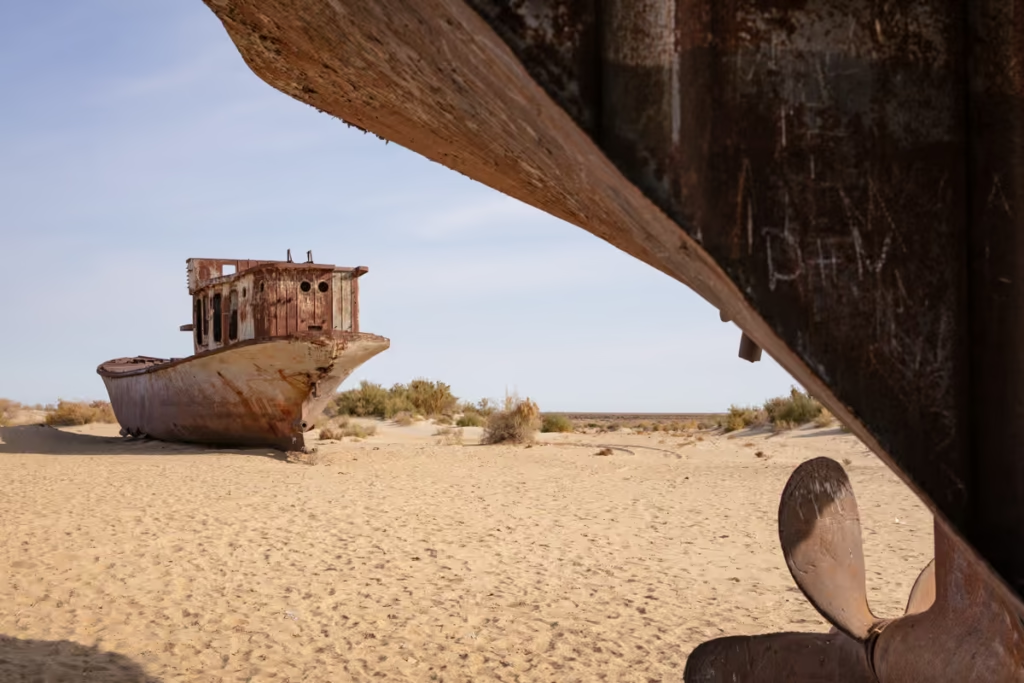
The Moynaq Ship Graveyard is the most famous attraction in the Aral Sea region and one of the most striking reminders of the environmental disaster.
Located on the former shoreline at the northern edge of Moynaq, the ship graveyard contains rusting fishing vessels that once worked the waters of the Aral Sea. When the lake retreated, the boats were left stranded on the exposed seabed, now more than 100 kilometers from the remaining shoreline.
A short walk from the parking area takes you down toward the ships, where you can get a closer look at their decaying hulls. Above the graveyard stands the distinctive Aral Sea Memorial, a monument depicting the changing water levels of the lake.
It’s a surreal place to visit. Standing among the abandoned vessels, surrounded by dry desert instead of water, makes the scale of the Aral Sea disaster considerably easier to comprehend.
The site also has a small Museum of the Aral Sea featuring local artifacts, artwork, and historical information about the former fishing industry and the shrinking lake. There’s an informative short film available in several languages.
The museum is worth visiting before or after walking around the ship graveyard, particularly if you’d like more context about what happened to Moynaq and the surrounding communities. Admission is 35,000 UZS.
Stihia Festival
Stihia is an electronic music and environmental awareness festival held in the Aral Sea region. First organized in 2018, the festival brings together musicians, artists, scientists, engineers, and environmentalists for performances, discussions, and creative collaborations.
One of its most unusual settings is the Moynaq Ship Graveyard, where electronic music performances take place among the rusting fishing vessels stranded in the former seabed.
Stihia is an interesting example of how the region’s environmental tragedy has become a platform for cultural expression and awareness. The next Stihia is lined up for May 2027, however, festival dates have varied over the years, so check the official announcements before planning your visit around an event.
Tokmak

Tokmak is a small settlement just beyond Moynaq as you travel toward the remaining South Aral Sea. The village consists of a scattering of homes, some of which belonged to fishermen who once made their living from the lake.
It’s a brief stop rather than a major attraction, but it offers a glimpse into the communities that lived along the former shoreline before the Aral Sea retreated.
South Aral Sea
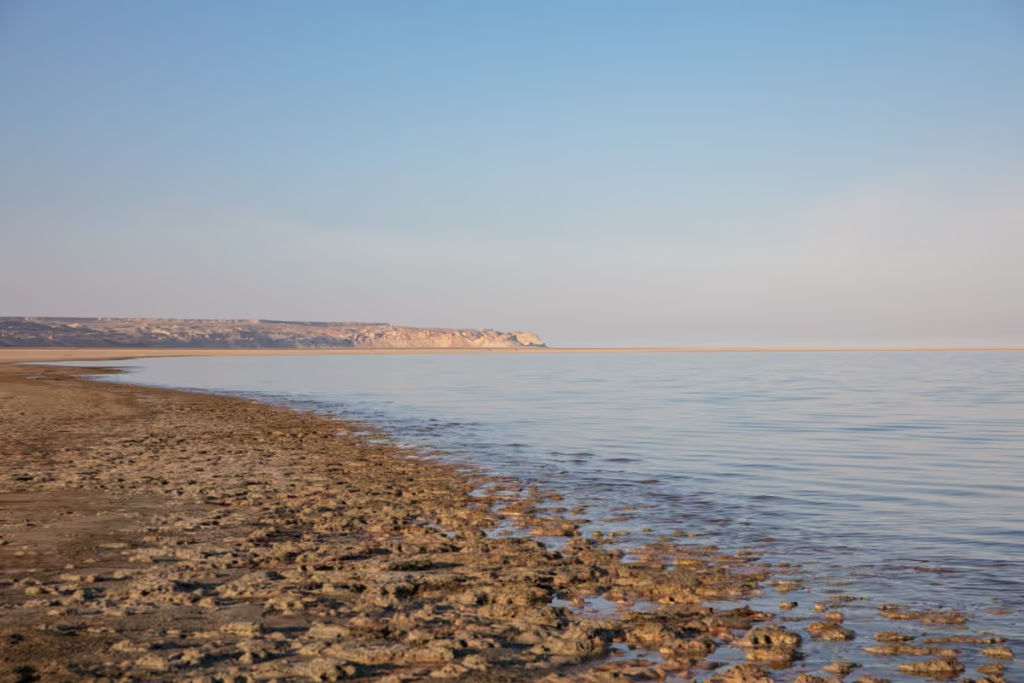
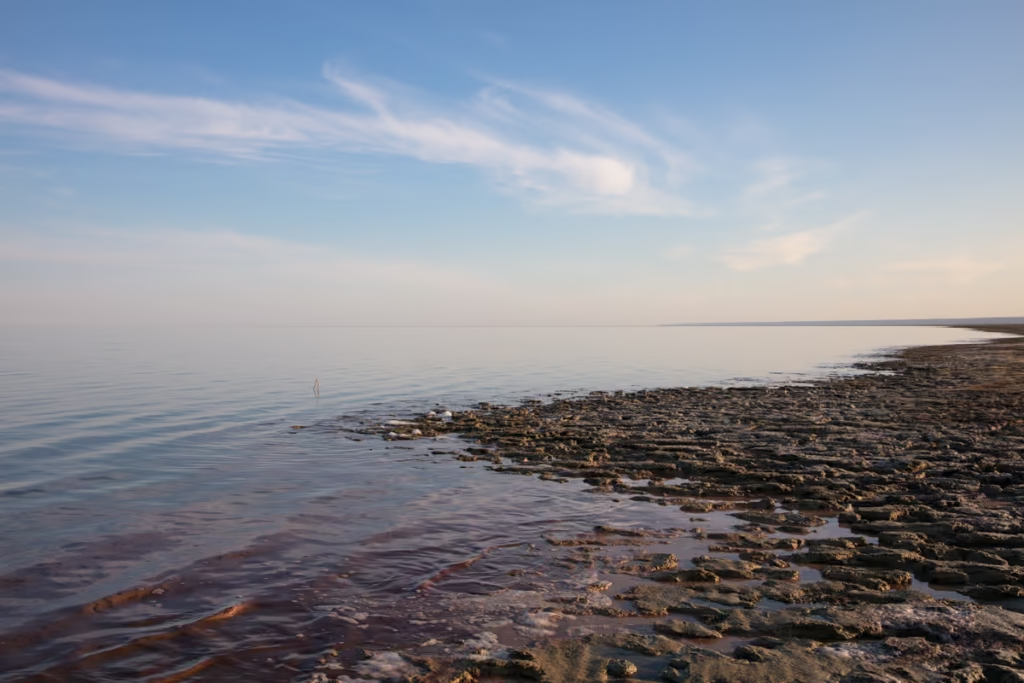
Although much of the Aral Sea has disappeared, a portion of the South Aral Sea remains in western Uzbekistan. This is the section most travelers are interested in reaching when booking an overnight Aral Sea expedition from Nukus.
Getting there is an adventure in itself. From Moynaq, the route continues across the exposed seabed and into the remote Ustyurt Plateau, following rough desert tracks that require a capable 4WD vehicle and an experienced driver.
The remaining South Aral Sea is a strange but beautiful sight. After hours of driving through barren desert and salt-covered plains, suddenly seeing water stretching across the horizon feels almost surreal.
You can even go right down to the lakeshore and if you’re crazy enough (and it’s not the tail end of the season like when we went) you can even swim in the water. The shore is comprised of a thick black muck that will suck you in and you’re driver won’t be super thrilled about having to take you back to camp covered in the toxic mud (don’t worry, they all seem to be used to tourists getting coated in mud and have some plastic sheets they’ll lie out on the seats so that you don’t muck up the interior of their car).
Where to Stay at the Aral Sea
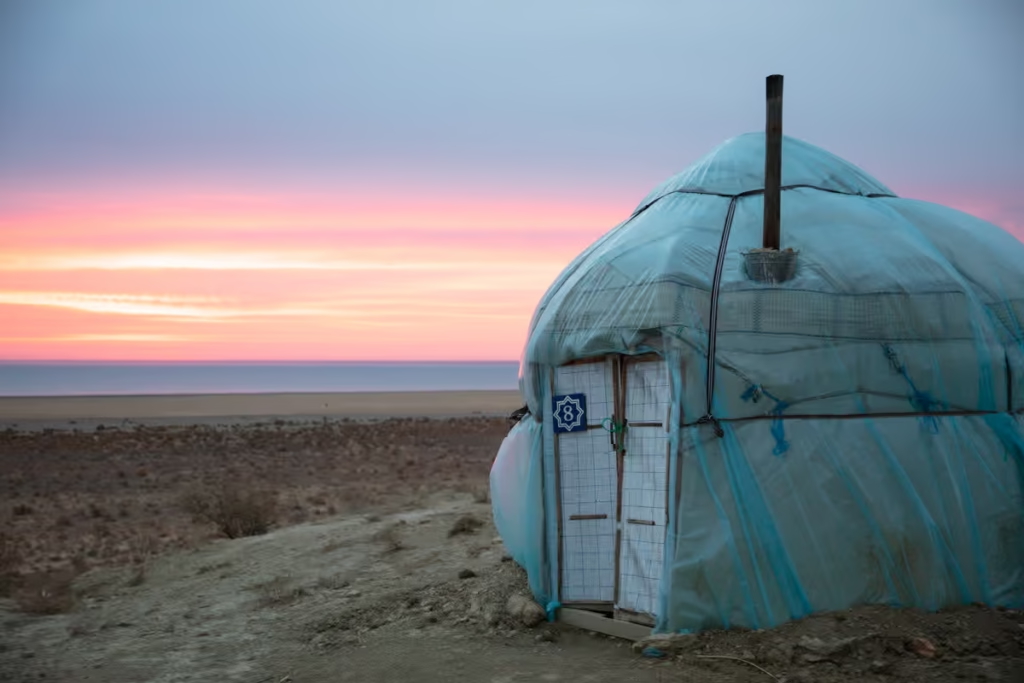
There is a small family-run yurt camp, located uphill from the current shore of the Aral Sea (with great views of the water). This is where you’ll be spending the night if you opt to join one of the two day Aral Sea tours from Nukus. They also have a restaurant on-site where they serve dinner and breakfast for those staying.
Kurgancha Qala
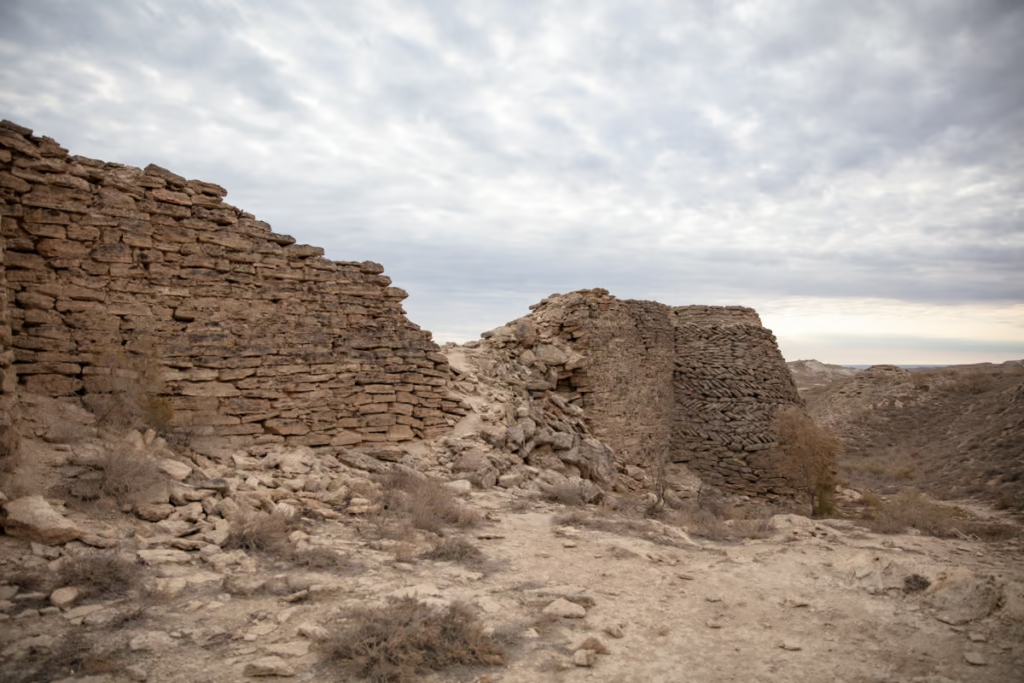
Not far from the remaining South Aral Sea and the nearby yurt camp are the ruins of Kurgancha Qala, a former caravanserai dating to the 12th century.
Situated along an old Silk Road trading route, the caravanserai would have provided shelter for merchants and travelers crossing this remote part of Central Asia. Today, little remains beyond crumbling mudbrick walls and piles of collapsed masonry.
Ustyurt Plateau
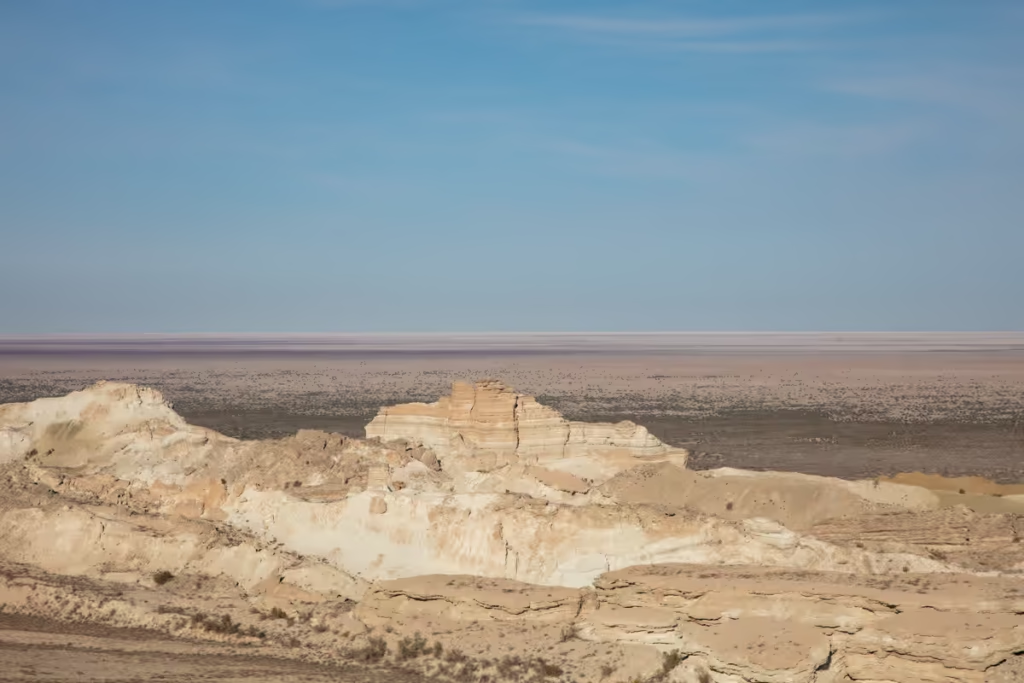
The Ustyurt Plateau is one of the most visually striking landscapes surrounding the Aral Sea. This enormous clay and limestone plateau stretches across western Uzbekistan, the Mangystau Region in southwestern Kazakhstan, and Turkmenistan, with dramatic escarpments overlooking the surrounding desert.
Around the Aral Sea, the plateau forms an impressive natural boundary between the higher ground and the exposed seabed below. Its steep cliffs, colorful rock formations, and seemingly endless desert views make it one of the highlights of an overland trip through Karakalpakstan.
The wider landscape is also important for its unique desert ecosystems and wildlife. South Ustyurt National Park is an additional protected-area reference worth keeping, but I’d verify the park’s current designation, boundaries, and official name before presenting it as a recently established national park.
Kantubek & Aralsk 7

Aralsk 7 and Kantubek were the former Soviet bioweapons lab and testing site and “town” that the scientists lived in on Vozrozhdeniya Island, right smack in the middle of the Aral Sea. It was abruptly abandoned in 1992 and little was known what went on there for a decade. Sadly the ghost town of Kantubek was completely demolished in 2020 with almost zero foresight.
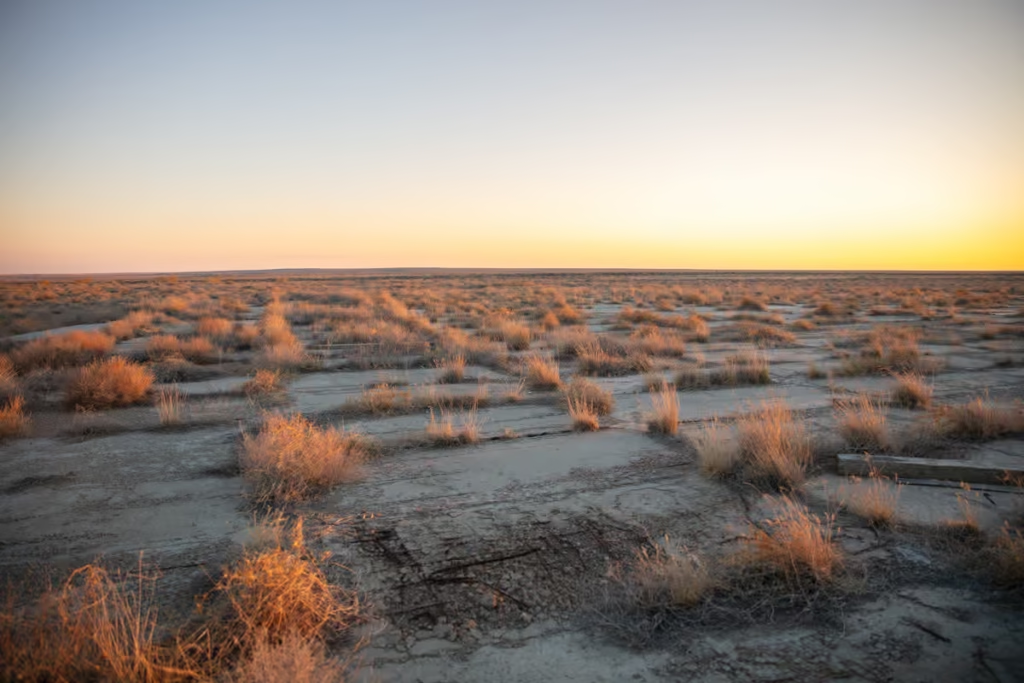
If you do decide to add Aralsk 7/Kantubek to your Aral Sea itinerary, understand that there’s essentially nothing left there aside from random pieces of broken wire, brick, tile, and the decaying remains of the Barkhan Airfield. I went up to Aralsk 7 in October 2021 thinking we’d be wandering around a ghost town to find that there was not much more than the flat, barren Aralkum.
Also, note that most Aral Sea tours do not include visiting Aralsk 7 and Kantubek on their itineraries, so if you’d like to try and go you’ll need to arrange a customized private tour or opt to rent a 4WD and visit on your own.
I have also seen people arguing online whether or not it is legal to even visit- from my experience you’re unlikely to run into anyone out here (the only people we came across were some local Karaklpaks making the haul from their village across the border on Kazakh side to Moynaq) and I have yet to find anything the outwardly states that you go here, but it is worth noting that it is located right on the Uzbek-Kazakh border (if you’ve spent any time in the Central Asia region, you likely already know that border zones are many times quite sensitive.
Read more about the crazy history and my visit to Aralsk 7 and Kantubek.
Qubla Ustyurt Village
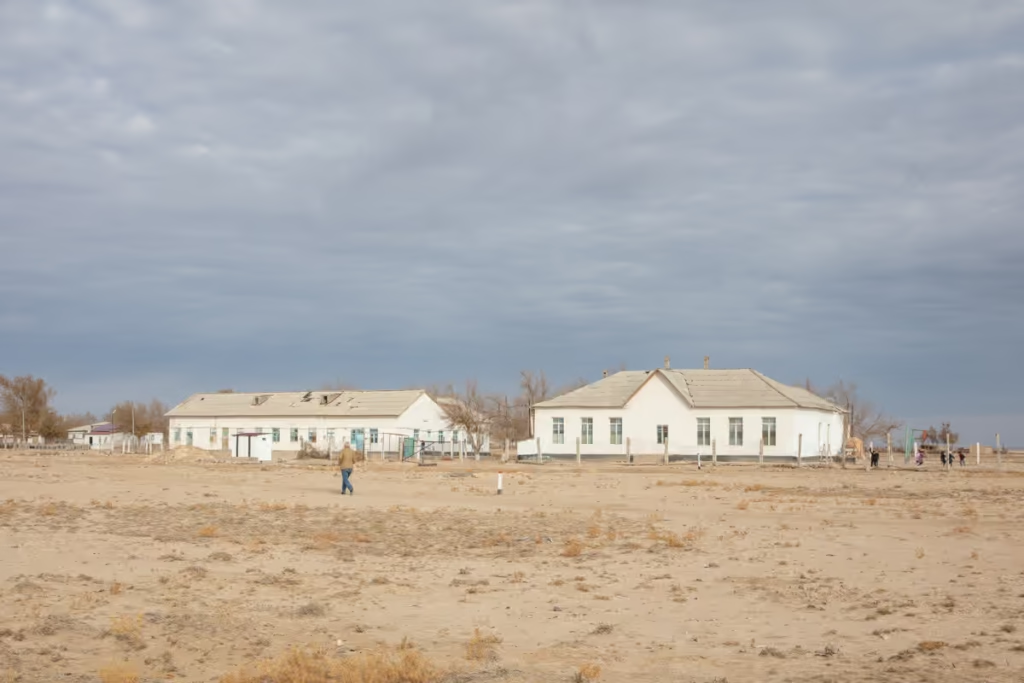
Qubla Ustyurt, also known as South Ustyurt, is a small settlement south of the remaining Aral Sea shoreline. There isn’t much here beyond a scattering of houses, a school, and an airstrip on the outskirts of the village.
The airstrip is a reminder of the area’s Soviet-era infrastructure, when remote settlements and industrial operations around the Aral Sea were more active.
Sudochie Lakes & Urga
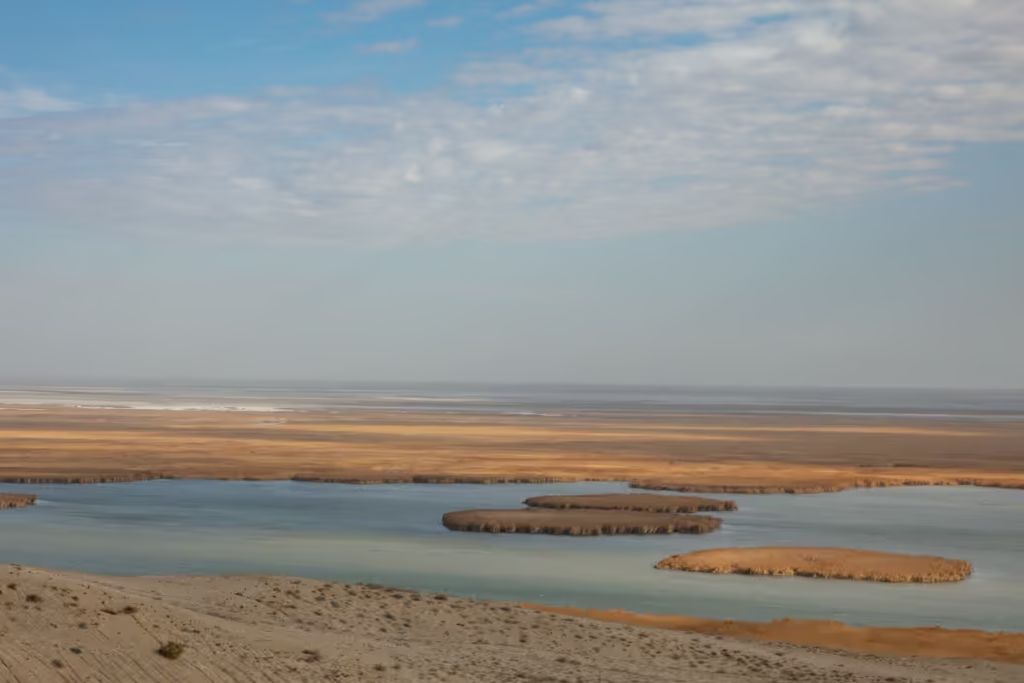
Sudochie Lakes is an important wetland area in the Amu Darya Delta, southwest of the remaining Aral Sea. The shallow lakes and surrounding reed beds provide habitat for more than 218 bird species, including flamingos and other migratory waterbirds.
After spending hours driving through the dry and barren landscapes surrounding the former Aral Sea, the wetlands are a surprising contrast. From higher ground on the Ustyurt Plateau, the reed-covered islands and shallow waterways look almost like giant lily pads scattered across the landscape.
Nearby is Urga, a former fishing settlement that once supported a small community along the shores of Sudochie Lake. Today, you’ll find the remains of an old fish-processing plant, a cemetery associated with Old Believer settlers, and the ruins of an ancient citadel dating back to the third century.
A few families have continued living in the area, although settlement patterns may vary throughout the year. Visiting Urga offers another perspective on how the shrinking Aral Sea and its surrounding waterways transformed local communities.
Barsa Kelmes Salt Flat
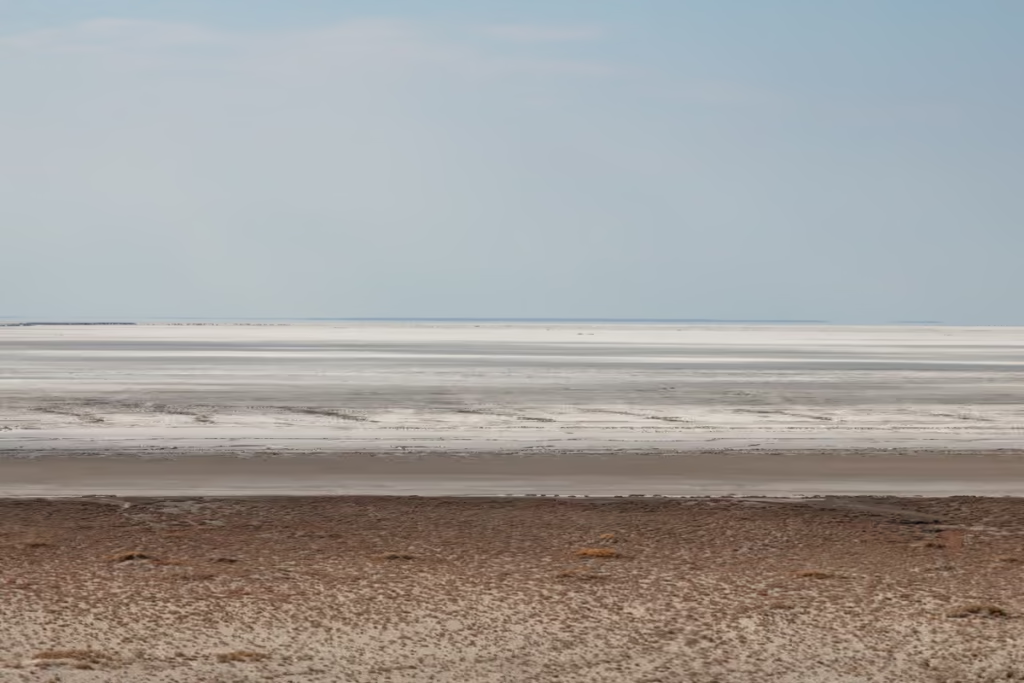
Not to be confused with Barsa-Kelmes Island in Kazakhstan, the Barsa Kelmes Salt Flat is a vast salt pan in Uzbekistan, southwest of the remaining Aral Sea.
The salt flat is a remnant of the ancient Tethys Sea and forms an unusual landscape of white salt deposits and barren desert. Measuring approximately 70 kilometers long and 40 kilometers wide, it’s an enormous expanse that feels almost otherworldly.
There is still an active salt-mining operation in the area, adding another layer to Western Uzbekistan’s relationship with mineral extraction and the surrounding landscape.
Access can be tricky, particularly when seasonal water levels create a shallow river between the plateau and the salt flat. Crossing it can be dangerous because of unstable ground and the risk of getting stuck. If conditions aren’t suitable, it’s better to admire the salt flat from the surrounding cliffs rather than attempt to cross.
How to Get to the Aral Sea and Surroundings
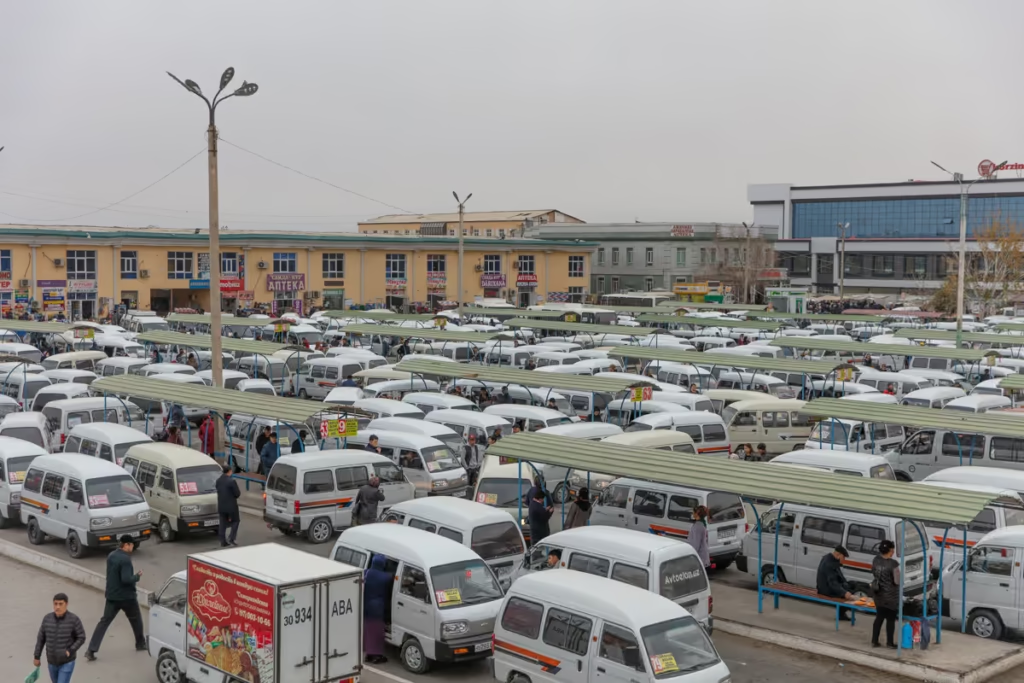
The easiest way to visit the Aral Sea in Uzbekistan is to travel to Nukus, the capital of the autonomous Republic of Karakalpakstan. Nukus is the main gateway for trips to Moynaq, the former fishing port, and the remaining South Aral Sea.
From Nukus, it’s approximately 180 kilometers to Moynaq by road, with the journey taking around three hours depending on road conditions. Reaching the actual South Aral Sea shoreline requires considerably more driving, including long stretches of rough desert tracks across the Ustyurt Plateau.
There are several ways to visit the region:
By organized tour: Taking 2 day Aral Sea tour is the easiest option, particularly if you want to reach the remaining South Aral Sea. Most overnight excursions use 4WD vehicles and include a driver familiar with the remote tracks.
For most travelers, booking a local Aral Sea expedition from Nukus is the most practical way to experience the region.
By private vehicle: You can drive to Moynaq independently using a standard vehicle in suitable conditions. However, continuing beyond Moynaq toward the remaining shoreline is a different proposition. A capable 4WD, off-road experience, navigation, and adequate supplies are essential. Make sure your rental car agreement allows for travel to this area of Uzbekistan.
If you’re planning to drive independently, bring spare tires, plenty of drinking water, and enough fuel for the journey. Services become increasingly scarce once you leave the main settlements, and mobile coverage can be unreliable or nonexistent in remote areas.
By public transport: Shared marshrutkas and other local transport connect Nukus with Moynaq. However, public transport doesn’t reach the remaining South Aral Sea, so you’ll need to arrange additional transportation if you want to explore beyond town.
Aral Sea Tours
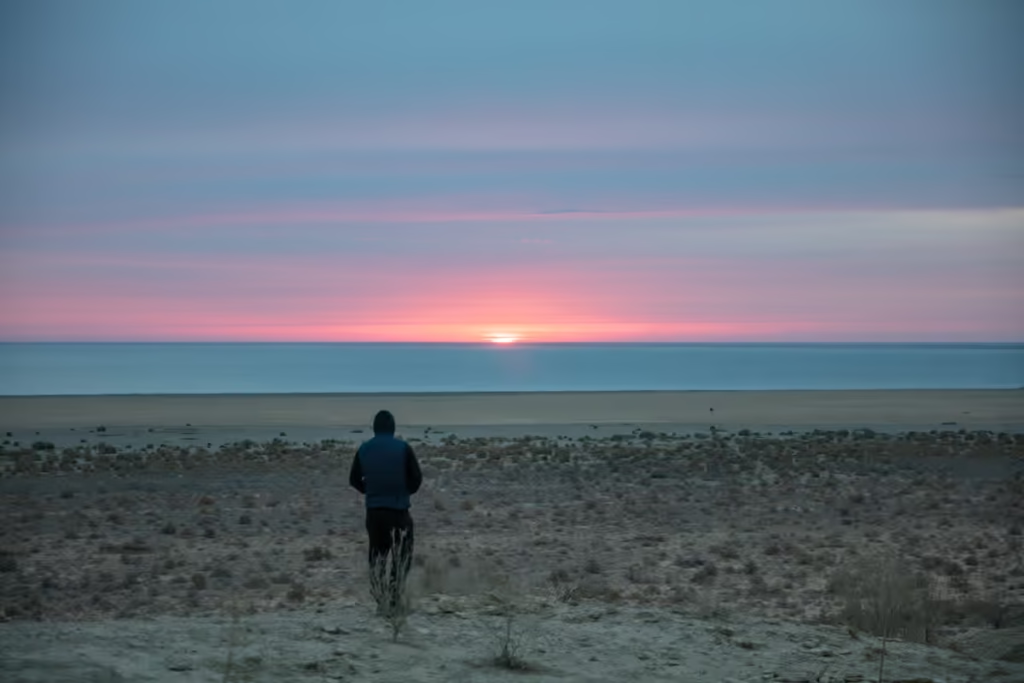
The easiest way to explore the Aral Sea region is to join an organized tour from Nukus. Several local operators offer excursions to Moynaq, the remaining South Aral Sea, and the surrounding Ustyurt Plateau.
Most visitors opt for a two-day Aral Sea tour, which combines the Moynaq Ship Graveyard with an overnight stay at a remote yurt camp near the remaining shoreline.
We booked our excursion through Islambek Travel which I’ve also used for other trips around the Karakalpakstan and Khorezm regions of Uzbekistan. Another great option is Aral Sea Discovery, who offers a number of tours around the Karakalpakstan region.
Two-day tours generally depart from Nukus and include several stops along the way, although exact itineraries vary by operator. Common destinations include:
- Moynaq and the Ship Graveyard
- The Museum of the Aral Sea
- Kurgancha Qala
- The Ustyurt Plateau and its dramatic cliffs
- The remaining South Aral Sea shoreline
- Sudochie Lakes and the former settlement of Urga
- Barsa Kelmes Salt Flat
- Mizdakhan Necropolis
Most overnight tours include transportation in a 4WD vehicle, a driver, meals, and one night at a yurt camp near the South Aral Sea. Confirm exactly what’s included before booking, particularly entrance fees, meals, and accommodation.
It’s also possible to arrange longer customized itineraries or begin your excursion from Khiva instead of Nukus.
How much do Aral Sea tours cost?
I’d add this as a short subsection. Tour pricing is something people actively search for when planning this trip.
Prices vary considerably depending on group size, vehicle, accommodation, and itinerary. As a general rule, private 4WD tours are priced by vehicle, meaning the cost per person decreases when traveling with several people.
Average prices for the two-day excursions from Nukus tend to start at around $200 per person.
A few things worth confirming before booking:
- Is the current South Aral Sea shoreline included?
- Does the tour include an overnight stay in a yurt?
- Are meals and drinking water provided?
- Is the vehicle a proper 4WD?
- Are museum and other entrance fees included?
- Does the itinerary include Sudochie Lakes and Barsa Kelmes?
My recommendation: If you have the time, book the overnight excursion rather than just visiting Moynaq. Seeing the ship graveyard is fascinating, but reaching the remaining water gives you a much better understanding of the scale of the Aral Sea disaster.
Visiting Moynaq as a Day Trip from Nukus

If you’re short on time or don’t have the budget for a multi-day expedition, you can visit Moynaq and the Ship Graveyard as a day trip from Nukus.
The drive takes approximately three hours each way, making for a fairly long day on the road. However, it’s entirely possible to visit the Ship Graveyard, Aral Sea Memorial, and Museum of the Aral Sea before returning to Nukus in the evening.
A day trip to Moynaq is a good option if you’re primarily interested in seeing the abandoned fishing vessels and learning about the Aral Sea disaster. However, it won’t take you to the remaining South Aral Sea shoreline.
For that, you’ll need to arrange an overnight excursion using a 4WD vehicle.
If you’re spending more time in Karakalpakstan, Nukus also makes an excellent base for exploring the region. The city has a surprisingly good restaurant scene, and one attraction you shouldn’t miss is the Savitsky Museum, home to an extraordinary collection of Russian avant-garde art and Central Asian artworks.
Where to Stay in Nukus
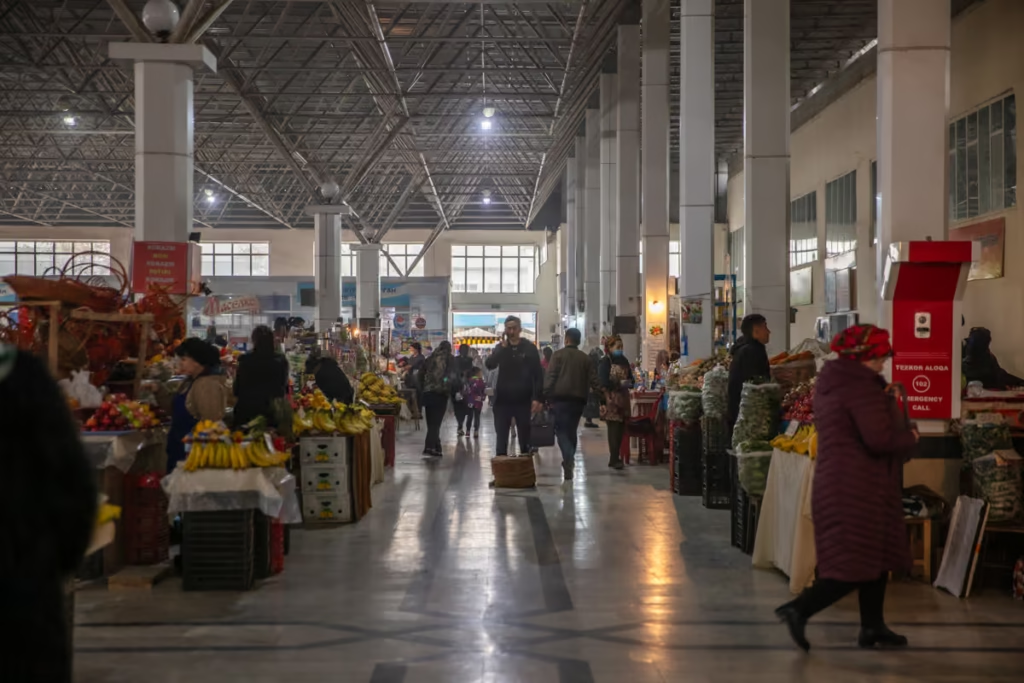
Nukus is the best base for visiting the Aral Sea and exploring the wider Karakalpakstan region. It has a much larger selection of accommodation than Moynaq, ranging from budget guesthouses to more comfortable hotels.
The Jipek Joli Inn and Hotel Jipek Joli are two established options in the city. Both are centrally located and can help arrange excursions to the Aral Sea and other destinations around Karakalpakstan.
I’d recommend spending at least one night in Nukus before your Aral Sea excursion, particularly if you’re joining an early morning departure.
Best Time to Visit the Aral Sea
The best time to visit the Aral Sea in Uzbekistan is generally spring and autumn, when temperatures are more comfortable for long drives and exploring the exposed seabed.
Spring (April-June) is a particularly good time to visit. Temperatures are generally pleasant, and the surrounding desert landscape can be more interesting after winter. The Sudochie Lakes are also an important stop for birdwatching, particularly during migration periods.
Summer (July-August) brings intense heat to the Aral Sea region. Temperatures on the exposed seabed can become extremely uncomfortable, particularly during the middle of the day. It’s still possible to visit, but you’ll need plenty of water, sun protection, and a willingness to spend long hours in a hot vehicle.
Autumn (September-October) is another excellent period. Daytime temperatures become more manageable, and the cooler evenings make overnight stays at the Aral Sea yurt camps more comfortable.
Winter (November-March) can be cold, windy, and unpredictable. Some yurt camps and tour operators reduce their operations during this period, so you’ll need to check availability in advance.
For most travelers, I’d aim for April-May or September-October.
Is it Safe to Visit the Aral Sea?
Visiting the Aral Sea region is possible for tourists, but there are some environmental and practical considerations worth understanding before you go.
As the lake dried up, it exposed large areas of former seabed that now form the Aralkum Desert. These exposed sediments contain salts and residues from decades of agricultural activity, including pesticides and other pollutants. Wind can carry dust from the former seabed into surrounding communities and across the wider region.
The long-term environmental and health consequences are particularly concerning for people who live in the region and experience repeated exposure.
For visitors, I’d recommend taking sensible precautions:
- Avoid spending unnecessary time in blowing dust, particularly during strong winds.
- Bring a face mask or respirator suitable for dusty conditions.
- Wear closed shoes when exploring the former seabed.
- Avoid disturbing or digging through exposed sediment.
- Bring plenty of drinking water and sun protection.
- Don’t drink untreated water from the surrounding lakes or waterways.
- Check local advice before swimming in the remaining South Aral Sea.
I’d also avoid making assumptions about the safety of the water based on its appearance. The remaining shoreline is not a designated recreational swimming area, and water quality can vary.
The remote location is another consideration. Medical facilities are limited once you leave the larger towns, so make sure you have suitable travel insurance and any necessary emergency evacuation coverage before setting off.
The Aral Sea is an extraordinary place to visit, but it’s important to approach it with an understanding of the environmental challenges that remain.
Exploring the Aral Sea
Visiting the Aral Sea is one of the more thought-provoking experiences you can have in Uzbekistan. From the rusting fishing boats stranded in the Moynaq Ship Graveyard to the remaining waters of the South Aral Sea, the region offers a firsthand look at one of the world’s most devastating environmental disasters.
Beyond the history, I was struck by just how remote and varied the landscapes are. The vast Ustyurt Plateau, isolated yurt camps, ancient caravanserai ruins, and seemingly endless salt flats make exploring this corner of Karakalpakstan an adventure in its own right. Add in the bizarre history of Aralsk-7 and there’s certainly no shortage of fascinating places to explore.
It’s not the easiest destination to reach, and you’ll need a bit of planning to get beyond Moynaq, but that’s part of what makes the journey worth the effort.
Have any questions about visiting the Aral Sea?
Ask in the comments section below.
Posts from Uzbekistan
Shahrisabz Travel Guide: 7 Best Things to Do
World Nomad Games: Complete Guide
20 Off the Beaten Path Destinations in Asia
Samarkand Travel Guide: 14 Best Things to Do
Tashkent Metro: A Complete Guide
Termez Travel Guide
Vegetarian in Central Asia
Uzbekistan Travel Guide: Everything to Know
Bukhara Travel Guide: 19 Best Things to Do
Tashkent Travel Guide: 18 Best Things to Do
Central Asian Food: 31 Dishes & Drinks to Try
Aralsk-7: Visiting the Soviet Bioweapons Lab
Uzbekistan-Afghanistan Border Crossing at Hairatan
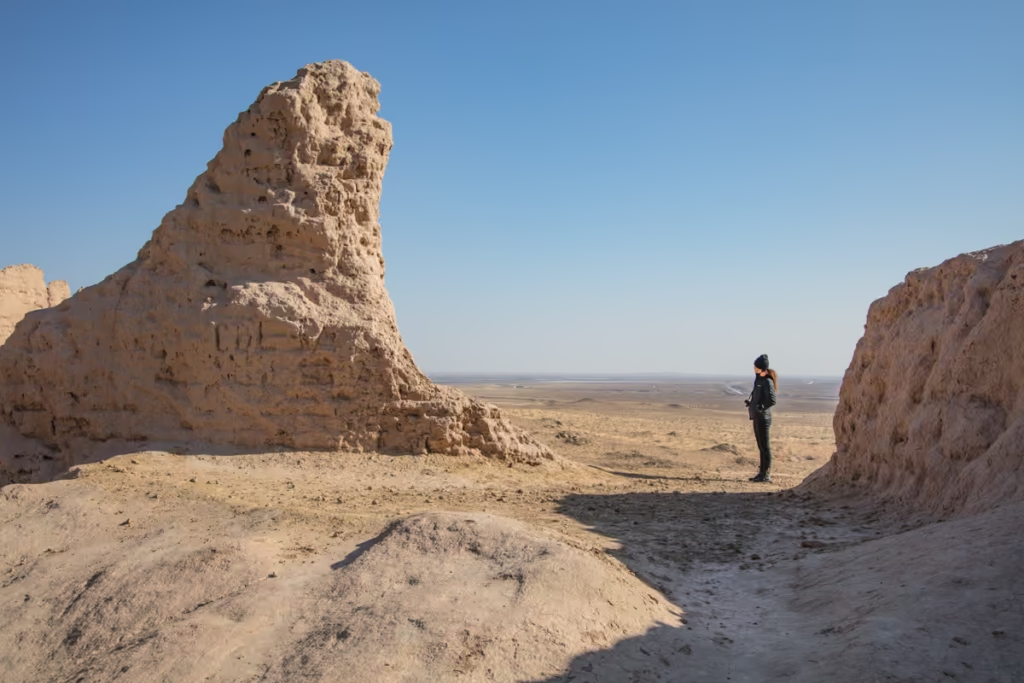
Karakalpakstan Travel Guide
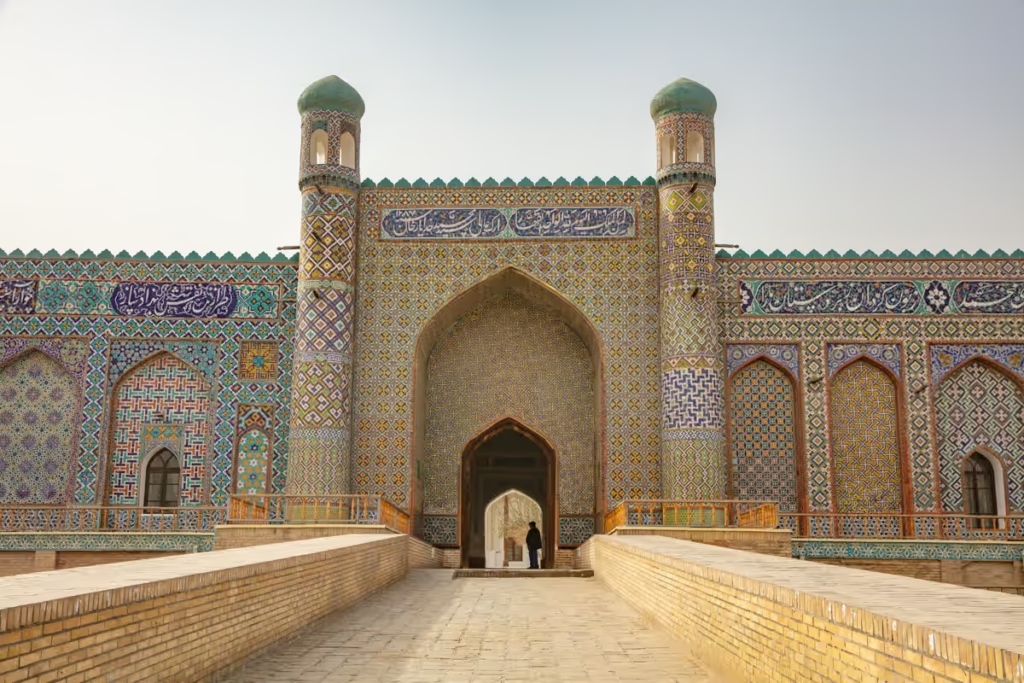
Uzbek Fergana Valley Travel Guide
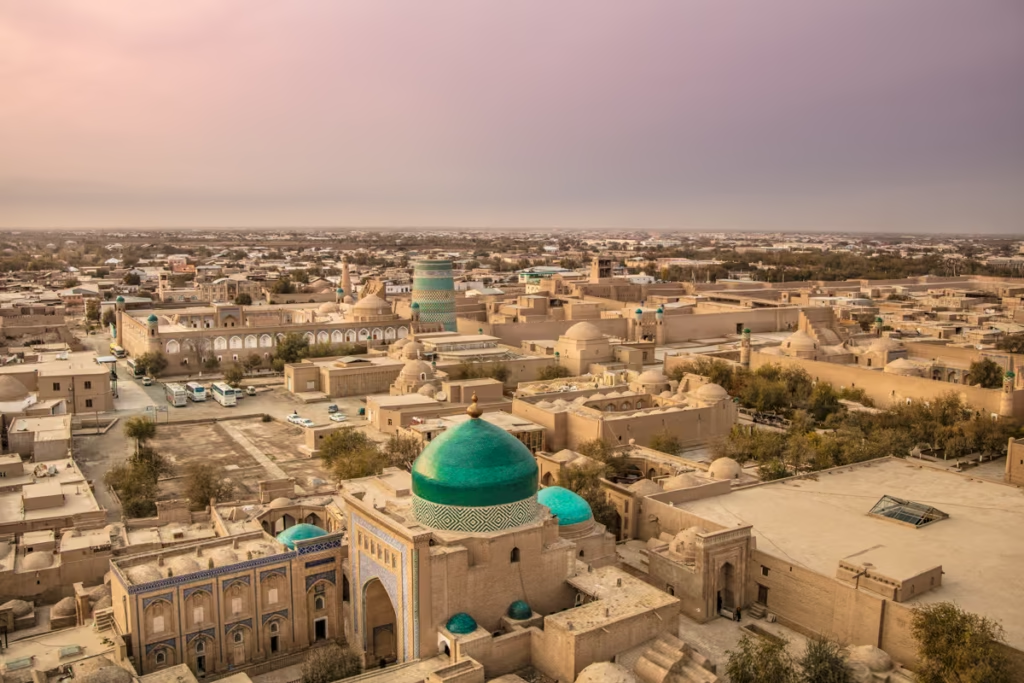
Two Week Uzbekistan Itinerary: 14 Days
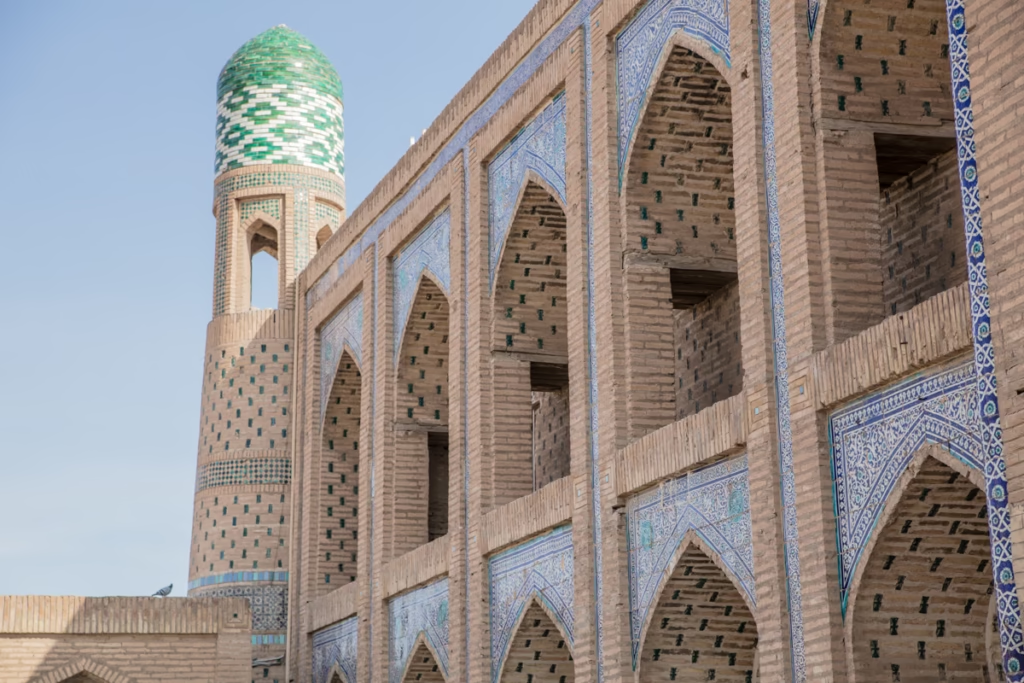
Tajikistan Uzbekistan Itinerary: 2 Weeks
Solo Female Travel in Central Asia
Uzbek Food: 33 Dishes to Try
Kazakhstan-Uzbekistan Border Crossing
Solar Furnace Uzbekistan: Visit Guide
Panjakent-Samarkand Border Crossing Guide
Nukus Travel Guide: Things to Do
Central Asia Travel Guide

Oybek Border Crossing: Tashkent to Khujand
Best Restuarants in Tashkent
Central Asia Packing List
Aral Sea, Uzbekistan: Complete Travel Guide
Central Asia Travel Tips: 10 Things to Know
Central Asia Visas Guide
Khiva Travel Guide: 15 Best Things to Do
Things to Do in Uzbekistan
Khorezm Fortresses, Uzbekistan
The Best SIM Cards & eSIMs for Uzbekistan