Explore Kazakhstan: Complete Travel Guide & Tips
Updated October 2026, The Kazakhstan Travel Guide was originally written in February 2020
Kazakhstan is the kind of country that makes you realize just how much space exists on Earth. One trip can take you from the leafy streets of Almaty into the Tien Shan mountains, across enormous stretches of steppe, past turquoise alpine lakes and rainbow-colored desert mountains, and into the surreal landscapes of Mangystau.
There is plenty to do in Kazakhstan whether you are planning a short city break, a longer backpacking trip, a hiking adventure, or a journey across Central Asia. You can trek in the mountains around Almaty, explore Silk Road cities in southern Kazakhstan, visit the Baikonur Cosmodrome, camp beside alpine lakes, walk amongst the grandeur of the futuristic capital, Astana, wander through enormous canyons, or head west to the Caspian Sea and the deserts of Mangystau.
I’ve traveled through Kazakhstan independently several times and have returned to explore more of the country over the years. In this Kazakhstan travel guide, I’ll cover the practical information you need to plan a trip, including the best places to visit in Kazakhstan, things to do, visas, transportation, food, costs, safety, when to go, and what to pack.
Need Travel Insurance and Evacuation Services?
Start shopping for travel insurance plans over at IATI Insurance. Readers of the Adventures of Nicole get a 5% discount off your plan.
The Adventures of Nicole partners with Global Rescue to offer the world’s leading medical evacuation and security advisory services. To travel with peace of mind, explore their evacuation coverage.
Quick Kazakhstan Info
Kazakhstan is the world’s largest landlocked country and the ninth-largest country in the world by area. It stretches from the Caspian Sea in the west to the Tien Shan mountains in the southeast, so distances between destinations can be surprisingly long.
Here are a few basics to know before traveling to Kazakhstan.
Money in Kazakhstan
The currency of Kazakhstan is the Kazakhstani tenge (KZT). Exchange rates fluctuate, so check the current rate before your trip rather than relying on a fixed conversion.
ATMs and banks are widely available in Kazakhstan’s major cities and towns, and paying with cards has become increasingly common in the cities the past several years. I recommend carrying some cash when heading into rural areas, national parks, or remote parts of the country, as there aren’t always options to pay by card in remote areas.
Language in Kazakhstan
Kazakh and Russian are the two main languages you will encounter while traveling in Kazakhstan. Russian remains widely spoken, particularly in cities, while Kazakh is the state language.
English is increasingly common among younger people and in hotels, hostels, tour companies, and other businesses that regularly work with international travelers. Outside the major cities, however, English can be limited.
Learning a few basic words in Kazakh or Russian is useful, especially when traveling independently.
What to Wear in Kazakhstan
What you should wear in Kazakhstan depends heavily on where and when you visit. Cities such as Almaty and Astana are modern and generally have the same range of clothing styles you would expect elsewhere in Europe or North America.
Outside the major cities, particularly in villages and smaller towns, clothing tends to be more conservative. I generally recommend covering your knees and shoulders when traveling through rural areas, particularly when visiting mosques or other religious sites.
For hiking and trekking, pack according to the season and altitude rather than relying on the weather forecast in Almaty or Astana. Mountain weather can change quickly, even during summer.
Best Time to Visit Kazakhstan
The best time to visit Kazakhstan depends on where you are going and what you want to do. Kazakhstan has an extreme continental climate, with very hot summers in some regions and extremely cold winters.
Summer in Kazakhstan
June through August is the main hiking and trekking season in the mountains around Almaty and southeastern Kazakhstan. July and August are generally the best months for high-altitude trekking, although conditions can vary considerably with elevation.
Summer can be hot in lower-lying desert areas such as Charyn Canyon, Altyn Emel, and Mangystau, so early morning starts are worthwhile.
Spring and Autumn in Kazakhstan
April through May and September through October are particularly good periods for exploring lower-elevation landscapes and cities. The weather is generally more comfortable for places such as Charyn Canyon and Altyn Emel National Park than during the hottest part of summer.
September and early October can also be excellent for hiking, depending on conditions at higher elevations.
Winter in Kazakhstan
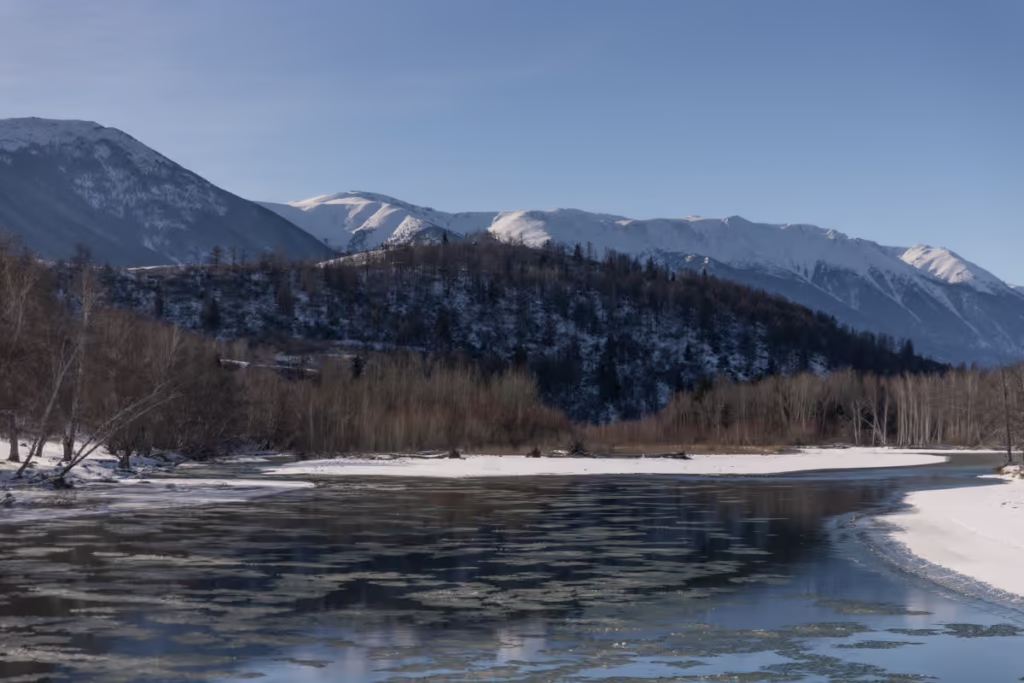
Winter is very cold across much of Kazakhstan, but that does not mean you should automatically rule it out. Ski resorts around Almaty offer winter activities, while Astana takes on a completely different character when temperatures plunge and the steppe freezes.
If you are planning a winter trip, pack for genuinely cold conditions rather than assuming Kazakhstan will have a mild Central Asian winter.
How Long to Visit Kazakhstan
Kazakhstan is enormous, so don’t underestimate the distances when planning your itinerary. The country is the ninth-largest in the world by area, and many of the most interesting destinations are separated by hundreds of kilometers.
7-10 Days in Kazakhstan
With around 10 days, I would focus on Almaty and southeastern Kazakhstan. This gives you time for Almaty, Big Almaty Lake, Charyn Canyon, Kolsai Lakes, and Lake Kaindy without spending your entire trip in transit.
2 Weeks in Kazakhstan
Two weeks allows you to add another region or travel farther from Almaty. You could combine southeastern Kazakhstan with destinations such as Turkistan and Shymkent, or build a trip around Almaty and a longer adventure into the mountains.
3-4 Weeks in Kazakhstan
With three to four weeks, you can cover a much larger portion of the country, although you will still need to accept some long travel days. This is a much better timeframe for combining southeastern Kazakhstan with southern, northern, or western Kazakhstan.
Kazakhstan Visa Requirements
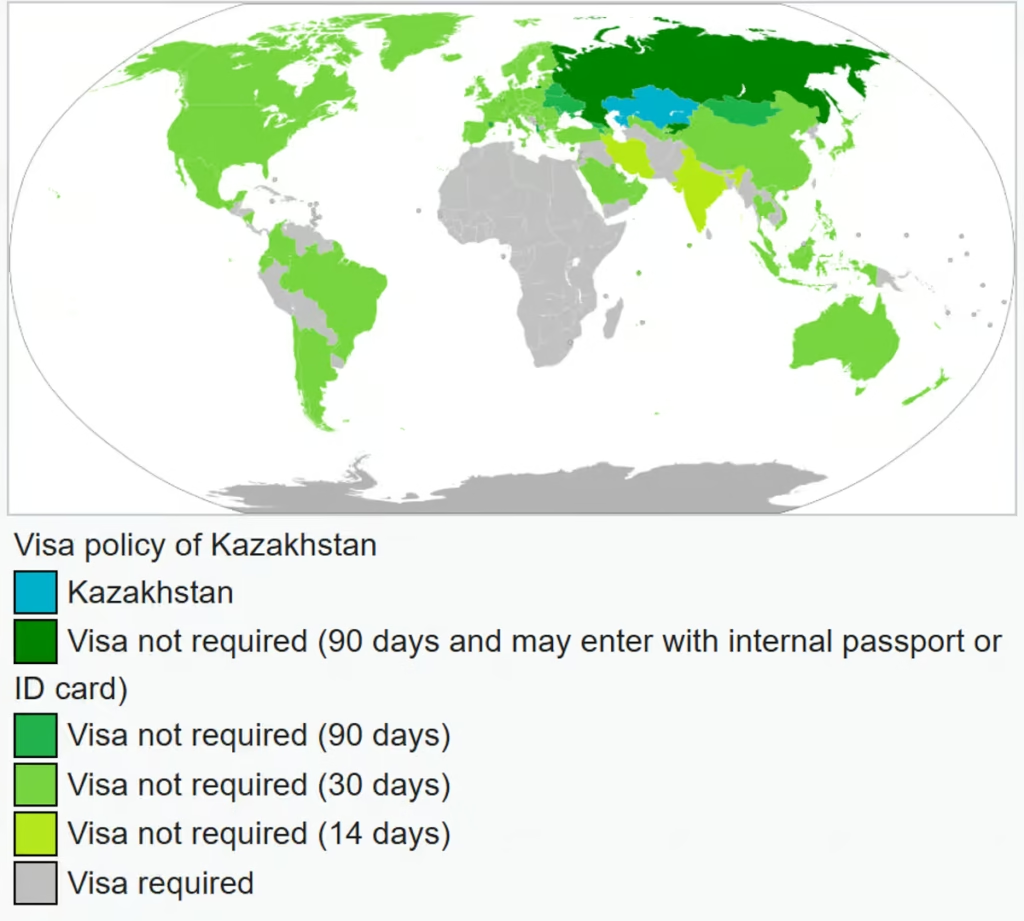
Kazakhstan has visa-free agreements with numerous countries, while citizens of other nationalities may need a visa or electronic visa.
Visa rules depend on your nationality and can change, so check the current requirements before booking your trip. Kazakhstan’s official visa table lists the current rules by nationality and passport type.
For many travelers, Kazakhstan is relatively straightforward to visit without arranging a visa in advance. If you do need a visa, check the current application requirements and processing times before your trip.
If you are planning to combine Kazakhstan with Kyrgyzstan, Uzbekistan, or another Central Asian country, also check the entry requirements for each country before traveling.
Going to Kyrgyzstan too? Check out my two week Kazakhstan & Kyrgyzstan itinerary
How to Get to Kazakhstan
Most international travelers enter Kazakhstan by air, with Almaty International Airport and Astana International Airport serving as the country’s main international gateways.
Almaty is usually the most convenient starting point for travelers interested in southeastern Kazakhstan and the Tien Shan mountains. Astana is more useful if you are exploring northern and central Kazakhstan.
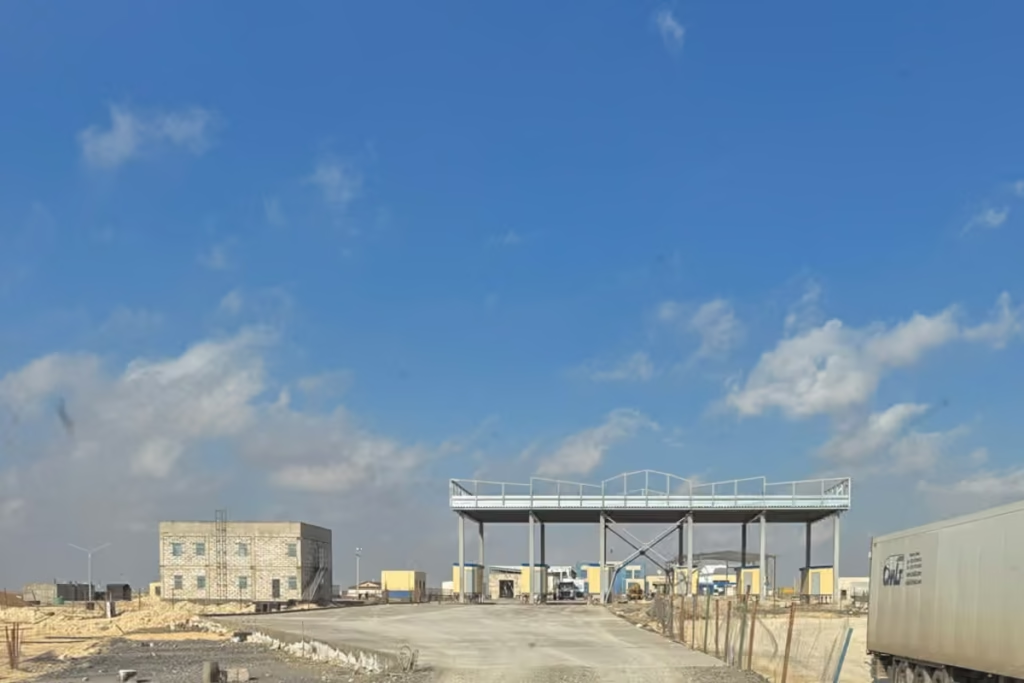
Kazakhstan also has international land borders with Kyrgyzstan, Uzbekistan, China, Russia, and Turkmenistan, making overland travel particularly useful for travelers exploring Central Asia.
Other common entry points are the Kordoi Border Crossing between Bishkek and Almaty, the Navoi-Kaplanbek and Jipek Joli crossing that connect Tashkent and Shymkent.
Getting Around Kazakhstan
Kazakhstan’s huge distances make transportation one of the biggest considerations when planning a trip.
Trains in Kazakhstan
Trains are one of the best ways to cover long distances in Kazakhstan. They connect many of the country’s major cities and can be particularly useful for overnight journeys.
Shared Taxis and Marshrutkas
Shared taxis and marshrutkas are useful for shorter regional journeys, particularly where train connections are limited. They are often the most practical way to reach smaller towns and rural areas.
Flying in Kazakhstan
For very long distances, flying can save a significant amount of time. Domestic flights connect Almaty, Astana, Shymkent, Aktau, Turkestan, and other major destinations.
Taxis in Kazakhstan
In cities, taxi apps are generally much easier than negotiating with drivers on the street. Yandex Go is widely used in Kazakhstan’s larger cities.
If you are traveling into remote areas such as Mangystau, Altyn Emel, or the mountains around Kolsai and Kaindy, transportation becomes considerably more complicated. In these areas, hiring a driver, arranging a local vehicle, or joining a tour can make much more sense.
Kazakh Food: What to Eat in Kazakhstan
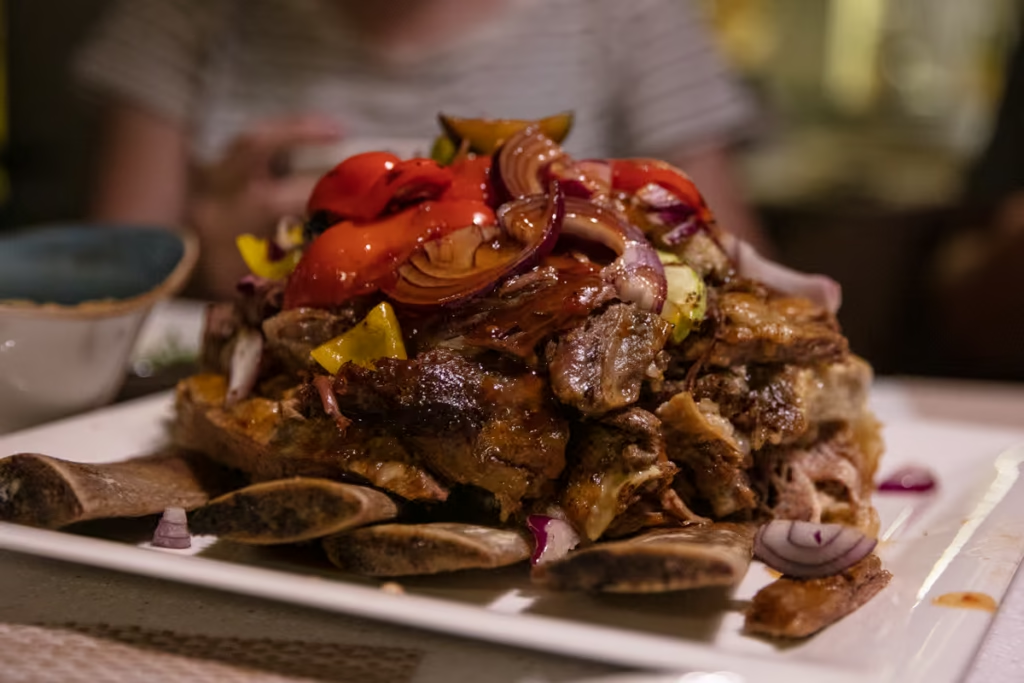
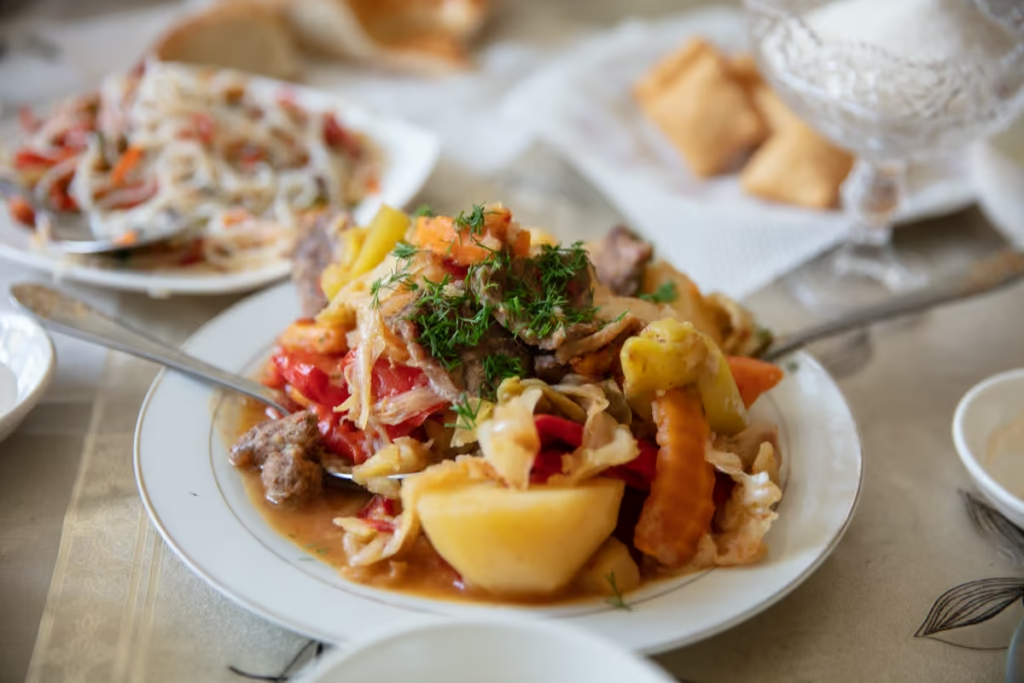
Kazakh cuisine is heavily influenced by the country’s nomadic history, with meat, dairy products, bread, noodles, and hearty soups featuring prominently. You will also find plenty of Russian, Uzbek, Uyghur, Korean, and other influences, particularly in larger cities.
These are some of the Kazakh foods and Central Asian dishes I recommend trying while traveling in Kazakhstan.
Beshbarmak
Beshbarmak is one of the dishes most closely associated with traditional Kazakh cuisine. The name means “five fingers,” referring to the traditional practice of eating the dish with your hands.
It consists of handmade noodles topped with boiled meat, traditionally horse or mutton, along with onions and broth.
I’ll admit it isn’t my favorite dish because I’m not exactly a connoisseur of boiled meat, but it’s one of those foods you should try at least once while traveling in Kazakhstan.
Baursok
These small pieces of fried dough are common throughout Kazakhstan and Kyrgyzstan. Baursok are often served alongside meals or as an appetizer, sometimes with kaymak, a thick cream.
Non
Non simply means bread, and you’ll find beautiful round loaves of it at bazaars and restaurants throughout Kazakhstan. Bread is served with pretty much every meal.
Chai
Like non, chai is nearly impossible to avoid in Kazakhstan. Tea is commonly served with meals and when visiting people’s homes. You’ll often be asked whether you want chorny, (black tea), or zelony, (green tea).
Qazi
Qazi is a traditional sausage made from horse meat and is often served alongside beshbarmak, plov, and other dishes on special occasions. I actually quite like qazi, although the idea of eating horse meat can be a hurdle for some visitors.
It is relatively expensive and traditionally associated with special occasions. The Green Bazaar in Almaty is a good place to look for it.
Plov
Plov is the ubiquitous Central Asian dish of rice, carrots, meat, and garlic. Depending on where you eat it, you may also find raisins, chickpeas, or other additions.
Shorbo
Shorbo is a simple soup found throughout Central Asia, usually made with meat, potatoes, carrots, and broth. It is particularly welcome after a cold day of traveling.
Chakchak
Chakchak is a sweet made from fried dough and honey that originated among Turkic peoples and is now found across Central Asia and Russia. It reminds me a little of the crispy cereal treats my mom used to make when I was a kid.
Best Places to Visit in Kazakhstan
Kazakhstan is so large that it makes more sense to plan your trip by region than to try to see everything in one journey. These are the main destinations and regions I recommend considering when planning Kazakhstan travel.
Almaty & Around
Almaty
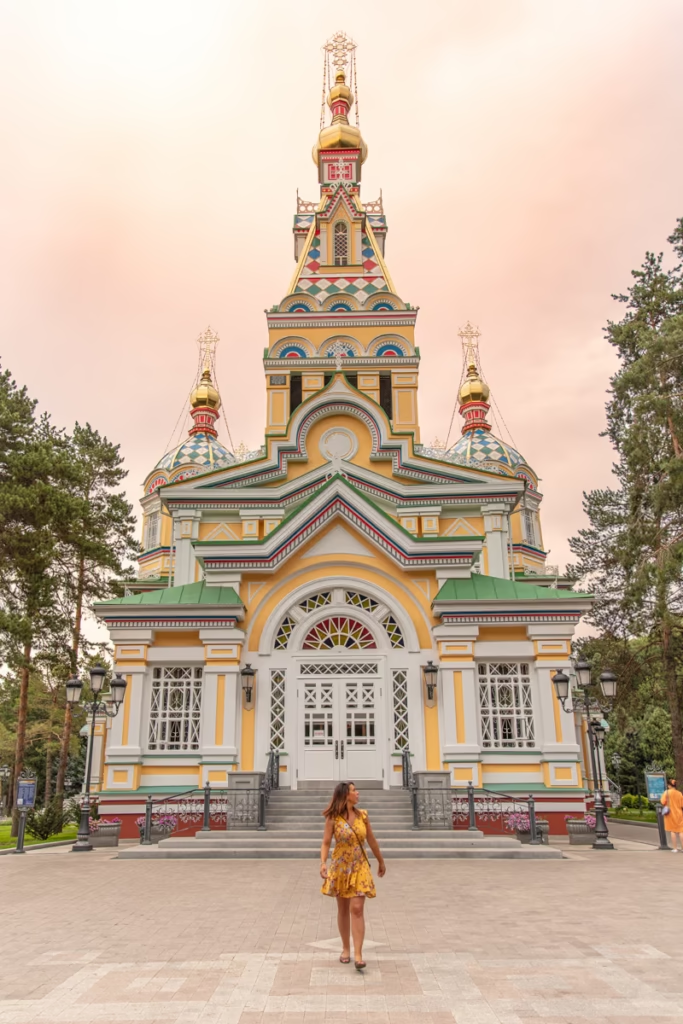
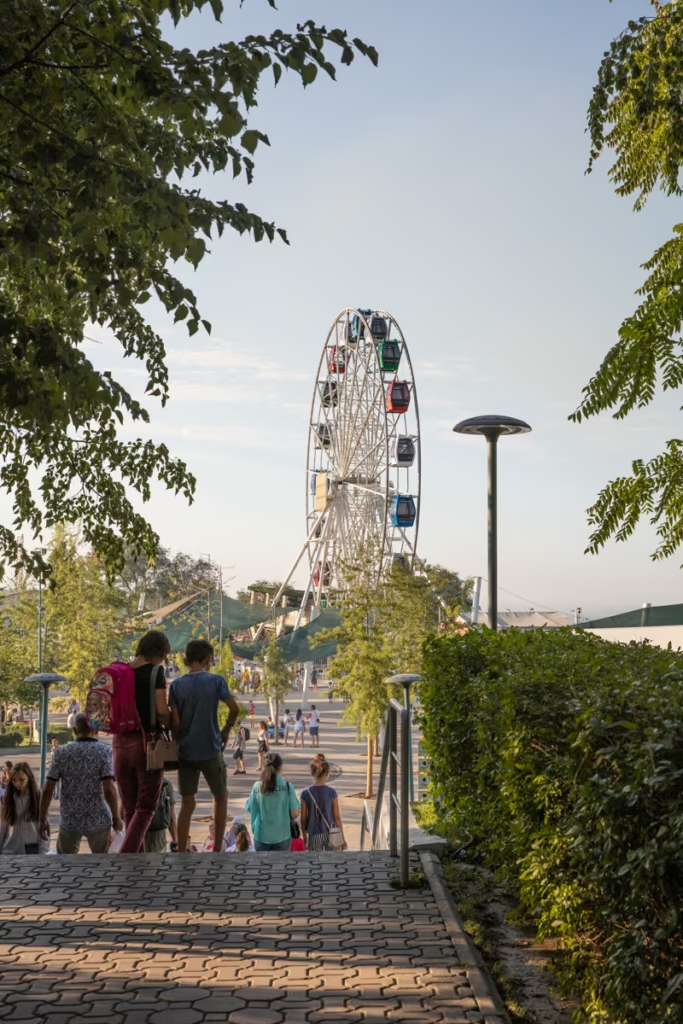
Almaty is Kazakhstan’s former capital and largest city. The leafy green city is unlike other Central Asian capitals (former or present) as it has a very European feel to it. Almaty very much reminded me of Odessa, Ukraine in several ways.
Check out my 14 best things to do in Almaty blog post for more info
Things to do in Almaty
- Zenkov Cathedral
- Panfilov Park
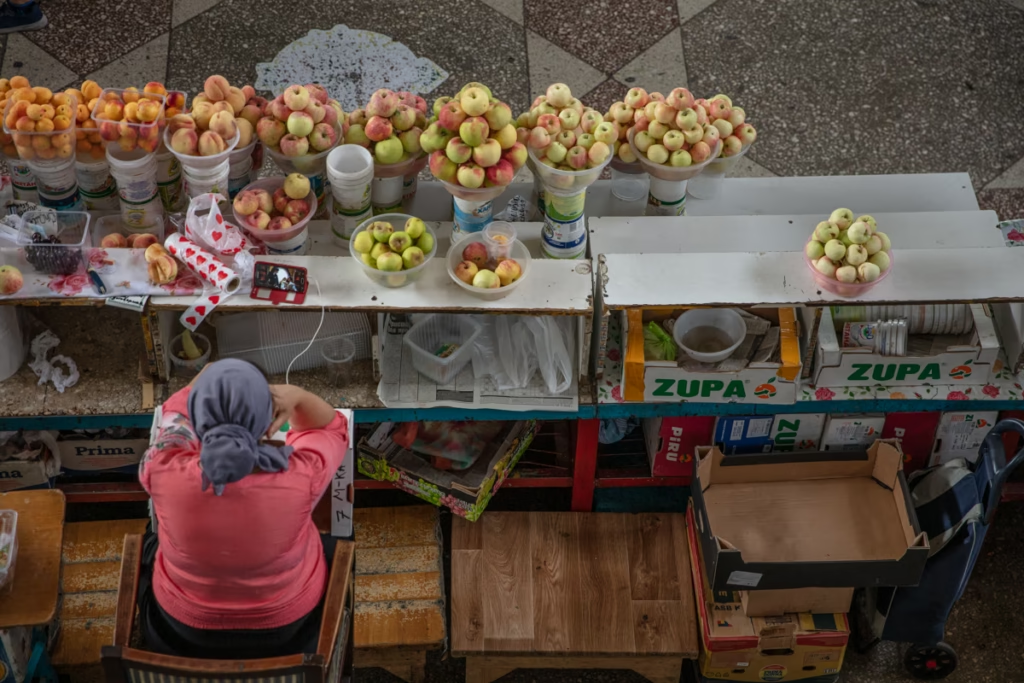
- Green Bazaar
- Kok Tobe
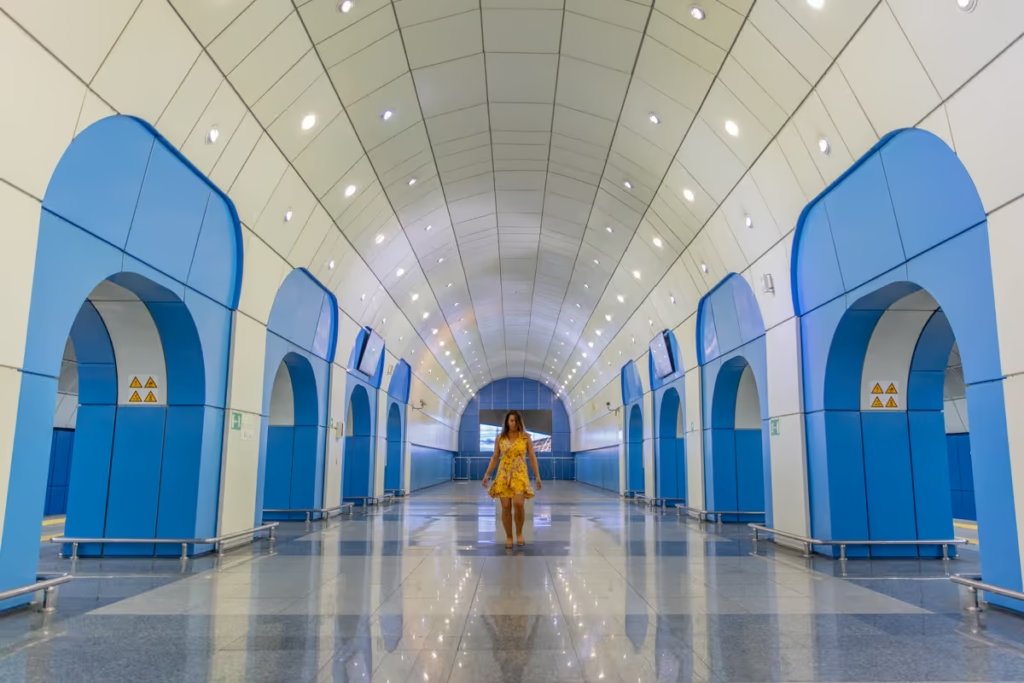
- Tour the Almaty Metro Stations
- Jipek Joli Pedestrian Street
- Arasan Baths
- Academy of Sciences
Best Restaurants in Almaty
- Markanda
- Navat
- Tyubeteika
- Man’s Cafe
- Shavlego Georgian Restaurant
- Gosti
- Coffeedelia
Where to Stay in Almaty
Budget
Almaty Backpacker’s
| Booking.com |
Midrange
Hotel Mildom
| Booking.com | Hotels.com |
Luxury
Rixos Almaty Hotel
| Booking.com | Hotels.com |
Big Almaty Lake
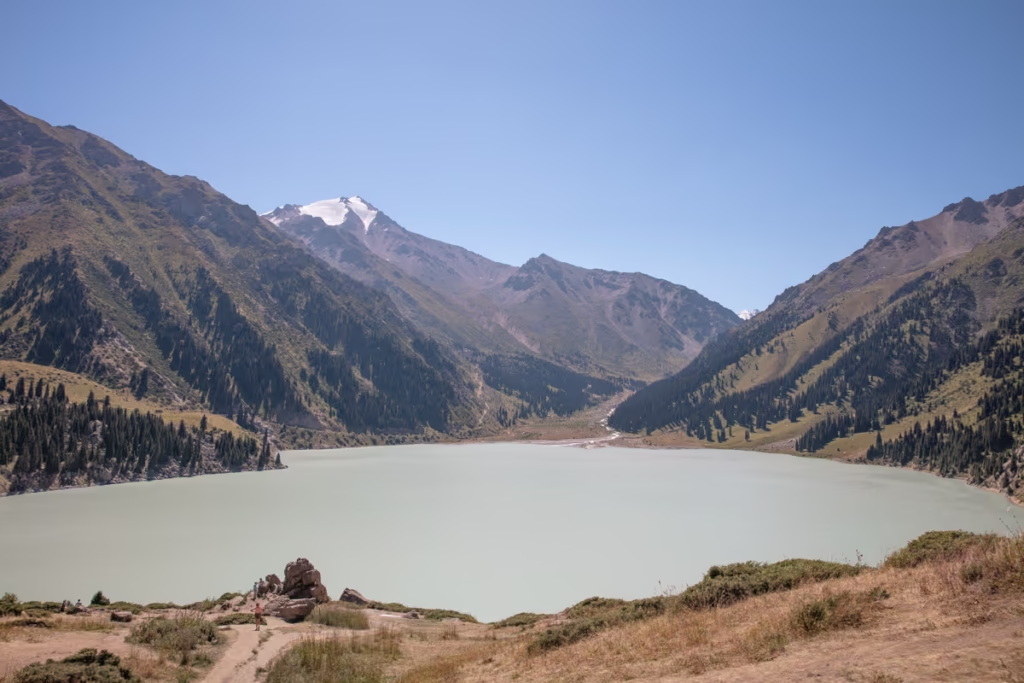
Big Almaty Lake is located just outside the city, perched in the Alatau Mountains, and can easily be reached by taxi, I recommend using Yandex.taxi (similar to Uber) to hire a car.
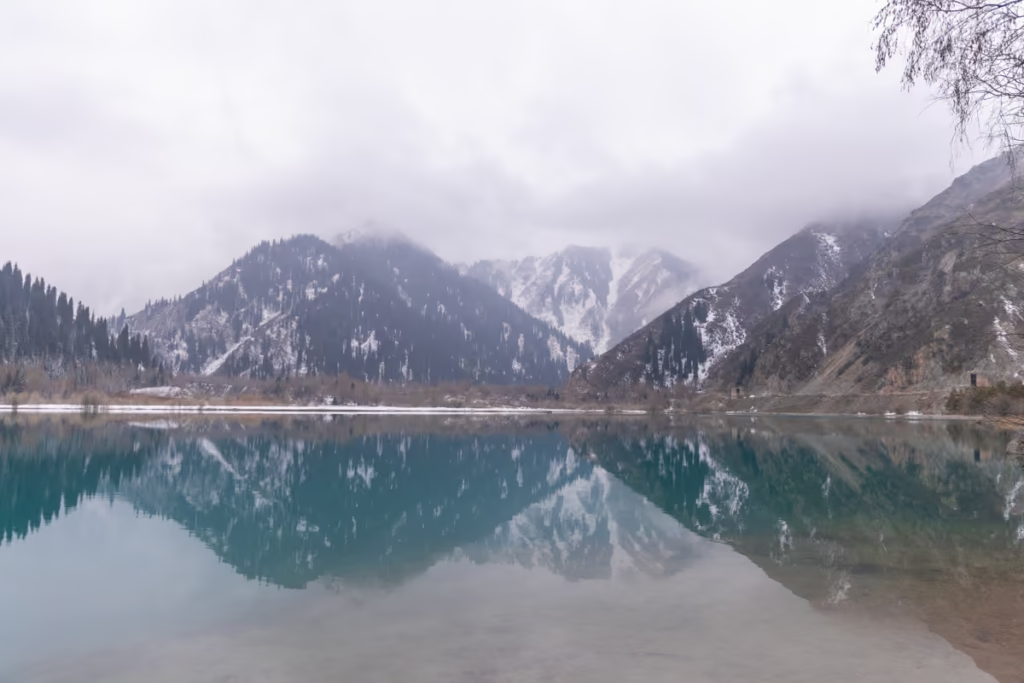
Depending on the time of year Big Almaty Lake can range from a beautiful turquoise to an opaque pastel seafoam green. Try to visit Big Almaty Lake early in the morning for reflections of the sky and surrounding mountains.
Plan your own visit with my Big Almaty Lake guide or book a tour of Big Almaty Lake
Southeastern Kazakhstan
Saty
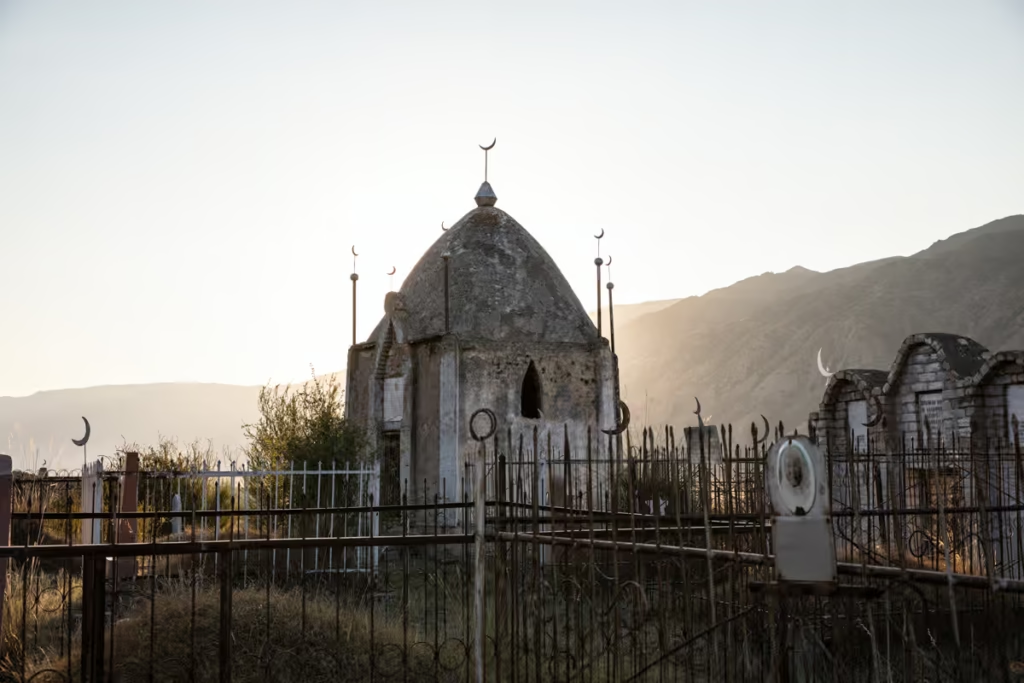
Saty is a small village that serves as a great jumping-off point for further explorations to the Sunken Forest of Lake Kaindy, trekking around Kolsai Lakes, and visiting Charyn Canyon. There are several guesthouses in Saty that rent rooms to tourists and can help arrange transport to Kaindy, Kolsai, and Charyn. Saty doesn’t boast many must-sees itself, but the mosque and the cemetery are worth a visit if you find yourself with some spare time.
Where To Stay In Saty
Budget
Guesthouse Arcabay-Karligash
| Booking.com |
Midrange
A-Frame Kolsai
| Booking.com |
The Sunken Forest of Lake Kaindy
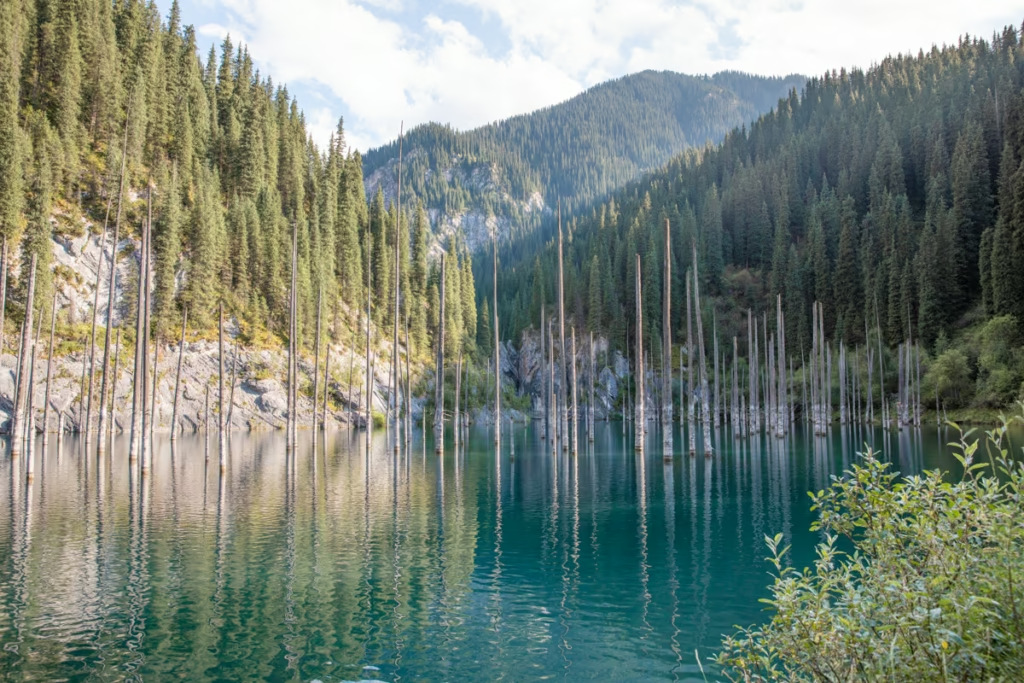
Lake Kaindy is among the most unique lakes in the world. Not only is absolutely stunning it all boasts an unusual feature: a sunken forest.
After a large earthquake in 1911 unleased a large landslide damming off the Kaindy River, the valley began filling with beautiful turquoise glacial water. Eventually, much of the Shrenk spruce forest in the bottom of the valley was submerged. The branches and green needles eventually fell off the upper parts of the trees that rise out of the water, but the lower halves that remained submerged managed to retain theirs thanks to preservation properties of the ice-cold water, giving the sunken forest the appearance of being upside down.
For those wanting to make an overnight trip of Kaindy Lake, it’s possible to bring your own gear and camp. For those up for a real challenge, it’s possible to trek between Kaindy and Kolsai Lakes.
Plan your visit to Lake Kaindy with my How to get to Lake Kaindy guide
Kolsai Lakes 1, 2, & 3
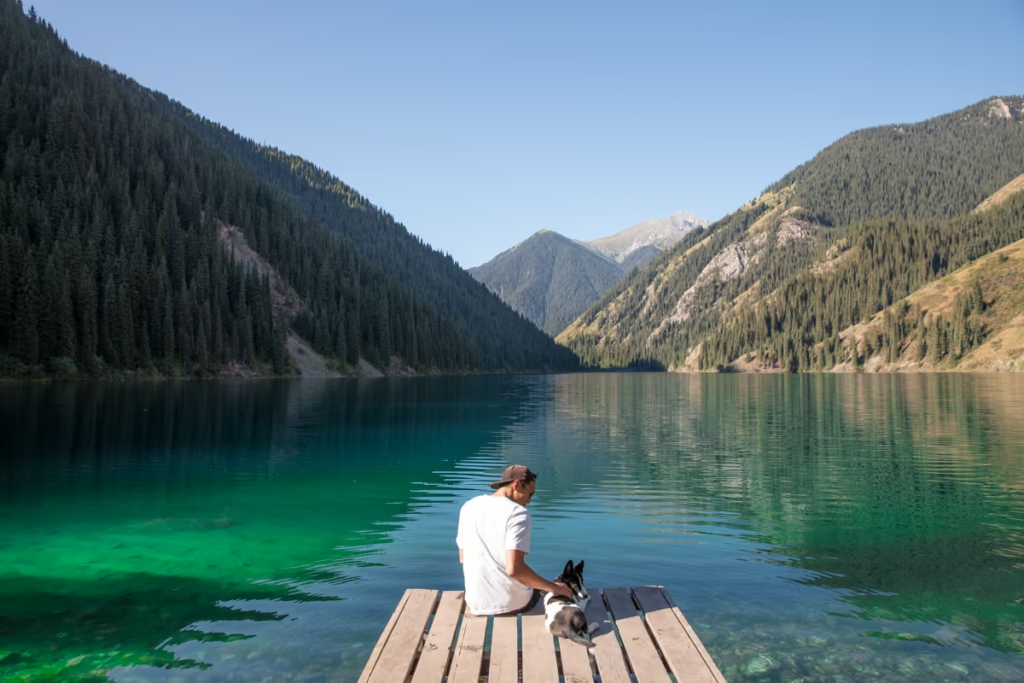
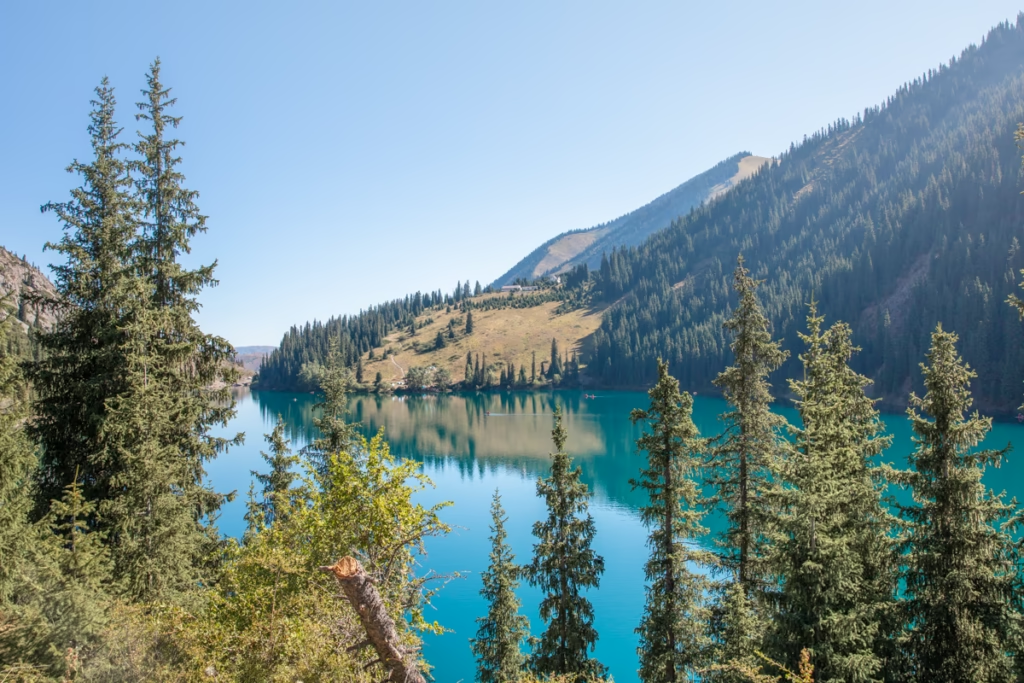
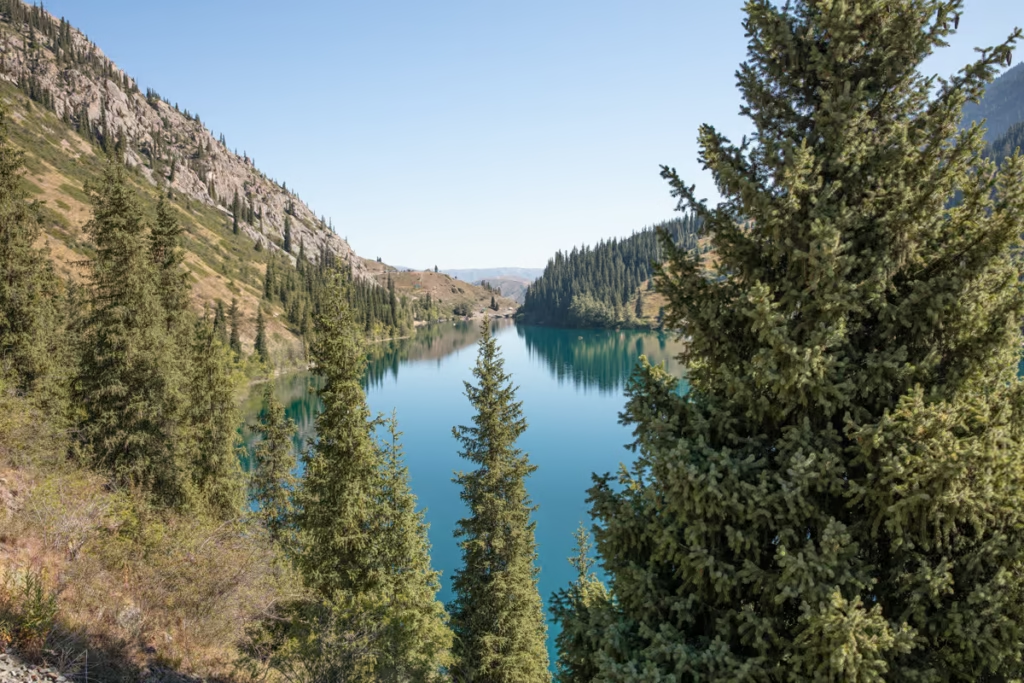
Kolsai Lakes are a strand of blue-green lakes, commonly referred to as the pearls of the Tien Shan. Arrange a car from Saty and walk down the steep hill for views of the first Kolsai Lake. A short walk along the shore will bring you to a dock jutting out into the lake that makes for a great photo op.
For those that wanna take on a day hike, you can continue along a trail that connects to Kolsai Lake 2, and if you’re up for it, Kolsai Lake 3. You can bring your own gear if you’d like to spend a night at Kolsai Lakes, or there is a yurt camp at the first lake.
It’s possible to travel to Kolsai 2 by horseback.
Wanna join a group? Check out this Kaindy, Kolsai & Charyn Canyon 3 day tour
Charyn Canyon
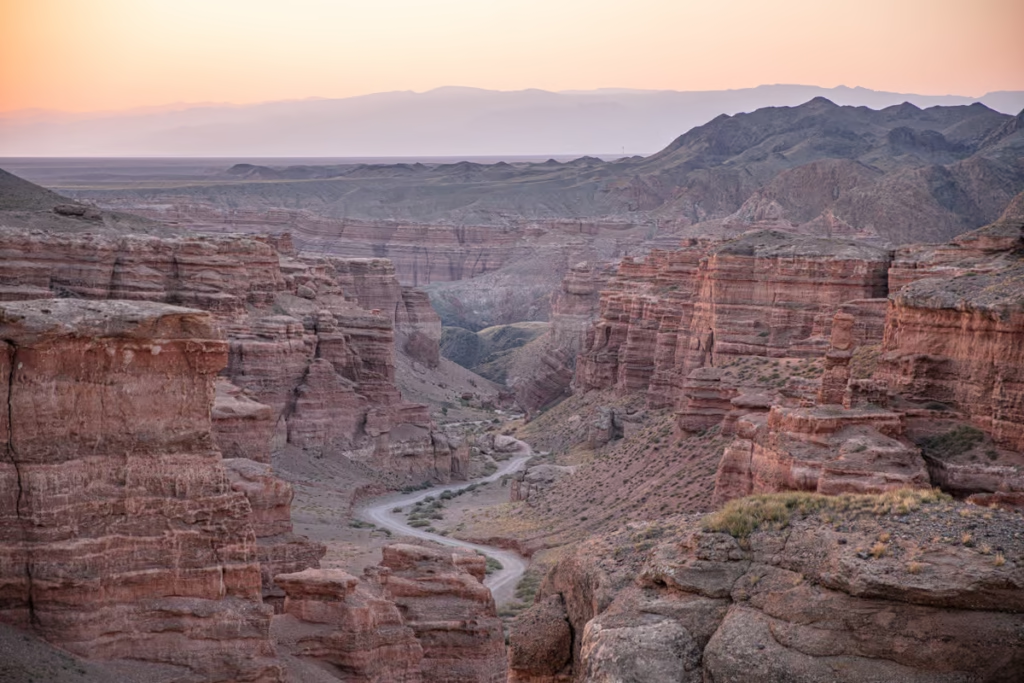
Southeastern Kazakhstan is pretty diverse for its size. From city to alpine lakes to desert landscapes that rival the Grand Canyon in appearance.
Charyn Canyon is comprised of several canyons that all have their own persona, but probably the most popular is the Valley of Castles pictured above.
Planning your own Charyn Canyon visit? Read: How to get to Charyn Canyon
Join this Charyn Canyon day trip from Almaty
Altyn Emel
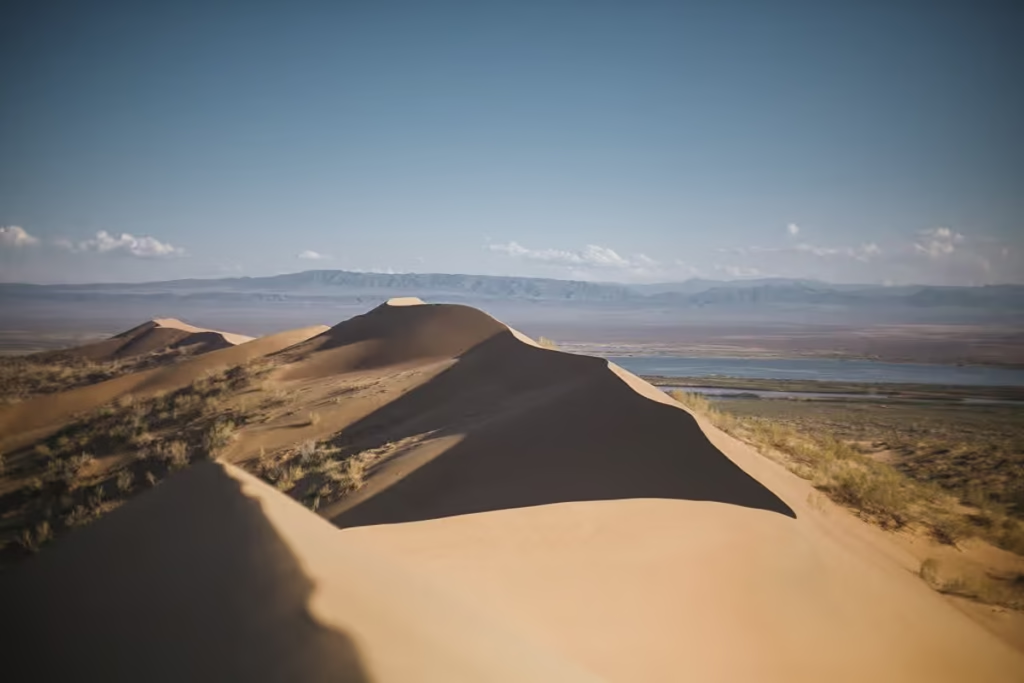
Altyn Emel National Park is probably most famous for its unique singing dunes, that create an organ-like sound when winds blow from the west. The Aktau Range is another not-to-miss stop in the national park for its striated, colorful appearance.
Karkara Border
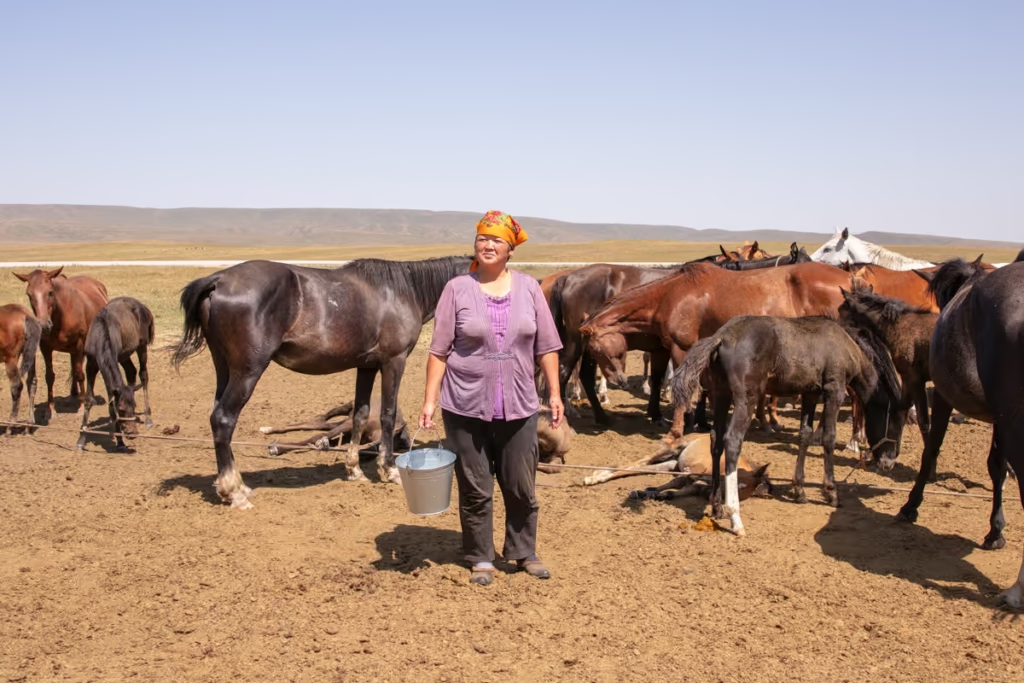
For those that plan to combine a visit to southeastern Kazakhstan with eastern Kyrgyzstan, the Karkara border is going to be the shortest option to get between the two countries without having to backtrack back to Almaty.
Check out my Karkara Border Crossing report for info on how to cross between Kazakhstan and Kyrgyzstan
Turkistan & Southern Kazakhstan
Shymkent & Around
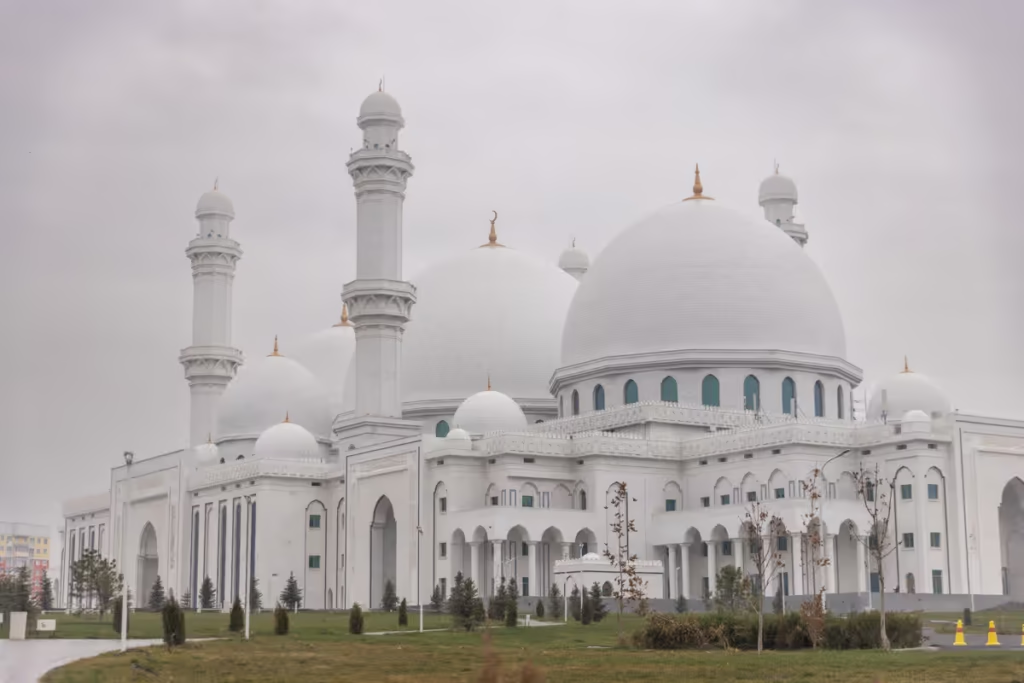
Just a hop across the border from Tashkent, Shymkent has a long history along the Silk Road. From its early beginnings as a caravanserai to becoming a center of trade between Turkic nomads and Sogdians, later devastated by Genghis Khan and the Mongol Horde before being absorbed by the Khanate of Kokand and later sacked by the Russians. Back in Shymkent’s heyday, the city was well known for its fine kumis, however, these days, alcohol speaking, Shymkent is known for producing Kazakhstan’s two finest beers.
Don’t miss out on shopping at Shymkent’s famed bazaars. Shymkent is surrounded by plenty of natural wonders. Don’t miss out on Sayram Ugam National Park or Aksuu Zhabagyly Nature Reserve.
Things to Do in & Around Shymkent
- Central Bazaar
- Samal Bazaar
- Shymkent Regional Museum
- Sayram
- Sayram Ugam National Park
- Aksuu Zhabagyly Nature Reserve
- Otrar
Where to Stay in Shymkent
Budget
City Hostel Shymkent
| Booking.com | Agoda.com |
Midrange
Makhambet Hotel
| Booking.com |
Splurge
Rixos Khadisha Shymkent
| Booking.com | Hotels.com |
Turkestan
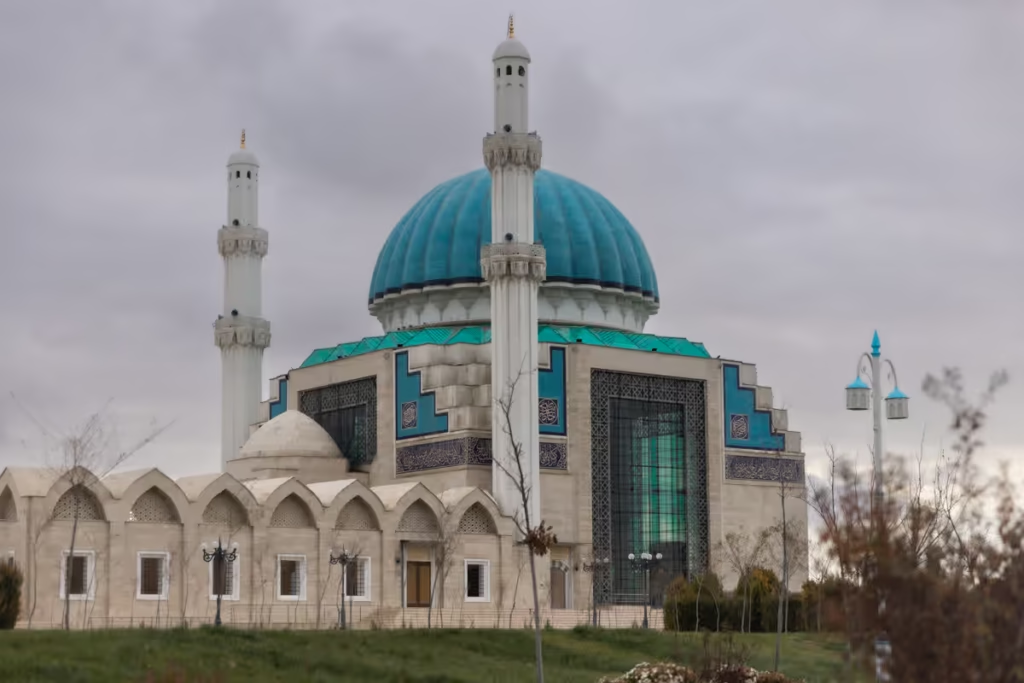
Turkestan boasts Kazakhstan’s best wealth of architectural gems, the centerpiece being the Mausoleum to Khoja Akhmed Yasaui, the first Turkic Muslim holy man.
Things to Do yn Turkistan
- Yasaui Mausoleum & History Museum
- Mausoleum of Rabigha Sultan Begum
- Hilvet Underground Mosque
Where to Stay in Turkistan
- Hotel Edem: Clean, central, budget-friendly with AC for those summer scorchers.
- Rixos Turkestan: For a comfortable splurge with a pool, spa, and excellent breakfast.
- Hotel Khanaka: Simple rooms but steps from the mausoleum, perfect for sunrise wanderers.
- Yassi Hostel: If you’re on a tight backpacker budget, this hostel offers capsule dorm beds with a communal vibe.
Aral
Over the course of 40 years, the once large endorheic lake whose shores once spanned both into Kazakhstan and Uzbekistan has nearly dried up completely. The town of Aral (formerly Aralsk) serves as a good jumping-off point for further explorations into the Aral Sea area.
Aralsk once sat at the shores of the Aral Sea and served as an important fishing port, but now is somewhat defunct, albeit easier to visit than former Aral Sea ports on the Uzbek side of what was once the sea. Efforts are being made by Aral Tenizi, an NGO working to revitalize the Aral Sea fishing industry.
Things to Do Around Aral
- Zhalanash Ship Cemetery
- Fishermen’s Museum
- Arask History Museum
- Kok Aral Dam
- Swim in the Aral Sea
Where to Stay in Aral
Budget
Gostinitsa Karavanserai
| Booking.com | Hotels.com |
Baikonur
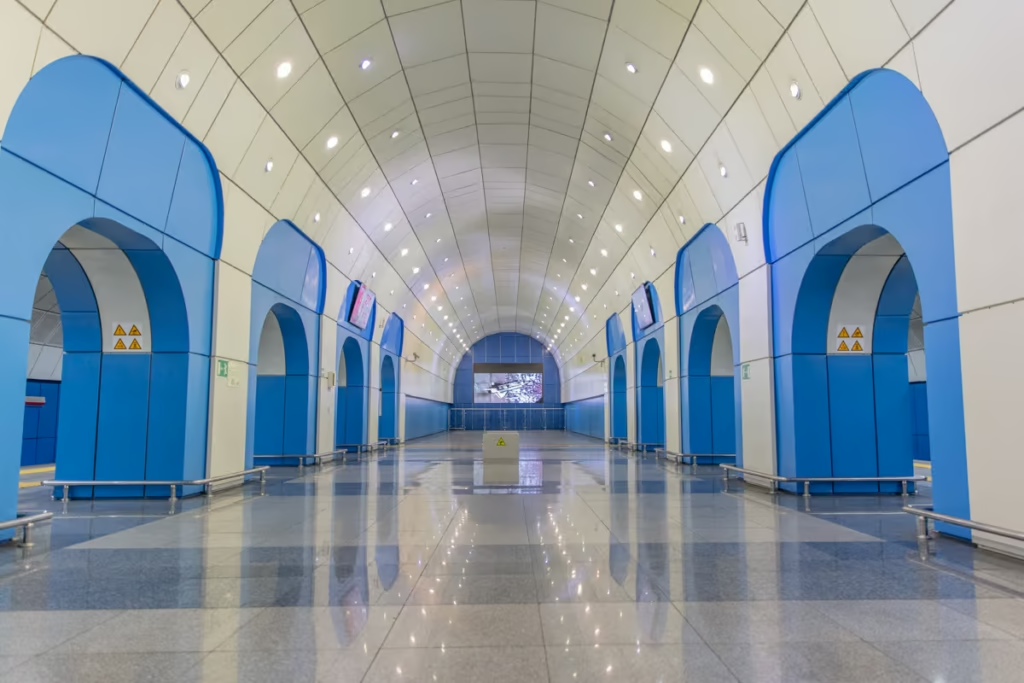
Space nerds rejoice, Baikonur is the world’s largest space launch facility. The cosmodrome is leased out to the Russians from the Kazakhs until at least 2050. Sputnik, Vostok, and Yuri Gagarin have all launched from pads within the Baikonur Cosmodrome.
For those of you that don’t wanna journey far but still want in on a little space action, you can always visit the Baikonur Metro Station in Almaty that’s interior looks like a spaceship and plays videos of space launches on a mounted TV.
Northern Kazakhstan
Astana (Formerly Nur Sultan)
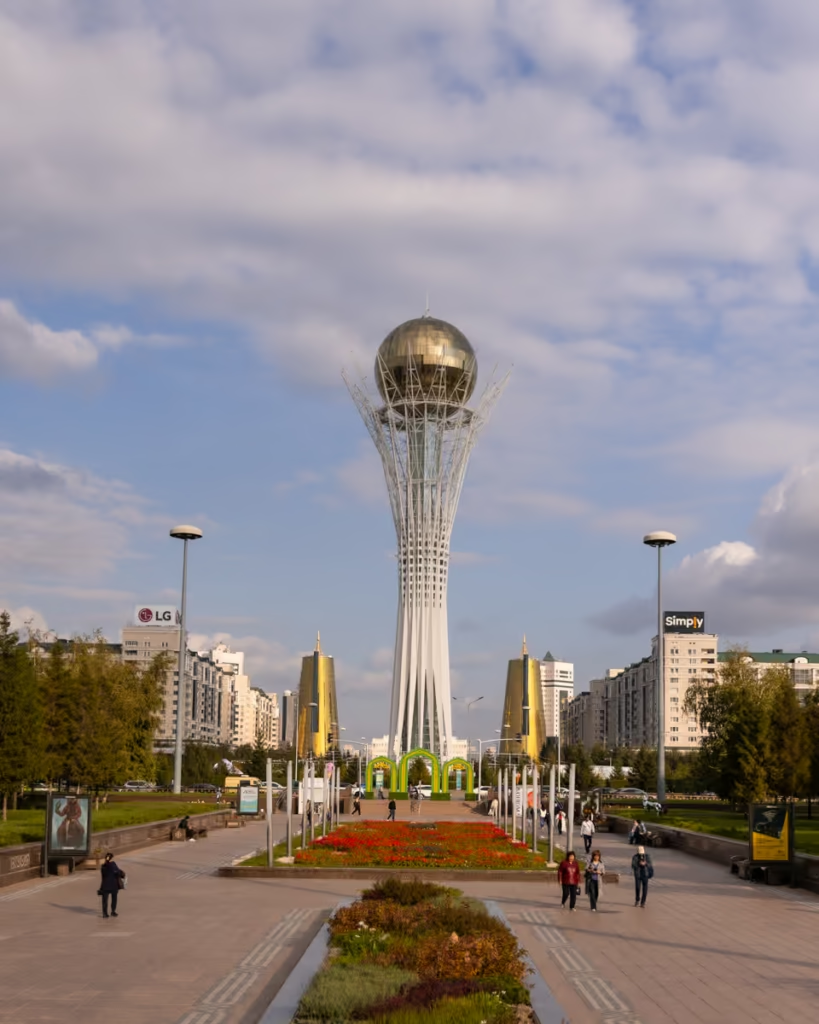
Astana is essentially a planned city, known as Nur Sultan from 2019 to 2022. First referred to as Akmola, it dethroned Almaty and became the capital of Kazakhstan in 1997 and changed names to Astana in 1998. In 2019 its name changed yet again after President Nursultan Nazarbayev resigned but returned to the name of Astana in 2022.
His take: it’s like Vegas meets Dubai with a twist of Central Asia. So think big grandiose buildings, unique and strange architecture set smack in the windswept Kazakh steppe.
Things to Do in Nur Sultan
- Hazrat Sultan Mosque
- Bayterek
- Khan Shatyr
- Palace of Peace and Reconciliation
- National Museum of Kazakhstan
Where to Stay in Astana
Budget
Hostel Nomad 4×4
| Booking.com |
Midrange
Radisson Hotel Astana
| Booking.com |
Splurge
Rixos President Hotel Astana
| Booking.com | Hotels.com |
Western Kazakhstan
Aktau & Mangystau
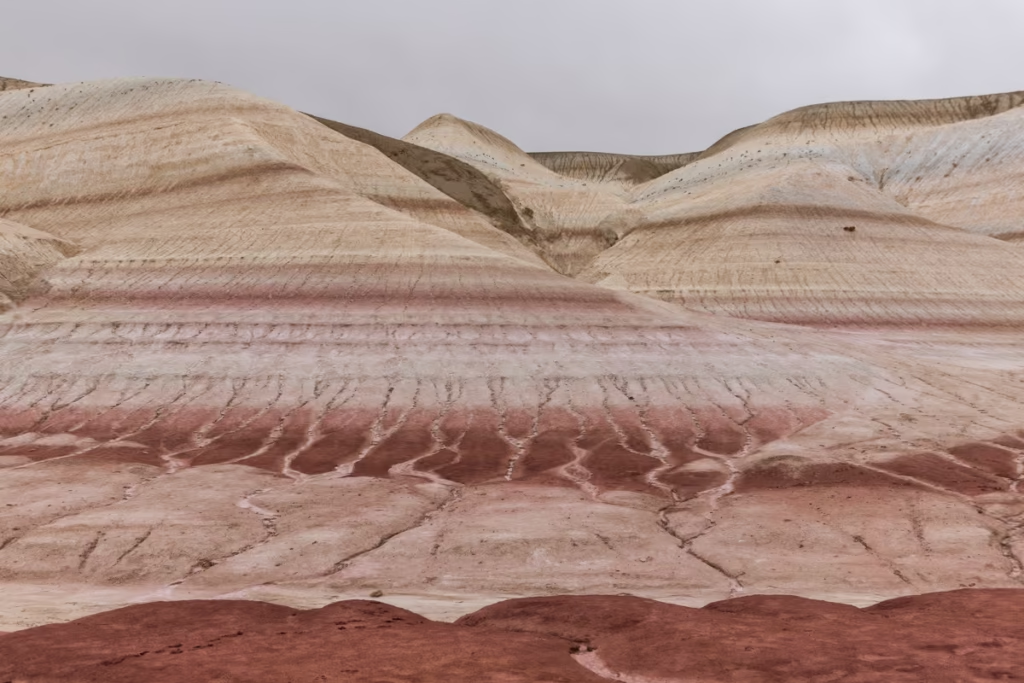
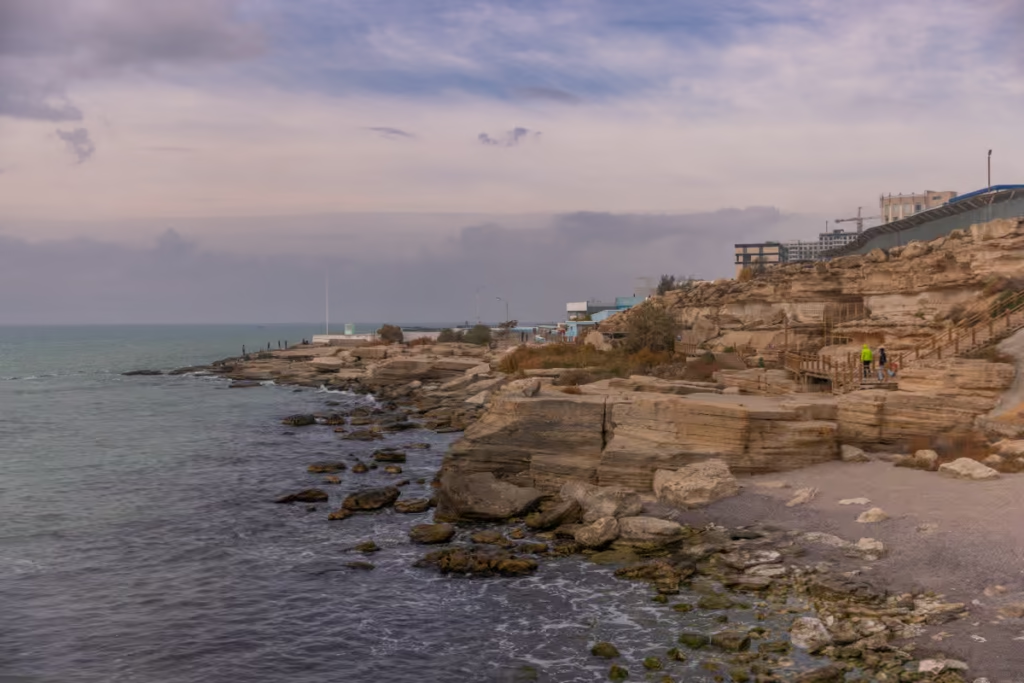
Set on white cliffs, Aktau looks out over the Caspian Sea. If you’re looking for a Kazakh beach break, Aktau is the spot with surrounding fluffy white sand beaches.
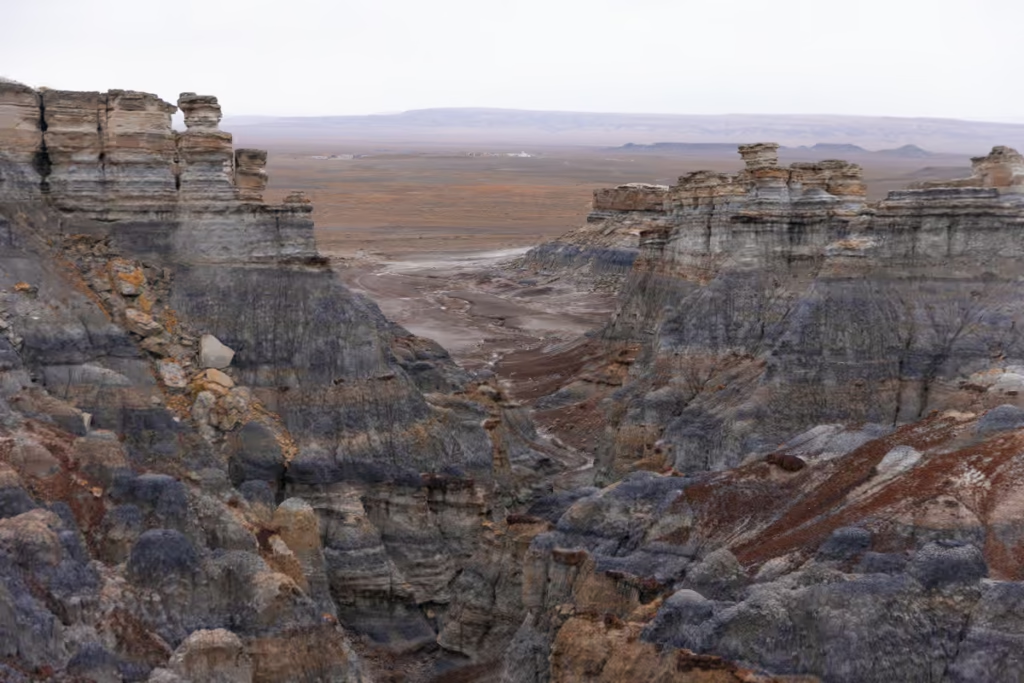
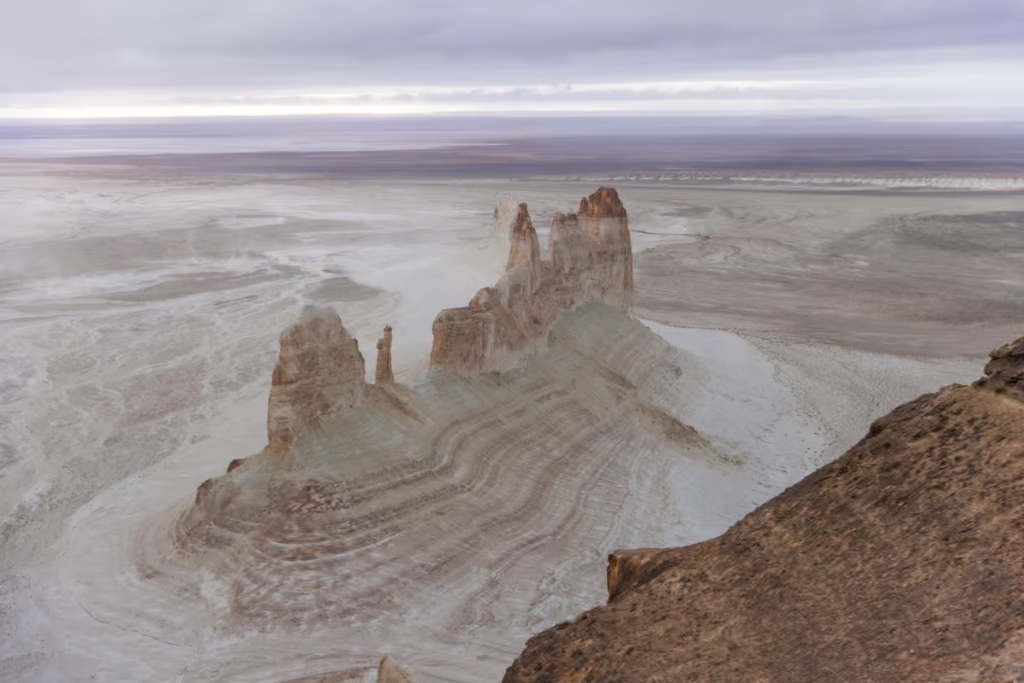
Outside of Aktau, don’t miss the Mangystau necropolises and underground mosques along with the epic landscapes of the Ustyurt Plateau.
Aktau serves as a jumping-off point for adventures into the surreal desert landscapes of the greater Mangystau Region.
Things to Do in Aktau
- Laze on Dostar Beach
- Visit the Aktau Regional Museum
Where to Stay in Aktau
Midrange
ZhanaOtel
| Booking.com | Agoda.com |
Splurge
Caspian Riviera Grand Palace
| Booking.com | Hotels.com |
Ustyurt Plateau
The Ustyurt Plateau is a moon-like landscape that straddles both Kazakhstan and Uzbekistan’s semi-autonomous region of Karakalpakstan. Luck would have it that I first saw images of the Kazakh side of the Ustyurt Plateau the morning I was flying home from my last Central Asia trip, so there I was at the airport immediately planning my next adventure back to the region (needless to say Ustyurt is on the list).
Wild canyons, colorful craggy formations, and underground mosques dot the region that was once a lesser-used route of the Silk Road. It’s possible to cross the Ustyurt Plateau by train between Uzbekistan and Kazakhstan, but looking at how vast an area this is, I would opt to go with my own transport or jump on an organized tour.
Check out this 3 day tour of Mangistau & Ustyurt Plateau
Uralsk
Given Uralsk’s position right off the border with Russia, Uralsk feels more like Russia than it does Kazakhstan. Most who visit Uralsk are either coming from or going to Russia, given its location. The main attraction here is the Russian-style architecture.
Things To Do In Uralsk
- Cathedral of Archangel Mikhail
- Cathedral of Christ the Savior
- Abay Square
- Uralsk Regional History Museum
Where To Stay In Uralsk
Midrange
Apart-Hotel Vegus
| Booking.com | Agoda.com |
Splurge
|Hotel Pushkin
| Booking.com | Hotels.com |
Festivals in Kazakhstan
Kurban Ait (Eid al Adha): The feast of the sacrifice that is known as Eid al Adha in the Arab world. Tradition is to visit the mosque, sacrifice an animal (usually a sheep) and feed everyone in sight.
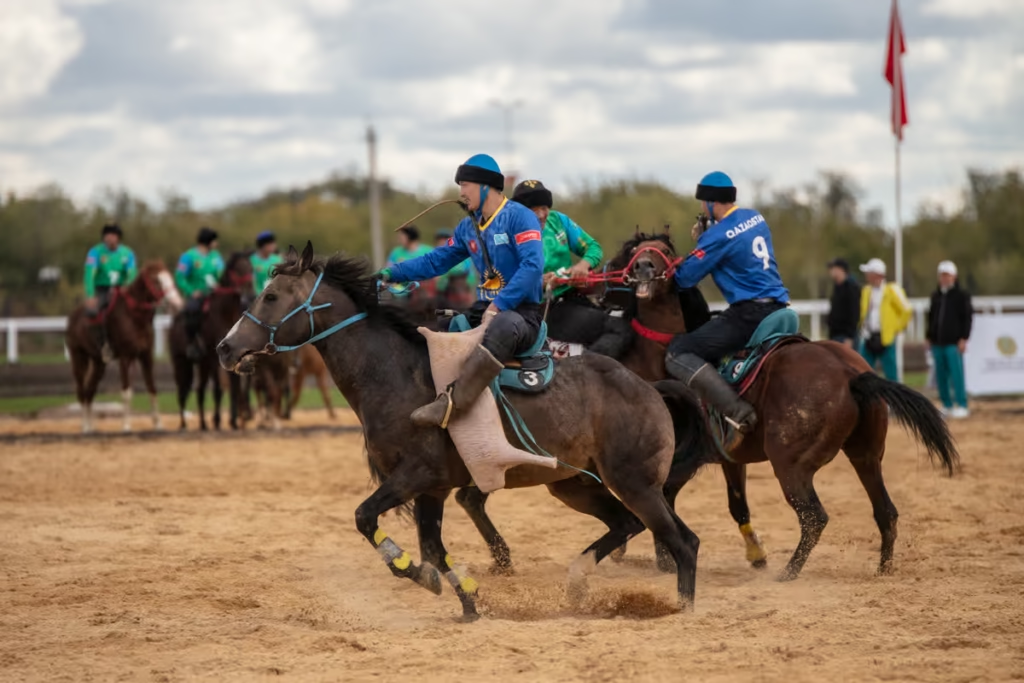
Nowruz: Nowruz is celebrated all across the Central Asian region and Iran, marking the start of spring, or the kick-off of the New Year according to the Persian calendar. You can expect to find feasts and festivals all around the country, as well as Kokpar matches (the dead goat polo called Kok Boru in neighboring Kyrgyzstan and Buzkashi in Tajikistan and Afghanistan).
National Unity Day: Kazakhstan is comprised of different cultures, traditions, and people. National Unity Day takes place on May 1st and usually includes parades and street festivals that show just how diverse a country Kazakhstan is.
Independence Day: December 16th marks Kazakhstan’s Independence Day. You can expect to find fireworks, parades, and concerts around the country.
Almaty Alma (Apple) Festival: Almaty is famed for its apples, so much so that in mid September the city holds a festival dedicated to the fruit.
Kazakhstan Travel Budget
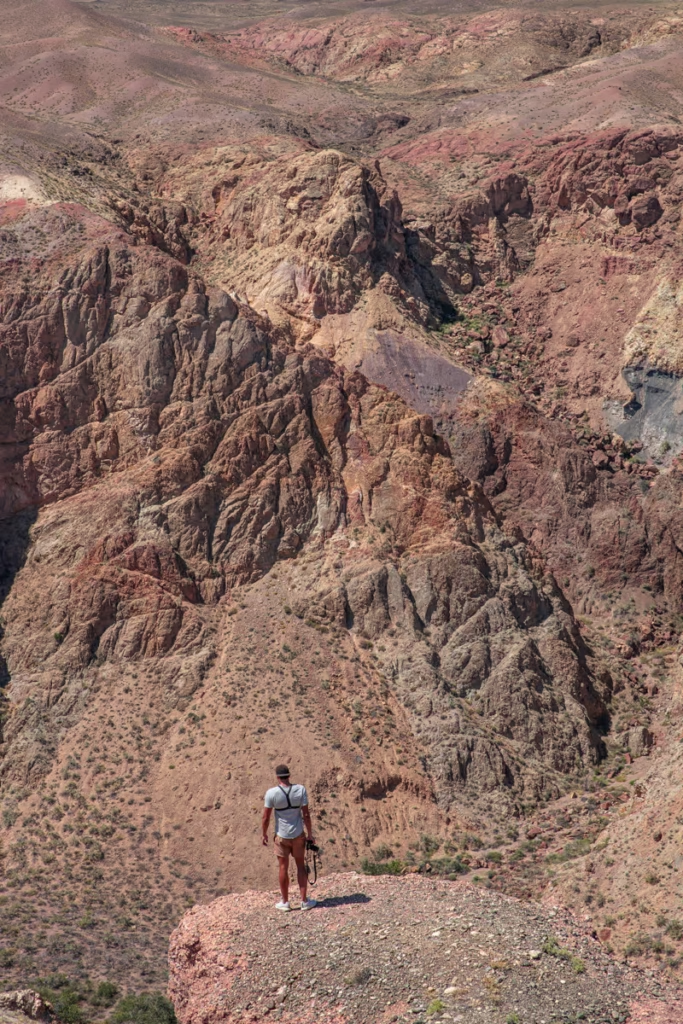
Kazakhstan on a budget
15,000 KZT per day
A midrange Kazakhstan budget
30,000 KZT per day
Live it up in luxury in Kazakhstan
80,000 KZT+ per day
Kazakhstan Packing List
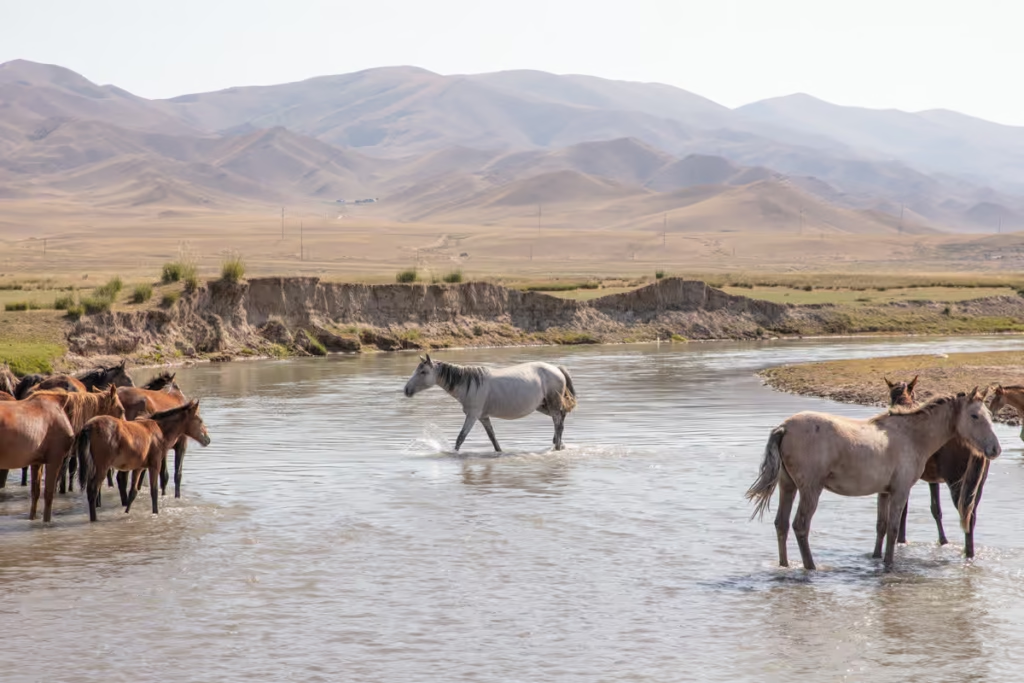
General Kazakhstan Packing List
- Bradt’s Kazakhstan Guidebook
- T-shirts
- Long sleeve
- Light fleece
- Trekking pants
- Warm Jacket
- Hat
- Gloves
- Comfortable walking shoes
- Sunscreen
- Mosquito Repellant
- Prescription & Over the counter medications
- Toiletries
For Trekkers
- Inreach Explorer+ GPS/SOS beacon
- Solar charger
- External battery pack
- Backpack
- Daypack
- Hydration pack or water bottle
- 3 Season tent
- Sleeping bag
- Hiking Boots
- Lightweight cooking camp set
- Water Purifier
- Trekking Poles
- Headlamp
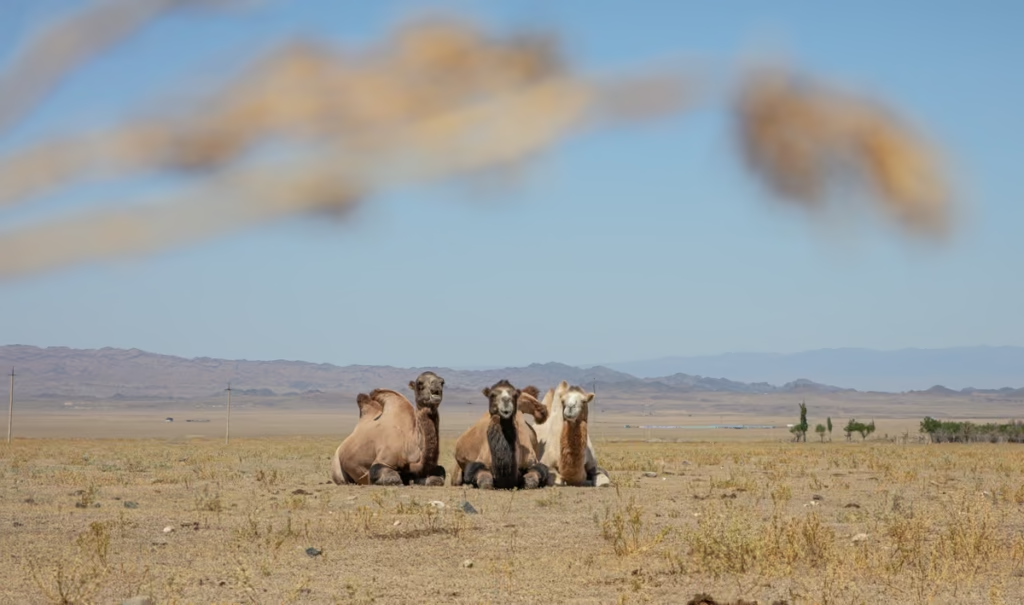
Safety in Kazakhstan
Overall, Kazakhstan is a pretty safe country to travel in. Petty theft and corruption do happen so it’s worth being aware while traveling in Kazakhstan, but generally, the usual standard travel precautions apply.
Solo Female Travel in Kazakhstan
My first visit to Kazakhstan was solo and I never faced any problems as a solo female traveler in Kazakhstan on that visit. I did end up meeting another solo female backpacker who I joined and traveled with a couple of days, but otherwise, I was on my own.
My most recent visit was on assignment with USAID, in which I was with a group.
It’s worth mentioning that Kazakhstan still has a rather patriarchal culture, similar to its neighbors, though personally, I’ve found the Kazakhs to be a bit more progressive than the Tajiks in comparison.
Have Any Questions About Traveling Kazakhstan?
Ask your Kazakhstan travel questions in the comments section below.
Posts from Kazakhstan
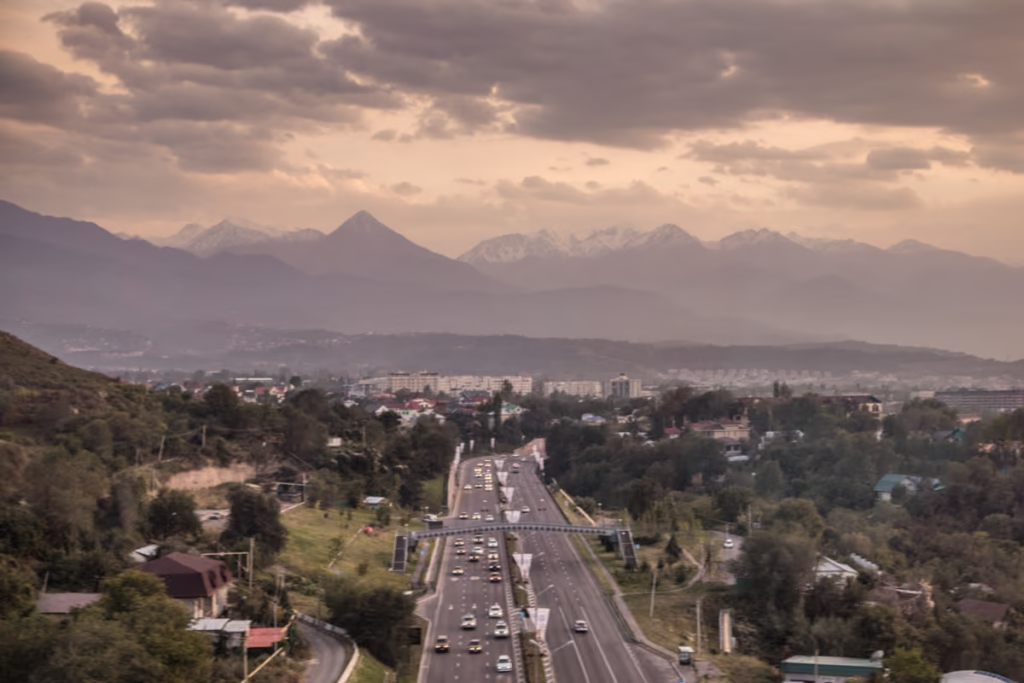
3 Days in Almaty Itinerary, Kazakhstan
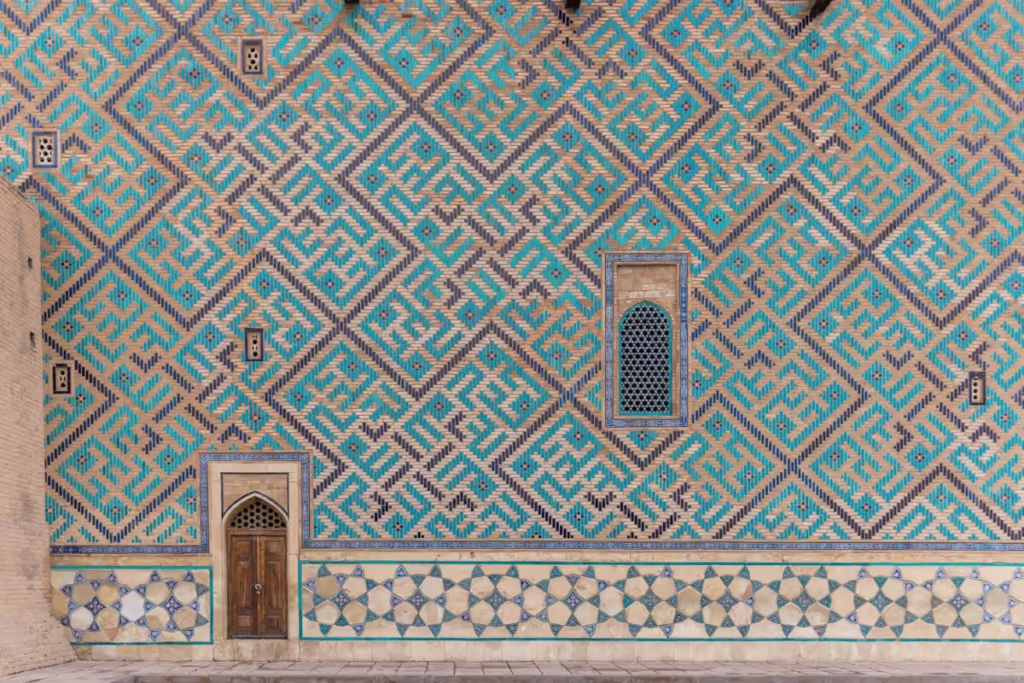
Turkestan: A Complete Travel Guide
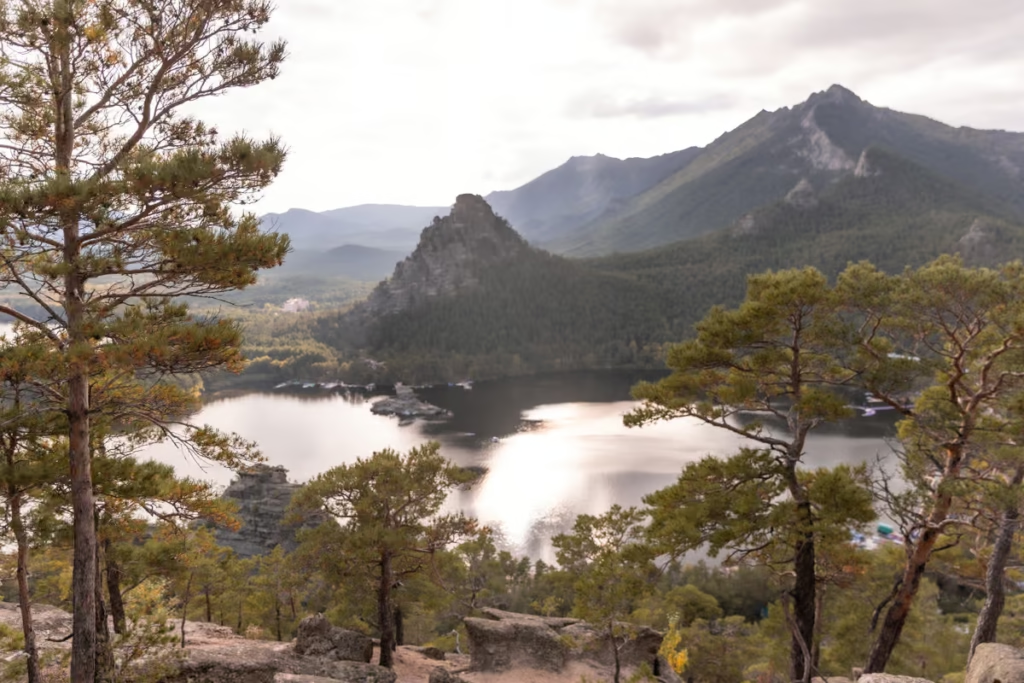
Burabay National Park Guide, Kazakhstan
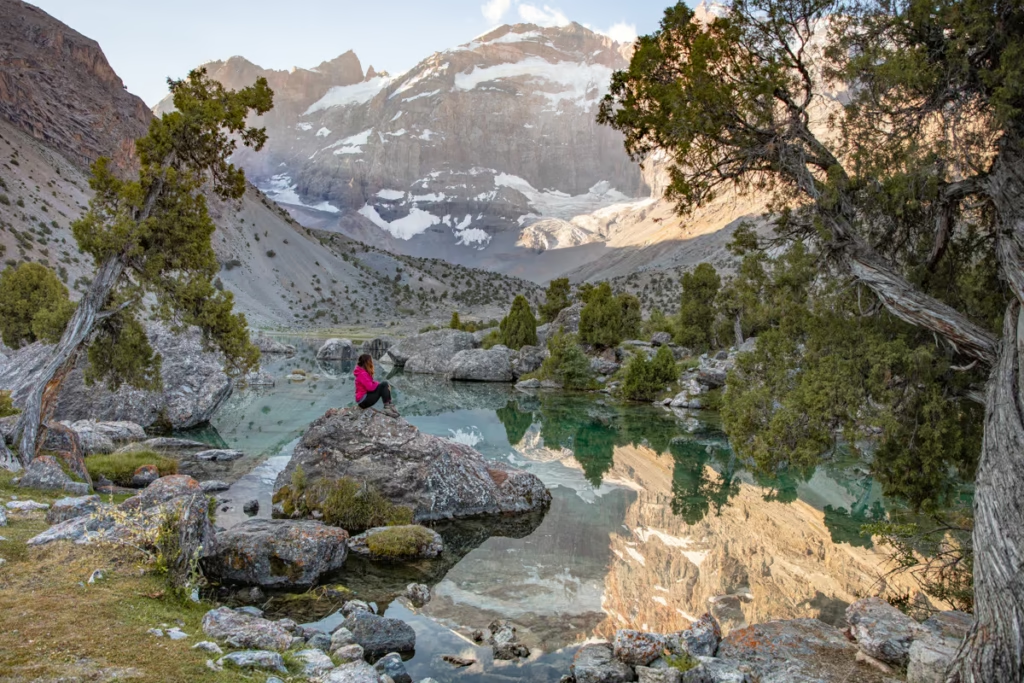
Solo Female Travel in Central Asia
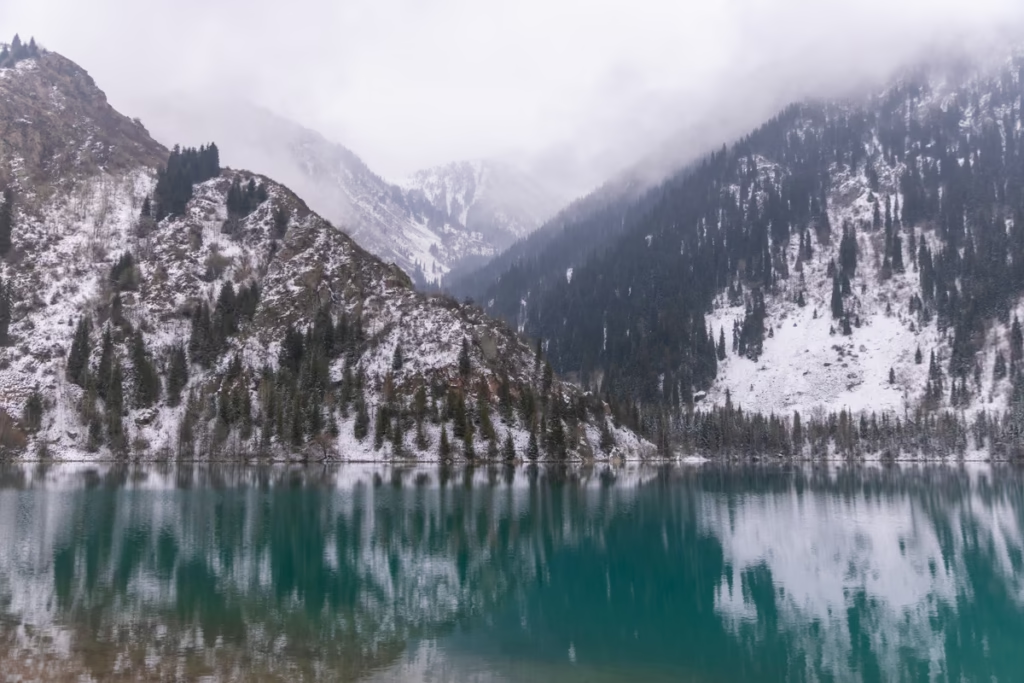
Issyk Lake Kazakhstan: How to Visit
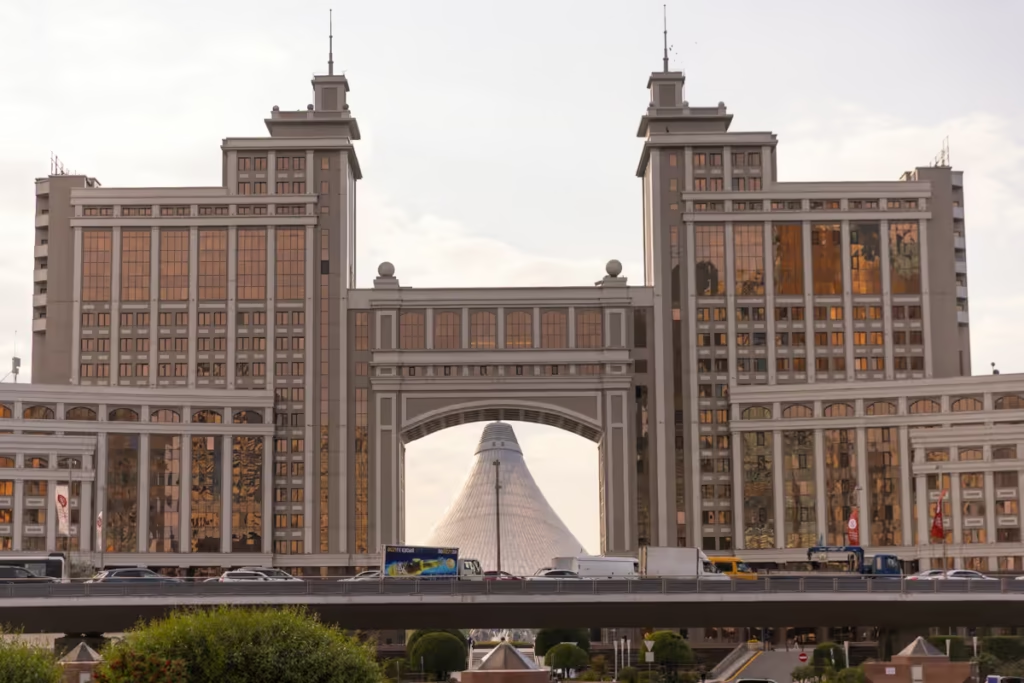
Astana Travel Guide: Things to Do, Where to Stay & More
Kazakhstan-Uzbekistan Border Crossing
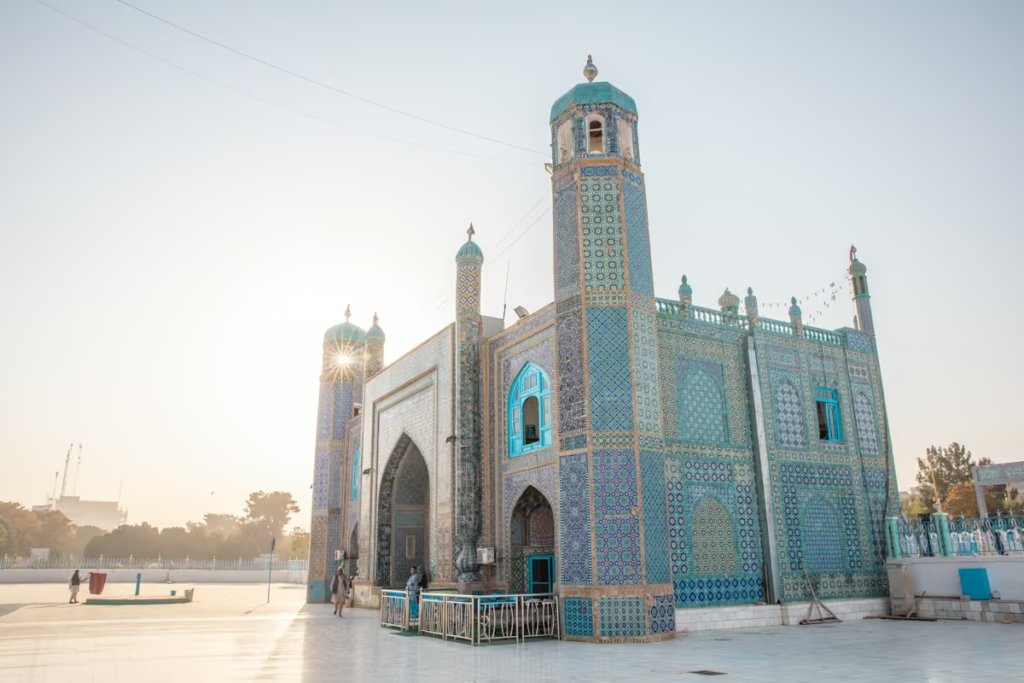
Central Asia Travel Guide
Kaindy & Kolsai Lakes Guide, Kazakhstan
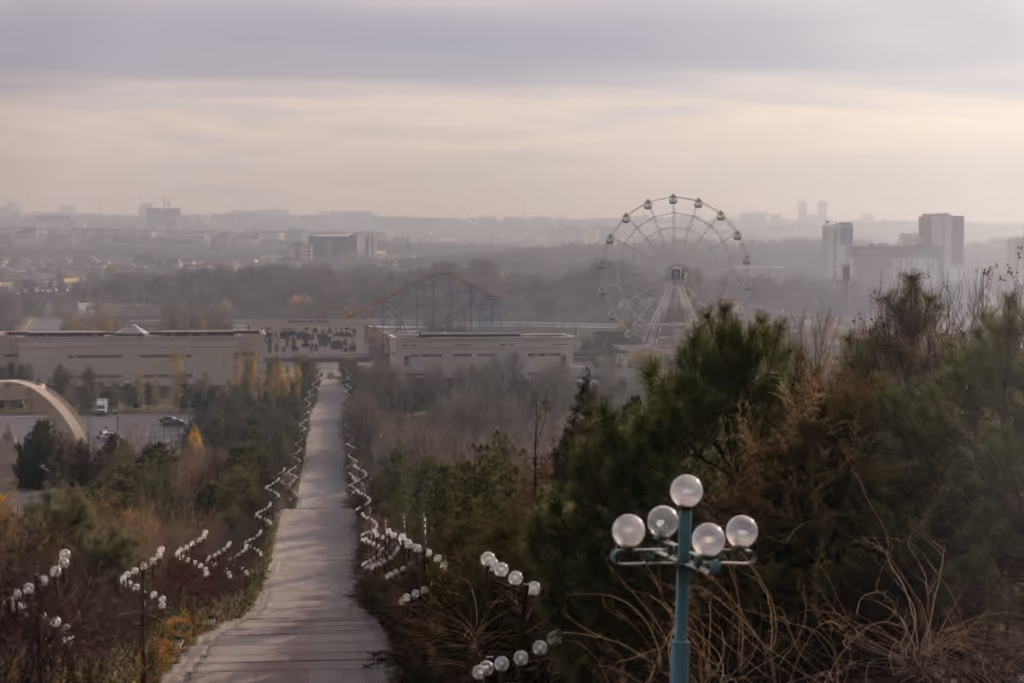
Shymkent Travel Guide: Things to Do & Places to Visit
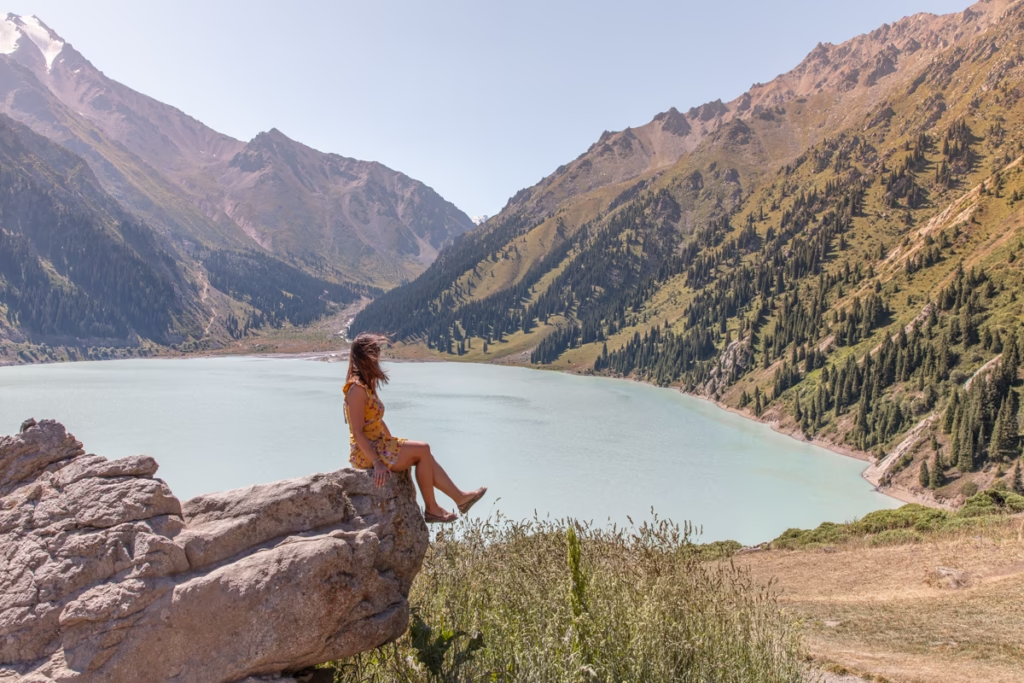
Big Almaty Lake: How to Visit from Almaty
Charyn Canyon Travel Guide
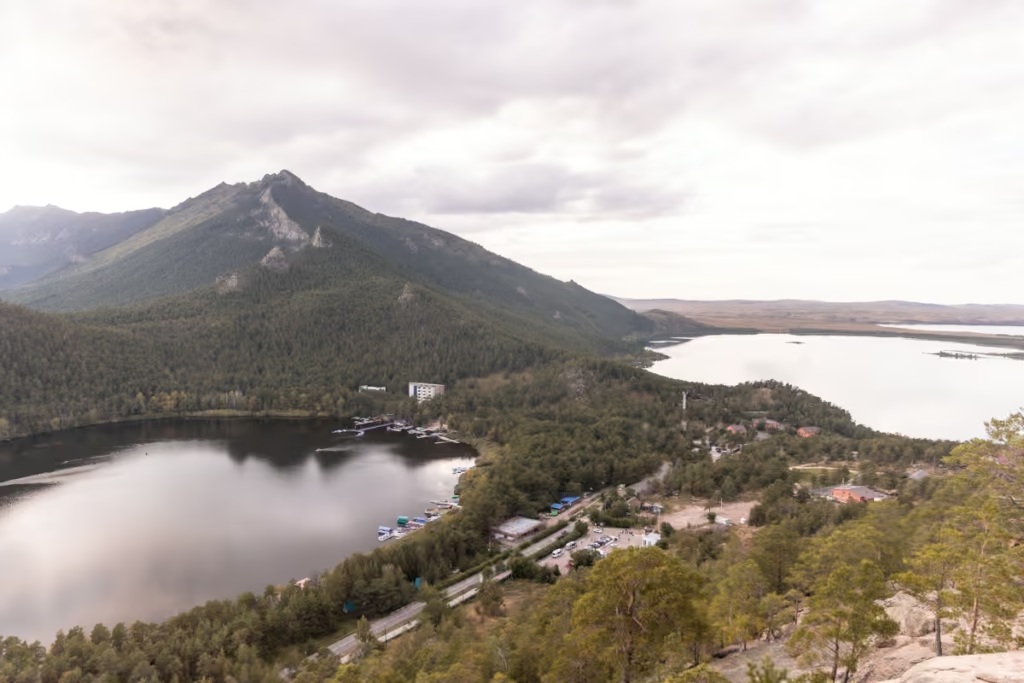
Kazakhstan SIM Card & eSIM Guide
Kazakhstan & Kyrgyzstan Itinerary
Almaty Metro: Stations, Map & Travel Guide
Karkara Border Crossing Between Kazakhstan & Kyrgyzstan
On the Travel Radar for 2026: Kazakhstan, the Great Steppe
10 Essentials to Pack for Central Asia
A Guide to the World Nomad Games
Central Asia Travel Tips
Vegetarian in Central Asia
Central Asia Visas Guide
8 Unique & Cheap Places To Travel In Summer 2026
Turkmenistan-Kazakhstan Border Crossing
Aktau Travel Guide: Things to Do
Kazakhstan in Photos
Mangystau Travel Guide, Kazakhstan
Bozzhyra Kazakhstan
Kazakhstan Travel Guide: Things to Know
Central Asia Food & Drink
Off the Beaten Path Asia
Things to do in Almaty