East Kazakhstan Travel Guide: Best Things to Do and Places to Visit
Updated November 2026, East Kazakhstan Travel Guide: Best Things to Do and Places to Visit was originally published in January 2026
East Kazakhstan is one of the most underrated regions in Kazakhstan, and after visiting, I can see why it deserves a much bigger place on the Central Asian travel map. Tucked into the country’s northeastern corner, East Kazakhstan is home to the rugged Altai Mountains, remote alpine lakes, dense forests, traditional villages, and landscapes that feel a world away from the country’s better-known destinations.
I’ll be honest: I didn’t expect East Kazakhstan to become one of my favorite corners of Central Asia. Between the saw-toothed mountain peaks, golden steppe, turquoise lakes, Soviet-era architecture, and enduring Kazakh traditions, there’s an incredible amount to explore here.
Whether you want to hike in Katon-Karagay National Park, visit the remote shores of Lake Markakol, explore the mining town of Ridder, soak in natural hot springs, or snowboard in the Altai Mountains, there are plenty of things to do in East Kazakhstan.
In this East Kazakhstan travel guide, I’ll cover the best places to visit, things to do, when to go, how to get around, and where to stay to help you plan your trip to one of Kazakhstan’s most fascinating regions.
Need Travel Insurance and Evacuation Services?
Start shopping for travel insurance plans over at IATI Insurance. Readers of the Adventures of Nicole get a 5% discount off your plan.
The Adventures of Nicole partners with Global Rescue to offer the world’s leading medical evacuation and security advisory services. To travel with peace of mind, explore their evacuation coverage.
Why Visit East Kazakhstan?
East Kazakhstan is one of the most geographically diverse regions of Kazakhstan. Located in the country’s northeast, it stretches from the forested foothills of the Altai Mountains to remote mountain valleys, broad steppe, and some of the country’s most beautiful alpine lakes.
What makes East Kazakhstan particularly interesting is the combination of natural landscapes and cultural influences. Kazakh nomadic traditions, Russian heritage, and the region’s industrial Soviet past all contribute to its character. You’ll find traditional villages and rural guesthouses alongside old mining towns, Orthodox churches, Soviet mosaics, and modern mountain resorts.
The region is especially appealing to travelers interested in outdoor adventures. Katon-Karagay National Park offers trekking, wildlife watching, and access to the spectacular Altai Mountains, while Lake Markakol and the surrounding nature reserve are ideal for escaping into remote wilderness. Around Ridder, you can hike through forests and mountain valleys or head out for winter sports.
Some of the best reasons to visit East Kazakhstan include:
- Altai Mountains: Trek through spectacular mountain scenery, alpine meadows, and glacier-fed valleys.
- Remote alpine lakes: Visit Lake Markakol, Lake Yazevoye, and the Sibiny Lakes.
- National parks and wildlife: Explore Katon-Karagay National Park and Markakol Nature Reserve.
- Hot springs and wellness: Experience traditional pantotherapy and natural radon springs.
- Winter adventures: Go skiing, snowboarding, snowmobiling, and backcountry freeriding.
- History and culture: Explore ancient burial mounds, archaeological sites, traditional crafts, and Soviet-era architecture.
- Local food and hospitality: Stay in family-run guesthouses, eat traditional Kazakh meals, and spend time in rural communities.
East Kazakhstan isn’t necessarily the easiest region of Kazakhstan to travel independently, particularly when heading into the more remote mountain areas. However, that’s also part of its appeal. You’ll find fewer crowds, plenty of opportunities for adventure, and a side of Kazakhstan that many international travelers never get to experience.
Best Time to Visit East Kazakhstan
The best time to visit East Kazakhstan depends on what you want to do. Summer is generally the best season for trekking, visiting remote lakes, exploring national parks, and traveling through the Altai Mountains. Winter brings excellent opportunities for skiing, snowboarding, and other snow-based adventures.
Summer (June–September)
Summer is the best time to explore East Kazakhstan’s mountains, lakes, and national parks. Temperatures are generally warmer, mountain roads become more accessible, and hiking trails open up as the snow melts.
This is the ideal season for visiting Katon-Karagay National Park, Lake Markakol, Lake Yazevoye, and the remote villages scattered throughout the Altai. It’s also a good time for camping, horseback riding, fishing, and wildlife watching.
Autumn (September–October)
Autumn brings beautiful colors to the forests and mountain valleys, particularly around Ridder and Katon-Karagay. The changing foliage makes this a lovely time for photography and quieter nature trips.
However, temperatures can drop quickly, especially at higher elevations, and some remote accommodation providers and tour operators may begin reducing their seasonal services.
Winter (December–March)
Winter transforms East Kazakhstan into a snowy mountain destination. Ridder and the surrounding Altai Mountains are particularly appealing for skiing, snowboarding, and backcountry freeriding.
Places like East Pole Kazakhstan offer access to more remote winter adventures, including cat skiing and heliskiing. You’ll need proper winter equipment, experienced local guides for backcountry activities, and flexibility for weather-related delays.
Spring (April–May)
Spring is generally a transitional season. Snowmelt can make mountain roads difficult to navigate, and many higher-elevation hiking routes remain inaccessible. It’s worth checking conditions locally before planning a trip during these months.
My recommendation: Visit between June and September if you’re primarily interested in hiking, lakes, and exploring the region independently. Choose January through March if you’re coming specifically for winter sports.
How Many Days Do You Need in East Kazakhstan?
East Kazakhstan is a large region, and you’ll need more time than you might initially expect to explore it properly. While you can see some of the highlights around Oskemen in a couple of days, reaching the remote lakes and mountain destinations requires considerably more time.
I’d recommend spending at least 5–7 days in East Kazakhstan if you want to visit Oskemen, Ridder, and Katon-Karagay. If Lake Markakol and the more remote parts of the Altai are on your itinerary, allow 8–10 days or longer.
| Destination | Suggested time |
|---|---|
| Oskemen | 1–2 days |
| Sibiny Lakes | 1–2 days |
| Ridder | 2–3 days |
| Katon-Karagay | 3–4 days |
| Lake Markakol | 2–3 days |
| Altai winter adventures | 3–5 days |
These are suggested visiting times, not a day-by-day route. You’ll need to account for driving distances between destinations.
Nature, Wildlife, and Culture of East Kazakhstan

East Kazakhstan is a fascinating meeting point of mountain ecosystems, steppe landscapes, and centuries-old cultural traditions. Its position along the Altai Mountains has shaped everything from the region’s wildlife and vegetation to its traditional livelihoods and cultural identity.
Wildlife and Nature in East Kazakhstan
The Altai Mountains are among the most ecologically significant landscapes in Central Asia. Their forests, alpine meadows, and remote valleys provide habitat for a variety of wildlife, including:
- Maral (red deer), particularly important to the region’s traditional antler industry.
- Snow leopards, one of the Altai’s most elusive predators.
- Golden eagles and other birds of prey.
- Siberian ibex and other mountain-dwelling mammals.
- Rare bird species found around Lake Markakol and its surrounding wetlands.
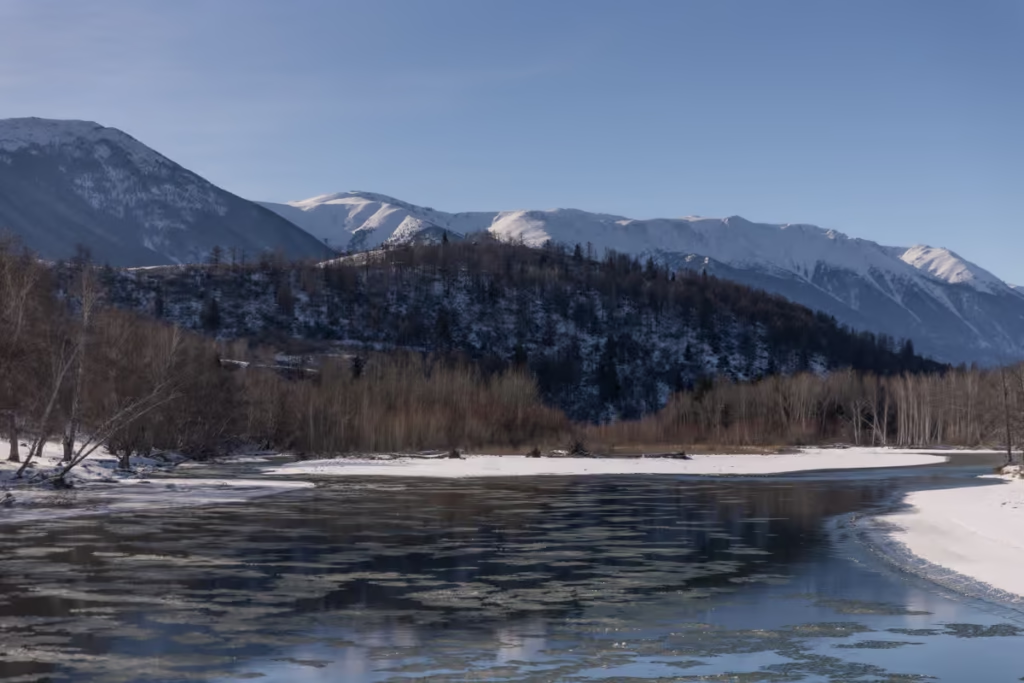
The landscape changes considerably depending on where you travel. Expect dense larch and pine forests around the mountain foothills, wide-open grasslands, alpine meadows filled with wildflowers during summer, and snow-covered peaks in the higher elevations.
The lakes and rivers are another major feature of East Kazakhstan. Lake Markakol, Lake Yazevoye, and the Sibiny Lakes are among the region’s most recognizable natural attractions.
Culture and Traditions
East Kazakhstan’s cultural identity is closely tied to Kazakh nomadic heritage, traditional pastoralism, and its history as part of the Russian Empire and Soviet Union.
Some traditions and cultural experiences you may encounter include:
- Maral deer farming: The region is known for harvesting velvet antlers from maral deer for use in traditional wellness treatments.
- Pantotherapy: A traditional treatment involving maral antler velvet extracts, baths, and other preparations.
- Traditional crafts: Felt-making, embroidery, and other handicrafts remain important parts of Kazakh cultural heritage.
- Nowruz celebrations: The spring holiday marking the new year and renewal is celebrated with traditional food, music, games, and community gatherings.
- Kazakh hospitality: Rural guesthouses offer an opportunity to experience traditional meals, local customs, and village life.
One of the more unusual aspects of visiting East Kazakhstan is encountering pantotherapy. Around Katon-Karagay, some wellness resorts offer treatments using maral antler velvet, a practice with deep roots in the Altai region. It’s certainly not something you’ll encounter on every Central Asian trip.
How to Get to East Kazakhstan
The easiest way to begin a trip to East Kazakhstan is to travel to Oskemen (Ust-Kamenogorsk), the regional administrative center and main transportation hub.
From there, you can continue to destinations like Ridder, Katon-Karagay, and Lake Markakol by road. However, distances are considerable, and some of the most remote attractions require a private vehicle, 4×4, or organized tour.
By Air
Fly into Oskemen (Ust-Kamenogorsk) Airport (UKK) from Almaty or Astana with Air Astana or SCAT. Flights take 1.5-2 hours and are the quickest way to start your journey.
By Train
Kazakhstan Railways connects Almaty and Astana with Oskemen, taking around 18-24 hours depending on the train. It’s a slow ride, but you’ll get to chat with locals over chai and watch the landscape change from the steppes around Astana or the forests near Almaty to the East Kazakhstan Mountains.
By Bus or Marshrutka
Buses and marshrutkas connect Semey and Oskemen to nearby towns like Ridder, Zyryanovsk, and Katon-Karagay, though schedules are loose. For Lake Markakol and deep Altai routes, you’ll need a private 4×4 hire from Oskemen or Ridder.
Getting Around East Kazakhstan
If you’re planning to explore beyond Oskemen, I’d strongly recommend arranging a vehicle or local driver.
A regular sedan may be sufficient for some of the main highways, but rough roads, mountain passes, and changing seasonal conditions can make a 4×4 necessary for certain destinations.
For particularly remote areas, consider hiring a local guide or joining an organized tour. This can also help with accommodation arrangements, permits where applicable, and navigating areas with limited mobile coverage.
My recommendation: Don’t underestimate distances in East Kazakhstan. Several of the region’s most interesting destinations are separated by long drives, and trying to squeeze too many into a short trip using public transportation can quickly become frustrating.
Best Things to Do in East Kazakhstan
Explore Oskemen (Ust-Kamenogorsk)

Oskemen (formerly known internationally as Ust-Kamenogorsk) is the administrative center of East Kazakhstan and the best starting point for exploring the region. Situated where the Irtysh and Ulba rivers meet, the city has an interesting mix of Soviet-era architecture, Orthodox churches, leafy streets, and modern Kazakh urban life.
Although most travelers use Oskemen as a jumping-off point for the Altai Mountains, it’s worth spending a little time exploring the city itself.
Best things to do in Oskemen:
- Walk along the Irtysh River Embankment: Enjoy views of the river and surrounding city, particularly around sunset.
- Visit the East Kazakhstan Regional Ethnographic Museum-Reserve: Learn about the region’s history, archaeological discoveries, traditional culture, and natural heritage.
- Explore the Yuri Kostanyants House Museum: See the intricate wood carvings and distinctive craftsmanship associated with the house.
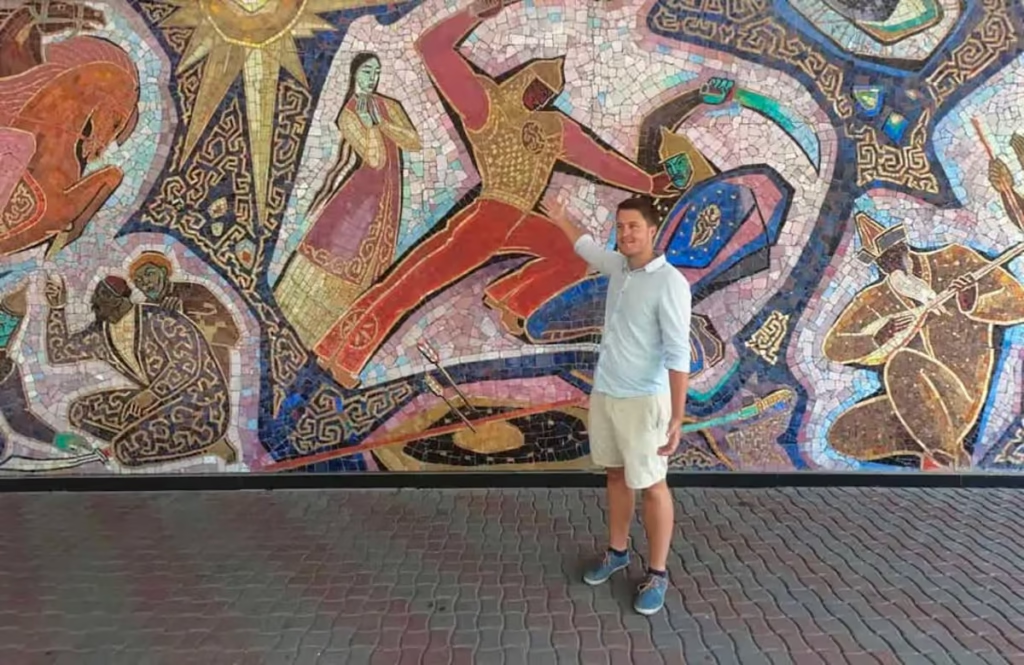
- Find Soviet mosaics and monumental art: Wander the residential neighborhoods and look for mosaics and decorative artwork left over from the Soviet period.
- Visit Saint Andrew Orthodox Cathedral: Admire the architecture and explore one of the city’s recognizable religious landmarks.
Best Hotels in Oskemen:
- Hostel 5 Capsule Rooms (a clean, beautiful hostel in the middle of the city with a kind and helpful owner).
- Dedeman Oskemen Tavros Hotel (modern, river views, great breakfast)
- Shiny River Hotel (mid-range, comfy rooms, good central location)
Trek and Soak in Katon-Karagay National Park

Katon-Karagay National Park is one of the biggest reasons to visit East Kazakhstan. Covering more than 643,000 hectares, it is Kazakhstan’s largest national park and protects an enormous stretch of the southern Altai Mountains.
Established in 2001, the park encompasses alpine meadows, glacier-fed rivers, dense forests, remote valleys, and some of the most spectacular mountain scenery in Kazakhstan. It is also home to important historical and archaeological sites, including the famous Berel burial mounds. kazakhstan.travel
There is plenty to do here, whether you’re interested in trekking, wildlife, cultural history, or simply getting away from civilization for a few days.
As I had visited in winter, I didn’t spend as much time exporing the nature of Katon-Karagay as I would on a summer visit. That said, staying in a rural homestay in Berel and going to see the nearby Berel burial mounds was a highlight.
Best things to do in Katon-Karagay National Park:
- Visit Belukha Mountain: Admire the sacred mountain, one of the highest peaks in the Altai range. The surrounding area offers spectacular mountain scenery and trekking opportunities.
- Soak at Rakhmanov Springs: Visit the natural thermal and radon spring area surrounded by forests and mountain peaks.
- Hike to Lake Yazevoye: Explore one of the region’s beautiful high-altitude lakes, known for its clear water and mountain views.
- Explore the Berel burial mounds: Visit an important archaeological complex containing ancient Scythian-era burial sites and discoveries.
- Stay in rural guesthouses: Experience village life, eat home-cooked Kazakh food, and spend time with local families.
Where to Stay in Katon-Karagay:
- Muz Tau Eco Hotel (stunning scattering of cabins in Uryl, taking you to nature with all the creature comforts).
- Local guesthouses in Berel and other villages scattered around Katon-Karagay (book through local operators or guesthouse listings in Oskemen).
Food Tip: Many guesthouses include meals, which is particularly helpful in remote villages where restaurants and shops can be limited. Expect home-cooked dishes such as plov, fresh bread, meat dishes, and locally produced honey.
Chase Turquoise Reflections at Lake Markakol
Lake Markakol is one of the most beautiful and remote places to visit in East Kazakhstan. Located between the Kurchum and Azutau mountain ranges near the Chinese border, this high-altitude freshwater lake sits approximately 1,450 meters above sea level.
The lake stretches for roughly 38 kilometers and is known for its exceptionally clear water, surrounding forests, and impressive mountain scenery. It is also home to the endemic uskuch fish, a species that makes the lake particularly important from an ecological perspective.
Markakol is protected within Markakol State Nature Reserve, making it an excellent destination for nature lovers and anyone interested in experiencing the quieter side of Kazakhstan.
Best things to do at Lake Markakol:
- Explore the lakeshore: Enjoy the peaceful mountain scenery and views across the clear water.
- Go hiking: Explore the surrounding hills and forests for panoramic views of the lake.
- Go birdwatching: The reserve is an important habitat for birdlife, including species such as black storks and golden eagles.
- Experience rural life: Stay in a local guesthouse and experience the hospitality of the small settlements around the lake.
- Arrange a boat trip: Ask locally about available boat excursions and lake access.
How to get to Lake Markakol:
Lake Markakol is quite remote, and reaching it requires more planning than visiting some of East Kazakhstan’s other attractions.
From Oskemen, you’ll need to arrange road transportation toward the Markakol area. A private vehicle or 4×4 with an experienced local driver is the most practical option, particularly when road conditions are poor.
Urunkhaika is one of the settlements near the lake where you can arrange local accommodation and potentially organize activities.
Where to Stay:
Stay in guesthouses in Urunkhaika with local families, who can prepare meals and arrange boat rides.
Go Hiking Around Ridder

Ridder is a former mining town nestled in the foothills of the Altai Mountains, approximately 130 kilometers northeast of Oskemen. Historically known as Leninogorsk, the town developed around mining and remains an important industrial center in East Kazakhstan.
Today, Ridder is better known among outdoor enthusiasts for its surrounding forests, mountain landscapes, hiking opportunities, and winter sports. It’s also a gateway to the West Altai Nature Reserve and the Rudny Altai mountain region.
Best things to do around Ridder:
- Hike to the Ivanovskie Lakes: Explore a series of beautiful mountain lakes surrounded by forest and alpine scenery.
- Visit Ulkensu Waterfall: Enjoy a forest hike to a scenic waterfall.
- Explore West Altai Nature Reserve: Discover the region’s remarkable biodiversity and protected mountain landscapes.
- Visit the Altai Botanical Garden: Explore plant collections and learn more about the region’s unique flora.
- Try winter sports: Ridder is an important winter destination, with opportunities for skiing, snowboarding, and snowmobiling.
Accommodation:
- Bearlog (Gorgeous accommodation outside of town with beautiful cabins).
- Ridder Resort Hotel (A newer hotel just outside of Ridder with stunning rooms, offering heaps of outdoor activities to book through the resort).
- Hotel Complex Altai (Simple and clean rooms on offer, smack in the middle of Ridder).
Dining:
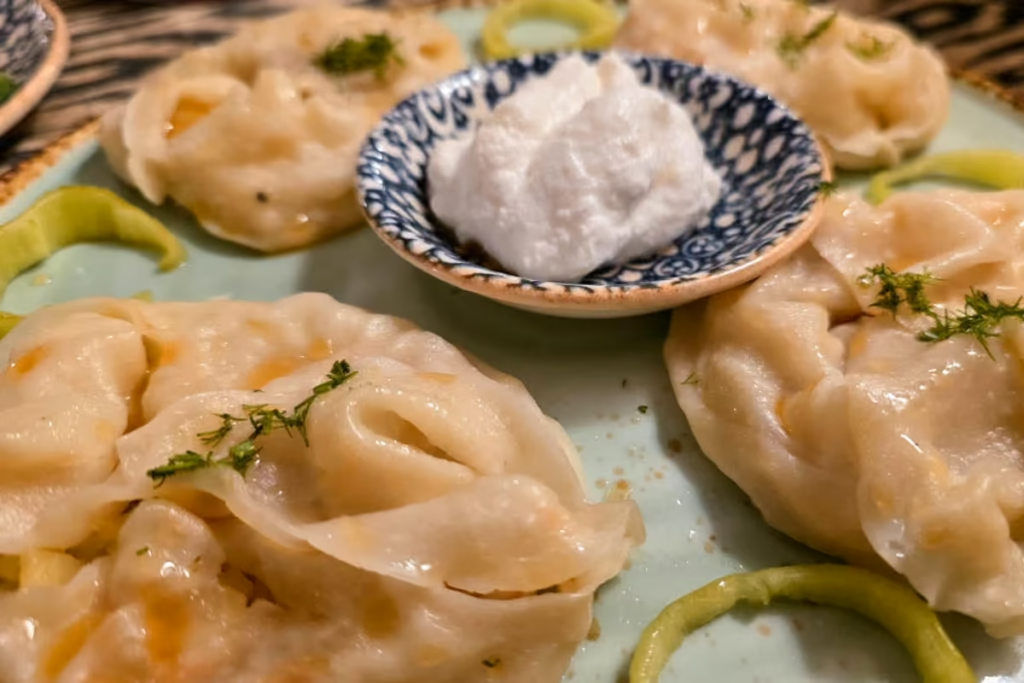
- Local stolovnayas and cafes serve manty, grechka, borscht, and fresh bread, though there is a branch of Dodo Pizza in town if you want something more international.
Visit the Sibiny Lakes
The Sibiny Lakes are a beautiful group of five mountain lakes located in Ulan District, approximately 85 kilometers from Oskemen.
The five lakes are named Sadyrkol, Tortkarakol, Shalkar, Korzhinkol, and Karakol. They sit at different elevations, separated by rocky ridges and granite mountain formations, creating a particularly scenic landscape.
Unlike the more remote lakes in the Altai, the Sibiny Lakes are relatively accessible from Oskemen, making them a popular destination for summer recreation.
Best things to do at the Sibiny Lakes:
- Swim in Lake Shalkar: Enjoy the clear water and designated recreation areas during the warmer months.
- Hike the surrounding granite hills: Climb nearby rocky viewpoints for panoramic views across the lakes.
- Go kayaking or diving: The lakes are popular for various water-based activities during summer.
- Camp by the water: Spend a night enjoying the peaceful surroundings, following local camping and fire regulations.
- Visit Ablaykit Monastery: Explore the historic Buddhist monastery ruins in the surrounding area.
How to get to the Sibiny Lakes:
The lakes are approximately 85 kilometers from Oskemen, and the drive to Lake Shalkar takes a little over an hour in normal conditions. You can travel by private car, taxi, or seasonal tourist transportation.
Where to stay at the Sibiny Lakes:
There are recreation centers, cottages, and guesthouses around the lakes, particularly near Shalkar. During summer, it’s worth booking accommodation ahead of time.
Go Backcountry Skiing at East Pole Kazakhstan

East Pole Kazakhstan (Vostochny Polyus) is an excellent base for exploring the Altai Mountains in winter. Located in a remote mountain setting, this accommodation and outdoor adventure operation caters to travelers looking for something beyond the usual ski resort experience.
The project began as a dream shared by Dara and her husband, both passionate backcountry skiers and snowboarders, and has grown into a destination for winter mountain adventures.
During the winter season, East Pole offers access to cat skiing and heliskiing, allowing experienced skiers and snowboarders to explore the region’s remote powder-filled slopes.
I visited East Pole just before the winter season kicked off, so unfortunately I didn’t get to experience the skiing myself. However, I was invited back with my snowboard for a future winter trip, and it’s definitely somewhere I’d like to return.
The property is also worth a visit outside winter, particularly if you’re looking for a peaceful mountain escape during the warmer months.
Starting in November and extending through winter, this cabin-hostel in the mountains does amazing catskiing and heliskiing trips all winter long.
Roam the Altai Alps

Tucked away in the far eastern reaches of Kazakhstan, where the country’s borders flirt with Russia, China, and Mongolia, the Altai Alps are the wild, untouched crown jewel of East Kazakhstan. Towering peaks, alpine meadows, turquoise rivers, and remote valleys make this one of the most awe-inspiring places to visit in East Kazakhstan, and one of the least visited.
This isn’t the Alps of Switzerland or France. The Kazakh Altai Alps feel raw and mythic, where legends of snow leopards and golden eagles still roam as freely as the icy rivers cutting through the valleys. The landscape shifts from pine-clad slopes to glacier-fed lakes to wide-open pastures dotted with grazing horses and occasional yurts. You’ll likely find more marmots than people out here.
While exploring the Altai, you might hear locals talk about pantotherapy, a traditional Kazakh and Siberian remedy using panto, a tonic made from the velvet antlers of maral deer. The practice dates back centuries and is believed to boost energy, immunity, and overall vitality.
Panto is a health tonic made from the soft, nutrient-rich velvet antlers of maral deer, harvested in early summer. The extract is used in baths or tonics as part of pantotherapy, a traditional Altai remedy believed to boost energy and wellness. Many of the resorts around the Altai offer pantotherapy for those interested in trying.
Getting There:
From Oskemen or Ridder, the roads become rougher the deeper you go into the mountains. Hire a 4×4 or arrange a tour with a local eco-tourism operator for multi-day treks and guided camping trips, or skiing in the backcountry or at resorts in winter.
Final Reflections on Visiting East Kazakhstan

Visiting East Kazakhstan isn’t just about ticking off nature and landscapes; it’s about feeling the crunch of frost under your boots at dawn, sharing tea in a warm village kitchen, and hiking alone on a mountain ridge with nothing but the sound of your breath and the wind.
If you’re craving an offbeat Kazakh adventure that combines deep nature, raw beauty, and cultural immersion, East Kazakhstan will gift you memories you’ll carry for life.
So pack that extra SD card, grab your layers, and visit East Kazakhstan before everyone else does.
Have Any Questions About Visiting East Kazakhstan?
Ask in the comments section below.
Posts from Kazakhstan
East Kazakhstan Travel Guide: 15 Best Things to Do
Central Asian Food: 31 Dishes & Drinks to Try
Kazakhstan Travel Guide: Things to Know
Turkmenistan-Kazakhstan Border Crossing
Aktau Travel Guide: Things to Do
Mangystau Travel Guide, Kazakhstan
3 Days in Almaty Itinerary, Kazakhstan
Turkestan: A Complete Travel Guide
Burabay National Park Guide, Kazakhstan
Solo Female Travel in Central Asia
Issyk Lake Kazakhstan: How to Visit

Astana Travel Guide: Things to Do, Where to Stay & More
Kazakhstan-Uzbekistan Border Crossing
Central Asia Travel Guide
Kaindy & Kolsai Lakes Guide, Kazakhstan
Shymkent Travel Guide: Things to Do & Places to Visit
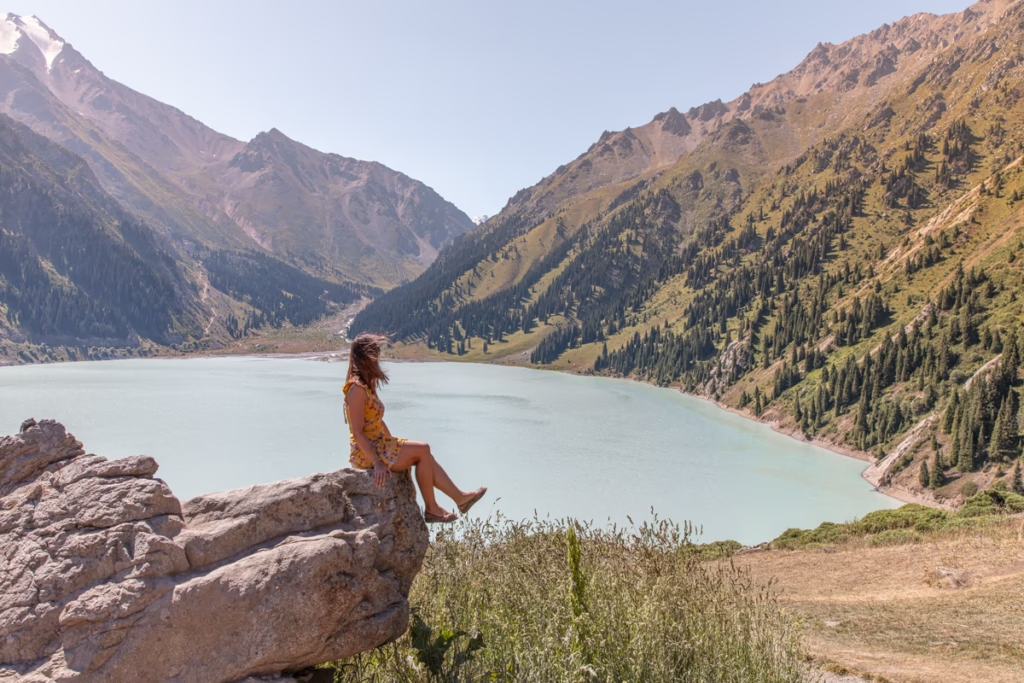
Big Almaty Lake: How to Visit from Almaty
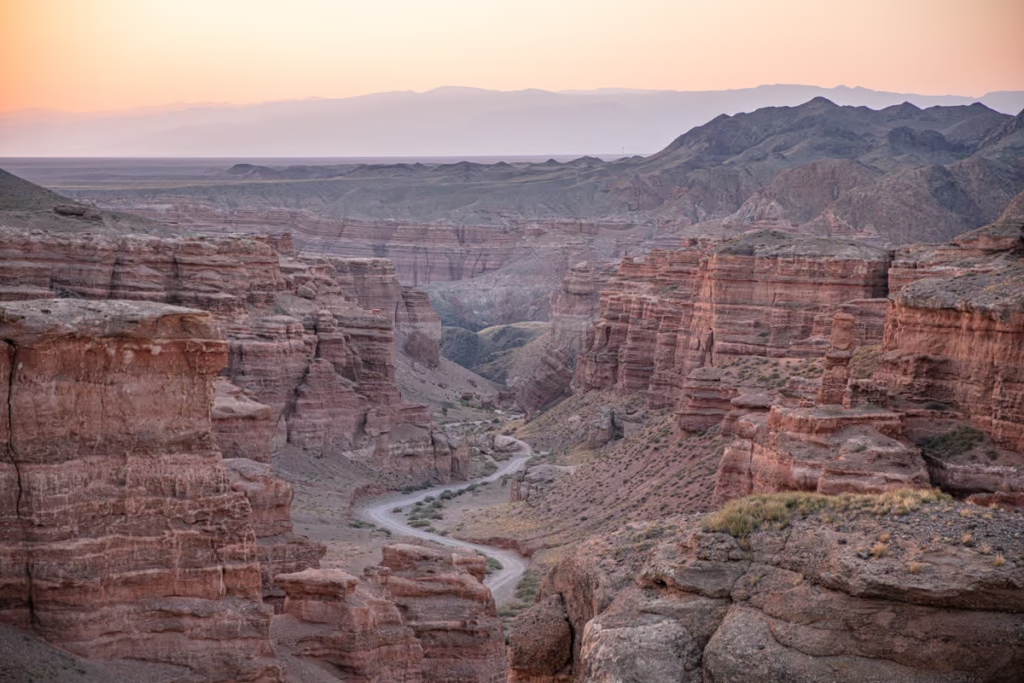
Charyn Canyon Travel Guide
Kazakhstan SIM Card & eSIM Guide
Kazakhstan & Kyrgyzstan Itinerary
Almaty Metro: Stations, Map & Travel Guide
Karkara Border Crossing Between Kazakhstan & Kyrgyzstan
On the Travel Radar for 2026: Kazakhstan, the Great Steppe
10 Essentials to Pack for Central Asia
A Guide to the World Nomad Games
Central Asia Travel Tips
Vegetarian in Central Asia
Central Asia Visas Guide
8 Unique & Cheap Places To Travel In Summer 2026
Kazakhstan in Photos
Bozzhyra Kazakhstan
Off the Beaten Path Asia