

Ishkashim Border Crossing Between Tajikistan & Afghanistan
Updated November 2026, The Ishkashim Border Crossing Between Tajikistan & Afghanistan was originally written in October 2019
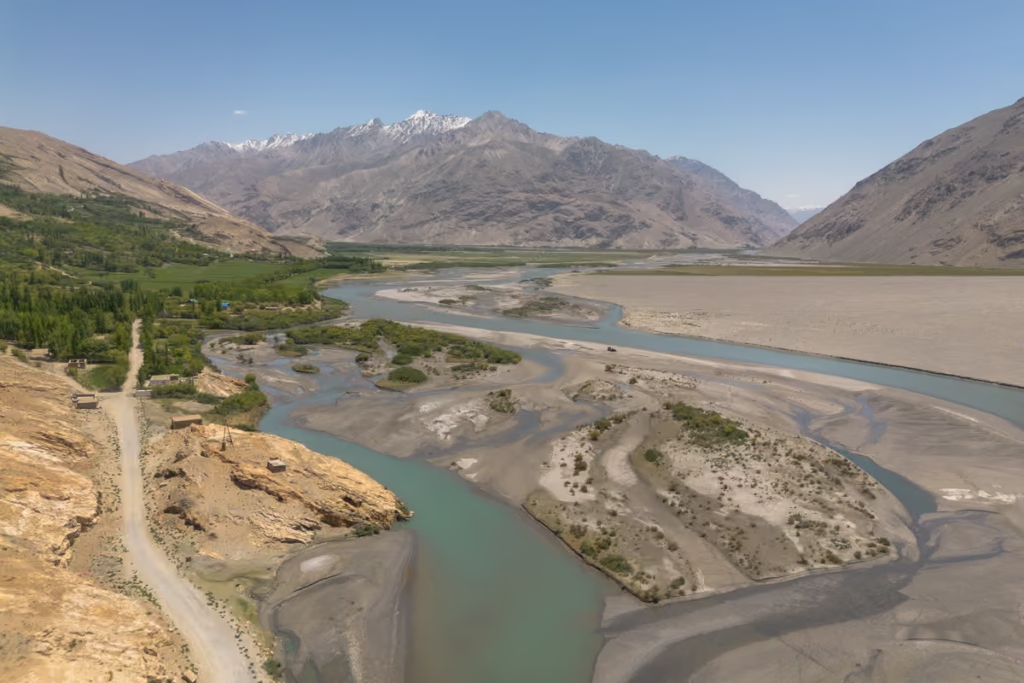
The Ishkashim border crossing connects Tajikistan’s Wakhan Valley with Afghanistan’s Wakhan Corridor, spanning the Panj River between the Tajik town of Ishkashim and Sultan Eshkashim in Afghanistan. Historically, it has been an important gateway for travelers exploring the Afghan Wakhan, as well as a crossing used by local communities on both sides of the border.
The crossing has also been known for its Saturday cross-border bazaar, where Tajik and Afghan traders gathered on an island in the Panj River to exchange goods.
However, the Ishkashim border crossing is not currently operating at the time of update. Access restrictions and security conditions along the Tajikistan-Afghanistan border have changed considerably, so anyone planning to travel through the region should verify the latest information before setting out.
This guide covers the Ishkashim border crossing, including its location, historical operating procedures, visas, permits, transport, border hours, the cross-border market, and what travelers should know before planning a journey between Tajikistan and Afghanistan.
Start planning: The Ultimate Afghanistan Travel Guide
Is the Ishkashim Border Crossing Open?
As of November 2026, the Ishkashim border crossing remains closed to foreign travelers. The Panji Poyon-Shir Khan Bandar crossing is currently the only land border crossing between Tajikistan and Afghanistan reported as open for international travel.
Do not travel to Ishkashim expecting to cross into Afghanistan without first receiving confirmation from the relevant border authorities. Border restrictions can change, and permission to enter the surrounding border region should not be confused with permission to cross into Afghanistan.
The security situation is also a consideration.
Need Travel Insurance and Evacuation Services?
Start shopping for travel insurance plans over at IATI Insurance. Readers of the Adventures of Nicole get a 5% discount off your plan.
The Adventures of Nicole partners with Global Rescue to offer the world’s leading medical evacuation and security advisory services. To travel with peace of mind, explore their evacuation coverage.
Afghan & Tajik Visas
Afghan Visa

Foreign nationals generally need an Afghan visa before traveling to Afghanistan. However, visa availability, application procedures, costs, and processing times vary depending on nationality and the issuing consulate or embassy.
When I previously crossed from Tajikistan into Afghanistan at Ishkashim, I arranged my Afghan visa through the Afghan consulate in Khorog. The process was relatively straightforward in my experience, although processing times varied. I received my visa in approximately 30 minutes, while other applicants were sometimes asked to wait several days.
As of November 2026, the Afghan consulate in Khorog remains closed. The only place in Tajikistan to obtain an Afghan visa is currently at the Panji Poyan-Shir Khan Bandar Border Crossing.
Historically, visa fees varied considerably by nationality, with the prices I encountered ranging from approximately $90 to $200.
Before applying, check the current requirements for your nationality, including application forms, supporting documents, fees, and processing times.
Tajikistan Visa and GBAO Permit Requirements
Travelers entering Tajikistan through the Ishkashim border crossing need to meet the country’s standard visa or visa-free entry requirements.
If you are eligible for visa-free entry to Tajikistan, you will still need to arrange a GBAO permit before traveling through the Gorno-Badakhshan Autonomous Region.
The GBAO permit is particularly important for travelers exploring the Tajik Wakhan Valley, Khorog, and the Pamir Highway. If applying for a Tajikistan e-visa, you can generally request the GBAO permit as part of the application process.
If you already have a valid Tajikistan e-visa, check that your GBAO permit is included before traveling into the region.
For more on planning your visit in Tajikistan, I recommend picking up a copy of the Bradt Tajikistan guidebook.
How to Cross the Tajikistan-Afghanistan Border at Ishkashim

When operational, the Ishkashim border crossing connects the Tajik Wakhan Valley with Afghanistan’s Wakhan Corridor. The crossing involves traveling to the border outside Tajik Ishkashim, completing exit formalities on the Tajik side, walking across the bridge over the Panj River, and completing Afghan immigration procedures.
The following steps describe how I crossed the Ishkashim border when it was operational. These are historical instructions and should not be used as confirmation that travelers can currently make this crossing.
Get to Khorog
The first step in reaching the Ishkashim border crossing from Tajikistan is getting to Khorog, the main regional center of the Pamirs.
Khorog is the primary transport hub for the Tajik Wakhan Valley and the starting point for onward journeys toward Ishkashim.
The journey from Dushanbe to Khorog takes approximately 12 hours by shared taxi or private vehicle, depending on road construction and the route taken. From Murghab, the drive takes approximately 7-8 hours.
Plan your stopover in Khorog: The Khorog Travel Guide
Next Get a Shared Taxi to Ishkashim
Shared taxis historically departed from the new bazaar in Khorog in the mornings, heading toward Ishkashim and the Tajik Wakhan Valley.
The fare is 70 TJS. Tell your driver that you want to be dropped at the border gate rather than in the town of Ishkashim.
The border crossing is located approximately three kilometers before the Tajik town of Ishkashim, so make sure your driver understands exactly where you want to go.
Complete Tajikistan Exit Immigration

At the border, you will find a small immigration building on the Tajik side of the crossing. This is where you complete the formalities to exit Tajikistan.
When I crossed, I encountered a minor complication because my Tajikistan e-visa document did not have an entry stamp, even though my passport did. I had entered Tajikistan through Khujand, and apparently the immigration procedures weren’t quite as straightforward as I expected.
The officers questioned the missing stamp on my e-visa printout, but the passport entry stamp eventually helped resolve the issue.
Carry your passport, printed e-visa, GBAO permit, and any relevant registration documents. Check that your entry records are in order before heading to a remote border crossing.
Check out what it was like to travel the Afghan Wakhan as a woman
Cross the Bridge into Afghanistan
After completing Tajikistan’s exit formalities, you will historically have crossed the bridge over the Panj River toward the Afghan immigration post.
On the Afghan side, travelers would enter a small immigration office, present their passports and visas, and complete the entry formalities. Border officials could also inspect luggage.
Once immigration was complete, you would officially have entered Afghanistan.
The bridge and the river below offer a particularly memorable view of the two Wakhan valleys, although photography around border installations and security personnel should always be approached cautiously and only with permission.
Getting from the Ishkashim Border to Sultan Eshkashim
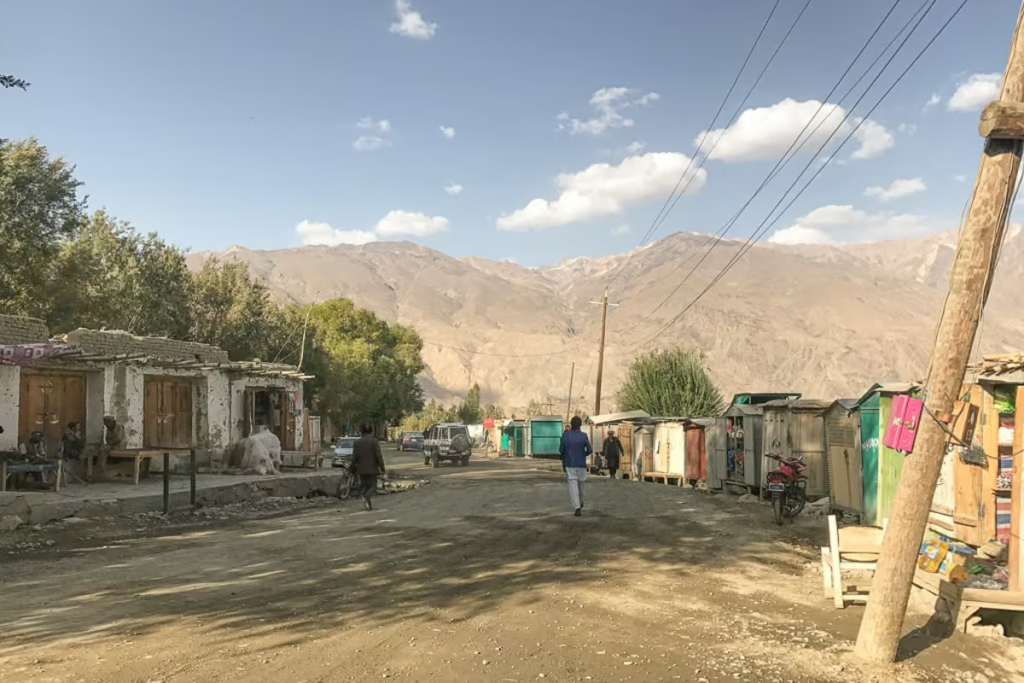
After completing immigration on the Afghan side, the next step was getting to Sultan Eshkashim, the Afghan town located approximately five kilometers from the border.
The road connecting the border with Sultan Eshkashim is unpaved. If you haven’t arranged transportation in advance, local border officials have historically been able to help arrange a taxi from town.
When I crossed, the quoted fare was approximately $20 for the short journey. If you are traveling on a tight budget, walking is another option.
Most travelers arriving in Sultan Eshkashim historically headed to Marco Polo Guesthouse, located on a hill above the main bazaar. When I visited, rooms including meals cost approximately $30 per night.
The guesthouse was also a useful place to meet local guides and arrange onward travel into the Afghan Wakhan Corridor.
See the Afghan Wakhan in Photos
Traveling from Sultan Eshkashim into the Afghan Wakhan Corridor

If you plan to travel beyond Sultan Eshkashim into the Afghan Wakhan Corridor, additional permits and local arrangements have historically been required. The permit situation can change with little to no notice, so it’s always best to confirm info with a local guide just prior to your trip to the Afghan Wakhan.
Travelers heading toward the Wakhan National Park, Great Pamir, or Little Pamir needed to obtain permission from local police before leaving Sultan Eshkashim. If you don’t speak Dari, arranging these permits usually requires assistance from a local guide or translator.
When I traveled through the Afghan Wakhan, guides typically charged a flat fee of approximately $50 to help arrange the necessary paperwork.
Transport is another major consideration. Historically, foreign visitors traveling from Sultan Eshkashim to Sarhad-e Broghil, the gateway to the Little Pamir, were generally expected to arrange a tourist vehicle.
When I researched the route, a one-way journey cost approximately $300 to $350.
Although shared taxis were available for local passengers at considerably lower prices, foreign travelers could encounter difficulties at checkpoints when attempting to use them.
Hiring a local guide was also particularly useful for navigating checkpoints, arranging transport, translating conversations, and understanding local customs.
I traveled with Malang Darya on my Afghan Wakhan journey, which I arranged after arriving in Sultan Eshkashim.
Crossing from Afghanistan to Tajikistan at Ishkashim
Crossing from Afghanistan back into Tajikistan at Ishkashim followed essentially the same procedure in reverse.
You would complete Afghan exit immigration, cross the bridge over the Panj River, and then pass through Tajikistan’s immigration checkpoint.
My return crossing was relatively straightforward. I also had a rather entertaining experience with the Afghan border guards and other locals, who became excited when they realized I had a camera and wanted to pose for photographs.
We spent so much time joking around and taking pictures on the island between the two countries that I missed all the shared taxis heading back to Khorog.
This left me with an unexpected overnight stay in Tajik Ishkashim at Hanis Guesthouse. Not exactly the most efficient border-crossing strategy, but certainly a memorable one.
Planning to spend some time in Tajikistan before or after the Afghan Wakhan? Read the Tajikistan Travel Guide for ideas
Transport from Ishkashim to Khorog
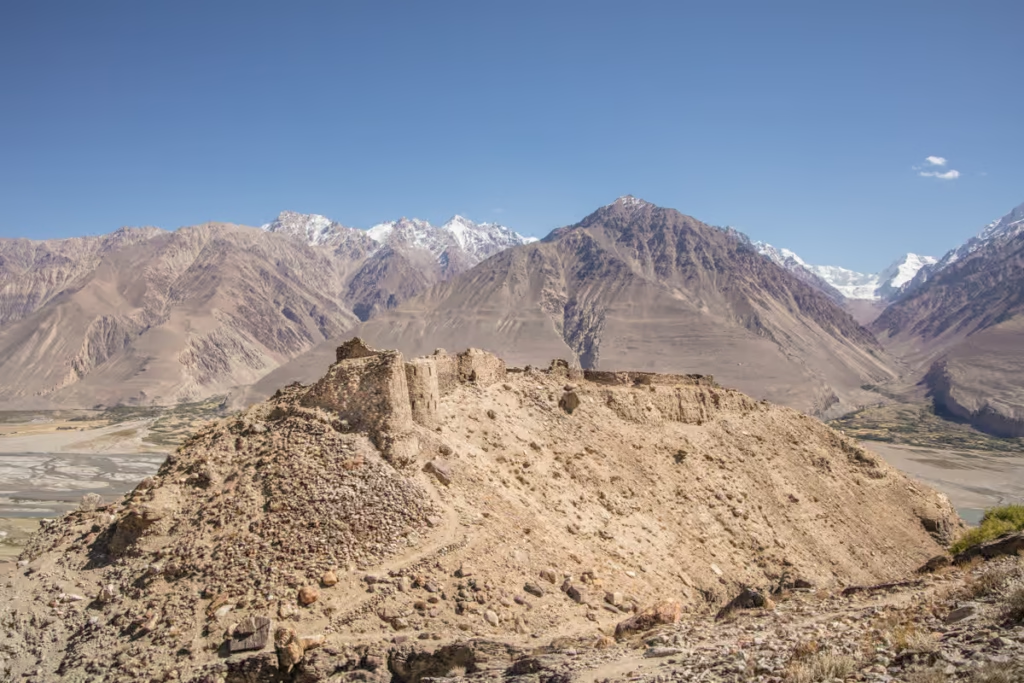
If you finish your journey at the Tajik side of the Ishkashim border, you will need to make your way back to the village or arrange onward transport toward Khorog.
The border is approximately three kilometers from the main village of Ishkashim. When I was there, I hitched a ride back into town without any problems.
Shared taxis travel along the main road between Ishkashim and Khorog. Plan to leave in the morning, with the last shared taxis typically leaving around 10 am. After that plan that you may need to pay for all the seats and charter a whole car. You can try your thumb at hitchhiking too.
If you’re heading in the opposite direction, shared transport also travels further along the Tajik Wakhan Valley all the way to Langar, making Ishkashim a useful starting point for exploring the villages and historical sites farther along the Panj River.
A useful practical tip: don’t assume you can easily find transport later in the day. If you have an onward connection or accommodation booked in Khorog, arrange your ride in advance or plan to cross early in the morning.
Money Exchange in Ishkashim and Sultan Eshkashim
Money changers operated around the bazaar in Sultan Eshkashim on the Afghan side of the border. US dollars were a particularly useful currency to carry when traveling through the Afghan Wakhan.
Make sure you have enough cash to cover the entire cost of your trip before leaving Khorog, especially.
The ATM in Ishkashim only works with local Tajik cards and there is no ATM in Sultan Eshkashim. ATM access and the availability of cash can be unreliable much of the Pamirs and Afghanistan.
I ran into problems withdrawing money in Khorog at that time because the ATMs I tried had run out of cash. I eventually had to use Western Union to send myself money before continuing into the Afghan Wakhan.
My advice is to carry enough cash for your planned journey, including accommodation, transport, food, guides, and unexpected delays. USD is useful for the Afghan side, while you should keep Tajik somoni for expenses in Tajikistan.
Ishkashim Border Crossing Hours
When the Ishkashim border crossing was operational, the reported opening hours were:
| Border checkpoint | Opening hours |
|---|---|
| Tajikistan | 8 am to 12 pm, 2 pm to 4 pm |
| Afghanistan | 9 am to 11:30 am, 2 pm to 4 pm |
The crossing was also reported to close on Sundays, and sometimes Fridays, as well as during public holidays and other unexpected circumstances.
During my own travels, I had to wait several days for the Ishkashim border crossing to reopen because of Eid al-Qurban celebrations.
Is the Ishkashim border open on Sundays?
Historically, the Afghan side was reported closed on Sundays, while the Tajik side had its own operating schedule. However, these hours should not be relied upon for current travel planning.
As of November 2026, the crossing remains closed to foreign travelers.
I recommend checking with the PECTA office in Khorog when you arrive in Tajikistan for the most current days, hours, and holiday closures.
The Ishkashim Cross-Border Market
One of the most interesting features of the Ishkashim border crossing was its cross-border market, which took place on an island in the Panj River between Tajikistan and Afghanistan, the island technically on the Afghan side of the border.
Held on Saturdays, the Ishkashim cross-border bazaar brought together Tajik and Afghan traders selling everything from household goods and clothing to food and everyday essentials.
The market was particularly popular with travelers because it offered an opportunity to experience a small piece of cross-border life without going through the full Afghan visa process.
However, access to the market has become increasingly restricted and has suffered from many closures over the past decade. As of November 2026, foreign visitors are not allowed into the Ishkashim cross-border market. The same for the Tem Border Market in Khorog, near the Shegnan Crossing. Officials are posted at the entry of the bazaar and do check identification.
The market has also experienced frequent cancellations and closures due to political developments, security restrictions, holidays, and other local circumstances.
For updated information, check with local tourism offices and authorities rather than assuming the market will be operating on a particular Saturday.
Is the Ishkashim Border Crossing Safe?

The security situation around the Ishkashim border crossing and the wider Tajikistan-Afghanistan border region requires consideration.
Although I previously crossed at Ishkashim and traveled extensively through the Afghan Wakhan, those experiences should not be taken as an indication of current safety or accessibility.
In November 2025, attacks originating from Afghanistan killed Chinese nationals in Tajikistan’s border regions. Further armed clashes were reported near the Afghan-Tajik border in August 2026.
This all said, I usually spend several months each year in Tajikistan right next to the Afghan border in Khorog. I do not personally feel it’s unsafe enough to warrant avoiding travel there, but this is only a determination you can make for yourself.
Hiring a Guide in the Afghan Wakhan
If you are planning a journey into the Afghan Wakhan Corridor when travel is permitted, hiring a local guide can make a significant difference.
Beyond helping arrange permits and transport, local guides can translate conversations, navigate checkpoints, introduce you to communities along the route, and help organize accommodation in remote villages.
When I traveled through the Afghan Wakhan, I went with Malang Darya, whom I arranged after arriving in Sultan Eshkashim.
I recommend contacting him directly if you are researching a future trip in advance of your visit.
Looking for info about all the Tajikistan-Afghanistan border crossings? Check out my post on all the Tajik border crossings
Tips for Crossing the Ishkashim Border
If the Ishkashim border crossing reopens to international travelers, keep these practical considerations in mind:
Carry Extra Passport Photographs
When I traveled through the Afghan Wakhan, I needed several passport photographs for local registrations and permits in Sultan Eshkashim. If you arrive without any, you may be able to arrange copies locally, but it’s easier to bring extras from home.
Carry Sufficient Cash
Do not rely on ATMs in remote parts of the Afghan Wakhan. Bring enough US dollars for expenses on the Afghan side and retain sufficient Tajik somoni for your return to Tajikistan.
Arrange Your Afghan Visa Before Reaching the Border
Historically, obtaining an Afghan visa in advance was an important part of planning this crossing. Visa availability and application procedures have changed, so verify the current arrangements for your nationality.
Don’t Assume the border will be Open
The Ishkashim border crossing has historically experienced unexpected closures around holidays, political developments, and other circumstances. Always confirm its status before traveling toward the border.
Arrange Onward Transport in Advance
Shared taxis between Ishkashim and Khorog historically depart in the morning. If you’re traveling with a fixed schedule, don’t assume you will find a vehicle later in the day.
Keep Printed Copies of Your Documents
Carry printed copies of your passport, Tajikistan visa or visa-free entry documentation, GBAO permit, and Afghan visa where applicable. In remote border regions, having paper copies can make administrative procedures easier.
Check the Security Situation BeforeTraveling
The security situation along the Afghan-Tajik border can change quickly. Check current government travel advisories and local restrictions before making plans.
Have any Questions About the Ishkashim Border Crossing?
Ask in the comments sections below.
Posts from Tajikistan & Afghanistan
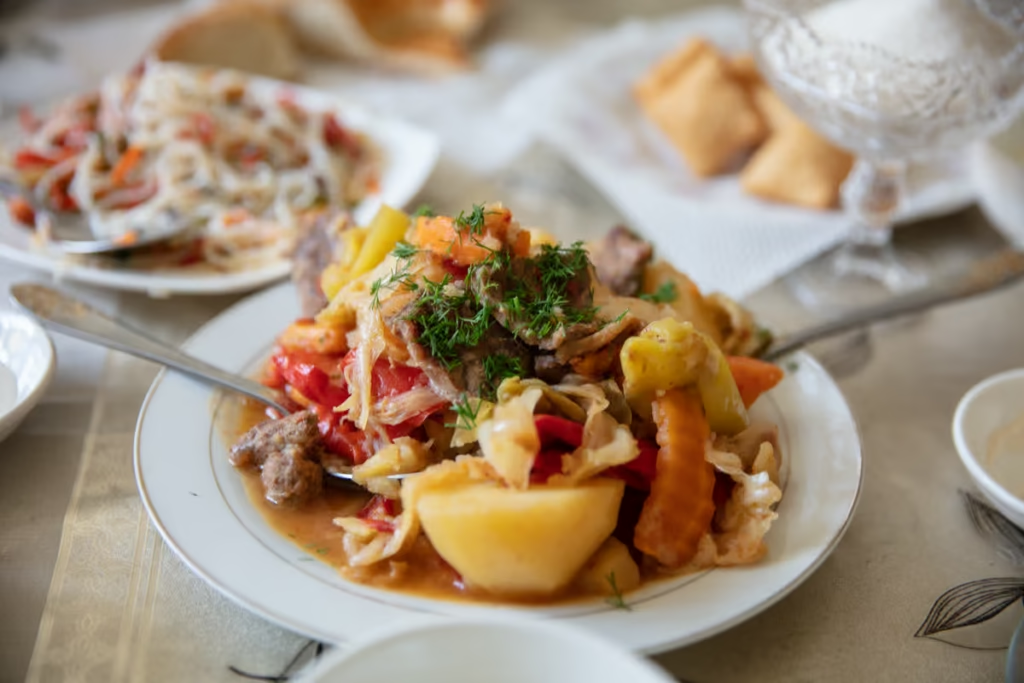
Central Asian Food: 31 Dishes & Drinks to Try
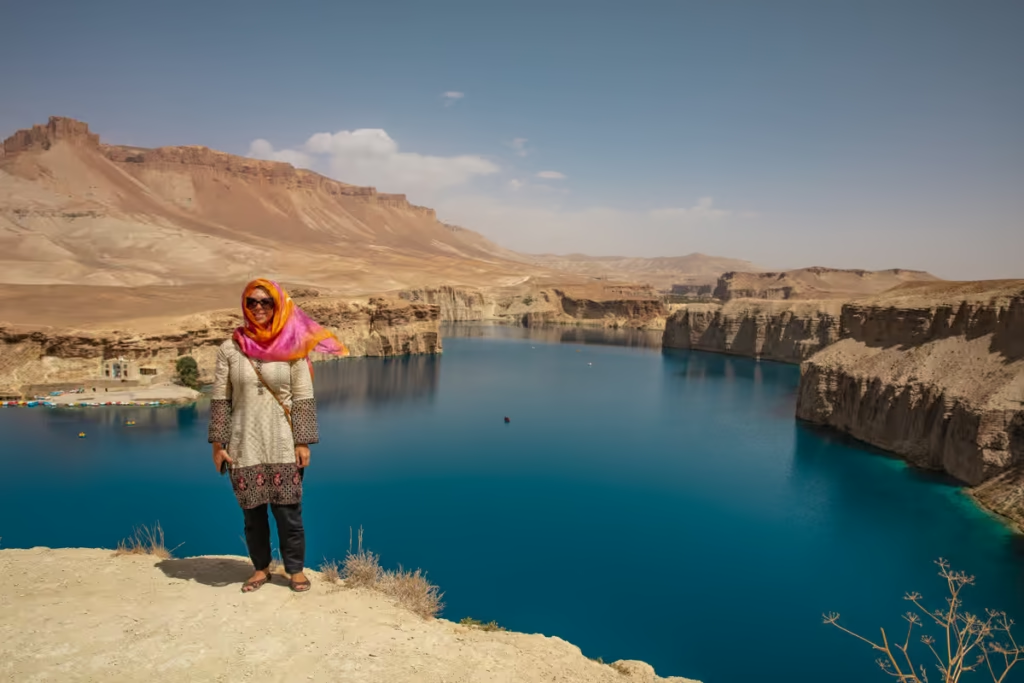
Women’s Travel in Afghanistan
Lake Sarez Travel Guide: Trek & Permits
Bartang Valley Travel Guide
Yagnob Valley Trekking & Travel Guide
17 Best Things to Do in Tajikistan
Uzbekistan-Afghanistan Border Crossing at Hairatan
Tajikistan Visa Guide: E-Visa, Fees & GBAO
Khujand Travel Guide: 11 Best Things to Do
Murghab Travel Guide

Madiyan Hot Springs, Tajikistan
Hisor Fortress, Tajikistan: How to Visit
Istaravshan Travel Guide: 10 Things to Do
Tajikistan Itinerary: 1-4 Weeks
Afghan Bazaar Khorog | Tem Market
Shokhdara Valley Travel Guide, Tajikistan
Vorukh: A Guide to Tajikistan’s Enclave
Shir Khan Bandar Border Crossing Guide
Tajik Food: 20+ Traditional Dishes
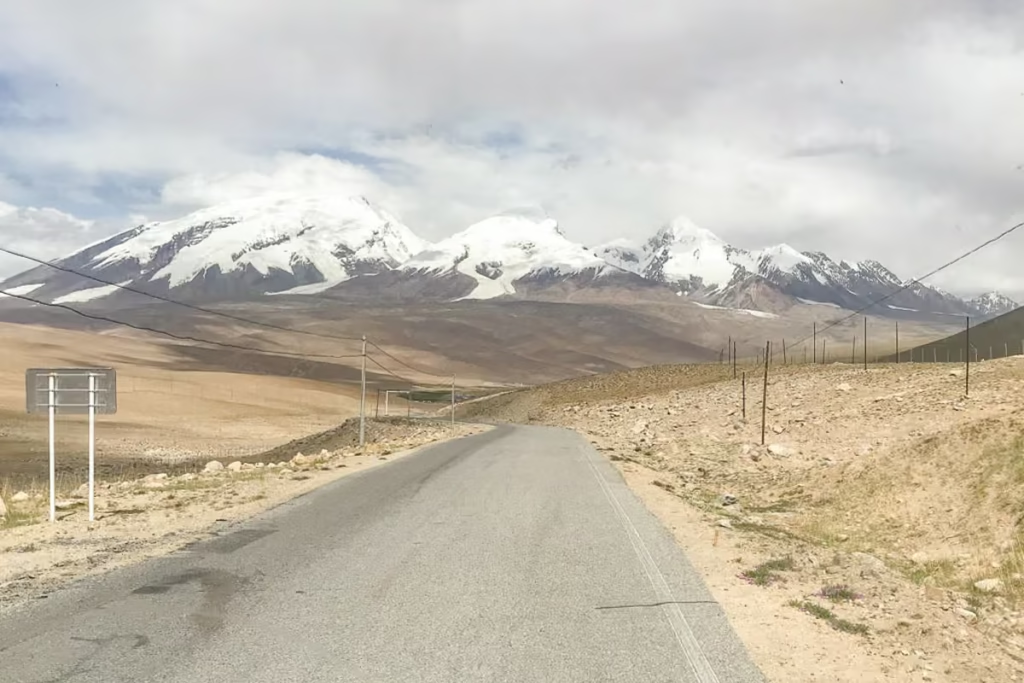
Qolma Pass: Tajikistan to China Guide
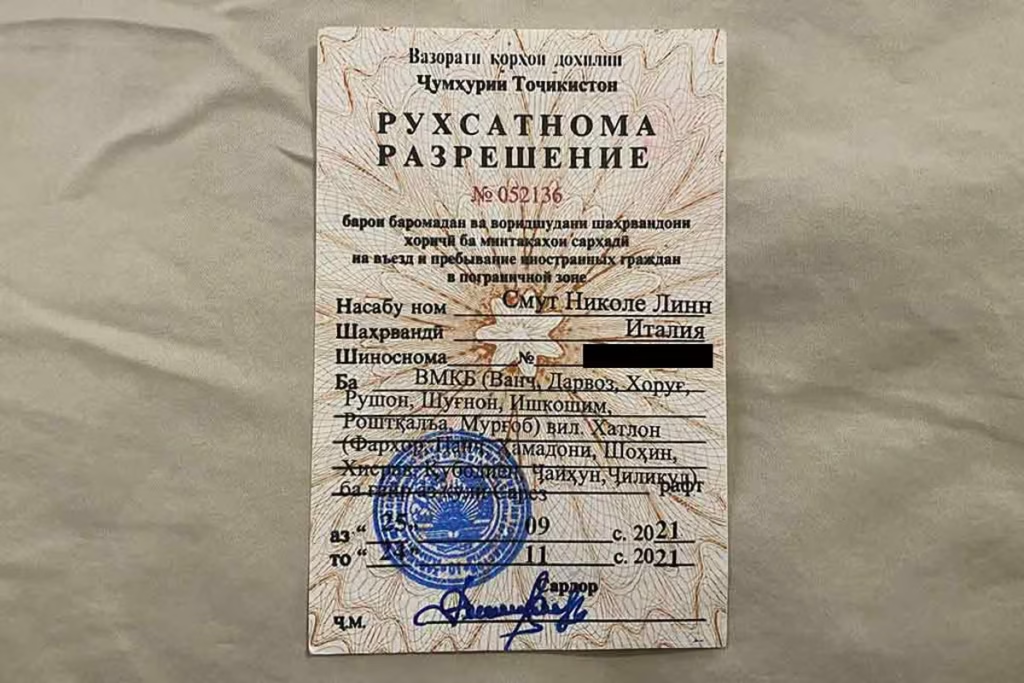
GBAO Permit: How to Get One
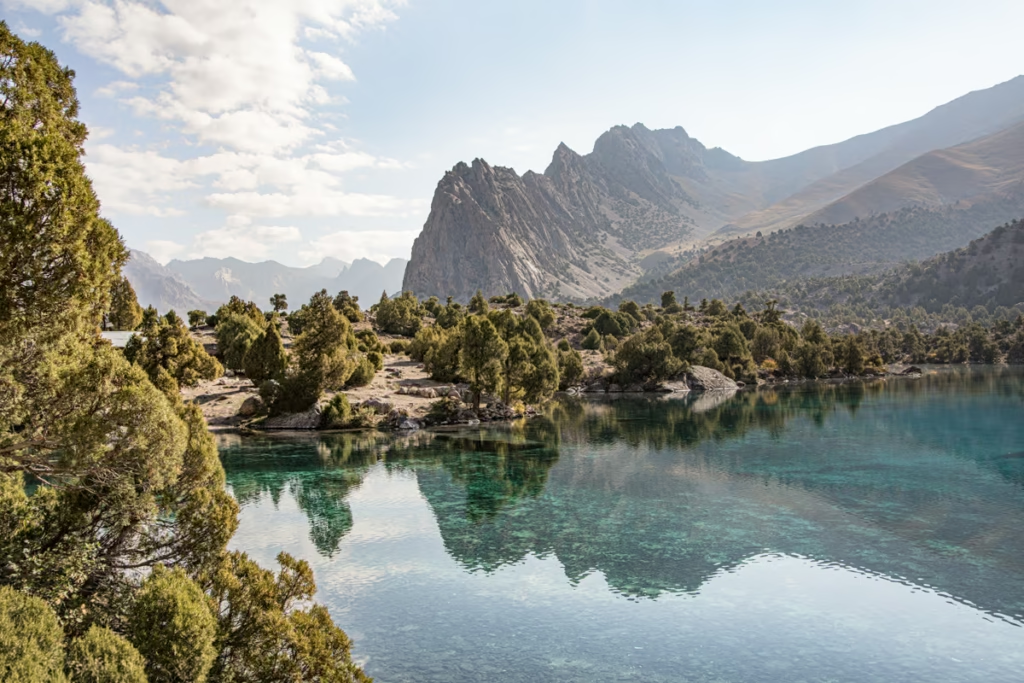
Lakes Loop, Tajikistan Hiking Guide
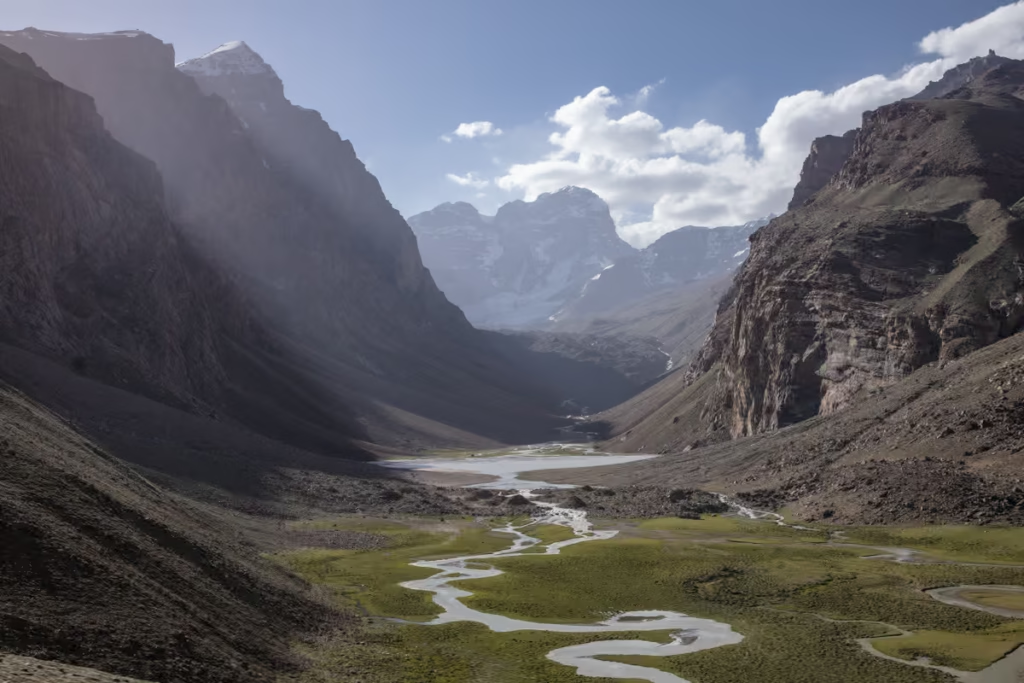
Pik Engles Hike: Tajikistan Trek Guide
Pamir Highway Guide: M41 Route
Tajikistan Border Crossings Guide
Tajikistan Uzbekistan Itinerary: 2 Weeks
Solo Female Travel in Tajikistan
Chimtarga Pass Trek Guide | Tajikistan
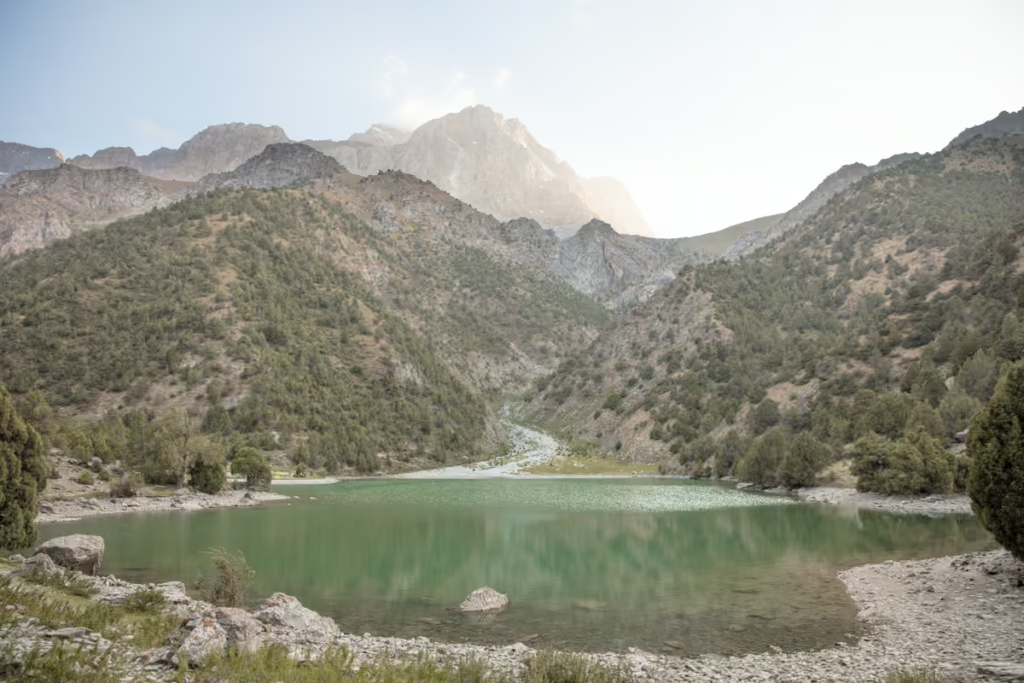
Best Hikes in Tajikistan
Dushanbe Day Trips
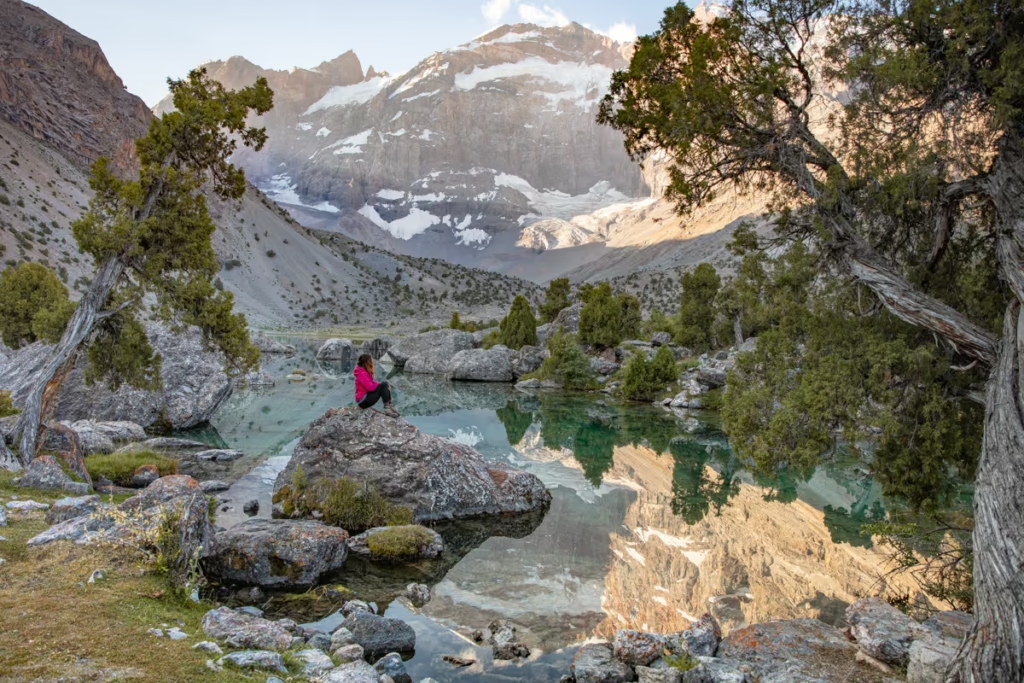
Solo Female Travel in Central Asia
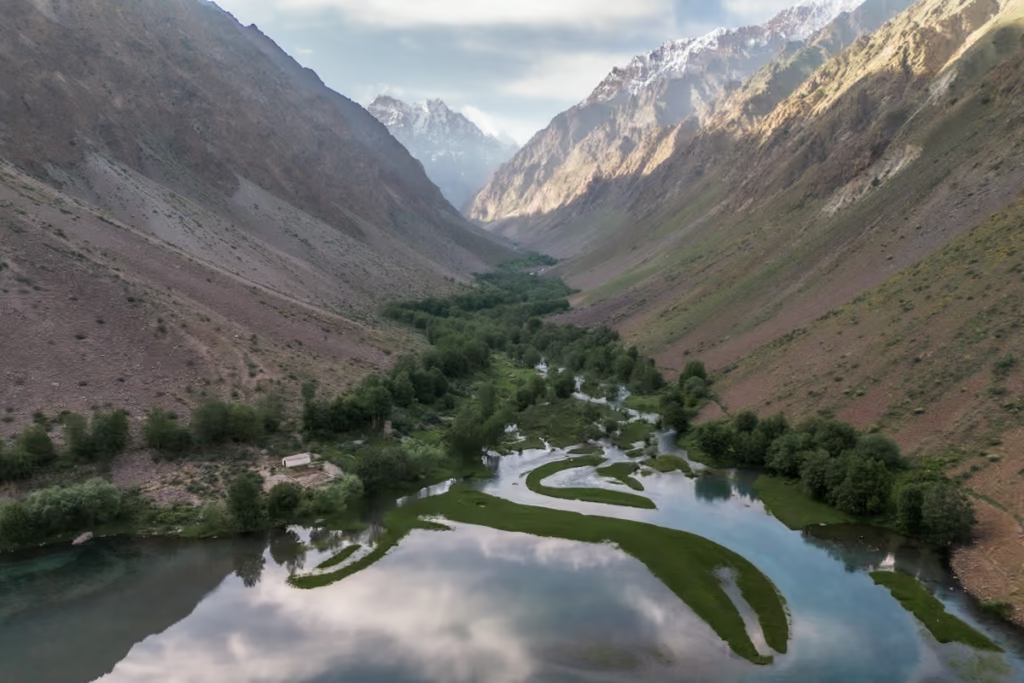
Jizeu, Tajikistan: Trek & Travel Guide
Tajikistan Travel Guide: Plan Your Trip
Dushanbe Travel Guide & Things to Do
Dushanbe Mosaics: Soviet-Era Art in Tajikistan
1 Week Tajikistan Itinerary
2 Week Tajikistan Itinerary
3 Week Tajikistan Itinerary
4 Week Tajikistan Itinerary
10 Day Tajikistan Itinerary
Panjakent Travel Guide: Things to Do

OVIR Registration in Tajikistan: Dushanbe Guide
Panjakent-Samarkand Border Crossing Guide
Fann Mountains Trekking Guide
Central Asia Travel Guide
Tajikistan SIM & eSIM Guide
Shurab, Tajikistan: An Almost Forgotten City

Isfara-Batken Border Crossing Guide

Oybek Border Crossing: Tashkent to Khujand