Qolma Pass: How to Cross Between Tajikistan & China
Updated October 2026, Qolma Pass: How to Cross Between Tajikistan & China was originally written in July 2018
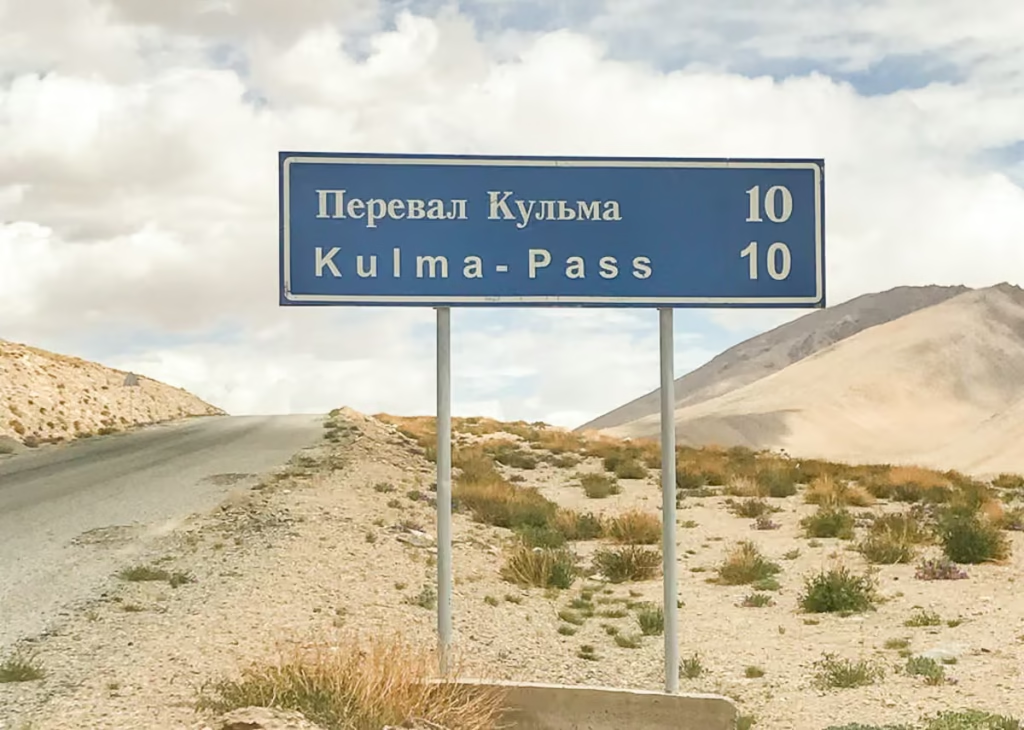
Qolma Pass, also known as Kulma Pass, is the land border crossing between Tajikistan and China, connecting the Pamir region with Xinjiang. The Chinese side is known as Kalasu Port. At approximately 4,363 meters (14,315 feet), Qolma Pass is one of the highest international border crossings in the world.
Crossing Qolma Pass is far more complicated than simply driving from one country to another. There is no public transportation across the 14-kilometer stretch between the Tajik and Chinese border facilities, so travelers must arrange transportation to the border and then hitch a ride across the pass, usually with trucks.
I first crossed Qolma Pass in 2018, and this guide covers what I learned about the border crossing, opening hours, transportation, visas, permits, and what to expect when crossing between Tajikistan and China.
Need Travel Insurance and Evacuation Services?
Start shopping for travel insurance plans over at IATI Insurance. Readers of the Adventures of Nicole get a 5% discount off your plan.
The Adventures of Nicole partners with Global Rescue to offer the world’s leading medical evacuation and security advisory services. To travel with peace of mind, explore their evacuation coverage.
Qolma Pass Quick Facts
| Countries | Tajikistan & China |
| Tajik name | Qolma |
| Chinese side | Kalasu Port |
| Other spelling | Kulma Pass |
| Elevation | 4,363 m (14,315 ft) |
| Distance between ports | About 14 km |
| Open | Monday-Friday |
| Public transport | None across the pass |
| Crossing method | Kamaz Truck |
| Tajik side | Murghab / GBAO |
| Chinese side | Tashkurgan / Xinjiang |
Why Cross Qolma Pass?
Qolma Pass is primarily useful for travelers combining Tajikistan and China in the same overland journey. For me, crossing Qolma made sense while traveling from Tajikistan toward Pakistan’s Gilgit-Baltistan region, allowing us to connect the Pamir Highway with the Karakoram Highway without traveling through Kyrgyzstan.
- In our case, which was leading a tour from Tajikistan into Pakistan’s Gilgit-Baltistan Province crossing the Qolma made the most sense. For those looking to connect the Pamir Highway with an adventure down the Karakoram Highway, this is the way to do it. Of course, this involves crossing a small bit of Xinjiang (China) that separates the two countries.
- Crossing between Tajikistan and Xinjiang without needing to travel into Kyrgyzstan.
- Stamp collectors. Yes, there are people that are taking collecting to a whole different level. Some people country-count, others are out to collect the most obscure passport stamps. And trust me, this is a really obscure one, after returning to China after having crossed both the Qolma/Kalasu as well as the Khunjerab Pass between China and Pakistan any time we showed our passports it caused quite a flurry of interest for police and military officers.
- This is one of the prettiest border crossings in the world, especially for those traveling from Tajikistan to China with the views of Muztagh Ata, Kokosel, and Karakunlun towering over the Kalasu Port.
- The thrill of hitchhiking with truckers across one the world’s least visited and one of the highest border crossings.
Going to Tajikistan? Check out the Tajikistan Travel Guide & the Pamir Highway Guide to start planning
Qolma Pass Border Crossing: What to Know Before You Go
You Have to Cross the Pass by Vehicle
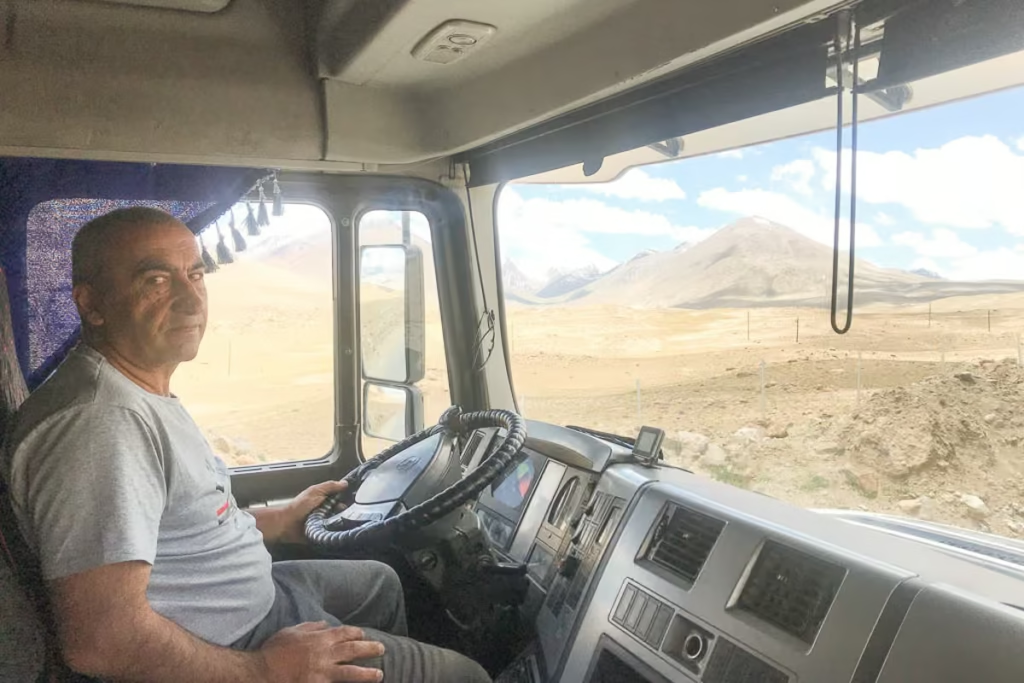
There is no public transportation across Qolma Pass. Travelers crossing between the Tajik and Chinese border facilities need to get onto a vehicle, usually a kamaz truck traveling between the two countries. The border officals are aware of this and will help get you onto a truck crossing over Qolma Pass.
You Need the Correct Visas and Permits
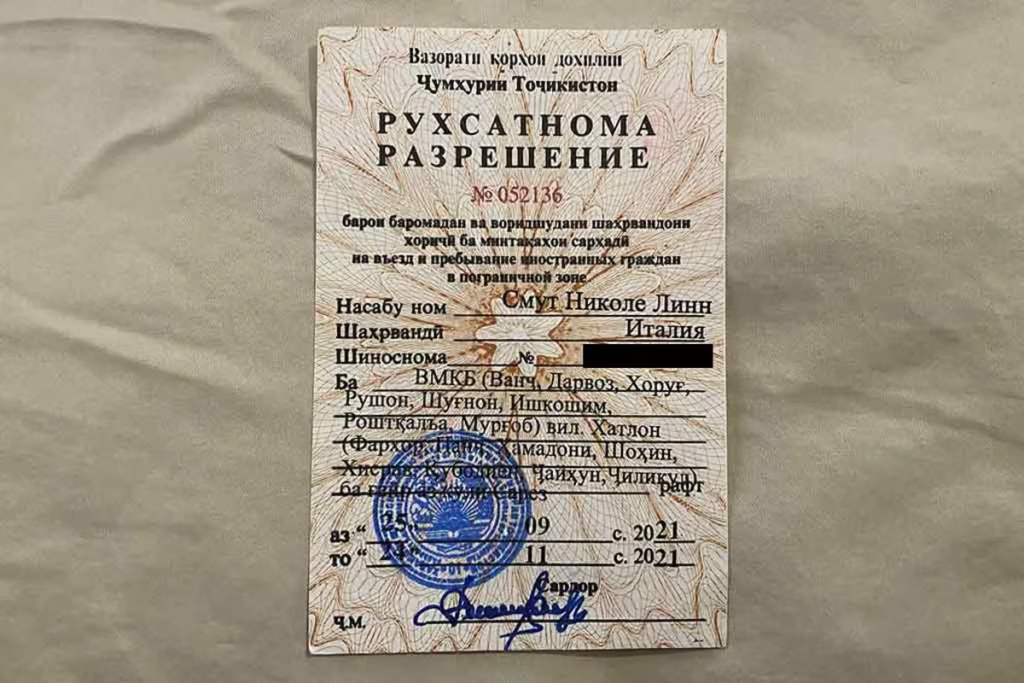
Many travelers are eligible got Tajikistan’s visa-free scheme or the Tajik eVisa. Check to find out which entry status you may have for Tajikistan. All travelers to the Pamir will need to have a GBAO permit which you can obtain with your eVisa or have us arrange in advance for you.
The Border Is at 4,363 Meters
If you’re coming from Kashgar, be prepared for the high altitude crossing as Qolma is substantially highers than Kashgar is. Drink plenty of water and take precautions for avoiding altitude sickness.
There Is No Currency Exchange at the Border
There are no currency exchangers at the border on either side. In China, money exchange and ATMs are available in Kashgar. Finding a working ATM or an exchange office in Tashkurgan can be a challenge, so if you will be arriving from Tajikistan it is wise to exchange for some RMB in Murghab. In Tajikistan, you can exchange money in Murghab, but if needing to withdraw the money you’ll need to go to Khorog for that.
Qolma, Kulma, Kalasu and Karasu: What’s the Difference?
You may see this border crossing written several different ways. Qolma is the name commonly used on the Tajik side, while Kulma is another common English spelling. The Chinese side is known as Kalasu Port, and you may also see the spelling Karasu.
They’re all referring to the same Tajikistan-China border crossing.
Qolma Pass Opening Hours
Qolma Pass is generally open Monday through Friday, with the Chinese and Tajik sides operating on different schedules. The crossing closes on weekends and during relevant Chinese and Tajik public holidays. Opening hours can change, so confirm the schedule before traveling to the border.
Qolma Pass Border Crossing is open:
- 12 pm to 7 pm Beijing time for China
- 9 am to 5 pm Dushanbe time
Can Foreigners Cross Qolma Pass?
Qolma Pass is open to foreign travelers, but crossing is considerably more complicated than a typical international land border. You need valid travel documents for both countries, any required visa, and the necessary Tajikistan GBAO authorization. You also need transportation arranged on both sides because there is no regular public transportation across the pass.
Chinese Side
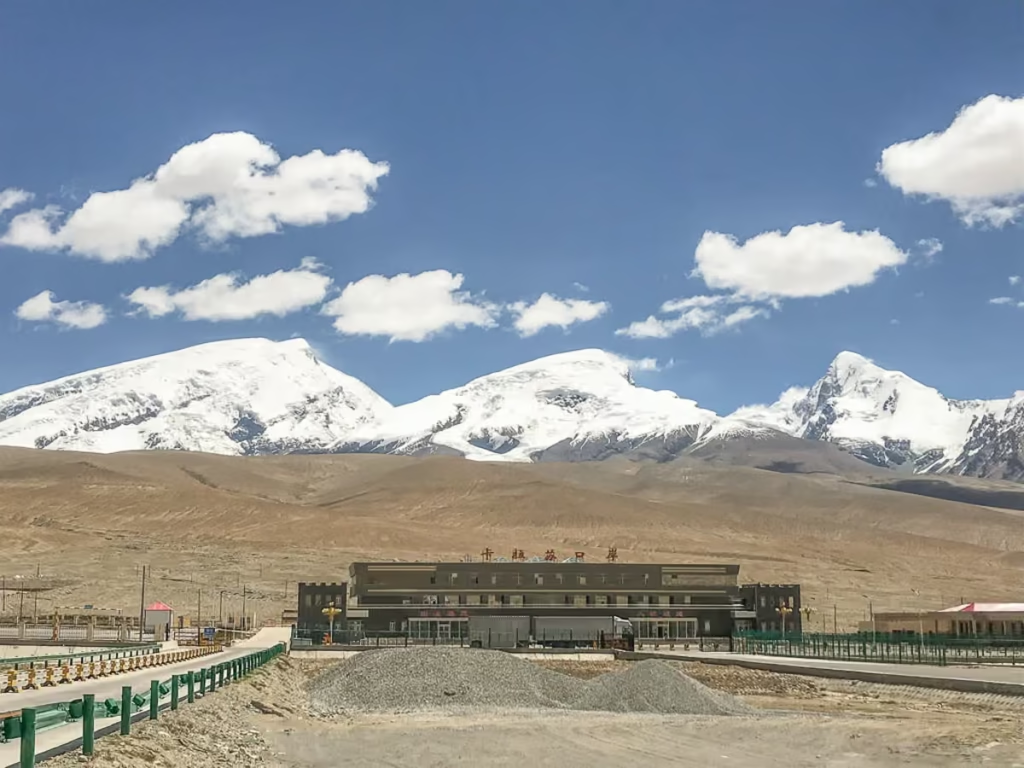
Kalasu Port is open Monday through Friday from 11 am to 5 pm Beijing time*, and closed for lunch from 2 pm and 3 pm. We arrived at Kalasu just in time for the border opening and no one was there. No one actually showed up until about 11:45 am, so you don’t necessarily have to stress about getting there early.
*Beijing time is the official time zone for all of China, however, Xinjiang does operate unofficially 2 hours behind. Note that most government services and transportation operate on Beijing time, but always ask to verify.
Tajik Side
The Tajik side of Qolma Pass is open Monday through Friday from 10 am to 4 pm Dushanbe time* and closed for lunch from 1 pm to 2 pm, however, these hours can vary a bit from day to day (welcome to Tajikistan).
*And to continue with the timezone weirdness- Tajikistan officially has one timezone, however, Murghab and the far east of Tajikistan operates unofficially on Kyrgyz time. Generally, most government services will operate on Dushanbe time but always ask to verify which time.
Holidays
The border closes for many Tajik and Chinese holidays. Check ahead of time for upcoming holidays for either country.
How to Get to Qolma Pass
There is no public transportation across Qolma Pass. Travelers need to arrange transportation to the Chinese or Tajik border facility, then cross the approximately 14-kilometer stretch between the two sides by vehicle.
For those traveling from Tajikistan to China, it is easiest to hire a car from Murghab Bazaar or through a tourist agency in Tajikistan to bring you to the border. Getting across the 14 kilometer pass between the two countries involves hitchhiking with truckers. More on crossing the border below.
China to Tajikistan via Qolma Pass
From China, the easiest starting points are Tashkurgan or Kashgar. You need to reach Kalasu Port, the Chinese side of the Qolma Pass border crossing.
From Kashgar, a private taxi costs around 500 RMB, while a taxi from Tashkurgan costs around 350 RMB, based on the prices I was quoted. Kalasu is roughly 1.5 hours south of Tashkurgan and several hours from Kashgar.
Once you reach Kalasu Port, you clear Chinese immigration and customs before waiting for a truck to take you across the pass. You cannot simply walk across the 14-kilometer stretch.
Going to Xinjiang? Read: Kashgar Travel Guide & One Day In Turpan to plan your trip
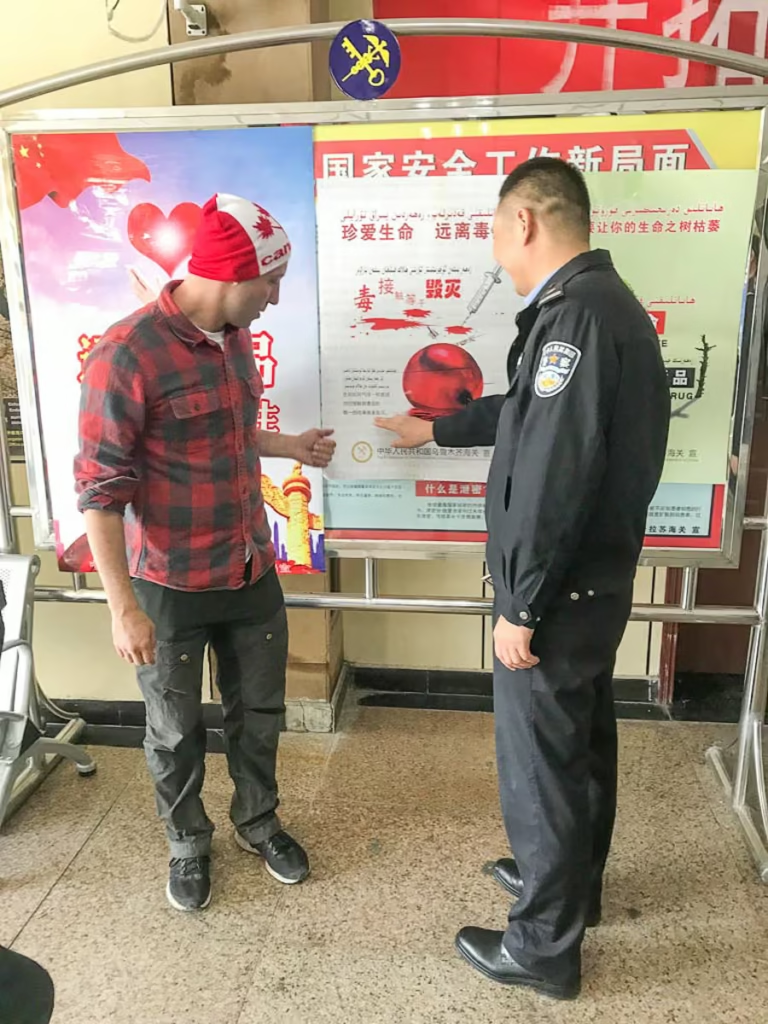
Once to Kalasu Port you’ll first need to show your passport and go through a security checkpoint before continuing on to the actual port building. Once inside the building, you will yet again go through a security checkpoint.
After security, you will officially exit China and will be asked to see your Tajik visa. After exiting China you’ll wait until border officers find a truck ready for you to hitch on.
At the top of the pass is the Tajik border. The truck will stop, you’ll get out at a Chinese military checkpoint where bags will be checked, then you will continue onto the Tajik immigration building.
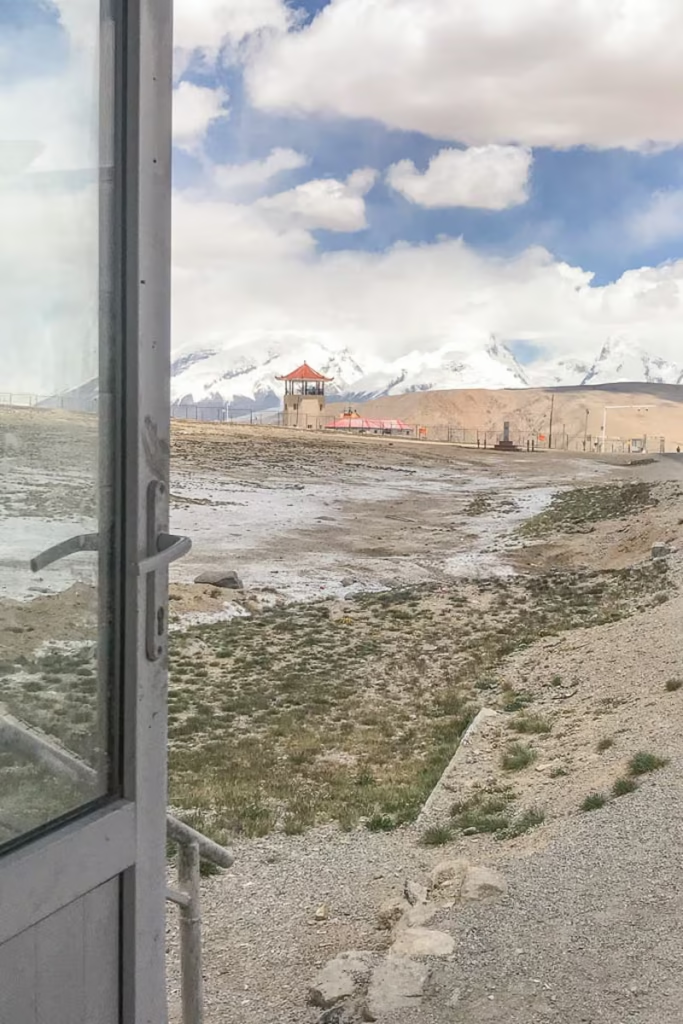
Tajik immigration is pretty straightforward. You’ll be fingerprinted, visas will be checked and you will be given a migration card. After entering Tajikistan you will go through a quick customs check and then on your way.
For arriving to Tajikistan it is best to have a ride arranged in advance by setting up a private car hire through an agency. Don’t expect taxis to be waiting here.
Plan your time in Murghab: The Murghab Travel Guide
Heading to Pakistan? Check out the Khunjerab Pass Border Crossing Report
Tajikistan to China via Qolma Pass
Getting to Qolma Pass From Murghab
You will need to either arrange transport beforehand to get to Qolma Pass by either private car hire or hitching with a truck bound for China. Private car hire to Qolma Pass from Murghab will cost about 500 TJS.
To arrange a car to the pass you can head to the Murghab Bazaar and find a driver, or you can contact any tour company in the area. For those wanting to hitch you can usually find China-bound trucks departing Murghab in the early morning toward the border, most drivers will expect a small payment.
Exiting Tajikistan & Crossing Qolma Pass by Truck
Once to the border, enter the immigration building, hand over your passport and migration card (if you’ve come through Qolma previously and even have one). You’ll be fingerprinted and your Chinese visa will be checked.
Once through immigration head to customs for a baggage check. You’ll then walk your bags to the Chinese military checkpoint.
Entering China at Kalasu Port
At the Chinese military checkpoint, you will be x-rayed, your bags searched, computers and phones will be scanned, and photos will be reviewed.
After the military check, border officers will find trucks bound for China for you to hitch a ride on.
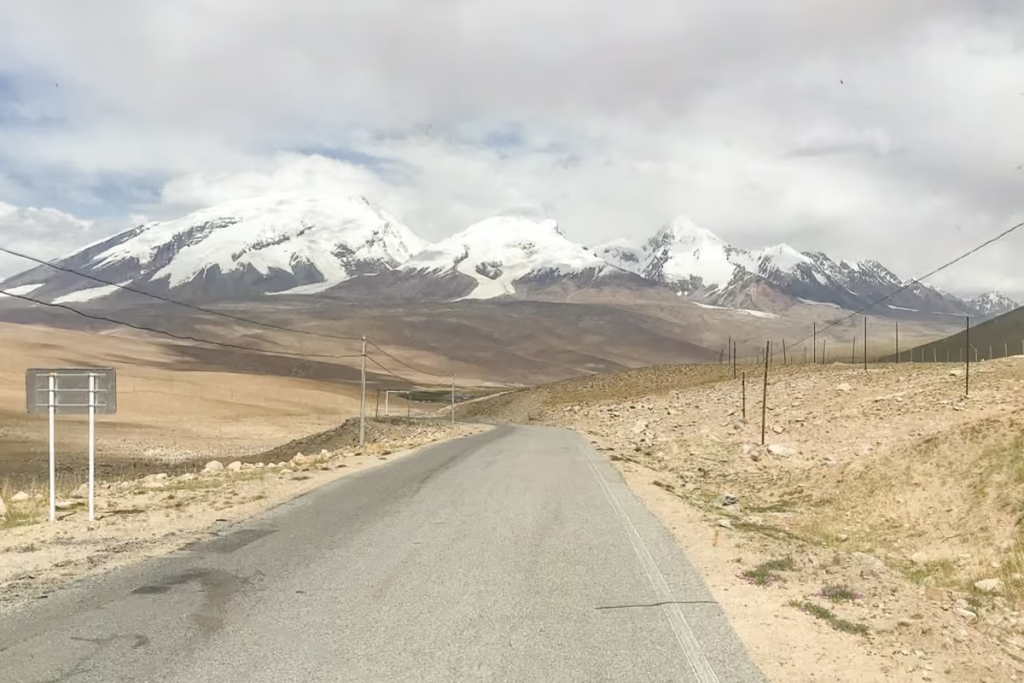
After rolling 14 kilometers downhill you’ll arrive at Kalasu Port. Once to the port, you’ll go to immigration to get your entrance stamp to China and be fingerprinted. After clearing immigration you’ll go through a bag search and then you’re officially in China.
Arriving to China it’s best to have a taxi arranged to pick you up in advance. This is not a common border crossing so there will not be taxis waiting outside. If you do turn up without a ride, ask one of the border officers to call you a taxi from Tashkurgan.
Want to learn more about all the entry points into Tajikistan? Check out my post on all the Tajik border crossings with neighboring countries
How Long Does It Take to Cross Qolma Pass?
Don’t plan a tight connection around Qolma Pass. Border formalities, waiting for a truck, security checks and the remote location can make the crossing unpredictable. The 14-kilometer distance between the Chinese and Tajik facilities is short on a map, but the border process can take considerably longer than the distance suggests.
Where to Stay Before or After Crossing Qolma Pass
Tashkurgan & Kashgar, China
Some accommodations in Xinjiang will not accept foreign guests at this time. It is advised to contact hotels well in advance of your visit to secure accommodation that will let you stay with them.
Murghab, Tajikistan
Tulfabek Guesthouse (45 TJS per night, call +992 935389159 to book)
Erali Guesthouse (95 TJS per night, call +92 919260943 to book)
Qolma Pass Visa and GBAO Permit Requirements
Tajikistan Visa Requirements
Visa requirements depend on nationality. Some travelers can enter visa-free, while others need a visa or e-visa in advance. Read more on Tajik visas.
GBAO Permit
You need a GBAO permit to cross Qolma Pass into Tajikistan. Obtain it before arriving at the border.
China Visa Requirements
China visa requirements depend on nationality. If required, you must obtain your visa before reaching Qolma Pass, as visas are not issued at the border.
Do You Need a Visa to Cross Qolma Pass?
There is no separate Qolma Pass visa. You need the appropriate entry permission for the country you are entering, plus a GBAO permit when entering Tajikistan.
Explore the moon-like Murghab Plateau with the Eastern Pamir Travel Guide
Qolma Pass Safety Tips
Bring Warm Clothing
Qolma is cold and windy even in summer.
Carry Cash
There are no ATMs or exchangers at the border.
Arrange Your Next Ride in Advance
There will not be any shared taxis waiting on either side ofthe border.
Expect Security Checks
You will pass through a GBAO checkpoint between Murghab and the border on the Tajik side of Qolma Pass. In Xinjiang, expect frequent secutiry checkpoints.
Don’t Assume the Border Is Open
Borders can close without notice, so it’s always wise to check locally before traveling.
Should You Cross at Qolma Pass?
Crossing Qolma Pass isn’t the easiest, but it’s the only way to travel between Tajikistan and China overland. There are no comfortable buses rolling neatly between the two countries. Instead, you’re standing at more than 4,000 meters, waiting for a truck to take you across one of the world’s most unusual international borders.
If you’re traveling overland between Xinjiang and the Pamirs, Qolma Pass can save you from routing through another country and gives you an adventure that few travelers get to experience. Just come prepared: have your visas and GBAO permit sorted, arrange transportation on both sides, bring warm clothes and leave plenty of time for the border process.
Need More Information on Qolma Pass?
Ask in the comments below!
Posts from Tajikistan & China
Afghan Bazaar Khorog | Tem Market
Shokhdara Valley Travel Guide, Tajikistan
Vorukh: A Guide to Tajikistan’s Enclave
Tajik Food: 20+ Traditional Dishes
Shir Khan Bandar Border Crossing Guide
Qolma Pass: Tajikistan to China Guide
GBAO Permit: How to Get One
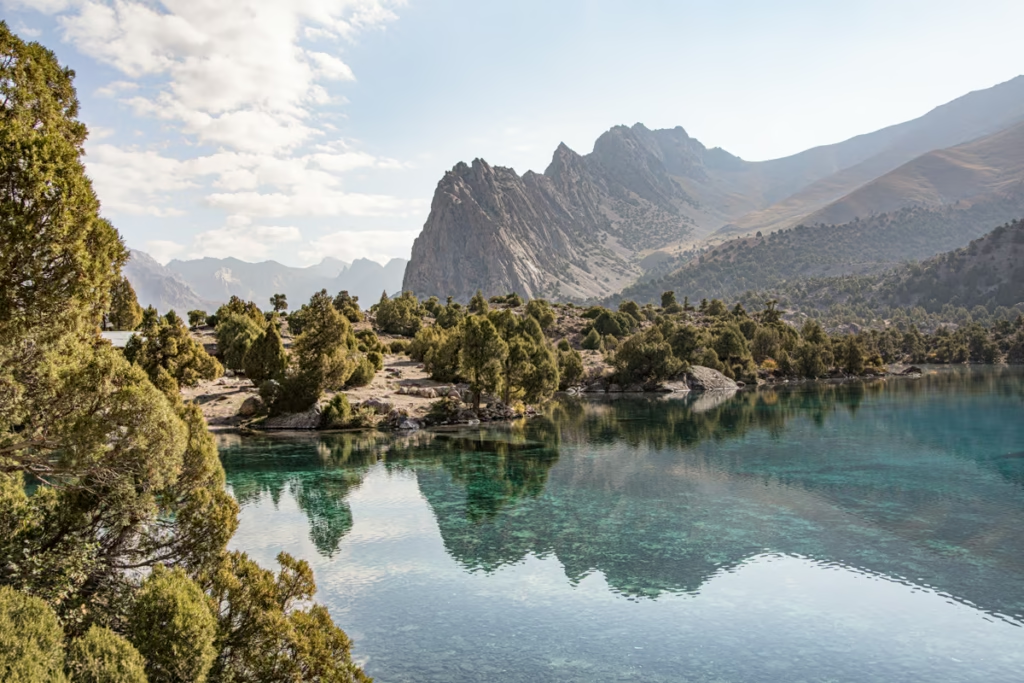
Lakes Loop, Tajikistan Hiking Guide
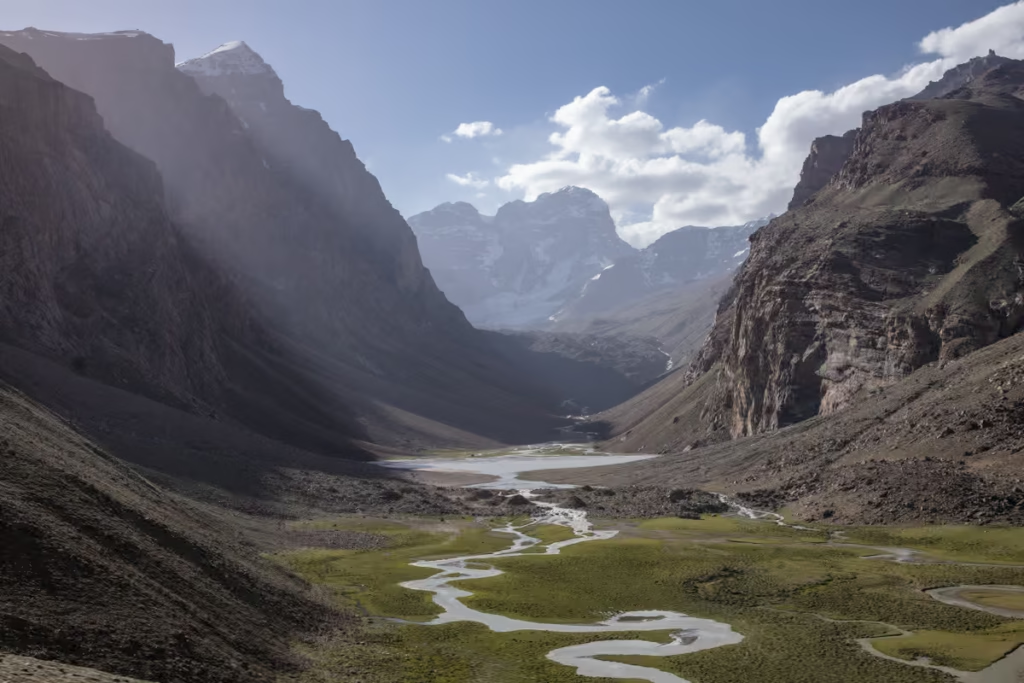
Pik Engles Hike: Tajikistan Trek Guide
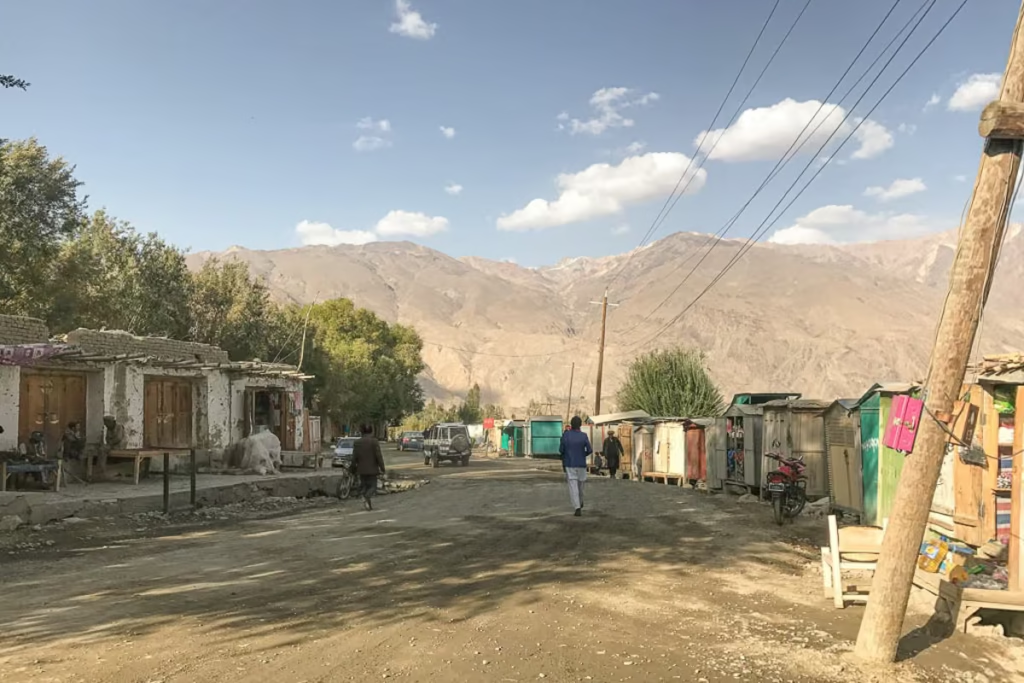
Tajikistan Border Crossings Guide
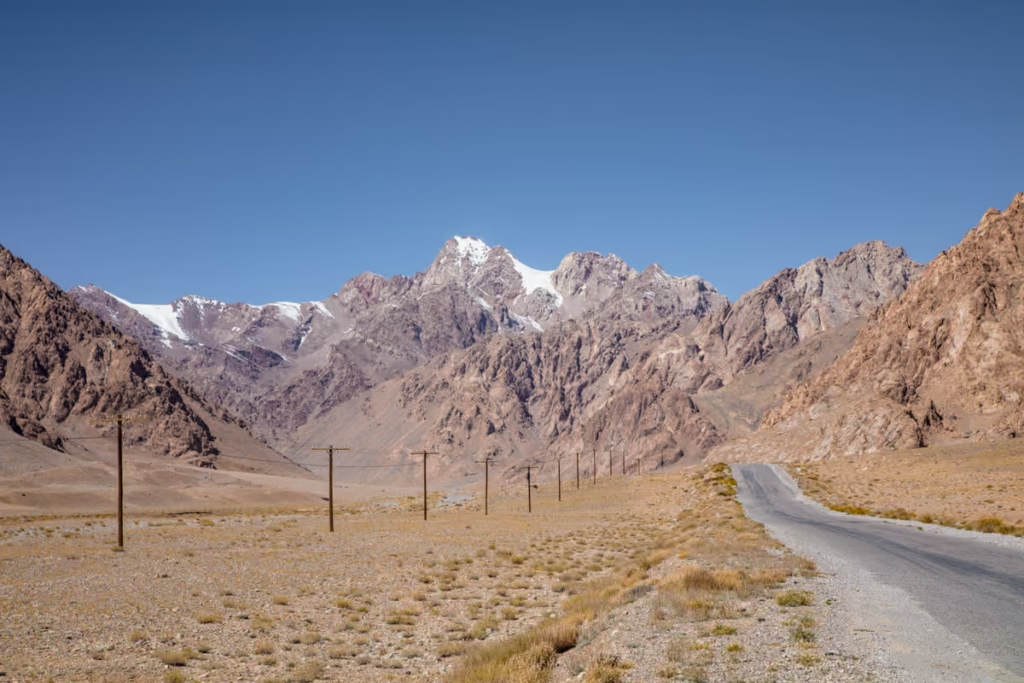
Pamir Highway Guide: M41 Route
Tajikistan Uzbekistan Itinerary: 2 Weeks
Solo Female Travel in Tajikistan
Chimtarga Pass Trek Guide | Tajikistan
Best Hikes in Tajikistan
Dushanbe Day Trips
Solo Female Travel in Central Asia
Jizeu, Tajikistan: Trek & Travel Guide
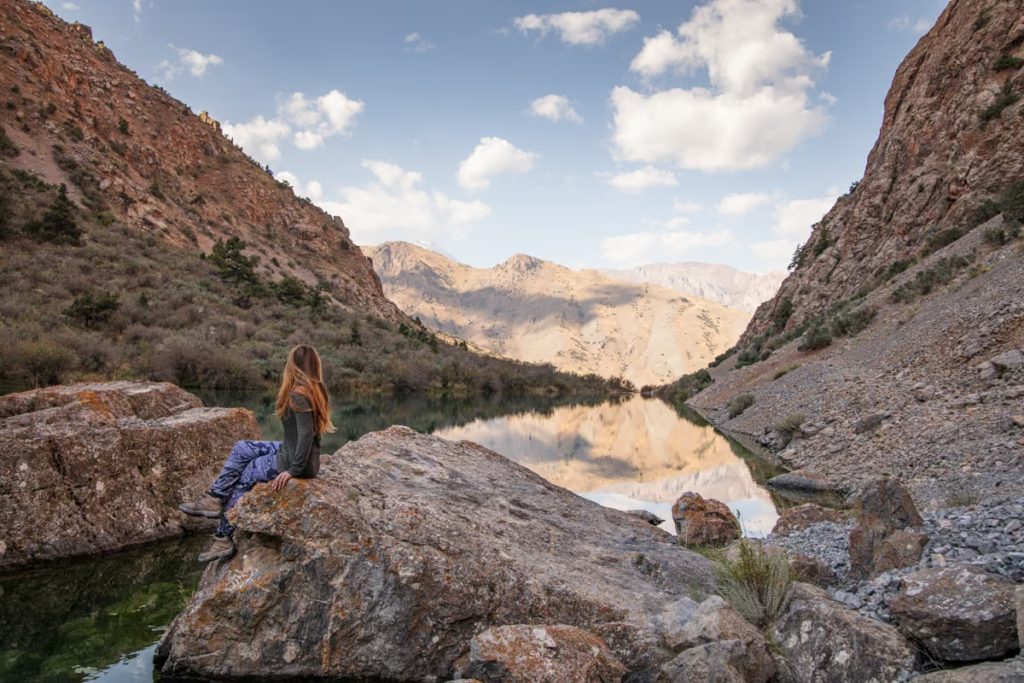
Tajikistan Travel Guide: Plan Your Trip
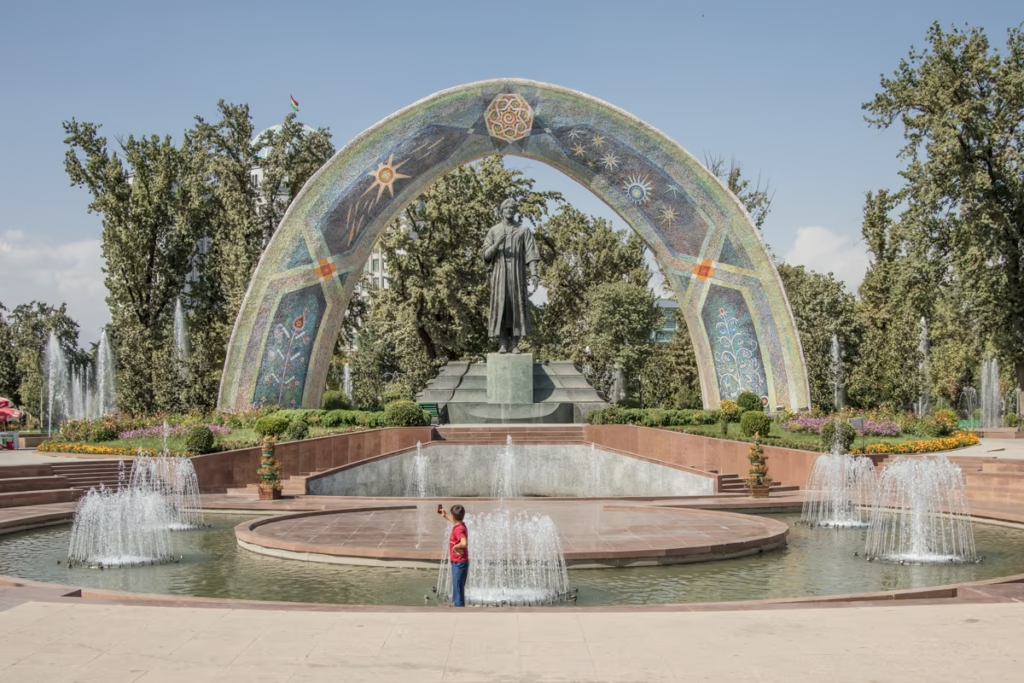
Dushanbe Travel Guide & Things to Do
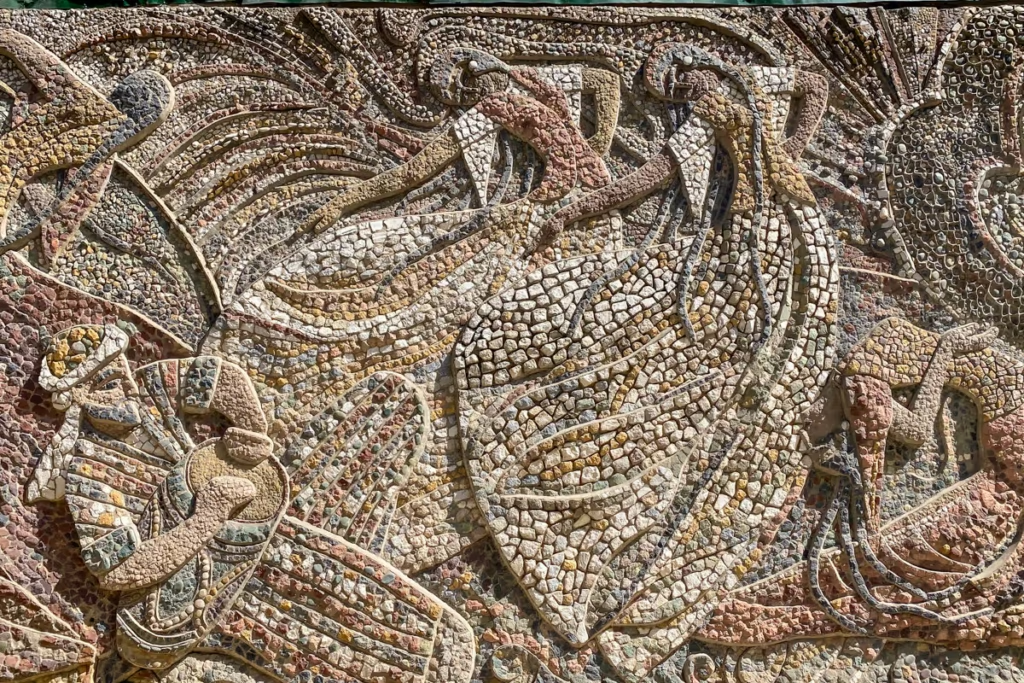
Dushanbe Mosaics: Soviet-Era Art in Tajikistan
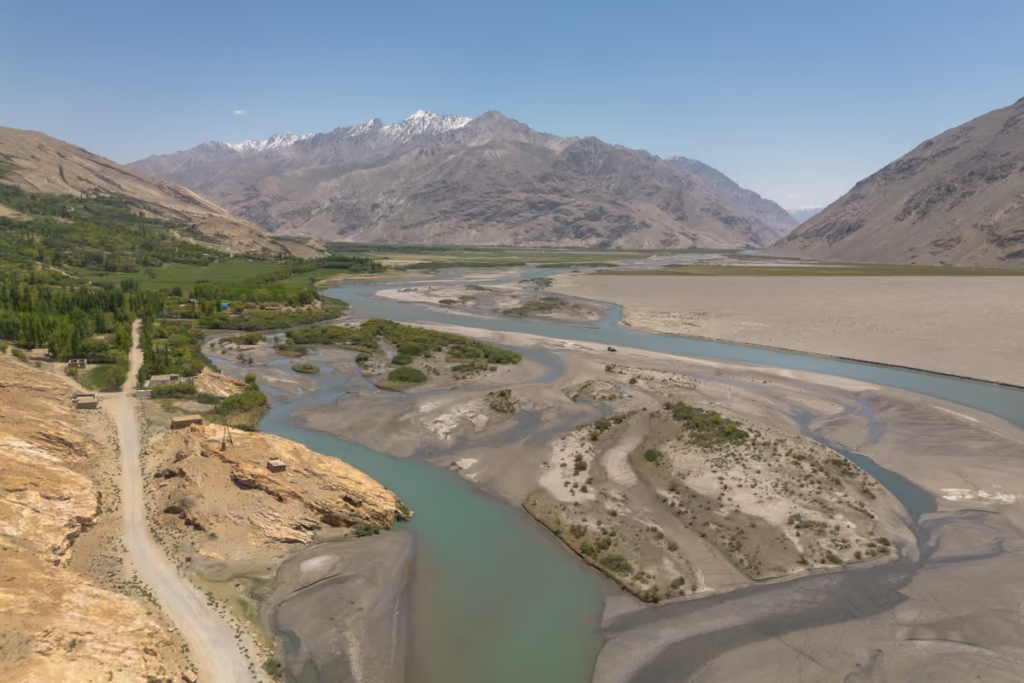
2 Week Tajikistan Itinerary
3 Week Tajikistan Itinerary
4 Week Tajikistan Itinerary
10 Day Tajikistan Itinerary
1 Week Tajikistan Itinerary
Panjakent Travel Guide: Things to Do

OVIR Registration in Tajikistan: Dushanbe Guide
Panjakent-Samarkand Border Crossing Guide
Fann Mountains Trekking Guide
Central Asia Travel Guide
Tajikistan SIM & eSIM Guide
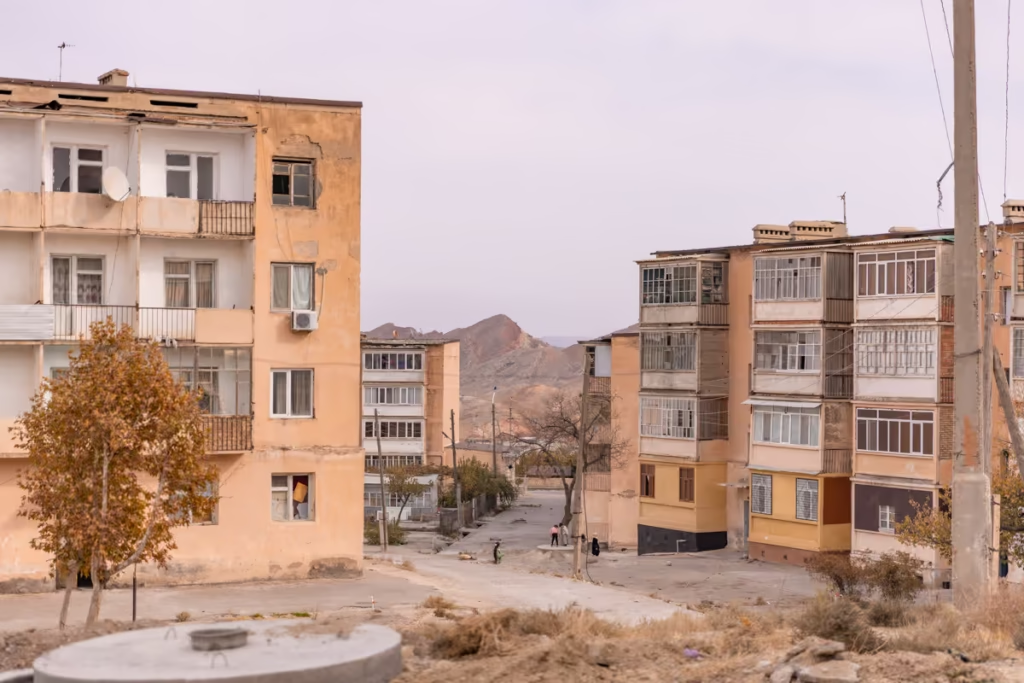
Shurab, Tajikistan: An Almost Forgotten City

Isfara-Batken Border Crossing Guide

Oybek Border Crossing: Tashkent to Khujand
Best Restuarants in Dushanbe | Where to Eat
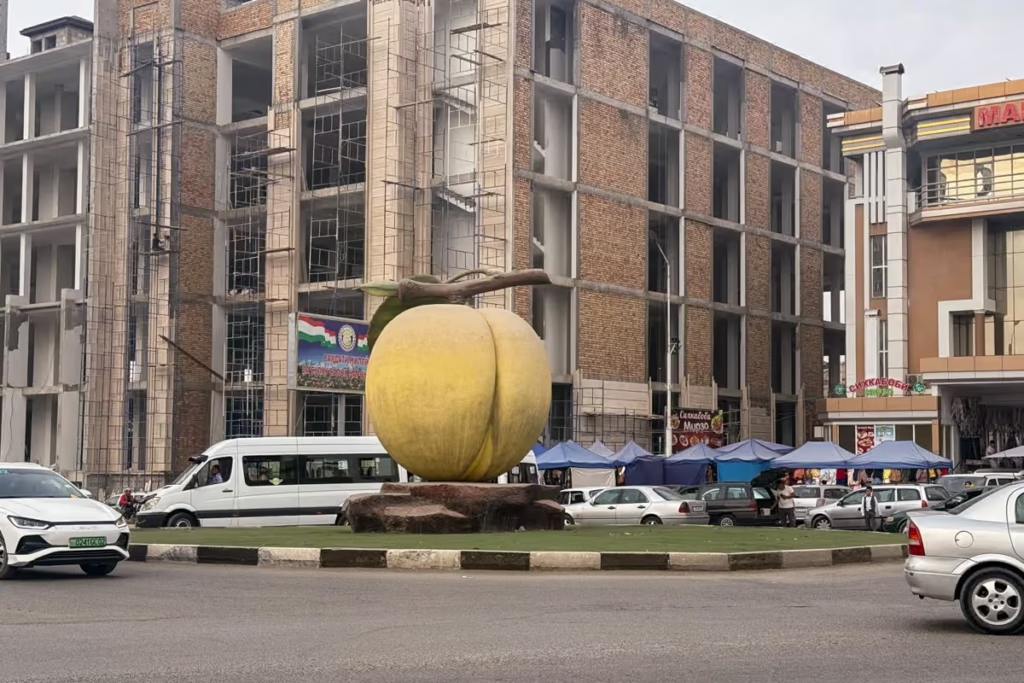
Isfara Travel Guide, Tajikistan
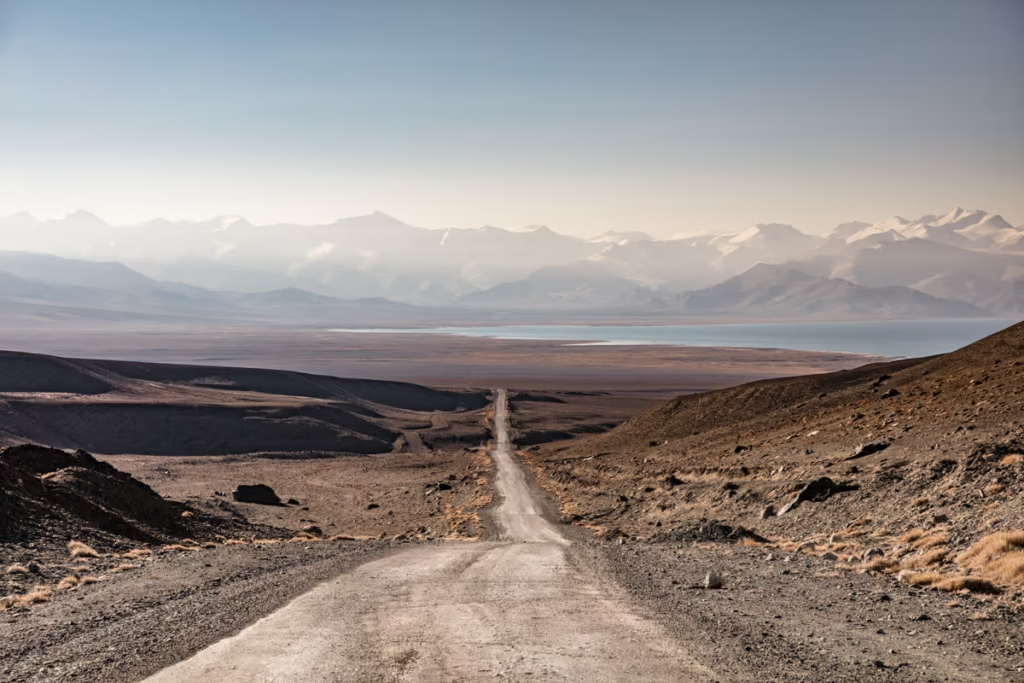
Pamir Highway Itinerary: 10 Days from Dushanbe to Osh
Haft Kul: A Guide to the Seven Lakes of Tajikistan
Tajikistan Letter of Invitation (LOI)
Jarty Gumbez, Tajikistan: A Complete Travel Guide
How to Use Payment Terminals in Tajikistan
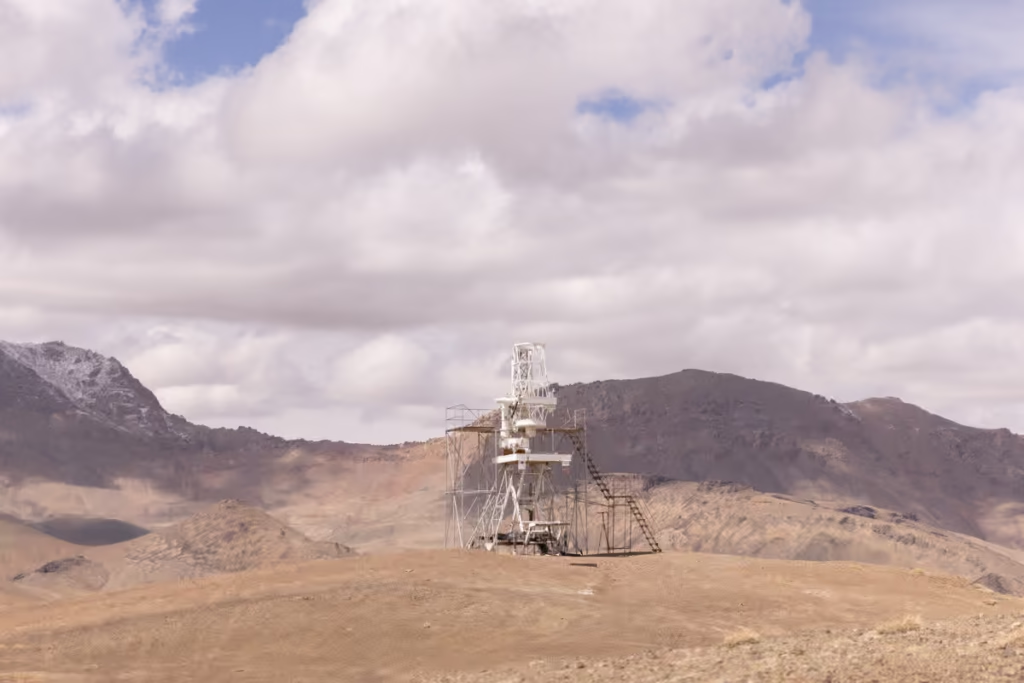
Shor Bulog Observatory, Tajikistan
Visiting Zorkul, Tajikistan
Visiting the Sary Khosar Nature Reserve
How to Get a Chinese Visa for US Citizens
A Guide to Rasht Valley, Tajikistan
Soviet Architecture in Khorog
10 Essentials to Pack for Central Asia