Kashgar Travel Guide: Things to Do & Tips
Updated October 2026, Kashgar Travel Guide: Things to Do & Tips was originally written in August 2018
Kashgar is one of the most fascinating cities in western China. Sitting in the far west of Xinjiang near the borders with Kyrgyzstan, Tajikistan, and Pakistan, Kashgar has been an important Silk Road trading center for more than 2,000 years. Today, its Uyghur culture, bazaars, mosques, food and surviving old neighborhoods make it one of the most distinctive places to visit in China.
Kashgar is also the gateway to the mountains. From the city, you can travel along the Karakoram Highway toward Karakul Lake and Tashkurgan, or continue overland toward the Pakistan and Kyrgyzstan borders.
I first visited Kashgar as part of a wider trip through Xinjiang, and while traveling around the region came with plenty of security checkpoints and restrictions, Kashgar itself felt comparatively relaxed. This Kashgar travel guide covers the best things to do in Kashgar, where to eat and stay, how to get around, and practical information for planning your trip.
Need Travel Insurance and Evacuation Services?
Start shopping for travel insurance plans over at IATI Insurance. Readers of the Adventures of Nicole get a 5% discount off your plan.
The Adventures of Nicole partners with Global Rescue to offer the world’s leading medical evacuation and security advisory services. To travel with peace of mind, explore their evacuation coverage.
Kashgar at a Glance
How many days in Kashgar?
Plan at least 2 days for Kashgar itself, or 3–4 days if you want to include a trip to Karakul Lake or Tashkurgan.
Best things to do:
Explore Kashgar Old City, visit Id Kah Mosque, visit the Sunday livestock market, browse the bazaar and eat Uyghur food.
Best day trip:
Karakul Lake and the Karakoram Highway toward Tashkurgan.
How to get there:
Kashgar is connected by air and conventional rail, with road connections to destinations including Tashkurgan, Kyrgyzstan and Tajikistan.
Currency:
Chinese yuan (RMB/CNY).
Language:
Uyghur and Mandarin Chinese.
Best Time to Visit Kashgar
Spring and autumn are generally comfortable times to visit Kashgar, while summer can be hot in the city but works well for mountain excursions. Winter is much colder but brings fewer visitors.
If you’re planning to visit the Sunday livestock market, check your itinerary carefully so you’re actually in Kashgar on Sunday.
If you’re heading toward Karakul Lake and Tashkurgan, also check current road, weather and border-permit conditions before leaving Kashgar.
Things to Do in Kashgar
Kashgar’s biggest attractions are concentrated around the Old City and central Kashgar, making it easy to explore many of them on foot. Markets, mosques, historic tombs and Uyghur neighborhoods give the city much of its character, while Karakul Lake and the Karakoram Highway make excellent excursions beyond Kashgar.
Kashgar’s historic landscape has also changed considerably. Large parts of the traditional Old City have been renovated or rebuilt in a Disneyified manner, so don’t arrive expecting a completely preserved medieval city.
Most mosques have had their minarets taken off and signs with Chinese propaganda hung at the entrances. With that said the Uyghur culture is strong and you can still see important aspects of their lifestyle in Kashgar.
Kashgar Sunday Livestock Market
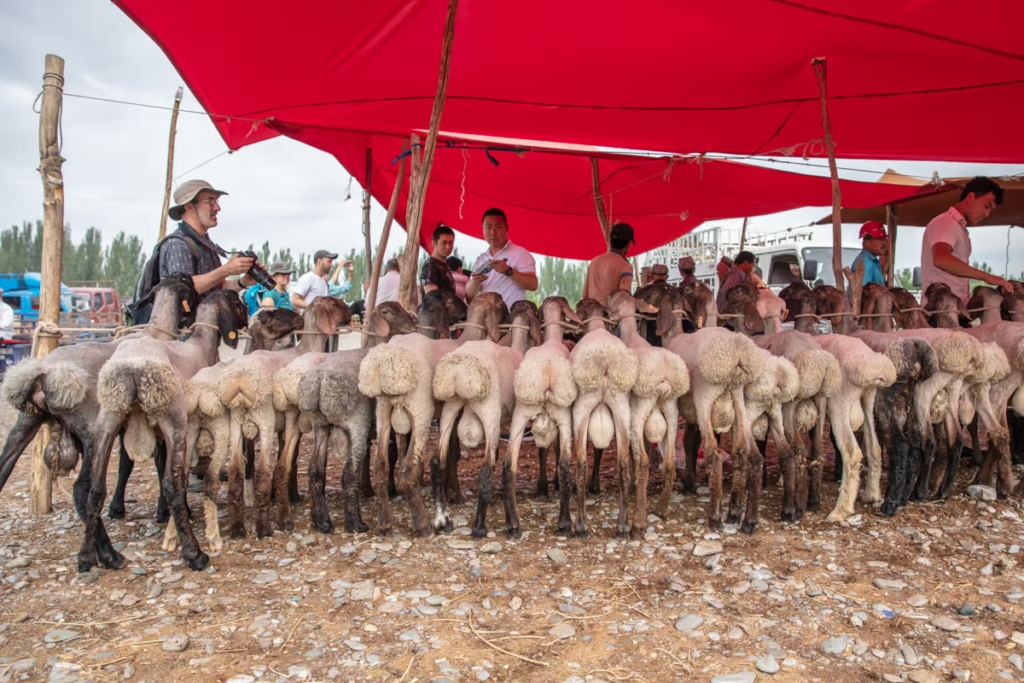
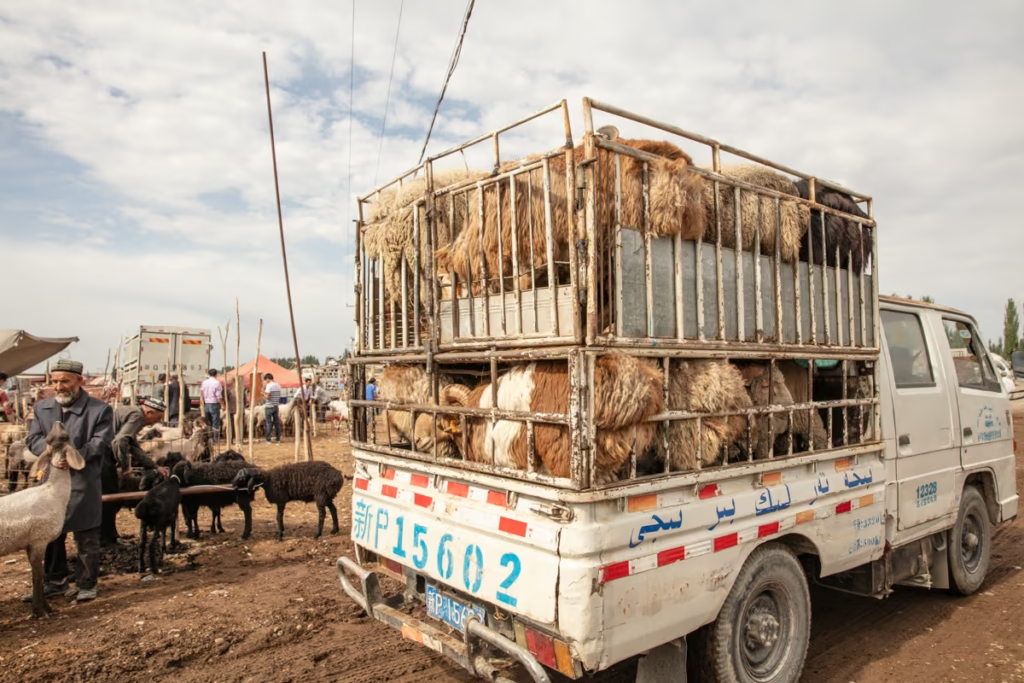
The Kashgar Sunday Livestock Market is one of the most interesting places to visit outside the city center. About a 30-minute drive from central Kashgar, the market brings together livestock traders from Kashgar and the surrounding region.
You’ll find sheep, camels, horses, cows and donkeys being bought and sold, alongside trucks, carts and food stalls. Uyghur, Hui, Tajik, Uzbek, Kazakh and Kyrgyz traders come here, making the market a fascinating glimpse into the cultural mix of southern Xinjiang.
Go early if you want to see the market at its liveliest, and leave time for breakfast. Lamb samsa and tea are an excellent combination after wandering around the animal pens. The animal market runs roughly from 8 am to 6 pm.
If you don’t want to visit on your own, check out this Kashgar Animal Market day tour.
Kashgar Bazaar
TThe Kashgar Bazaar is one of the city’s essential stops. The main bazaar operates throughout the week, although Sunday is traditionally the busiest day.
Browse stalls selling dried fruit, spices, tea, textiles, carpets, handicrafts and traditional Uyghur clothing. The bazaar is less about checking off a single attraction and more about wandering through the market streets and seeing what you stumble across.
Kashgar Old City
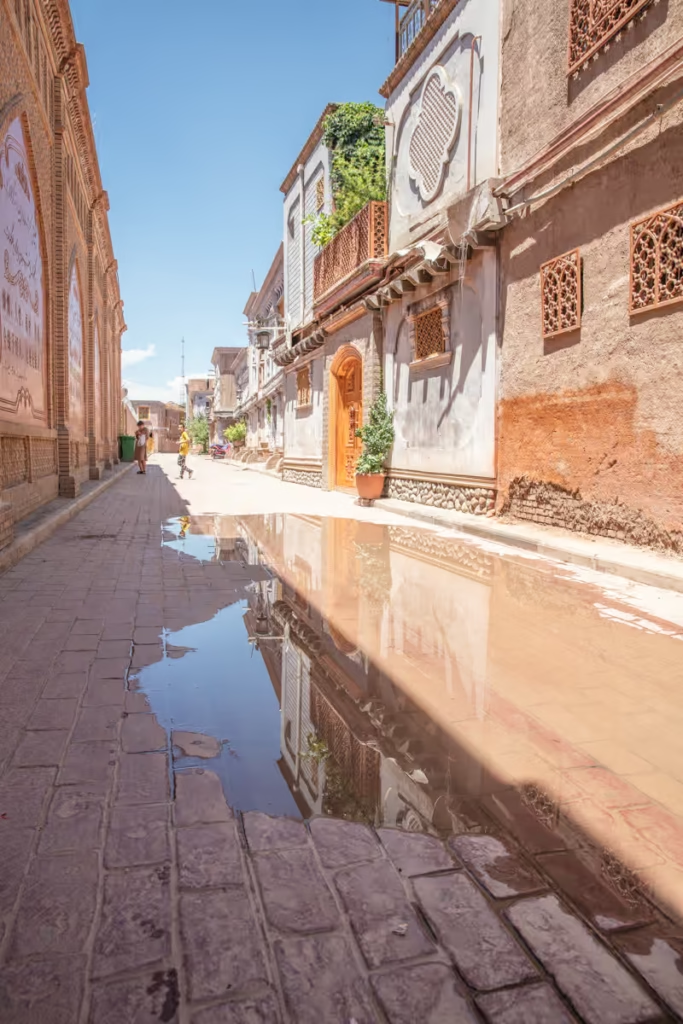
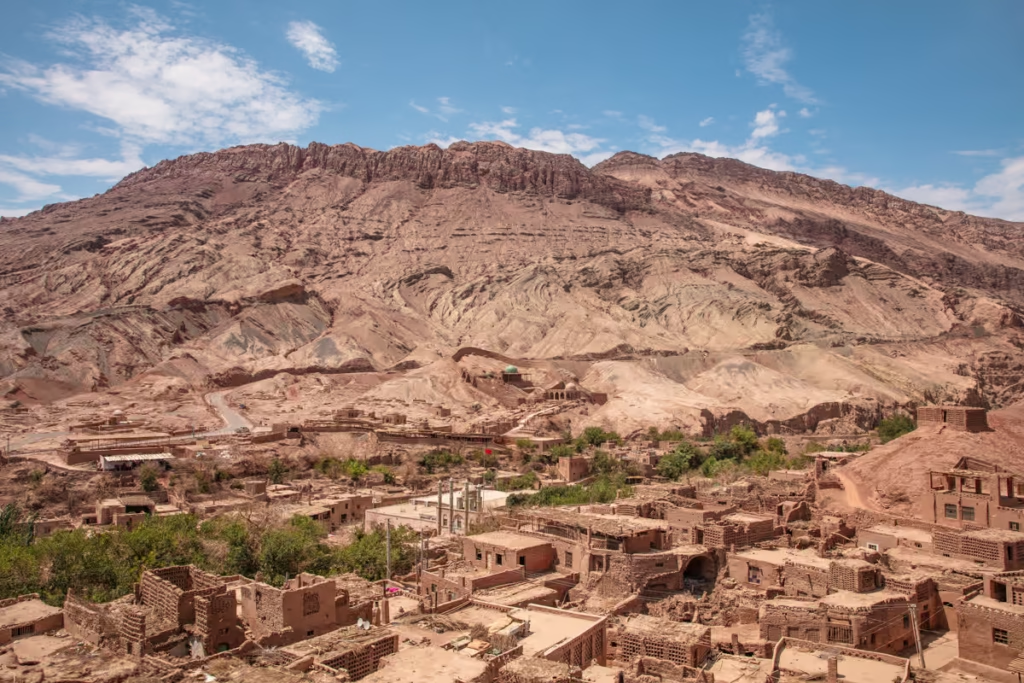
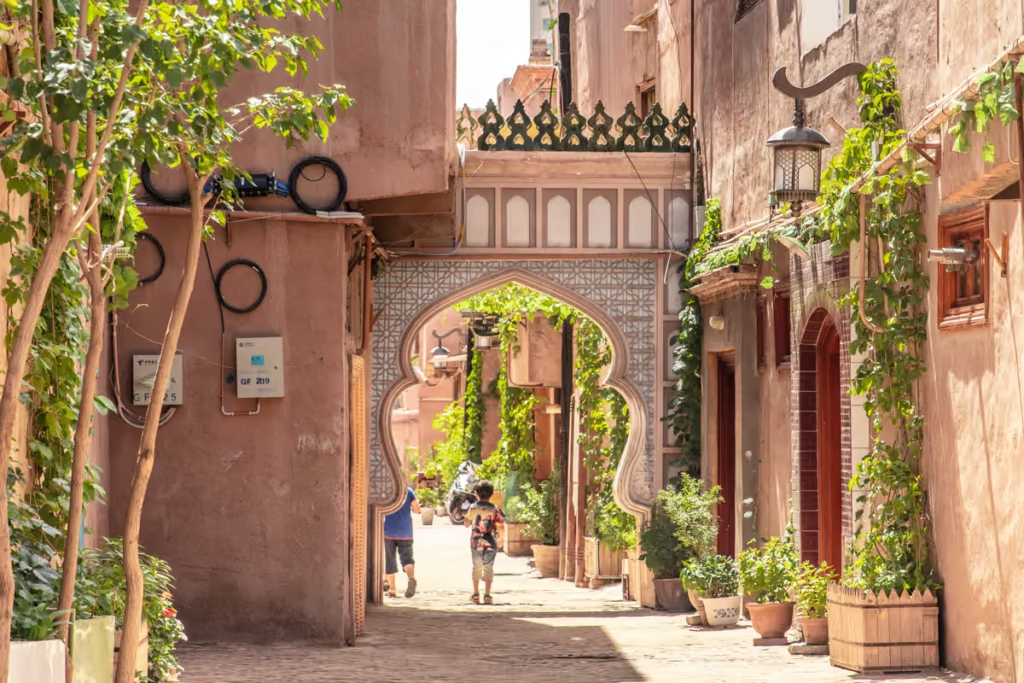
Kashgar Old City is the historic heart of the city and one of the best places to experience Kashgar’s traditional architecture and Uyghur culture.
The maze of narrow streets is lined with traditional homes, workshops, small shops, bakeries and tea houses. Parts of the historic neighborhood have been renovated or reconstructed, so what you see today is a mixture of surviving traditional buildings and newer structures designed around the old architectural style.
I spent a good amount of time simply wandering the lanes here rather than following a particular sightseeing route. That’s still one of the best ways to experience Kashgar. Look for craftsmen at work, peek into small courtyards and keep an eye out for the little food stalls that seem to appear whenever you’re hungry.
Explore the best of Kashgar from the Old Town to its newer monuments on this Kashgar day tour.
Id Kah Mosque
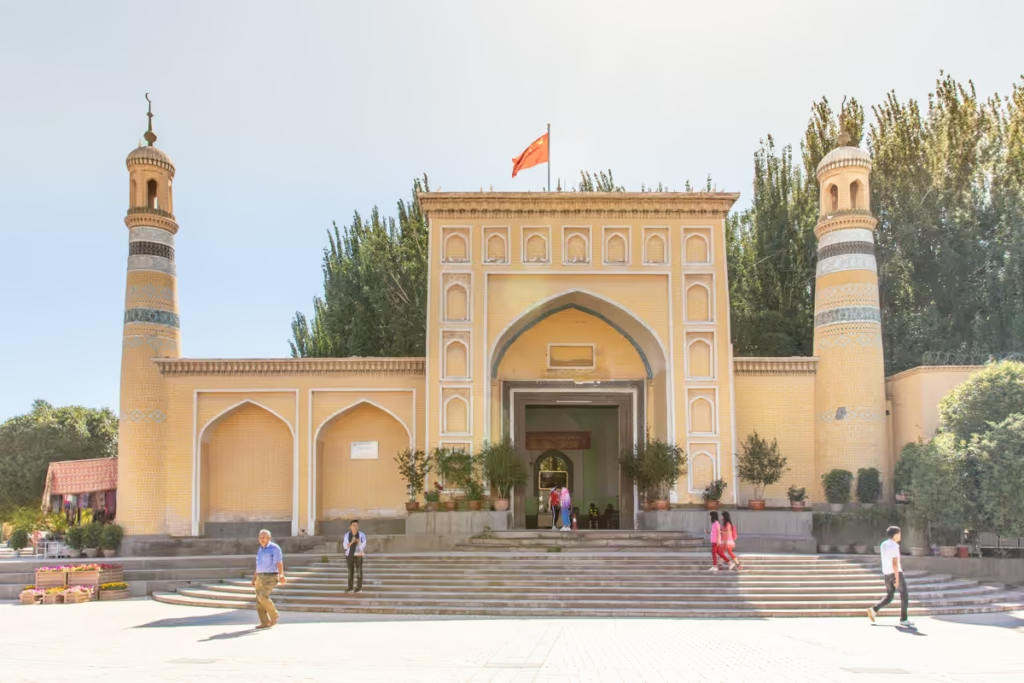
Id Kah Mosque is Kashgar’s most famous mosque and one of the city’s defining landmarks. Its large yellow entrance and expansive square sit directly beside the Old City, making it easy to combine with a walk through the historic center.
The mosque dates to the Ming dynasty, with construction beginning in 1442, and it was later expanded. It remains an important Islamic and architectural landmark in Kashgar. The mosque is also officially listed as a national-level protected cultural site.
Visitor access can change depending on prayer times and local regulations, so check current opening arrangements and ticket prices before visiting.
Abakh Hoja Mausoleum
The Abakh Hoja Mausoleum, also known as the Apak Hoja Mausoleum, is one of Kashgar’s most important historic Islamic sites. The complex dates to the 17th century and is associated with the Hoja family, a prominent religious family in the region.
The tiled architecture and large domed tomb are the main draw, but the site is also significant as a pilgrimage destination. It’s located outside central Kashgar, so you’ll need a taxi or local transport to visit.
Mao Statue
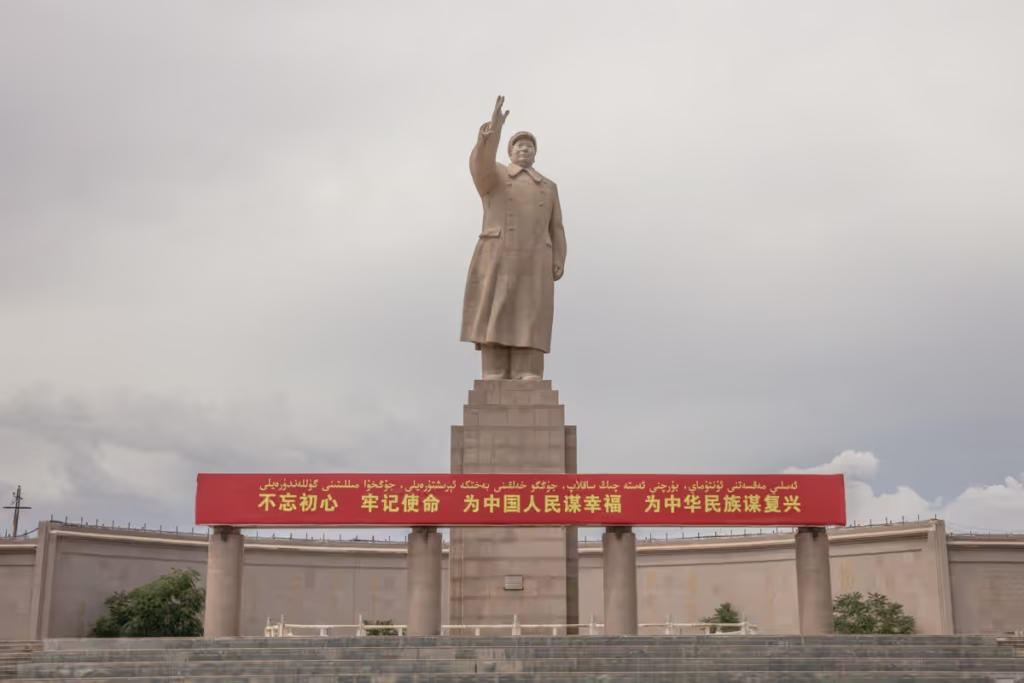
Kashgar’s enormous Mao statue stands on People’s Square, offering a very different architectural and historical counterpoint to the city’s mosques, bazaars and Uyghur neighborhoods. I mean, when in China, right?
Mor Buddhist Pagoda
The Mor Buddhist Pagoda is one of the few surviving Buddhist monuments around Kashgar and offers a glimpse into the region’s pre-Islamic history.
The remaining pagoda dates to around the 7th century, while most of the surrounding structures were destroyed centuries later. It is particularly interesting because Kashgar’s history stretches far beyond its later importance as an Islamic and Uyghur cultural center.
Tomb Of Yusap Khas Hajip
The Tomb of Yusap Khas Hajip commemorates the Uyghur poet and scholar Yusuf Khas Hajib, best known for writing Kutadgu Bilig, often translated as The Wisdom of Happiness and Pleasure, an important work of 11th-century Turkic literature.
Tomb of Mahmud Kashgari
The Tomb of Mahmud Kashgari is located in Upal, about an hour south of Kashgar. Mahmud Kashgari was an 11th-century scholar who compiled the Dīwān Lughāt al-Turk, an important dictionary of Turkic languages.
The tomb complex includes a mosque and sacred spring and makes an interesting excursion from Kashgar for anyone interested in the region’s Turkic and literary history.
Karakul Lake from Kashgar
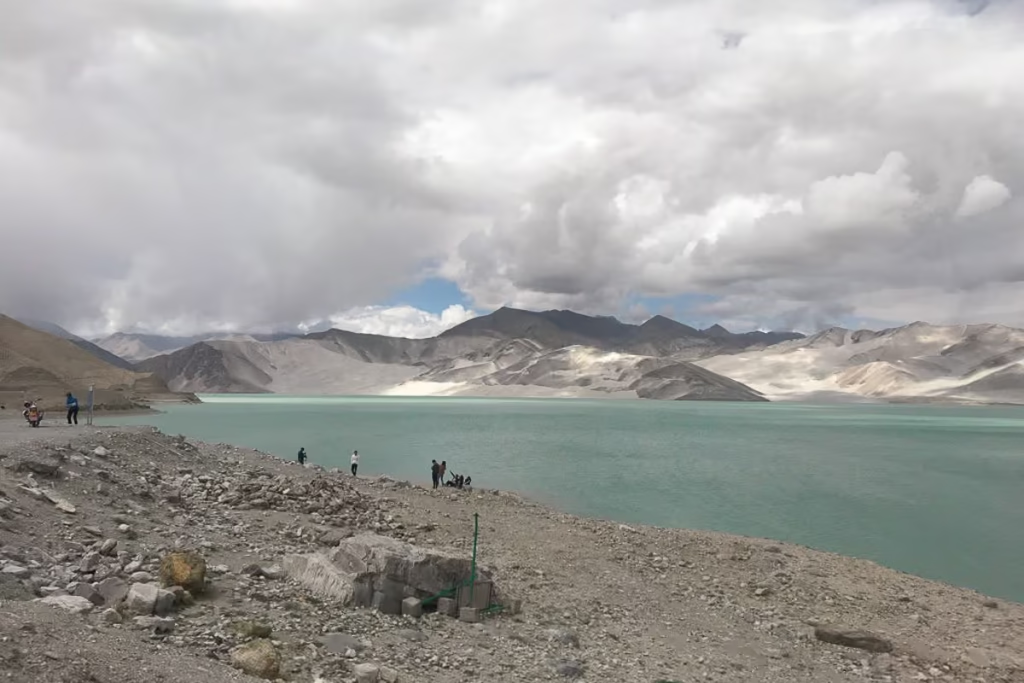
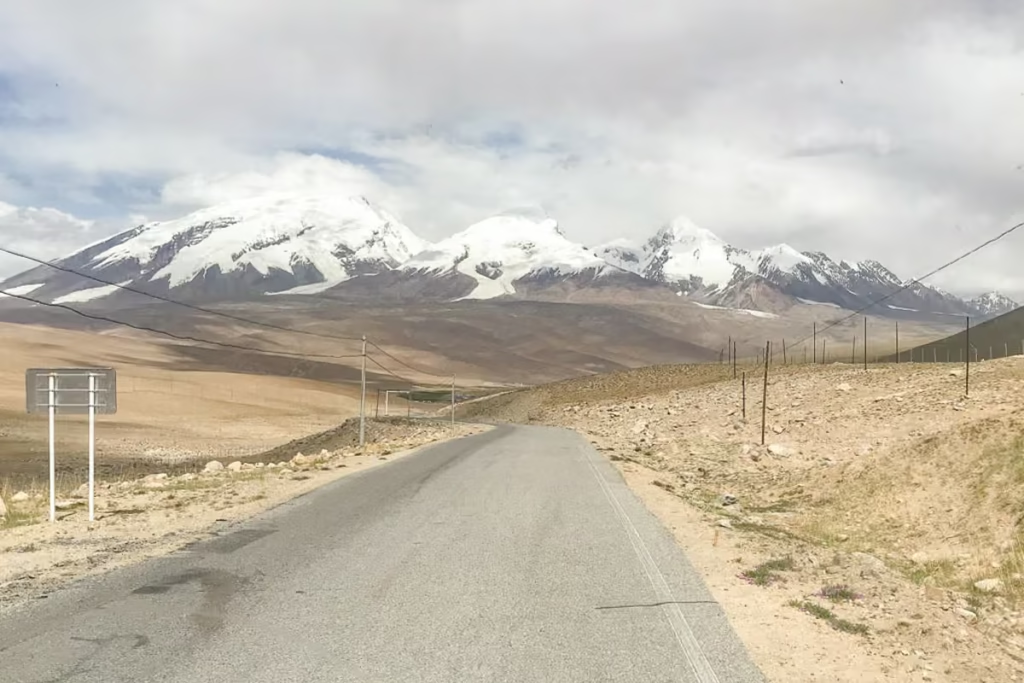
Karakul Lake is one of the best day trips from Kashgar. Located along the road toward Tashkurgan on the Karakoram Highway, the high-altitude lake sits beneath the dramatic peaks of the Pamirs, including Muztagh Ata.
The lake is about 190 km from Kashgar and takes roughly four hours by road, depending on conditions and stops. There is no simple direct public bus specifically to Karakul Lake, so most independent travelers arrange a car, driver or tour. A border permit may also be required, so check the current requirements before setting out.
The road itself is part of the attraction. The landscape changes rapidly as you leave Kashgar, moving from the dry plains around the city into increasingly dramatic mountain scenery.
Nearby, along the Karakoram Highway toward Tashkurgan, you can find the turquoise Bulungkol Lake. The easiest way to get to the lake is to book a Karakul day tour from Kashgar.
Shipton’s Arch (Toshuk Tag)
Shipton’s Arch, known locally as Toshuk Tag, is a spectacular natural rock arch west of Kashgar. It stands at roughly 2,973 meters, making it potentially the highest rock arch in the world, and is named after British mountaineer Eric Shipton, who documented the area.
The arch is located toward the Irkeshtam border with Kyrgyzstan, making it a potential stop if you’re traveling between Kashgar and the Kyrgyzstan border.
Karakoram Highway from Kashgar
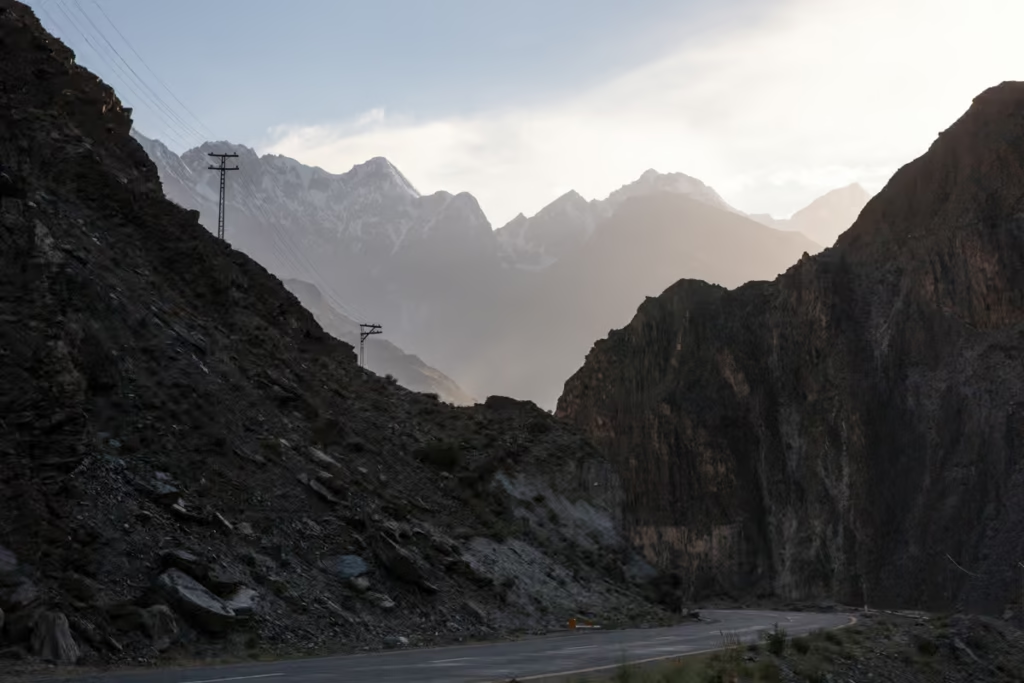
For the adventurous, you can cycle or travel the Karakoram Highway. The Karakoram Highway starts in Kashgar in the north, continues south to Tashkurgan and then heads south to cross the Khunjerab Pass into Pakistan’s Gilgit-Baltistan and eventually ends in Islamabad in the south.
This is a bucket list trip for many as the KKH is one of the highest paved roads in the world and Khunjerab Pass is the highest paved border crossing in the world. Note that to travel south beyond Tashkurgan on the KKH you need a Pakistani Visa which must be applied for from your home country usually.
How Many Days Do You Need in Kashgar?
I’d recommend spending at least 2 full days in Kashgar, with another day if you want to visit Karakul Lake or explore more of the surrounding region.
2 Days in Kashgar
Day 1: Kashgar Old City, Id Kah Mosque, bazaars, People’s Square and Uyghur food.
Day 2: Sunday livestock market if your visit falls on Sunday, followed by the Grand Bazaar, Abakh Hoja Mausoleum and more time exploring the Old City.
3 Days in Kashgar
Add a full-day trip toward Karakul Lake and the Karakoram Highway.
4+ Days
Use Kashgar as a base for longer trips toward Tashkurgan, the Pamirs and the border regions.
How to Get to Kashgar
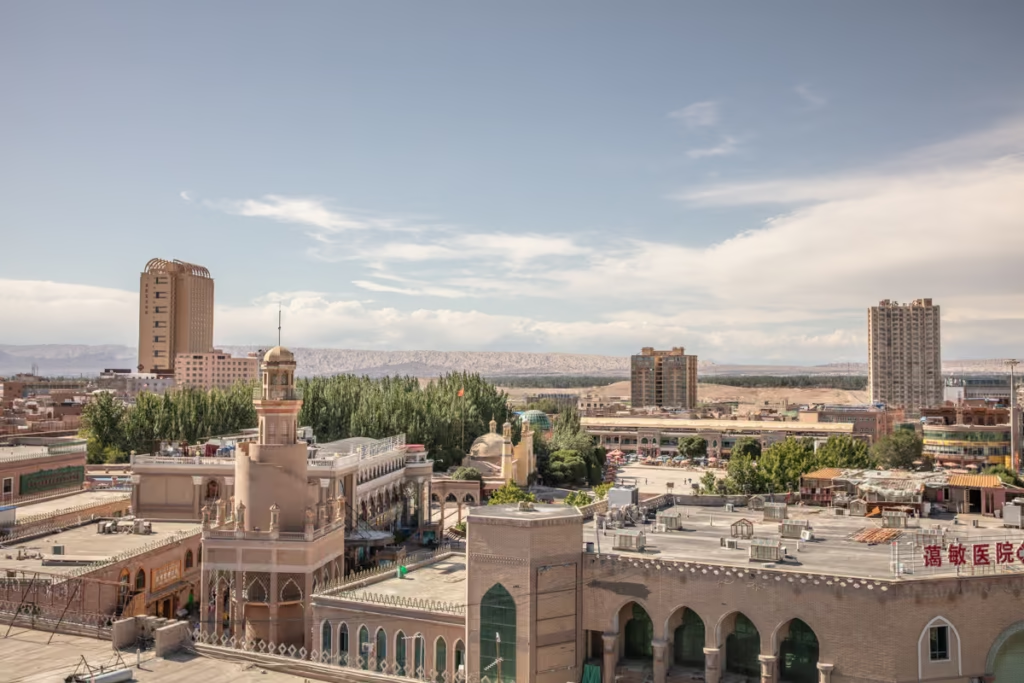
Kashgar is connected to the rest of China by air and conventional rail, while its western location also makes it an important overland gateway to Central Asia and Pakistan.
By Plane: Kashgar Airport has direct connections to Beijing, Shanghai, and Guangzhou. Internationally there are direct flights to Islamabad, Pakistan. A taxi from the airport to the center of Kashgar will cost around 30 RMB. Many times taxis operate as shared taxis so others may climb in with you and you can split the fare.
By Car & Bus: You can reach Kasher from Urumqi, Hotan, Tashkurgan, Kuqa, and more by bus or car. You can also travel by road over Irkeshtam Pass from Kyrgyzstan, the Khunjerab Pass from Sost, Pakistan, or over the Qolma Pass from Tajikistan. Traveling to Kashgar from Sost usually requires an overnight stay in Tashkurgan.
By Train: Kashgar isn’t yet connected to China’s high-speed network. All trains (much like buses) will take an eternity. You can reach Kashgar by train from Urumqi, Turpan, Kuqa, and Hotan. Note that train stations in Kashgar and Xinjiang require you to go through a painstaking number of security checkpoints.
How to Get Around in Kashgar
Kashgar is small enough that you can get around by foot as most things are not more than 15-20 minutes walk apart. Though some of the outlying sites as well as sites outside the city you may want to get a taxi.
The train station you’ll want to either get a taxi or take bus #28 to reach the center of Kashgar. From the airport grab a taxi.
Where to Stay in Kashgar
A great budget option is Tiancheng International Youth Hostel Kashgar (Booking.com). My favorite is the beautiful homestay Kashgar Ancient City Scenic Area (Booking.com).
What to Eat in Kashgar
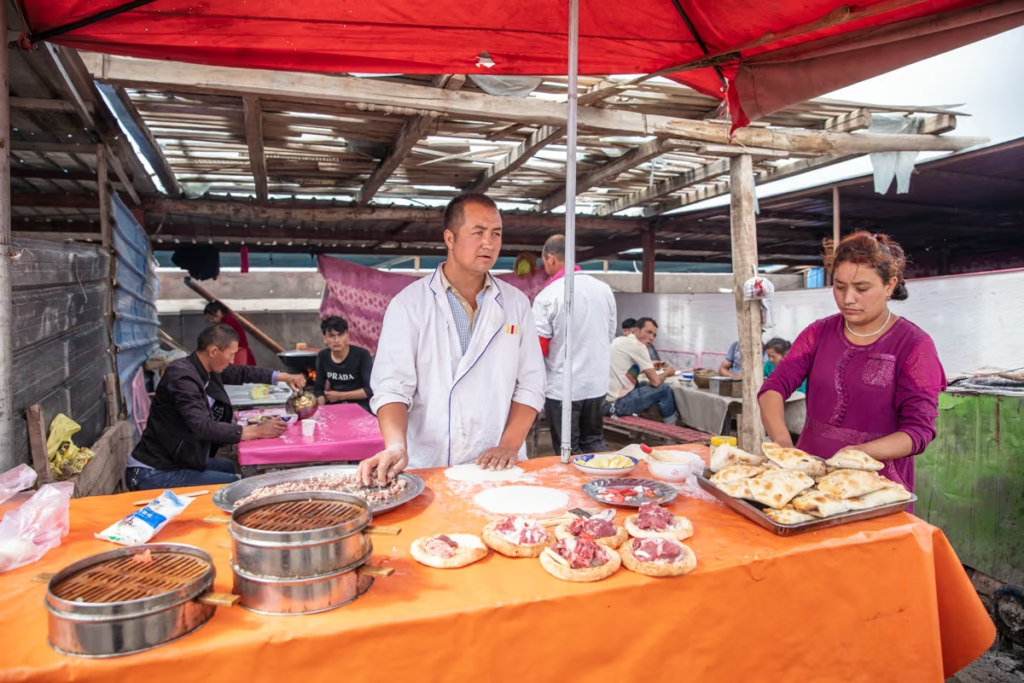
Trying traditional Uyghur food is a true highlight of visiting Kashgar. Uyghur cuisine is related to Central Asian cuisine but it tastes 1,000x better.
Don’t leave Kashgar without trying:
- Lagman, hand-pulled noodles with meat and vegetables
- Polov/plov, rice cooked with meat and carrots
- Samsa, baked pastries filled with meat
- Manti, steamed dumplings
- Kawaplar, grilled meat skewers
- Nan, traditional Uyghur flatbread
Kashgar is also an excellent place to eat at small local restaurants rather than sticking to hotel dining.
What Is Travel Like in Xinjiang?
Traveling through Xinjiang is different from traveling through most parts of China. Expect frequent identity checks and security controls, particularly when traveling around southern Xinjiang and toward border areas.
My experience was mixed. I found Kashgar considerably more relaxed than some of the other places I visited in Xinjiang, but the repeated checkpoints elsewhere in the region became one of the unfortunate defining features of the trip.
Keep your passport with you, allow extra time for transportation, and don’t assume that a route or attraction will operate exactly as it did on a previous visit.
Heading to Kashgar Soon?
Have any questions not answered in the Kashgar Travel Guide? Ask in the comments!