Afghanistan Travel Guide: What to Know Before You Go
Updated November 2026, The Afghanistan Travel Guide was originally written in September 2018
Afghanistan is one of the most historically fascinating and culturally complex countries I’ve ever visited. From the bustling capital of Kabul, the ancient Silk Road cities of Herat and Balkh to the remote Pamir Mountains of the Wakhan Corridor, the country has an extraordinary amount to offer in terms of history, architecture, landscapes, and cultural diversity.
I’ve traveled throughout Afghanistan several times, visiting under both the previous Afghan government and the Taliban administration that took power in August 2021. My travels have taken me from Mazar e Sharif, Kabul, Kandahar, and Bamyan to the remote provinces of Daykundi, Nuristan, and Badakhshan, as well as across several of Afghanistan’s international land borders.
However, traveling to Afghanistan is not comparable to visiting most other destinations. The security situation, while calmer than in recent decades, remains volatile, the risks of arbitrary detention are still present, and many governments advise against all travel. Women face particularly severe restrictions, and the ability to move around independently can be limited, though foreign women are usually treated less harshly.
This Afghanistan travel guide brings together my firsthand experiences and practical information about the country, including Afghan visas, border crossings, transportation, accommodation, local customs, travel costs, and the best places to visit. I’ve also included information specifically for women considering travel to Afghanistan, as well as links to more detailed guides for individual destinations.
Important: This is a firsthand travel resource on traveling in Afghanistan. Conditions, entry requirements, and local restrictions can change quickly. Read the latest advisories, understand the risks, and independently verify all arrangements before making any travel decisions.
Need Travel Insurance?
Start shopping for travel insurance plans over at IATI Insurance. Readers of the Adventures of Nicole get a 5% discount off your plan.
- Money in Afghanistan
- Languages in Afghanistan
- Religion and Culture in Afghanistan
- What to Wear in Afghanistan
- Best Time to Travel to Afghanistan
- Getting to Afghanistan
- Afghanistan Visa Requirements
- Getting Around Afghanistan
- Afghanistan Travel Insurance
- Afghan Food and Cuisine
- Where to Go in Afghanistan
- Trekking in Afghanistan
- Afghan Holidays & Festivals
- Afghanistan Tour Operators & Guides
- How Much Does It Cost to Travel in Afghanistan?
- Afghanistan Packing List
- Afghanistan Guidebooks
- Internet & Mobile In Afghanistan
- Health & Safety in Afghanistan
- Why Afghanistan is a Rewarding Destination, Despite its Challenges
Money in Afghanistan
The official currency of Afghanistan is the Afghan Afghani (AFN), commonly abbreviated as AFS in everyday travel discussions.
US dollars are widely accepted for larger transactions, particularly when paying for hotels, private transportation, guides, and longer trips. However, you’ll generally need Afghanis for smaller purchases, meals, market shopping, and local transportation.
ATMs can be found in larger cities such as Kabul, Herat, and Mazar-e-Sharif, although international cards are not guaranteed to work. Afghan International Bank (AIB) has historically been one of the more reliable options for foreign cardholders, but I would not rely on being able to withdraw cash easily.
Bring sufficient clean US dollar notes to cover your trip, and exchange money through reputable money changers once you arrive. Keep smaller denominations handy, as getting change for larger notes can sometimes be difficult.
Exchange rates fluctuate, so check the current rate before departure.
Languages in Afghanistan
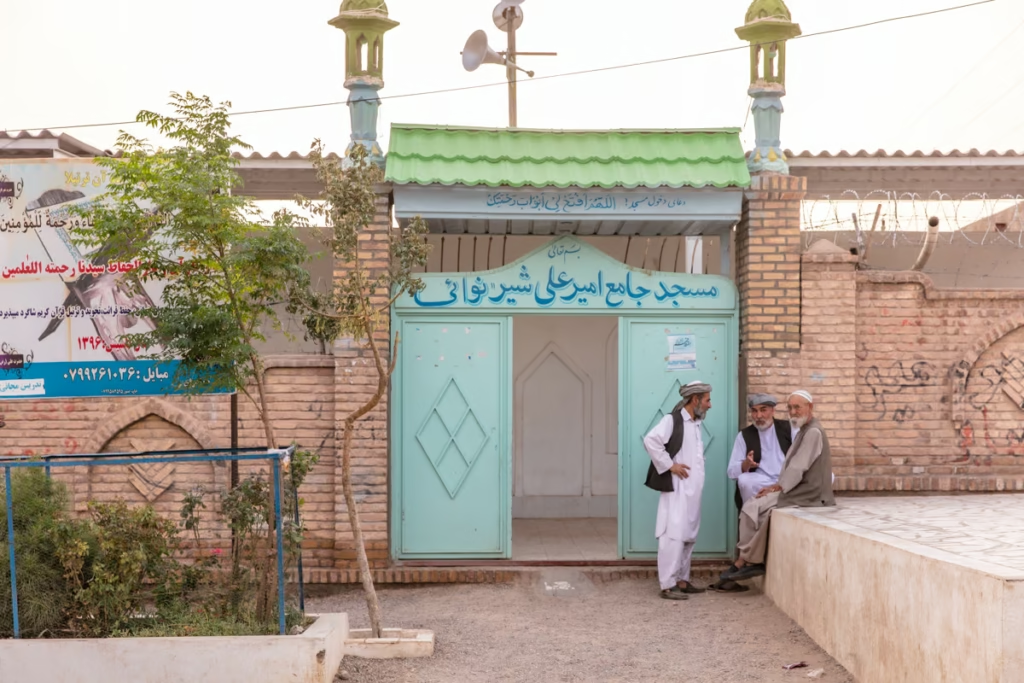
Afghanistan is a multilingual country with two official languages: Dari and Pashto.
Dari is a variety of Persian and is closely related to the Farsi spoken in Iran and Tajik spoken in Tajikistan. It is widely spoken throughout northern and central Afghanistan, including Kabul, Herat, and much of the country’s western and northern regions.
Pashto is predominantly spoken in southern and eastern Afghanistan, particularly in provinces such as Kandahar, Helmand, Nangarhar, and Paktia.
Other languages spoken in Afghanistan include Uzbek, Turkmen, Hazaragi, Balochi, and Nuristani. In the remote Wakhan Corridor, you’ll also encounter Wakhi and Kyrgyz communities.
English is not widely spoken outside certain hotels, businesses, and tourism-related establishments. Knowing a little Dari or Pashto can make a significant difference when traveling around Afghanistan, particularly when arranging transportation, communicating at checkpoints, or visiting rural areas.
My tip: If you’re traveling beyond the major cities, learning a few basic phrases in Dari or Pashto will make your interactions considerably easier. Download the Google Translate app and make sure to have both Persian and Dari downloaded for offline use.
Religion and Culture in Afghanistan
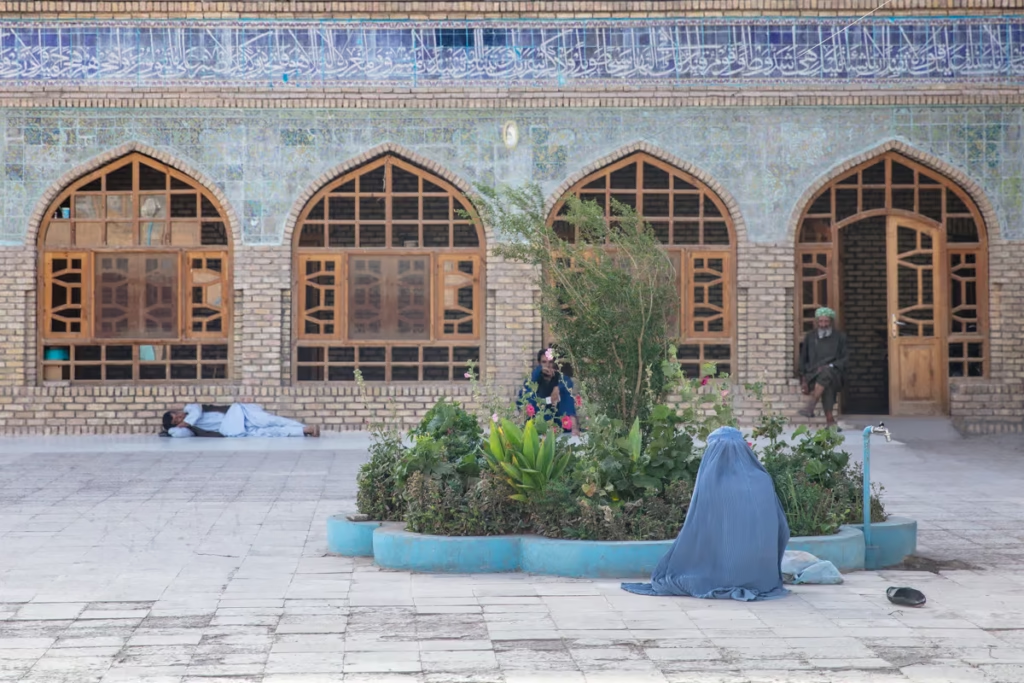
Islam is the dominant religion in Afghanistan, with the overwhelming majority of the population identifying as Muslim.
Most Afghan Muslims are Sunni, although significant Shia communities also exist, particularly among the Hazara population in central Afghanistan. Ismaili Muslims are especially prominent in parts of the Wakhan Corridor and Badakhshan.
Afghanistan is also home to small Sikh and Hindu communities, although their populations have declined significantly over recent decades.
Religion plays a central role in everyday Afghan life, influencing everything from clothing and social interactions to business hours, holidays, and expectations around hospitality.
Visitors should be mindful of local customs, dress conservatively, and understand that expectations can differ considerably between urban centers and more traditional rural communities.
What to Wear in Afghanistan
Clothing is an important consideration when traveling in Afghanistan. Conservative dress is expected, and visitors should be prepared to dress according to local customs.
One of my strongest recommendations, based on my own travels, is to purchase a shalwar kameez after arriving. This traditional outfit consists of a long tunic worn over loose-fitting trousers and is commonly worn by both Afghan men and women.
Not only is it comfortable, but wearing local clothing can also help visitors avoid drawing unnecessary attention to themselves.
Clothing for Women Traveling in Afghanistan
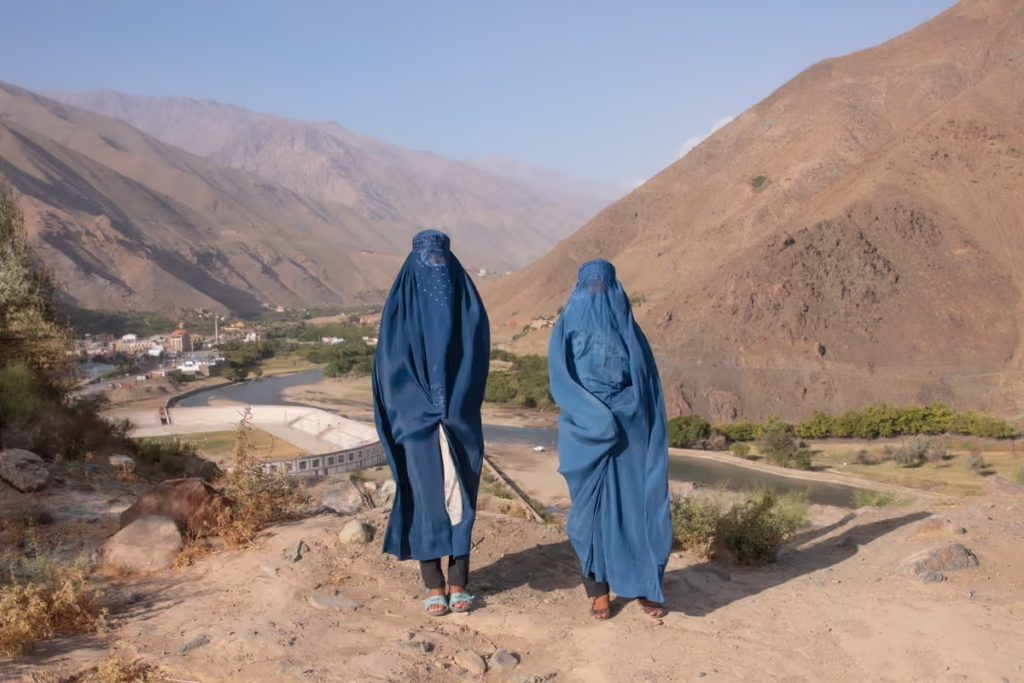
Women in Afghanistan must dress according to Islamic modest dress, also known as hijab. Women traveling in Afghanistan face considerably stricter clothing expectations than men. A headscarf is essential, and women should wear loose-fitting clothing that covers their arms, legs, and body shape.
Headscarves should always be worn when out in public. Save yourself the hassle and grab a shalwar kameez and a headscarf after you arrive. A shalwar kameez paired with a headscarf is the most practical option.
In more conservative communities, you may encounter women wearing a chador or chadri (what many people refer to as the burqa). It may be helpful to purchase a chador or chadri to blend in, especially if your travels will take you to more sensitive and conservative areas.
Bonus Tip: At the bazaar buy what looks like a shower-loofah superglued to a plastic hair clip– They usually only cost about 80-100 AFS. It’s like stuffing your headscarf– it makes it look better, but more importantly, I found it helps keep your headscarf in place so that it has something to ‘sit’ on the back of your head. They’re called headscarf volumizers.
Clothing for Men Traveling in Afghanistan
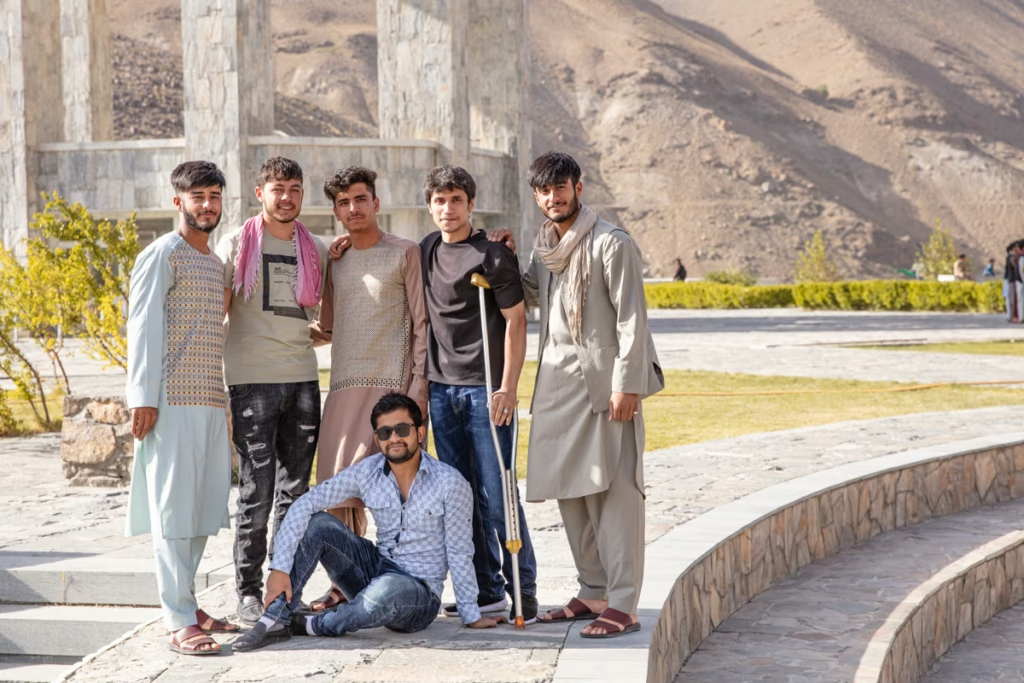
For men, the traditional shalwar kameez is the most common clothing choice throughout much of Afghanistan. It consists of loose-fitting trousers and a long shirt, sometimes paired with a vest, jacket, or scarf.
A pakol, the traditional woolen cap commonly worn by Afghan men, is another popular accessory and can easily be purchased in local bazaars.
Western clothing such as jeans and T-shirts is visible in larger cities, although conservative dress remains preferable. Shorts are generally best avoided.
Best Time to Travel to Afghanistan
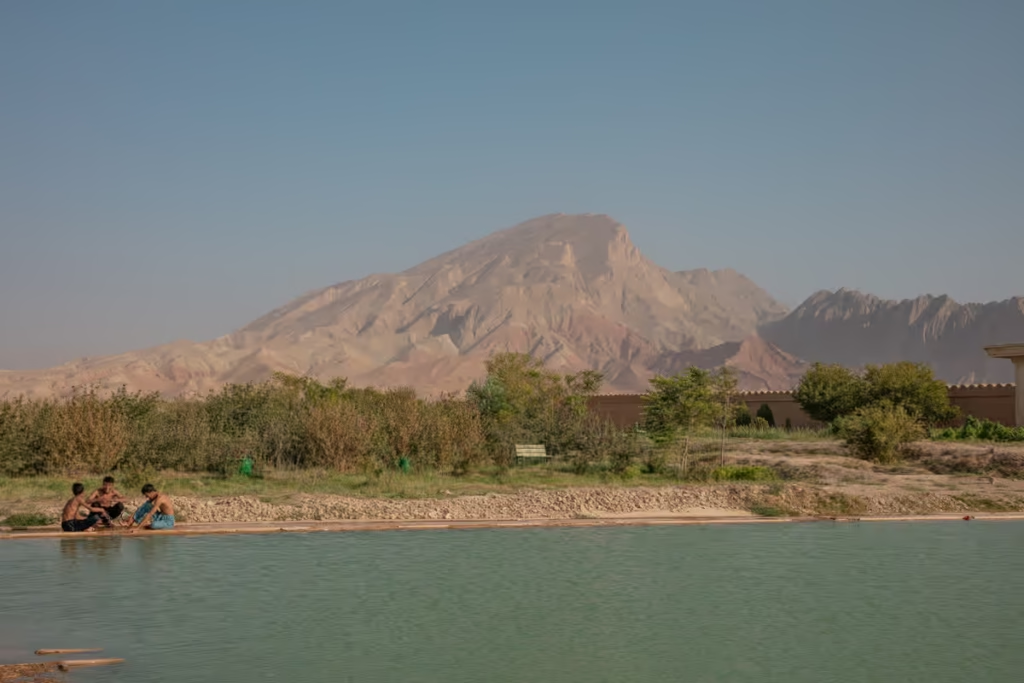
The best time to visit Afghanistan depends on which regions you plan to explore. The country has an incredibly varied climate, ranging from hot, dry lowlands to high-altitude mountain environments where snow can remain well into summer.
Spring (April-May) and autumn (September-October) generally offer the most comfortable temperatures for exploring many of Afghanistan’s cities, historical sites, and lower-elevation regions.
Summer (June-August) can be extremely hot in places such as Herat, Kandahar, Jalalabad, and the southern provinces. However, these months are traditionally the most suitable for trekking in the higher elevations of the Wakhan Corridor, Pamir Mountains, and parts of Nuristan.
Winter (December-February) brings heavy snowfall to mountainous areas, particularly around Bamyan and the Hindu Kush. Some roads become difficult or impassable, although winter also offers opportunities for skiing around Bamyan.
| Season | General conditions |
|---|---|
| Spring | Mild temperatures, greener landscapes, good for lower elevations |
| Summer | Very hot in lowlands, best for high-altitude trekking |
| Autumn | Generally pleasant temperatures and good sightseeing conditions |
| Winter | Snow, cold temperatures, difficult mountain travel |
Getting to Afghanistan
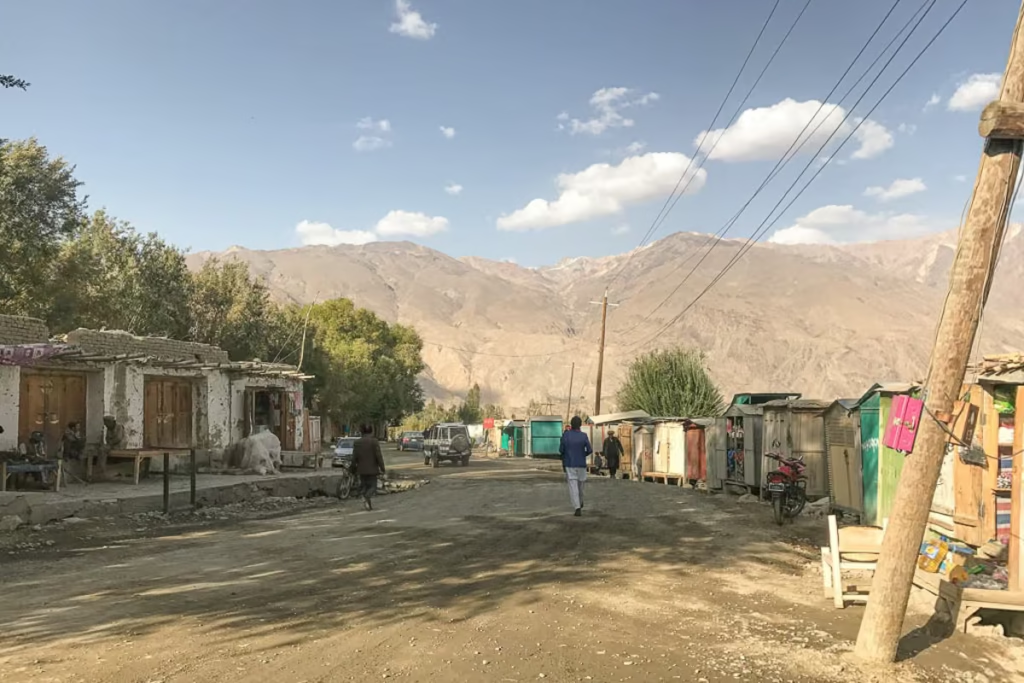
There are two main ways to enter Afghanistan: by air or overland through one of its neighboring countries.
Afghanistan shares land borders with Pakistan, Iran, Turkmenistan, Uzbekistan, Tajikistan, and China. However, not all border crossings are open to foreign travelers, and the status of individual crossings can change with little warning.
International flights generally arrive at Kabul International Airport, although international connections do exist with Mazar e Sharif and Herat airports. Domestic and regional air connections can also provide access to other parts of the country, usually via Kabul.
Overland entry is possible through selected border crossings, depending on nationality, visa arrangements, and the current security and political situation.
Flying to Afghanistan
International flights to Afghanistan have historically operated through Kabul, with connections to regional hubs including Dubai, Istanbul, and other destinations depending on airline schedules.
Kam Air and Ariana Afghan Airlines have been the country’s principal domestic and international carriers.
Flight schedules can change or be disrupted by security developments, operational restrictions, and regional airspace closures. Check directly with the airline before arranging connecting transportation or accommodation.
Afghanistan Land Border Crossings
| Neighboring country | Important crossing points |
|---|---|
| Tajikistan | Shirkhan Bandar, Ishkashim (closed) |
| Uzbekistan | Hairatan |
| Iran | Islam Qala, Zaranj |
| Pakistan | Torkham, Spin Boldak |
| Turkmenistan | Torghundi, Aqina |
| China | Wakhjir Pass (closed) |
As of 2026, foreign nationals continue to enter Afghanistan through several international land crossings. However, border access is particularly volatile and restrictions can affect both entry and exit.
For current border information, contact the relevant immigration authorities, your destination country’s embassy, and a trusted local operator immediately before departure. Still know that border crossing status can change with little to no notice.
My Experiences Crossing Afghanistan’s Land Borders
The following accounts document my personal experiences crossing Afghanistan’s international land borders between 2017 and 2023.
Border rules have changed considerably since my visits. Always verify the latest arrangements before attempting to cross.
The Panji Poyan-Shirkhan Bandar border crossing is open in both directions, with visas easily obtainable at the border for around $100 USD for many nationalities.
The Ishkashim border crossing that connects the Tajik and Afghan Wakhan Corridor is a particularly useful crossing for those wanting to expereince the Wakhan. That said, the border crossing remains closed with no signs of when it may re-open.
The Hairatan-Termez crossing with Uzbekistan between Termez and Mazar e Sharif is an easy enough crossing but the status for foreigners changes rather freqently. Historically, it’s been possible to obtain the visa on the border here too. If planning to utilize the Hairatan crossing, consult locally closer to your visit to find out about current status. If it is closed, I recommend using the Shirkhan Bandar crossing from Tajikistan.
Pakistan and Afghanistan have 8 border crossings, though the only ones I have heard to be open to foreigners are Spin Boldak between Kandahar and Bolchistan, and Torkham-Khyber Pass, which connects Peshawar and Jalalabad.
Those planning to combine Afghanistan and Iran should use the Islam Qala Border Crossing (Herat-Mashhad) or the Zaranj Border Crossing (Nimruz-Zabol). In my personal experience, Islam Qala was quite easy.
For Turkmenistan, there is the Toraghundi Border Crossing (Herat Province) and the remote Aqina/Imam Nazar Border Crossing (Faryab Province). It sounds like people have crossed more recently at Toraghundi. For Aqina, no word, but I would arrange transport on both sides if attempting, as it’s pretty middle-of-nowhere.
Finally, China’s only crossing with Afghanistan is Wakhjir Pass in the far reaches of the Wakhan Corridor. It’s never been open to foreigners (or really anyone for that matter).
These borders can sporadically open and close for a myriad of reasons.
Tajikistan-Afghanistan at Shirkhan Bandar: Completed in June 2023 (entered) and July 2023 (exited). Shared taxis leave Dushanbe’s Sakhovat Bazaar for Bokhtar (formerly Qurgonteppa) for 40 TJS per seat. Once to Qurgonteppa, you’ll need to get another shared taxi (or may need to just hire the entire car) to Panji Poyan for 50 TJS per seat (around 100 TJS for the car).
On the Tajik side you’ll wait by a gate for a car or van to show up that will take you to the Tajik immigration building for 10 TJS/100 AFS per person. You’ll go through a quick customs search and get your exit stamp. Once out, wait for another van or car to take you across to the Afghan immigration facility for another 10 TJS/100 AFS.
Here you’ll go through a body search and they will go through luggage before sending you for your entry stamp. If you do not have a visa, you will be instructed to go to an adjacent building to buy the visa. I would recommend getting the visa on the border! I had secured one from the Dushanbe Embassy only to be told it’s not accepted here as the embassy in Dushanbe is still staffed by the previous government, so moral of the story is do not get your Afghan visa in Dushanbe.
You will need to pay $100 USD, fill in an application, write a letter of responsibility, and provide 4 passport photos and after that you are in Afghanistan but you’re not finished yet- you must go to the Ministry of Foreign Affairs in Kunduz City for an approval stamp on your visa.
For exiting Afghanistan back to Tajikistan at Shirkhan, the process is more less the same, just in reverse. Once you are dropped off at the gate in Tajikistan (after you’ve gone through customs and immigration and taken the van to the gate) you will find shared taxis bound for Dushanbe just outside for 200 TJS per seat and expect around 100 TJS if planning to only go to Qurgonteppa.
Afghanistan-Iran at Islam Qala: In late March 2019 I crossed from Afghanistan to Iran at the Islam Qala-Dogharoun crossing. Procedures exiting Afghanistan were straightforward, you go into a shipping container first for a body check and after completing walk out and over to the immigration building. There will be one line for men and another for women and children.
Your passport will be scanned, you’ll be fingerprinted and you may be asked some questions like where are coming from/going, etc. You will then be asked to show your Iranian visa and then be stamped out.
On the Iranian side, you will hand over your passport and visa and get stamped in. Next, you will put your bags through an X-ray and your electronics may be checked.
You will then put your bags back in the car and you’ll drive a little further up where you will go through customs. Here you will likely have to empty out all of your bags for the search. Read about my entire border crossing experience here.
Shared taxis depart from Herat daily. A seat will cost you 1,100 AFS. Ask your guesthouse or hotel to arrange one for you.
Uzbekistan-Afghanistan at Hairatan: Crossing the border from Termez to Mazar e Sharif was quite simple and straightforward. From Termez, it’s possible to grab a taxi to the Hairatan border for about 30,000 UZS with some haggling.
You will be dropped off at a checkpoint about one kilometer before Uzbek border control and from here you’ll want to take a shuttle bus (sometimes it’s just a marshrutka) to the border office for 5,000 UZS. There will be hawkers at the checkpoint offering rides across the border for 400,000 UZS, ignore them.
Once you arrive at the border office you’ll put your luggage through a scanner and then you’ll have your passport stamped out of Uzbekistan. When you are finished and have officially exited the country, go outside. You can either walk the kilometer over the Friendship Bridge to Afghan border control, or you can wait for the marshrutka and pull 5,000 UZS to the other side.
Afghan border control is easy, you will first have your visa checked and be stamped into the country. Next, you’ll put your luggage through a scan.
Once finished, you will proceed to the parking lot outside where you can find money changers just across the street and shared taxis to Mazar e Sharif. If you’ve arranged someone to pick you up, or a guide they will be waiting in this lot. If taking the shared taxi, plan to pay about 200 AFS per person.
Tajikistan-Afghanistan at Ishkashim: In September 2017 I visited the Wakhan Corridor and the border crossing in both directions is pretty simple. From Tajikistan to Afghanistan you’ll go into the immigration building at the border post 3 km out of Ishkashim.
Here you’ll hand over your passport and Tajik e-visa (or not if you have a visa in your passport from an embassy). You will also need to show your Afghan visa. Here you’ll get stamped out and then walk through the fence gate and across the bridge into Afghanistan.
In Afghanistan, you will enter the immigration building and get stamped in. The only way to get to Sultan Eshkashim on the Afghan side is by taxi for $20 USD, or to walk. If you have not arranged this previously the officers at the border will call a car for you.
Read about my entire border crossing experience in both directions.
Leaving back to Afghanistan will be the same process only in reverse. Make sure you have a multi-entry Tajik visa.
Afghanistan Visa Requirements
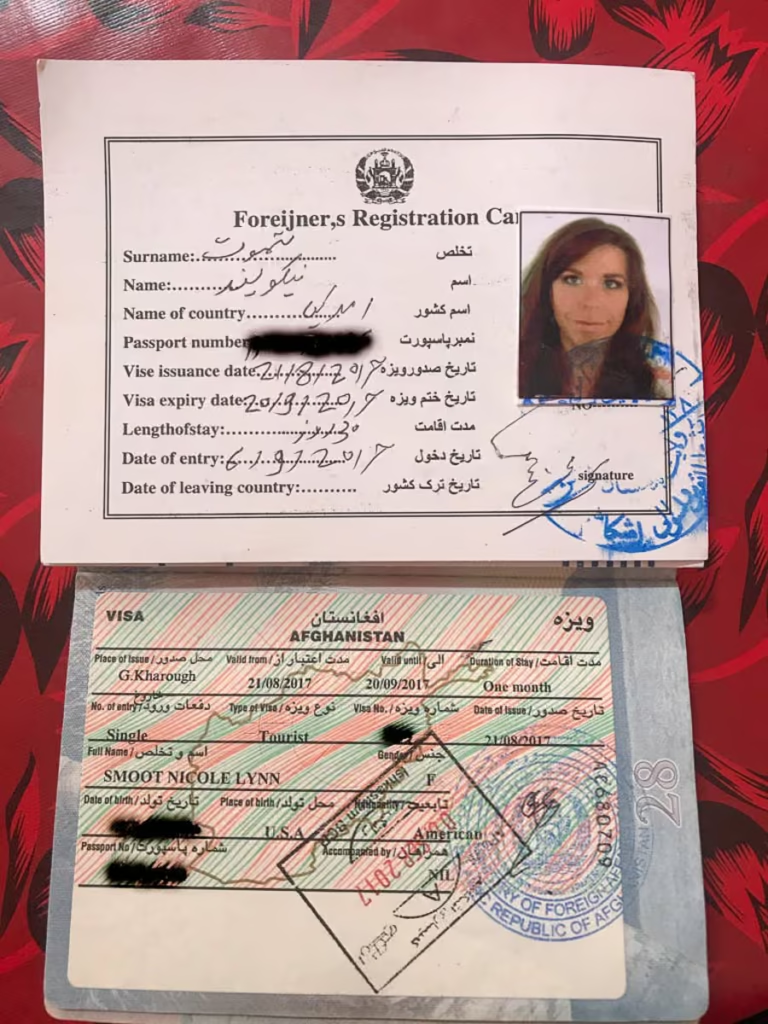
Most foreign nationals need a visa to enter Afghanistan. However, Afghan visa requirements, application procedures, and issuing authorities can vary depending on your nationality and where you apply.
Tourist visas are generally issued for a limited stay, and applicants may be required to provide an invitation letter from an individual, company, or organization in Afghanistan.
Afghan visa applications can be complicated because diplomatic representation has changed since the Taliban takeover in August 2021. Some Afghan embassies and consulates continue to operate under representatives appointed by the former government, and visas issued by different diplomatic missions may not be recognized by the authorities in Afghanistan.
Before applying, confirm that the issuing embassy or consulate is recognized by the authorities controlling entry into Afghanistan and that your visa will be accepted at your intended border crossing or airport.
Do not assume that a visa issued by an Afghan embassy in one country will automatically be accepted by immigration officials elsewhere.
My experience obtaining Afghan visas
- 2017: Afghan Consulate in Khorog, Tajikistan.
- 2018: Washington DC Consulate.
- 2019: Washington DC Consulate.
- 2021: Application through the Washington DC Consulate.
- 2023: Attempted entry with a visa issued in Dushanbe, followed by obtaining a replacement visa at Shirkhan Bandar.
What You Need to Apply for an Afghan Visa
Requirements vary by embassy, nationality, and visa type. The following documents have been requested during previous applications, but you should obtain the current checklist directly from the issuing mission before applying.
Documents typically required:
- Completed visa application form.
- Valid passport.
- Passport photographs.
- Visa application fee.
- Invitation letter, where required.
- Proposed itinerary.
- Supporting documentation or letter accepting responsibility for your travel, if requested.
Travel Permits in Afghanistan
Travel permits and visitor registration requirements are an important consideration when planning a trip to Afghanistan.
Foreign visitors may be required to register with the relevant authorities and obtain permission to visit certain provinces or destinations. Requirements and procedures can vary depending on the area, nationality, and current regulations.
In my previous travels, permits were sometimes arranged through local guides and tourism agencies, while independent travelers could also obtain permissions through provincial authorities.
More recent arrangements have involved centralized tourist registration and coordination between the authorities in Kabul, provincial tourism offices, and local security officials.
If you are planning a trip, establish exactly which documents and permissions are required before traveling. A reputable local operator should be able to explain the current registration process and arrange the necessary paperwork.
Do not assume that a permit issued for one destination automatically gives you unrestricted access throughout the country.
Getting Around Afghanistan
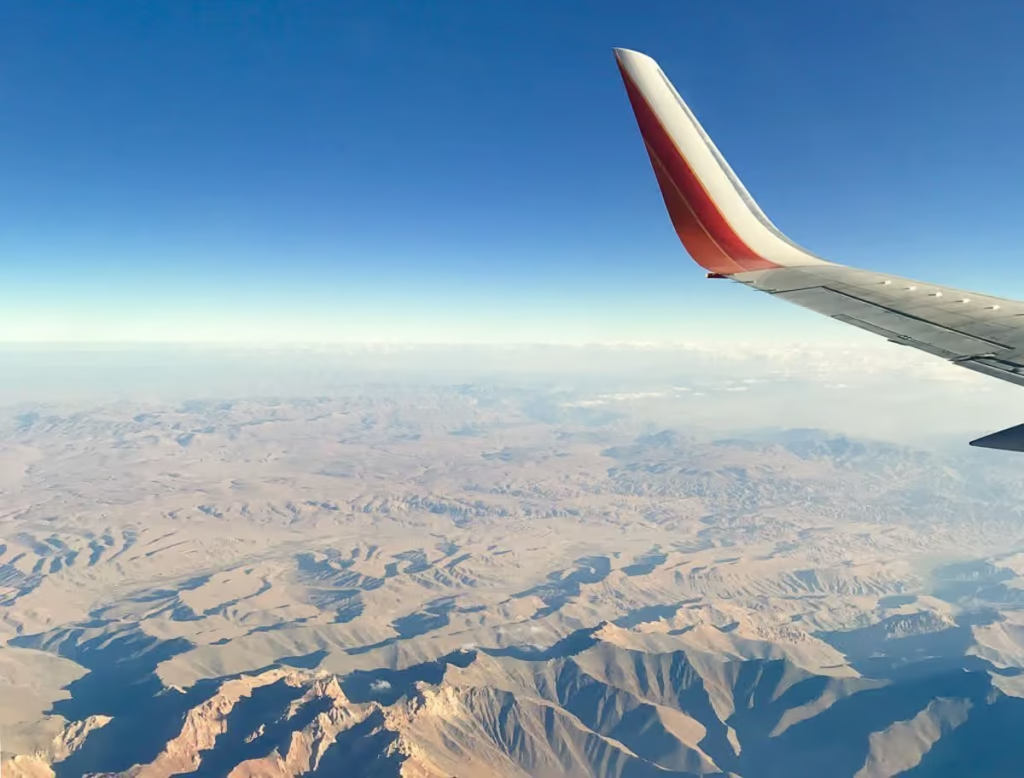
Traveling around Afghanistan can be challenging due to the country’s vast distances, mountainous terrain, variable road conditions, and security restrictions.
Depending on your destination, transportation options include domestic flights, private taxis, shared taxis, and public buses.
Most larger cities are connected by road, although some journeys can take considerably longer than expected. Mountain roads are particularly challenging, and traveling through remote provinces often requires a private vehicle and an experienced local driver.
Foreign visitors should also account for checkpoints, travel permissions, and the possibility of sudden road closures or restrictions.
Checkpoints in Afghanistan
Checkpoints are a regular part of overland travel in Afghanistan. You may encounter them when entering cities, traveling between provinces, visiting rural destinations, and even hiking in remote areas.
Foreign visitors should carry their passport, visa, and any required travel permissions at all times.
You will certainly encounter frequent Taliban checkpoints traveling around Afghanistan now. In cities, between cities, even places seemingly in the middle of nowhere like a hike to a cricket pitch near the town of Parun in Nuristan.
In my experience, many checkpoints they just waved the vehicle I was in through, sometimes they would stop the car and peer into the windows. At others they would ask to see my passport and/or permits.
Only a small few times was I hassled at checkpoints and lectured that women are not allowed to travel without a male guardian and how they weren’t going to let me through (after a few phone calls they always did) and questioned about where I was going, where I came from, even about my personal life and even had my phone searched (to his dismay, there’s nothing racey on there).
At one I don’t think they’d have let me beyond had I not had a driver advocating for me. I can’t speak for male travelers on this, but female travelers (traveling sans man) should be aware that you may face some annoyances in this category.
By Flight
Obviously the fastest option for traveling between cities.
Airlines
Kam Air serves Kabul, Herat, Kandahar, Mazar e Sharif.
Ariana Afghan Airways serves Kabul, Herat, Mazar e Sharif, and Kandahar.
Kam Air and Ariana are the main two airlines in the country, although Kam Air does tend to have fewer delays and cancellations (but they still have lots of delays and cancellations). Another small airline offering flights in Afghanistan is Safi Airlines.
Costs & Where To Buy Tickets
Most flights will range from $50-150 USD each way between cities. You can purchase tickets online for some airlines such as Kam Air, however, prices tend to be a bit cheaper if you book in a ticketing office. Plan to pay in cash if purchasing at an office.
Going To The Airport
Taking a flight usually involves going through at least two security checkpoints to enter the airport and a third to reach your gate. You can typically expect to be asked to place your bags on the floor in a line and told to wait after the second X-ray checkpoint where bomb-sniffing dogs will be brought out to inspect bags.
Men and women will have a full-body pat-down usually at the first security checkpoint, of course in separate areas. The women’s security will almost always be behind a curtain.
By Taxi
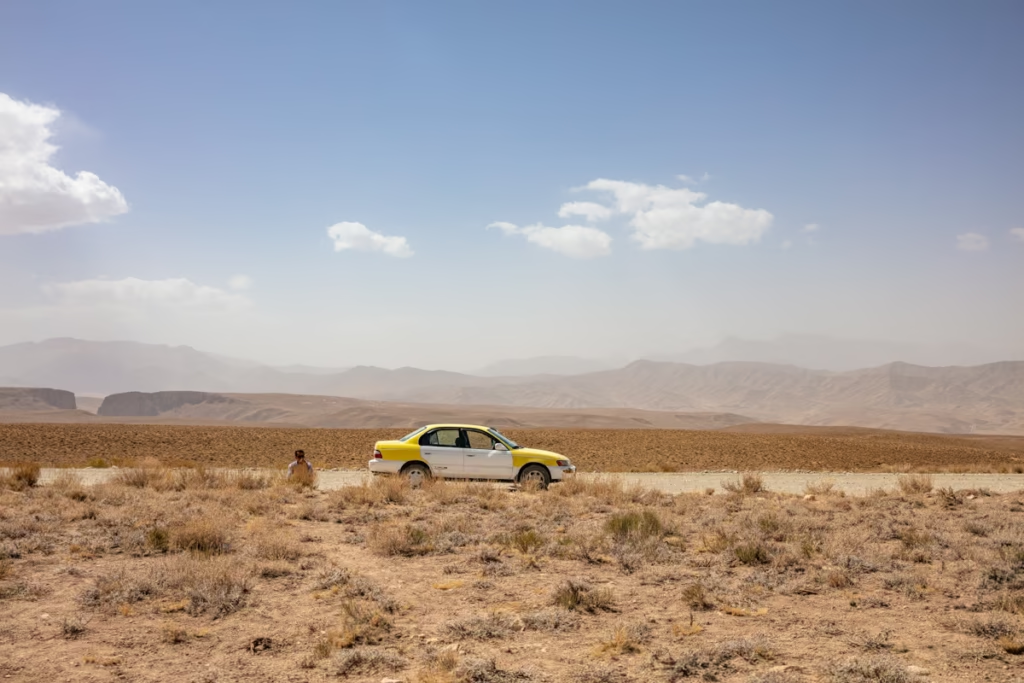
You’ll see many yellow Toyota Corolla taxis around Afghanistan, particularly in cities. In some cities, such as Ghazni City and Jalalabad, tuk-tuks seem to be the popular taxi. Taxis almost never have meters so agree to a price before departing.
Typically rides within a city will come out to 70-400 AFS depending on the distance. These taxis can also be negotiated with for day trips as well. Prices will depend on where you are planning to go, but usually will range from $20-50 USD in most cases.
It is possible to hire taxis for longer distances too but you’ll need to negotiate a price before departure.
By Public Bus & Shared Taxi
Public buses are available in most cities. You can expect most rides to cost no more than 10 AFS.
For longer distance trips between cities, there are usually buses and shared taxis available ranging in price depending on the distance. You can use these, however, unless you speak Dari and/or Pashto you might find checkpoints to be a headache.
The Wakhan Corridor
Realistically the only way to travel the road in the Wakhan beyond Ishkashim is by private taxi hire which can be quite expensive.
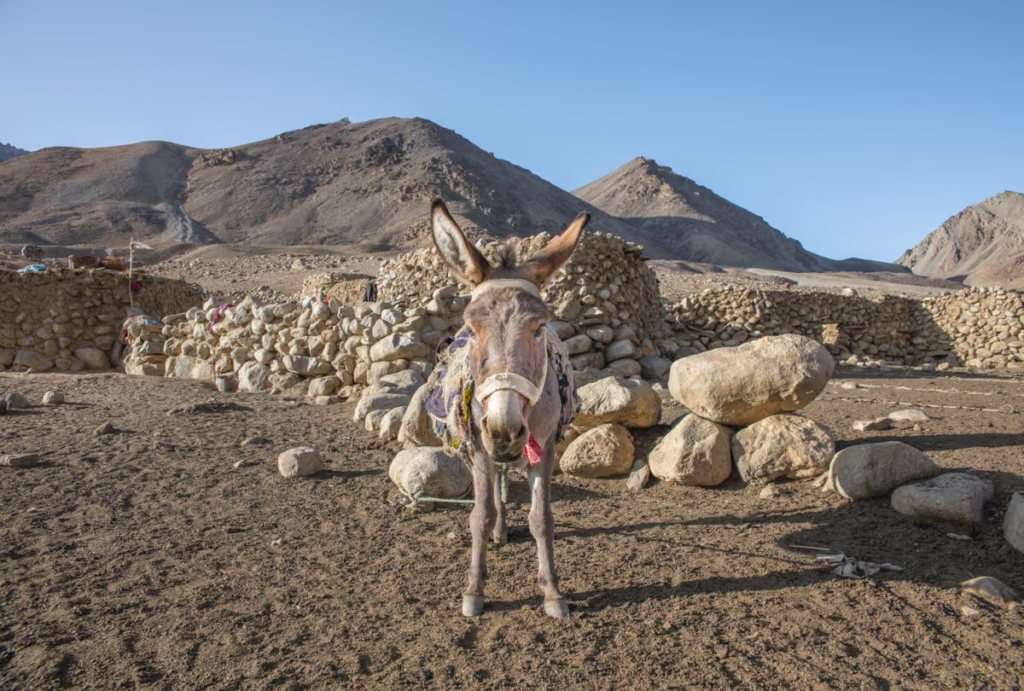
Best to try and find other travelers to cost-share on a Wakhan trip with. It is possible to go trekking by horseback and even yak. Donkeys are commonly used to porter gear and supplies on treks.
Read more about the Afghan Wakhan Corridor
Afghanistan Travel Insurance
Not many insurers cover high-risk destinations such as Afghanistan.
Personally, I recommend IATI Insurance for travel insurance. Readers of the Adventures of Nicole get a 5% discount off their plan.
Do research if the company you choose is going to cover Afghanistan as these policies seem to change quite frequently and with little notice, US passport holders seem to face the most difficulty in obtaining travel insurance for Afghanistan and other high-risk destinations.
Afghan Food and Cuisine
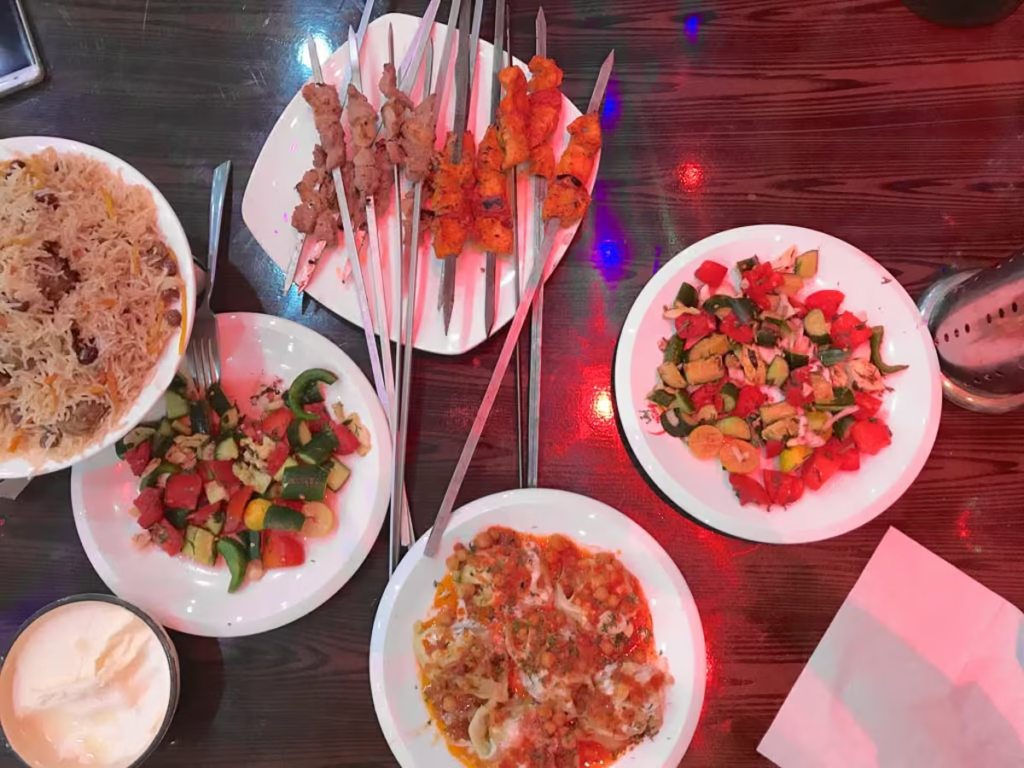
Afghan cuisine is one of the country’s great highlights, drawing influences from Persian, Central Asian, and South Asian cooking traditions.
Food varies considerably between regions, but rice, naan, meat, vegetables, yogurt, and fragrant spices feature prominently in many traditional dishes.
One of the first things you’ll notice when eating in Afghanistan is the importance of chai and hospitality. Meals are often shared, and being invited to sit down for food or tea is a common expression of Afghan generosity.
The national dish is Qabuli Pulao, a fragrant rice dish traditionally prepared with meat, carrots, and raisins.
Afghan Dishes to Try
- Qabuli Pulao: The national dish of Afghanistan, made with seasoned rice, meat, carrots, and raisins.
- Mantu: Steamed dumplings filled with minced meat, usually topped with yogurt and a tomato-based sauce.
- Ashak: Dumplings filled with leeks or scallions, generally served with yogurt and a meat-based sauce.
- Chicken Karahi: A popular South Asian dish of chicken cooked with tomatoes, garlic, onions, and spices.
- Kebab: Grilled meat skewers, commonly made with lamb, beef, or chicken.
- Naan: Traditional Afghan flatbread served alongside many meals.
- Chai: Tea is central to Afghan hospitality and is commonly served throughout the day.
- Challow: Plain white rice, often served with stews and meat dishes.
- Shirbirinj: Afghan rice pudding made with milk, often served with butter and sugar.
- Qorma Sabzi: A spinach-based stew that may include beans and meat.
- Doogh: A refreshing yogurt-based drink, often mixed with water, salt, and mint.
Where to Go in Afghanistan
Kabul
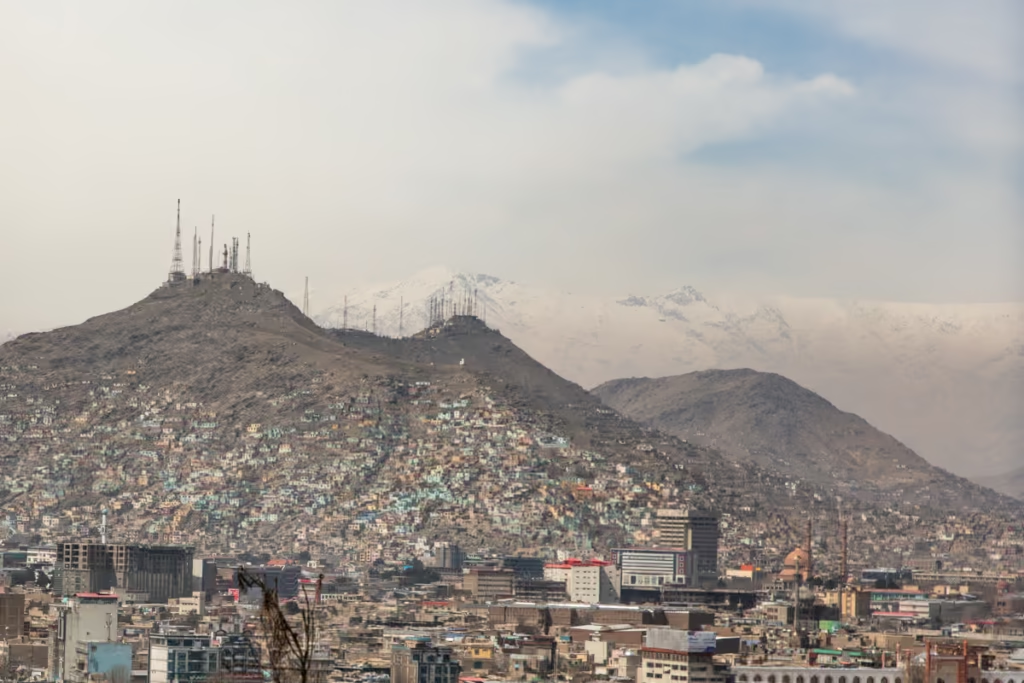
Most travelers’ introduction to Afghanistan will be in Kabul. The city is famous for Kabulian hospitality and a long history, but with that said the city has seen much damage between 1979-2001.
What To See In Kabul
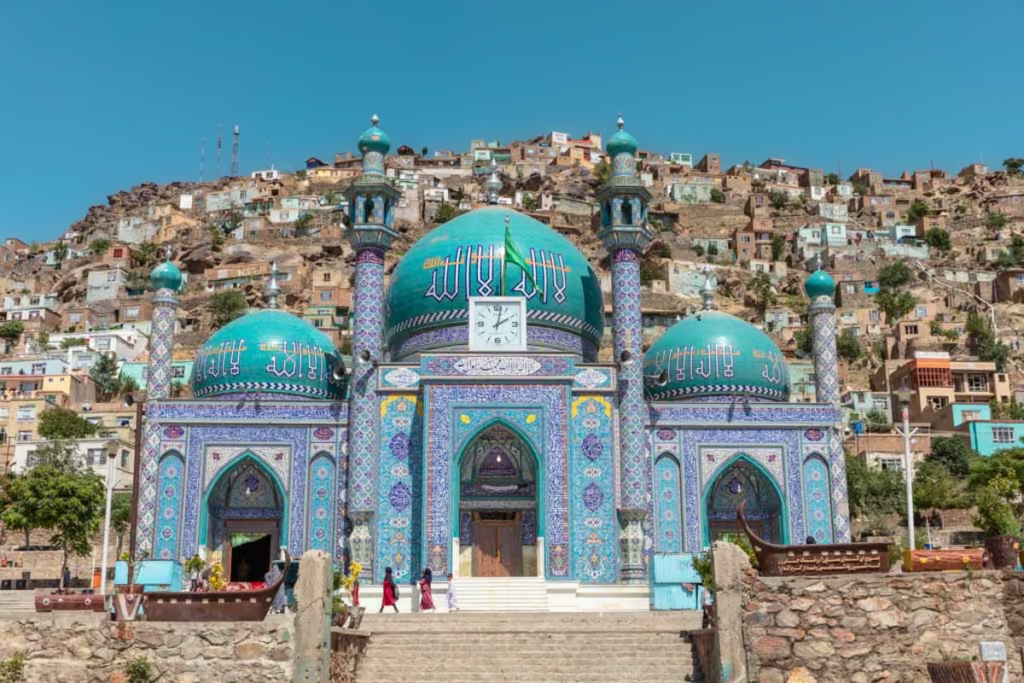
- Shrine of Sakhi: A beautiful shrine located at the foot of TV Hill in West Kabul. It’s an important Shia Muslim site, believed to be where the cloak of Mohammed was kept until it was moved to Kandahar. Shrine of Sakhi is the only park (as in the grounds around it) that Afghan women are permitted to visit
- Shah do Shamshira Mosque: In what some call Afghan Baroque-style, Shah do Shamshira is quite unique from the smattering of mosques you’ll see around Afghanistan. Located in the south of the city, it is nearly impossible to miss
- Gardens of Babur: Dating back to 1528, this is the final resting place of Mughal Emperor Babur. Babur Gardens has undergone extensive restorations after being badly damaged during the Afghan Civil War. Note that Afghan women are not allowed to visit any public parks or gardens, so female travelers will likely need to argue that they are in fact, allowed to visit
- Chicken Street: Good place to pick up souvenirs and trinkets to take home. Chicken Street was a staple along the 1960s Hippy Trail
- Qargah Lake: About 15 km west of Kabul on the way out to Paghman Valley, Qargah makes a great spot to escape the bustle and grab a lakeside meal, have a picnic, or relax. The lake is actually a reservoir
- Bibi Mahro Hill: A great spot to head for sunset over Kabul. There is an Olympic sized swimming pool up top, though it’s almost never been used for its intended purpose. The diving board was used during the Taliban reign for public hangings. I was hassled getting in here by Taliban manning the entrance as it fits the “park” category, finally after showing my passport and permits they finally allowed me in and then later thanked me for visiting and wearing Afghan attire
- TV Tower Hill: Named because it’s where many channels are broadcasted from, but for a tourist TV Hill offers sweeping views of the city
- Ka Feroshi Bazaar & Bird Market: One of the oldest bazaars in Kabul where you can find just about anything. The Bird Market is one of the most photogenic places in the city, watching local buys and sellers haggle over doves, partridges, parrots, finches, canaries, chickens, and more. Be careful about belongings here as pickpocketing happens frequently. The area is also known for plenty of seedy characters that hang around it. Not as lively as it once was following the Taliban takeover
- National Museum of Afghanistan & Landmine Museum: Both museums are worthy of a visit to learn a bit more about Afghanistan’s distant and more recent history
- Chehel Situn: A lovely garden of brick pathways lined with tall trees and roses. A nice spot to relax and picnic, meet locals, or play games. As with other parks, ‘no girls allowed’ so plan to argue to get in if a woman.
*There is an 100 AFS entrance fee for the National Museum, and an 100 AFS entrance fee to enter the Gardens of Babur. Chehel Situn has a 100 AFS entry fee, plus 350 AFS additional for cameras.
Plan your visit to Kabul: The Kabul Travel Guide
Kabul Day Trips:
- Panjshir Valley: Located north of Kabul, you’ll find more details about it in the next section
- Istalif: Located about two hours north of Kabul by taxi. This scenic village is known for its impressive ceramic works. A taxi there and back should cost around 3,500 AFS
- Paghman: Unfortunately as of 2021 visiting Paghman isn’t recommended due to insecurity. Located west of Kabul beyond Qargah Lake, Paghman is a great place to relax for the day and have a picnic if safety improves.
Where To Sleep In Kabul
- Midrange: Baharistan Arya Guesthouse $40-45 USD per night, double
- Midrange: Cedar House +93 7 0028 5843 $50 USD per night, double
- Splurge: Kabul Serena Hotel
Getting In & Out Of Kabul
Panjshir Valley: A hire of a taxi for the day to the Panjshir Vally and back to Kabul will cost around $45 USD.
Bamyan: Most reach Bamyan by road. There are shared vans that depart Kabul in the early mornings for 400 AFS to Bamyan as well, but are not recommended at this time.
Mazar e Sharif: You can reach Mazar by flight for about $85 USD (one way) daily from Kabul. In the past, it was possible to drive to Mazar e Sharif from Kabul. You can either hire a taxi or take the 600 AFS bus.
Herat: A long journey from Kabul, and a hellish journey from Bamyan via the Minaret of Jam. Advisable to fly, unless the minaret is on your bucketlist.
Kandahar: Flights are your best option to reach Kandahar with tickets running around $85 each way. There is a highway that connects Kabul and Kandahar in roughly 6 hours’ time.
Istalif
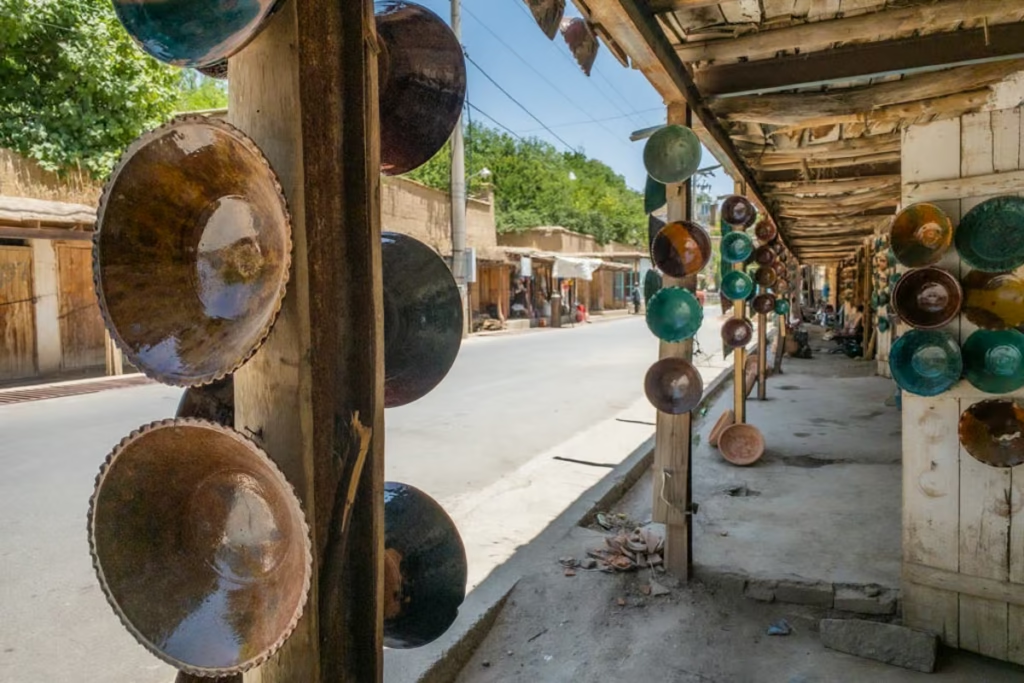
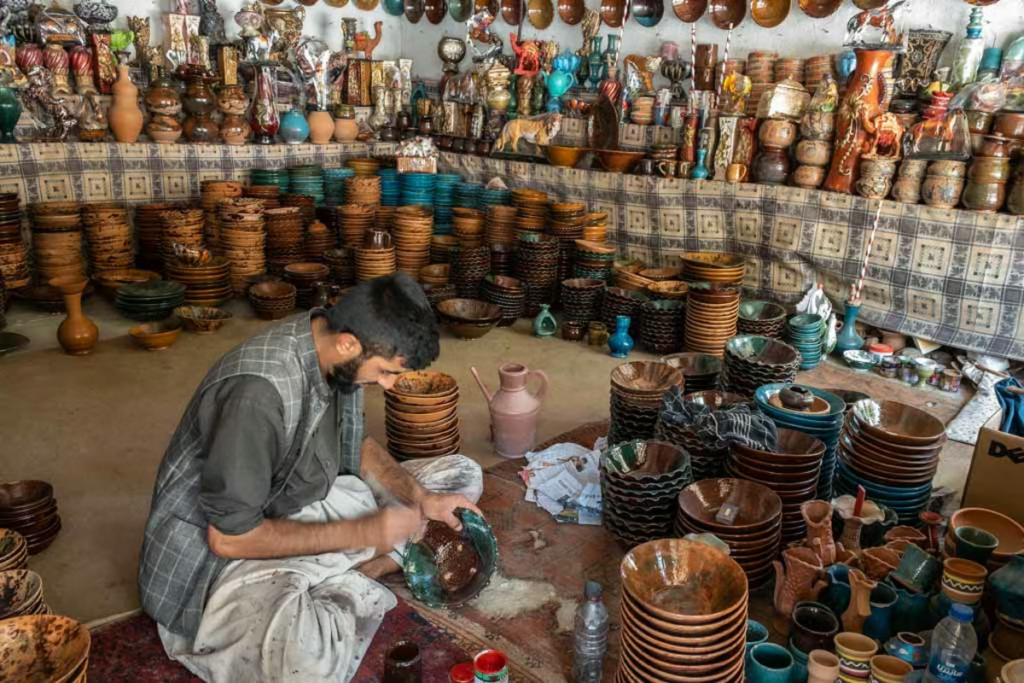
Located only 30 km north of Kabul, Istalif makes for a nice day trip to escape the chaotic city traffic. Istalif is famous for its handmade glazed pottery, and it’s pretty common for Afghans to come from far and wide to do shopping here. There is one main thoroughfare where you can find a number of pottery shops, along which you can even see artisans at work on their wares.
By western standards the pottery here in Istalif is incredibly inexpensive- I managed to pick up a large platter for 150 AFS, a large bowl of 100 AFS, and a coffee mug for 70 AFS. You will need to be able to do some bargaining though and if sellers sniff out that you’re foreign you can expect to be quoted significantly higher prices.
Istalif is framed by gorgeous mountains, making it a great day trip. There are outdoor chaikhanas set up in the forest along the river too making for a nice place to grab lunch and relax.
You can make arrangements with a taxi driver in Kabul to take you out here, wait and bring you back. Plan to pay around 1,500-2,000 AFS depending on your bargaining skills.
Read up more about the damaged ceramics city of Istalif
Panjshir Valley
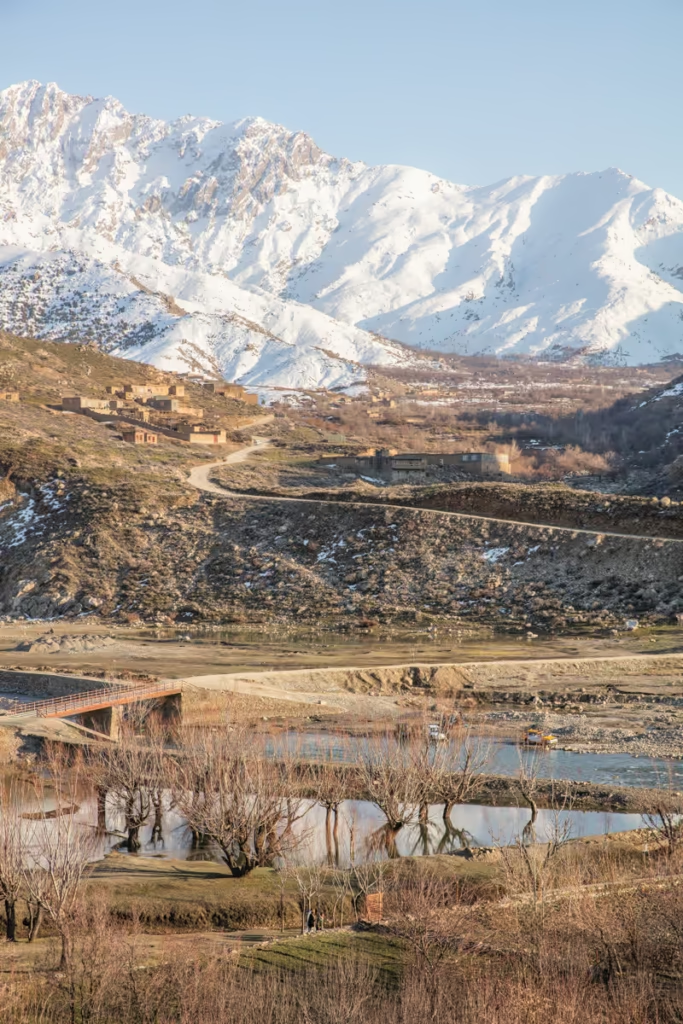
Panjshir Valley is usually visited as a day trip from Kabul,but can be visited as an overnight trip as well. A taxi can be hired from Kabul for about $45 USD for a day trip to Panjshir.
What To Do & See In The Panjshir Valley
- Hike in mountains: Trekking is possible, though a local guide is recommended
- Visit Massoud’s Tomb: Sat high on a hill in Bazarak. You can also visit Massoud’s office nearby too
- Check out destroyed old military tanks: Sat around the tomb area
Plan your visit: The Panjshir Valley Guide
Where To Sleep In Panjshir Valley
- It is possible to camp in the Panjshir Valley, although do check with knowledgeable locals on whether it is a good idea or not when you are there. I can’t give any personal recommendations as I visited Panjshir as a day trip from Kabul.
Bamyan
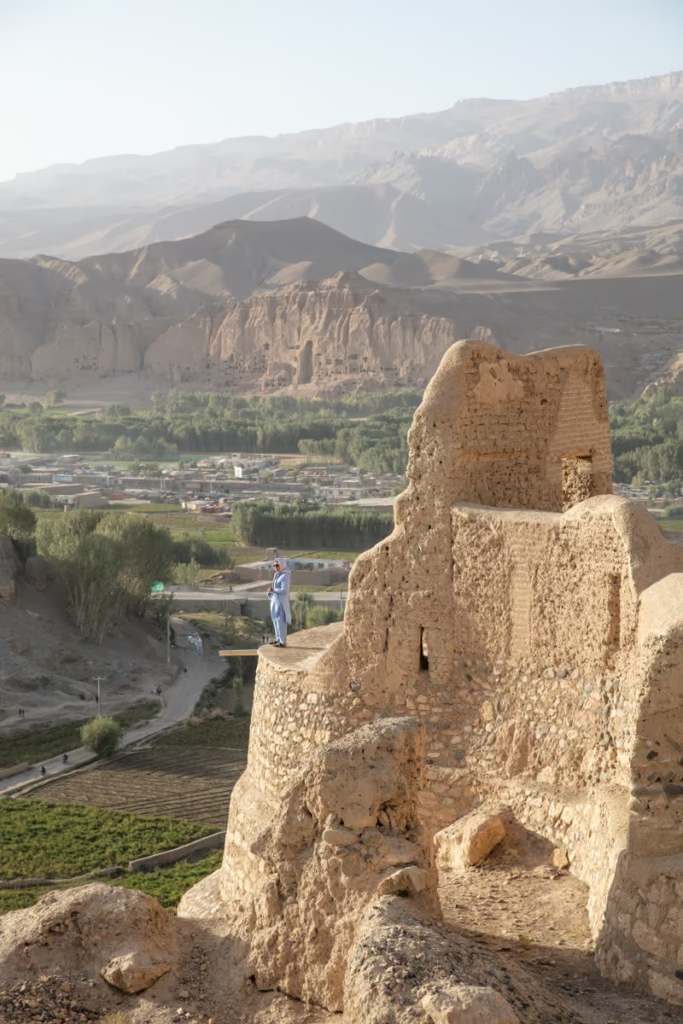
Bamyan was once-upon-a-time a strategic trading point along the Silk Road and home to a large number of ethnic Hazaras. There are a number of caves, fortresses, and hikes to explore in the Bamyan area as well as great skiing opportunities for those visiting in winter.
If you’re in Bamyan you’re more than likely visiting Band e Amir National Park as well, see the section below for more information. Note that Bamyan was heavily landmined in the past, so do stick to well-beaten paths or hire a local guide. Don’t forget to check out my in-depth Bamyan travel guide.
Bamyan province is home to some epic trekking routes, from high-altitude summits such as Shah Foladi and other peaks in the Koh e Baba, village to village treks in the valleys just south Bamyan Town, beguiling canyons like that of Babur Valley, and countless other opportunities across the province. I won’t go into much detail on the possible treks in Bamyan in this post, but you can get detailed info and GPX files for many of them in my Bamyan Trekking Guide.
What To See In Bamyan
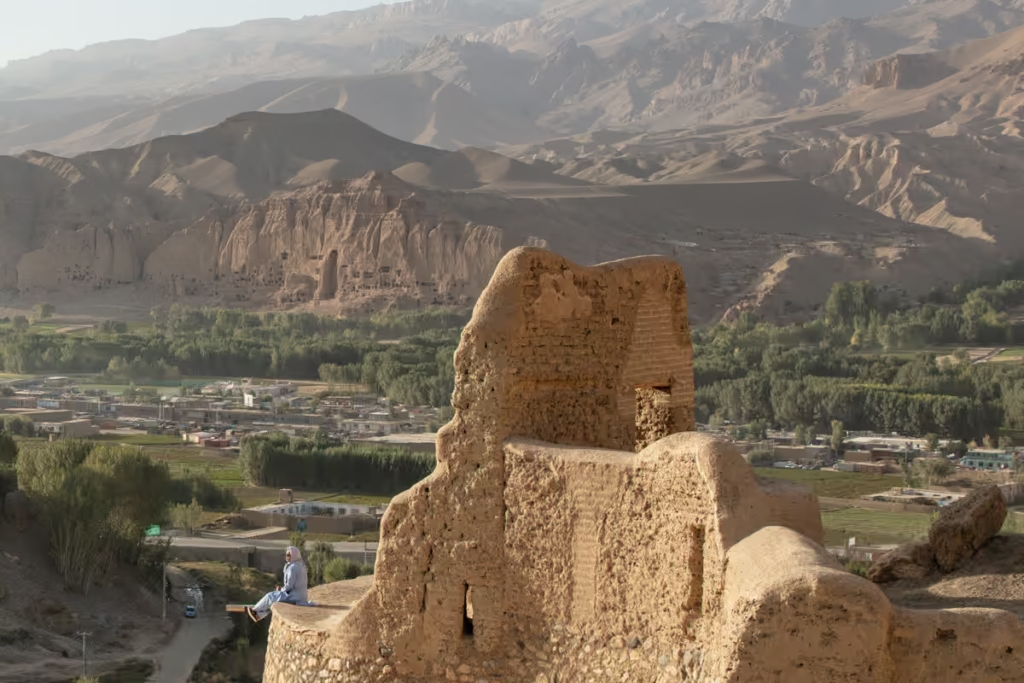
- Buddha Niches: It’s a shame that the Taliban succeeded in exploding these 6th century carved Buddhas in 2001, but the niches that remain are still wildly impressive. No journey to Bamyan would be complete without paying a visit
- Shahr e Zohak: Known as the Red City, Shahr e Zohak guarded the eastern and southern entrances to Bamyan. The Mongol Horde decimated the city in the 13th century
- Shahr e Gholghola: Suffering a similar fate as nearby Shahr e Zohak, Shahr e Gholghola means city of screams, taking its name from the haunting sounds of the inhabitants being slaughtered by the Mongol Horde in a wrath of fury
- Dara e Ajdahar Valley: Located about 7 kilometers from Bamyan town, the Dragon Valley is surrounded by legend. Ali was able to slay the terrorizing dragon with his trusty sword named Zulfiqar
- Buddbacha Cave: A small Buddha niche south of Bamyan town in Kakrak Valley. It’s also known for its Buddhist murals, though they are no longer there
- Foladi Ice Cave: Located on a steep mountainside between Qazan and Foladi Valleys, Foladi Ice Cave is best visited in March and April when you’ll find ice clung to the walls, ceiling, and floor of the cave
- Chehelburj: Meaning 40 towers, Chehelburj dates back to the 12-13th centuries and are fine ruins of Ghorid-era architecture. Located in the far northwest of Bamyan province Chehelburj makes for a good day trip, though a homestay exists in the village next to it
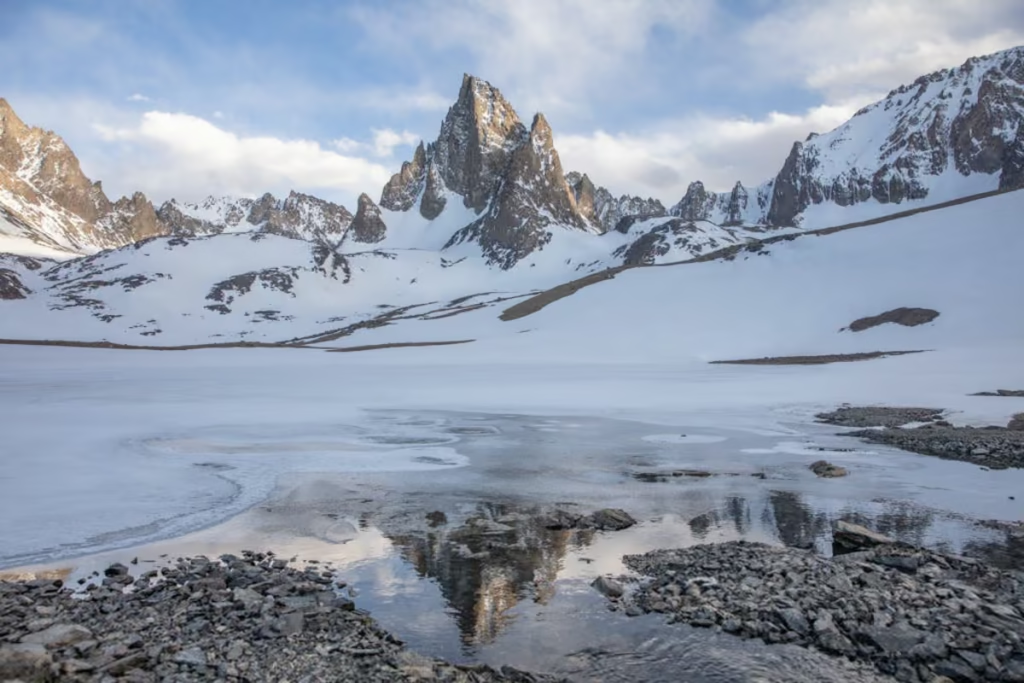
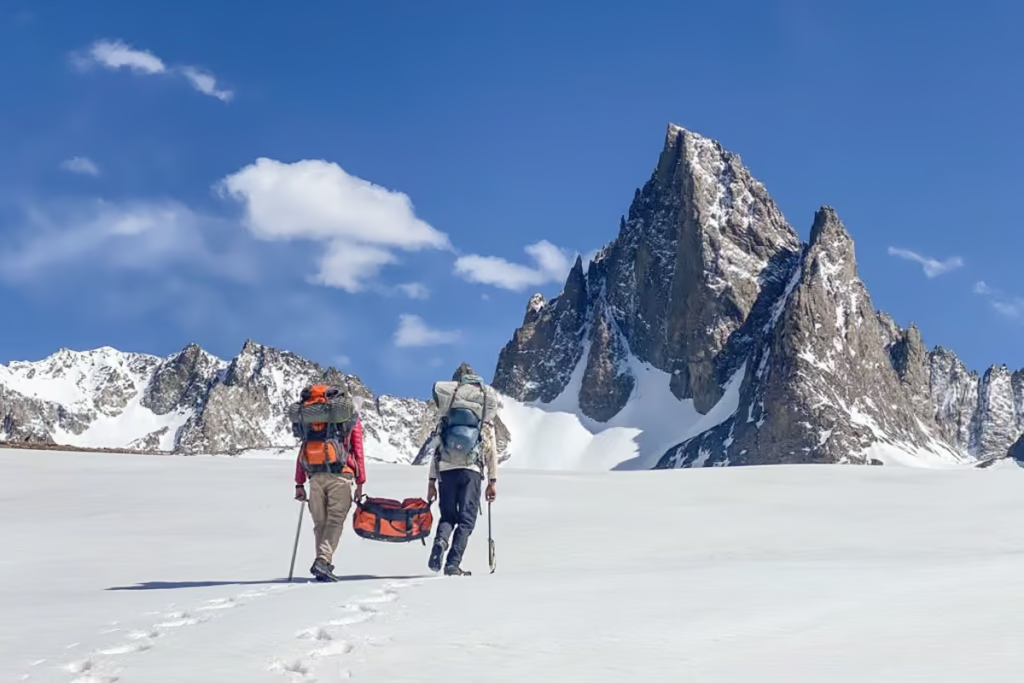
- Climbing Shah Foladi and other peaks in the Koh e Baba Range: Shah Foladi is Central Afghanistan’s highest peak. The Bamyan side is more difficult requiring crampons and ice axes to climb up and is best done in March-May, the Wardak side is less technical. The third highest peak of the range offers the best views and is more of just a hike
- Bamyan Plateau: A protected area and wildlife refuge located in the north of the province. It’s best visited April-June. Home to the rare Persian leopard and Afghan snowfinch
- Trekking village to village in the valleys south of Bamyan town: Several routes link the valleys south of Bamyan offering a lovely trekking that blends gorgeous landscapes and Hazara culture that encompasses Khushkak, Chapdara, Jowkhar, Qazan, Foladi, and Dukani valleys
- Babur Valley: This interesting canyon near Yakawlang is a popular picnic spot on Fridays. The valley eventually narrows into a beguiling slot canyon that requires wading through a thigh-deep gushing stream. Eventually the valley widens, and you’ll need to climb over a steep section of boulders to end up in an amphitheater of rock walls
- Climbing Koh e Mekh: Located in southern Bamyan province near the roadside village of Band e Kusa. We learned that this trek was possible through a couple police officers in nearby Waras who told us that we would need an escort to climb up and directed us to a nearby military post. Locals are weary of camera-toting foreigners as Koh e Mekh is allegedly ladened with minerals and gemstones and they think you may be surveying for prospects
*You will need an entrance ticket to visit Shahr e Zohak, Shahr e Gholghola, & the Buddha Niches. Admission is 300 AFS.
Read: The Bamyan Travel Guide
Where To Sleep In Bamyan
- Budget: You can sleep at the chaikhanas along the main street in Bamyan for about 300-500 AFS/night per person. Note that some do not have toilets and few have showers, so do ask
- Midrange: Caravanserai Hotel $30-40 USD/night, double
- Midrange: Noorband Qala Hotel $23 USD/night, single
- Splurge: Silk Road Hotel $100 USD/night, double
Don’t miss the ancient citadels of Shahr e Zohak and Shahr e Gholghola
Getting To Sites Around Bamyan
Buddha Niches: Located about 1 km north of the Bamyan Bazaar, easily reached on foot.
Shahr e Gholghola: The City of Screams is located about 1.5 km from the Bamyan Bazaar and can be reached on foot, but a taxi shouldn’t cost more than a few AFS.
Shahr e Zohak: A taxi will cost about 500-1,000 AFS roundtrip to the Red City, but there is a shared taxi that does the journey for 150 AFS each way from the Bamyan Bazaar.
Dara e Ajdahar: Dara e Ajdahar is 7 km west of Bamyan Bazaar and can easily be visited on foot. Otherwise, you can hire a taxi for about 500 AFS roundtrip.
Band e Amir: It is possible to catch a shared taxi to Band e Amir for 250 AFS each way and hiring a taxi for the day will set you back about 1,500 AFS.
Chehelburj: Located in northwestern Bamyan province, about 3 hours drive from Bamyan town. Plan to pay about 3,500 AFS to hire a taxi there and back.
Read about the legend that terroized Bamyan: Dara a Ajdahar
Getting In & Out of Bamyan
At the time of writing, there were no commercial flights to Bamyan, so the only way to visit is by car from either Kabul or Mazar e Sharif. For those willing to take on the risks of this journey I recommend hiring a private car and guide.
Band e Amir
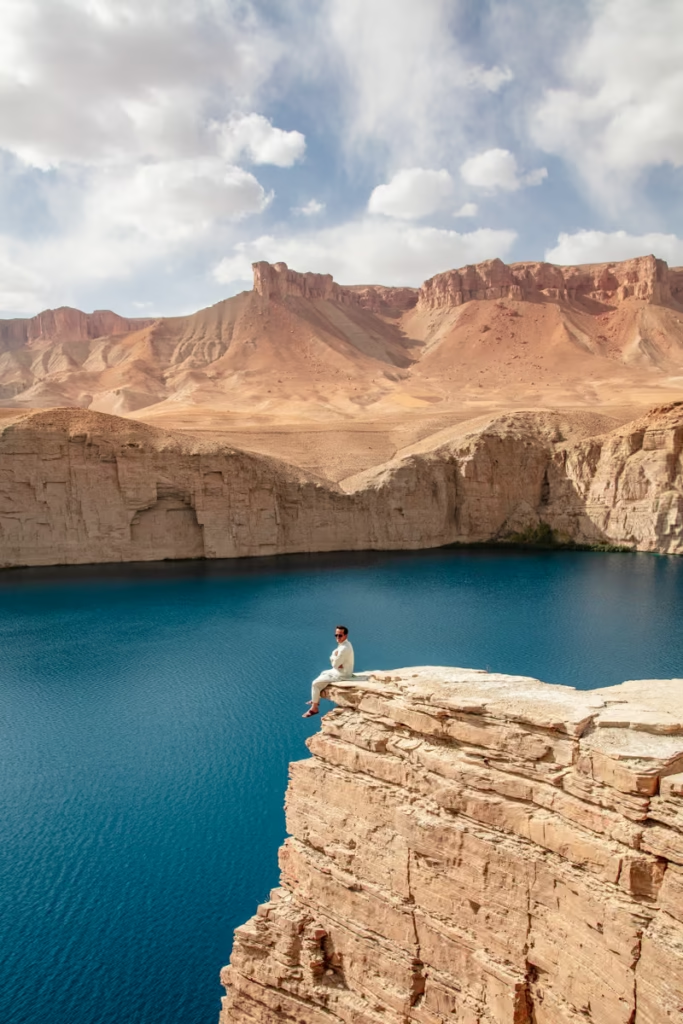
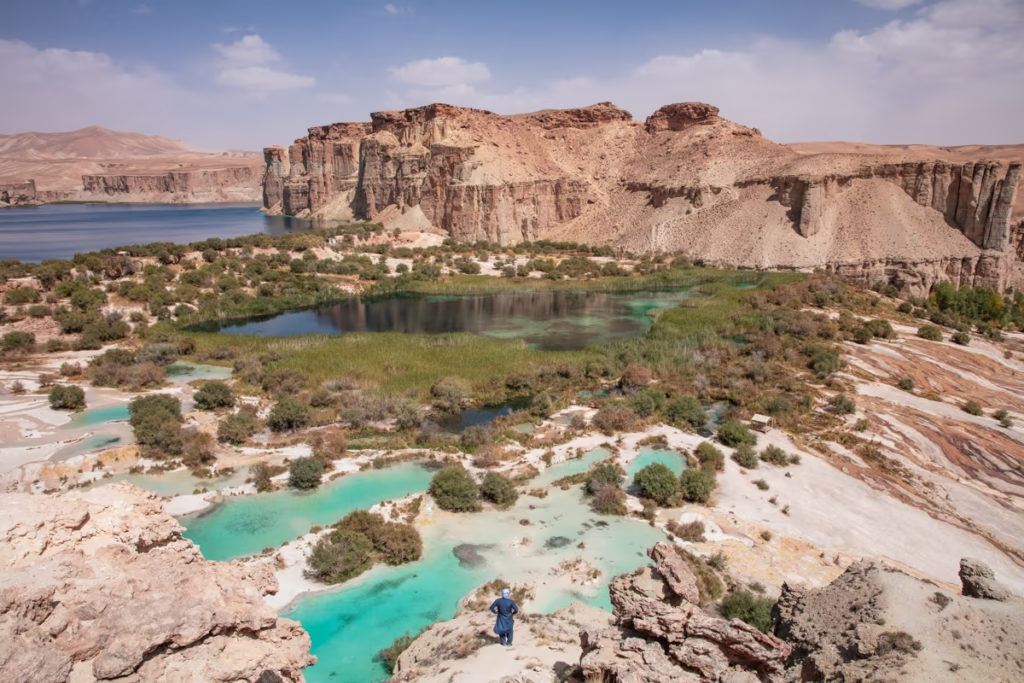
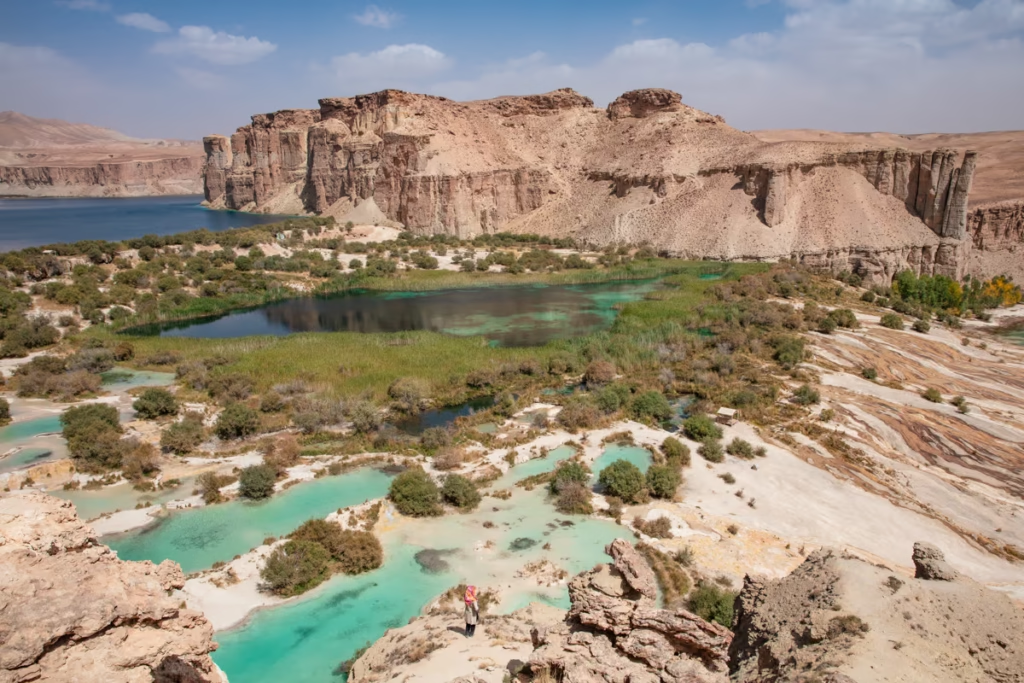
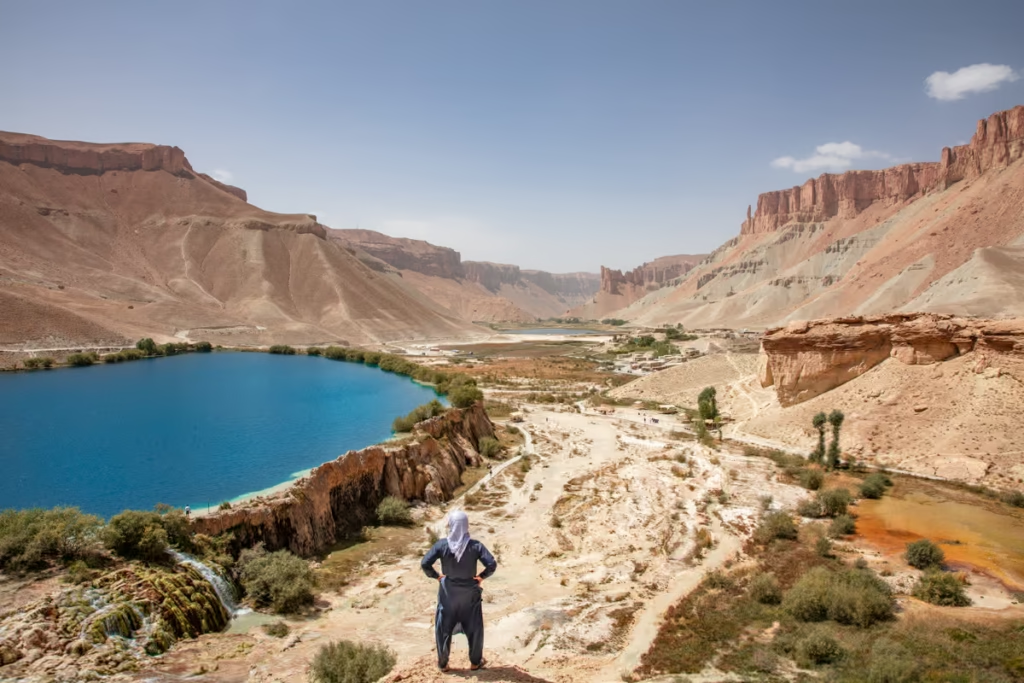
Band e Amir is Afghanistan’s first national park. Spend at least a day exploring the stunning lakes in the mountains. Most services only run between March and November.
You can usually hire a taxi round trip from Bamyan to Band e Amir for the day trip for around 1,500 AFS or may be able to hop on a shared taxi for 250 AFS. Check out this post about the lapis lazuli lakes of Band e Amir.
*There is a gate at the entrance of Band e Amir where you will need to pay 200 AFS per person.
What To Do In Band e Amir
- Stroll around the lakes
- Go swimming
- See the Band e Haibat Waterfall
- Visit Hazrat Ali Shrine
Where To Sleep In Band e Amir
- Free: Camping is possible in the Band e Amir area but most locals will recommend not to camp as a few foreigners were kidnapped here in the past
- Budget: Dir Chaikhana near Band e Haibat will let you sleep on the floor for 100 AFS/night per person
Read more about Band e Amir and how you can visit
Chehelburj
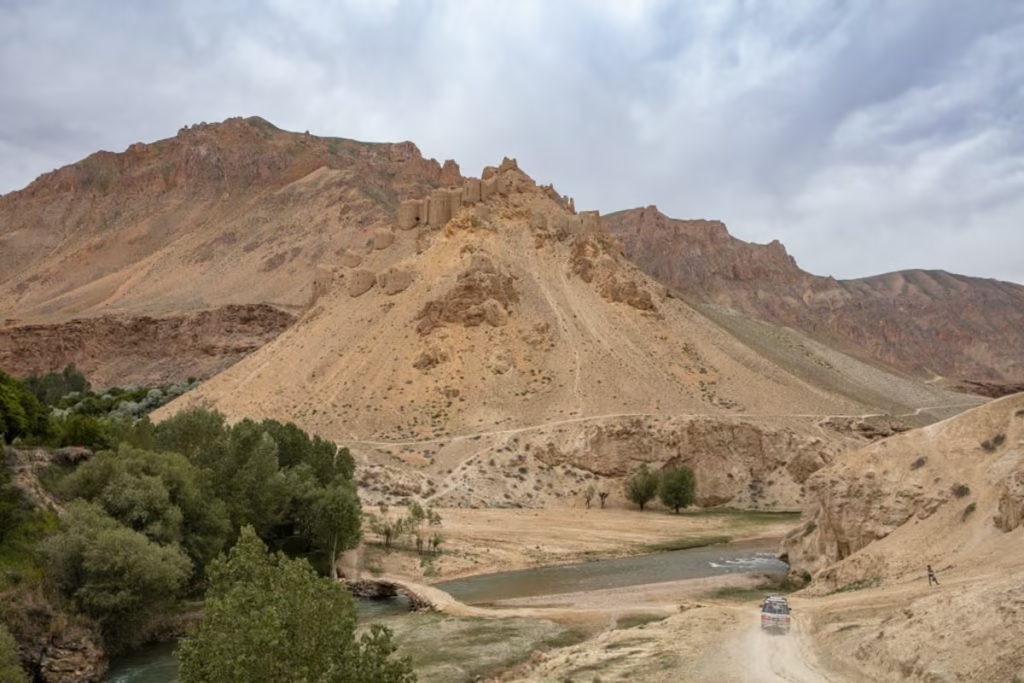
For those that have a longer amount of time traveling around the Bamyan Province, Chehelburj is a wonderful option. Chehelburj, meaning 40 towers, is falling into ruin, but the remaining Ghorid era towers and Kushan-era Buddhist caves are well worth seeing.
It’s possible to visit Chehelburj as a day trip from Bamyan Town as it is located about a 3 hour drive to the west near the borders with Ghor and Sar e Pol Provinces. For those that want to spend the night out there, there is a family that operates a small homestay in the village just adjacent to Chehelburj.
The easiest way to get out here is to arrange your town transport from Bamyan Town. If traveling independently, it will be worth asking your accommodation to make arrangements with a driver for you.
Plan your own visit to the 40 towers of Chehlburj
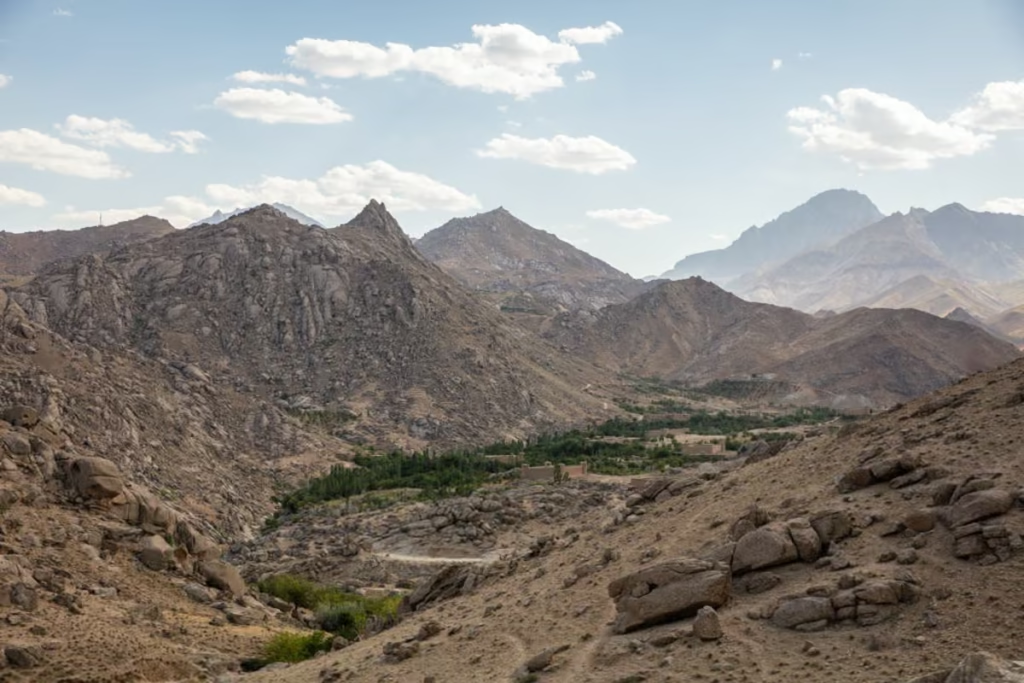
Daykundi
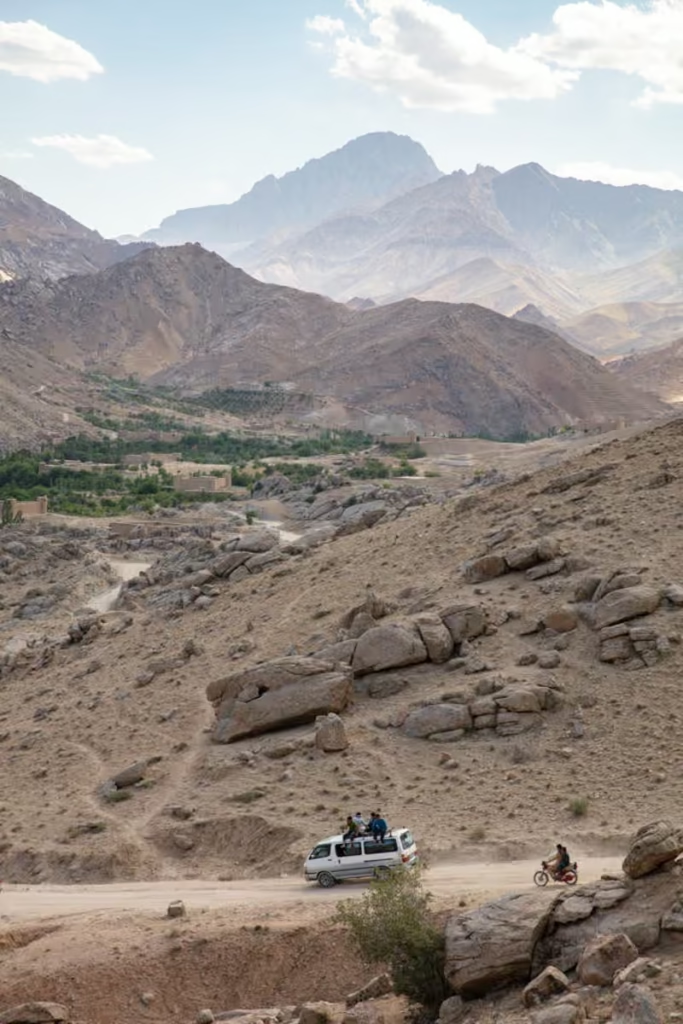
Daykundi is a remote province at the heart of the Hazarajat, realistically only accessible from Bamyan Province that rarely sees foreign tourists. The area is full of mountain arid landscapes, some of the kindest and most welcoming people in the country, and countless adventures.
One of Afghanistan’s newest provinces established in 2004, Hazara-majority Daykundi was split from Uruzgan. For those looking to get truly off the beaten path in Afghanistan Daykundi has much to offer.
What to do & see in Daykundi
- Check out the provincial capital of Nili
- Visit the nearly 100 year old Qala Haji Yusefbek and meet the original owners descendants
- Make a day trip to oasis-like Lazir village from Nili
- Meet friendly locals in Shahristan
- Picnic under fruit trees along the Helmand River in the Shahristan area
- Trek into the craggy mountains around Takht e Sangin, Nili, Shahristan, Kiti, and Miromar Distructs
- Go stargazing (literally everywhere in Daykundi in amazing)
- Nili: The only western-style hotel in the province is in Nili near the airport. Rooms at Barg e Badam start at 2,500 AFS per night. Call +93778318318 or email [email protected], though chances are you can just rock up and rent a room like I did.
- Everywhere else: In most towns you can sleep on chaikhana floors for a couple hundred AFS per night, or stay with locals. Daykundi locals are incredibly friendly, so don’t be surprised if you receive numerous invitations to stay in people’s homes each day.
Getting in & out of Daykundi
Realistically the only relatively safe way in and out of Daykundi is by road from Bamyan. Know that roads are in poor condition and are dusty and bumpy. The nearly 450 kilometer drive between Bamyan town and Nili takes about 14 hours for reference.
Want to check out the remote province of Daykundi? Read my post on traveling through Daykundi province
Parwan
To be honest, Parwan is a place you will likely just pass through on your way from Kabul to Bamyan, Panjshir, or Mazar e Sharif.
The main town to know of in Parwan is Charikar as this is the turn-off to go toward Bamyan.
Samangan
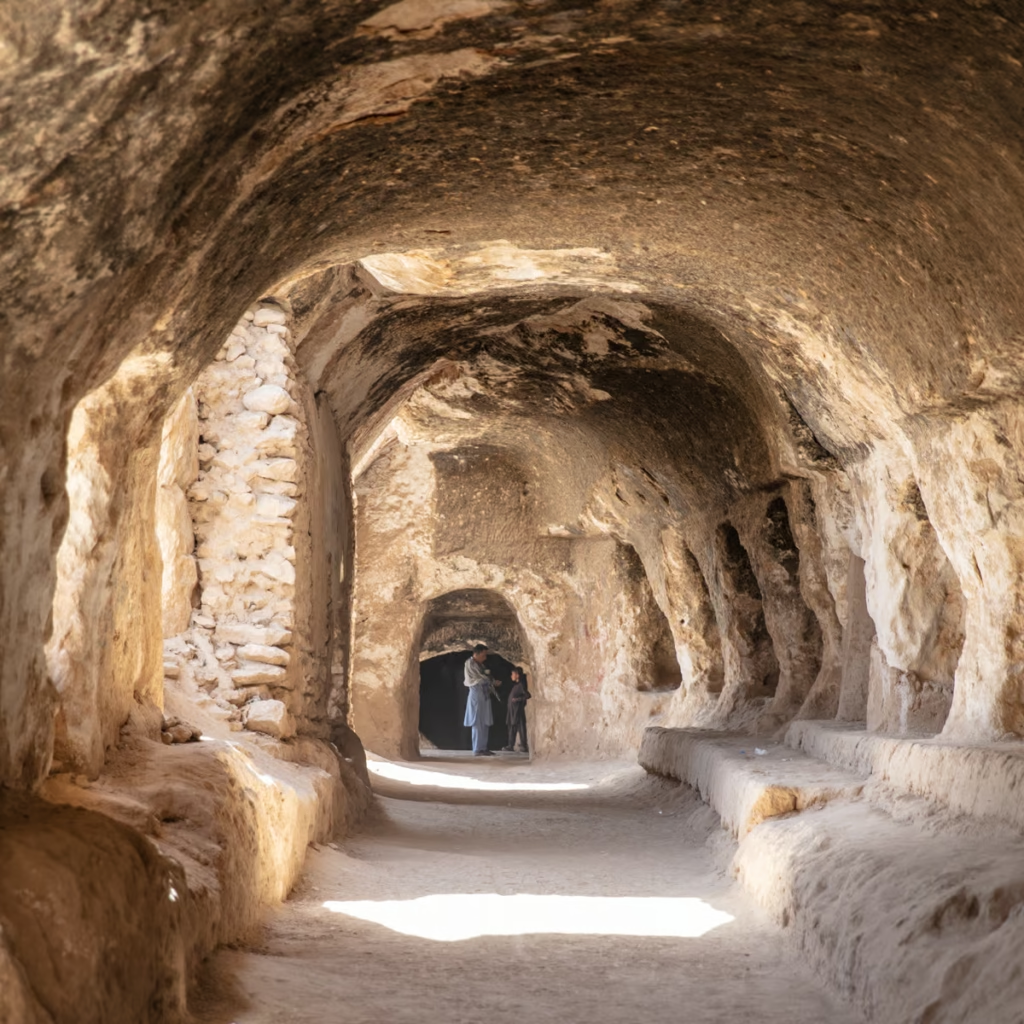
- The Takht e Rustam Buddhist Stupa: An interesting stupa sat on an island of rock
- Buddhist Caves & Ancient Bazaar: An old bazaar just down the hill from Takht e Rustam. Houses a Buddhist temple, though the murals have been removed
Herat
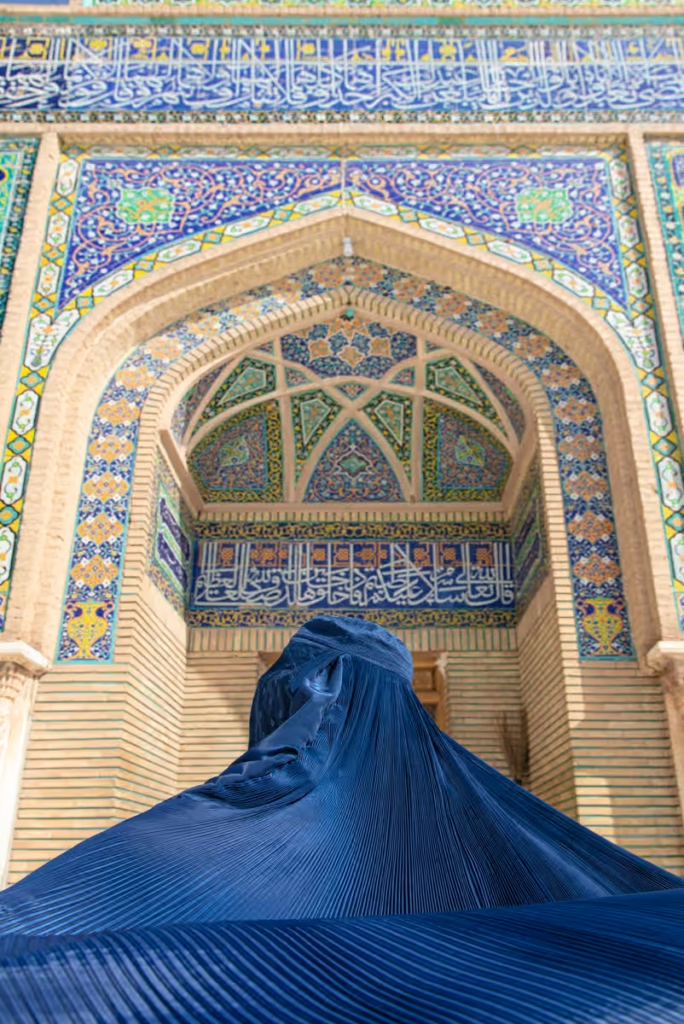
With over 3,000 years of eventful history, Herat is a cultural and historical center in Western Afghanistan. Given its proximity to the Iranian border, Herat bears quite a semblance to its neighboring country, from architecture to Herat’s women’s preference for the black cloak-like chador over the ubiquitous blue Afghan burqa seen throughout much of the rest of the country.
Herat is centered around the well-restored Herat Citadel with the Masjid i Jami (The Great Friday Mosque) situated nearby, along with a fascinating bazaar, caravanserais, and mausoleums.
What To See In Herat
- Masjid i Jami (Friday Mosque or Great Mosque of Herat) & Tile Workshop: The Friday Mosque is one of Afghanistan’s best pieces of Islamic architecture. The Tile Workshop is also a must-see to appreciate the hard work and effort that goes into the constant restoration required for the thousands of tiles that adorn the mosque
- Herat Citadel (Natural History Museum & Museum of Communications inside): Dating back to 330 BC, the citadel has been destroyed and rebuilt numerous times. The citadel also houses two museums
- Herat Bazaar: Great place to pick up odds and ends or souvenirs
- Chahar Suq Cistern: originally built as the cities water storage and used up until the 1970s. The cistern has fallen into disrepair, though restoration efforts are underway
- Yu Aw Synagogue: Herat once had four synagogues, though all have nearly fallen apart. The good news is that all are under restoration. Yu Aw is being restored and will be used as a primary school
- Gowar Shad Mausoleum, Alisher Navoi Mausoleum & Musallah Complex: Unfortunately the entire complex was badly damaged by the British during the 19th century. The minarets of Musallah feel like a skeleton of the great structure it once was. Gowar Shad Mausoleum and the Alisher Navoi Mausoleum are in the best shape of of the complex
- Shahzadeh Tomb of Two Princes: These two side by side tombs to Abdullah and Qasim house intricate Timurid-era tile work and beautifully painted domed ceilings
- Guzargah Mausoleum (Abdullah Ansar Mausoleum): A shrine to the 11th century Herati saint and Sufi mystic Khoja Abdullah Ansar, located outside the city in the village of Guzargah
- Pul e Malaan: South of the city this 22-arch bridge spans the Hari Rud River
- Jihad Museum: Next to Bagh e Mellat Park, the Jihad Museum pays homage to Herat and Afghanistan’s turbulent recent history
- Takht e Safar Park: Worth a stop, especially if you’re visiting Guzargah in late afternoon as it’s located only a couple kilometers away
*There is a 500 AFS entrance fee to enter the Herat Citadel and it is another 500 AFS to enter the Herat National Museum inside the Citadel. There was an entrance fee for the Jihad Museum is 750 AFS, plus 750 AFS additional for cameras.
Plan your time in Herat: Herat In Photos & Travel Guide
Where To Sleep In Herat
- Budget: Mowafaq Hotel $20/night, double
- Midrange: Kakh Hotel +93 79 982 8245
- Midrange: Herat Bustan Hotel +93 72 879 0132
- Splurge: Nazary Hotel Starting at $90/night, double
How To Get In & Out Of Herat
Kabul, Mazar e Sharif & Kandahar: Herat is quite far from anything else (except the Iran border). Traveling to and from Herat is best done by plane unless you have lots of extra time. A one-way flight will run $90 to Kabul, and to Mazar or Kandahar another $85.
Minaret of Jam: Not easy for comfortable journey, but the bone crunching Central Route connects Herat and Bamyan via the Minaret of Jam. Expect a 12 hour drive between Jam Minaret and another 15 hour drive between the minaret and Bamyan.
Iran: The border at Islam Qala-Dougharoun is currently open to foreigners. This border crossing connects Herat with Mashhad, Iran. There are shared taxis making the run between Mashhad and Herat for 1,100 AFS per seat or 4,400 AFS for the entire car.
Mashhad is about 4 hours from the border, and Herat is about 2 hours from the border. I crossed here in March 2019 and found it to be a straightforward process. Read a border crossing report here.
Turkmenistan: Herat is near the border between Turkmenistan and Afghanistan at the Torghundi-Serkhetabat crossing..
There is another border crossing between the two countries, although quite remote at Imam Nazar-Aaqina. Open to foreigners, however, the road is a dirt track and from reports likely will need a 4wd to navigate.
Kandahar
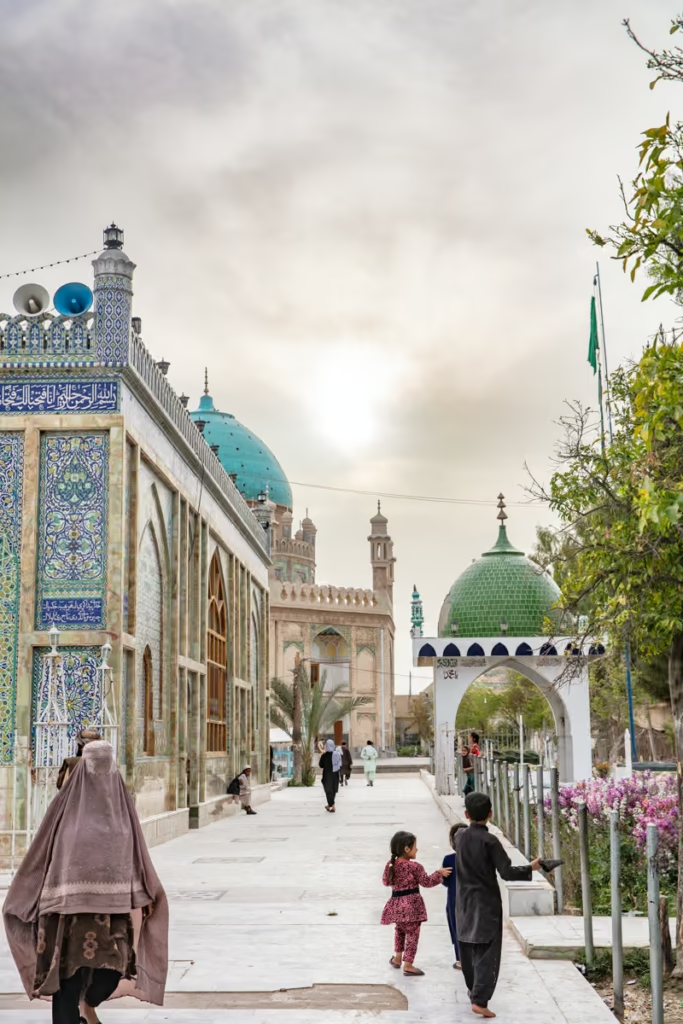
The predominantly Pashtun and largest city of Southern Afghanistan.
It is generally recommended that you have someone with you who can understand and speak Pashto with you in Kandahar, as Pashto is the predominant language spoken in the south of Afghanistan. Check out my post: Kandahar in photos & travel guide for more information on visiting southern Afghanistan’s largest city.
What To See In Kandahar
- Mosque of the Cloak of Prophet Mohammed: One of the holiest sites in all of Kandahar. It’s believed that the cloak worn by the Prophet Mohammed during the 621 Night Journey is housed here
- Ahmed Shah Durrani Mausoleum: Sat on the grounds as the Mosque of the Cloak, this is the tomb of Ahmed Shah Durrani, the founder of the nation of Afghanistan
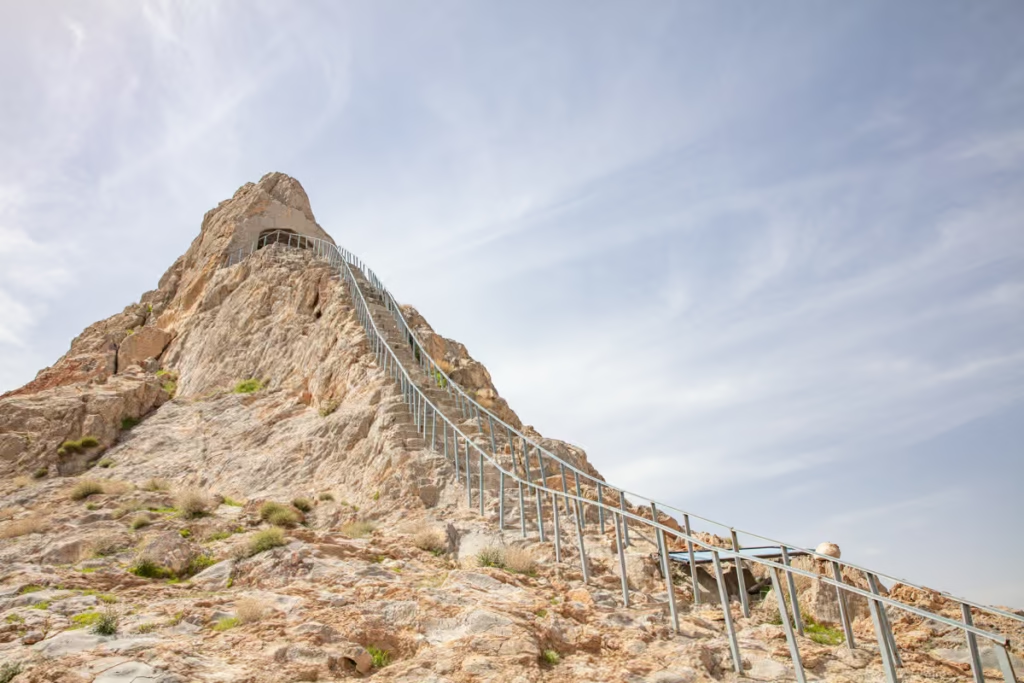
- Chilzina: Meaning 40 steps, this massive staircase climbing up a rocky outcrop on the western outskirts of Kandahar was once attached to a citadel and served as a strategic lookout. Similarly today, it is currently being used as a security lookout. You’ll need to enquire with the commander posted there if he will allow you to climb up
- Mausoleum of Baba Wali: Built to honor a highly regarded tribesman, Baba Wali sits overlooking the Arghandab River. Unfortunately, the frontlines have crept closer to the city and are now only 2 kilometers from Baba Wali, so visiting isn’t recommended as of 2021. But do ask locally once you arrive if it’s safe or not to visit
- Mausoleum to Mirwas Khan Hotak: The tomb to influential Mirwas Khan Hotak, of the Ghilji Pashtun tribe. Don’t miss out on going inside, the colorful paintings on the interior are quite impressive
- Sra Jama: The Red Mosque as its commonly called was frequented by Mullah Omar. In 2021 the mosque has underwent extensive restoration
- Eid Gah Mosque: Located on the north side of the city, Eid Gah is one of the largest mosques in Afghanistan. Largely funded by Mullah Omar, the mosque can house thousands of worshippers at once
- Mosque of the Hair of the Prophet Mohammed: Located in the Old City, it’s believed that the hair of Mohammed is stored here
- Kandahar Museum: Learn more about the history of the city as well as the rest of the country
Check out: Kandahar in Photos & Travel Guide
Where To Sleep In Kandahar
- Budget: Armani Hotel $22 USD/night, double
- Midrange: Continental Guesthouse $55 USD/night, double
Getting In & Out Of Kandahar
The fastest way to reach Kandahar is by flight. You can go by road from Kabul via Wardak, Ghazni and Zabul just know that it makes for a long trip in a single day. If going overland, consider spending a day and night in Ghazni City en route to break up the journey.
Charkent
A nice excursion from Mazar e Sharif is to the district of Charkent, just a short 30 minute drive south of the city. You will eventually arrive at an 800 year old gate sandwiched between barren crags. Beyond the gate, it’s worthwhile to go up and visit the small rural village of Talalei.
Old Balkh
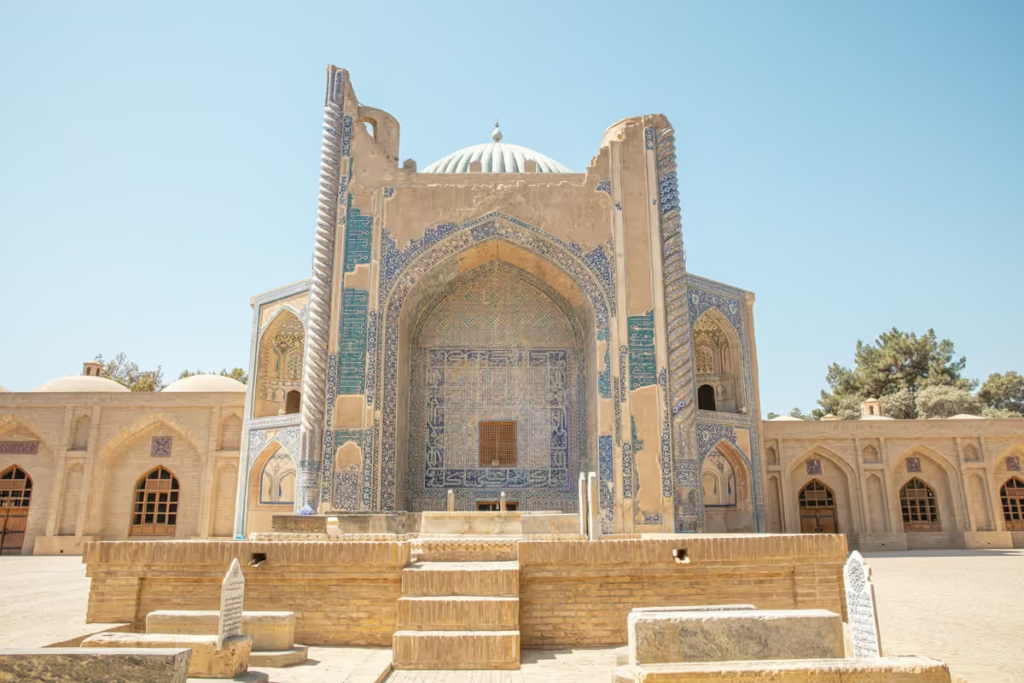
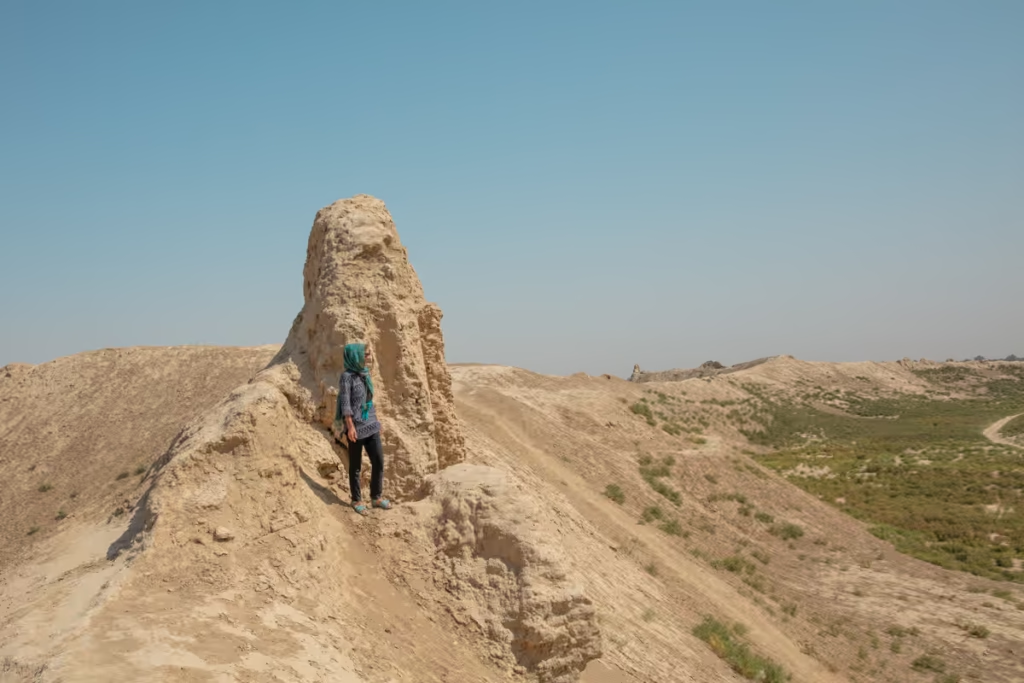
Balkh was an ancient Kingdom of Bactria and once a center of Sufism, Zoroastrianism & Buddhism. Several important sites in Persian history and literature date back to Balkh.
Home to the Haji Piyada– the oldest Mosque known in Afghanistan, Khoja Parsa Mausoleum & nearby Rabia Balkhi Mausoleum, and the ancient Bala Hisar that dates back to Alexander the Great. Read about my high day in Balkh here.
Visiting Old Balkh is an easy half-day trip from Mazar e Sharif. Taxis can be hired for about 1,500 AFS for the trip.
What To See In Old Balkh
- Haji Piyada Mosque: Also known as Non Gonbad Mosque, Haji Piyada is one of Afghanistan’s oldest Islamic sites. Unfortunately the mosque is in disrepair owing to years of war and neglect
- Rabia Balkhi Mausoleum: The tomb of the late 10th century poetress, and possibly the first female writer in new Persian poetry.
- Khoja Parsa Mausoleum: A shrine to the 15th century theological lecturer and Naqshabani Sufi leader
- Bala Hisar: The old Bactrian walls of Balkh that back to the time of Alexander the Great
Ancient walls & hashish: Read more about visiting Old Balkh
Wakhan Corridor
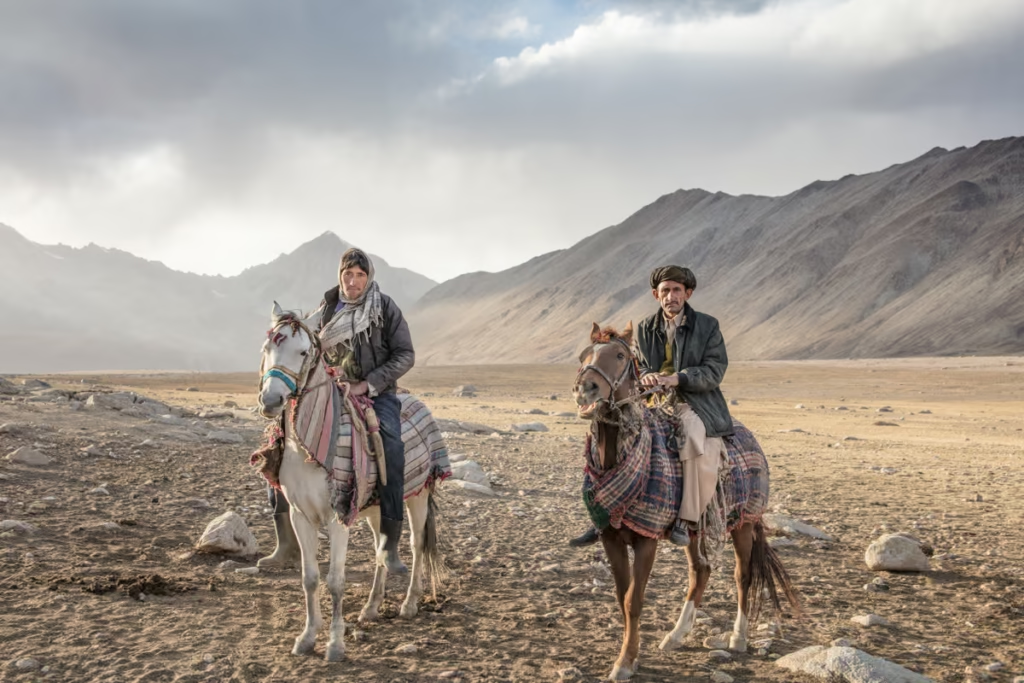
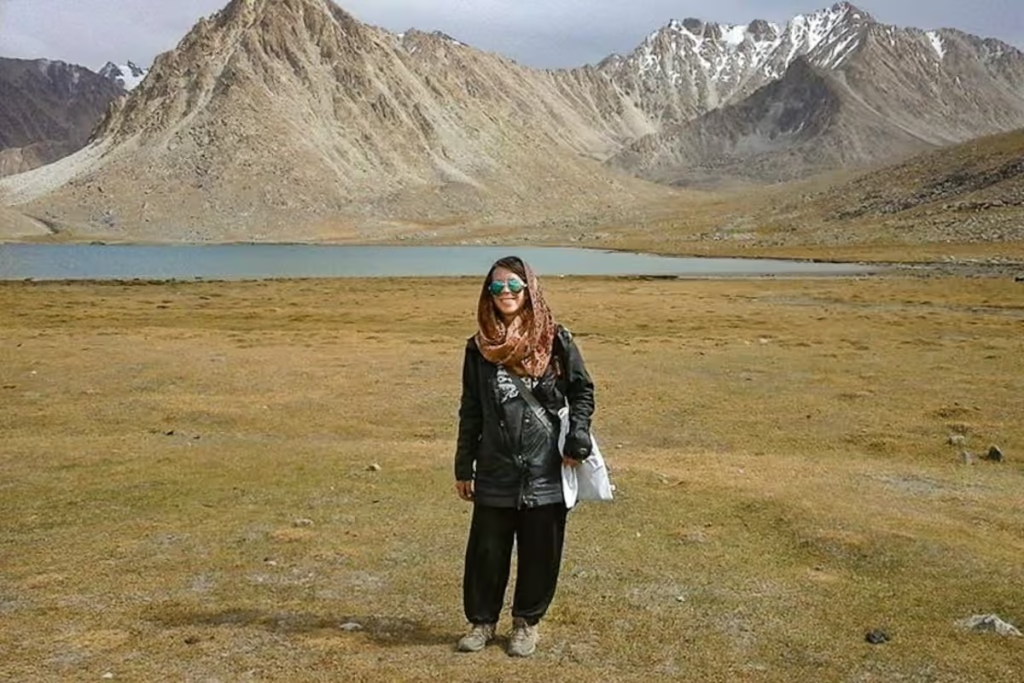
Most who come to the Wakhan Corridor will trek in the remote Pamir Mountains, many of whom will go to meet Kyrgyz nomads that live beyond Sarhad e Broghil near Chaqmaqtin Lake in the Little Pamir.
The Wakhan Corridor for the longest time was considered the only safe region of Afghanistan with little risk to visitors (besides the Afghan colon cleanse or falling off a mountainside).
What To Do & See In The Wakhan Corridor
- Trekking: The Little Pamir, Great Pamir & Hindu Kush Mountains all offer prime trekking climbing
- Meet Kyrgyz Nomads: This small group of people live in the remote Little Pamir and around Chaqmaqtin Lake
- Visit Wakhi settlements: The Wakhi inhabit much of the Pamir Mountains and of course, the Wakhan Valley
- Trek in the Noshaq Valley or summit Mt. Noshaq: Noshaq is Afghanistan’s highest peak at a staggering 7,492 meters. It’s a technical climb. For those just wanting to trek in the area, it’s possible to make the journey to base camp
- Explore the towns and villages along the Wakhan Corridor Road: The Afghan Wakhan is dotted with villages, large and small along this extremity of Afghanistan
Where To Sleep In The Wakhan Corridor
Most will spend at least their first night in the Wakhan Corridor at Marco Polo Guesthouse as they wait for permits to be arranged. There are guesthouses available in Qazideh (Malang Darya’s Family Home), Khandood, Qala e Panja and Wuzed. Most will range from $15-30 USD per night including meals.
Most who visit the Wakhan come to trek, so plan to camp. I recommend bringing your own tent and sleeping bag at least, although guides can usually find one for rent for you if needed.
- Budget: Marco Polo Guesthouse $25 USD/night
A Wakhi man in Aksanktich, Great Pamir
Guides In The Wakhan Corridor
I personally recommend Malang Darya’s company Big Little Pamir Travel. You can contact Malang & his team via their new website Wakhan Adventure or by phone +93 794766067
Getting to and from the Wakhan Corridor
The quickest way to reach the Wakhan at present is by entering Afghanistan at the Tajik border at the Shirkhan Bandar Crossing. From there its and hour to Kunduz City, five more to Faizobad and another three hours to Ishkashim.
More Posts On The Afghan Wakhan
- Photos From The Afghan Wakhan Corridor
- What It Was Like To Travel As A Solo Female Through the Afghan Wakhan
- Tajikistan-Afghanistan Border Crossing At Ishkashim
Kunduz
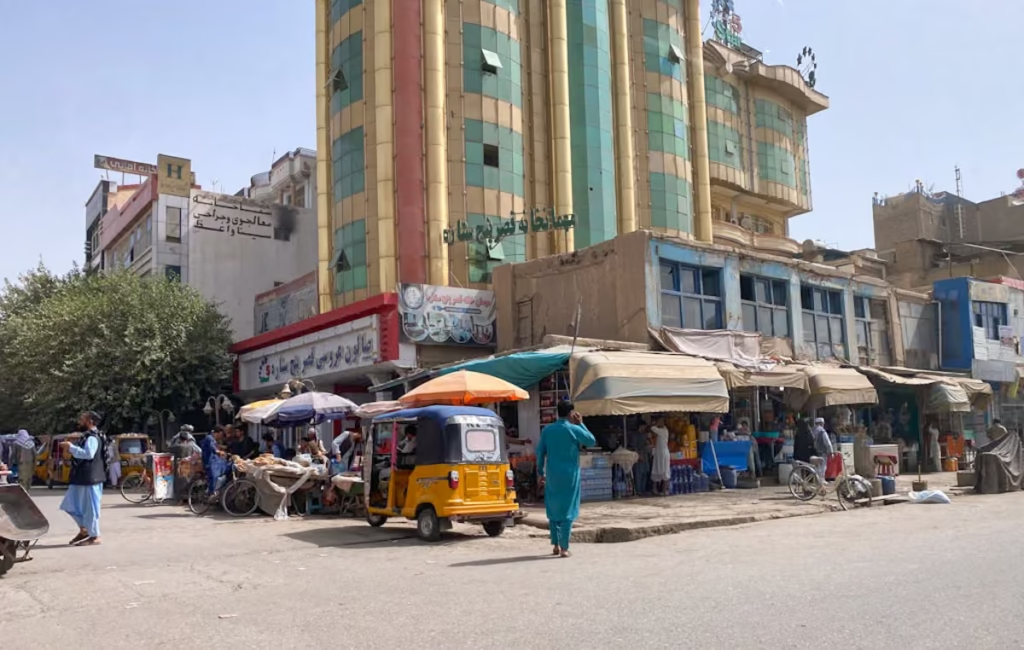
The only reason you will likely find yourself in Kunduz is if you are either coming from or leaving towards the Tajik border or heading toward the Wakhan Corridor and/or Badakhshan Province from elsewhere in Afghanistan.
There isn’t much in way for traveler to do and see in Kunduz, most of the province is comprised of undulating hills, important to the nation as an agricultural region being nicknamed “the hive of Afghanistan” owing to it grain, wheat, and millet production.
If passing through Kunduz, you will almost certainly go through Kunduz City, the provincial capital with a busy city center. Most travelers, if coming from Tajikistan, will need to visit the Ministry of Foreign Affair s for an approval stamp on your passport (located at 36.711904, 68.867458).
You will see a fortress on the northside of the city, though this looks top now be used as a military garrison these days.
Where to Stay and Eat in Kunduz
You will most likely will not spend any time in Kunduz, but there are a few chaikhana restaurants serving up typical Afghan fare (breakfast kebab, anyone? True story) around the city center and very basic guesthouses to choose from.
If you are looking for more amenities (such as A/C) it would be best to head west toward Mazar e Sharif and spend the night there but it is a 5 hour drive away.
Baghlan
Baghlan, similar to Kunduz is mostly a place travelers end up coming from the Tajik border via Kunduz and will either continue toward Mazar e Sharif or Kabul from the bustling provinicial capital city of Pul e Khomri.
That said, parts of Baghlan you’ll pass through are quite scenic, with verdant rice paddies filling otherwise arid valleys.
Minaret of Jam
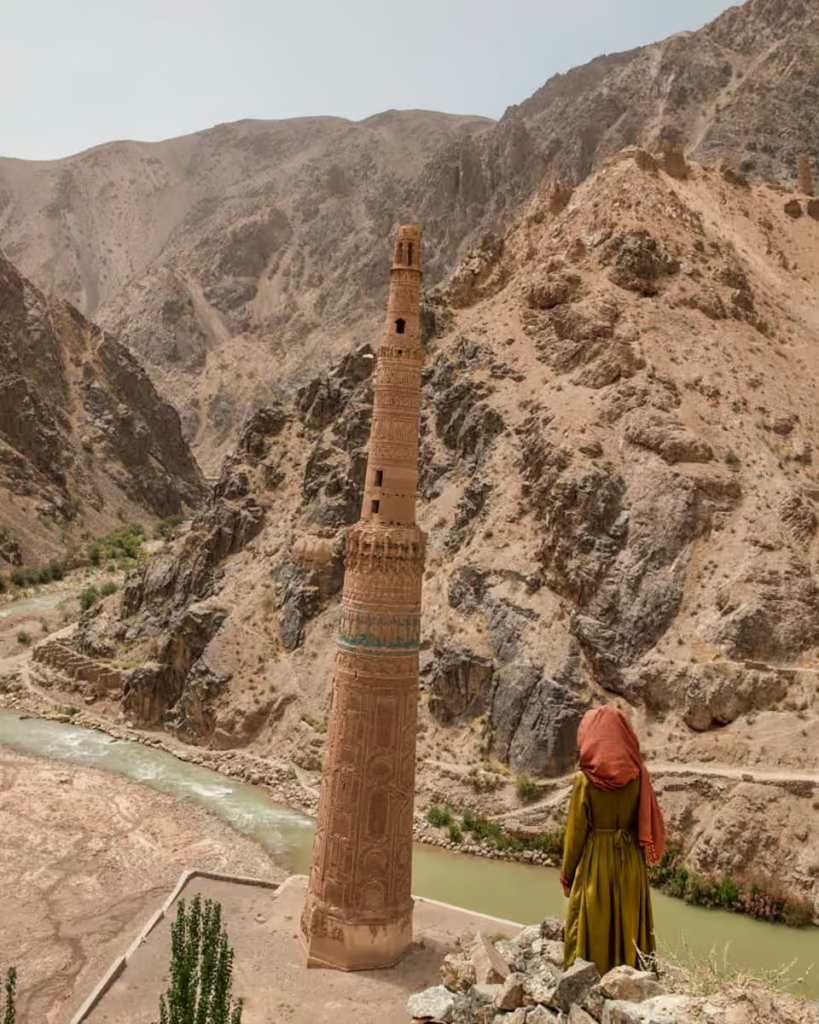
The Minaret of Jam is finally possible to visit once again, though it’s not the most pleasant journey to reach. It’s also a place that you have to want to visit as it’s not really a place you would just be passing by on your way elsewhere.
Dating back to 1190, the Minaret of Jam is one of the best remaining pieces of Ghorid architecture left standing (albeit leaning over) inscribed with Kufic and Naskhi scrips. It sits at what was once the capital of the Ghorid Empire onthe shores of the Hari River, a city named Firuzkoh (meaning turquoise mountain).
How to get to and from the Minaret of Jam
From Bamyan town you will need to make a 9-10 hour drive on rough roads beyond Yakawlang to reach Ghor City and from Ghor City it will take another 4-5 hours to reach the Minaret of Jam.
If approaching from Herat, expect 12 hours on worse roads than those coming from Bamyan to reach the Jam Minaret.
There is public transport that goes through this central route road, but as this is used by people to get from one place to another you will need to know where to get out and walk the remainder of the way.
Because of the poor road conditions you may want to opt to hire a 4WD vehicle from either Bamyan Town or Herat. Expect a fee of around $75 USD per day, guesthoues can usually help you make arrangements.
Where to Stay at the Minaret of Jam and in Ghor City
Just next to the minaret a camp has been established where you can spend the night now, though everyone I encountered said the only months it’s warm enough for this June-August.
If planning to spend the night in Ghor City, before and/or after your visit, there are a handful of guesthoues, usually upstairs from a restaurant. Don’t expect any frills, but they’re cheap places to lay your head for a night.
Wardak
Wardak isn’t popular on the Afghanistan tourist track, but you may find yourself passing through here from Kabul to Bamyan or Kabul to Ghazni.
The capital, Maidon Shar is a bustling bazaar town, but is still quite small- I wouldn’t say a destination in of itself.
Aside from the passersby, some may consider trekking on the south facing slopes of the Koh e Baba as the range does form the border between Wardak and Bamyan Provinces.
Ghazni
Ghazni is a province with a lot more than I bargained for to explore to be honest.
Most will do a day trip from Kabul to Ghazni City where the main sights include the two Ghazni Minarets and the Ghazni Citadel. The bazaar is also worth a wander and does feature a couple of shops selling antique (and newer versions) jewlery and Hazaragi dresses and bags.
One other spot to explore is what everyone refers to as the “Military Museum” which is mostly just a scattering of broke down old tanks and a downed helicopter strewn along the banks of a dry river bed near the university.
Aside from Ghazni City, the area of Molistan, flanked by mountains, is a beautiful place to visit.
Jalalabad
Hot and sweaty- this is my main memory of Jalalabad- I would not recommend a summer visit. Not to miss en route from Kabul is the massive Surobi Reservoir.
That said, there is quite a bit to see in Jalalabad including
- Qala Shahi
- Hada Museum
- Daroonta Dam (near the city)
- The Mausoleums of King Amanullah Khan, Mohammed Gul Khan Momand, and Abdul Gaffer Khan
Laghman
Most travelers will pass through Laghman on their way toward the Pakistani border post of Torkham from Jalalabad to Peshawar or those heading towards Nuristan.
The northern stretches of Laghman Province are more mountainous and there is one route not too far west of Jalalabad that heads into the northern reaches of the province and eventually across the border to the village of Du Ab in Nuristan Province.
Kunar
You will enter Kunar from the south from Jalalabad with a nicely paved road extending all the way to the provincial capital of Asadabad (this drive takes about 3 hours).
Most of the province features hot and very humid weather in comparison to the rest of Afghanistan but the drive is scenic with a flooded river valley dotted with rice paddies and terraced villages.
As you approach the northern stretches toward the border with Nuristan the air dries out and the temperatures cool once again.
Nuristan
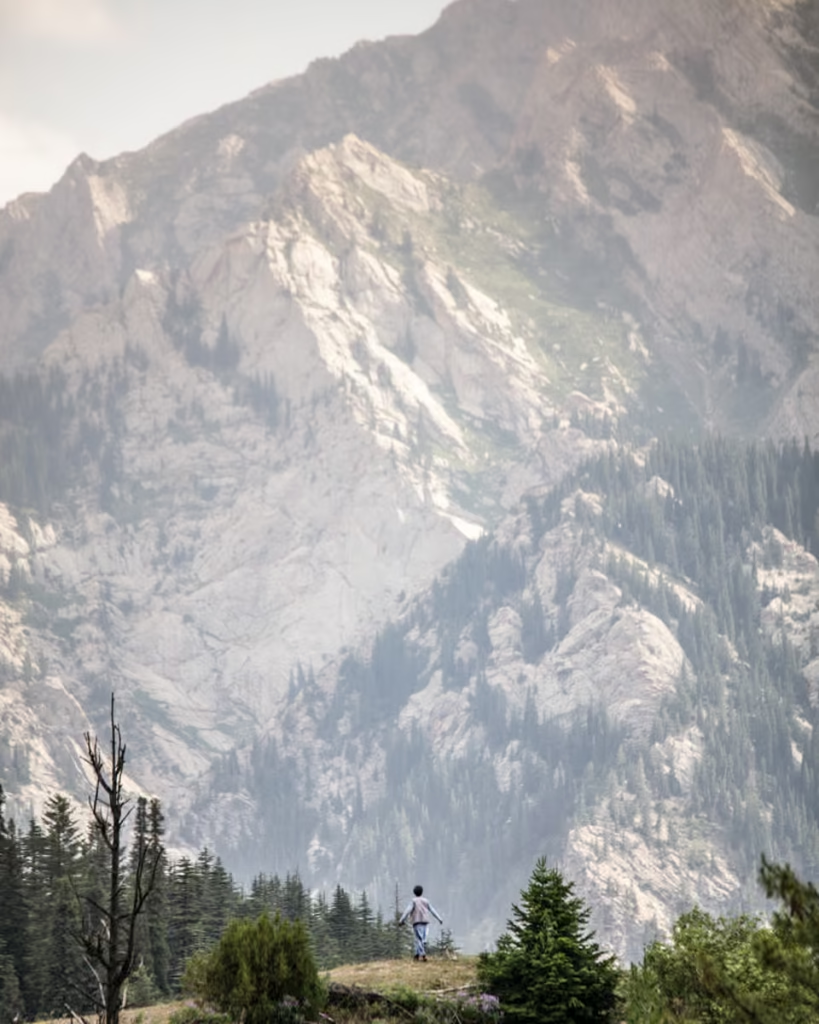
The land of light, Nuristan- I couldn’t have come up with a better name myself.
Nuristan features a unique population that shared a lot in common with the inhabitants of the Kalash Valleys in Pakistan nearby, but the local population was forcefully (see violently) converted to Islam long ago.
The provincial capital is Parun which is a long bumpy ride from Asadabad over in Kunar Province of about 7 hours one way. Parun features several villages and side valleys to explore, even a cricket pitch that requires a 45 minute hike through the forest to reach from the main and largest village of Parun.
Another area worthy of exploring is Kamdesh, which is reachable in a shorter amount of time and on a better road from Asadabad via a scenic little area called Nari.
There is also a road to Du Ab Village from Laghman Province which can eventually connect you to Panjshir via Nuristan.
Trekking in Afghanistan
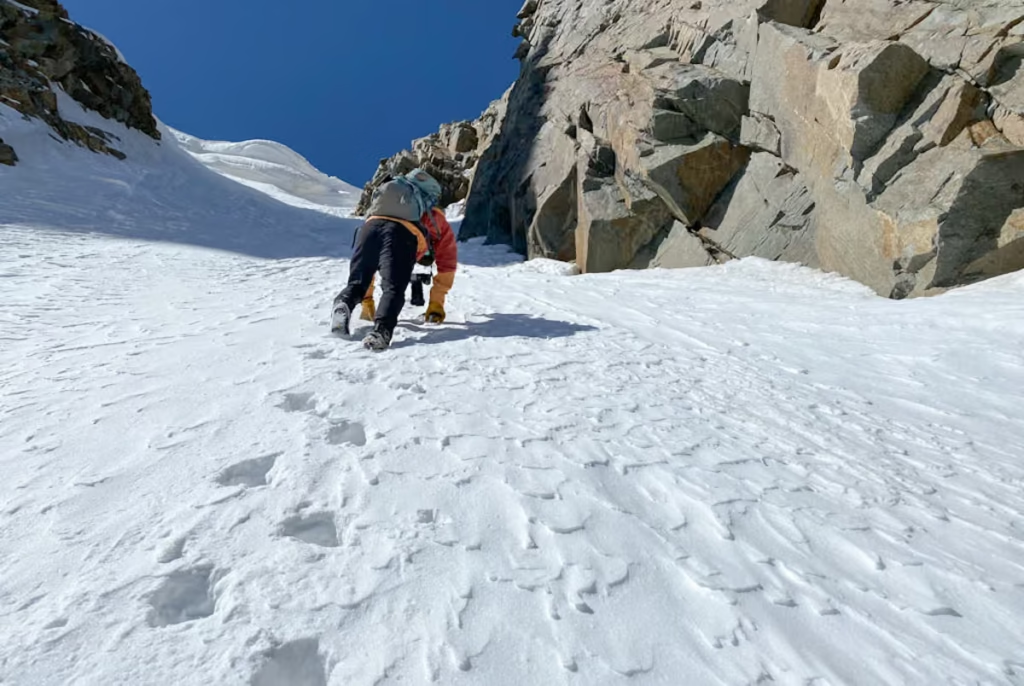
Afghanistan has epic trekking potential from the staggering peaks of the Wakhan Corridor, to the forested mountains of Nuristan, lush and almost subtropical feeling Kunar, the beautiful peaks of Bamyan’s Koh e Baba range, to the Kabul surroudings and the Panjshir Valley.
Most trekkers should head over the border from Tajikistan to explore the Pamir and Hindu Kush Mountains in the Afghan Wakhan. Popular treks in the Wakhan include the trek to Chaqmaqtin Lake in the Little Pamir, treks into the Wakhi Great Pamir, and the trek into Noshaq Valley.
In the ‘Mainland’ of Afghanistan has heaps of trekking potential but so much has been unexplored. Most established would be the Shah Foladi area of Bamyan and in the Panjshir Valley. If wanting to trek around these areas you should definitely contact an experienced local guide to help plan and guide you there.
Nuristan hosts countless trekking adventures and even a possibility to connect with Badakhshan via Jaa Valley.
Kunar, Laghman, Daykundi, and Paktia all stand to be great trekking destinations though expect to be following shepherding trails.
Check out all of the hiking possibilities in Bamyan Province
Afghan Holidays & Festivals
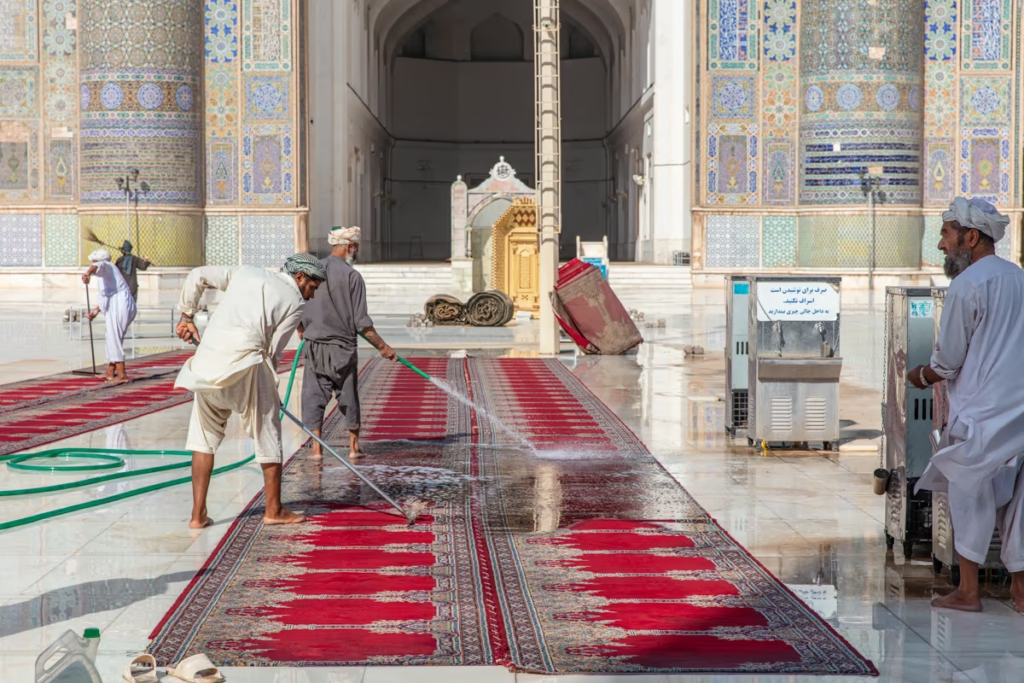
Afghanistan follows the Islamic calendar alongside the solar Hijri calendar used for official dates and many national celebrations.
Religious holidays play an important role in Afghan society, and visitors should be aware that business hours, transportation schedules, and access to certain sites may change during these periods.
Important holidays and celebrations include:
- Nowruz: The Persian New Year, traditionally celebrated around March 20-21. It has historical and cultural significance throughout the Persian-speaking world, although its public celebration and recognition in Afghanistan have faced restrictions.
- Ashura: An important religious observance, particularly among Shia Muslims.
- Afghan Independence Day: Commemorates Afghanistan’s independence from British influence in 1919.
- Ramadan: The Islamic month of fasting, during which many businesses adjust their opening hours.
- Eid al-Fitr: Celebrated at the end of Ramadan.
- Eid al-Adha (Eid al-Qurban): The Festival of Sacrifice, one of the most important holidays in Islam.
- Mawlid al-Nabi: Commemorates the birth of the Prophet Muhammad.
Afghanistan Tour Operators & Guides
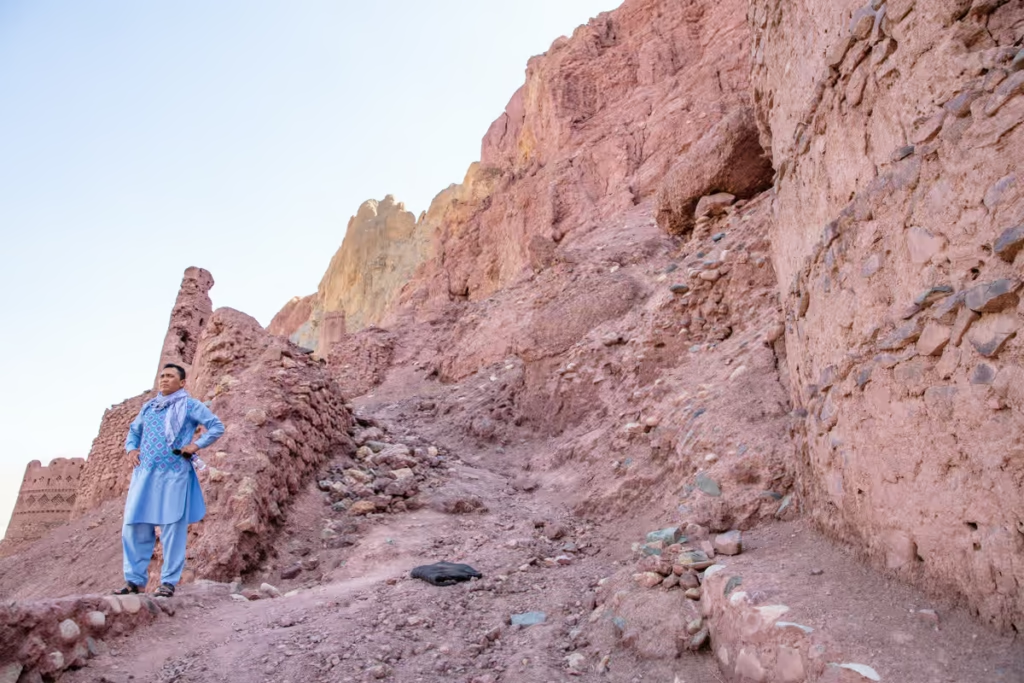
Mainland Afghanistan: Let’s Be Friends Afghanistan – Noor started the company in 2015 with his colleague Sakhi and guides along with his brother Mahdi. Noor, Sakhi & Mahdi are both knowledgable and professional.
Wakhan Corridor: Big Little Pamir Travel – Malang and his team are experts on the Wakhan, Hindu Kush, and Pamir region and will put together some unforgettable itineraries.
How Much Does It Cost to Travel in Afghanistan?
Afghanistan can be relatively inexpensive once you’re in the country, particularly if you use local transportation, eat at traditional restaurants, and stay in basic guesthouses.
However, transportation between distant cities, private vehicle hire, domestic flights, and local guides can increase your expenses considerably.
Your overall Afghanistan travel budget will depend on how independently you travel, which provinces you visit, and how much private transportation you require.
Based on my previous travels, here are some historical daily budget estimates:
| Travel style | Historical daily budget |
|---|---|
| Budget / independent | $60 USD |
| Midrange / guide and private transport | $110 USD |
| Guided / private arrangements | $200+ USD |
Those sticking to the budget category will find themselves traveling independently, using public transport within cities, the occasional flight between cities, staying at guesthouses, and eating at local eateries.
A more midrange travel budget will see you likely traveling with a guide, using car hire within cities, flights between cities, midrange accommodations, and a combination of local eateries and finer restaurants.
If you have a higher travel budget, you’ll find yourself traveling on a guided tour, with private car hires within cities, flights between cities, higher-end accommodations, and eating at finer restaurants when available.
Afghanistan Packing List
- Water Purifier– I personally use the Katadyn water filter. Tap water is not safe to drink in much of Central Asia.
- External battery pack– Perfect for keeping things charged on long journeys.
- Headlamp– Perfect for camping, dark streets, and the occasional power outage.
- Camera— Don’t miss out on bringing your memories back home with you.
- Sunscreen– Sometimes difficult to find in the region. Sun is very powerful, especially at high altitudes.
- Toilet Paper
- Prescription & Over the counter medications
- Toiletries
Afghanistan Guidebooks
There are not many guidebooks on Afghanistan, let alone anything up to date. But here are a few that may prove insightful and interesting.
- Afghanistan: A Companion & Guide– Packed with info on Afghanistan and its history with photos.
- A Historical Guide to Afghanistan– Granted Nancy Dupree did write this book in the 70’s it’s still a fascinating read even if it’s not up-to-date as far as current events in Afghanistan go.
- Lonely Planet Afghanistan– LP hasn’t put out one of these bad boys since 2007, but handy nonetheless.
Internet & Mobile In Afghanistan
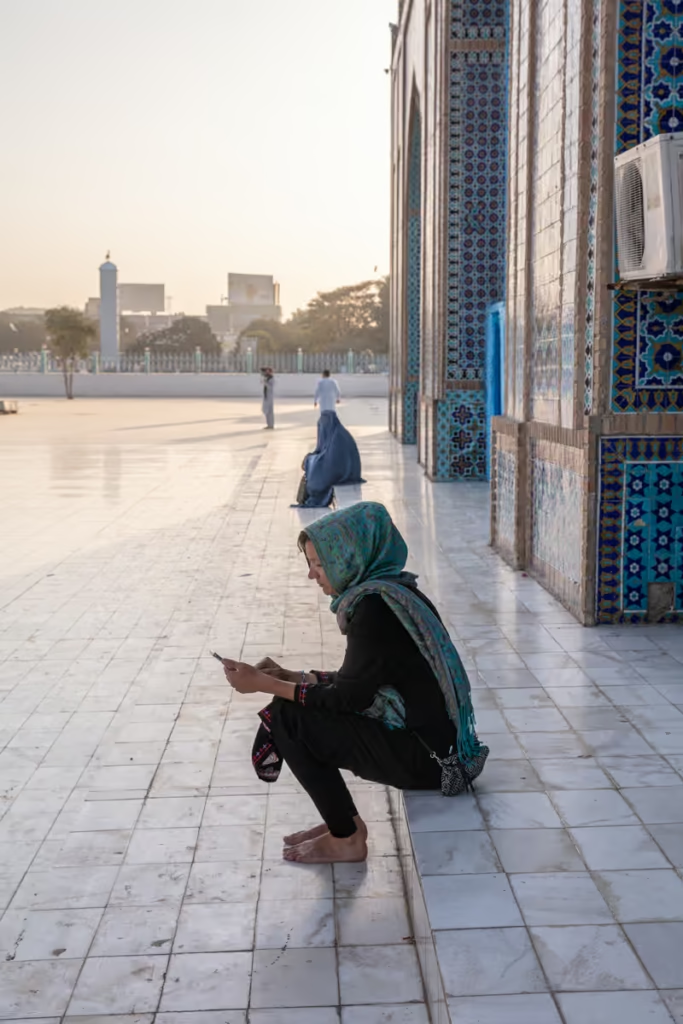
You’ll find that Afghanistan is surprisingly well-connected given its situation.
WiFi
WiFi is available at many hotels in Afghanistan, though the speed and quality of your experience can vary widely. I was pleasantly surprised that every hotel and guesthouse I’ve stayed at in major cities had WiFi that functioned most of the time. With that said, don’t expect to find WiFi in smaller towns, the Wakhan Corridor, or more remote destinations.
Mobile
SIM cards and top-up cards are available throughout the country and are cheap. Roshan, Afghan Wireless, Etisalat and MTN are the companies you’ll come across in Afghanistan.
I have a Roshan card and it’s worked all over the country, including some of the main villages in the Afghan Wakhan. Note that in the Wakhan Corridor that depending on where you’re at and if very close to the Tajik border you can sometimes get reception on Tajik T-Cell and MegaFone SIM cards.
Prices for SIMs with some credits on them are typically around 50 AFS. Prices for data can range from 150-350 AFS per GB. I’ve personally found Roshan and Afghan Wireless to typically be the cheapest options.
Health & Safety in Afghanistan
As you guessed it, Afghanistan is neither a safe or ‘healthy’ destination to visit.
Safety
In terms of security, Afghanistan is the most secure it has been in decades, that said, it was very much traded for human rights in a sense. I still would not go to say Afghanistan is a safe destination.
Consider Hiring A Guide
Hiring a local who’s in the know on security situations and can help you with the ins and outs of travel in Afghanistan is greatly helpful. I personally recommend Mahdi and Liaqat of Let’s Be Friends Afghanistan.
Dress Like An Afghan
Trying to look like a local is most definitely recommended to avoid standing out in a crowd. Afghans are a much more diverse lot than you may have expected– you will see some people with nearly every shade of hair color and eye color. Dressing the part will definitely help you blend in.
On the topic of blending in- do try to speak quietly if you’re speaking English or whatever native language you speak at home when out and about in public, especially on public transport. People do get paid by the Taliban to turn people in, so to avoid someone setting up troubles ahead it’s best to keep your foreignness cloaked well.
Don’t Tell People Where You’re Staying Or Where You’re Going
This goes along with the above-mentioned speaking quietly. It’s best not to tell strangers where you’re staying or where you’re headed next, someone could arrange trouble for you ahead.
Afghans are curious in nature and many are just kind people– but it’s best to give vague answers I’ve found to not be rude but also not divulge any useful information.
Change Up Your Routine
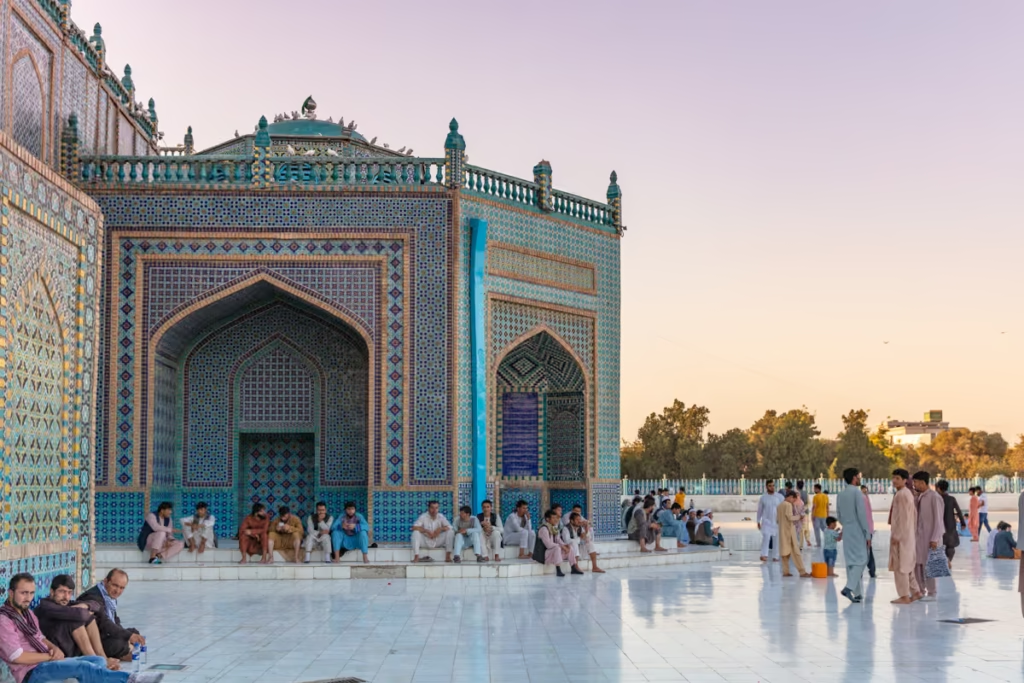
I learned this one back when I was traveling in Yemen. Don’t have the same daily routines in any place you visit. Say you walk to the Blue Mosque each day when you’re in Mazar- take a different route each time.
Avoid going to the same places at the same times each day for the same reasons I’ve covered above.
Know Which Embassy or Consulate To Turn To
In the event that you need help, know which consulate or embassy can help you. Some countries have representation in Afghanistan, while others do not. If your country falls into the latter category, know which country can help you in the event you need it. Check out who has diplomatic representation in Afghanistan here.
Cooperate With Police
You’ll likely encounter police and/or military checkpoints traveling in Afghanistan, especially if any portion of your trip involves going overland. Sometimes they may not let you go into an area (and typically for good reason), and sometimes they will search your car and bags- just go with the flow and all will usually be fine.
Health
Healthcare is pretty grim in Afghanistan aside from the couple of hospitals and complexes that cater to aid workers and NGOs. It’s highly recommended to take out an insurance policy that covers your travel in Afghanistan and can evacuate you to another country if medical treatment is needed.
Food & Water
Probably the most likely culprit to put a cramp in your Afghanistan travel. Hand washing is a huge deal in Afghanistan. Always wash your hands before meals.
However, sanitary conditions are not of the highest standard and tap water is as an Afghan friend put it ‘deadly’. Good rules to follow are: only drink bottled or purified water, only eat steaming hot foods and avoid ice. Do I personally follow them? Eh, not really.
I can say I did not get sick once on my second trip to Afghanistan. Even eating ice cream and literally every dish warm or cold that sat in front of me. On my first trip I did eat something that wreaked havoc on my insides for about a day.
Vaccines
No special vaccines outside the standard vaccines are recommended for Afghanistan travel. Make sure you are up to date on your vaccines prior to departing.
Dust
Afghanistan is a dusty place period no matter where in the country you are. Bring allergy meds with you to help cope with the generalized dustiness you’ll experience traveling Afghanistan.
Why Afghanistan is a Rewarding Destination, Despite its Challenges
Afghanistan is a country of extraordinary contrasts, from the ancient Silk Road cities of Balkh and Herat to the remote mountain communities of the Wakhan Corridor. Its history, cultural diversity, architecture, and landscapes have made it one of the most fascinating places I’ve ever traveled.
However, understanding Afghanistan also means understanding the realities faced by its people and the serious risks associated with visiting under the current political and security situation.
I hope this Afghanistan travel guide has helped you better understand the country, its history, and the practical considerations surrounding travel here.
Have Any Questions Not Answered in this Afghanistan Travel Guide?
Ask any of your Afghanistan travel questions in the comments below!
Posts From Afghanistan
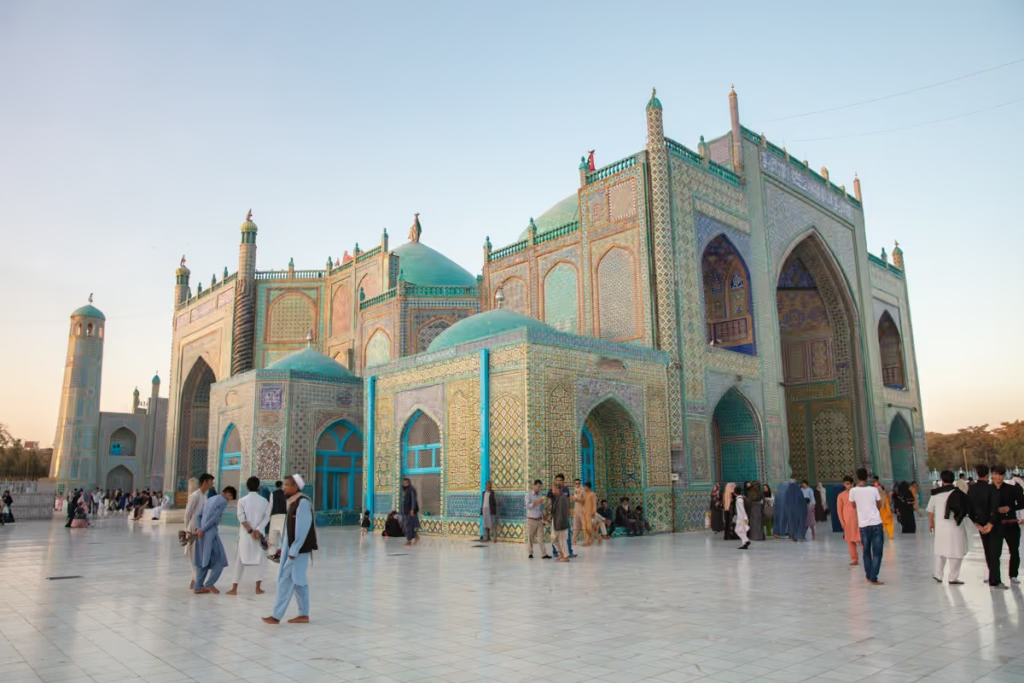
Afghanistan Travel Guide
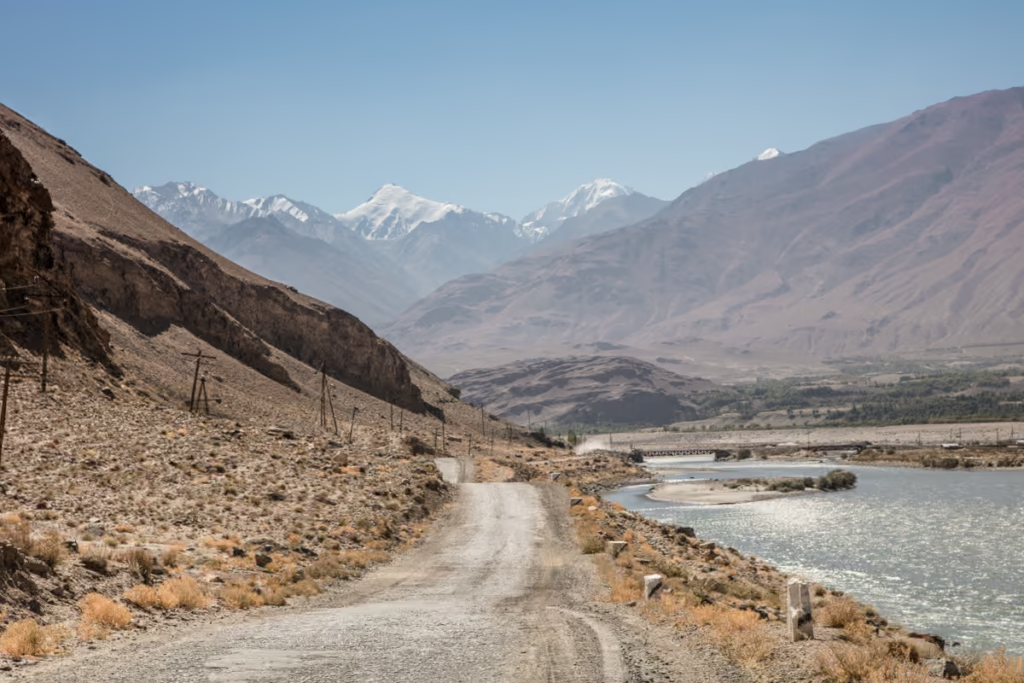
Ishkashim Border Crossing
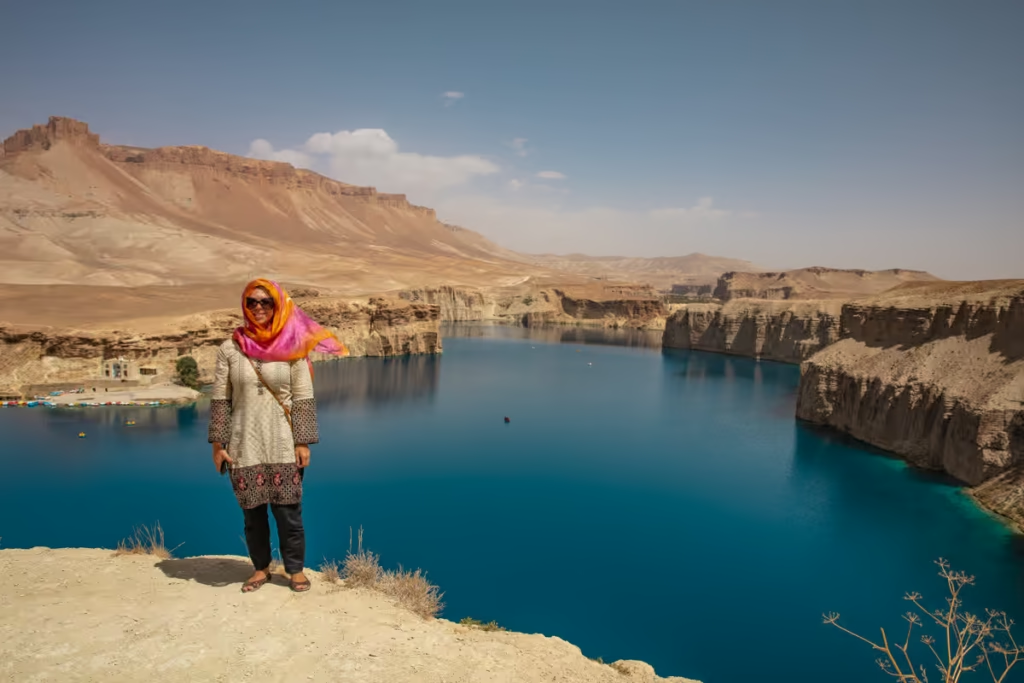
Women’s Travel in Afghanistan
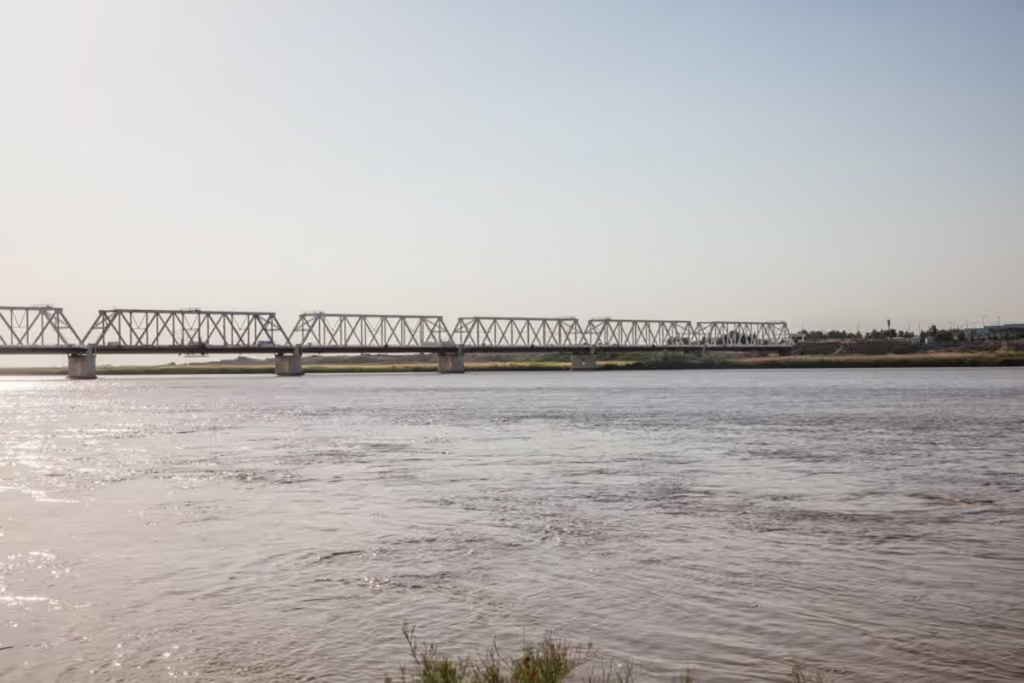
Uzbekistan-Afghanistan Border Crossing at Hairatan
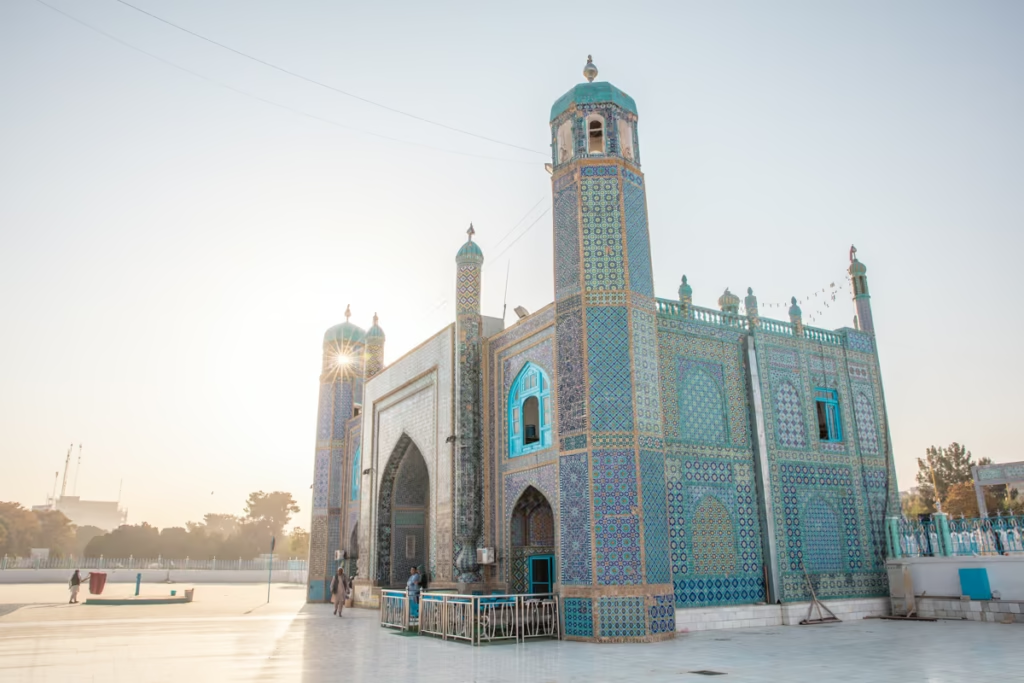
Central Asia Travel Guide
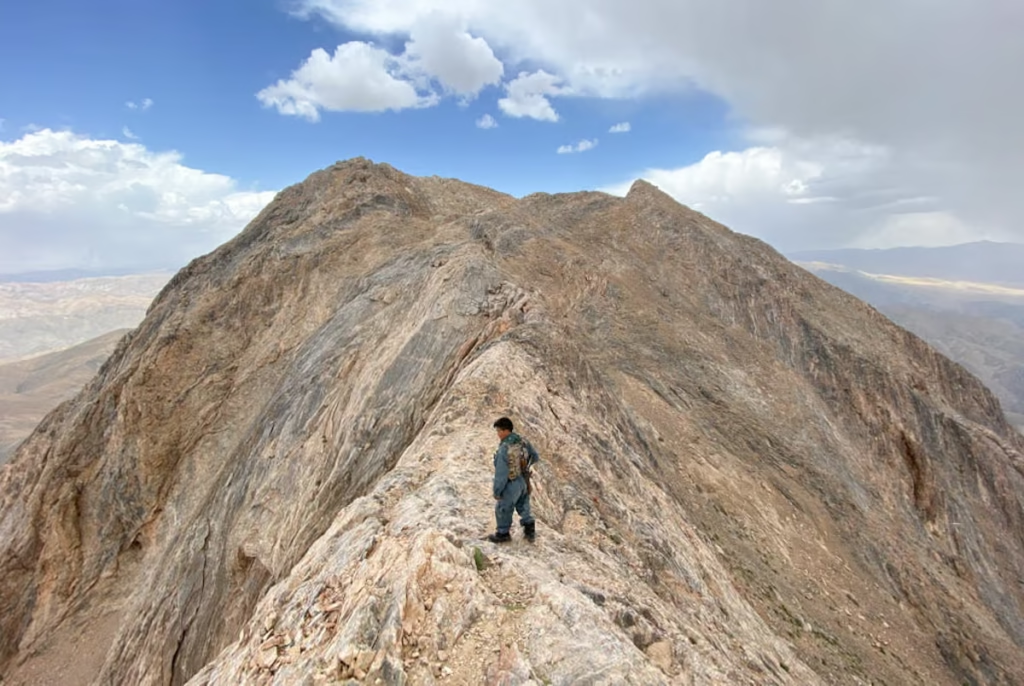
Caught in an Electric Storm on Koh e Mekh, Afghanistan
Central Asia Packing List
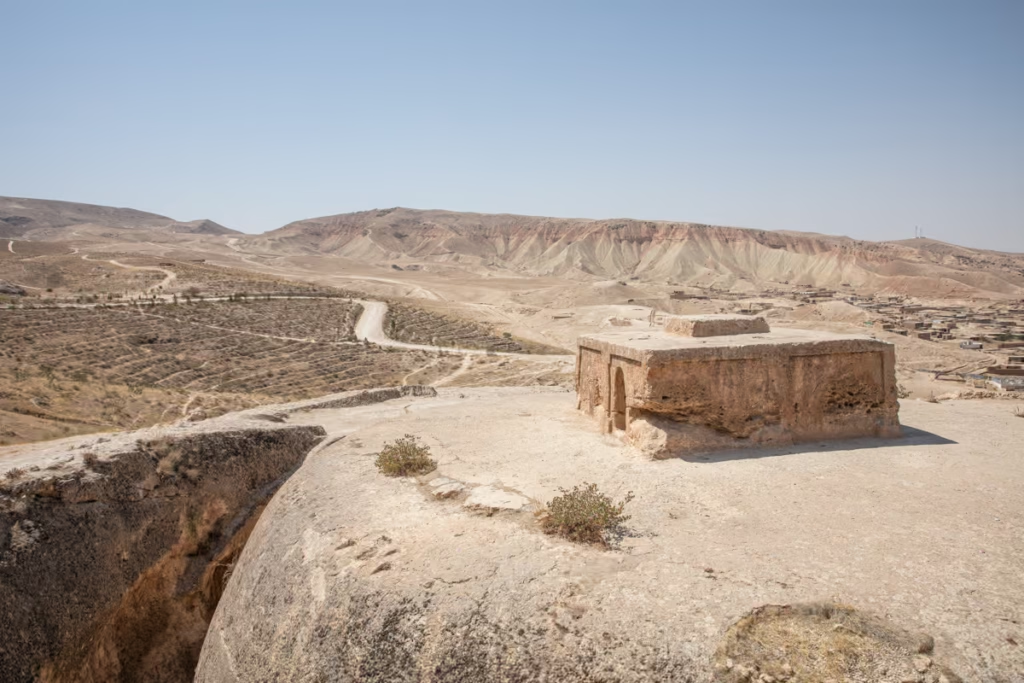
Day Trip to Takht e Rustam, Afghanistan
Climbing Shah Foladi, Afghanistan
A Guide to Trekking in Bamyan, Afghanistan
How to Get an Afghanistan Visa
Ishkar & Ceramics in Istalif, Afghanistan
Daykundi Travel Guide, Afghanistan
Getting High On Balkh: Old Walls, Blue Tiles & Hash
Visiting Kabul, Afghanistan

Visiting Panjshir Valley, Afghanistan
The Lakes of Band e Amir, Afghanistan
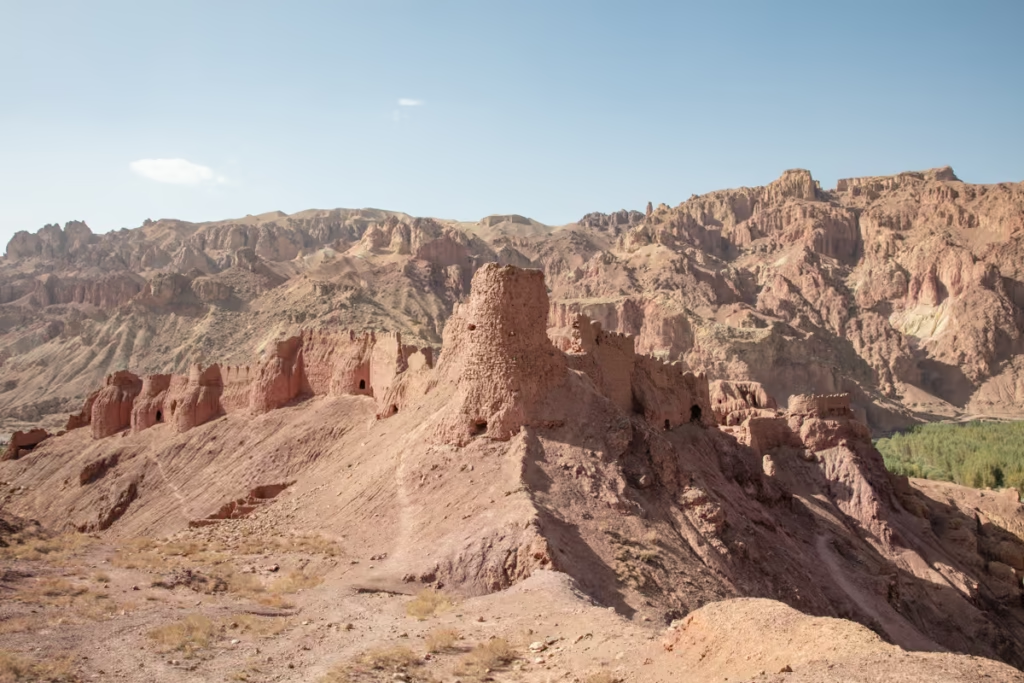
Shahr e Zohak
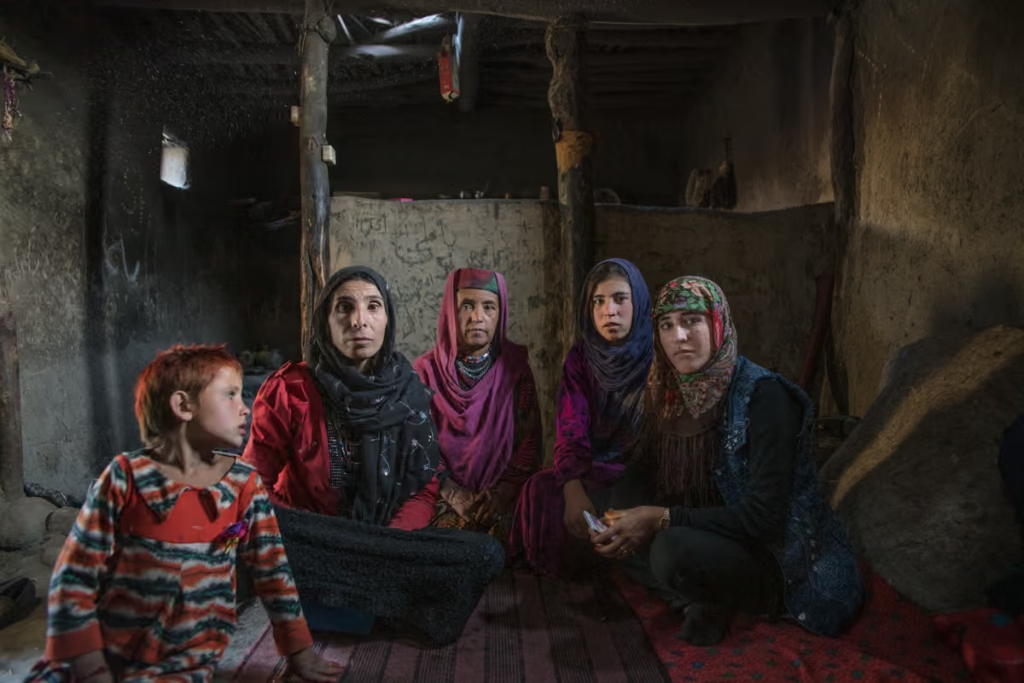
Wakhan Corridor, Afghanistan in Photos
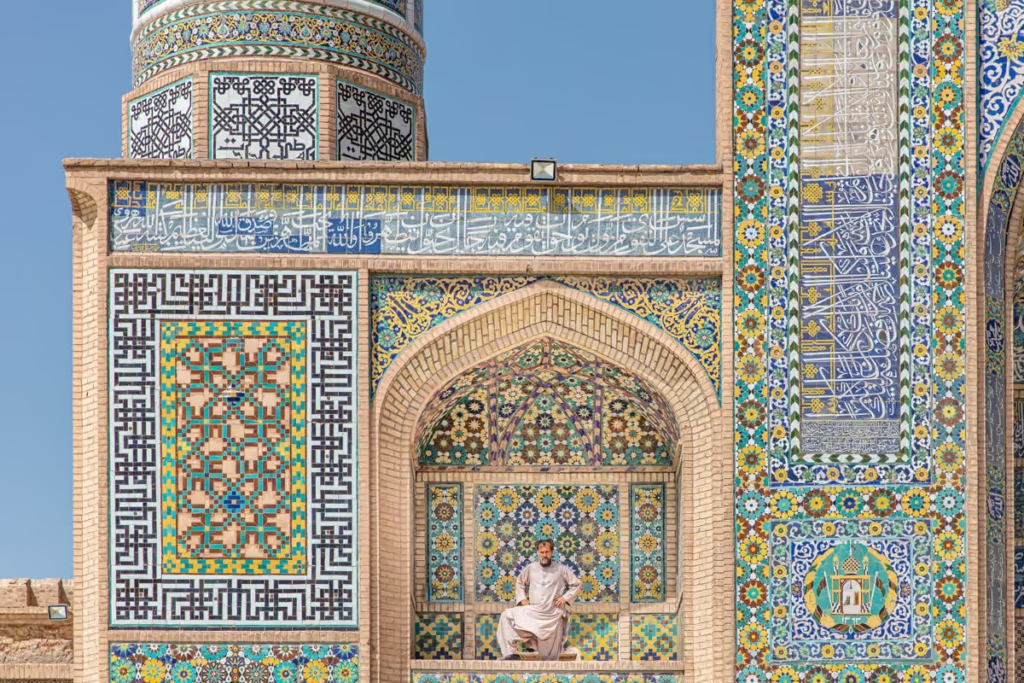
Herat Travel Guide + Photos
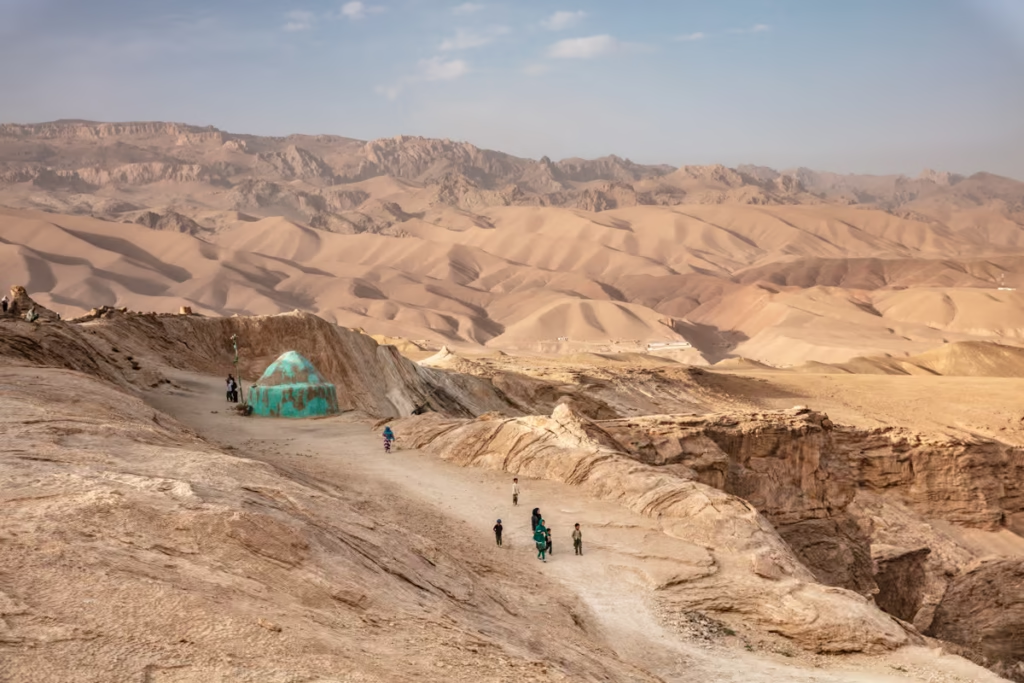
Dara e Ajdarhar: Dragon Valley, Afghanistan
Female Travel in the Afghan Wakhan Corridor
Bamyan Travel Guide
Shahr e Gholghola, the City of Screams
Mazar e Sharif in Photos & Travel Guide
Bamyan’s 40 Towers of Chehelburj