
Samarkand Travel Guide: 14 Best Things to Do
Updated November 2026, Samarkand Travel Guide: 14 Best Things to Do was originally written in October 2018
Samarkand is one of the most fascinating cities in Central Asia, and a highlight of any trip to Uzbekistan. Once a major crossroads along the ancient Silk Road and the glittering capital of Amir Timur’s empire, Samarkand is known for its monumental madrasas, turquoise-domed mausoleums, historic mosques, and centuries-old bazaars.
Founded more than 2,500 years ago, Samarkand has witnessed the rise and fall of some of the region’s most powerful empires. Its greatest period of architectural development came during the 14th and 15th centuries, when Amir Timur transformed the city into the heart of his Timurid Empire. Today, many of its most important monuments make up the UNESCO-listed Samarkand – Crossroad of Cultures World Heritage Site.
There are plenty of things to do in Samarkand, from wandering through the magnificent Registan Square and exploring the intricate mausoleums of Shah i Zinda to browsing the bustling Siob Bazaar and visiting the remains of an ancient observatory. Beyond the famous landmarks, Samarkand also offers a glimpse into everyday Uzbek life, with traditional bakeries, neighborhood mosques, and workshops preserving centuries-old crafts.
I’d recommend spending at least three days in Samarkand if you have the time. Two days will allow you to visit most of the major attractions, but an extra day gives you room to explore beyond the historic center without constantly watching the clock.
This Samarkand travel guide covers the best things to do in the city, how to get there, where to stay, when to visit, and everything else you need to plan your trip to one of Uzbekistan’s most historic destinations.
Start planning: The Uzbekistan Travel Guide
Grab a copy of Bradt’s Uzbekistan to help you plot out your time in Samarkand and beyond
Need Travel Insurance and Evacuation Services?
Start shopping for travel insurance plans over at IATI Insurance. Readers of the Adventures of Nicole get a 5% discount off your plan.
The Adventures of Nicole partners with Global Rescue to offer the world’s leading medical evacuation and security advisory services. To travel with peace of mind, explore their evacuation coverage.
Best Time to Visit Samarkand
The best time to visit Samarkand is during spring (April and May) and autumn (September and October), when temperatures are generally comfortable for exploring the city’s historical attractions on foot. Spring brings blossoming trees and pleasant sightseeing weather, while autumn is particularly lovely, with fresh seasonal produce filling the bazaars.
Summer in Samarkand can be extremely hot, with temperatures regularly climbing above 35°C and occasionally exceeding 40°C. If you visit between June and August, I’d recommend exploring the outdoor monuments early in the morning and saving the hottest hours for museums, lunch, or a leisurely break at your hotel.
Winter, from November through March, is another option if you prefer fewer tourists. Temperatures can drop considerably, and occasional snowfall gives Samarkand’s blue-tiled architecture a different atmosphere. However, be prepared for colder weather, shorter daylight hours, and potentially reduced opening times at some attractions.
Personally, I’d choose April, May, September, or October for a first trip to Samarkand, particularly if you plan to spend most of your time exploring the city’s historic sites.
How to Get to Samarkand
Samarkand is well connected to the rest of Uzbekistan by air, rail, and road. Most international travelers arrive in Tashkent before continuing to Samarkand by train, although there is also an international airport in Samarkand with a growing number of international connections.
Here are the main ways to travel to Samarkand.
By Train
Traveling by train is one of the easiest ways to get to Samarkand, particularly if you’re coming from Tashkent or Bukhara.
Uzbekistan operates several train services connecting Samarkand with other major cities, including the modern Afrosiyob high-speed train and the slower Sharq and conventional passenger trains.
The Afrosiyob is the fastest and most comfortable option, connecting Tashkent and Samarkand in approximately 2–2.5 hours. There are also services connecting Samarkand with Bukhara, making it easy to incorporate both cities into a wider Uzbekistan itinerary.
There are international trains to and from Uzbekistan as well, connecting to Moscow, Ufa, Novosibirsk, Samara, Chelyabinsk, Saratov & Volgograd, Russia; Atyrau, Aktau, Shymkent, & Almaty, Kazakhstan; Bishkek & Balykchy, Kyrgyzstan. Visit the Uzbek Railways website to see schedules.
Train tickets can be purchased through the official Uzbekistan Railways website. I’d recommend booking Afrosiyob tickets in advance, particularly during the busy spring and autumn travel seasons, as popular departures can sell out.
By Air
Samarkand has its own international airport, located approximately 6 km from the city center.
Flights connect Samarkand with Tashkent and several international destinations, although available routes and airlines can change depending on the season.
If you’re already in Uzbekistan, flying from Tashkent is another option, though the train is generally more convenient for this particular route.
By Shared Taxi
Shared taxis are one of the most common ways to travel between cities in Uzbekistan, particularly for destinations that aren’t well connected by train.
Shared taxis to Samarkand can be found in major cities including Tashkent, Bukhara, Shahrisabz, Qarshi, Fergana City, Nukus, Termez, and other regional centers. They generally depart once all seats have been filled, although you can sometimes pay for additional seats if you’d prefer not to wait.
Unlike trains, shared taxis don’t always operate on fixed schedules, so it’s worth allowing some flexibility when planning your journey.
From Tajikistan
Samarkand is also conveniently located near the Uzbekistan-Tajikistan border, making it relatively straightforward to combine a trip to Samarkand with a visit to Tajikistan.
The Sarazm-Jartepa border crossing connects the city of Panjakent in Tajikistan with the Samarkand region of Uzbekistan. Shared taxis operate between Panjakent and the border, where you can cross on foot before arranging onward transport into Samarkand.
This is particularly useful if you’re planning to visit the Fann Mountains, Seven Lakes (Haft Kul), or Panjakent before continuing to Uzbekistan.
I’ve crossed this border as part of my travels through the region, and it’s a particularly convenient route for anyone combining Uzbekistan’s Silk Road cities with Tajikistan.
Where to Stay in Samarkand
Samarkand has accommodation options for every budget, from inexpensive hostels and family-run guesthouses to boutique hotels and more luxurious properties.
For first-time visitors, I’d recommend staying relatively close to Registan Square or the historic center. This makes it easier to explore many of Samarkand’s main attractions on foot, while also putting you within easy reach of restaurants, traditional teahouses, and local bazaars.
Here are a few accommodation options worth considering:
Budget
Amir Hostel
| Booking.com | Agoda.com |
Midrange
Hotel Caravan Serail
| Booking.com | Agoda.com |
Splurge
East Star Hotel
| Booking.com |
Samarkand Tours
How Many Days Do You Need in Samarkand?
I’d recommend spending at least two full days in Samarkand, although three days is ideal if you want to explore the city without rushing.
Two days will give you enough time to visit the main attractions, including Registan Square, Gur e Amir, Shah i Zinda, Bibi Khanym Mosque, and Siob Bazaar.
With three days, you’ll have more flexibility to visit the Afrasiab Museum, Ulugbek Observatory, and some of the lesser-known monuments around the city. You’ll also have time to venture outside Samarkand to places like Urgut or the Mausoleum of Imam al Bukhari.
If you’re particularly interested in history, architecture, or photography, you could easily spend longer.
Getting Around Samarkand
Samarkand is relatively easy to navigate, particularly around the historic center where many of the main attractions are within walking distance of one another.
Walking is one of the best ways to explore the old city, allowing you to appreciate the architecture and discover smaller streets and local neighborhoods along the way.
For attractions further outside the center, such as Ulugbek Observatory and the Mausoleum of Imam al Bukhari, taxis are a convenient option. Ride-hailing services are also available, although local availability can vary.
If you’re planning to visit several attractions in one day, I’d recommend grouping nearby sites together to avoid unnecessary backtracking.
14 Best Things to Do in Samarkand
Samarkand is home to some of the most impressive historical architecture in Central Asia. From the monumental madrasas of Registan Square and the elaborate mausoleums of Shah i Zinda to ancient archaeological sites and bustling traditional bazaars, there are plenty of things to see and do in Samarkand.
Most of the major attractions are concentrated around the historic center, making it relatively easy to explore several sites in a day. However, a few interesting places lie further outside the city and are worth visiting if you have additional time.
Here are 14 of the best things to do in Samarkand, including its most famous Silk Road landmarks and a few places that deserve more attention.
Headed for the south of Uzbekistan next? Check out my guides to Qarshi and Termez
The Registan
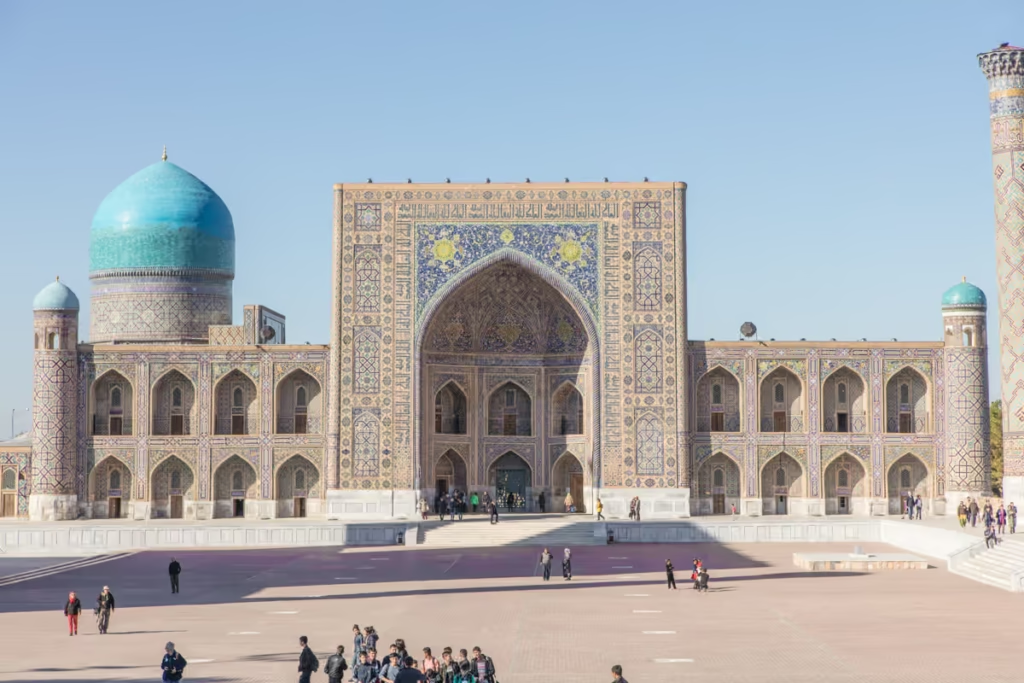
Registan Square is the most recognizable landmark in Samarkand and one of the most impressive architectural ensembles in Central Asia. The square is surrounded by three monumental madrasas: Ulugh Beg Madrasa, Sher-Dor Madrasa, and Tilla-Kari Madrasa, each showcasing intricate Islamic architecture, elaborate tilework, and imposing facades.
The name Registan translates roughly to “sandy place” in Persian, and the square historically served as the commercial and social center of ancient Samarkand. During the Timurid period, it became an important public space, and the surrounding madrasas were later constructed between the 15th and 17th centuries.
Ulugh Beg Madrasa, the oldest of the three, was built between 1417 and 1420 under the direction of Ulugh Beg, the astronomer-king and grandson of Amir Timur. The other two madrasas were added during the 17th century, completing the magnificent ensemble that visitors see today.
I’d recommend arriving early in the morning to explore the square before the larger tour groups arrive. It’s also worth returning in the evening when the illuminated facades take on an entirely different appearance.
Admission: 100,000 UZS.
Gur e Amir Mausoleum
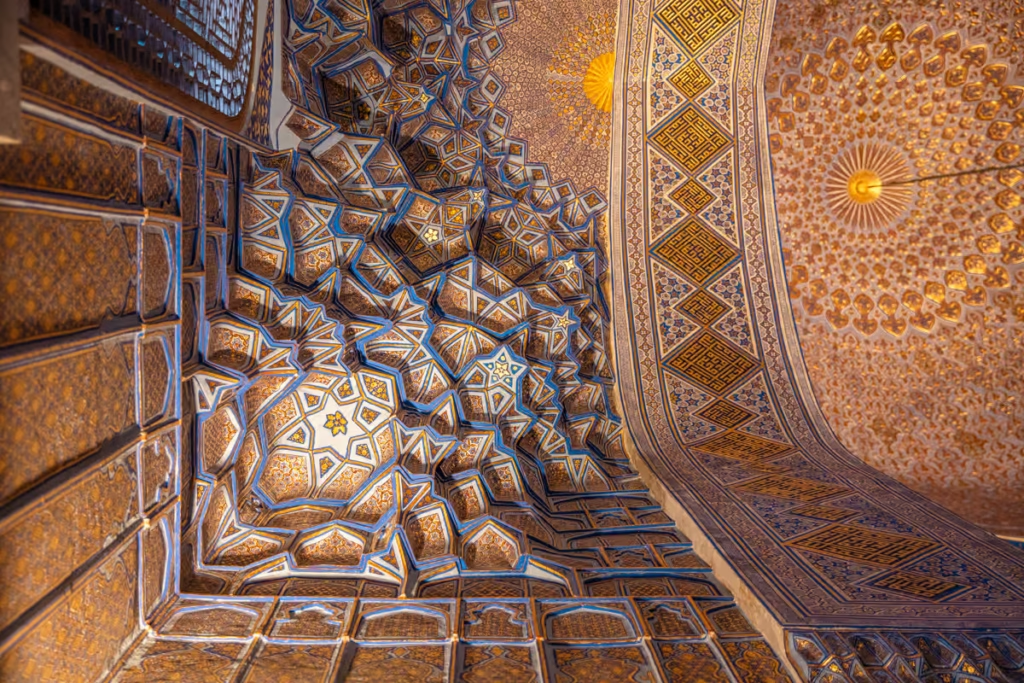
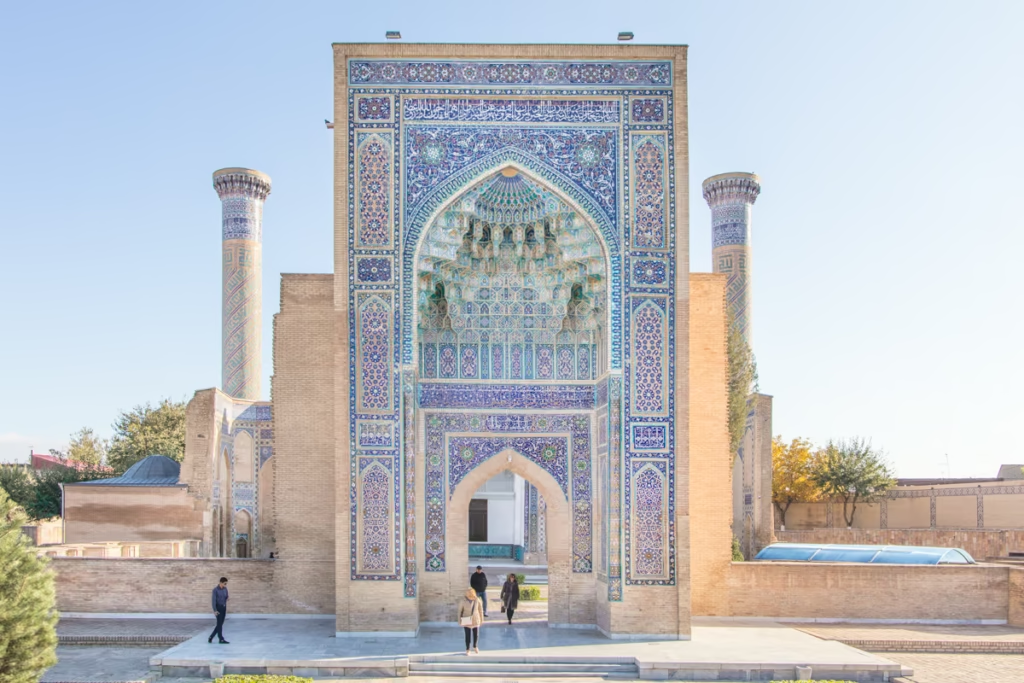
Gur e Amir is the mausoleum of Amir Timur, the powerful conqueror who established the Timurid Empire and made Samarkand his capital during the 14th century.
Although Timur had originally planned to be buried in his hometown of Shahrisabz, his unexpected death in February 1405 changed those plans. Winter conditions and impassable mountain passes prevented his body from being transported to Shahrisabz, and he was instead buried in Samarkand.
The mausoleum is one of the finest examples of Timurid architecture, with its distinctive ribbed turquoise dome, intricate exterior tilework, and richly decorated interior. Inside, you’ll find the cenotaphs of Timur and several members of the Timurid dynasty, including his grandson Ulugbek.
Gur-e Amir is particularly impressive inside, so don’t just admire the exterior and move on. The detailed mosaics, carved marble, and elaborate decorations are worth taking your time to appreciate.
Admission: 75,000 UZS.
Off to Bukhara next? Check out my Bukhara Travel Guide for ideas
Ak Saray Mausoleum
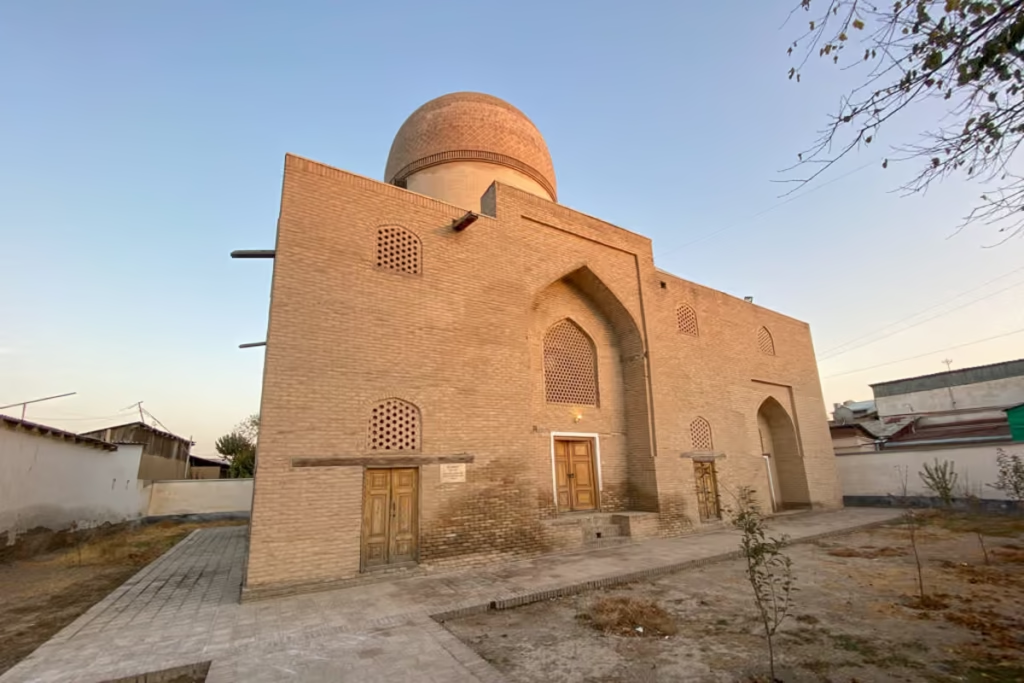
Located just outside the walls of Gur-e Amir, Ak-Saray Mausoleum is a lesser-visited historical monument that is worth stopping by while exploring the surrounding area.
Dating to the 15th century, the mausoleum is associated with the Timurid period and features a relatively understated exterior compared with some of Samarkand’s more famous monuments. However, its historical significance and location make it an interesting addition to a walking tour of the area.
When I visited, the gates were locked, and I had to find the caretaker to arrange access. This may not always be the case, but it’s worth knowing if you arrive to find the entrance closed.
Admission: 20,000 UZS.
Shah i Zinda Ensemble
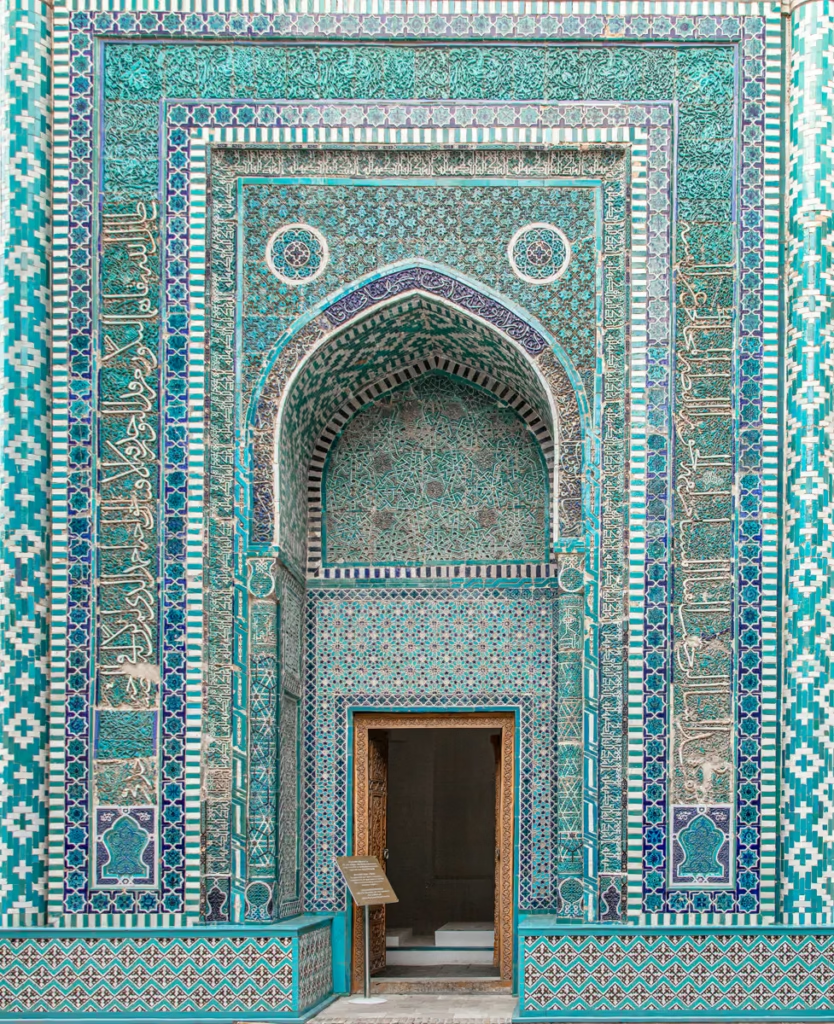
Shah i Zinda is one of the most beautiful historical sites in Samarkand and an absolute must-visit for anyone interested in Islamic architecture and the history of the Silk Road.
The name Shah i Zinda translates to “Tomb of the Living King” and refers to Qusam ibn-Abbas, a cousin of the Prophet Muhammad who, according to tradition, brought Islam to the region during the 7th century.
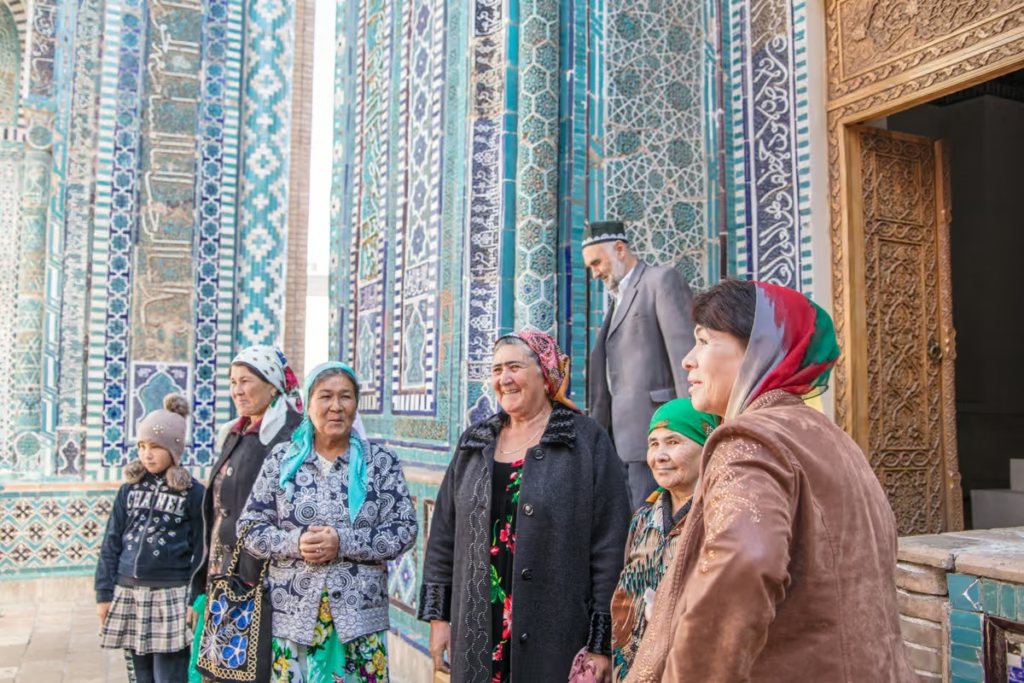
The complex developed over several centuries, with mausoleums and religious structures dating from the 11th through the 15th centuries. Walking through the narrow passageway, you’ll pass an extraordinary collection of tombs decorated with intricate mosaics, carved terracotta, glazed tiles, and elaborate geometric patterns.
The different shades of blue and turquoise are particularly striking, and each mausoleum has its own distinctive decorative style. It’s easy to spend an hour or more wandering through the complex, taking in the architecture and learning about the people buried here.
Shah i Zinda remains an active pilgrimage site, so remember that this is a religious place of significance rather than simply a tourist attraction. Dress respectfully, covering your shoulders and knees, and be mindful of people visiting to pray or pay their respects.
I’d recommend arriving early in the morning, when the light is beautiful and the complex is generally quieter.
When I visited on an early October morning in 2019, I witnessed two visitors holding up foot traffic while taking photographs. It was a good reminder that these monuments aren’t simply Instagram backdrops. They’re still meaningful places of worship and pilgrimage for many people.
Admission: 80,000 UZS.
Ancient Afrasiab
Long before Samarkand became the glittering capital of Amir Timur’s empire, an ancient settlement known as Afrasiab occupied the northern part of the modern city.
Afrasiab was the site of ancient Samarkand, with archaeological evidence revealing a settlement that existed centuries before the Timurid period. The ruins offer an interesting look at the city’s much older history, including its importance as a major settlement along ancient trade routes.
Today, you can explore the archaeological remains and visit the Afrasiab Museum, which houses artifacts uncovered during excavations of the ancient settlement.
One of the museum’s most interesting exhibits is a series of remarkable pre-Islamic wall paintings that provide insight into the culture, diplomacy, and daily life of ancient Sogdiana.
If you’re interested in understanding Samarkand beyond its famous Timurid architecture, Afrasiab is well worth a visit.
Museum admission: 35,000 UZS.
Bibi Khanym Mosque
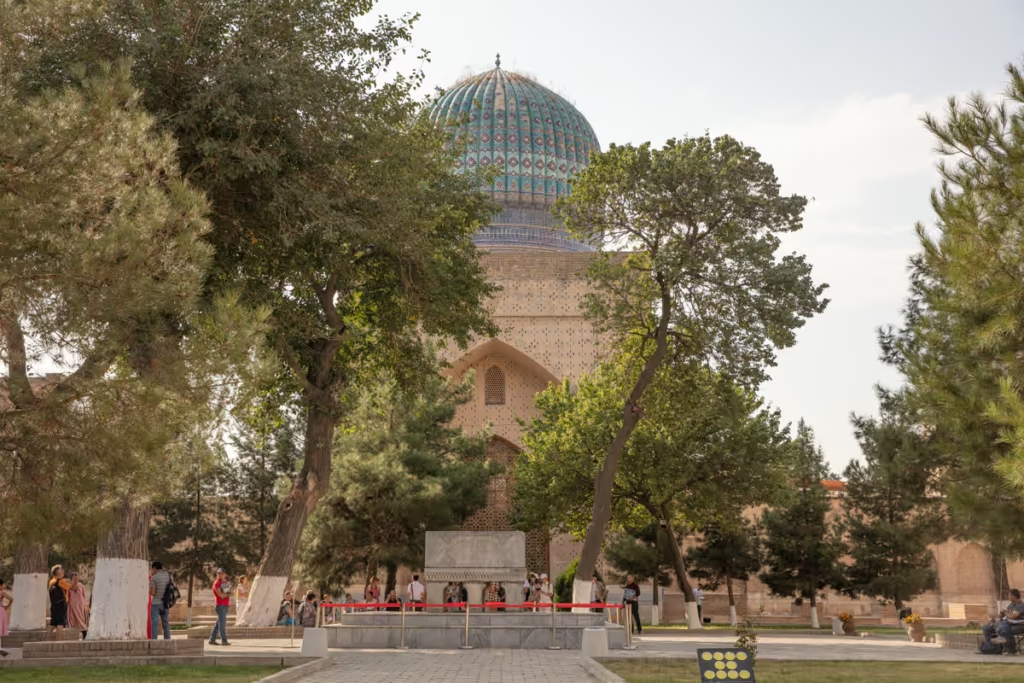
Bibi Khanym Mosque is one of the largest and most impressive historical mosques in Samarkand. Commissioned by Amir Timur in the late 14th century, construction began around 1399 following his military campaigns in India.
The mosque was intended to be one of the grandest religious structures in the Islamic world, reflecting Timur’s ambition to make Samarkand the greatest city of his empire.
Its monumental entrance portal, enormous courtyard, and elaborate blue-tiled decoration are impressive reminders of the scale of Timurid architecture.
There is also a famous legend surrounding the construction of Bibi Khanym Mosque. According to the story, the architect fell in love with Timur’s wife, Bibi Khanym, and refused to complete the mosque unless she allowed him to kiss her. The kiss supposedly left a mark that Timur noticed upon his return, leading to the architect’s execution.
Today, Bibi Khanym is one of the most popular things to see in Samarkand and is conveniently located right beside Siob Bazaar, making it easy to visit both in one stop.
Admission: 75,000 UZS.
Starting your Uzbek adventure from the capital? Check out my Tashkent Travel Guide
Ulugbek Observatory
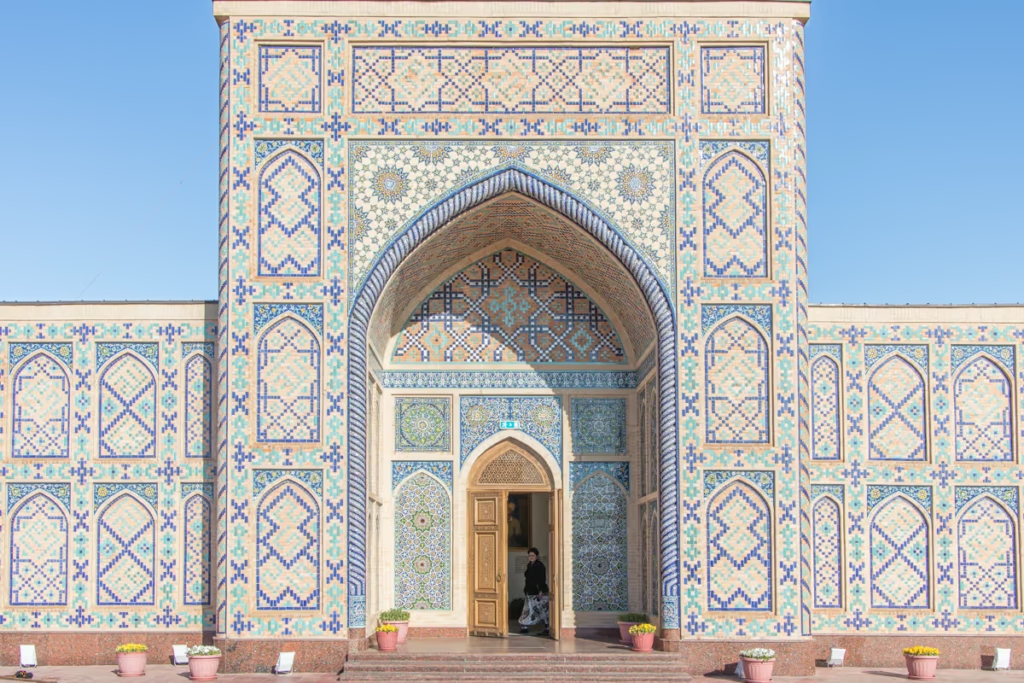
Ulugbek Observatory is one of the most fascinating historical sites in Samarkand, particularly for anyone interested in astronomy and the scientific achievements of the medieval Islamic world.
Ulugbek was the grandson of Amir Timur and a Timurid ruler who was also a highly regarded mathematician and astronomer. During the 1420s, he established an observatory in Samarkand where he and a team of scholars conducted groundbreaking astronomical research.
The observatory was equipped with an enormous astronomical instrument used to calculate the positions of celestial bodies. Although much of the original structure was destroyed, part of the instrument’s underground section survives today.
Ulugbek and his scholars also produced an influential star catalogue containing the positions of more than 1,000 stars, which remained an important astronomical reference for centuries.
The observatory was rediscovered in 1908, and today the site includes a small museum displaying information about Ulugbek’s scientific achievements and the history of the observatory.
It’s located a little outside the main historic center, so I’d recommend combining it with a visit to Afrasiab.
Admission: 75,000 UZS.
Hazrat Hizr Mosque & Islam Karimov Mausoleum
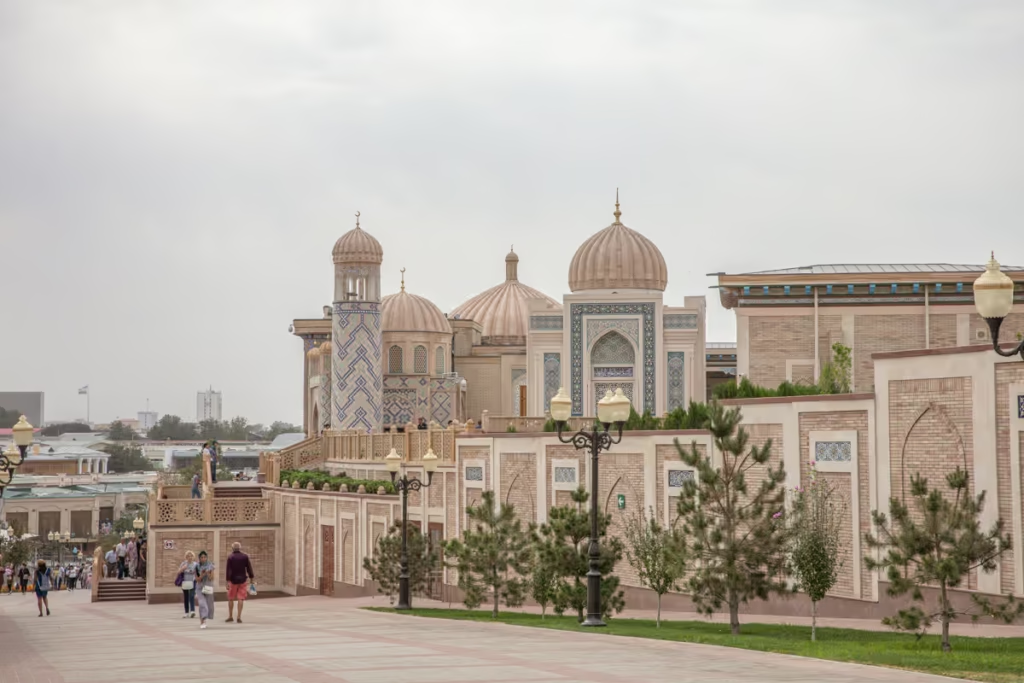
Perched on a hill overlooking the old city, Hazrat Hizr Mosque is one of the most picturesque religious sites in Samarkand.
The mosque is believed to have been built on the site of an earlier religious structure, which was destroyed during the Mongol invasion led by Chinggis Khan in the 13th century. The present mosque dates largely to the 19th century, with subsequent restoration work carried out during the 20th century.
Its elevated position offers lovely views over Samarkand, including the nearby Bibi-Khanym Mosque and the surrounding historic district.
Beside the mosque is the mausoleum of Islam Karimov, Uzbekistan’s first president, who led the country following independence from the Soviet Union in 1991 until his death in 2016.
The mosque and mausoleum make for an interesting stop while exploring the northern part of Samarkand’s historic center.
Admission: Free.
Is Khiva on your Uzbekistan itinerary? Start planning with the Khiva Travel Guide
Abu Mansoor Al Maturidi Mausoleum
Located in Samarkand’s historic old town, the mausoleum of Abu Mansur al-Maturidi is an important religious site dedicated to one of the most influential Islamic theologians of the 9th century.
Al-Maturidi was a prominent Sunni Hanafi theologian whose teachings formed the foundation of the Maturidi school of Islamic theology, which became particularly influential throughout Central Asia and beyond.
The mausoleum is an interesting place to visit if you’re exploring the older neighborhoods of Samarkand and want to learn more about the city’s religious and intellectual history beyond its famous Timurid monuments.
I’d also recommend combining the visit with a wander through the surrounding old town and Jewish Quarter.
Admission: 15,000 UZS.
Siob Bazaar
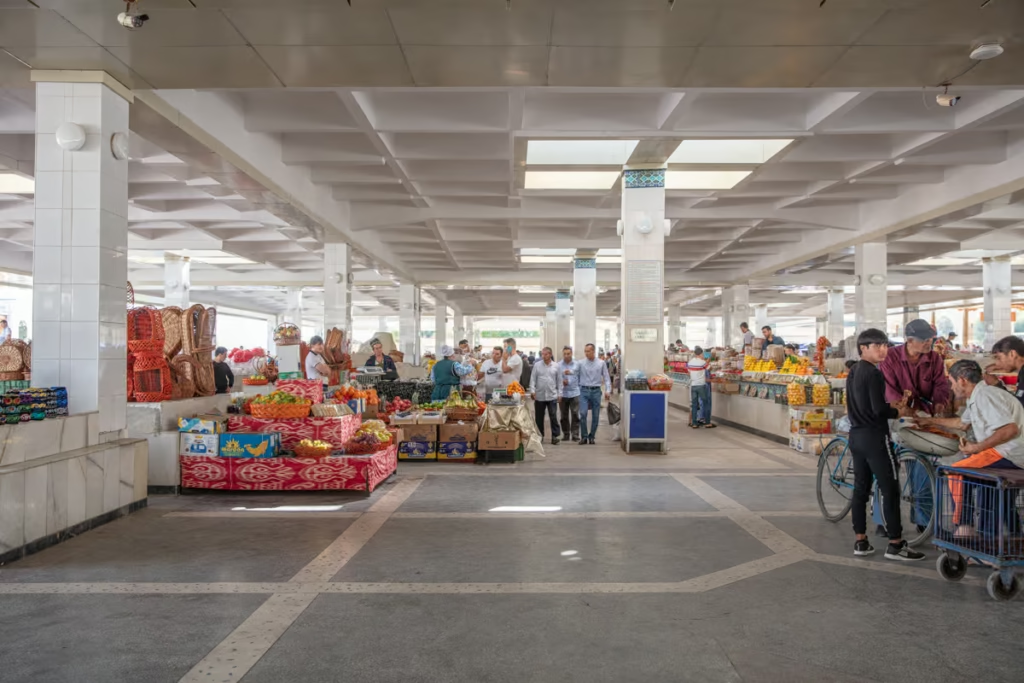
Siob Bazaar, also commonly spelled Siyob Bazaar, is Samarkand’s main traditional market and one of the best places to experience everyday life in the city.
Located directly beside Bibi Khanym Mosque, the bazaar is a lively collection of stalls selling everything from fresh produce and spices to dried fruits, nuts, sweets, household goods, and traditional Uzbek bread.
One of the things Samarkand is particularly famous for is its distinctive round bread, known locally as non. You’ll find stacks of freshly baked loaves throughout the market, often decorated with intricate patterns pressed into the dough before baking.
The bazaar is also a great place to pick up local snacks, sample seasonal produce, and browse the many traditional goods on offer.
I’d recommend visiting in the morning when the market is at its liveliest and the selection of fresh produce is best. Even if you don’t plan on buying anything, Siob Bazaar is worth visiting simply to soak up the atmosphere.
Plan the perfect trip: A two week Uzbekistan itinerary
Rukhabat Mausoleum
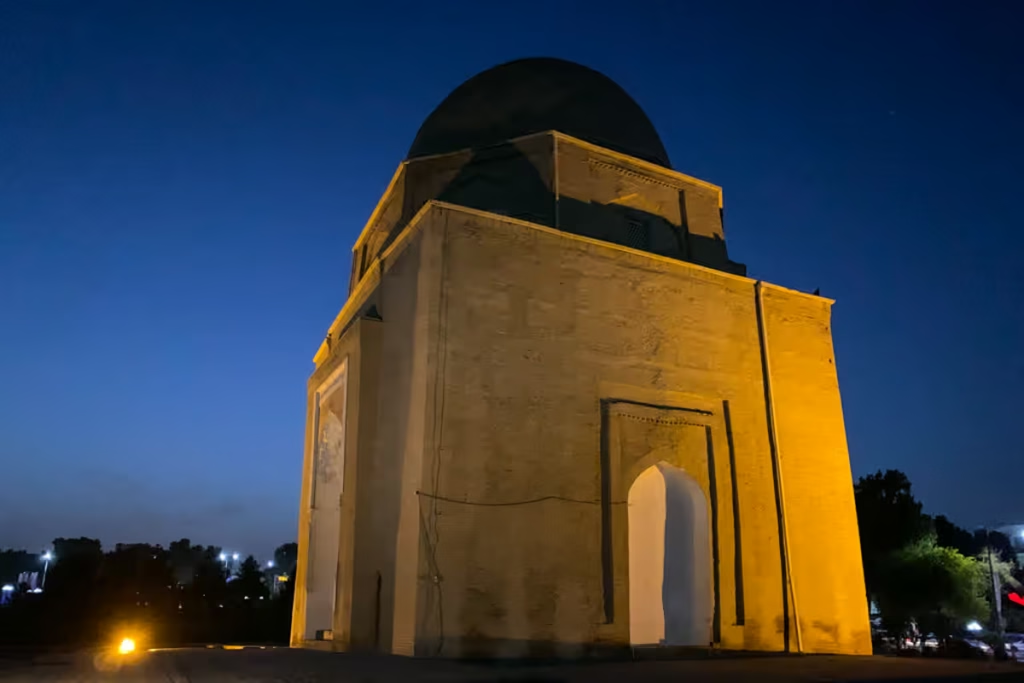
Rukhabat Mausoleum is another interesting historical monument from the Timurid period, located within walking distance of some of Samarkand’s most famous attractions.
Built during the 14th century, the mausoleum is associated with Sheikh Burhaneddin Sagarji, a respected Islamic religious figure who was buried here alongside members of his family.
Unlike the elaborate tilework found at Shah i Zinda and Gur e Amir, Rukhabat has a comparatively simple architectural appearance. Its understated exterior makes it an interesting contrast to the more ornate monuments elsewhere in Samarkand.
If you’re already exploring the area around Gur e Amir, it’s worth stopping by.
Admission: 20,000 UZS.
Samarkand-Bukhara Silk Carpet Showroom
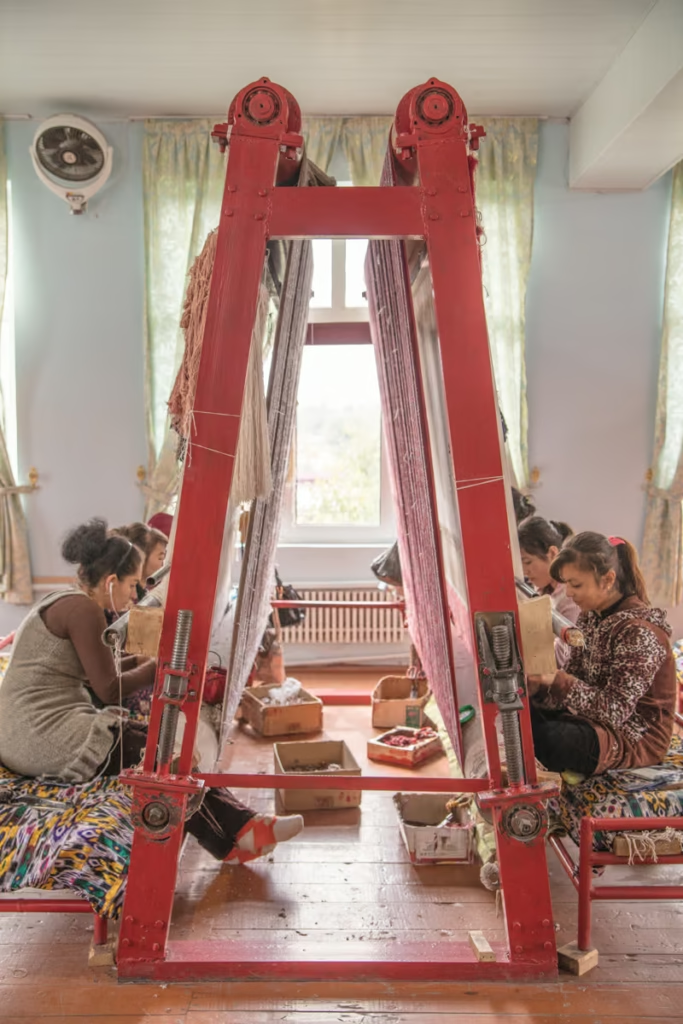
If you’re interested in traditional Uzbek handicrafts, a visit to the Hujum Silk Carpet Factory is an interesting addition to your Samarkand itinerary.
The factory is known for its traditional carpet-making techniques, including the production of silk carpets, tapestries, and suzanis. Visitors can arrange tours to observe the painstaking process of producing these intricate textiles, from preparing the threads to weaving the finished designs.
Silk carpet production is an incredibly labor-intensive craft, and watching the artisans work provides a greater appreciation for the time and skill involved in creating each piece.
There is also an opportunity to purchase carpets and other handmade textiles, making this a good stop if you’re interested in bringing home a traditional Uzbek souvenir.
The Mausoleum of Al Bukhari
The Mausoleum of Imam al-Bukhari is an important Islamic pilgrimage site located approximately 25 km outside Samarkand.
Imam Muhammad al-Bukhari was a renowned 9th-century Islamic scholar born in Bukhara. He is best known for compiling Sahih al-Bukhari, one of the most influential collections of hadith in Sunni Islam.
The mausoleum complex was developed around his burial site and has become an important destination for Muslim pilgrims visiting Uzbekistan.
Although it’s located outside Samarkand itself, the complex is worth considering if you have additional time and are interested in the religious history of the region.
I’d allow extra time for the journey there and back, particularly if you’re relying on local transport as the mausoleum is located 25 km outside Samarkand.
Urgut Bazaar
If you have extra time in Samarkand, consider taking a day trip to Urgut, a town located approximately 40 km south of the city.
Urgut is particularly well known for its large traditional bazaar, which attracts shoppers from across the surrounding region. The market is a great place to browse traditional clothing, textiles, jewelry, household items, and other locally produced goods.
It’s especially interesting if you enjoy exploring markets that cater primarily to local shoppers rather than tourists. You’ll find a different atmosphere here compared with the more centrally located Siob Bazaar in Samarkand.
When I last visited, Urgut was also a good place to look for antique clothing and jewelry, often at lower prices than those found in Samarkand’s more tourist-oriented shops.
To reach Urgut, you can take a marshrutka or shared taxi from the corner of Dagbet and Registan Ko’chasi for 5,000-10,000 UZS.
Heading to Tajikistan afterward? Learn everything you need to know to cross the Samarkand-Panjakent Border Crossing
and plan the perfect trip with my two week Uzbekistan & Tajikistan itinerary
What to Eat in Samarkand
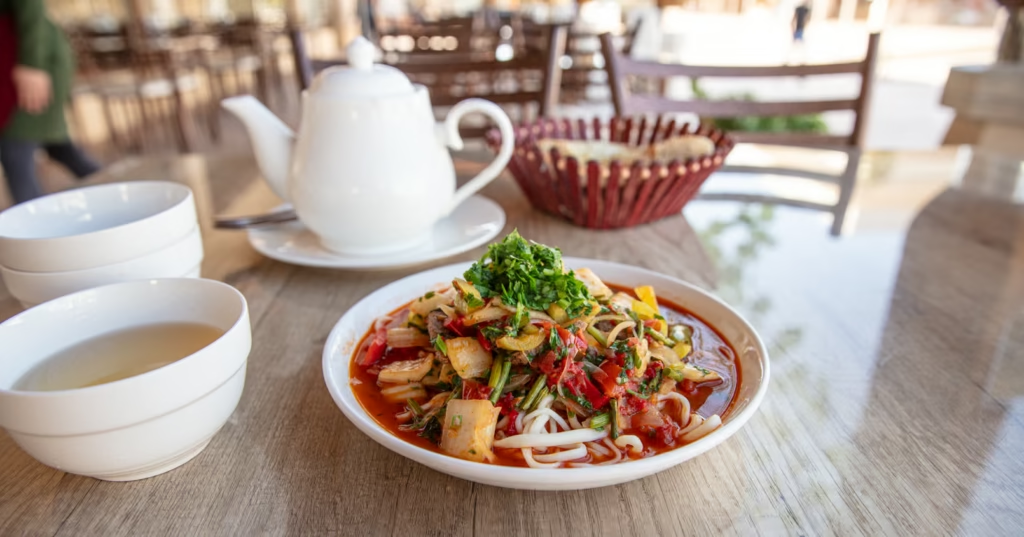
Food is another reason to spend some time in Samarkand. Uzbek cuisine is hearty and flavorful, with influences from centuries of trade and cultural exchange across Central Asia.
One of the city’s most famous specialties is Samarkand non, a distinctive round bread with a thick, chewy texture and decorative patterns pressed into the top before baking. You’ll find it throughout the city, particularly at Siob Bazaar.
Other dishes worth trying include plov, Uzbekistan’s famous rice dish cooked with carrots, onions, and meat, as well as shashlik, manti, and various soups.
If you’re visiting during the warmer months, don’t miss the seasonal fruit sold throughout the markets. Grapes, melons, pomegranates, and dried apricots are particularly popular.
For travelers interested in learning more about the country’s food culture, I’d also recommend checking out my guide to Uzbek food.
Is Samarkand Safe?
Samarkand is generally considered a straightforward destination for travelers, including solo travelers. The main tourist areas are busy, and visitors can comfortably explore the historic center, bazaars, and major attractions.
As in any popular tourist destination, it’s worth keeping an eye on your belongings in crowded areas, particularly around markets and busy transport hubs.
Uzbekistan is also a relatively easy country to travel around, with established tourist infrastructure, domestic transport connections, and accommodation options across a range of budgets.
Planning Your Trip to Samarkand
Samarkand is one of those cities that deserves more than a quick stop on an Uzbekistan itinerary. Its extraordinary Timurid architecture, ancient Silk Road history, lively bazaars, and fascinating religious monuments make it one of the most rewarding destinations in Central Asia.
Whether you’re admiring the intricate tilework of Shah i Zinda, wandering through Registan Square, or sampling freshly baked Samarkand bread at Siob Bazaar, there’s plenty to keep you occupied.
I’d recommend allowing at least three days to explore Samarkand properly, particularly if you want to venture beyond the main tourist attractions.
Have Questions Not Answered in this Samarkand Travel Guide or About Any of the Things to Do in Samarkand Mentioned Above?
Ask your questions about things to do in Samarkand in the comments below!
Posts from Uzbekistan
Khiva Travel Guide: 15 Best Things to Do
Shahrisabz Travel Guide: 7 Best Things to Do
World Nomad Games: Complete Guide
20 Off the Beaten Path Destinations in Asia
Samarkand Travel Guide: 14 Best Things to Do
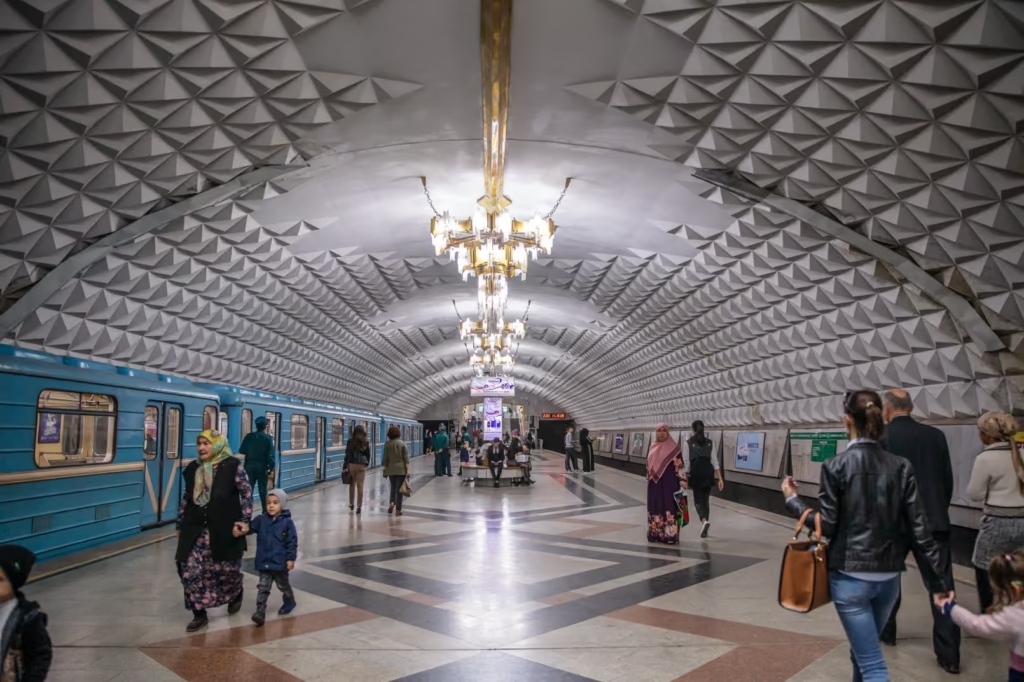
Tashkent Metro: A Complete Guide
Termez Travel Guide

Vegetarian in Central Asia
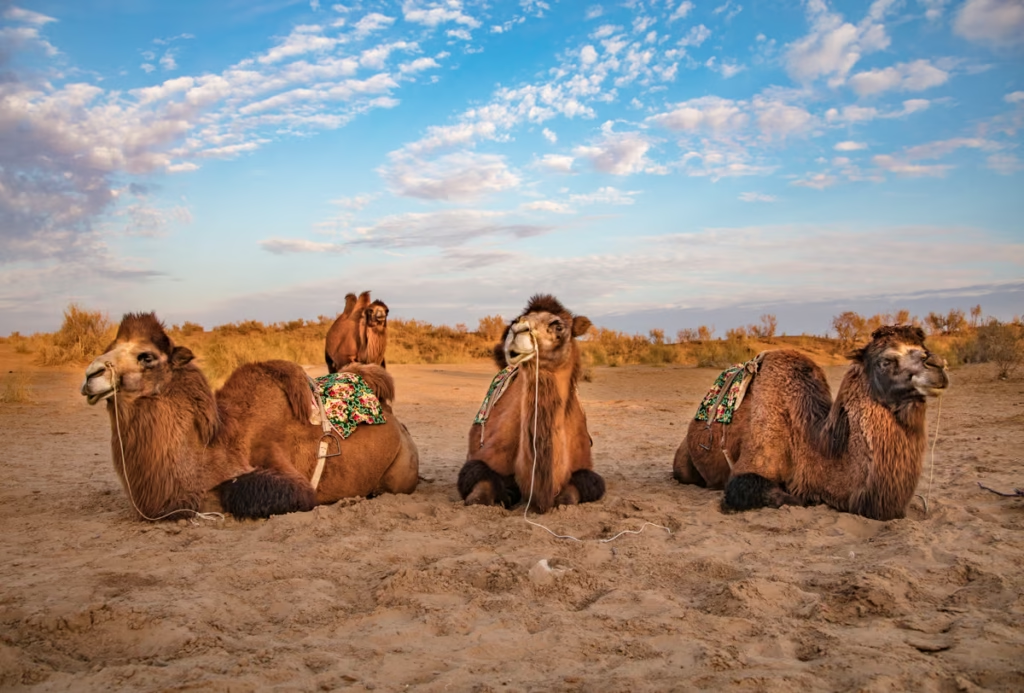
Uzbekistan Travel Guide: Everything to Know
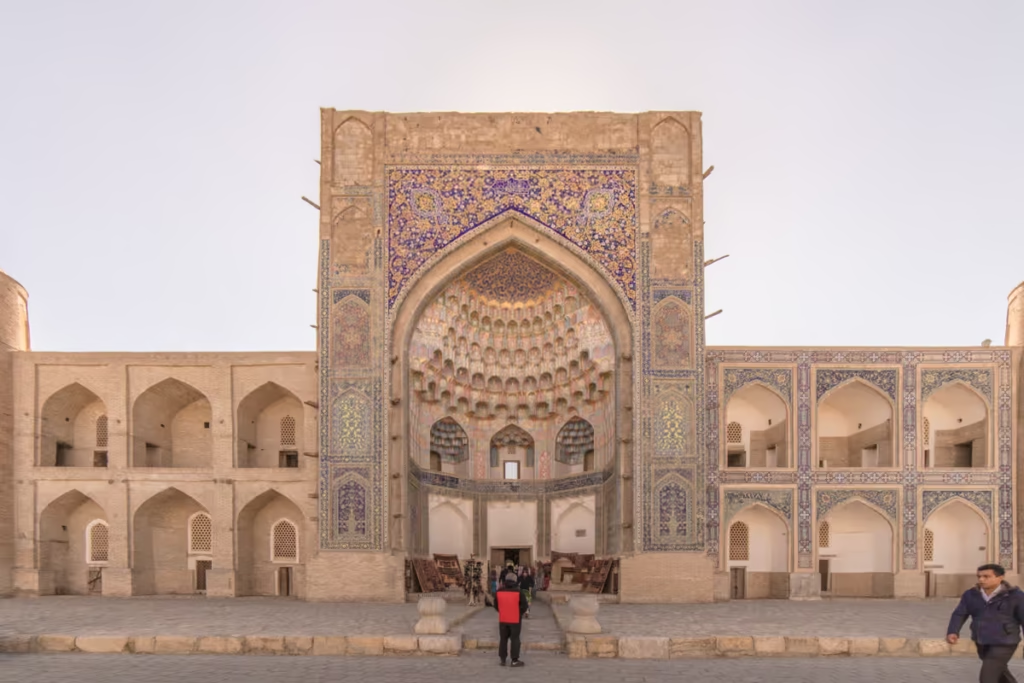
Bukhara Travel Guide: 19 Best Things to Do
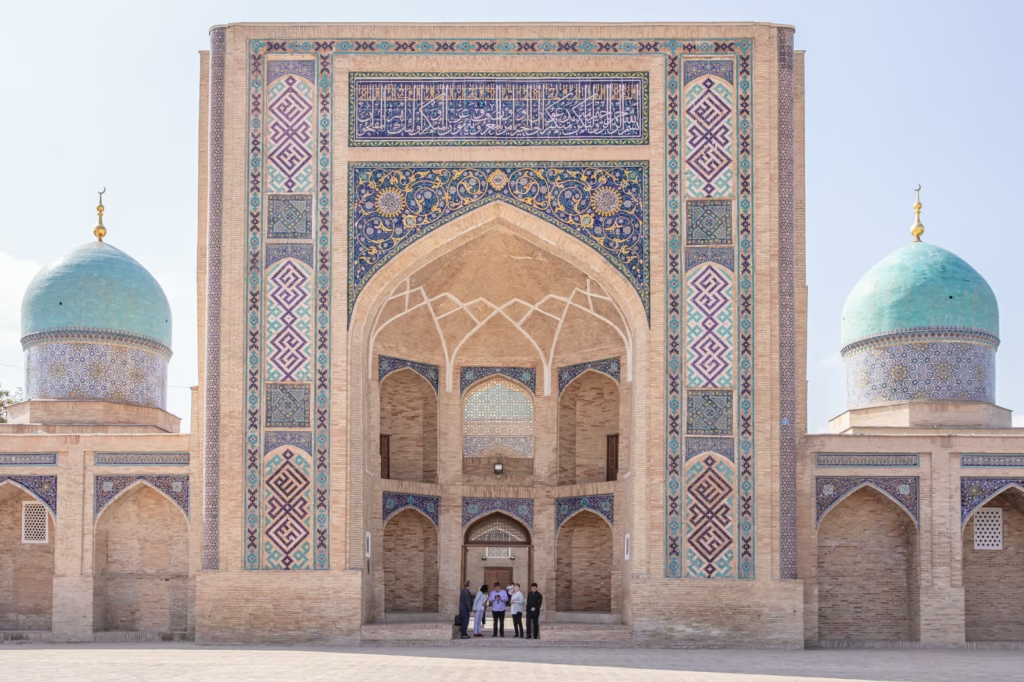
Tashkent Travel Guide: 18 Best Things to Do
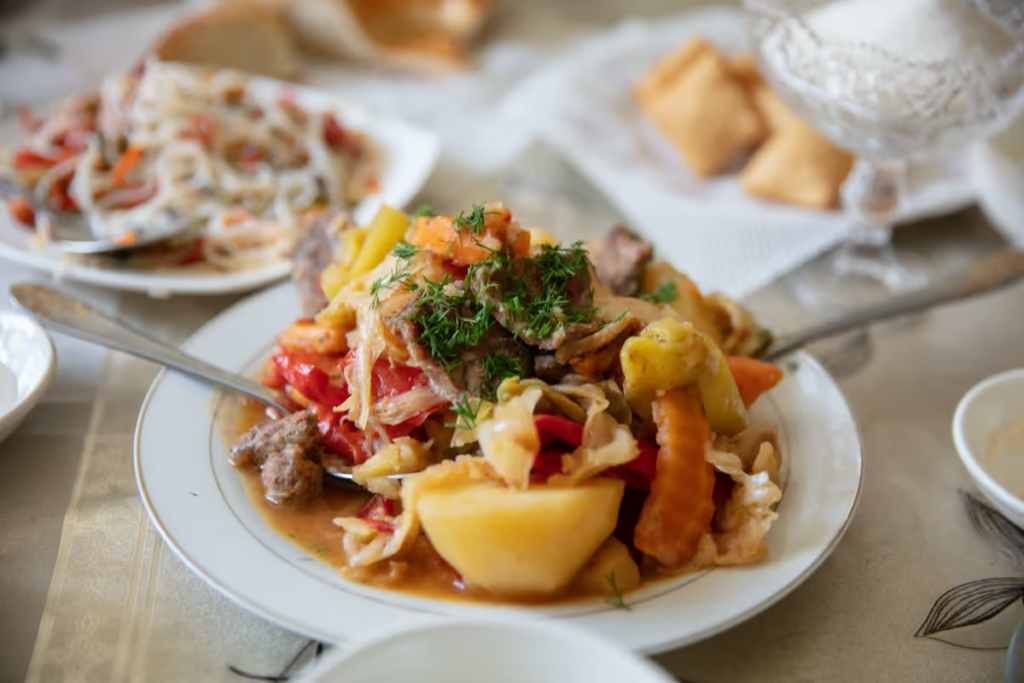
Central Asian Food: 31 Dishes & Drinks to Try
Aralsk-7: Visiting the Soviet Bioweapons Lab
Uzbekistan-Afghanistan Border Crossing at Hairatan
Karakalpakstan Travel Guide
Uzbek Fergana Valley Travel Guide
Two Week Uzbekistan Itinerary: 14 Days
Tajikistan Uzbekistan Itinerary: 2 Weeks
Solo Female Travel in Central Asia
Uzbek Food: 33 Dishes to Try
Kazakhstan-Uzbekistan Border Crossing
Solar Furnace Uzbekistan: Visit Guide
Panjakent-Samarkand Border Crossing Guide
Nukus Travel Guide: Things to Do
Central Asia Travel Guide

Oybek Border Crossing: Tashkent to Khujand
Best Restuarants in Tashkent
Central Asia Packing List
Aral Sea, Uzbekistan: Complete Travel Guide
Central Asia Travel Tips: 10 Things to Know
Central Asia Visas Guide
Things to Do in Uzbekistan
Khorezm Fortresses, Uzbekistan
The Best SIM Cards & eSIMs for Uzbekistan