This publication is made possible by the support of the American People through the United States Agency for International Development (USAID) Competitiveness, Trade, and Jobs Activity in Central Asia. The contents of this publication are the sole responsibility of Nicole from The Adventures of Nicole and do not necessarily reflect the views of USAID or the United States Government.
Karakol Travel Guide + 13 Things to Do in Karakol, Kyrgyzstan
Updated October 2026, Karakol Travel Guide + 13 Things to do in Karakol, Kyrgyzstan was originally written in January 2020
Most travelers come to Karakol as a jumping-off point for the mountains of eastern Kyrgyzstan, but spending a little time in town is well worth it. Karakol has a fascinating mix of Kyrgyz, Dungan, Uyghur, Russian, Tatar, and other cultural influences, a seriously good food scene, historic wooden buildings, colorful bazaars, and easy access to the Tian Shan Mountains and Lake Issyk-Kul.
I’ve returned to Karakol more than once, and it has become one of my favorite places to base myself in Kyrgyzstan. Between bowls of ashlan fu, wandering past the Dungan Mosque and Holy Trinity Cathedral, stocking up at the bazaar, and heading into the mountains, there is plenty to keep you busy before or after a trek.
This Karakol travel guide covers the best things to do in Karakol, where to stay, what to eat, how to get to Karakol, day trips, trekking options, and practical information for planning your trip.
Start planning here: The Kyrgyzstan Travel Guide
and don’t forget to grab a copy of Bradt Kyrgyzstan to help you plot out your visit
Need Travel Insurance and Evacuation Services?
Start shopping for travel insurance plans over at IATI Insurance. Readers of the Adventures of Nicole get a 5% discount off your plan.
The Adventures of Nicole partners with Global Rescue to offer the world’s leading medical evacuation and security advisory services. To travel with peace of mind, explore their evacuation coverage.
Karakol Travel Guide at a Glance
| Location | Eastern Kyrgyzstan, Issyk-Kul Region |
| Best for | Trekking, food, culture, day trips, winter sports |
| How long to stay | 2–4 days, longer for trekking |
| Best time to visit | June–September for trekking; December–March for skiing |
| Altitude | About 1,770 m |
| Main attractions | Dungan Mosque, Holy Trinity Cathedral, bazaars, museums |
| Popular day trips | Jeti Oguz, Skazka Canyon, Issyk-Kul, Tuz Kol |
| Popular nearby treks | Ala Kul, Altyn Arashan, Jyrgalan |
| Main transport hub | Karakol Bus Station |
| Currency | Kyrgyz som (KGS) |
Best Time to Visit Karakol
Karakol in Summer
Best for trekking, hiking, horseback riding, and mountain trips.
Karakol in Winter
Best for skiing and snowboarding at Karakol Ski Base.
Karakol in Spring
Good for lower-elevation walks, food, culture, and fewer visitors.
Karakol in Autumn
Good for fall colors, cultural experiences, and quieter trails.
How Many Days Do You Need in Karakol?
I’d give Karakol at least two full days if you’re visiting primarily for the town, food, and nearby sights. Three to four days gives you more time for day trips such as Jeti Oguz or Skazka Canyon, while trekkers should plan additional time for multi-day routes and weather flexibility.
If you’re doing the Ala Kul trek or another multi-day mountain route, don’t treat your trekking days as your entire Karakol itinerary. Give yourself at least one buffer day before or after the trek for transport, weather, laundry, food, and simply resting.
Where to Stay in Karakol
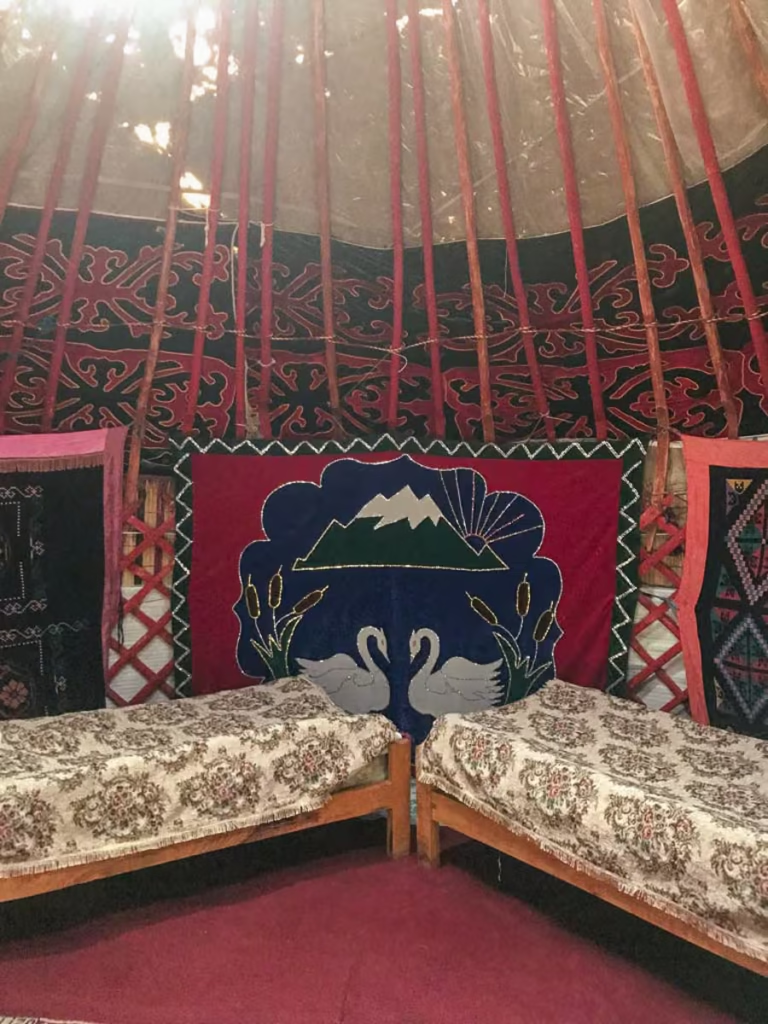
Karakol is compact enough that you can stay within walking distance of restaurants, markets, and most of the city’s main sights. If you’re using Karakol as a base for trekking, look for accommodation with luggage storage, early breakfast, and staff who can help arrange transport into the mountains.
Budget
Snow Leopard Hostel
| Booking.com | Agoda.com |
Midrange
Caravan Hotel
| Booking.com |
Midrange
Gostinitsa Karagat
| Booking.com |
13 Best Things to Do in Karakol
Karakol Walking Tour
One of the easiest ways to get oriented in Karakol is to take a walking tour through the historic center. The city’s story is unusually layered, with Kyrgyz, Dungan, Russian and other communities leaving their mark on its architecture, food, and daily life.
Destination Karakol currently offers a 1.5–2-hour guided walking tour for 1,500 KGS per person. It covers some of the city’s major sights while giving you context that is easy to miss when wandering around on your own.
Dungan Family Meal
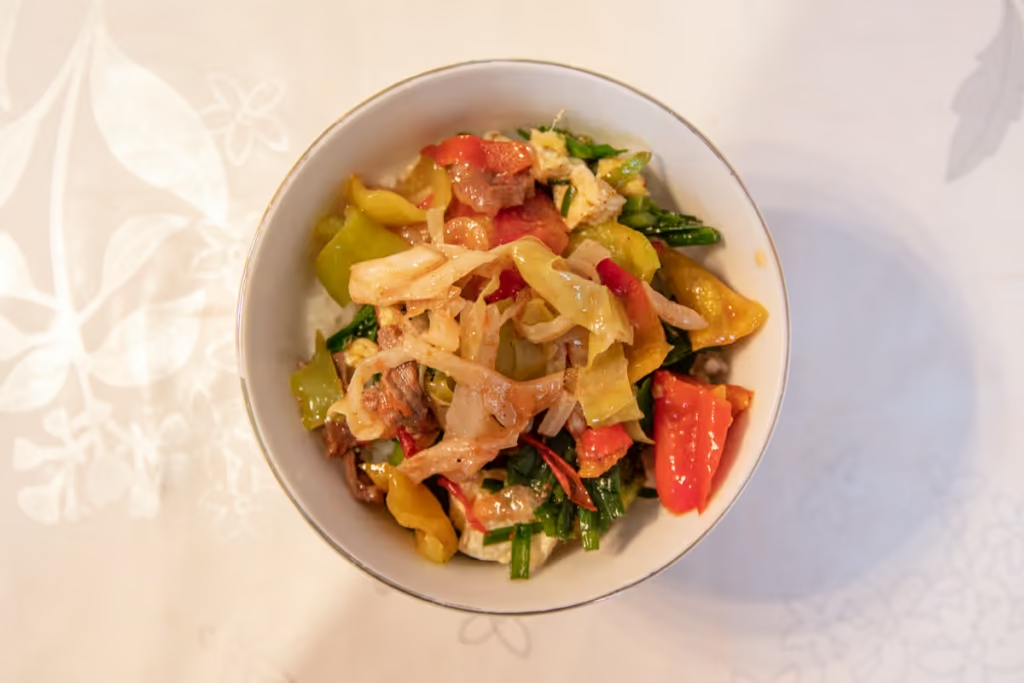
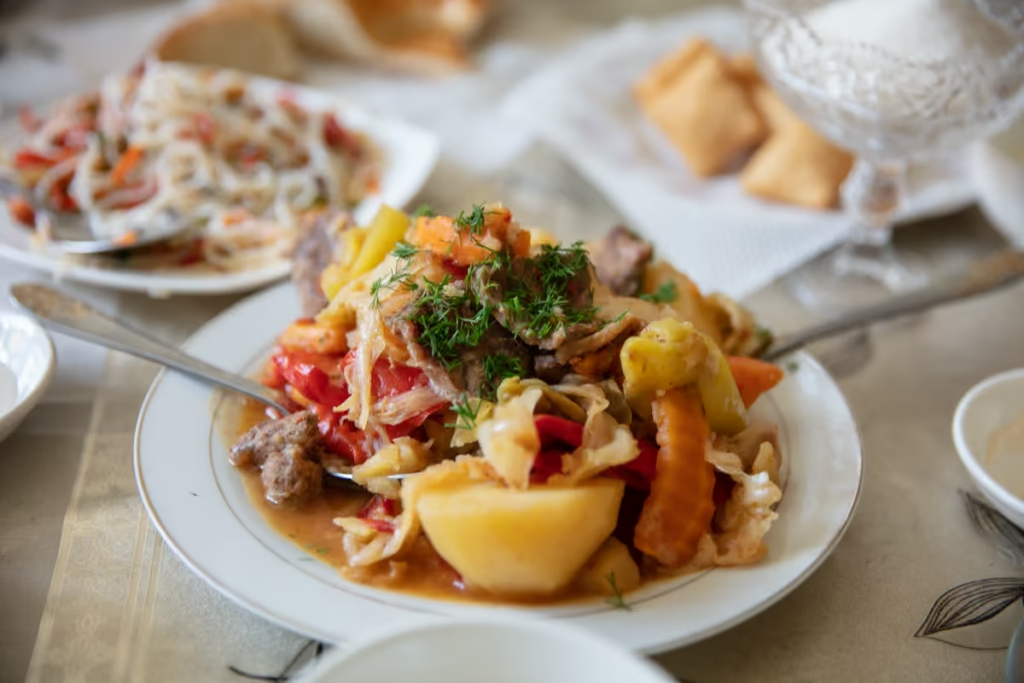
A Dungan family dinner is one of my favorite experiences in Karakol. The Dungan community has played a huge role in shaping the city’s food and cultural identity, and eating in a family home gives you a much better understanding of that history than simply ordering Dungan food at a restaurant.
The Dungan people are a Chinese-Muslim ethnic group that fled from China in several waves over the years and a large population now calls Karakol and several surrounding communities home. The Dungans brought their culture, traditions, and most noticeably their cuisine to Kyrgyzstan.
I’ve done Dungan family meals, and both experiences were memorable. During my first meal, our host kept bringing out dish after dish while simultaneously encouraging us to eat faster so he could make room for the next round. It was chaotic, hilarious, and extremely delicious.
On my second visit, our host Hamida taught us how to make ashlan fu before the feast began.
Destination Karakol currently offers a Dungan village visit and family dinner in Yrdyk, about 15 minutes from Karakol. The experience includes at least eight home-cooked dishes and an ashlan fu demonstration and starts at 1,600 KGS per person.
Karakol Foodie Tour
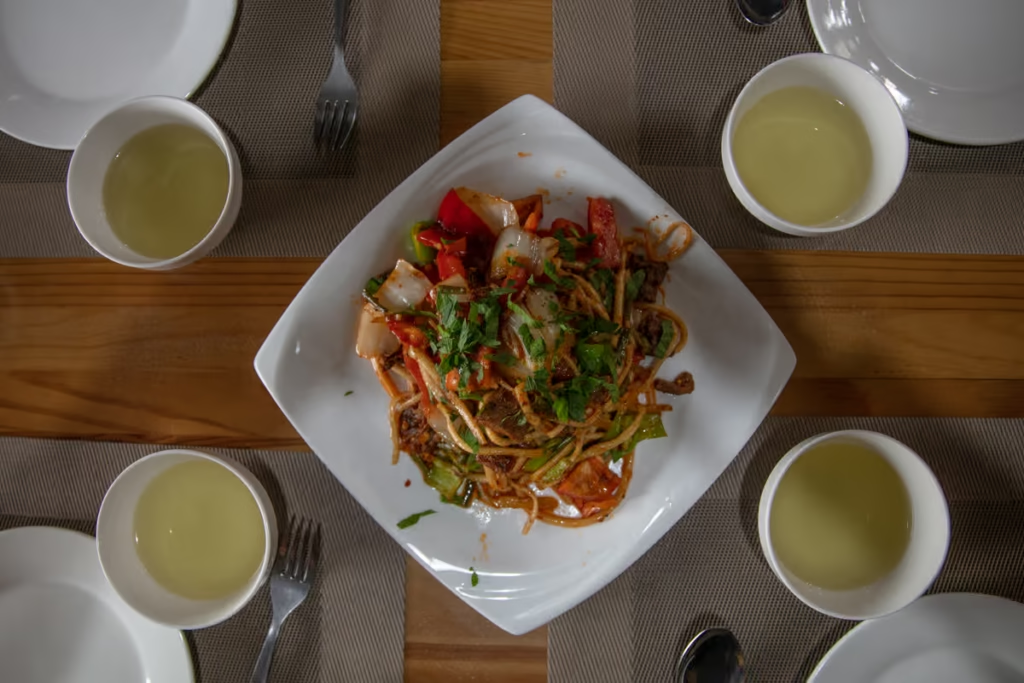
Karakol is one of my favorite food cities in Central Asia, and I’m willing to defend that opinion over several bowls of ashlan fu.
The city’s food reflects its unusually diverse population. Kyrgyz, Dungan, Uyghur, Russian, Tatar and other culinary traditions have all shaped what you find on Karakol’s tables.
You’ll find ashlan fu, lagman, manti, oromo, ganfan, plov, piroshki and plenty more. A Karakol food tour is an easy way to sample several specialties while learning where they came from and why they became part of Karakol’s food culture. Destination Karakol offers culinary experiences including Dungan family dinners, cooking classes, and other food tours.
If you want to drool over what dishes you can try on your visit to Karakol, read my post on Karakol Restaurants and best foods to try.
Take a Dungan or Uyghur Cooking Class
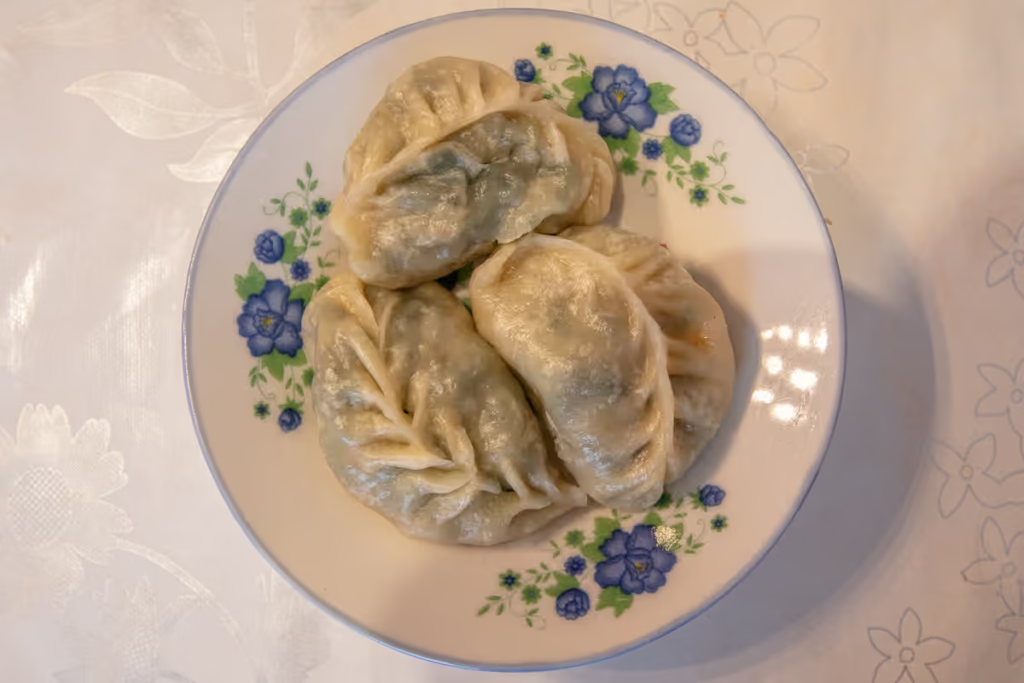
Whether it’s you want to give lagman noodle pulling a try, stuff and neatly fold a delicious manti, learn the art of making mouthwatering and hangover-curing ashlan fu, or knead some dough and learn how to fire up a tandyr to make a beautiful Uyghur-style mai kotch, Destination Karakol can set you up to take a cooking class where you can learn to prepare these meals on your own.
In my travels, I get introduced to amazing foods, but the downside is that many of those amazing foods do not exist where I live. So I love taking cooking classes so that I can take home recipes from my travels and trying to recreate them back in Alaska. If I ever find myself missing a cold bowl of ashlan fu or steaming lagman I now can make my own at home (though mine is never as good as what I can get in Karakol).
The Dungan Mosque
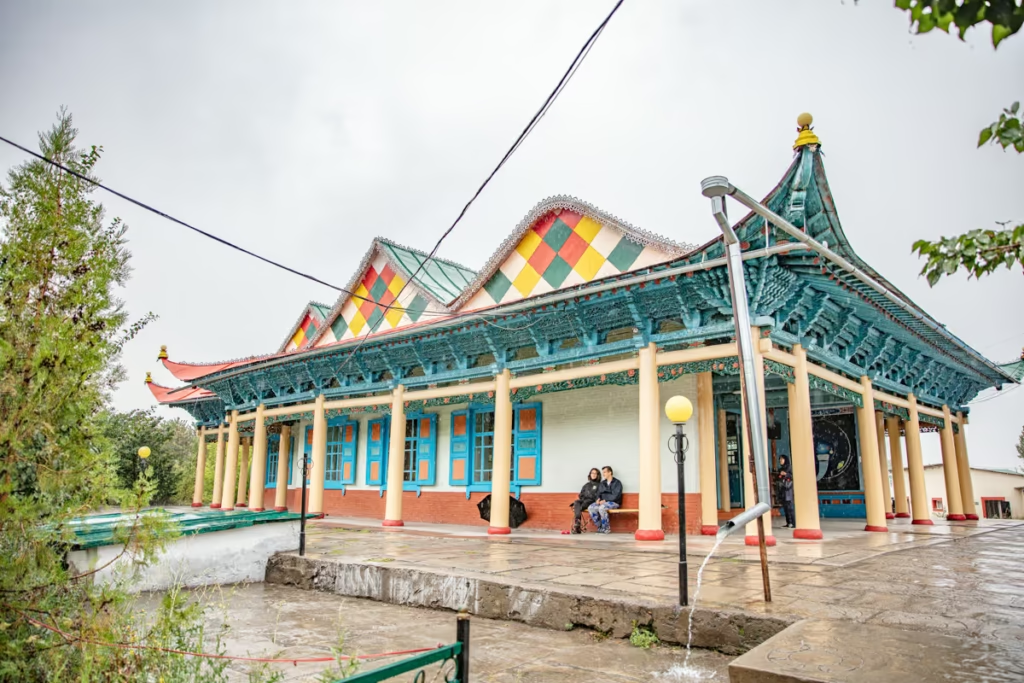
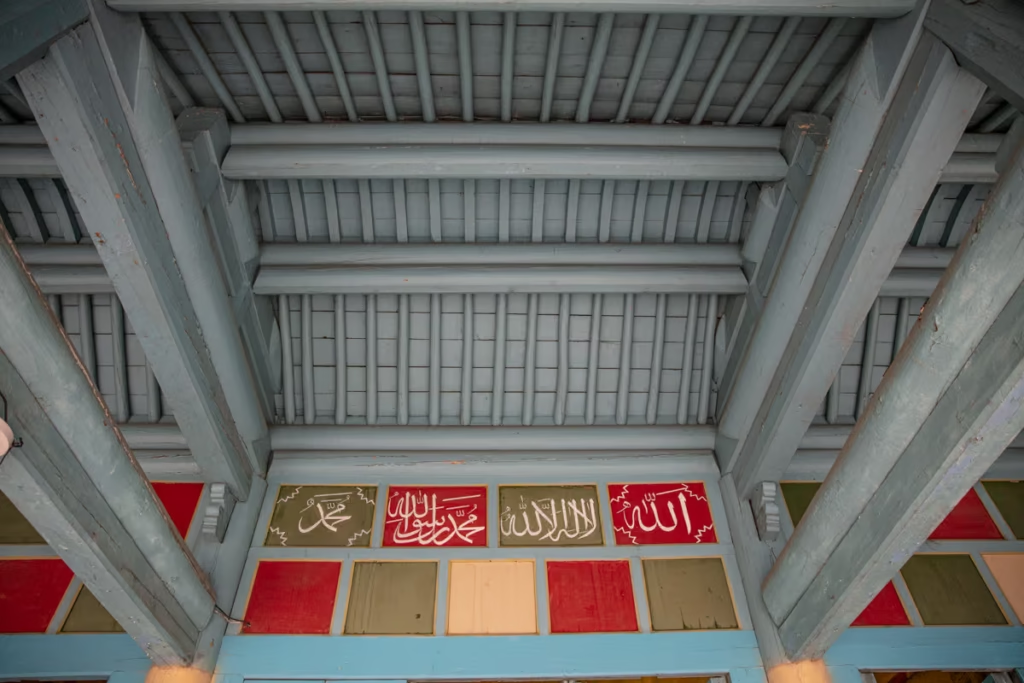
The Dungan Mosque is one of the most distinctive historic buildings in Karakol and one of the city’s essential sights. Karakol’s Dungan Mosque is one of the most unique mosques that combines Chinese, Arab and Russian elements. It was constructed to be used by the local Dungan community, built and designed by Chinese architects and artisans between 1907 and 1910. The original mosque was built entirely without nails, however, more recent renovations did make use of iron and nails.
Holy Trinity Russian Orthodox Cathedral
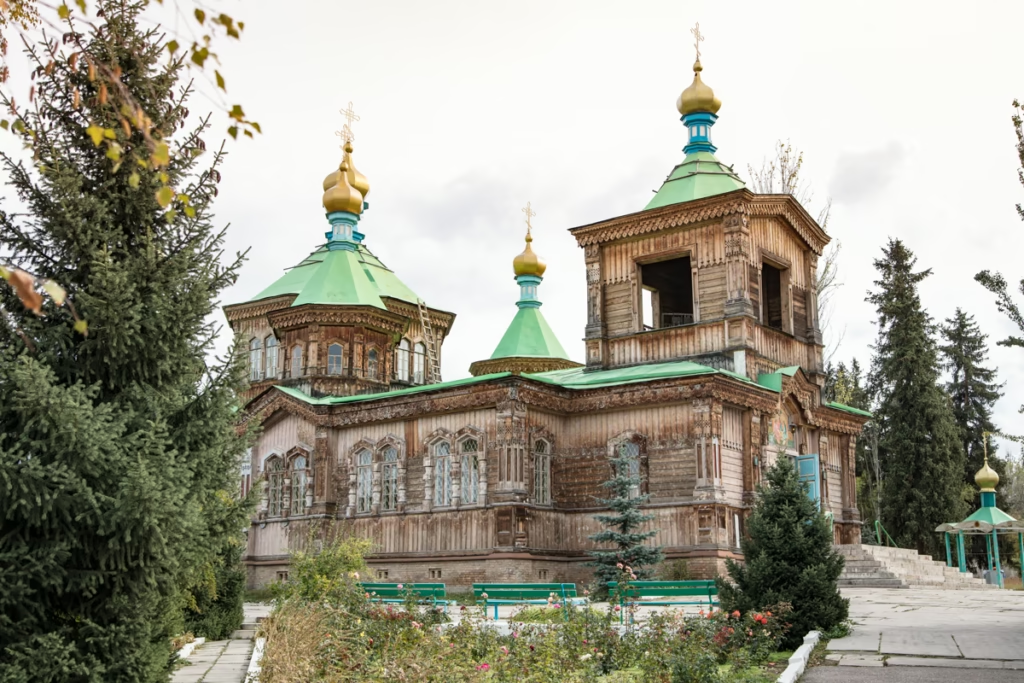
The Holy Trinity Cathedral is one of the most recognizable landmarks in Karakol. The wooden Russian Orthodox church sits just a short walk from the Dungan Mosque, making the two easy to visit together.
The cathedral was originally built in 1869 when Karakol was founded as a city named Przhevalsk, to serve troops stationed in the city, when it was really nothing more than a garrison on the edge of the Russian Frontier.
In 1889 the cathedral was destroyed by an earthquake, but reconstructed shortly after. The cathedral was closed in 1971 and only opened again after Kyrgyzstan gained independence in 1991.
Eat Ashlan Fu
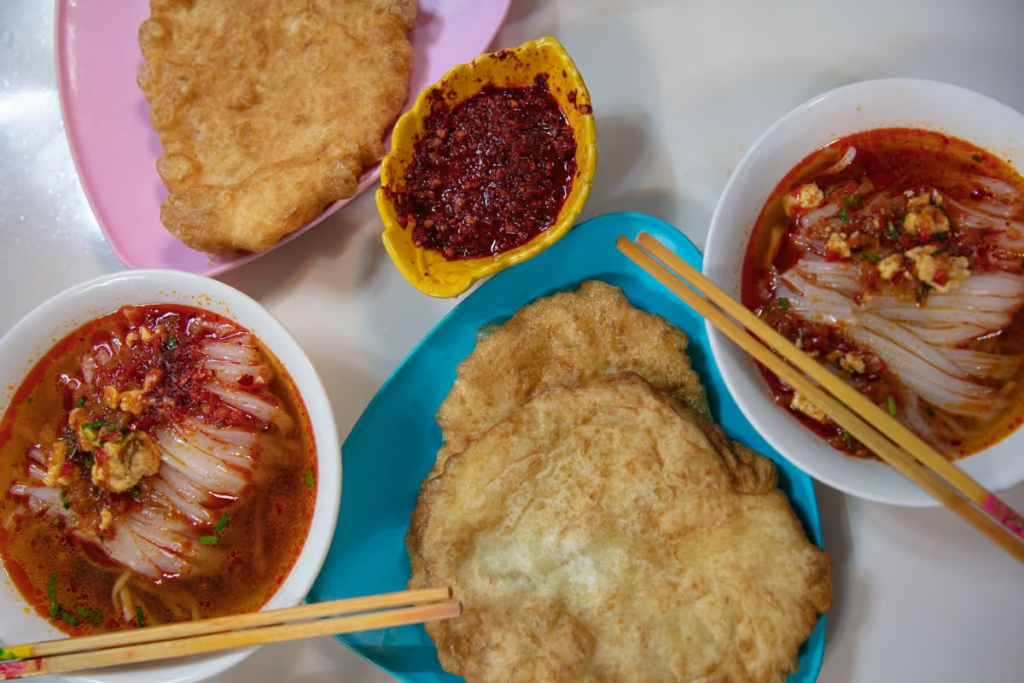
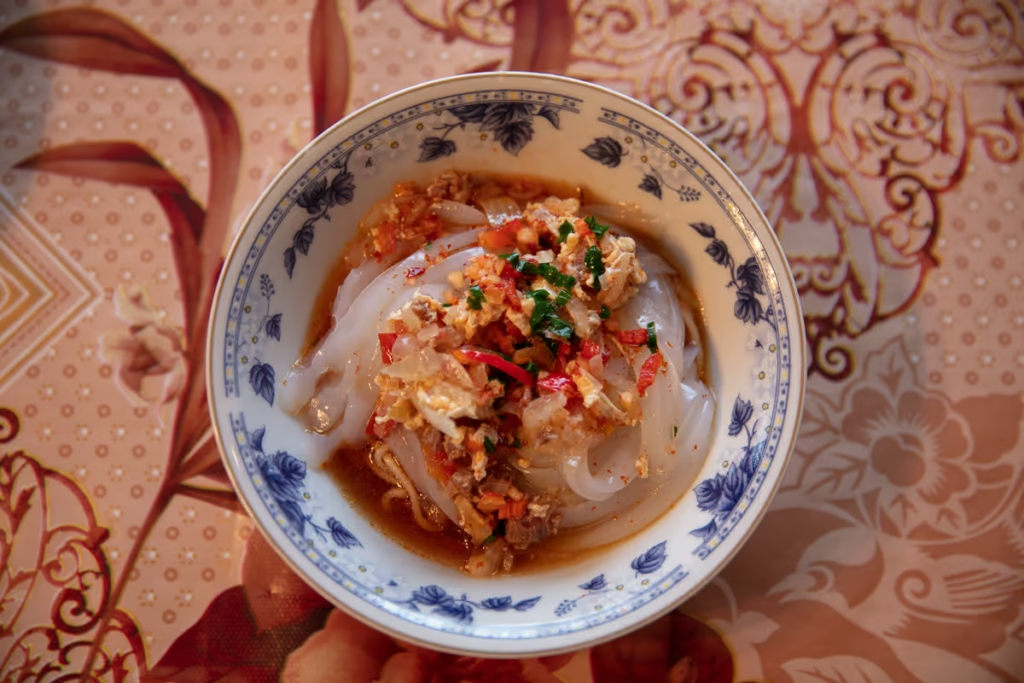
Ah, ashlan fu, a cure for hangovers and likely the most delicious and spicy dish you’ll eat anywhere in Kyrgyzstan. Whatever you have planned for your visit to Karakol, you need to set aside time to drop what you’re doing and head to Ashlan Fu Alley at Bugu Bazaar and give this spicy, cold noodle soup a try. I mean, I’m not one to try and tell people how to travel or live their lives but I’m telling you now that you gave Karakol no justice if you don’t try it.
Can you tell I’m a fanatic?
The delicious soup that is ashlan fu combines Chinese stretch noodles (similar to those used in lagman), starch noodles, vinegar, chili, egg, herbs, and vegetables, is always served cold and usually accompanied by a hot piroshki- a Russian potato-stuffed fry bread.
Ashlan Fu came to Karakol thanks to the Dungan people who fled from religious persecution, discrimination, and war in China in 1877 and have continued to come over in waves, making the journey across the Tien Shan Mountains to settle in eastern Kyrgyzstan and Kazakhstan. The dish has largely stayed the same over the years despite the forced assimilation of the Dungan people into Russian and Kyrgyz culture.
Largely regarded as the best ashlan fu in Karakol is Ashlan Fu Saida, located in the Ashlan Fu Alley of Bugu Bazaar. A bowl goes for 30 KGS.
Explore the Bazaars & Shops
Bugu Bazaar
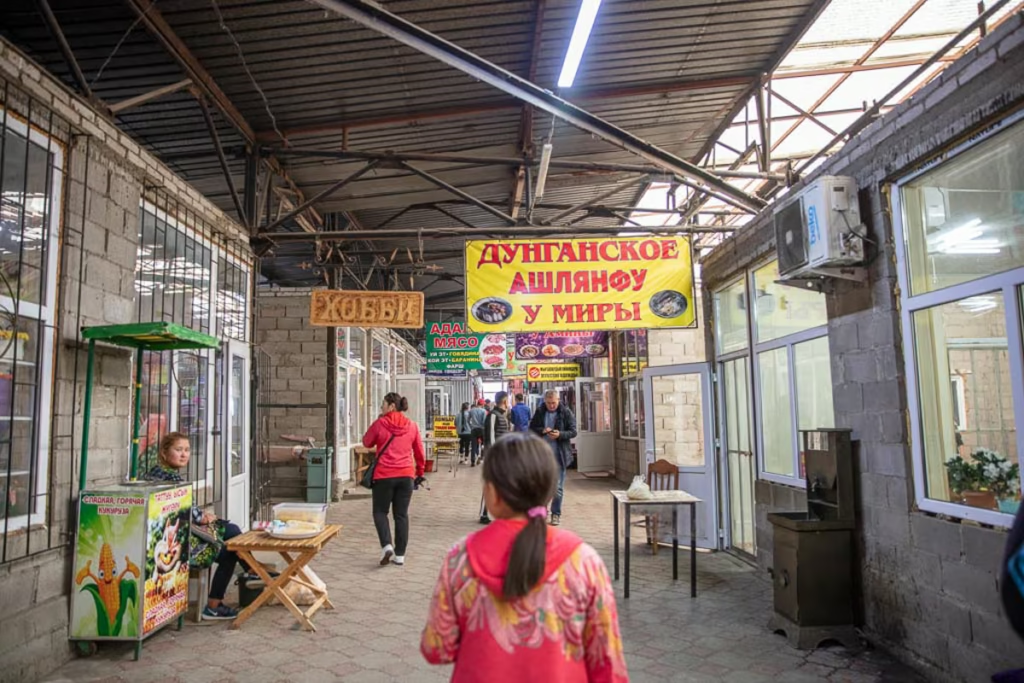
Bugu, or Small Bazaar is located at the corner of Alybakov & Gagarin Streets in the middle of Karakol. Bugu is the perfect place to head to stock up on things you may need while out trekking or on your onward travels, or search for that perfect souvenir. It’s a lot smaller and quieter than the big Ak Tilek Bazaar just outside of town.
When you visit Bugu Bazaar you must head to Ashlan Fu alley that I mentioned previously to get a could bowl of delicious ashlan fu. You’ll also find manti, Korean and Chinese salads, piroshki, bread, and more.
Kork Souvenir Shop
The Kork Souvenir Shop is located right next to Bugu Bazaar, so if you’re looking for good quality handmade souvenirs and handicrafts make sure to stop by.
Ak Tilek
Ak Tilek is also known as Big Bazaar. It’s located about 500 meters from Karakol’s city center on the corner of Torgoev and Aldashev streets. Ak Tilek Bazaar is a bit more chaotic than Bugu Bazaar, but you can probably find just about anything you could possibly need here.
Issykul Shop
Whether you’re looking for Kyrgyz handicrafts, honey, jams, soap, hats, purses, and most any other locally made souvenir, make sure to stop by the Issykul brand shop. Issykul Shop is sponsored by JICA, a Japanese aid organization that helps support a rural women’s development project.
Soviet Antique Shop
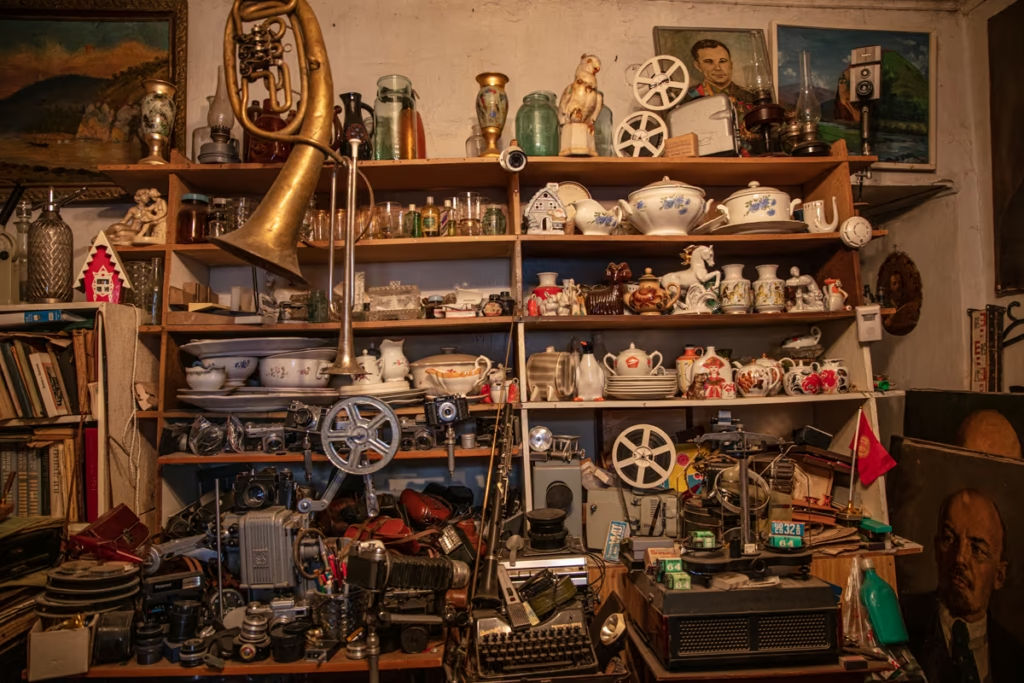
The Soviet Antique Shop ran by Alexandr Korablev, is chock full of all types of Soviet memorabilia, from propaganda posters, Soviet pins, medals and more.
Karakol Museums
Karakol History Museum
The Karakol Historical Museum houses several exhibits displaying historical and cultural items and artifacts local to the Karakol region as well as displays featuring Kyrgyz nomadic culture. Another feature of the Karakol History Museum is the photography exhibit of Swiss explorer Ella Maillart’s photos. Entrance to the Karakol History Museum is 70 KGS per person.
Nikolai Przhevalsky Museum
Nikolai Przhevalsky is the 19th century explorer who Karakol was originally named after when the city was founded. Przhevalsky ended up in the region when he was sent to find a shortcut to Tibet, he died in Karakol in 1888.
The museum houses his tomb, a memorial garden, and several exhibits displaying his life and his route through Central Asia. Admission to the Przhevalsky Museum is 80 KGS.
Going to Kazakhstan too? Check out the two week Kazakhstan & Kyrgyzstan itinerary
Issykul Sunset Cruise
It’s possible if you can get together a group of 8 or more to arrange a sunset cruise on Issykul. Issykul is among the 30 largest lakes in the world and has a high enough saline content that it just doesn’t freeze in the winter. Destination Karakol can help arrange a cruise. They typically depart at 6:30 pm and last for about 2 hours.
Karakol Animal Bazaar
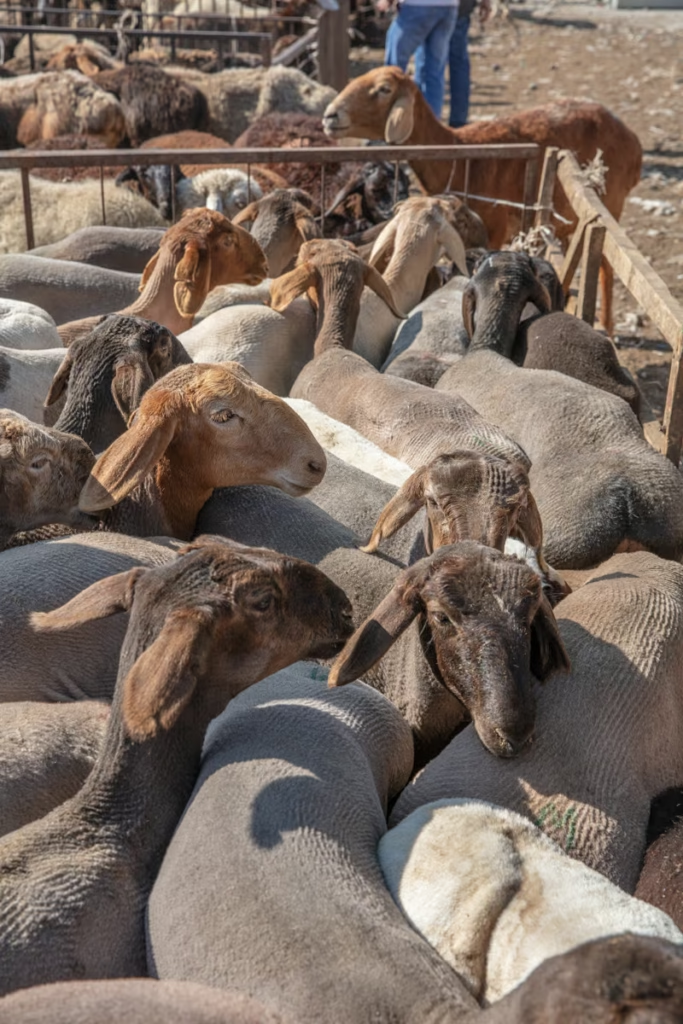
2 kilometers outside of Karakol every Sunday there is a huge animal market that takes place where people from all over the region come to buy, sell, and trade livestock. You’ll find goat, sheep, camels, horses, cows, and more as you walk along the aisles, as well as locals yelling offers and making deals.
This is a great place to see Kyrgyz lifestyle in action, however, if you are sensitive to animal treatment, this may not be the best activity for you as many of these animals are being sold to eventually become food or be used for work.
Don’t wear your Sunday finest, you’ll be wading around in lots of mud and manure. Boots or at least closed-toe shoes are a wise choice.
Getting out there early is best when the market is most active. The market starts at 7 am and is over by noon.
You can grab a taxi from Karakol to the Animal Bazaar 100 KGS or take Marshrutka #102 for 10 KGS per person.
Wander Around Karakol’s Parks
Victory Park & Monument
Victory Park is a great place to head to wander treelined paths, featuring a monument to World War II, a monument to the 1916 Great Urkun revolt of the Kyrgyz people against Tsarist Russia, and a monument to the victims of the Stalinist Regime.
Pushkin Park
Pushkin Park forms the center of Karakol. Originally the park had been dedicated to Nikolai Barsov, the first governor of Karakol. In 1934 the name was changed to Pushkin Park to honor the famous Russian poet Aleksandar Pushkin.
Karakol River Park
Along the banks of the Karakol River, the Karakol River Park is a great place to head for a stroll in the late afternoon or evening.
Relax at Karkyra Banya
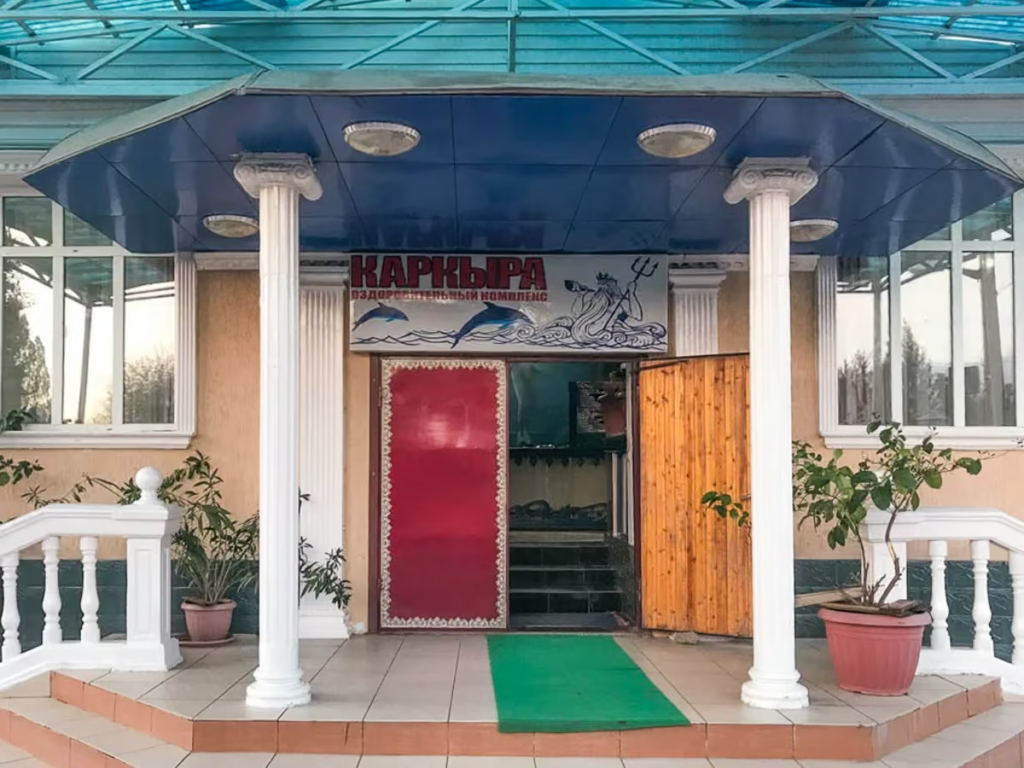
Especially if you’ve just returned from a hiking trip, a visit to Karkyra Banya is in order to warm up, get clean and treat your body for an afternoon. Karkyra is a Russian-style banya, similar to a sauna.
The fun about visiting these banyas in Central Asia is that they have everything from hot and cold pools, steam saunas, showers, and even a lounge where you can crack open a piva (beer) between soaking and sweating. Note that many people go into banyas nude, but you are provided a towel so if you’d feel more comfortable with a bit of coverage, that isn’t a problem.
Expect to pay about 100 KGS per hour to visit. Karkyra is located a little bit out of the city center.
How to Travel to Karakol & Away
From Bishkek: From Bishkek, frequent marshrutkas depart the Western Bus Station when full for about 600 KGS per seat. Buses from Karakol to Bishkek depart main bus station in Karakol.
Visiting Bishkek also? Check out the 10 Best Things To Do In Bishkek
From Kazakhstan: The nearby Karkara Border Crossing makes for a shorter way to get between the two countries than the far more common Kordoi Border Crossing just outside of Bishkek (Ak Tilek Border Crossing, right next to Kordoi is being used at the moment due to renovations at Kordoi Crossing). The only caveat is that there is no public transport to the border from either country.
For a smooth crossing, you’ll want to make advance arrangements.
Everything you need to know to Cross The Karkara Border between Kazakhstan & Kyrgyzstan
Getting Around Karakol
Karakol is compact enough that you can walk between many of the central sights, restaurants, markets, and guesthouses. Taxis are useful for reaching places farther from the center, while marshrutkas connect Karakol with surrounding villages and trekking access points.
The Destination Karakol Visitor Center is also a useful place to sort out transport, accommodation, tours, maps, and trekking logistics once you’re in town. Their current Visitor Center is at 150 Lenin Street and operates Monday through Saturday.
Karakol Day Trips
Jeti Oguz
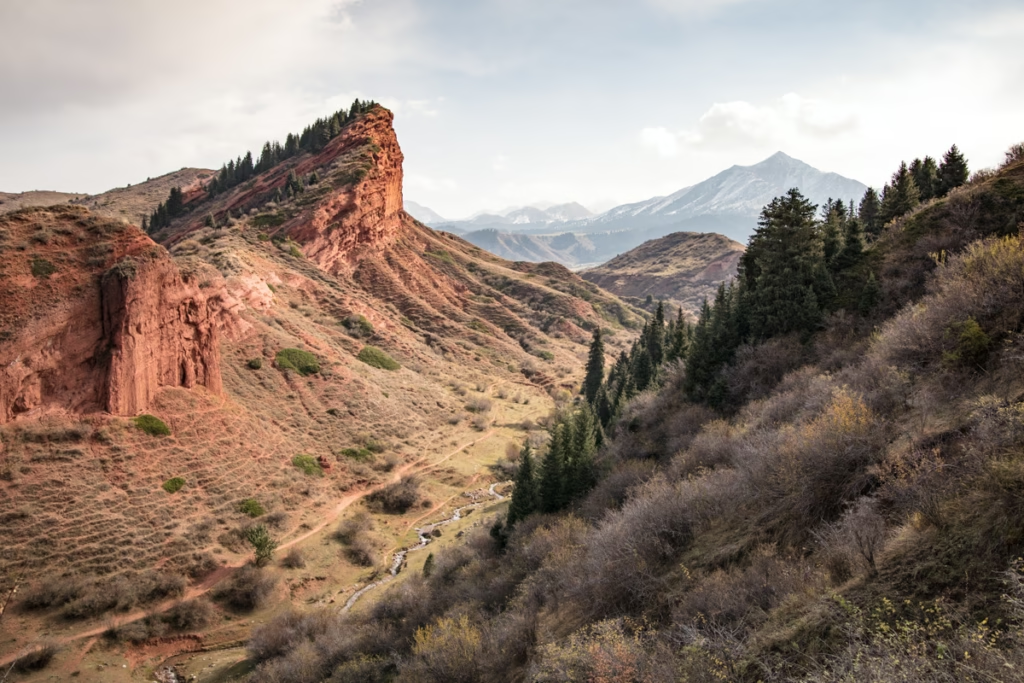
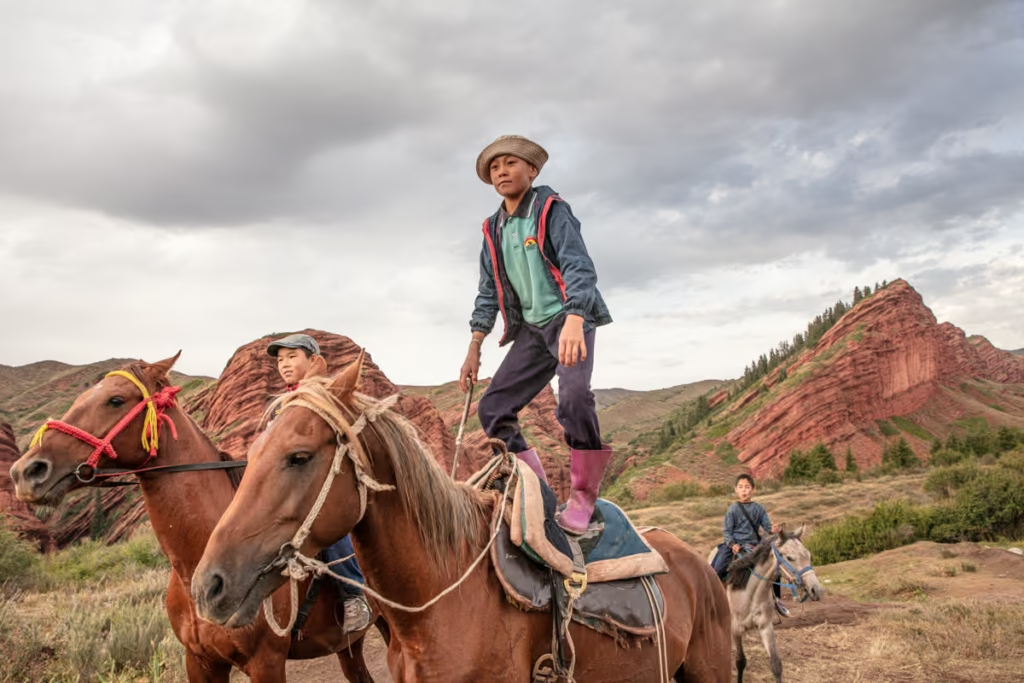
The beautiful red rocks of Jeti Oguz are easily reached on a day trip from Karakol or can be made as an overnight trip, as well as Jeti Oguz being a great place to start a multi-day trek from. Marshrutka #355 will bring you to Jeti Oguz from Karakol for 40 KGS, shared taxis will also take you from Karakol for about 30 KGS, or you can rent a whole car to take you for about 200 KGS.
Start planning your visit to Jeti Oguz
Skazka Canyon
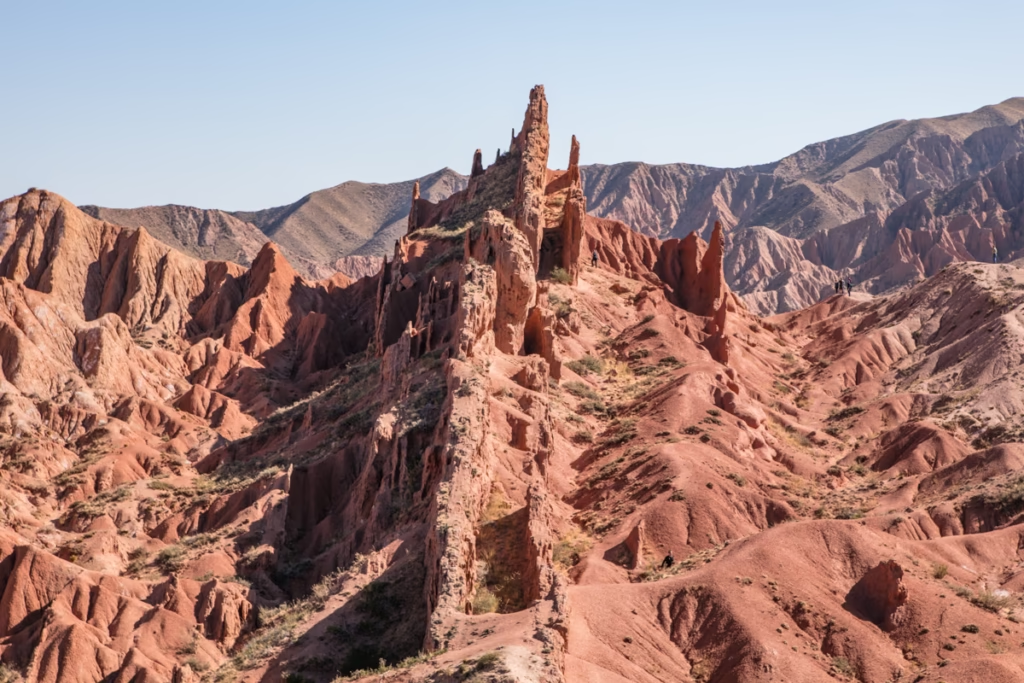
Skazka Canyon, better known to English speakers as Fairytale Canyon is located southwest of Karakol near the southern coast of Issykul. The unusual orangy-pink rock canyon features fascinating rock formations, the most impressive being a narrow spine of jagged rocks that resemble a stegosaurus’ back.
To get to Skazka, take a marshrutka to Bokonbaevo from the South Bus Station in Karakol. From Bokonbaevo you’ll need to find a car to take you the remainder of the way to Skazka. Just ask drivers around ‘Skazka?’ and you’ll eventually be pointed to a driver willing to take you that way. Expect to pay around 100 KGS for the car there.
Tuz Kol
Tuz Kol is Kyrgyzstan’s ‘Little Dead Sea’, a small salt lake located right off the edge of Issykul near Bokonbaevo. Get in, slather the black mud all over yourself, let it dry by baking in the sun, and then when the mud begins to crack rinse off in the lake again.
Barskoon Falls
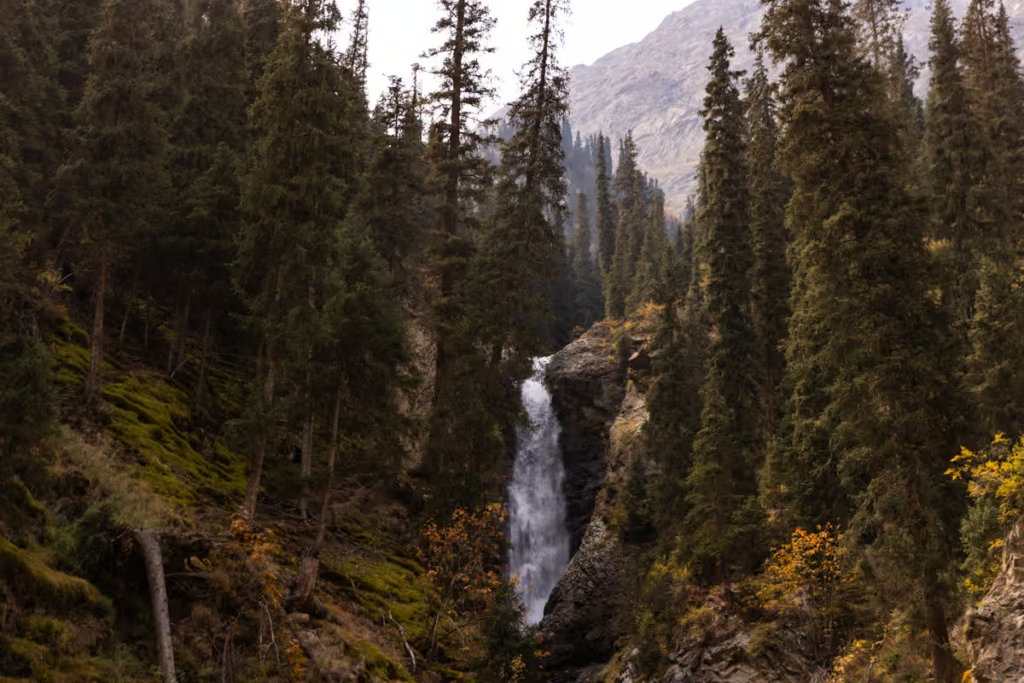
Barskoon Falls is a beautiful day trip from Karakol, with several waterfalls tucked into a forested gorge on the southern shore of Issyk-Kul. The falls are about 90–100 km southwest of Karakol and require a hike once you reach the gorge.
From Karakol’s Southern Bus Station at the corner of Toktogul and Torgoev Streets, take a marshrutka toward Barskoon/Bokonbaevo and ask to be dropped at Barskoon village. From Barskoon village, however, there is no regular public transport to the waterfalls. The falls are roughly 15 km up the gorge, so you’ll need to arrange a taxi, hitchhike, or walk, making a private vehicle much more practical for a day trip.
Go Paragliding On Issykul
Sky Trial runs paragliding trips over Lake Issykul from nearby Ak Suu Village, a great option for adventurous travelers. This was another activity that we had to cancel unfortunately due to bad weather in August 2019, but friends who have been on the Issykul Paragliding trip have raved about the thrill of the aerial views of the lake.
Trekking Trips from Karakol
Altyn Arashan & Ala Kul
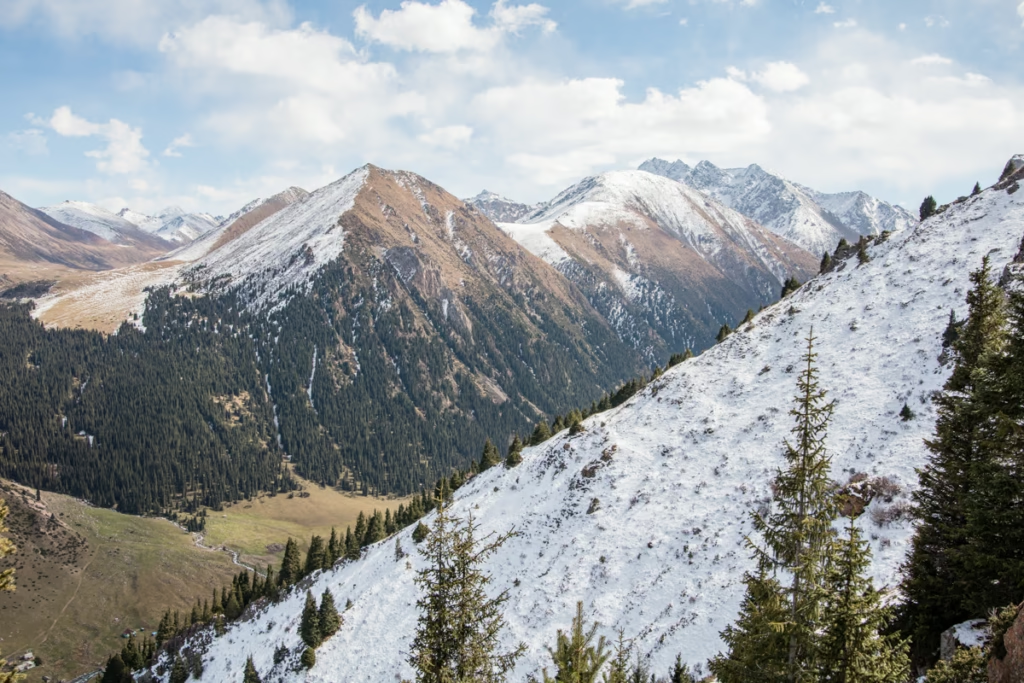
Altyn Arashan is beautifully set in the Anyior Valley, reachable by 4×4 from Karakol (400 KGS), or take Marshrutka #350 from Karakol to Ak Suu Sanatorium and trek 14 km to Altyn Arashan. From Altyn Arashan it’s possible to trek to the gorgeous Ala Kul Lake, or you can take Marshrutka #101 from Karakol to the gate of Ala Kul Nature Reserve and opt to do the trek in reverse.
Kol Tor
Not to be confused with several other lakes scattered around Kyrgyzstan, this Kol Tor is located just east of Karakol in the mountains. You can arrange to trek on foot or by horseback to Kol Tor lake from Kara Kyz Yurt Camp.
Unfortunately, we were unable to make our trek to Kol Tor in August 2019 due to heavy rains the day we were supposed to depart, but from the photos I have seen, it looks absolutely stunning.
Jyrgalyn
Jyrgylan is set in a beautiful valley and offers up epic trekking, awesome cultural encounters, and more. Visit Destination Jyrgalan to start planning your trip. Marshrutka #331 departs Ak Tilek Bazaar and will bring you to Jyrgalyn, though do verify that that marshrutka is going all the way to Jyrgakyn as sometimes it only goes to Ak Suu.
Karakol Is More Than a Mountain Base
Karakol may be best known as the gateway to some of Kyrgyzstan’s best trekking, but give yourself time to explore the town and you’ll find plenty of reasons to linger. From Dungan cuisine and colorful bazaars to historic mosques, wooden churches, and easy day trips around Issyk-Kul, Karakol packs a surprising amount into a small city. Whether you’re stopping for a few days before a trek or using it as a base to explore eastern Kyrgyzstan, Karakol deserves a spot on your itinerary.
Have Any Questions About Visiting Karakol or Any of the Best Things to Do in Karakol?
Ask your Karakol travel questions in the comments section below.
Posts From Kyrgyzstan
Pamir Highway Guide: M41 Route
Jeti Oguz Travel Guide, Kyrgyzstan
Solo Female Travel in Central Asia
How to Get to Sary Chelek, Kyrgyzstan
Kyrgyzstan Photos: 34 Epic Travel Photos
Osh Kyrgyzstan: 6 Things to Do
Central Asia Travel Guide
Ala Archa from Bishkek: Bus & Guide

Isfara-Batken Border Crossing Guide
Kyrgyzstan Border Zone Permit: $40 Service
Karakol Restaurants & Best Food to Try
Kazakhstan & Kyrgyzstan Itinerary
Karkara Border Crossing Between Kazakhstan & Kyrgyzstan
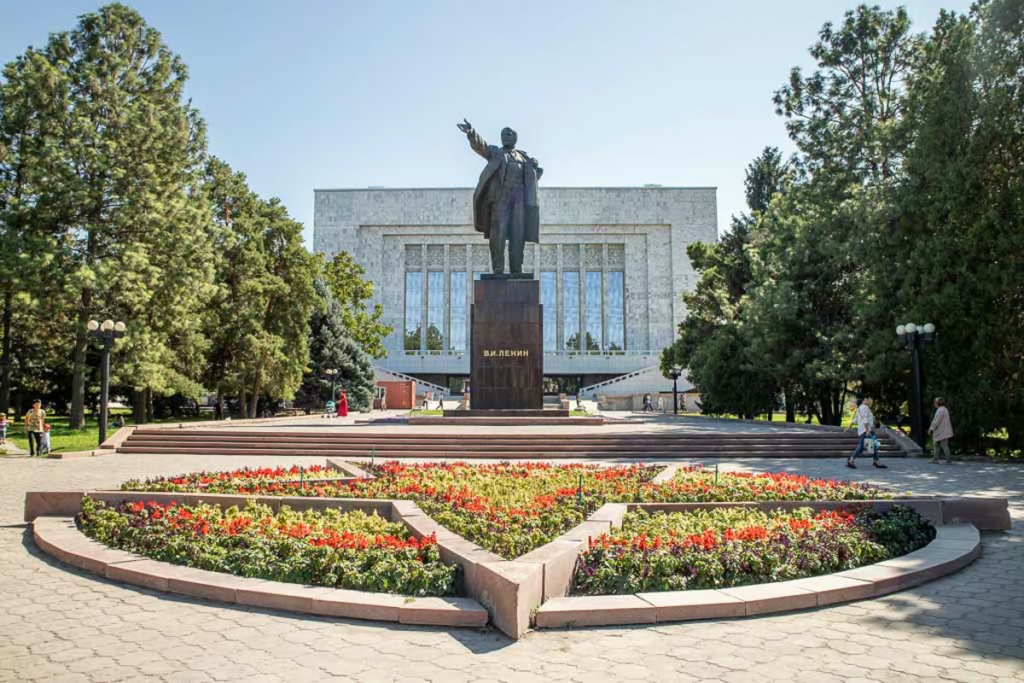
Things to Do in Bishkek: Attractions & Day Trips
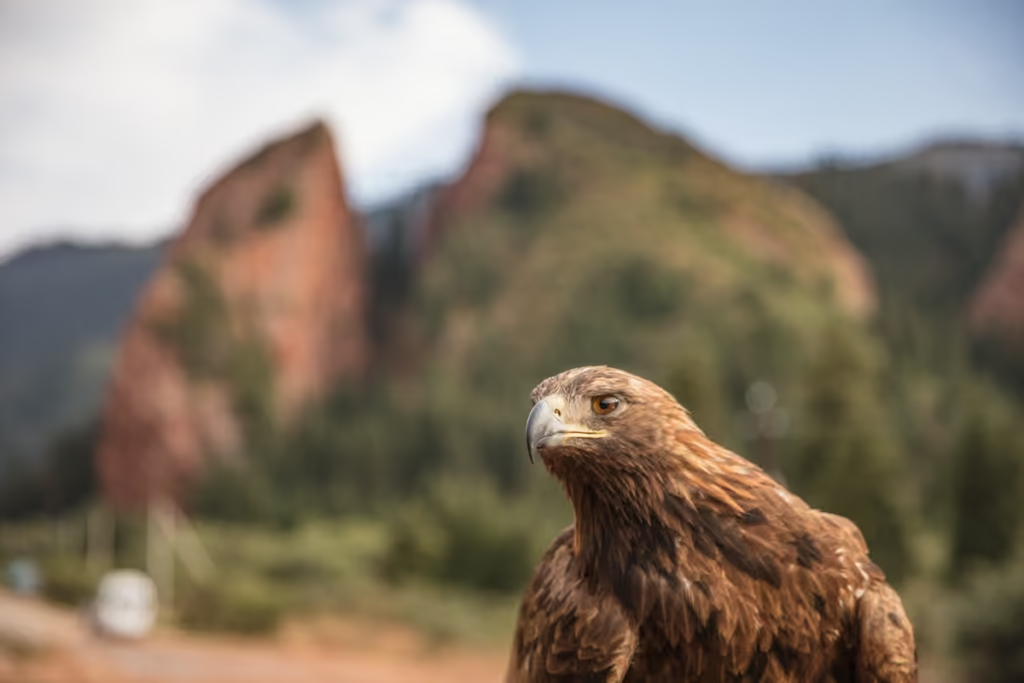
How to Obtain a Kyrgyz Letter of Invitation: Fast $40 Service
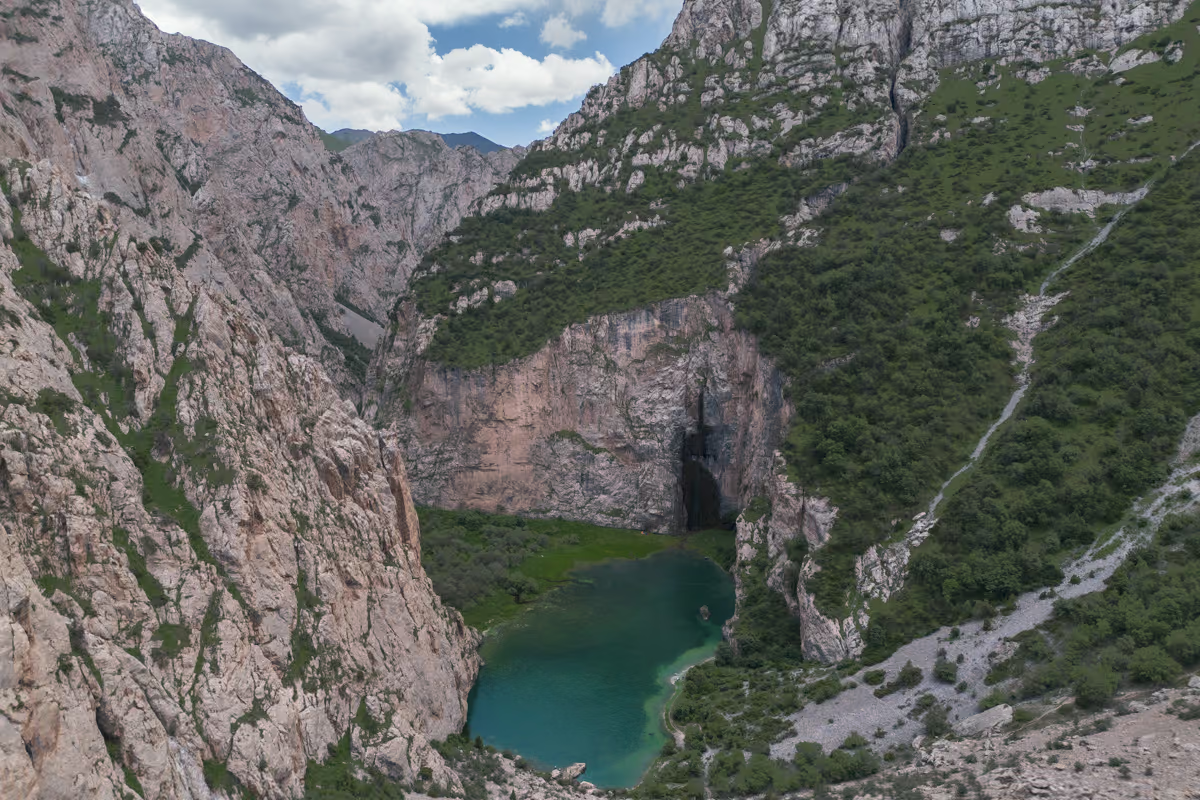
Trekking to Lake Izyumrudnoe
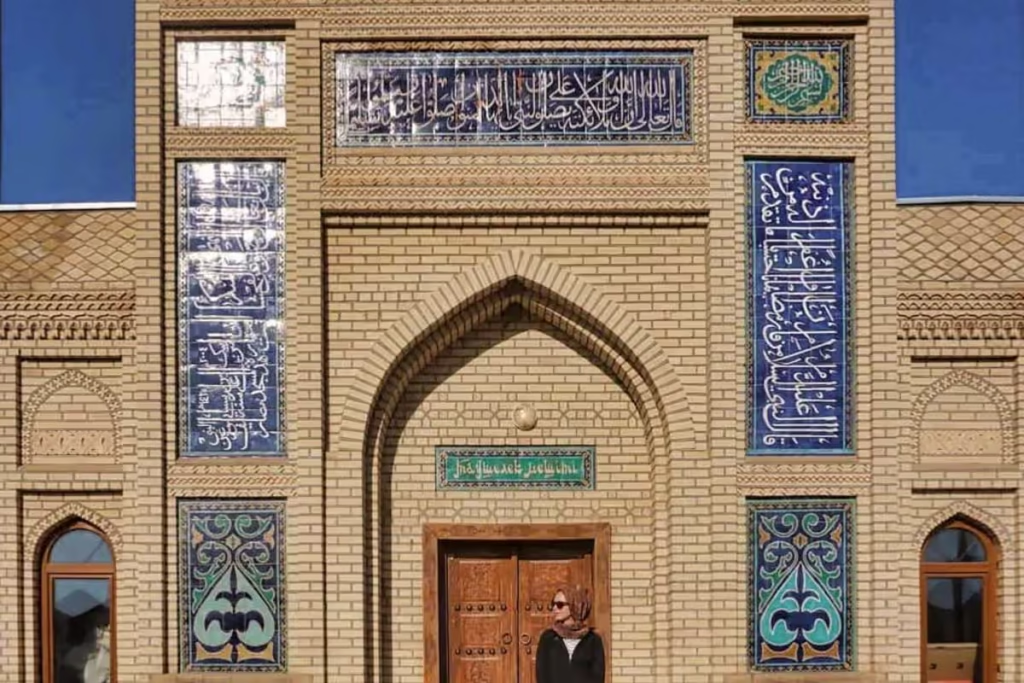
10 Essentials to Pack for Central Asia
A Guide to the World Nomad Games
Central Asia Travel Tips
Vegetarian in Central Asia
Central Asia Visas Guide
Karakol Travel Guide: Top Things to Do
Kyrgyzstan SIM Card & eSIM Guide
Exploring Soviet Osh
How to Get to Burana Tower & Tokmok Animal Market
Kyrgyzstan Travel Guide
Central Asia Food & Drink