Visiting Byron Glacier, Alaska
Updated February 2026, Visiting Byron Glacier, Alaska was originally written in February 2020
Byron Glacier is one of the easiest to access glaciers in the Anchorage vicinity, about an hour and 10 minutes drive south of Anchorage, not far beyond the beautiful town of Girdwood.
A viewpoint for the glacier is accessible from the Byron Glacier Trailhead, by a short 0.8 mile walk along a maintained trail. You can continue onwards beyond the viewpoint to hike up onto the glacier, though this is at your own risk for obvious reasons.
Start planning your Alaska vacation: The Ultimate Alaska Travel Guide
Need Travel Insurance and Evacuation Services?
Start shopping for travel insurance plans over at IATI Insurance. Readers of the Adventures of Nicole get a 5% discount off your plan.
The Adventures of Nicole partners with Global Rescue to offer the world’s leading medical evacuation and security advisory services. To travel with peace of mind, explore their evacuation coverage.
How To Get To Byron Glacier Trailhead
Byron Glacier is located not far off the Seward Highway that connects Anchorage with the Kenai Peninsula.
To reach the Byron Glacier Trailhead, turn off of the Seward Highway Portage Glacier Road (this is the same road that gives access to Portage Lake and Glacier, and the Whittier Tunnel).
About 5 miles down Portage Glacier Road you’ll take a slight right onto Portage Lake Loop and a right off there onto Byron Glacier Road. The Byron Glacier Trailhead parking lot will be on your right side.
The Hike to Byron Glacier Viewpoint
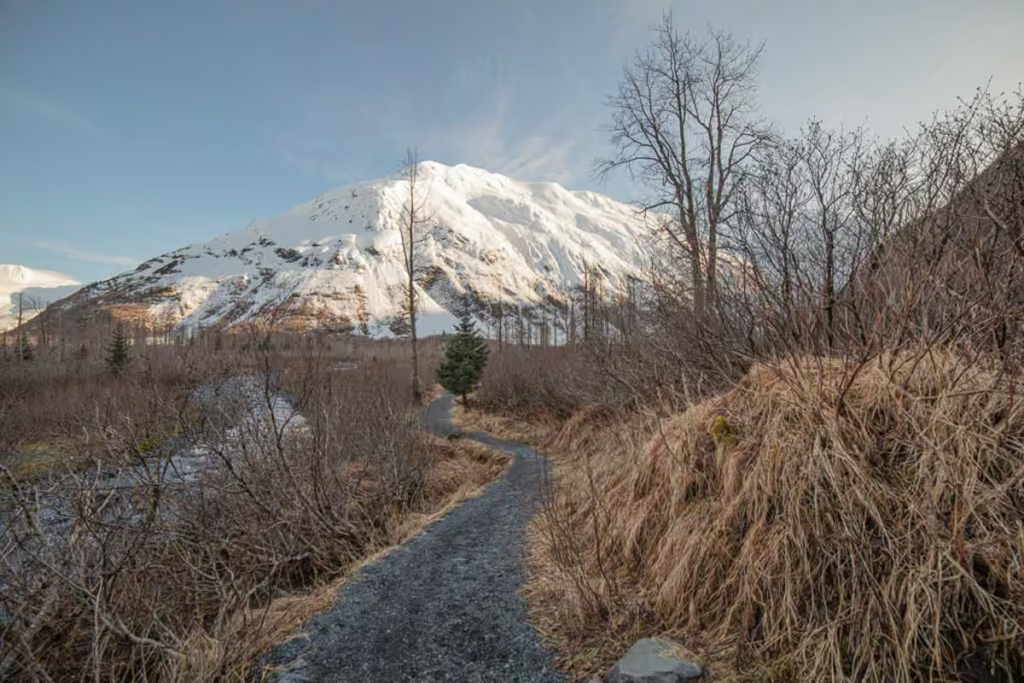
From the trailhead to the viewing point is about 0.8 miles in distance on a maintained gravel trail. At the Byron Glacier Viewpoint, there are benches to rest at before you head back or continue onwards toward the glacier.
The walk along the trail is relatively flat with only a couple of small hills. The first portion of the trail will take you through cottonwood and alder brush before it opens up and continues along Byron Creek.
Make sure and visit nearby Girdwood on your way to Byron Glacier
Hiking Out onto Byron Glacier
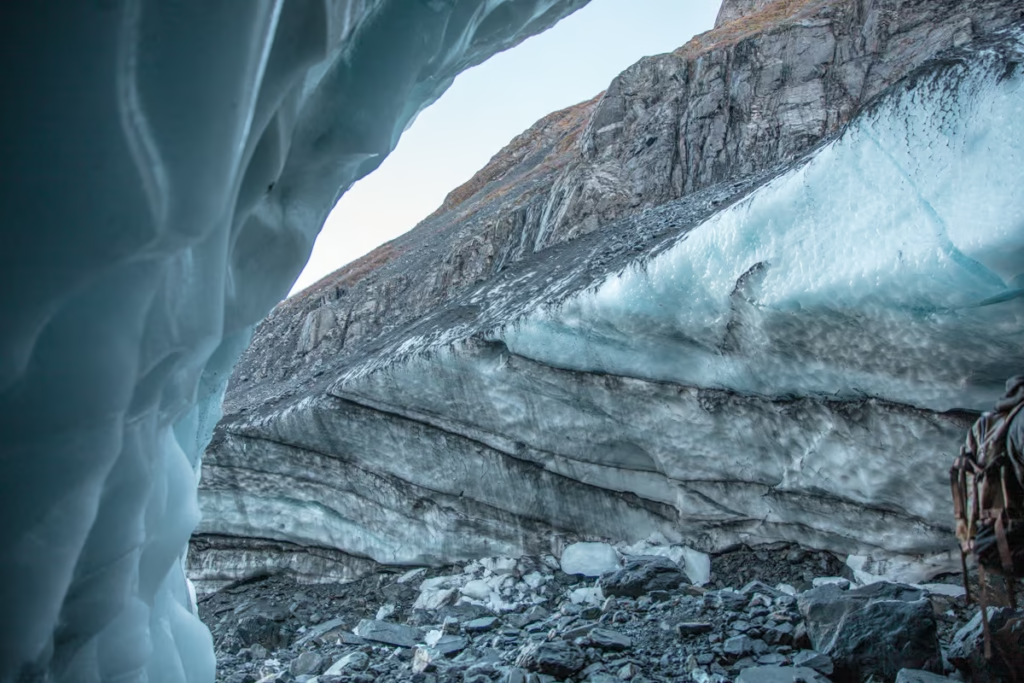
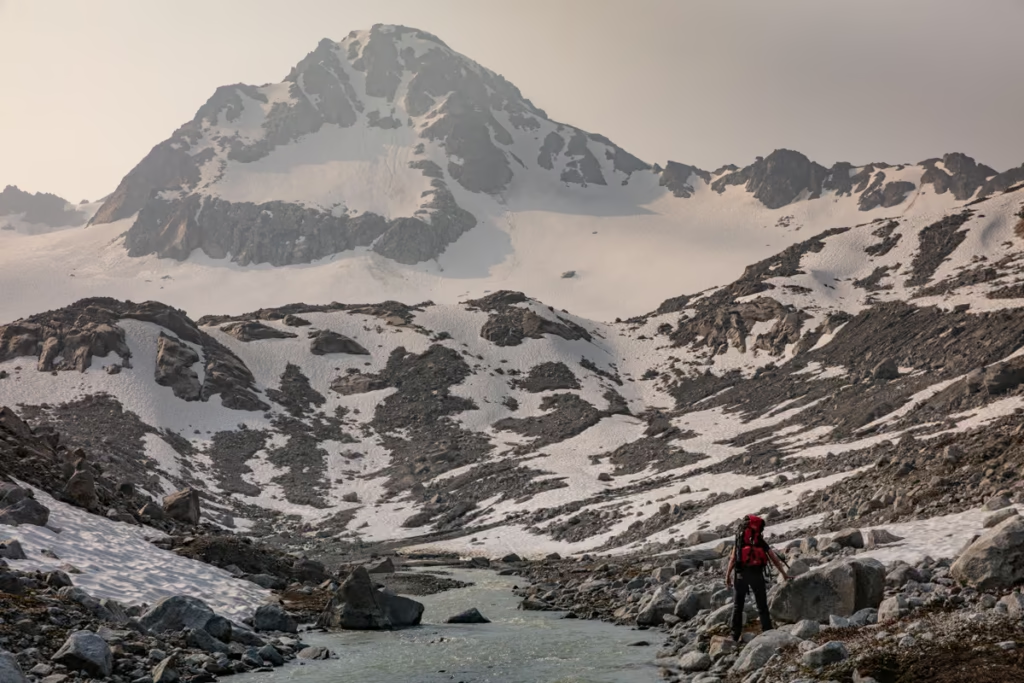
A short hike beyond the viewpoint will bring you right to the glacier. You will need to go up a boulder hill and back down and you may need to wade through or jump over parts of the creek on the other side. Do be careful as the boulders out here can be quite slippery (I’ve fallen a time or two out here).
Another hazard to be aware of is avalanches, especially in the spring and early half of the summer. Byron Valley is very narrow with steep cliff-like walls and gets pretty heavy snowfall, so avalanches are quite common.
You can continue to hike up onto Byron Glacier, but do be careful, as glaciers, especially Byron Glacier, is quite unstable.
The Byron Glacier Ice Caves
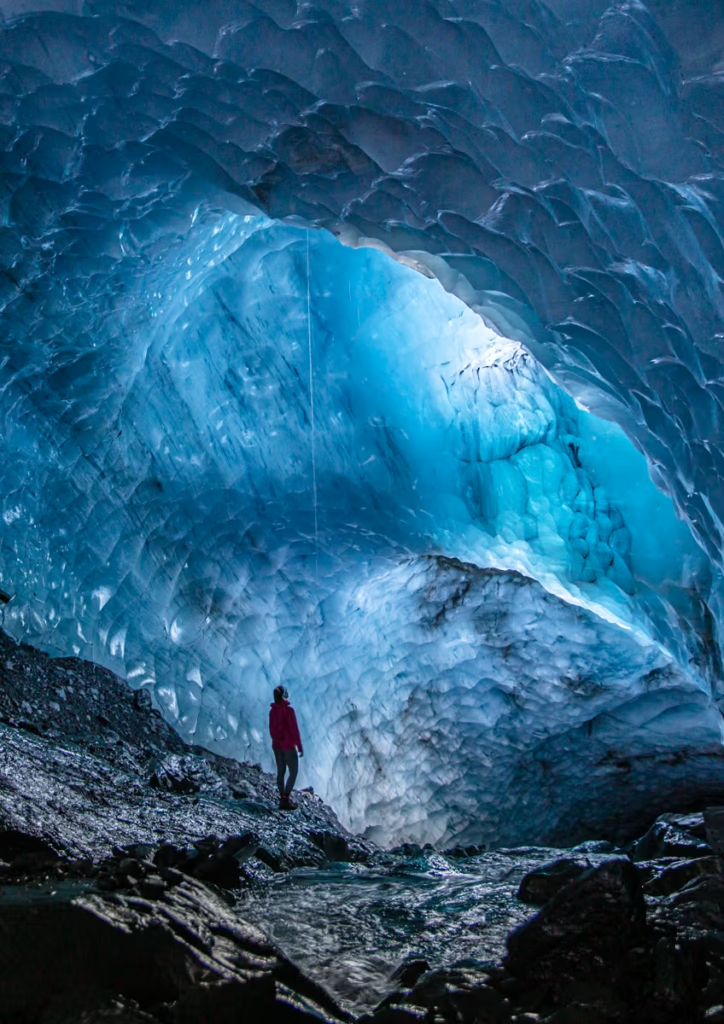
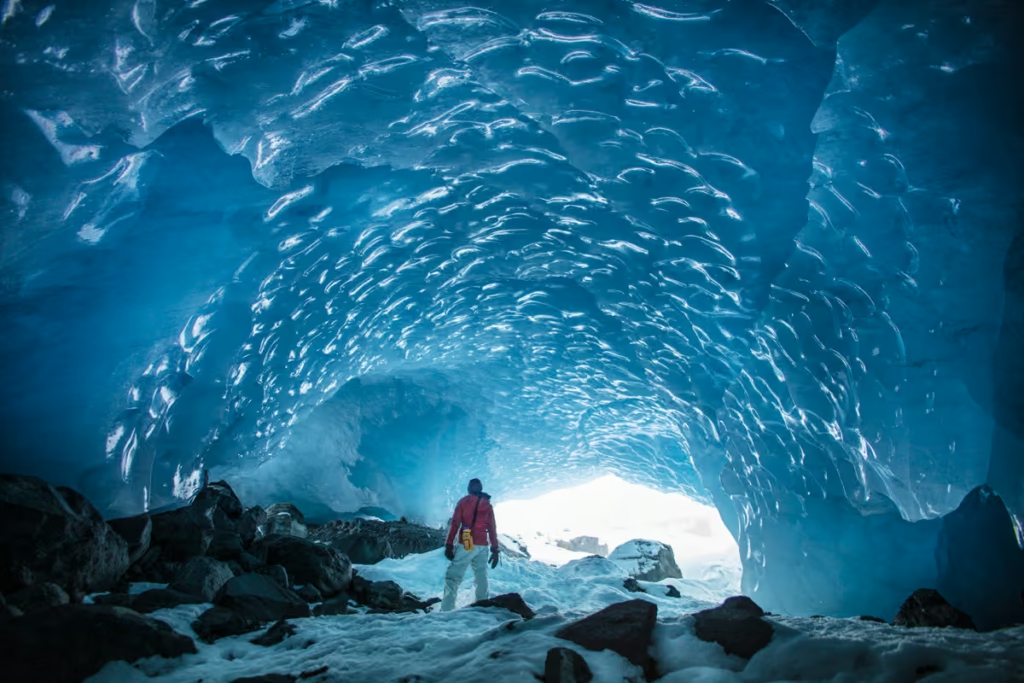
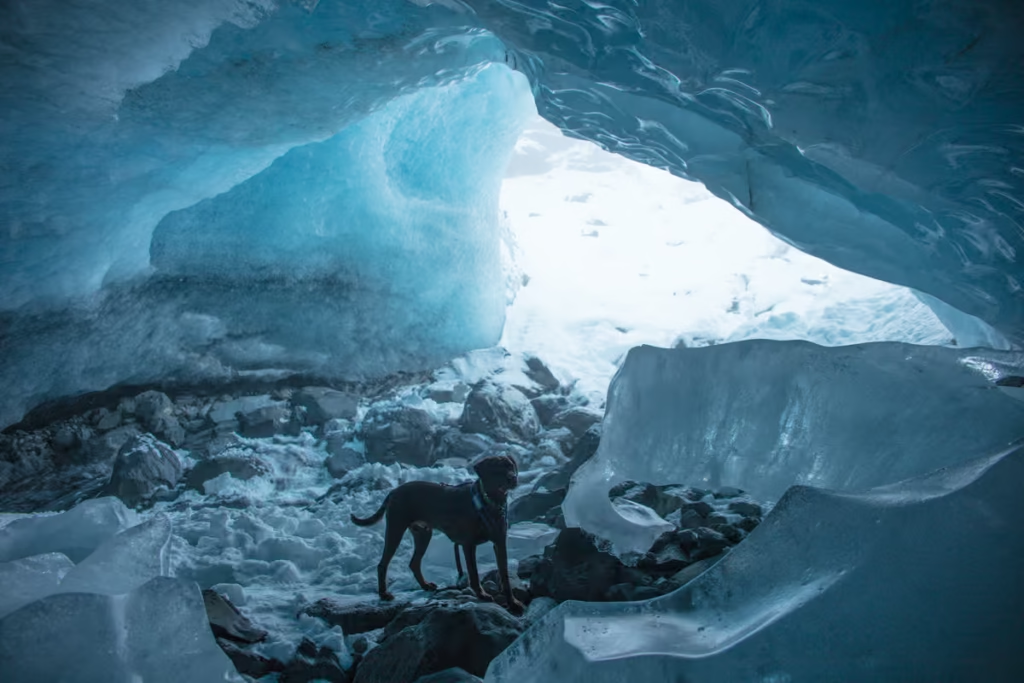
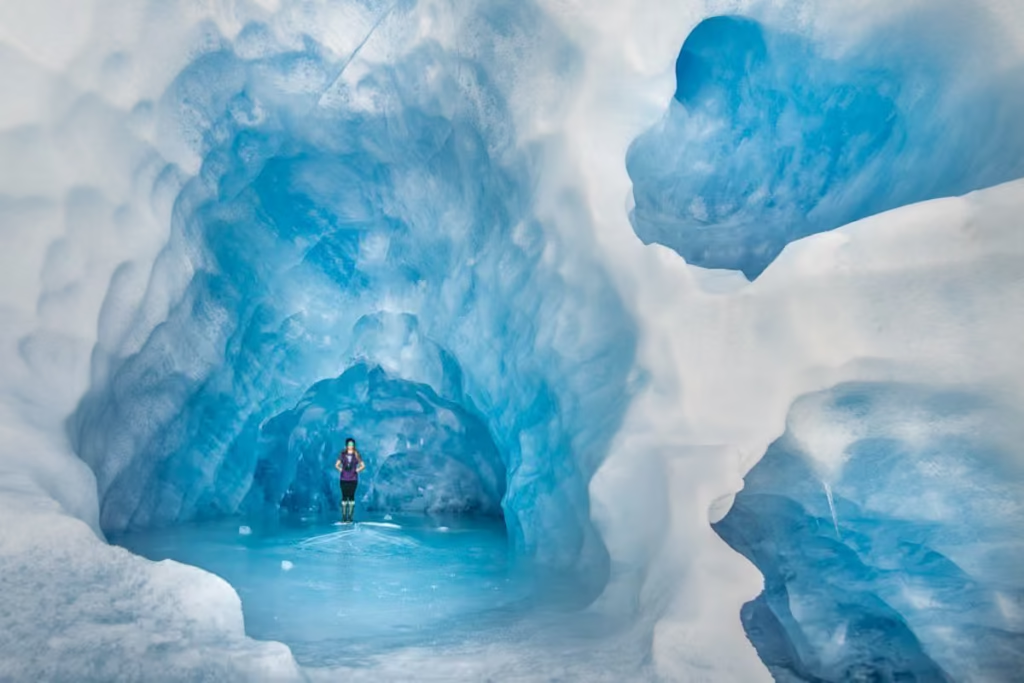
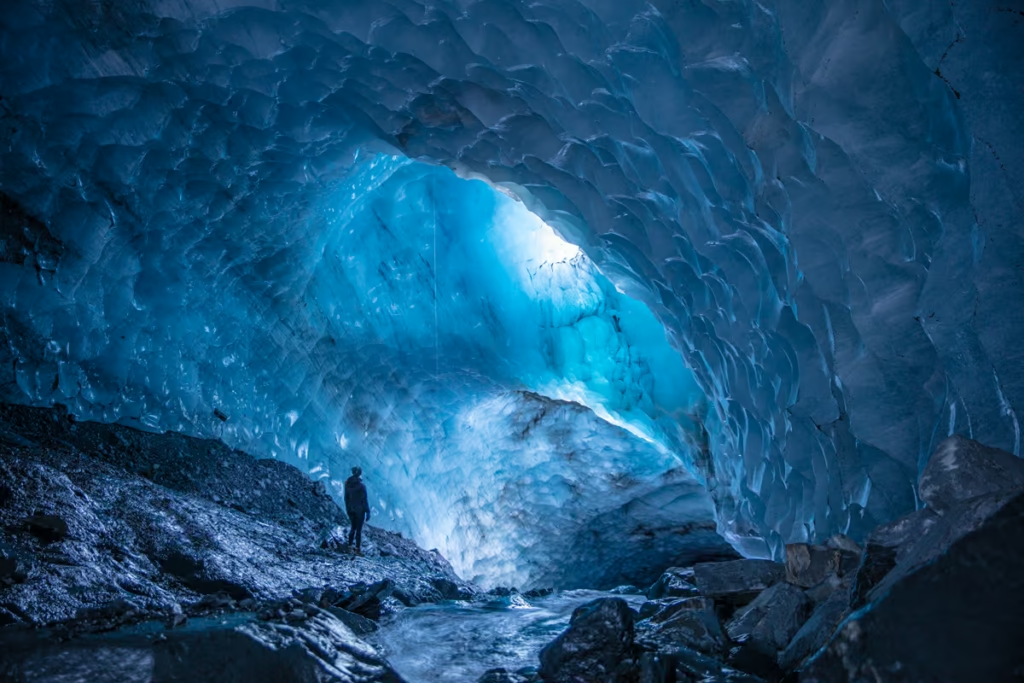
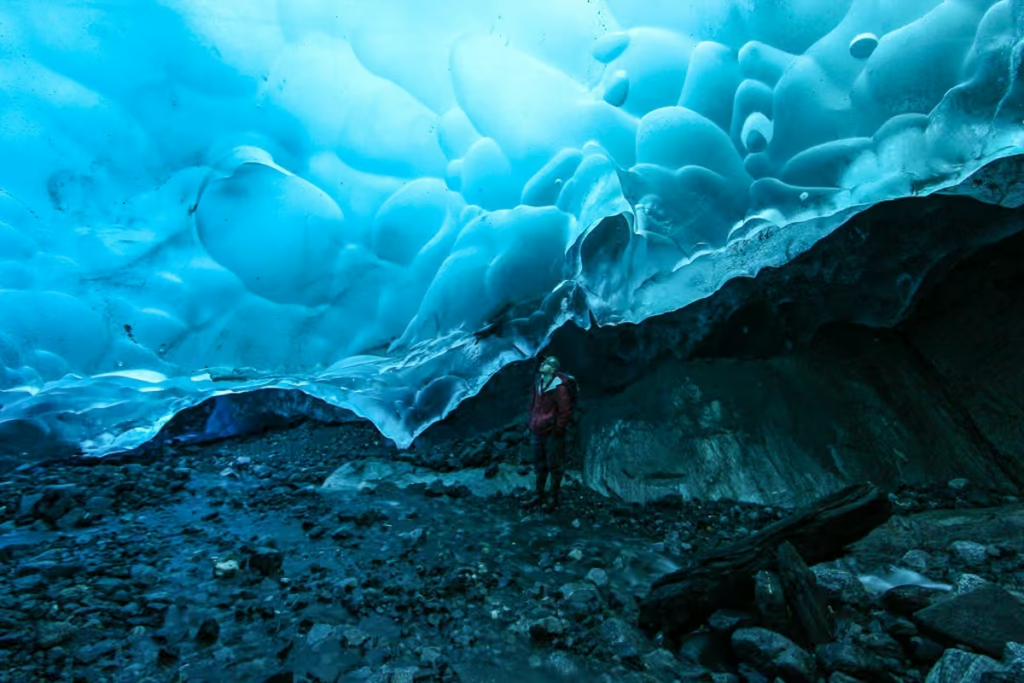
At times there are ice caves on Byron Glacier. I have been in the ice caves numerous times, but they frequently collapse and reform, sometimes appearing in different locations than previous.
If you are trying to view the Byron Glacier Ice Caves you’re best bet to locating them will be to ask other hikers coming down off the glacier if they’re there and how to reach them.
Personally, I’ve seen them right at the bottom of the glacier, and other times I’ve seen them way up high, requiring a good 700 or so foot ascent to reach them.
With all this said, going inside ice caves is a dangerous activity and not one to be taken lightly. In 2018, a woman died after the Byron Glacier Ice Cave collapsed, crushing her and injuring two others.
Plan your stay in Anchorage with the Anchorage Travel Guide
Other Things to Do Near Byron Glacier
- Portage Glacier Lake Cruise: Book a Portage Lake & Glacier cruise.
- Visit The Begich Boggs Visitor Center: Learn about the surrounding glaciers and Chugach National Forest. Admission is $5.
- Hike Over Portage Pass: Hike this 2.2 mile trail to the top of Portage Pass with views of the glacier next to it.
- Drive Through The Tunnel And Visit The Town Of Whittier: For $22 you can buy a return ticket to travel to Whittier and back via the Whitter Tunnel to check out the small fishing town on Prince William Sound.
Have Any Questions About Visiting Byron Glacier?
Ask in the comments section below.
Posts from Alaska
Kenai Peninsula Road Trip Alaska
Anchorage to Fairbanks Road Trip
Snowbird-Bomber Hike in Hatcher Pass, Alaska
Spencer Glacier Whistle Stop Train
Best Road Trips in the World
Visiting Byron Glacier
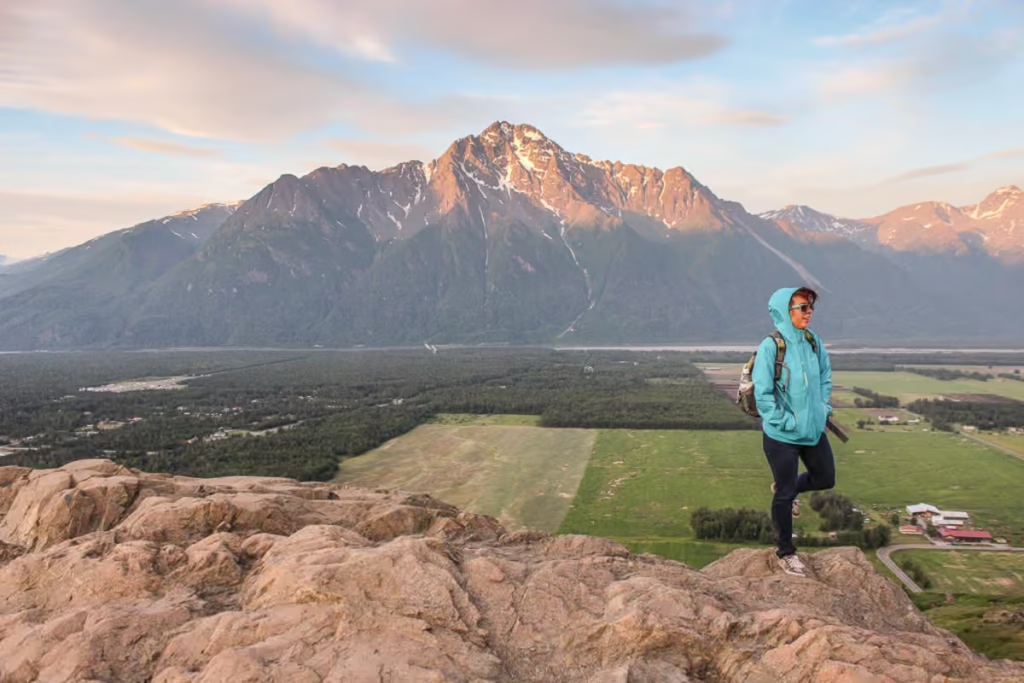
Best Day Hikes Near Anchorage
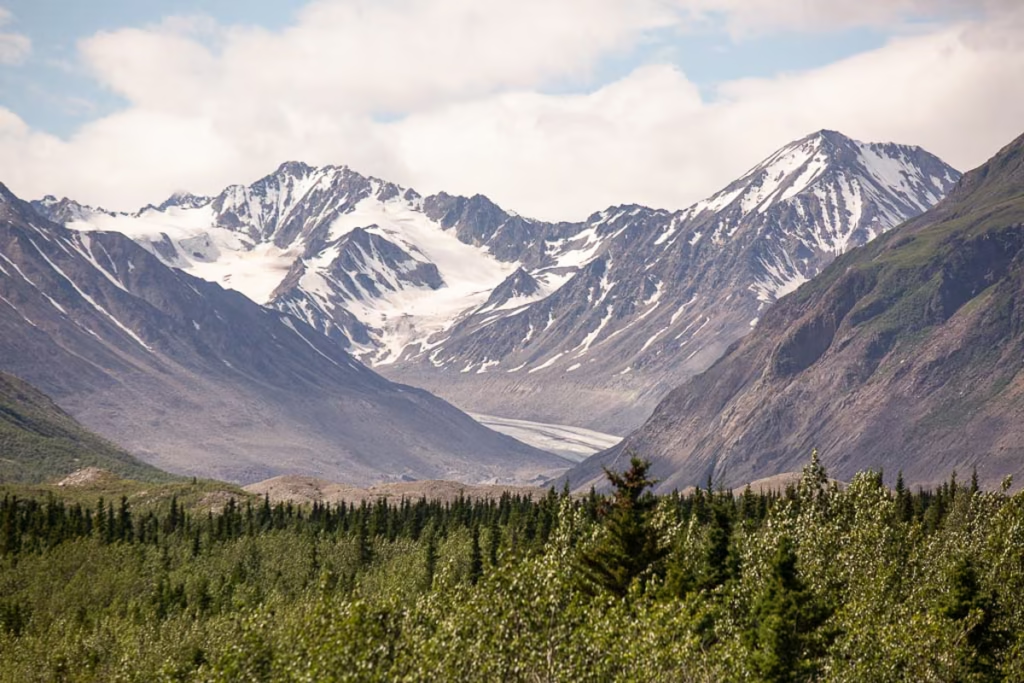
Big Loop Alaska Road Trip
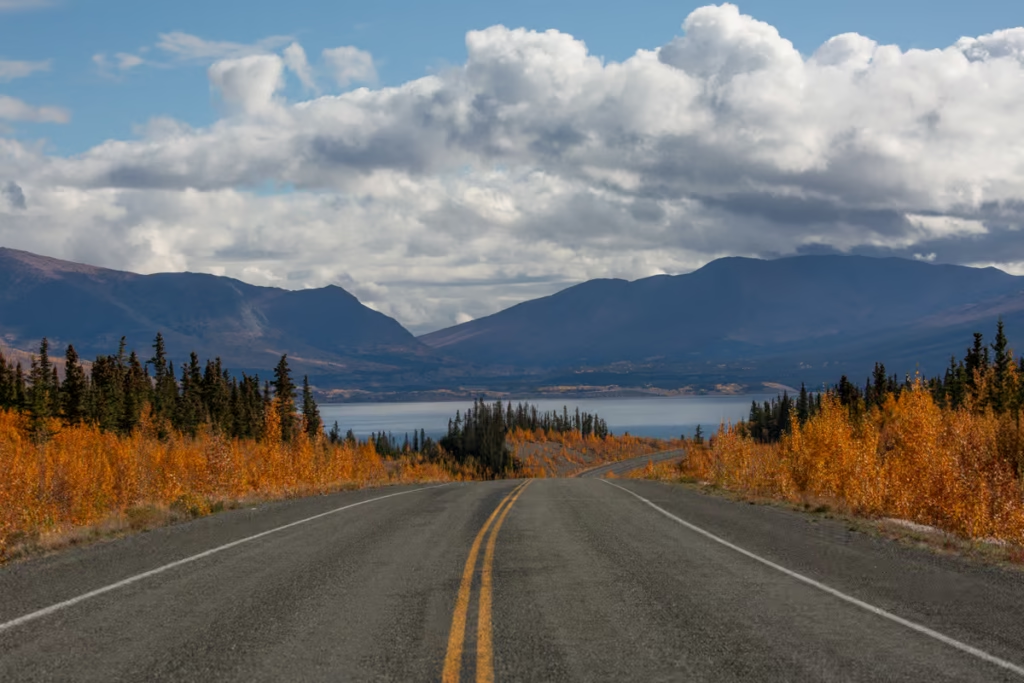
Alaska Highway: The Alcan Road Trip Guide
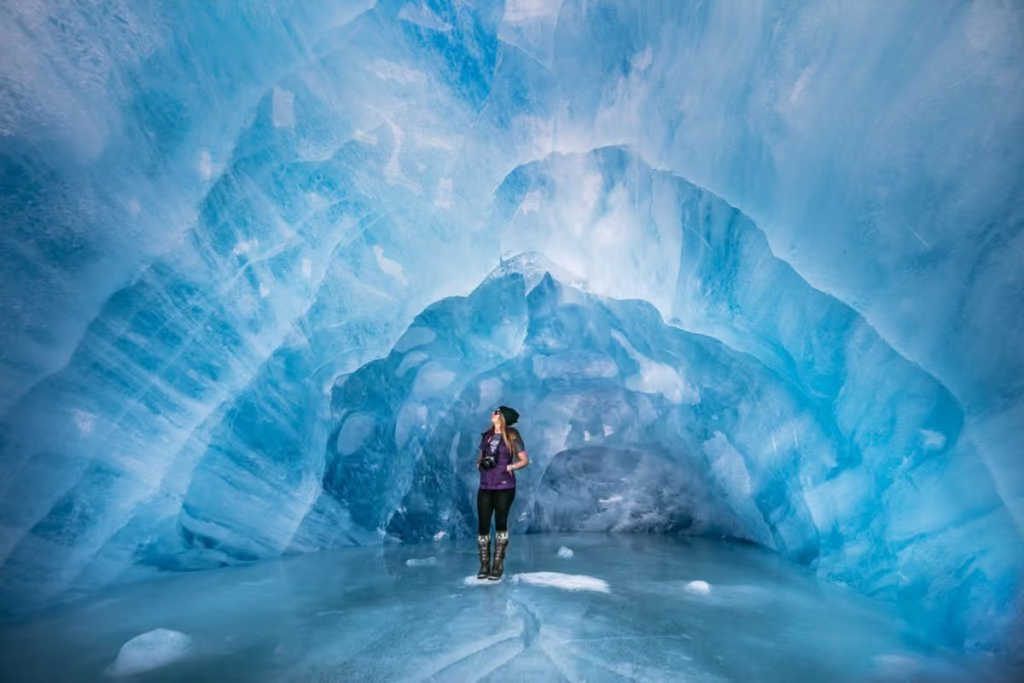
Travel Alaska on a Budget
Denali Highway Road Trip
Girdwood Travel Guide
Two Day Anchorage Itinerary
A Guide to Hiking to Flute Glacier
Hiking to Exit Glacier
Kenai Fjords National Park Travel Guide

Between Beaches: An Alaskan Winter Getaway
Seward Travel Guide
The Best Hostels in Anchorage, Alaska
A Quick Guide To Hope, Alaska
Shrine of St. Therese in Juneau, Alaska
Wrangell St. Elias Road Trip
Anchorage’s Best Hotels
Best Things to do in Alaska
How Much Does It Cost to Travel Alaska? Budget Guide 2026
Homer Travel Guide
Free Places to Ski & Snowboard Near Anchorage
Virgin Creek Falls in Girdwood, Alaska
Williwaw Lakes Hike in Anchorage, Alaska
What to Pack for Alaska
Kenai Fjords Tour with Major Marine
Kayakers Cove, a Perfect Escape from Seward, Alaska
Twin Peaks Trail & Eklutna Lake
Eagle & Symphony Lakes Hike
Fairbanks Travel Guide: 13 Best Things to Do
Reed Lakes Hike in Hatcher Pass, Alaska
Denali National Park Travel Guide
How To Get A Denali Road Lottery Permit
Alaska Travel Guide
Rabbit Lake Hike in Anchorage, Alaska
A Day Hike Into ANWR
Free Things to Do in Anchorage
10 Reasons Visit Alaska
Juneau Travel Guide
Biking to Knik Glacier in the Winter
K’esugi Ridge Hike, Alaska
Ultimate Alaska Road Trip Itinerary
How To Get To Mendenhall Ice Caves
Anchorage Travel Guide