Kashgar Travel Guide
Updated January 2026, The Kashgar Travel Guide was originally written in August 2018
Kashgar: The important Silk Road trading post at the junction of the Northern & Southern Routes in the extreme western fringes of China.
Closer to the Middle East than it is to Beijing and a world away. Home to Uyghur people, a suppressed ethnic minority within China, yet the majority in the Xinjiang Autonomous Uyghur Region.
I personally didn’t enjoy traveling in the Xinjiang Region, not because of anything to do with Xinjiang itself, but because of the constant military and police security checkpoints.
With that said, Kashgar seemed to be the most relaxed of the areas I was able to visit in Xinjiang, really bestowing on it the oasis it’s been known to be for the last two millennia.
Learn what to see, where to go, what to eat and where to sleep in this Kashgar Travel Guide.
Need Travel Insurance and Evacuation Services?
Start shopping for travel insurance plans over at IATI Insurance. Readers of the Adventures of Nicole get a 5% discount off your plan.
The Adventures of Nicole partners with Global Rescue to offer the world’s leading medical evacuation and security advisory services. To travel with peace of mind, explore their evacuation coverage.
What to See & Do in Kashgar
There are a number of things to see in Kashgar. Sadly most of the old town has been removed and replaced by new buildings.
Most mosques have had their minarets taken off and signs with Chinese propaganda hung at the entrances. With that said the Uyghur culture is strong and you can still see important aspects of their lifestyle in Kashgar.
Sunday Livestock Market
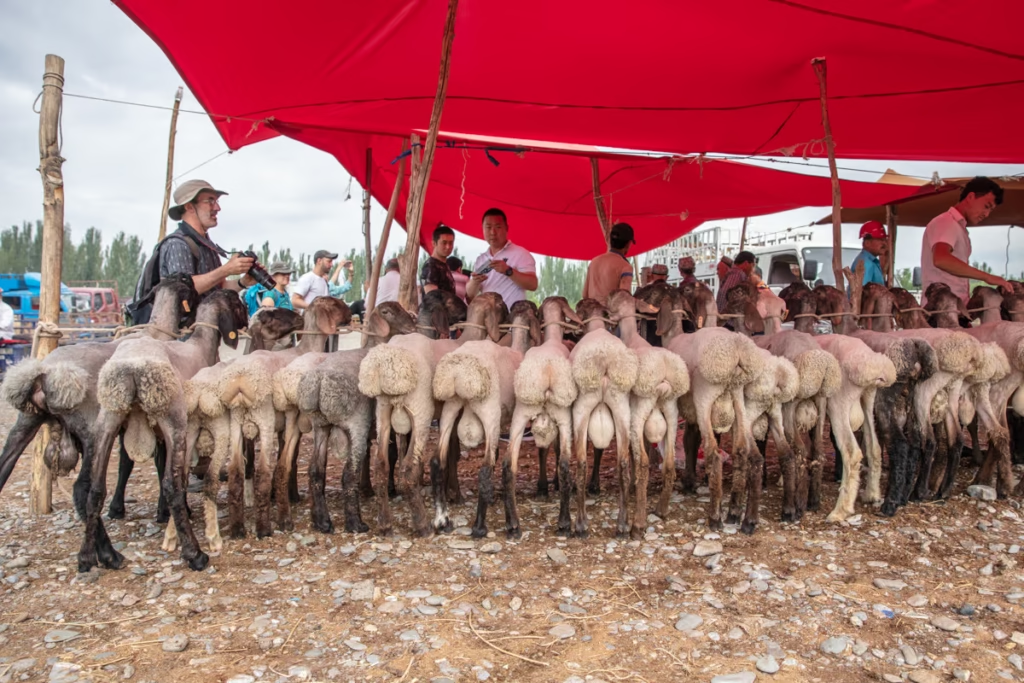
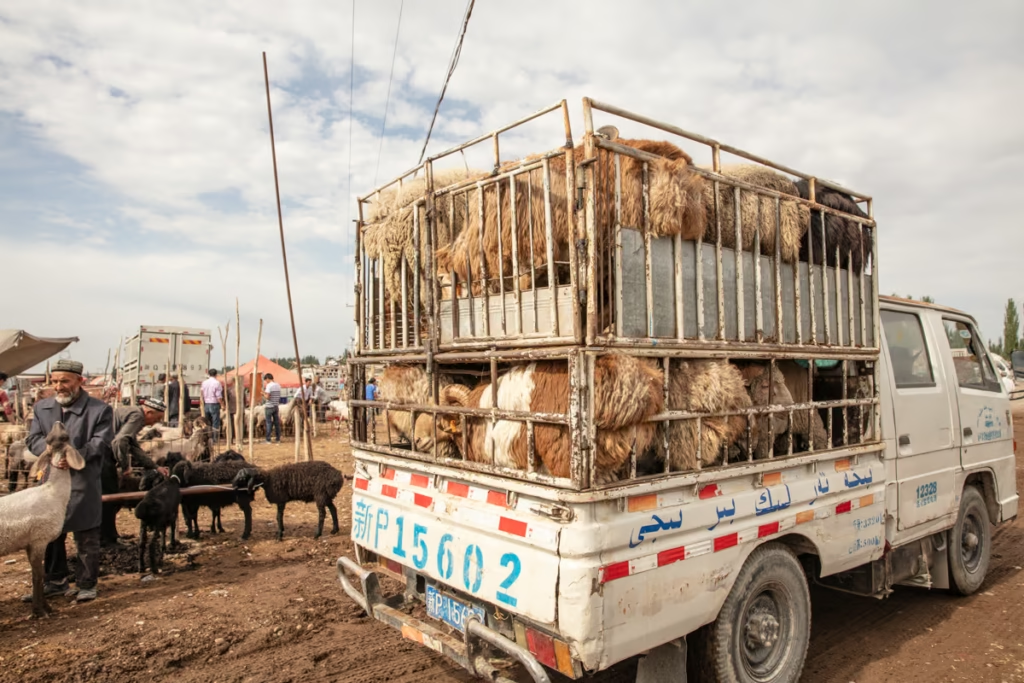
About a 30 minute drive outside of Kashgar every Sunday this livestock market kicks off from about 8 am to 6 pm. It’s a great place to see the Uyghur, as well as Hui (Dungan), Tajik, Uzbek, Kazakh and Kyrgyz traders from all around Kashgar and the surrounding area come to trade livestock.
You’ll see trucks, carts, and pens full of sheep, camels, horses, cows, and donkeys. Watching the men haggle with their hand gestures is quite interesting. Make sure and get some freshly prepared lamb samsa and chai before you leave. If you don’t want to visit on your own, check out this Kashgar Animal Market day tour.
The Grand Sunday Bazaar
This is the main bazaar in Kashgar that happens every day, however, it’s far more lively on Sundays. Grab some silk, spices, tea, carpets, and doppa caps here.
Kashgar Old Town
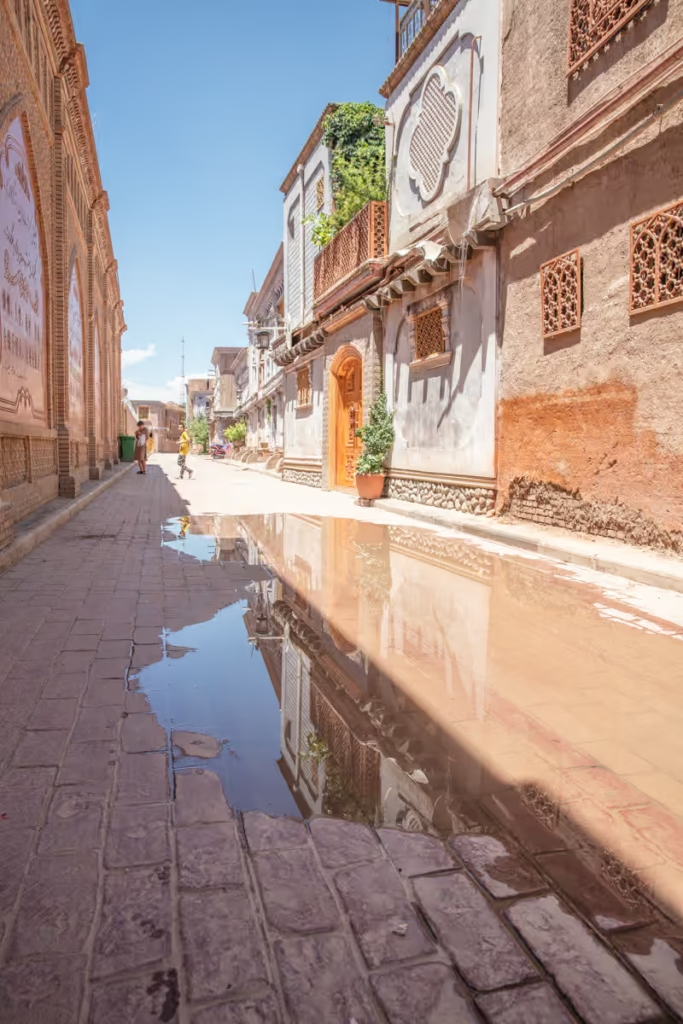
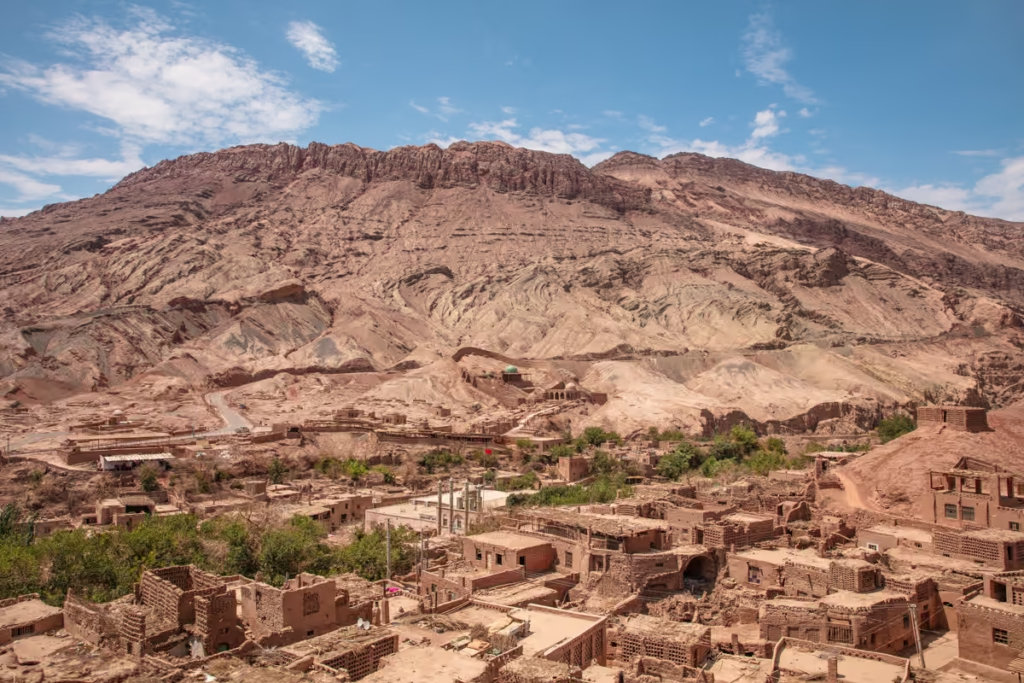
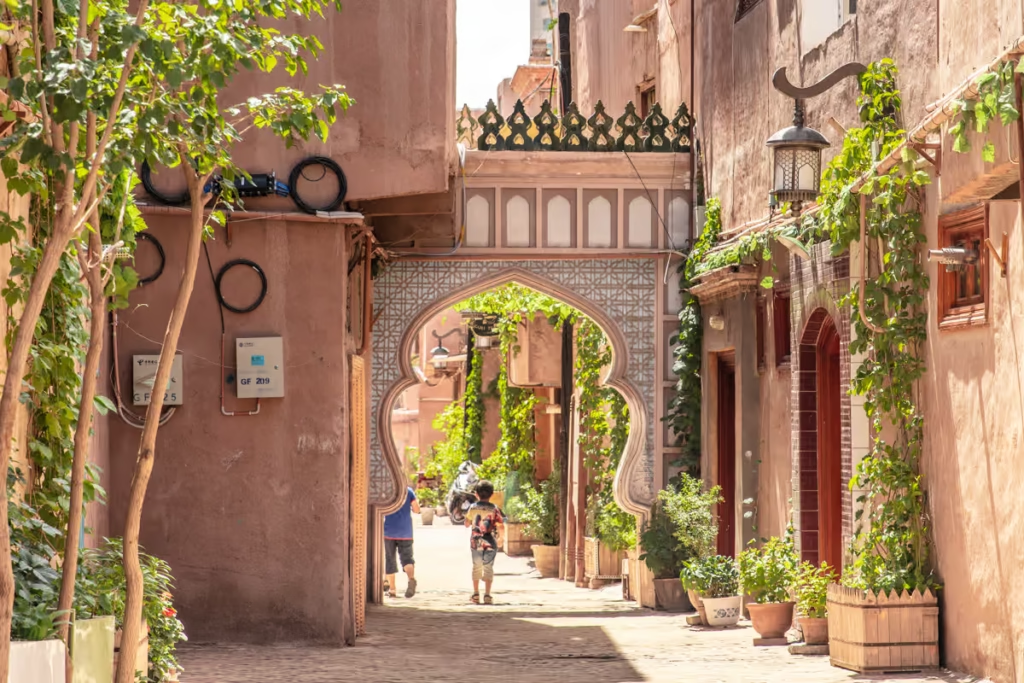
Most of the true Old Town has been demolished and some parts re-built in the typical Chinese let’s-tear-down-and-rebuild-in-a-Disneyified-manner-and-build-a-new-building-that-looks-old, and others built into very Chinese looking characterless big buildings.
In the government’s defense, the structures were dilapidated and had sewage issues. You aren’t allowed to visit what remains of the true Old Town, however, there’s no guard on duty there until about 9am. So get an early start and sneak in and out before his shift starts.
Explore the best of Kashgar from the Old Town to its newer monuments on this Kashgar day tour.
Id Kah Mosque
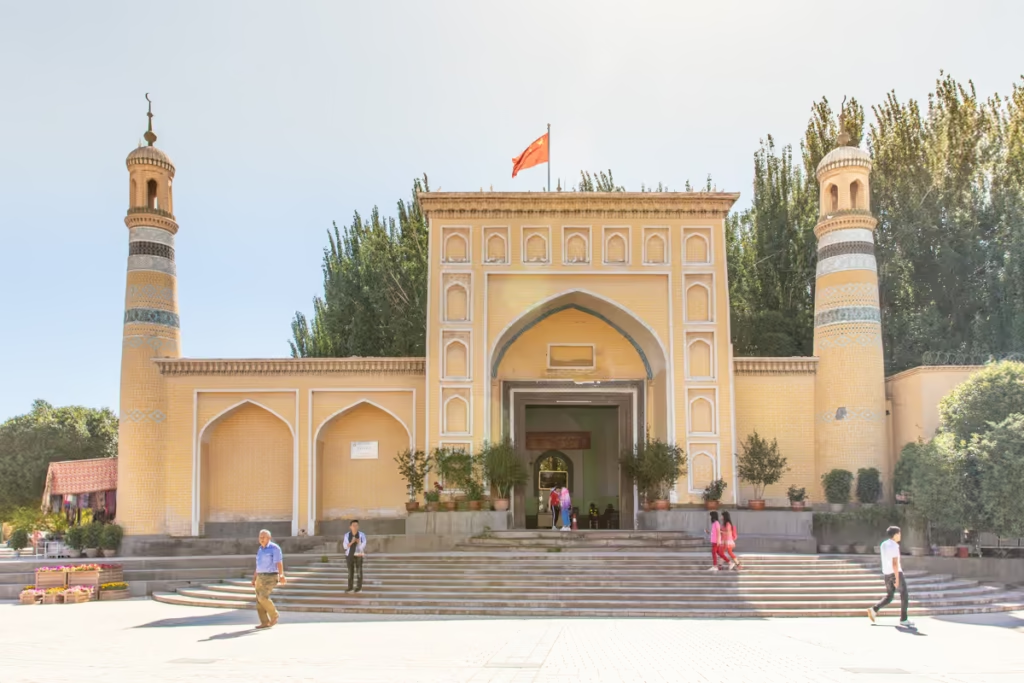
This is the big yellow mosque in the main square. This is the largest mosque in all of Xinjiang. Non-Muslims may enter outside of prayer times. Entrance is 45 RMB per person.
Abakh Hoja Mausoleum
One of the holiest sites in all of Xinjiang built by the Hoja family in 1640. The architecture is worth coming to visit, and it’s a major pilgrimage site for Muslims around Xinjiang. 30 RMB to enter.
Mao Statue
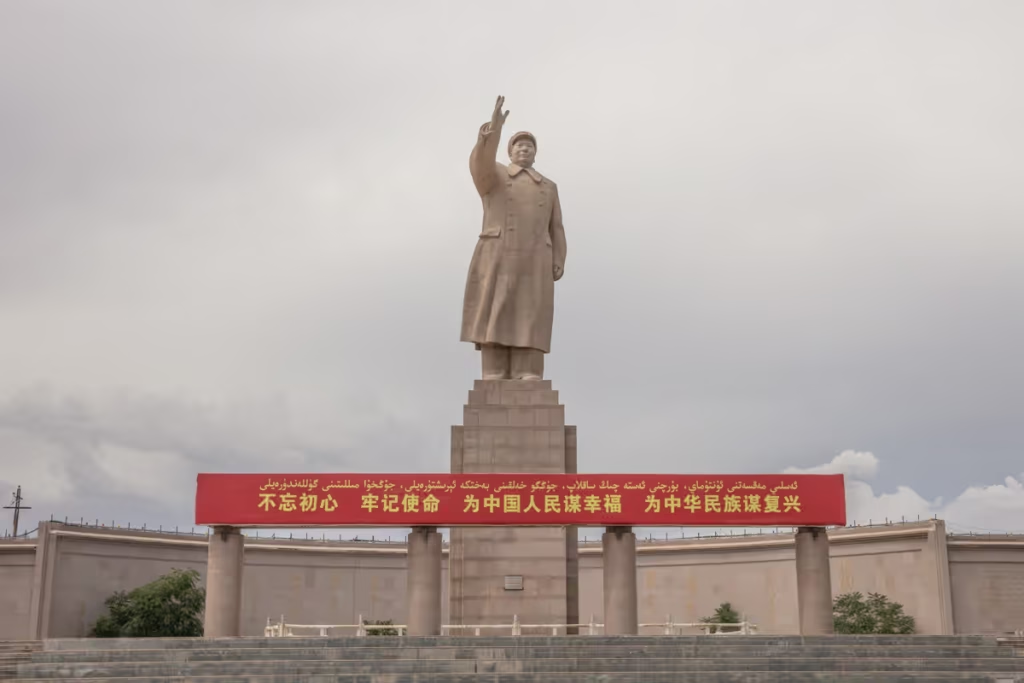
Located in Kashgar’s Renmin Quare there is a massive Mao Statue. I mean, when in China, right?
Mor Buddhist Pagoda
With only one pagoda remaining from the 7th century, this was where monks came to worship until most of the pagodas were destroyed in the 12th century.
Tomb Of Yusap Khas Hajip
Tomb of the Kashgari poet Yusap Khas Hajip who wrote the famous Uyghur poem The Wisdom of Happiness and Pleasure. 30 RMB to enter.
Tomb of Mahmud Kashgari
Mahmud Kashgari compiled and created the first Turkic Language dictionary in the 11th century. The tomb is also home to a mosque and sacred spring. 30 RMB to enter. Located in Upal, about an hour drive south outside of Kashgar.
Karakul Lake
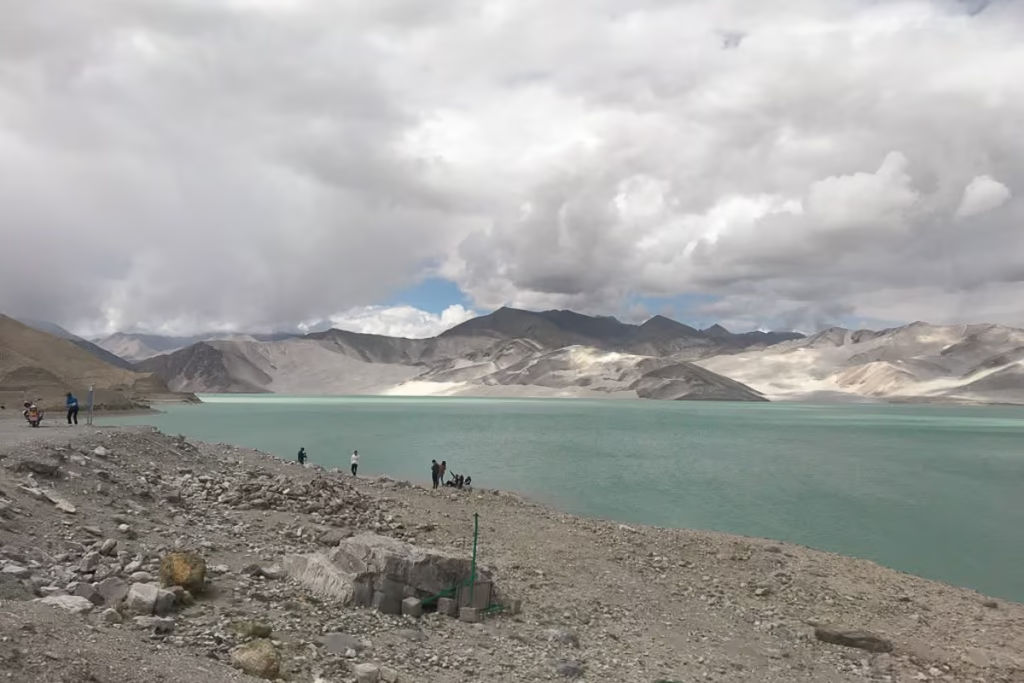
A beautiful lake located about a 5 hour drive south of Kashgar. A nice stop if you’re planning to travel between Kashgar and Tashkurgan. Nearby, along the Karakoram Highway toward Tashkurgan, you can find the turquoise Bulungkol Lake. The easiest way to get to the lake is to book a Karakul day tour from Kashgar.
Shipton’s Arch (Toshuk Tag)
Likely the highest rock arch in the work at 2,973m in altitude. Located about 2 hours drive west of Kashgar as you drive toward the Irkeshtam border crossing with Kyrgyzstan. A good stop for those bound for or coming from Kyrgyzstan.
Travel Or Cycle The Karakoram Highway
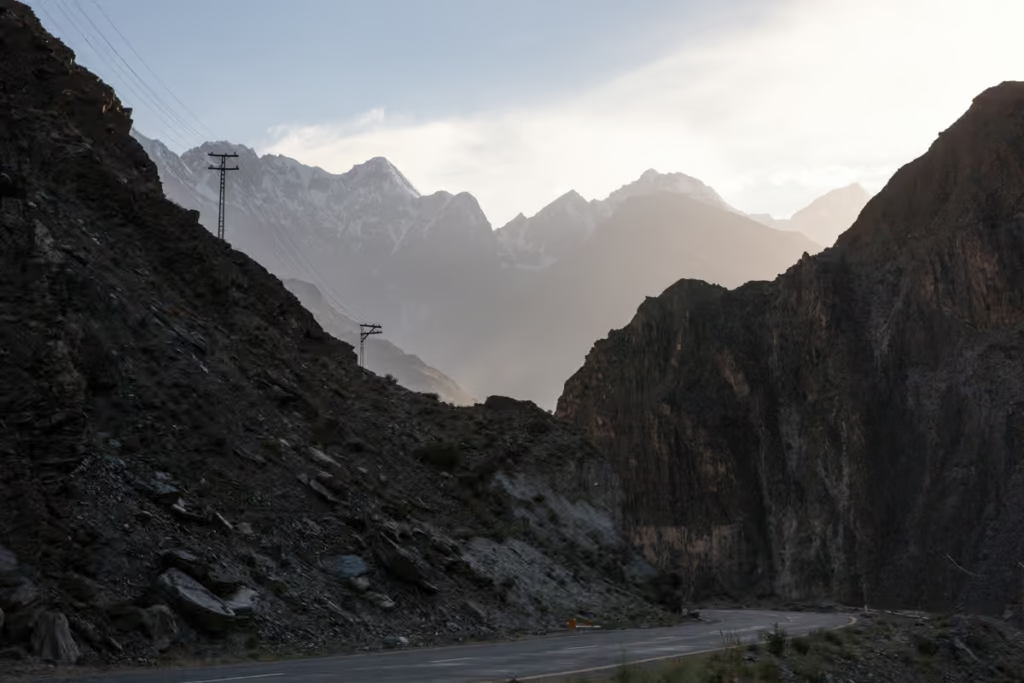
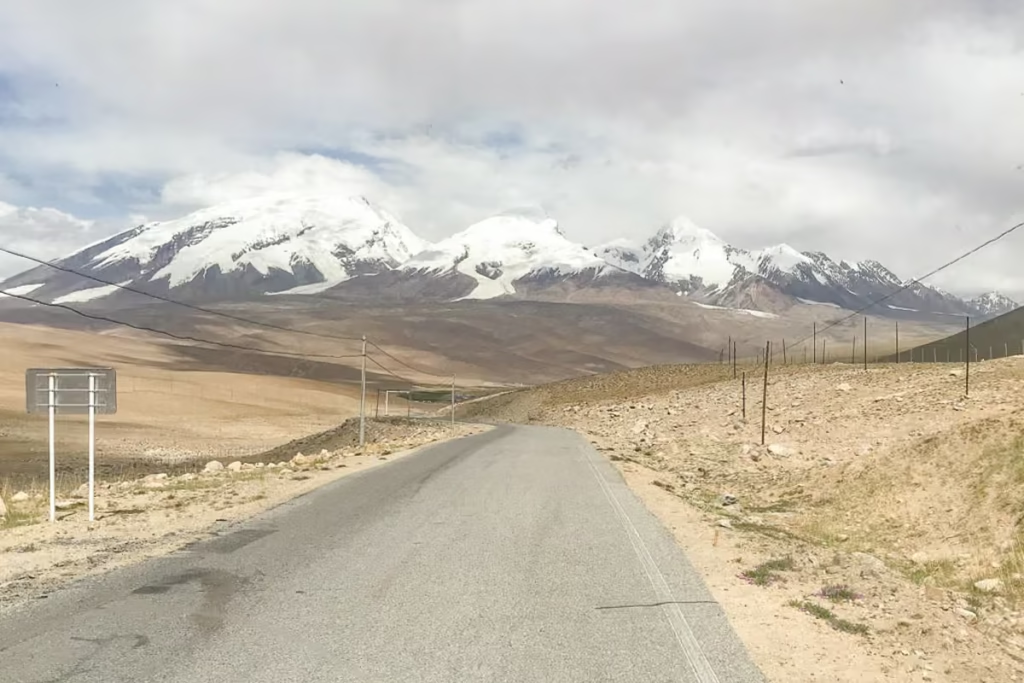
For the adventurous, you can cycle or travel the Karakoram Highway. The Karakoram Highway starts in Kashgar in the north, continues south to Tashkurgan and then heads south to cross the Khunjerab Pass into Pakistan’s Gilgit-Baltistan and eventually ends in Islamabad in the south.
This is a bucket list trip for many as the KKH is one of the highest paved roads in the world and Khunjerab Pass is the highest paved border crossing in the world. Note that to travel south beyond Tashkurgan on the KKH you need a Pakistani Visa which must be applied for from your home country usually.
How to Get to Kashgar
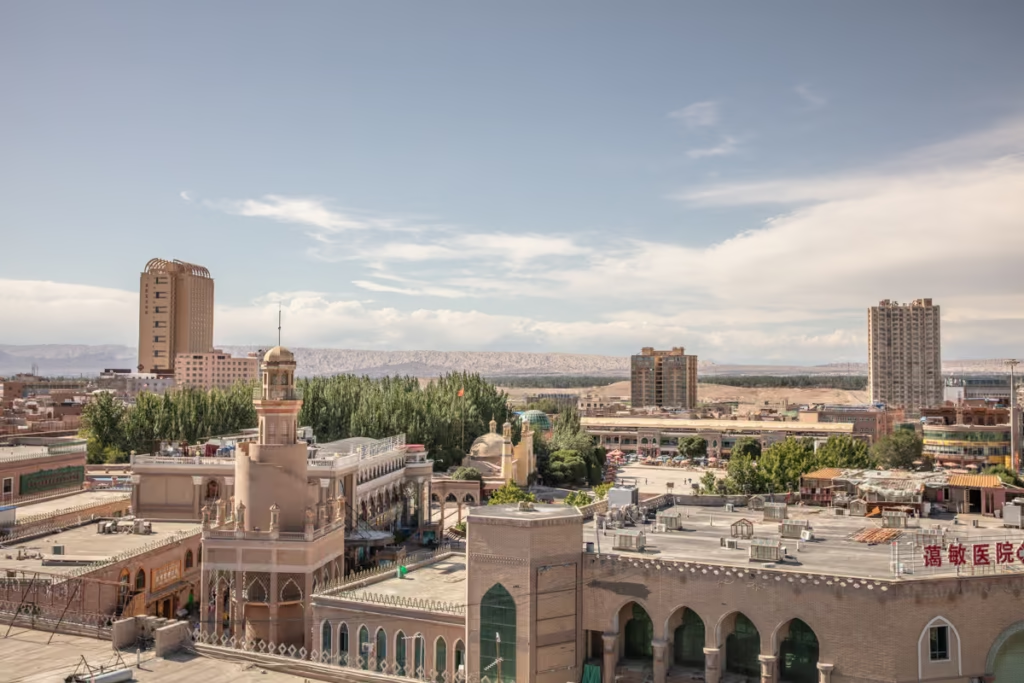
You’ll arrive to Kashgar either by road, train or by air.
By Plane: Kashgar Airport has direct connections to Beijing, Shanghai, and Guangzhou. Internationally there are direct flights to Islamabad, Pakistan. A taxi from the airport to the center of Kashgar will cost around 30 RMB. Many times taxis operate as shared taxis so others may climb in with you and you can split the fare.
By Car & Bus: You can reach Kasher from Urumqi, Hotan, Tashkurgan, Kuqa, and more by bus or car. You can also travel by road over Irkeshtam Pass from Kyrgyzstan, the Khunjerab Pass from Sost, Pakistan, or over the Qolma Pass from Tajikistan. Traveling to Kashgar from Sost usually requires an overnight stay in Tashkurgan.
By Train: Kashgar isn’t yet connected to China’s high-speed network. All trains (much like buses) will take an eternity. You can reach Kashgar by train from Urumqi, Turpan, Kuqa, and Hotan. Note that train stations in Kashgar and Xinjiang require you to go through a painstaking number of security checkpoints.
How to Get Around in Kashgar
Kashgar is small enough that you can get around by foot as most things are not more than 15-20 minutes walk apart. Though some of the outlying sites as well as sites outside the city you may want to get a taxi.
The train station you’ll want to either get a taxi or take bus #28 to reach the center of Kashgar. From the airport grab a taxi.
Where to Sleep in Kashgar
A great budget option is Tiancheng International Youth Hostel Kashgar (Booking.com). My favorite is the beautiful homestay Kashgar Ancient City Scenic Area (Booking.com).
Where to Eat
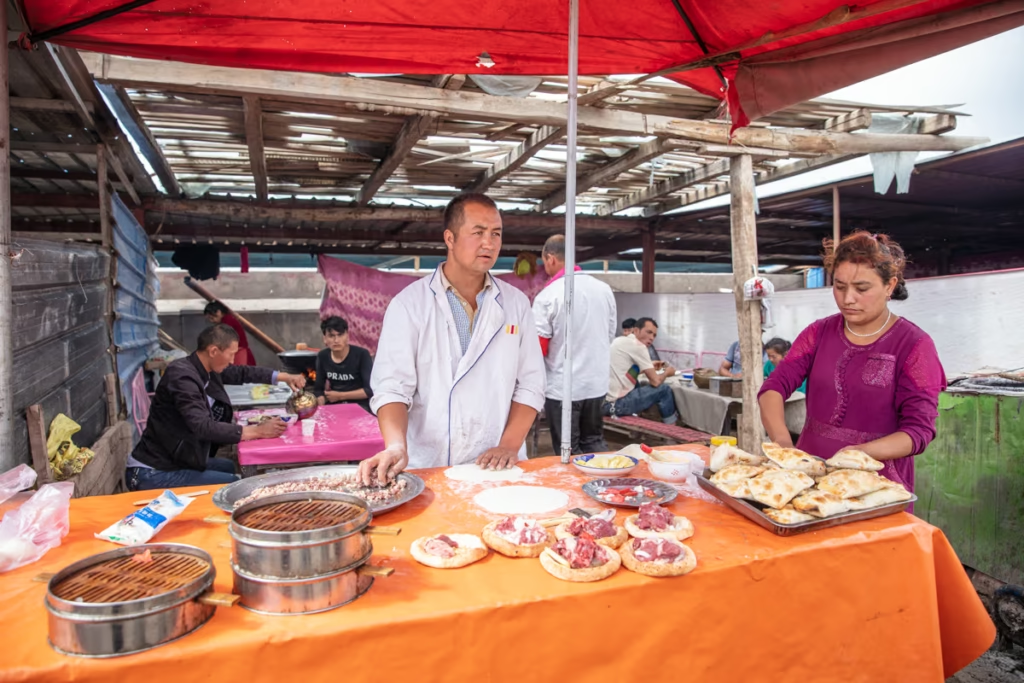
Trying traditional Uyghur food is a must in Kashgar. Uyghur cuisine is related to Central Asian cuisine but it tastes 1,000x better.
Make sure and try lagman, plov, samsa, manti, kawaplar, and non. Of course, there are a scattering of Sichuan restaurants around town as well.
Heading to Kashgar Soon?
Have any questions not answered in the Kashgar Travel Guide? Ask in the comments!