Turkestan: A Complete Travel Guide
Turkestan: A Complete Travel Guide was originally published in 2026
On a dreary November day, I made way for Turkestan on a marshrutka from nearby Shymkent to explore the ancient city revered for its history along the Silk Road, once a major center of Sufism, with influences from a myriad of roving empires.
If you’re planning to visit Turkestan, Kazakhstan’s spiritual heart, you’re in for a journey that blends centuries-old Sufi heritage with modern Central Asian flair.
In this guide, I’ll walk you through the best things to do in Turkestan, how to get there from Shymkent using public transport, where to stay, and the tastiest local spots to eat while you explore this unique city.
Need Travel Insurance and Evacuation Services?
Start shopping for travel insurance plans over at IATI Insurance. Readers of the Adventures of Nicole get a 5% discount off your plan.
The Adventures of Nicole partners with Global Rescue to offer the world’s leading medical evacuation and security advisory services. To travel with peace of mind, explore their evacuation coverage.
Why Visit Turkestan?
Once a major Silk Road hub and a spiritual epicenter for Sufis across Central Asia, Turkestan centers around the stunning Mausoleum of Khoja Ahmed Yasawi, a UNESCO World Heritage Site that has quietly witnessed centuries of caravans, khans, and pilgrims. With great rail connections, upgraded hotels, and a blossoming cafe scene, Turkestan is easier to reach now than ever, making it a must-stop for anyone traveling the Silk Road or anyone wanting to explore Kazakhstan beyond Almaty and Astana.
Practical Tips for Visiting Turkestan
- Entry Fees: Entry to the entire Azret Complex in Turkestan is 1000₸ for locals, 1500₸ for citizens of neighboring nations, and 2000₸ for foreigners. See the pricelist and info here.
- Best Time to Visit Turkestan: Spring (April-May) and autumn (September-October) are ideal for comfortable temperatures while avoiding the intense summer heat.
- Dress Code: Modest attire is appreciated near religious sites.
- Language: Russian and Kazakh are widely spoken; learning a few greetings will warm up local encounters.
- Cash: Cards are increasingly accepted, but keep some cash for bazaars and marshrutkas.
Where to Stay in Turkestan
Accommodation options in Turkestan are expanding thanks to new investment. Here are some traveler-friendly picks:
- Hotel Edem: Clean, central, budget-friendly with AC for those summer scorchers.
- Rixos Turkestan: For a comfortable splurge with a pool, spa, and excellent breakfast.
- Hotel Khanaka: Simple rooms but steps from the mausoleum, perfect for sunrise wanderers.
- Yassi Hostel: If you’re on a tight backpacker budget, this hostel offers capsule dorm beds with a communal vibe.
How to Get to Turkestan from Shymkent
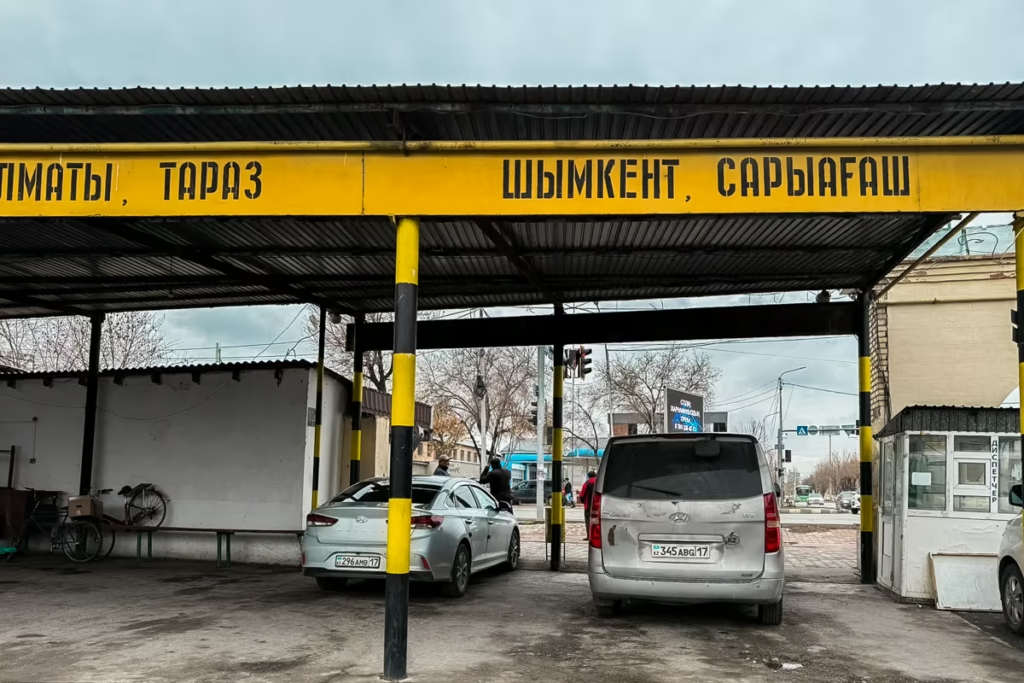
The easiest hub for reaching Turkestan is Shymkent, just 170 km away.
Marshrutka (Minibus)
- Head to Shymkent’s Samal Bus Station.
- Find marshrutkas bound for Turkestan; they leave when full, usually every 30–45 minutes in the morning and afternoon.
- Cost is around 1500–2000 KZT ($3–4 USD), taking about 2.5 hours depending on traffic.
Train
- Take the Shymkent to Turkestan train (approx. 3-4 hours). You can buy tickets at the station or online at railways.kz. There are multiple daily departures, and it’s comfy with epic steppe views that make you feel like you’re in your own slow-travel movie.
Best Things to Do in Turkestan
The Mausoleum of Khoja Ahmed Yasawi
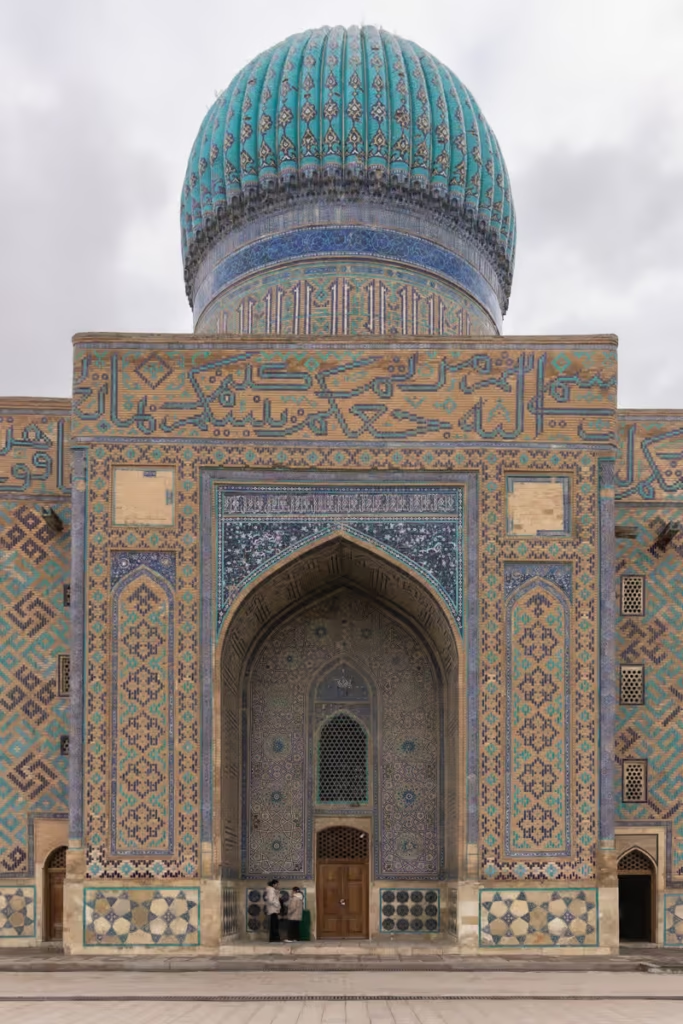
The Mausoleum of Khoja Ahmed Yasawi is the spiritual and architectural crown of Turkestan. Commissioned by Amir Timur in 1389 over the tomb of the esteemed Sufi poet and mystic, Yasawi, the building remains one of the most striking examples of Timurid design despite remaining technically unfinished after Timur’s death in 1405.
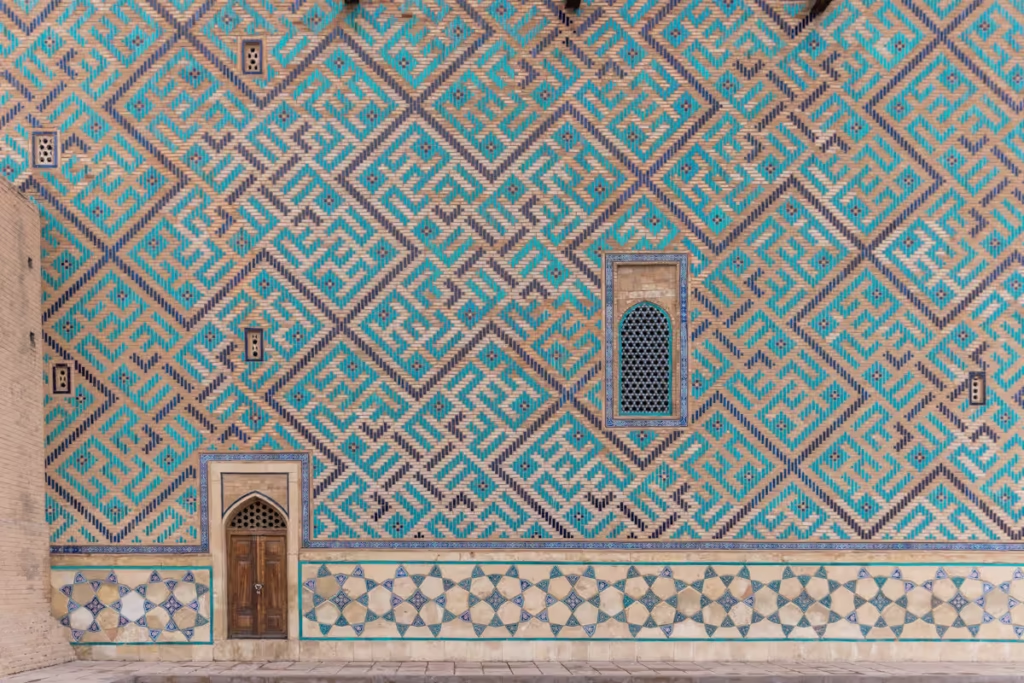
Its soaring 18.2 m double-dome, rich glazed-tile patterns, and massive vaulted halls set a precedent for Central Asian Islamic architecture. Declared Kazakhstan’s first UNESCO World Heritage Site in 2003, the mausoleum continues to attract pilgrims and scholars, serving as a powerful symbol of national heritage and Sufi devotion.
The Mausoleum of Rabia Sultan Begum
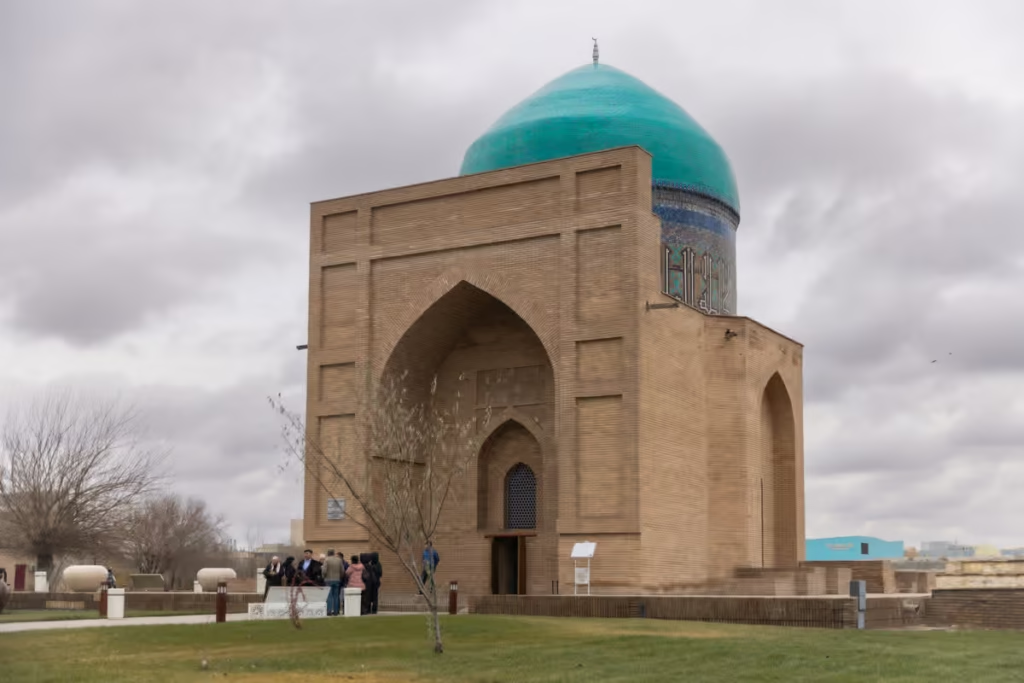
Situated just about 60 meters southeast of the majestic Mausoleum of Khoja Ahmed Yasawi, the Mausoleum of Rabiya Sultan Begim honors the Timurid princess, astronomer‑daughter of Ulugh Beg and fourth wife of Abulkhair Khan.
Originally built in the late 15th century, the structure fell into disrepair and was demolished in 1896, later reconstructed in the 1980s to emulate its original octagonal‑dome form. Today, it comprises five interconnected rooms with a turquoise dome crowning its brick façade.
Hilvet Underground Mosque
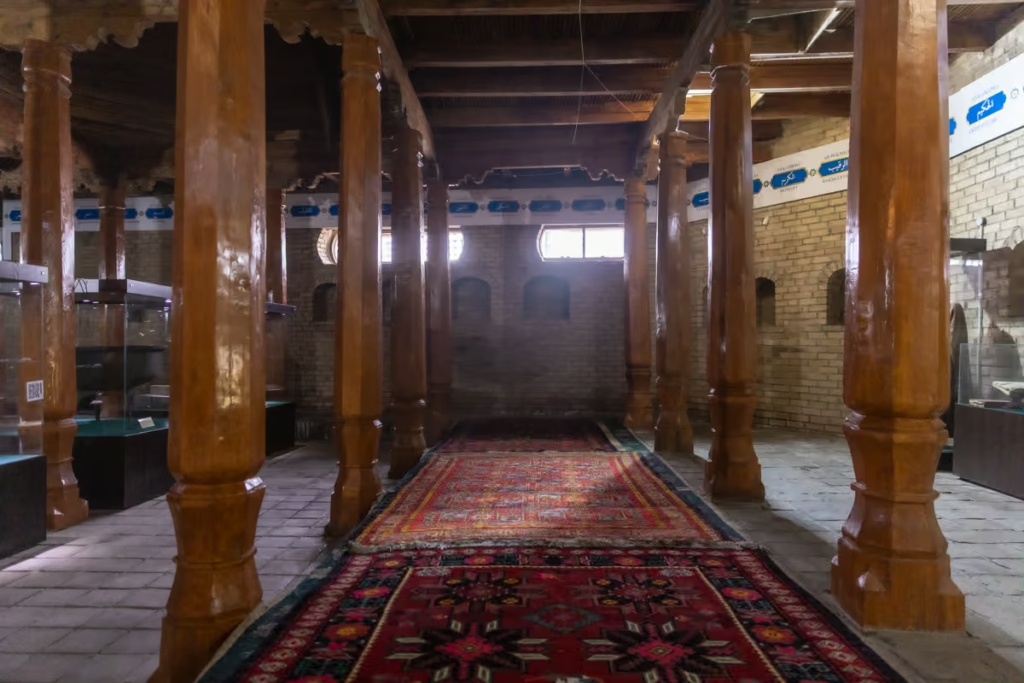
Just 150 meters from the Yasawi Mausoleum, the Hilvet Underground Mosque is a semi‑subterranean marvel deeply tied to the legacy of Sufi mystic Khoja Ahmed Yasawi.
Built between the 12th and 15th centuries, this mosque contains around 18 rooms and seven doors, including prayer spaces, ritual chambers, and simple living quarters. Legend holds that Yasawi withdrew here at age 63, spending his remaining years in seclusion.
Restored in the late Soviet era, the mosque now functions as both a museum and a quiet worship site, packed with wooden columns, small skylights, models illustrating its original layout, and relics like a copper cauldron from the 12th–15th century.
Joma Mosque of Turkestan
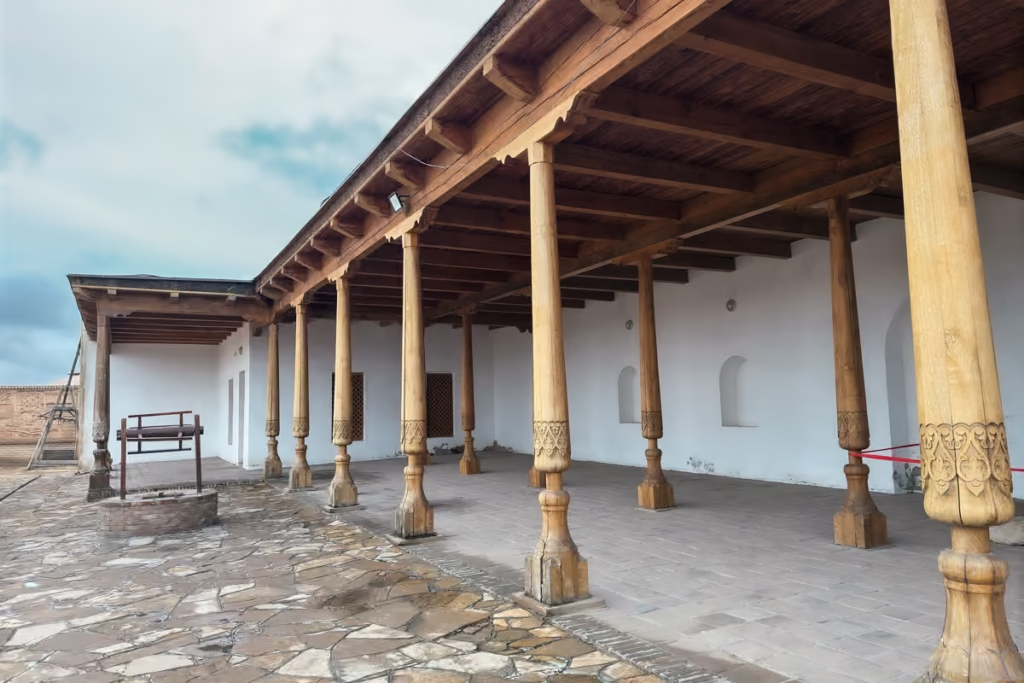
Located just steps from the Mausoleum of Khoja Ahmed Yasawi, Joma Mosque, also known as the Friday Mosque of Turkestan, is a lesser-known mosque with deep historical roots.
Originally constructed in the 19th century, it served as the primary congregational mosque for Turkestan’s local community. While not as grand as its neighboring architectural monstrosities, the Joma Mosque is a beautiful example of traditional Kazakh architecture, featuring wooden columns, whitewashed walls, and a modest central dome that gives it an understated spiritual charm.
Unlike the Yasawi Mausoleum, which is more of a religious monument, the Joma Mosque is still actively used by locals for Friday prayers, making it a great place to quietly observe contemporary Islamic life in Kazakhstan.
The Hammam
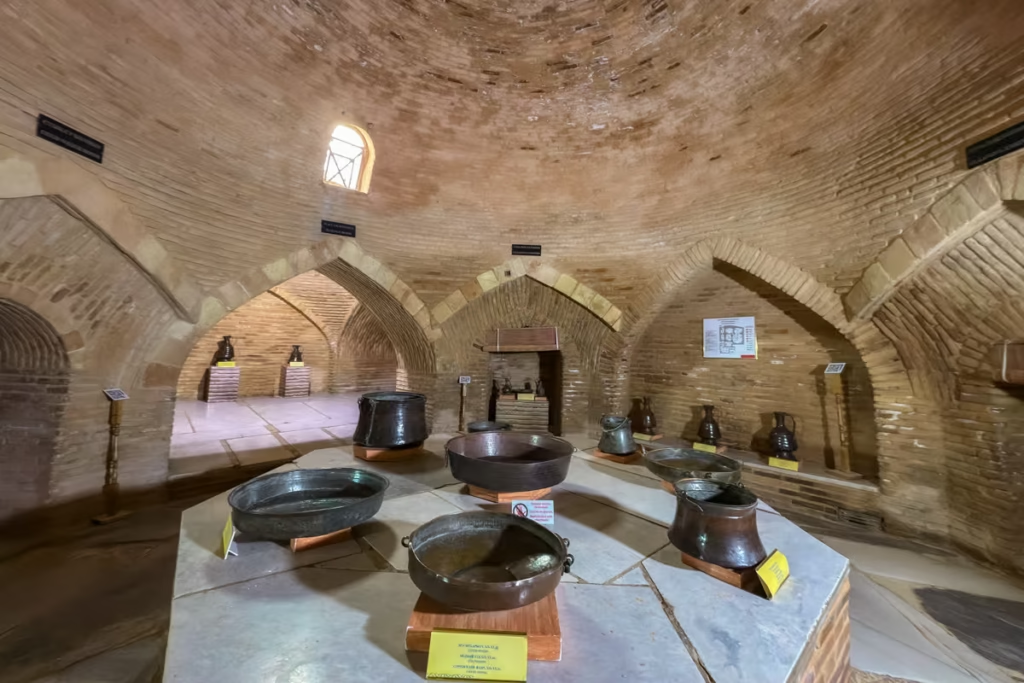
Tucked just behind the Mausoleum of Khoja Ahmed Yasawi, the medieval Hammam offers a rare glimpse into 16th-century wellness culture along the Silk Road. Built during the reign of Timur’s successors, this brick bathhouse served both hygienic and spiritual purposes, where ritual purification before prayer was a key part of daily life. Though modest in size, the hammam was ingeniously designed: it used underfloor heating (hypocaust) to channel hot air through stone floors, creating a steamy, cleansing environment.
Inside, you’ll find a series of connected domed chambers for hot, warm, and cold bathing, along with a central massage area and clay-brick benches once used for scrubbing.
The hammam was carefully restored in recent decades and now operates as part of the Azret Sultan Museum complex. While you can’t actually bathe there anymore, the interior is open to visitors.
Wander the Ancient City Walls
Surrounding the heart of Old Turkestan are the ancient city walls, quiet remnants of the fortified settlement that once stood as a major Silk Road crossroads.
These mud-brick defenses were originally built in the 5th century and later reinforced through the medieval period, serving to protect the city’s spiritual and commercial core from nomadic raids and political upheaval.
While much of the original wall was lost over time, parts have been reconstructed in recent decades to help visitors visualize the scale and layout of ancient Turkestan.
The restored sections, particularly around the citadel gates and near the Azret Sultan complex, now serve more as an open-air museum than active defense of yesteryear, but they still give a powerful sense of the city’s historic footprint.
The Mosque of Khoja Ahmed Yasawi
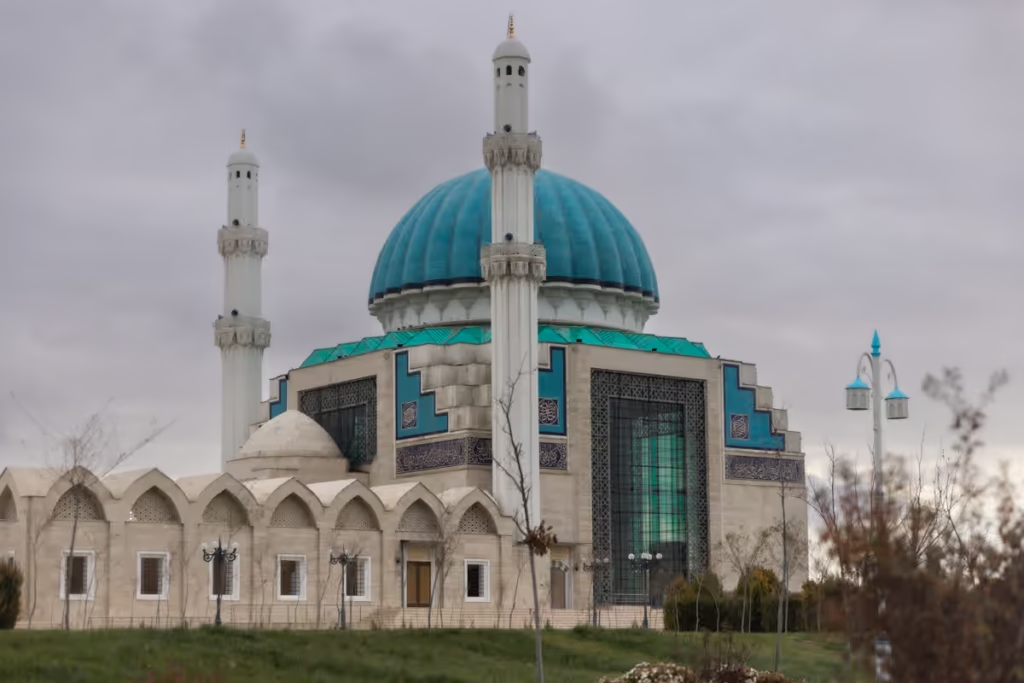
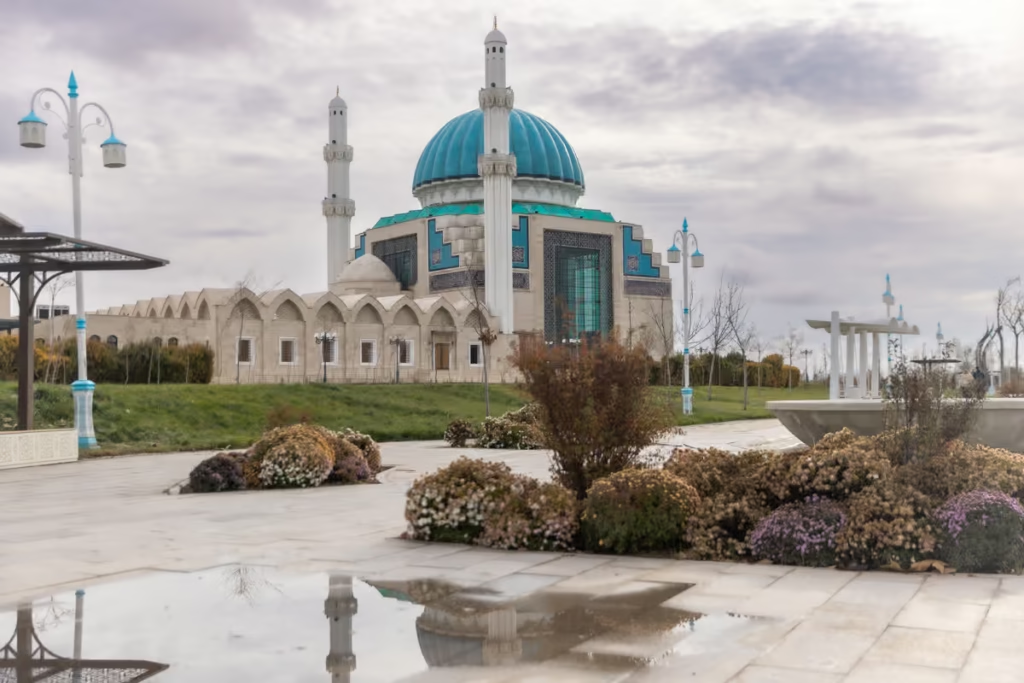
A short stroll from the main complex, you will find the beautiful turquoise-domed Mosque of Khoja Ahmed Yasawi. It is quite different from the other architecture you see in Turkestan, as to me it looks like a modern art-deco take on classical Timurid style.
Azret Sultan Museum
The Azret Sultan Museum weaves together the story of Turkestan’s spiritual legacy, Silk Road importance, and nomadic roots under one dusty, sun-drenched roof. Inside the main museum building, you’ll find a well-curated collection of artifacts that span everything from ancient ceramics and Sufi manuscripts to traditional Kazakh jewelry and tools once used by desert dwellers.
There’s a strong focus on the life and teachings of Khoja Ahmed Yasawi, whose influence shaped not just Turkestan but the entire Sufi world of Central Asia. Exhibits explore his poetry, philosophy, and mysticism, offering a deeper layer to the towering mausoleum outside. You’ll also spot relics from the broader Turkic world, including items that date back to the Silk Road trading era, such as pottery, weaponry, and textiles that whisper of caravans and khanates.
Karavan Saray Complex
This new cultural and entertainment hub near the mausoleum features performances, craft shops, and small canals with gondola rides for a quirky contrast to the city’s historic core. It feels more like a giant modern shopping complex, but it offers a nice place for a break from all the Turkestan history lessons.
Turkestan Bazaar
Check out the Turkestan Bazaar for fresh fruits, spices, locally made bread, and a glimpse into daily life. It’s substantially smaller than the bazaar of Shymkent and a bit slower-paced. The Turkestan Bazaar is also a great spot to sample local Kazakh street food.
Where to Eat in Turkestan
Turkestan’s food scene leans traditional, but you’ll find a few modern spots too:
- Edem Restaurant: Attached to the Edem Hotel, Edem Restaurant is central and known for reliably decent plov, laghman, and shashlik.
- Cafe Baiterek: Known for fast service and solid Kazakh classics like beshbarmak.
- Turkestan Bazaar: If you’re looking for cheap eats on the go, you’ll find the usual grab-and-go Kazakh staples here, such as manti and samsa.
Why You Should Visit Turkestan
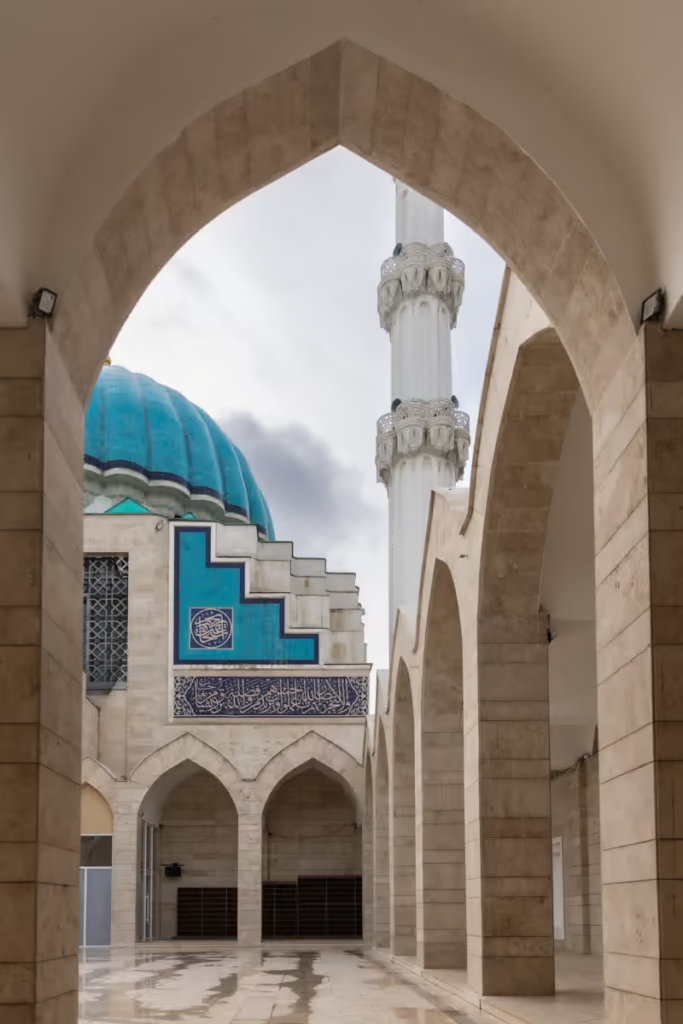
Turkestan blends spiritual heritage with Silk Road romance in a beautiful way. It’s a place where the call to prayer echoes over ancient domes, and elders sip tea under shady trees, telling stories of their heyday.
If you’re looking to continue your Silk Road travels beyond Uzbekistan’s famed Silk Road cities of Samarkand or Bukhara, and on into Kazakhstan, Turkestan deserves a place on your itinerary.
Have Any Questions About Turkestan?
Ask in the comments section below. Been to Turkestan before? Let us know your favorite sites.
Posts from Kazakhstan
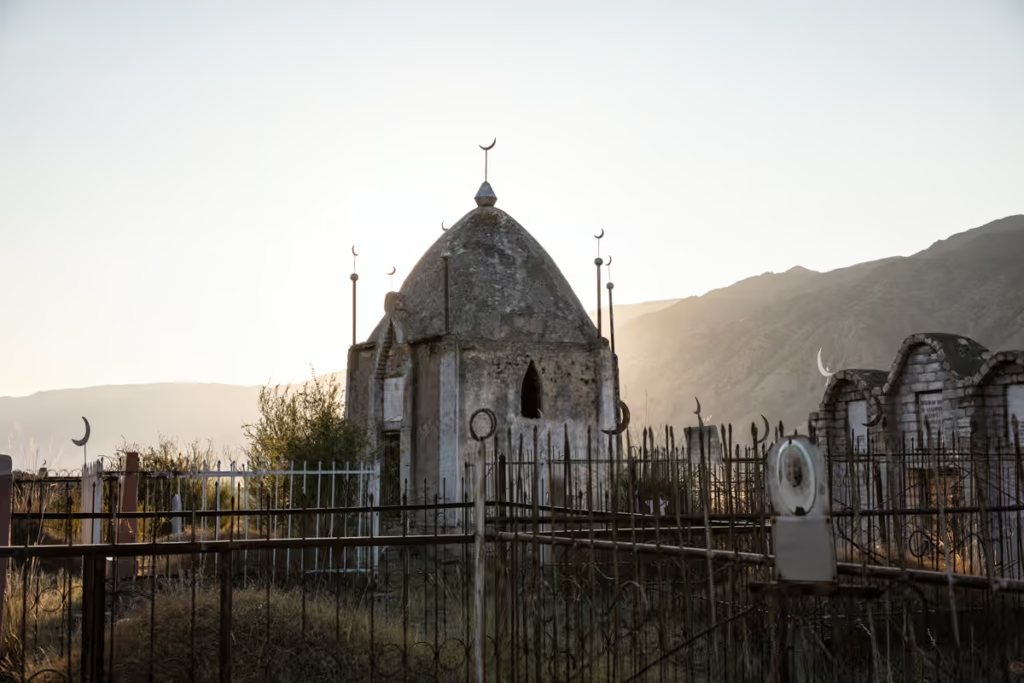
Kazakhstan in Photos
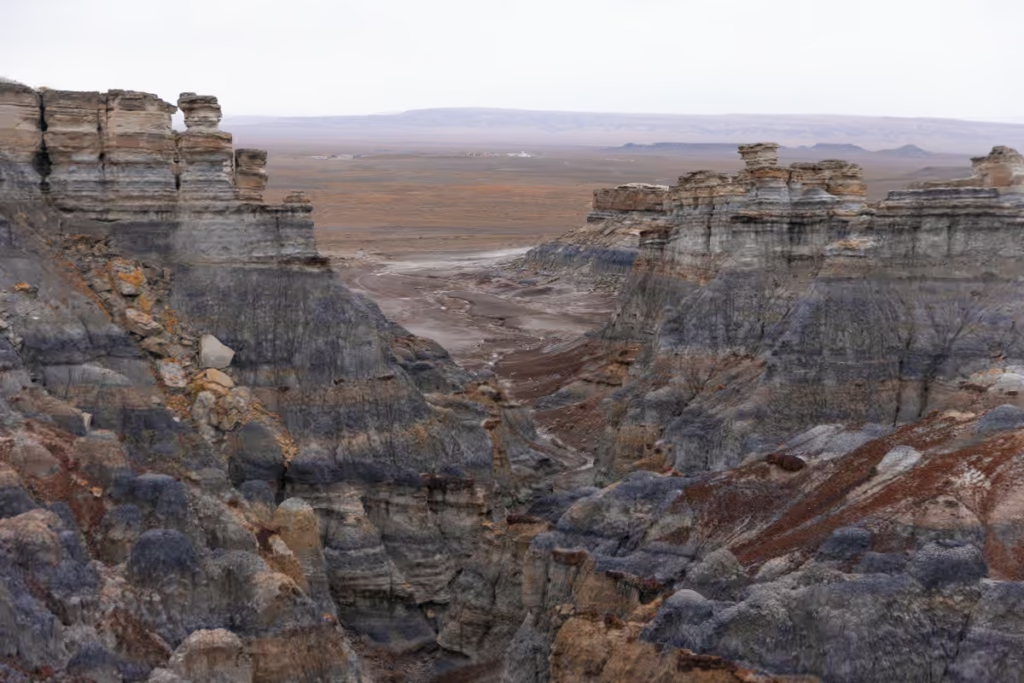
Exploring Mangystau, Kazakhstan
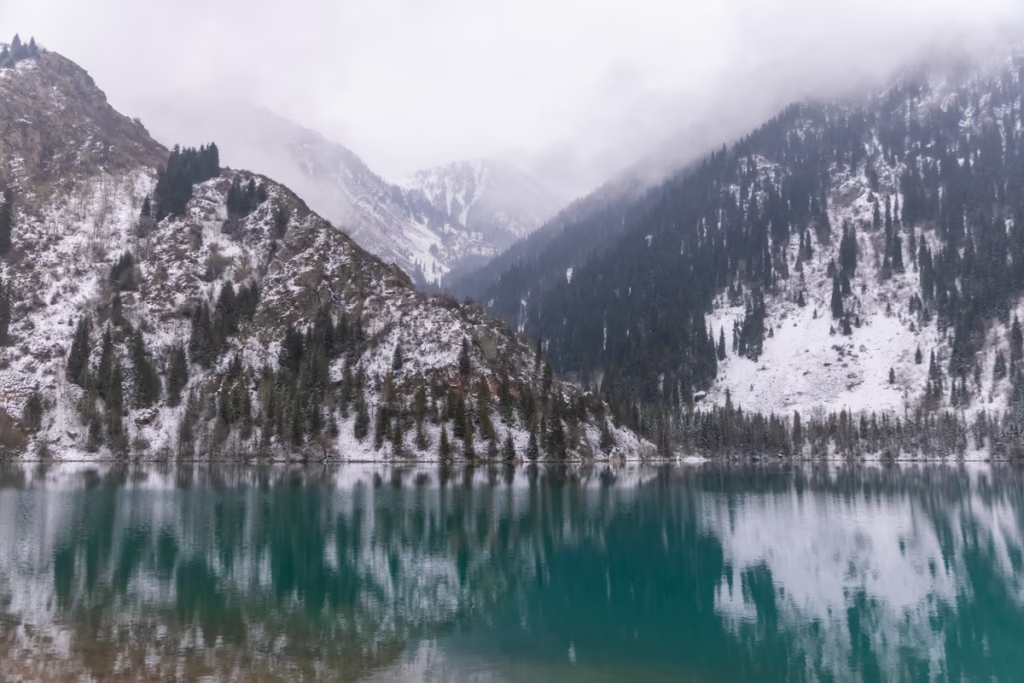
Visiting Issyk Lake, Kazakhstan
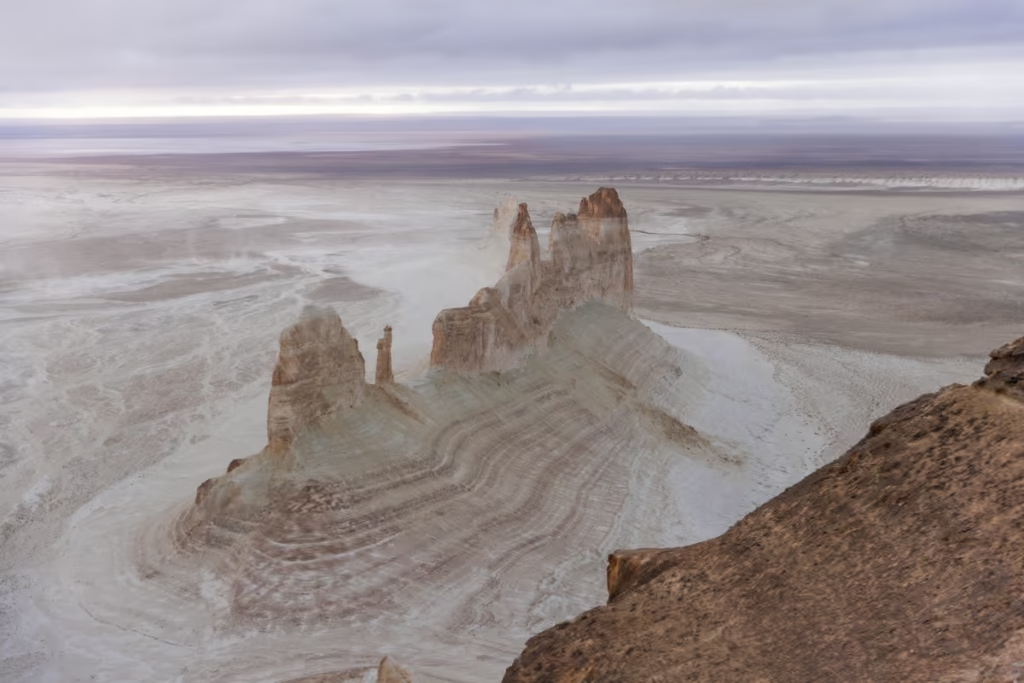
Bozzhyra Kazakhstan
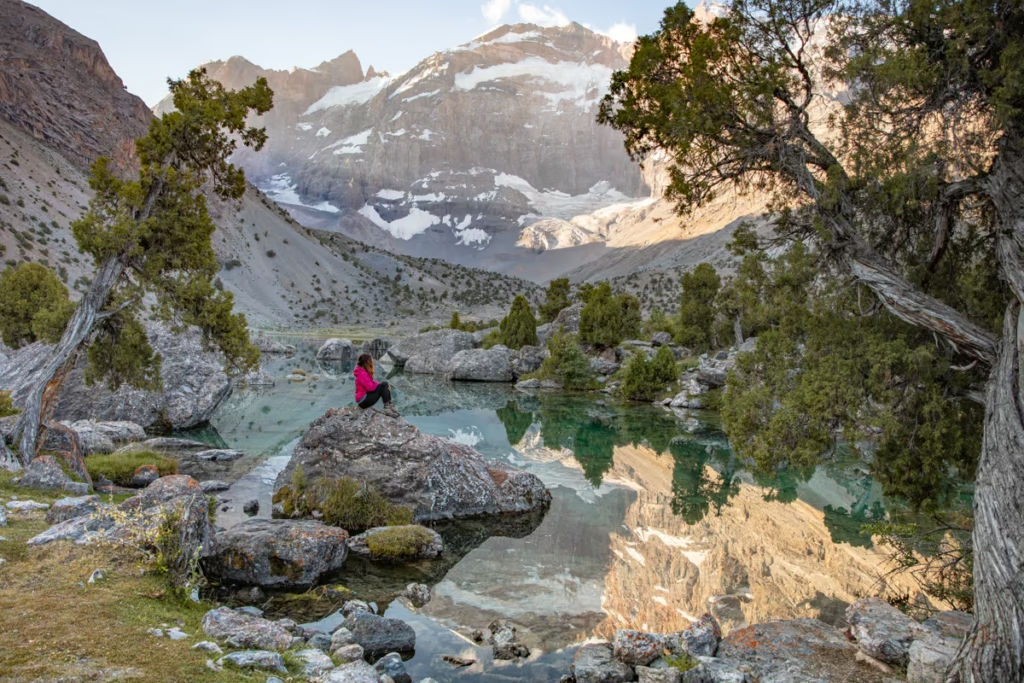
Solo Female Travel in Central Asia
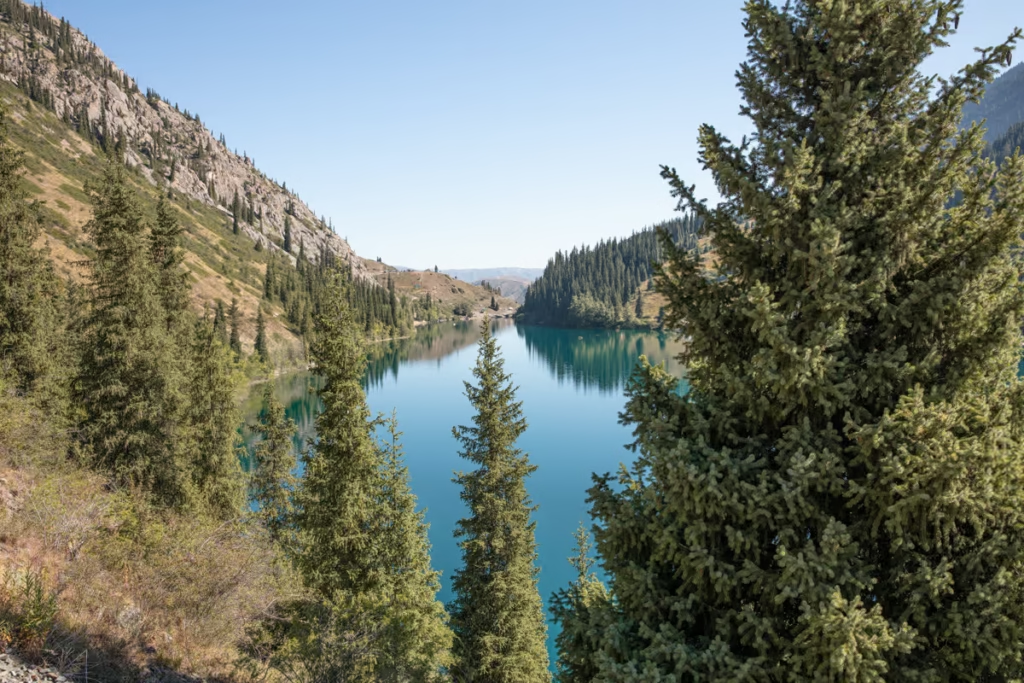
Kazakhstan Travel Guide
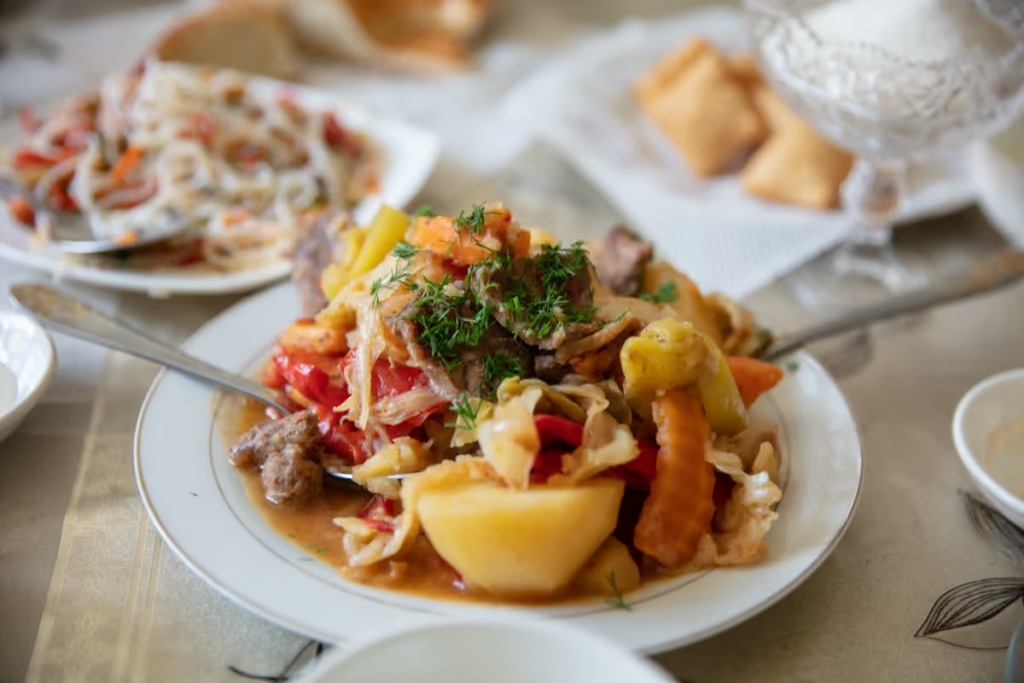
Central Asia Food & Drink
The Best SIM & eSIM Options in Kazakhstan
Off the Beaten Path Asia
How to get to Big Almaty Lake
3 Day Almaty Itinerary
Things to do in Almaty
Beginner’s Guide to Central Asia Travel
Karkara Border Crossing Between Kazakhstan & Kyrgyzstan
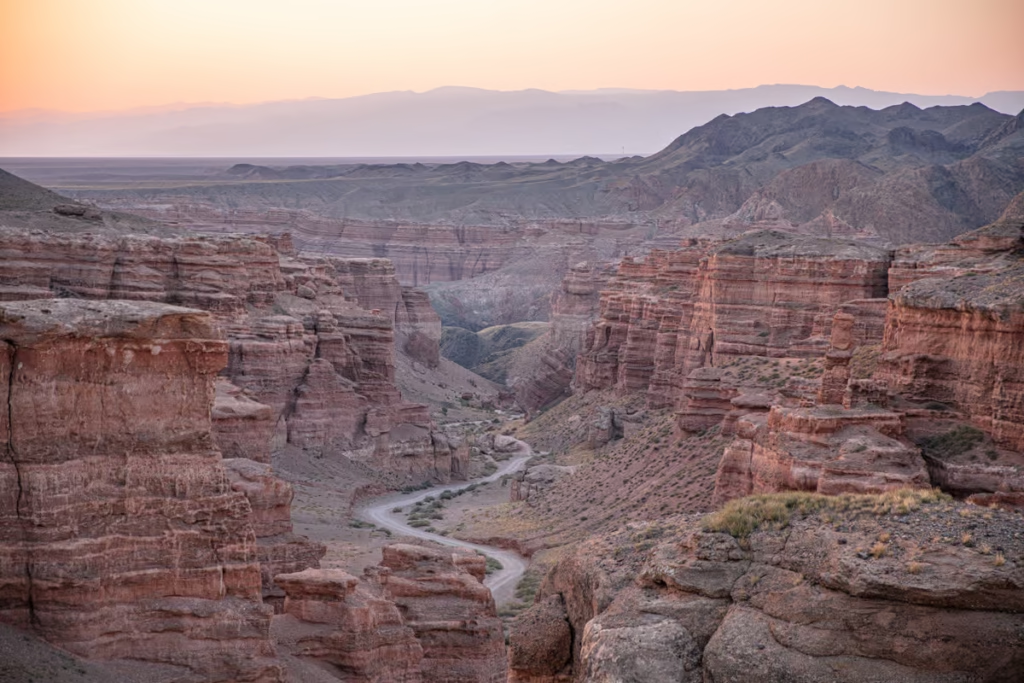
How to Get to Charyn Canyon, Kazakhstan
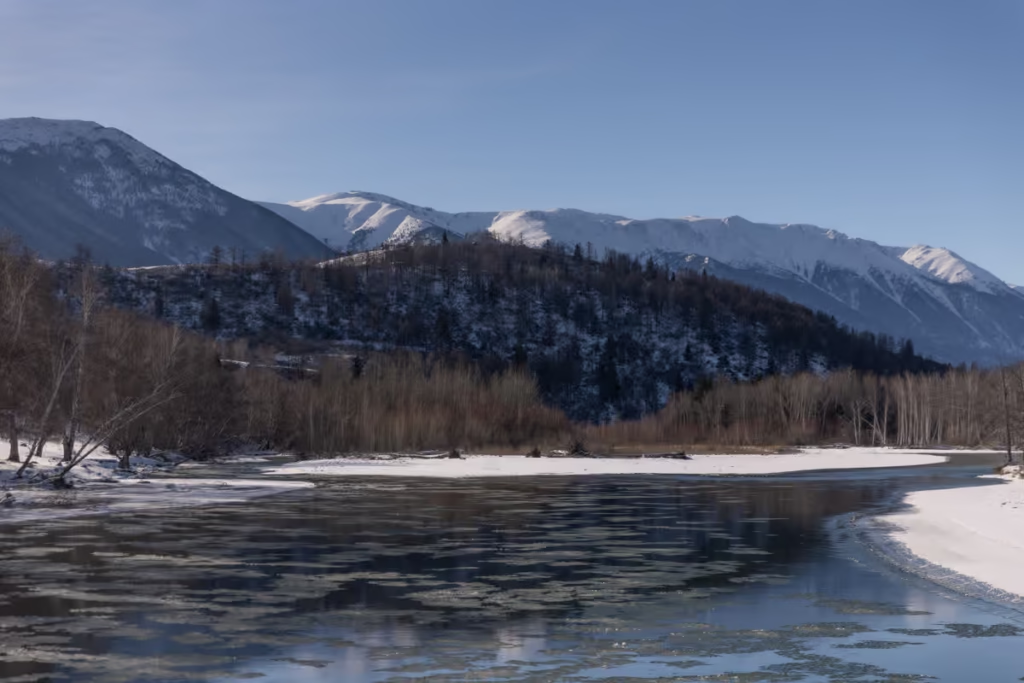
Discover East Kazakhstan
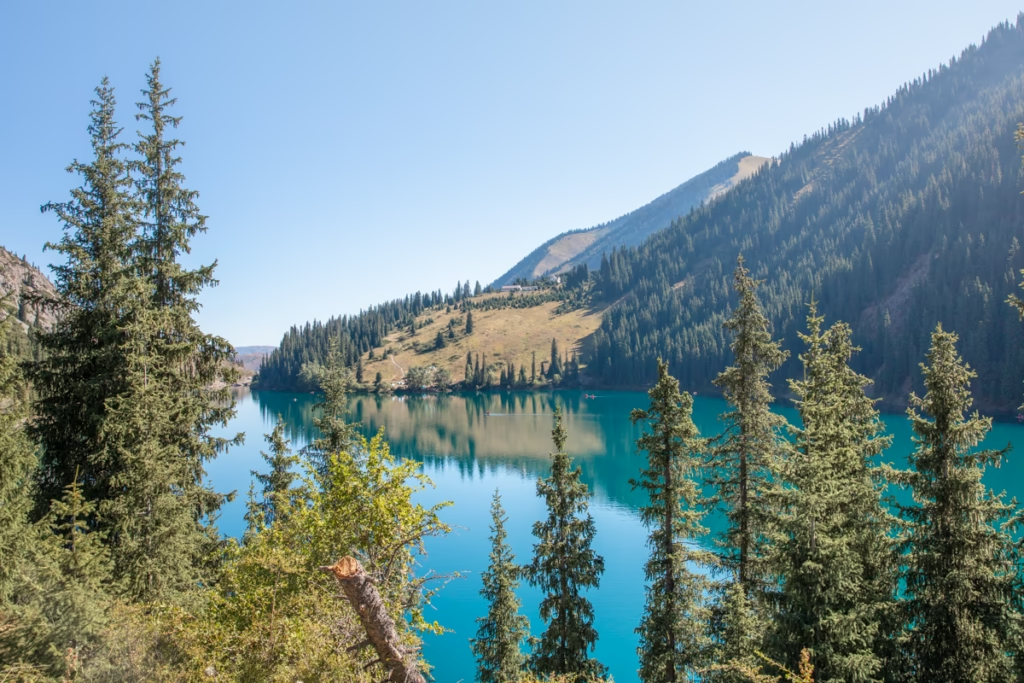
Kazakhstan & Kyrgyzstan Itinerary
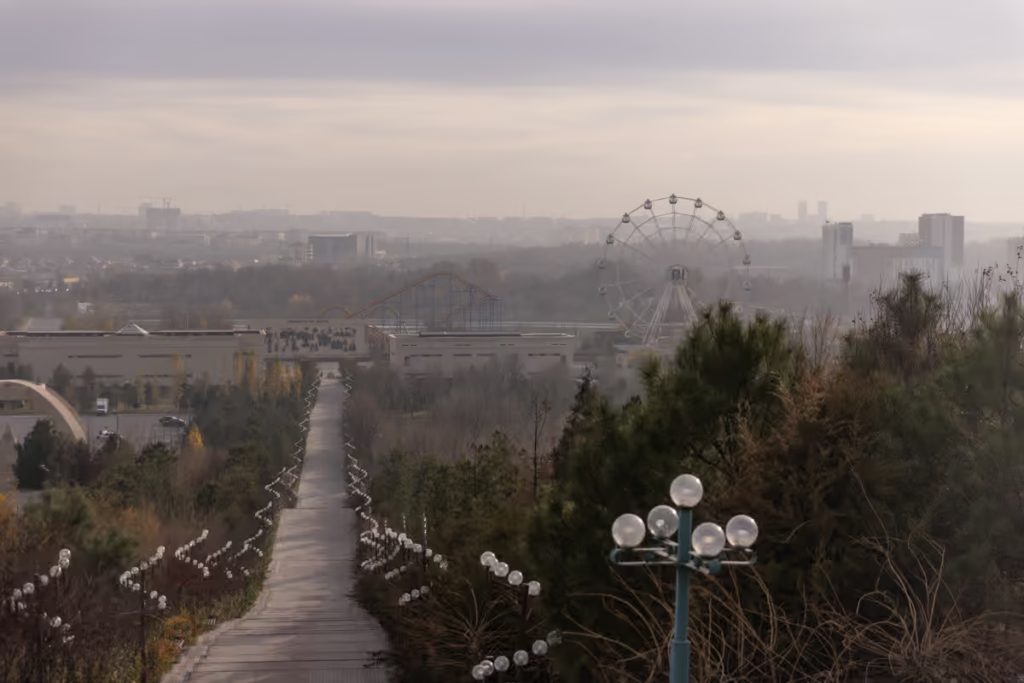
Shymkent Travel Guide
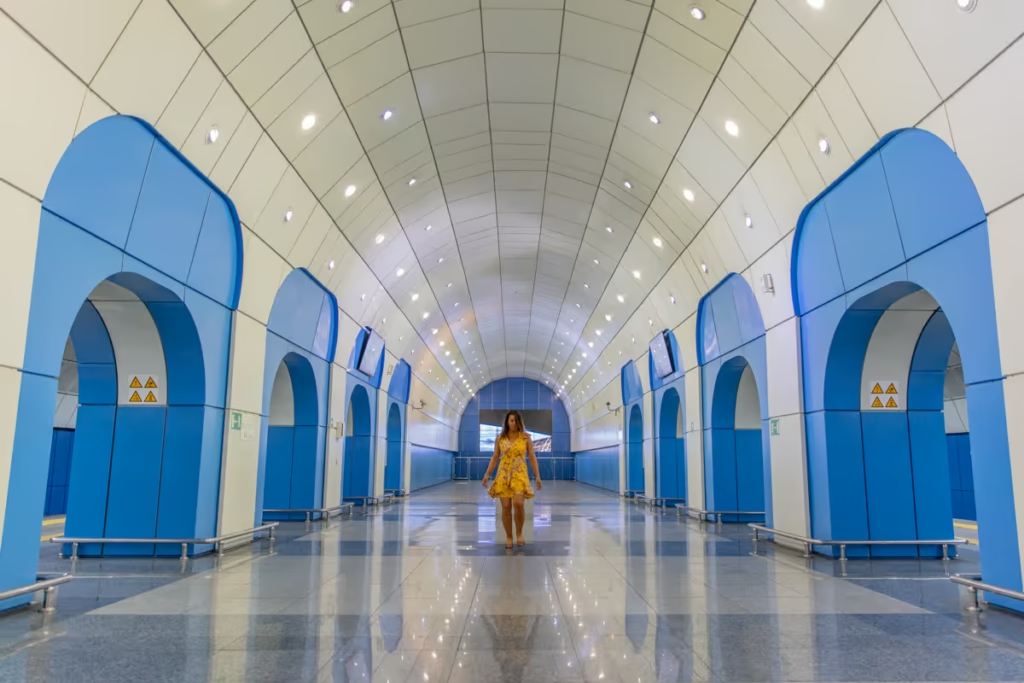
Explore Almaty Metro
Turkestan: A Complete Travel Guide
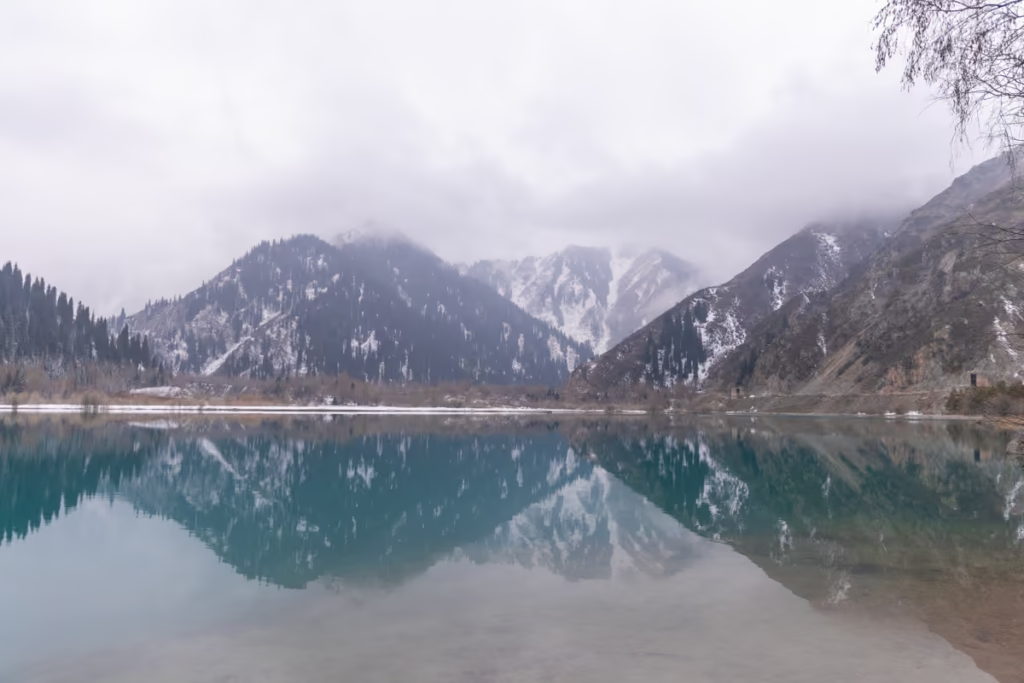
On the Travel Radar for 2026: Kazakhstan, the Great Steppe
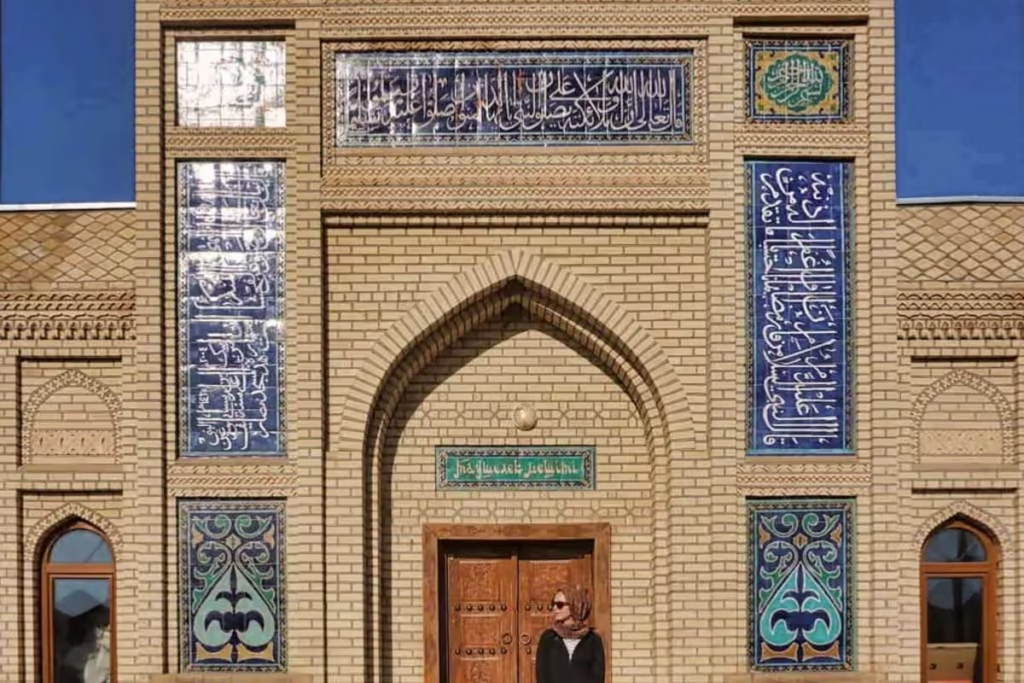
10 Essentials to Pack for Central Asia
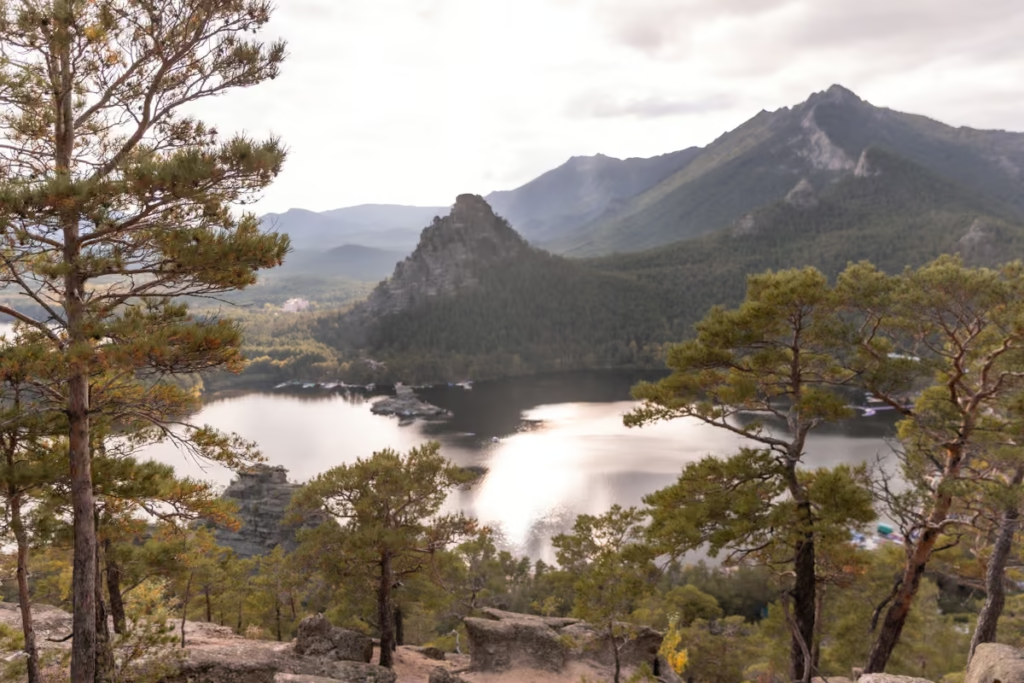
Burabay National Park, Kazakhstan
Central Asia Travel Tips
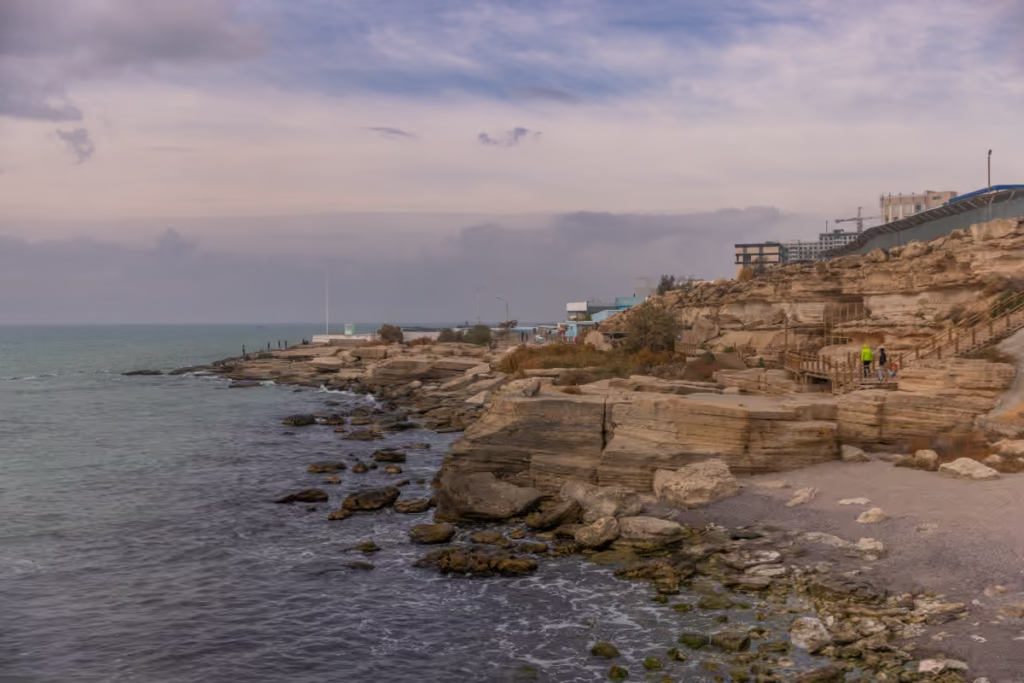
Visiting Aktau, Kazakhstan
8 Unique & Cheap Places To Travel In Summer 2026
A Guide to the World Nomad Games
Vegetarian Central Asia
Turkmenistan-Kazakhstan Border Crossing
Central Asia Visas Guide
How to Get to Lake Kaindy & Kolsai Lakes
Kazakhstan-Uzbekistan Border Crossing