Soviet Architecture in Khorog: A Walk Through Tajikistan’s Soviet Past
Soviet Architecture in Khorog: A Walk Through Tajikistan’s Soviet Past was originally published in 2026
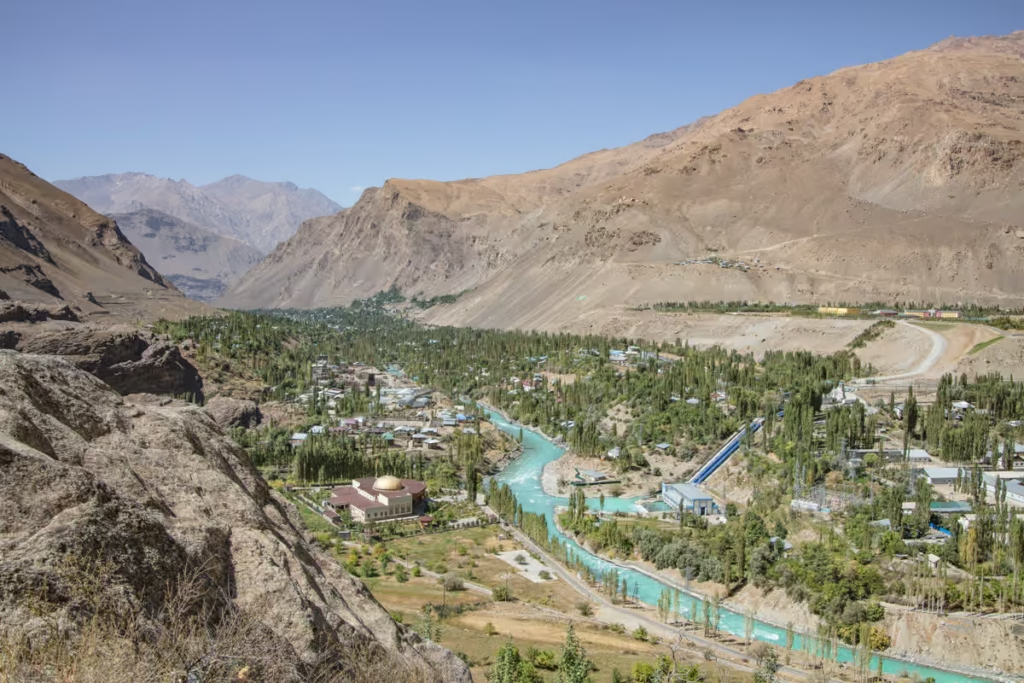
Wedged between rugged Pamir peaks and the fast-moving Gunt River, Khorog might look like just another sleepy mountain town at first glance. But dig a little deeper, and you’ll see layers of history that still shape its streets. I mean, the main road cutting through Khorog is still called Lenin Street, after all.
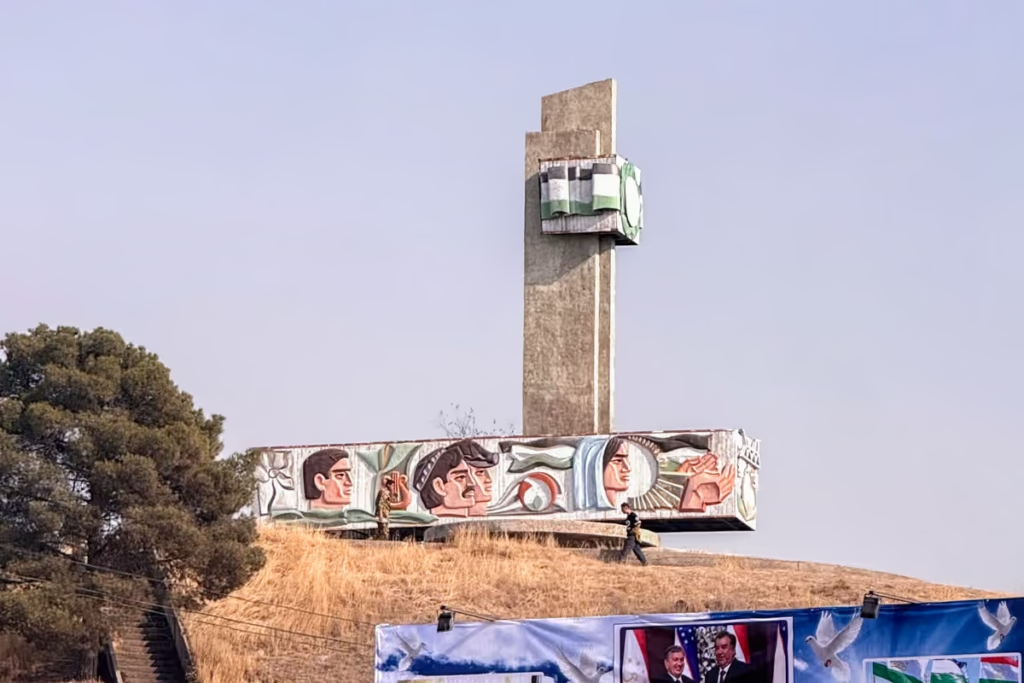
Beyond the botanical gardens and lively bazaar stalls, reminders of Soviet Khorog linger in the architecture: blocky concrete institutions, low-rise apartments, and cultural hubs built when Moscow had big plans for this tiny frontier capital. These monumental public buildings and functionalist designs became part of Khorog’s identity. For those curious about Soviet architecture in Khorog, a walk through the town reveals structures that speak to a very different era in Pamiri history.
That said, Khorog’s old Soviet architecture is quickly disappearing. A few steps behind Dushanbe in the modern facelift process, the Tajik government has been quickly tearing down the buildings from the Soviet times to make way for monstrously tall buildings— a precarious choice for a place riddled with earthquakes, as Khorog is.
Need Travel Insurance and Evacuation Services?
Start shopping for travel insurance plans over at IATI Insurance. Readers of the Adventures of Nicole get a 5% discount off your plan.
The Adventures of Nicole partners with Global Rescue to offer the world’s leading medical evacuation and security advisory services. To travel with peace of mind, explore their evacuation coverage.
Khorog in Soviet Times
Before the Soviets arrived, Khorog was a small settlement where life centered on Pamiri wooden homes and seasonal trade with Afghanistan. That changed dramatically in the 1920s and 30s, when Soviet planners decided this remote outpost needed to become the administrative and cultural center of Gorno-Badakhshan. Roads, such as the famed Pamir Highway, were blasted through the mountains, hydroelectric power was introduced, and new public institutions cropped up, such as schools, a university, housing blocks, and cultural halls.
Life here in Soviet times was a strange blend of progress and control. On one hand, locals suddenly had access to healthcare, electricity, and education. On the other hand, traditions and religious practices were suppressed, and the city itself was shaped more by central planning than local design.
Its location on the Afghan border meant a strong military presence, while its remoteness made it heavily reliant on Moscow’s planning and subsidies. For locals, the Soviet period brought both modernization, such as electricity, healthcare, and universities, and the loss of certain traditions, as Soviet ideology discouraged religious and cultural practices. The architecture that remains today is one of the most visible legacies of this transformation.
Where to Stay in Khorog
Budget
Welcome Inn
|+992 93 703 5393 |
Lal Hotel Dorm
| Booking.com |
Midrange
LAL Hotel
| Booking.com |
Splurge
Serena Inn
| Booking.com | Hotels.com |
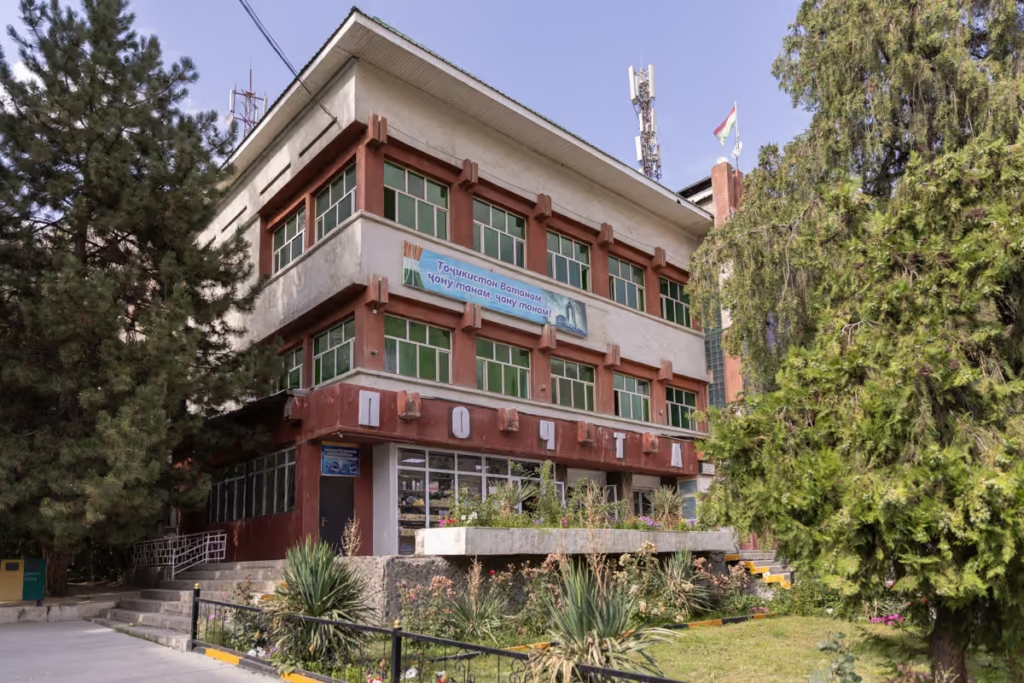
The Soviet Khorog Post Office
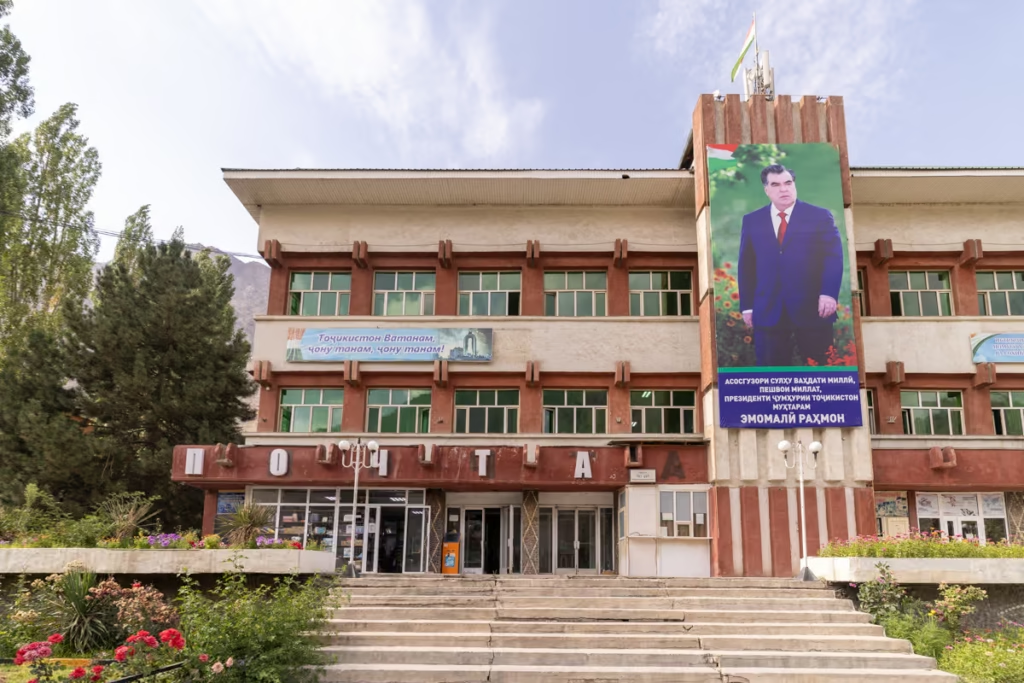
The Khorog post office, still in operation today, is one of the clearest survivors of Soviet municipal architecture. Its blocky façade and utilitarian design reflect the emphasis on function over form, typical of mid-20th century construction. Inside, you’ll still see original wooden counters, rows of post boxes, and lingering details like faded murals and Soviet-era signage. While smartphones have largely replaced letters, the post office continues to serve as a cultural marker of Soviet Khorog.
Unfortunately, following President Emomali Rahmon’s visit in June 2025, a portion of the old Khorog Post Office (arguably my favorite part) was covered by a giant poster of Emomali. This is in addition to the plethora of posters of him that cropped up in Khorog (there were already quite a few before this)… no additional comment, just an observation if you get what I’m saying.
Khorog State University
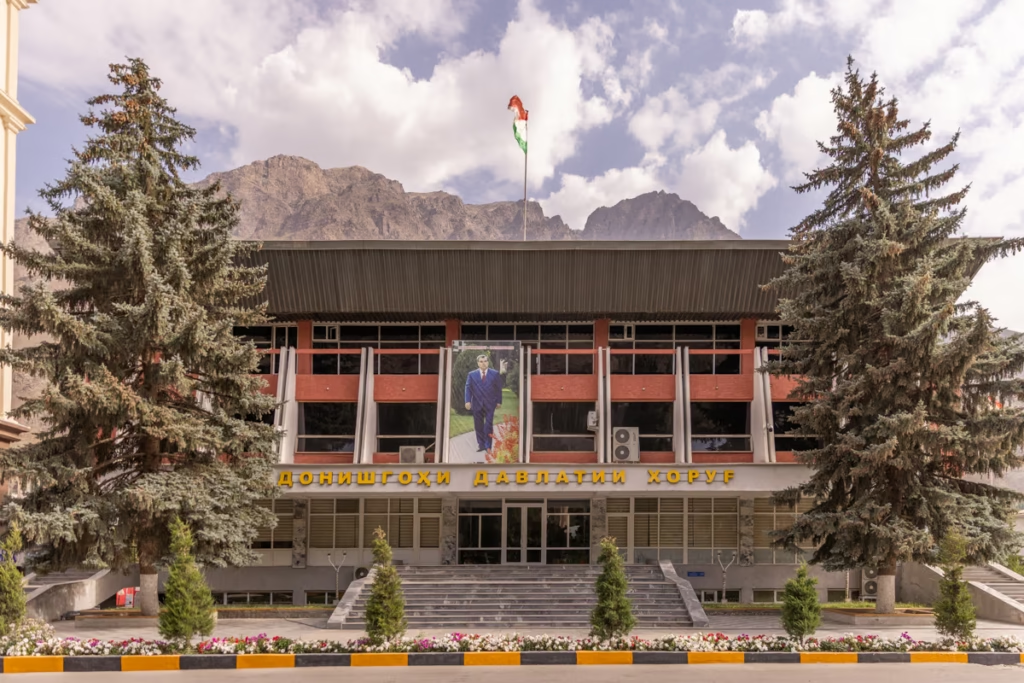
One of the most striking examples of Soviet architecture in Khorog is Khorog State University. Established in 1992, just after Tajikistan gained independence from the Soviet Union, the university was actually conceived during the late Soviet period as part of Moscow’s push to expand higher education in remote regions. The main campus buildings reflect that heritage, with stark concrete blocks, geometric lines, and an unmistakable Brutalist flair.
The design is practical rather than decorative, with wide corridors, tall windows, and heavy forms meant to withstand Khorog’s extreme winters. To Soviet planners, the university was both a symbol and a tool. Proof that socialism could deliver education to even the farthest edges of the empire. Today, students spill across the campus, brightening up those cold Soviet facades with chatter and color. Walking past, you can almost feel the tension between the ideological ambitions that built these halls and the vibrant student life that keeps them alive today.
The Old Bazaar Buildings
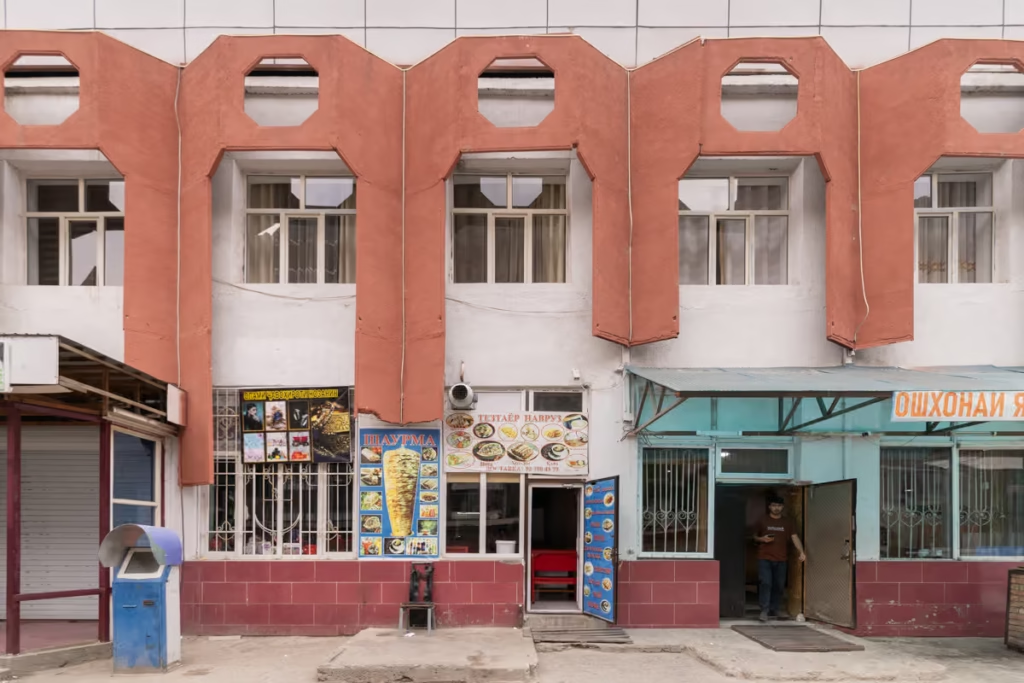
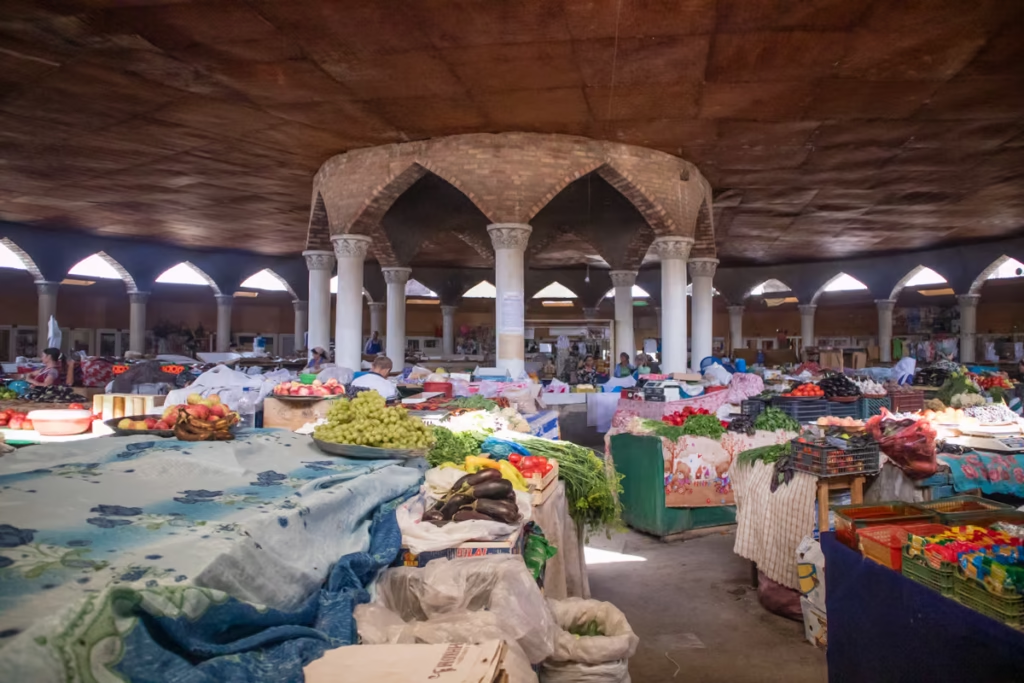
Khorog’s central bazaar is a must for any visitor, and while its goods have modernized, the main hall is pure Soviet. Built with concrete pillars and a sweeping roofline, it reflects the Soviet obsession with centralizing trade into neat, planned spaces. It’s fun to imagine the late-Soviet years here, when vendors sold imported Russian goods alongside local Pamiri staples, and shelves were as likely to be half-empty as overflowing. These days, it’s much livelier, but the bones of the old structure still whisper that history.
The bulk of the bazaar has been moved to what everyone calls the “New Bazaar,” about one kilometer west of the Old Khorog Bazaar, with the Tajik government citing the move was to “alleviate traffic congestion in Khorog.” That said, the Old Bazaar buildings are still holding strong and just as lively as ever.
Khorog Regional Museum (Pamir Museum)
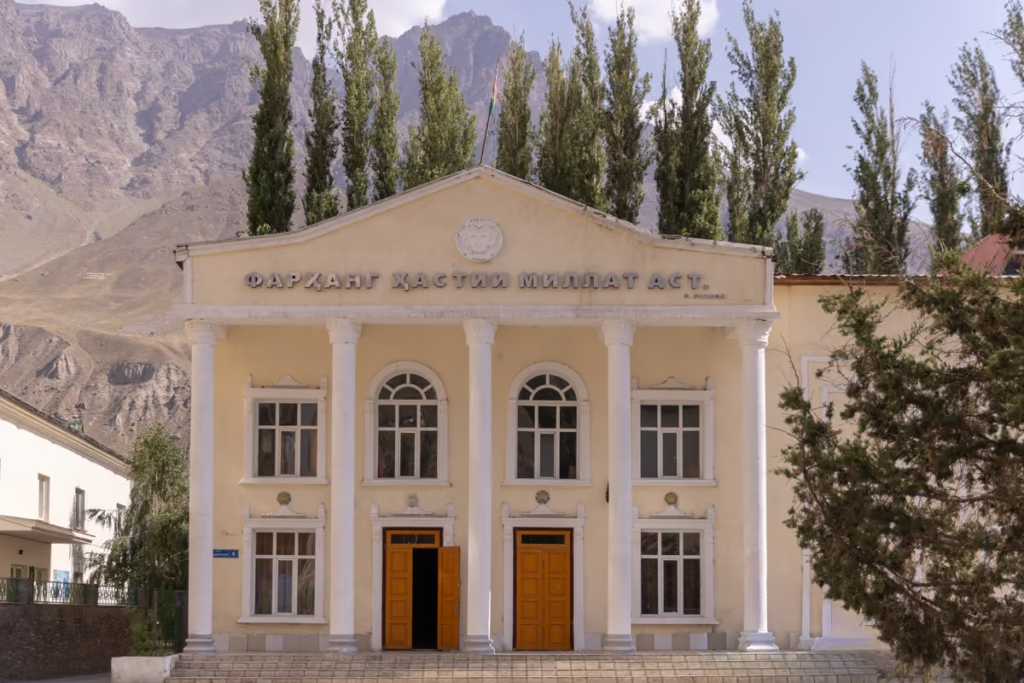
The Khorog Regional Museum, also referred to as the Pamir Museum, is one of Khorog’s most notable cultural landmarks. Today, it’s tucked behind one of the newer high-rises on Lenin Street in an old theatre building, but previously it was inside a different building.
The original museum building was constructed during the late Soviet period. The structure itself is a simple rectangular building with a flat roof and large windows, reflecting the functional, no-frills civic architecture of the time.
Inside, the museum maintains its original layout of wide, plain halls designed for maximum display space. Exhibits range from traditional Pamiri household items and archaeological finds to traditional instruments and rare displays like a Marco Polo sheep specimen. While modest in design, the building embodies Soviet architecture in Khorog, a reminder of the Soviet effort to formalize and preserve culture in even the most remote corners of the Pamirs.
Residential Apartment Blocks
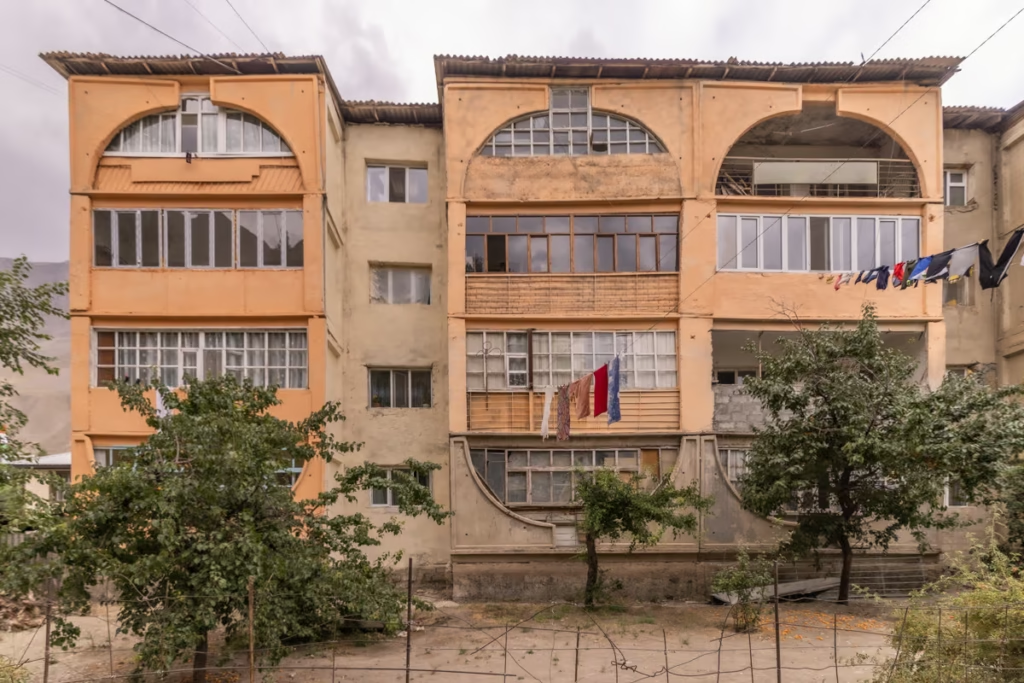
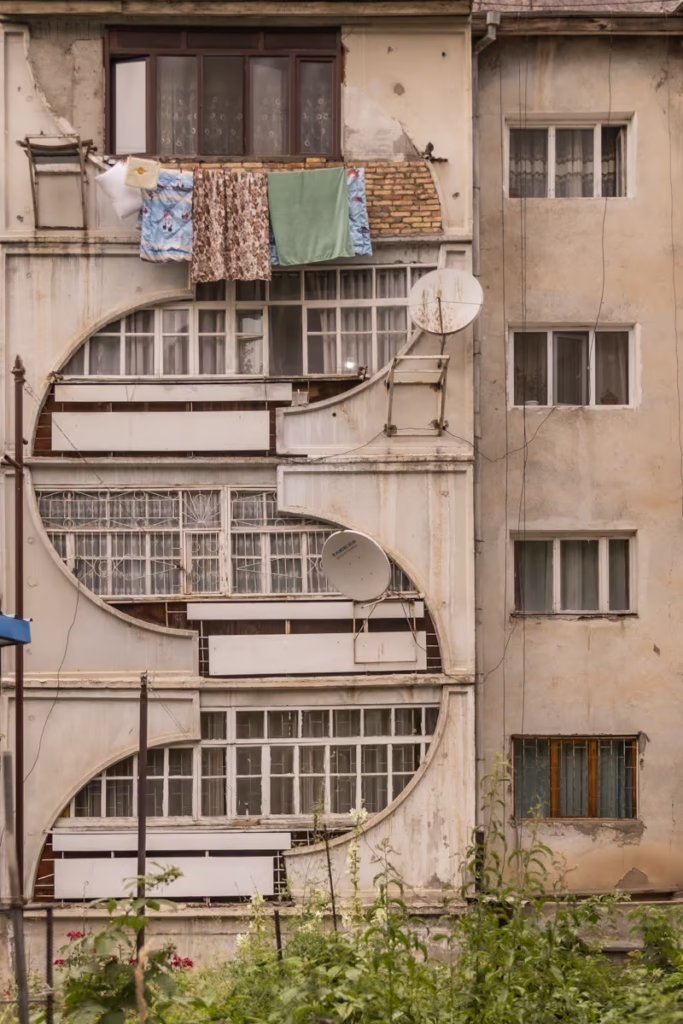
Walk around Khorog long enough and you’ll spot scattered low-rise apartment blocks, uniform, functional, and once home to government workers and professionals brought in during the Soviet years. Locals have since brightened them up with pastel paints and balconies full of flowers, softening their otherwise austere feel.
Soviet Khorog Today
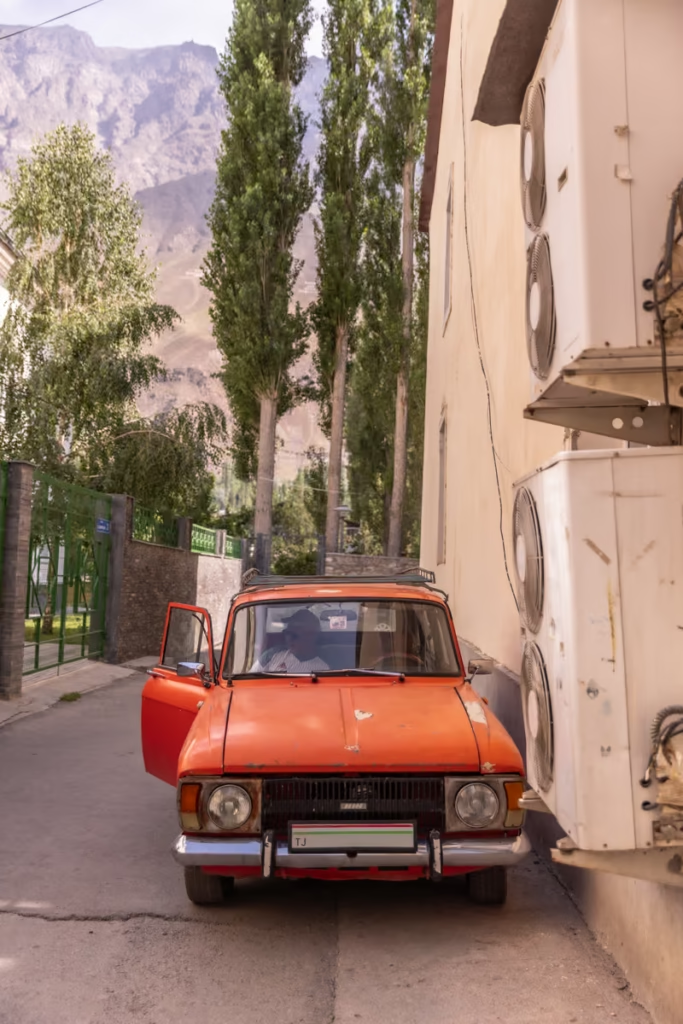
What makes Soviet Khorog unique is how its architecture blends into a landscape that is anything but Soviet. Stark concrete blocks stand alongside traditional Pamiri wooden homes, and Soviet-designed institutions now share space with projects supported by international NGOs and the Aga Khan Foundation (though these projects are starting to be strong-armed out of Tajikistan too).
For travelers, this layering of history makes a walk around Khorog fascinating, it’s a living museum of architectural and cultural transition.
Have Any Questions About The Old Soviet Arhcitecture of Khorog?
Ask in the comments section below. Visited Khorog before? Let us know your favorites.
Posts from Tajikistan
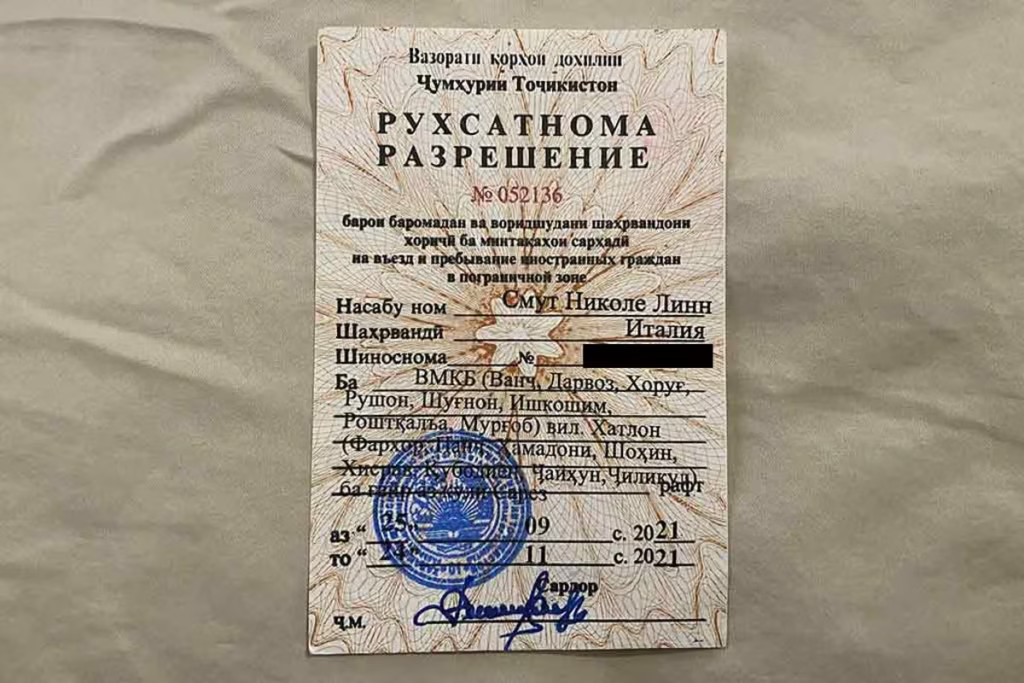
How to Get a GBAO Permit
12 Day Fann Mountains Trekking Expedition, Tajikistan
12 Day Pamir Highway Expedition
Iskanderkul & Sarytag Travel Guide
Kyzyl Art Border Crossing
Jizeu Trek in Tajikistan’s Pamir
10 Reasons to Visit the Pamirs
Tajikistan In Photos
Tajikistan Itinerary for 1-4 Weeks
Solo Female Travel in Central Asia
Khujand Travel Guide
Istaravshan Travel Guide
Haft Kul: Tajikistan’s 7 Lakes

Registering with Tajikistan OVIR in Dushanbe
Trekking to Turumtaikul Lake
Bartang Valley, Tajikistan
Yagnob Valley Trekking Travel Guide
Ishkashim Border Crossing
Khorog Travel Guide
Tajikistan Letter of Invitation (LOI)
Must-Try Tajik Food
Best Road Trips in the World
Central Asia Food & Drink
10 Reasons To Visit Tajikistan
Qolma Pass Border Crossing
Tajikistan Travel Guide
Off the Beaten Path Asia
Pamir Highway Travel Guide
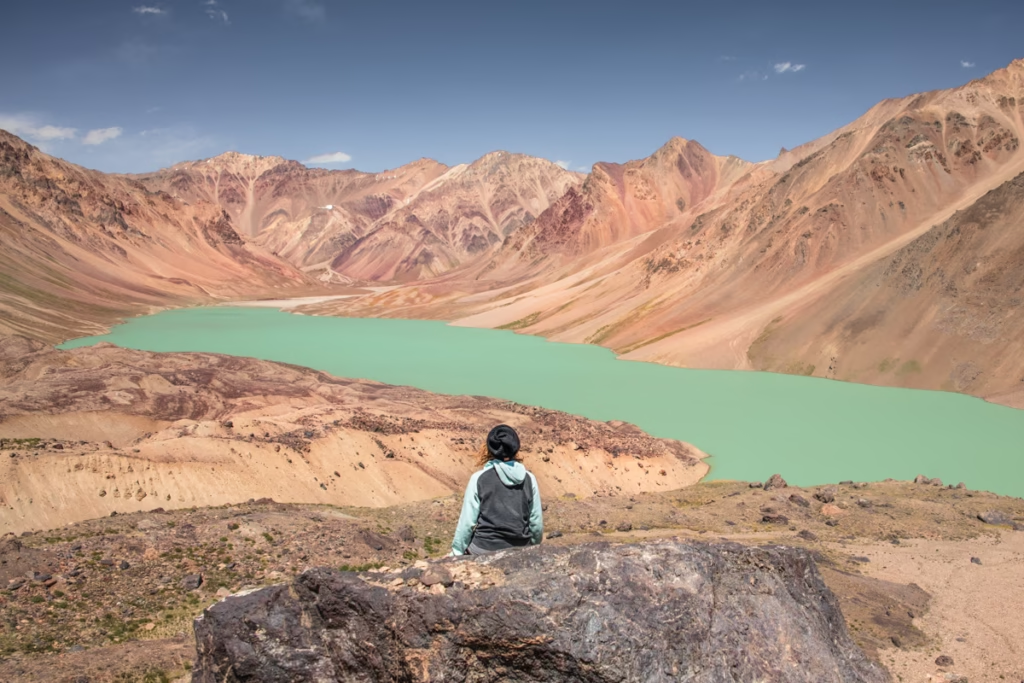
Top Things to Do Tajikistan
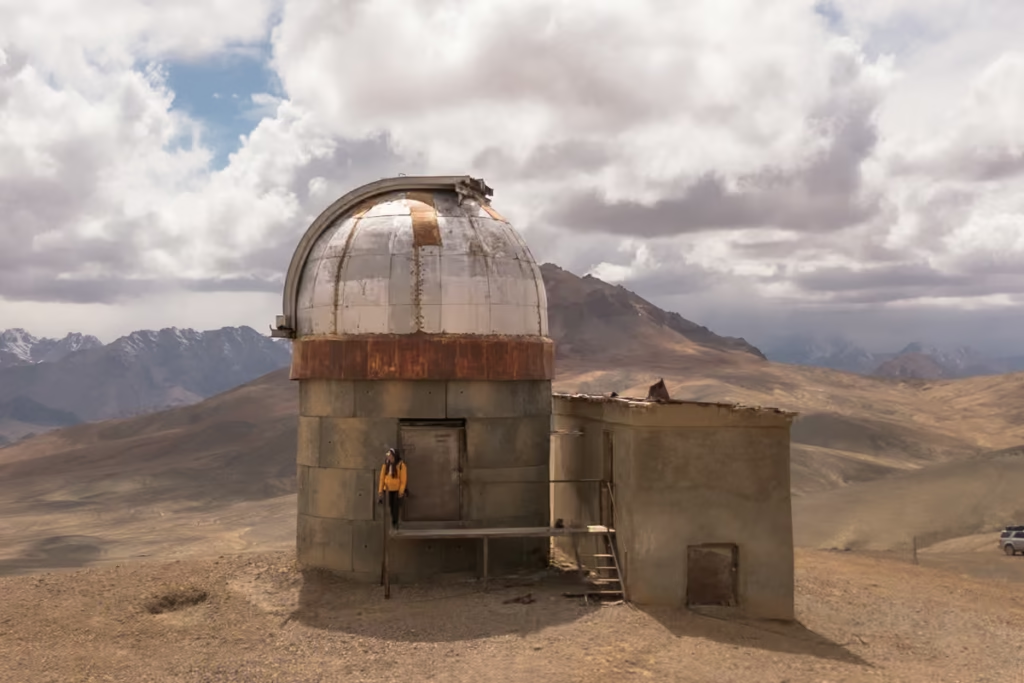
Shor Bulog Observatory, Tajikistan
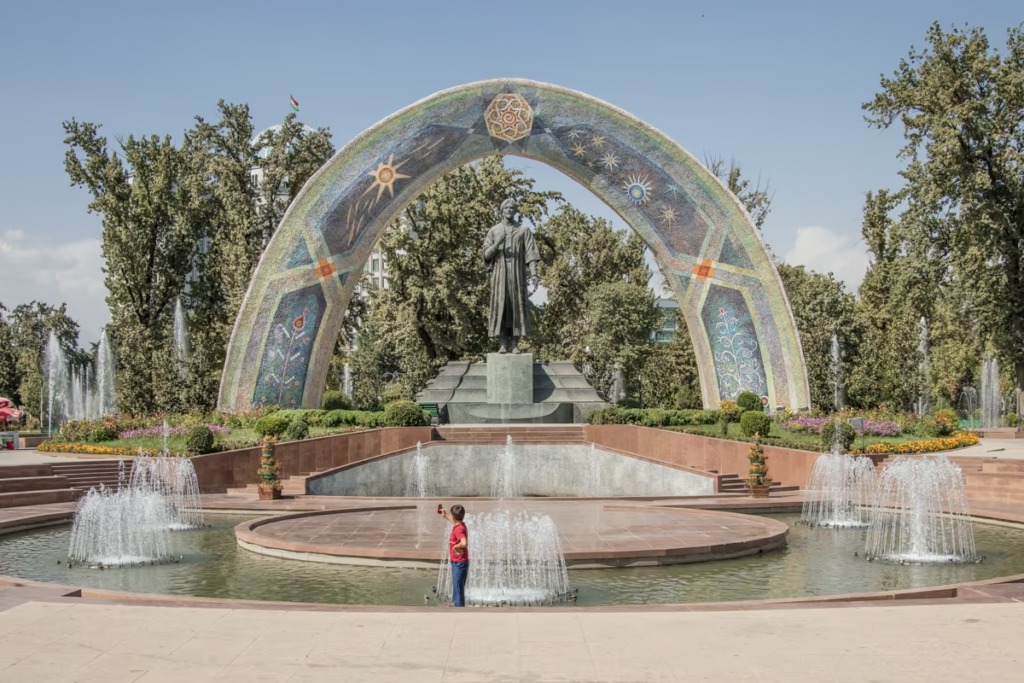
Dushanbe Travel Guide
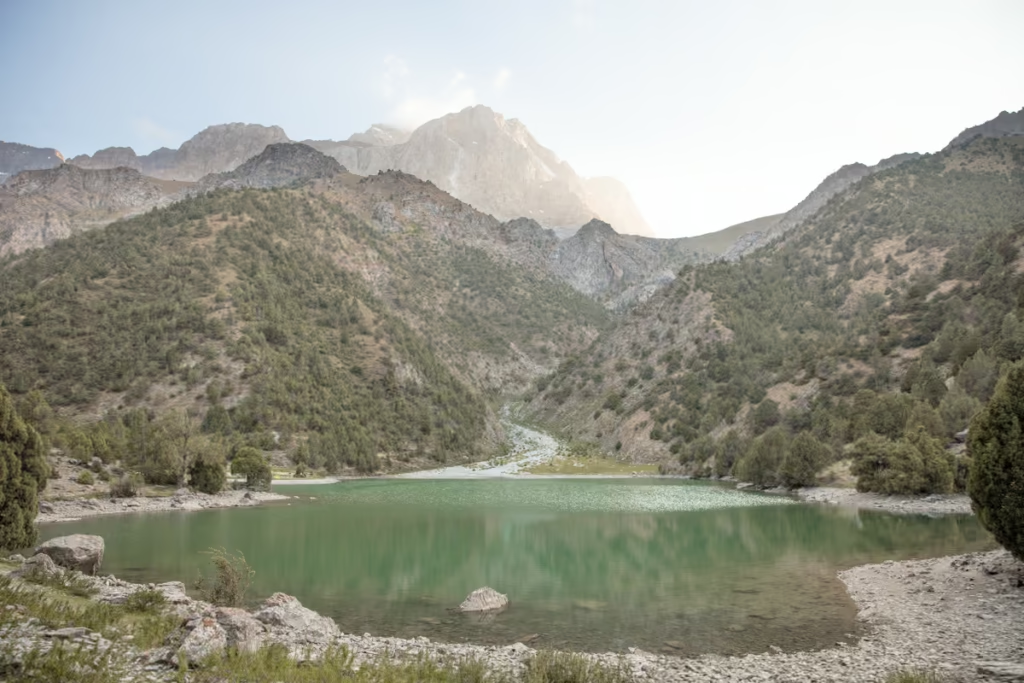
Best Hikes in Tajikistan
Solo Female Travel in Tajikistan
Beginner’s Guide to Central Asia Travel
Panjakent Travel Guide
Pamir Highway Itinerary
Panjakent-Samarkand Border Crossing
Fann Mountains Trekking Guide
Two Week Tajikistan & Uzbekistan Itinerary
Best Restuarants in Dushanbe

How to Register Your Phone with IMEI.tj
Khatlon Travel Guide
The Mosaics of Dushanbe
Best Places to Stay in Dushanbe
How to Use Payment Terminals in Tajikistan
Soviet Architecture in Khorog
Vorukh: Visiting the Tajik Enclave
The Denau-Dushanbe Border Crossing
Shaimak Travel Guide Tajikistan