Vorukh: Visiting Tajikistan’s Enclave
Vorukh: Visiting Tajikistan’s Enclave was originally published in October 2026
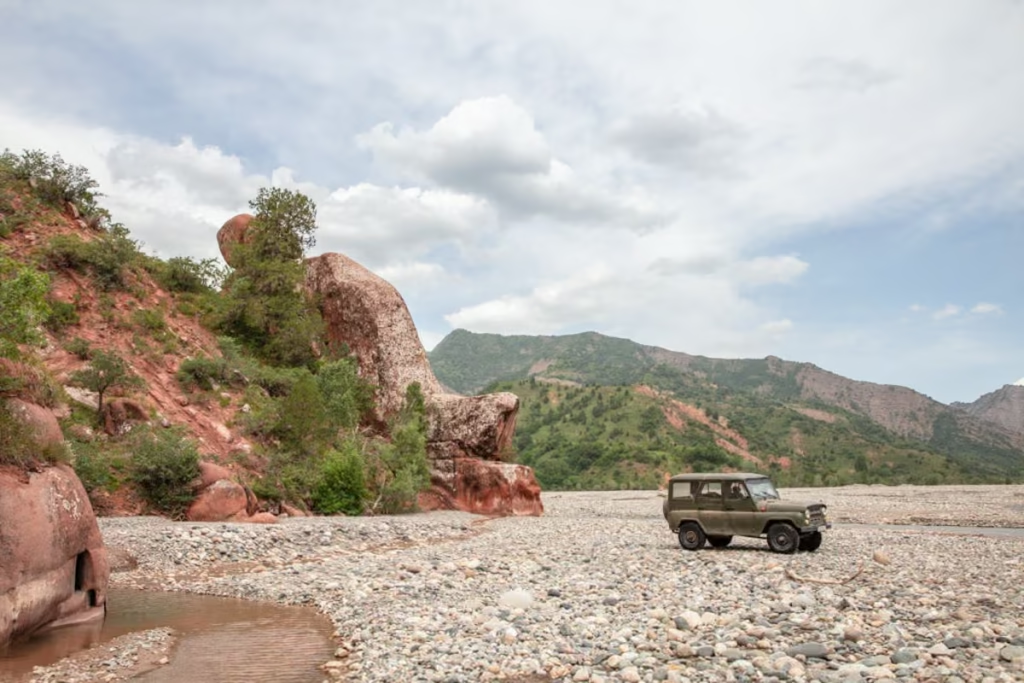
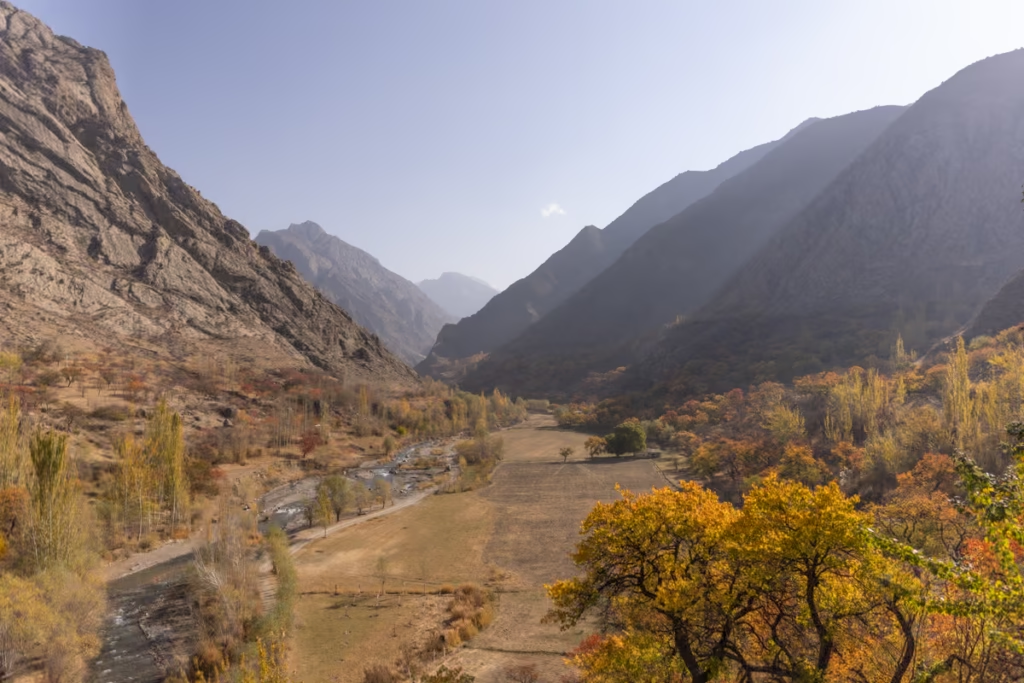
Vorukh is a Tajik enclave, nestled like a stubborn thorn, encircled entirely by Kyrgyzstan in the Fergana Valley, and one of the most interesting and unusual places I have visited in Central Asia. Reaching Vorukh means traveling from Isfara through a short stretch of Kyrgyz territory before entering the enclave, where mountain valleys, apricot orchards, dusty roads, and ordinary village life sit alongside one of Central Asia’s most complicated borders.
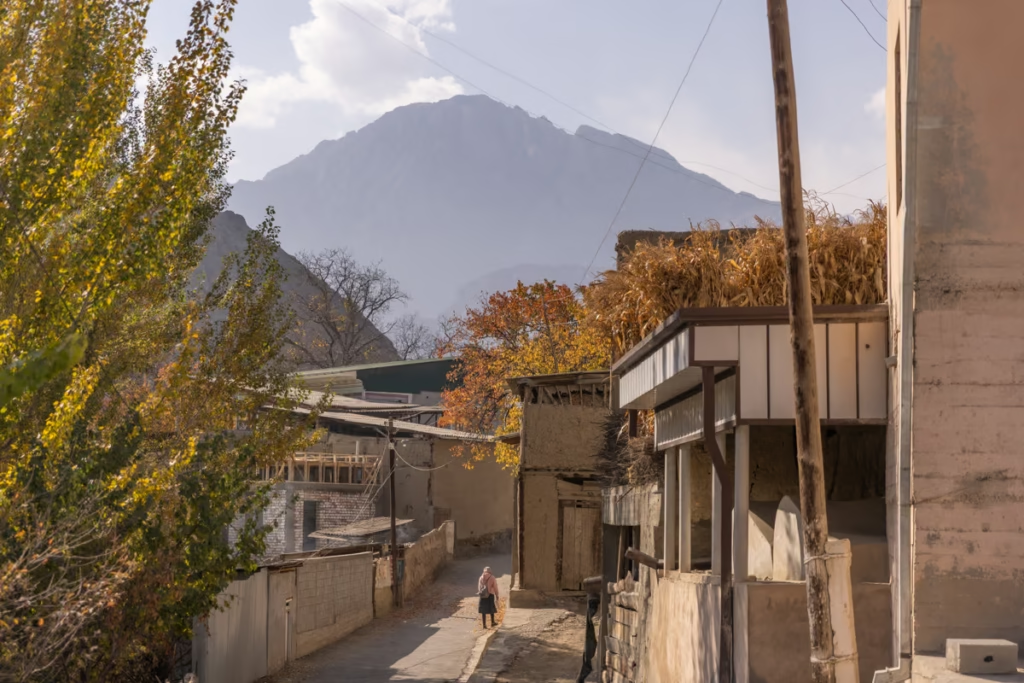
Visiting Vorukh is not like visiting a conventional tourist destination. There are no sightseeing circuits, visitor centers, or neatly packaged tours. Instead, you get to wander village streets, browse the bazaar, eat at a local chaikhana, and, if you’re lucky, end up drinking tea with a family beneath an apricot tree.
Vorukh has also been one of the major flashpoints in the long-running Kyrgyzstan-Tajikistan border dispute. The border was formally settled by a treaty signed in March 2025, following decades of disputes and deadly clashes around the enclave.
I visited Vorukh from Isfara in October 2025. Here’s everything you need to know about visiting the Vorukh enclave, including how to get there, the Isfara to Vorukh marshrutka, where to stay, what to do, and what to know about safety and the border.
Need Travel Insurance and Evacuation Services?
Start shopping for travel insurance plans over at IATI Insurance. Readers of the Adventures of Nicole get a 5% discount off your plan.
The Adventures of Nicole partners with Global Rescue to offer the world’s leading medical evacuation and security advisory services. To travel with peace of mind, explore their evacuation coverage.
Vorukh Enclave History & the Kyrgyzstan-Tajikistan Border
Vorukh’s unusual geography is a product of Soviet-era administrative boundaries in the Fergana Valley. When the Soviet Union dissolved in 1991, internal republic boundaries became international borders, leaving several enclaves and complicated pockets of territory across the region.
Vorukh became a Tajik exclave surrounded by Kyrgyzstan. Its position has made roads, water, farmland, grazing land, and access between villages particularly sensitive issues.
- Soviet-era borders: Administrative boundaries drawn during the Soviet period created the complicated patchwork of borders found across the Fergana Valley today.
- Kyrgyz-Tajik clashes: The Vorukh area was a major flashpoint during serious clashes in 2021 and 2022. The April 2021 violence killed more than 40 people and displaced thousands, while the September 2022 conflict was even more severe.
- The 2025 border agreement: On March 13, 2025, Kyrgyzstan and Tajikistan signed a treaty settling their 970-kilometer state border. The agreement included arrangements affecting the Vorukh area and paved the way for the reopening of transport links.
- Road to Vorukh: The Isfara–Chorkuh–Vorukh road, which had been affected by the border dispute, reopened in 2025.
The important thing to understand as a traveler is that Vorukh is no longer simply an unresolved Soviet-era border oddity. Tajikistan and Kyrgyzstan reached a major border agreement in 2025, but the region’s history is still very much part of everyday life.
Vorukh Quick Facts
| Country | Tajikistan |
| Location | Sughd Region, Fergana Valley |
| What is Vorukh? | A Tajik exclave surrounded by Kyrgyzstan |
| Nearest city | Isfara |
| How to visit | Marshrutka from Isfara |
| Main language | Tajik |
| Currency | Tajik somoni (TJS) |
| Best base | Isfara |
| Tourist infrastructure | Very limited |
How to Get to Vorukh from Isfara
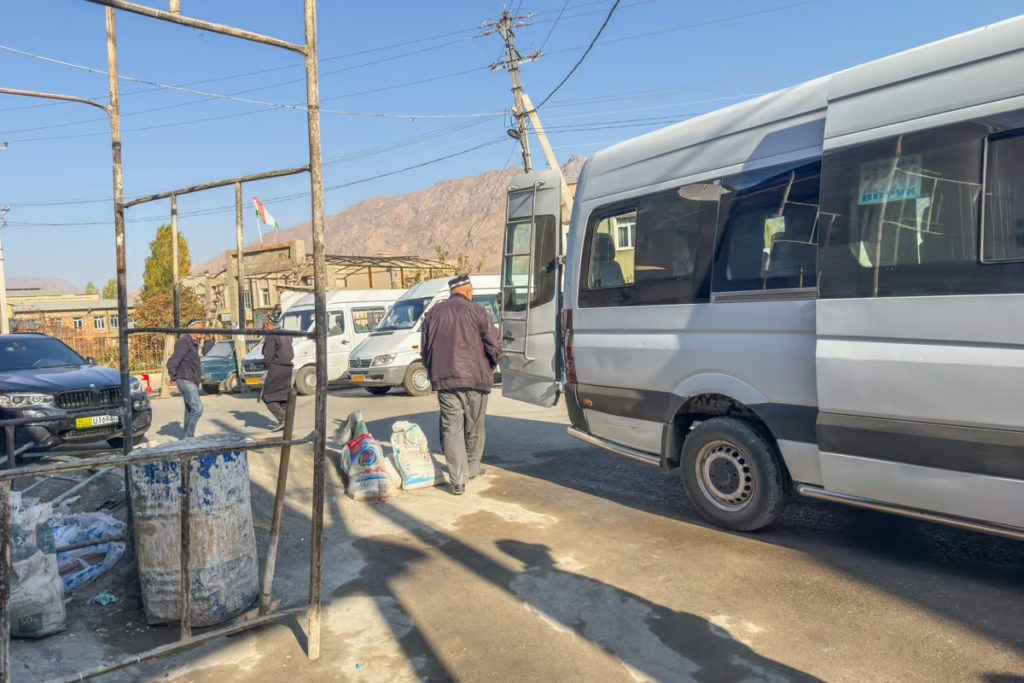
The only way you can get to Vorukh is from the city of Isfara. Naturally, I started in the morning from Isfara because that is the only practical hub for reaching Vorukh.
Get to Isfara Bus Station
Marshrutkas to Vorukh leave from Isfara Bus Station on Jomi Street. The station is here: 40.124207, 70.626383.
Look for Marshrutka #220 with a sign reading Ворух (Vorukh).
I arrived at around 07:35 on my visit and the marshrutka departed at approximately 08:00. There was no published timetable. The vehicle appeared to leave when full, with more frequent departures in the morning and afternoon.
The fare I paid was 11 TJS (this is per seat).
Isfara to Vorukh Marshrutka #220
Finding Marshrutka #220 heading to Vorukh was easy. I arrived at the station around 07:35, and we were on the road by 08:00. The marshrutkas seem to run fairly often as they leave when full. It appeared that they fill more frequently in the morning and in the afternoon when people head back to Vorukh for the day.
Marshrutka #220 passes through Zumrad, Chorbogh, Surkh, Chorkuh, and Khoja Alo before reaching the Kyrgyz section of the route.
Crossing Kyrgyzstan on the Way to Vorukh
From Khoja Alo, the road crosses approximately 3.5 kilometers of Kyrgyzstan before entering the Vorukh enclave. On my journey, the marshrutka did not stop in the Kyrgyz section.
There are no border formalities, but carry your passport. Border arrangements can change, particularly in a region with such a complicated recent history, so ask locally before departing.
Entering the Vorukh Enclave
In less than five minutes, we were back on Tajik soil in the little enclave of Vorukh. The marshrutka begins making stops again, once in Vorukh. You will see many bus stops along the road where you can signal to the driver to be dropped off.
The final stop is at the informal Vorukh Station at the bazaar, located here: 39.847552, 70.581977. On my visit to Vorukh, we arrived at the bus station at 09:20.
Tips for Visiting Vorukh
- Carry your passport. I was not subject to border formalities on my October 2025 visit, but this could change at any time.
- Bring small TJS notes for marshrutkas and small purchases.
- Bring food and water from Isfara if you want more choice. Vorukh has shops and basic chaikhanas, but options are limited.
- Download an offline map. Don’t expect a conventional tourist information network.
- Be curious, but respectful. Foreign tourists are unusual here, and people may be interested in talking to you.
- Check local conditions before traveling. Border arrangements can change quickly.
How to Get Around Vorukh
Vorukh is sprawling rather than compact, stretching through several valleys and settlements. There is no formal tourist infrastructure.
I mostly explored on foot, but locals offered me rides during my visit. Small cars are common, and you can ask locally about getting to a particular village or valley. If you arrange a ride, agree on the price before setting off.
After getting dropped off at the bazaar, I began walking eastward, and before long, a car stopped with a man and his little daughter. He introduced himself as Alex and asked where I was going. I said, I don’t know, and laughed. It was at this point that he figured out that I was a tourist. He insisted I go with them, and I politely declined, but both he and his daughter insisted, so off we all went.
Where to Stay in Vorukh
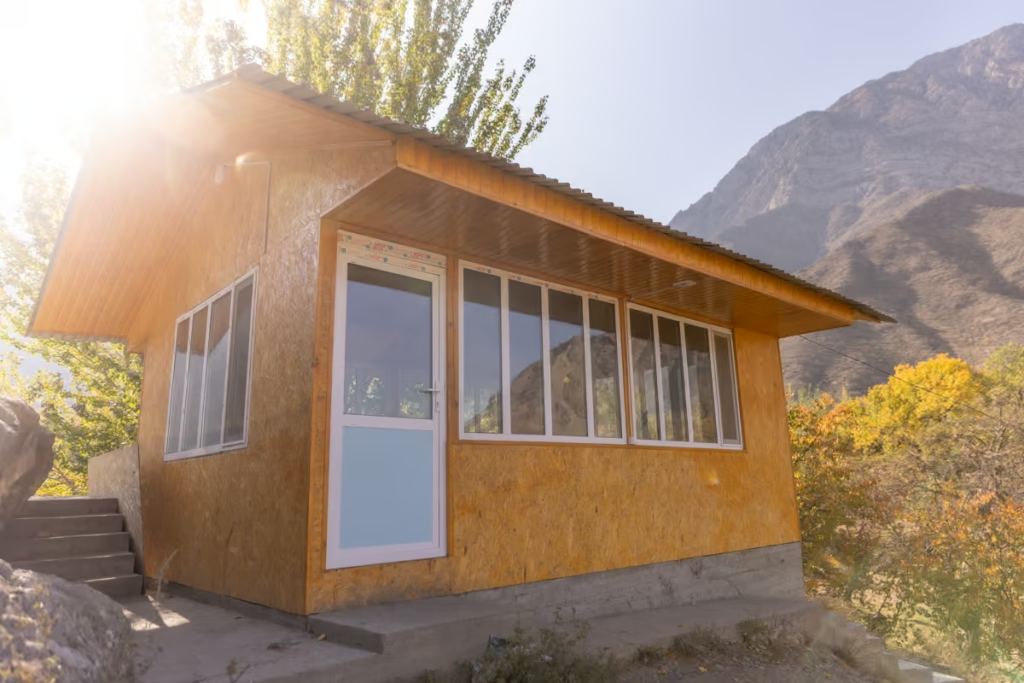
Vorukh has almost no conventional tourist accommodation. During my visit, I was taken to a dacha located at: 39.820806, 70.637723.
Alex stopped to pick up a woman and her son when we were driving eastward across Vorukh. She worked keeping the dacha grounds. I asked her if it was possible to rent, and she said yes, for 200 TJS per night for one of the cabins and 300 TJS per night for the other.
Later via Instagram, I learned that the name of this area is called Bedi Kach from a local who commented on a post there. The translation is ‘crooked willow’.
The property had covered picnic areas, places to grill shashlik, and elevated views across Vorukh.
Availability is informal, so I would not rely on this as guaranteed accommodation. A local contact may be necessary to arrange a stay.
For most travelers, Isfara is the easier place to stay. You can visit Vorukh as a day trip and return to Isfara the same day.
Where to Eat in Vorukh
Vorukh has a handful of basic chaikhanas along the main road in the village serving Central Asian food, while the bazaar and small shops are useful for snacks and supplies. The Isfara Valley is particularly famous for its apricots, so don’t leave without trying some if you’re visiting during the fruit season.
Things to Do in Vorukh
Vorukh is small, and as there isn’t a tourist trail at all in the enclave, you’ll have to be willing to do a bit of exploring.
Walk Around Vorukh
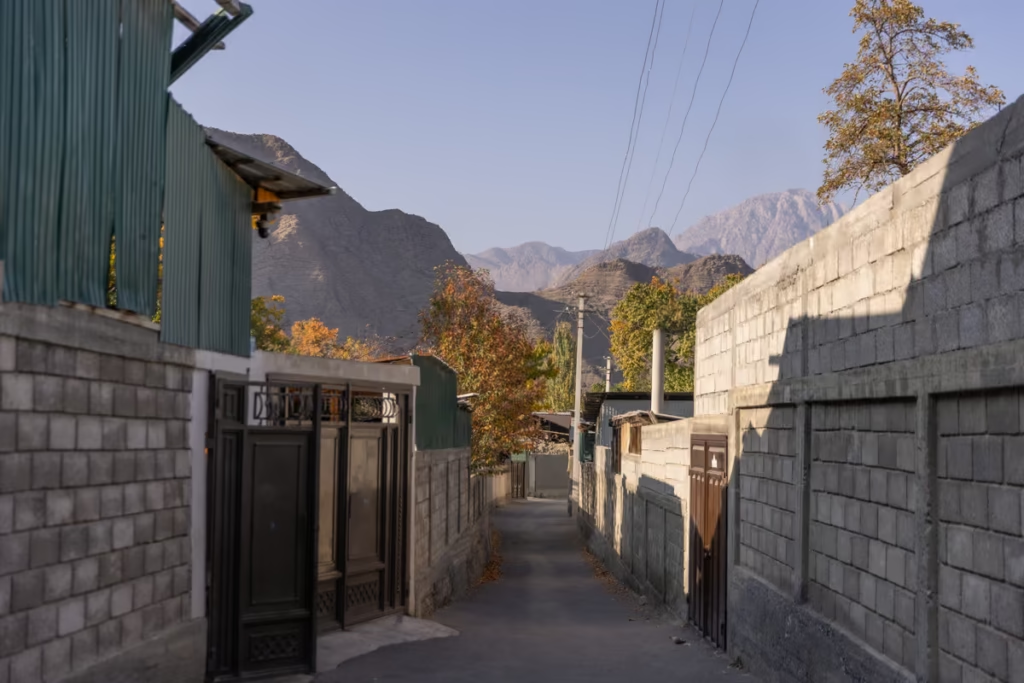
Wander around Vorukh’s rambling streets, and you’re bound to meet someone who will take a curiosity in you and, at very least, say hello, especially the kids.
Visit Vorukh Bazaar
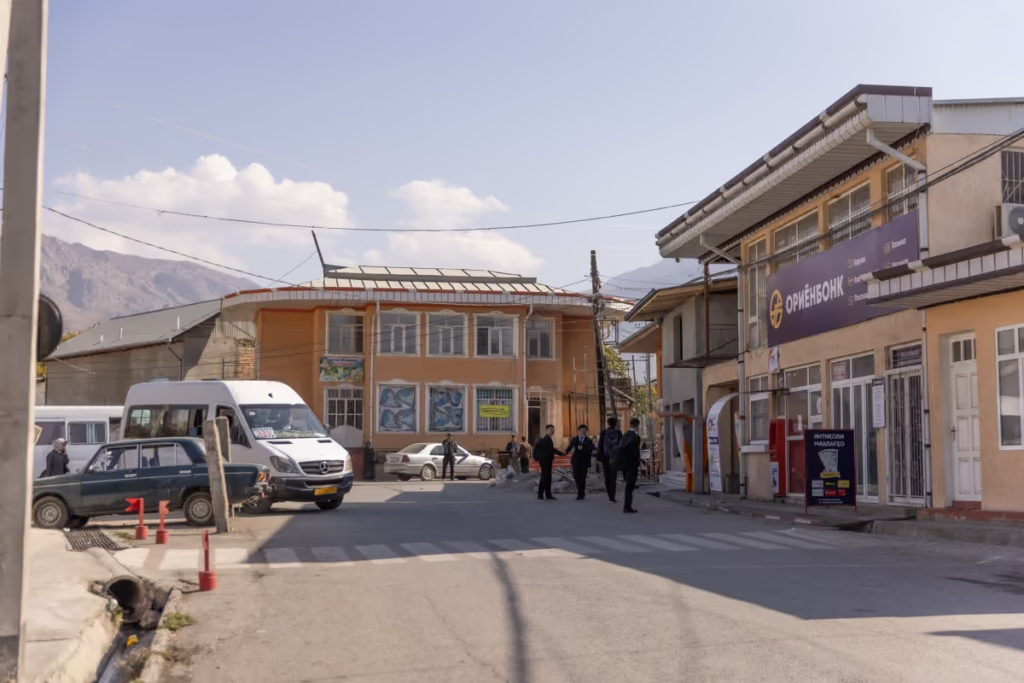
Vorukh’s local bazaar is a bit of a scattering, but here you can find sellers dealing in fruit, nuts, bread, and household goods. Buying a bag of apricots and sitting in a quiet corner is a perfect way to observe daily life.
Meet Local People & Understand Vorukh
The language spoken in Vorukh is Tajik, but a few words in Russian, or a friendly smile, go a long way too. Conversations about apricot orchards, family histories, and hearing the stories of how people cope with living in an enclave in a geopolitical frontier are some of the most illuminating experiences.
Visit Vorukh’s Apricot Orchards
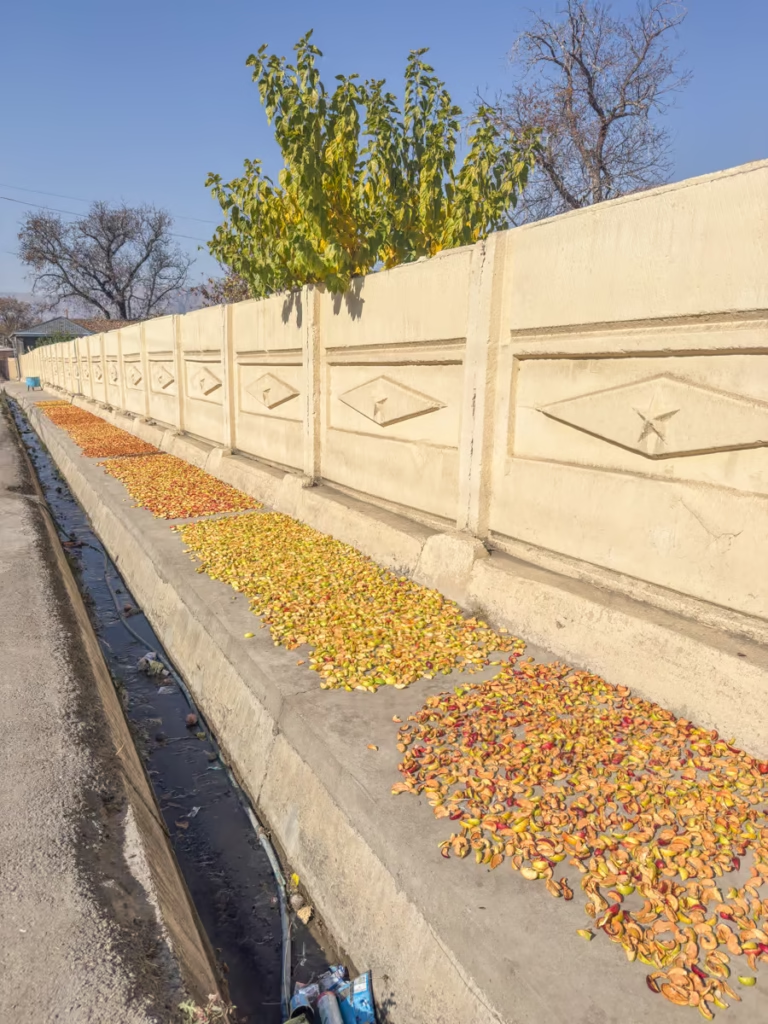
The Isfara valley is famous for fruit, especially apricots. If you are there in the summer and autumn seasons, visiting orchards or buying fruit from roadside tables is a highlight.
Hiking Around Vorukh

The mountains surrounding Vorukh offer plenty of potential for hiking, but this is not an established trekking destination. There are no marked trails, and I would recommend hiring a local familiar with the area to trek further afield.
The eastern edges of the enclave become increasingly mountainous as the valley forks into two broad valleys. If you want to explore beyond the settled areas, go with someone local who understands the boundaries and current security situation.
Do not approach border installations or checkpoints, and never photograph security personnel or sensitive infrastructure without permission.
Photography in Vorukh
Vorukh is exceptionally photogenic, from its mountain backdrop and apricot orchards to its winding village streets. People were generally friendly toward photography during my visit, but always ask before photographing individuals, particularly around anything connected to security or the border.
Is Vorukh Safe to Visit?
- Safety first: The area has seen armed clashes in the past decade. Most visits are calm and uneventful, but sudden local incidents are possible. Keep abreast of local news, avoid demonstrations or any large gatherings, and steer clear of tense border spots. The history of violent flare-ups (notably in 2021 and intermittent clashes in 2022) is why travelers should be cautious.
- Do not photograph checkpoints or security personnel: This could cause trouble for you. Ask permission before photographing people.
- Conversations about borders: Locals have strong feelings, and rightfully so. Ask about family, food, and everyday life, and when the conversation turns political, it’s best to just listen.
- Local laws and ID: Always carry your passport, just in case you are asked for it. While there is no widely enforced tourist permit just to visit Vorukh, checkpoints (unmanned on my visit) and local controls mean that presenting ID could, in theory, happen.
Do You Need a Permit to Visit Vorukh?
You do not need a special tourist permit to visit Vorukh. However, Vorukh is a sensitive border area, and local controls or access arrangements can change.
Carry your passport and check current conditions locally before traveling.
What to Pack for Vorukh
- Passport
- Local currency (TJS)
- Comfortable shoes for walking along dusty roads
- Water, sunscreen, hat
- A portable charger and a basic offline map of the area
- A phrasebook or translation app with Tajik/Russian phrases
Returning from Vorukh to Isfara
Returning to Isfara
- Marshrutkas run both ways; last departures can vary. Locals report the last marshrutka for the evening departing around 18:00, but there is no schedule.
Connections to Khujand or Beyond
- Isfara connects to Khujand with shared taxis and other destinations such as Konibodom with marshrutkas. From these larger hubs, you can catch marshrutkas and shared taxis north to Uzbekistan or south to Dushanbe.
Can You Visit Vorukh as a Day Trip?
Yes. Vorukh is easiest to visit as a day trip from Isfara. My marshrutka left Isfara at around 08:00 and reached Vorukh at approximately 09:20. I spent the day exploring the enclave before returning toward Isfara.
Because transport is informal and departure times can change, leave yourself plenty of daylight rather than planning a tight connection.
Why Vorukh is Worth Visiting
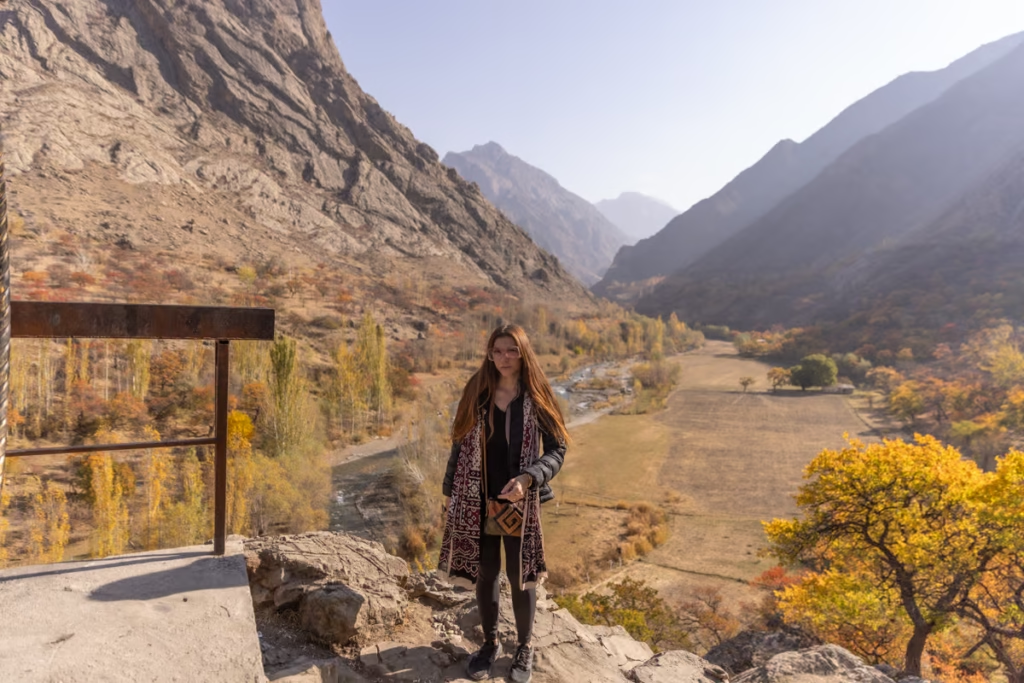
Vorukh is an island of curiosity, a victim of seemingly haphazard deleniations from a Soviet past that buzzes with life and tension at the same time.
It felt just as welcoming as the remainder of Tajikistan, but with an even more difficult past. Tea with a family under an apricot tree will easily turn into a fascinating history lecture from someone who has lived it.
You can feel how fragile the local peace is where the landscape carries the memory of disputes and the infrastructure of contested borders.
Vorukh will reward travelers who listen. This is home for people whose lives are shaped by lines on a map that they did not draw.
Further Reading on the Vorukh Clashes & History of the Enclave
- Asia-Plus: How Vorukh became an enclave — background on local disputes and enclave history
- Aziz Niyazi: Vorukh- The Territory of the Tajik-Kyrgyz Discord. On the Issue of the Initial Demarcation of the Soviet Period in 1928-1941 — Evidence Vorukh originally was not an enclave but a contiguous part of Isfara (Tajik SSR), and suggests that the current border dispute stems from later re-drawings and Soviet-era administrative changes
- Wikipedia: 2021 Kyrgyzstan–Tajikistan clashes — timeline and background on recent violence
- Wikipedia: 2022 Kyrgyzstan–Tajikistan clashes — timeline and background on recent violence
Have Any Questions About Visiting Vorukh?
Ask your questions about Vorukh in the comments section below.
Posts from Tajikistan
Murghab Travel Guide

Madiyan Hot Springs, Tajikistan
Hisor Fortress, Tajikistan: How to Visit
Istaravshan Travel Guide: 10 Things to Do
Tajikistan Itinerary: 1-4 Weeks
Afghan Bazaar Khorog | Tem Market
Shokhdara Valley Travel Guide, Tajikistan
Vorukh: A Guide to Tajikistan’s Enclave
Shir Khan Bandar Border Crossing Guide
Tajik Food: 20+ Traditional Dishes
Qolma Pass: Tajikistan to China Guide
GBAO Permit: How to Get One
Lakes Loop, Tajikistan Hiking Guide
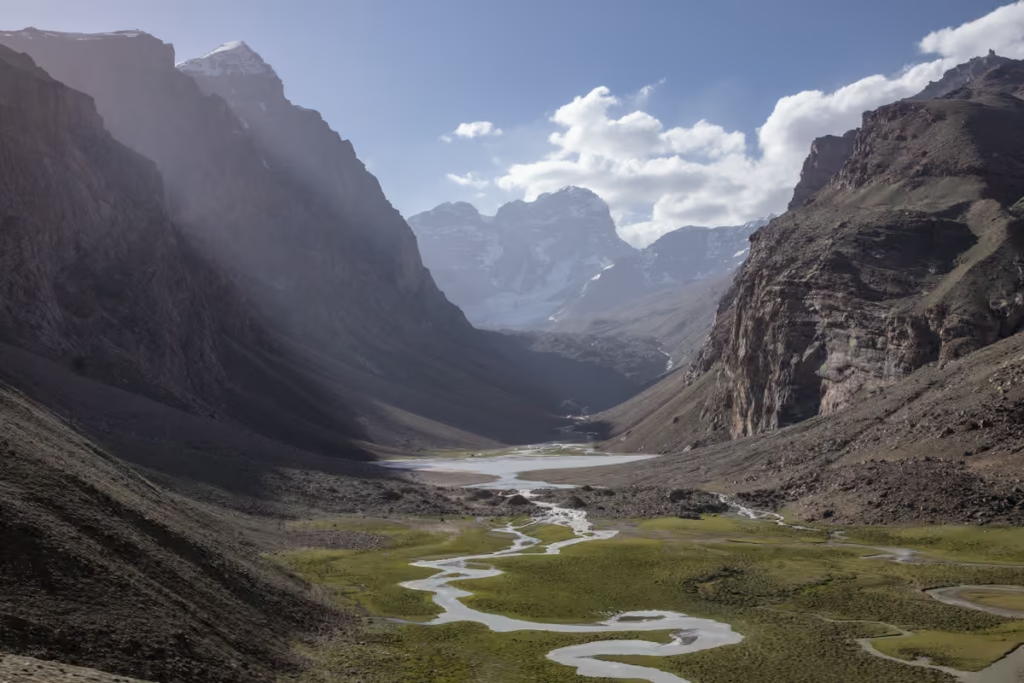
Pik Engles Hike: Tajikistan Trek Guide
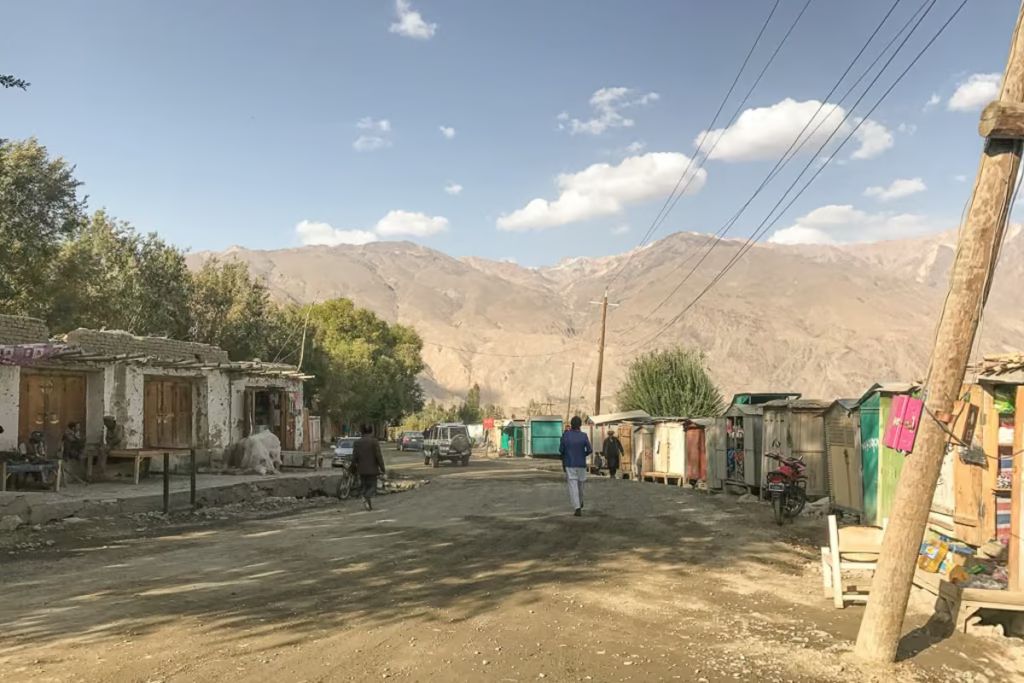
Tajikistan Border Crossings Guide
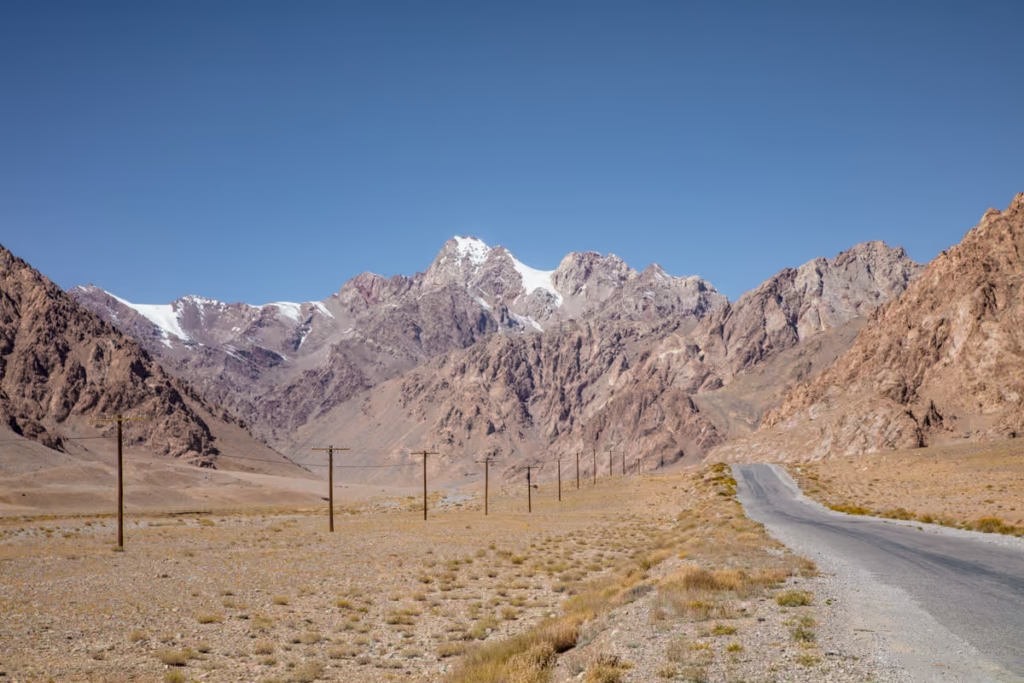
Pamir Highway Guide: M41 Route
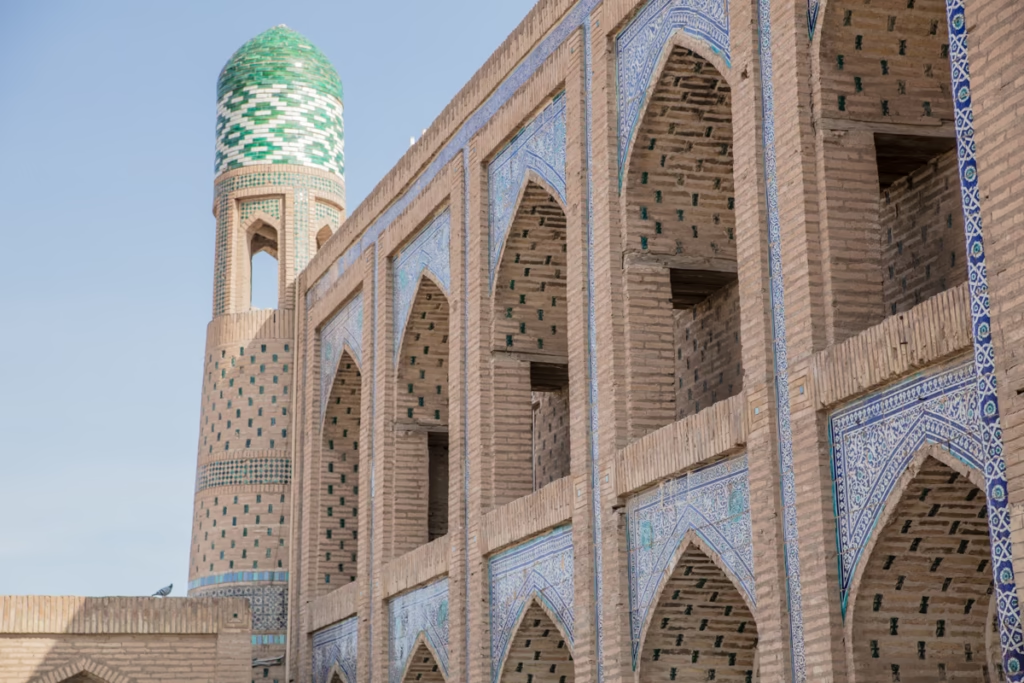
Tajikistan Uzbekistan Itinerary: 2 Weeks
Solo Female Travel in Tajikistan
Chimtarga Pass Trek Guide | Tajikistan
Best Hikes in Tajikistan
Dushanbe Day Trips
Solo Female Travel in Central Asia
Jizeu, Tajikistan: Trek & Travel Guide
Tajikistan Travel Guide: Plan Your Trip
Dushanbe Travel Guide & Things to Do
Dushanbe Mosaics: Soviet-Era Art in Tajikistan
2 Week Tajikistan Itinerary
3 Week Tajikistan Itinerary
4 Week Tajikistan Itinerary
10 Day Tajikistan Itinerary
1 Week Tajikistan Itinerary
Panjakent Travel Guide: Things to Do

OVIR Registration in Tajikistan: Dushanbe Guide
Panjakent-Samarkand Border Crossing Guide
Fann Mountains Trekking Guide
Central Asia Travel Guide
Tajikistan SIM & eSIM Guide
Shurab, Tajikistan: An Almost Forgotten City

Isfara-Batken Border Crossing Guide

Oybek Border Crossing: Tashkent to Khujand
Best Restuarants in Dushanbe | Where to Eat
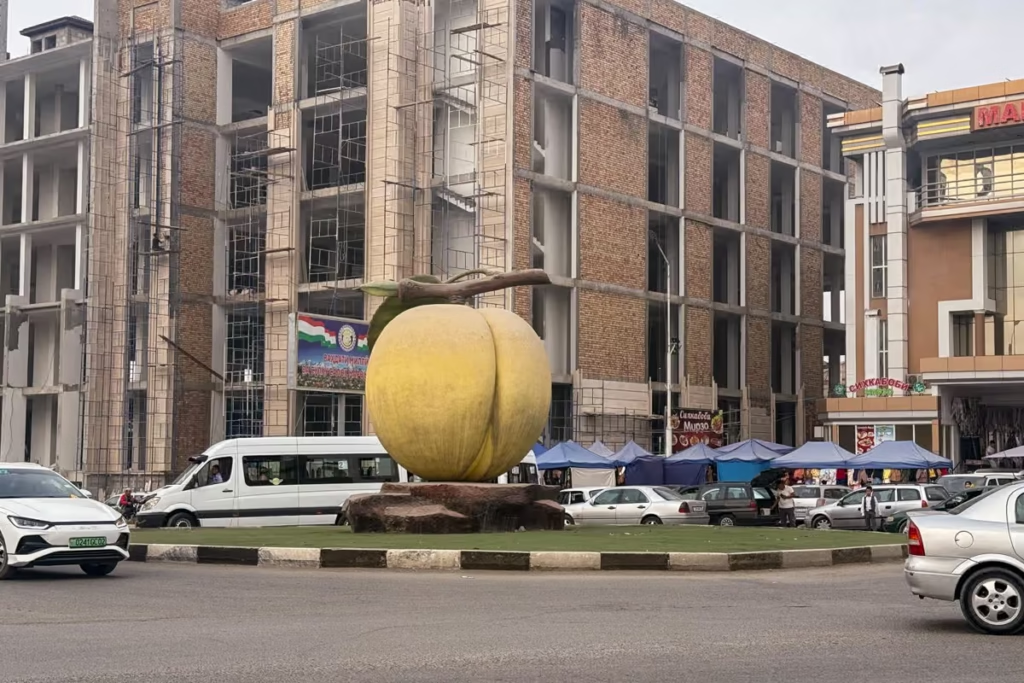
Isfara Travel Guide, Tajikistan
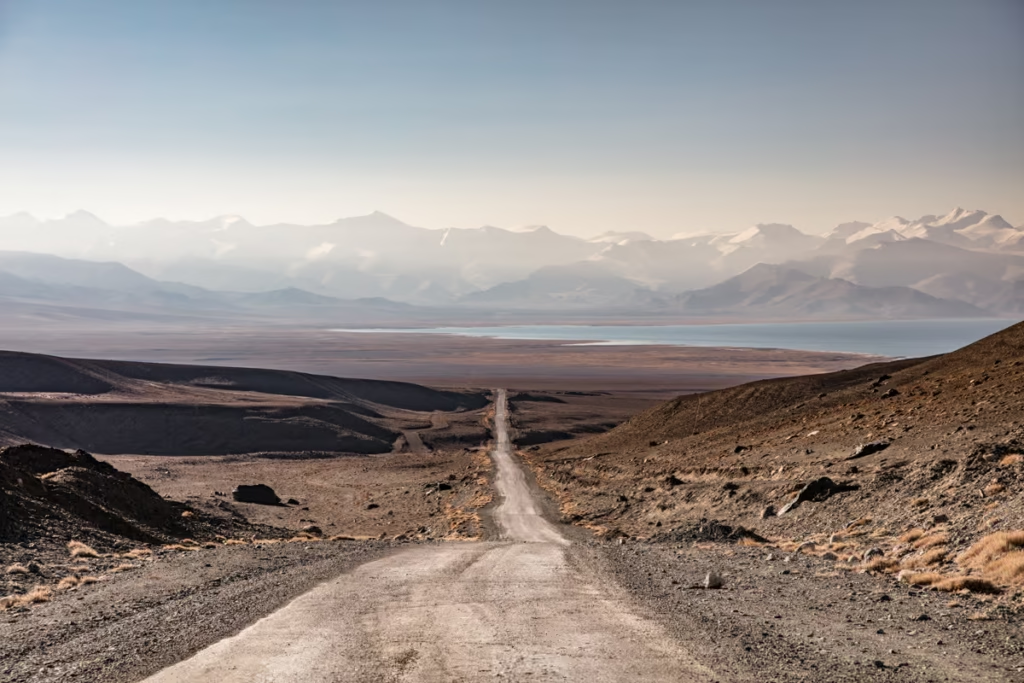
Pamir Highway Itinerary: 10 Days from Dushanbe to Osh
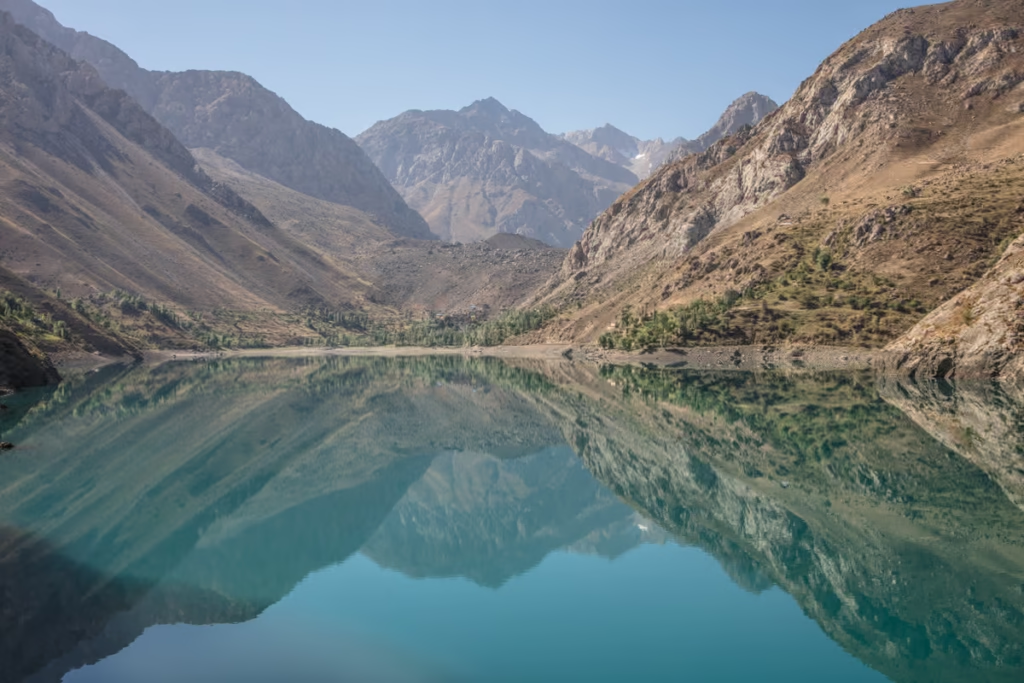
Haft Kul: A Guide to the Seven Lakes of Tajikistan
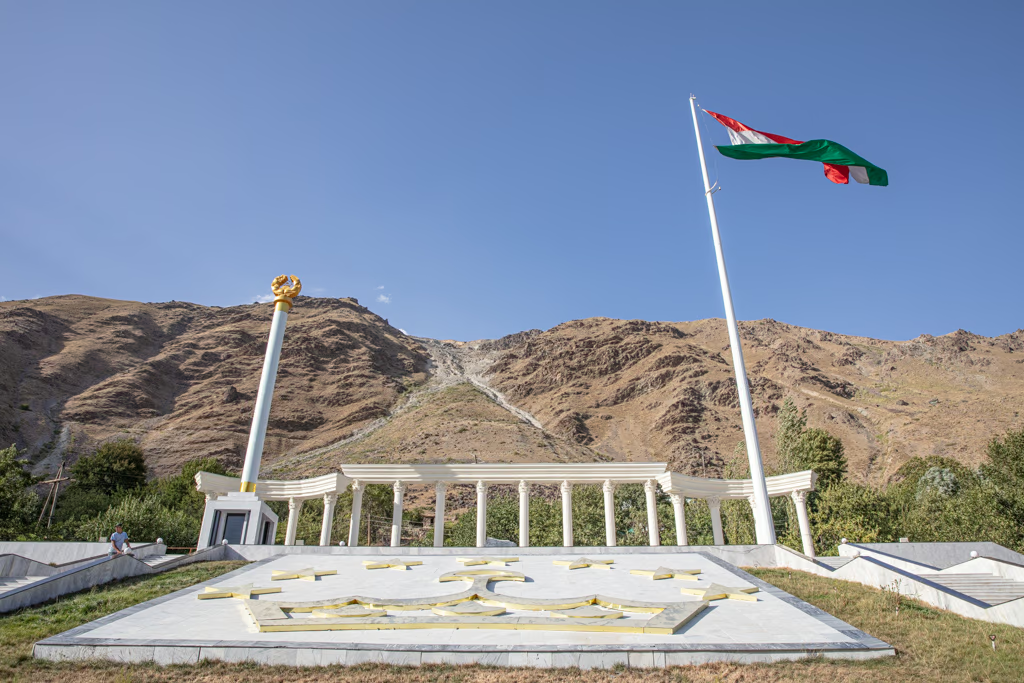
Tajikistan Letter of Invitation (LOI)
Jarty Gumbez, Tajikistan: A Complete Travel Guide
How to Use Payment Terminals in Tajikistan
Shor Bulog Observatory, Tajikistan
Visiting Zorkul, Tajikistan