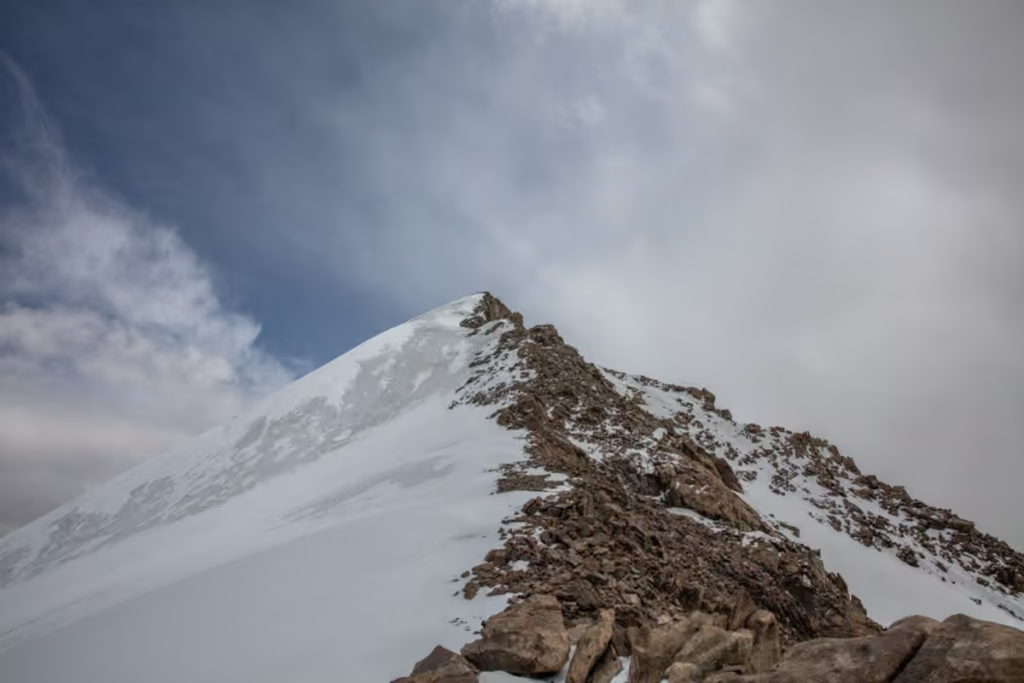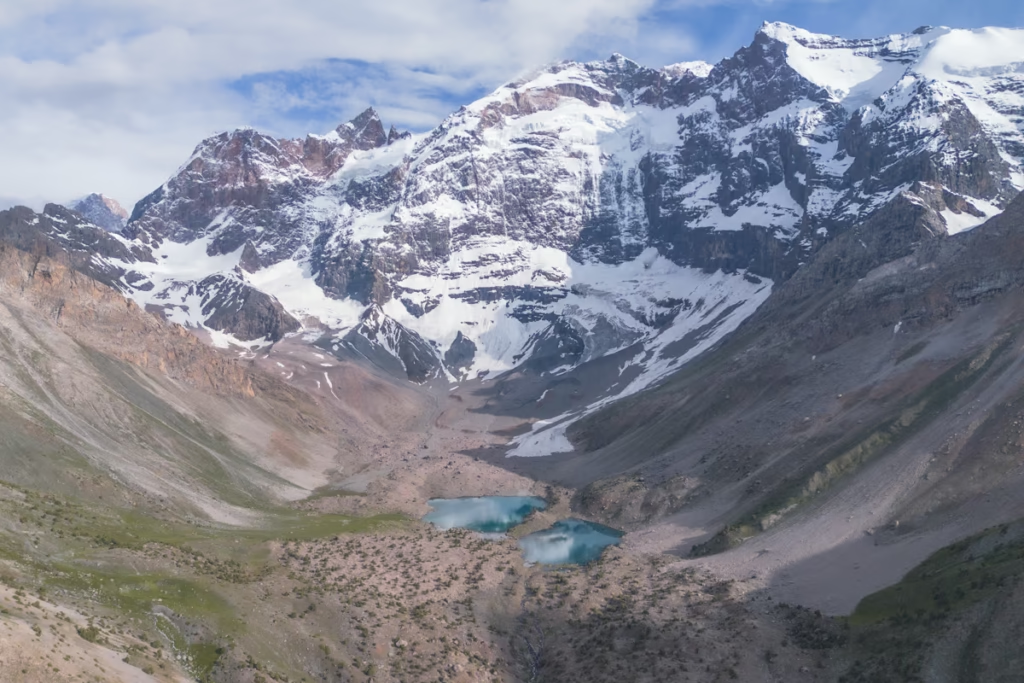
3 Week Tajikistan Itinerary: 21 Days from Khujand to Osh
3 Week Tajikistan Itinerary: 21 Days from Khujand to Osh was originally published in 2026
Tajikistan is one of those countries where three weeks barely feels like enough. You can spend days bouncing between Silk Road cities and mountain villages in the north, then suddenly find yourself following the Panj River with Afghanistan on the opposite bank. A few days later, you’re crossing empty high-altitude plateaus where the road seems to disappear into the landscape.
This 3 week Tajikistan itinerary is designed for travelers who want to see a lot of the country without turning the entire trip into one giant driving marathon.
Over 21 days, you’ll travel from Khujand and Istaravshan through Panjakent and the Fann Mountains, continue to Dushanbe, then head east along the Pamir Highway. The route follows the Panj River through the western Pamirs, enters the Wakhan Valley, climbs into the Eastern Pamirs, crosses into Kyrgyzstan at Kyzyl Art Pass, and finishes in Osh.
It’s a big trip. There are long driving days, rough roads, high altitudes, and plenty of moments when you will wonder why you voluntarily signed up for this. Then the landscape opens up, and you remember exactly why.
Need Travel Insurance and Evacuation Services?
Start shopping for travel insurance plans over at IATI Insurance. Readers of the Adventures of Nicole get a 5% discount off your plan.
The Adventures of Nicole partners with Global Rescue to offer the world’s leading medical evacuation and security advisory services. To travel with peace of mind, explore their evacuation coverage.
3 Week Tajikistan itinerary at a Glance
| Trip length | 21 days / 20 nights |
| Start | Khujand, Tajikistan |
| Finish | Osh, Kyrgyzstan |
| Main trekking areas | Fann Mountains, Wakhan Valley, Pik Engels |
| Best for | Hiking, mountain scenery, culture, history, Pamir Highway |
| Highest point | Ak Baital Pass, 4,655 m |
| Difficulty | Moderate to challenging |
| Best season | Generally summer through early autumn, depending on snow, road, and trail conditions |
This itinerary is best suited to June through September, when the high mountain roads and passes are generally more accessible. Conditions can change quickly in the Pamirs, however, so build some flexibility into the route.
Best time for This 21 Day Tajikistan itinerary
The best time for this itinerary is generally summer through early autumn, particularly when you plan to travel through the high Pamirs.
The biggest consideration isn’t simply temperature. It’s road and pass conditions. Your route includes several high-altitude sections, including the Kyzyl Art area, so conditions can affect the itinerary.
For the Fann Mountains, summer provides the best hiking conditions, while the Pamir Highway is generally most practical during the warmer months.
Required GBAO Permits for the Pamirs
If you’re following this itinerary three week Tajikistan itinerary into Gorno-Badakhshan, you’ll need to have your GBAO permit before you depart Dushanbe toward Qala i Khumb and the rest of the Pamir.
3 Week Tajikistan Itinerary
Day 1: Khujand
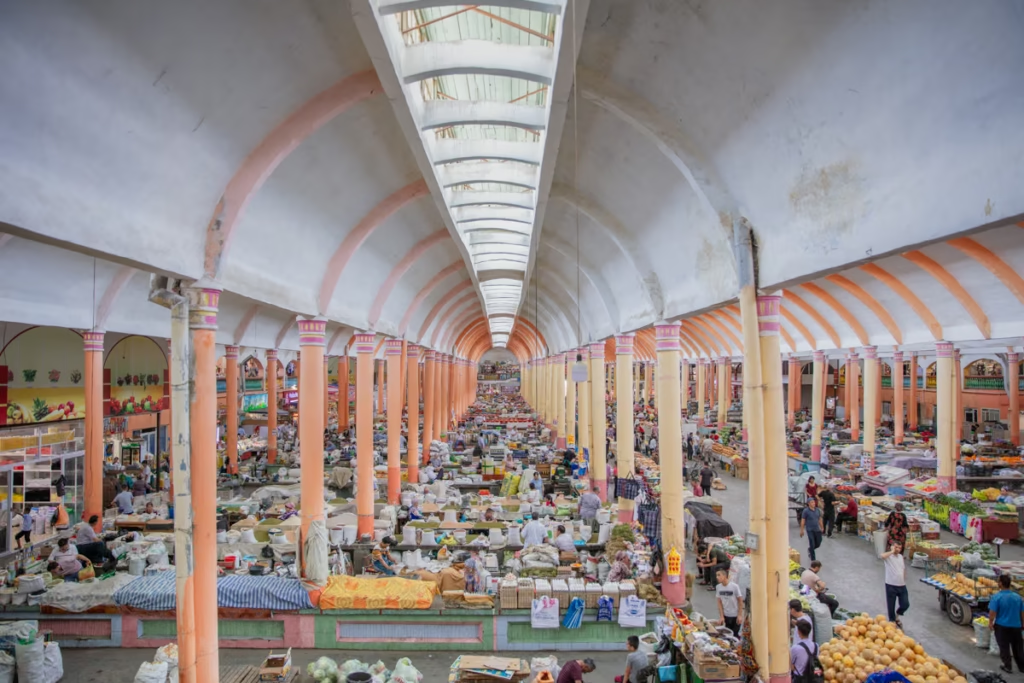
Start your Tajikistan trip in Khujand, one of the country’s oldest cities and an important historic center in the Fergana Valley.
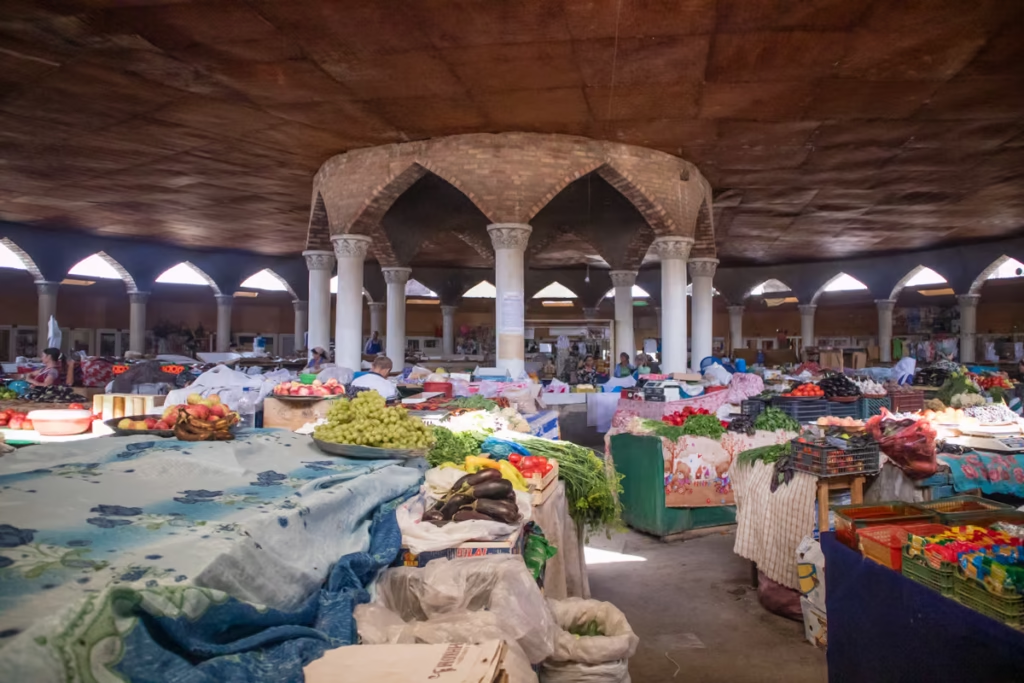
Khujand feels very different from the remote mountain landscapes that come later in the trip. Spend your first day exploring the Panjshanbe Bazaar, walking around the city center and visiting the Khujand Fortress and nearby historical sights.
The bazaar is worth making time for. It is huge, busy and colorful, with rows of dried fruit, nuts, spices, bread and mountains of produce. This is one of those places where wandering around without much of a plan is arguably the plan.
If you arrive early enough, use the afternoon to explore more of the city before settling in for the night.
Where to Stay in Khujand
Budget
Qalai Khujand Hostel
| Booking.com |
Midrange
Golden Apartments
| Booking.com |
Splurge
Khujand Grand Hotel
| Booking.com | Hotels.com |
Day 2: Istaravshan
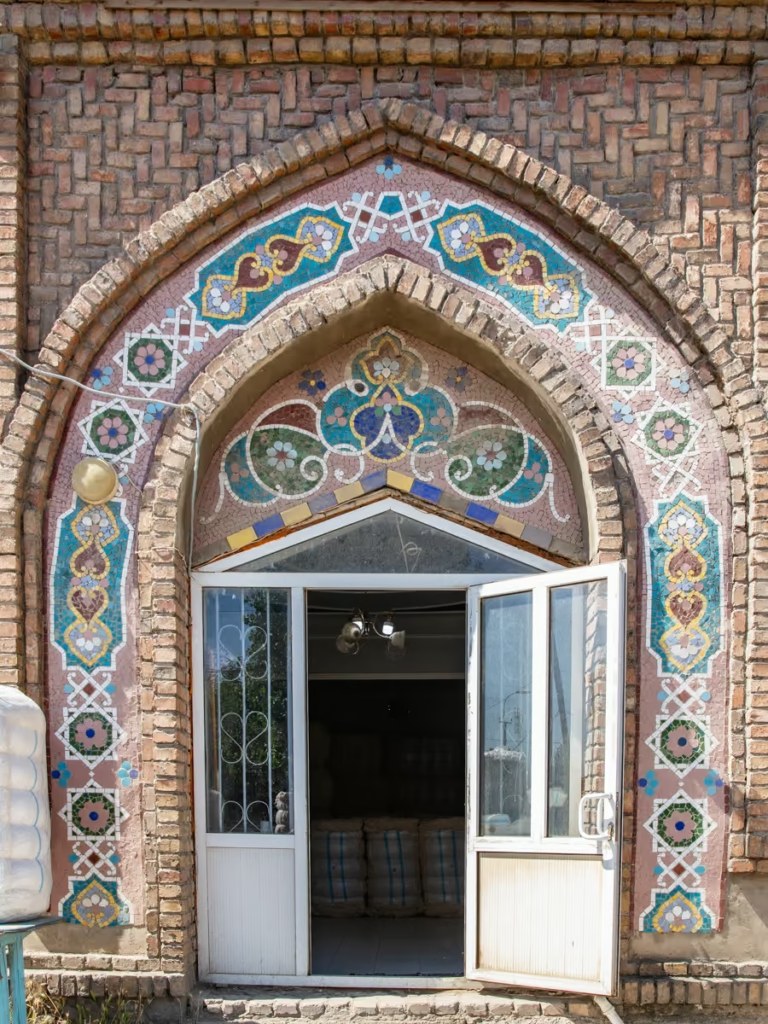
Leave Khujand for Istaravshan in the morning, another historic city in northern Tajikistan.
Istaravshan has deep roots along the old Silk Road and is known for its traditional architecture, mosques, madrasas and covered markets. The city makes an excellent stop between Khujand and the Fann Mountains.
Spend time wandering through the old town and visiting Mug Tepa, the Kok Gumbez Mosque and the traditional bazaar. If you’re into bygone Soviet relics, visit the giant Lenin Bust just outside of town.
Istaravshan isn’t a city where you need to tick off dozens of attractions. The fun is in wandering its older neighborhoods and seeing how daily life unfolds around the historic buildings.
Istaravshan doesn’t have many accommodation options but there is the Sadbarg Hotel in the middle of town.
Day 3: Istaravshan to Panjakent
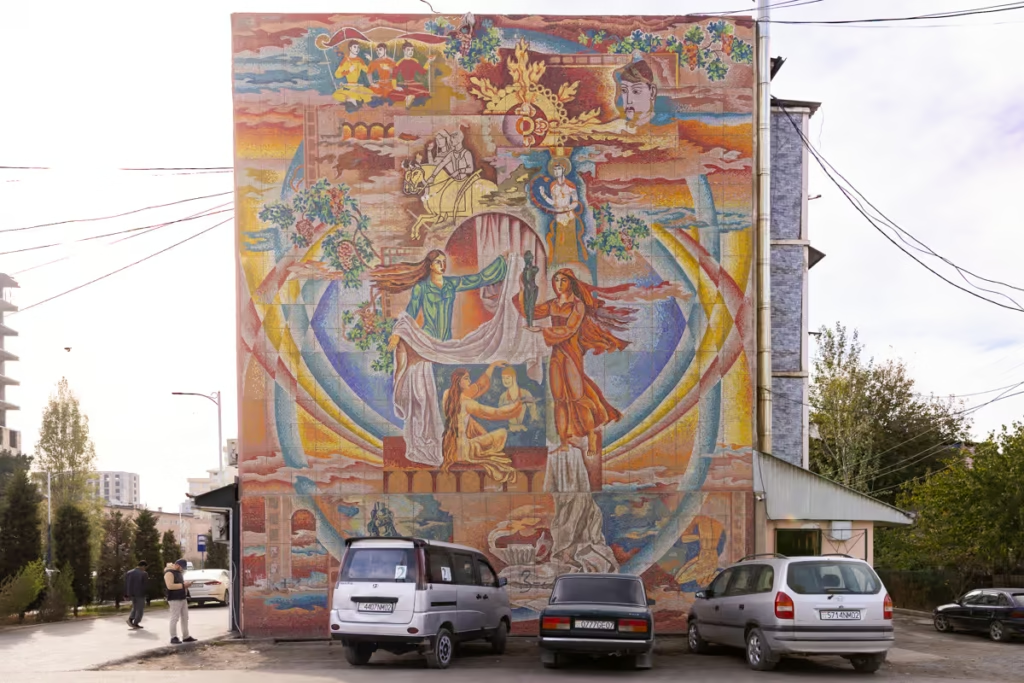
Today you’ll cross toward western Tajikistan and Panjakent.
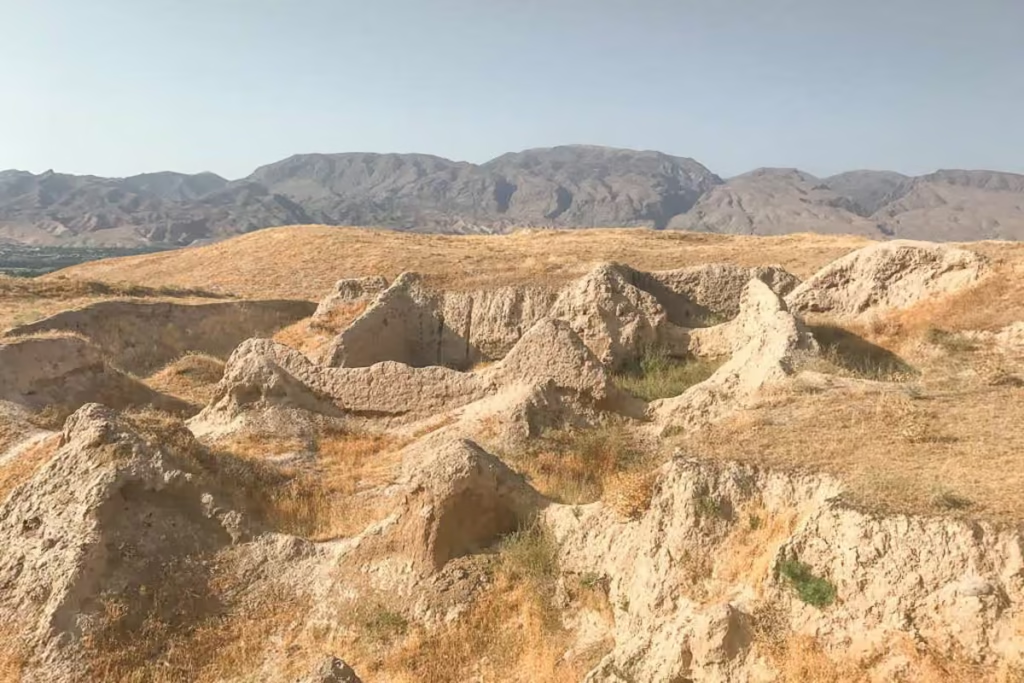
Panjakent is an important base for exploring the Fann Mountains, but it is also worth visiting in its own right. The city sits near the ancient ruins of Panjakent, an important Sogdian settlement, as well as Sarazm, a UNESCO World Heritage Site dating back thousands of years that is located about 15 minutes by taxi from town.
If you have enough time, visit the archaeological sites before continuing toward the mountains.
The contrast is already becoming obvious. Northern Tajikistan takes you from busy Fergana Valley cities into increasingly rugged mountain country, and the landscape is about to get much bigger.
Where to Stay in Panjakent
Budget
Salom Hostel
| +992 92 780 7716 |
Midrange
Umariyon Hotel
| Booking.com |
Days 4-7: Fann Mountains
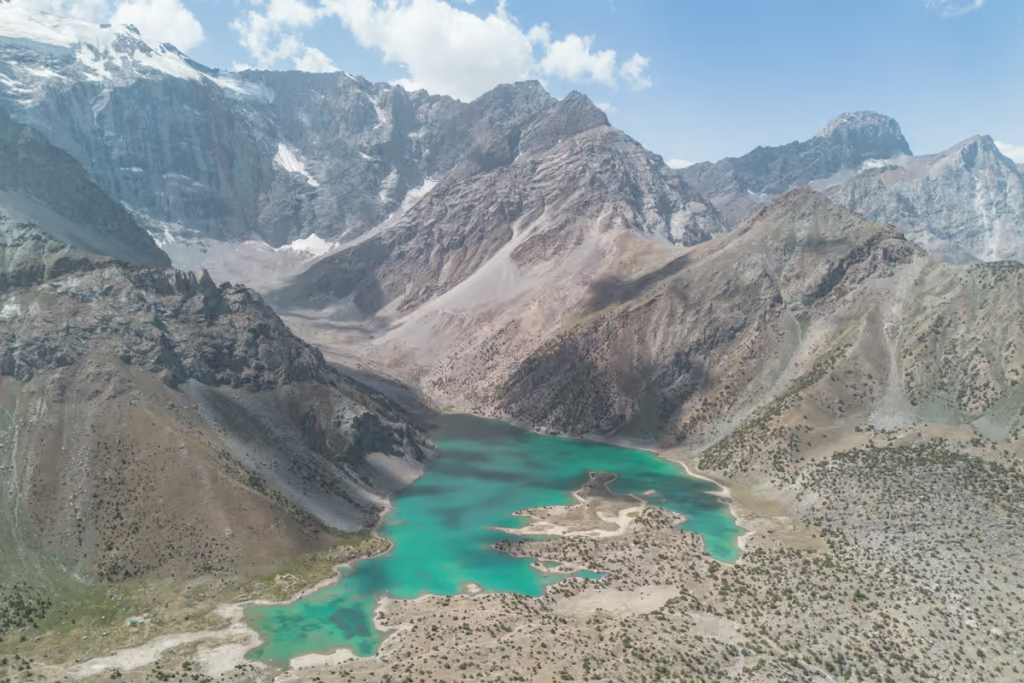
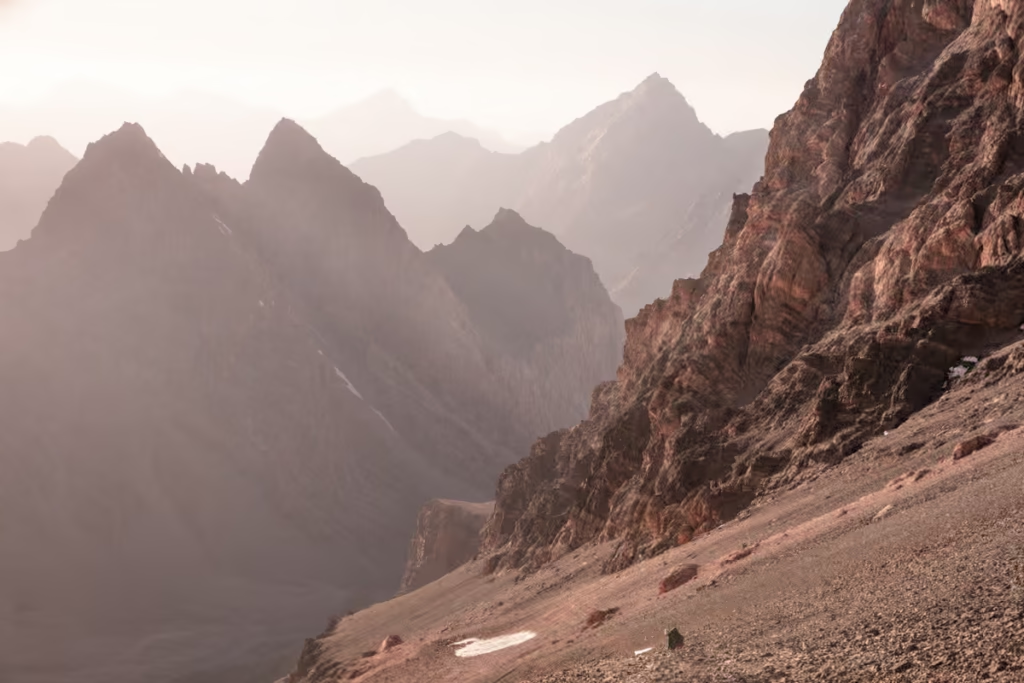
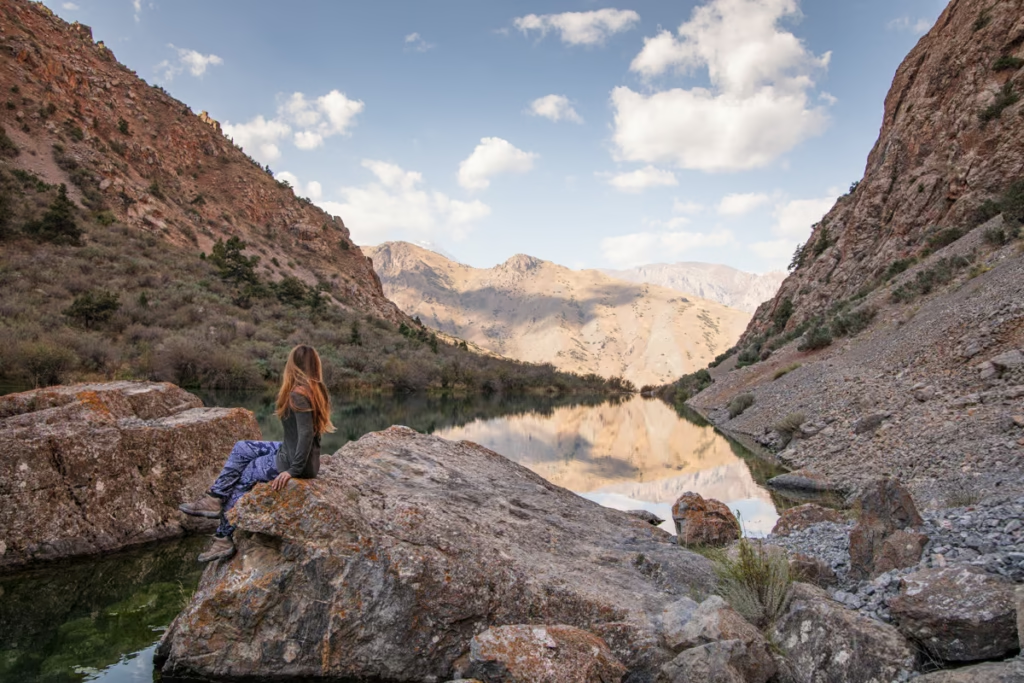
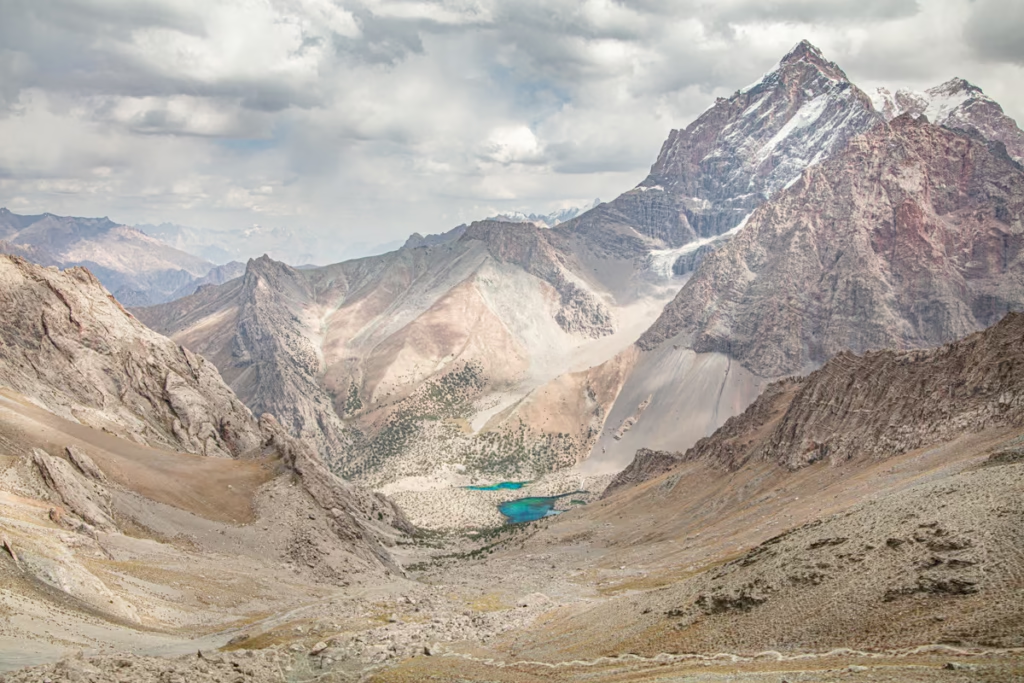
Now it’s time to slow down and spend several days in the Fann Mountains. The Fann Mountains are characterized by sharp peaks, turquoise alpine lakes and deep valleys. After the cities of Khujand, Istaravshan and Panjakent, it feels like you’ve entered a completely different Tajikistan.
Rather than treating the Fann Mountains as a quick stop between Panjakent and Dushanbe, I recommend giving them several days. This is where your itinerary shifts from cultural travel and road tripping toward hiking and mountain travel.
There are several ways to structure these four days depending on your interests and fitness level. You could focus on the Seven Lakes, and then visit Iskanderkul, hike a variant of the Lakes Loop, or undertake a longer trek through the Fann Mountains.
For a trekking-focused trip, this is also the part of the itinerary where you can add a multi-day hike rather than simply driving between viewpoints.
How many days do you need in the Fann Mountains?
If hiking is a major reason you’re visiting Tajikistan, I’d keep these four days but know you can easily spend 10 to 14 days trekking in the area. If you are more interested in sightseeing and want to shorten the itinerary, you could reduce the Fann Mountains to two or three days and use the extra time elsewhere. If you are less inclined to hike but want to enjoy gorgeous mountain sceneries, I would focus my time on easy to access Haft Kul and Iskanderkul.
Day 8: Fann Mountains to Dushanbe
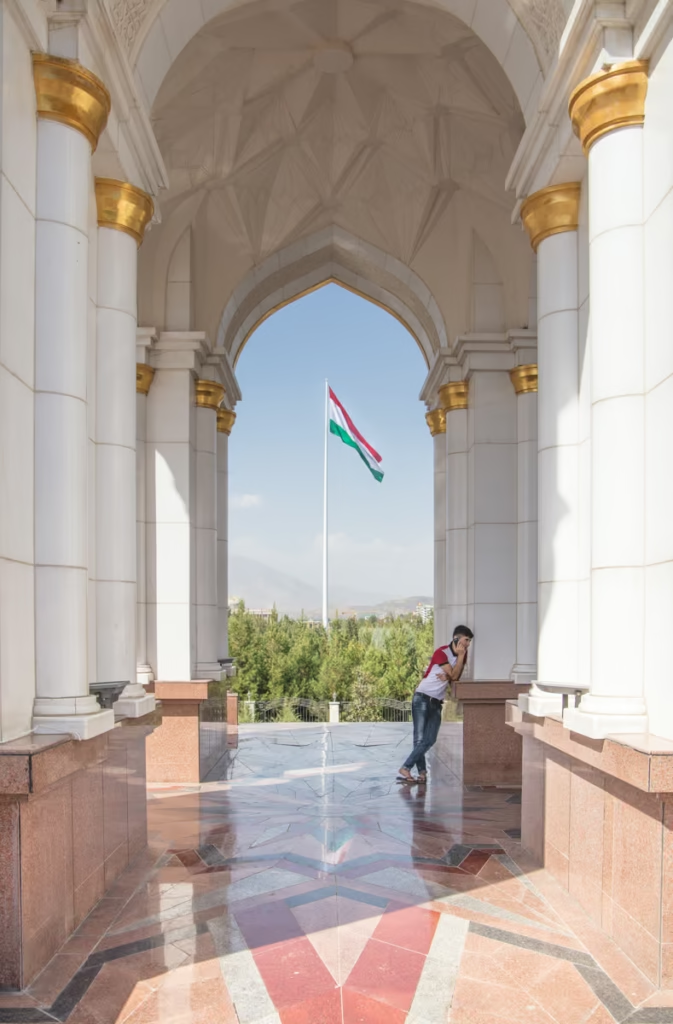
Head south to Dushanbe, Tajikistan’s capital. From most points you’d be staying your last night in the Fanns, you’ll be a 4-5 hour drive from the city, so get an early start to maximize your time in the capital.
After several days in the mountains, Dushanbe can feel almost bizarrely comfortable. Suddenly there are wide boulevards, cafés and restaurants, parks and proper showers.
Use the afternoon and evening to explore the city.
Some of the places worth visiting include:
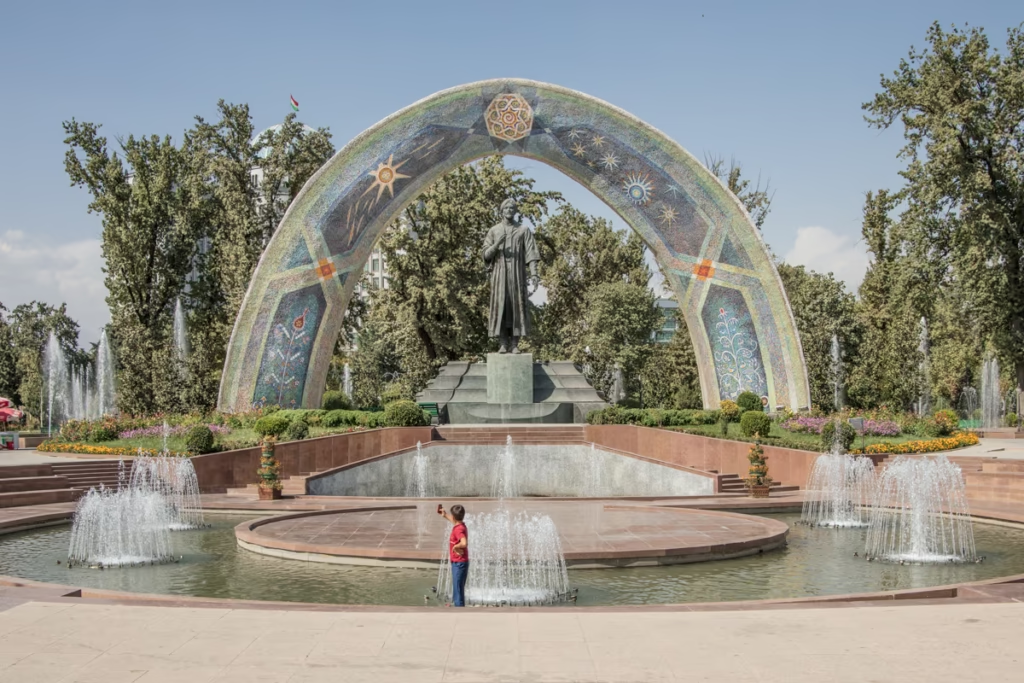
- Rudaki Park
- Ismail Somoni Monument
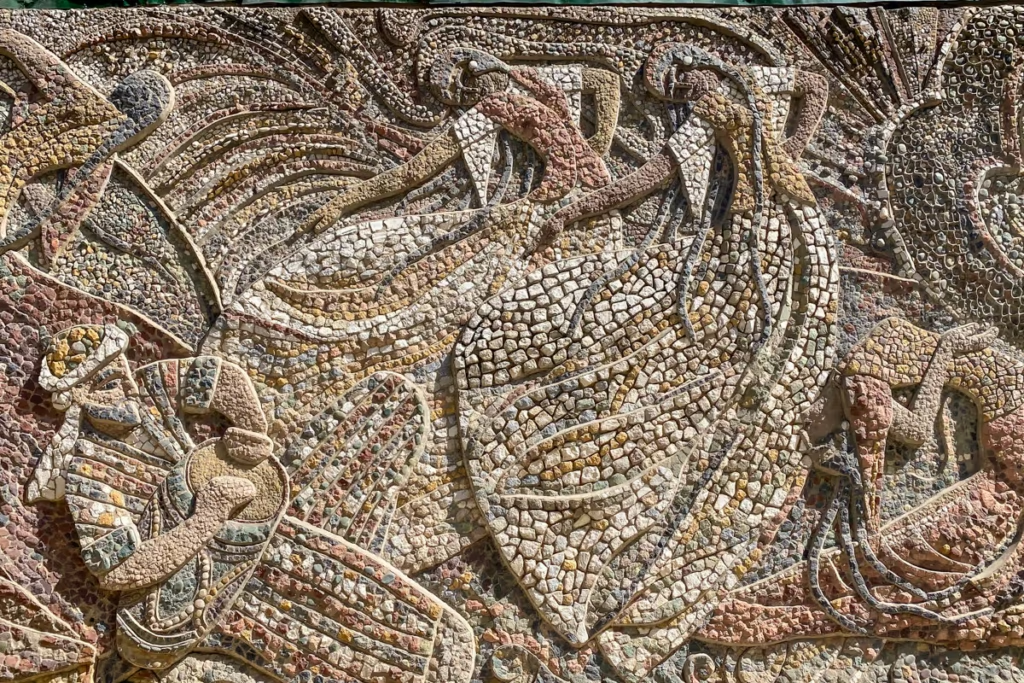
- Spot Soviet-era mosaics
- National Museum
- Mehrgon Bazaar
- Dushanbe’s central avenues and parks
Dushanbe is also the place to stock up before heading into the Pamirs. Once you leave the capital, shopping becomes considerably less convenient.
Where to Stay in Dushanbe
Budget
Hello Hostel Dushanbe
| Booking.com | Agoda.com |
Greenhouse Hostel
| Booking.com | Hotels.com |
Midrange
Atlas Hotel
| Booking.com |
Atlas B&B Hotel
| Booking.com | Agoda.com |
Splurge
Hilton Dushanbe Hotel
| Booking.com | Hotels.com |
Dushanbe Serena Hotel
| Booking.com | Hotels.com |
Hyatt Regency Dushanbe
| Booking.com | Hotels.com |
Day 9: Dushanbe to Qala i Khumb
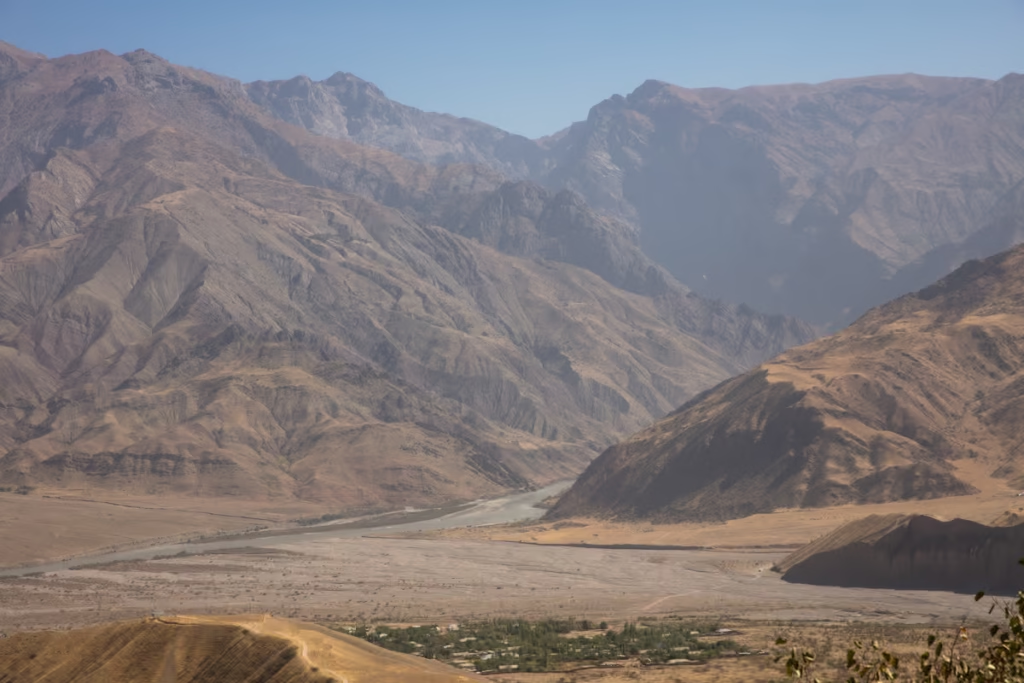
Now the real road trip begins.
Leave Dushanbe and head toward Qala i Khumb, following the route into the Pamirs.
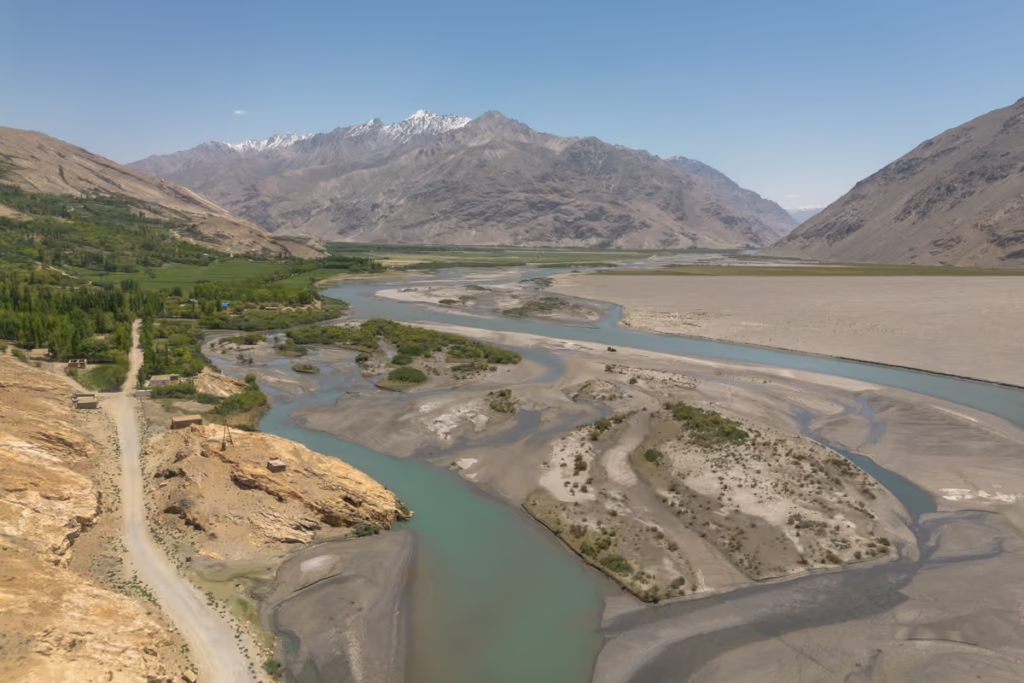
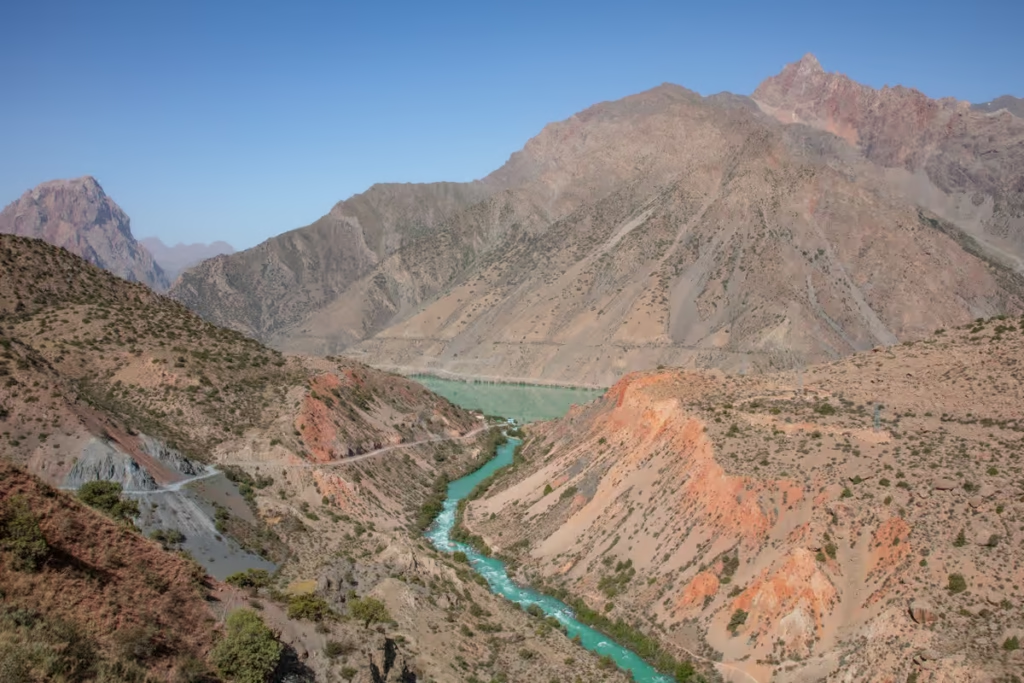
This is a long travel day, but the scenery changes dramatically as you move deeper into the mountains. Eventually, you’ll reach the Panj River, which forms much of the border between Tajikistan and Afghanistan.
From here onward, Afghanistan is often directly across the river.
The road follows narrow valleys and steep mountain slopes, with small villages scattered along the river. This is one of the most memorable parts of the Pamir Highway because the journey itself is the attraction.
Qala i Khumb has an array of local homestays. Those looking for a higher scale hotel can book the Karon Palace.
Day 10: Qala i Khumb to Jizeu
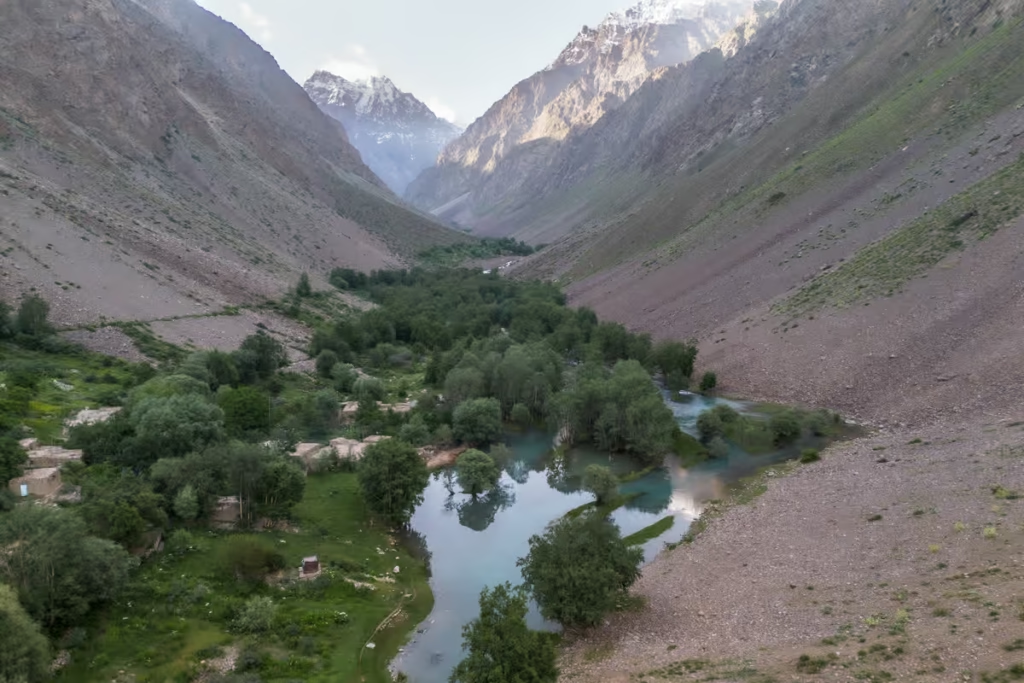
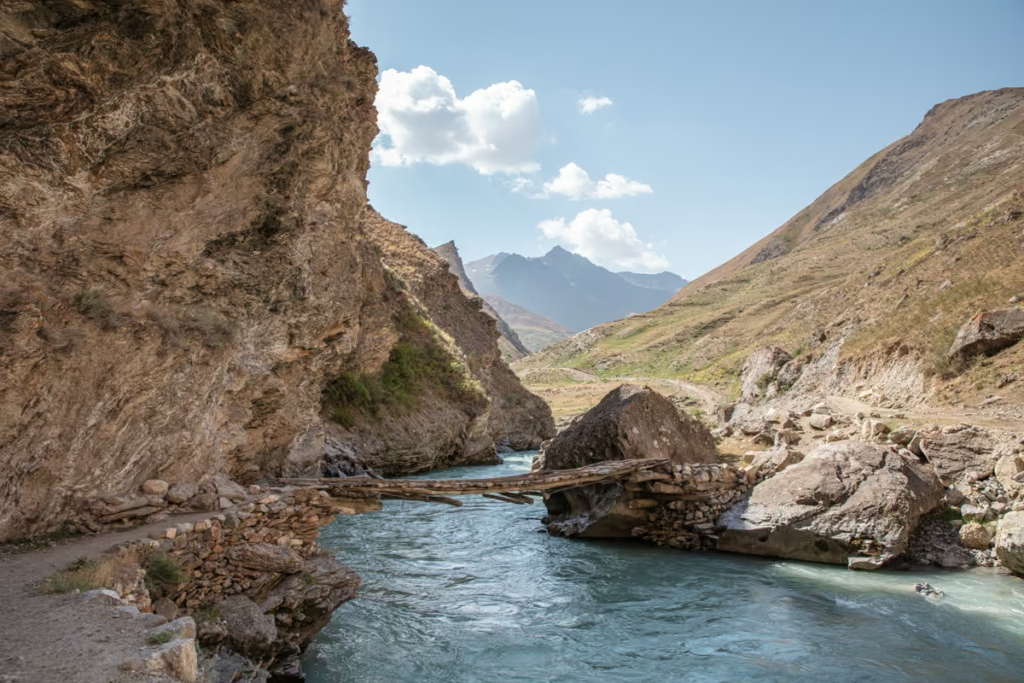
Continue east along the Panj River before making your way to the town of Rushon, from where you’ll make a diversion from the Pamir Highway and into the Bartang Valley. Eventually, you’ll reach a foot bridge from where you’ll cross the Bartang River to begin the hike to Jizeu.
Jizeu is a remote mountain village reached on foot, making this a welcome break from the vehicle after the long drive from Dushanbe. The beauty is that the hike up there only takes two hours for most visitors.
The hike into Jizeu takes you through a spectacular mountain valley, eventually reaching the village and its surrounding lakes.
Many of the houses that make up the village of Jizeu also function as homestays. You will see signs, and many times the owners or their kids will see you hiking up and invite you over.
Day 11: Jizeu to Khorog
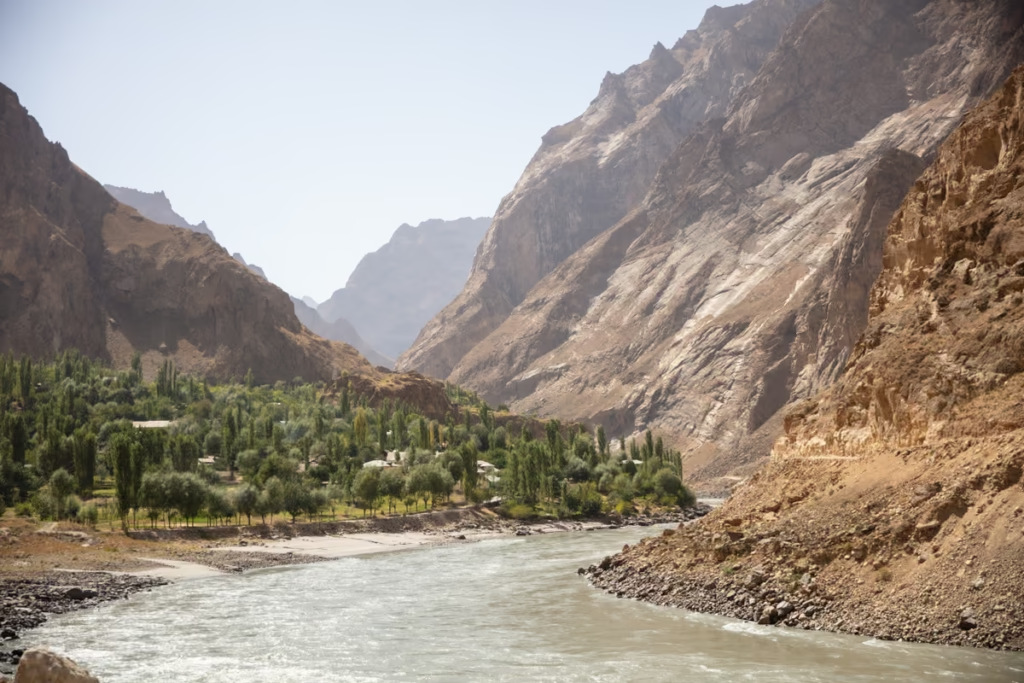
Return to the road and continue toward Khorog, the capital of the Gorno-Badakhshan Autonomous Region.
The drive continues along the Panj River, with Afghanistan on the opposite side.
Eventually, the valley opens up, and you reach Khorog, the largest town in the Pamirs.
After several days of remote travel, Khorog feels positively metropolitan. Well, by Pamiri standards.
Where to Stay in Khorog
Budget
Welcome Inn
|+992 93 703 5393 |
Lal Hotel Dorm
| Booking.com |
Midrange
LAL Hotel
| Booking.com |
Splurge
Serena Inn
| Booking.com | Hotels.com |
Day 12: Khorog
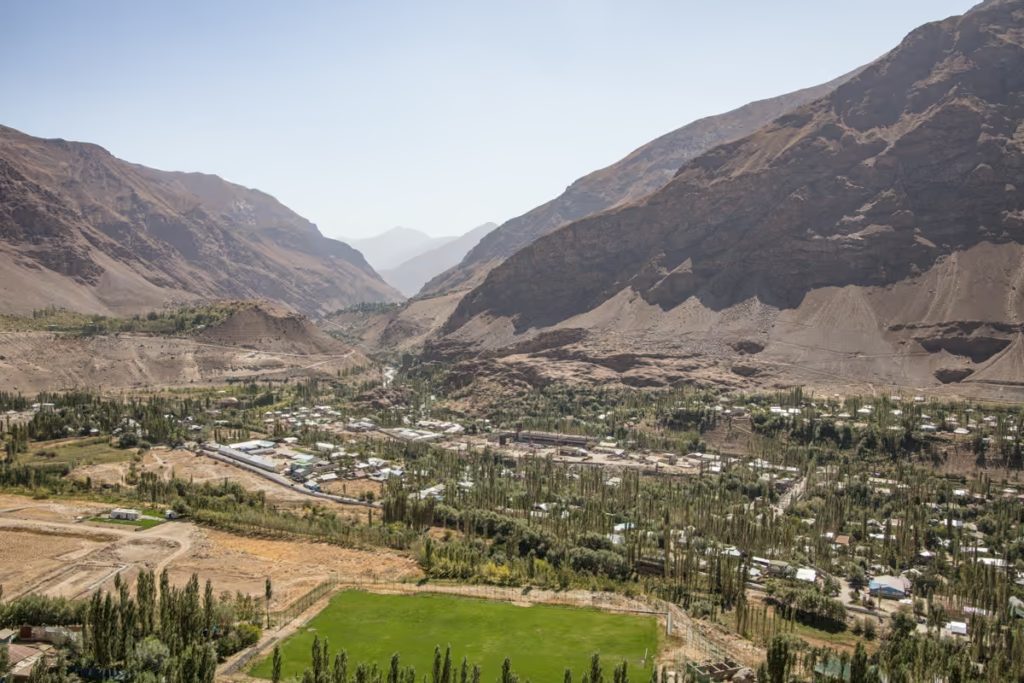
Take a full day to explore Khorog and recover before heading deeper into the Pamirs.
Visit the Khorog Botanical Garden, explore the local bazaar, and walk around town. This is also a good opportunity to arrange any remaining logistics for the Wakhan and Eastern Pamir sections of your journey.
Most importantly, take advantage of the relatively comfortable day.
From here, the altitude starts climbing, and the roads become increasingly remote.
Day 13: Khorog to Yamchun
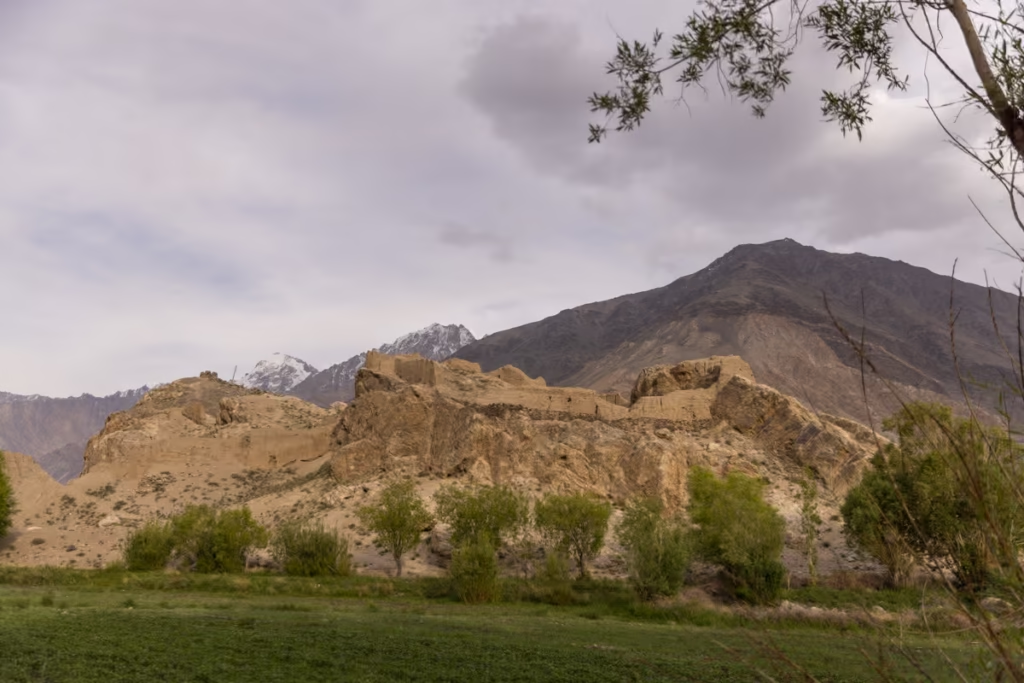
Leave Khorog and continue south through the Wakhan Valley.
This is a favorite section of any Tajikistan itinerary for many visitors.
The road follows the Panj River, with the mountains of Afghanistan rising on the other side. Along the way you’ll encounter ancient fortresses, villages, agricultural terraces and enormous mountain landscapes.
Make time for Yamchun Fortress, also known as Khaakha Fortress, and the Bibi Fatima Zahra hot springs.
The combination of ancient fortifications, remote villages and the Hindu Kush across the river makes the Wakhan unlike almost anywhere else in Tajikistan.
The Yamchun area has a handful of homestays and Bibi Fatima has some guesthouses and small hotels.
Day 14: Yamchun to Zong
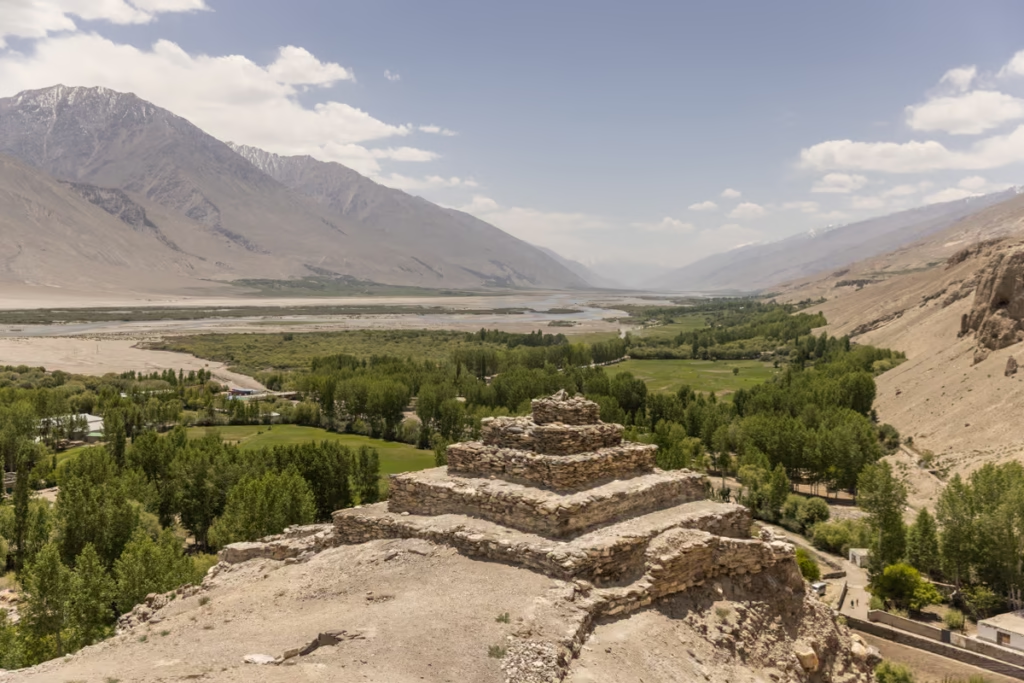
Continue through the Wakhan toward Zong.
Take your time along this section. There are numerous small villages, archaeological sites and viewpoints along the road, and the landscape becomes increasingly dramatic as you move farther east.
You can also visit additional Wakhan fortresses and archaeological sites depending on how much time you have.
By the time you reach Zong, you’ll be well into the remote end of the valley.
There are a few homestays in Zong, and over in nearby Hisor and Langar. I usually stay at the hostel upstairs from Big Shop in Zong.
Day 15: Zong to Pik Engels Meadow
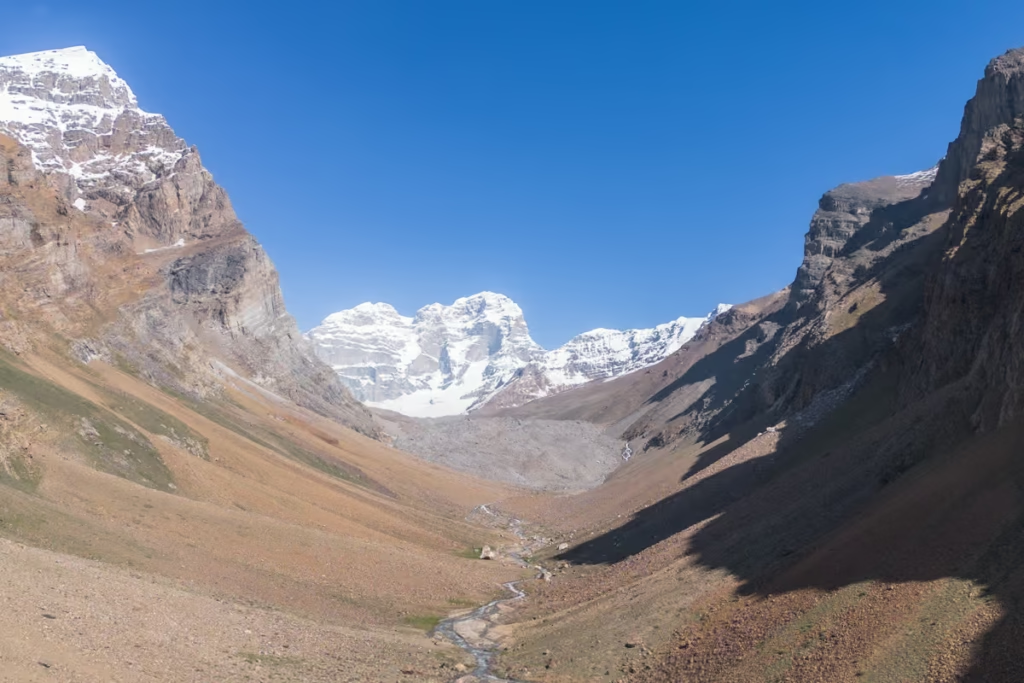
Today you leave the road behind for a serious hiking day.
From Zong, hike toward Pik Engels Meadow, climbing away from the Wakhan Valley into the mountains.
This section gives you a completely different perspective on the Wakhan. Instead of following the river by vehicle, you’re moving through the high mountain landscape on foot.
Expect a long day and make sure you are properly prepared with food, water, warm layers, and suitable hiking equipment.
Tonight, camp under the stars in Pik Engels Meadow.
Day 16: Pik Engels Meadow to Langar
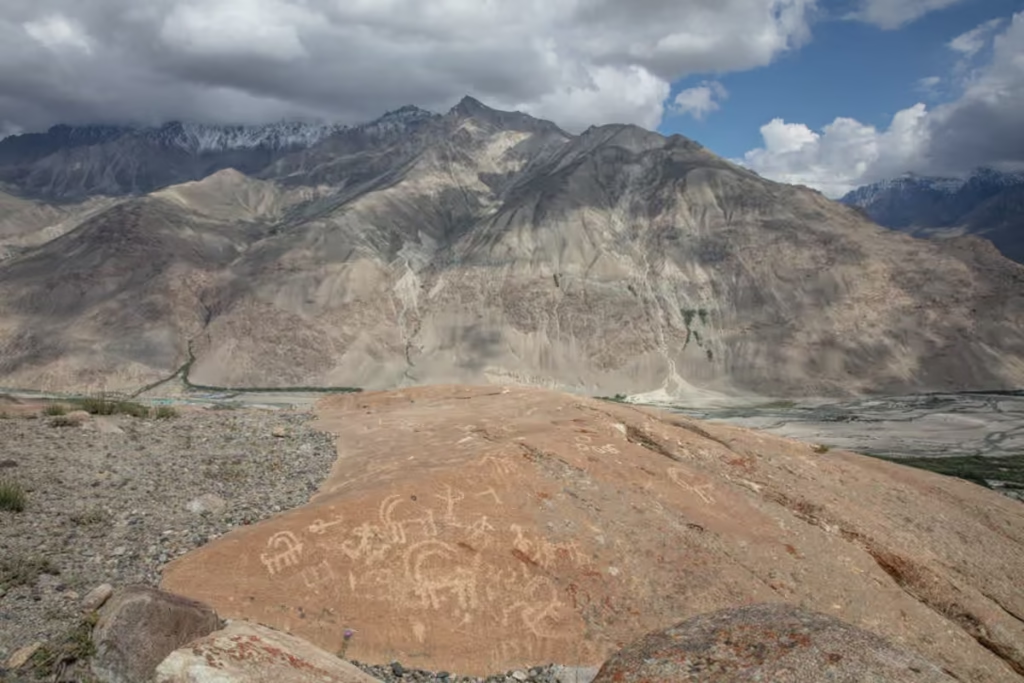
Continue hiking from Pik Engels Meadow and descend toward Langar.
After spending the previous day climbing into the mountains, the descent brings you back toward the main Wakhan Corridor.
Langar is one of the main settlements in the Wakhan and a convenient place to rest before heading north toward the high Pamir plateau.
Make sure and keep an eye out for the petroglyphs, which can be found scattered throughout the rocks above Langar village..
Day 17: Langar to Bulunkul
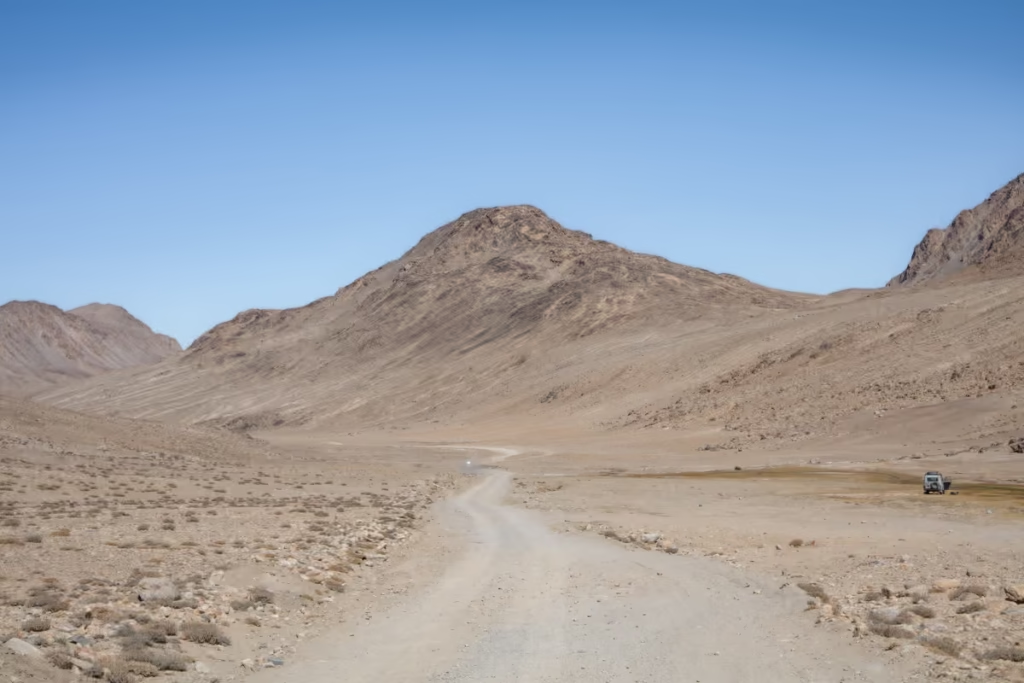
Today you leave the Wakhan and head toward Bulunkul.
The route climbs dramatically as you leave the lower valley behind, eventually climbing to over 4,000 meters at Khargush Pass. Depending on road and weather conditions, the journey can involve high mountain passes and rough sections of road.
Eventually, you’ll reach Bulunkul, a tiny settlement surrounded by some of the starkest landscapes in the Pamirs.
The landscape here feels almost extraterrestrial. Vegetation becomes sparse, the mountains are enormous, and the horizon seems to stretch forever.
Bulunkul has a few homestays to choose from in the village.
Day 18: Bulunkul to Murghab
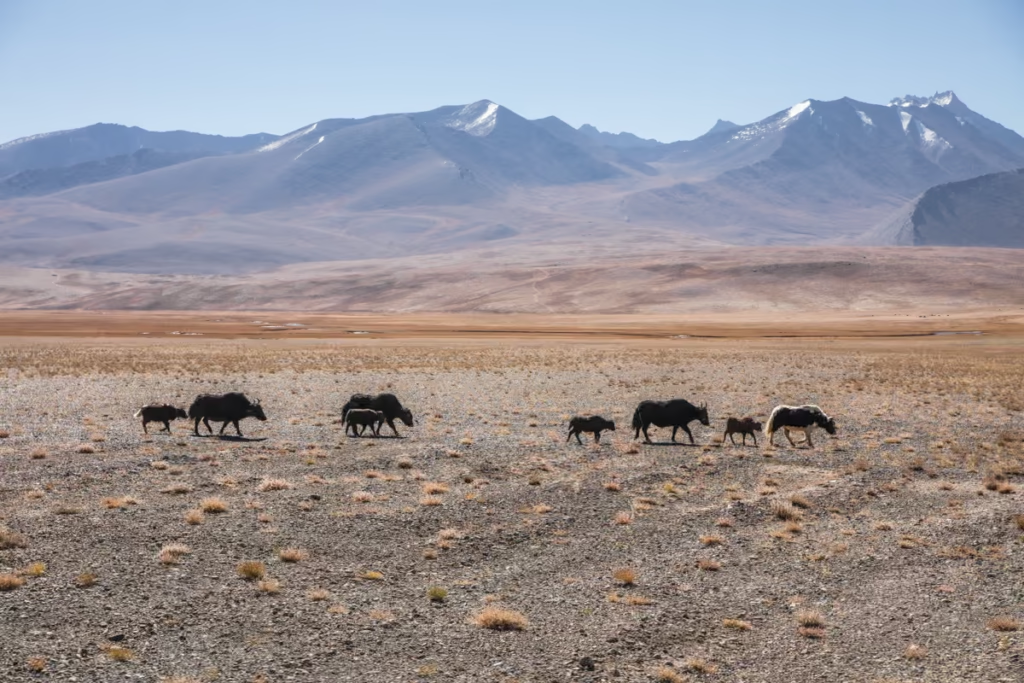
Continue east toward Murghab, the largest settlement in the Eastern Pamirs.
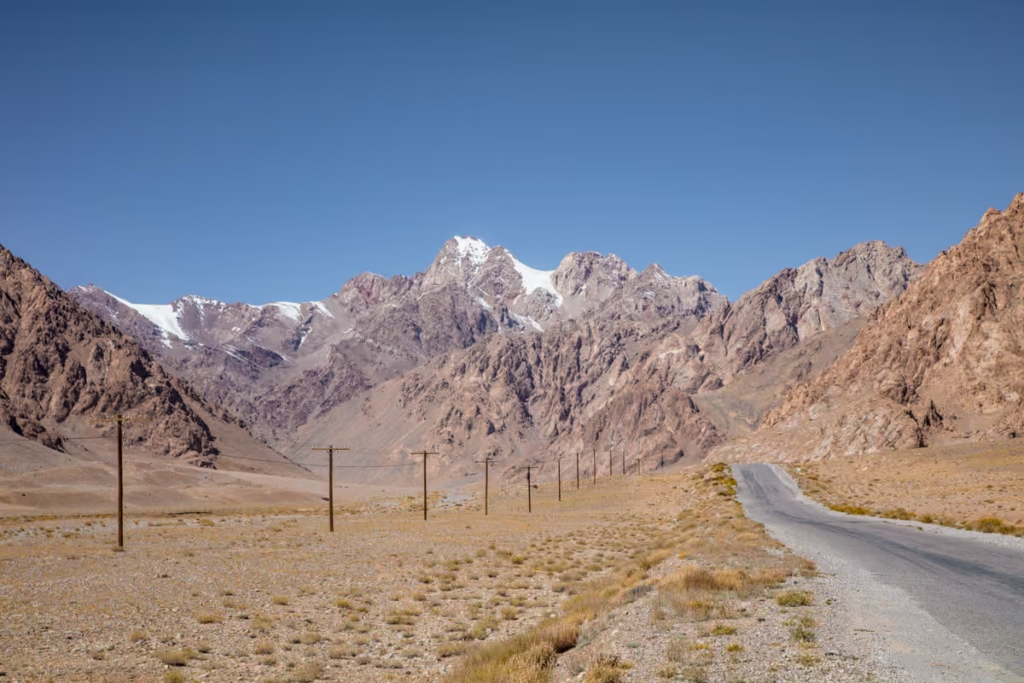
This is proper high-altitude travel. The landscape becomes increasingly barren as you cross the Pamir plateau.
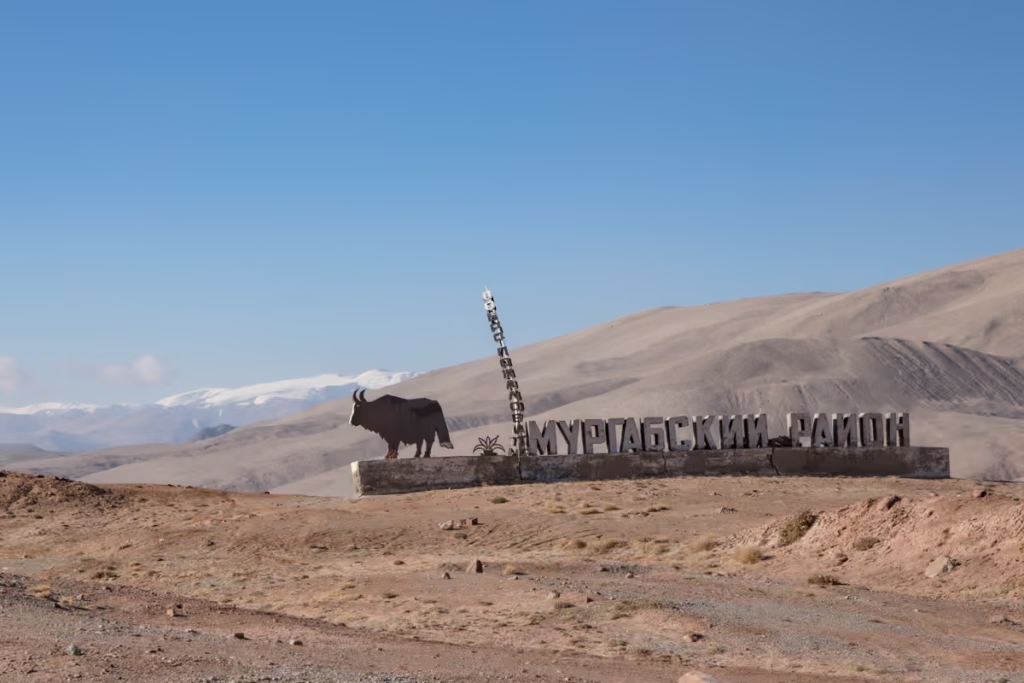
Murghab itself is small and rugged, with a distinctive bazaar made largely from shipping containers. It isn’t the sort of place you visit for a long list of attractions. Instead, Murghab is a fascinating glimpse into life in one of the most isolated inhabited regions of Central Asia.
Use the evening to explore the town and prepare for the final high-altitude section of your trip.
Where to Stay in Murghab
Tulfabek Homestay
70 TJS night, dorm bed with dinner/breakfast
| +992935389159 |
Erali Guesthouse
200 TJS/night, dorm bed with dinner/breakfast
| +992563751421618 |
Pamir Hotel
200 TJS/night, dorm bed
| +992355421762 |
Day 19: Murghab to Kyzyl Art Pass to Tulparkul
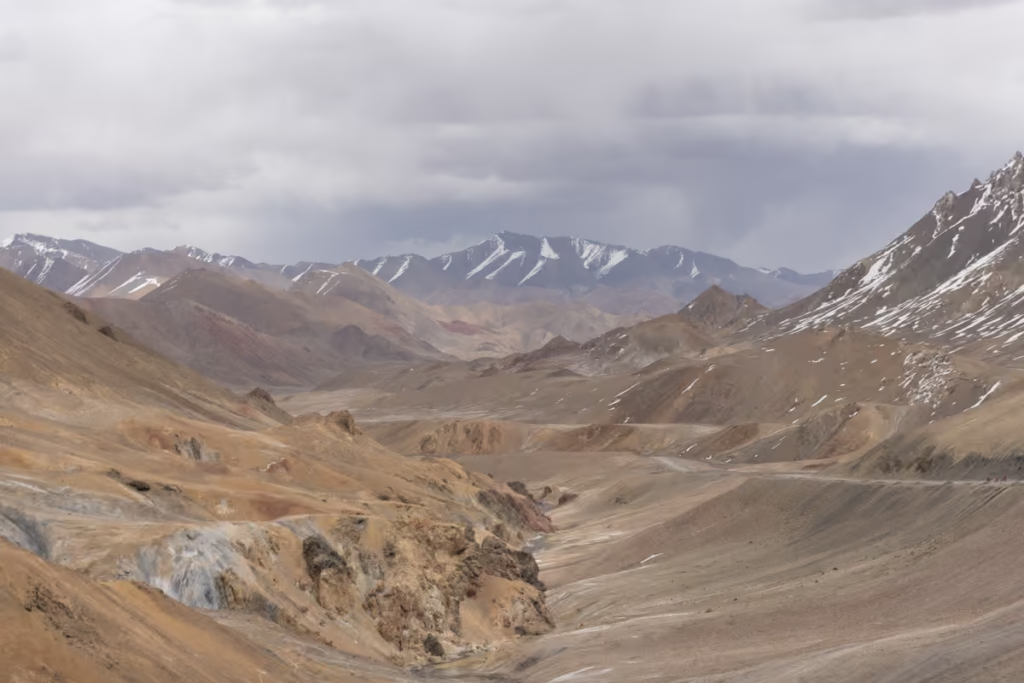
This is one of the biggest days of the itinerary.
Leave Murghab and continue toward 4,655 meter Ak Baital Pass before descending down toward Karakul Lake. Beyond Karakul, you’ll begin an upwar climb yet again to cross Kyzyl Art Pass, the high mountain border crossing between Tajikistan and Kyrgyzstan.
After completing the Tajikistan border formalities, continue into Kyrgyzstan toward Tulparkul.
The landscape changes again as you cross the border. You’ll be surrounded by greener prospects and the enormous Alay Mountains, with Lenin Peak dominating the skyline when conditions are clear.
Tonight, spend the night in a yurt in the Tulparkul area. There are several you will see as you make your way there from Sary Mogul.
Day 20: Tulparkul
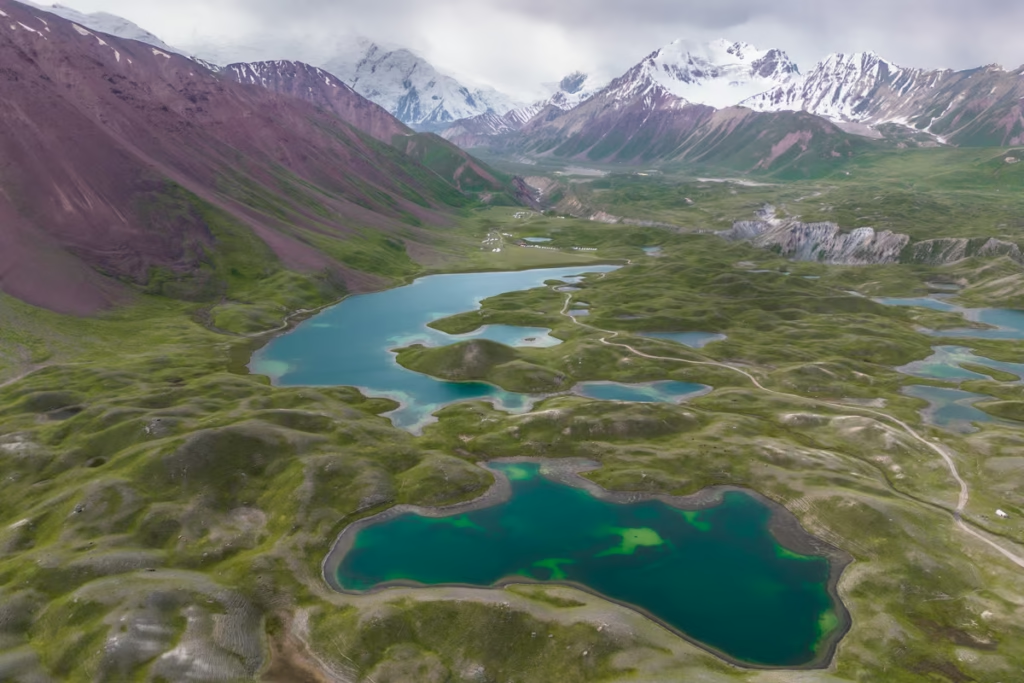
Stay another night at Tulparkul and enjoy a slower day.
Walk around the lake, photograph the surrounding mountains and, weather permitting, take in views toward Lenin Peak.
After almost three weeks of moving constantly, having a day without a major transfer is a luxury.
And honestly, your body will probably appreciate it too.
Note: A Kyrgyz border zone permit is required to visit Tulparkul.
Day 21: Tulparkul to Osh
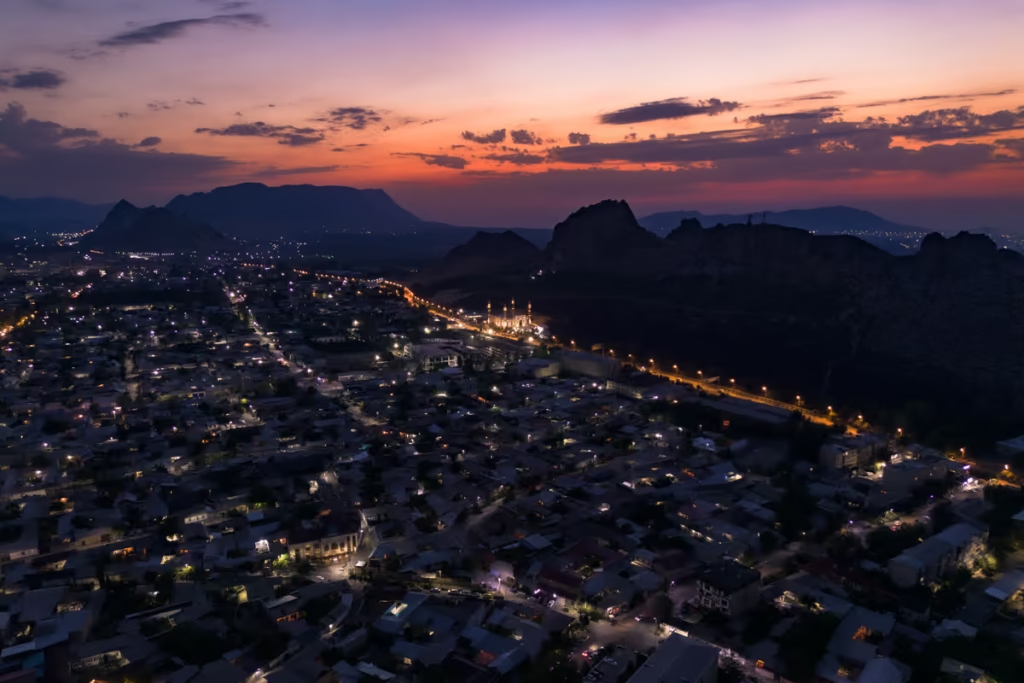
Your final day takes you from Tulparkul toward Osh, Kyrgyzstan.
The journey brings your three-week Tajikistan adventure to an end as you leave the Pamirs and descend toward the Fergana Valley.
Osh makes a logical endpoint because it gives you easy access to onward travel through Kyrgyzstan, Uzbekistan and Central Asia. If you will continue on into Kyrgyzstan from Osh and have budgeted soe time there, make sure to try some of Osh’s local dishes, climb to the top of Sulayman Too for 360° views over the city, and hunt for Osh’s Soviet-era mosaics, murals, and monumental art.
After three weeks of mountain roads, homestays, hiking, ancient fortresses and very questionable road surfaces, reaching Osh feels like the end of a proper expedition.
Where to Stay in Osh
Budget
Navi Hostel
| Booking.com |
Midrange
Silk Way Boutique Hotel
| Booking.com | Hotels.com |
Splurge
Jannat Resort Osh
| Booking.com | Agoda.com |
Quick 3 Week Tajikistan Itinerary
| Day | Destination |
|---|---|
| Day 1 | Khujand |
| Day 2 | Istaravshan |
| Day 3 | Panjakent |
| Days 4-7 | Fann Mountains |
| Day 8 | Dushanbe |
| Day 9 | Dushanbe to Qala i Khumb |
| Day 10 | Qala i Khumb to Jizeu |
| Day 11 | Jizeu to Khorog |
| Day 12 | Khorog |
| Day 13 | Khorog to Yamchun |
| Day 14 | Yamchun to Zong |
| Day 15 | Zong to Pik Engels Meadow |
| Day 16 | Pik Engels Meadow to Langar |
| Day 17 | Langar to Bulunkul |
| Day 18 | Bulunkul to Murghab |
| Day 19 | Murghab to Kyzyl Art Pass to Tulparkul |
| Day 20 | Tulparkul |
| Day 21 | Tulparkul to Osh |
Why Spend 3 Weeks in Tajikistan?
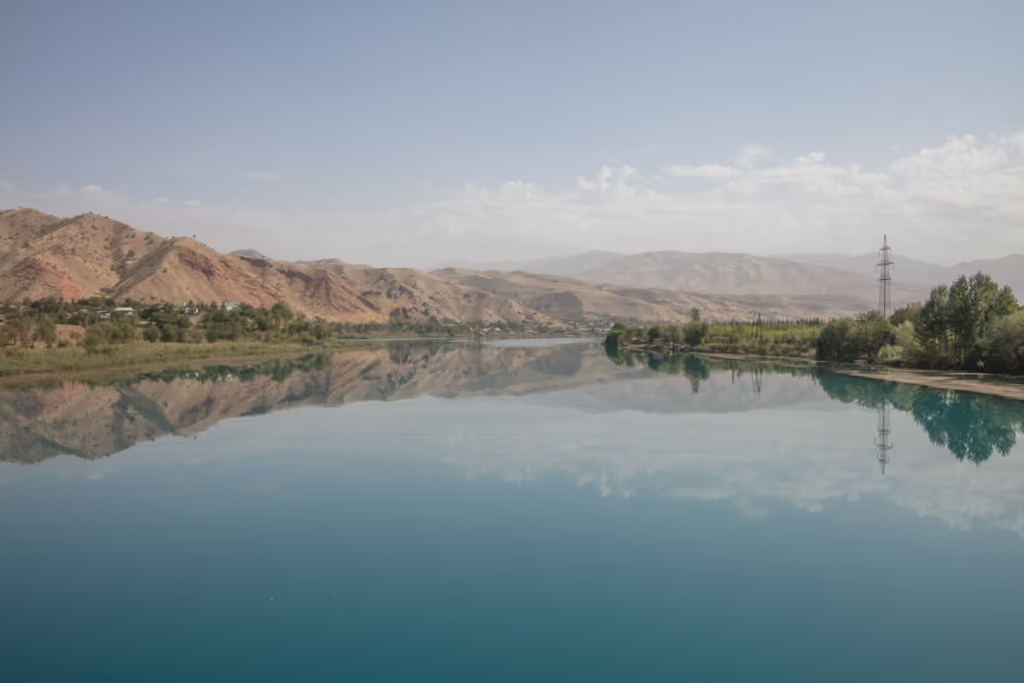
Three weeks gives you something that shorter Tajikistan itineraries struggle to provide: space.
The country is mountainous, roads can be slow, and distances that look tiny on a map can take most of a day. A three-week itinerary means you can combine cities, archaeological sites, trekking, village stays and the Pamir Highway without spending every waking moment inside a 4WD.
It also lets you experience the country in distinct sections:
Northern Tajikistan: Khujand, Istaravshan and Panjakent
Fann Mountains: alpine lakes and trekking
Western Pamirs: Qala i Khumb, the Panj River and Khorog
Wakhan Valley: fortresses, villages and the Afghan border
Eastern Pamirs: Bulunkul and Murghab
Kyrgyzstan: Kyzyl Art, Tulparkul and Osh
That’s what makes this route considerably more interesting to me than simply treating the Pamir Highway as a seven-day road trip.
How to Travel Around Tajikistan
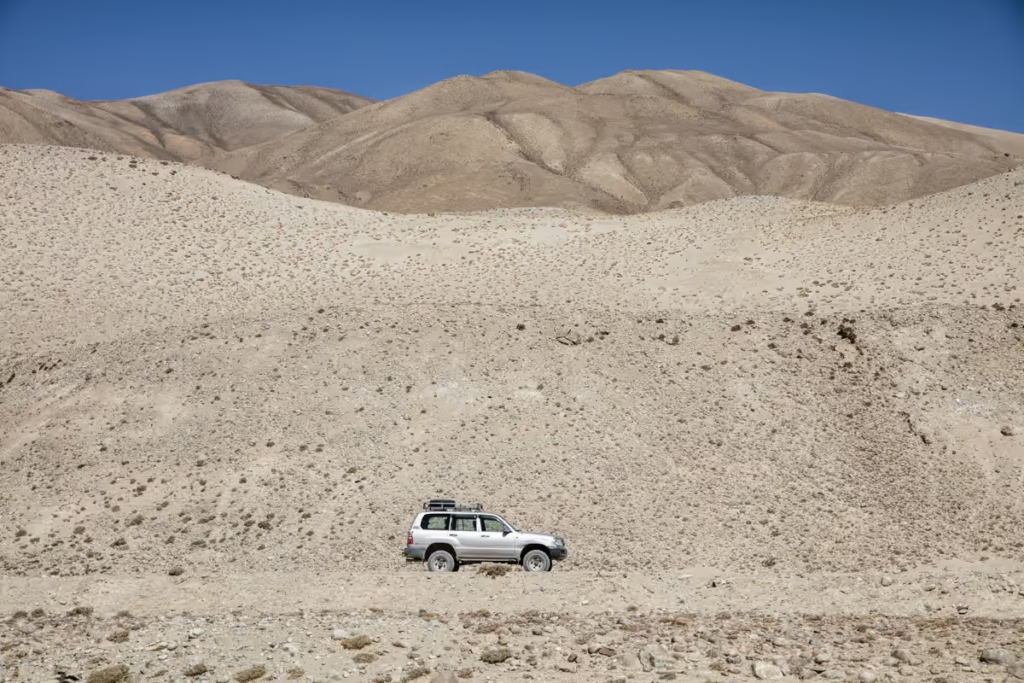
This isn’t an itinerary I’d recommend planning entirely around shared transportation.
Public transport works well for many parts of Tajikistan, particularly between larger towns, but the Pamirs are different. Shared 4WDs, private vehicles and local drivers are much more practical for the remote sections of this route.
The Pamir Highway also isn’t a conventional highway in the way the name might suggest. Some sections are paved, while others can be rough, slow and heavily affected by weather and road conditions.
For this itinerary, I’d arrange the vehicle and driver for the Pamir section, especially from Khorog to Osh, rather than trying to improvise everything once you’re there.
What to Pack for 3 Weeks in Tajikistan?
Comfortable walking shoes
Lightweight clothing
Sun protection
Reusable water bottle
Small daypack
Hiking boots
Warm layers
Waterproof jacket
Sleeping bag suitable for mountain temperatures
Tent if not provided
45-60L backpack
Trekking poles
Headlamp
Sunscreen
Sunglasses
Hat
Water purification
Offline maps
First-aid kit
Snacks and high-energy food
Why This 3 Week Tajikistan Itinerary?
Tajikistan isn’t a country you should rush. The distances are long, the mountains are enormous, and some of the best experiences happen in the spaces between the headline attractions. A cup of tea in a Pamiri home, a slow walk through a mountain village or an unexpected roadside stop can end up being more memorable than whatever you had highlighted from a guidebook.
This 21 day Tajikistan itinerary gives you a little bit of everything: Silk Road history in the north, trekking in the Fann Mountains, the Panj River and Afghan border, the Wakhan Valley, high-altitude Pamiri landscapes and an overland finish in Kyrgyzstan.
If you only have two weeks in Tajikistan, I’d cut the northern cities and some of the longer hiking sections rather than trying to cram the entire 21-day route into 14 days.
But if you have three weeks? Take them. The Pamirs are not going anywhere, but your patience with sitting in a 4WD for eight hours might.
More Tajikistan Itineraries
If you are looking for other Tajikistan itineraries, I’ve also put together itineraries for different trip lengths:
- 1 week in Tajikistan: best for focusing on western Tajikistan and the Fann Mountains
- 10 days in Tajikistan: this itinerary, combining western Tajikistan with the Pamir Highway
- 10 day Pamir Highway Itinerary: an itinerary focusing only on the Pamir Highway from Dushanbe to Osh
- 2 weeks in Tajikistan: enough time to slow down and explore more of the country
- 3 weeks in Tajikistan: considerably more flexibility for the Pamirs and Wakhan
- 4 weeks in Tajikistan: ideal for a much deeper overland trip
Have Any Questions About This Three Week Tajikistan Itinerary?
Ask in the comments section below.
Posts from Tajikistan
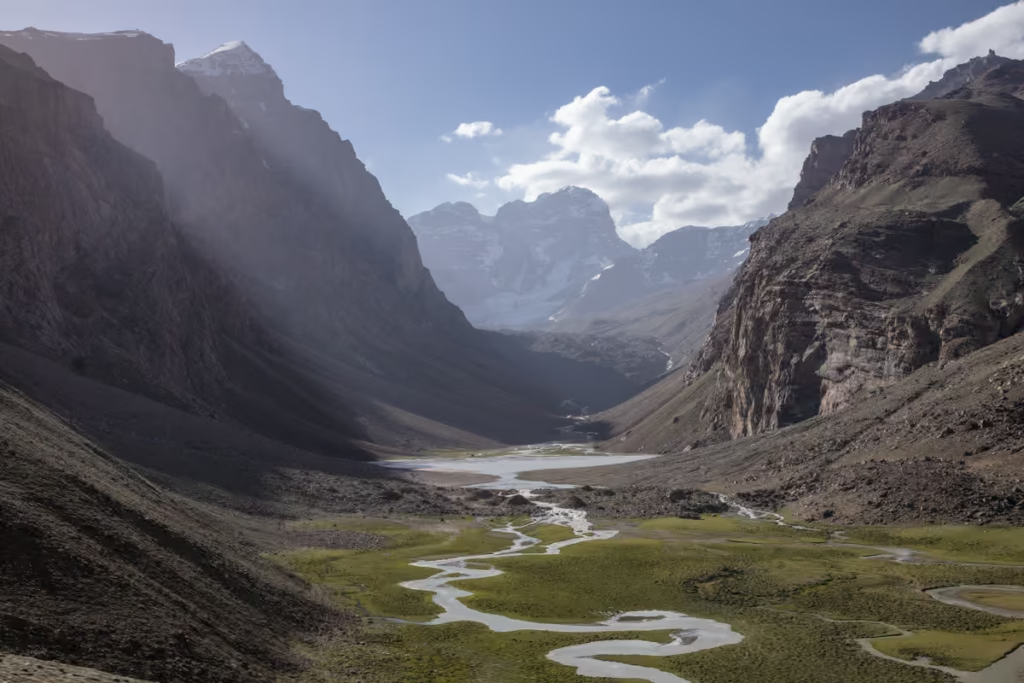
Pik Engles Hike: Tajikistan Trek Guide
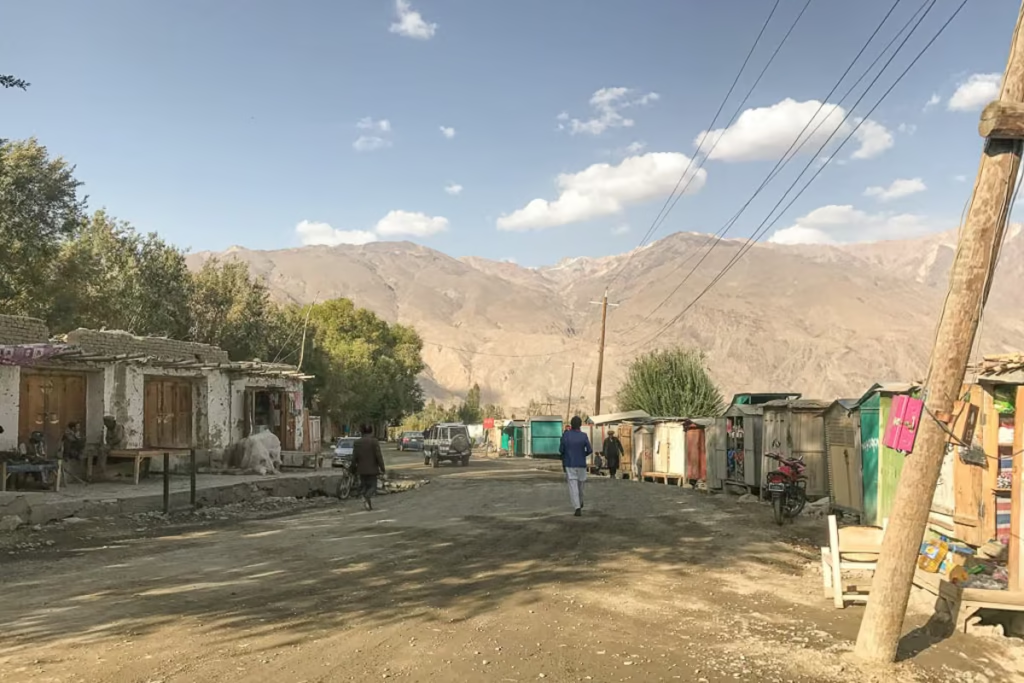
Tajikistan Border Crossings Guide
Pamir Highway Guide: M41 Route
Tajikistan Uzbekistan Itinerary: 2 Weeks
Solo Female Travel in Tajikistan
Chimtarga Pass Trek Guide | Tajikistan
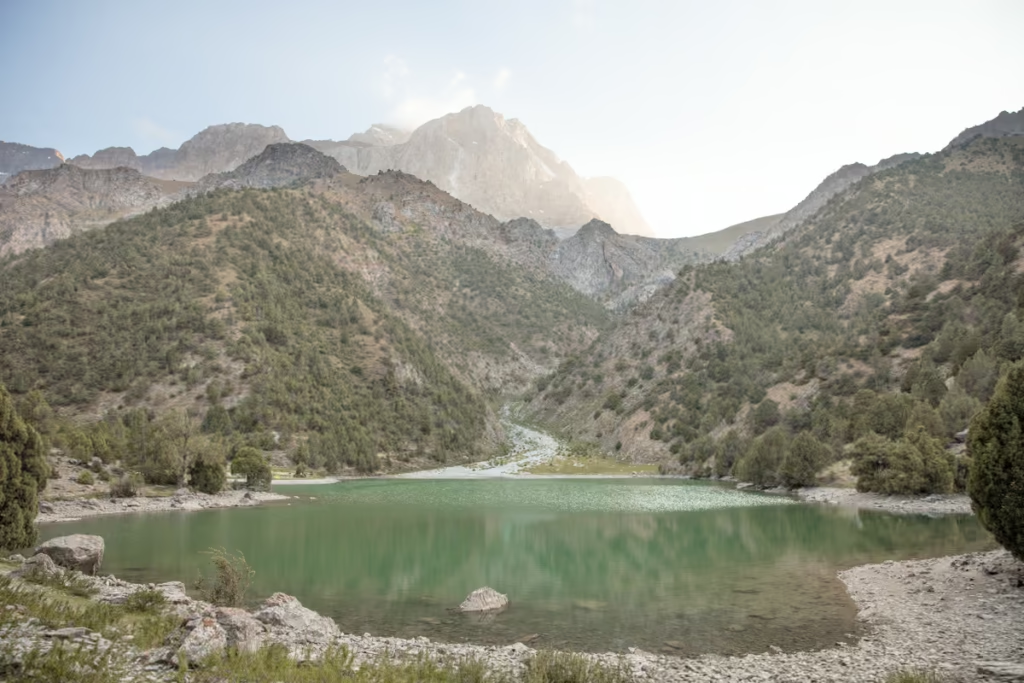
Best Hikes in Tajikistan
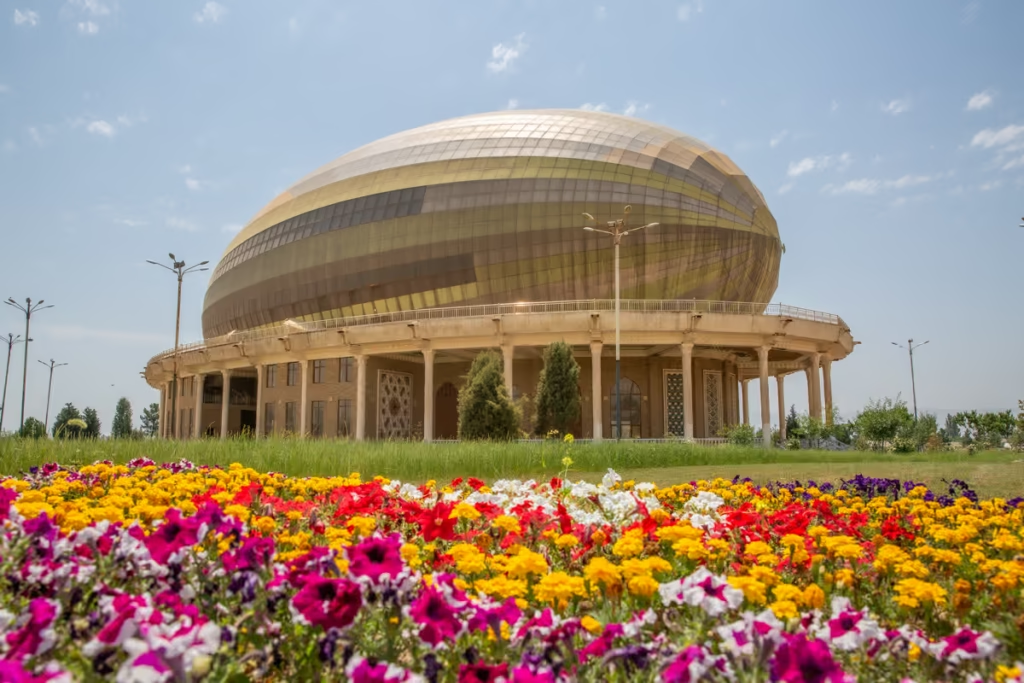
Dushanbe Day Trips
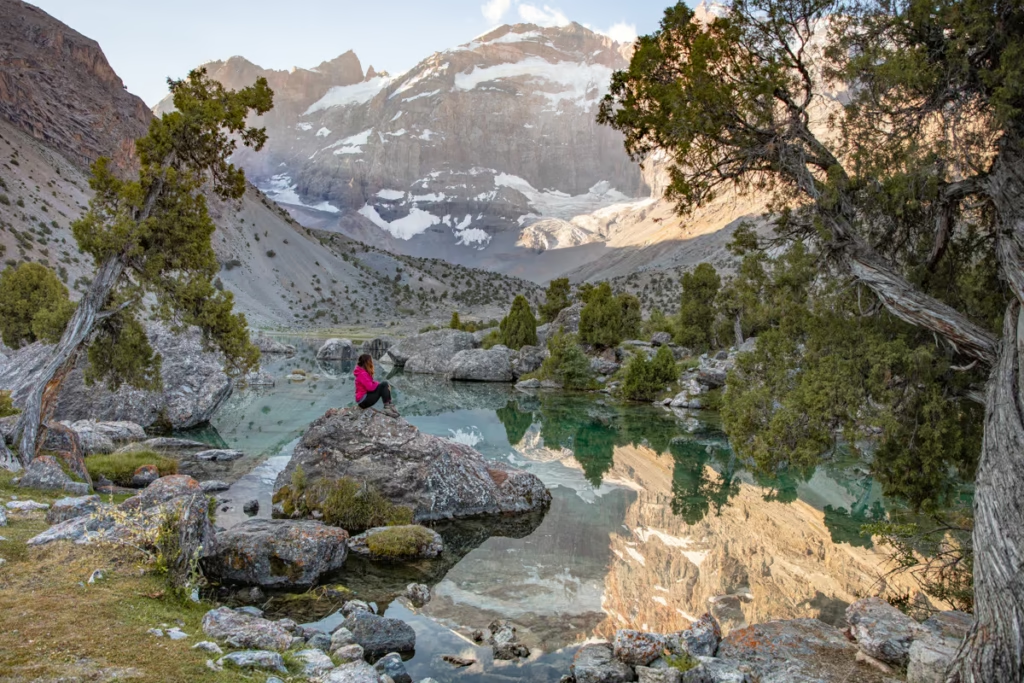
Solo Female Travel in Central Asia
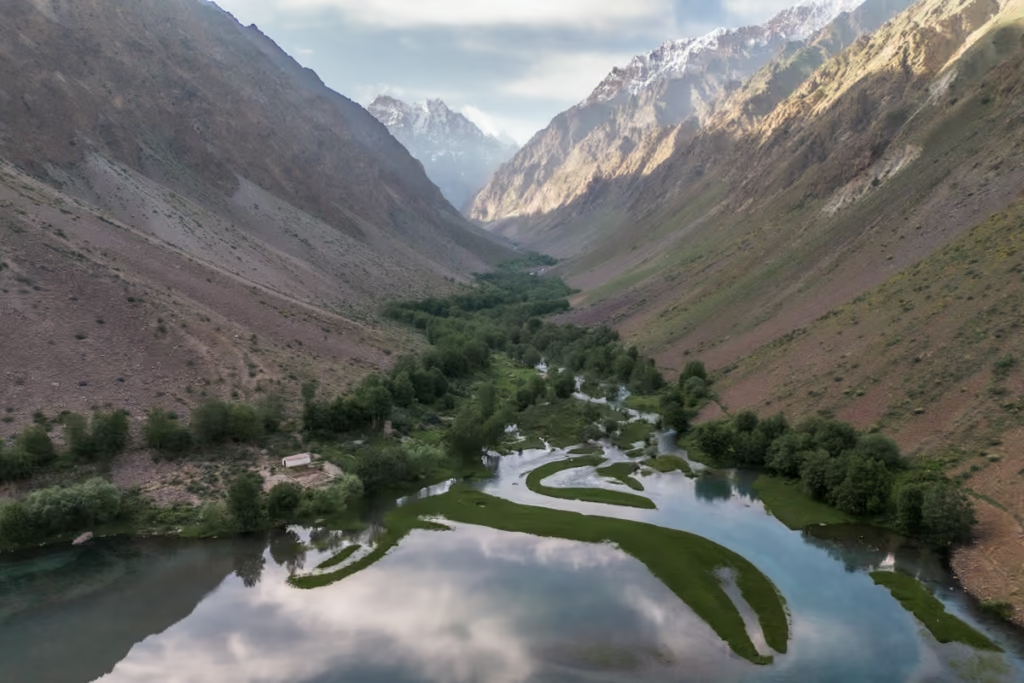
Jizeu, Tajikistan: Trek & Travel Guide
Tajikistan Travel Guide: Plan Your Trip
Dushanbe Travel Guide & Things to Do
Dushanbe Mosaics: Soviet-Era Art in Tajikistan
2 Week Tajikistan Itinerary
3 Week Tajikistan Itinerary
4 Week Tajikistan Itinerary
10 Day Tajikistan Itinerary
1 Week Tajikistan Itinerary
Panjakent Travel Guide: Things to Do

OVIR Registration in Tajikistan: Dushanbe Guide
Panjakent-Samarkand Border Crossing Guide
Fann Mountains Trekking Guide
Central Asia Travel Guide
Tajikistan SIM & eSIM Guide
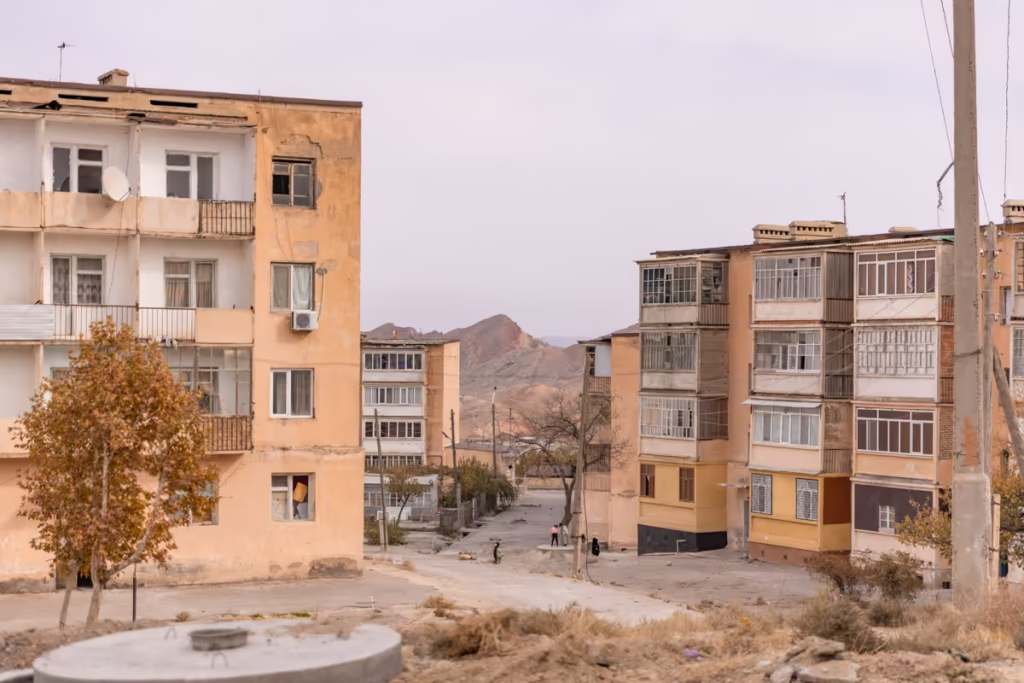
Shurab, Tajikistan: An Almost Forgotten City

Isfara-Batken Border Crossing Guide

Oybek Border Crossing: Tashkent to Khujand
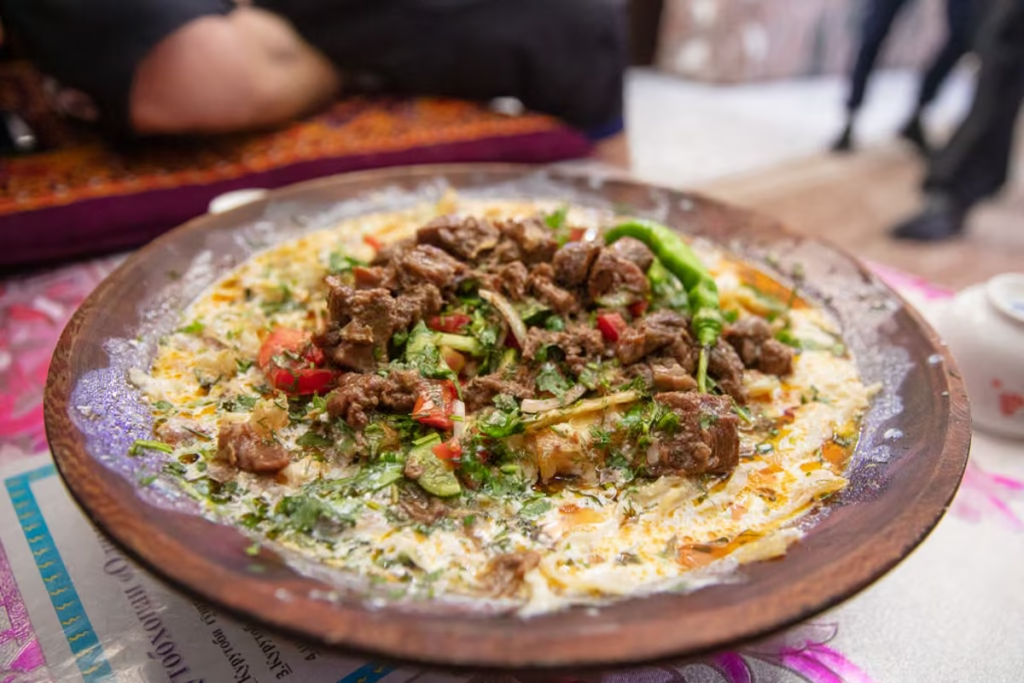
Best Restuarants in Dushanbe | Where to Eat
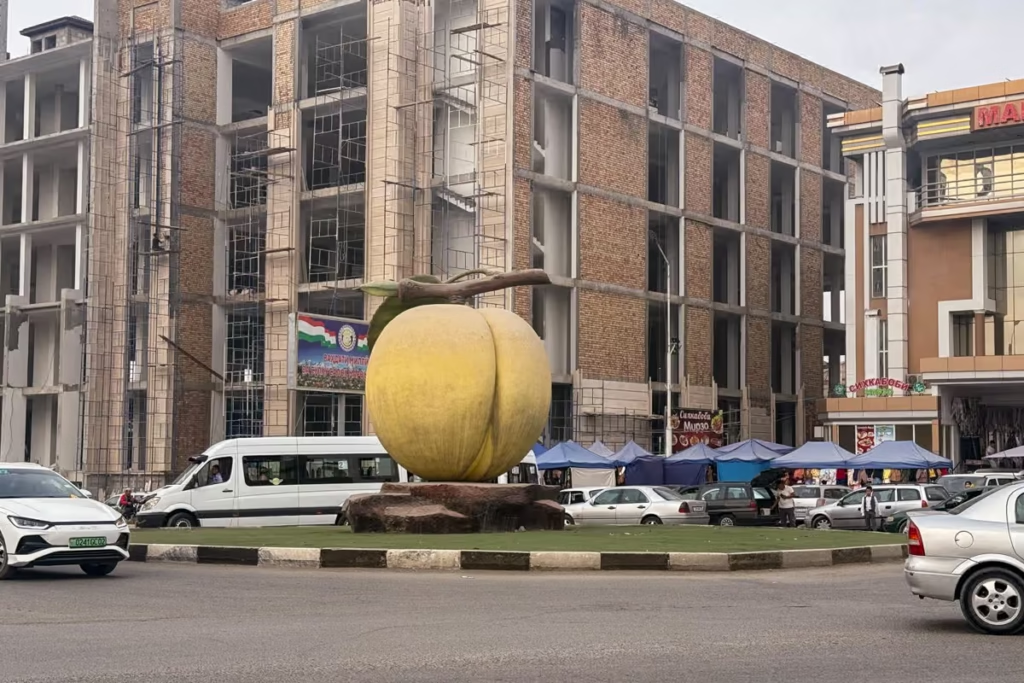
Isfara Travel Guide, Tajikistan
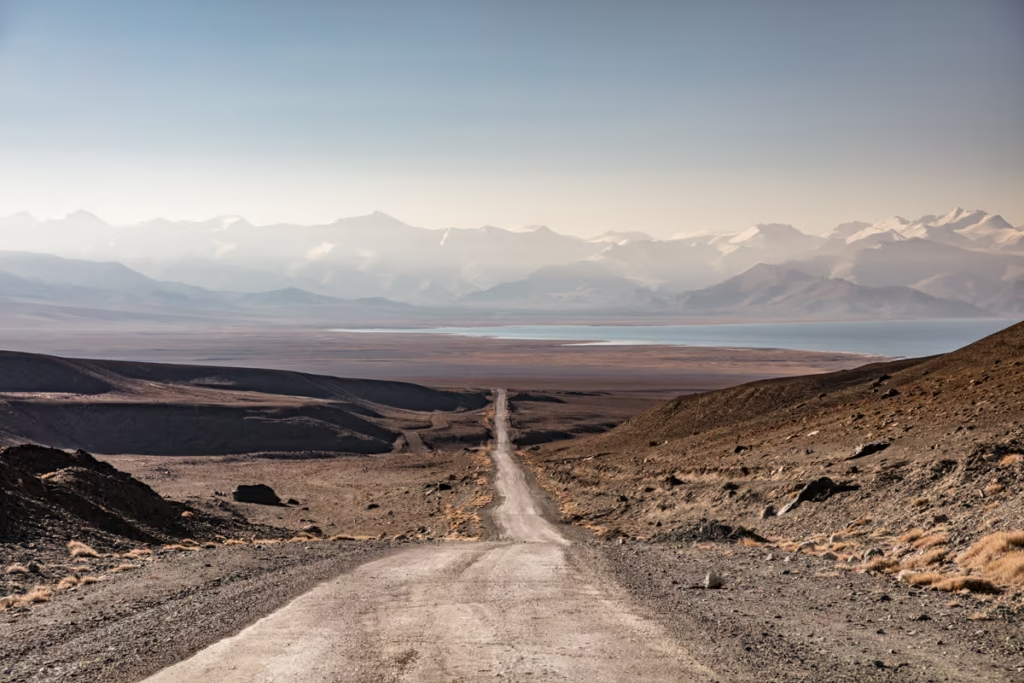
Pamir Highway Itinerary: 10 Days from Dushanbe to Osh
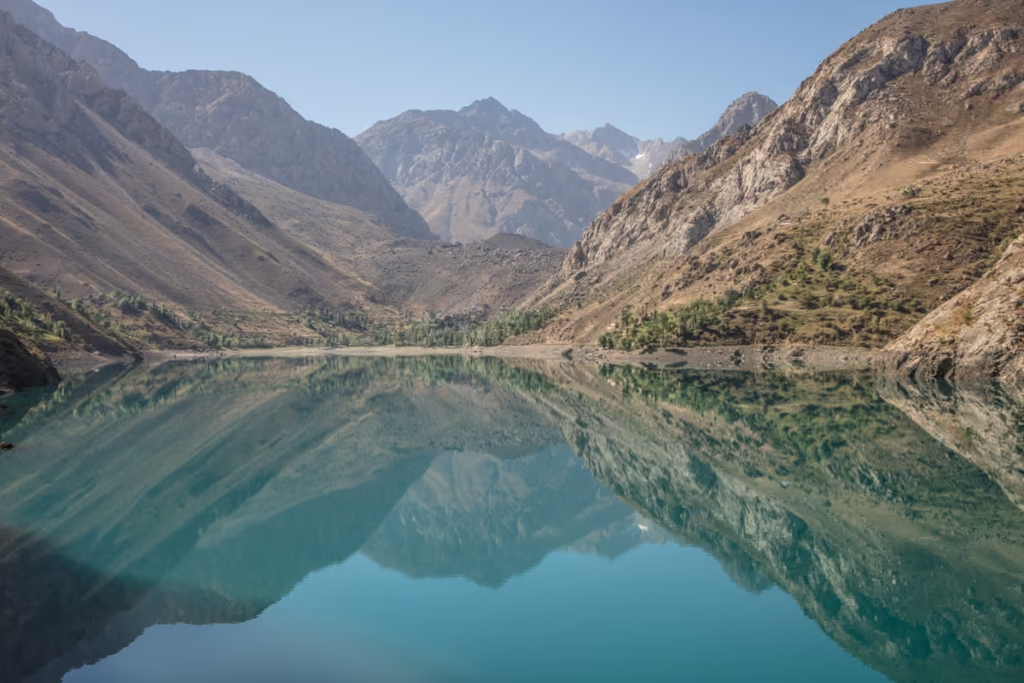
Haft Kul: A Guide to the Seven Lakes of Tajikistan
Tajikistan Letter of Invitation (LOI)
Jarty Gumbez, Tajikistan: A Complete Travel Guide
How to Use Payment Terminals in Tajikistan
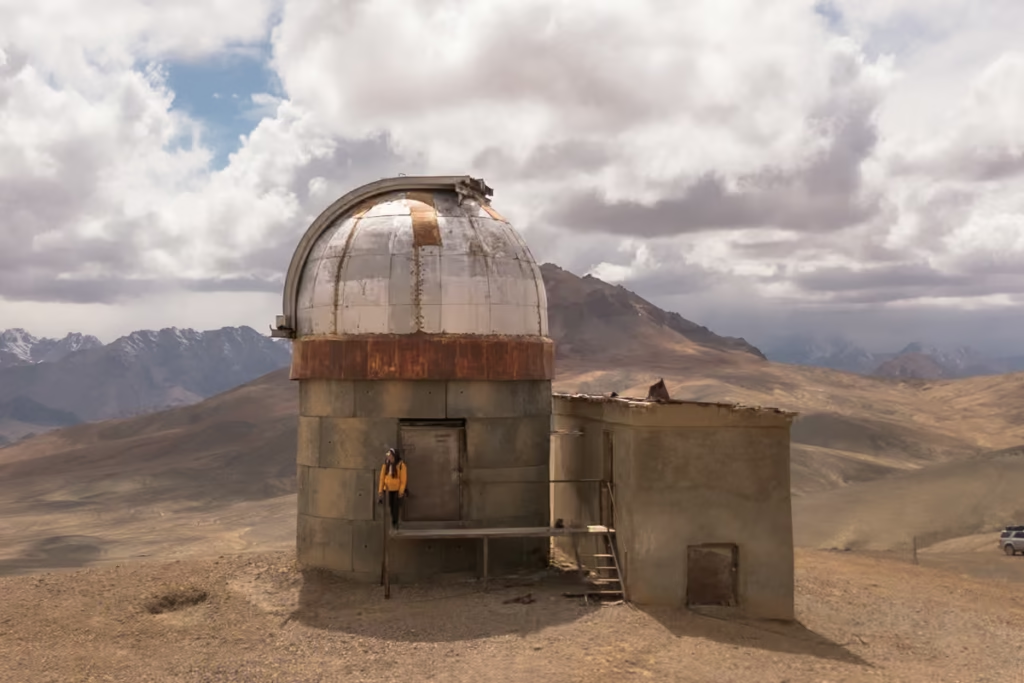
Shor Bulog Observatory, Tajikistan
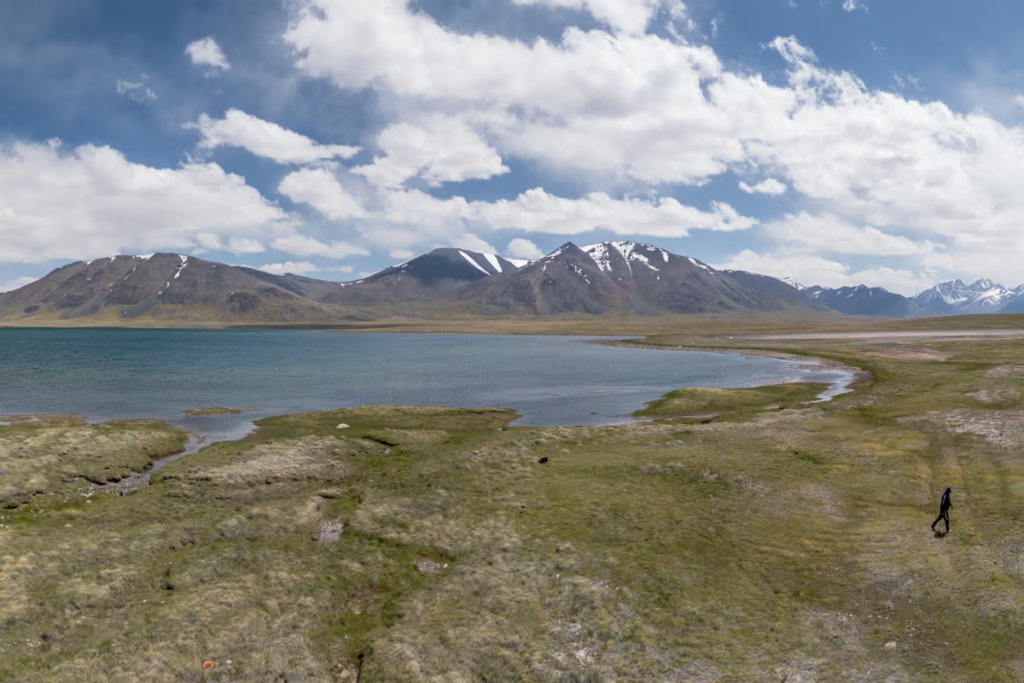
Visiting Zorkul, Tajikistan
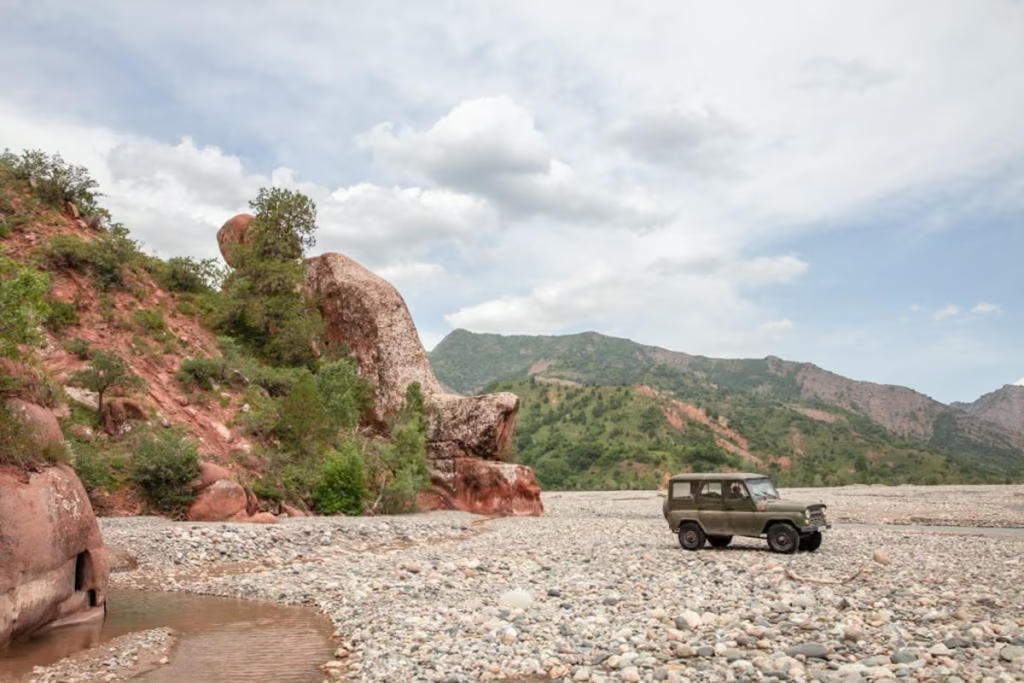
Visiting the Sary Khosar Nature Reserve
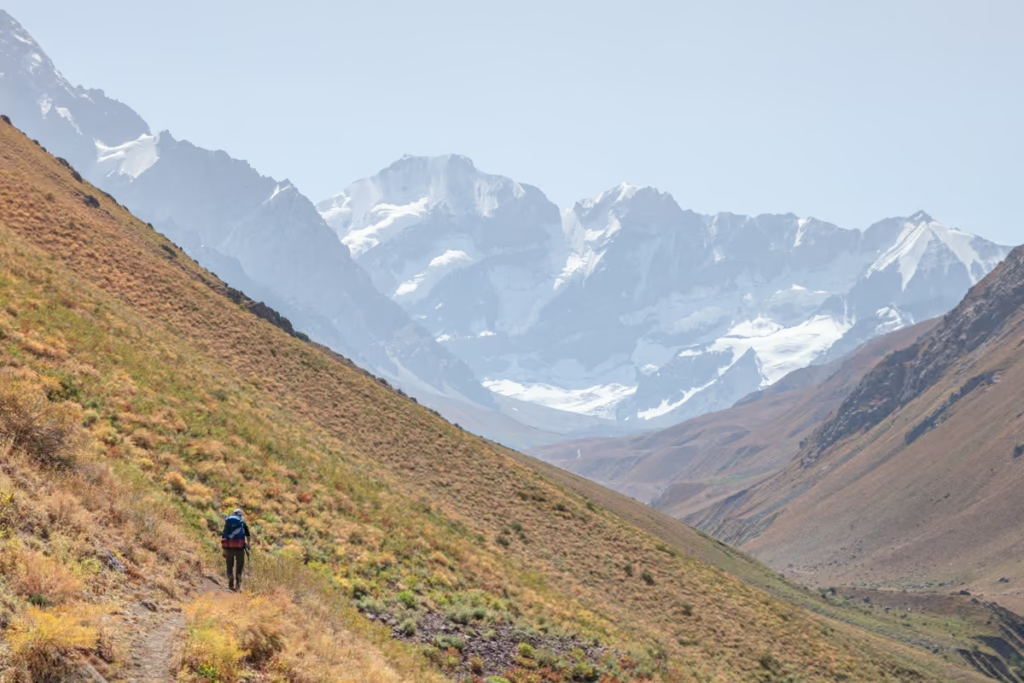
A Guide to Rasht Valley, Tajikistan
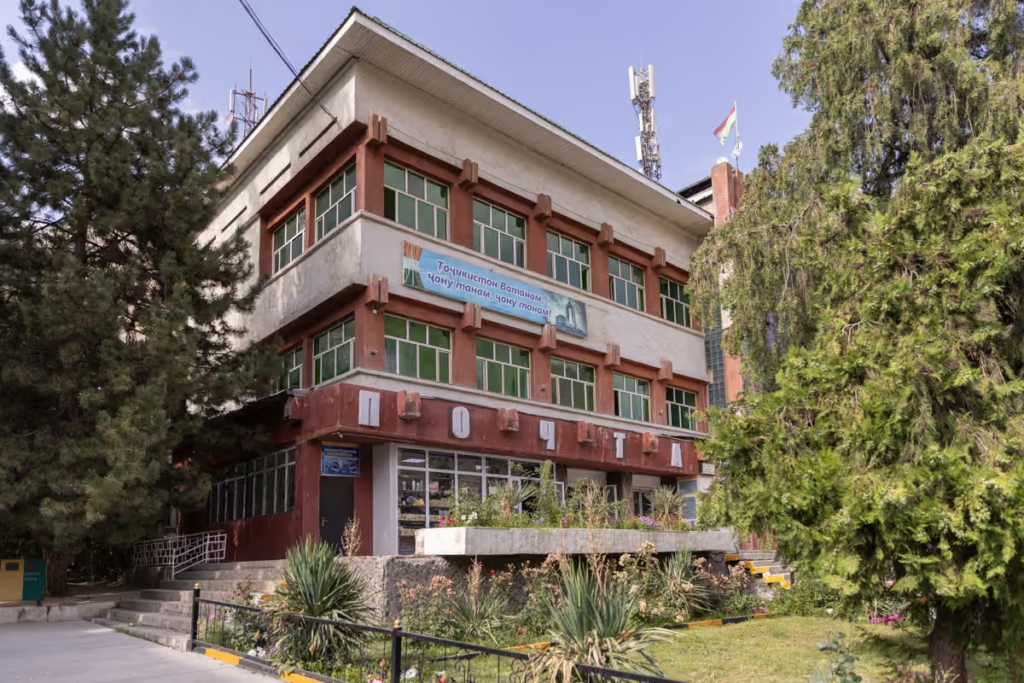
Soviet Architecture in Khorog
10 Essentials to Pack for Central Asia
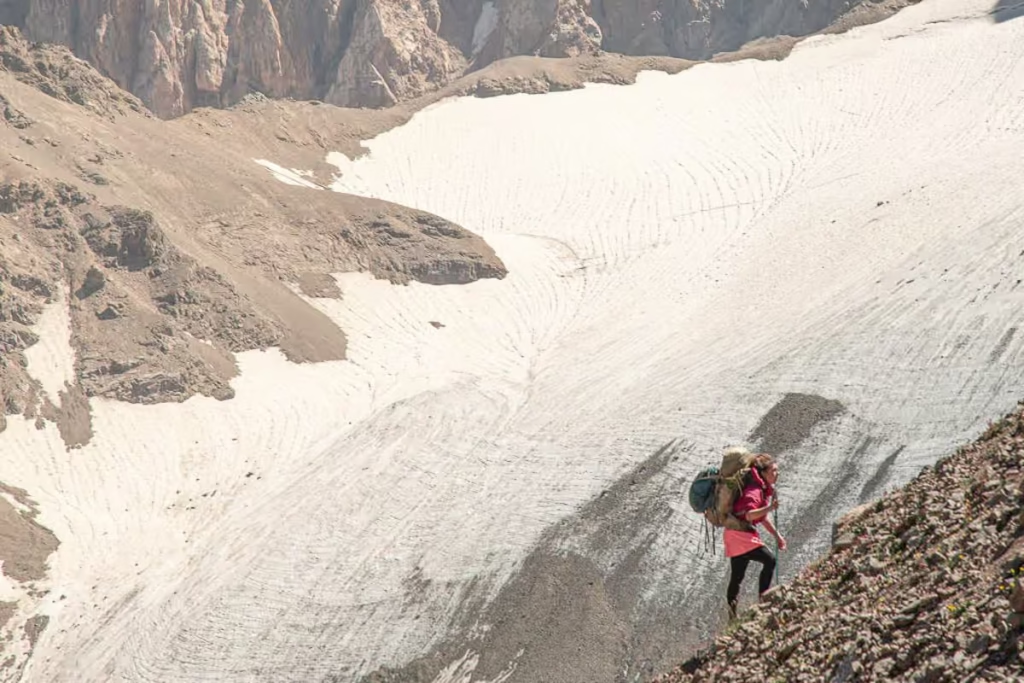
The Gardan i Kaftar Hike in Tajikistan’s Rasht Valley
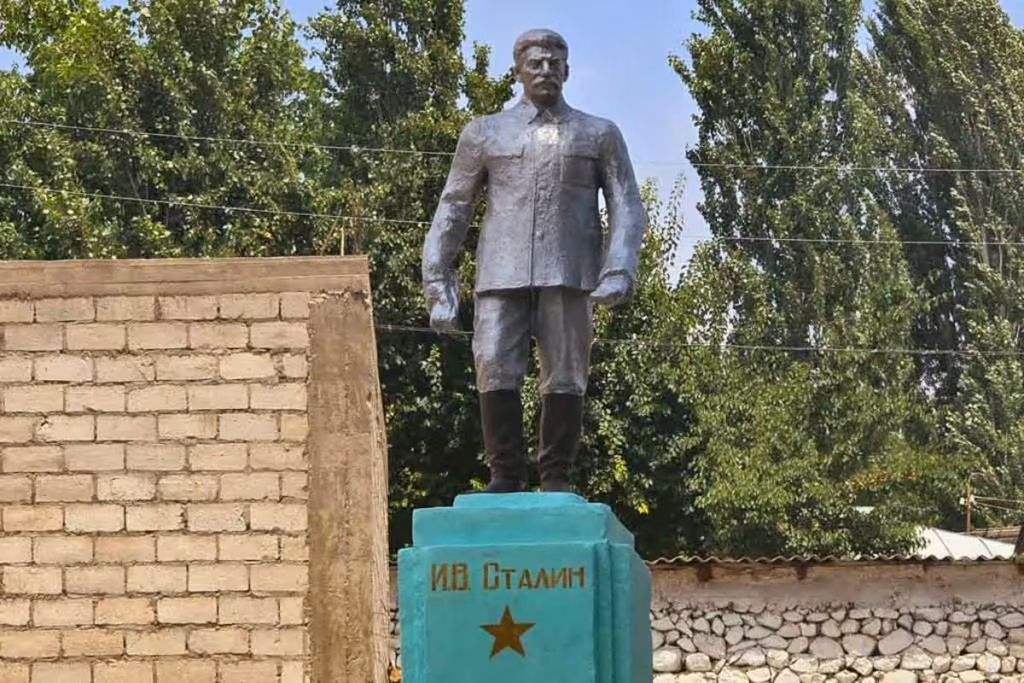
Stalin Statue in Asht, Tajikistan
Crossing Dukdon Pass in Tajikistan’s Fann Mountains
South Aral Peak Hike, Tajikistan
Shaimak Travel Guide Tajikistan
A Day Trip to Taboshar Uranium Mines in Istiklol, Tajikistan
How to Get to Timur Dara Lake, Tajikistan
How to Visit Childukhtaron, Tajikistan
Bolshoi Allo Lake, Tajikistan