10 Day Tajikistan Itinerary: The Best Route
10 Day Tajikistan Itinerary: The Best Route was originally published in 2026
Ten days is enough time to get a real taste of Tajikistan, but Tajikistan is not an easy country to squeeze into 10 days. The mountains are enormous, roads are slow, and some of the places you will want to visit are separated by full days of driving.
That said, 10 days in Tajikistan is enough to put together an incredible overland route if you are willing to keep moving.
This itinerary starts in Panjakent after crossing the border from Samarkand, Uzbekistan, travels through the Fann Mountains and Dushanbe, then heads east along the Pamir Highway before finishing in Osh, over the border in Kyrgyzstan.
Along the way, you will visit the Seven Lakes, Iskanderkul, cross into the Pamirs along the Panj River, spend a night in Khorog, climb into the high Pamirs, and finish beside Karakul before crossing the Kyzyl-Art border into Kyrgyzstan.
It is a fast-paced itinerary, but it makes geographic sense and avoids trying to cram the Wakhan Valley into a trip that simply does not have enough days for it.
Need Travel Insurance and Evacuation Services?
Start shopping for travel insurance plans over at IATI Insurance. Readers of the Adventures of Nicole get a 5% discount off your plan.
The Adventures of Nicole partners with Global Rescue to offer the world’s leading medical evacuation and security advisory services. To travel with peace of mind, explore their evacuation coverage.
10 Day Tajikistan Itinerary at a Glance
| Trip length | 10 days / 9 nights |
| Start | Dushanbe, Tajikistan |
| Finish | Osh, Kyrgyzstan |
| Main trekking area | Fann Mountains |
| Best for | Mountain scenery, hiking, culture, history, Pamir Highway |
| Highest point | Ak Baital Pass, 4,655 m |
| Difficulty | Moderate to challenging |
| Best season | Generally summer through early autumn, depending on snow, road conditions, and trail conditions |
Important: This is a fairly ambitious 10-day Tajikistan itinerary. If your flights are fixed and you absolutely cannot afford a delayed journey, I would build in some flexibility rather than booking everything back-to-back.
Is 10 Days Enough for Tajikistan?
Yes, but 10 days in Tajikistan is not enough for a leisurely trip.
This itinerary involves several long driving days, particularly once you enter the Pamirs. Tajikistan looks deceptively small on a map, but mountain roads make distances much more significant than they appear.
I would only follow this itinerary if you are comfortable spending considerable time in a vehicle and understand that road conditions can affect travel times.
The upside is that the journey itself is a huge part of the experience. Once you leave Dushanbe, the road winds through increasingly dramatic mountain scenery, with villages, rivers, cliffs and high passes appearing around practically every corner.
If you have two or three weeks, I would slow this itinerary down rather than simply adding more destinations. My two week Tajikistan itinerary, three week Tajikistan itinerary, and four week Tajikistan itinerary give you more time to explore the country without spending quite so much of your trip watching the road through a dusty window.
Best Time for This 10 Day Tajikistan Itinerary
The best time for this route is generally summer through early fall, when the high Pamir roads are most accessible.
July and August offer the warmest conditions at lower elevations, although the high Pamirs can still be cold.
September can also be an excellent time to travel, with cooler temperatures and fewer travelers, but conditions can change quickly at high elevations.
The biggest factor is not simply temperature. It is road accessibility. High mountain passes can be affected by snow, while landslides and rockfalls can affect lower sections of the Pamir Highway.
Always check current road and border conditions before setting off.
GBAO Permits for the Pamir
All travelers heading out for the Pamir Highway will need to obtain a GBAO permit before setting off. You can either arrange it yourself in Dushanbe, or have us get it in advance for you (which will save time!).
10 Day Tajikistan Itinerary
Day 1: Samarkand to Panjakent
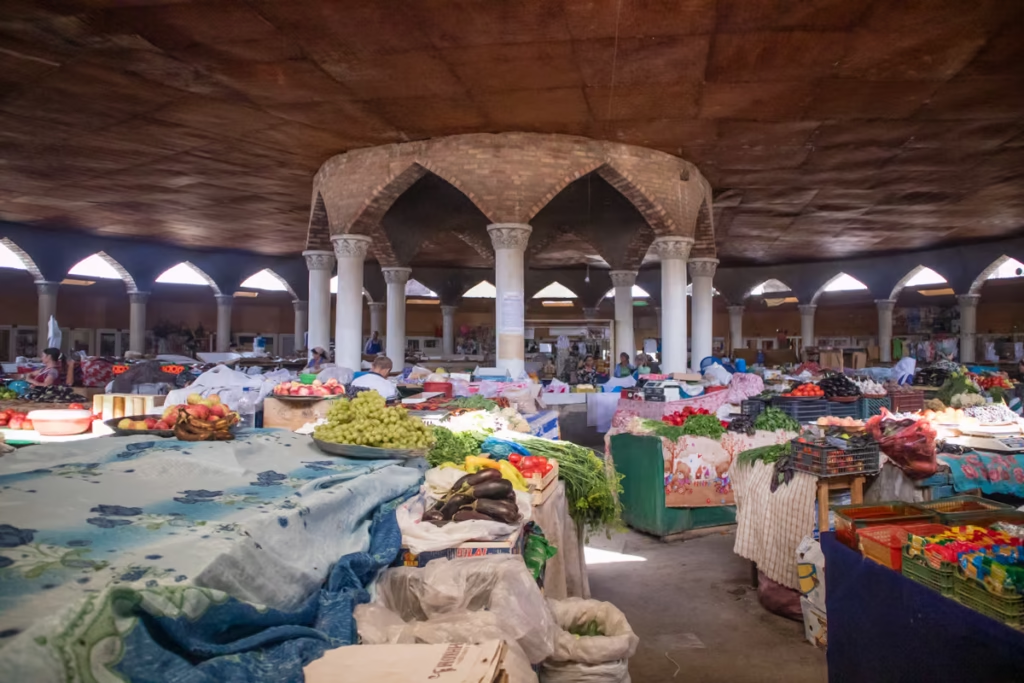
Start your Tajikistan trip in Samarkand, Uzbekistan, and cross the international border into Tajikistan at the Samarkand-Panjakent crossing.
The border is conveniently located for combining the two countries, and Panjakent is only a short drive from the border. Once you arrive, spend the rest of the day exploring Panjakent.
Panjakent is one of Tajikistan’s most historically interesting cities. Ancient Panjakent was an important Sogdian settlement, flourishing between roughly the fifth and eighth centuries. The ruins of the ancient city sit just outside modern Panjakent and contain the remains of temples, homes and elaborate wall paintings.
The archaeological site is worth visiting even if you are primarily interested in Tajikistan’s mountains. It provides some context for the region before you head into the Fann Mountains.
Back in modern Panjakent, visit the local bazaar and grab whatever snacks you need for the next few days. This is a good place to stock up because things become considerably more limited once you get into the mountains.
Note: If you want to visit the excavations of the ancient city of Sarazm, splash out and pay for all four seats in the shared taxi from the border crossing to Panjakent and ask to stop off at Sarazm.
Where to stay in Panjakent
Stay somewhere in central Panjakent so you can easily reach the bazaar and arrange transport for the following morning.
Budget
Salom Hostel
| +992 92 780 7716 |
Midrange
Umariyon Hotel
| Booking.com |
Day 2: Panjakent to Haft Kul
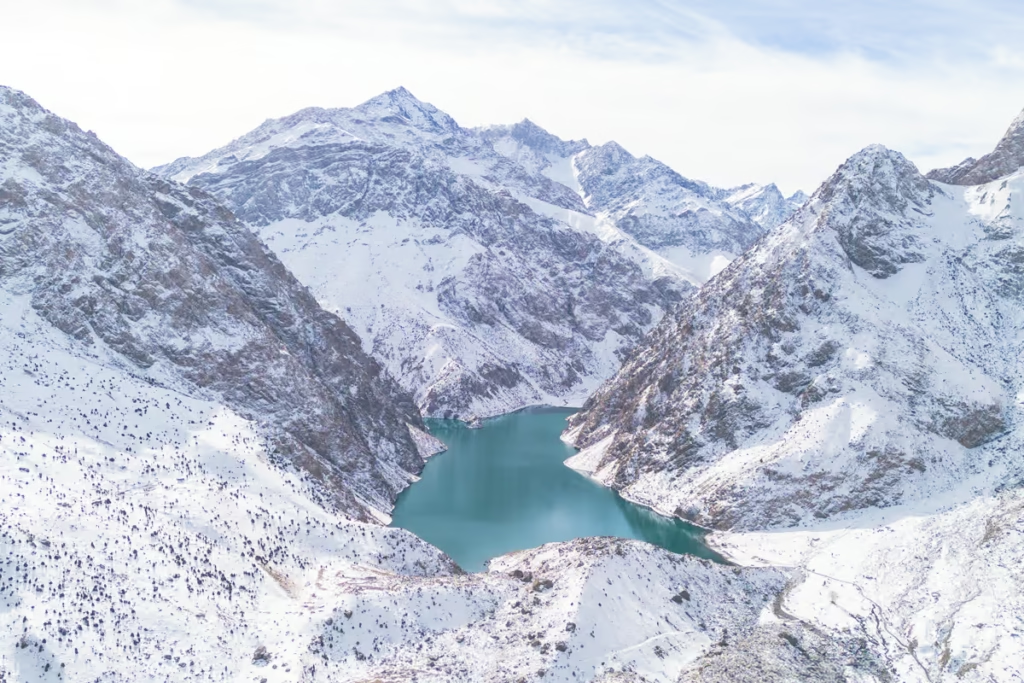
Today you leave Panjakent and head toward Haft Kul, also known as the Seven Lakes.
The road follows the Zeravshan Valley before turning south toward the series of mountain lakes. The landscape changes quickly as you leave the broad valley behind and enter the narrower mountain valleys.
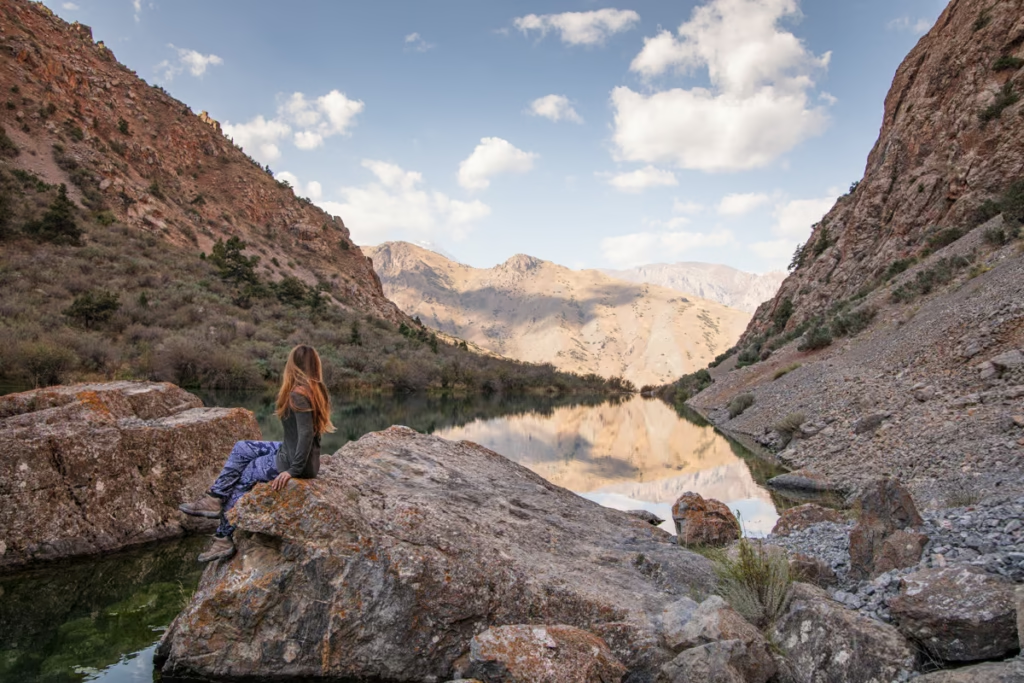
Haft Kul literally means “Seven Lakes” in Tajik, and the name is fairly self-explanatory.
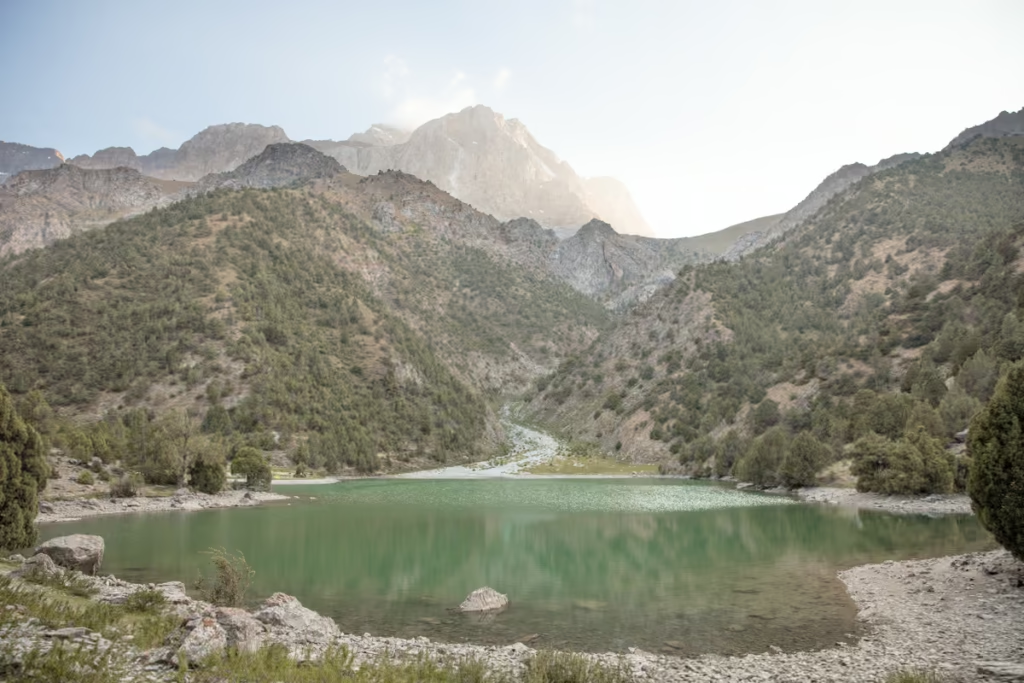
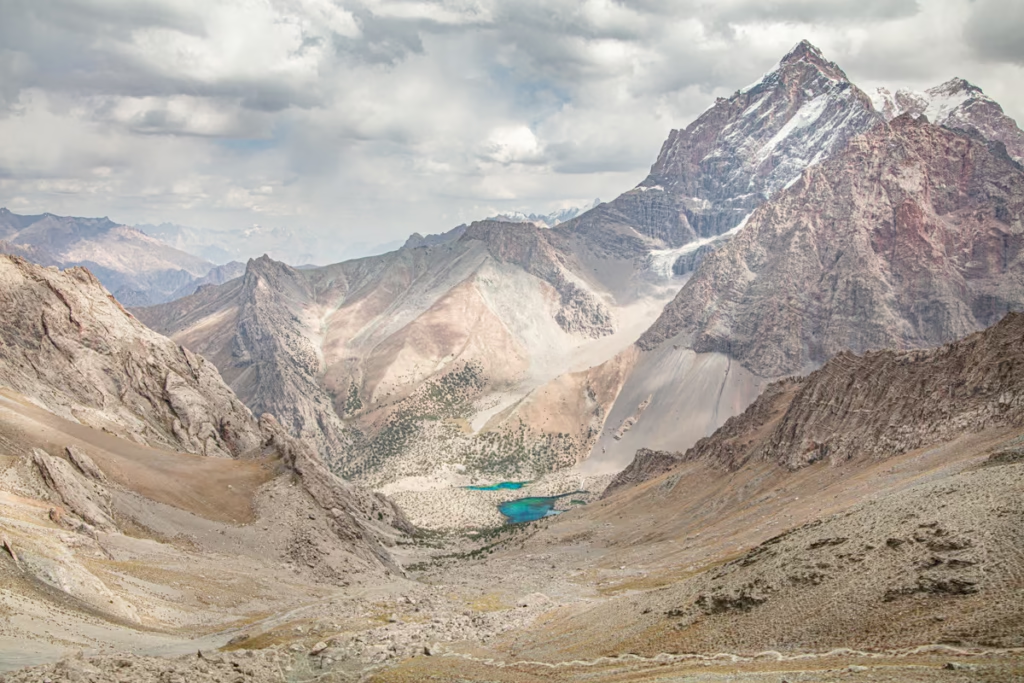
The lakes climb progressively higher into the mountains, with steep slopes rising on either side of the valley. Each lake has its own character, and the water ranges from deep blue to turquoise depending on the light and conditions.
You don’t need to visit every lake if you are short on time. The higher lakes are particularly dramatic, and the road itself provides plenty of opportunities to stop and admire the scenery.
Spend the night in a homestay near the lakes. Nofin and Marguzor have a few homestays.
This is one of those nights where you should expect something considerably more basic than a hotel in Dushanbe. That is part of the experience. You are trading polished amenities for mountain hospitality, homemade food and a night surrounded by the Fann Mountains.
Day 3: Haft Kul to Iskanderkul
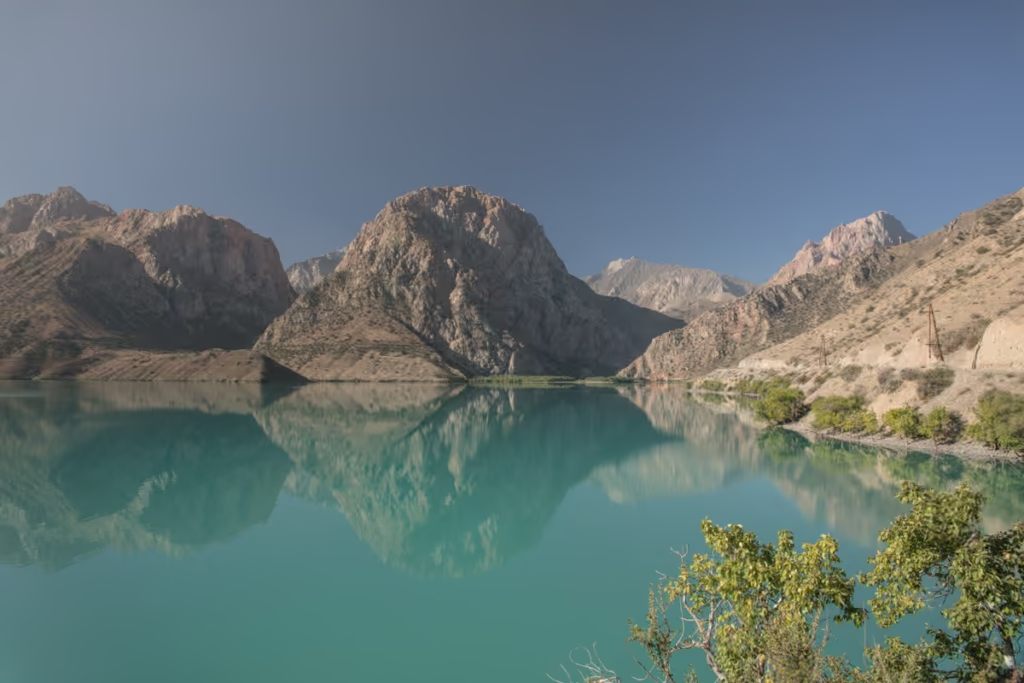
Leave Haft Kul and make your way toward Iskanderkul, another of Tajikistan’s famous mountain lakes.
The two destinations are relatively close as the crow flies, but roads in this part of Tajikistan do not particularly care about the crow. The route winds through the Fann Mountains, with increasingly rugged scenery as you travel between valleys.
Iskanderkul sits at around 2,200 meters above sea level and is surrounded by steep mountain slopes. The lake is named after Alexander the Great, whose name is preserved in the Persian name Iskander.
Spend the afternoon around the lake. One of the easiest excursions is to walk to the Fanns Niagra Waterfall, where a trail leads through the surrounding landscape to a waterfall dropping through a narrow gorge.
You can also walk around parts of the lake and simply enjoy the mountain scenery. After Haft Kul, Iskanderkul provides another completely different perspective on the Fann Mountains.
Stay at a guesthouse, camp near the lake, or stay over in the village of Sarytag.
Day 4: Iskanderkul to Dushanbe
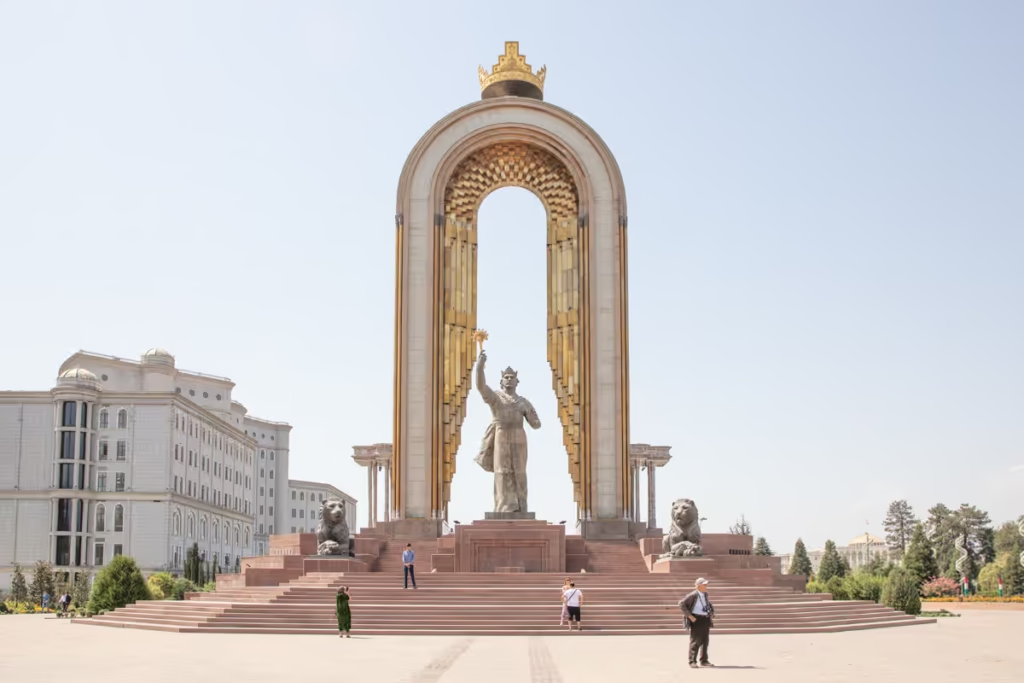
Today you leave the mountains and drive toward Dushanbe, Tajikistan’s capital. This is a shorter and easier day compared with what is coming in the Pamirs, so use your afternoon and evening to explore the city.
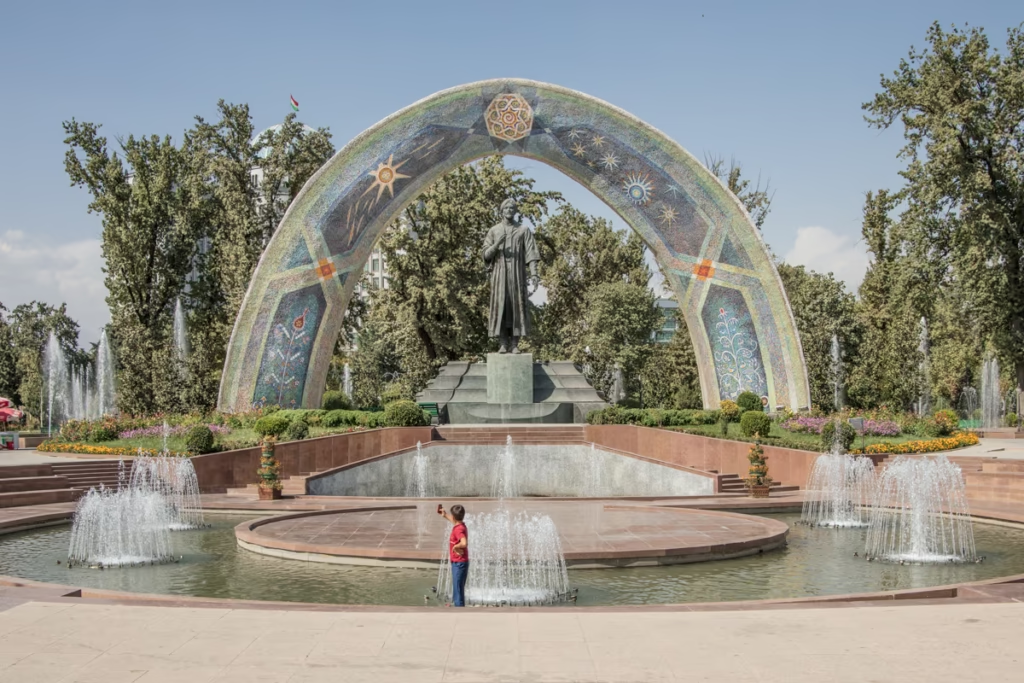
Dushanbe is dramatically different from the remote mountain communities you have spent the previous few days visiting. Start around Rudaki Avenue and central Dushanbe. The city has broad avenues, manicured parks, and plenty of Soviet-era architecture mixed with newer Tajik national monuments.
Visit Rudaki Park, the National Museum of Tajikistan or the impressive flagpole area, depending on your interests. And don’t skip the bazaar. Dushanbe’s markets are a great place to see everyday life, particularly the piles of fruit, nuts, dried fruits and other foods that form such an important part of Tajik cuisine.
If you have time, visit a traditional chaikhana for dinner. Dushanbe is also home to a myriad of restaurants serving local and international foods. This is also your opportunity to do some laundry, replenish snacks and withdraw cash before heading into the Pamirs.
Where to Stay in Dushanbe
Budget
Hello Hostel Dushanbe
| Booking.com | Agoda.com |
Greenhouse Hostel
| Booking.com | Hotels.com |
Midrange
Atlas Hotel
| Booking.com |
Atlas B&B Hotel
| Booking.com | Agoda.com |
Splurge
Hilton Dushanbe Hotel
| Booking.com | Hotels.com |
Dushanbe Serena Hotel
| Booking.com | Hotels.com |
Hyatt Regency Dushanbe
| Booking.com | Hotels.com |
Day 5: Dushanbe to Qalai Khumb
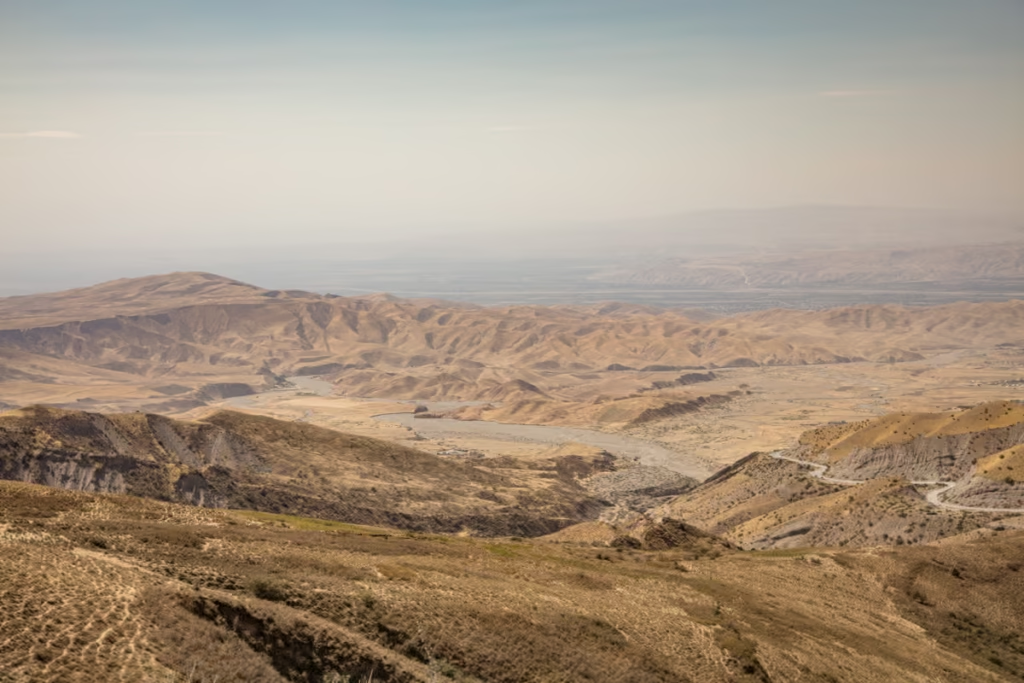
Today is when the character of the trip changes. Leave Dushanbe early and begin the long drive east toward Qala i Khumb, the gateway to the Pamirs.
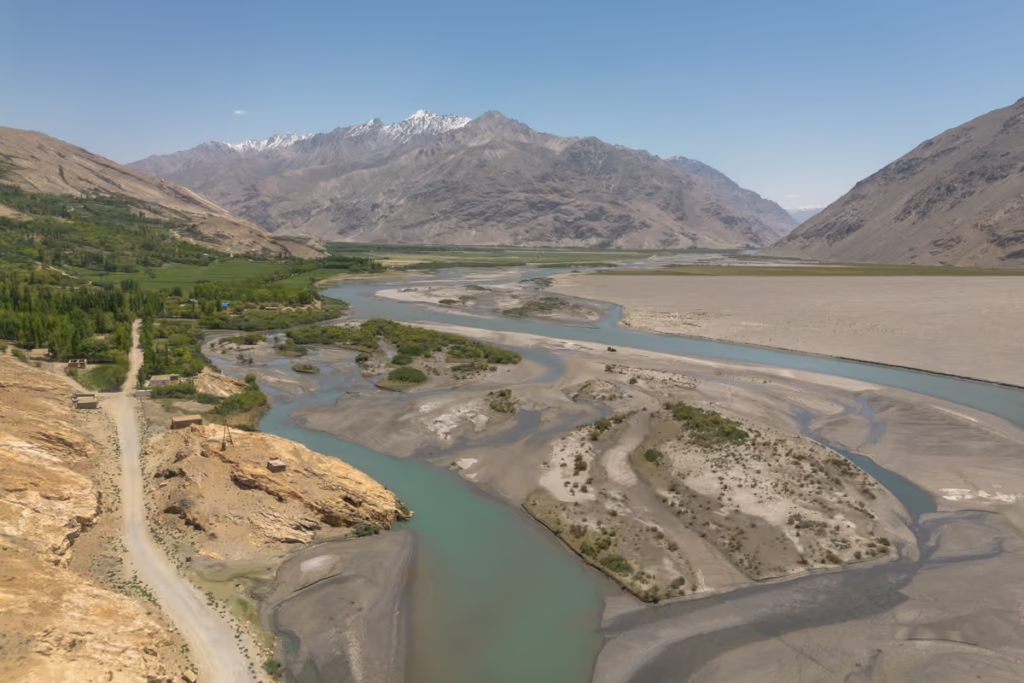
The road climbs into increasingly remote terrain before eventually joining the Panj River. The Panj forms much of the border between Tajikistan and Afghanistan, so from this point onward you will frequently have Afghanistan directly across the river.
This is one of the most fascinating parts of the journey. On the Tajik side, the road clings to steep mountainsides. Across the river are Afghan villages and mountain slopes, sometimes seemingly close enough to reach out and touch, yet separated by an international border and the river below. There are few places where geopolitics feels quite so tangible.
Qalai Khumb is the main settlement along this stretch of the road and makes a natural overnight stop.
The drive is long, and you should expect delays. Rockfalls, road construction, traffic and weather can all affect travel times. This is also why I recommend starting early.
There are a scattering of homestays in Qala i Khumb. Those looking for a higher-end hotel can book the Karon Palace.
Day 6: Qala i Khumb to Khorog
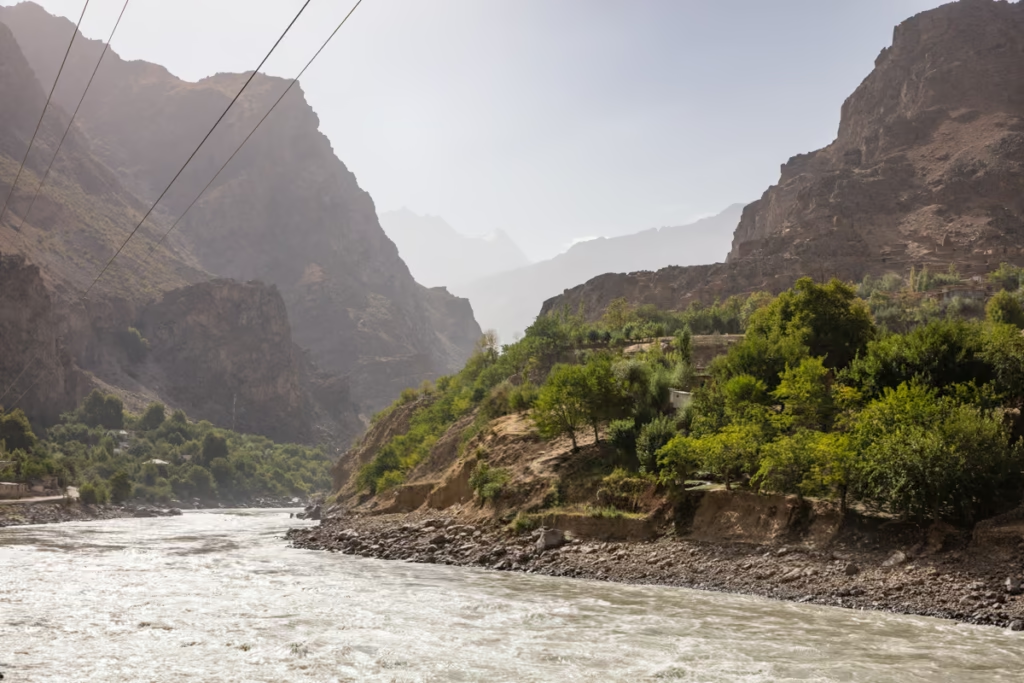
Today you continue along the Panj toward Khorog, the capital of Gorno-Badakhshan Autonomous Region. This is another long driving day, but it is one of the most memorable sections of the entire itinerary.
For much of the journey, the road follows the river closely. The mountains tower above you on both sides, while the Afghan side remains visible across the water. Keep your camera handy. You will pass small villages, agricultural terraces and occasional military checkpoints along the route. The scenery gradually changes as you move farther into the Pamirs.
Eventually you reach Khorog. At around 2,200 meters above sea level, Khorog feels remarkably green compared with the barren high-altitude landscapes you will encounter later.
The city is situated in a narrow valley at the confluence of the Panj and Gunt rivers. It is the administrative and cultural center of the Pamirs and has a noticeably different atmosphere from Dushanbe.
Spend the evening walking around town and exploring the riverside. If you have the energy, visit Khorog’s botanical garden or simply enjoy a meal in town. You will want a good night’s sleep because tomorrow the altitude starts climbing.
Where to Stay in Khorog
Budget
Welcome Inn
|+992 93 703 5393 |
Lal Hotel Dorm
| Booking.com |
Midrange
LAL Hotel
| Booking.com |
Splurge
Serena Inn
| Booking.com | Hotels.com |
Day 7: Khorog to Bulunkul
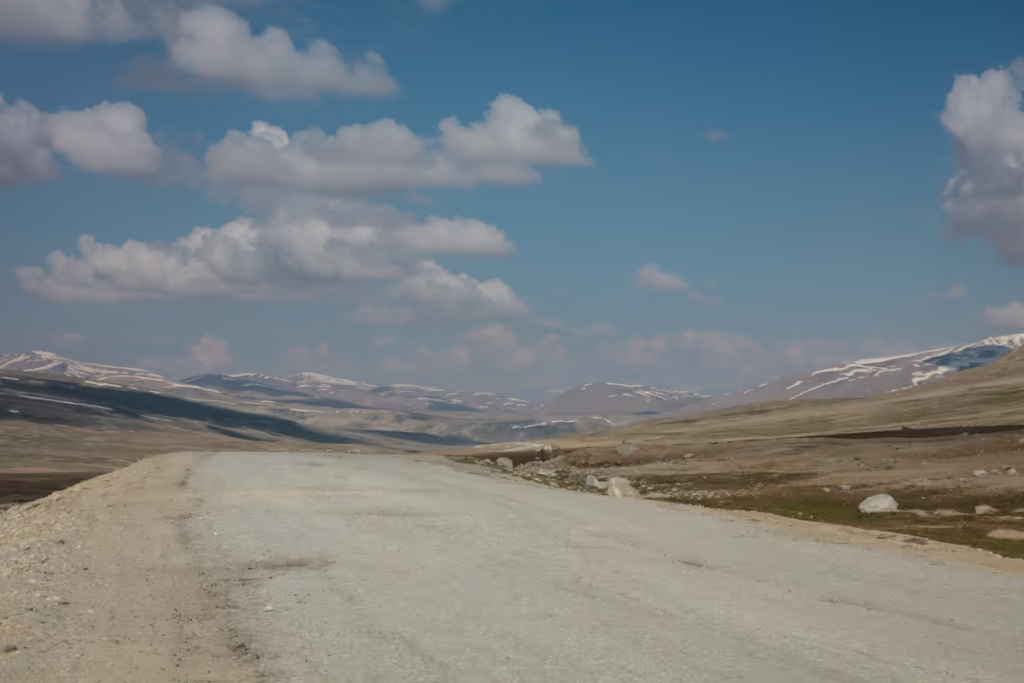
Today you leave Khorog and begin climbing into the high Pamirs. The landscape changes dramatically as the road leaves the relatively green valleys around Khorog.
The vegetation thins out. Mountains become increasingly barren as you continue along the Gunt Valley. The roads climb toward broad high-altitude plateaus where the landscape begins to look almost otherworldly.
Your destination is Bulunkul, a tiny settlement near some of the highest inhabited areas of Tajikistan. Bulunkul is famous for its stark landscape, cold climate and enormous skies.
This is not the place to arrive expecting a long list of attractions. The attraction is the landscape itself. Walk around the village and surrounding lakes, watch the mountains change color as the sun moves across them, and enjoy the silence.
Spend the night in a homestay
Accommodation in Bulunkul is basic, generally consisting of family-run homestays. Expect simple rooms, shared facilities and hearty homemade food. Bring warm clothing. Even during summer, temperatures can drop significantly at this altitude.
Day 8: Bulunkul to Murghab
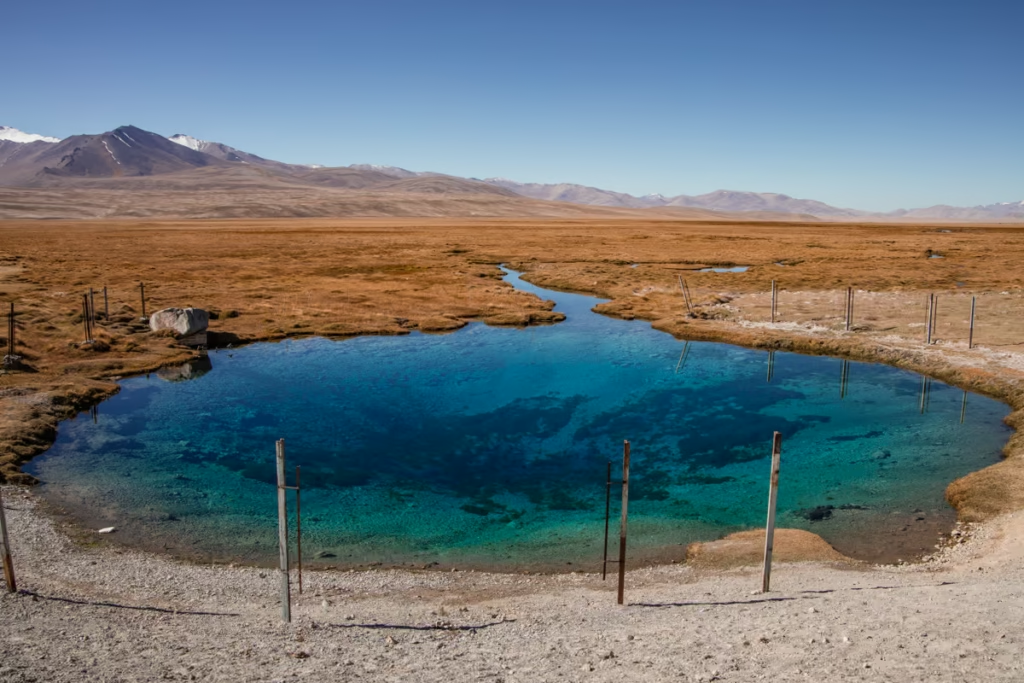
Leave Bulunkul and continue east toward Murghab. This section takes you deeper into the high Pamirs, where the landscape becomes increasingly stark.
You will cross wide plateaus surrounded by enormous mountains, with very little vegetation and surprisingly few signs of settlement. The scale is hard to appreciate until you are actually there.
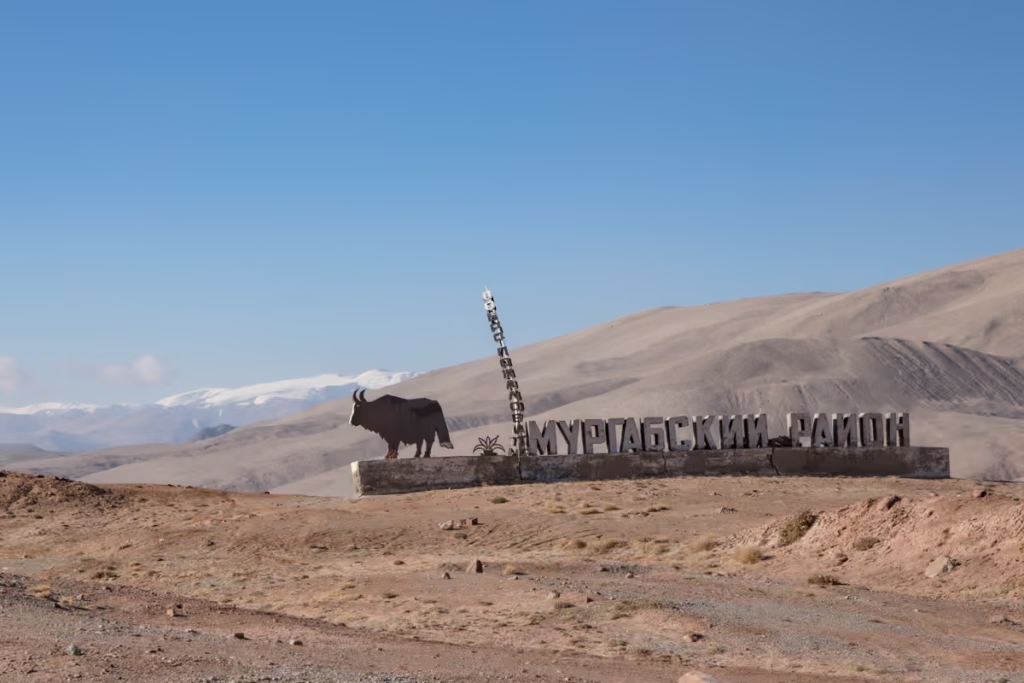
Murghab is the largest settlement in the Eastern Pamirs and sits at roughly 3,600 meters above sea level. The town is extremely remote and has a very different feel from Khorog.
Spend some time walking around the town and visiting the famous Murghab bazaar, where shipping containers have been repurposed as shops.
Murghab is also an important resupply point for travelers crossing the Pamirs. Take it easy tonight. At this altitude, even walking around town can leave you surprisingly breathless, especially if you have come directly from lower elevations.
Day 9: Murghab to Karakul
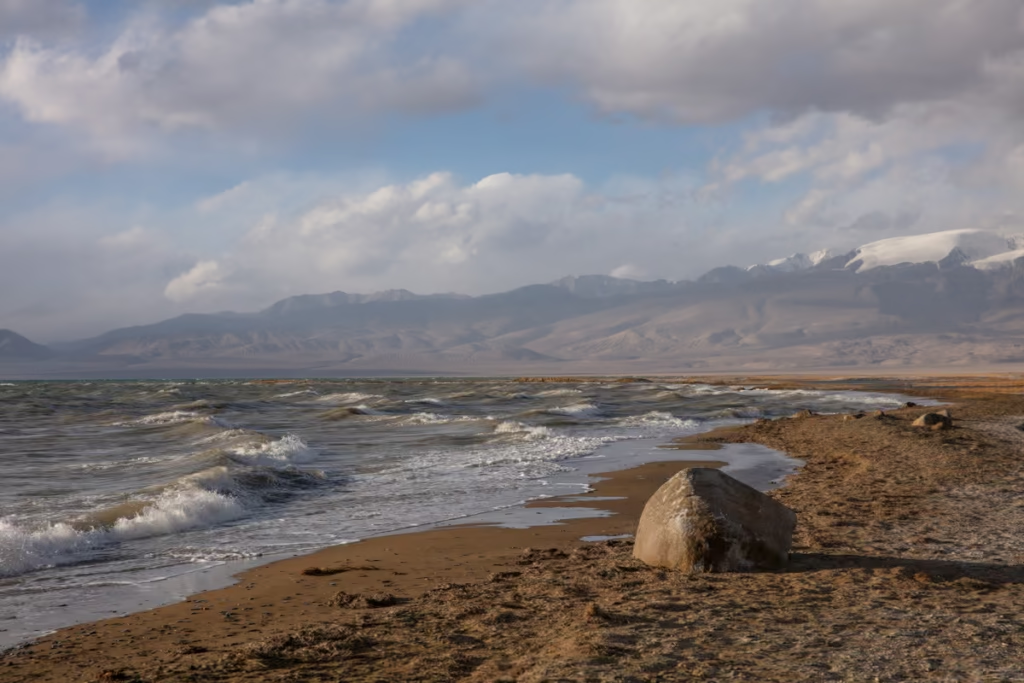
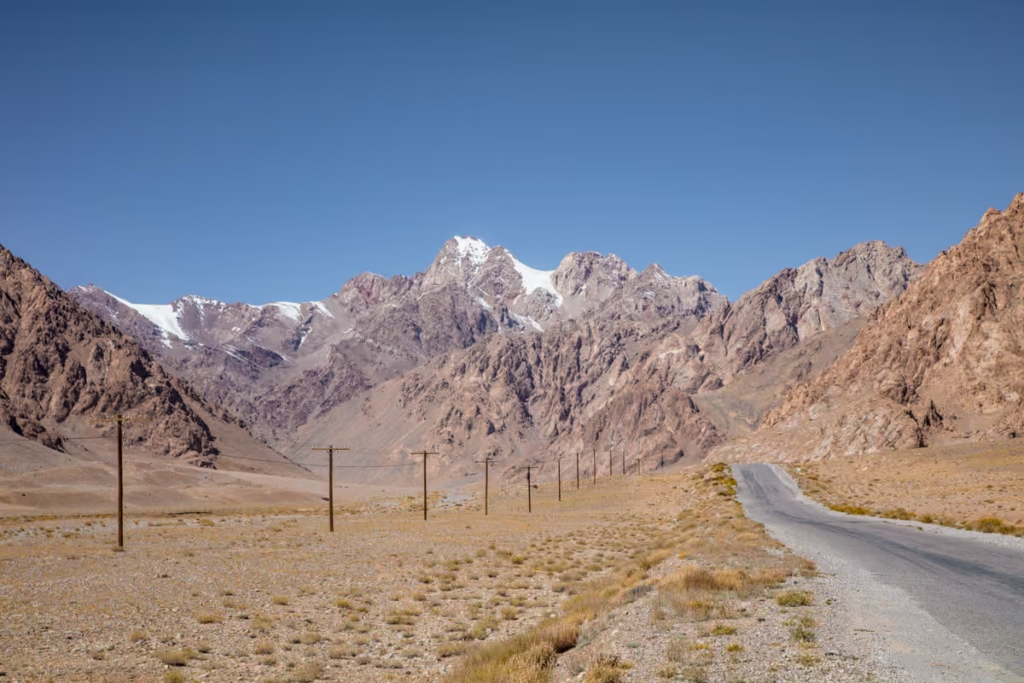
Today you continue toward Karakul, crossing some of the highest roads in Tajikistan. One of the highlights is Ak-Baital Pass, which rises to around 4,655 meters. At this altitude, you are higher than most mountain roads anywhere in the world.
The landscape around the pass is stark and almost completely treeless. The Pamirs stretch across the horizon in every direction, with enormous empty valleys and ridgelines disappearing into the distance.
Eventually you reach Karakul Lake. At more than 3,900 meters above sea level, Karakul is one of the highest large lakes in Tajikistan. Its deep blue water contrasts dramatically with the barren mountains surrounding it.
The lake was formed by a meteorite impact millions of years ago, giving the landscape an unusual geological story in addition to its obvious visual appeal.
Spend the afternoon exploring around the lake and village. This is another night where accommodation is likely to be a simple homestay rather than a conventional hotel.
And honestly, after nine days of mountains, rivers and remote villages, sitting outside a homestay beside Karakul with the mountains disappearing into the evening light feels like a pretty fitting way to end the Tajikistan portion of the trip.
Day 10: Karakul to Osh
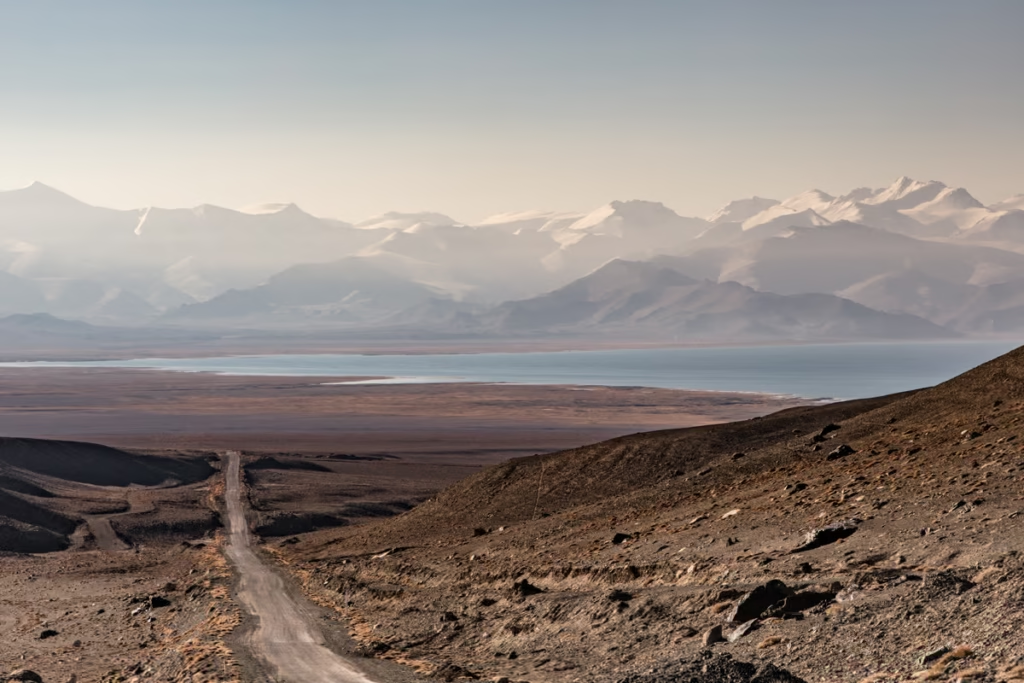
Your final day is another long travel day, but it is also the international finale to the journey.
From Karakul, the road continues toward the Kyzyl-Art Pass and the Tajikistan-Kyrgyzstan border.
The Kyzyl-Art crossing sits at more than 4,000 meters, making this another seriously high-altitude border crossing. Once you cross into Kyrgyzstan, the landscape gradually changes as you descend toward Sary Tash.
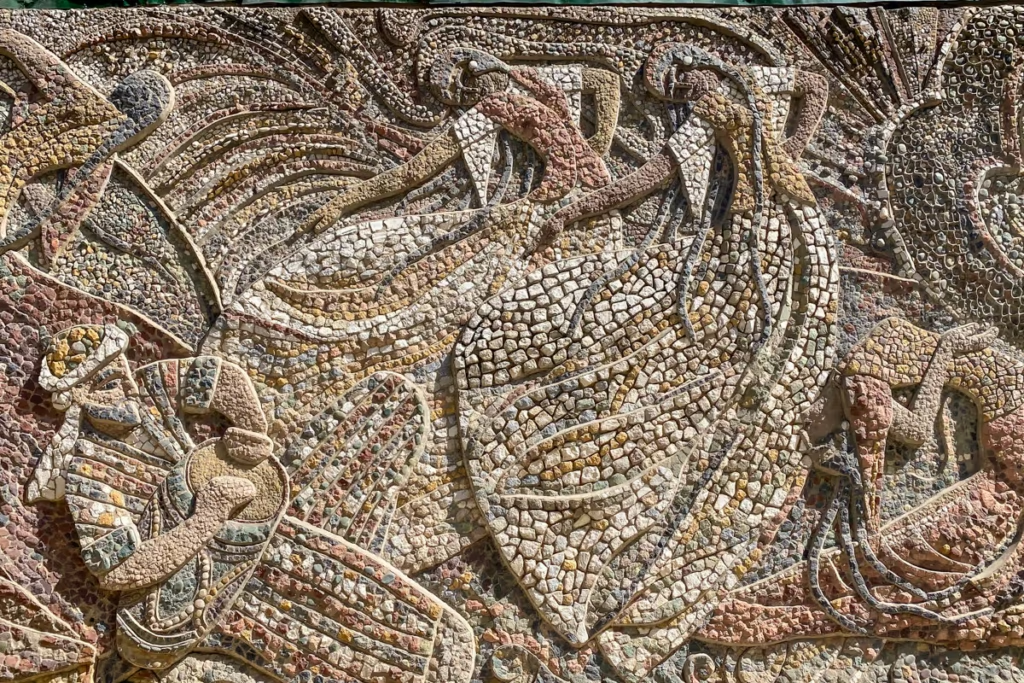
From Sary Tash, continue toward Osh, Kyrgyzstan’s second-largest city and one of the oldest continuously inhabited cities in Central Asia. If you arrive with enough time, spend some time exploring Osh’s Soviet-era mosaics and monumental art or climbing Sulayman Too. Otherwise, congratulations. You’ve just crossed a substantial chunk of Tajikistan by road in ten days. Your legs probably deserve a break from the vehicle.
Quick 10 Day Tajikistan Itinerary
| Day | Route | Overnight |
|---|---|---|
| Day 1 | Samarkand → Panjakent | Panjakent |
| Day 2 | Panjakent → Haft Kul | Haft Kul |
| Day 3 | Haft Kul → Iskanderkul | Iskanderkul |
| Day 4 | Iskanderkul → Dushanbe | Dushanbe |
| Day 5 | Dushanbe → Qala i Khumb | Qala i Khumb |
| Day 6 | Qalai Khumb → Khorog | Khorog |
| Day 7 | Khorog → Bulunkul | Bulunkul |
| Day 8 | Bulunkul → Murghab | Murghab |
| Day 9 | Murghab → Karakul | Karakul |
| Day 10 | Karakul → Osh | Osh |
What About the Wakhan Valley?
You may notice that this 10 day Tajikistan itinerary doesn’t include the Wakhan Valley. That’s intentional.
The Wakhan is one of the many spectacular parts of the Pamirs, but trying to squeeze it into this particular 10-day Tajikistan itinerary would mean either removing the Fann Mountains or rushing through the Pamirs. If you’re looking for a more Pamir-focused itinerary, I have a 10 day Pamir Highway itinerary that does include a trip into the Wakhan Valley.
If visiting the Wakhan is a priority, use a longer itinerary or follow a dedicated Pamir Highway route that incorporates it.
For this 10-day itinerary, I would stick with the main route from Panjakent → Dushanbe → Khorog → Bulunkul → Murghab → Karakul.
How to Get Around Tajikistan on This Itinerary
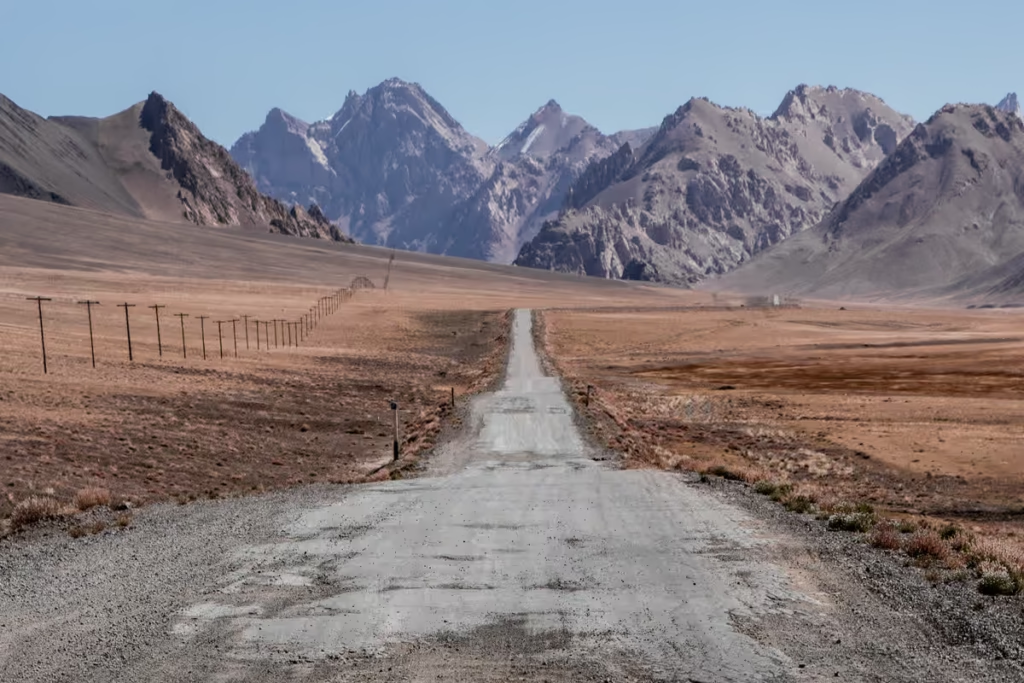
This itinerary is fairly fast-paced and not designed around public transportation. That said, you could orchestrate a bit of this itinerary by public transport, but you may want to budget in some extra days for mishaps.
While it is possible to use shared taxis and marshrutkas for some sections of western Tajikistan, the combination of Haft Kul, Iskanderkul and the Pamir Highway makes a private vehicle with a driver considerably more practical.
For the Pamir portion, I strongly recommend arranging a 4WD with an experienced local driver.
The Pamir Highway is not a normal highway in the way most travelers from Europe or North America might imagine. Road surfaces vary considerably, and sections can be rough, narrow and affected by landslides or rockfall. Travel times should therefore be treated as estimates rather than guarantees.
Can you do this Tajikistan itinerary by public transportation?
Not comfortably. You could piece together public transportation for sections of the route, but you would lose significant amounts of time waiting for vehicles and arranging connections.
The biggest problem is the combination of remote mountain destinations and the fixed 10-day timeframe.
If you have more time, public transportation becomes considerably more realistic. For a 10-day trip, I’d arrange the mountain sections in advance.
Altitude on This Tajikistan Itinerary
Altitude is something you should take seriously on this route.
You start around Panjakent at roughly 900 meters, climb into the Fann Mountains, descend to Dushanbe, then gradually climb again once you enter the Pamirs. By the time you reach Murghab, you are around 3,600 meters above sea level.
Then you go even higher over 4,655 meter Ak-Baital Pass and 4,280 meter Kyzyl-Art Pass.
That means this itinerary has a particularly unusual altitude profile because you spend several days at lower elevations before climbing rapidly into the high Pamirs.
Take it slowly once you reach the high-altitude sections, stay hydrated and don’t plan strenuous hikes immediately after arriving at altitude.
What to Pack for 10 Days in Tajikistan
Pack for several climates. You can experience warm to hot conditions in Panjakent and Dushanbe and genuinely cold weather in the high Pamirs during the same trip.
I recommend bringing:
Comfortable walking shoes
Lightweight clothing
Sun protection
Reusable water bottle
Small daypack
Hiking boots
Warm layers
Waterproof jacket
Sleeping bag suitable for mountain temperatures
Tent if not provided
45-60L backpack
Trekking poles
Headlamp
Sunscreen
Sunglasses
Hat
Water purification
Offline maps
First-aid kit
Snacks and high-energy food
Is This 10 Day Tajikistan Itinerary Right for You?
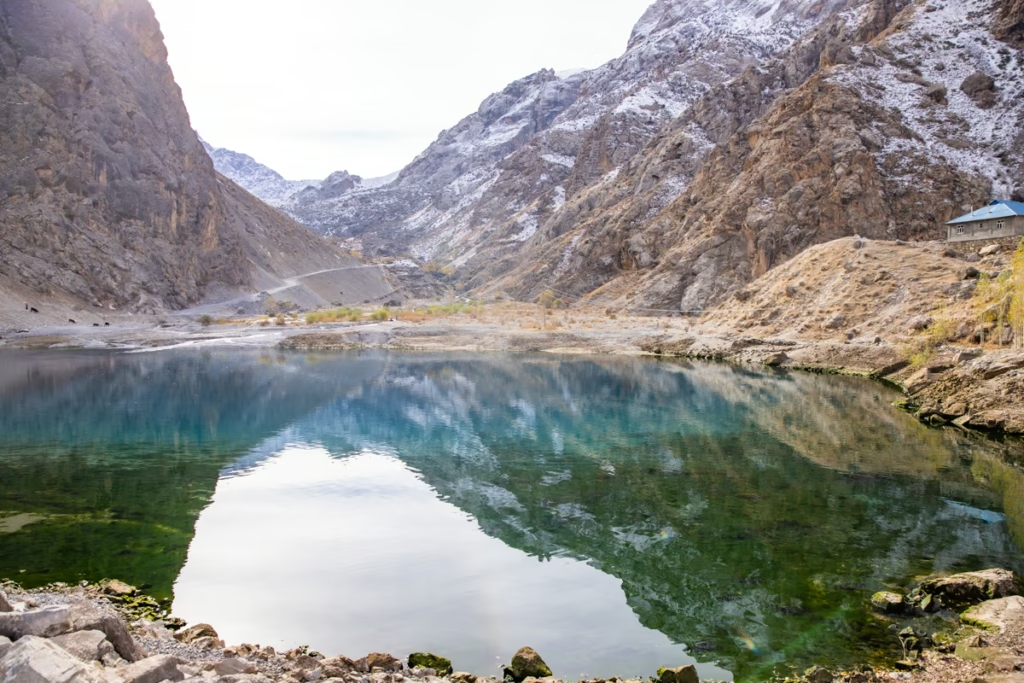
This route works particularly well if you want to experience more than just the Pamir Highway but don’t have enough time for a longer trip. You get the ancient Silk Road history of Panjakent, the lakes and mountains of the Fann region, a brief taste of Dushanbe, and then the dramatic landscapes of the Pamirs. The trade-off is pace.
There are several long driving days, and you won’t have time to linger in every destination. This is an itinerary for travelers who would rather cover a lot of ground and experience several regions than spend three or four nights in one place.
If you can extend your trip, do it. Tajikistan rewards slow travel, and some of my favorite experiences here have come from days when I had nowhere particularly urgent to be.
But if 10 days is all you have, this route gives you a surprisingly broad introduction to the country while finishing with one of Central Asia’s great overland journeys: the road from the green valleys around Khorog into the stark, high-altitude landscapes of the eastern Pamirs and onward to Kyrgyzstan.
More Tajikistan Itineraries
If you are looking for other Tajikistan itineraries, I’ve also put together itineraries for different trip lengths:
- 1 week in Tajikistan: best for focusing on western Tajikistan and the Fann Mountains
- 10 days in Tajikistan: this itinerary, combining western Tajikistan with the Pamir Highway
- 10 day Pamir Highway Itinerary: an itinerary focusing only on the Pamir Highway from Dushanbe to Osh
- 2 weeks in Tajikistan: enough time to slow down and explore more of the country
- 3 weeks in Tajikistan: considerably more flexibility for the Pamirs and Wakhan
- 4 weeks in Tajikistan: ideal for a much deeper overland trip
Have Any Questions About This 10 Day Tajikistan Itinerary?
Ask in the comments section below.
Posts from Tajikistan
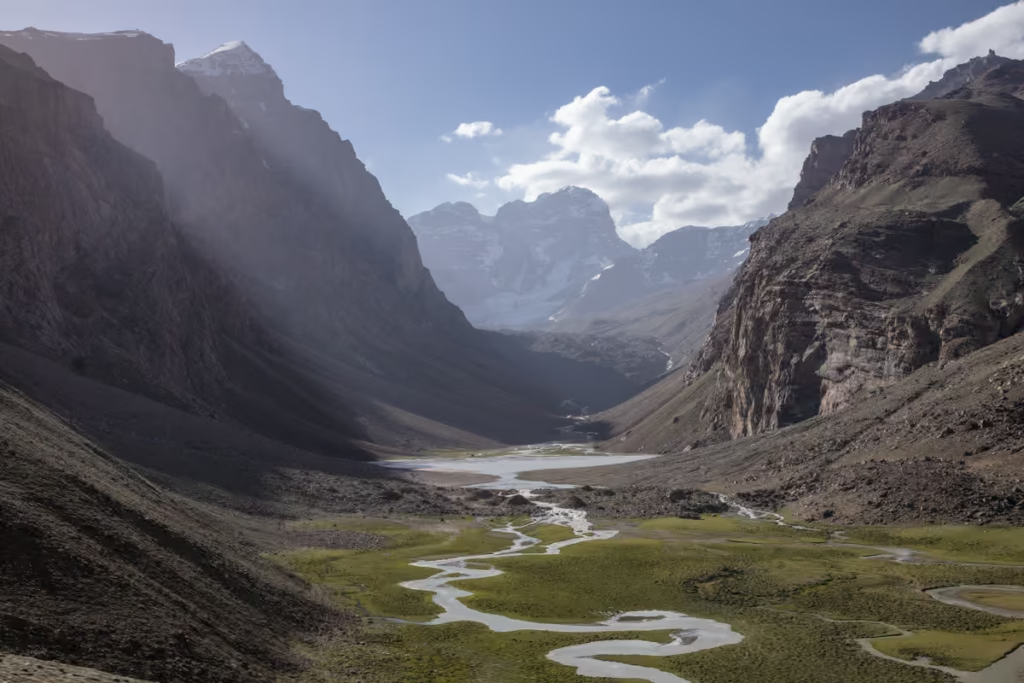
Pik Engles Hike: Tajikistan Trek Guide
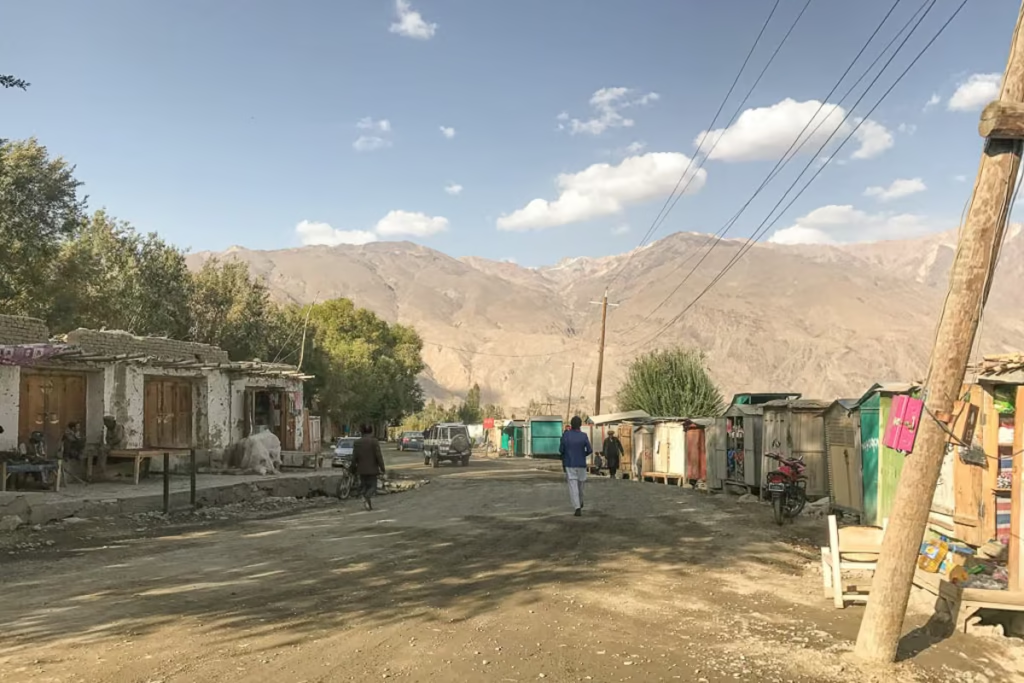
Tajikistan Border Crossings Guide
Pamir Highway Guide: M41 Route
Tajikistan Uzbekistan Itinerary: 2 Weeks
Solo Female Travel in Tajikistan
Chimtarga Pass Trek Guide | Tajikistan
Best Hikes in Tajikistan
Dushanbe Day Trips
Solo Female Travel in Central Asia
Jizeu, Tajikistan: Trek & Travel Guide
Tajikistan Travel Guide: Plan Your Trip
Dushanbe Travel Guide & Things to Do
Dushanbe Mosaics: Soviet-Era Art in Tajikistan
2 Week Tajikistan Itinerary
3 Week Tajikistan Itinerary
4 Week Tajikistan Itinerary
10 Day Tajikistan Itinerary
1 Week Tajikistan Itinerary
Panjakent Travel Guide: Things to Do

OVIR Registration in Tajikistan: Dushanbe Guide
Panjakent-Samarkand Border Crossing Guide
Fann Mountains Trekking Guide
Central Asia Travel Guide
Tajikistan SIM & eSIM Guide
Shurab, Tajikistan: An Almost Forgotten City

Isfara-Batken Border Crossing Guide

Oybek Border Crossing: Tashkent to Khujand
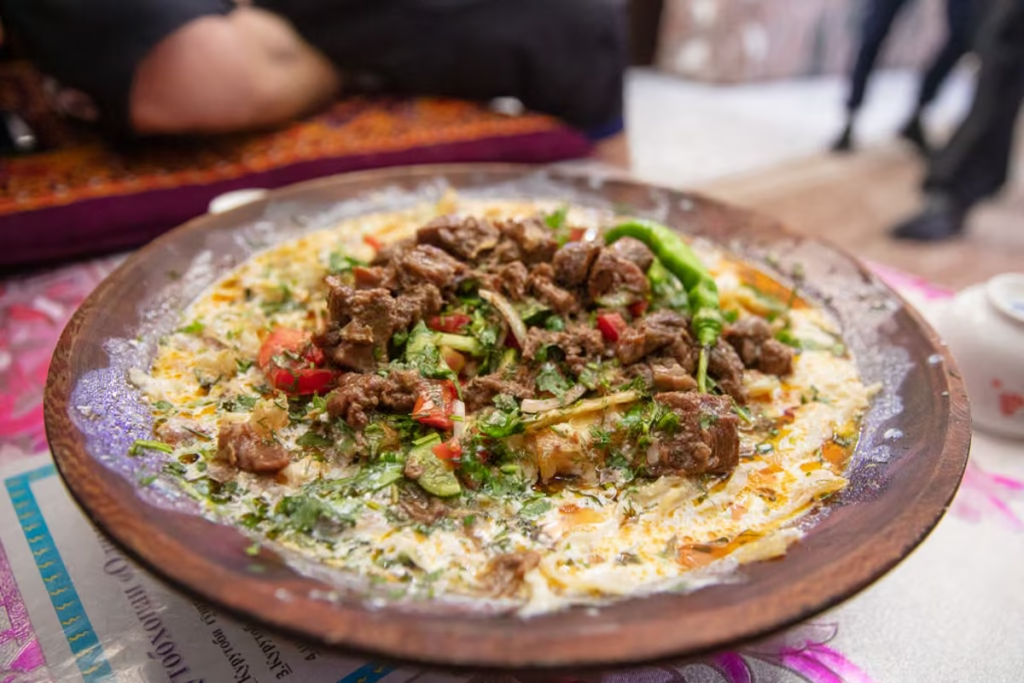
Best Restuarants in Dushanbe | Where to Eat
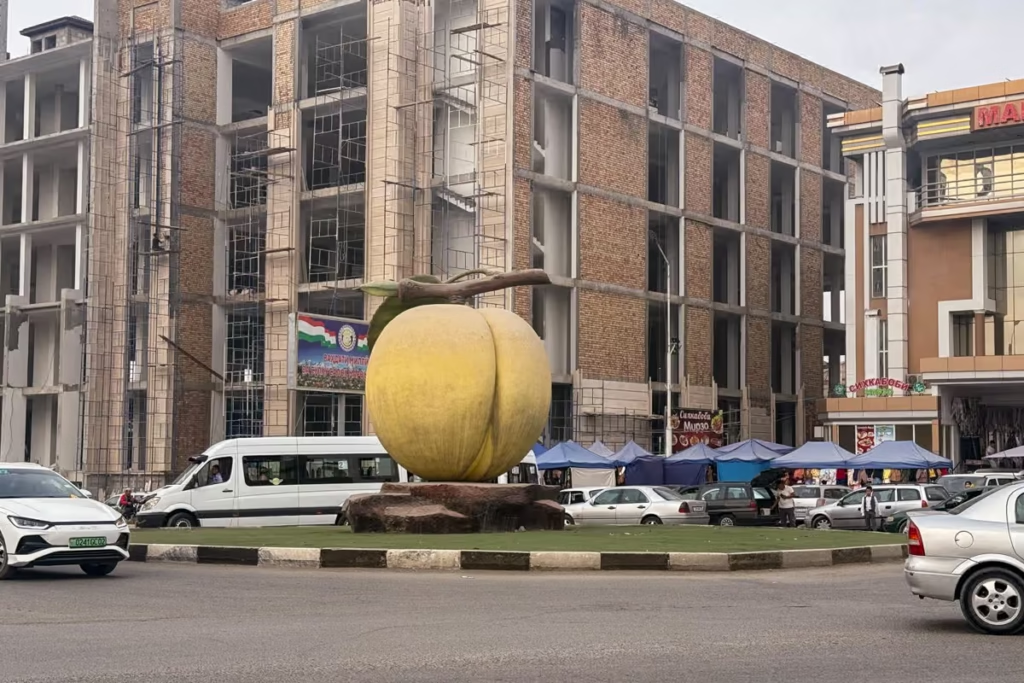
Isfara Travel Guide, Tajikistan
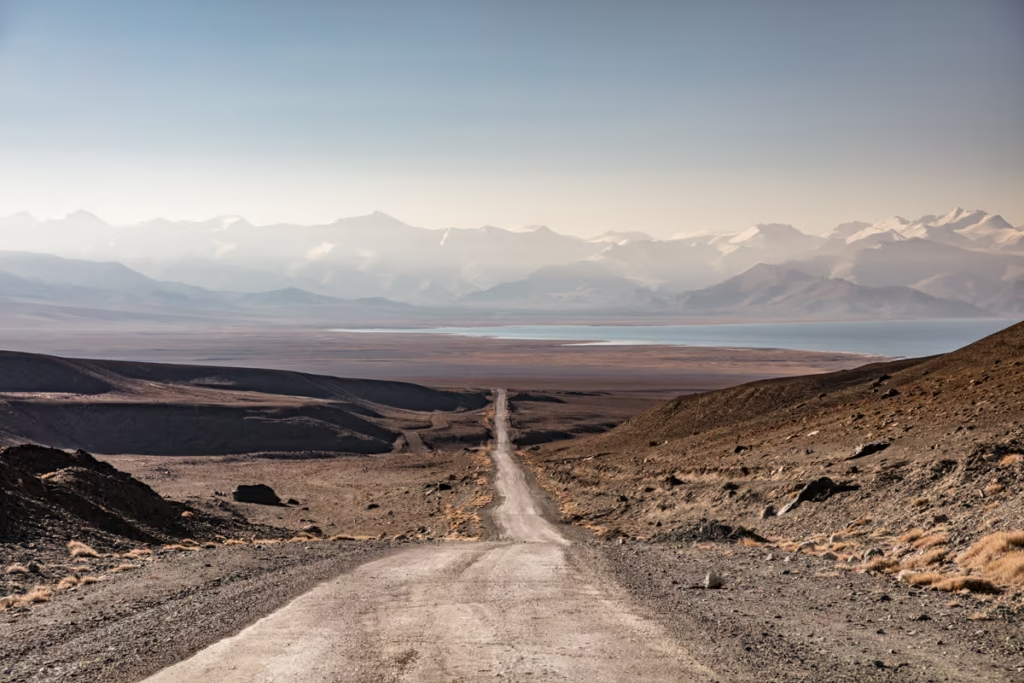
Pamir Highway Itinerary: 10 Days from Dushanbe to Osh
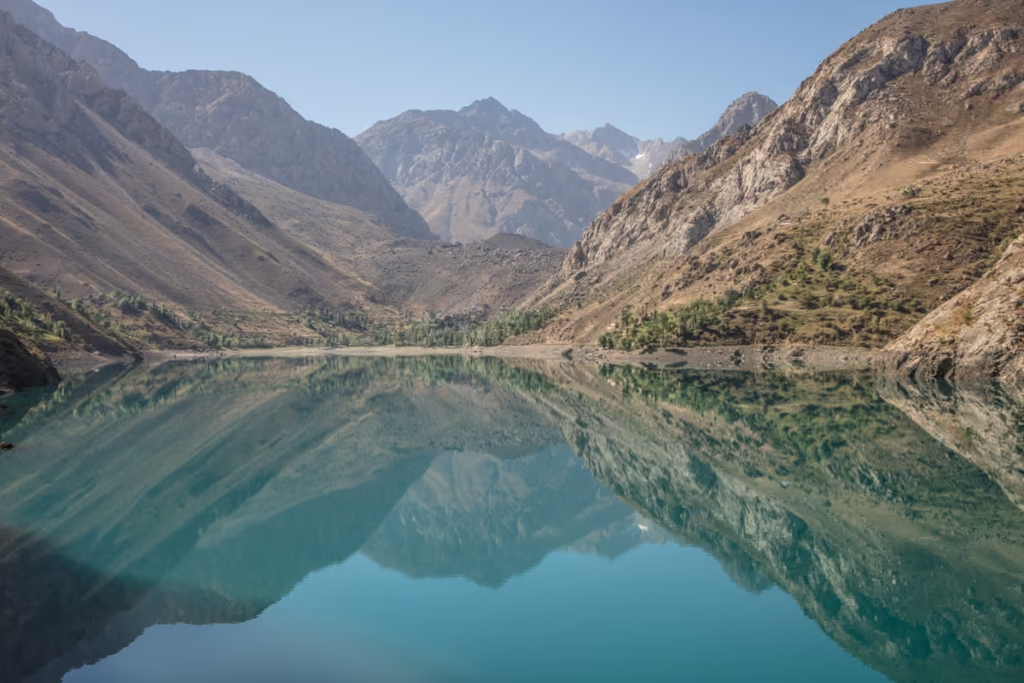
Haft Kul: A Guide to the Seven Lakes of Tajikistan
Tajikistan Letter of Invitation (LOI)
Jarty Gumbez, Tajikistan: A Complete Travel Guide
How to Use Payment Terminals in Tajikistan
Shor Bulog Observatory, Tajikistan
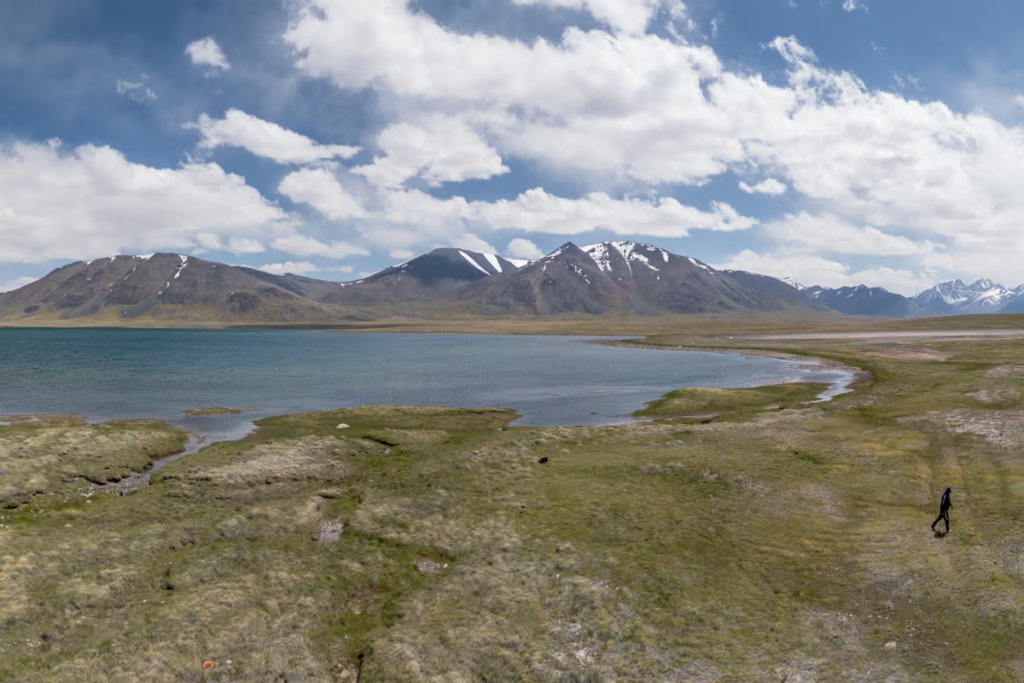
Visiting Zorkul, Tajikistan
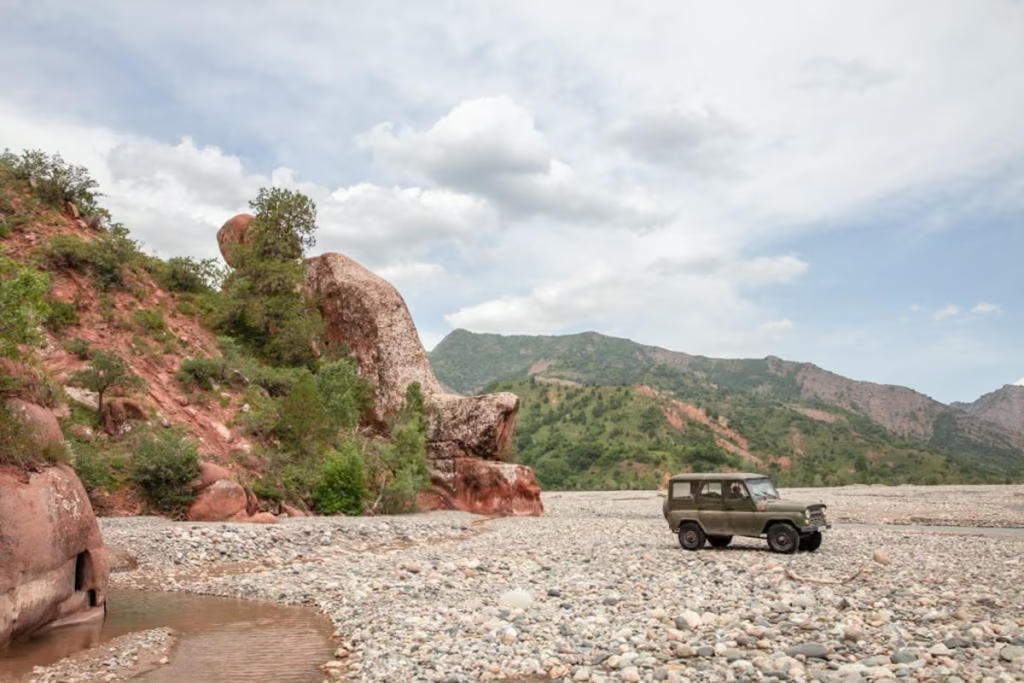
Visiting the Sary Khosar Nature Reserve
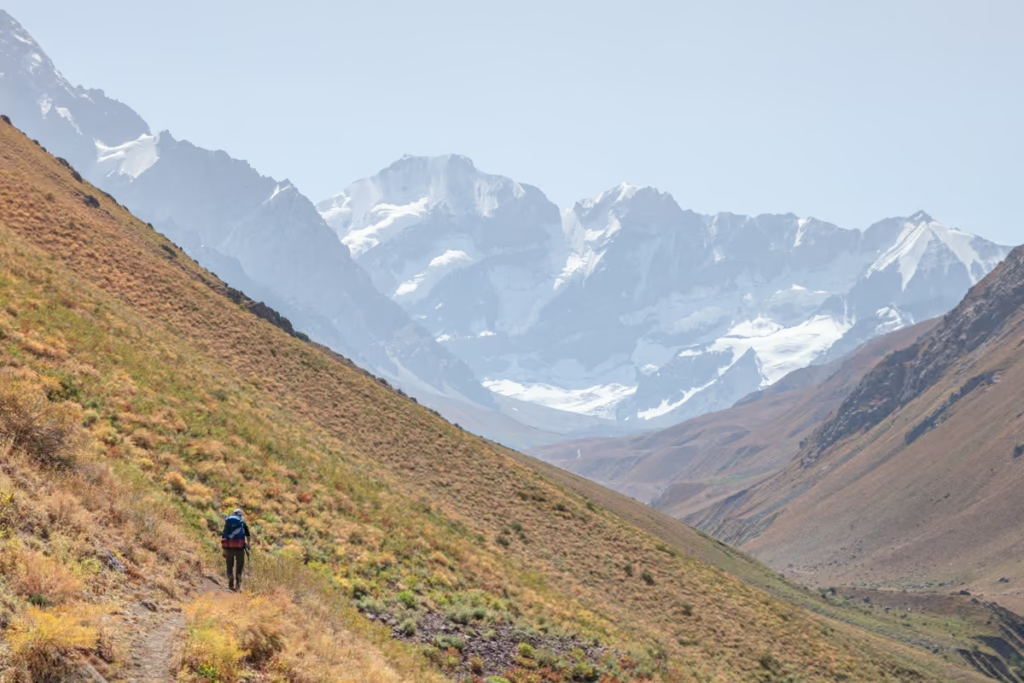
A Guide to Rasht Valley, Tajikistan
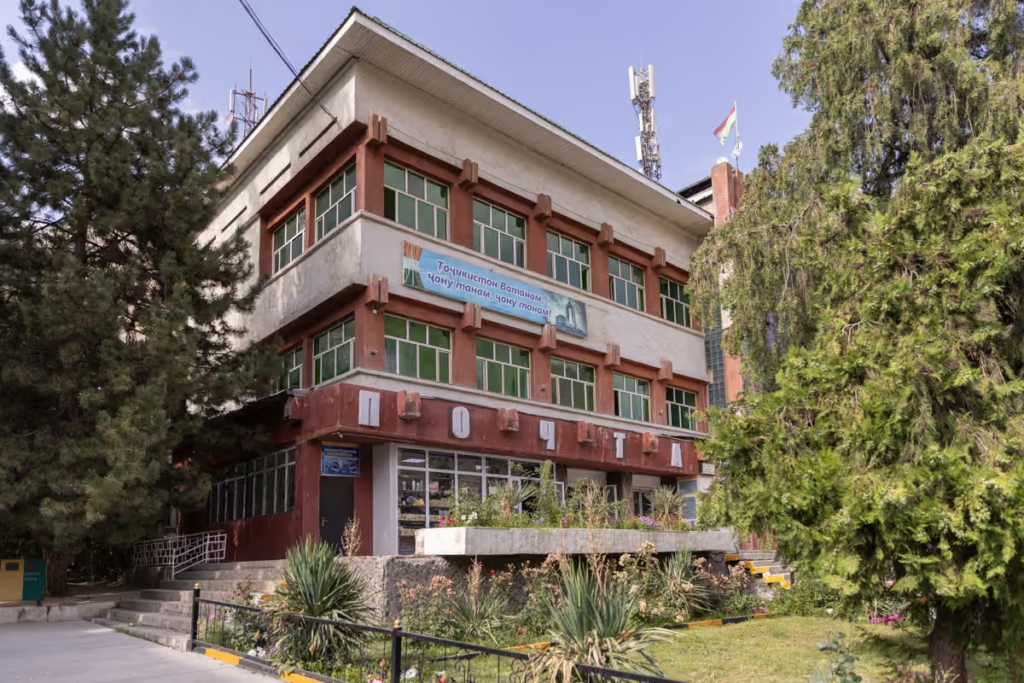
Soviet Architecture in Khorog
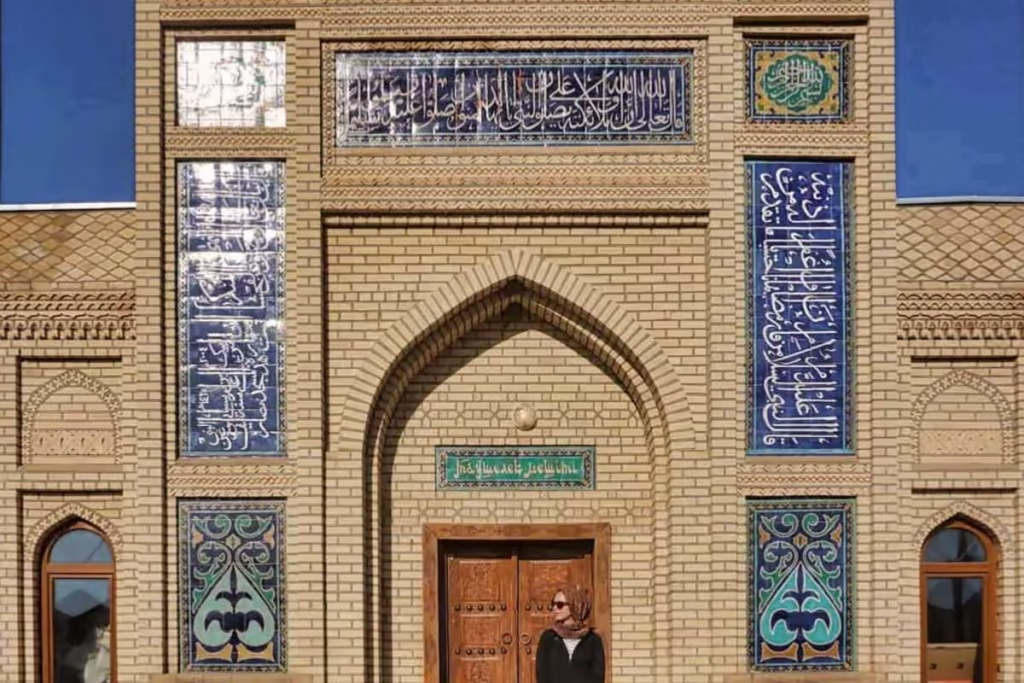
10 Essentials to Pack for Central Asia
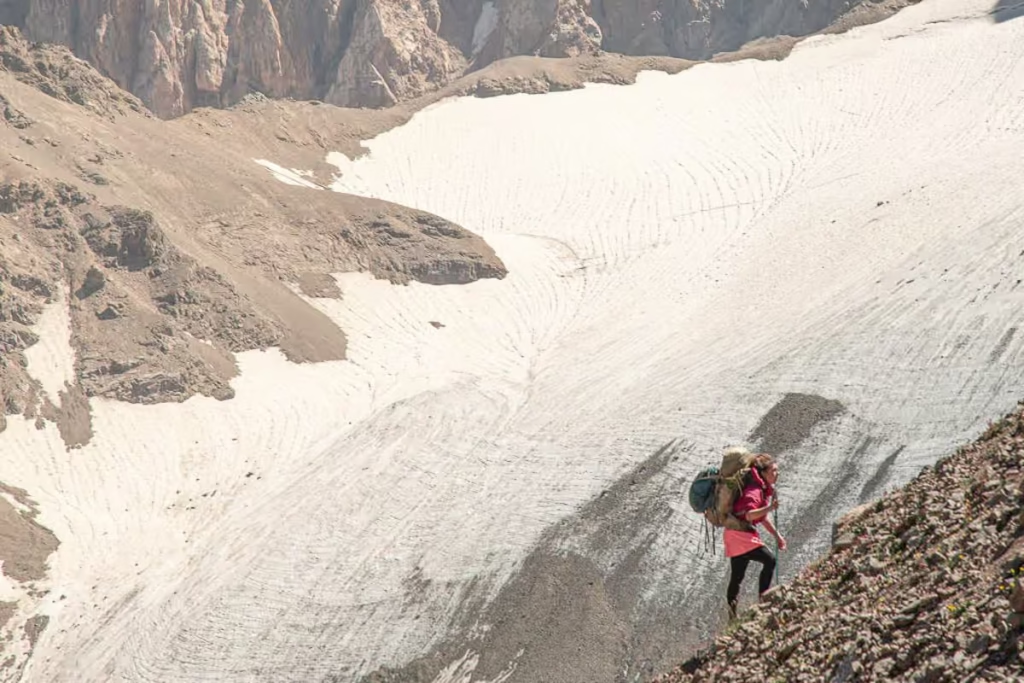
The Gardan i Kaftar Hike in Tajikistan’s Rasht Valley
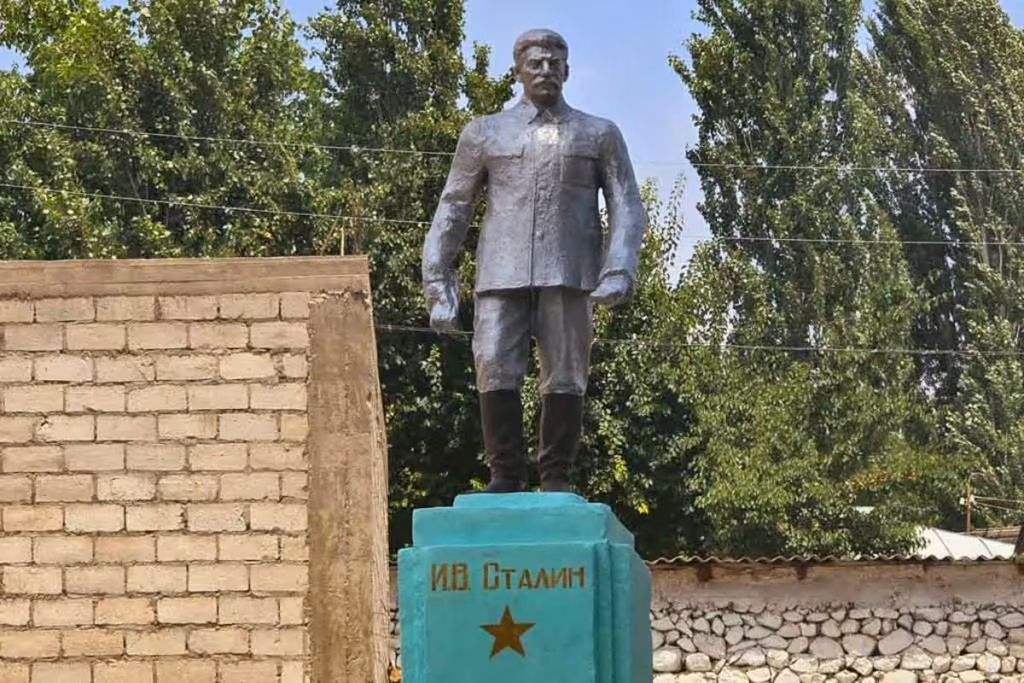
Stalin Statue in Asht, Tajikistan
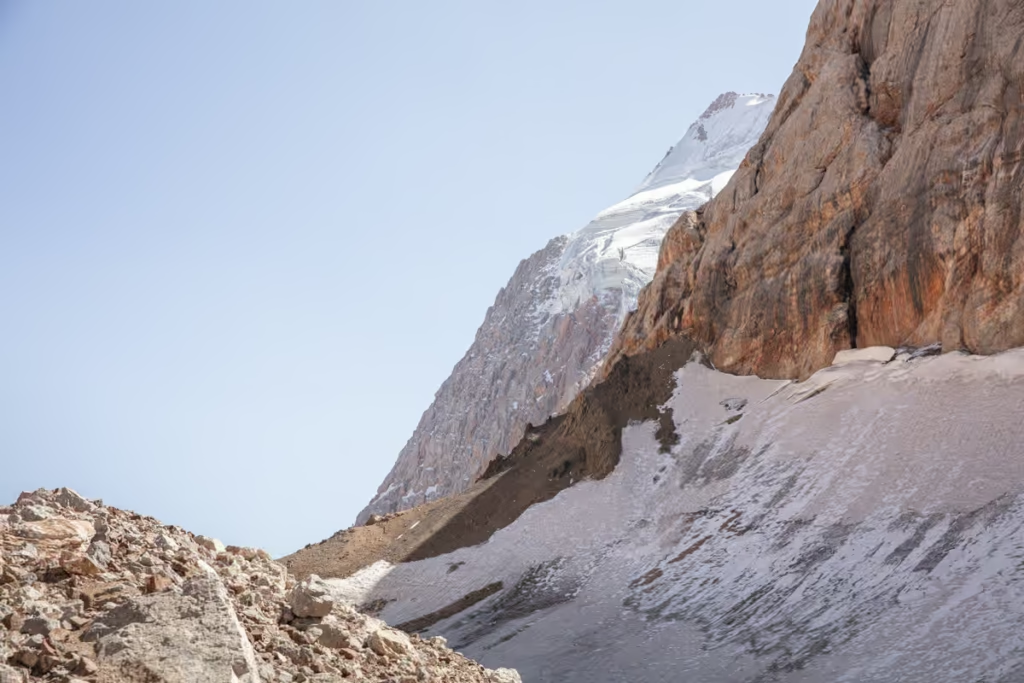
Crossing Dukdon Pass in Tajikistan’s Fann Mountains
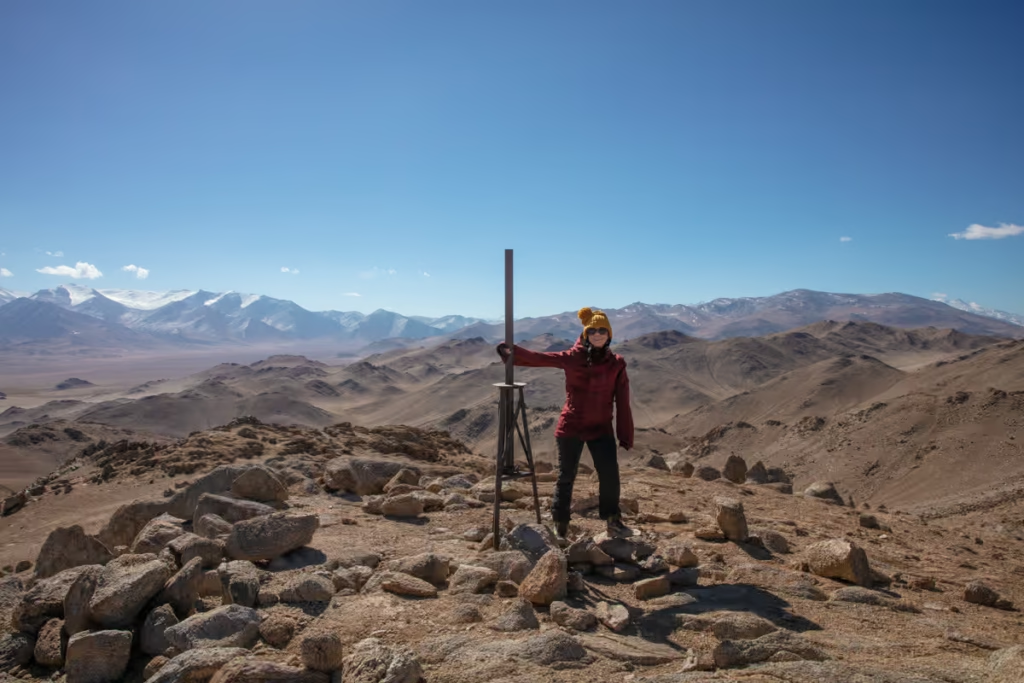
South Aral Peak Hike, Tajikistan
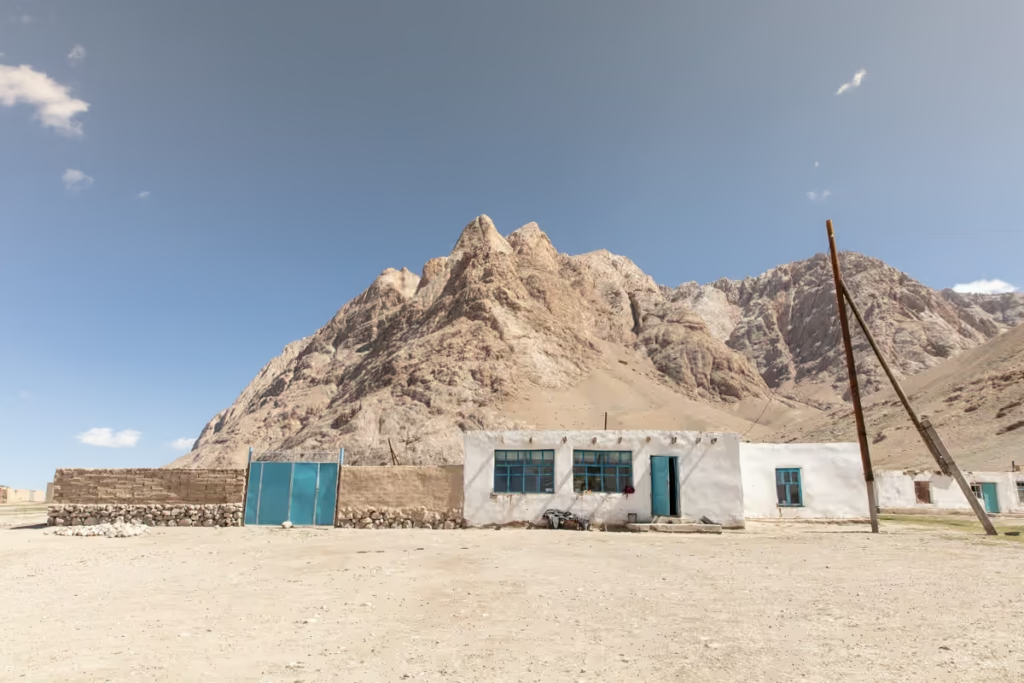
Shaimak Travel Guide Tajikistan
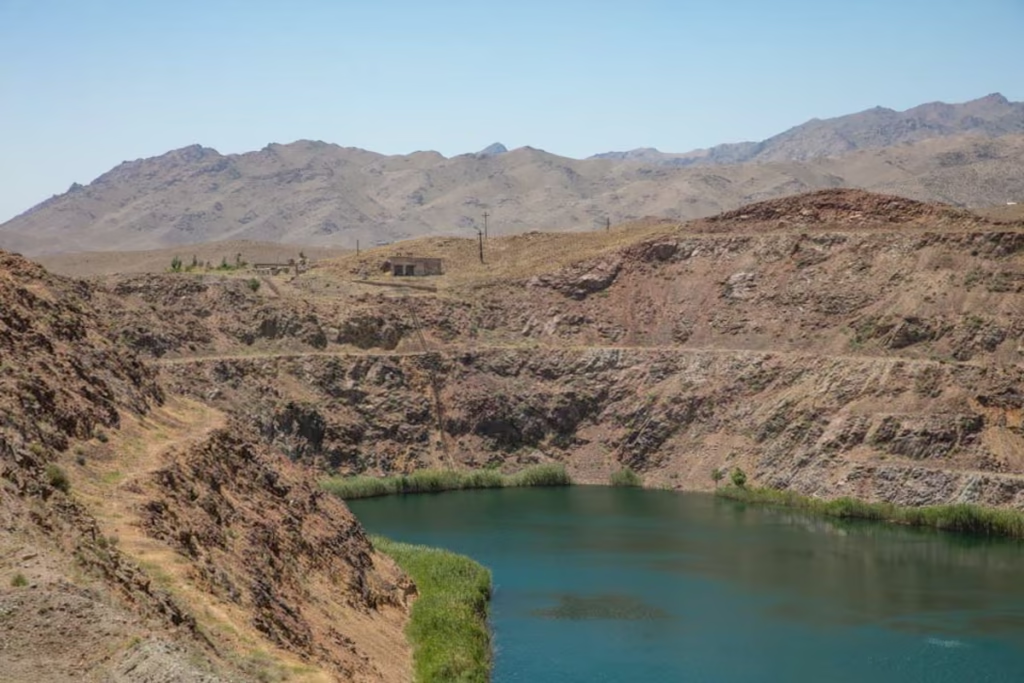
A Day Trip to Taboshar Uranium Mines in Istiklol, Tajikistan
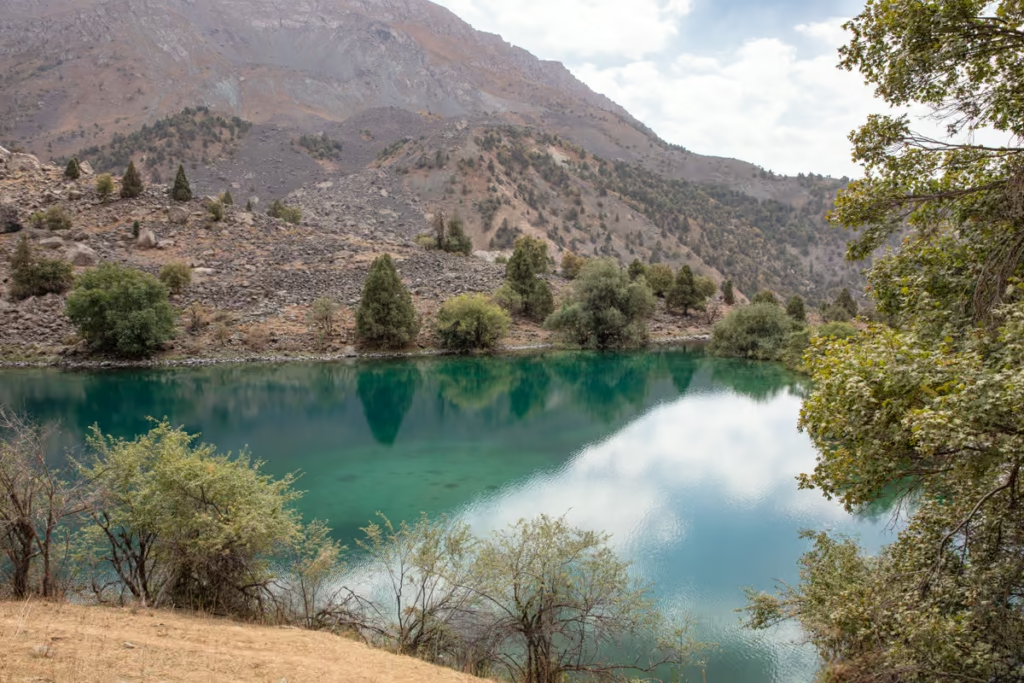
How to Get to Timur Dara Lake, Tajikistan
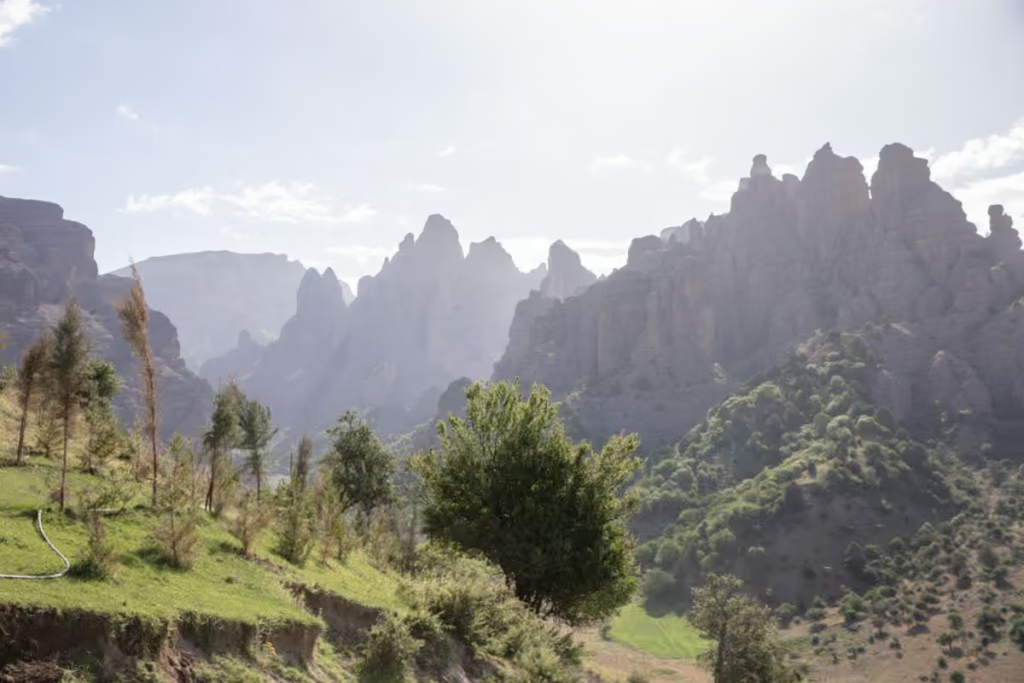
How to Visit Childukhtaron, Tajikistan
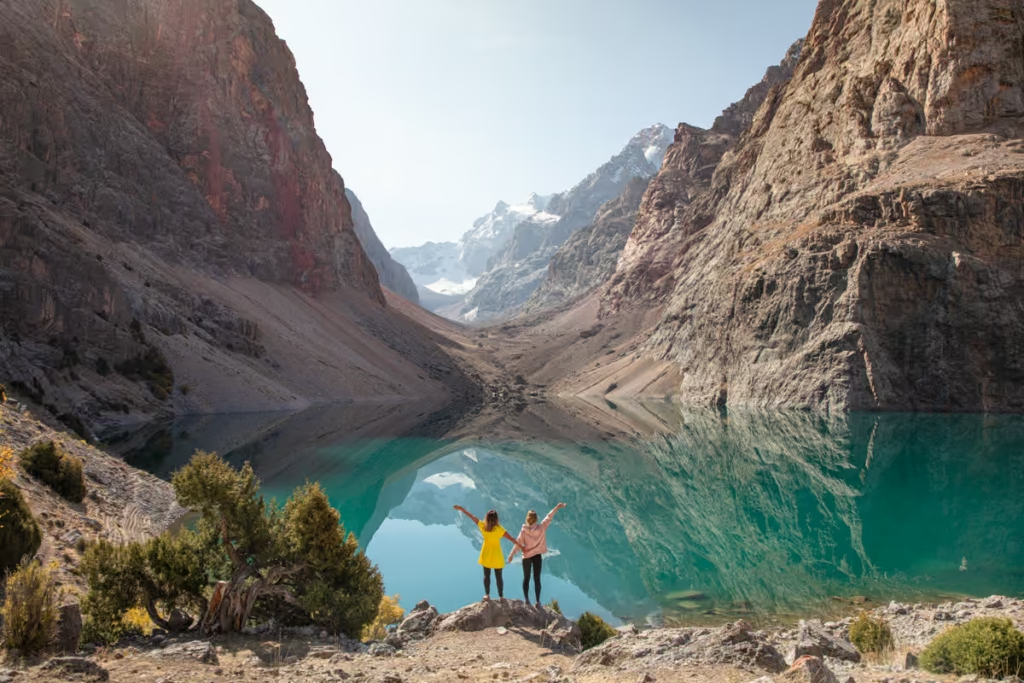
Bolshoi Allo Lake, Tajikistan