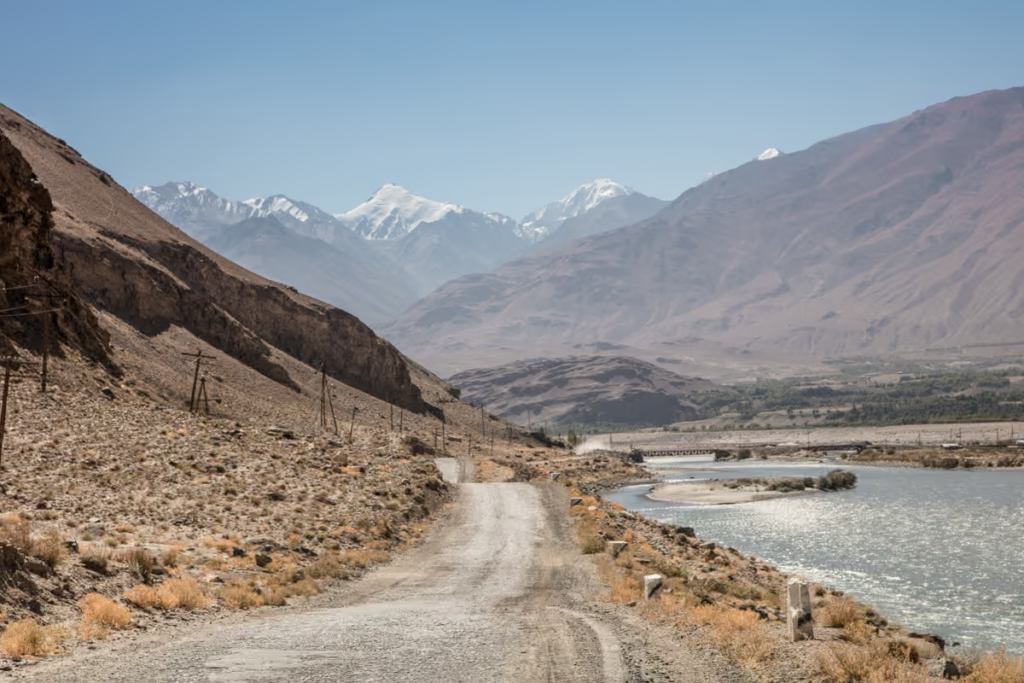
A Complete Travel Guide to Shaimak, Tajikistan
A Complete Travel Guide to Shaimak, Tajikistan was originally published in 2026
The air about Shaimak quite literally has an end-of-the-world feeling to it. Rattling to a stop in a rusty trusty old UAZ, we finally arrived in Shaimak, most famously known as a key strategic point during the 19th century’s grandest showdown of espionage: the Great Game.
But that’s the surreal threshold into Shaimak for you, a tiny village tucked in the craggy Pamirs, where the boundaries of Tajikistan, Afghanistan, Pakistan, and China almost whisper across the peaks, just out of reach. Shaimak is not just something to see; it’s the fringe of Tajikistan.
Need Travel Insurance and Evacuation Services?
Start shopping for travel insurance plans over at IATI Insurance. Readers of the Adventures of Nicole get a 5% discount off your plan.
The Adventures of Nicole partners with Global Rescue to offer the world’s leading medical evacuation and security advisory services. To travel with peace of mind, explore their evacuation coverage.
A Little About Shaimak
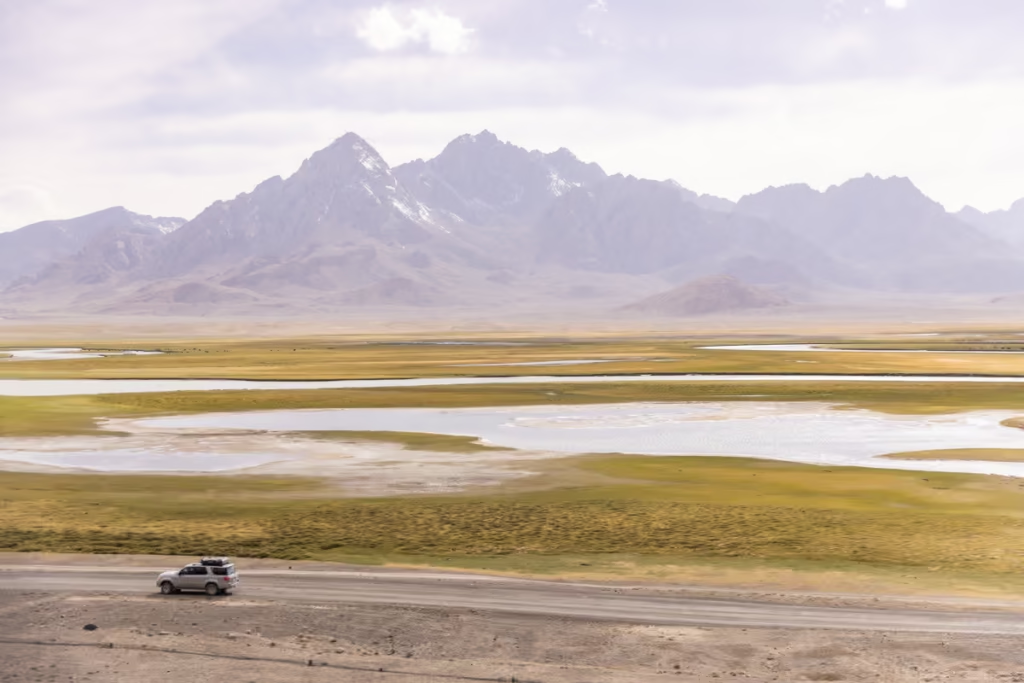
Shaimak isn’t on the typical tourism radar; it’s for the wanderers who yearn for the road less traveled. Way back, it saw a lot more action when the Russian Empire and the British Empire were vying for power in the greater Central Asia region.
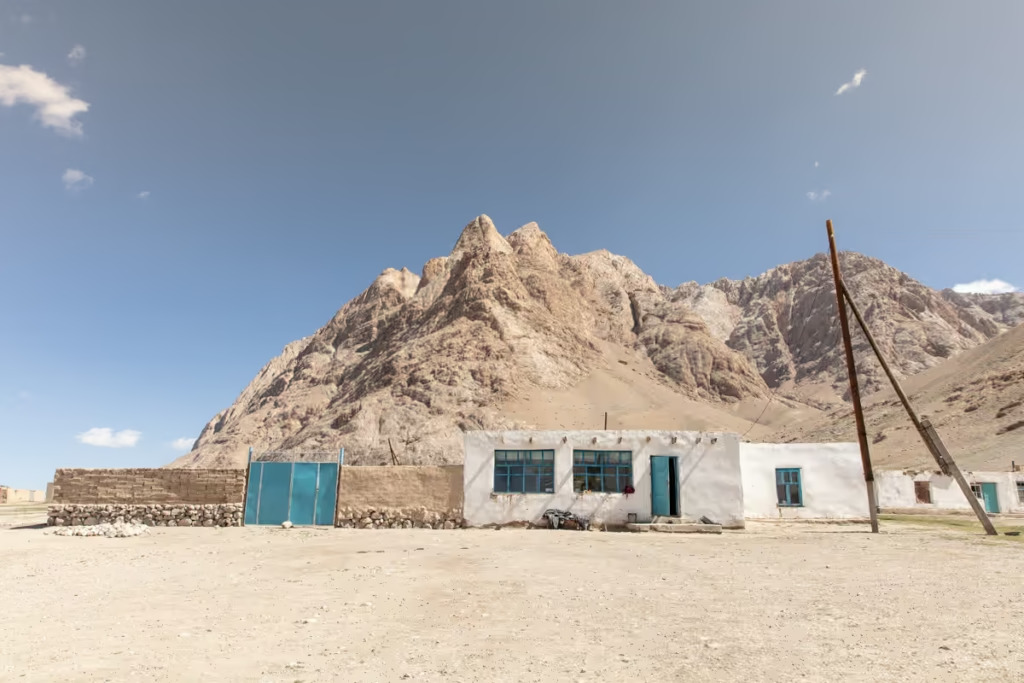
These days, Shaimak is a remote high altitude village with a small but warm and welcoming Kyrgyz population, that is sadly shrinking evermore due to the exodus of Kyrgyz families from Tajikistan to Kyrgyzstan in the past few years. I have had the chance to visit Shaimak more than once and can say there are significantly fewer people there in 2024 and 2025 than there were in 2018.
The landscape surrounding Shaimak is interesting to say the least. The surrounding area of the East Pamir is a semi-arid high altitude desert, and you’ll see this reflected en route here, as well as the craggy Ak Tash, whose barren apex looms over Shaimak.
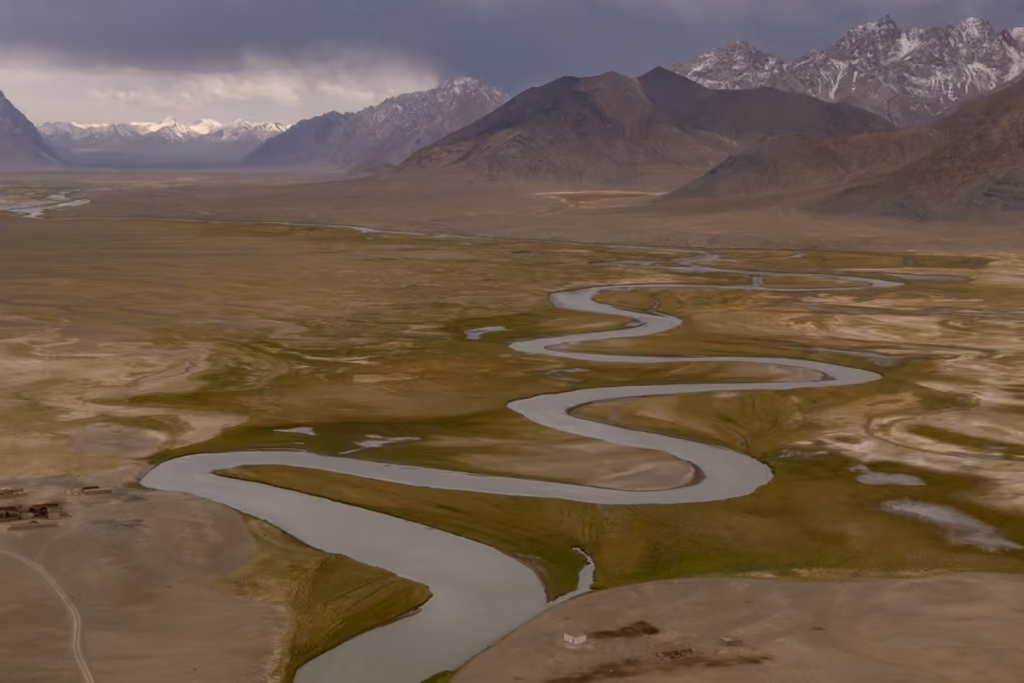
But Shaimak itself is lush and green, cut by ribbons of the Ak Suu River, providing a verdant jailoo for the grazing yaks and sheep belonging to the herdsmen of the area.
The Great Game: A Quick Rundown
In the 19th century, two superpowers, the British Empire (ruling India at the time) and Tsarist Russia, were locked in a covert struggle for influence and control across Central Asia. This contest became known as The Great Game, a term made popular by Rudyard Kipling.
- Russia’s aim: Push southward, securing Central Asia, and potentially threatening British India.
- Britain’s aim: Prevent Russian expansion toward the jewel of its empire, India, by creating buffers.
- The battleground: Afghanistan, the Pamirs, the Wakhan Corridor, and all those borderland villages that looked like “nowhere” to outsiders but were geopolitically vital.
This wasn’t just about armies; it was about espionage, mapmakers, explorers, and alliances. Both sides sent agents disguised as traders, doctors, or wanderers into places like the Pamirs, sketching maps, measuring terrain, and gauging loyalties.
Why Shaimak Was So Strategic
Now, you might be wondering, why does this tiny high-altitude village on the periphery of Tajikistan matter in such a huge power struggle? Here’s why:
Triple-Frontier Location
Shaimak sits near the intersection of Tajikistan, Afghanistan, and China, with Pakistan just over the Hindu Kush, not far off. This crossroads gave it a commanding view of trade routes, smuggling paths, and potential invasion routes. Whoever controlled this edge could monitor movement across empires.
Natural Observation Post
Perched at nearly 3,800 meters, Shaimak’s surrounding hills make a natural lookout tower. Soviet border guards later used the village for exactly this reason—watching not just for locals herding yaks but also for any “foreign infiltration.” During the Great Game, similar posts helped Russia keep an eye on movements across Afghanistan and China.
Gateway to the Wakhan Corridor
The Wakhan is that skinny finger of modern day Afghanistan that stretches eastward, separating Tajikistan from Pakistan. The Wakhi people actually span the borders of Afghanistan, Tajikistan, China, and Pakistan, but were separated over the drawing of the 1893 Durand Line. The Durand Line demarcated the boundary between the Emirate of Afghanistan and the British Indian Empire. It was negotiated by Mortimer Durand, a British diplomat in the Indian Civil Service, and Abdur Rahman Khan, the Emir of Afghanistan, as a way to define their spheres of influence in the region and bring greater clarity to territorial control.
For Tsarist Russia, Shaimak offered a line of sight and potential access into the Wakhan, and from there… straight toward British interests.
Isolation = Secrecy
Because Shaimak was so remote, it was ideal for intelligence gathering away from the prying eyes of locals in larger towns. Caravans, spies, and scouts could pass through, meeting with villagers, without much oversight.
Shaimak’s Legacy in the Great Game
Today, Shaimak feels like the end of the road, but in the 19th century, it was quite the opposite. It was part of the frontline in the global rivalry between empires. The “Game” may have ended by the early 20th century, but Shaimak remained militarized through the Soviet era, when the Cold War gave this crossroads another round of strategic importance.
Now, when you visit Shaimak, it’s almost eerie to think that this tiny cluster of stone homes once sat at the very center of geopolitical global intrigue. Walking the hills around the village, with Afghanistan and China spread before you, it’s easy to see why the Great Game’s players were so obsessed with controlling this very spot.
Getting to Shaimak
Getting to Shaimak from Murghab isn’t just a trip; it’s a dance with altitude, fatigue, and chance. If you manage to find the odd shared car out of Murghab, you can expect to be piling into a jeep meant for five, with seven adults and five kids packed inside. A drive with rocks crunching under wheels, toddlers asleep on shoulders, the almost mandatory flat tire— wild doesn’t even begin to cover it.
Reaching the village, you tumble out into absolute stillness. Lights from a few homes flicker like beacons in the dark. Food appears out of nowhere; think plov piled with mutton or yak if you’re lucky, bread with the typical accouterments of this remote corner— yak butter, kaymak, fresh yogurt, all served over the dastarkhan with the kind of humility that makes you feel like you’ve returned home.
How to Get to Shaimak from Murghab
- Shared Jeep Taxi: From Murghab’s shipping-container bazaar, ask locals and drivers about cars headed to Shaimak. A seat (packed to the rafters) costs around 250-300 TJS. The jeeps often depart in the late afternoon or early evening for the roughly 4 hour bumpy journey. If you are staying in one of the local guesthouses in Murghab, you may want to ask your host if they know anyone who may be driving to Shaimak, or pop into the Pamir Hotel and ask reception if there are any cars going.
- Private 4WD: You can contact agencies (or us, too– as we make these arrangements) to hire a private vehical to take you to Shaimak, or if you’re doing things on the fly, you can negotiate a price to hire a car to take you from Murghab or Khorog there or as part of a larger tour of the East Pamir. You can expect prices of $0.65-$1.00 per kilometer for private car hire. Note that Shaimak is roughly 130 kilometers from Murghab.
- Prepare for the Unexpected: Roads are rough, altitude is real, and vehicle space is minimal. Bring snacks, patience, and layers of clothing.
Where to Stay
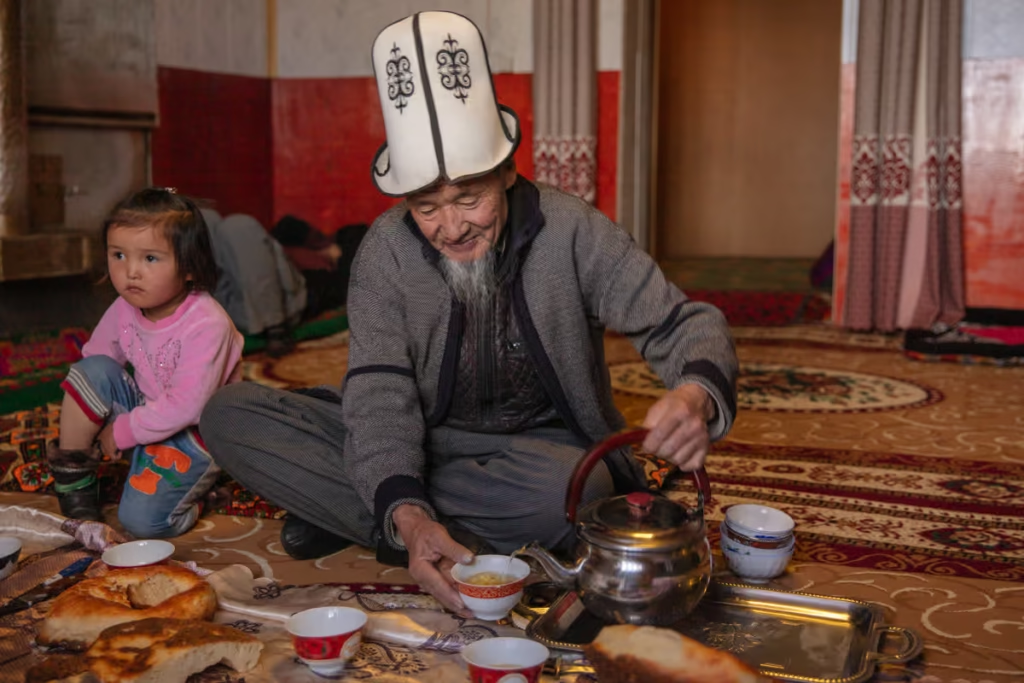
- Homestay with Kyrgyz Families: You’ll likely end up at a couple of homestays in Shaimak. Alifbek Akjolbekov’s homestay (driver might know the number: 90 540 1881). You’ll live with “Appa,” his warm yet hustling wife, and Nilu, his delightful granddaughter, all likely speaking Russian. Expect thick tea, hearty meals, and the quiet buzz of local life. The other one is Zhanbai Guesthouse, run by a kind family where you can expect to be well looked after. Some drivers may know their number, but if not, you can phone them at 04447601.
- Night Under the Stars: If you’re bold and well-equipped, camping near the village is possible, though wind and dramatic temperature swings demand top-tier gear. Not to mention, the mosquitoes can be hellacious out here in mid-summer.
Food, Supplies & Health Tips
- Meals: Homecooked meals lean on starch, dairy, and mutton; cabbage and fresh produce only arrive via 4–12 hour treks from Murghab, Khorog, or Osh.
- Electricity: Limited supply, mostly from solar panels. Don’t expect outlets on every wall.
- Medical Access: The nearest hospital is in Murghab, only reached after navigating altitude and long travel. Serious altitude illness, like HACE, requires immediate descent and medical care.
- Carry: plenty of cash (Somoni), extra snacks, and altitude medication like Diamox if tolerated. Also, bring a basic first-aid kit.
- Bug Spray: The mosquitoes and horse flies around Shaimak can be manaical and relentless in June, July, and August. Bring some insect spray to fight them off, Shaimak, as well as nearby Zorkul, seriously gave me flashbacks to my trip through the Alaskan Arctic in the summertime (hint: not a Baja Blast).
- Mobile Service: Megafon seems to be the only provider that works in Shaimak. Don’t expect to be cruising the internet or anything like that, though.
- Download Kyrgyz and Russian Google Translate Offline: This will allow you to communicate even if you don’t know a single word of either language.
Best Time to Visit Shaimak
June to September is your jam with roads clear, temperatures mildest, flowers bloom, and berries appear. Come October, the chill deepens, and Marco Polo sheep might wander closer, but truly winter? Too brutal, even for this tough village.
Things to Do in Shaimak
Wander the Village
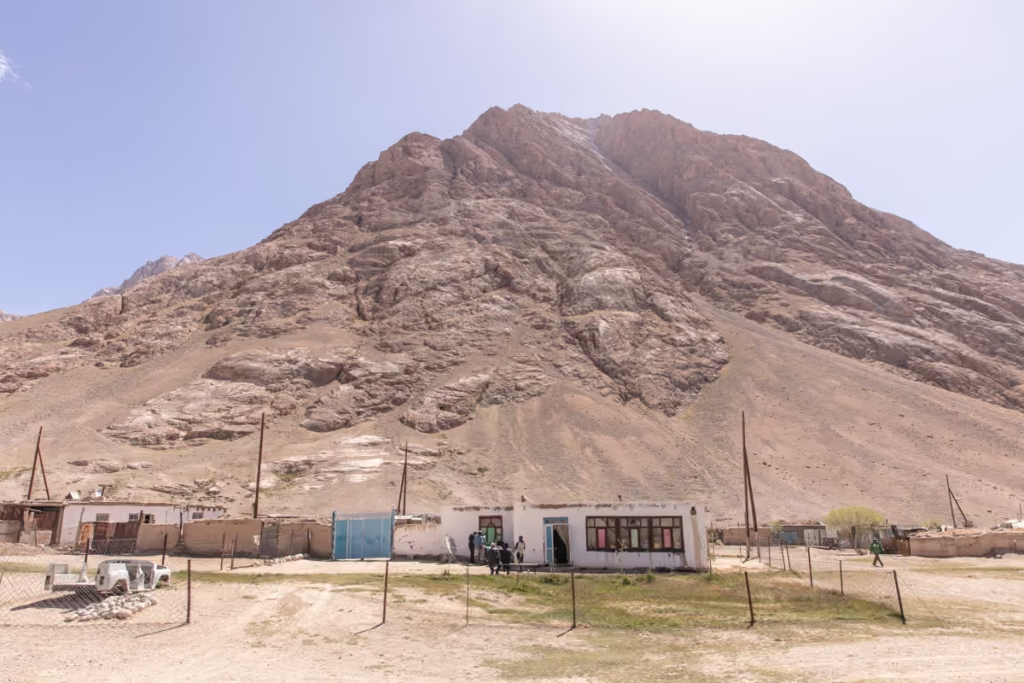
Explore the softly lit village of scattered houses, where hospitable locals invite you in for tea and food, unplanned yet universal. Mutton and rice, homemade bread, and stories from lives sculpted by altitude and isolation.
Take a Hike
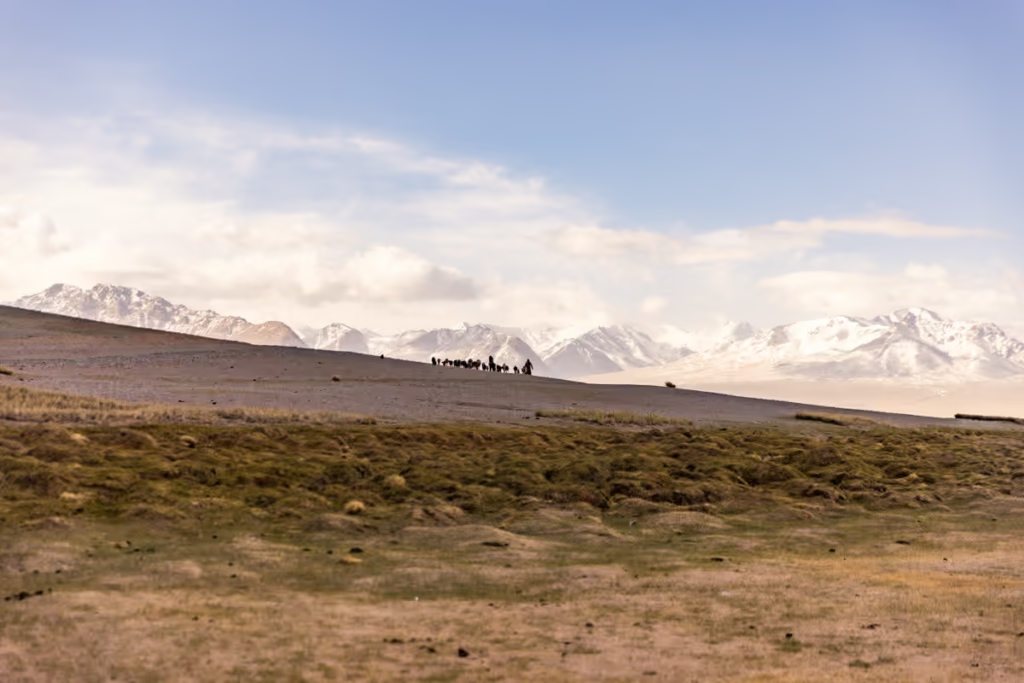
While there aren’t any marked trails or well-known treks in the area surrounding Shaimak, the trekking potential is almost endless. With shepherding trails leading nearly every which way, you can easily use Shaimak as a base for exploring the area surrounding Shaimak on foot.
Visit the Ancient Saka Tombs
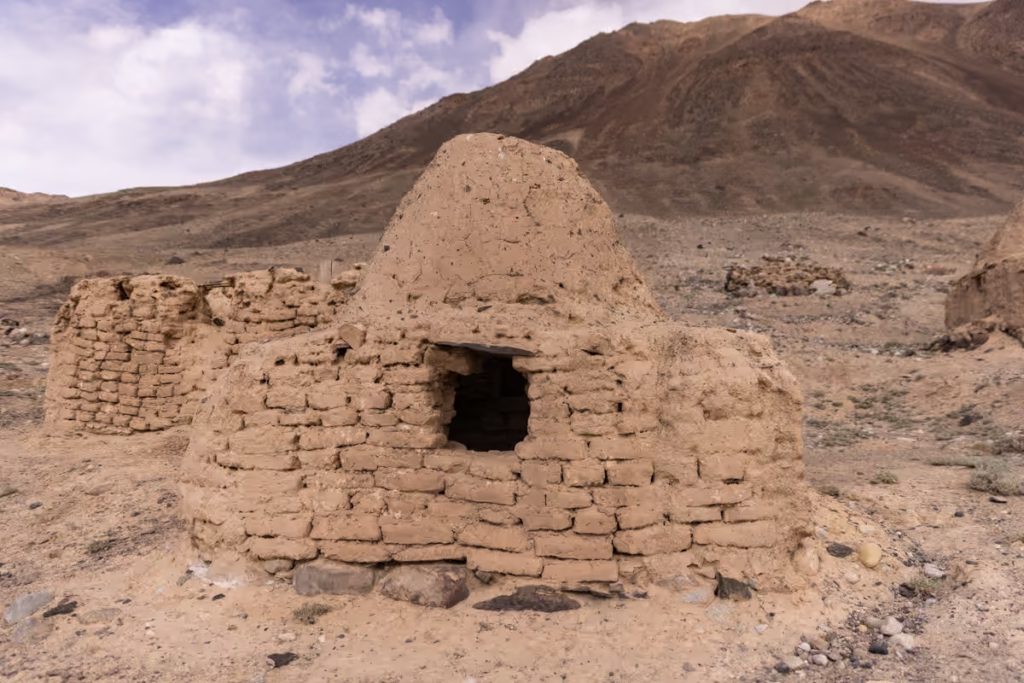
Southwest of Shaimak, near the river and the Chinese border post, lies a necropolis of ancient Saka tombs. These beehive-shaped stone mounds are over 2,000 years old, marking the burial sites of the nomadic Saka people who once roamed the Pamirs. It’s a quick trip if you have your own wheels, but if on foot, expect it to take a couple of hours to reach from Shaimak. Visiting the tombs is one of the most atmospheric things to do in Shaimak, connecting this remote village to millennia of human history.
Note that there are other Saka Tombs you will pass south of Tokhtymush en route to Shaimak.
Admire the Greens
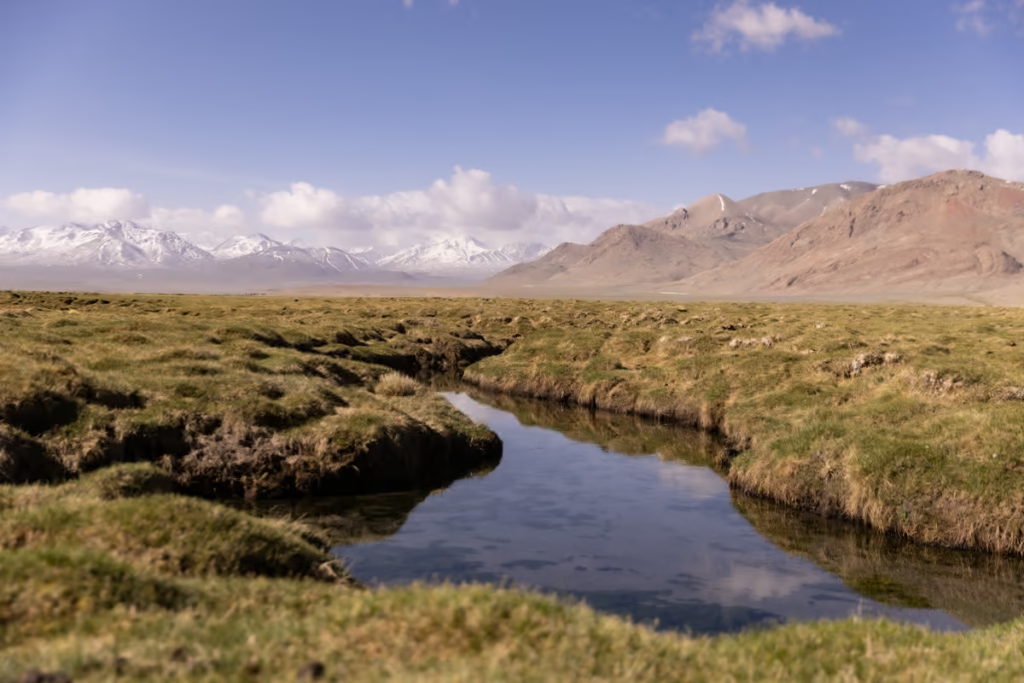
Shaimak is unusually verdant for the Pamir: sparkling streams, green hillocks, and wildflowers dotting the slopes. In late August, the terrain shimmers into golds and fiery reds and oranges.
Take in the Horizon of Three Countries
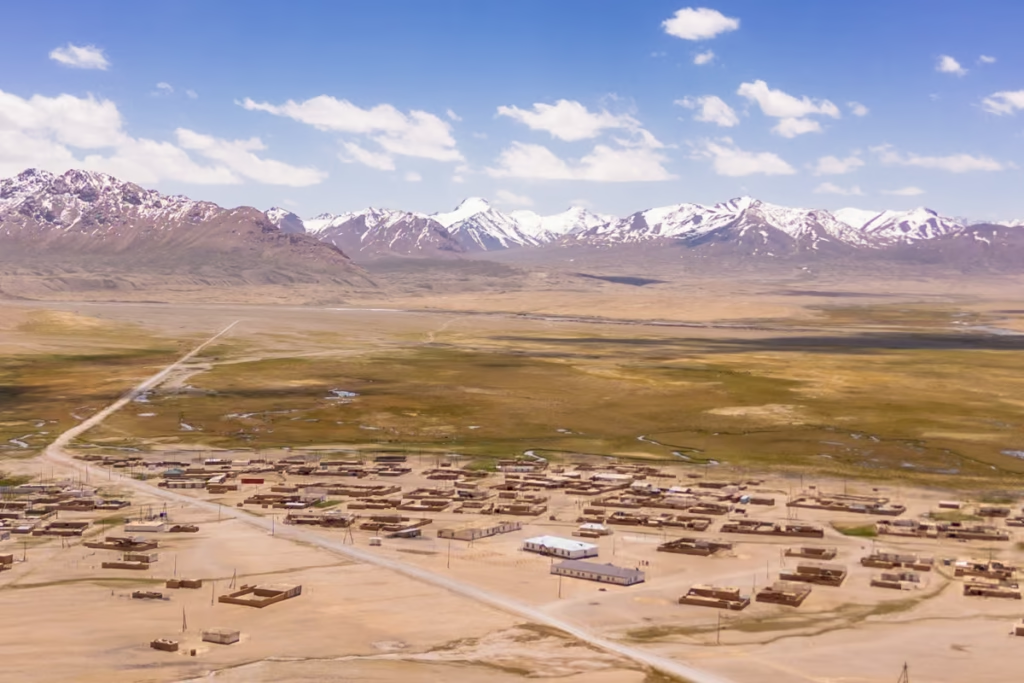
Stand at the edge of the village at dusk and let your gaze drift across valleys that peek into Afghanistan’s Wakhan Corridor and China’s borderlands. This tri-country vista? Breathtaking. But that might just be the altitude.
Observe Winter Survival Ingenuity
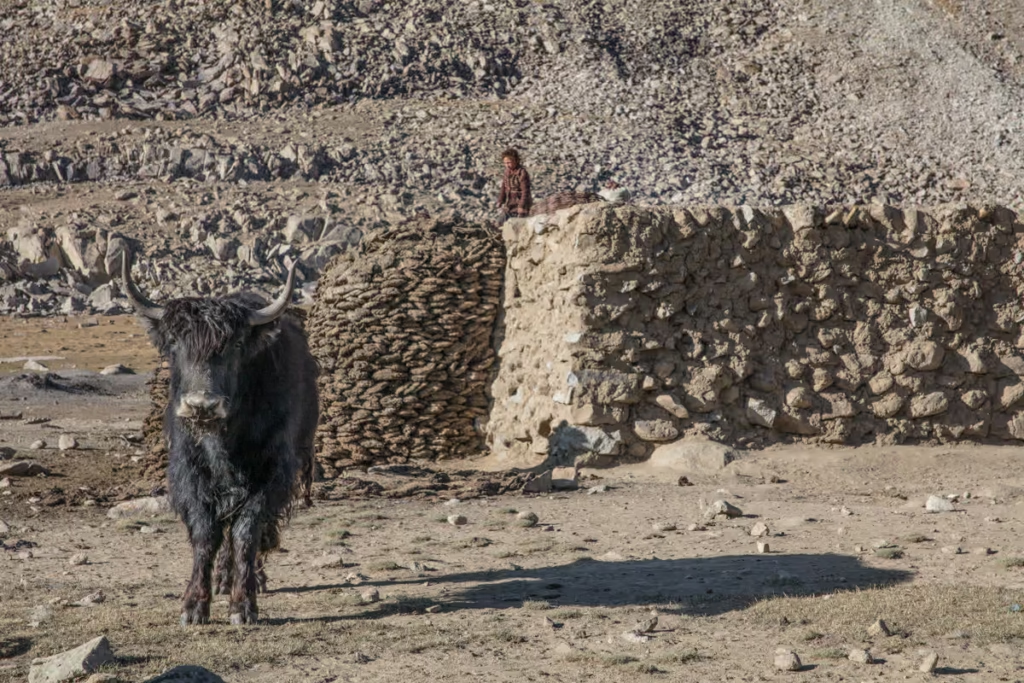
Visualize bricks of cow dung stacking tall around homes—fuel for the soul-crushing winters when temperatures plunge near –40 °C and coal or firewood are luxuries. Solar panels or limited electricity help, but cow patties are survival, not shame.
Why Shaimak Stays With You
To visit Shaimak is to step into a dreamscape where resilience and beauty collide. Here, pastoral green valleys meet sky-shattering heights, and survival stories are lived in buttered bread and cow-dung bricks. Whether you’re there for the berries, the homestay warm tea, or just the chance to stand on a mountaintop and stare into three countries at once, Shaimak is an unforgettable edge-of-the-world experience.
Have Any Questions About Visiting Shaimak?
Ask your Shaimak-related questions in the comments section below.
Posts from Tajikistan
Shaimak Travel Guide Tajikistan
Tajikistan SIM & eSIM Guide
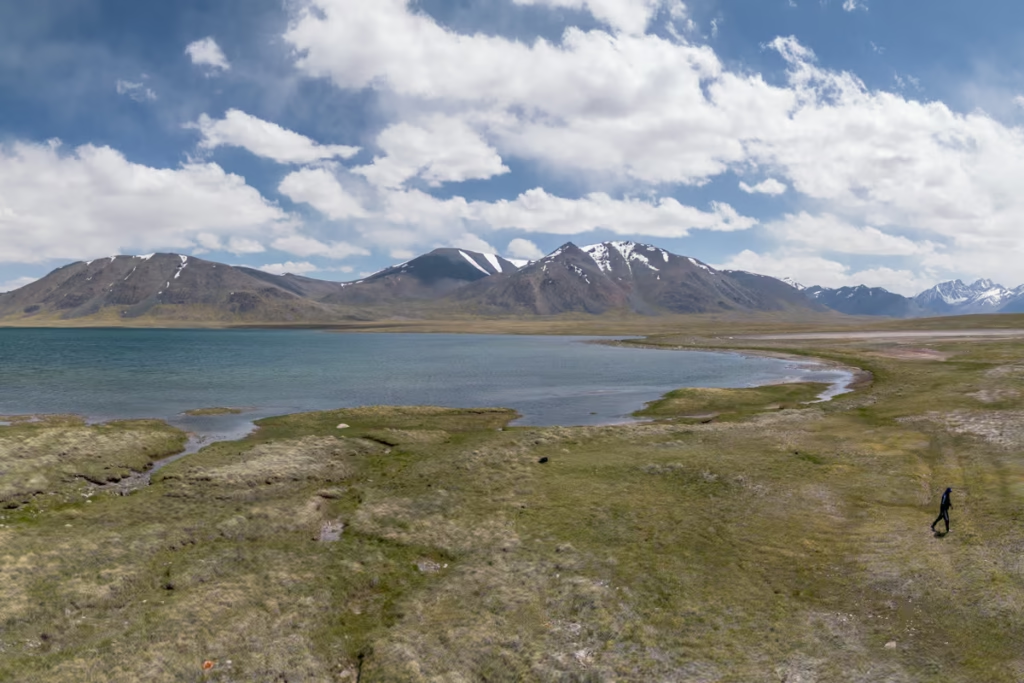
Visiting Zorkul, Tajikistan
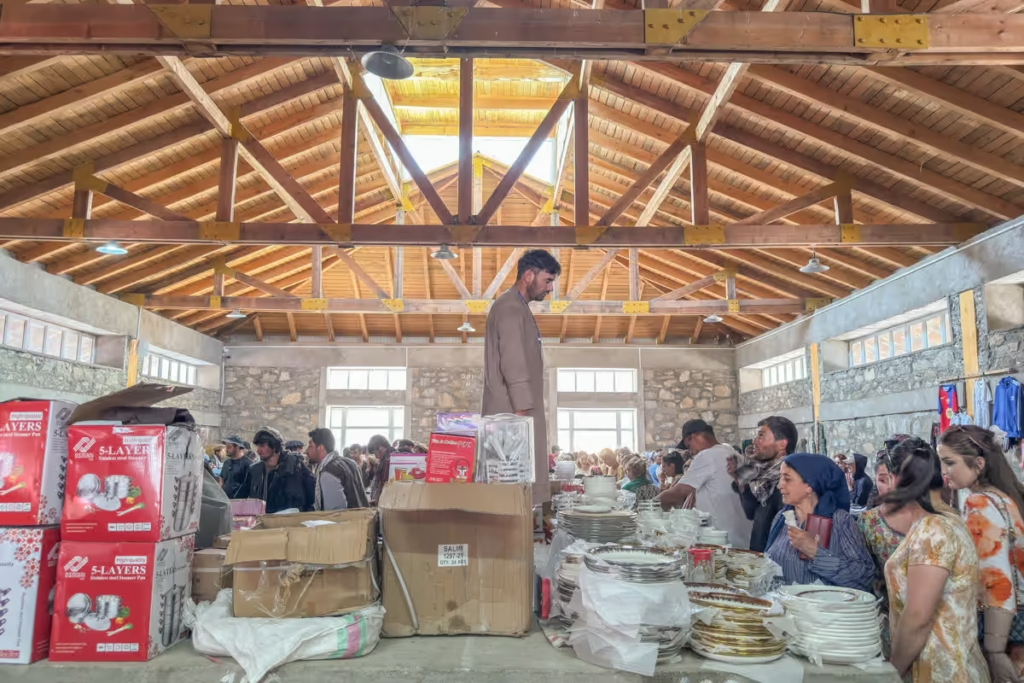
Afghan Bazaar in Khorog, Tajikistan
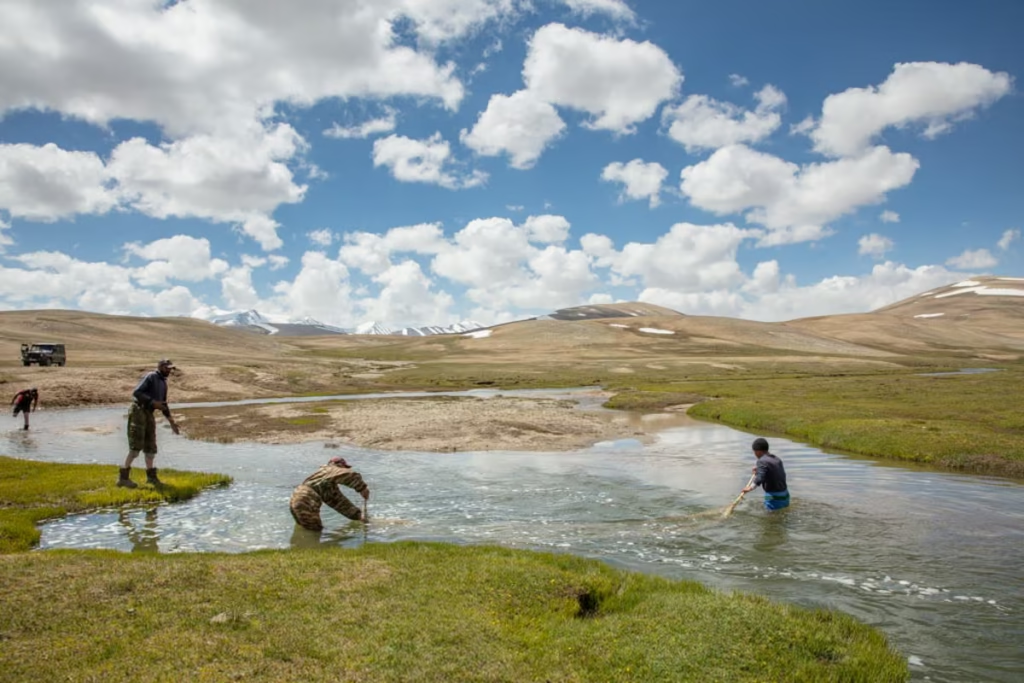
Trekking to Turumtaikul Lake
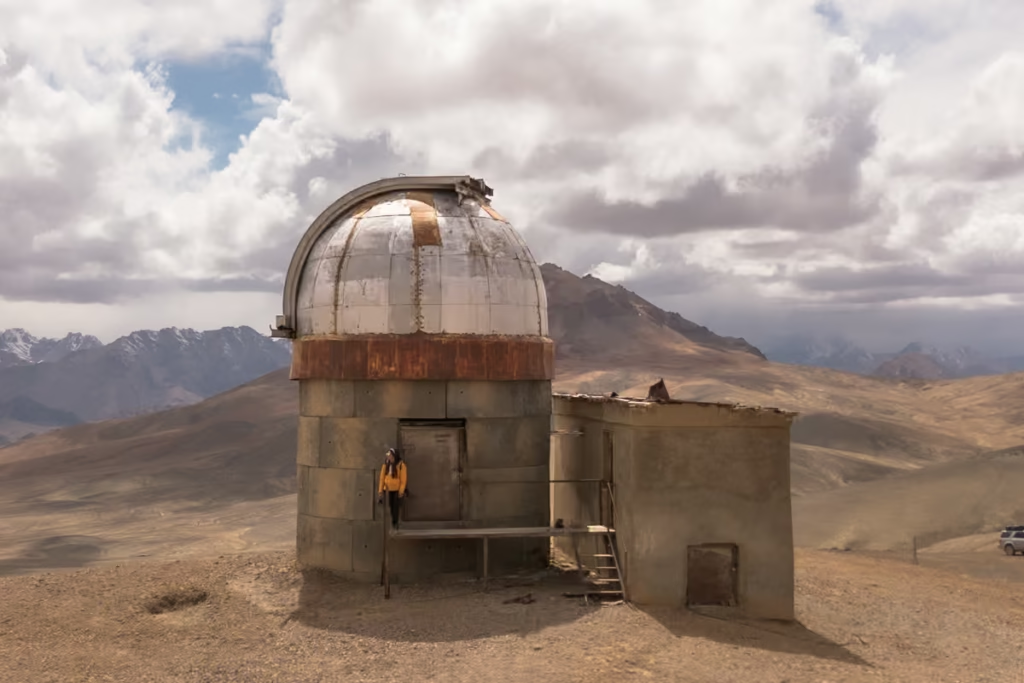
Shor Bulog Observatory, Tajikistan
Istaravshan Travel Guide

How to Register Your Phone with IMEI.tj
Gardan i Kaftar Hike: Rasht Valley Trek in Tajikistan
Gumbezkul Pass Hike, Tajikistan
A Guide to Finding Stalin in Asht, Tajikistan
Climbing Kyzyldong Peak, Tajikistan
Murghab Travel Guide: Things to Do in Eastern Pamir
Madiyan Hot Springs, Tajikistan Travel Guide
Hike The Lakes Loop In Tajikistan’s Fann Mountains
Central Asia Travel Tips: What to Know Before You Go
Childukhtaron, Tajikistan: Valley of Forty Girls
Qala i Khumb, Tajikistan: Pamir Highway Stop & Border Town
South Aral Peak Hike Near Karakul, Tajikistan
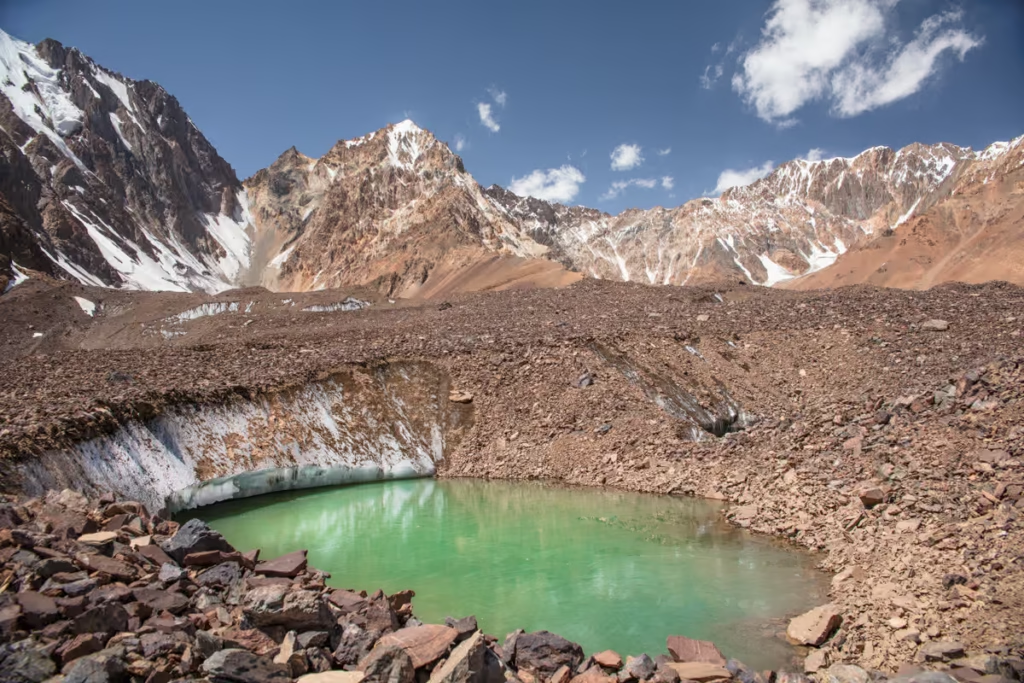
Khafrazdara Valley, Tajikistan Travel Guide

Registering with Tajikistan OVIR in Dushanbe
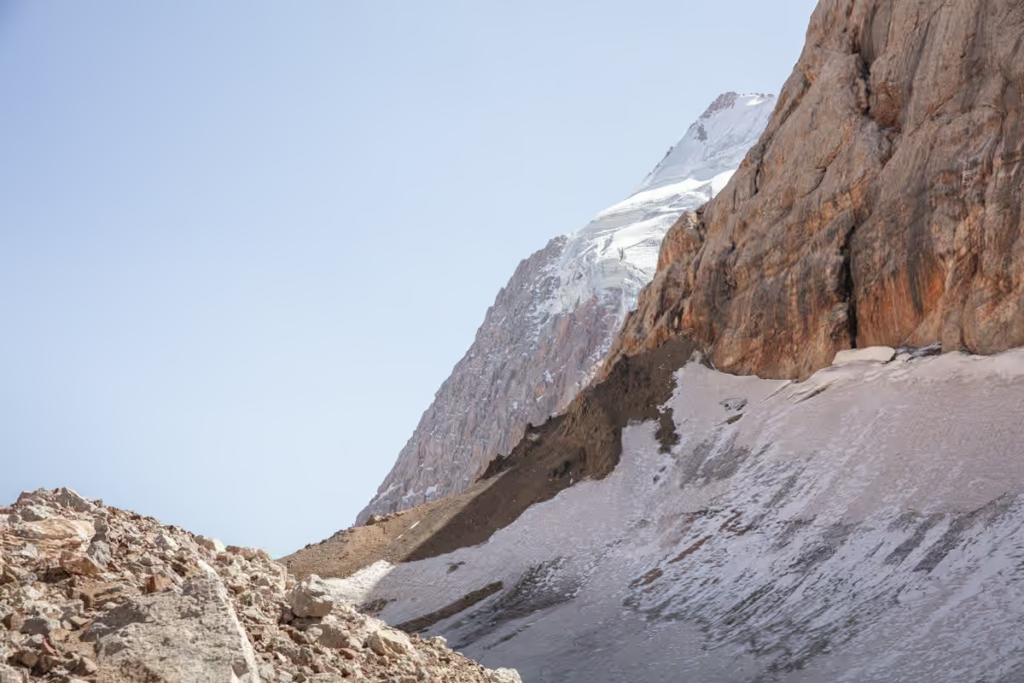
Dukdon Pass: Fann Mountains, Tajikistan
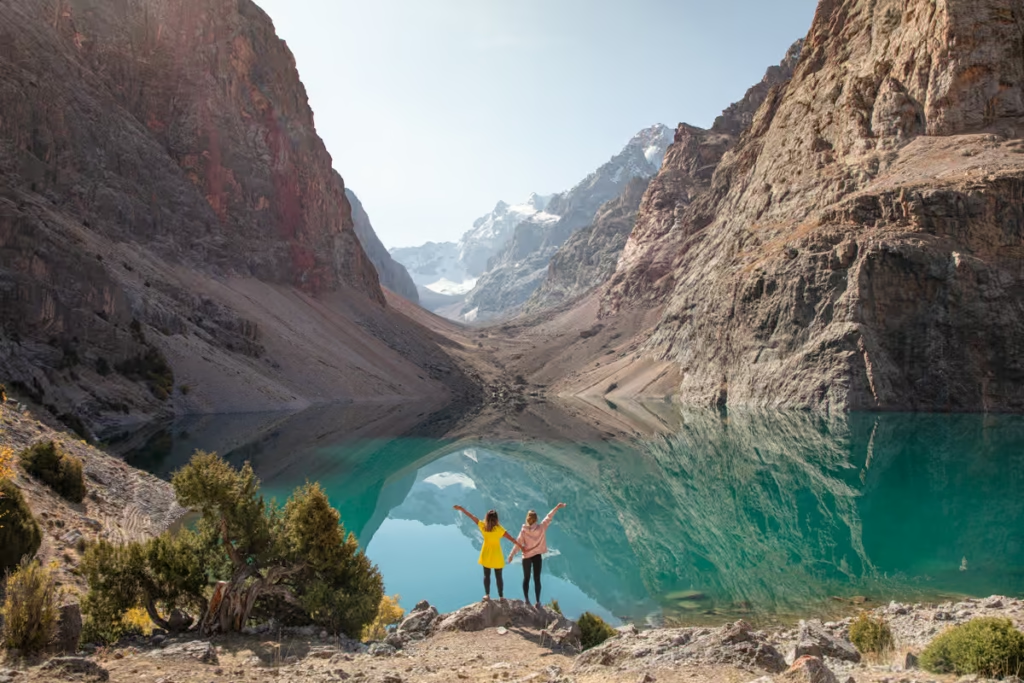
Bolshoi Allo Lake, Tajikistan
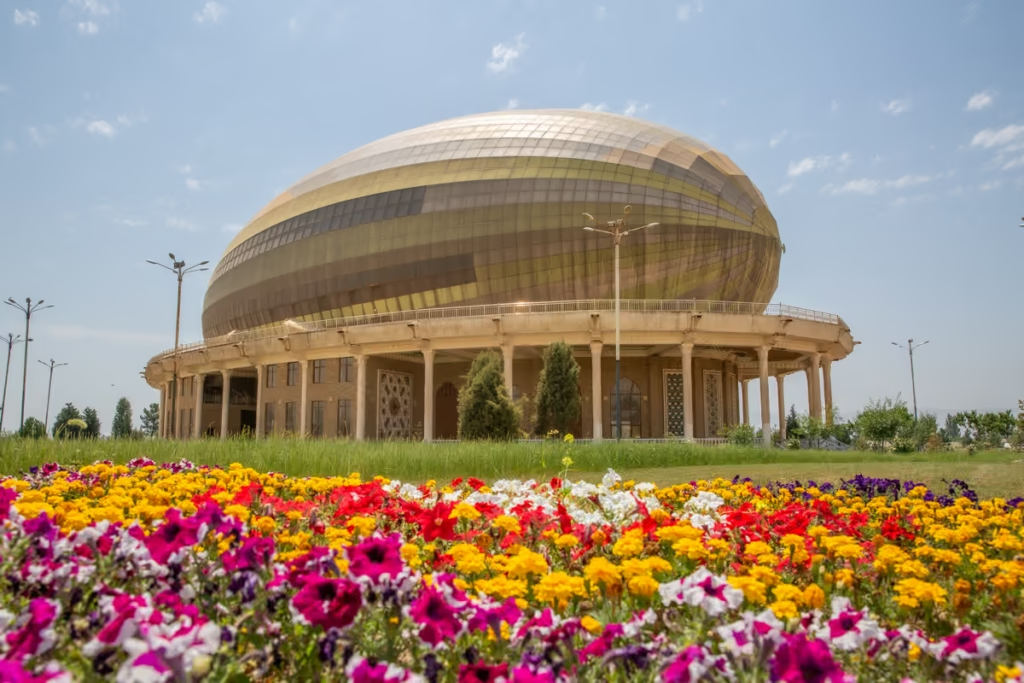
Best Day Trips from Dushanbe, Tajikistan
The World Nomad Games: Central Asia Culture & Competition
Trekking to Pik Engles Meadow in Tajikistan’s Wakhan Valley
Crossing Chimtarga Pass, Fann Mountains
Khorog Travel Guide
Sarazm Ruins, Tajikistan: The Oldest City in Central Asia
Timur Dara Lake Hiking Guide, Tajikistan
Vegetarian in Central Asia: Survival Food & Travel Tips
A Giant Salt Flat in Tajikistan? Welcome to Akhkon
Tajikistan Visa Guide
Hike The Lakes Loop In Tajikistan’s Fann Mountains
Registering with Tajikistan OVIR in Khorog
Karakul Travel Guide, Tajikistan
Tajikistan’s Border Crossings
Shokhdara Valley Travel Guide
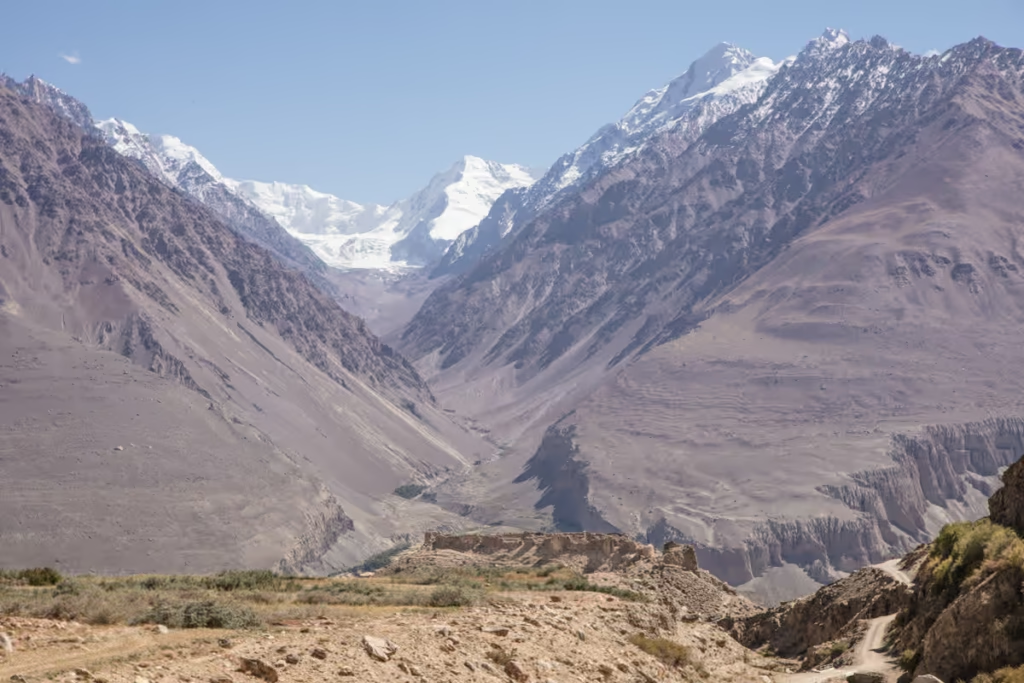
Tajik Wakhan Valley Travel Guide
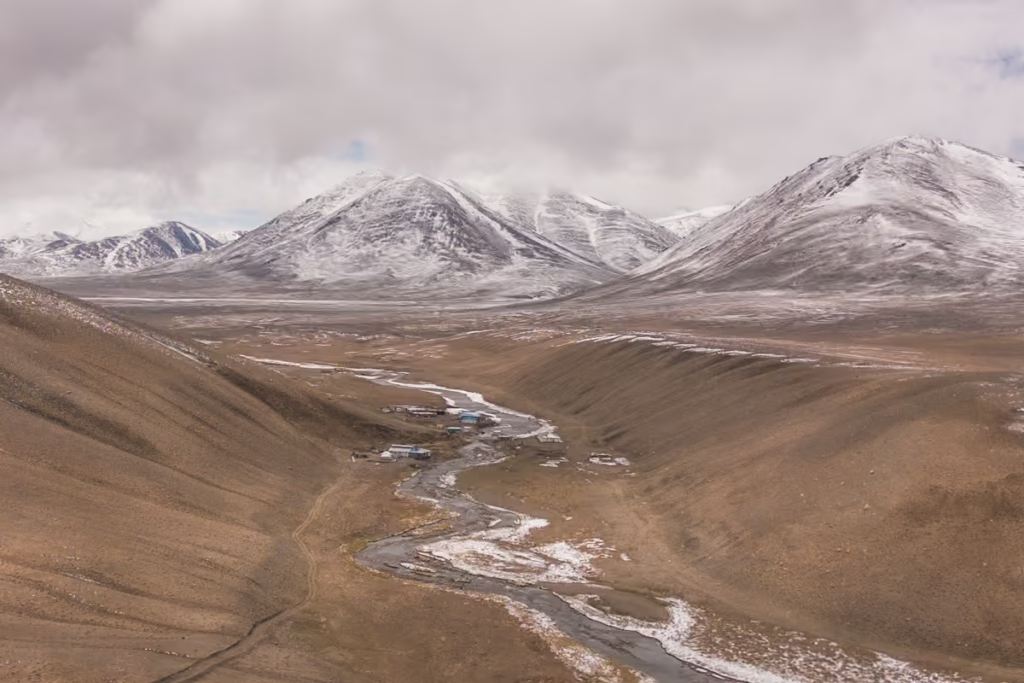
Jarty Gumbez, Tajikistan
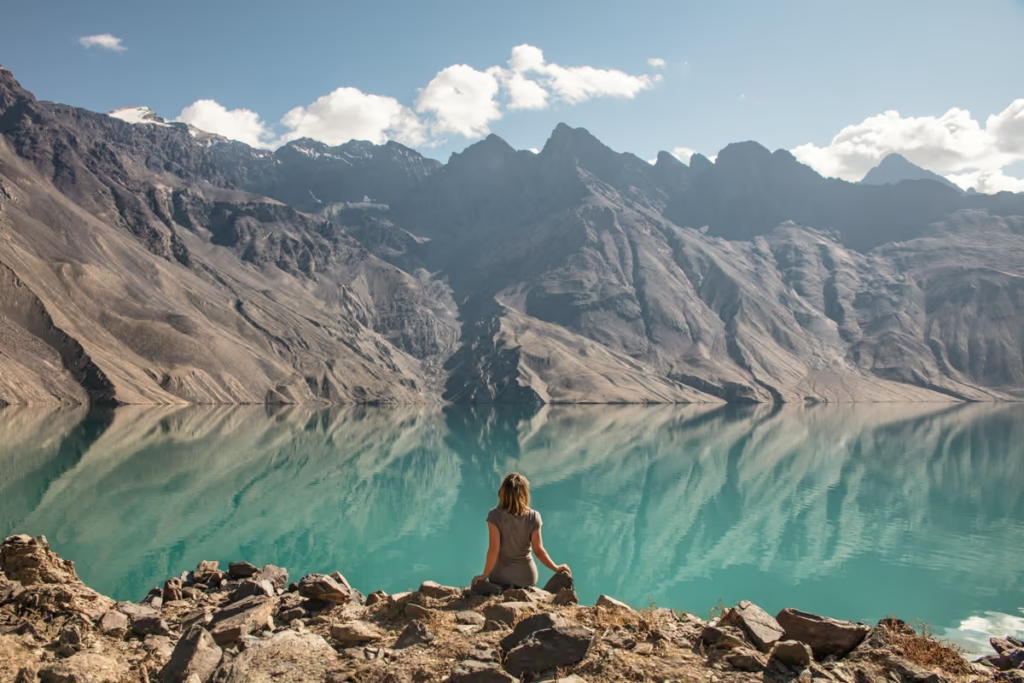
Lake Sarez Trek Guide
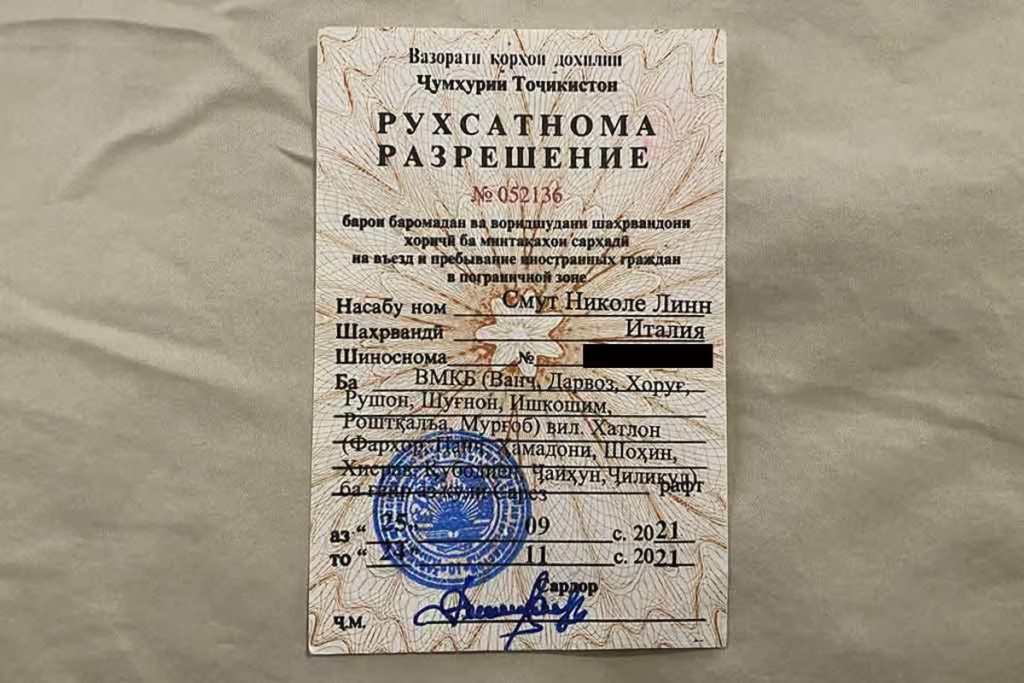
How to get a GBAO Permit
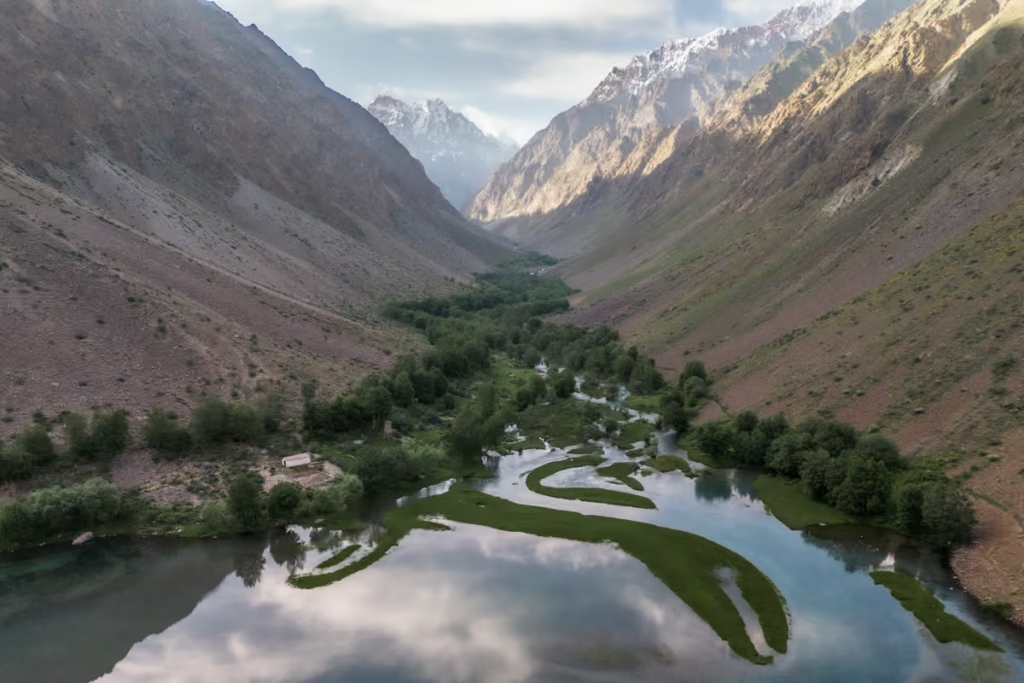
Jizeu Trek, Tajikistan
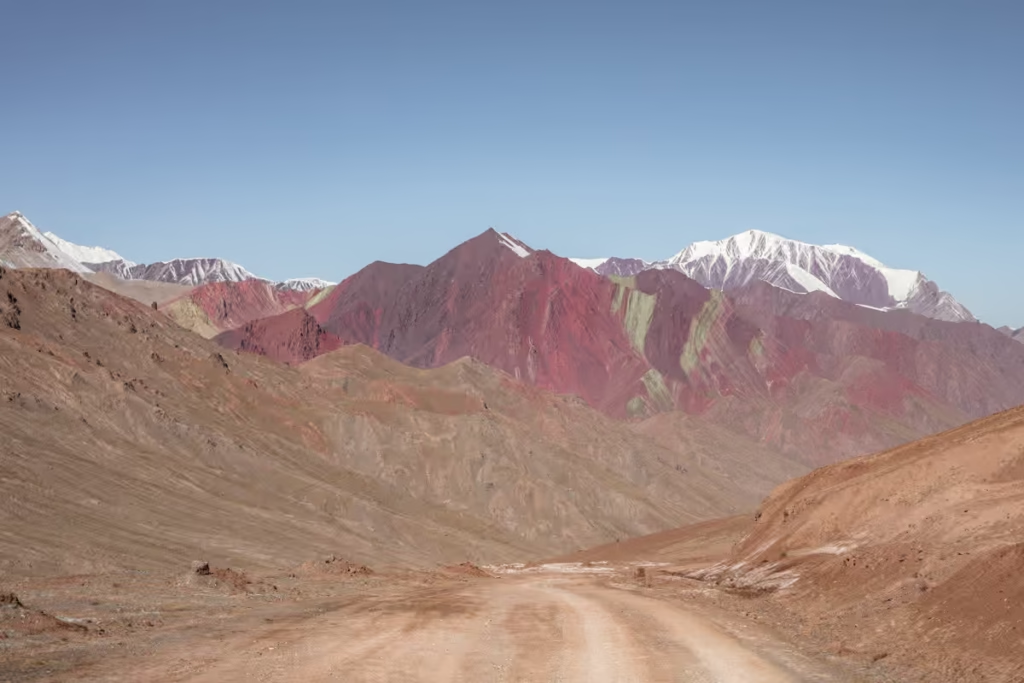
Kyzyl Art Border Crossing
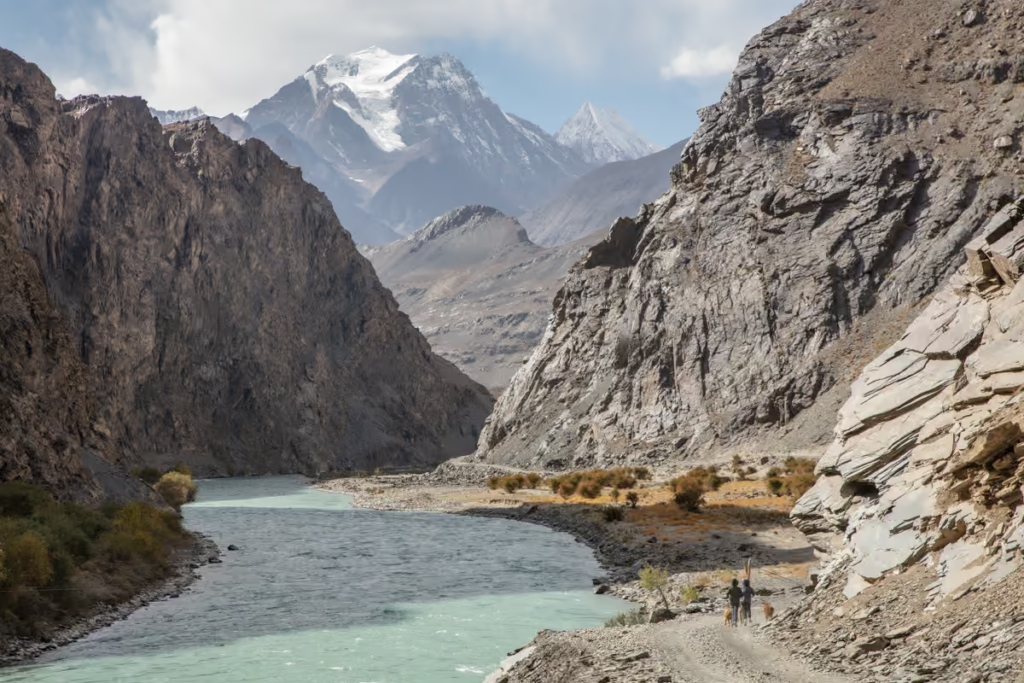
Bartang Valley Travel Guide
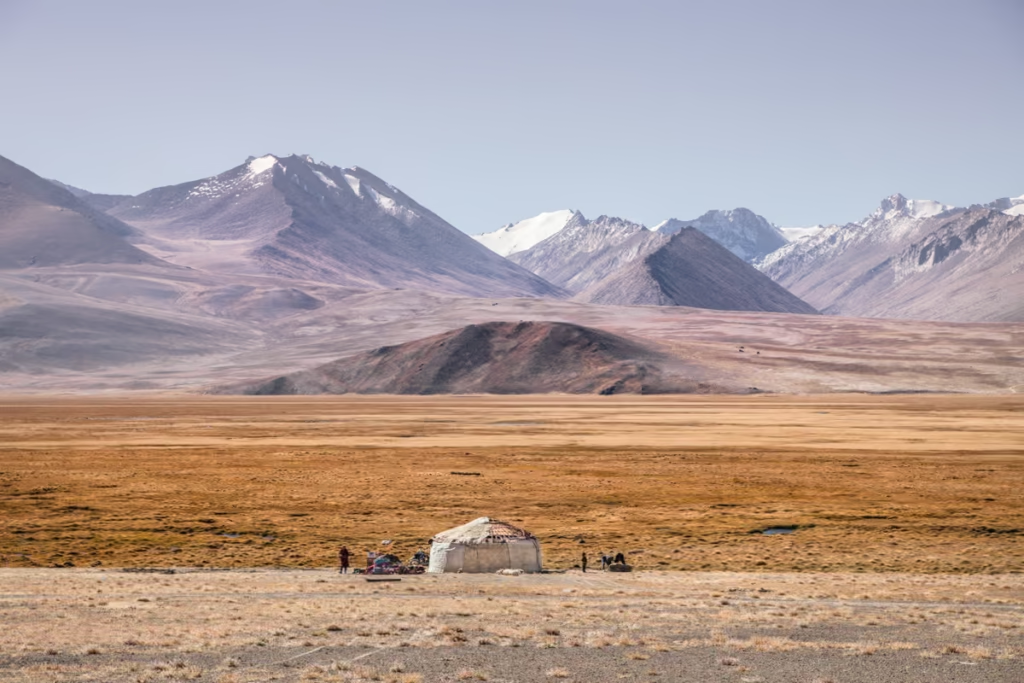
Eastern Pamir Travel Guide: Murghab, Karakul & Beyond
Tajikistan in Photos
Trekking The Haft Kul in Tajikistan’s Fann Mountains
Best Road Trips in the World