Trekking to Turumtaikul Lake: An In-Depth Guide from Jawshanguz to Jelondy
Trekking to Turumtaikul Lake: An In-Depth Guide from Jawshanguz to Jelondy was originally published in March 2026
Hidden in the heart of Tajikistan’s wildly underrated Pamir Mountains lies Turumtaikul Lake, an otherworldly, wind-kissed alpine lake that few travelers ever lay eyes on. If you’ve ever dreamed of venturing far off the beaten path, the trek from the sleepy village of Jawshanguz to the thermal oasis of Jelondy, with Turumtaikul shimmering along the way, is your golden ticket to raw adventure and quiet alpine solitude.
This guide will break down everything you need to know to trek to Turumtaikul, from geology and history to the nitty-gritty route details that will make your hike unforgettable.
Need Travel Insurance and Evacuation Services?
Start shopping for travel insurance plans over at IATI Insurance. Readers of the Adventures of Nicole get a 5% discount off your plan.
The Adventures of Nicole partners with Global Rescue to offer the world’s leading medical evacuation and security advisory services. To travel with peace of mind, explore their evacuation coverage.
The Geology and History of Turumtaikul
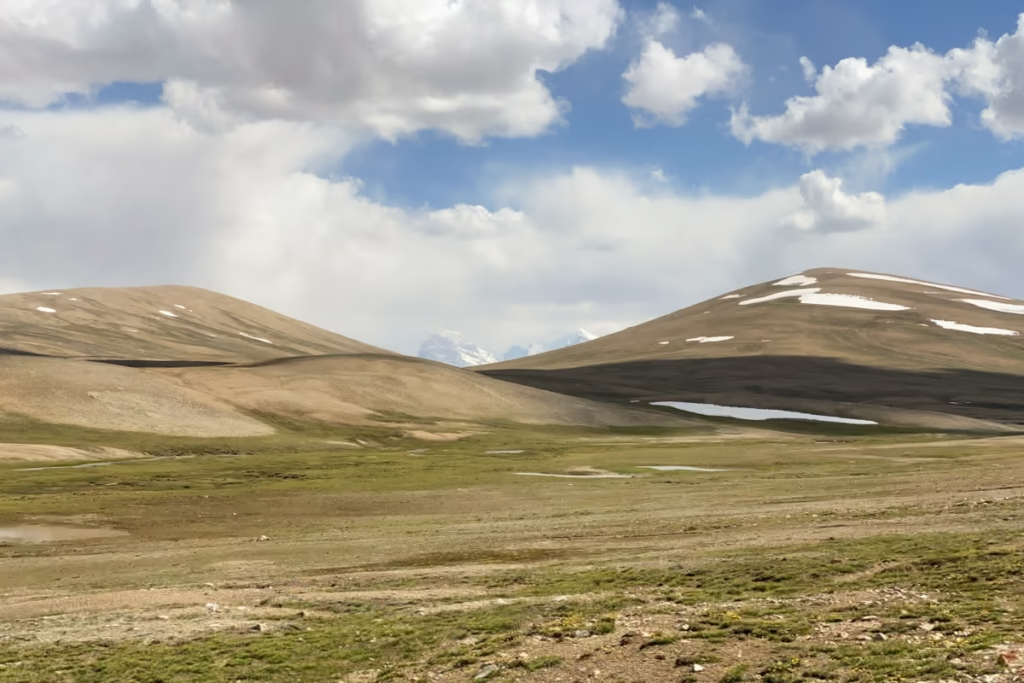
Turumtaikul sits at about 4200 meters in the southern stretch of the Shugnan Range, a spur of the vast Pamir knot, that grand collision of tectonic plates which birthed the Himalayas, Karakoram, Hindu Kush, and the Pamirs themselves. The surrounding mountains are made up of ancient metamorphic rocks interspersed with veins of limestone and marble, relics of an ancient seabed lifted skyward by relentless tectonic forces.
Local legend suggests that Turumtaikul’s name comes from old Shugni words loosely translating to “hidden water”, a nod to its remote setting, hidden by rolling high pastures and guarded by snow-capped peaks. For centuries, semi-nomadic herders grazed yaks and sheep in these meadows, moving with the seasons and weaving stories of spirits that dwell in the cold depths of the lake.
During the Soviet era, the nearby hot springs at Jelondy were developed into a modest sanatorium, a testament to Tajikistan’s legacy of mountain hydrotherapy. Even today, finishing this trek with a soak in the sulfur springs feels like a well-earned reward.
Practical Tips for Trekking to Turumtaikul
- Permits: No special permit is needed for this route, but you do need a valid GBAO permit on your Tajik visa to enter the Pamirs.
- Guides: Not essential if you’re confident with maps and GPS, but highly recommended if you don’t speak local languages or want a smoother cultural experience.
- Supplies: Bring all food, stove fuel, and camping gear. There are no shops or lodges en route.
- Water: Streams are plentiful, but always purify your water.
- Altitude: Take your time to acclimatize in Khorog or Jawshanguz if you’re not used to high elevations.
- Wildlife: Respect local wildlife. You might spot ibex, marmots, and the elusive snow leopard if you’re extremely lucky, though you’ll probably just see its paw prints.
- Direction: We recommend doing the hike from Jawshanguz to Jelondy to have a soak in the springs at the end, but this can easily be done in reverse or combined with other treks in the area.
How to Get to Jawshanguz
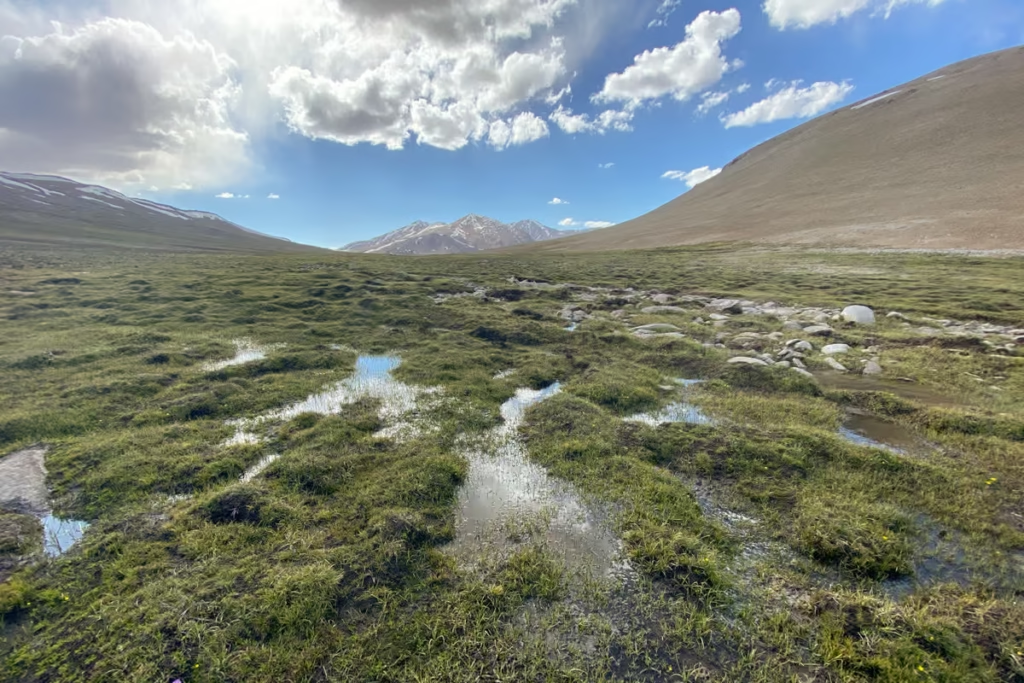
Jawshanguz can be a little tricky to reach as it’s a bit far out. That said, you’ll have a decent shot from either Khorog or Roshtqala.
From Khorog, you’ll need to go to the new bazaar, about 1.5 kilometers west of town, as this is where the shared taxis from Khorog depart to the Shokhdara Valley. If you’re lucky, you will find a shared marshrutka or tangem (white minibus) headed to Jawshanguz.
If you’re less lucky, you should take one of the frequent ones to Roshtqala, the main town in Shokhdara Valley. Once in Roshtqala, the driver from Khorog will more than likely ask around in the lot for you for any transport going up to Jawshanguz.
Either way, it’s best to try to start your journey in the morning.
If you don’t want to deal with the hassle of marshrutkas and tangems, get in touch to arrange a car to take you directly to Jawshanguz.
The Trek: From Jawshanguz to Turumtaikul and Onward to Jelondy
- Total Distance: 45 km
- Duration: 3–4 days
- Difficulty: Moderate to strenuous (high altitude, no marked trail)
- Best Season: July–September
Starting Point: Jawshanguz
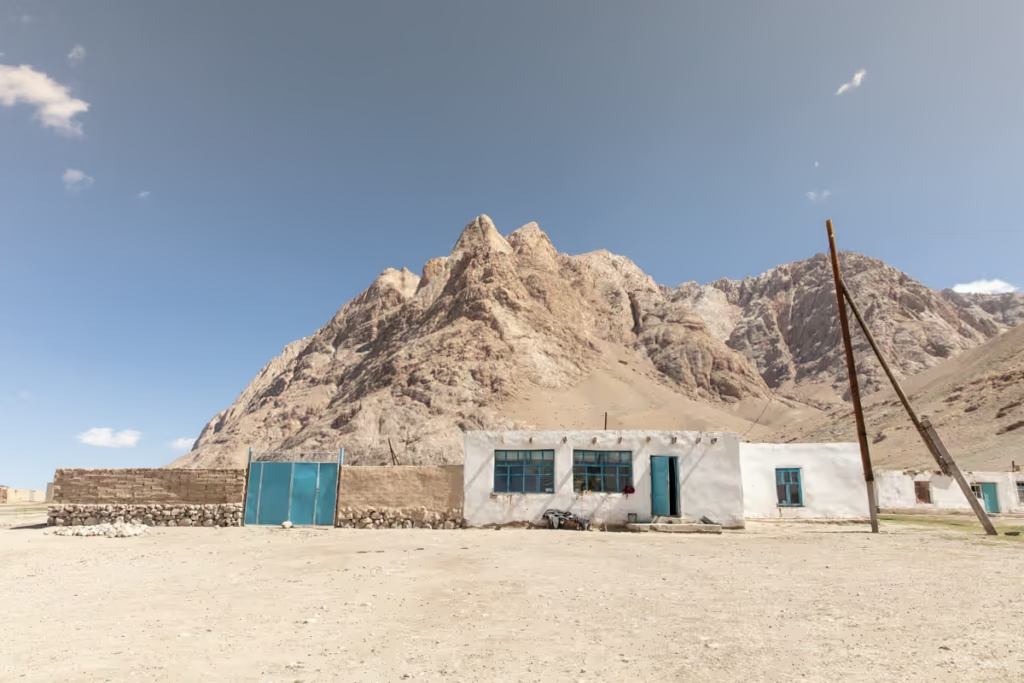
Your adventure kicks off in the tiny village of Jawshanguz, nestled at about 3400 meters above sea level in the upper reaches of the Shokhdara Valley. Reaching Jawshanguz usually involves a bumpy marshrutka ride from Khorog — the main hub of the Pamirs. Here in Jawshanguz, you’ll find a sprinkling of Pamiri houses surrounded by potato fields and curious kids shouting “Salom!” as they chase goats down the dusty trails.
Stock up on essentials in Khorog. Jawshanguz has little more than homestay hospitality and yak herds, which, frankly, is exactly what makes it so perfect.
Day 1: Jawshanguz to Turumtaikul Lake
From Jawshanguz, follow the valley first to the east, along the Nokdoy River. The trail isn’t signposted but is easy to follow with animal tracks, shepherd paths, and the river itself guiding you deeper into the high pastures. Expect gentle gradients and lush alpine meadows studded with wildflowers in summer.
The Nokdoy River eventually bends to the north, continue to follow it as you begin to gain some elevation. At about 8.75 kilometers, the Nokdoy veers east. Here you will leave the river and continue northward. Another 4.25 kilometers further, and you will pass the small Kara Gurum Lake.
After about 18 kilometers from Jawshanguz, you’ll reach the shores of Turumtaikul Lake. If the shepherds are around, you might be offered a bowl of fresh yogurt or salty shirchai. Camp here for the night. The star show is spectacular with almost no light pollution, just galaxies above the Pamiri silence.
There are no facilities, so pitch your tent near the lake’s northern shore, where flat spots abound. Collect water with care- boil or filter it, as herds graze these high pastures.
Day 2: Turumtaikul to Jelondy
After a chilly morning coffee beside Turumtaikul, pack up and head northeast toward Jelondy. You’ll need to crest a modest pass east of the lake (roughly 4400 meters elevation) before descending along a stream that gradually drops into the little hot spring outpost of Jelondy.
The descent can be rough with loose scree to test your knees, but views of the snowy ridges and green valleys beyond make it worthwhile. After about 12.5 kilometers, you’ll find yourself arriving at Jelondy.
End Point: Jelondy Hot Springs
Emerging into Jelondy feels like stumbling back into civilization, albeit Pamiri style. Steam rises from natural hot springs in the valley, some channeled into simple pools and sanatorium baths. Treat yourself to a long soak in the boiling hot water. Your legs will thank you.
Getting Back to Khorog or Onward to Murghab From Jelondy
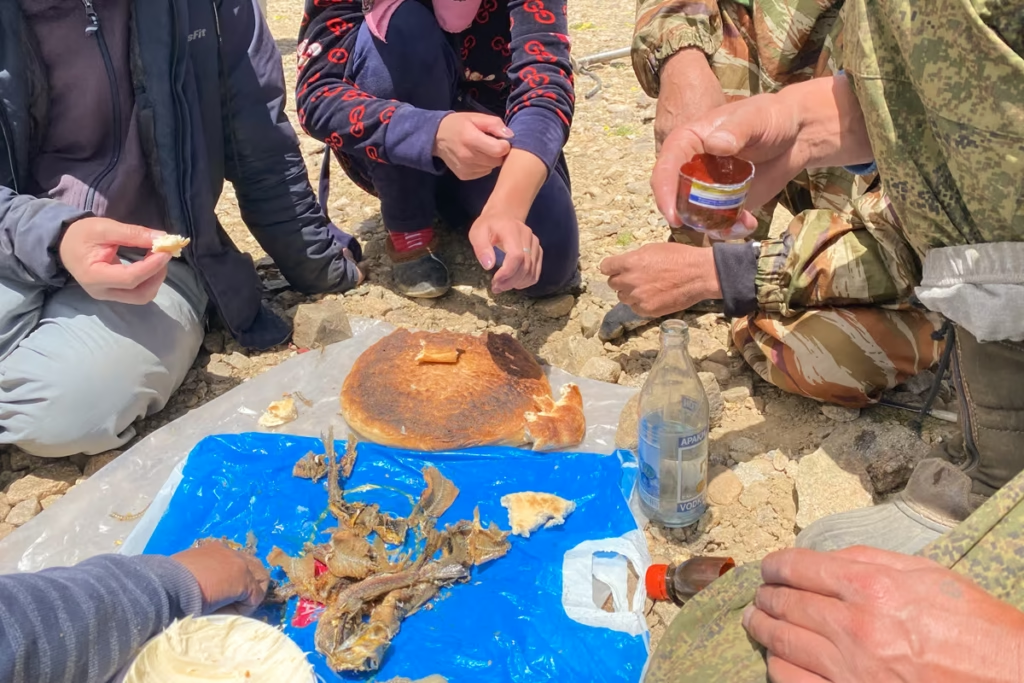
Public transport to Khorog can be hit-or-miss, but in the morning, a shared taxi may be leaving Jelondy toward Khorog. If planning to go in the direction of Murghab, it’s best to plan to hitchhike or prearrange a car to take you.
Conclusion
Turumtaikul is one of Tajikistan’s hidden alpine gems. A wild, wind-lashed lake that feels like it belongs at the end of the earth. Trekking from Jawshanguz to Jelondy is more than just a walk through beautiful scenery. It’s a lesson in geology written in ancient rock folds, a window into a resilient mountain culture, and a test of your own curiosity and grit.
So if you crave that feeling of being alone in a place so big it humbles you, pack your boots, grab your tent and sleeping bag, and go find Turumtaikul.
Have Any Questions About the Trek to Turumtaikul?
Ask in the comments section below. Been to Turumtaikul? Let us know your favorite things about it in the comments.
Posts from Tajikistan
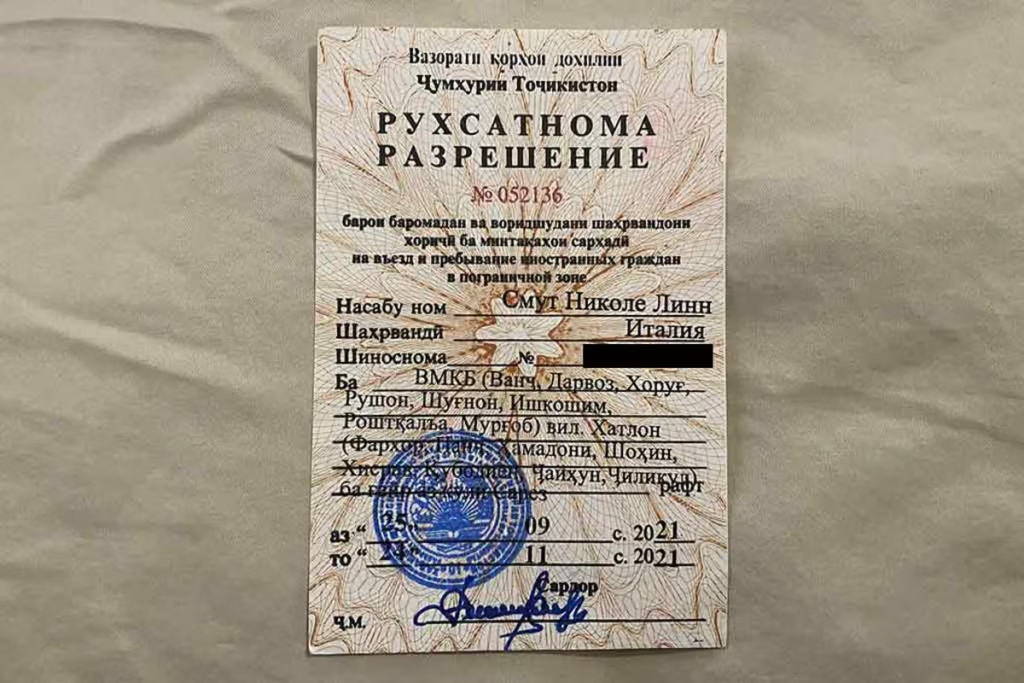
How to Get a GBAO Permit
12 Day Fann Mountains Trekking Expedition, Tajikistan
12 Day Pamir Highway Expedition
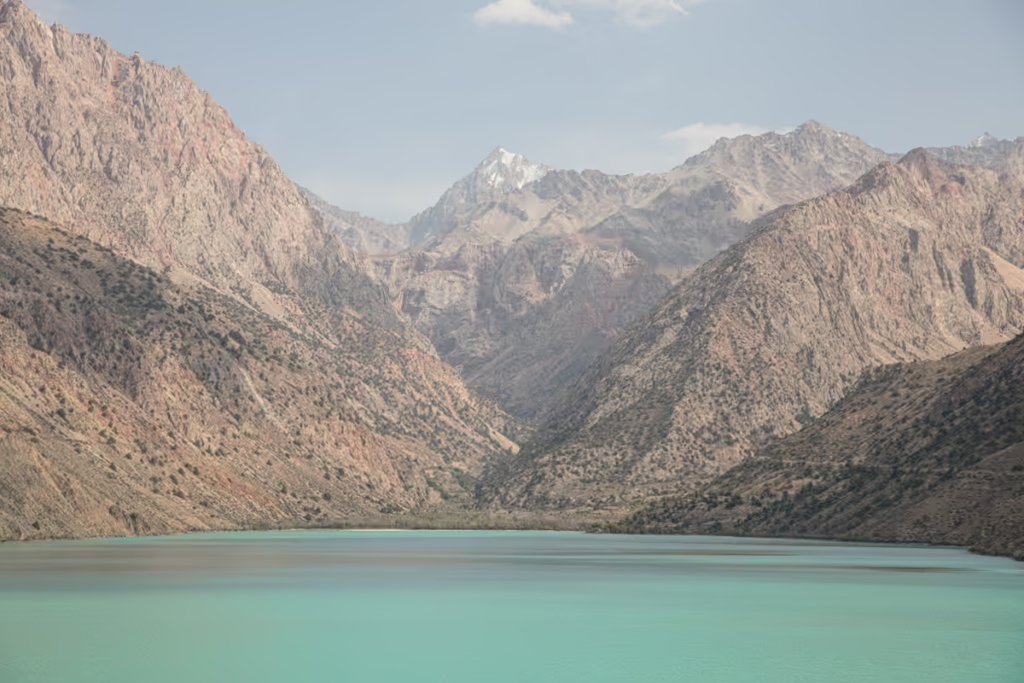
Iskanderkul & Sarytag Travel Guide
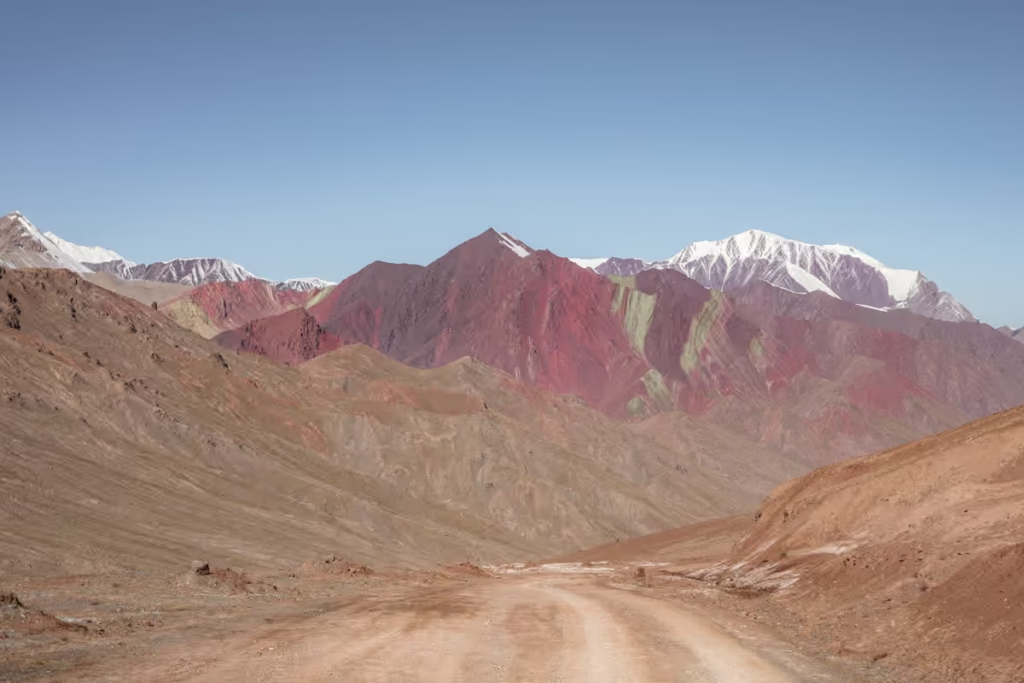
Kyzyl Art Border Crossing
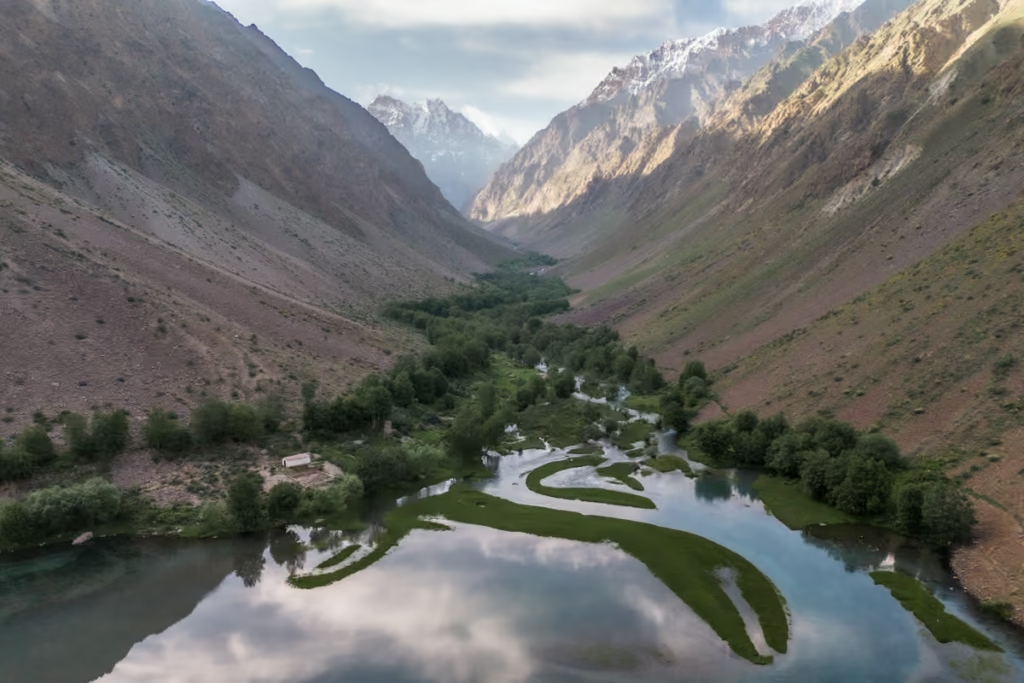
Jizeu Trek in Tajikistan’s Pamir
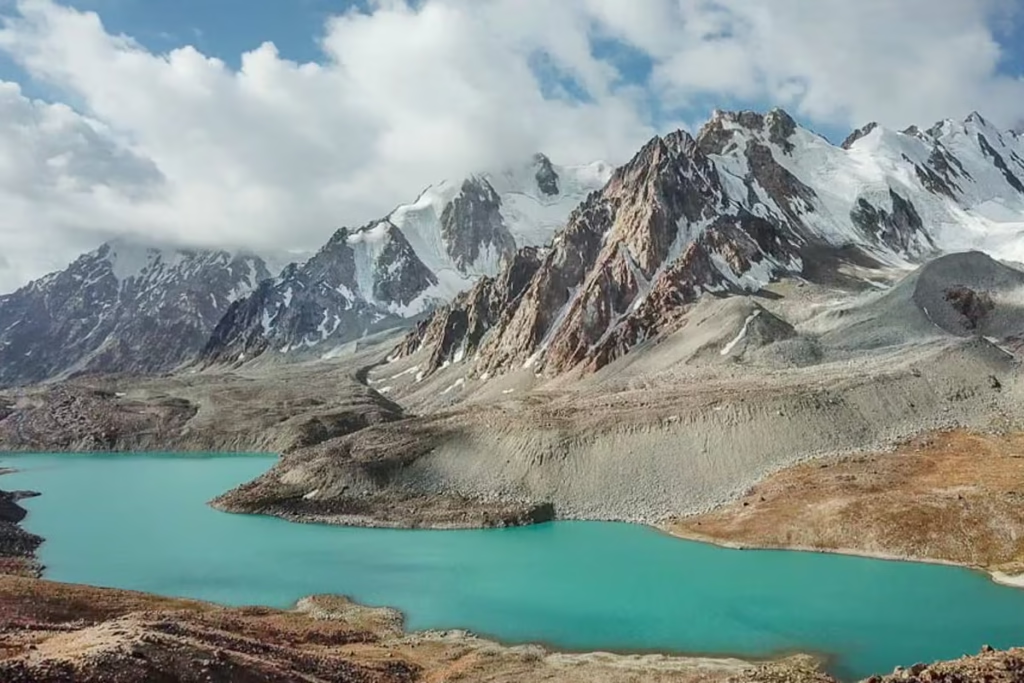
10 Reasons to Visit the Pamirs
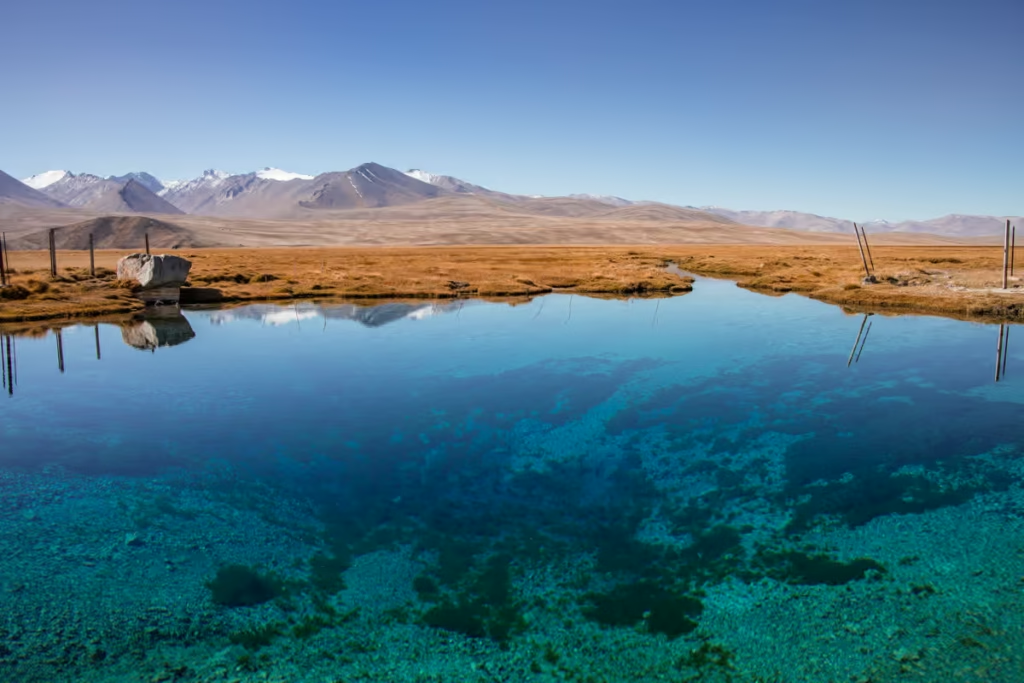
Tajikistan In Photos
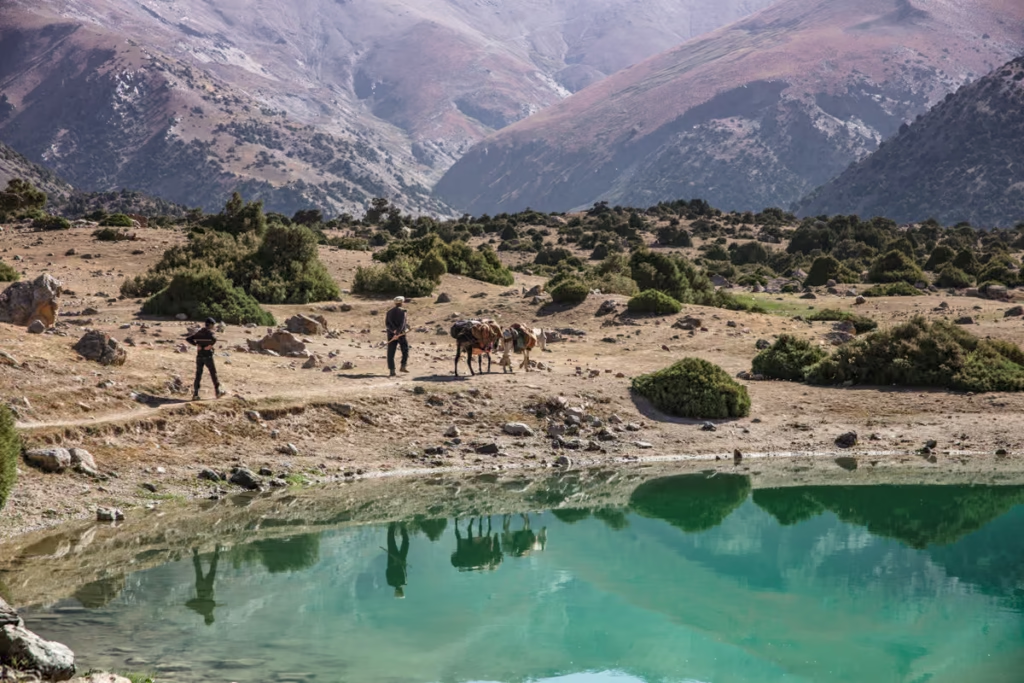
Tajikistan Itinerary for 1-4 Weeks
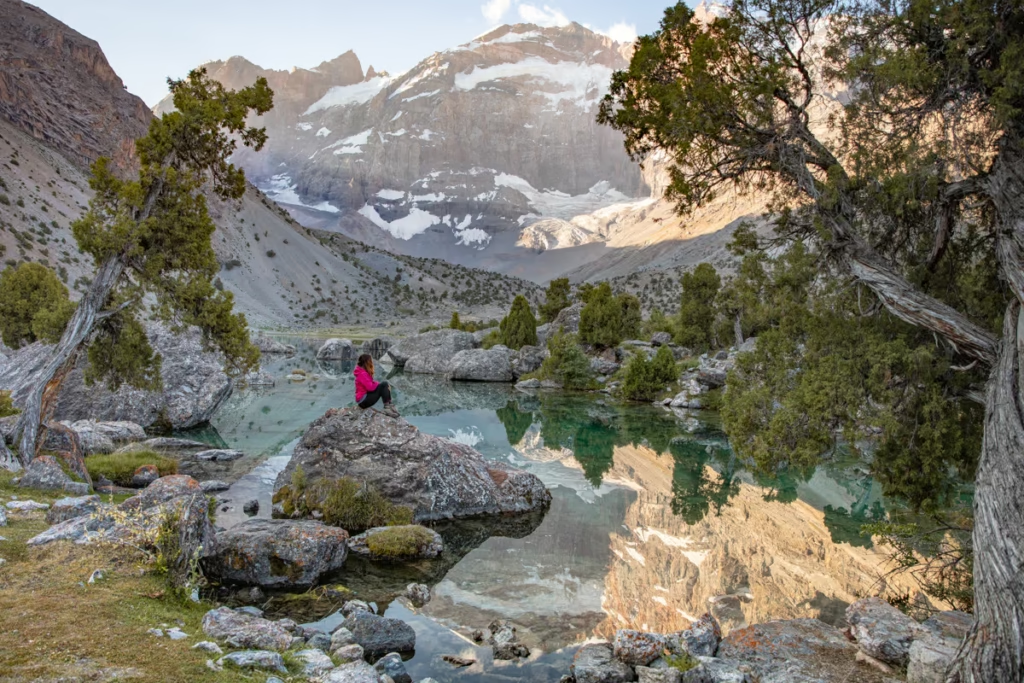
Solo Female Travel in Central Asia
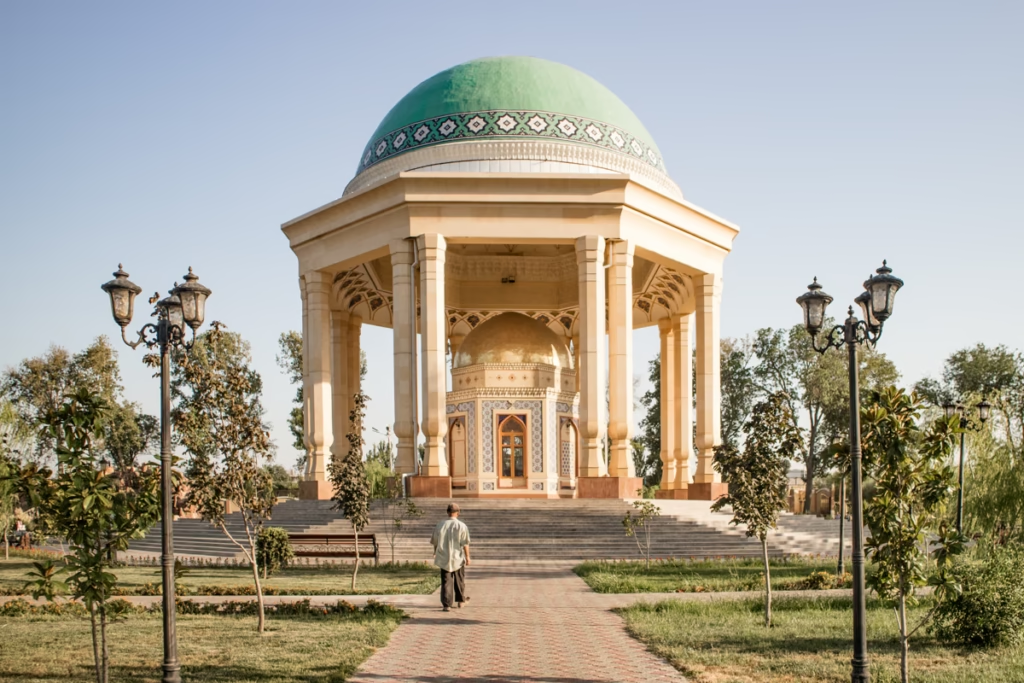
Khujand Travel Guide
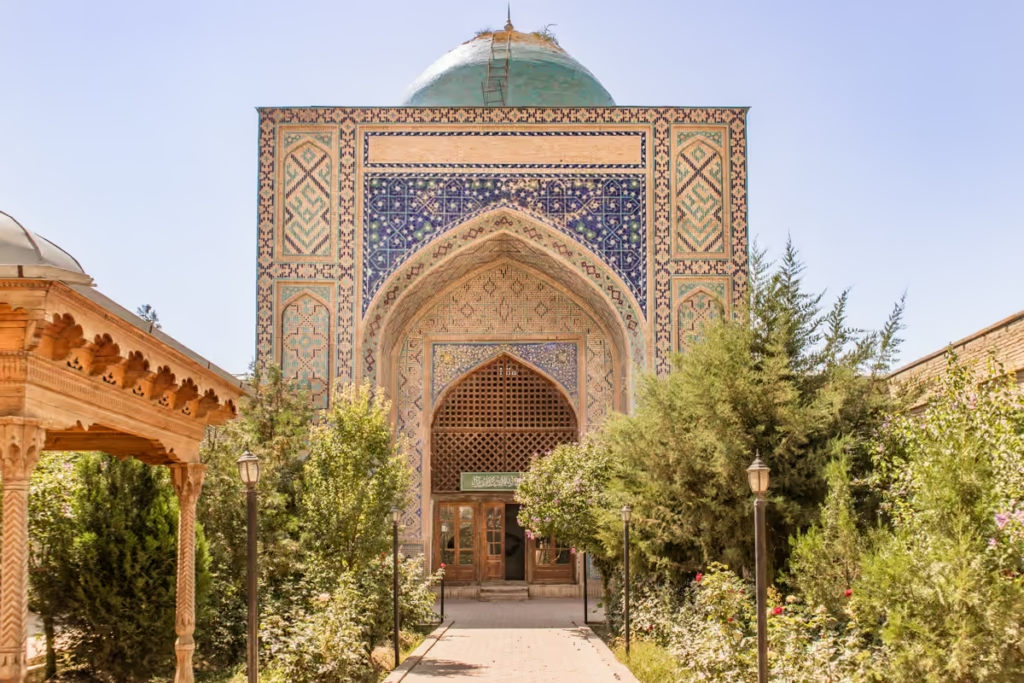
Istaravshan Travel Guide
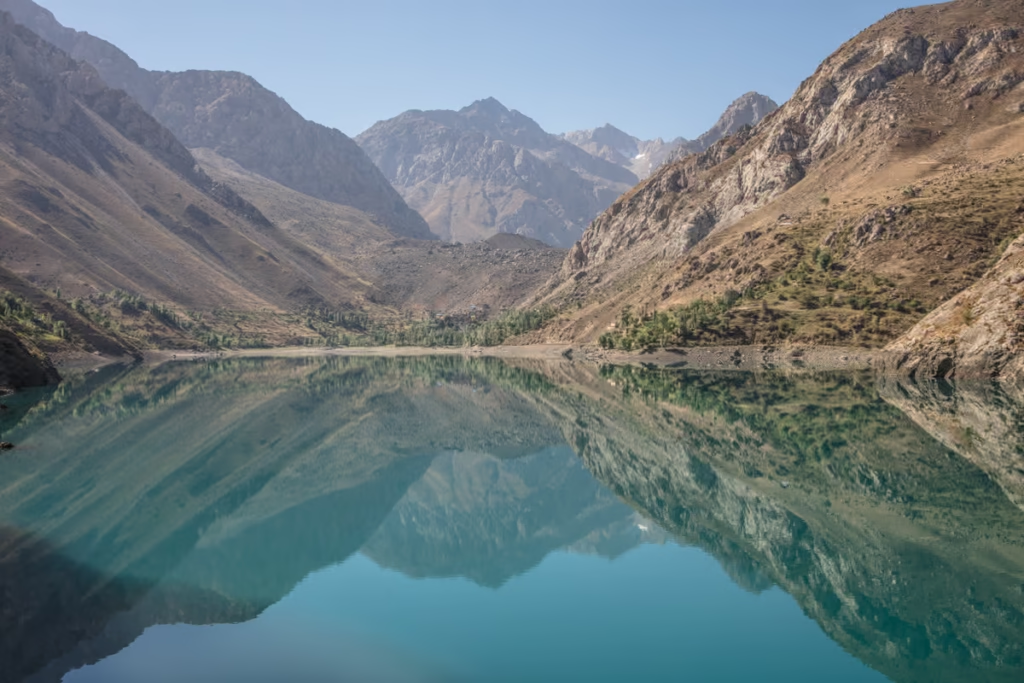
Haft Kul: Tajikistan’s 7 Lakes

Registering with Tajikistan OVIR in Dushanbe
Trekking to Turumtaikul Lake
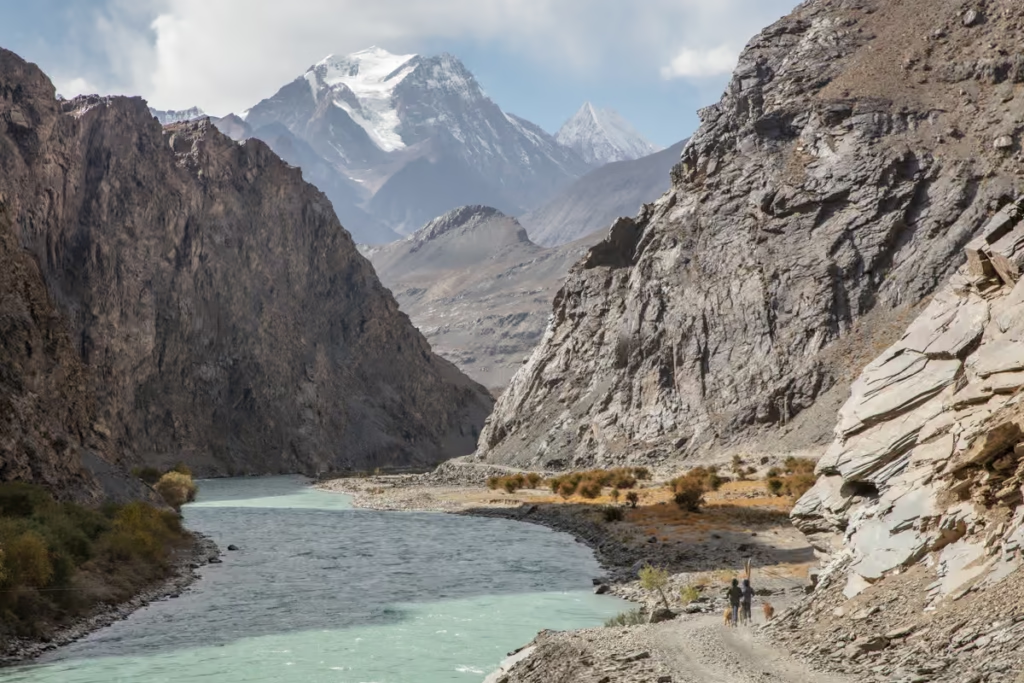
Bartang Valley, Tajikistan
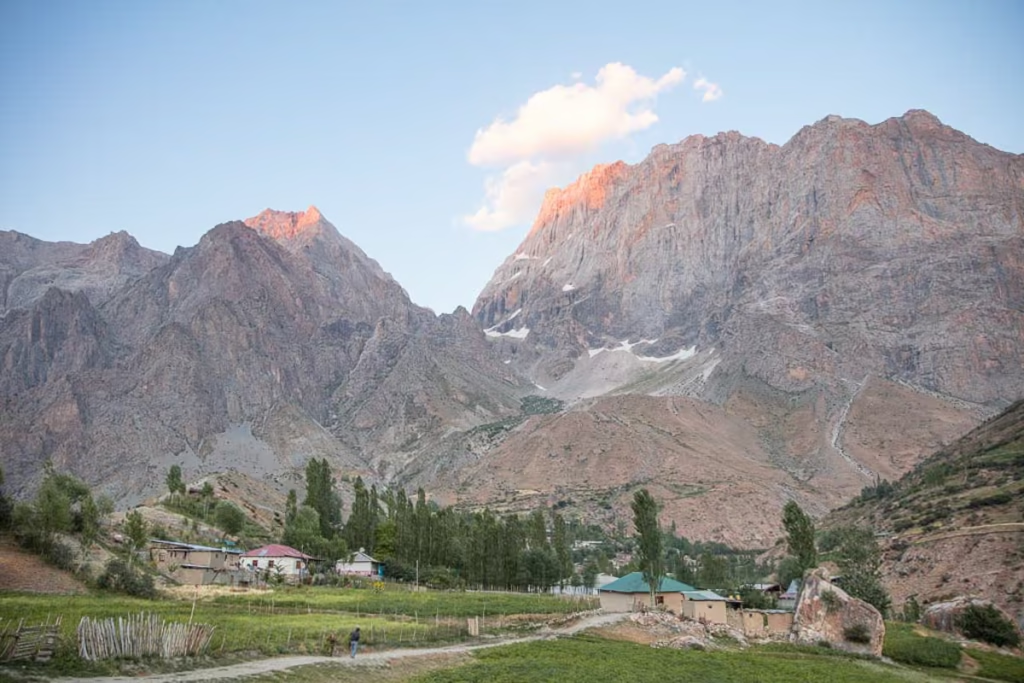
Yagnob Valley Trekking Travel Guide
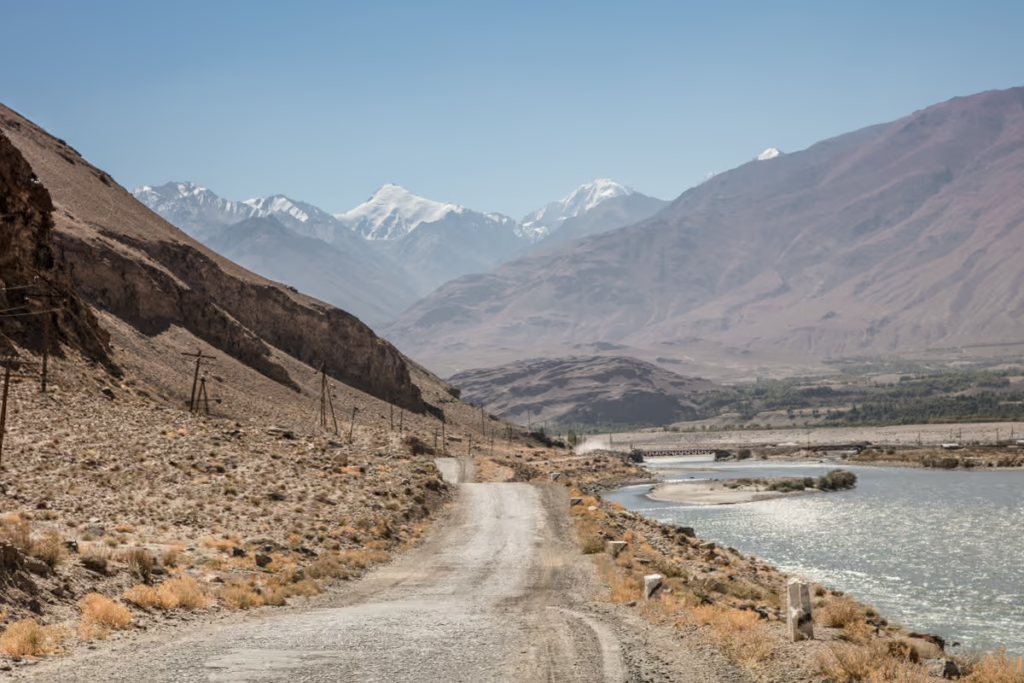
Ishkashim Border Crossing
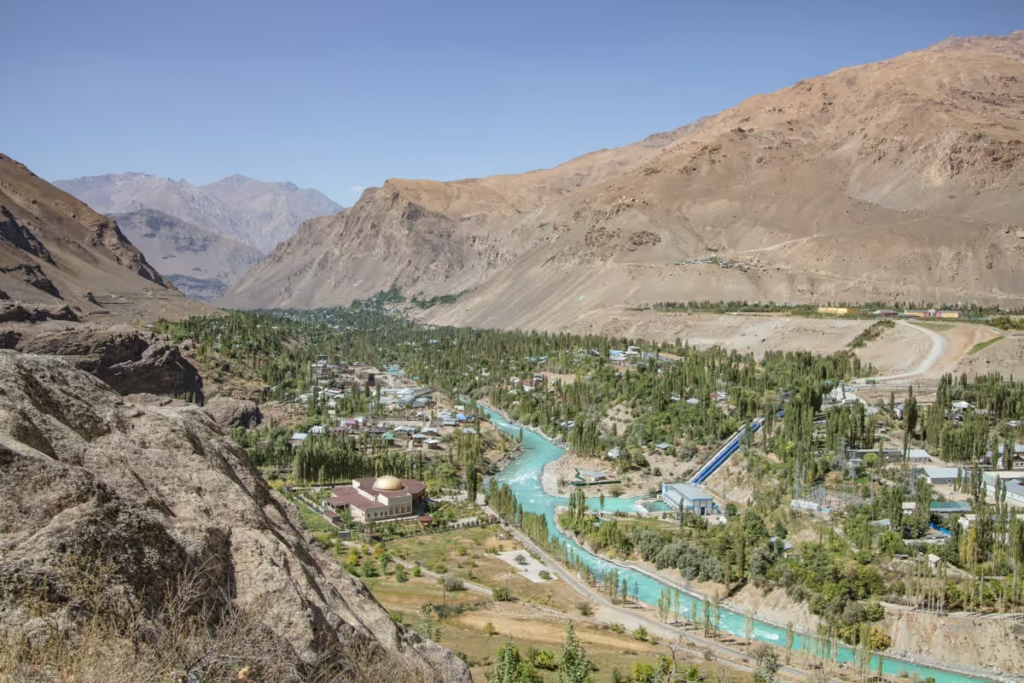
Khorog Travel Guide
Tajikistan Letter of Invitation (LOI)
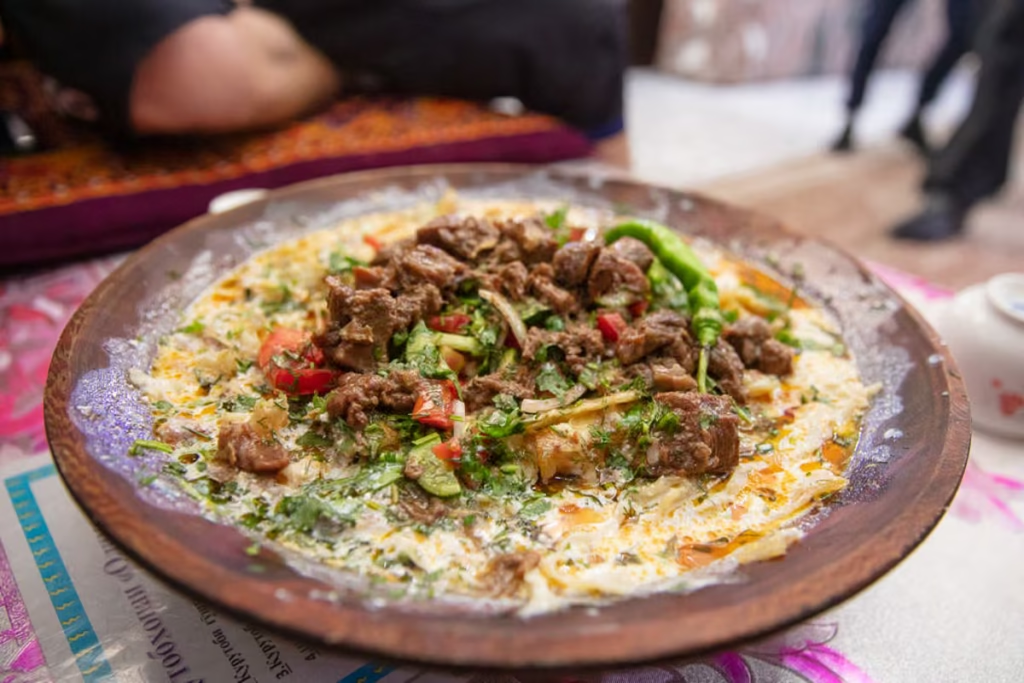
Must-Try Tajik Food
Best Road Trips in the World
Central Asia Food & Drink
10 Reasons To Visit Tajikistan
Qolma Pass Border Crossing
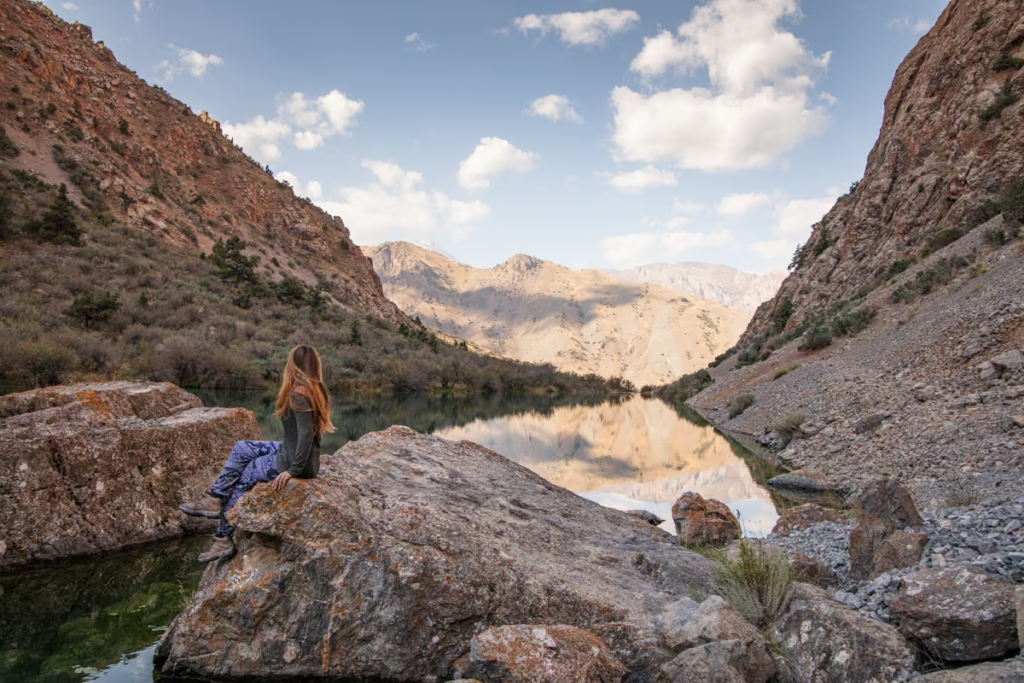
Tajikistan Travel Guide
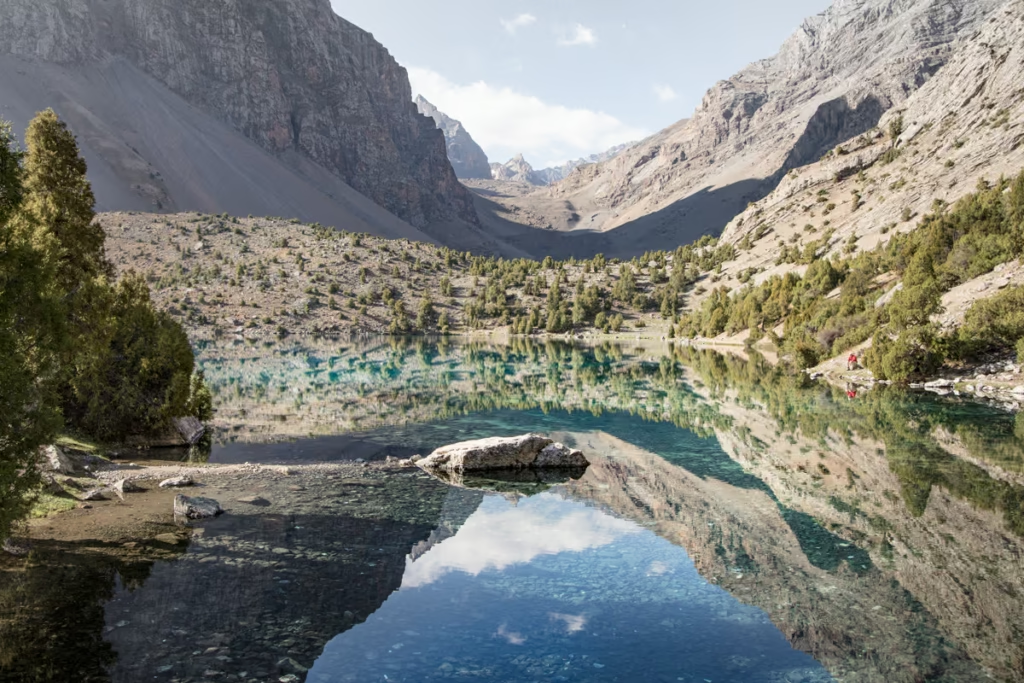
Off the Beaten Path Asia
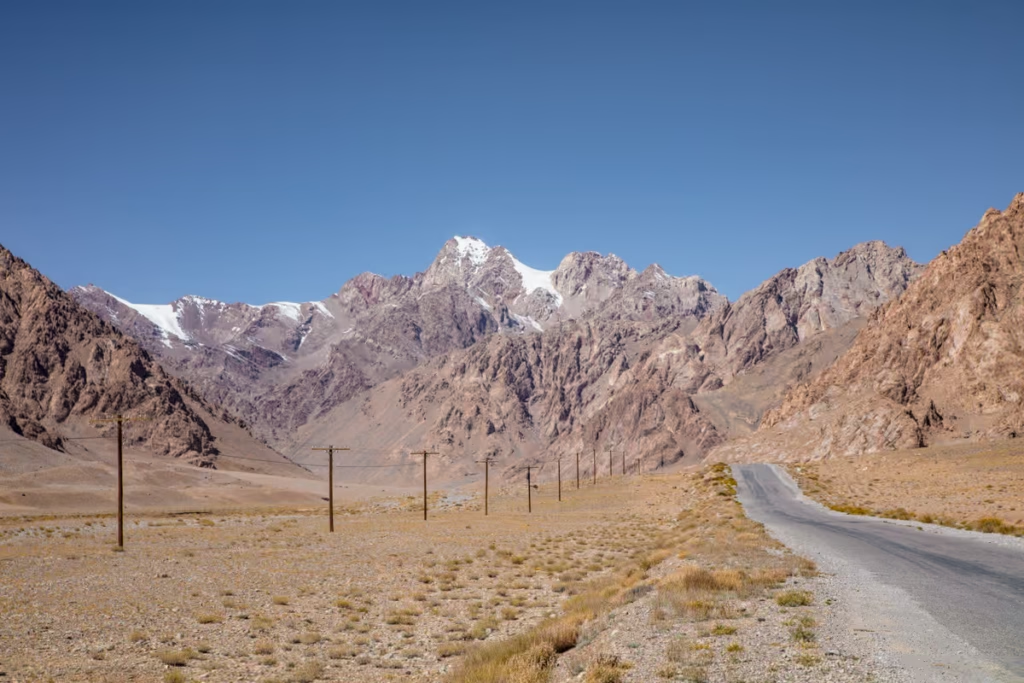
Pamir Highway Travel Guide
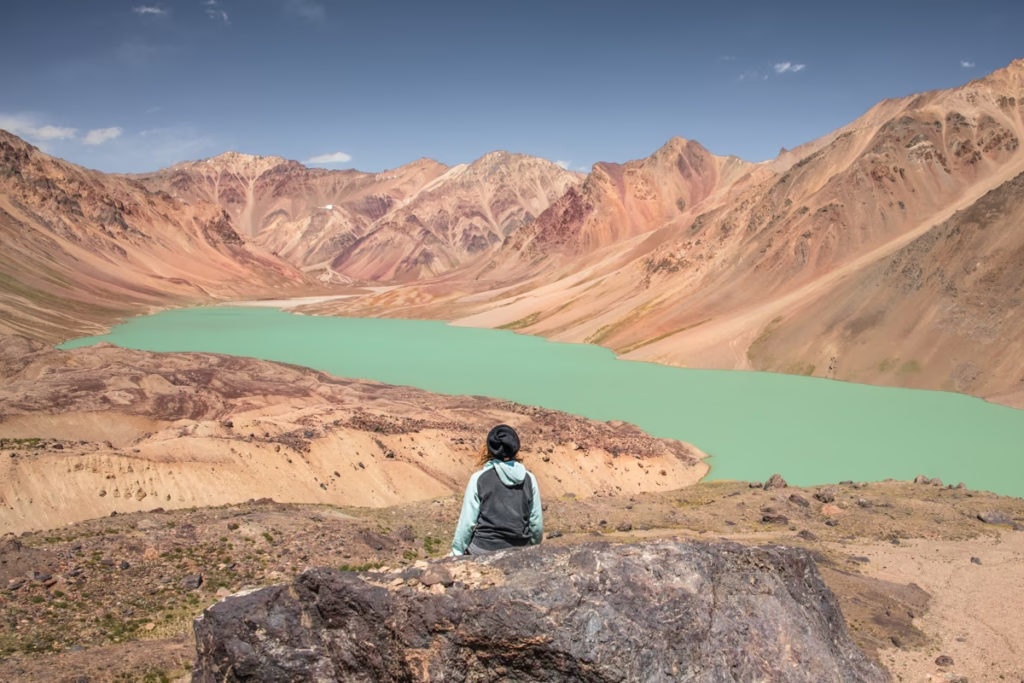
Top Things to Do Tajikistan
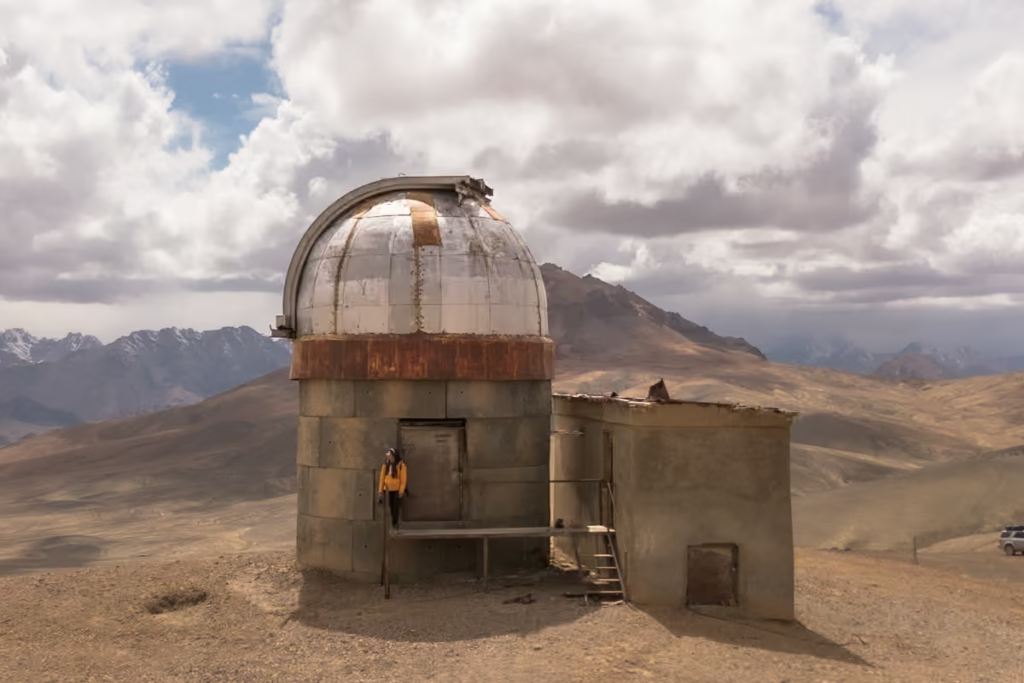
Shor Bulog Observatory, Tajikistan
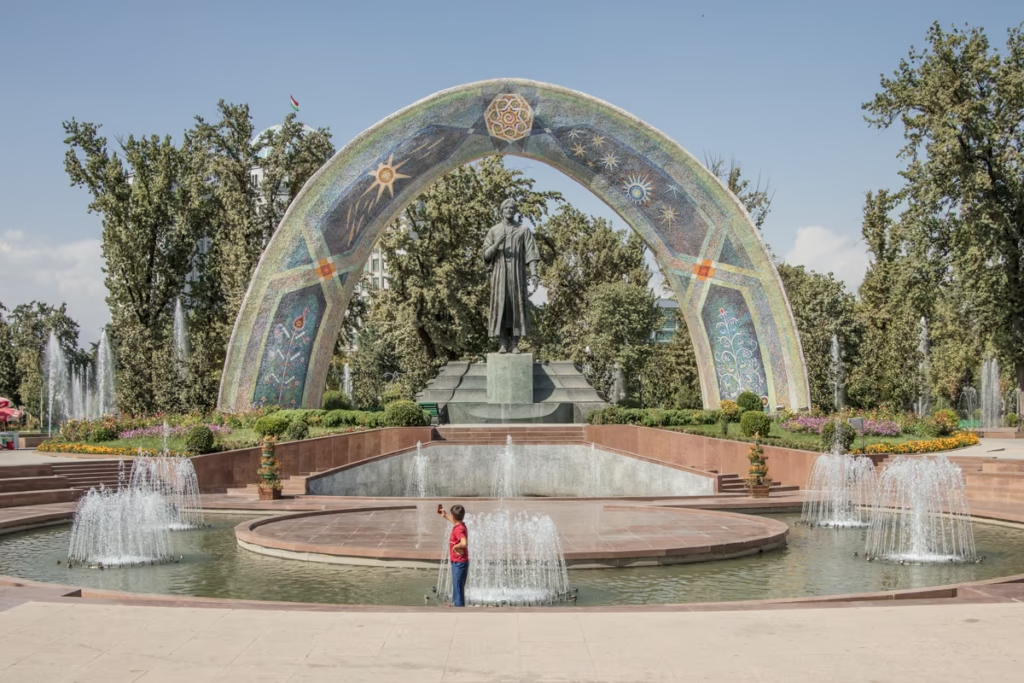
Dushanbe Travel Guide
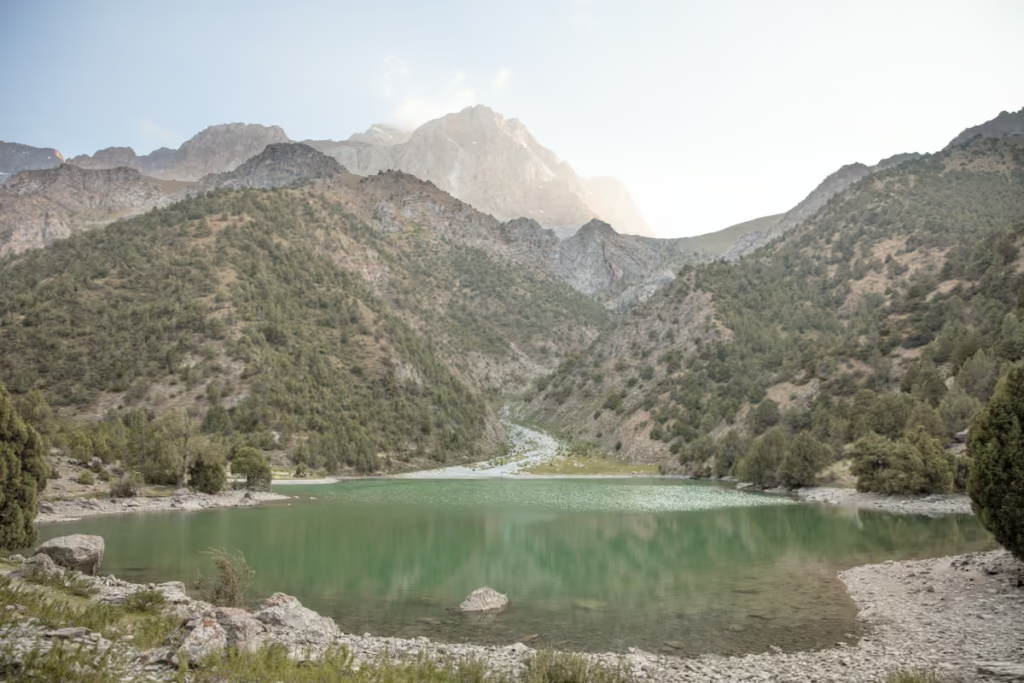
Best Hikes in Tajikistan
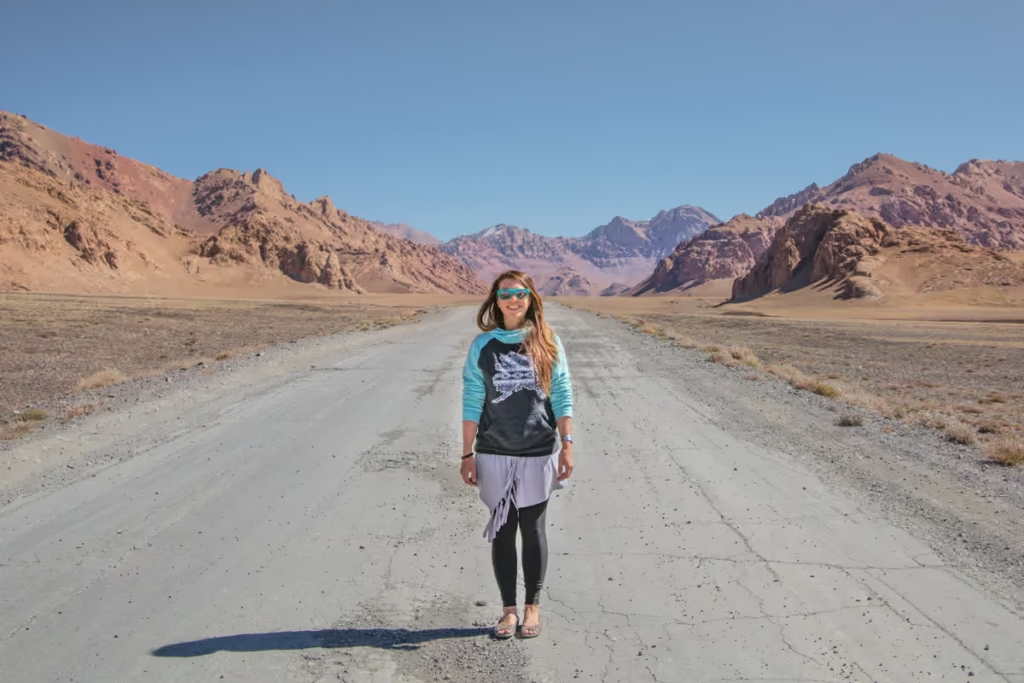
Solo Female Travel in Tajikistan
Beginner’s Guide to Central Asia Travel
Panjakent Travel Guide
Pamir Highway Itinerary
Panjakent-Samarkand Border Crossing
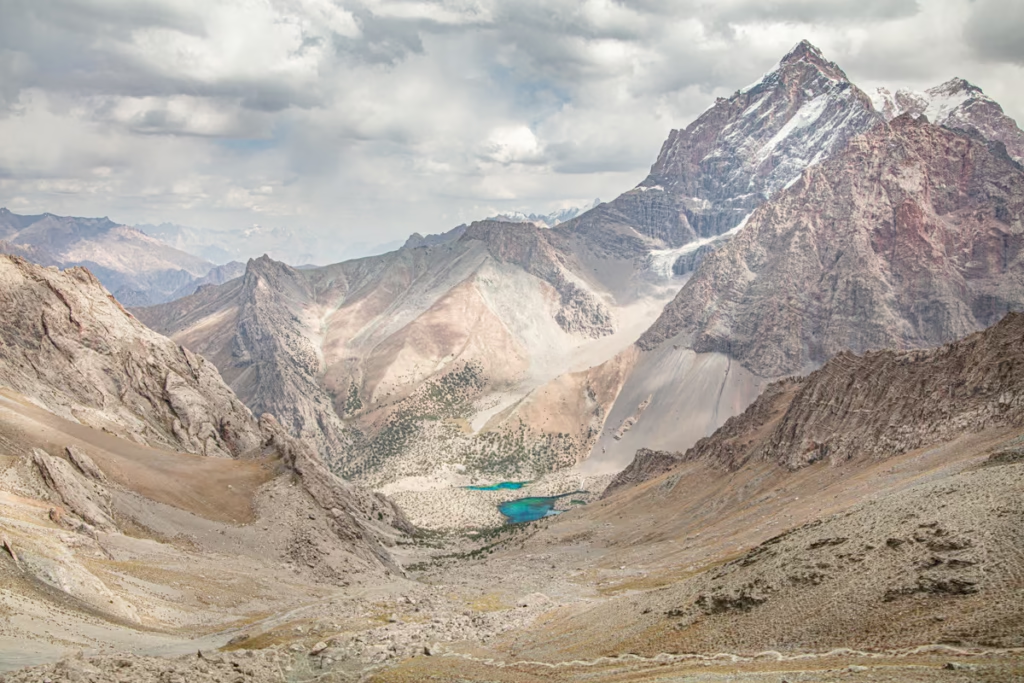
Fann Mountains Trekking Guide
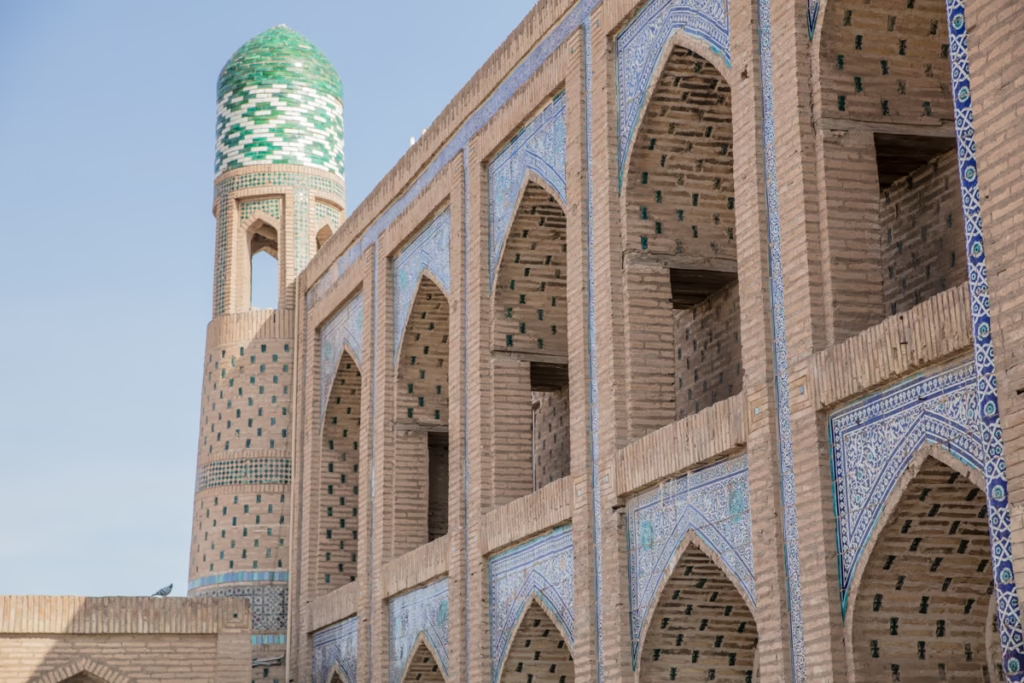
Two Week Tajikistan & Uzbekistan Itinerary
Best Restuarants in Dushanbe

How to Register Your Phone with IMEI.tj
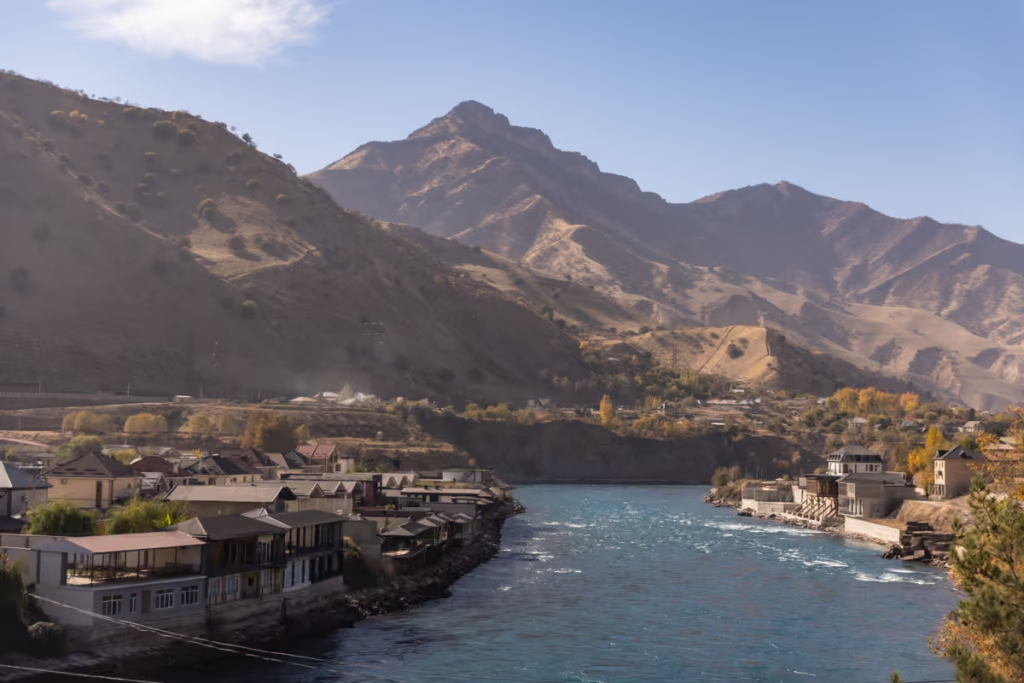
Khatlon Travel Guide
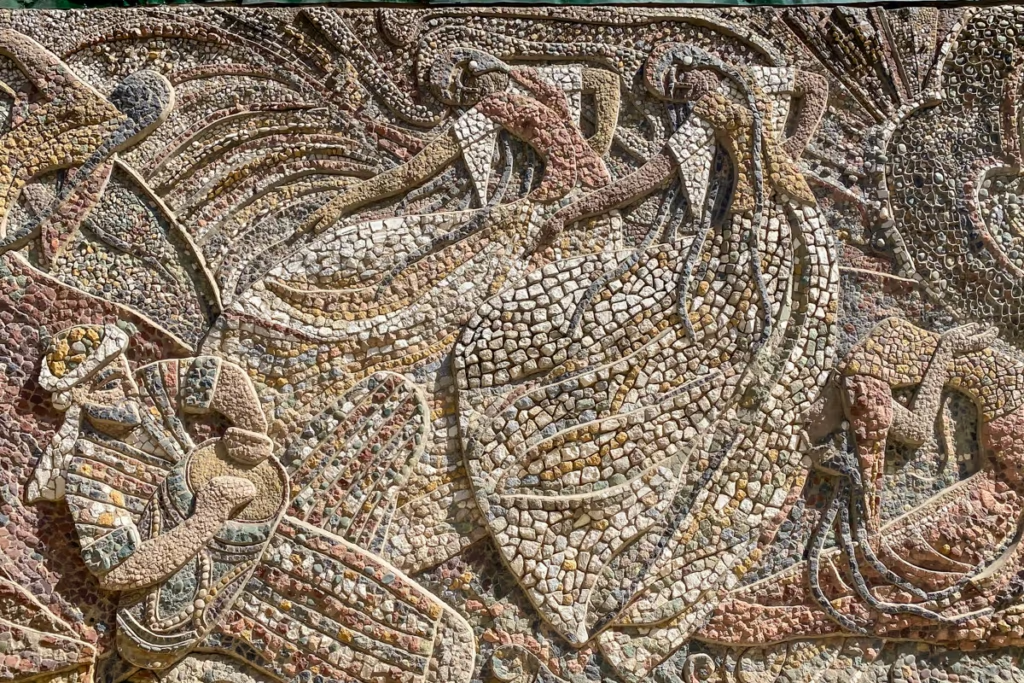
The Mosaics of Dushanbe
Best Places to Stay in Dushanbe
How to Use Payment Terminals in Tajikistan
Soviet Architecture in Khorog
Vorukh: Visiting the Tajik Enclave
The Denau-Dushanbe Border Crossing
Shaimak Travel Guide Tajikistan