18 Things to Do in Tashkent + Tashkent Travel Guide
Updated November 2026, 18 Things To Do In Tashkent + Tashkent Travel Guide was originally written in January 2020
Tashkent is often overlooked by travelers visiting Uzbekistan, who tend to head straight for the Silk Road cities of Samarkand, Bukhara, and Khiva. But Uzbekistan’s capital deserves more than a quick stop. Tashkent is a fascinating mix of historic Islamic architecture, Soviet-era monuments, sprawling bazaars, leafy boulevards, and some of the most beautiful metro stations in the world.
As the country’s largest city and main international gateway, Tashkent is likely where your Uzbekistan trip will begin or end. Give yourself a couple of days to explore its neighborhoods, sample traditional Uzbek food and great international cuisine at Tashkent’s best restaurants, visit its museums, and get acquainted with a side of Uzbekistan that feels quite different from its famous Silk Road cities.
In this Tashkent travel guide, I’ll cover the best things to do in Tashkent, how many days to spend in the city, where to stay, the best restaurants, transportation, and some excellent day trips beyond the capital.
For more ideas to help you plan the perfect trip to Uzbekistan, I recommend purchasing a copy of the Bradt Uzbekistan Guidebook.
Need Travel Insurance and Evacuation Services?
Start shopping for travel insurance plans over at IATI Insurance. Readers of the Adventures of Nicole get a 5% discount off your plan.
The Adventures of Nicole partners with Global Rescue to offer the world’s leading medical evacuation and security advisory services. To travel with peace of mind, explore their evacuation coverage.
How Many Days Do You Need in Tashkent?
I’d recommend spending two days in Tashkent to see the city’s main attractions without rushing. One day is enough to visit the highlights, including Chorsu Bazaar, the Khast Imam Complex, Independence Square, and several of the famous Tashkent Metro stations.
With two days, you’ll have time to explore more of the city’s museums, Soviet-era architecture, mosques, and markets, as well as enjoy some of Tashkent’s excellent restaurants. Three days is a good option if you want to explore at a slower pace or take a day trip outside the city. Longer stays open you up to visiting the city’s sites more slowly and offer enough time for day trips.
Best Time to Visit Tashkent
The best time to visit Tashkent is during spring (April-May) and autumn (September-October), when temperatures are generally comfortable for sightseeing.
Summers in Tashkent can be extremely hot, with temperatures frequently climbing above 35°C. Walking around the city during the middle of the day can be exhausting, particularly when visiting open squares and monuments with little shade. If you’re visiting in summer, plan outdoor sightseeing for the morning and evening.
Winters are cold, with occasional snow and temperatures that can dip below freezing. While winter isn’t necessarily the most comfortable time to explore Tashkent, you’ll generally encounter fewer tourists.
March and November are good shoulder-season alternatives. The weather can be unpredictable, but you’ll have a chance of finding better accommodation prices and fewer crowds than during the popular spring and autumn months.
For the best combination of comfortable sightseeing weather and good conditions for exploring the rest of Uzbekistan, I’d aim for April, May, September, or October.
Need help planning you itinerary? Check out my two week Uzbekistan itinerary
Where to Stay in Tashkent
Tashkent is a sprawling city, so choosing accommodation with convenient access to the metro can make a big difference when sightseeing. I’d recommend staying somewhere around the city center, particularly if you only have a couple of days to explore.
Here are a few accommodation options in Tashkent to consider, ranging from budget-friendly hostels to more comfortable hotels.
Budget
Drimin Sunrise Caravan Hostel & Guesthouse
| Booking.com |
Midrange
|Art Eco Hotel
| Booking.com | Hotels.com |
Splurge
Ichan Qala Hotel
| Booking.com | Hotels.com |
Tashkent Tours
If you’d prefer to explore Tashkent with a local guide, there are several walking tours and guided experiences available around the city, including this half-day walking tour of the city, and this night tour of Tashkent.
A guided walking tour is a good introduction to Tashkent’s history, architecture, and major landmarks, particularly if you’re short on time. Alternatively, a nighttime city tour offers a different perspective, when many of the city’s monuments, squares, and modern buildings are illuminated.
Getting Around Tashkent
Tashkent is a large, spread-out city, but getting around is relatively easy thanks to its metro system, extensive bus network, and inexpensive taxis.
The Tashkent Metro is the best way to travel between many of the city’s main attractions. It’s affordable, easy to use, and a sightseeing attraction in its own right. Some destinations, particularly in the Old Town and around the outskirts of the city, are easier to reach by taxi.
Yandex Go is widely used in Uzbekistan and is generally the easiest way to order a taxi. I’d recommend downloading the app before your trip and getting a local SIM card or eSIM so you have mobile data.
You can also use buses to reach areas not covered by the metro, although taxis are often more convenient for shorter journeys.
Public transportation fares: A single bus or metro journey costs 2,500 UZS when paying electronically or 3,000 UZS with a cash-purchased QR ticket.
Things to Do in Tashkent
Take a Ride on the Tashkent Metro

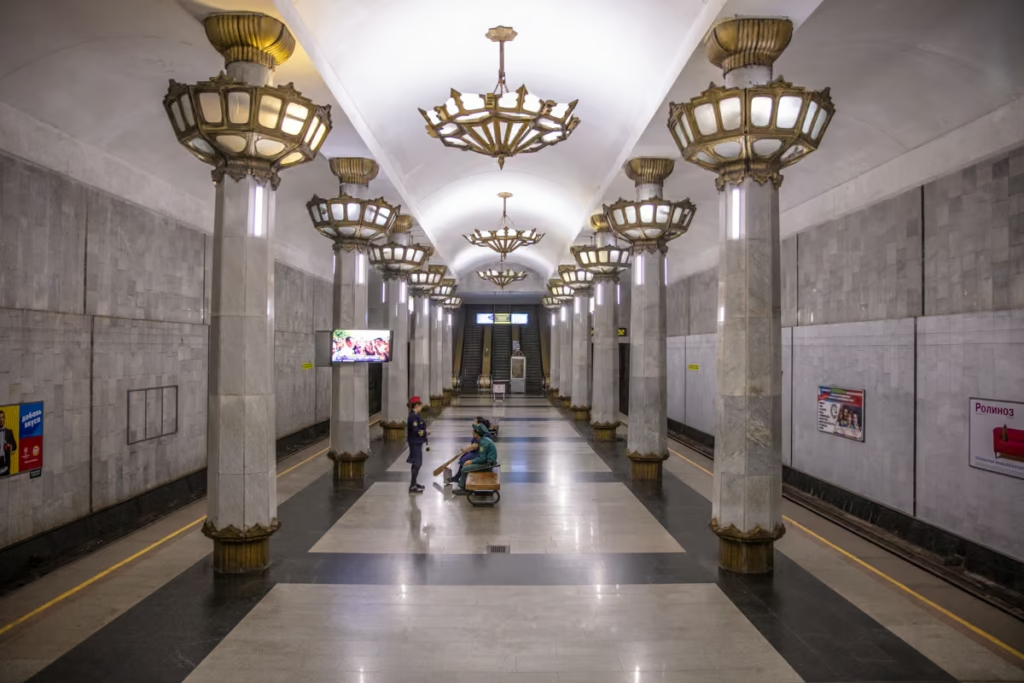
The Tashkent Metro is one of the most beautiful underground railway systems in the world and, in my opinion, one of the absolute highlights of visiting the Uzbek capital. Opened in 1977, the metro was originally constructed during the Soviet era, with individual stations featuring elaborate chandeliers, marble columns, mosaics, and architectural designs inspired by everything from Uzbek history to space exploration.
For years, photography inside the metro was prohibited because it was considered a strategic military installation. That restriction was lifted in 2018, meaning visitors can now photograph the stations and their intricate designs.
Riding the metro is also one of the easiest and cheapest ways to get around Tashkent. Even if you don’t need to travel anywhere in particular, I’d recommend hopping between several stations just to admire their different interiors.
I particularly enjoyed visiting stations such as Kosmonavtlar, Alisher Navoi, and Xalqlar Do’stligi.
Cost: 2,500 UZS per ride if paying electronically, 3,000 UZS per ride if paying in cash
Mustaqillik Maydoni (Independence Square)
Mustaqillik Maydoni, or Independence Square, is one of the most prominent public spaces in Tashkent. The expansive square is surrounded by landscaped gardens, fountains, government buildings, and several important monuments.
Among the notable sights here are the Senate Building, the Crying Mother Monument, the Romanov Palace, and the Earthquake Memorial, which commemorates the devastating 1966 earthquake that destroyed much of Tashkent.
It’s a pleasant place to wander between sightseeing stops, particularly when the fountains are running and the surrounding gardens are green.
Metro stop: Mustaqillik Maydoni
Besh Qozon (formerly the Central Asian Plov Center)

If there’s one food experience you shouldn’t miss in Tashkent, it’s eating plov at Besh Qozon, formerly known as the Central Asian Plov Center.
Plov is Uzbekistan’s national dish, made with rice, carrots, onions, meat, and spices cooked together in a large kazan, a traditional heavy metal cooking pot. At Besh Qozon, the preparation is practically a spectacle in itself. Visit around lunchtime to watch cooks prepare enormous batches of plov in giant outdoor cauldrons while hungry locals queue up with containers and trash bags to take their portions home.
The restaurant is particularly famous for its enormous qazan, and you can watch the entire cooking process before heading inside to order a bowl for yourself.
It’s a busy, lively place, but that’s part of the experience. Come hungry.
Metro stop: Bodomzor or Shahriston
Hotel Uzbekistan

Hotel Uzbekistan is one of Tashkent’s most recognizable examples of Soviet-era architecture. The imposing hotel overlooks Amir Timur Square and has become something of a city landmark since opening in 1974.
Its distinctive concrete facade and geometric design make it worth seeing even if you aren’t staying there. The building is a reminder of Tashkent’s Soviet past and the monumental architectural style that shaped much of the city during that period.
Stop by to admire the exterior, or head in and have a drink at the Bar Vienna downstairs or grab dinner at the upstairs restaurant.
Metro stop: Amir Timur Hiyobuni or Yunus Rajabiy
Khast Imam Complex, Abu Bakr Kaffal Shoshi Mausoleum, & Barak Khan Madrasa
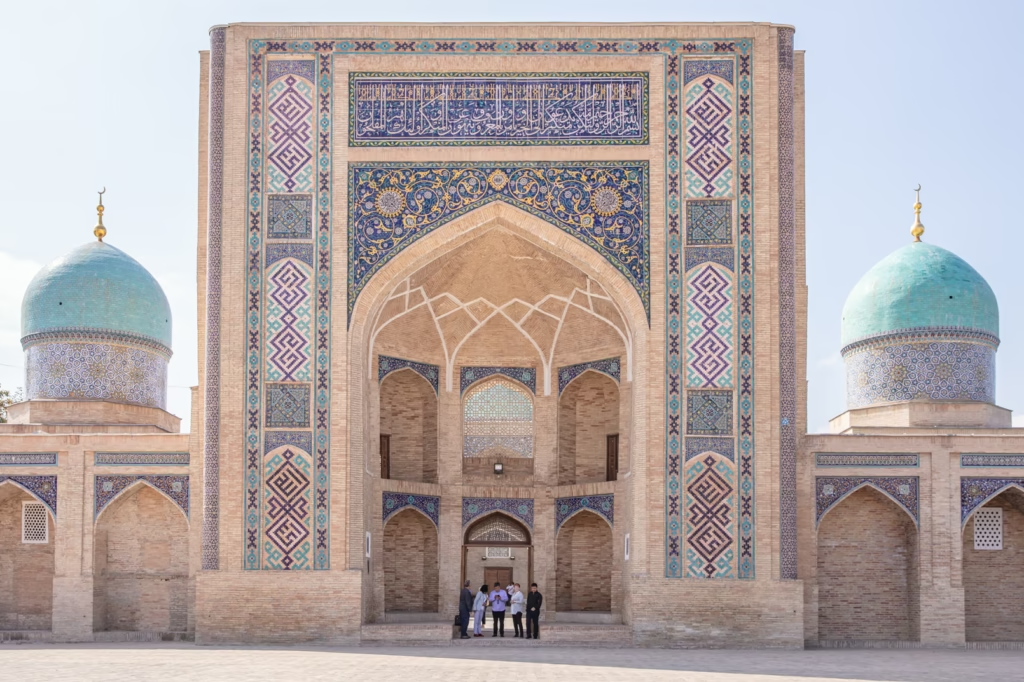
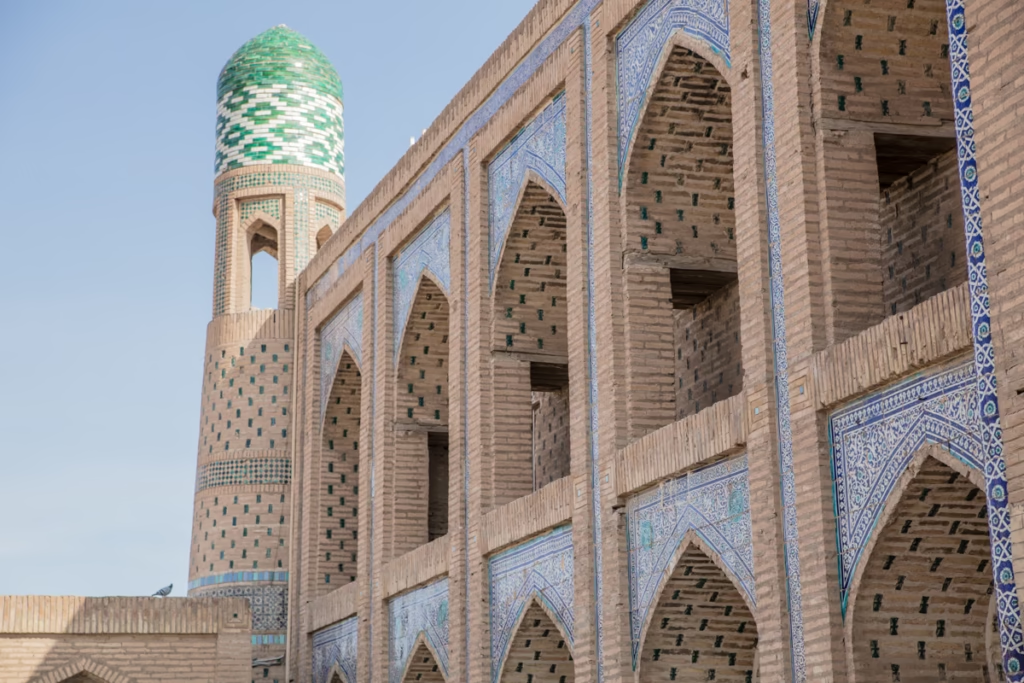
The Khast Imam Complex, also known as Hazrati Imam, is the historic religious heart of Tashkent and one of the most important Islamic architectural ensembles in Uzbekistan. It’s one of my favorite things to do in Tashkent, just to admire the architecture.
The complex is home to several mosques, madrasas, and mausoleums, including the Tillya Sheikh Mosque, Barak Khan Madrasa, and the Abu Bakr Kaffal Shoshi Mausoleum. The buildings feature traditional Islamic architectural details, colorful tilework, and intricately decorated courtyards.
One of the most significant attractions within the complex is the Moyie Mubarek Library Museum, which houses the famous Uthman Quran, an exceptionally important early Quranic manuscript dating to the 7th century.
I’d recommend allowing at least an hour to explore the complex. It’s also worth visiting early in the day if you want to avoid some of the larger tour groups.
Metro stop: Gafur Gulom
Chorsu Bazaar

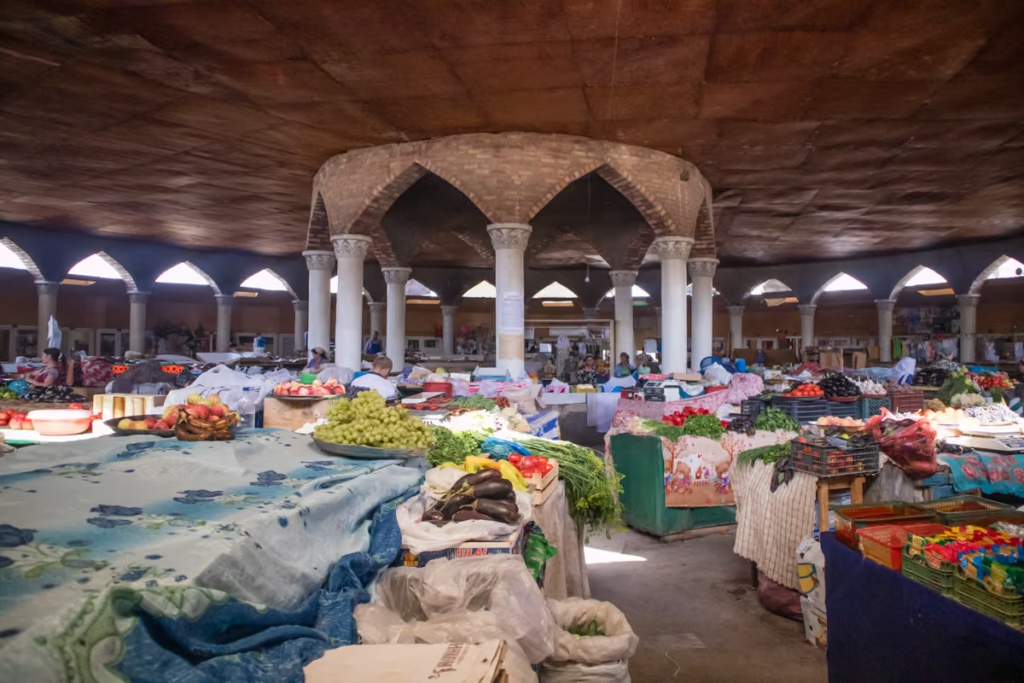
Chorsu Bazaar is one of the best places in Tashkent to experience everyday Uzbek life. Located in the historic Old Town, this sprawling market has been an important commercial center for generations and remains one of the city’s frenetic places.
The bazaar’s most recognizable feature is its enormous turquoise-blue dome, beneath which you’ll find stalls selling meat, dairy products, spices, dried fruits, nuts, and other local specialties. Outside the main domed building, the bazaar spreads through a maze of smaller stalls, food vendors, and shops selling everything from household goods to traditional clothing.
It’s also a great place to sample Uzbek food, pick up inexpensive souvenirs, or simply wander around and watch the daily activity unfold.
I’d recommend visiting in the morning when the market is at its busiest and the produce stalls are well stocked.
Metro stop: Chorsu
International Islamic University & Sheik Khantaur Complex
The Sheikhantaur Complex is a historic religious site in central Tashkent containing three mausoleums associated with important figures in the city’s Islamic history.
The complex includes the mausoleums of Sheikh Hovendi Takhur (Sheikhantaur), Kaldirgach-biy, and Yunus Khan. The structures date to different periods and offer a quieter alternative to some of Tashkent’s more heavily visited historical attractions.
The complex is particularly interesting for its traditional architecture and its connection to the religious and political history of the region.
Metro stop: Alisher Navoi or Pakhtakor
Minor Mosque

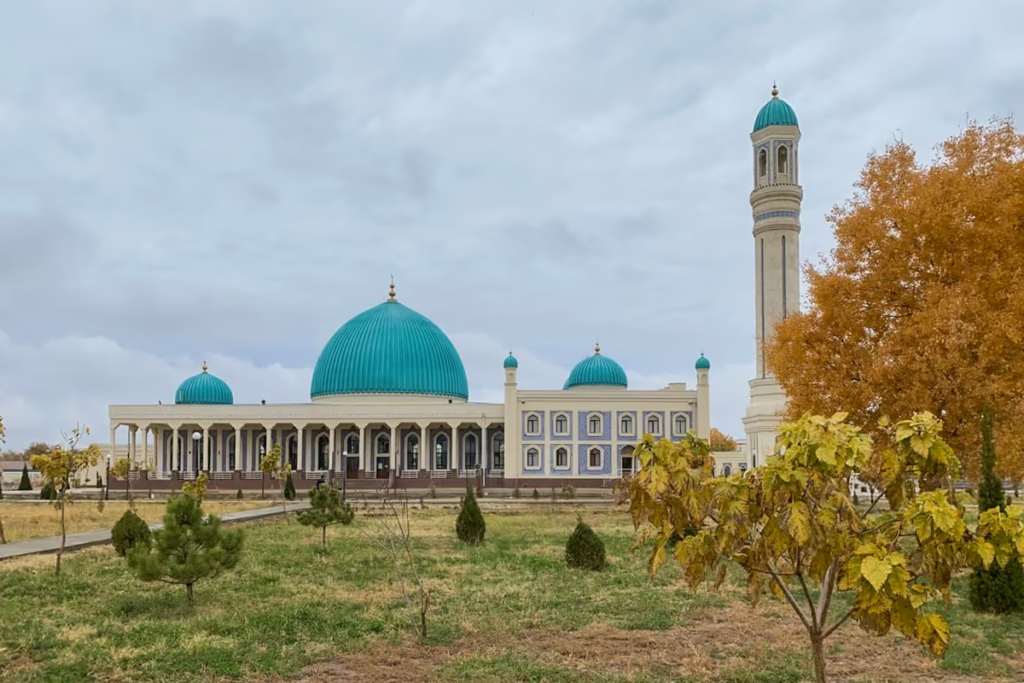
Minor Mosque is one of the newer additions to Tashkent’s architectural landscape, having opened in 2016. Situated beside the Ankhor Canal, the mosque is particularly striking for its white marble facade, pale blue dome, and elegant minarets.
The building’s bright exterior stands out against the surrounding greenery and makes it one of the more photogenic religious sites in the capital.
Although it doesn’t have the same historical significance as the older mosques in the Khast Imam Complex, it’s worth a visit if you’re interested in Tashkent’s contemporary religious architecture.
Remember that this is an active place of worship, so dress modestly and be respectful of prayer times.
Metro stop: Bodomzor or Minor
Have more time in Uzbekistan? Why not check out the Uzbek Fergana Valley?
Tashkent Tower

Standing 375 meters tall, the Tashkent TV Tower is one of the most recognizable landmarks in the Uzbek capital and one of the tallest structures in Central Asia.
Completed in 1985, the tower was designed to withstand earthquakes and serves as a broadcasting and telecommunications facility. Its observation deck offers panoramic views across Tashkent, although whether the admission fee is worth it depends on your interest in city viewpoints.
Personally, I’d be happy admiring the tower from the outside unless you particularly enjoy visiting observation decks.
The tower is also conveniently located near Besh Qozon, making it easy to combine the two attractions on the same outing.
Metro stop: Bodomzor or Shahriston
Oloy Bazaar

Oloy Bazaar, also spelled Alay Bazaar, is another market to visit in Tashkent. Compared with the sprawling and sometimes chaotic Chorsu Bazaar, Oloy has a more modern and organized vibe to it.
You’ll find stalls selling fresh produce, dried fruits, nuts, spices, meat, dairy products, and other local goods. Prices can be somewhat higher than at Chorsu, but the market is generally a more relaxed place to browse.
The bazaar is also interesting from a historical perspective, with origins often traced back several centuries.
Metro stop: Abdulla Qodiri
Kulkadesh Madrasa & Joma Mosque

Kukeldash Madrasa is one of the most significant surviving historical buildings in Tashkent’s Old Town. Built during the 16th century under the Shaybanid dynasty, the madrasa once served as an important center of Islamic education.
The building features a traditional courtyard surrounded by rooms that were historically used by students, along with an impressive entrance portal decorated with intricate architectural details.
Located beside Chorsu Bazaar, Kukeldash Madrasa is easy to combine with a visit to the market. The nearby Juma Mosque adds another interesting stop to the area. There is a 15,000 UZS entrance fee.
Metro stop: Chorsu
Navoi Theatre

The Alisher Navoi State Academic Bolshoi Theatre is one of the most impressive cultural landmarks in Tashkent. Named after the celebrated 15th-century Uzbek poet Alisher Navoi, the theater is known for its grand architecture and performances of opera and ballet.
The building was designed by Soviet architect Alexey Shchusev and completed in 1947. Its design incorporates traditional architectural elements from different regions of Uzbekistan, with each of the theater’s foyers and halls featuring distinctive decorative details.
If you’re interested in experiencing Tashkent’s cultural and arts scene, check the performance schedule during your visit. Attending an opera or ballet is a memorable way to spend an evening in the capital.
Tickets typically fall in the 10,000-100,000 UZS price range depending on the seat but make sure to get there early to wander the halls and foyers to appreciate the architecture.
Metro stop: Mustaqillik Maydoni or Kosmonavtlar
Plan a perfect two week Uzbekistan & Tajikistan itinerary
Cathedral of Assumption

The Cathedral of the Assumption of the Virgin is an impressive Russian Orthodox church in Tashkent, recognizable by its blue domes and gold details.
Originally built in 1871, the cathedral has undergone several renovations and expansions throughout its history. It serves as an important place of worship for Tashkent’s Russian Orthodox community and offers an interesting look at another side of the city’s religious and cultural heritage.
The surrounding Mirobad neighborhood is also worth exploring. Keep an eye out for Soviet-era apartment blocks and the decorative mosaics that once adorned many residential buildings throughout Tashkent.
Metro top: Tashkent or Oybek
Amir Timur Maydoni (Amir Timur Square)

Amir Timur Square is an excellent starting point for exploring the modern city center.
At the heart of the square stands a large statue of Amir Timur on horseback, the 14th-century conqueror who founded the Timurid Empire. The monument is surrounded by landscaped gardens, fountains, and several important buildings, including the Amir Timur Museum, Hotel Uzbekistan, and the Dom Forum.
The square has undergone several transformations over the years, with different monuments occupying its center during different political periods. Today, it remains one of the city’s most recognizable landmarks.
It’s particularly pleasant to visit in the evening when the surrounding buildings and fountains are illuminated.
Metro stop: Amir Timur Hiyobuni or Yunus Rajabiy
Tashkent Museums
State Museum of the History of Uzbekistan

The State Museum of the History of Uzbekistan is a good place to start if you want to understand the country’s long and complicated history. Its collections cover the territory’s development from ancient civilizations and the Silk Road period through the Russian Empire, Soviet era, and modern independence.
The exhibits include archaeological discoveries, historical artifacts, photographs, and displays documenting the different cultures and empires that have shaped Uzbekistan.
It’s a great stop if you want an historical warmup before continuing on to Samarkand, Bukhara, and the other historic cities of Uzbekistan.
Admission is 100,000 UZS, cameras are an additional 200,000 UZS, and those wanting to film will need to pay an additional 300,000 UZS.
Metro stop: Mustaqillik Maydoni
Art Gallery of Uzbekistan
The Art Gallery of Uzbekistan is worth visiting if you’re interested in the country’s contemporary art scene. The gallery hosts rotating exhibitions featuring Uzbek and international artists, alongside displays of modern paintings, photography, sculpture, and other creative works.
It’s a nice contrast to Tashkent’s historical museums and offers an opportunity to see how contemporary artists interpret Uzbek culture and identity. The admission fee for the Art Gallery of Uzbekistan is 50,000 UZS.
Metro stop: Mustaqillik Maydoni
Amir Timur Museum

The Amir Timur Museum is dedicated to the life and legacy of Amir Timur, the 14th-century ruler who established the Timurid Empire.
Located near Amir Timur Square, the museum is recognizable by its striking blue dome and ornate architectural details. Inside, exhibits explore Timur’s military campaigns, political influence, and the development of the Timurid dynasty, which played a significant role in the history of Central Asia.
The collection includes manuscripts, historical documents, paintings, and displays relating to the Timurid period.
It’s an interesting stop if you’re planning to visit Samarkand, where Timur established his imperial capital and left behind some of the region’s most significant architectural monuments.
Admission is 50,000 UZS, and an additional fee to take photos.
Metro stop: Amir Timur Hiyabuni or Yunus Rajabiy
Railway Museum
The Railway Museum in Tashkent is an interesting stop for anyone interested in Soviet engineering and railway history. The outdoor museum displays a collection of locomotives, passenger carriages, and railway equipment that were used throughout the Soviet period and beyond.
You can wander between the historic trains and get a closer look at the machinery and engineering that once kept the region’s railways running. Admission is 50,000 UZS.
Metro stop: Toshkent
State Fine Arts Museum
The State Museum of Fine Arts of Uzbekistan houses an extensive collection of artwork spanning over 1,500 years of Central Asian history.
The museum’s collections include paintings, sculpture, decorative arts, and historical artifacts from Uzbekistan and beyond. One of my favorite sections is the collection of Uzbek applied arts, which features traditional wood carvings, ceramics, textiles, and suzani embroidery.
Suzanis are elaborately embroidered textiles that have long played an important role in Uzbek domestic life and traditional craftsmanship.
Admission is 40,000 UZS, and cameras are an additional fee. Do note that the museum is currently closed temporarily for rennovations.
Metro stop: Oybek or Ming Orik
Museum of Applied Arts

The Museum of Applied Arts is one of my favorite museums in Tashkent, particularly if you’re interested in traditional Uzbek craftsmanship and architecture.
The museum is housed in the former residence of Alexander Polovtsev, a Russian diplomat who commissioned an elaborate mansion decorated by local artisans. The building itself is a highlight, with beautifully carved wooden columns, painted ceilings, intricate plasterwork, and colorful decorative details.
Inside, the collection showcases traditional Uzbek handicrafts, including ceramics, textiles, suzani embroidery, jewelry, wood carving, and other decorative arts.
Admission is 40,000 UZS, with an additional fee for camera usage.
Metro stop: Kosmonavtlar
Centre for Contemporary Arts Tashkent
The Centre for Contemporary Arts (CCA) is one of Tashkent’s newest cultural spaces, bringing contemporary art, exhibitions, and creative programming to the Uzbek capital.
Housed inside a former power station dating to 1912, the building has been reimagined as a space for contemporary art and cultural events. Its industrial architecture makes an interesting contrast to the traditional Islamic buildings and Soviet monuments found elsewhere in the city.
Metro stop: Amir Timur Hiyabuni or Yunus Rajabiy
Museum of the Victims of Political Repression
The Museum of Victims of Political Repression explores one of the darkest chapters in Uzbekistan’s modern history. Located near the Tashkent TV Tower and the Besh Qozon plov restaurant, the museum commemorates those who were persecuted, imprisoned, and executed during periods of political repression.
Much of the museum focuses on the Soviet era, particularly the purges under Stalin, when intellectuals, religious figures, political opponents, and ordinary citizens across Central Asia were targeted.
The exhibits provide important context to understanding Uzbekistan’s 20th-century history and the lasting effects of Soviet rule.
Metro stop: Bodomzor or Shahriston
Magic City

Magic City is a large entertainment and shopping complex in Tashkent, built around a fairytale-style castle and a collection of themed buildings. The development includes attractions, restaurants, shops, entertainment facilities, and replicas of famous landmarks from around the world.
One of the more recognizable features is a recreation of Samarkand’s Registan Square, bringing a little Silk Road architecture into an otherwise modern entertainment complex.
I wouldn’t necessarily make a special trip here if you’re short on time, but it’s a fun place to wander around in the evening. Families traveling with children will likely get the most out of a visit.
Entry to the complex is generally free, although individual attractions and entertainment may charge separate fees.
Metro stop: Xalqlar Dostigli or Milliy Bog
Center of Islamic Civilization
One of the most significant new cultural attractions in Tashkent is the Center of Islamic Civilization, which officially opened in March 2026. Located alongside the historic Khast Imam Complex, this enormous cultural and educational complex explores the history of Islam and the contributions of Central Asian scholars, scientists, and thinkers to world civilization.
The museum’s exhibitions cover thousands of years of regional history, from pre-Islamic civilizations through the Islamic Golden Age and Timurid period to modern Uzbekistan.
One of the main highlights is the Quran Hall, which houses the famous Uthman Quran manuscript, an exceptionally important early copy of the Quran. The building itself is also impressive, with monumental entrance portals, intricate Islamic architectural details, and a massive central dome.
The Center has received Guinness World Records recognition as the world’s largest museum of Islamic civilization. Admission is 425,000 UZS, including an audio guide.
It’s an excellent addition to a visit to the Khast Imam Complex, and I’d allow a couple of hours to explore the exhibitions properly.
Metro stop: Gafur Gulom
New Uzbekistan Park
New Uzbekistan Park is a large modern public park on the outskirts of Tashkent, featuring landscaped grounds, monumental sculptures, and expansive public spaces.
The park is centered around the Independence Monument, which celebrates Uzbekistan’s history and national identity. It’s an interesting place to see another side of the capital, particularly if you’ve already explored its older neighborhoods and historical landmarks.
How to Travel to Tashkent
By Flight: Tashkent is easily reached by air with Uzbekistan Airways, Aeroflot, Ural Airlines, Air Manas, Air Astana, Turkish Airlines, and several more airlines offering services to the city. Uzbekistan Airways, of course, offers the most routes including several throughout Central Asia, Europe, East Asia, the Middle East, and even a new direct flight to New York City.
By Shared Taxi: Tashkent is easily reached by shared taxi and marshrutka from just about any city or town in Uzbekistan. International connections include the Zhibek Zholy-G’isht Kuprik Border Crossing from Shymkent, Kazakhstan; the Andijon-Osh crossing with Osh, Kyrgyzstan; the Oybek-Buston border crossing with Khujand, Tajikistan; the Panjakent-Samarkand crossing with Tajikistan; the Denau-Dushanbe border crossing with Tajikistan; and the Termez-Shahrtuz crossing with Shahrtuz, Tajikistan, but do expect to have to change to a different vehicle on the other side of the border.
By Train: Major cities in Uzbekistan, such as Samarkand, Bukhara, Urgench, Termez, Nukus, and more are all connected by rail as well as international destinations in Kazakhstan, Russia. You can book tickets within Uzbekistan book tickets within Uzbekistan here, but do note that many have difficulty booking online with the Uzbek Railways site (I gave up when I was there in October and just took a shared taxi). You’ll typically want to book at least a couple of days in advance, so if the site isn’t working for you ask a local (many times your guesthouse can lend a hand) to book a ticket for you and pay them in cash.
Best Restaurants in Tashkent
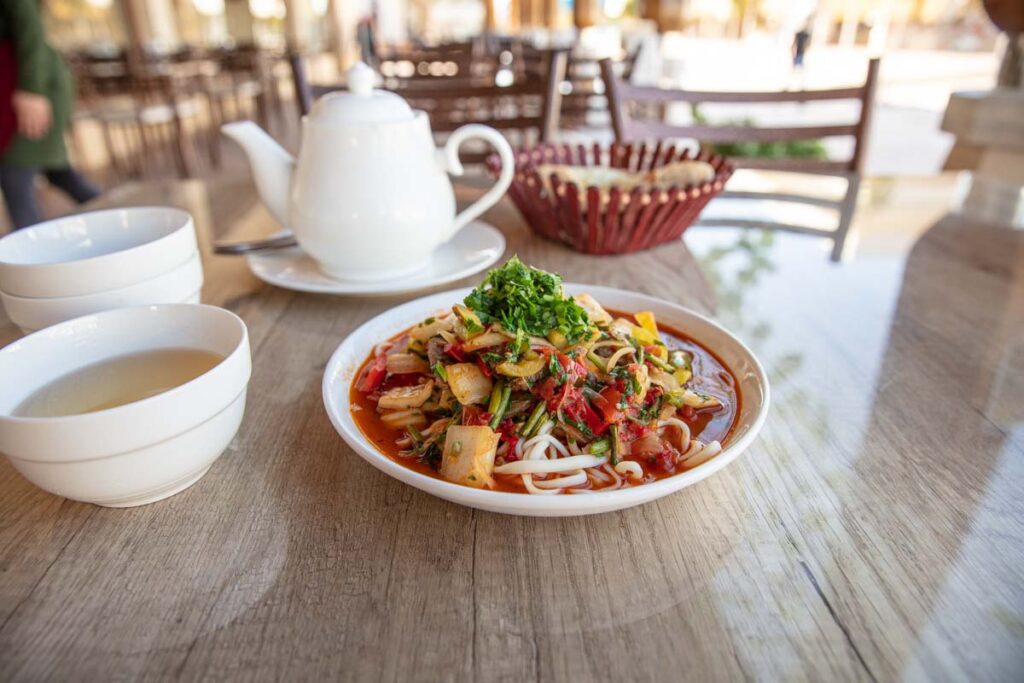
Another of my favorite things to do in Tashkent is to gorge out on great food. The city has exploded with many new restaurants all around, especially on Shota Rustaveli. For a rundown on the best places to eat in Tashkent, including local Uzbek cuisine, Central Asian regional fare, and international kitchens, check out my Best Restaurants in Tashkent Guide.
Things to Do Outside Tashkent: Tashkent Day Trips
Parkent
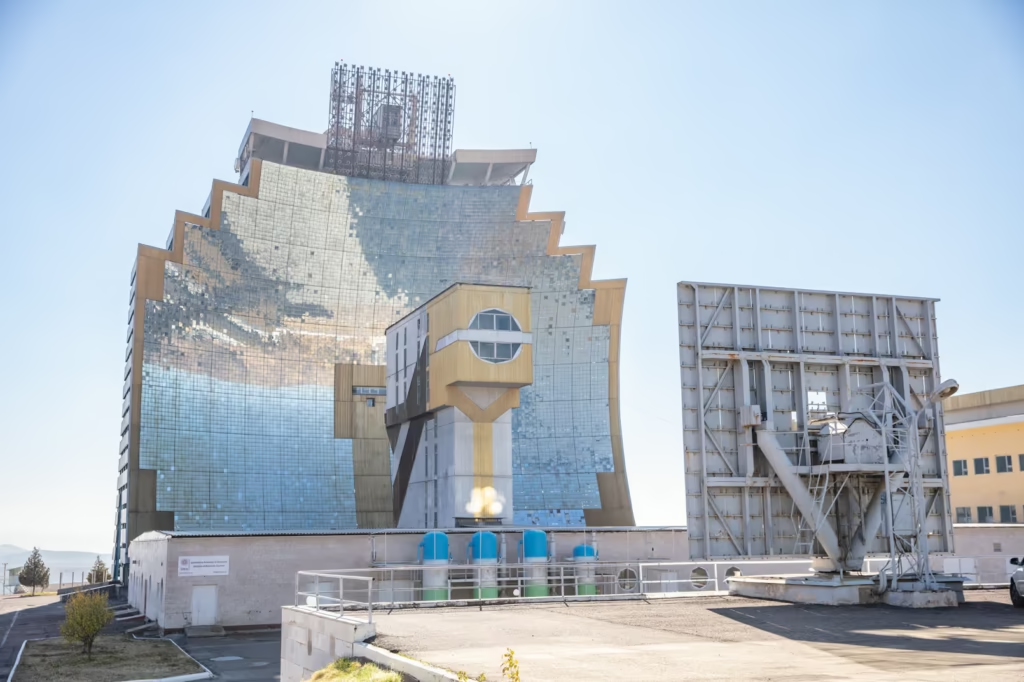
At only 45 km from Tashkent, the Solar Furnace that sits on a hill above the town of Parkent makes for a perfect day trip from the city. The Solar Furnace’s staff will give tours of the fascinating facilities for 100,000 UZS on weekdays during normal business hours (though it is best to call in advance to arrange it).
The solar furnace uses thousands of mirrors to reflect light in order to achieve temperatures of over 3,000ºC to create energy, melt metals and elements, and more.
The easiest way to visit is to order a Yandex Taxi from Tashkent to the Solar Furnace and back (it’s still quite cheap, especially if you have a few of you going). However, it is possible to get to Parkent from Tashkent by marshrutka and then hire a taxi in Parkent to take you the remaining 7 km and up the hill to the Solar Furnace.
Ugam Chatkal National Park

Ugam Chatkal National Park is located in the Chimgan Mountains, a portion of the Western Tien Shan that Uzbekistan shares with Kyrgyzstan. The national park is only about an hour’s drive from Tashkent. This is the best place to head if you’re in Tashkent and want to get out into nature, whether it be a day trip to the mountains or a multi-day trek.
Chimgan, as well as nearby Beldersay, are great places to head if you’re visiting in the winter and want to get in some skiing.
Charvak Reservoir
Charvak Reservoir is one of the most popular recreational destinations near Tashkent, particularly during the warmer months. Surrounded by the foothills of the Western Tien Shan, the reservoir is known for its striking blue water and mountain scenery.
It’s a popular place for swimming, boating, and relaxing along the lakeshore during summer. Several resorts, guesthouses, and recreation areas are scattered around the reservoir, making it possible to visit for the day or spend a night outside the capital.
Charvak is easily combined with a trip to the Chimgan Mountains, making the area one of the best excursions from Tashkent for travelers wanting a little time in nature.
Is Tashkent Worth Visiting?
Absolutely. While Tashkent doesn’t have the same concentration of historic Silk Road architecture as Samarkand, Bukhara, or Khiva, it offers a very different perspective on Uzbekistan.
The capital combines historic mosques and madrasas with Soviet-era architecture, sprawling bazaars, fascinating museums, and a lively food scene. Its metro system is an attraction in itself, and there are plenty of opportunities to experience everyday Uzbek life away from the country’s more heavily visited tourist destinations.
I’d recommend spending at least two days in Tashkent, particularly if it’s your first visit to Uzbekistan.
Have any Questions About this Tashkent Travel Guide or About any of the Things to do in Tashkent Mentioned?
Ask your Tashkent travel questions in the comments section below.
Posts from Uzbekistan
Uzbekistan Travel Guide: Everything to Know
Bukhara Travel Guide: 19 Best Things to Do
Tashkent Travel Guide: 18 Best Things to Do
Central Asian Food: 31 Dishes & Drinks to Try
Aralsk-7: Visiting the Soviet Bioweapons Lab
Uzbekistan-Afghanistan Border Crossing at Hairatan
Karakalpakstan Travel Guide
Uzbek Fergana Valley Travel Guide
Two Week Uzbekistan Itinerary: 14 Days
Tajikistan Uzbekistan Itinerary: 2 Weeks
Solo Female Travel in Central Asia
Uzbek Food: 33 Dishes to Try
Kazakhstan-Uzbekistan Border Crossing
Solar Furnace Uzbekistan: Visit Guide
Panjakent-Samarkand Border Crossing Guide
Nukus Travel Guide: Things to Do
Central Asia Travel Guide

Oybek Border Crossing: Tashkent to Khujand
Best Restuarants in Tashkent
10 Essentials to Pack for Central Asia
A Guide to the World Nomad Games
Visiting the Aral Sea Disaster, Uzbekistan
Central Asia Travel Tips

Vegetarian in Central Asia
Central Asia Visas Guide
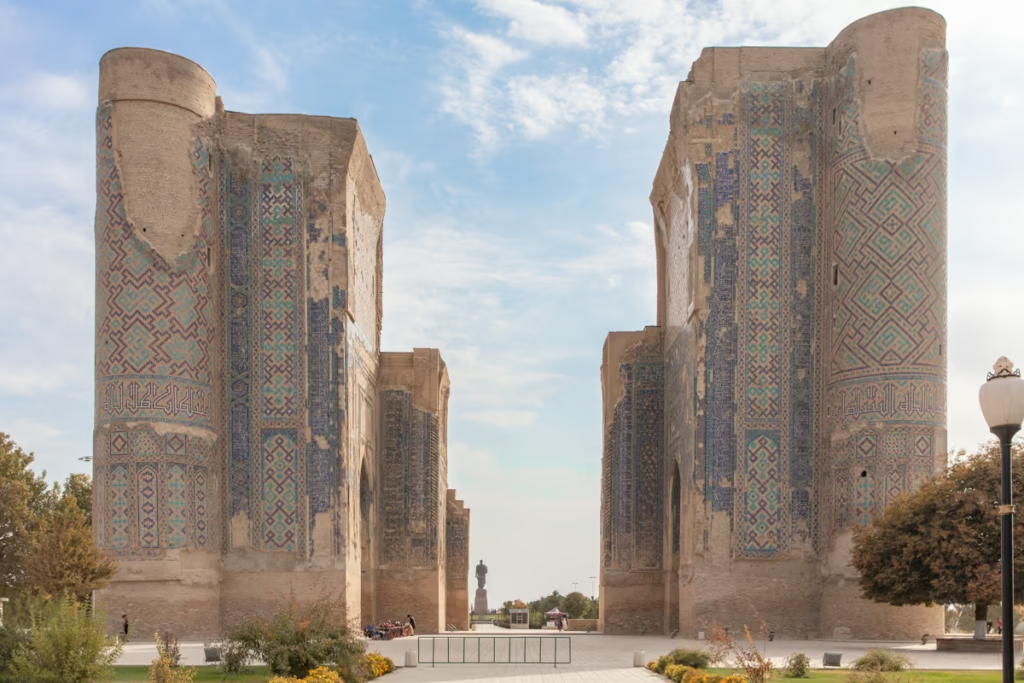
Shahrisabz Travel Guide
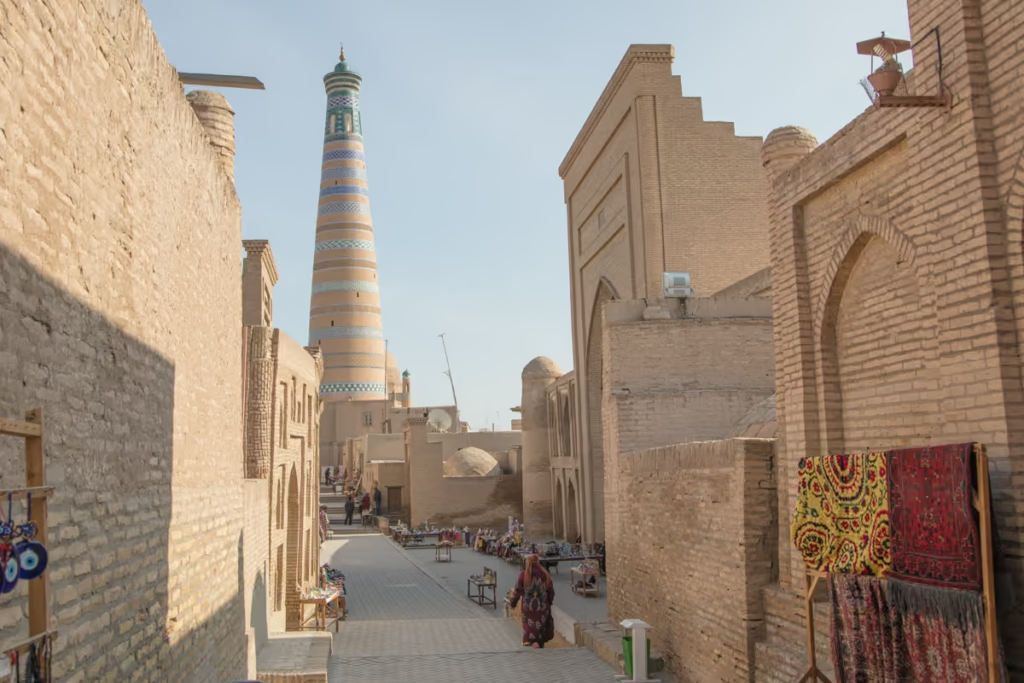
Khiva Travel Guide
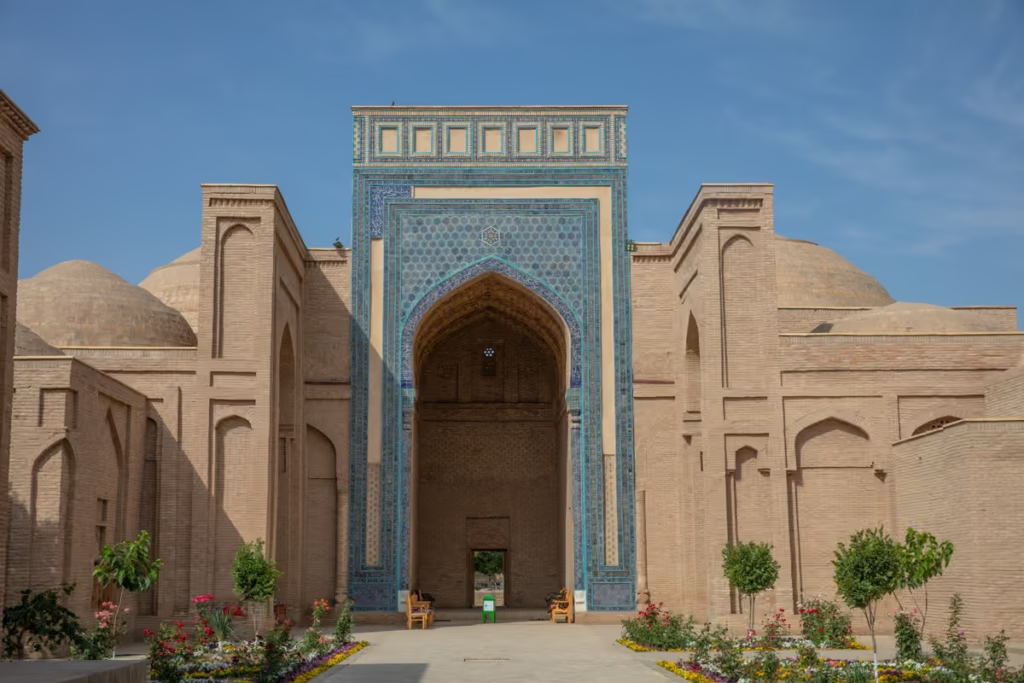
Termez Travel Guide
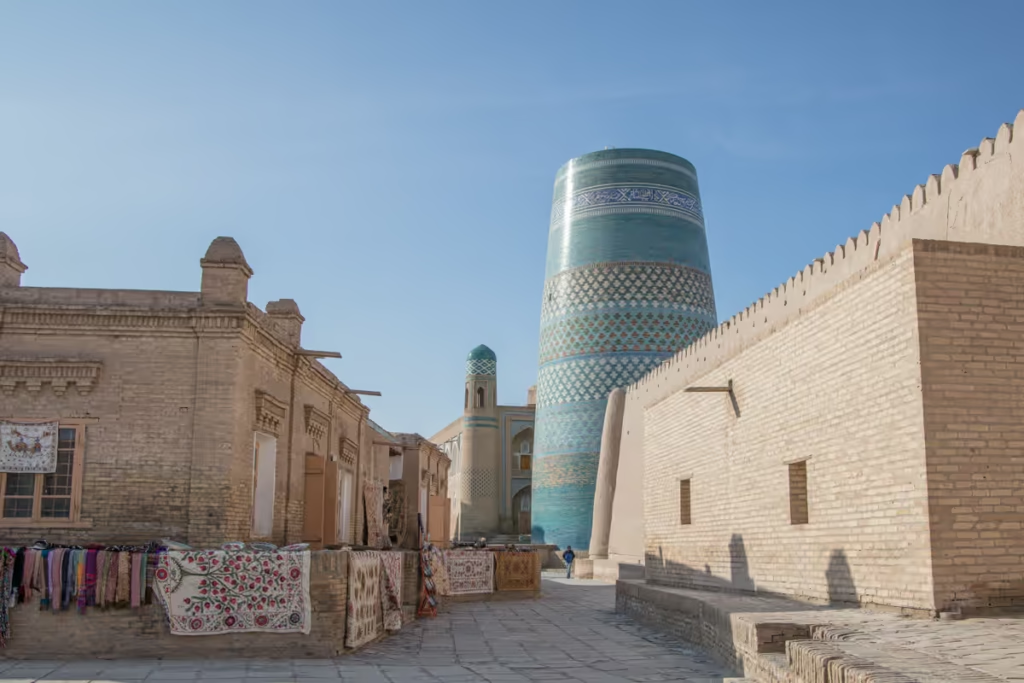
Things to Do in Uzbekistan
Samarkand Travel Guide: 14 Best Things to Do
Khorezm Fortresses, Uzbekistan
The Best SIM Cards & eSIMs for Uzbekistan
Solo Female Travel in Uzbekistan
Off the Beaten Path Asia