Panjakent Travel Guide + 7 Things to Do in Panjakent, Tajikistan
Updated January 2026, Panjakent Travel Guide + 7Things to Do in Panjakent, Tajikistan was originally written in January 2020
Panjakent (also spelled Penjikent) is a small city in western Tajikistan, a short distance from Samarkand across the Uzbek border, and a great jumping-off point for trekking adventures into the Fann Mountains.
I have been to Panjakent several times over the years, and have watched it morph from a quiet somewhat dead-end dot on the map to a once again lively border town with the 2018 thawing of relations and re-opening of the Panjakent border crossing between Tajikistan and Uzbekistan.
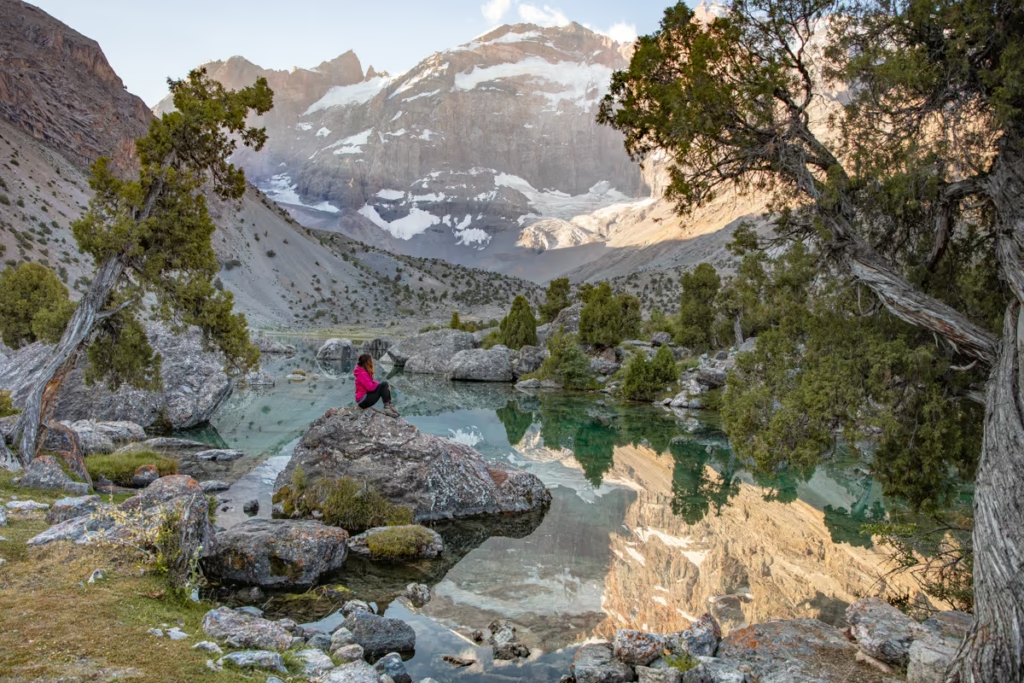
Sitting in a flat spot in the Zervashan Valley with views of towering mountains to the north and south, Panjakent makes for a great place to relax and rest for a day or two before or after a long trek.
Need Travel Insurance and Evacuation Services?
Start shopping for travel insurance plans over at IATI Insurance. Readers of the Adventures of Nicole get a 5% discount off your plan.
The Adventures of Nicole partners with Global Rescue to offer the world’s leading medical evacuation and security advisory services. To travel with peace of mind, explore their evacuation coverage.
A Little About the History of Panjakent
Panjakent was an ancient city of Sogdiana that dates back to the 6th century BC. Panjakent flourished until 722 BC when the Arab (Umayyads) Conquest of Transoxiana arrived at Sogdiana.
The Umayyad general, Al Harshi chased Divashtich, the ruler of Sogdiana, into the Upper Zeravshan Valley, east of Panjakent where he was eventually captured and killed.
Many of the inhabitants of Sogdiana and the city of Panjekent fled into the Upper Zeravshan Valley with Divashtich, and after his death moved south to settle into the difficult to access Yagnob Valley.
Several inhabitants of the Yagnob Valley are descendants of the ancient Sogdians and some even still speak Yagnobi, a language directly derived from ancient Sogdian.
Start here: The Ultimate Tajikistan Travel Guide
I recommend purchasing a copy of Bradt’s Tajikistan to help you plan your visit
Things to Do in Panjakent
Ancient Panjakent
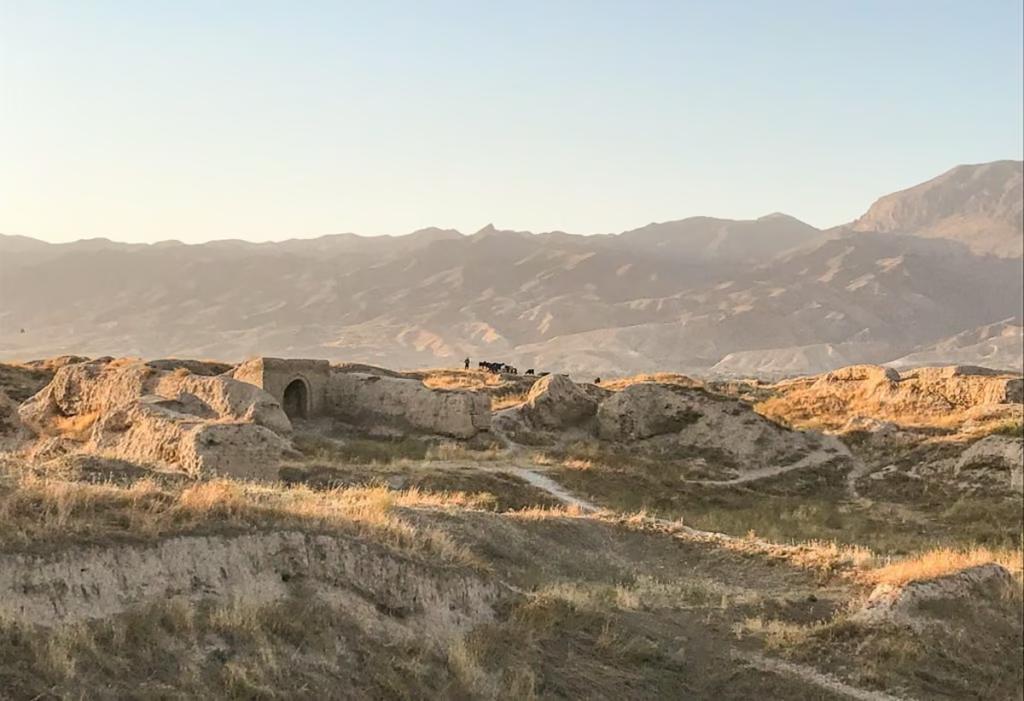
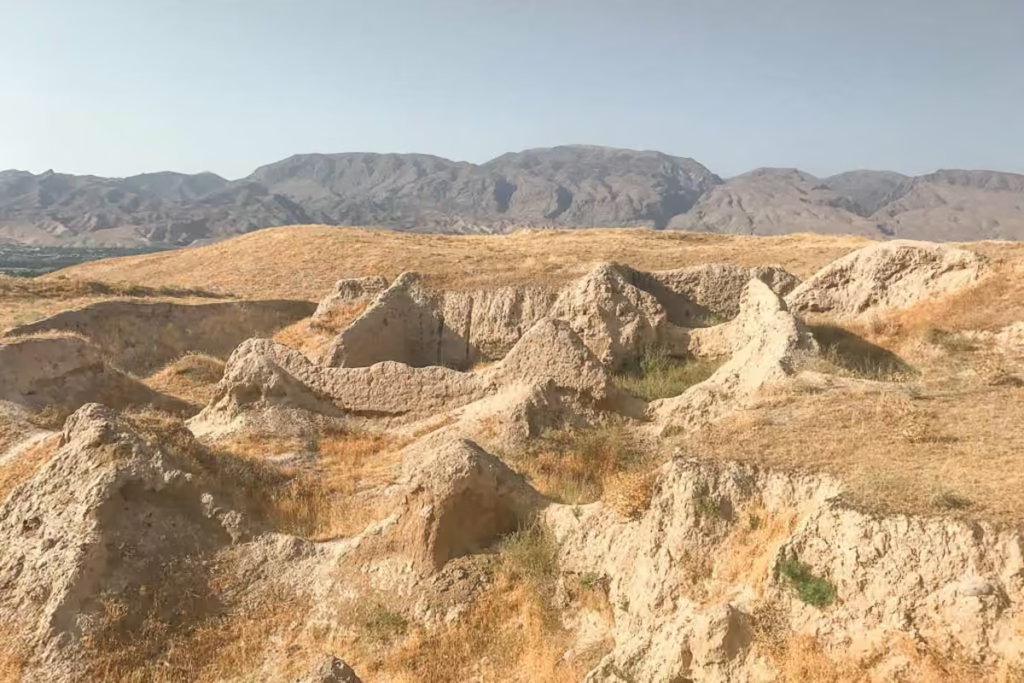
As mentioned above, Panjakent’s history stretches back over 2,500 years and a wealth of ruins can be found about 1.5 kilometers from the center of modern Panjakent.
Russian archaeologist Boris Marshak spent over 50 years of his life excavating the site of old Panjakent, digging up pottery, sculptures, frescos, and manuscripts.
The ruins have been carted off to museums in Russia and Uzbekistan, but walking among the sunbaked walls is still interesting nonetheless.
The small Ancient Panjakent Museum sits at the southern edge of the site of Old Panjakent that showcases the excavation processes, however, most of the pieces inside are replicas. Admission is to the museum is 5 TJS.
If you don’t want to walk take Marshrutka #5, and ask ‘Stari Panjakent?‘ and they’ll let you off about 5 minutes walk away from the main site.
Panjakent Bazaar
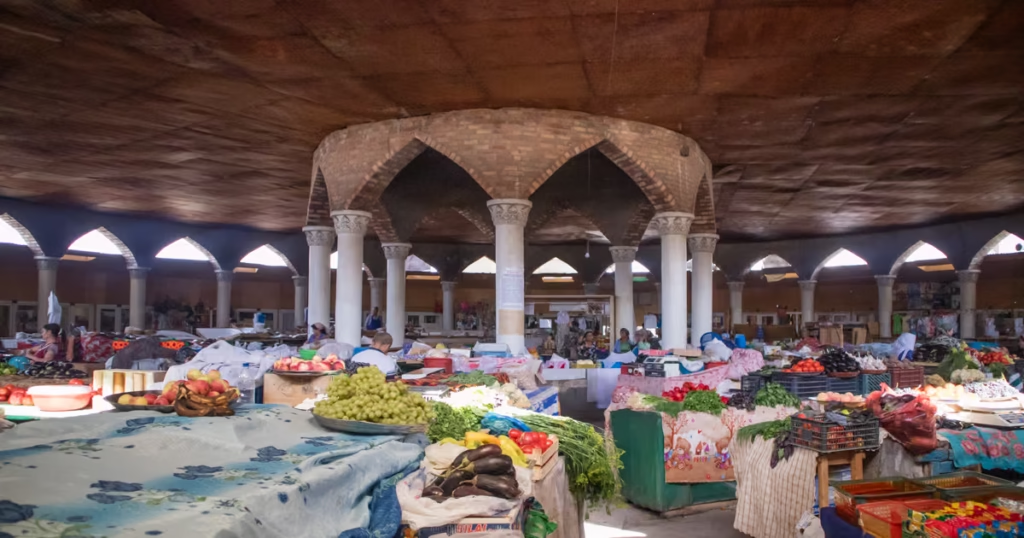
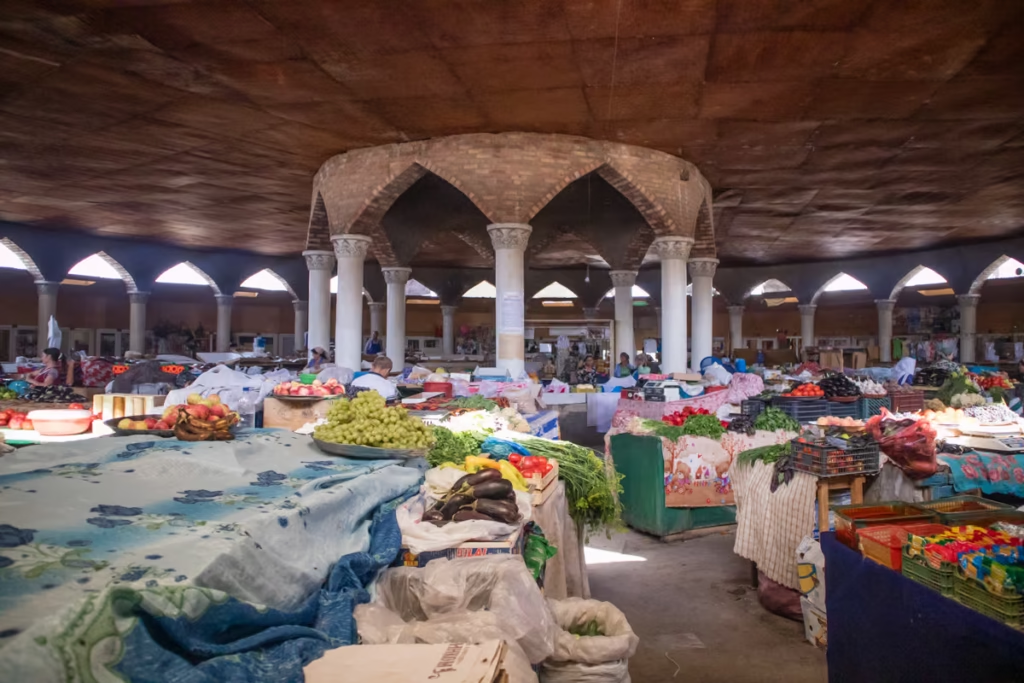
The Panjakent Bazaar is usually bustling from early morning until mid-afternoon with locals and traders coming from villages in the Zeravshan Valley and Fann Mountains.
The interior is worth a visit to see its unique circular shape. From produce to clothing, household items to snacks, and just about everything else can be purchased here at the Panjakent Bazaar.
This is going to be your best bet for picking up any last-minute items before heading out on treks into the Fann Mountains.
Many of the shared taxis to Samarkand, Dushanbe, Khujand, and other destinations depart from near the bazaar.
Take a hike: The 10 best treks in Tajikistan
Rudaki Museum
The Rudaki Museum is great to visit to learn more about regional history and about Ancient Sogdiana.
The Museum is comprised of several rooms, one dedicated to the famed poet Abu Abdullah Rudaki, and those that display ethnographic artifacts, historical pieces, frescoes, and artifacts found at Ancient Panjakent that weren’t taken out of the country (and several replicas), and one room that I’d like to call the ‘museum of horrible taxidermy’- visit and you’ll see why.
Admission is 30 TJS.
Olim Dodkho Mosque & Madrasa
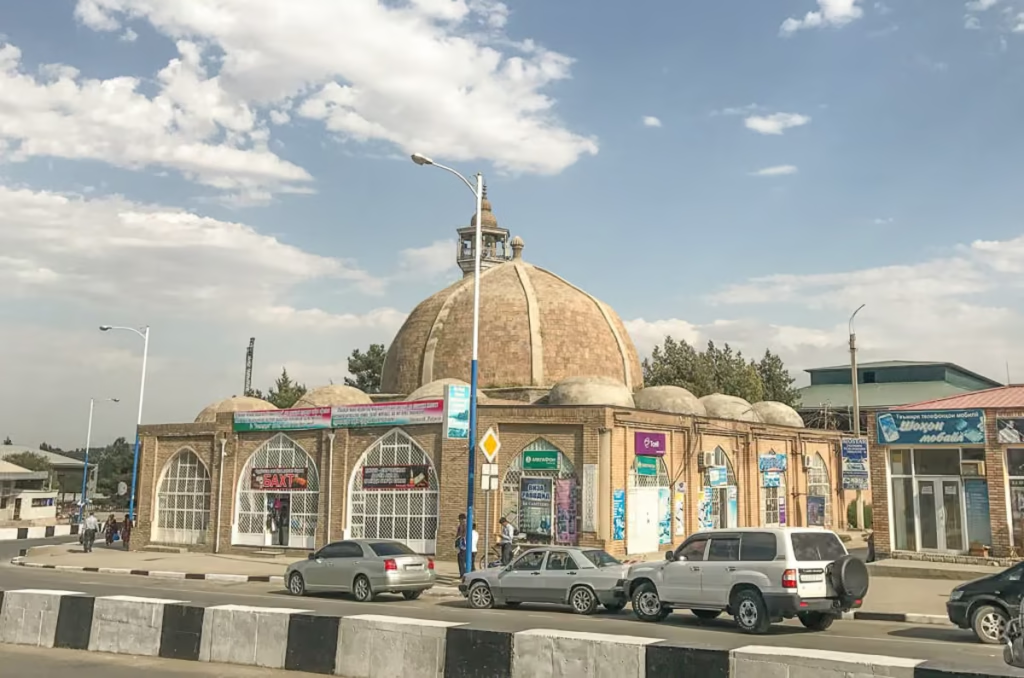
Olim Dodkho functions as both a mosque and madrasa and sits right on the corner opposite the Panjakent Bazaar.
The mosque is busiest on Friday mornings when men in their shiny green, purple, and white joma robes and black doppa caps enter the mosque for prayer time.
Admire the Beautiful Panjakent Mosaics
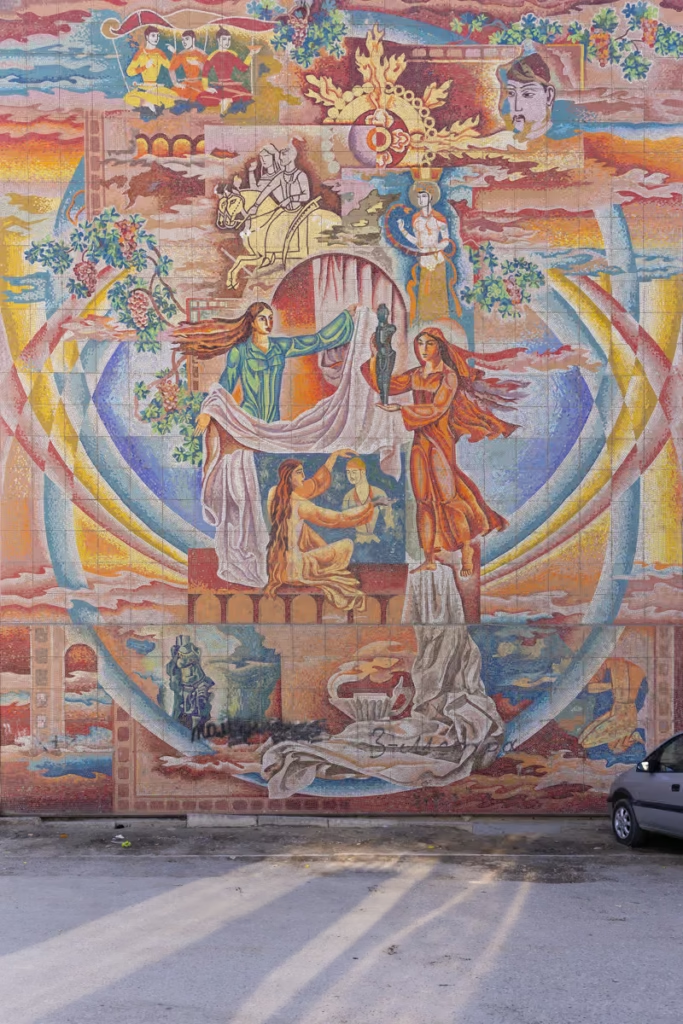
Scattered around Panjakent, you will find several mosaics, most dating back to the Soviet era. Many of these mosaics feature stories of Ancient Sogdiana, depicting traditions still celebrated to this day, including Nowruz celebrations, elements of Zoroastrianism, and more.
Sadly, these mosaics will all be torn down with major development that will knock down older buildings along the main road to be replaced by giant soulless high-rises- a similar fate to the Dushanbe Mosaics.
Loik Sherali Statue, Devashtich Statue, Somoni Statue and Lenin Statue
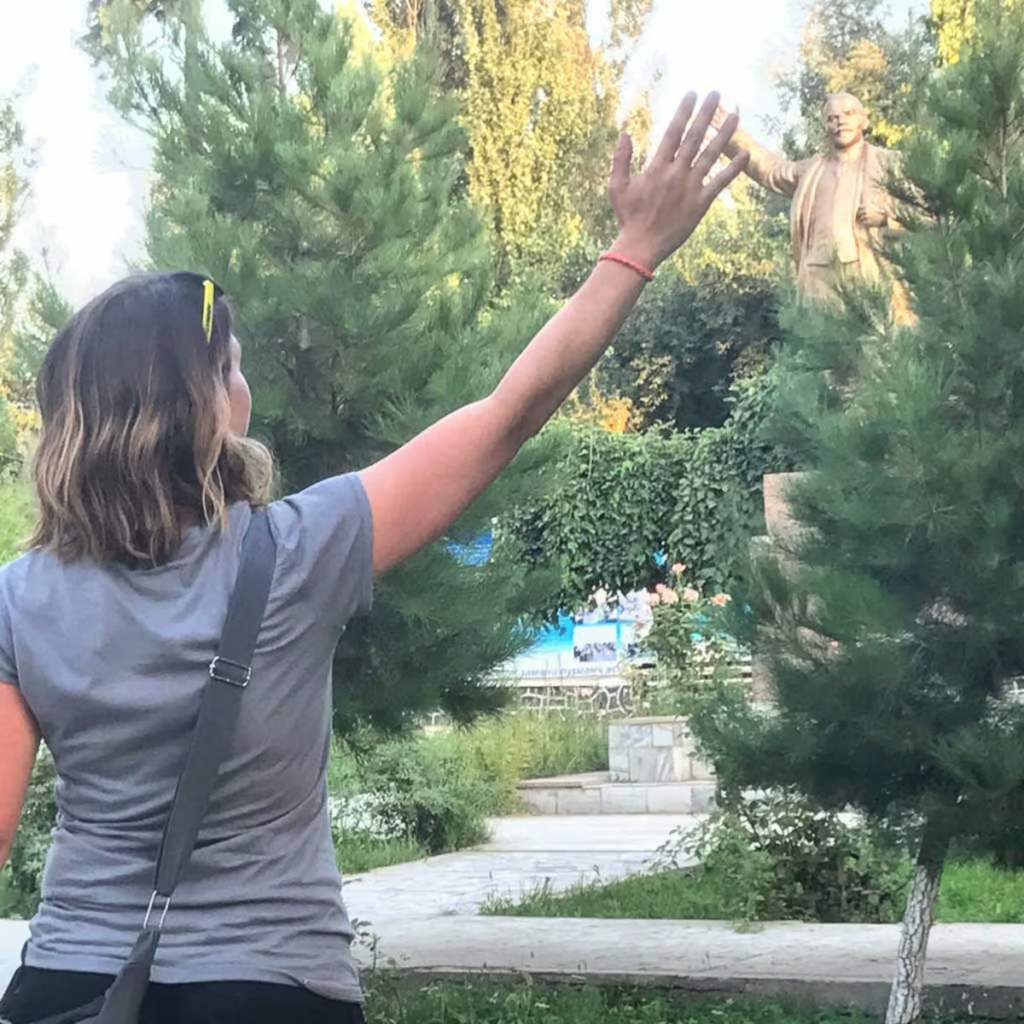
Loik Sherlai was a modern-day poet from nearby Mazar i Sharif, Devashtich was the 8th century ruler of Ancient Sogdiana, Ismoil Somoni was the Samanid Emir of Transoxiana and Khorasan, and Vladimir Lenin was the head of the first head of the Soviet Union.
What do these men all have in common? They each have a statue in Panjakent. Sherali, Devashtich, Somoni, and Lenin have all had a part in shaping not just Panjakent’s, but also Tajikistan’s history.
Plan your trek into the Fann Mountains
The Ruins of Ancient Sarazm
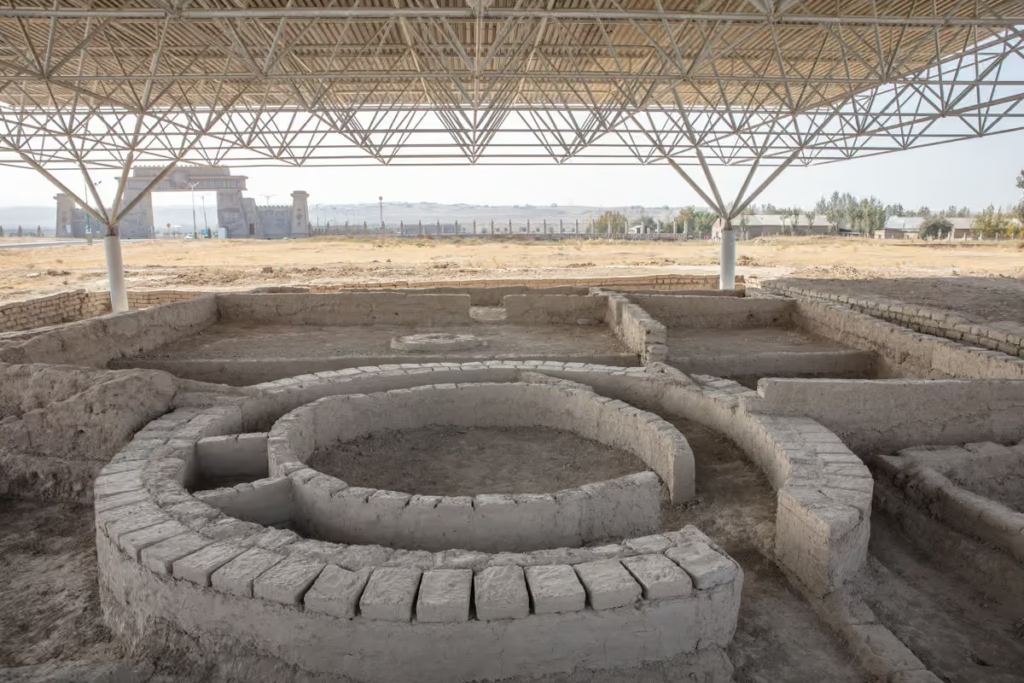
Sarazm, located just 15 kilometers from Panjakent near the Uzbek border is likely the oldest city in Central Asia, dating back to the 4th century BC.
It’s now an archeological site featuring several areas of the ancient city that have been dug up and later covered to protect the primitive walls from being further damaged by the intense sun.
Carbon dating of artifacts show that the city had been inhabited before 3,500 BC.
Sarazm is a UNESCO World Heritage Site, and the Sarazm Princess was discovered here. There is a tiny Sarazm Museum on site that houses some of the artifacts discovered here, but most are in Dushanbe or beyond.
You can take Marshrutka #3 westbound from Rudaki Avenue to reach Sarazm.
How to Get to Panjakent
From Dushanbe: From Dushanbe, you’ll need to grab a taxi to the Cement Zavod Taxi Stand on the northern edge of the city. From Cement Zavod you can usually get a seat in a shared taxi for about 150 TJS.
From Khujand: From Khujand, head to the Pakhtakor Bus Station to find shared taxis departing to Panjakent for about 150 TJS.
Where to Stay in Panjakent
Budget
Salom Hostel
| +992 92 780 7716 |
Ran by the super friendly and helpful Zafar and family, Salom Hostel is tucked in a neighborhood behind the Rudaki Carnival. There are two dorm rooms and a lovely courtyard to lounge and have breakfast in.
Zafar can help you with just about anything you need as a traveler in and around Panjakent. I love hanging out in the courtyard on rest days between and after hikes. Salom is a great place to try and meet other travelers to join in the Fanns if you’re not keen on solo trekking.
Midrange
Umariyon Hotel
| Booking.com |
Umariyon Hotel is upstairs from a minimart and has rooms with private and shared bathrooms. I’ve always found the staff friendly when I’ve stayed at Umariyon, but it does have that ‘old Soviet hotel’ feel to it.
Where to Eat in Panjakent
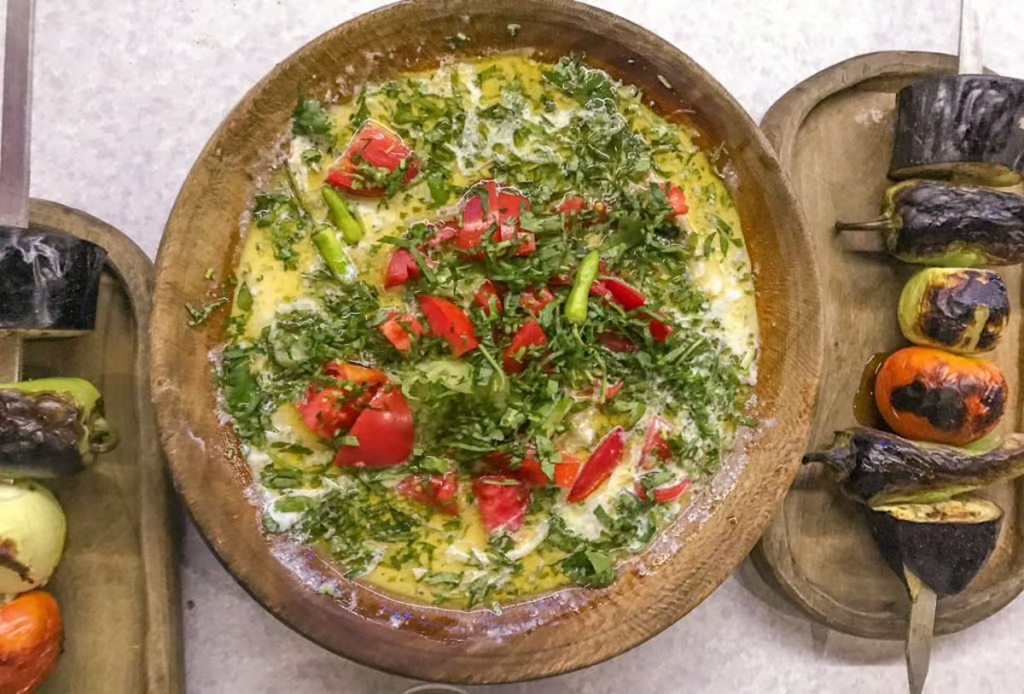
Bora Bora Cafe: A new addition to the Panjakent food scene, offering an array of dishes, including some Georgian items. It’s also the only place to get a proper coffee in town.
Restaurant Dusti: Slinging up a scattering of Tajik and Central Asian fare, right in the middle of Panjakent. The Qurutob is the dish off the menu we’d recommend the most. If you’re going out for a late meal, and the restaurant is closed, just go next door to the Dusti Cafe, managed by the same people, just offering a simple fast food menu.
Panjakent Bazaar: Several little chaikhanas are scattered along the Bazaar serving up the usual Central Asian snacks and dishes such as samsa, plov, manti, shashlik, and more.
Heading to or coming from Uzbekistan? Check out my two week Tajikistan & Uzbekistan itinerary
How to get Out of Panjakent
To Dushanbe: Shared taxis leave from the bus station, 2 km east of the Panjakent Bazaar. You can usually find cars trying to fill up out in front of the bazaar too. A seat will cost you about 150 TJS.
To Samarkand: In the lot across the street from the Panjakent Bazaar you’ll find shared taxis waiting to fill up to make the 15 minute journey to the border. A seat will cost 15 TJS, or you can charter the entire car for 60 TJS. Once across the border, you’ll need to negotiate a shared taxi to Samarkand. Expect to pay about 8,000 UZS for a seat in a shared taxi, or charter the whole car for about 32,000 UZS. Read more about crossing the Panjakent border crossing.
To Khujand & Istaravshan: Both Istaravshan and Khujand bound shared taxis can be found in the lot opposite Rudaki Avenue from the clothing bazaar, or from the bus station 2 km east of town. Khujand bound shared taxis will cost about 150 TJS per seat, and Istaravashan shared taxis will cost about 100 TJS.
To Haft Kul: Shared taxis to the Haft Kul villages leave from around the bazaar for about 70 TJS, just ask around. For the 30 TJS minibus to Shing, the village just before the lakes, you’ll need to head up the street leading off of Rudaki at the bazaar before 2 pm.
To Artuch (Fann Mountains): To get to Artuch to begin a trek in the Fann Mountains to along the Lakes Loop, Chukurak, and beyond, you can either try to catch the 40 TJS minibus that leaves from near the bazaar at 9:30 am and 12 pm, or grab a shared taxi for about 80 TJS per seat.
Day Trips From Panjakent
Mazor i Sharif
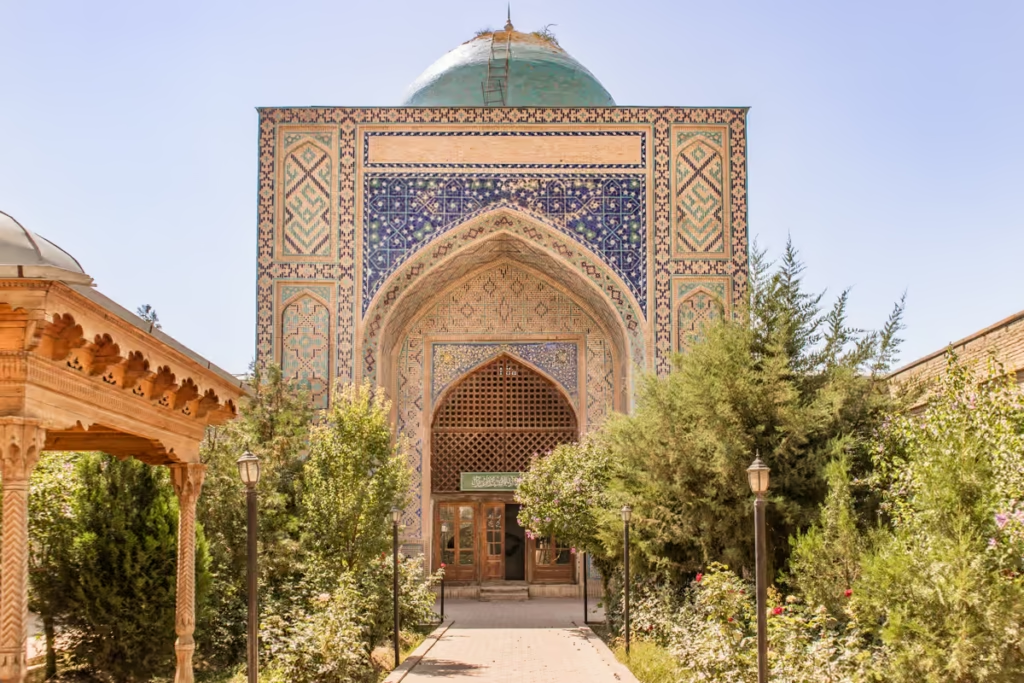
In the nearby town of Mazor i Sharif (not to be confused with the Mazar e Sharif in Afghanistan) is the beautiful Mausoleum of Mohammed Boshoro.
I personally haven’t had the chance to visit Mazor i Sharif (been meaning to for the last few years) but Alex from Lost With Purpose did this year, you can see a few photos yourself in her post of 70 photos of western Tajikistan.
Haft Kul
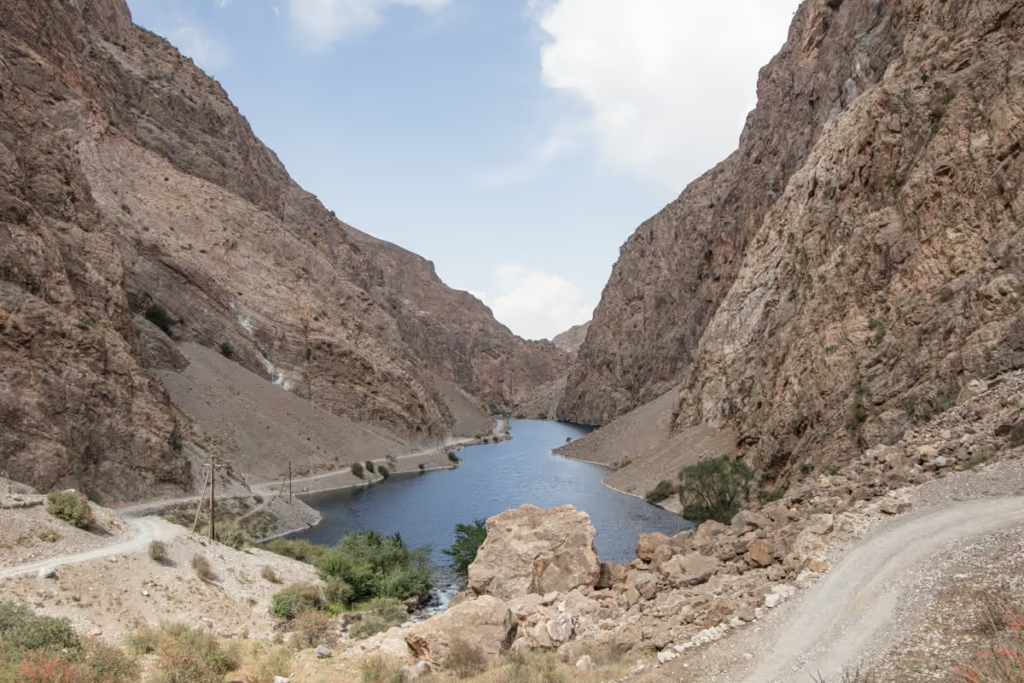
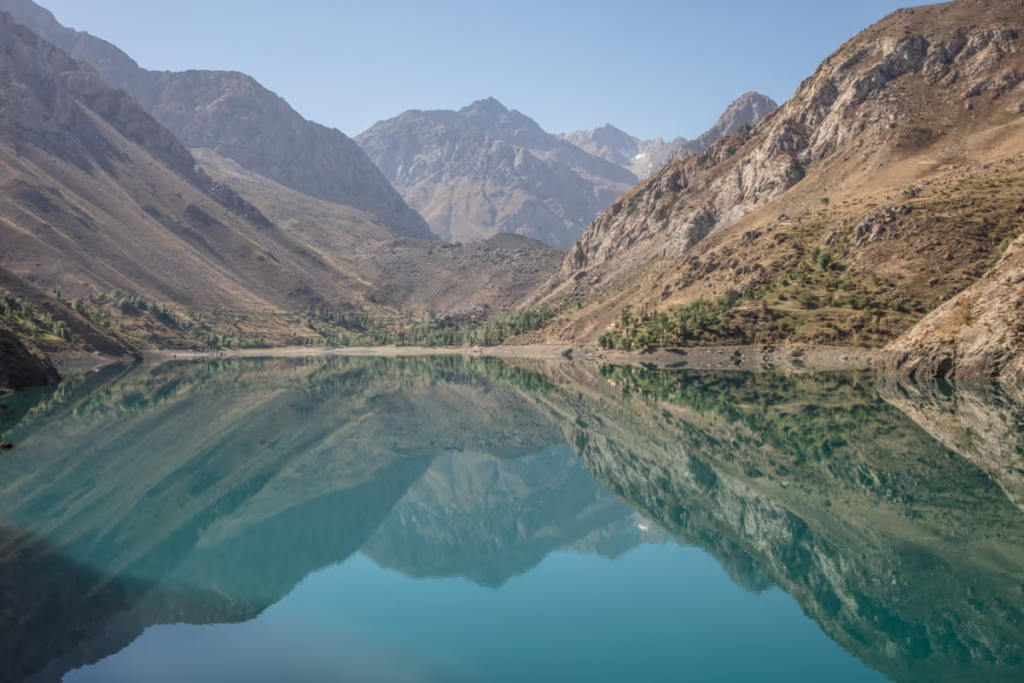
If you’re on a time crunch and can’t do longer treks in the Fanns, or spend a night out in the Haft Kul, it’s possible to visit the Seven Lakes as a day trip from Panjakent.
You can reach all the 7 lakes by road.
Chartering a car for this day trip will cost you about 800 TJS return, but can be split amongst up to 5 travelers.
Panjrud
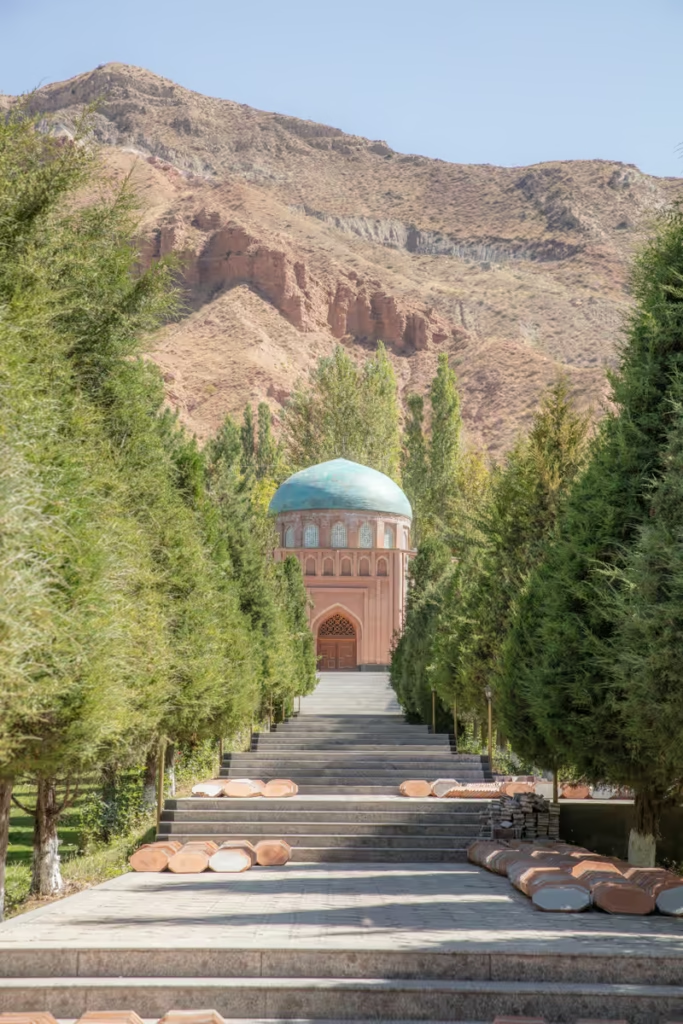
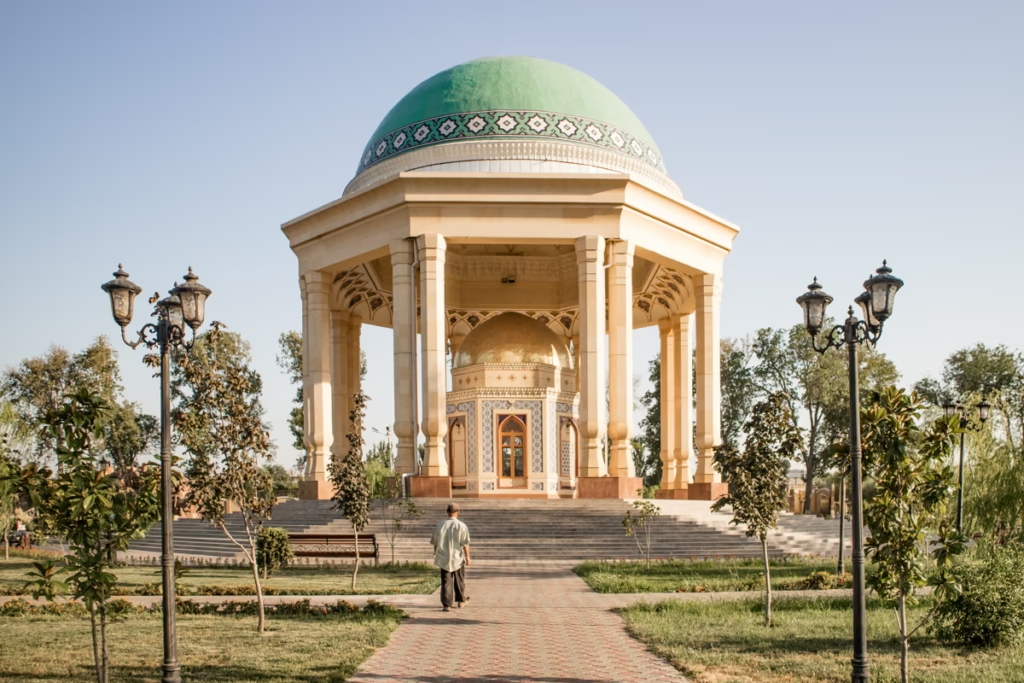
Panjrud is the birthplace of the renowned poet Abu Abdullah Rudaki, and such, his own Rudaki Mausoleum can found here in Panjrud, right off the main path as you bump along the road toward Artuch.
It’s possible to get to Panjrud by way of minibus from Panjakent (the same one bound for Artuch) or about 15 TJS, but getting out of Panjrud may take a while (or you’ll need to find someone around with a car to drive you back to Panjakent, or onwards to Artuch if you don’t wanna wait around).
Have any Questions About Visiting Panjakent?
Ask your Panjakent travel questions in the comments section below.
Posts from Tajikistan
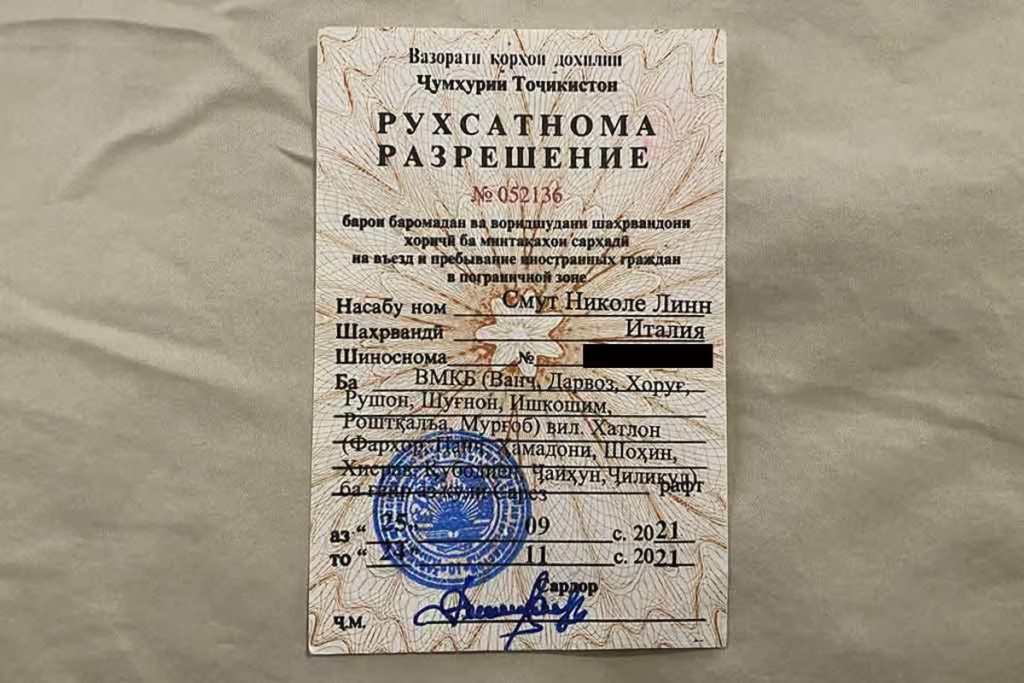
How to Get a GBAO Permit
12 Day Fann Mountains Trekking Expedition, Tajikistan
12 Day Pamir Highway Expedition
Iskanderkul & Sarytag Travel Guide
Kyzyl Art Border Crossing
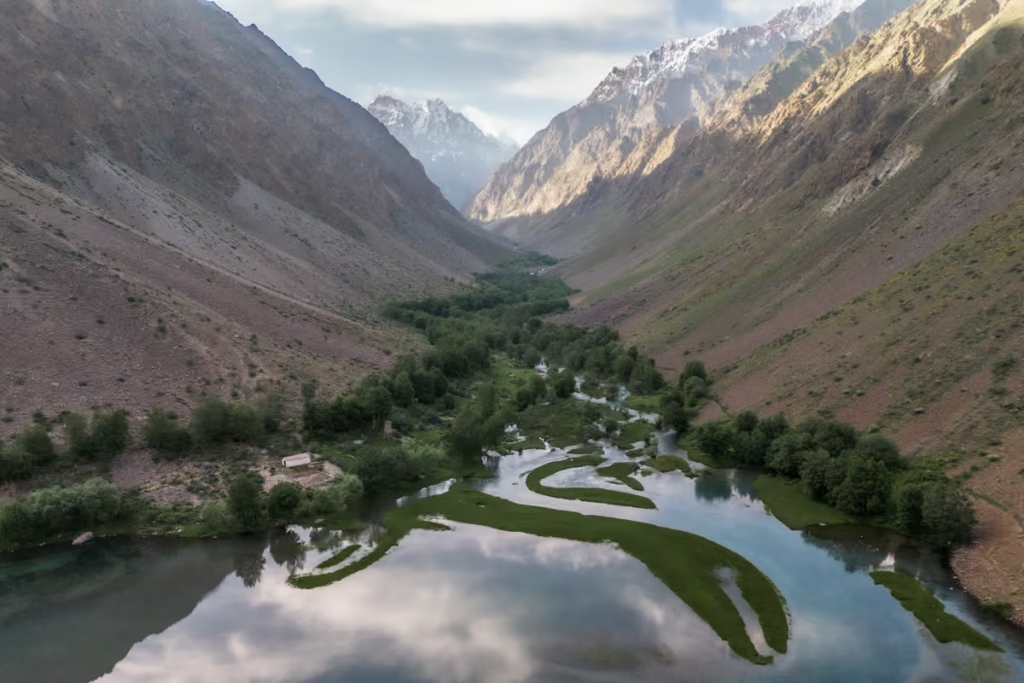
Jizeu Trek in Tajikistan’s Pamir
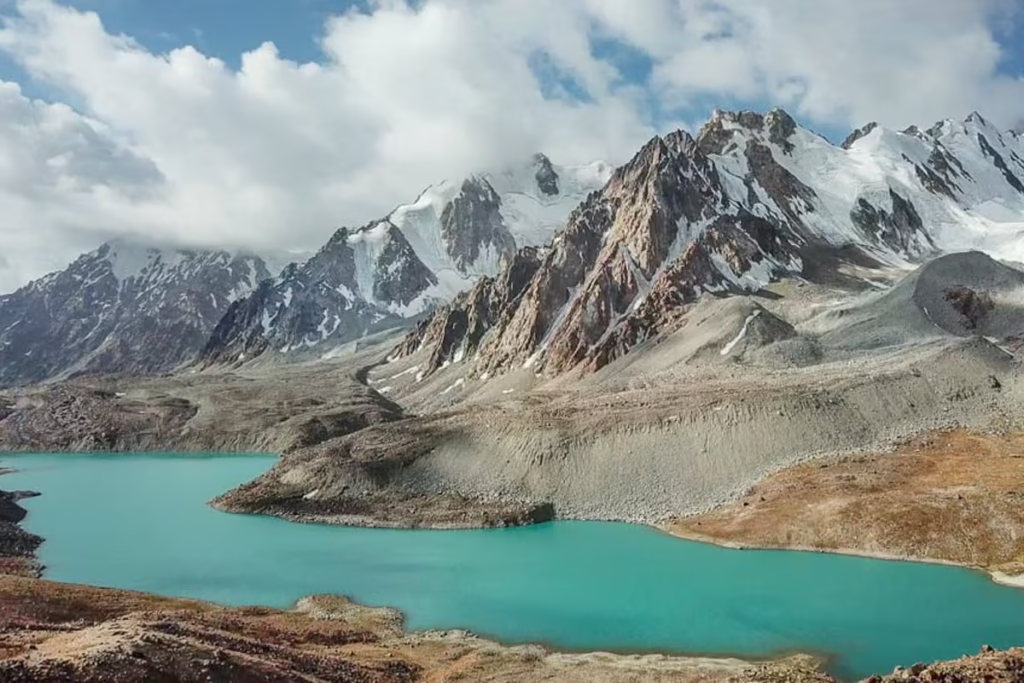
10 Reasons to Visit the Pamirs
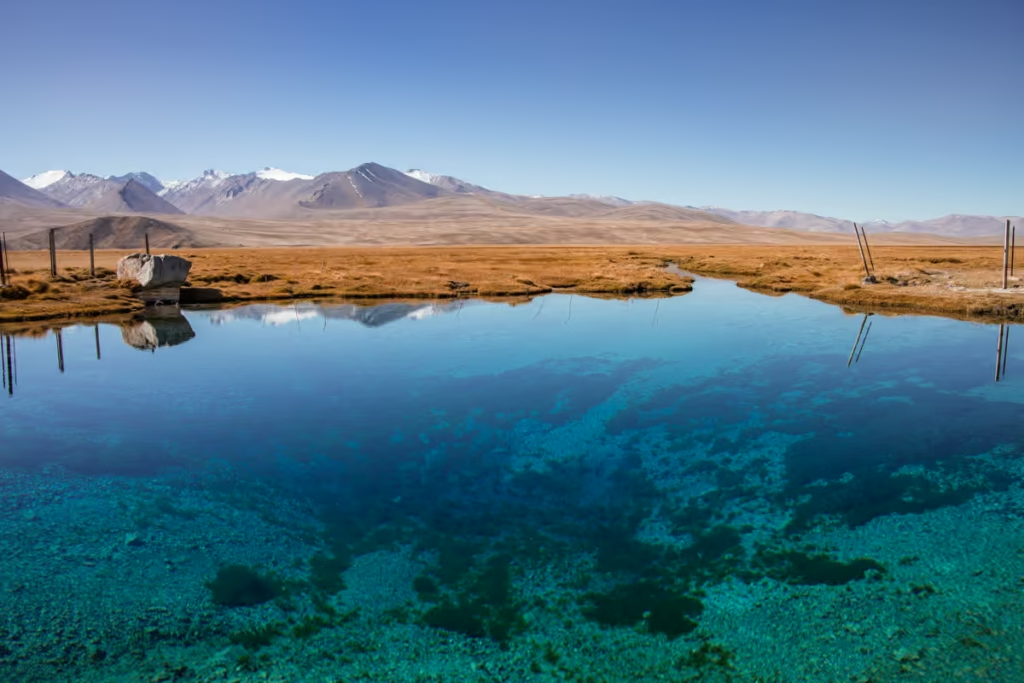
Tajikistan In Photos
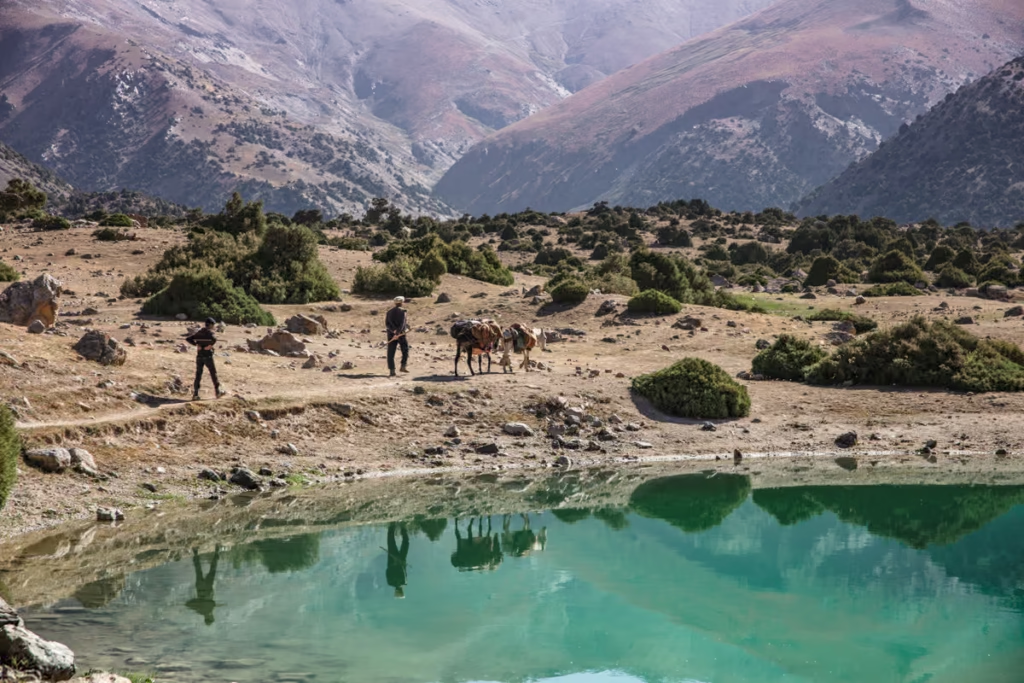
Tajikistan Itinerary for 1-4 Weeks
Solo Female Travel in Central Asia
Khujand Travel Guide
Istaravshan Travel Guide
Haft Kul: Tajikistan’s 7 Lakes

Registering with Tajikistan OVIR in Dushanbe
Trekking to Turumtaikul Lake
Bartang Valley, Tajikistan
Yagnob Valley Trekking Travel Guide
Ishkashim Border Crossing
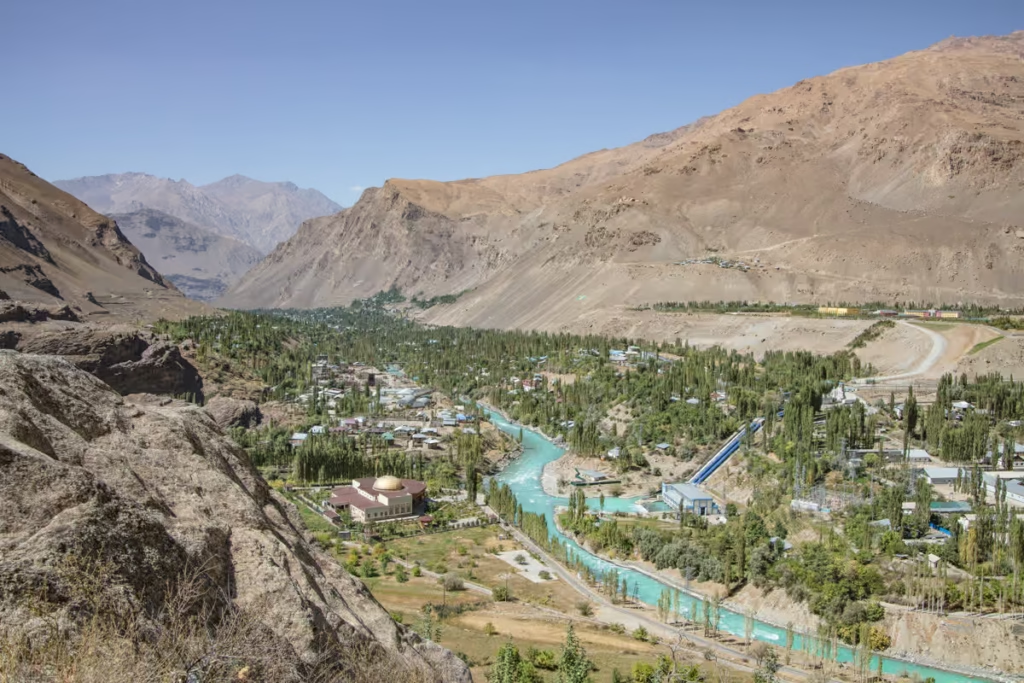
Khorog Travel Guide
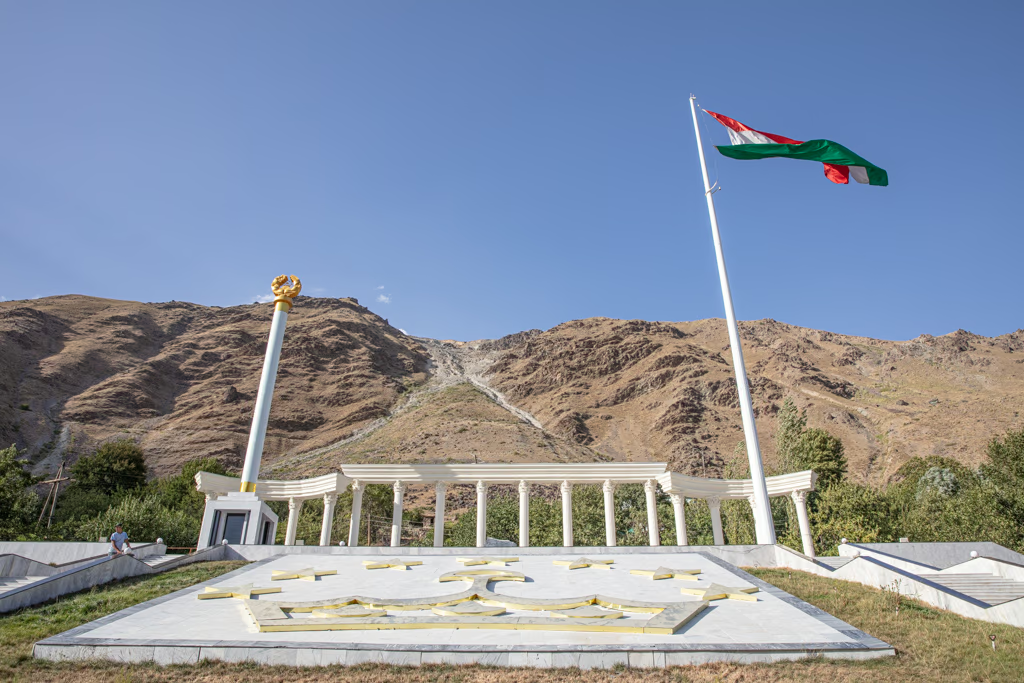
Tajikistan Letter of Invitation (LOI)
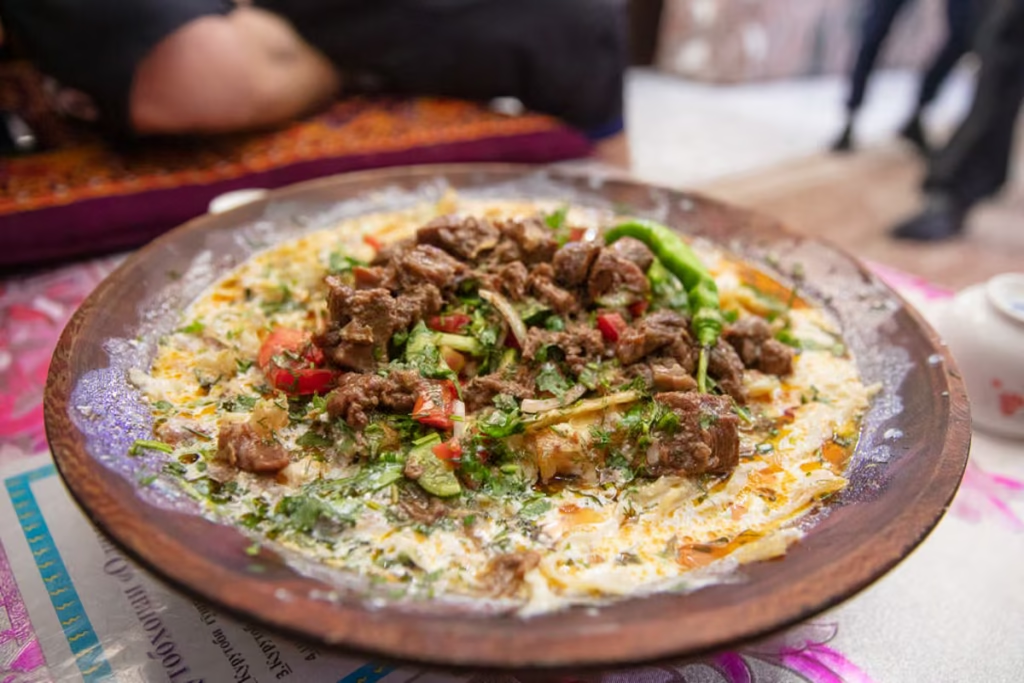
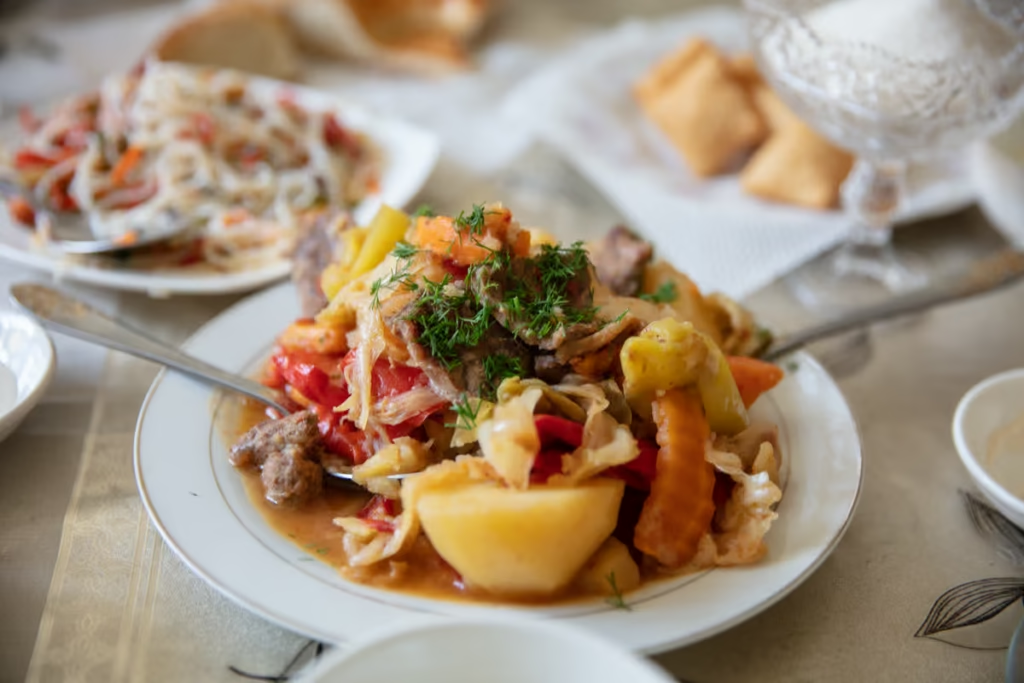
Must-Try Tajik Food
Best Road Trips in the World
Central Asia Food & Drink
10 Reasons To Visit Tajikistan
Qolma Pass Border Crossing
Tajikistan Travel Guide
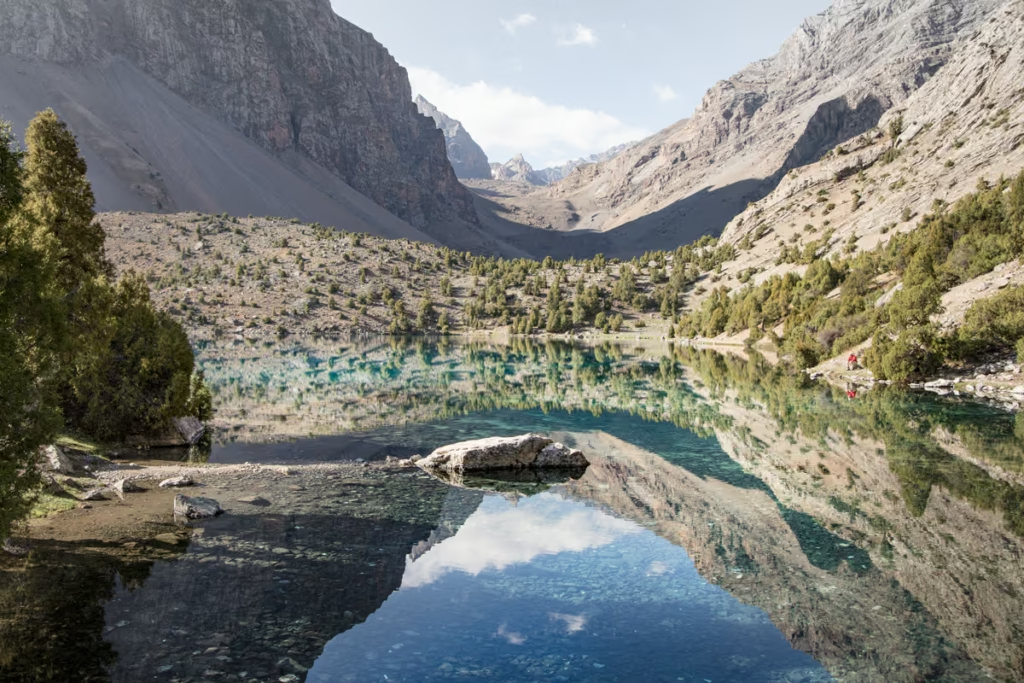
Off the Beaten Path Asia
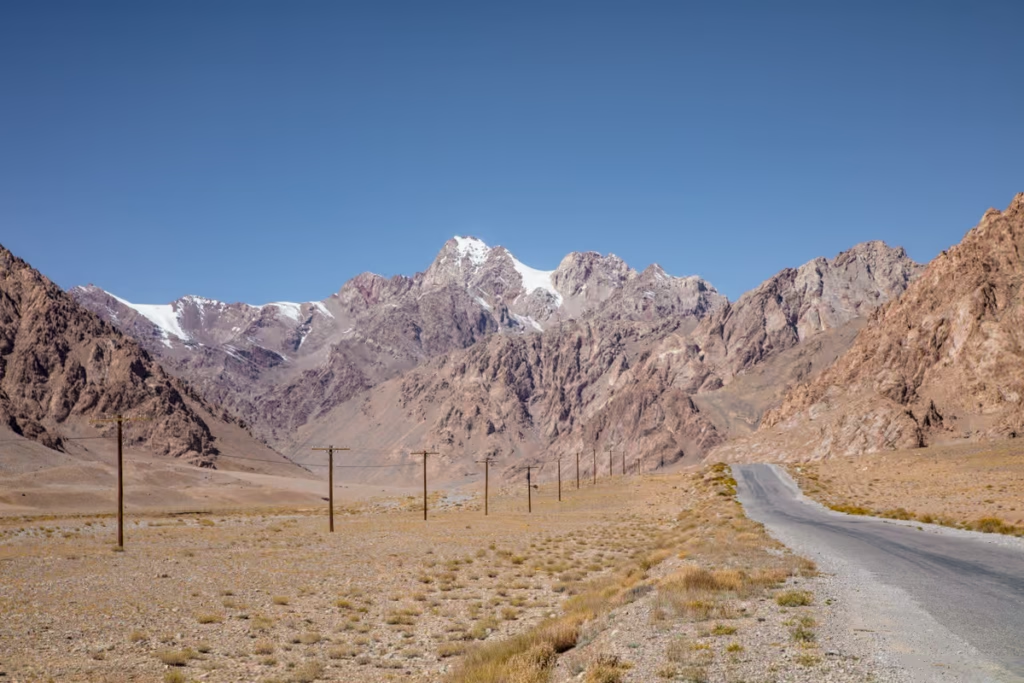
Pamir Highway Travel Guide
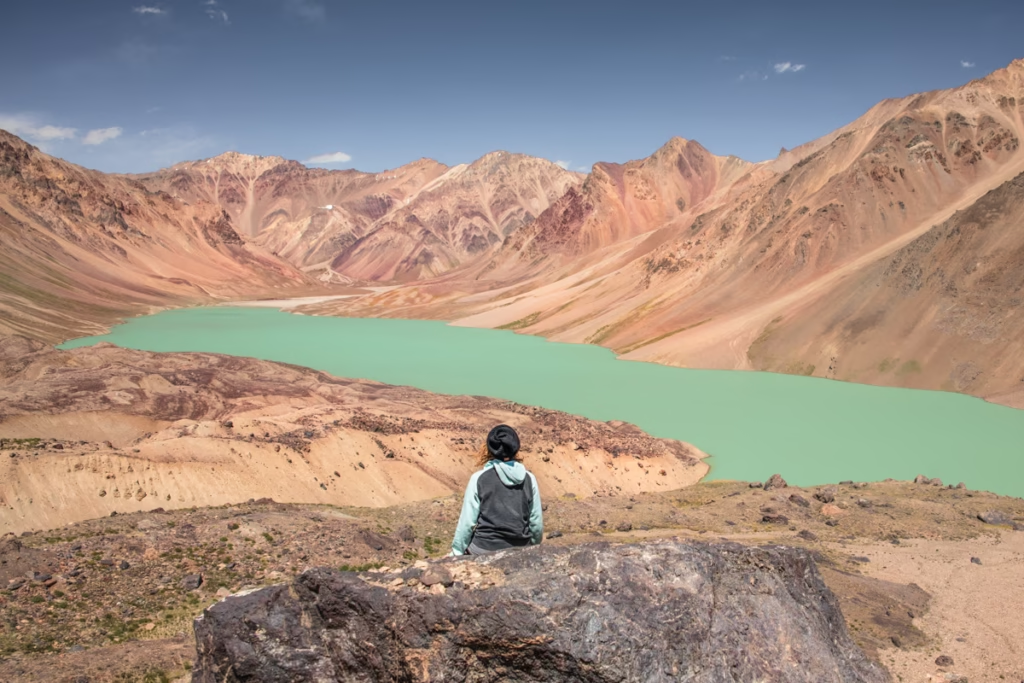
Top Things to Do Tajikistan
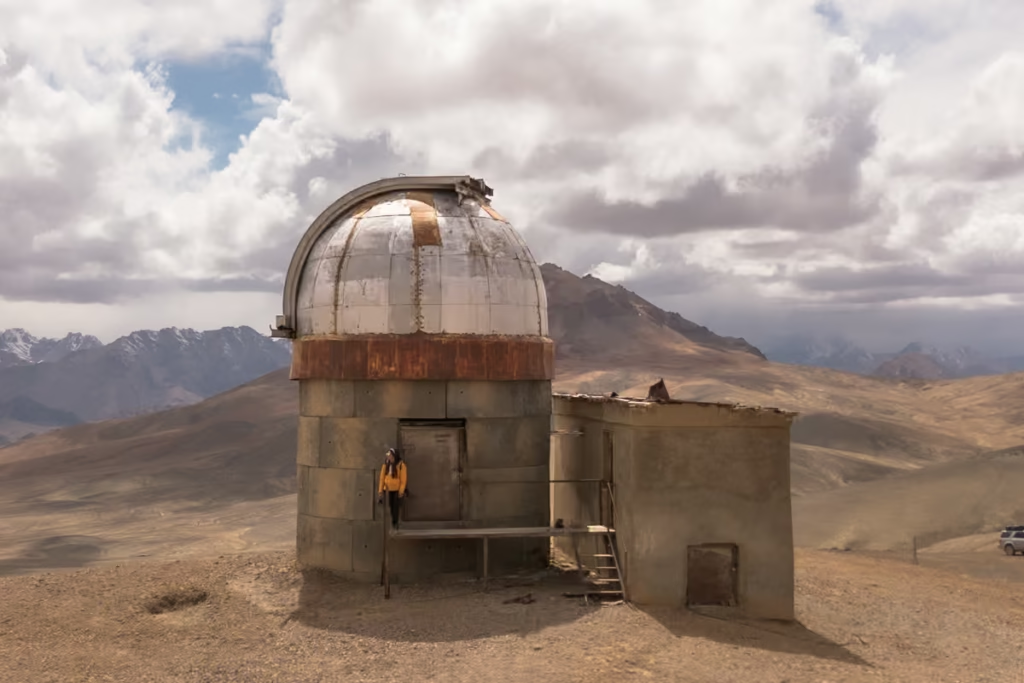
Shor Bulog Observatory, Tajikistan
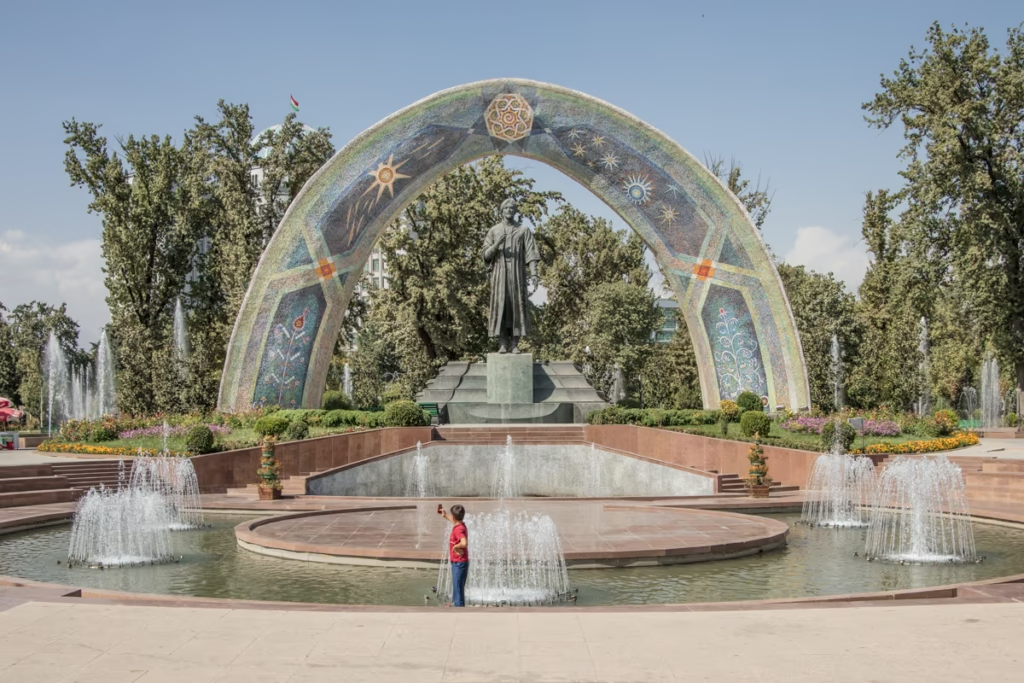
Dushanbe Travel Guide
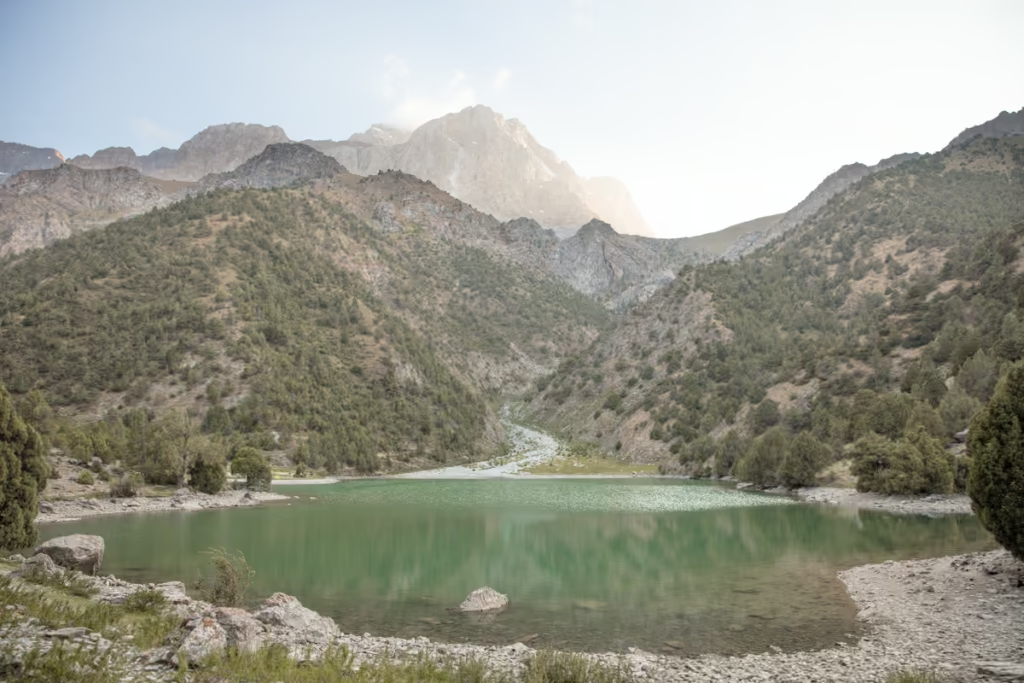
Best Hikes in Tajikistan
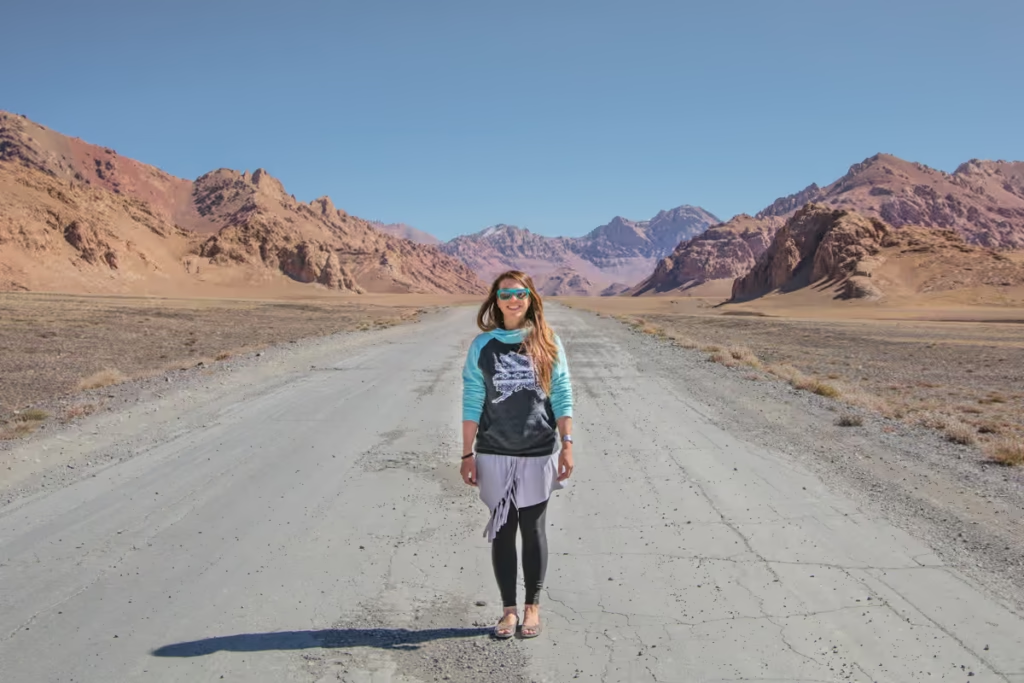
Solo Female Travel in Tajikistan
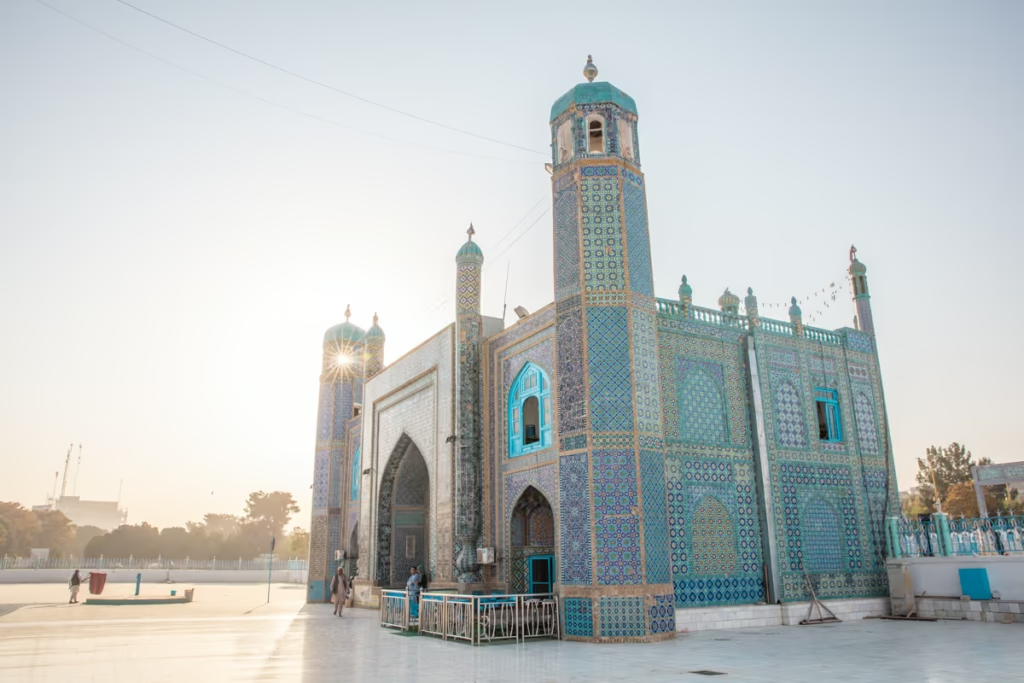
Beginner’s Guide to Central Asia Travel
Panjakent Travel Guide
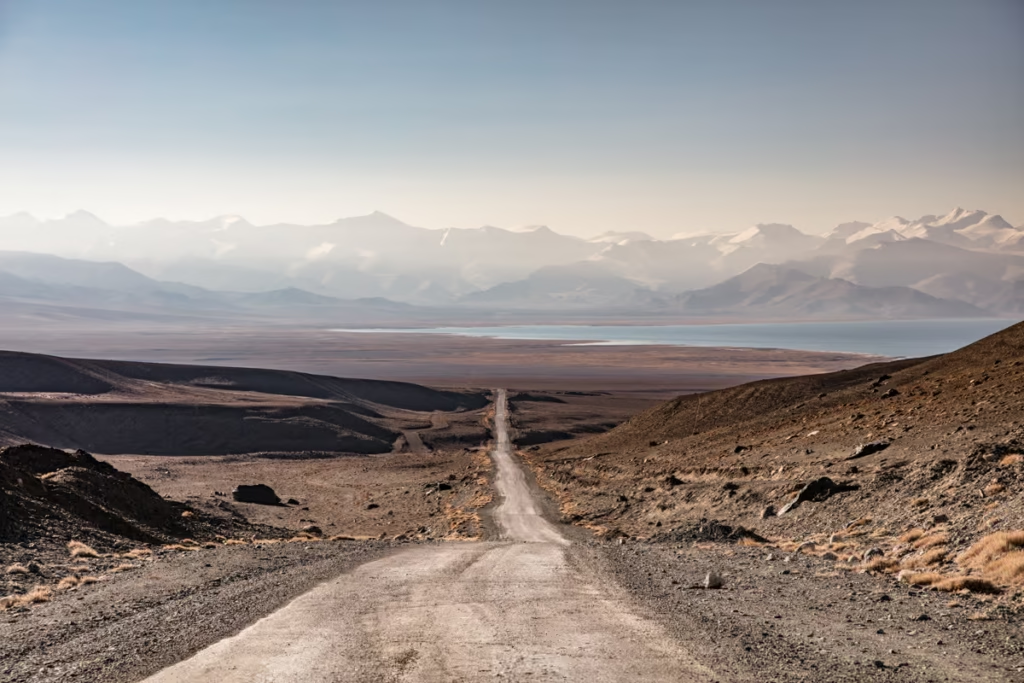
Pamir Highway Itinerary
Panjakent-Samarkand Border Crossing
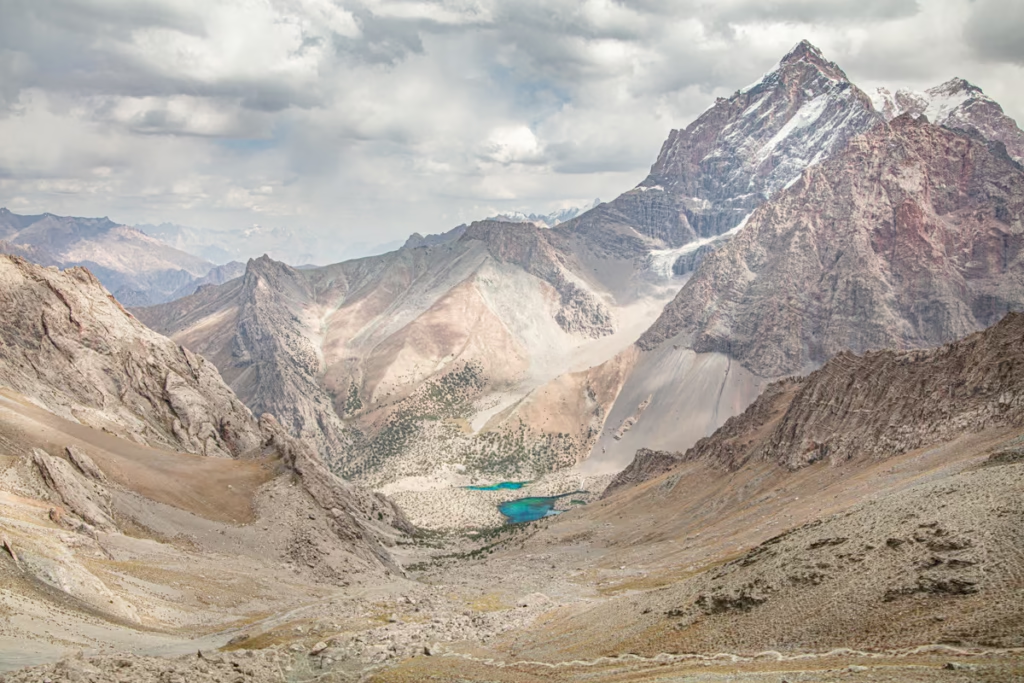
Fann Mountains Trekking Guide
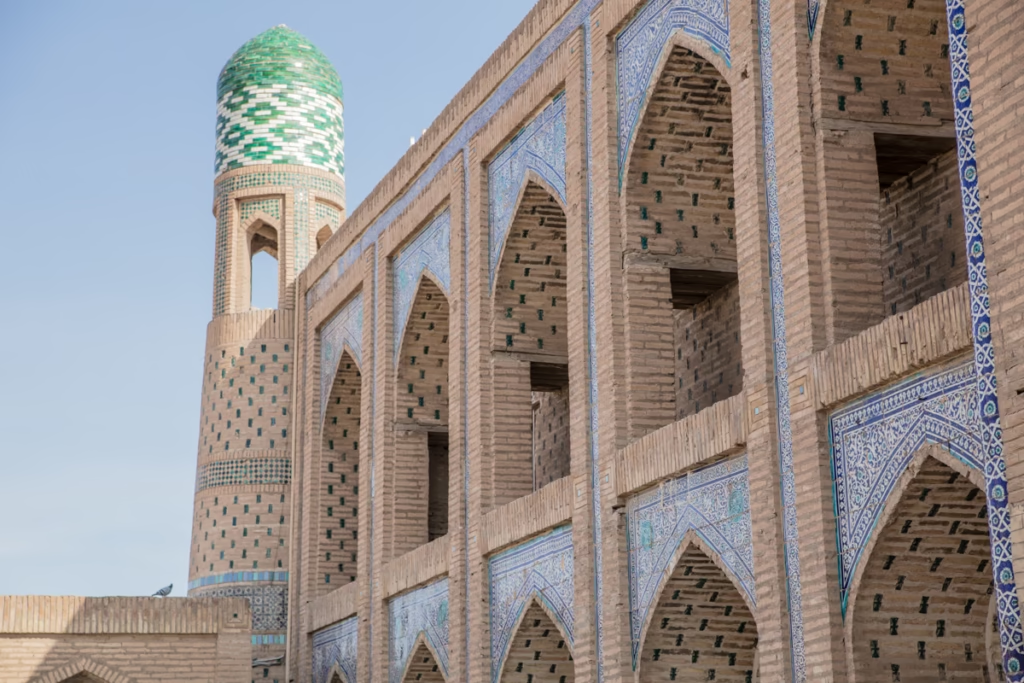
Two Week Tajikistan & Uzbekistan Itinerary
Best Restuarants in Dushanbe

How to Register Your Phone with IMEI.tj
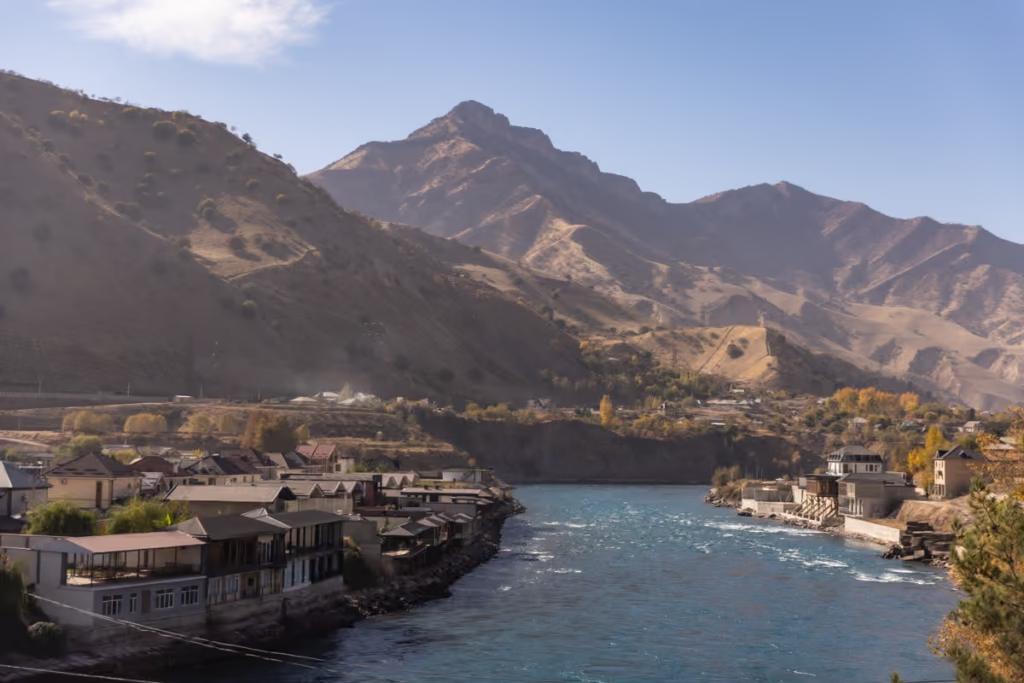
Khatlon Travel Guide
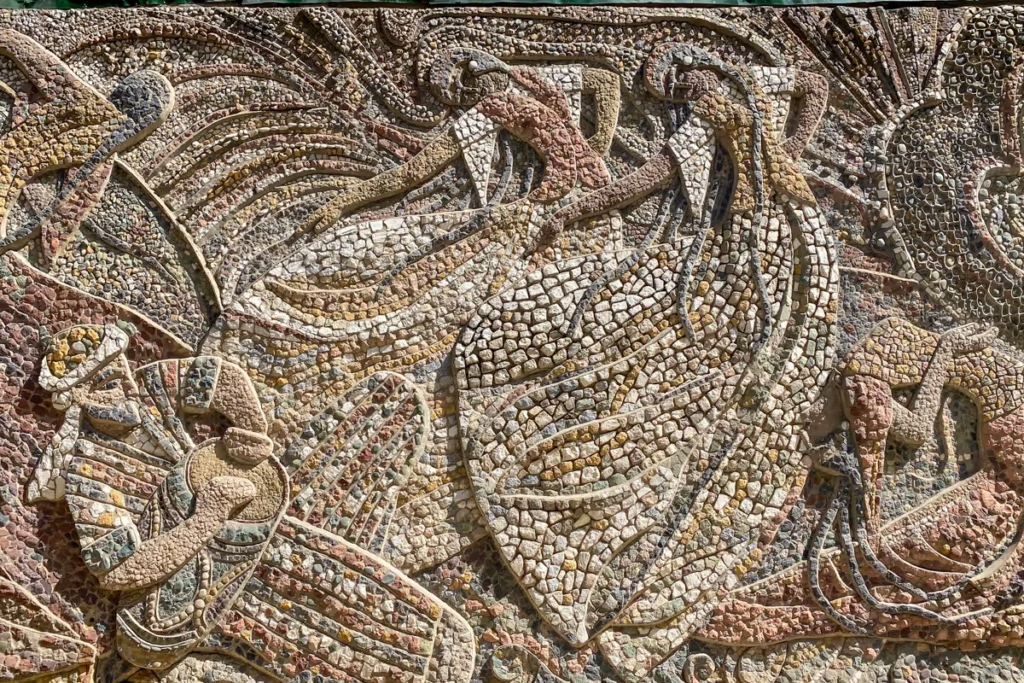
The Mosaics of Dushanbe
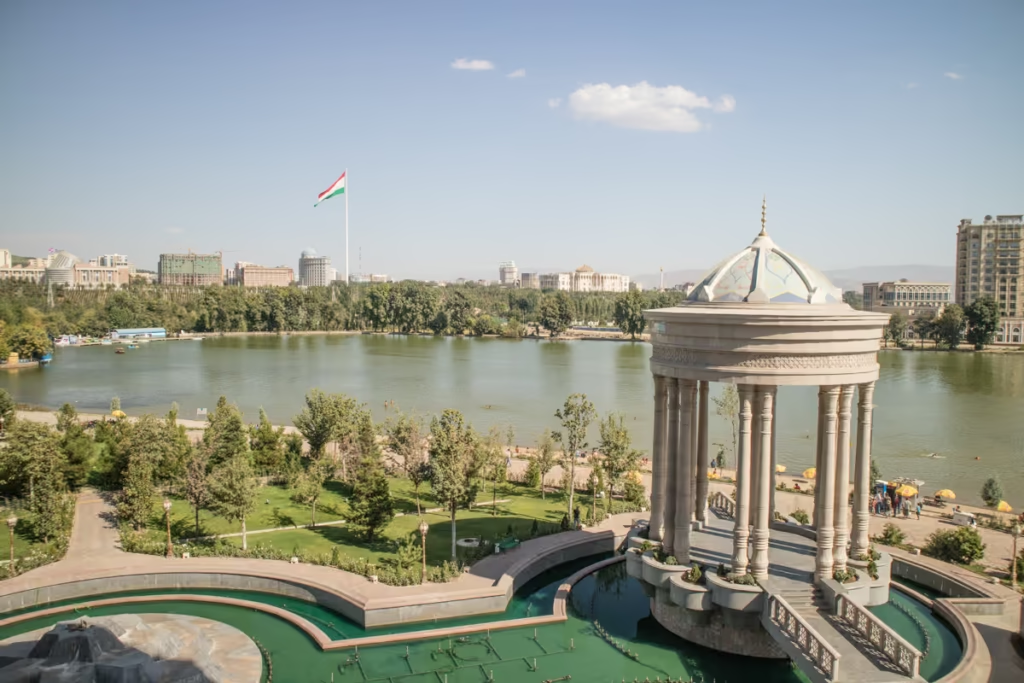
Best Places to Stay in Dushanbe
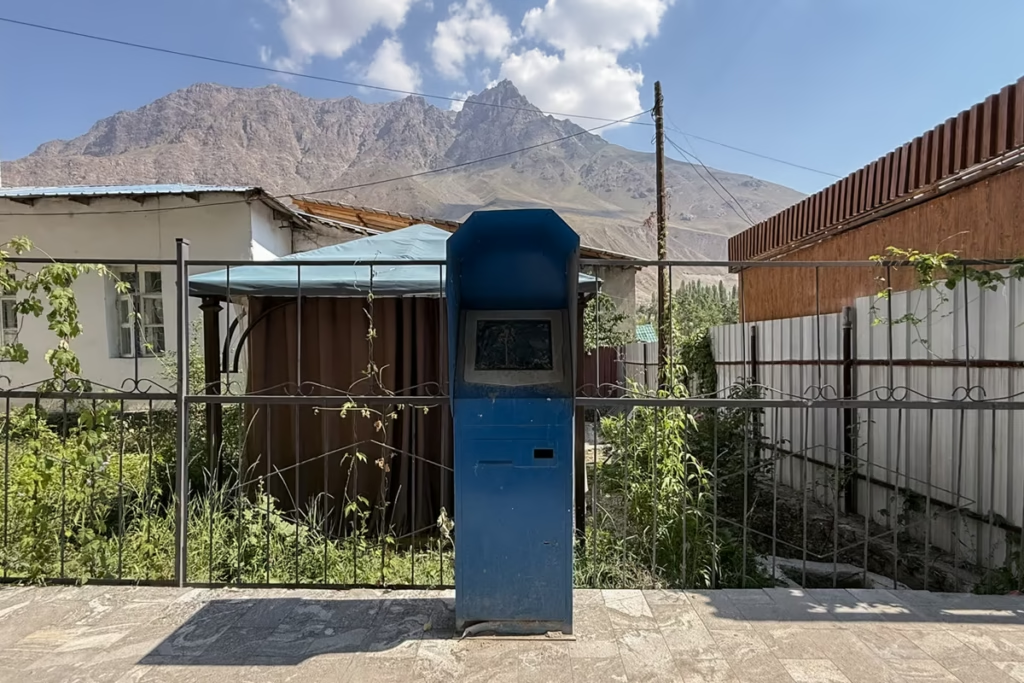
How to Use Payment Terminals in Tajikistan
Soviet Architecture in Khorog
Vorukh: Visiting the Tajik Enclave
The Denau-Dushanbe Border Crossing
Shaimak Travel Guide Tajikistan