Vorukh: Visiting the Tajik Enclave
Vorukh: Visiting the Tajik Enclave was originally published in 2026
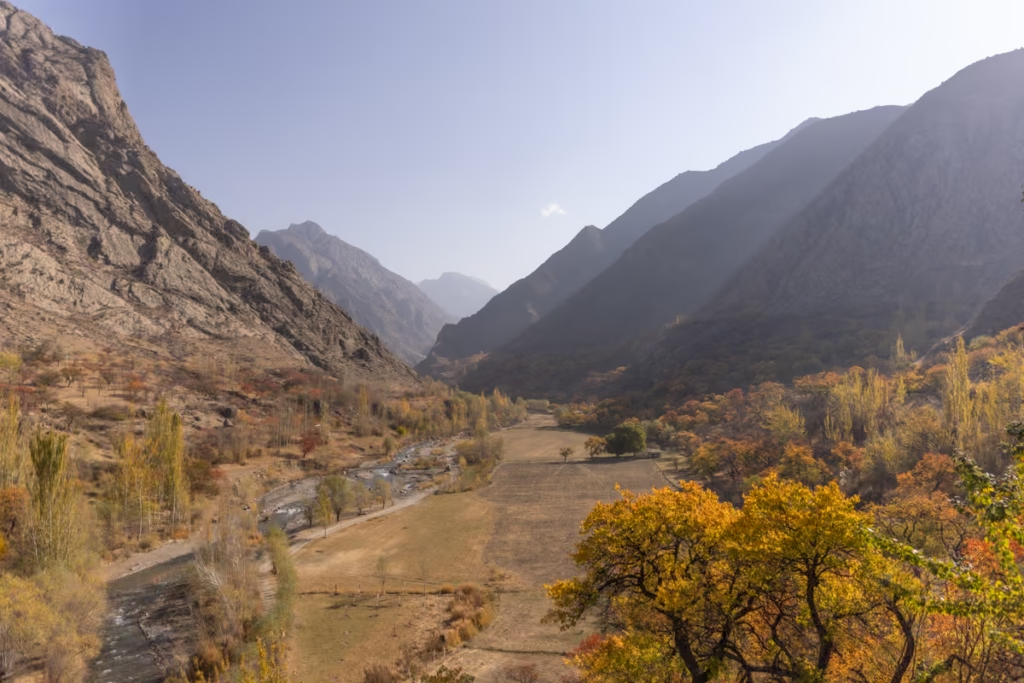
Nestled like a stubborn thorn, encircled entirely by Kyrgyzstan, Vorukh is a Tajik enclave in the Fergana Valley. While the views within the mountainous little enclave are postcard-perfect, it is a lived-in, complex, tourist-infrastructure-free, fascinating place defined by family orchards, concrete streets, and geopolitics you can smell in the air.
Visiting Vorukh means stepping into a place where Soviet-era border-drawing still shapes daily life, where water, roads, and property disputes have periodically flared into violence, and where local cadences- markets, chai sessions, apricot trees all whir on regardless.
The enclave exists because of Soviet-era administrative borders imposed in the 1920s that left pockets of one republic surrounded by another. Those oddly drawn lines have fuelled recurring tensions between Tajikistan and Kyrgyzstan, sometimes erupting into serious clashes that affected life in and around Vorukh.
Need Travel Insurance and Evacuation Services?
Start shopping for travel insurance plans over at IATI Insurance. Readers of the Adventures of Nicole get a 5% discount off your plan.
The Adventures of Nicole partners with Global Rescue to offer the world’s leading medical evacuation and security advisory services. To travel with peace of mind, explore their evacuation coverage.
A Short History and the Conflicts You Should Know About
- Soviet legacy: The territories of modern Kyrgyzstan and Tajikistan were delimited during the Soviet era, producing enclaves and very complicated borders in the Fergana Valley. Vorukh is one of those outcomes, and the border ambiguities have been a constant source of friction since the Soviet collapse. Tajikistan has other enclaves, including Qalacha within Kyrgyzstan and Sarvan within the bounds of Uzbekistan.
- Recurring flare-ups: The Isfara-Vorukh-Batken area has seen repeated disputes and occasional violence in recent decades. Tensions and fights over roads, water access, and grazing or farmland rights have led to clashes in 2013, a serious outbreak in April 2021 that left dozens dead and displaced thousands, and further skirmishes in 2022. These events are why travel here benefits from caution and up-to-date local information.
- Local dynamics matter: Much of the friction is granular: a new road routed a certain way, a well dug where neighbors disagree, or checkpoints. These are not only geopolitical dramas between capitals but local disputes among neighboring villages that then attract national attention. Analysts and commentators continue to discuss how to resolve the enclave problem peacefully.
- Recent attempts at easing transit: Authorities and local leaders periodically negotiate access arrangements. As of early 2025, there were reports that the road to Vorukh would be managed as a neutral transit route to reduce tensions. Still, conditions on the ground change fast, so confirm current arrangements before departing from Isfara.
Getting to Vorukh from Isfara
The only way you can get to Vorukh is from the city of Isfara. Naturally, I started in the morning from Isfara because that is the only practical hub for reaching Vorukh.
Get to Isfara Bus Station
Marshutkas leave throughout the day until the evening from the Isfara Bus Station on Jomi Street, located here: 40.124207, 70.626383.
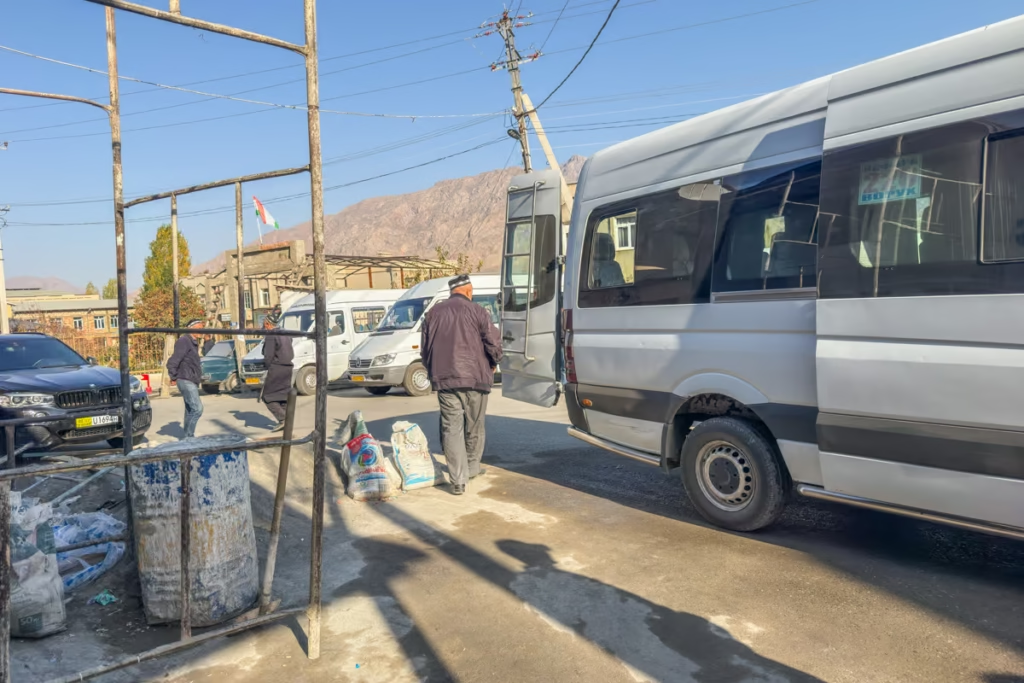
When you arrive at the station in Isfara, look for Marshrutka #220 with a sign marked ‘Ворух’.
Marshrutka #220
Finding Marshrutka #220 heading to Vorukh was easy. I arrived at the station around 07:35, and we were on the road by 08:00. The marshrutkas seem to run fairly often as they leave when full. It appeared that they fill more frequently in the morning and in the afternoon when people head back to Vorukh for the day.
Marshrutka #220 made numerous stops en route to the border, including Zumrad, Chorbogh, Surkh, Chorkuh, and others. The final stops were in the village of Khoja Alo, which is just before the border.
Crossing 3.5 Kilometers of Kyrgyzstan
Beyond Khoja Alo, the road passes into a short 3.5 kilometer stretch of Kyrgyzstan and through the Kyrgyz village of Aksai. The marshrutka does not stop anywhere in Kyrgyz territory as you make your way to the border with Vorukh. Do note that there are no border formalities, but it would be wise to bring your passport.
Back to Tajikistan: Welcome to the Enclave of Vorukh
In less than five minutes, we were back on Tajik soil in the little enclave of Vorukh. The marshrutka begins making stops again, once in Vorukh. You will see many bus stops along the road where you can signal to the driver to be dropped off.
The final stop is at the informal Vorukh Station at the bazaar, located here: 39.847552, 70.581977. On my visit to Vorukh, we arrived at the bus station at 09:20. The fare I paid was 11 TJS (this is per seat).
Practical Tips For Traveling Between Isfara & Vorukh
- Carry your passport. Although there were no border formalities at the time of my visit in late October 2025, this could change in the future.
- Keep small change for marshrutkas.
- There are shops in Vorukh, but you could opt to pack a picnic with you from Isfara.
- Be respectful, but don’t be scared to ask questions. The people of Vorukh are very aware of their tumultuous situation, but receive almost no foreign visitors. People are very friendly and will open up about their land.
Getting Around in Vorukh
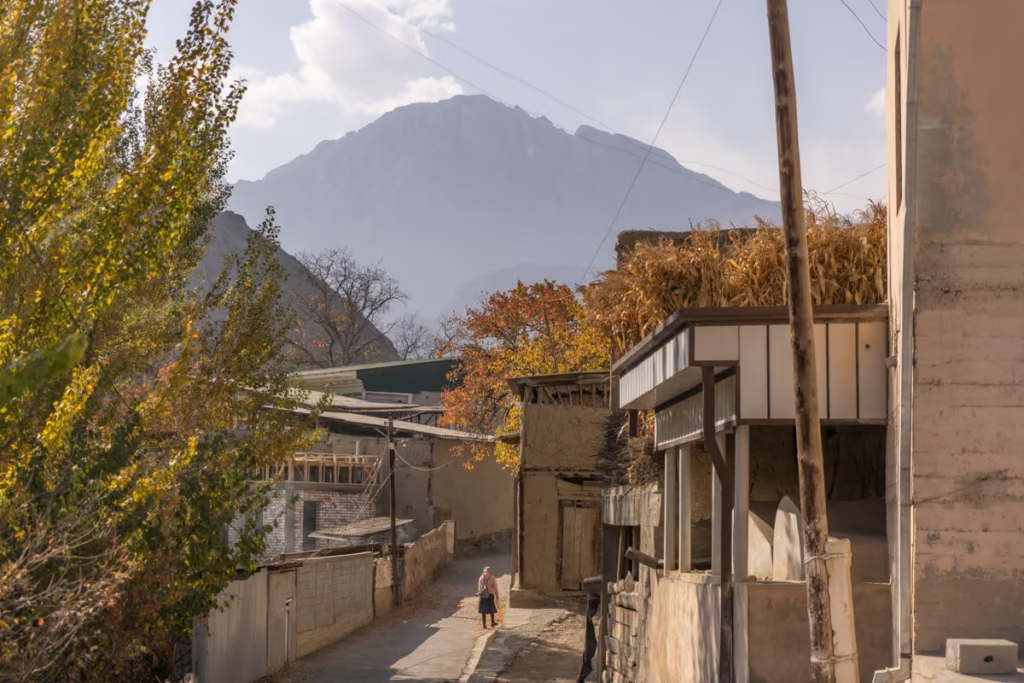
Vorukh feels like a big and scattered village that stretches from one border with Kyrgyzstan to the other.
After getting dropped off at the bazaar, I began walking eastward, and before long, a car stopped with a man and his little daughter. He introduced himself as Alex and asked where I was going. I said, I don’t know, and laughed. It was at this point that he figured out that I was a tourist. He insisted I go with them, and I politely declined, but both he and his daughter insisted, so off we all went.
There didn’t appear to be any formal transport within Vorukh beyond the bazaar area, but that said, I saw enough small cars moving around the area that it would be easy enough to hitch a ride or negotiate a price for where you want to go.
Where to Stay, Eat, & Shop in Vorukh
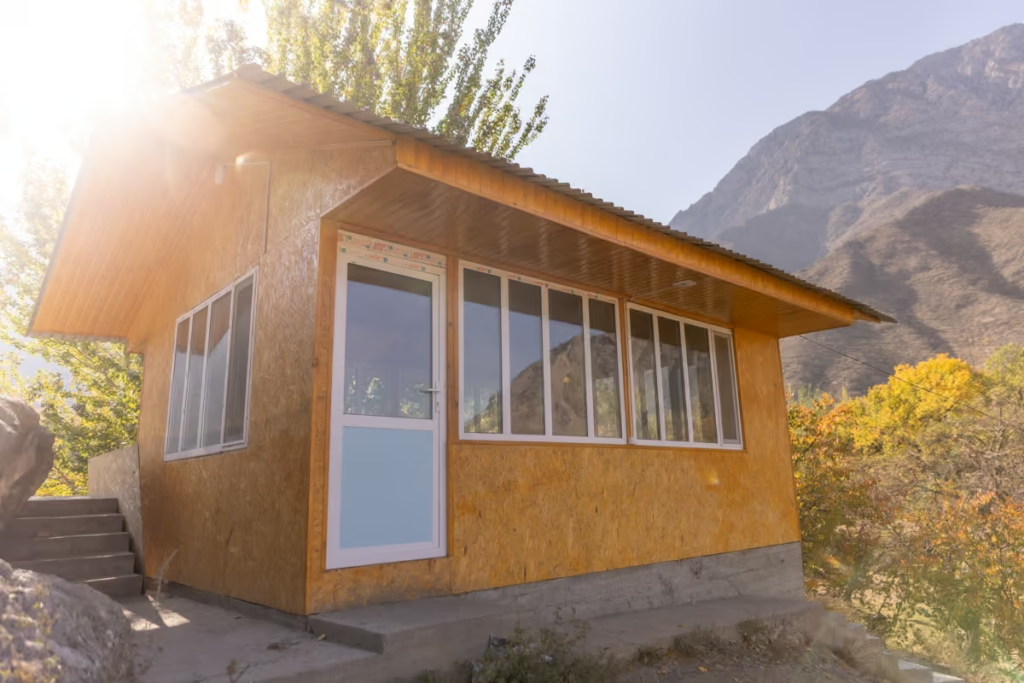
Vorukh is not built for tourists, and there are no formal accommodations. That said, I was brought to a dacha located here: 39.820806, 70.637723.
Alex stopped to pick up a woman and her son when we were driving eastward across Vorukh. She worked keeping the dacha grounds. I asked her if it was possible to rent, and she said yes, for 200 TJS per night for one of the cabins and 300 TJS per night for the other.
The dacha had covered picnic areas and space to grill shashlik, and one of the covered picnic tapchans and one of the cabins were perched up on a small hill with panoramic views of Vorukh.
Aside from this dacha, there is no other accommodation in Vorukh. Your only other option would be to stay with a local family who may be willing to host.
If you prefer more comfortable accommodation, base yourself in Isfara and take a day trip to Vorukh.
In the main part of the village in Vorukh, there were a couple of basic chaikhanas serving up typical Central Asian fare. Otherwise, you can plan to grab a few things at the bazaar or at one of the small supermarkets in the village. Note that this area is renowned for its apricots.
Things to do in Vorukh
Vorukh is small, and as there isn’t a tourist trail at all in the enclave, you’ll have to be willing to do a bit of exploring.
Walk Vorukh’s Streets
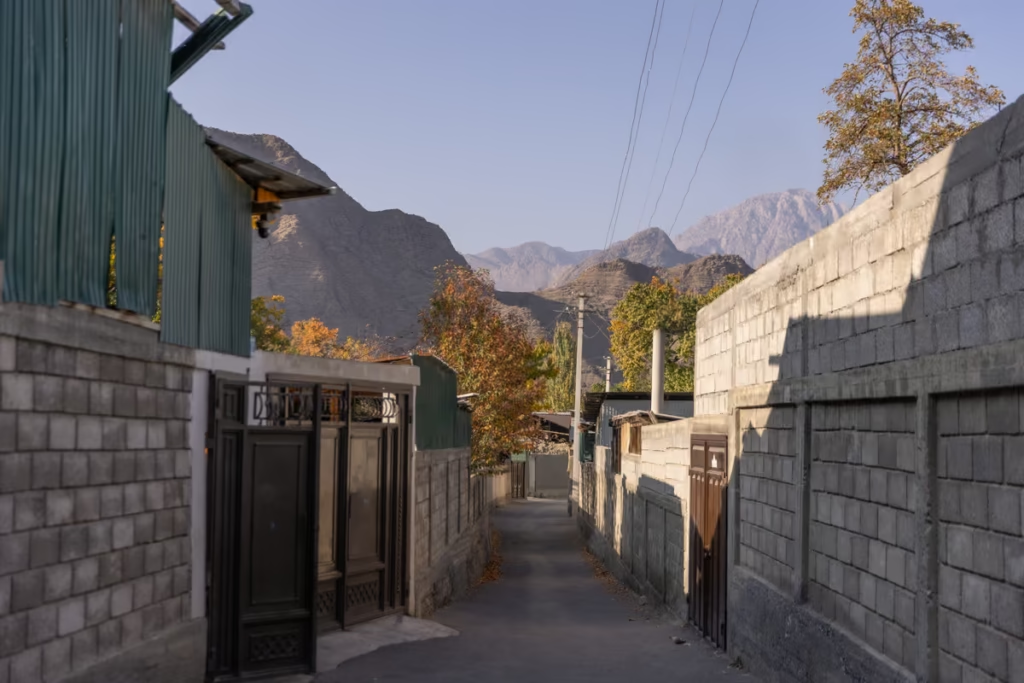
Wander around Vorukh’s rambling streets, and you’re bound to meet someone who will take a curiosity in you and, at very least, say hello, especially the kids.
Shop for Local Produce at Vorukh Bazaar
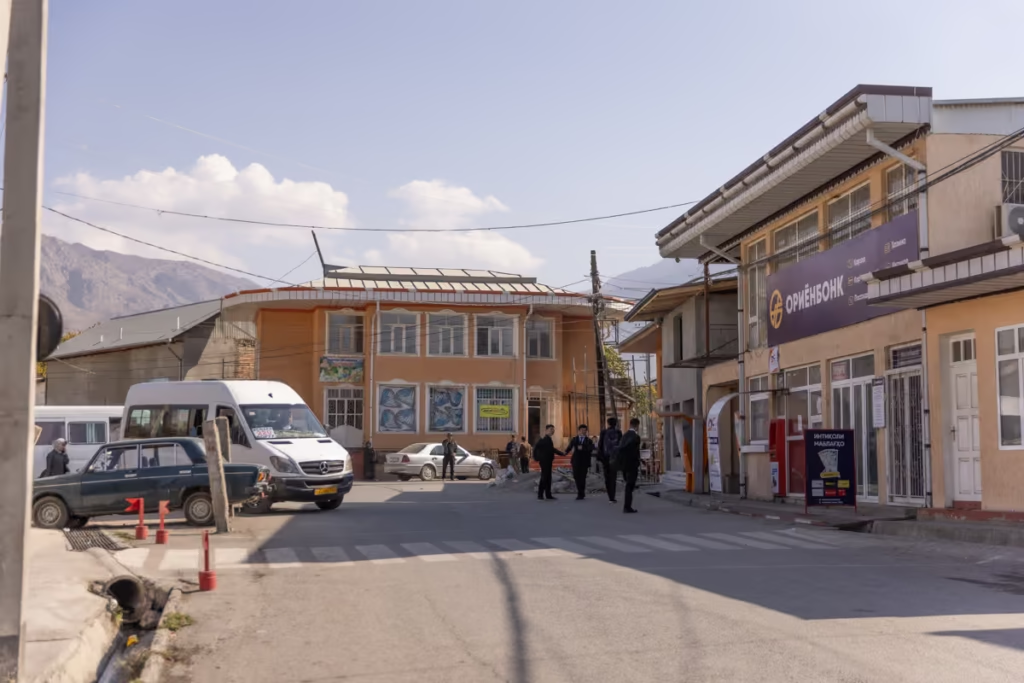
Vorukh’s local bazaar is a bit of a scattering, but here you can find sellers dealing in fruit, nuts, bread, and household goods. Buying a bag of apricots and sitting in a quiet corner is a perfect way to observe daily life.
Meet & Understand Vorukh
The language spoken in Vorukh is Tajik, but a few words in Russian, or a friendly smile, go a long way too. Conversations about apricot orchards, family histories, and hearing the stories of how people cope with living in an enclave in a geopolitical frontier are some of the most illuminating experiences.
Orchards & Food Culture
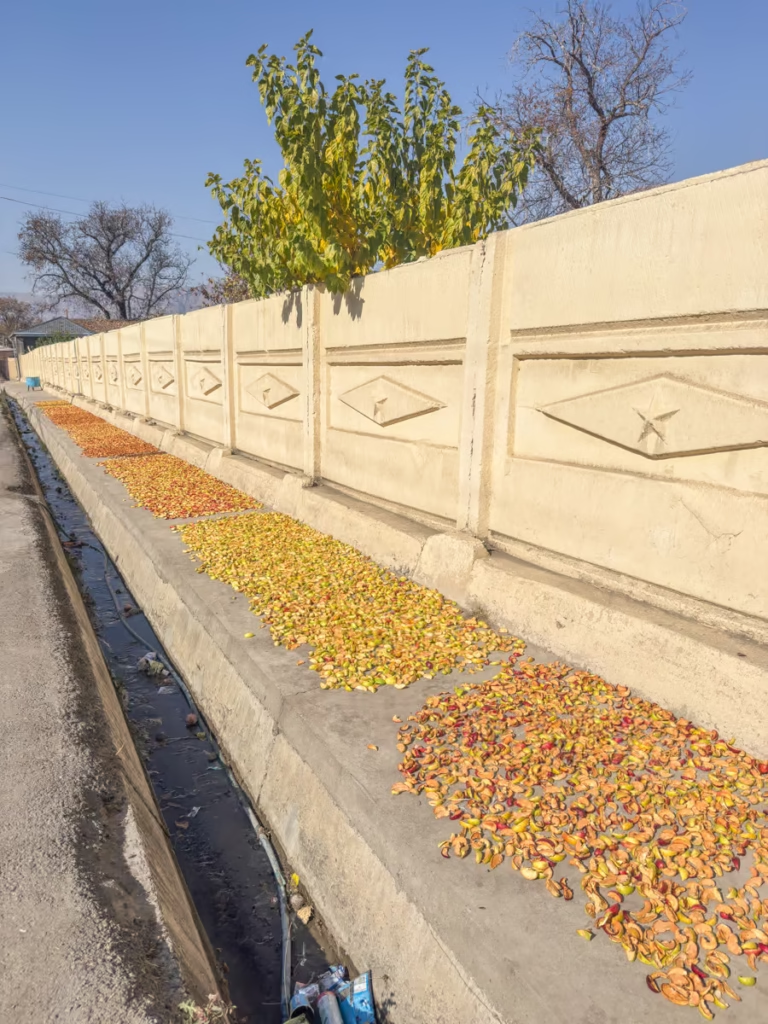
The Isfara valley is famous for fruit, especially apricots. If you are there in the summer and autumn seasons, visiting orchards or buying fruit from roadside tables is a highlight.
Trekking Around an Enclave

Vorukh has great trekking potential, but care should be taken given the enclave’s sensitive geopolitical situation. The east fringes of Vorukh are beautiful as the enclave forks into two wide valleys.
Be mindful of patrols and avoid photographing sensitive installations or people without permission. If you want to go closer to border areas, it would be wise to go with a local who knows where the boundaries are.
Photographing Vorukh
Vorukh is undeniably photogenic, from the mountainous nature to the friendly locals who will tap you on the shoulder and motion for you to take their photo.
Safety, Etiquette, & Local Politics in Vorukh
- Safety first: The area has seen armed clashes in the past decade. Most visits are calm and uneventful, but sudden local incidents are possible. Keep abreast of local news, avoid demonstrations or any large gatherings, and steer clear of tense border spots. The history of violent flare-ups (notably in 2021 and intermittent clashes in 2022) is why travelers should be cautious.
- Do not photograph checkpoints or security personnel: This could cause trouble for you. Ask permission before photographing people.
- Conversations about borders: Locals have strong feelings, and rightfully so. Ask about family, food, and everyday life, and when the conversation turns political, it’s best to just listen.
- Local laws and ID: Always carry your passport, just in case you are asked for it. While there is no widely enforced tourist permit just to visit Vorukh, checkpoints (unmanned on my visit) and local controls mean that presenting ID could, in theory, happen.
Practical Packing List
- Passport
- Local currency (TJS)
- Comfortable shoes for walking along dusty roads
- Water, sunscreen, hat
- A portable charger and a basic offline map of the area
- A phrasebook or translation app with Tajik/Russian phrases
Vorukh Logistics & Onward Travel
Returning to Isfara
- Marshrutkas run both ways; last departures can vary. Locals report the last marshrutka for the evening departing around 18:00, but there is no schedule.
Connections to Khujand or Beyond
- Isfara connects to Khujand with shared taxis and other destinations such as Konibodom with marshrutkas. From these larger hubs, you can catch marshrutkas and shared taxis north to Uzbekistan or south to Dushanbe.
Why Vorukh is Worth Visiting
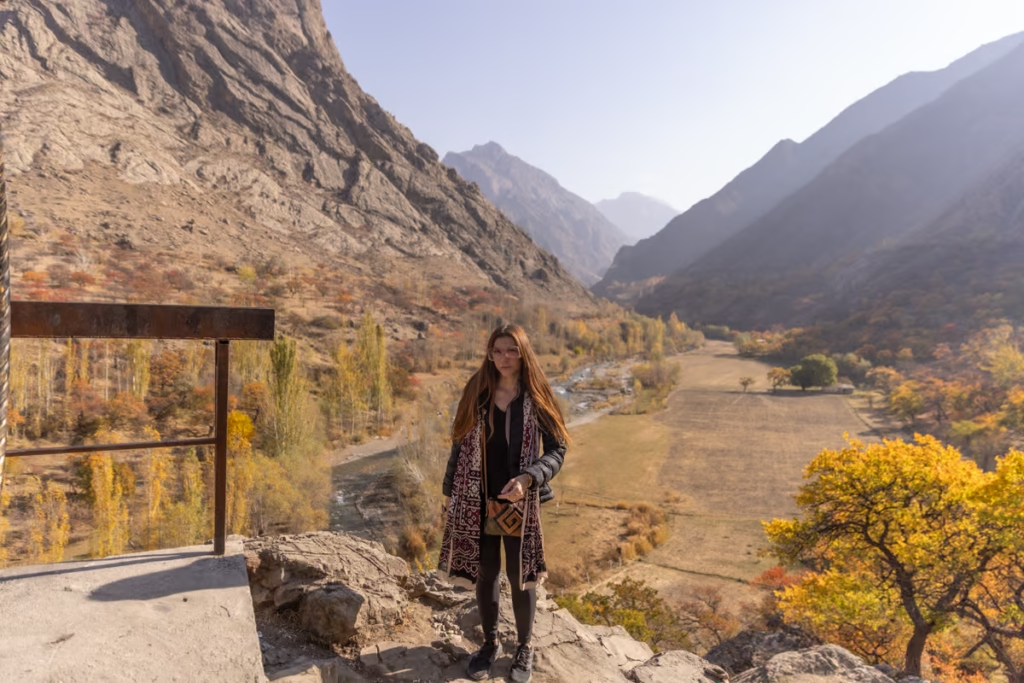
Vorukh is an island of curiosity, a victim of seemingly haphazard deleniations from a Soviet past that buzzes with life and tension at the same time.
It felt just as welcoming as the remainder of Tajikistan, but with an even more difficult past. Tea with a family under an apricot tree will easily turn into a fascinating history lecture from someone who has lived it.
You can feel how fragile the local peace is where the landscape carries the memory of disputes and the infrastructure of contested borders.
Vorukh will reward travelers who listen. This is home for people whose lives are shaped by lines on a map that they did not draw.
Further Reading on the Vorukh Clashes & History of the Enclave
- Asia-Plus: How Vorukh became an enclave — background on local disputes and enclave history
- Aziz Niyazi: Vorukh- The Territory of the Tajik-Kyrgyz Discord. On the Issue of the Initial Demarcation of the Soviet Period in 1928-1941 — Evidence Vorukh originally was not an enclave but a contiguous part of Isfara (Tajik SSR), and suggests that the current border dispute stems from later re-drawings and Soviet-era administrative changes
- Wikipedia: 2021 Kyrgyzstan–Tajikistan clashes — timeline and background on recent violence
- Wikipedia: 2022 Kyrgyzstan–Tajikistan clashes — timeline and background on recent violence
Have Any Questions About Visiting Vorukh?
Ask your questions about Vorukh in the comments section below.
Posts from Tajikistan
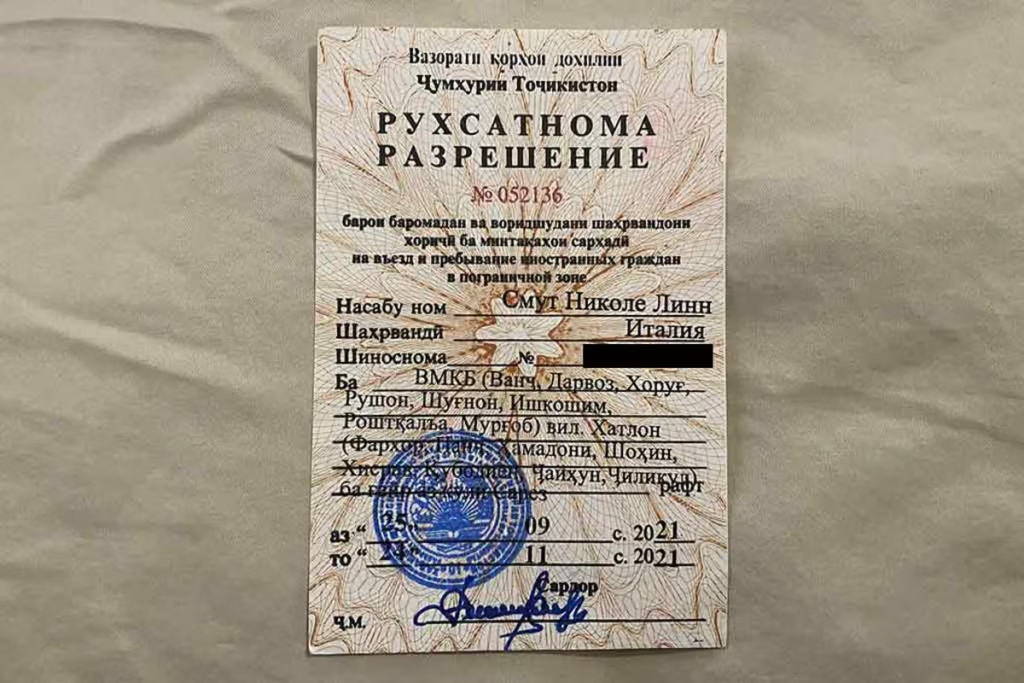
How to Get a GBAO Permit
12 Day Fann Mountains Trekking Expedition, Tajikistan
12 Day Pamir Highway Expedition
Iskanderkul & Sarytag Travel Guide
Kyzyl Art Border Crossing
Jizeu Trek in Tajikistan’s Pamir
10 Reasons to Visit the Pamirs
Tajikistan In Photos
Tajikistan Itinerary for 1-4 Weeks
Solo Female Travel in Central Asia
Khujand Travel Guide
Istaravshan Travel Guide
Haft Kul: Tajikistan’s 7 Lakes

Registering with Tajikistan OVIR in Dushanbe
Trekking to Turumtaikul Lake
Bartang Valley, Tajikistan
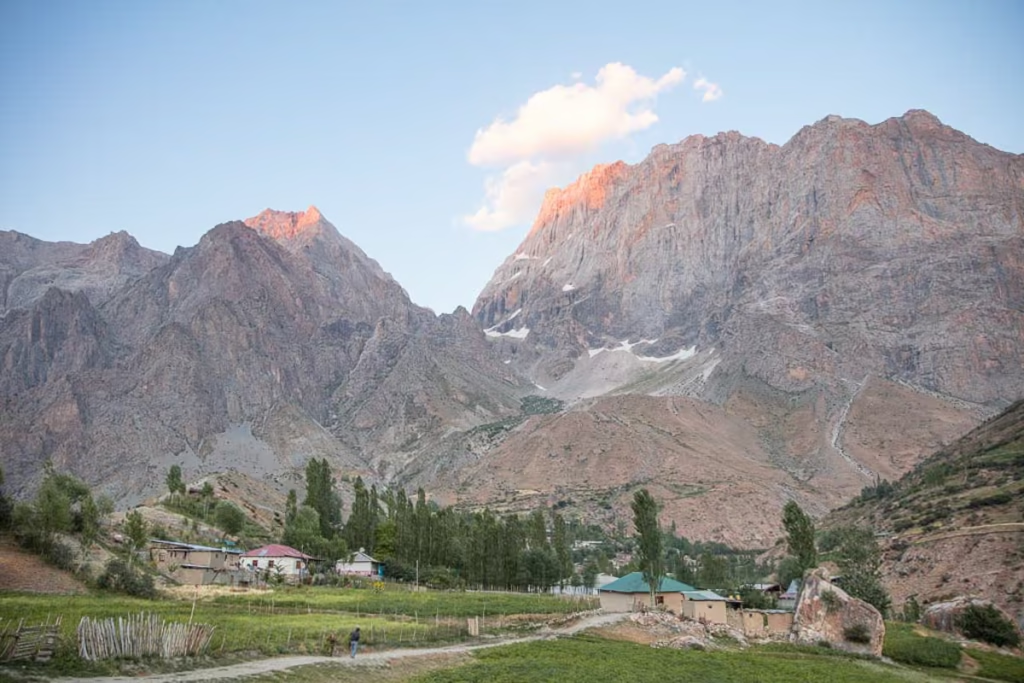
Yagnob Valley Trekking Travel Guide
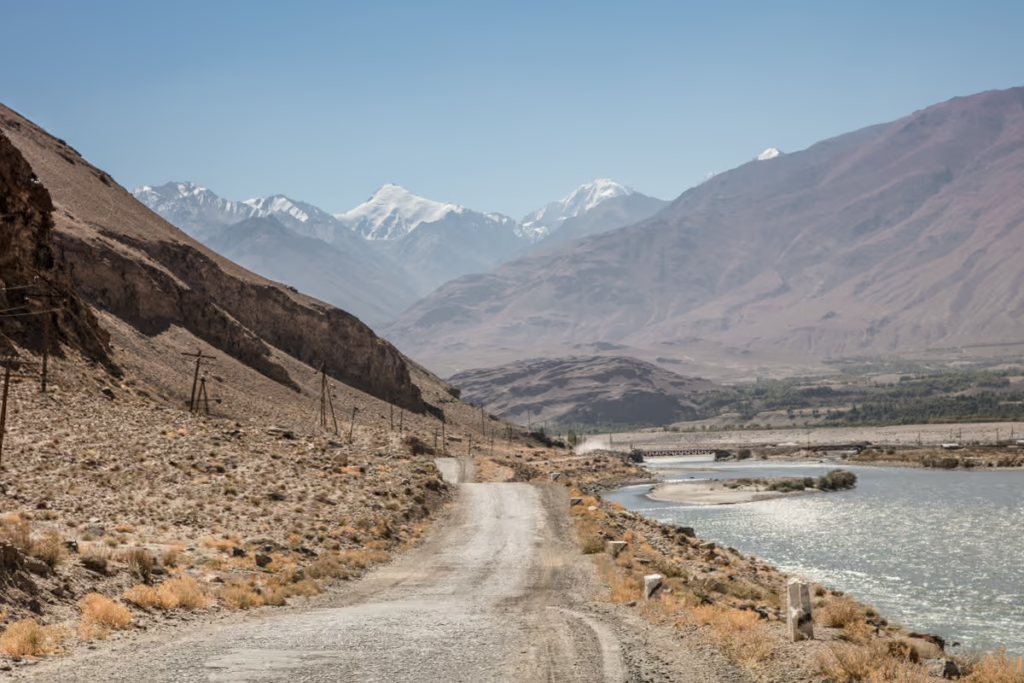
Ishkashim Border Crossing
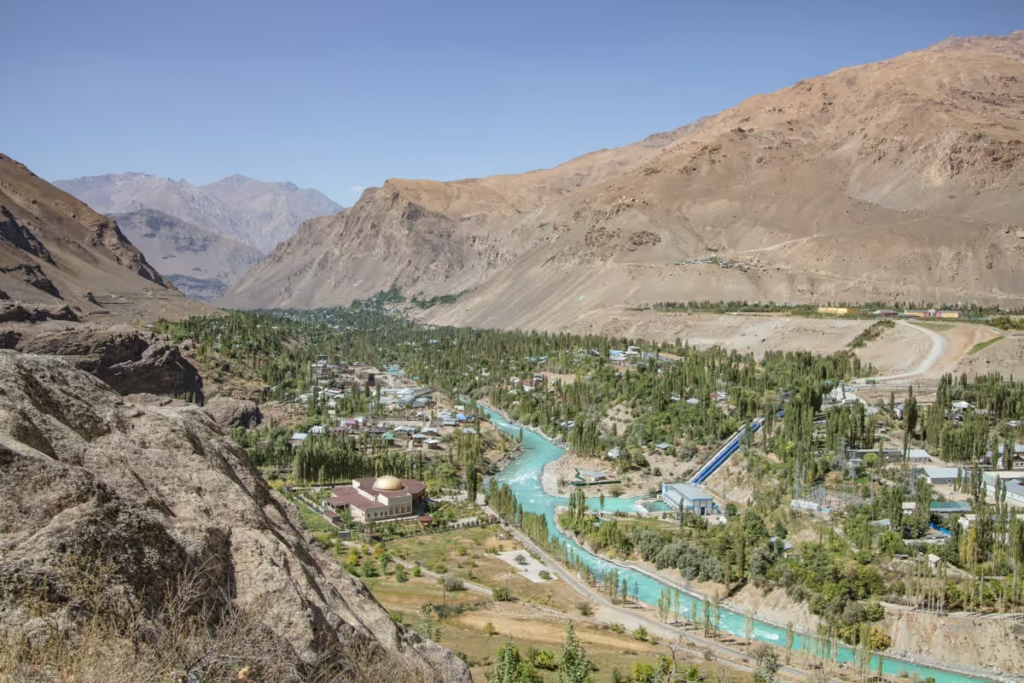
Khorog Travel Guide
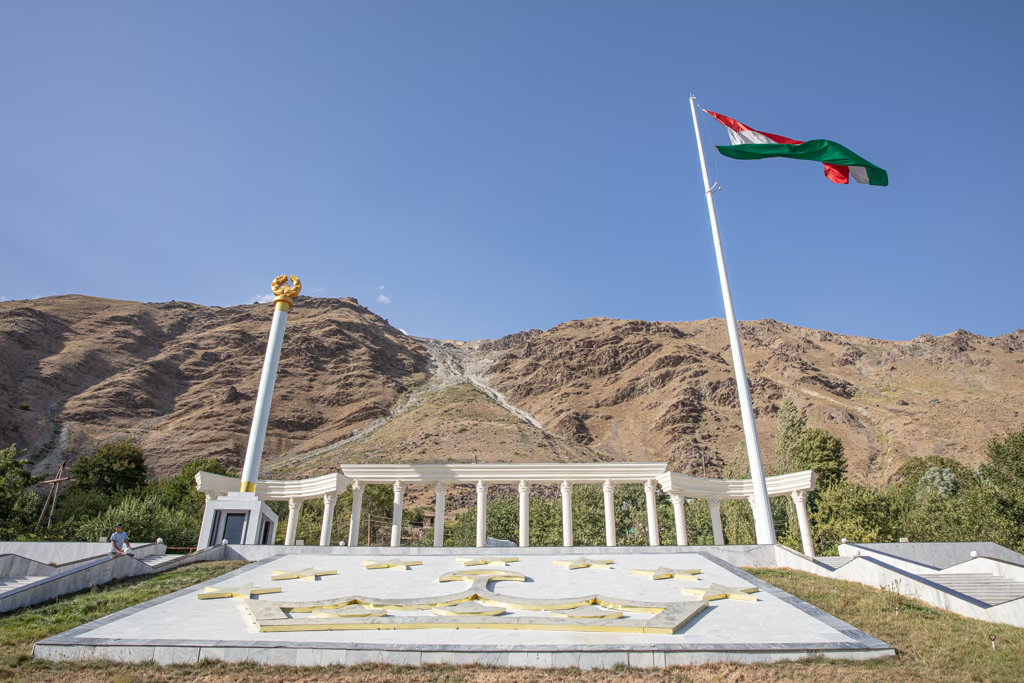
Tajikistan Letter of Invitation (LOI)
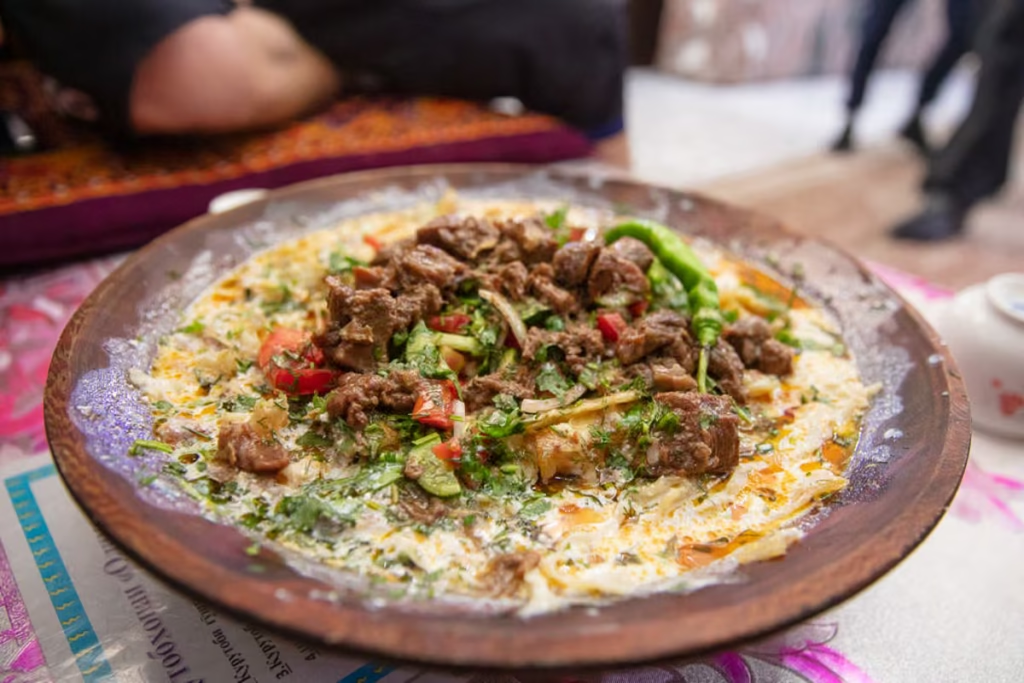
Must-Try Tajik Food
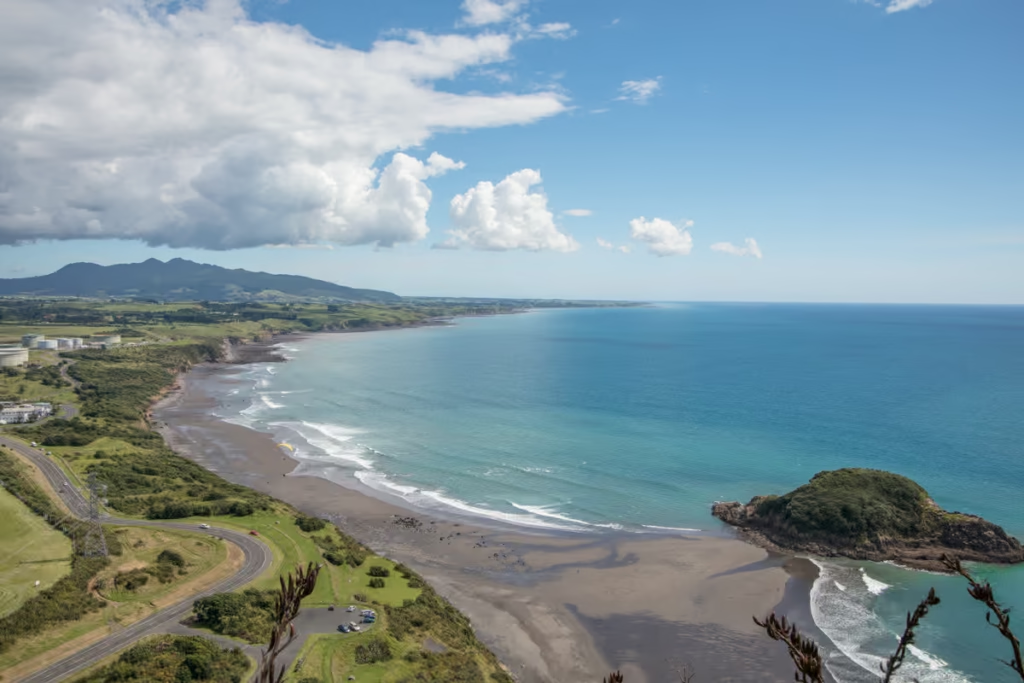
Best Road Trips in the World
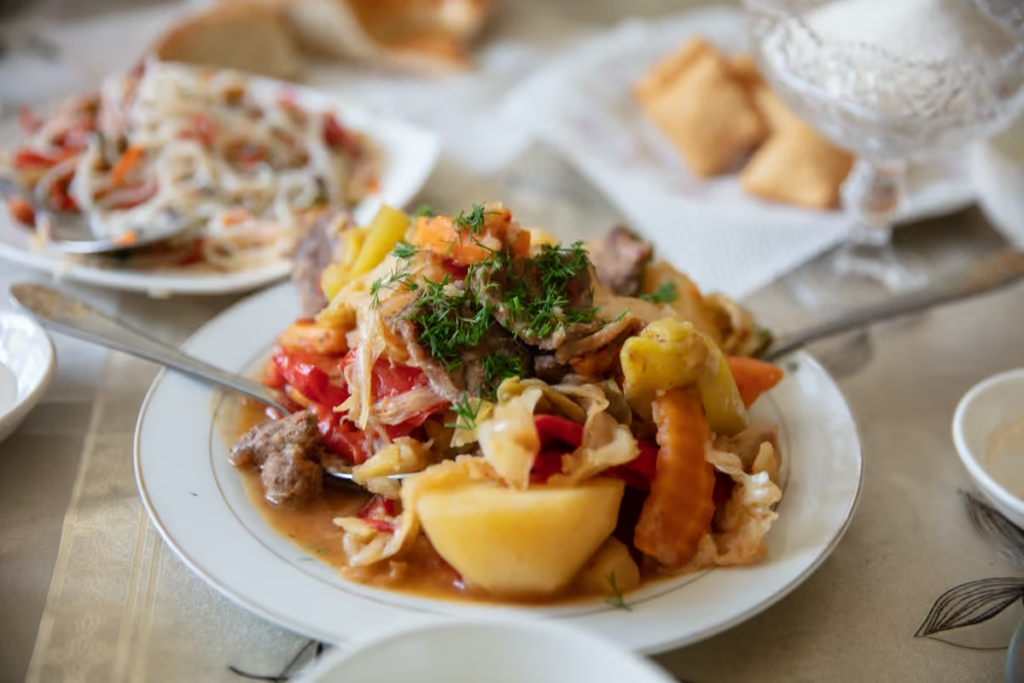
Central Asia Food & Drink
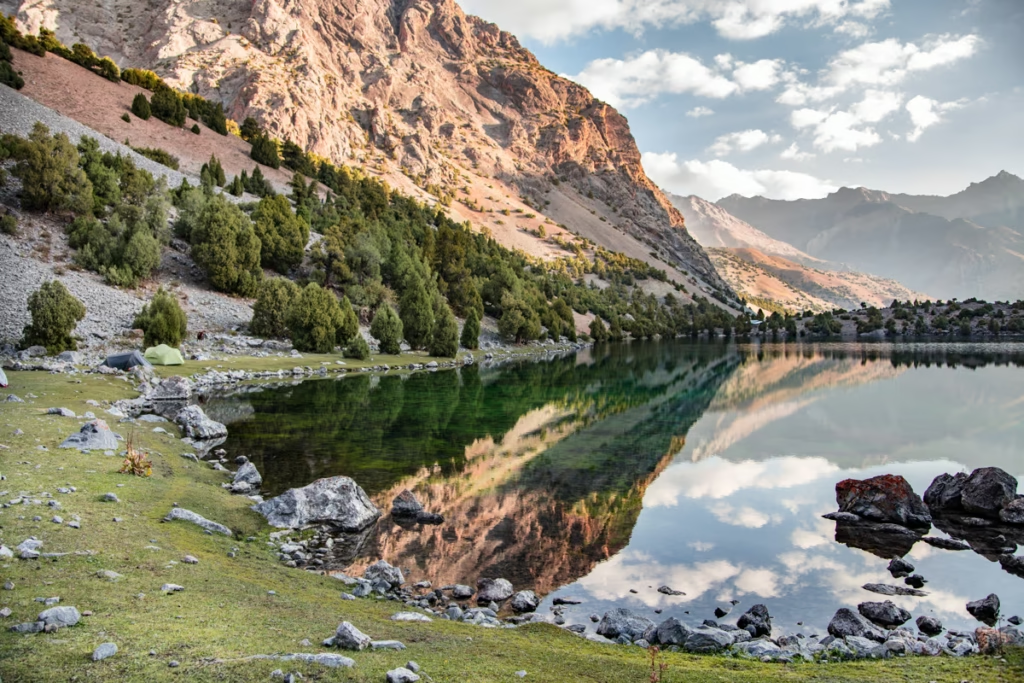
10 Reasons To Visit Tajikistan
Qolma Pass Border Crossing
Tajikistan Travel Guide
Off the Beaten Path Asia
Pamir Highway Travel Guide
Top Things to Do Tajikistan
Shor Bulog Observatory, Tajikistan
Dushanbe Travel Guide
Best Hikes in Tajikistan
Solo Female Travel in Tajikistan
Beginner’s Guide to Central Asia Travel
Panjakent Travel Guide
Pamir Highway Itinerary
Panjakent-Samarkand Border Crossing
Fann Mountains Trekking Guide
Two Week Tajikistan & Uzbekistan Itinerary
Best Restuarants in Dushanbe
How to Register Your Phone with IMEI.tj
Khatlon Travel Guide
The Mosaics of Dushanbe
Best Places to Stay in Dushanbe
How to Use Payment Terminals in Tajikistan
Soviet Architecture in Khorog
Vorukh: Visiting the Tajik Enclave
The Denau-Dushanbe Border Crossing
Shaimak Travel Guide Tajikistan