Shurab, Tajikistan: Inside a Forgotten Coal-Mining City
Shurab, Tajikistan: Inside a Forgotten Coal-Mining City was originally published in 2026
Tucked into the burnt orange foothills south of Isfara in northern Tajikistan, Shurab doesn’t land on many Tajikistan itineraries. For those who enjoy wandering abandoned places, ghost towns, and urbex, Shurab will feel like a paradise.
Shurab is an old mining town shaped almost entirely by its glory days in the coal industry. Its streets, industrial buildings and surrounding hills tell a very different story from the apricot orchards, mosques and traditional villages usually associated with the Fergana Valley. This is Soviet industrial Tajikistan, where coal mining once supported a thriving town and a railway connected Shurab with Isfara.
Today, Shurab is quieter, but coal mining remains part of its identity. The historic Shurab coal deposit is one of Tajikistan’s major brown coal deposits, and mining operations have recently undergone a major revival. In March 2026, Tajikistan officially commissioned the reconstructed No. 8 coal mine in Shurab, with plans for production to increase substantially over the coming years.
For travelers staying in Isfara, Shurab makes an interesting half-day or day trip, particularly if you are interested in Soviet history, industrial heritage, or the less-visited corners of northern Tajikistan.
Shurab at a Glance
| Country | Tajikistan |
| Region | Sughd |
| Administrative area | Isfara |
| Location | Foothills of the Turkestan Range |
| Nearest city | Isfara |
| Main attraction | Shurab coal-mining area |
| Best for | Industrial history, Soviet heritage, offbeat travel |
| Time needed | Half day to a full day |
| Language | Tajik, Uzbek and Russian |
| Getting there | Road from Isfara |
| Accommodation | Very limited |
| Best base | Isfara |
Shurab is located in the Isfara area of Sughd Region, in the foothills of the Turkestan Range. The coal deposit itself extends toward the Kyrgyzstan border, making this an interesting place geographically as well as historically.
Why Visit Shurab?
Let’s be honest: Shurab isn’t a conventional tourist destination.
Shurab gives you a glimpse into a side of Tajikistan that is easy to miss when traveling between Dushanbe, Khujand and the Pamirs. Its history is tied to coal rather than caravan routes, and its landscape has been shaped by decades of industrial activity.
The town became an important industrial center during the Soviet period. At its height, Shurab had substantial coal production, industrial facilities, and a railway connection with Isfara. Historical sources describe the town as one of the more developed industrial and cultural centers in the region during the 1970s and 1980s.
Today, the contrast between that industrial past and present-day Shurab is one of the most interesting things about visiting.
The Shurab Coal Mine
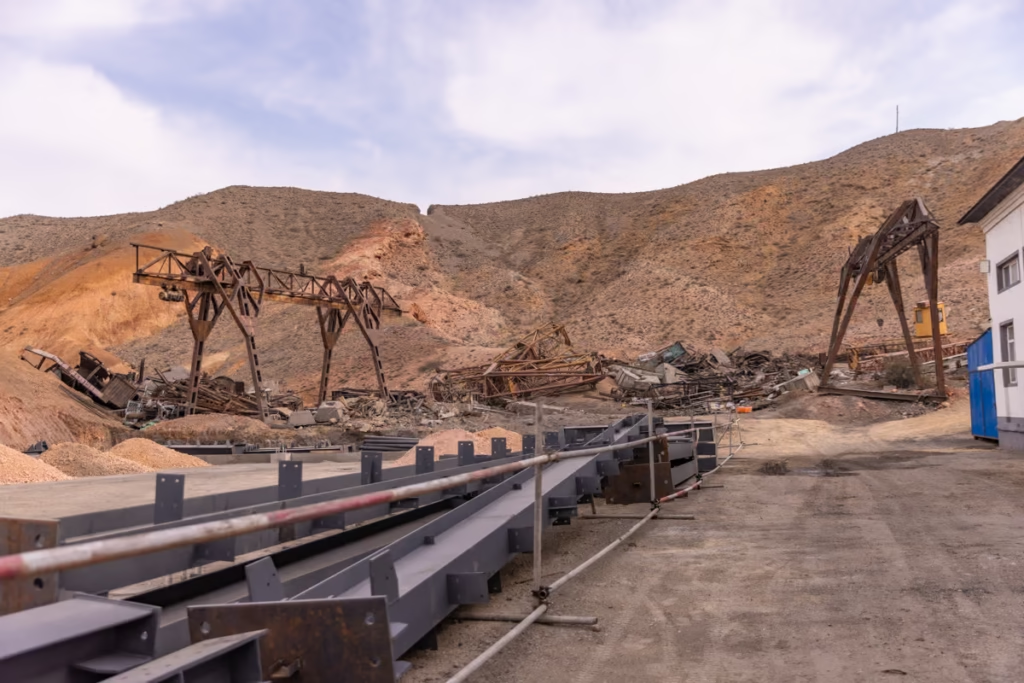
The Shurab coal deposit is one of the country’s major coal deposits and has a mining history stretching back decades. Coal production at the Shurab mine field began in 1902, and the industry expanded significantly during the Soviet period. Mine No. 8 was put into operation in 1939, with a production capacity of 600,000 tonnes per year. Finally, the town of Shurab was established in 1952.
The deposit is substantial. Older geological and industry sources have estimated total coal resources at hundreds of millions of tonnes, although estimates vary depending on the area and classification used.
Historically, production was significant. During the 1960s and 1970s, annual production at the deposit reached around one million tonnes.
That decline had a major effect on Shurab itself. Production collapsed following the breakup of the Soviet Union and the town of Shurab shrank from a population of over 8,000 to less than 3,000.
The Shurab Coal Mine, Revived
Coal mining in Shurab, though small following the USSR collapse, did continue. Local miners still living in Shurab and nearby in Isfara would dig coal by hand. That is, until the joint effort reconstruction of No. 8 Coal Mine by the Tajik government and China began.
I had no idea of this revival when I visited to Shurab in 2025 and htiched a motorcycle ride up to the coal mine to explore. New buildings were up, friendly workers— both Tajik and Chinese, waved and greeted me as I walked around. It felt like Shurab’s coal mine was coming back to life.
On March 31, 2026, Tajik President Emomali Rahmon officially commissioned the reconstructed No. 8 coal mine operated by Angisht. The project included modernization of production lines and other mining infrastructure. More than 700 people were reported to be involved in the project at the time, with the workforce expected to grow.
That makes Shurab particularly interesting to visit now. The town is not simply a Soviet mining relic; its mining industry is being rebuilt.
Can You Visit the Shurab Coal Mine?
The Shurab Coal Mine is an active industrial operation, not a conventional tourist destination. As I had visited before it was fully open again and operational, I had no problem turning up and wandering around. Though, following its official commission, it may no longer be possible.
What to See in Shurab
Shurab is not a town where you’ll spend hours ticking attractions off a list. Instead, think of the town itself as the attraction.
Soviet Architecture
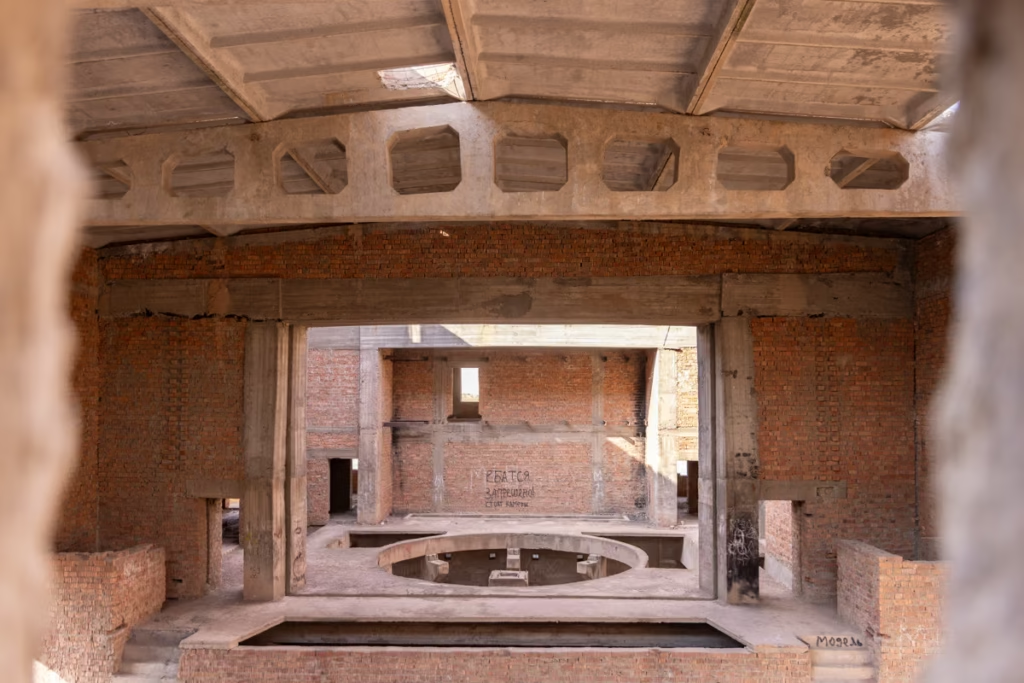
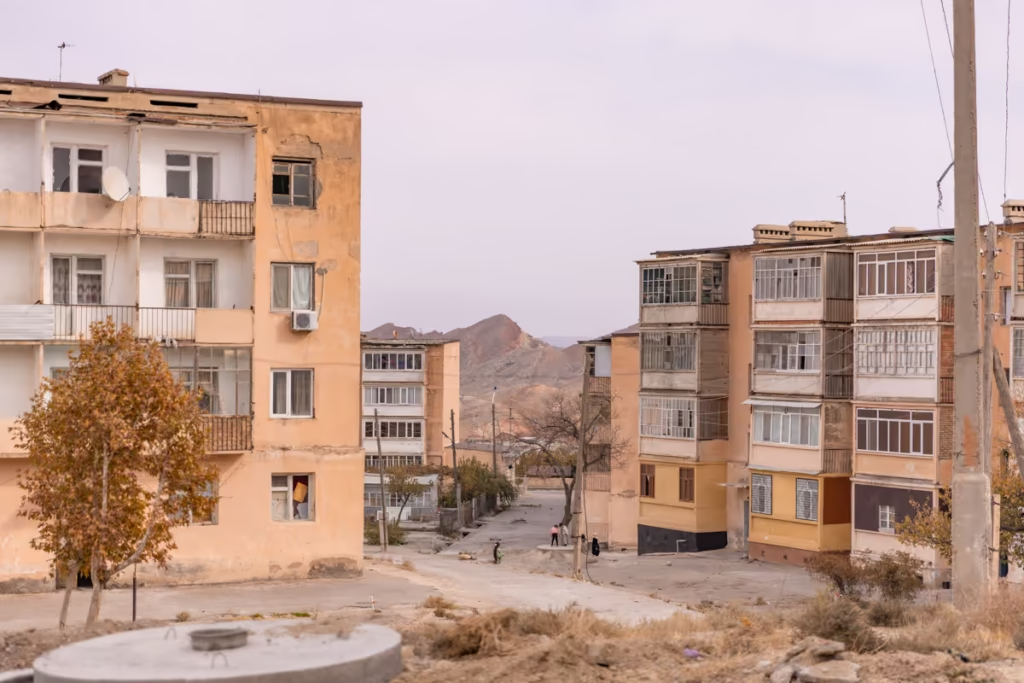
Look around for the remnants of Shurab’s industrial past. Shurab’s Khrushchevka apartment blocks were once considered prestigious by many citizens of the USSR. Wages of people in Shurab were higher than most other Tajik towns in the area.
As the town was abandoned over the 1990’s and early 2000’s, many of the apartment blocks, schools, transport facilities, and mining buildings fell into disrepair.
The Surrounding Landscape
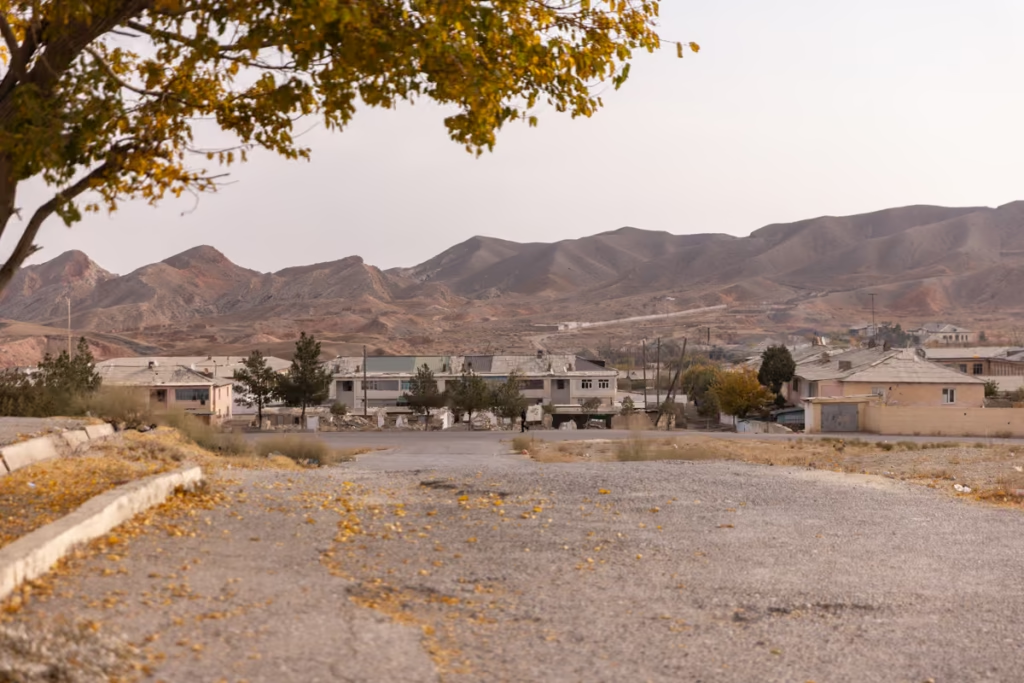
The arid hills around Shurab are part of the same landscape that made the settlement important in the first place.
The coal deposit lies along the northern foothills of the Turkestan Range.
See the Giant Star Monument
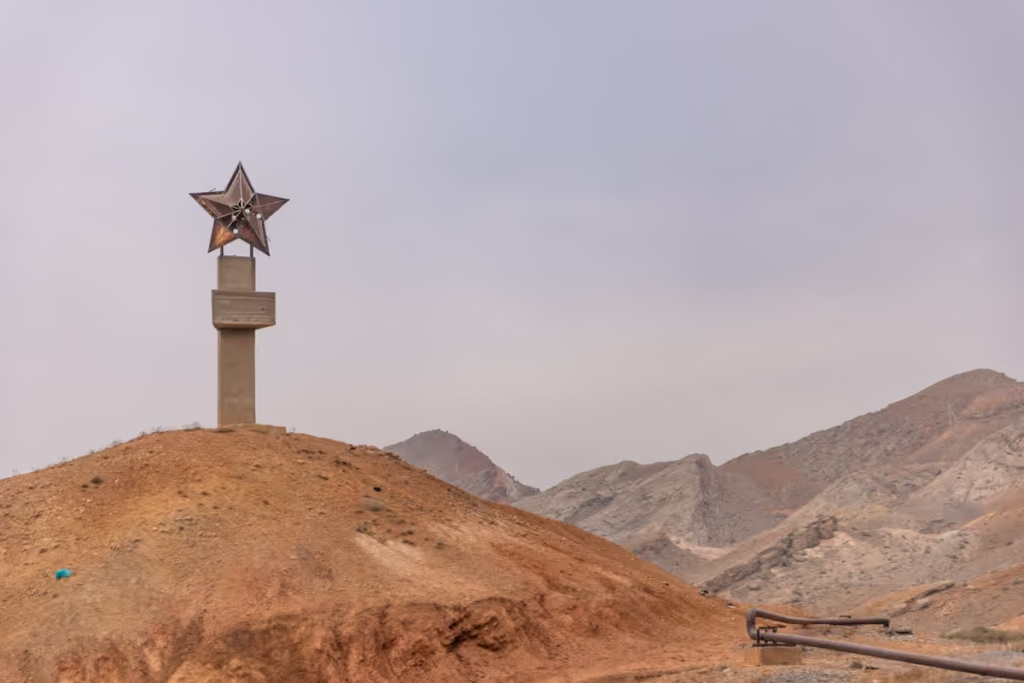
On the way into the Shurab Coal Mine, you will pass one of the most identifying landmarks of Shurab. A giant red star set atop a baked red-orange hill.
Get a Glimpse of Everyday Life in Shurab
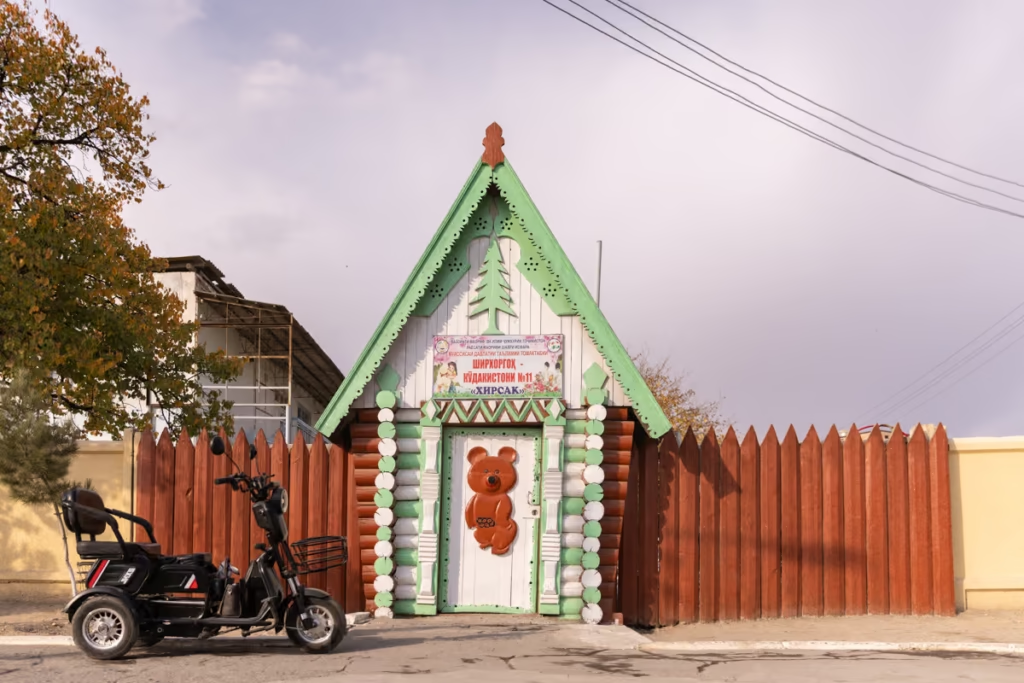
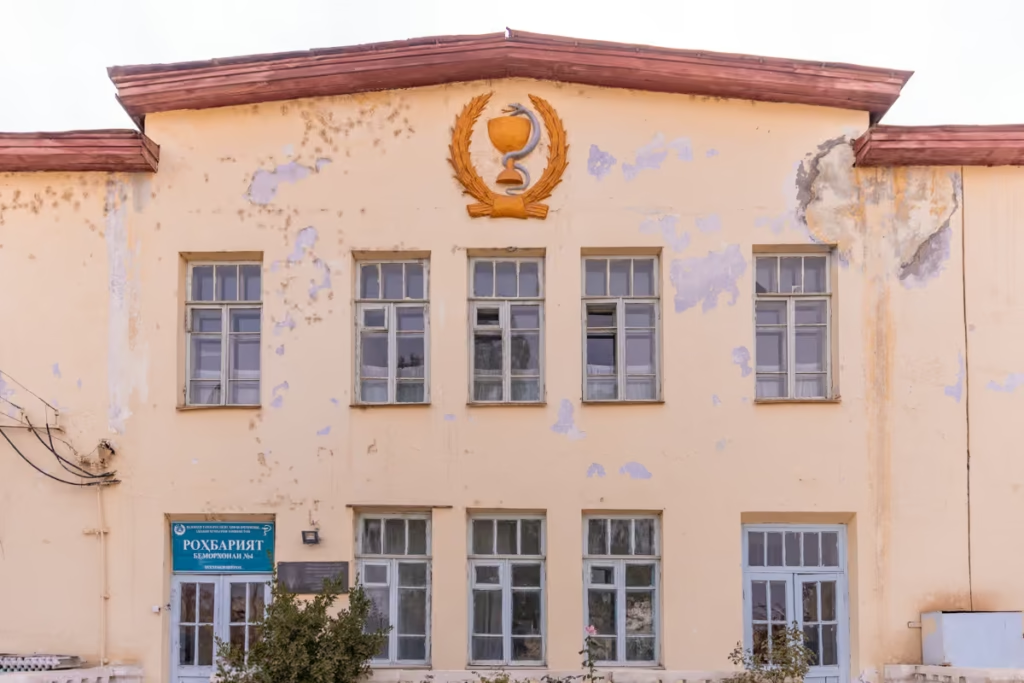
Kids still play on rusty old Soviet-era playgrounds, the hospital in town is still functional, many are taking up Mandarin, as many of the workers sent to reopen the mine are Chinese (I’ve never been greeted with so many nihaus outside of China). Despite its abandoned appearance at first glance, people are still living and working here in Shurab.
Visit the Defunct Shurab Train Station
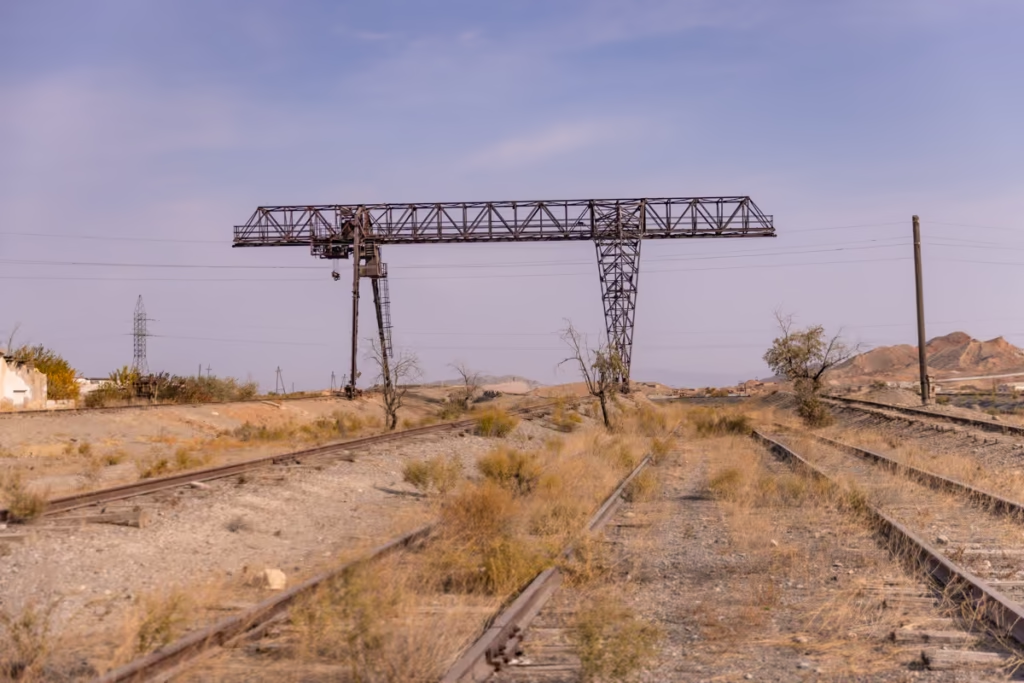
Relics and crumbling buildings of the Shurab Train Station lie rusting in the valley. Do be cautious, as I did run into some local dogs out here. They kept their distance, but seemed like they may be aggressive.
See the Lenin Statue
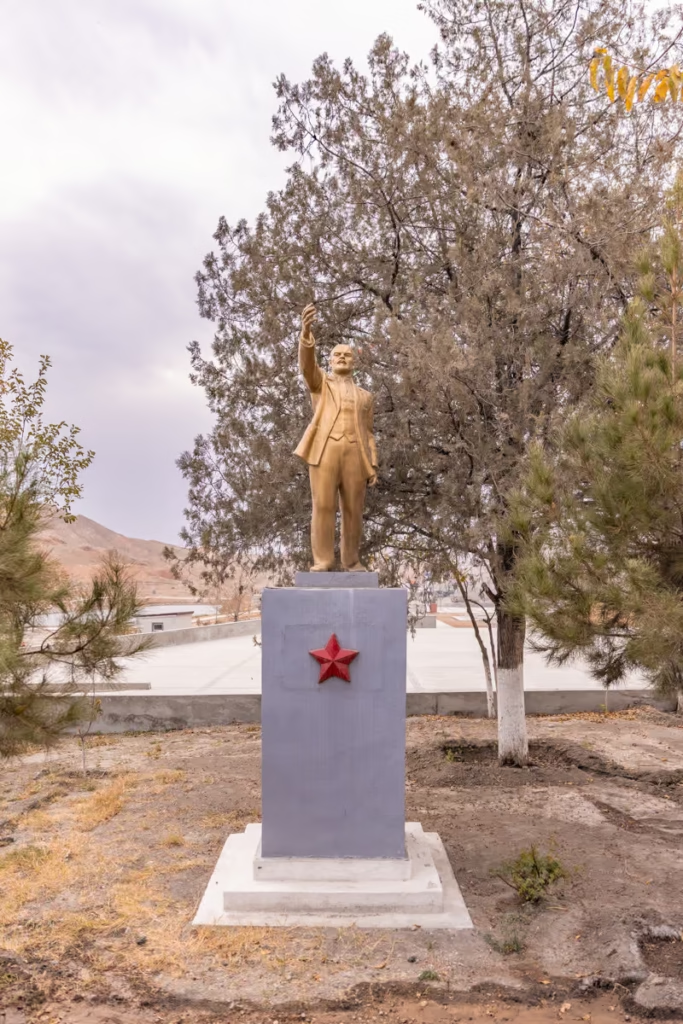
There is a golden Lenin statue hidden on the grounds of the Shurab Coal Mine, for those who like to tick off Soviet-era monuments.
How to Get to Shurab from Isfara

The easiest way to visit Shurab is from Isfara.
Shurab is only around 10 to 15 km from Isfara by the most commonly cited road estimates, making it an easy addition to an Isfara itinerary. Online geographic listings put the two settlements roughly 11 km apart.
Marshrutka
Local minibuses serve the route to Shurab from Isfara’s Bus Station. Look for marshrutka #222. They leave pretty frequently and cost 4 TJS per person.
Private taxi
For a day trip, a private taxi is considerably easier.
You can ask your driver to wait while you explore, which is particularly useful because Shurab has limited infrastructure and you’ll be hard-pressed to find a taxi waiting in town. That said, cars do go back and forth, so with a little patience, hitching a ride should be easy enough.
Shurab as a Day Trip from Isfara
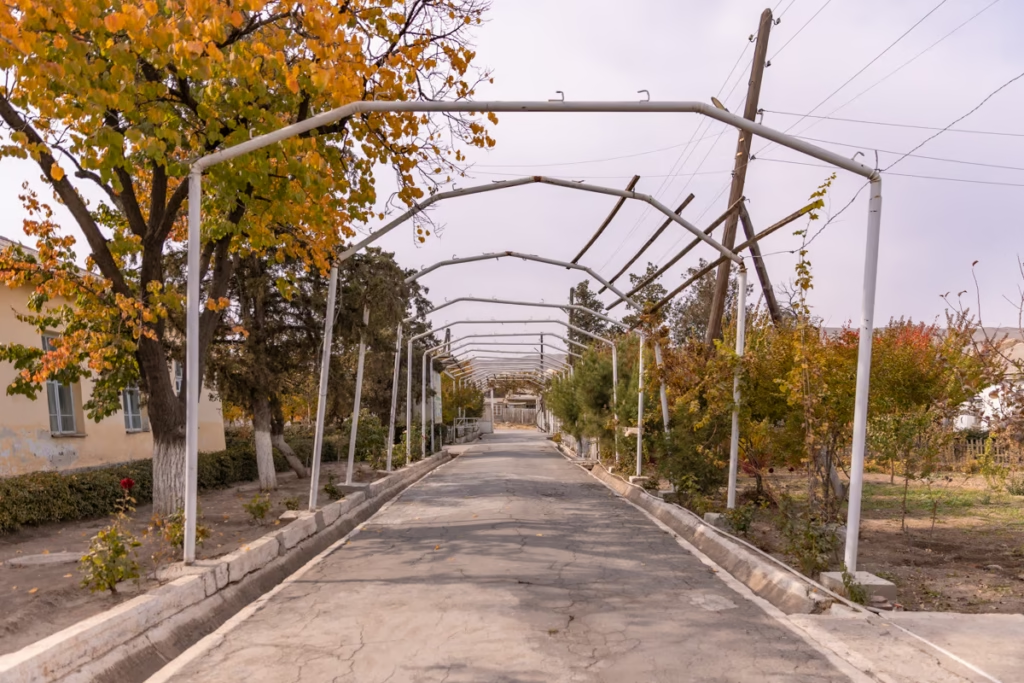
I’d allow half a day for Shurab, or longer if you’re particularly interested in industrial history and photography.
Morning:
Leave Isfara and travel to Shurab.
Late morning:
Walk around the town and explore the Soviet-era industrial landscape.
Midday:
Visit the area around the mining facilities from publicly accessible areas. Do not enter active mine workings without permission.
Afternoon:
Return to Isfara and continue exploring the city, or combine the trip with another destination in the surrounding area.
Where to Stay for a Shurab Trip
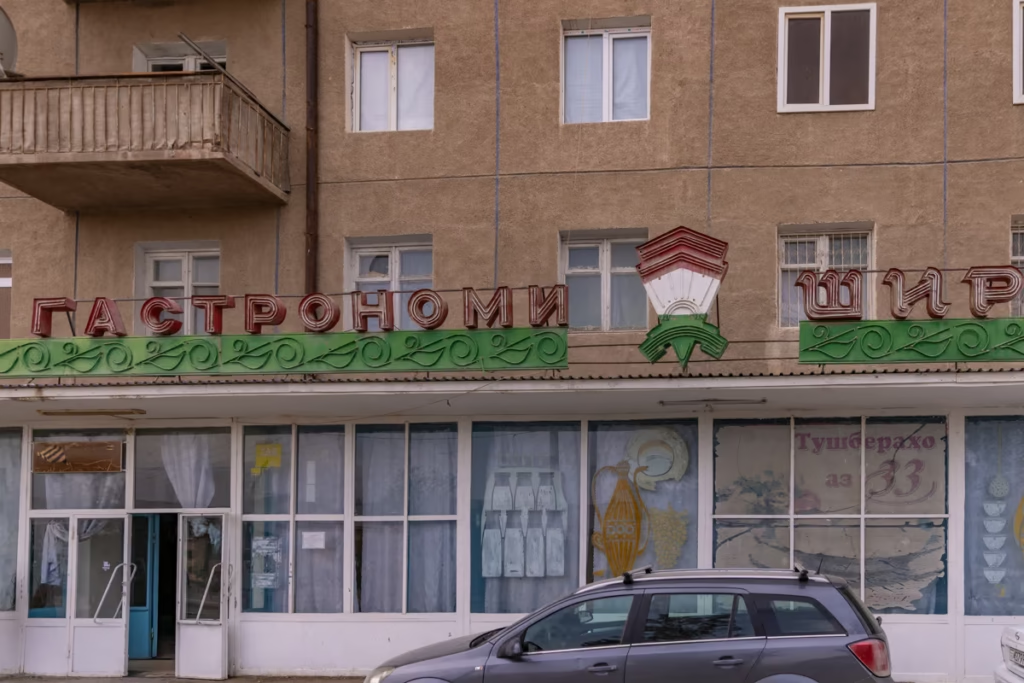
As there are no former accommodations in Shurab, plan to stay in nearby Isfara. If you plan to spend the whole day here, you may want to pack a lunch to bring with you. That said, there are a couple of simple shops in Shurab.
Best Time to Visit Shurab
The best time to visit Shurab is generally spring through autumn, when temperatures are more comfortable.
Spring can be particularly pleasant in the Isfara area, when the surrounding valleys and orchards turn green. Summer is hotter, but it is also the easiest season for combining Shurab with mountain and border-area excursions.
Is Shurab Safe to Visit?
For a normal visit to the town, the main issue is less about crime and more about industrial and border-related risks.
Be careful entering mine shafts, abandoned workings, or restricted industrial areas. Mining infrastructure can be dangerous even when it looks abandoned.
You should also be aware that Shurab is very close to the Tajikistan-Kyrgyzstan border. If you combine a Shurab visit with travel toward the enclave of Vorukh or other border areas, check the current local situation before setting out.
Is Shurab Worth Visiting?
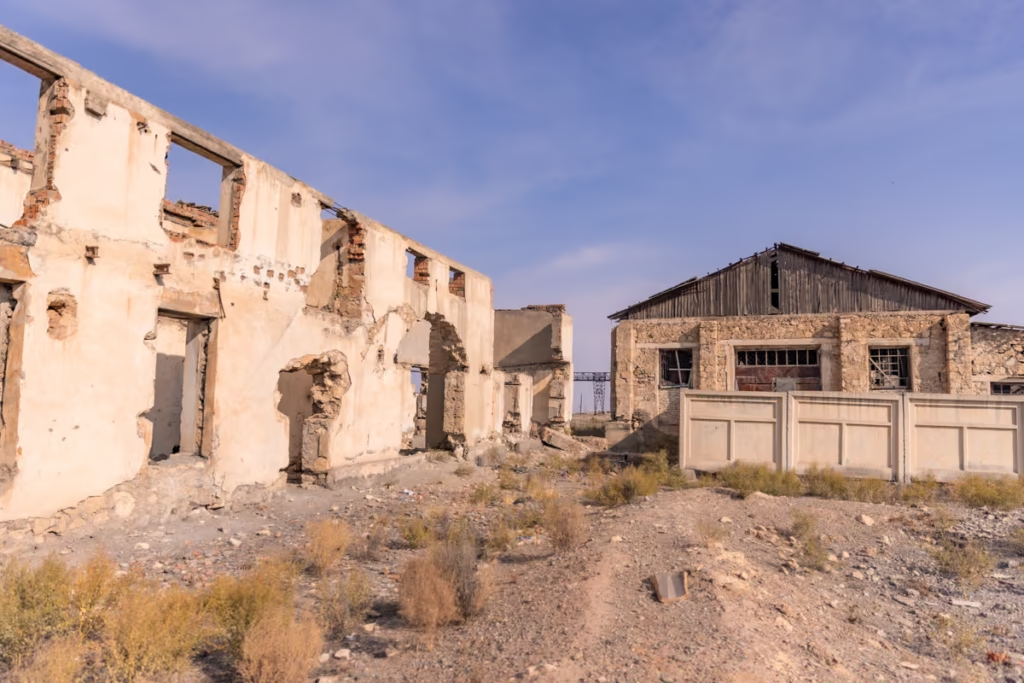
Yes, if you like unusual places, abandoned things, and urbex. I absolutely love visiting strange and abandoned places, like the Soviet-era bunkers in Tbilisi.
If you are already visiting Isfara, it is an easy way to see a completely different side of the Tajik Fergana Valley region. The town’s history, mining landscape, and Soviet industrial reminders make it particularly interesting.
Shurab goes well with other strange towns around the Tajik Fergana, such as the giant salt flat in Asht, the former uranium mine at Taboshar, and the secret town of Chklovsk, where uranium was processed at the Leninabad Mining and Chemical Combine.
Have Any Questions About Visiting Shurab?
Ask in the comments section below.
Posts from Tajikistan
Istaravshan Travel Guide: 10 Things to Do
Tajikistan Itinerary: 1-4 Weeks
Afghan Bazaar Khorog | Tem Market
Shokhdara Valley Travel Guide, Tajikistan
Vorukh: A Guide to Tajikistan’s Enclave
Shir Khan Bandar Border Crossing Guide
Tajik Food: 20+ Traditional Dishes
Qolma Pass: Tajikistan to China Guide
GBAO Permit: How to Get One
Lakes Loop, Tajikistan Hiking Guide
Pik Engles Hike: Tajikistan Trek Guide
Tajikistan Border Crossings Guide
Pamir Highway Guide: M41 Route
Tajikistan Uzbekistan Itinerary: 2 Weeks
Solo Female Travel in Tajikistan
Chimtarga Pass Trek Guide | Tajikistan
Best Hikes in Tajikistan
Dushanbe Day Trips
Solo Female Travel in Central Asia
Jizeu, Tajikistan: Trek & Travel Guide
Tajikistan Travel Guide: Plan Your Trip
Dushanbe Travel Guide & Things to Do
Dushanbe Mosaics: Soviet-Era Art in Tajikistan
2 Week Tajikistan Itinerary
3 Week Tajikistan Itinerary
4 Week Tajikistan Itinerary
10 Day Tajikistan Itinerary
1 Week Tajikistan Itinerary
Panjakent Travel Guide: Things to Do

OVIR Registration in Tajikistan: Dushanbe Guide
Panjakent-Samarkand Border Crossing Guide
Fann Mountains Trekking Guide
Central Asia Travel Guide
Tajikistan SIM & eSIM Guide
Shurab, Tajikistan: An Almost Forgotten City

Isfara-Batken Border Crossing Guide

Oybek Border Crossing: Tashkent to Khujand
Best Restuarants in Dushanbe | Where to Eat
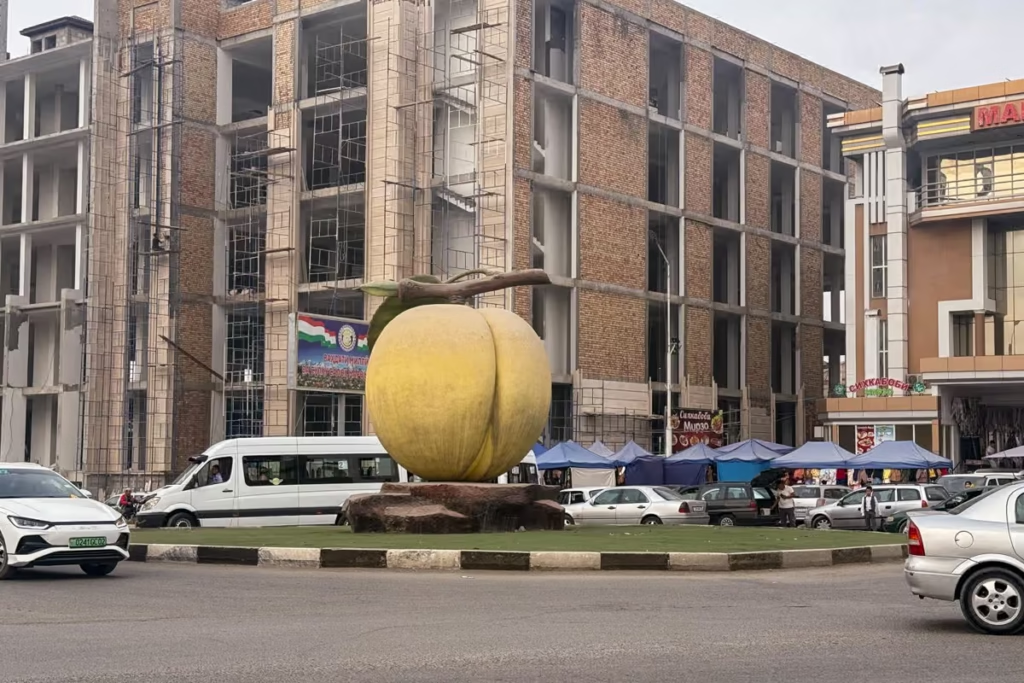
Isfara Travel Guide, Tajikistan
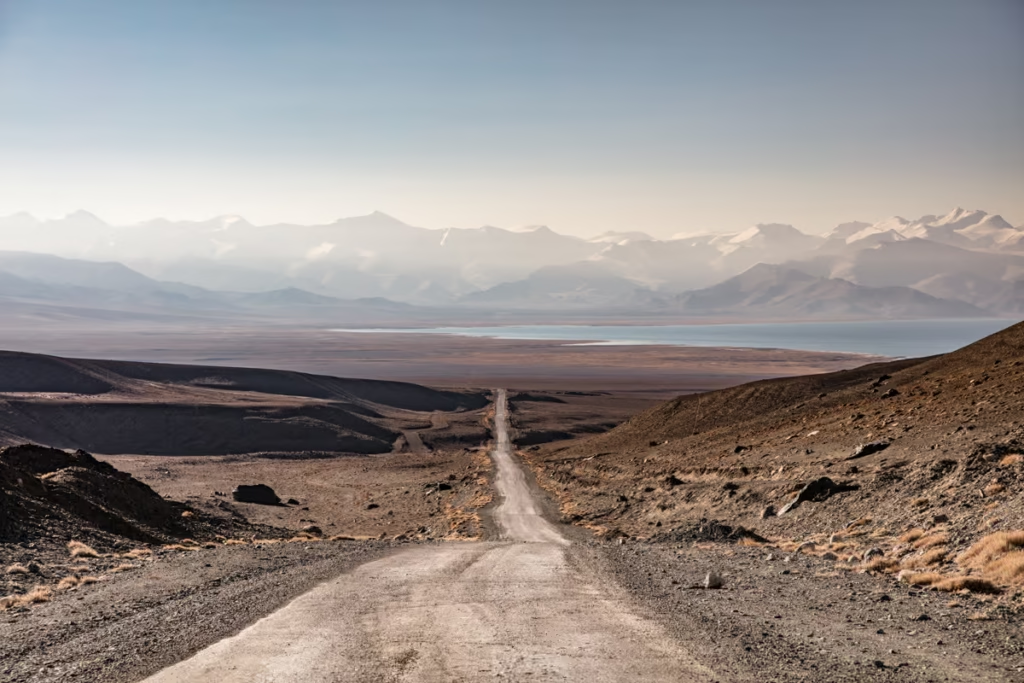
Pamir Highway Itinerary: 10 Days from Dushanbe to Osh
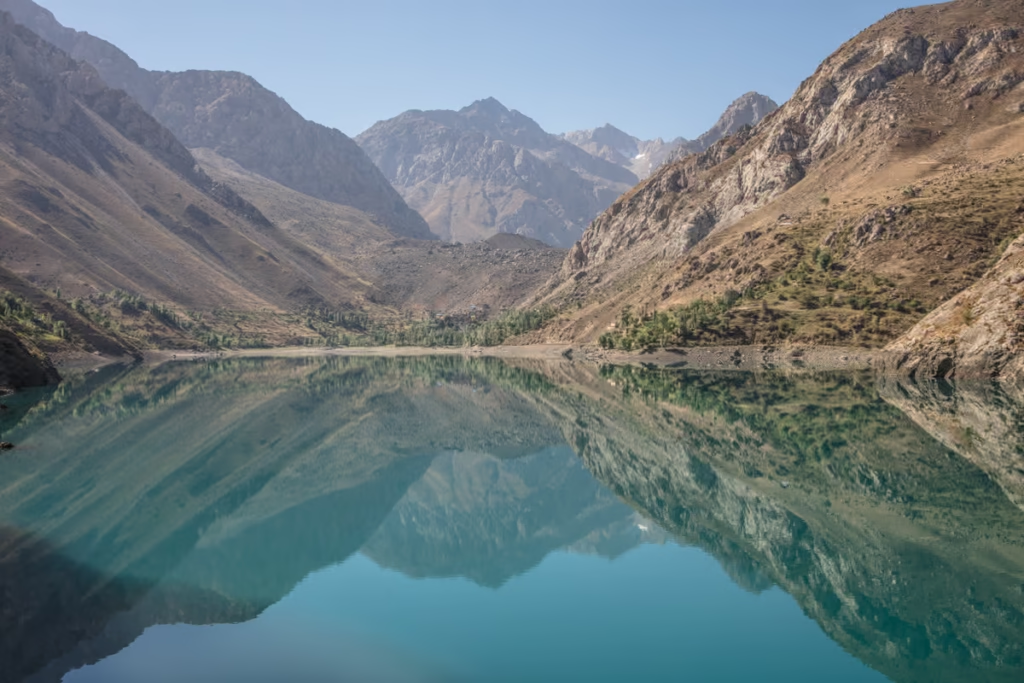
Haft Kul: A Guide to the Seven Lakes of Tajikistan
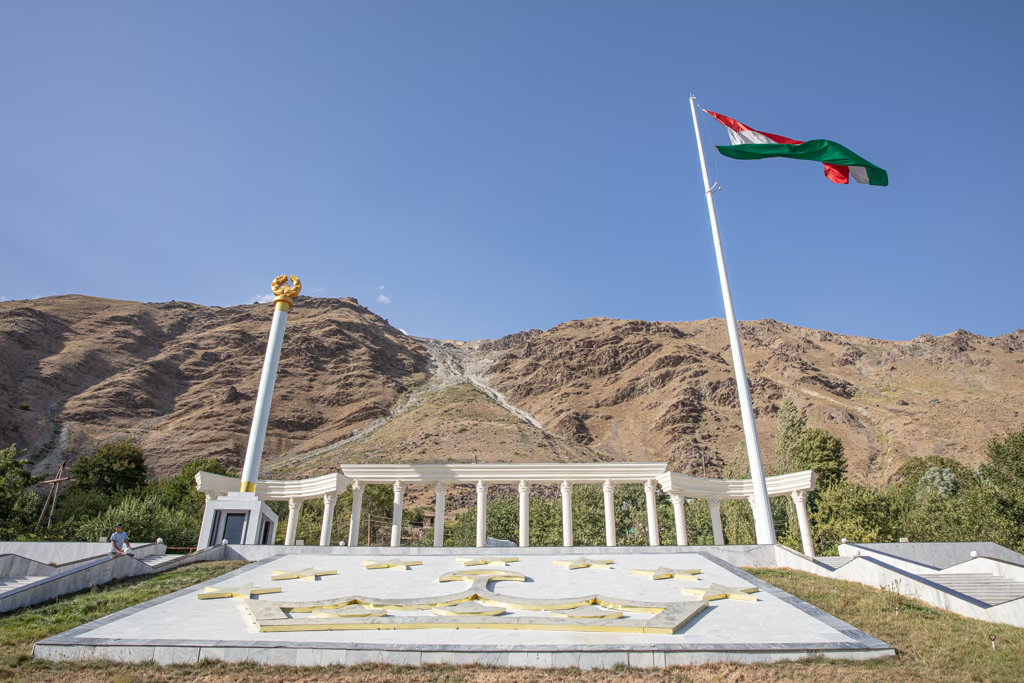
Tajikistan Letter of Invitation (LOI)
Jarty Gumbez, Tajikistan: A Complete Travel Guide
How to Use Payment Terminals in Tajikistan
Shor Bulog Observatory, Tajikistan
Visiting Zorkul, Tajikistan
Visiting the Sary Khosar Nature Reserve
A Guide to Rasht Valley, Tajikistan
Soviet Architecture in Khorog