Istaravshan Travel Guide: 10 Things to Do
Updated October 2026, Istaravshan Travel Guide: 10 Things to Do was originally written in January 2020
If you’re looking for historic Silk Road architecture in northern Tajikistan, Istaravshan is one of the country’s most interesting stops. Located in the Fergana Valley between Khujand and Dushanbe, the city is packed with old mosques, madrasas, mausoleums, bazaars and traditional craft workshops.
Istaravshan is small enough to explore in a day, making it an easy stop on a northern Tajikistan itinerary. It doesn’t have the monumental architecture or tourist crowds of Samarkand, but that’s part of its appeal. Wandering its old-town lanes feels much more local, and you’re likely to encounter more curious residents than tour groups.
You can see the main sights in half a day, making Istaravshan an easy stop between Khujand and Dushanbe. I spent a full day here on my first visit, which was plenty of time to see the historic sites and accept an invitation into a local family’s home. On my second visit, I slowed down and spent two days in the city, which gave me more time to wander the old town and explore beyond the main sights. The third time I visited, was on a snowy winter day in November from Khujand.
On that first visit, we arrived from Khujand and walked to the Sadbarg Hotel to drop off our bags. Outside, we quickly met a teenage boy named Ardeshir, who became our unofficial guide for the day. He was studying English at school and was thrilled to have foreign travelers around to practice with.
Across three visits, I’ve found Istaravshan to be one of those places where the people are as memorable as the monuments. Locals were eager to show us their city, invite us in for tea, and share a glimpse of everyday life. If your Tajikistan itinerary allows it, I’d give Istaravshan at least a full day.
Start planning your Tajikistan adventure here: The Tajikistan Travel Guide
Need Travel Insurance and Evacuation Services?
Start shopping for travel insurance plans over at IATI Insurance. Readers of the Adventures of Nicole get a 5% discount off your plan.
The Adventures of Nicole partners with Global Rescue to offer the world’s leading medical evacuation and security advisory services. To travel with peace of mind, explore their evacuation coverage.
How Long to Spend in Istaravshan
Half a day is enough to see the main sights in Istaravshan, particularly if you’re traveling between Khujand and Dushanbe. You can visit Kok Gumbez, Hazrati Shoh, the old town and bazaar without rushing too badly.
I’d recommend one full day in Istaravshan if your itinerary allows it. This gives you time to see the historic sites, wander Shahr-e Kuhna, explore the bazaar and visit Mug Teppe.
Two days is worthwhile if you prefer slow travel and want time to explore the city’s craft traditions and smaller historic sites.
Things to Do in Istaravshan
Mug Teppe
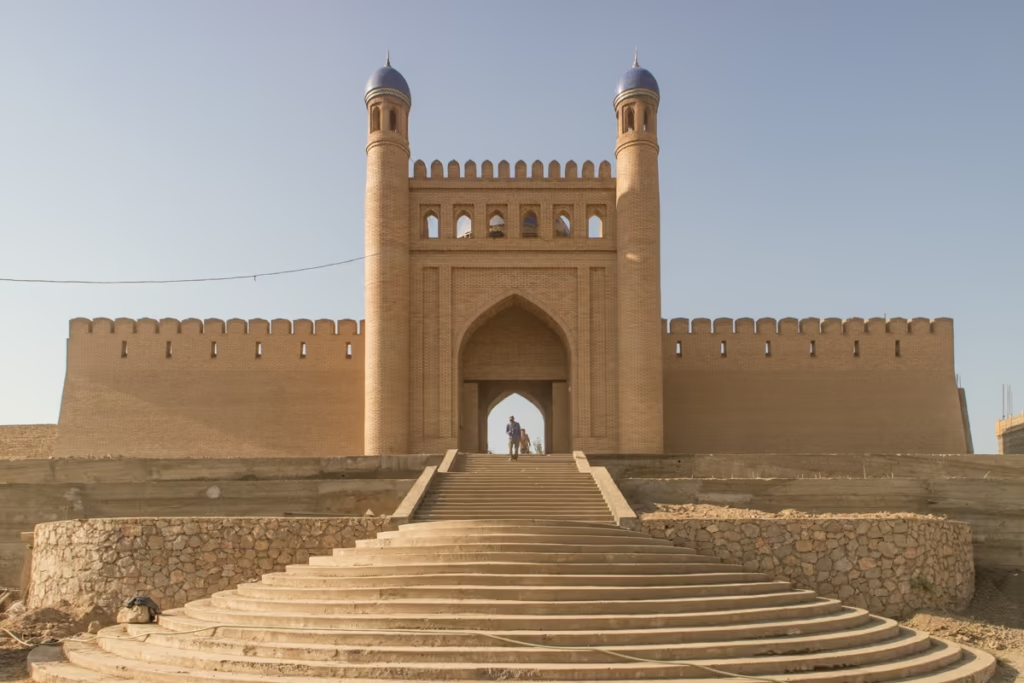
Mug Teppe sits on a hill above Istaravshan and marks the site of the city’s ancient fortified settlement. The original citadel was destroyed and rebuilt over centuries, and little of the ancient structure remains today.
The entrance gate you see now was built in 2002 for Istaravshan’s 2,500th anniversary. There isn’t much to explore behind the gate, so don’t arrive expecting a perfectly preserved fortress– it has that same Disney-like fake feeling that Hisor Fortress has. The main reason to come is the historical significance and the view over Istaravshan.
I still think Mug Teppe is worth the short walk uphill. From here, you get a better sense of the city’s location and its long history as a fortified settlement. The Mug-Teppa settlement itself dates to the 2nd to 7th centuries, when the area formed part of the ancient settlement of Istaravshan.
Kok Gumbez: Abdul Latif Mirzo Sultan Madrasa
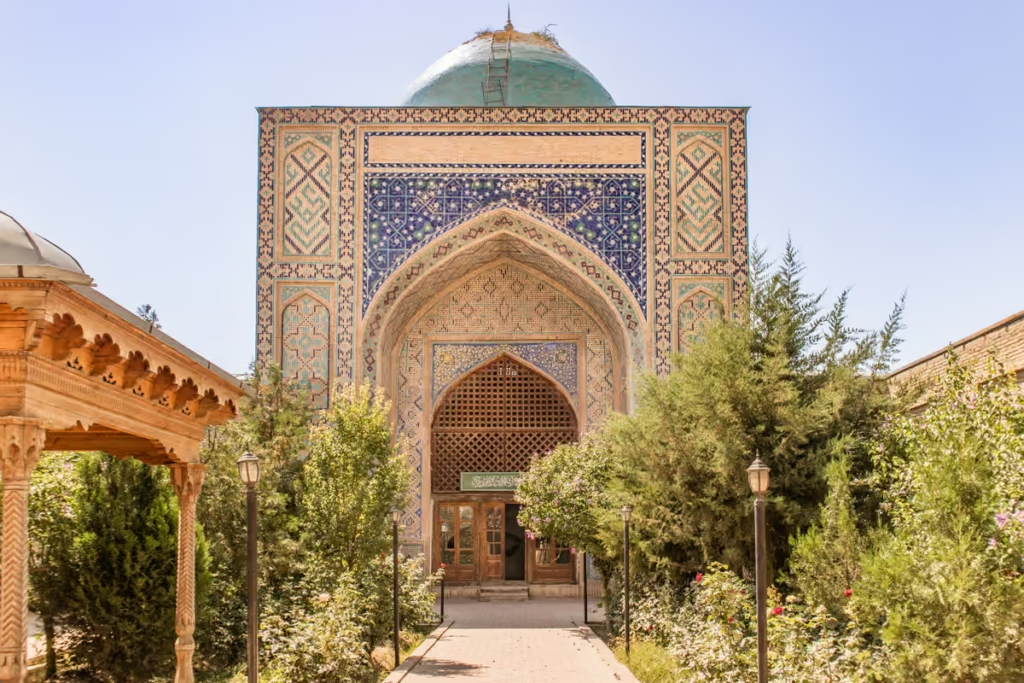
Kok Gumbez, also called the Abdul Latif Sultan Madrasa, is one of the most recognizable historic buildings in Istaravshan. Its name means “Blue Dome,” referring to the turquoise dome above the brick mosque-madrasa.
The building dates to the 16th century and was commissioned by Abdul Latif Sultan, the son of the Timurid ruler and astronomer Ulugbek. It’s widely believed that Abdul Latif murdered Ulugbek, his own father after Abdul Latif defeated Ulugbek and later allowed him to make a pilgrimage to Mecca. This has earned Abdul Latif the nickname Padarkush. The architecture has a distinctly Timurid character, with painted interiors, intricate decoration and a blue-tiled dome.
Today, part of the complex is used as an English school for boys. When I visited, the students were understandably excited to see foreign visitors and eager to practice their English.
A local man who lives across from the entrance may be able to unlock the madrasa and show you around. When I visited, I tipped him 20 TJS for the tour.
Going to Khujand too? Make sure and add a day trip to the Asht Salt Flat to your itinerary
Chor Gumbez
Chor Gumbez is a small historic mosque named for its four cupolas, with chor gumbez meaning “four domes.” The exterior is relatively modest, but step inside and look up: the ceiling is decorated with colorful painted designs.
It’s an easy stop to combine with the other historic buildings in Istaravshan’s old town, so I’d add it while you’re already wandering between the larger monuments.
Hauz i Sangin
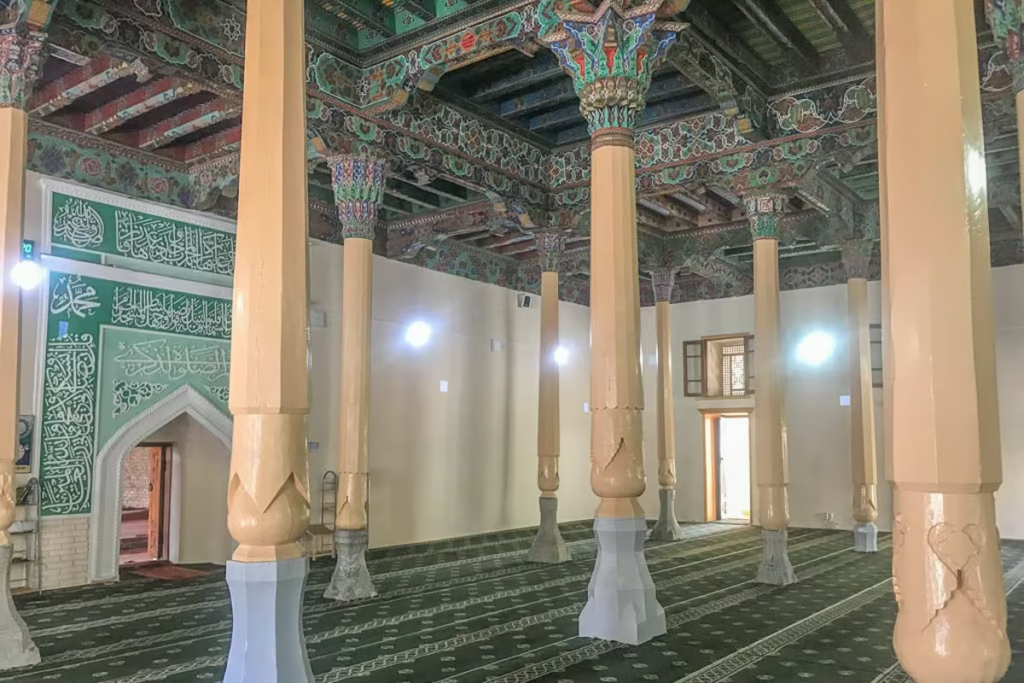
Hauz i Sangin is a small mosque and shrine known for its colorful painted ceiling. The site also contains a shrine dedicated to Shah Fuzail ibn-Abbas.
I particularly liked visiting around sunset in summer. As the temperature dropped, locals gathered in the courtyard with fresh fruit and snacks, and, as tends to happen in Istaravshan, visitors didn’t remain strangers for long. Soon, there was an invite to have some fruit. Someone usually has to track down the caretaker to unlock the mosque, but once inside, the painted ceiling is worth seeing.
Explore more of the Tajik Fergana Valley: The Khujand Travel Guide
Hazrati Shoh Mosque and Mausoleum
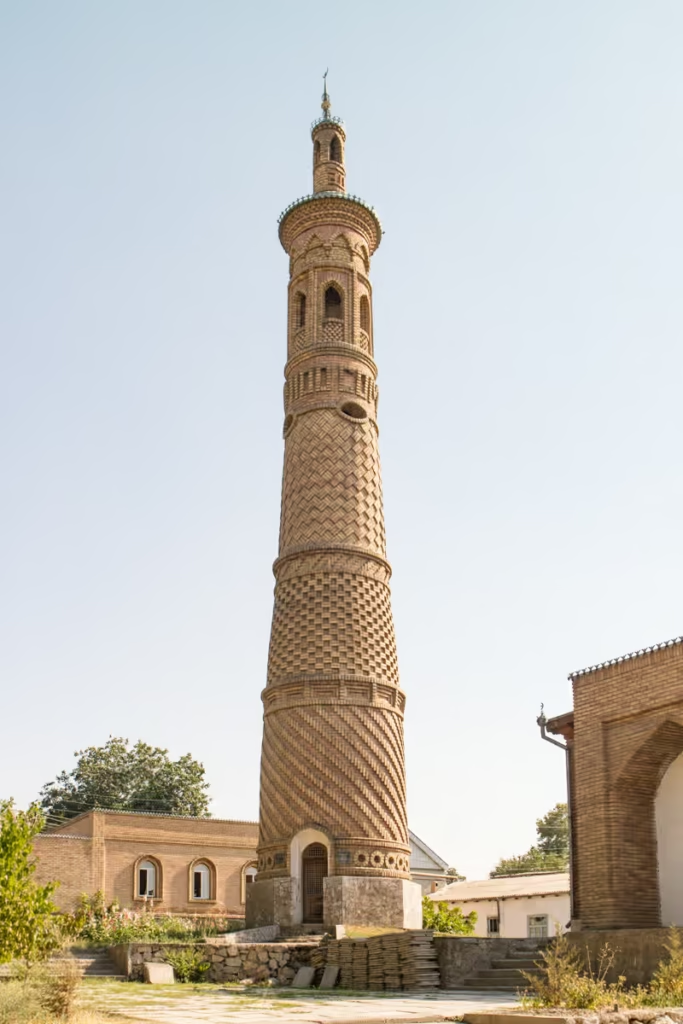
Hazrati Shoh is a historic religious complex in Istaravshan’s old town consisting of the Hazrati Shoh mausoleum, Khudoyor Valami mausoleum and Hazrati Shoh Mosque, also known as the Namazgoh Mosque. The buildings were constructed and modified at different points in the complex’s long history. Hazrati Shoh Mosque dates back to the 12th century, but the intricate 5 story brick minaret out front was only built in 2002.
The complex is particularly worth visiting for its brickwork, carved wooden details and colorful interior decoration. Don’t just stop at the minaret outside. If the doors are open, have a look inside the mosque.
Sary Mazar Complex
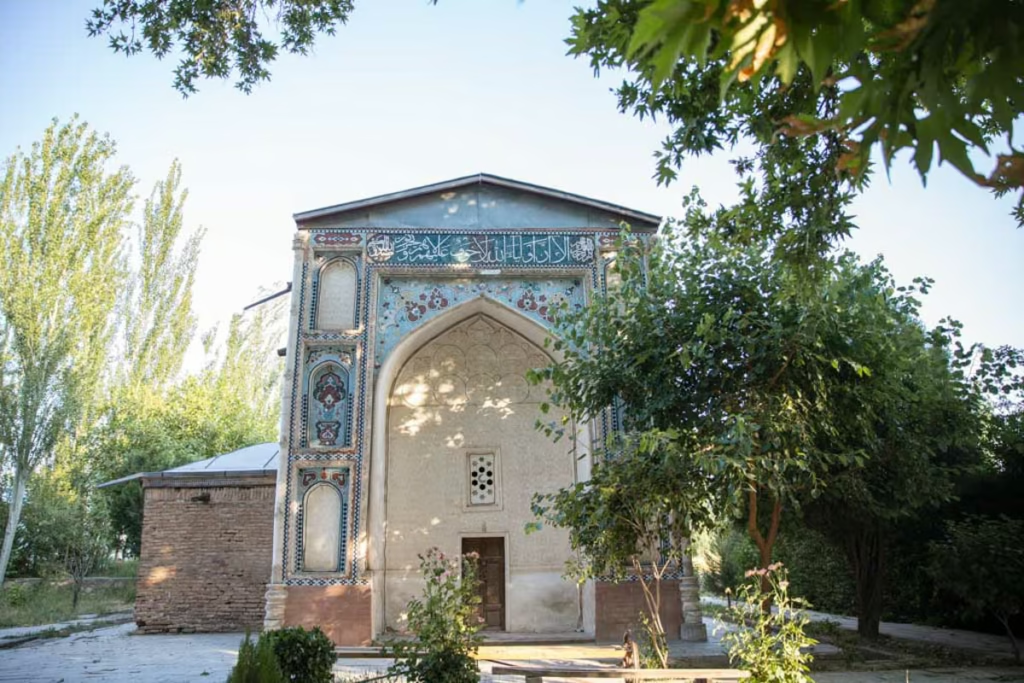
Sary Mazar, meaning “yellow tomb,” is a historic religious complex made up of several buildings, including the Ajina Khona, Hazraji Maydoni Azam Mausoleum and Sary Mazar Mosque.
Ajina Khona is known as the house of demons, a name given to it by the Russians during the Soviet Era (I’m not quite sure why).
The complex dates back several centuries, with the Sary Mazar Mosque dating to the 16th or 17th century. The mosque once included a chehelkhona, a secluded space where religious students could retreat to study the Quran.
Going to Khujand next? Why not check out nearby Taboshar, a former top-secret uranium mine
Istaravshan Bazaar
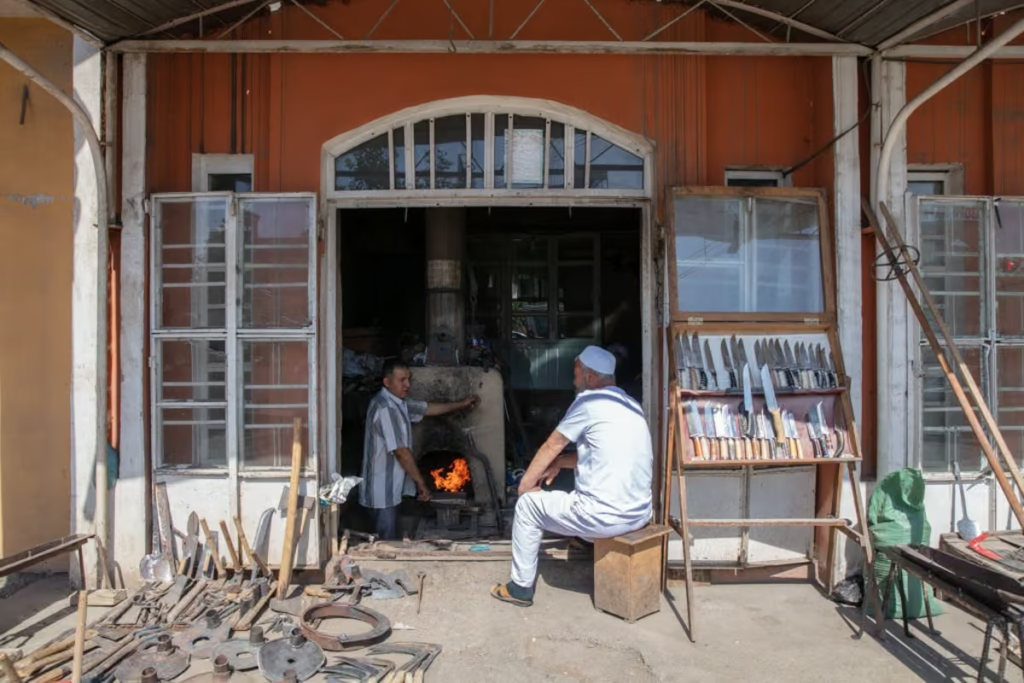
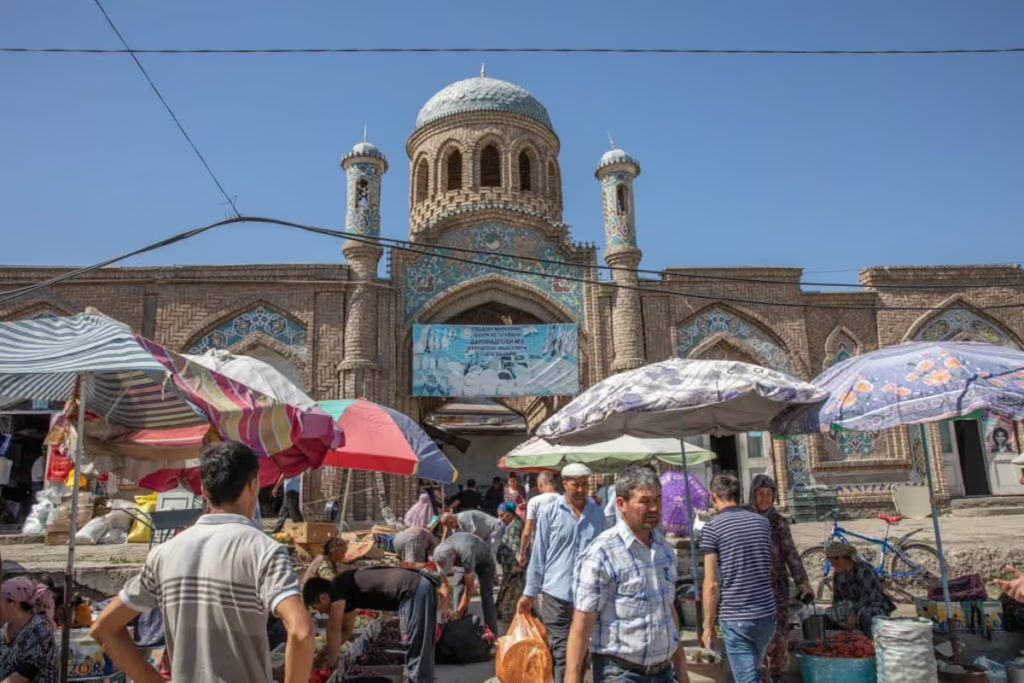
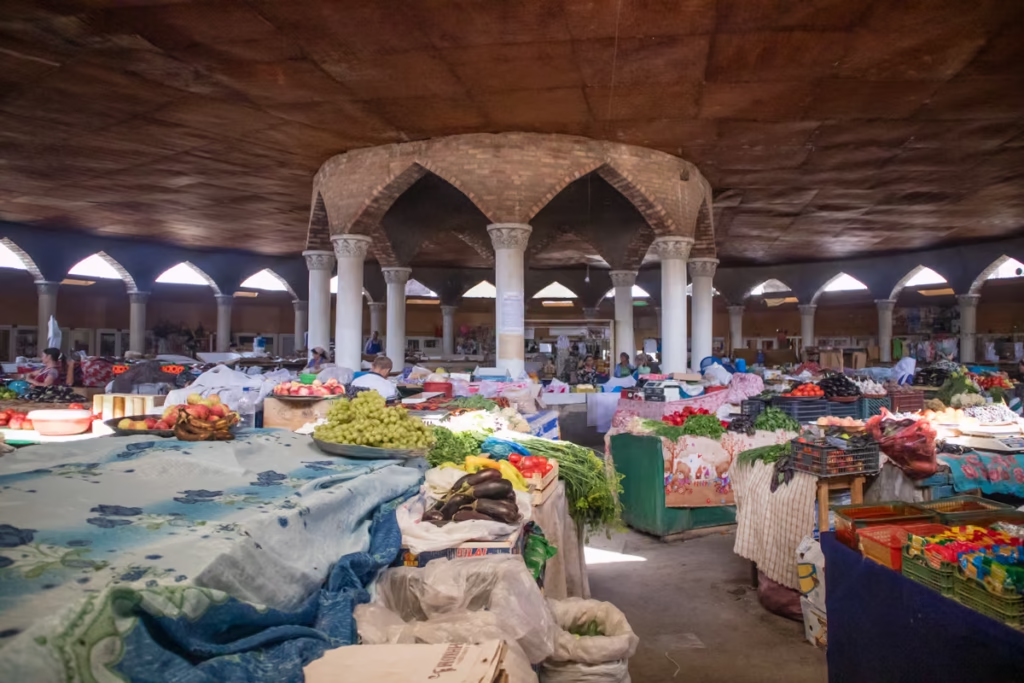
Istaravshan Bazaar is one of the best places to experience the city’s long craft tradition. The sprawling three-story market stretches across both sides of the main road and sells everything from everyday goods to traditional handicrafts.
Don’t miss the row of blacksmiths on the west side of the street. When I visited, the craftsmen were busy making traditional knives by hand. Istaravshan has long been known for metalwork and other traditional crafts, and workshops remain an important part of the city’s identity.
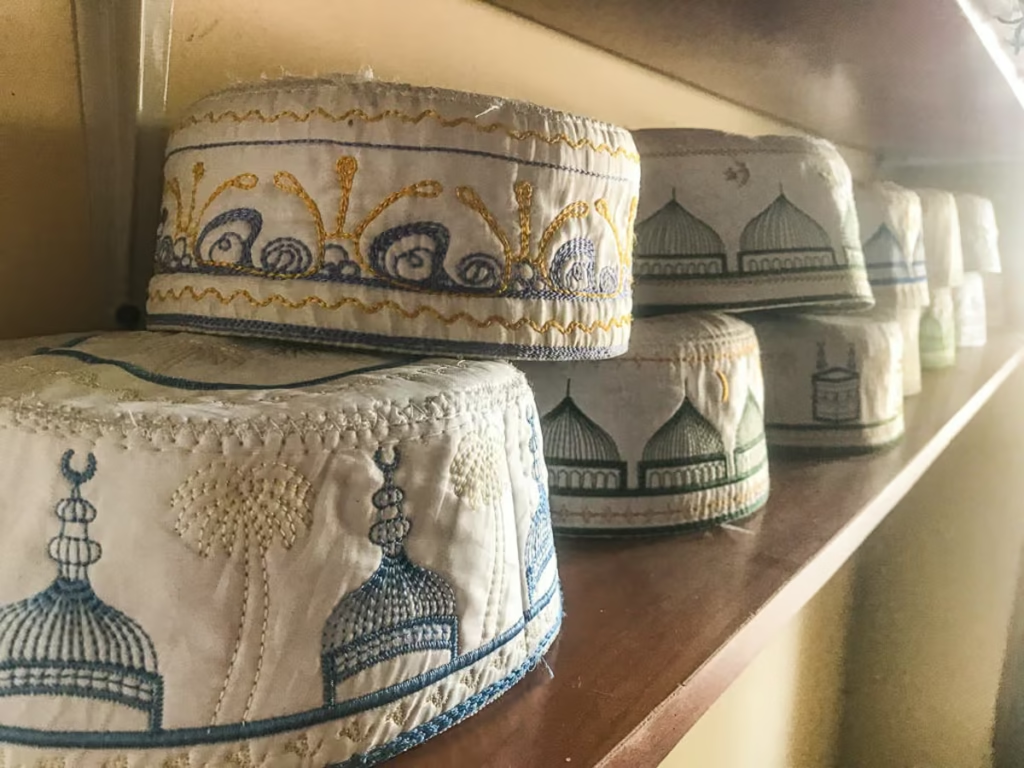
If you’re interested in buying locally made goods, this is a better place to look than a polished souvenir shop. Keep an eye out for handmade knives, embroidered textiles and other traditional crafts.
Shahr e Kuhna
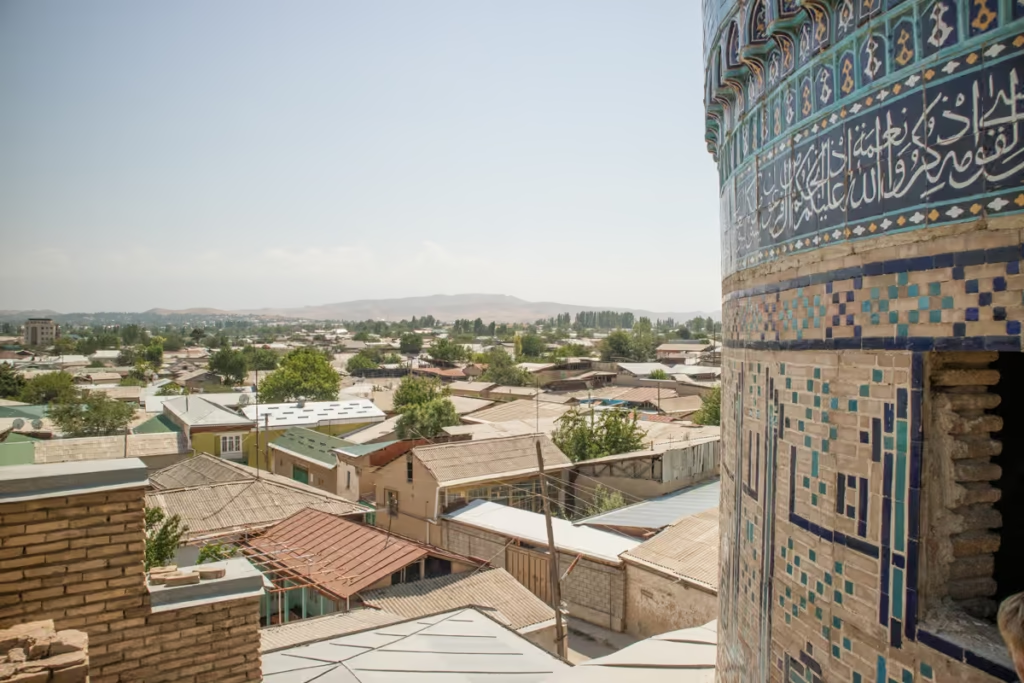
Shahr-e Kuhna, or Istaravshan’s Old Town, is where I’d spend most of my time between the major sights. The neighborhood is a maze of mud-brick lanes, old houses and traditional architecture, with several of Istaravshan’s mosques and historic buildings tucked into the surrounding streets.
You can reach Shahr-e Kuhna by walking west from Lenin Street past Hazrati Shoh Mosque. The area around Hauz i Sangin and Kok Gumbaz is particularly interesting to wander.
The best part isn’t necessarily a specific monument. It’s the people you meet along the way. During my visits, children called hello from the alleys and families invited us into their homes for chai and non. Leave the map in your pocket for a while and just wander.
Istaravshan Mosaics
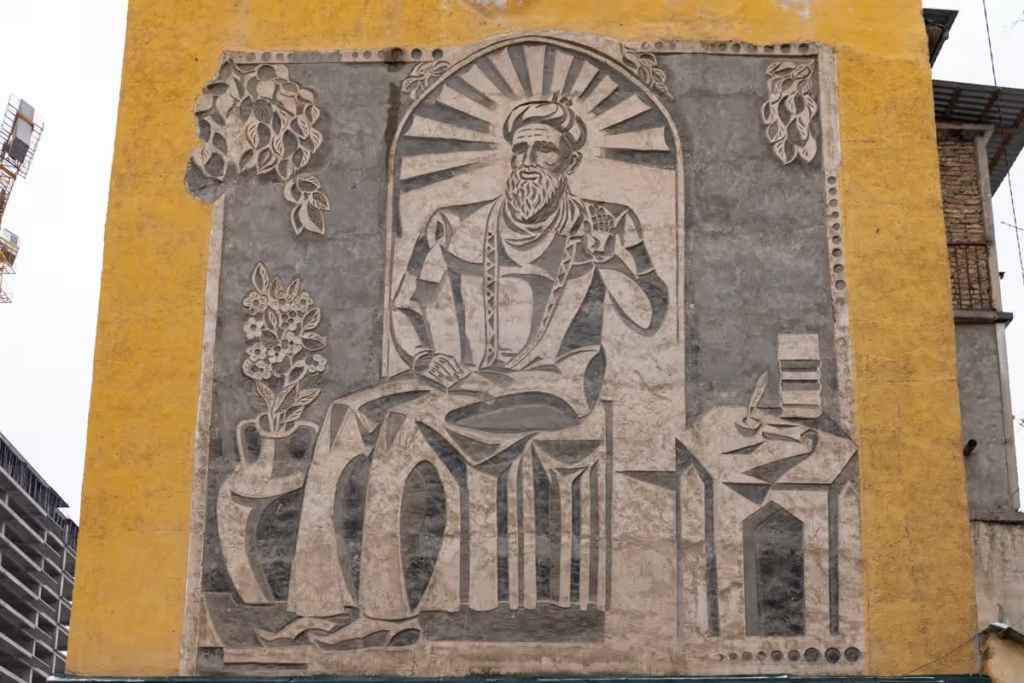
Istaravshan has several Soviet-era murals and mosaics scattered around the city, including examples near the bazaar. Some have already disappeared, much like the Soviet mosaics of Dushanbe and beyond, that have been lost across Tajikistan.
If you enjoy Soviet mosaics, keep your eyes open while walking around Istaravshan rather than expecting a single dedicated collection. The mosaics are scattered throughout the city and are easy to overlook.
Giant Lenin Bust
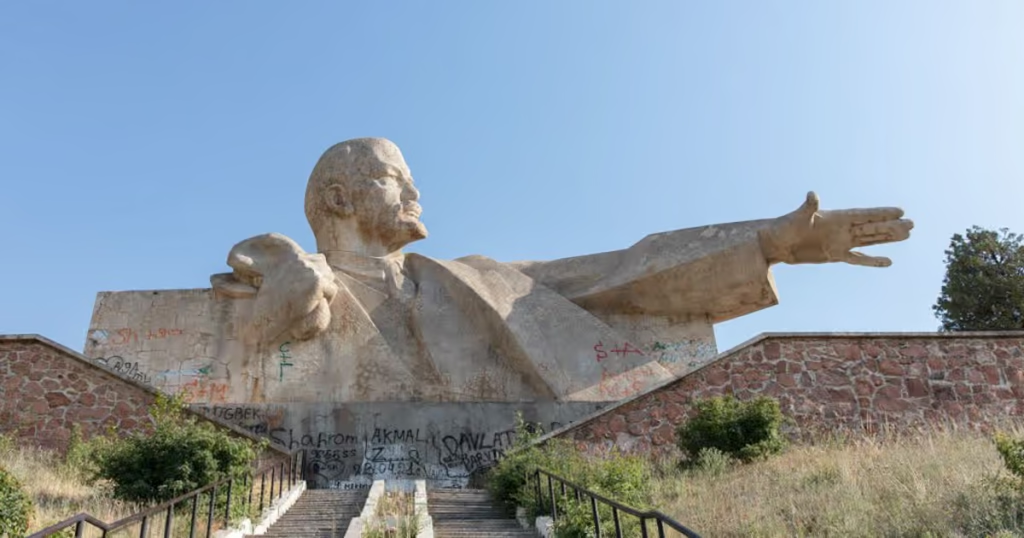
Last, but certainly not least is the massive bust of Lenin, perched above the picturesque Kattasoy Reservoir just south of Istaravshan. It’s definitely the coolest of all the Lenins I’ve gotten to see throughout the post-Soviet world if I’m being completely honest.
The enormous bust sits at the top of a staircase with 365 steps, representing the days of the year. Along the climb are 15 platforms representing the Soviet republics, each varying in size. The symbolism is very much of its time, and the whole monument feels wonderfully surreal today.
The bust is about 8 km south of Istaravshan. I took a taxi from the city. Plan to pay about 50-60 TJS for the round trip, including waiting time.
How to Get to Istaravshan
How to Get to Istaravshan From Dushanbe
Shared taxis to Istaravshan leave from the Chor Bogh taxi stand on the northern side of Dushanbe. Tell the drivers you’re going to Istaravshan and they’ll direct you toward the appropriate car. The price should be about 150 TJS for a seat.
How to Get to Istaravshan From Khujand
Shared taxis and marshrutkas to Istaravshan leave from Pakhtakor Bus Station. At the time of my most recent visit, a shared taxi cost 40 TJS per seat and the marshrutka cost 18 TJS.
How to Get to Istaravshan From Panjakent
Shared taxis to Istaravshan leave from a small lot across from the bazaar. A seat cost around 100 TJS when I traveled this route.
Heading to the capital? Check out the Dushanbe Travel Guide
Getting Around Istaravshan
Most of the historic sights in Istaravshan are best explored on foot. Kok Gumbez, Hazrati Shoh, Hauz i Sangin, Shahr-e Kuhna and the bazaar are clustered around the old center.
You’ll need a taxi for sights farther outside the center, such as the giant Lenin bust south of the city. Otherwise, walking is part of the experience. The old streets are where you’ll find workshops, painted mosques, children practicing their English and plenty of unexpected invitations for tea.
Where to Stay in Istaravshan
Accommodation in Istaravshan is limited, and standards are basic compared with larger Tajik cities. I stayed at the Sadbarg Hotel, which was perfectly adequate for a night or two.
The cheapest single rooms cost around 100 TJS and had a shared bathroom. Rooms with private toilets and showers cost more.
One warning: there is a large wedding hall next to the hotel. If a wedding is happening, expect music. When I stayed there, I wandered over to investigate and somehow ended up being invited inside to join the dancing. I left with a carton of peach juice gifted to me.
Combo two ‘stans: The two week Uzbekistan & Tajikistan itinerary
Where to Eat in Istarvshan
Most of the food in Istaravshan is served at casual chaikhanas, where you can find typical Tajik dishes alongside tea and fresh bread.
Two cafeteria-style restaurants on Ismoil Somoni Street are Sultan Restaurant and Farovon Restaurant. Both serve inexpensive Tajik food alongside a broader selection of Central Asian, Caucasus and international dishes.
You’ll also find plenty of chaikhanas around the bazaar and along Ismoil Somoni Street. Go earlier if you want more choice. Late in the evening, the menu can become considerably less ambitious. Sometimes “local cuisine” apparently means whatever hot dog survived the dinner rush.
Planning to head off into the Fann after Panjakent? Check out the Fann Mountains Trekking Guide
Getting Out of Istaravshan
To Dushanbe: Shared taxis to Dushanbe and other destinations along the M34 leave from the southern side of the bazaar. A seat should go for about 150 TJS per seat.
To Panjakent: Shared taxis to Panjakent leave a little farther south from the Dushanbe taxi stand. Plan to pay 100 TJS for a seat.
To Khujand: Shared taxis to Khujand leave from the northern side of the bazaar near the blacksmiths. A seat cost around 40 TJS when I traveled. For a cheaper option, look for marshrutka #314 at the bazaar taxi stand, which was 18 TJS per seat.
Is Istaravshan Worth Visiting?
Istaravshan isn’t a city I’d visit for a long checklist of blockbuster sights. The appeal is in putting the pieces together: blue-domed Islamic architecture, old mud-brick lanes, working craft workshops, Soviet mosaics, local bazaars and the people you meet while wandering between them.
If you’re traveling between Khujand and Dushanbe, it’s an easy place to add to the route. A half day covers the major sights, while a full day gives you time to slow down and actually experience the city.
It also offers something that the more famous Silk Road cities don’t always provide. You won’t have Samarkand’s monumental architecture, but you also won’t have Samarkand’s crowds. In Istaravshan, you’re much more likely to find yourself drinking tea with someone’s family than queueing behind a busload of tourists.
Have Any Questions About Visiting Istaravshan or About Any of the Things to Do in Istaravshan Mentioned?
Ask any of your Istaravshan travel questions in the comments section below! Get a copy of Bradt Tajikistan to help you plan your time in Tajikistan.
Posts from Tajikistan
Istaravshan Travel Guide: 10 Things to Do
Tajikistan Itinerary: 1-4 Weeks
Afghan Bazaar Khorog | Tem Market
Shokhdara Valley Travel Guide, Tajikistan
Vorukh: A Guide to Tajikistan’s Enclave
Shir Khan Bandar Border Crossing Guide
Tajik Food: 20+ Traditional Dishes
Qolma Pass: Tajikistan to China Guide
GBAO Permit: How to Get One
Lakes Loop, Tajikistan Hiking Guide
Pik Engles Hike: Tajikistan Trek Guide
Tajikistan Border Crossings Guide
Pamir Highway Guide: M41 Route
Tajikistan Uzbekistan Itinerary: 2 Weeks
Solo Female Travel in Tajikistan
Chimtarga Pass Trek Guide | Tajikistan
Best Hikes in Tajikistan
Dushanbe Day Trips
Solo Female Travel in Central Asia
Jizeu, Tajikistan: Trek & Travel Guide
Tajikistan Travel Guide: Plan Your Trip
Dushanbe Travel Guide & Things to Do
Dushanbe Mosaics: Soviet-Era Art in Tajikistan
2 Week Tajikistan Itinerary
3 Week Tajikistan Itinerary
4 Week Tajikistan Itinerary
10 Day Tajikistan Itinerary
1 Week Tajikistan Itinerary
Panjakent Travel Guide: Things to Do

OVIR Registration in Tajikistan: Dushanbe Guide
Panjakent-Samarkand Border Crossing Guide
Fann Mountains Trekking Guide
Central Asia Travel Guide
Tajikistan SIM & eSIM Guide
Shurab, Tajikistan: An Almost Forgotten City

Isfara-Batken Border Crossing Guide

Oybek Border Crossing: Tashkent to Khujand
Best Restuarants in Dushanbe | Where to Eat
Isfara Travel Guide, Tajikistan
Pamir Highway Itinerary: 10 Days from Dushanbe to Osh
Haft Kul: A Guide to the Seven Lakes of Tajikistan
Tajikistan Letter of Invitation (LOI)
Jarty Gumbez, Tajikistan: A Complete Travel Guide
How to Use Payment Terminals in Tajikistan
Shor Bulog Observatory, Tajikistan
Visiting Zorkul, Tajikistan
Visiting the Sary Khosar Nature Reserve
A Guide to Rasht Valley, Tajikistan
Soviet Architecture in Khorog